Uprooted Palestinians are at the heart of the conflict in the M.E Palestinians uprooted by force of arms. Yet faced immense difficulties have survived, kept alive their history and culture, passed keys of family homes in occupied Palestine from one generation to the next.
TEHRAN (FNA)- The agreements sealed during the visit of Iranian President Hassan Rouhani to Iraq mark the start of the largest economic cooperation project between the two neighboring states in the region.
In the 1990s, when the US decided after Operation Desert Storm and annihilation of 70 percent of Iraq’s Army to re-instate Saddam Hussain rather than conquering Baghdad, there was only one thing revolving in the mind of Washington’s politicians: to prevent the Shiite revolutionary movement, which was gaining momentum after the Intifada (uprisings) in Southern Iraq and becoming an independent powerhouse, from getting strengthened.
Despite the fact that in 1991 the Iraqi army had lost control of all Shiite regions, the scale was tipped in favor of Saddam’s regime when the US-led coalition allowed the dictator to fly his Mil Mi-24 helicopters which led to the largest massacre of the Shiite population in Iraq.
Interestingly, in 2014, when the ISIL terrorists conquered Mosul, one of the biggest cities in Iraq, a parallel course of event was to happen. While the terrorists were approaching the gates of Baghdad and the repetitive calls of the Iraqi government for winning the air support of the US-led coalition had failed, Iran’s strong entry into war to help its Western neighbor turned the whole tide. Now after 5 years, not only nothing has been left of the ISIL in Iraq, but also the position of Shiite-led central government in the Arab country has been cemented more than ever.
From The Fall of the Eastern Gate To The Resistance Front
Iraq was the Eastern Gate of the Arab World, in the mindset of Saddam Hussain, to resist against Iran’s infiltration. Wafiq al-Samarrai, Director of Iran desk in Iraqi Army’s Intelligence Organization during the 8-year war of the Baathist regime against Iran has thoroughly evaluated and discussed this concept in his book of memoirs, ‘The Ruins of the Eastern Gate’.
Now after the falloff of the ISIL in a few-year-old war, Iraq has become part of an alliance which is called the Resistance Front. A front which is based on not religious motives as claimed in the West’s Shiite Crescent theory, but on a pro-independence essence opposing the Westerners’ interference in the fate of Muslim countries.
Heading Toward $20Billion Trade
President Rouhani’s visit to Iraq is exactly highlighting the same strategic cooperation. Although the Tehran-Baghdad strong ties in security areas have fruited great successes in the past couple of years, it seems that the ties are expected to develop at a serious level to other areas.
Economy is one of the main areas which was placed under the spotlight by the officials of the two countries during the recent visit of President Rouhani to Iraq. Undoubtedly, Iran enjoys a unique status for develop economic cooperation with Iraq.
The two countries share more than 1000 kilometers of borderline fittingly tied with identical ethnic patterns across the borders. For instance, Iran’s Kurdish provinces share borders with the Iraqi region of Kurdistan and accordingly can serve as an economic hub in the region because of the ethnic and lingual commonalities.
Also most of Iran’s Southwestern provinces which share border with Iraq are resided by Arab and Shiite Iranians which again positively contribute to cross-border interactions.
Besides, despite the fact that Iraq’s Western and Northern governorates like al-Anbar and Nineveh are home to bloody battles with the ISIL terrorists, security has been preserved so far in Eastern governorates which share border with Iran.
All these realities as well as the nearly 2 million Iranians who travel to the Iraqi cities of Karbala and Najaf in Arbaeen pilgrimage season have ushered in good trade between Iran and Iraq.
However, a study of economic figures shows that Iran’s share of Iraq’s market, particularly its growth in the past couple of years, still fails to match the two sides’ potentials.
This is exactly one of the very issues which drew much of the attention in the recent visit of President Rouhani to Iraq. Iranian and Iraqi officials held countless meetings and seminars before the Rouhani visit to discuss proper and wide avenues for expanding relations.
The truth is that Iran is competing with serious regional and international rivals in Iraq’s market. Turkey is one of the countries which are seriously marketing and expanding their share of the market in the food products section in Iraq.
Nevertheless it has to be born in mind that Turkey’s presence in Iraq’s market is nothing anew and an outcome of the last years. Rather, Turkey was one of the big suppliers of Iraq’s market during the reign of Saddam Hussain. Yet, the facts stated earlier display that Iran enjoys better capabilities for exporting goods to Iraq.
China and the UAE are among the other competitors in Iraq’s market, specially in the field of consumer durable goods.
Considering the situation, Iranian and Iraqi merchants held numerous meetings on the ways to expand trade between the two countries during President Rouhani’s visit.
Iran’s Ambassador to Baghdad Iraj Masjedi had already said at an economic seminar in Baghdad that the two countries have set a $20 billion objective for the volume of their trade.
This figure may seem a bit out of reach at the first sight, but it is assuredly accessible considering that Iraq is now entering a phase of reconstruction after the war against terrorism and peace has been restored in its cities.
The decision to issue visas for the nationals of the two countries free of charge was another important accomplishment of President Rouhani’s visit to Iraq which can act as a catalyst further facilitating cross-border travels for the nationals of the two sides.
US Worried About Sanctions-Busting
One of the motives behind President Rouhani’s visit to Iraq was the capacities of this Arab country in helping Iran to bypass the US’ unilateral sanctions.
Tehran is going to use Iraq’s help for finding a way around new sanctions to meet its financial needs, as it did in the last round of bans with the help of Turkey.
The fact is that thanks to broad suitcase trade between Iran and Iraq in areas of trade of commodities and foreign currencies exchange, the typical sanctions imposed by the US Treasury Department are unable to cause a sensible disruption in the bilateral channels between the two sides.
The reiterations of US Secretary of State Mike Pompeo warning Iraqi officials about the suitcase trade of hard currency across the border of Iran and Iraq is reflecting the same very concern.
Iran is capable of importing many of its needed goods, which are not easily accessible because of financial and insurance limitations caused by sanctions, immediately through re-exporting them from Iraqi market. Accordingly, Iraq would be playing the same role once played by the UAE.
Many hold that oil rich port of Basra in Southern Iraq which is also the richest city of the country is enjoying the potential to become the second Dubai in the region. Iran can play the same role it played for flourishing Dubai in the 1980s.
The recent visit of the Governor of the Central Bank of Iran (CBI) Abdolnasser Hemmati and the serious memorandum of understanding signed on banking relations between Tehran and Baghdad underlines the importance of Iraq’s banking system for Iran. Besides, Iraq has a broad network of currency relations with the world, through a system of exchange centers, particularly with East European countries, which is of high value for Iran.
One of the objectives of President Rouhani’s visit to Iraq which was not announced publicly was to expand these very kind of relations, and assuredly the officials of the two countries have discussed this issue in their meetings, and certainly the Americans are after stopping these relations at any level.
Iran and Iraq as Pillars of Future Energy Exchange Hub in Region
Expanding cooperation on energy was also among the issues discussed for broadening bilateral cooperation between the two countries in the meetings of President Rouhani in Iraq.
This was the very same demand that made US President Donald Trump to agree with granting exemptions to Iraq to import energy from Iran during the first batch of sanctions against Tehran. However, some US-backed regional countries are after undermining Iran’s position in Iraq.
For example Saudi Arabia is after weakening Iran’s role in this area with exporting electricity to Iraq. The main point is that Rouhani’s visit to Iraq can mark a starting point for broader energy cooperation of the two countries in the region’s energy market.
Iraq has three gas fields and the country will start producing gas by the next five years. Although the early production of gas by Iraq may make the country needless of importing the energy carrier, the growing demand for electricity in the Arab country means Baghdad will continue importing energy from Iran.
In addition, Iraq is bordering Kuwait and Jordan which both are electricity thirsty and Iraq can act as an energy hub in the region to export Iran’s gas to the two countries besides meeting its own needs.
The same scenario is applicable to electricity to let Iraq play a stabilizing role in the region. The path may seem very long but Prescient Rouhani’s visit to Iraq marked a golden start for this long march.
Start of Huge Economic Cooperation in Region
Eleven years ago, when Iran’s ex-President Mahmoud Ahmadinejad traveled to Iraq, the country was still under the US occupation.
And now in era of Rouhani, these are the Iraqi security forces who are providing security in Baghdad with the help of their Iranian partners.
Moving along the same line, we may rightfully expect inaguration of mega projects during the visit of the next Iranian president to Baghdad. This path, despite being long, is the future within the reach of the hands of the two nations.
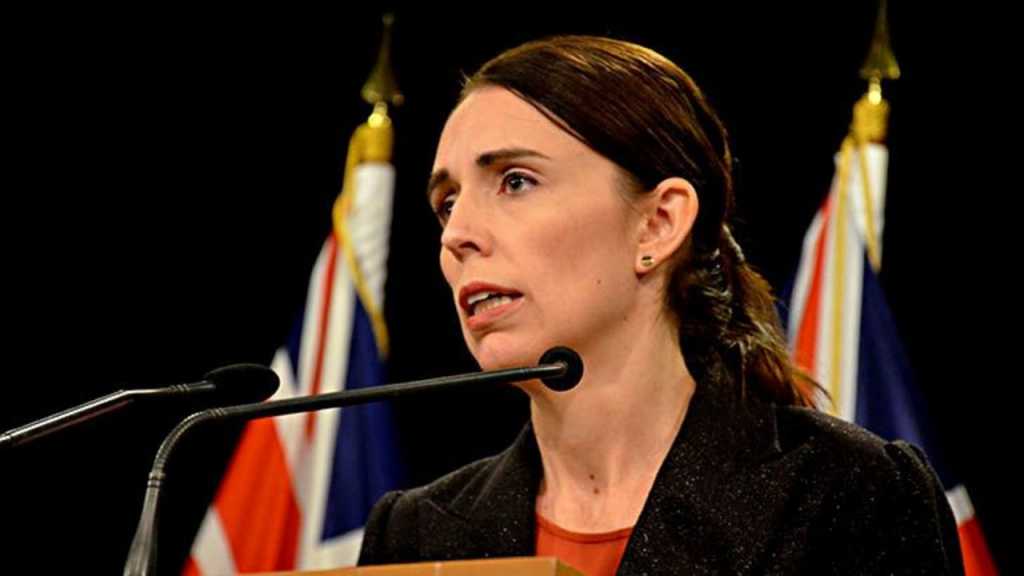
New Zealand’s prime minister vowed to toughen the country’s gun laws after revealing Saturday that the man accused of murdering 49 people in two mosques legally purchased the arsenal of firearms used in the massacre.
Jacinda Ardern said the gunman, 28-year-old Australian Brenton Tarrant, obtained a “Category A” gun license in November 2017 and began purchasing the five weapons used in Friday’s attacks in the southern city of Christchurch the following month.
The firearms included two semi-automatic rifles, two shotguns and a lever-action weapon, she said, speaking to reporters in Wellington before heading to Christchurch.
“The mere fact… that this individual had acquired a gun license and acquired weapons of that range, then obviously I think people will be seeking change, and I’m committing to that,” she said.
“While work is being done as to the chain of events that led to both the holding of this gun license, and the possession of these weapons, I can tell you one thing right now — our gun laws will change.”
She confirmed that the gunman and two suspected associates who were also arrested had not been on the radar of any intelligence agencies, even though he had published a manifesto online indicating plans for attacks on Muslims.
“They were not on any watch lists either here or in Australia,” she said, pointing out that “the individual charged with murder had not come to the attention of the intelligence community, nor the police, for extremism.
In parallel, Arden confirmed that she has asked “the agencies this morning to work swiftly on assessing whether there was any activity on social media or otherwise, that should have triggered a response. That work is already underway.”
“Given global indicators around far-right extremism, our intelligence community has been stepping up their investigations in this area.”
New Zealand tightened its gun laws to restrict access to semi-automatic rifles in 1992, two years after a mentally ill man shot dead 13 people in the southern town of Aramoana.
But firearms laws are lax compared to neighboring Australia, which enacted a strict gun control regime in the wake of a similar massacre in 1996, and most other developed nations outside of the United States.
Anyone over 16 can apply for a New Zealand firearms license, valid for 10 years after completing a safety course and a police background check.
Most guns do not require registration under New Zealand’s Arms Act and police do not know “how many legally or illegally owned firearms there are in New Zealand”, according to a police statement last year.
تعرف الدولة السورية أنها قضت نهائياً على المشروع الإرهابي الذي حاول انشاء خلافة متطرفة على أراضيها في السنين الست الفائتة.
وتعرف أكثر أنها تنتقل الآن من مرحلة قتال الإرهاب الإسلاموي إلى محاربة القوى الخارجية التي تغطيه، وتواصل احتلال أراضِ سورية.
من أهم هذه القوى، الأتراك الذين يطرحون أسباباً ملفقة لمواصلة نشر قواتهم في مناطق سورية من الحدود مروراً بعفرين وإدلب إلى جانب هيمنة التنظيمات الإرهابية الموالية لها على امتدادات واسعة.
هناك أيضاً الأميركيون المدركون أن المشروع الكبير بإسقاط الدولة السورية ولىّ إلى غير رجعة.. حتى وجدوا أن تغطيتهم لهذا الإرهاب أصبحت عائقاً يحول دون استمرار دورهم، فالإرهاب خسر وخسروا معه.
وما شجّعهم على إسناد مهمة القضاء على بقايا الإرهاب في الفرات إلى قوات«قسد» الكردية المعززة بقوات أميركية ـ أوروبية، وغارات جوية متواصلة.. حتى بدا أن الهدف الأميركي أكبر من مجرد إنهاء الإرهاب بات محاصراً ومن غير اسناد أو تغطية..
ماذا يريد الترك وتمسكهم بالشمال السوري والشمال الغربي؟ وما هي الأهداف الأميركية في شرق الفرات؟ وكيف تتعامل سورية وحلفاؤها مع هذا الجزء الأخير من الأزمة السورية؟
للأتراك صلتان استراتيجيتان يحاولون استغلالها لتمتين دورهم في سورية. الأولى هي علاقتهم التاريخية بالأميركيين وحلفهم الأطلسي المنتسبين إليه.. والثانية عضويتهم إلى جانب إيران وروسيا في مؤتمر آستانا وسوتشي.. الذي يقدم نفسه آلية لتنظيم تدريجي للحل السياسي في سورية.
هناك سبب ثالث لا يقل استراتيجية، فتركيا تمتلك حدوداً واسعة مع سورية بطول لا يقل عن الألف كيلومتر ولديها مواطنون سوريون من أصول تركمانية، إلى جانب سيطرتها على«الاخوان المسلمين» السوريين الذين يشكلون مع حزب العدالة والتنمية التركي جزءاً من فدرالية الاخوان المسلمين في العالم… الأمر الذي يمنح تركيا تأثيراً شبه دائم في الأزمة السورية.. إلا أنّ المشروع الكردي في الشرق يؤرقها بشكل فعلي لاتصاله الجغرافي بنحو 15 مليون كردي تركي لديها.
بالإضافة إلى أن روسيا لا تقبل باحتلالهم أراضي سورية حتى ولو كان هدفها هو الاستفادة الحصرية من تصاعد الخلاف الأميركي ـ التركي حول المشروع الكردي المغطى أميركياً لتقريب انقرة من موسكو بمعدل أكبر.
ويحاول أردوغان إرجاء تحرير الدولة السورية لإدلب بأبداء تخوف بلاده على مصير مليوني مدني مقيمين في إدلب وفي ضواحيها ولتعقيد أكبر لهذه المشكلة يطلق اردوغان تساؤلات أن بلاده لا تعرف إلى أين يتشرّد أهل إدلب إذا هاجمهم الجيش السوري؟ مبدياً قلقه من انتقالهم إلى اوروبا!!
أما الأهداف التركية فأصبحت جلية ولا تبتعد عن السيطرة على منطقة على طول الحدود السورية قد تصل مساحتها إلى 11 ألف كيلومتر مربع من الأراضي السورية، وتريد على المستوى السياسي اشتراك المعارضات الموالية لها من الاخوان والتركمان في المؤسسات السياسية السورية.
كيف ردت الدولة السورية؟
بدأ الجيش السوري بقصف عنيف على مواقع الإرهاب في إدلب بمواكبة غارات جوية استهدفت بدورها مواقع الأعداء والتخزين للإرهاب المتحالف مع تركيا في تلك المنطقة.
فبدأ هذا القصف على شكل رسالة سورية إلى الأتراك بأن أهدافهم في سورية لا قيمة لها عند دولتها.
والنتيجة الآن عند الحلفاء الروس، فإما أن يتواصلوا مع الأتراك حول ضرورة اخلاء إدلب من القوات التركية والتنظيمات الإرهابية المتعاونة، أو أن الجيش السوري بمعونة من حلفائه الإيرانيين والروس وحزب الله مستعدون لشن هجمات عسكرية دقيقة تؤدي إلى تحرير المدنيين في إدلب من هيمنة الإرهاب والترك معاً. وهذا موعده لم يعد بعيداً إذا لم يكن قد بدأ فعلياً.
أما بالنسبة للأميركيين فيعلمون أن المراهنة على الإرهاب سقطت. وهوى معها مشروع السيطرة على الدولة.. ما دفعهم إلى الاندفاع نحو تفتيتها بواسطة الطموح الكردي من جهة والاحلام العثمانية من جهة ثانية، لذلك دعموا هجوماً كردياً بقواتهم الجوية والبرية والأوروبية في مناطق للإرهاب منعزلة عن بعضها بعضاً في شرق الفرات.
استفاد الكردي من نقاط عدة: التباعد بين بؤر الإرهاب في شرق الفرات.. وقف عمليات دعمهم الذي كان الأميركيون يوفرونه لهم بوسائل جوية أو من خلال الحدود التركية والعراقية، انسداد طرقهم نحو غرب الفرات حيث الدولة السورية وحلفاؤها.
لكن سيطرة الأكراد على مناطق واسعة للسوريين العرب، جعلت الأميركيين يتنبّهون لصعوبة بناء كانتون كردي يُصرّون على وصوله إلى الحدود العراقية ـ السورية جنوباً، وإلا فإن لا قيمة له بالنسبة للأهداف الأميركية. باعتبار أن حصرهُ في مناطق محاذية لكردستان لا تفيد الأميركيين لأن الجهات المسيطرة على كردستان العراقية موالية لهم.. وهم يريدون كانتوناً يسيطر على الحدود مع العراق ويعرقل التنسيق العراقي ـ السوري المرتقب لذلك وجد الأميركيون حلاً لهذه المعضلة، فدمجوا بضع مئات من أبناء العشائر العربية في جنوب سورية مع قوات«قسد» الكردية، وأخذوا يروّجون في الإعلام أن قوات قسد هي سورية تدمج فريقين متحالفين: سوريون عرب وسوريون أكراد، فهذا يعطي برأيهم مشروعية سياسية لكانتون يمتد من مناطق القامشلي والشمال السوري حتى أبو كمال والحدود العراقية.
هذا ما يحض الأميركيون على التمهيد لثلاث مناطق مستقلة تبدأ بكانتون حدودي تسيطر عليه تركيا مع قوات شرطة روسية إذا قبلت بذلك موسكو. تليها منطقة أميركية ــ أوروبية تفصل الترك عن الكانتون الكردي الكبير.. هذا عن الطموح التركي وخطط الأميركيين التي تجهر بأن مشروعها الجديد لتفجير الشرق السوري، قابلة للتنفيذ سلماً أم حرباً… معتقدين حسب تحليلاتهم أن إيران ذاهبة نحو تصدع داخلي يؤدي إلى تفجيرها وإنهاء دورها، أو بواسطة حرب يقول الوزير السعودي الجبير إن السيناريو الخاص بها ينتظر التنفيذ فقط.
فهل هذا ممكن؟ اختراق الرئيس الإيراني الشيخ روحاني الحصار الأميركي على بلاده بزيارته الأخيرة للعراق هي الإجابة الساطعة على المزاعم الأميركية. وبدورها الدولة السورية لن تتوانى عن التحرير التدريجي لمناطقها المحتلة في الشمال والشرق… أليس هذا ما تفعله منذ سبع سنوات.. كما أن لروسيا مصلحة كبرى بدعم الخيارات السياسية والعسكرية للدولة السورية فالعدو الأميركي واحد، وصمود الدور الروسي العالمي يبدأ من دولة سورية محرّرة، يؤمن ميدانها العسكري ومصالح سورية أولاً وأهداف حلفائها الإقليميين فيه، مقاومة الإمبراطورية الأميركية العدوانية ثابتاً.
TEHRAN (FNA)– The Russian and Syrian air force units heavily pounded the militants’ positions in Northern Hama and Southern Idlib in response to the offensives of Tahrir al-Sham al-Hay’at (the Levant Liberation Board or the Al-Nusra Front) in the demilitarized zone.
“The Russian and Syrian fighter jets launched airstrikes against the terrorists’ hideouts in al-Tamane’ah, al-Nayrab, Saraqib, Kafr Amim and Ma’arat Hormat in Southern and Eastern Idlib as well as their positions in Northern and Northwestern Hama,” the Arabic-language al-Watan newspaper reported on Thursday.
Meantime, the Syrian army continued its military advances in other parts of Syria over the past 24 hours.
Tens of terrorists were killed and dozens more were injured during the Syrian army’s operations in several provinces across Syria.
Hama-Idlib
The Syrian and Russian air force units heavily pounded the militants’ positions in Northern Hama and Southern Idlib in response to the offensives of Tahrir al-Sham al-Hay’at in the demilitarized zone.
The Arabic-language al-Watan newspaper reported on Thursday that the Russian and Syrian fighter jets launched airstrikes against the terrorists’ hideouts in al-Tamane’ah, al-Nayrab, Saraqib, Kafr Amim and Ma’arat Hormat in Southern and Eastern Idlib as well as their positions in Northern and Northwestern Hama.
Field sources described the Wednesday attacks as the heaviest airstrikes by the Russian and Syrian air force units since September, saying that a large number of terrorists were killed and wounded in the offensive.
Concurrent with the airstrikes, the Syrian army forces warded off the terrorists’ attacks from Kafr Naboudeh, al-Sakhar and Murak against the military points.
They also targeted the militants’ moves from the towns of Ma’arat, Hormat al-Khowin, al-Zarzour and al-Tamane’ah towards the military points in Southeastern Idlib with heavy missile attacks, leaving heavy damage on them.
The Syrian army units in response to the terrorists’ attacks on safe regions in Aleppo and Lattakia, launched strikes against their positions in al-Khalsah, al-Hamirah in Southern Aleppo and regions near Jisr al-Shaqour and Lattakia mountains.
The Russian Defense Ministry said in a statement that the Russian Aerospace Force has destroyed a weapons depot belonging to the Tahrir al-Sham al-Hay’at terror group in the Syrian province of Idlib.
A pinpoint airstrike was carried out on Wednesday in coordination with Turkey.
The air raid “targeted a weapons depot belonging to the Tahrir al-Sham al-Hay’at terror group in the city of Idlib,” the defense ministry added.
“According to information confirmed through several channels, militants earlier brought a large number of combat unmanned aerial vehicles to the facility, which they planned to use for attacks on Russia’s Hmeimim air base,” the statement read.
Dara’a
The Syrian army found a large number of weapons and military equipment, including Israeli-made arms, during purging operations in regions liberated from the terrorists in the Northern parts of Dara’a province.
The engineering units of the Syrian army discovered the military equipment and ammunitions in the towns of Ankhal and al-Hareh in Northern Dara’a on Thursday.
A military source said that the Syrian army found different types of assault rifles, machine-guns, RPGs, cannons, anti-tank missiles, grenades, night-vision systems and different types of communication systems, adding that a number of them were made in Israel.
Raqqa
Several Kurdish militants were killed in the popular forces’ attacks on a convoy of the US and Syrian Democratic Forces (SDF) in Raqqa.
The Arabic-language website of Sputnik reported on Wednesday that the popular forces in Raqqa detonated a bomb on the way of a joint convoy of the US and SDF forces in al-Haramiyeh district in Raqqa city.
It added that the blast occurred as the US forces and the intelligence units of the SDF have planted over 600 cameras in the streets and districts of Raqqa.
Meantime, the Arabic-language al-Baladi website reported that during the attack, 3 Kurdish forces were killed and 8 others were wounded, adding that the SDF has put its forces on alert.
Popular protests against the deployment of occupying American forces and the US-backed SDF in Raqqa have increased recently.
– يشكل حجم الاهتمام الذي يوليه حزب الله لمعركة مكافحة الفساد الفرصة الأهم للفوز بها، ويشكل خطاب السيد حسن نصرالله الأخير خريطة طريق واضحة سواء لجهة اليقين بالحاجة للنفس الطويل، أو لجهة العلاقة العضوية بين هذه المعركة ومعركة أكبر منها هي معركة بناء الدولة، وإلا سيكون على المهتمّين بمكافحة الفساد أن يتعايشوا مع حقيقة اسمها بقاء ونمو الفساد، وانشغالهم واشتغالهم بملاحقة نتائجه، بينما المطلوب هو العمل على اتجاهين بالتوازي، اتجاه يمتلك الكثير من عناصر الإثارة ومواجهة الكثير من التعقيدات. وهو اتجاه تصفية آثار الماضي الممتدّ لربع قرن، هو عمر غياب قطع الحساب في المالية العامة، وما سيكشفه التدقيق بالتقارير التي أعدّتها وزارة المالية عنها، واتجاه مستقبلي يرمي لقطع الطريق على مواصلة الغرق في مستنقعات الفساد والهدر، وهو اتجاه لا يثير الإعلام ولا يستهوي الرأي العام وفضوله، لكنه الأهم والأخطر والمصدر الرئيسي للحكم على نتائج الحملة، وفيه من الأبعاد التشريعية والإجرائية التي تتصل بالإنفاق العام والدين والنظام الضريبي والمشاريع والأولويات والتلزيمات والتعيينات، الكثير الكثير، ليصير أقرب إلى رسم استراتيجية شاملة لبناء الدولة وماليتها وقضائها ومؤسساتها.
– لا يمكن الاختفاء في هذه المعركة تحت عنوان عام هو اللجوء إلى القضاء. فهذا قد يشكل نصف معركة الاتجاه الأول المتصل بتصفية ما مضى من فساد، لكنه لا يجيب على التحدي الأهم، وهو الاتجاه الثاني، وهو كيفية تجفيف مستنقعات الفساد، أي انتظام أداء مؤسسات الدولة وفقاً لمعايير قانونية صارمة وسلسة وواضحة وشفافة، بدءاً من الاستدانة، وإدارتها وخدمتها، مروراً بهيكلة القطاع العام وحجمه والربط بين أعبائه وعائداته، وصولاً إلى مشاريع الخصخصة وأنواعها ومجالاتها وما يدور فيها وحولها، ودائماً بوضع آليات لا تقبل المساومة في مجالي التعيينات والتلزيمات، والكثير من الذين يقفون بكل أمل على الضفة التي يقف عليها حزب الله في مواجهة تحديات تصفية تركة الماضي الثقيل، وفتح الملفات، ويرون صحة إعطاء الأولوية لتدقيق المحاسبة العمومية للمالية العامة وفقاً لتقارير وزارة المال ونتائج تحقيقات ديوان المحاسبة، والتحقيقات القضائية، ويأملون فشل كل محاولات تأمين الغطاء لأحد من الذين تجب مساءلتهم، وهم يبدون قلقهم من قواعد النظام الطائفي الصلب في قدرته على مقاومة أي إصلاح، لا يستطيعون تجاهل قناعتهم بأن الفوز بالمعركة في الاتجاه الثاني، أي مستقبل بناء الدولة، مستحيل بدون تغيير جذري في بنية النظام السياسي القائم على المحاصصة الطائفية.
– الأسئلة الكبرى التي تنتظر جواباً في السياسة، تطال مبدأ وإمكانية الحديث عن انتظام مؤسسي في التلزيمات والتعيينات، في ظل التنظيم الطائفي لكل شيء في الدولة، بما في ذلك ما نص الدستور على تحريره من القيد الطائفي، كما تطال التساؤل حول كيفية إنتاج سياسة منهجية للدولة في مقاربة مسائل كالدين والخصخصة والمفهوم الضريبي وخطط التنمية، عبر المناقشات التي تتم في مجلس الوزراء بالقطعة والمفرق، لمشاريع بعينها، بينما المطلوب جواب بالجملة، لا ينتجه إلا حوار وطني جاد يطال السعي لتلبية حاجة ملحّة، هي كيف نبني الدولة التي فشلنا ببنائها خلال ثلاثة عقود، وهل يمكن الفوز ببنائها دون المساس بالتنظيم الطائفي للدولة، أو البعد السياسي الفتاك الذي يمثله فيه قانون الانتخابات النيابية، أما الاكتفاء بالتدقيق في البنود التي تطرح على مجلس الوزراء بعين البحث عن مخالفة أو شبهة لمنع وقوعها، فلن يفعل سوى تجميل التفاصيل في مشروع إجمالي لدولة عاجزة عن تلبية تطلعات مواطنيها، من دون إعادة نظر جذرية في بنيتها ومؤسساتها، ووضع خطط متكاملة لكيفية أداء وظائفها، وإصلاح هيكلها السياسي أولاً لتكون دولة أقوى من الطوائف، التي باتت العلاقة التناسلية بينها وبين المحسوبية في التعيينات والحصص في التلزيمات بوابة الفساد الكبير، الذي لا تمنعه المناقصات، ولا تحول دونه الامتحانات، فقبل النقاش بدرجة الشفافية في مناقصة بيع رخص الخلوي، يجب النقاش حول هل للبنان مصلحة ببيعها، وقبل البحث عن شفافية ونزاهة في تلزيم القطاع الخاص عملية إنشاء وإدارة محطات توليد الكهرباء يجب أن يكون لدينا قانون لمنع الاحتكار.
– الأكيد أن قرار حزب الله بمنح جزء كبير من اهتمامه للوضع الداخلي، من البوابة المالية الاقتصادية، ناجم بالفعل عن استشعار الخطر الذي ينتظر لبنان ويهدد بالانهيار، لذلك سيبقى السؤال هو كيف نمنع هذا الانهيار؟ وهل يمكن في نظام المحاصصة الطائفية الفوز بهذه المعركة؟ وهل يمكن تحقيق أهدافها دون استراتيجية متكاملة توضع تحت سقف الدستور لبناء دولة المؤسسات، وتجيب على الأسئلة الأساسية وفقاً لرؤية تأخذ طريقها نحو الصدور بقوانين ومراسيم، في مجالات النظام الضريبي، والخصخصة، ومعايير الاستدانة وشروطها، وكيفية إدارة معركة الثروة النفطية واستثمارها، وكلها بنود يسيل عليها لعاب الداخل والخارج، والهدر في الثروة الوطنية لا يهدده الفساد أكثر مما تهدّده الخيارات الفاسدة، ومن حق المتطلعين للزخم الذي منحه دخول حزب الله على خط خوض هذه المعركة وما يمنحه لها من حيوية وصدقية، أن ينتظروا من حزب الله أكثر من مشاريع متفرقة لمأسسة آليات الإنفاق والرقابة، فالمطلوب رؤية شاملة لبناء الدولة، تبدأ بالإجابة عن سؤال أي دولة نريد، وقد حاول اللبنانيون أن يروا في اتفاق الطائف خريطة طريق نحو الخروج من الصيغة الطائفية للنظام السياسي، بلوغاً للدولة المدنية. والمشروع متعثر منذ زمن ولا يزال، فهل يشكل تدخل حزب الله قوة الدفع اللازمة لتطبيق الممنوع تطبيقه من اتفاق الطائف، على قاعدة الترابط بين الإصلاح السياسي والإصلاح الاقتصادي والإصلاح المالي والإصلاح القضائي، انطلاقاً مما قاله الطائف عن مجلس النواب المنتخب خارج القيد الطائفي ومعه إنشاء مجلس الشيوخ، إلى بناء السلطة القضائية المستقلة، وتحقيق اللامركزية الإدارية البعيدة عن كل شبهات الفدراليات المقنعة، انتهاء بالتكامل الاقتصادي مع سورية وعبرها مع المحيط الإقليمي؟
The CIA is conspiring with ISIS commanders in northeastern Syria supplying them with fake documents and then transferring them to Iraq, according to reports in Turkish pro-government media.
About 2,000 ISIS members were questioned in the areas of Kesra, Buseira, al-Omar and Suwayr in Deir Ezzor province and at least 140 of them then received fake documents. Some of the questioned terrorists were then moved to the camps of al-Hol, Hasakah and Rukban, which are controlled by US-backed forces. The CIA also reportedly created a special facility near Abu Khashab with the same purpose.
Israeli, French and British special services are reportedly involved.
An interesting observation is that the media of the country, which in the previous years of war, used to conspire with ISIS allowing its foreign recruits to enter Syria and buying smuggled oil from the terrorists, has now become one of the most active exposers of the alleged US ties with ISIS elements.
Another issue often raised in Turkish media is the poor humanitarian situation in the refugee camps controlled by US-backed forces. These reports come in the course of other revelations. According to the International Rescue Committee, about 100 people, mostly children, died in combat zones or in the al-Hol camp controlled by the US-backed Syrian Democratic Forces just recently.
In its turn, the Russian Defense Ministry released a series of satellite images revealing the horrifying conditions in the al-Rukban camp. The imagery released on March 12 shows at least 670 graves, many of them fresh, close to the camp’s living area. The tents and light constructions used to settle refugees are also located in a close proximity to large waste deposits.
A joint statement by the Russian and Syrian Joint Coordination Committees for Repatriation of Syrian Refugees said that refugees in al-Rukban are suffering from a lack of water, food, medication and warm clothing, which is especially important during winter. According to the statement, members of the US-backed armed group Maghawir al-Thawra disrupt water deliveries to the camp, using this as a bargaining chip for blackmailing and profiteering purposes.
Tensions are once again growing between Syria and Israel. Earlier in March, Syrian Deputy Foreign Minister Faisal Mekdad submitted an official letter to the head of the United Nations Truce Supervision Organization (UNTSO) Kristin Lund that Damascus ”will not hesitate to confront Israel” if it continues refusing to withdraw from the Golan Heights.
Israeli media and officials responded with a new round of allegations that Hezbollah is entrenching in southern Syria therefore justifying a further militarization of the Golan Heights.
MOSCOW- The Russian Aerospace Force has destroyed a weapons depot belonging to the so-called Hayat Tahrir al-Sham terror group (also known as Jabhat al-Nusra in the Syrian province of Idlib, the Russian Defense Ministry said in a statement on Wednesday, according to Itar Tass.
A pinpoint airstrike was carried out on March 13 by the Russian Aerospace Force. The airstrike “targeted a weapons depot belonging to the Hayat Tahrir al-Sham (Jabhat al-Nusra) terror group in the city of Idlib,” the ministry said.
“According to information confirmed through several channels, militants earlier brought a large number of combat unmanned aerial vehicles to the facility, which they planned to use for attacks on Russia’s Hmeimim air base,” the statement adds.
A thing to note is that Russia’s military facilities in Syria have on numerous occasions been attacked with unmanned aerial vehicles.
Tass said that on January 6, 2018, militants carried out a large-scale drone strike on the Hmeimim air base and a naval facility in Tartus. The Russian military either destroyed or took control of the UAVs used in the attack. A Defense Ministry source noted at the time that “the programming of systems to control unmanned aerial vehicles and drop GPS-guided munitions requires completing engineering studies in a developed country.”
Russian Deputy Defense Minister Alexander Fomin said, in turn, that the drones involved in the January 2018 attack on the Hmeimim base were run from a US Boeing P-8A Poseidon aircraft. When the drones were confronted by Russian jamming systems, they went to manual mode controlled from the US aircraft.
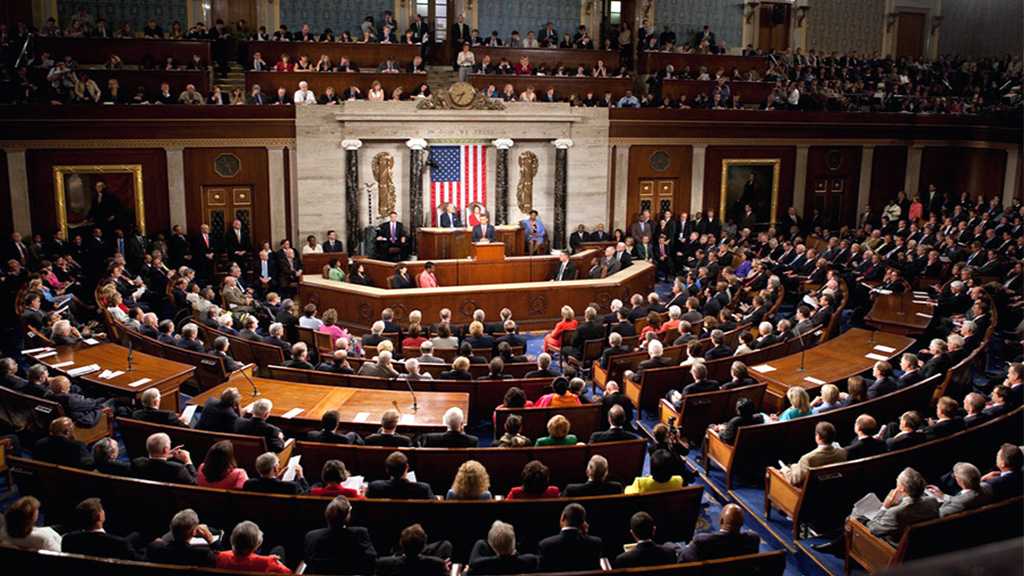
The Republican-controlled Senate has passed a resolution that would end US involvement in the Saudi-led coalition’s brutal war in Yemen, countering President Donald Trump’s support for the controversial conflict.
The Yemen War Powers resolution, which passed 54-46, blocks US forces from any involvement in the increasingly unpopular war without further authorization from Congress. Its backers have argued that US involvement in the conflict violates the constitutional requirement that Congress alone can authorize participation in war.
An earlier version of the resolution passed the Democrat-controlled House of Representatives but was rejected by the Senate; the resolution must now pass the House again before it is sent to the White House, where Trump has promised to veto it.
A small group of Republicans were willing to cross party lines to rebuke Trump over his support for a conflict the United Nations has declared a humanitarian disaster, which has killed tens of thousands of civilians and left half the population of Yemen on the brink of starvation.
US forces previously provided targeting support for coalition airstrikes and even mid-air refueling for coalition planes, until that practice was reportedly discontinued late last year.
The Yemen War Powers resolution also serves as a vehicle to pressure Trump to condemn the Saudi government over the murder of journalist Jamal Khashoggi, which US intelligence agencies have pinned on Saudi Prince Mohammed bin Salman.
Meanwhile, revelations that interests connected with the Trump administration were in negotiations to sell the Saudis nuclear technology have shed new light on the president’s cozy relationship with the embattled kingdom.
Coalition forces led by Saudi Arabia and the United Arab Emirates have relentlessly bombed Yemen since 2015.
Half of Yemen’s population relies on food aid to survive, placing them in immediate danger of starving to death after coalition forces blockaded the port city of al-Hudaydah last year.
Kabbalistic Balance
-
Kabbalistic Balance August 6 2026 ___________________________________ More
Vids! +BN Vids Archive! HERE! ___________________________________ Support
The Br...
Report on Beth Israel vigil 07-04-26
-
*1A Rights under combined attack from local government plus media*
Ann Arbor City Council is at it again. Right before the long 4th of July
weekend, they ...
-
Hello all,
It is with great sadness that I share with you the passing of our beloved
sister, Mother, and Grandmother, the individual that you all knew ...
Best Horror Podcast
-
Best Horror Podcast Introduction: Horror podcasts […]
The post Best Horror Podcast appeared first on Copper Shock Horror Podcast.
Ikhras Endorses Muntadhar Al-Zaidi
-
“Oh parties of banditry and sectarianism and corruption, we have come and
our goal is to destroy you.” Ikhras formally endorses Muntadhar al-Zaidi,
Iraqi j...
Prince Charles: Foreign Jews behind bloodshed in ME
-
In May, 2017, British Crown Prince Charles declined an invitation from
Zionist entity’s president Reuven Rivlin‘s to attend the 100th anniversary
of the no...
Palestinian Women – One for All, All for One
-
Honouring All Palestinian Women by Honouring Three: Hanin Zoabi, Ahed
Tamimi, Samah Sabawi Vacy Vlazna “Palestinian women have always stood side
by side ...
US’s Saudi Oil Deal from Win-Win to Mega-Lose
-
By F. William Engdahl Who would’ve thought it would come to this? Certainly
not the Obama Administration, and their brilliant geo-political think-tank
neo-...
-
*Mordechai Vanunu wins human rights prize of Brazilian Press Association *
* http://www.alternativenews.org/english/index.php/features/updates/7038-mordechai...
Abdul Aziz Rantissi:
"My ultimate wish, my God, is to attain martyrdom,"...God granted him his wish on April 17, 2004, at the hands of Israeli assassins.