Showing posts with label Jenin. Show all posts

Tuesday, 28 September 2021

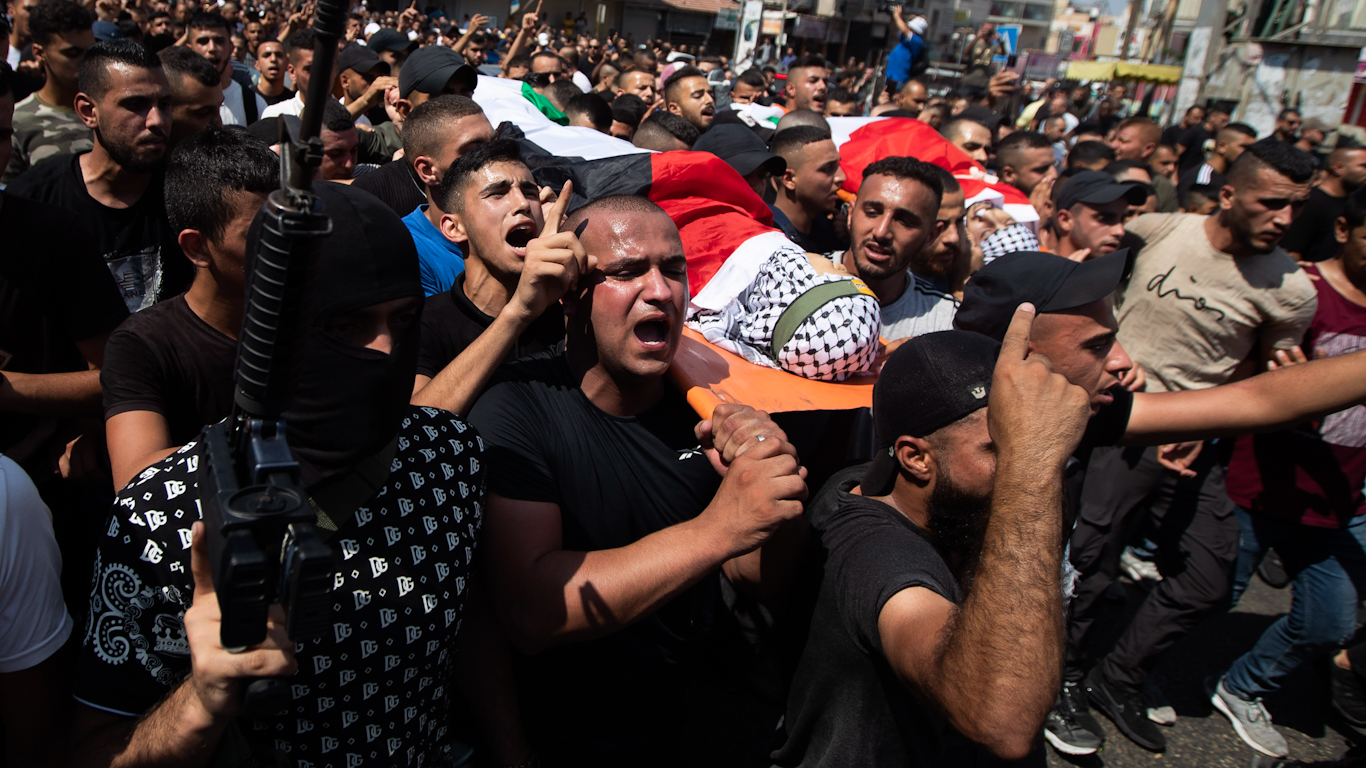
Palestine Bids Farewell to Five Heroes Martyred While Confronting ‘Israeli’ Occupation Forces


September 28, 2021


Palestine Bids Farewell to Five Heroes Martyred While Confronting ‘Israeli’ Occupation Forces

By Staff, Agencies

The occupied West Bank bade farewell to five of its young heroes who were shot dead by ‘Israeli’ occupation troops after intense confrontations that erupted in at least four towns following overnight arrest raids.

According to official Palestinian news agency Wafa, Zionist military forces stormed the northern town of Burqin near al-Quds in the predawn hours of Sunday, and surrounded a home before breaking in and detaining its owner. The detainee was identified as Mohammad Zirini.

The raid prompted skirmishes between angry town residents and Zionist occupation troops who fired live rounds, killing two protesters and injuring at least four others.

One of the two Palestinian martyrs was identified as 22-year-old Osama Yaser Soboh.

Confrontations also erupted shortly after midnight in Kafr Dan village northwest of Jenin as Zionist occupation troops raided the area, detaining at least two Palestinians.

On Saturday night, the occupation regime’s undercover forces kidnapped two young Palestinian men from their car in a fuel station near Jenin.

Furthermore, three Palestinians were shot dead by the Zionist forces in an attack which targeted a house in the village of Biddu.

Witnesses told Wafa that ‘Israeli’ occupation military troops surrounded the building and fired gunshots and grenades at it. Loud explosions were heard during the raid.

Tensions have been rising in the occupied territories following the heroic escape of six Palestinian detainees from high-security Gilboa Prison earlier this month.

The six heroes tunneled their way out through their cell’s drainage system, dealing a serious blow to the Zionist regime’s prestige through bringing the condition of Palestinian prisoners to international attention even though they were rearrested later.


Related Videos


Related News


River to Sea Uprooted Palestinian   
The views expressed in this article are the sole responsibility of the author and do not necessarily reflect those of the Blog!

Friday, 24 September 2021

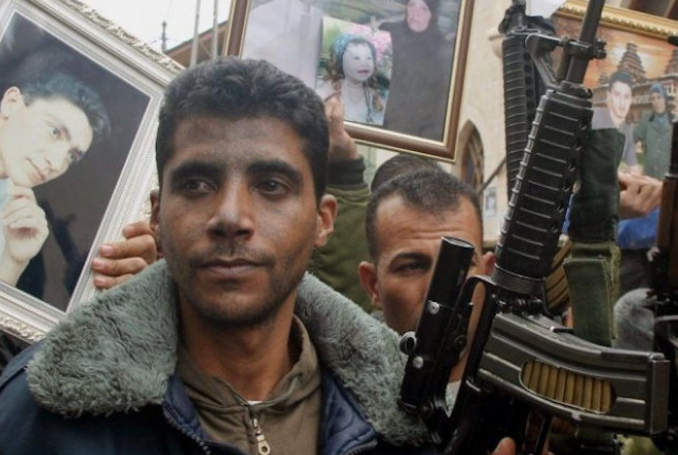
One Man as a Whole Generation: The Unfinished War of Zakaria Zubeidi

 September 22, 2021

Palestinian political prisoner Zakaria Zubeidi. (Photo: File)

By Ramzy Baroud

Zakaria Zubeidi is one of six Palestinian prisoners who, on September 6, tunneled their way out of Gilboa, a notorious, high-security Israeli prison. Zubeidi was recaptured a few days later. The large bruises on Zubeidi’s face told a harrowing story, that of a daring escape and of a violent arrest. However, the story does not begin, nor end, there.

Twenty years ago, following what has been etched in the collective Palestinian memory as the ‘Jenin Massacre’, I was introduced to the Zubeidi family in the Jenin refugee camp, which was almost entirely erased by the Israeli army during and following the Jenin battle.

Despite my repeated attempts, the Israeli army prevented me from reaching Jenin, which was kept under total Israeli military siege for months following the most violent episode of the entirety of the Second Palestinian Uprising (2000-2005).

I could not speak to Zakaria directly. Unlike his brother, Taha, Zakaria survived the massacre and subsequently rose in the ranks of Al-Aqsa Martyrs’ Brigades, the armed wing of the Fatah movement, to become its leader, thus topping the list of Israel’s most wanted Palestinians.

Most of our communication was with his sister, Kauthar, who told us in detail about the events that preceded the fateful military siege of April. Kauthar was only 20 years old at the time. Despite her grief, she spoke proudly about her mother, who was killed by an Israeli sniper only weeks before the invasion of the camp and about her brother, Taha, the leader of the Al-Quds Brigades, the armed wing of the Islamic Jihad in Jenin at the time; and of Zakaria, who was now on a mission to avenge his mother, brother, best friends and neighbors.

“Taha was killed by a sniper. After he was killed, they fired shells at him, which completely burned his body. This was in the Damaj neighborhood,” Kauthar told us, adding, “The Shebab gathered what remained of him and put him in a house. Since that day, the house has been known as ‘The Home of the Hero’.”

Kauthar also told me about her mother, Samira, 51, “who spent her life going from one prison to another” to visit her husband and her sons. Samira was loved and respected by all the fighters in the camp. Her children were the heroes that all the youngsters attempted to emulate. Her death was particularly shocking.

“She was hit with two bullets in the heart,” Kauthar said. “Once she turned around, she was hit in the back. Blood poured out of her nose and mouth. I did not know what else to do but to scream.”

Zakaria immediately went underground. The young fighter was feeling aggrieved at what had befallen his beloved Jenin, family, mother and brother – the latter’s wedding was scheduled one week from the day he was killed. He was also feeling betrayed by his Fatah ‘brothers’ who continued to openly collaborate with Israel, despite the mounting tragedies in the occupied West Bank, and by the Israeli left that abandoned the Zubeidi family despite promises of solidarity and camaraderie.

“Every week, 20-30 Israelis would come there to do theatre,” Zakaria said in an interview with ‘The Time’ magazine, with reference to the ‘Arna’s House’ theater, which involved Zakaria and other Jenin youngsters, and was established by Arna Mer-Khamis, an Israeli woman who was married to a Palestinian. “We opened our home and you demolished it … We fed them. And, afterwards, not one of them picked up the phone. That is when we saw the real face of the left in Israel.”

Of the five children who participated in the ‘Arna’s House’ theatre, only Zakaria survived. The rest had joined various armed groups to fight the Israeli occupation and were all killed.

Zakaria was born in 1976 under Israeli occupation, therefore never experienced life as a free man. At 13, he was shot by Israeli soldiers for throwing stones. At 14, he was arrested for the first time. At 17, he joined the Palestinian Authority security forces, believing, like many Palestinians at the time, that the PA’s ‘army’ was established to protect Palestinians and to secure their freedom. Disillusioned, he left the PA less than a year later.

Zakaria only committed to armed struggle in 2001, as a way of achieving freedom for his people, months after the start of the Second Intifada. One of his childhood friends was one of the first to be killed by Israeli soldiers. In 2002, Zakaria joined the Al-Aqsa Martyrs’ Brigades, around the time that his mother, Samira, and his brother, Taha, were killed.

2002, in particular, was a decisive year for the Fatah movement, which was practically, but unofficially, divided into two groups: one that believed that armed struggle should remain a strategy for liberation, and another that advocated political dialogue and a peace process. Many members of the first group were killed, arrested or marginalized, including Fatah’s popular leader, Marwan Barghouti, who was arrested in April 2002. Members of the second group grew rich and corrupt. Their ‘peace process’ failed to deliver the coveted freedom and they refused to consider other strategies, fearing the loss of their privileges.

Zakaria, like thousands of Fatah members and fighters, was caught up in this ongoing dilemma, wanting to carry on with the struggle as if PA President Mahmoud Abbas’ leadership was ready to risk it all for the sake of Palestine, while remaining committed to the Fatah party, hoping that, perhaps, someday the movement would reclaim the mantle of Palestinian resistance.

The trajectory of Zakaria’s life, so far, is a testament to this confusion. He was not only imprisoned by the Israelis, but also by the PA. Sometimes, he spoke highly of Abbas only to, later, disown all the treachery of the Palestinian leadership. He surrendered his weapon several times, only to retrieve it with the same determination as before.

Though Zakaria is now back in prison, his story remains unfinished. Scores of young fighters are now roaming the streets of the Jenin refugee camp, vowing to carry on with armed struggle. Namely, Zakaria Zubeidi is not just a single person but a whole generation of Palestinians in the West Bank who are caught up in an impossible dilemma, having to choose between a painful, but real, struggle for freedom and political compromises, which, in Zakaria’s own words, “have achieved nothing”.

– Ramzy Baroud is a journalist and the Editor of The Palestine Chronicle. He is the author of five books. His latest is “These Chains Will Be Broken: Palestinian Stories of Struggle and Defiance in Israeli Prisons” (Clarity Press). Dr. Baroud is a Non-resident Senior Research Fellow at the Center for Islam and Global Affairs (CIGA) and also at the Afro-Middle East Center (AMEC). His website is www.ramzybaroud.net


River to Sea Uprooted Palestinian   
The views expressed in this article are the sole responsibility of the author and do not necessarily reflect those of the Blog!

Friday, 27 August 2021

‘Blood for Blood’: On Jenin and Israel’s Fear of an Armed Palestinian Rebellion

 August 26th, 2021

Jenin Feature photo

By Ramzy Baroud

Source

What is currently taking place in Jenin is indicative of something much larger. Israel knows this, thus the exaggerated violence against the camp.

The killing of four young Palestinians by Israeli occupation soldiers in the Jenin refugee camp in the northern West Bank, on August 16, is a consequential event, the repercussions of which are sure to be felt in the coming weeks and months.

The four Palestinians – Saleh Mohammed Ammar, 19, Raed Ziad Abu Seif, 21, Nour Jarrar, 19, and Amjad Hussainiya, 20  – were either newly born or mere toddlers when the Israeli army invaded Jenin in April 2002. The objective, then, based on statements by Israeli officials and army generals, was to teach Jenin a lesson, one they hoped would be understood by other resisting Palestinian areas throughout the occupied West Bank.

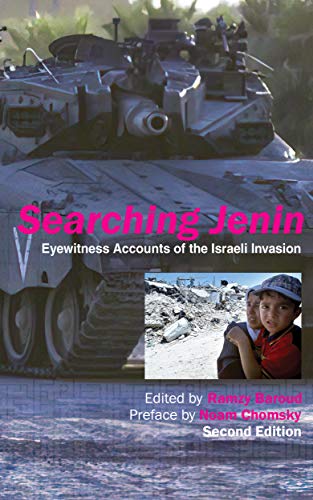
In my book, Searching Jenin, published a few months after what is now known as the ‘Massacre of Jenin’ or the ‘Battle of Jenin’, I tried to convey the revolutionary spirit of this place. Although, in some ways, the camp was a representation of the wider Palestinian struggle, in other aspects it was a unique phenomenon, deserving of a thorough analysis and understanding.

By the end of that battle, Israel seemed to have entirely eliminated the armed resistance of Jenin. Hundreds of fighters and civilians were killed and wounded, hundreds more arrested and numerous homes destroyed. Even voices sympathetic to the Palestinian struggle have underestimated Jenin’s ability to resurrect its resistance under seemingly impossible circumstances.

Writing in the Israeli newspaper, Haaretz, on June 10, 2016, Gideon Levy and Alex Levac described the state of affairs in the small camp. “Jenin, always the most militant of the refugee camps, was battered and destroyed, suppressed and bloodied, by Israel. These days its spirit seems to be broken. Every person is dealing with his own fate, his own private struggle for survival,” they wrote. The title of their article was “Jenin, Once the Most Militant of Palestinian Refugee Camps, Waves a White Flag”.

Being suppressed and shattered by an overwhelming force, however, is entirely different from “raising the white flag”. In fact, this truism does not just apply to Jenin but to the entirety of occupied Palestine, where Palestinians, at times, find themselves fighting on multiple fronts: Israeli occupation, armed illegal Jewish settlers, and the co-opted Palestinian Authority.

However, May 2021 changed so much. The Israeli attempt at ethnically cleansing Palestinian families from the Sheikh Jarrah neighborhood in East Jerusalem, the subsequent war on Gaza and the unprecedented uprising of unity, bringing all Palestinians, everywhere, together, lifted Jenin and other Palestinian areas from their state of despondency. The stiff resistance in Gaza, in particular, has had a direct impact on the various fighting groups in the West Bank, which were either disbanded or marginalized.

An unprecedented scene in Ramallah, on May 17, tells the whole story. Tens of fighters, belonging to the Al-Aqsa Martyrs Brigades, which is affiliated with the Fatah movement – the political party that dominates Mahmoud Abbas’ PA – marched on the streets of Ramallah, where the Authority is situated, in a relatively calm environment. The fighters chanted against the Israeli occupation and their ‘collaborators’ before clashing with Israeli soldiers, who were manning the Qalandiya military checkpoint.

This event was quite unusual, for it ushered in the return of a phenomenon that Israel, with the help of its ‘collaborators’, had crushed during the Second Palestinian Intifada –  or uprising – between 2000-2005.

The Israeli military understands that the May war and uprising have triggered an unwelcomed transition in Palestinian society. Long-suppressed, occupied Palestinians are ready to rebel, eager to move on, beyond octogenarian Abbas and his corrupt clique, past the stifling factionalism and self-serving political discourses.  The questions are how, where and when.

This is precisely why Israel is back in Jenin, once more trying to teach the nearly 12,000 refugees there a lesson, one that is also meant for Palestinians throughout the West Bank. Israel believes that if the nascent armed resistance in Jenin is suppressed now, the rest of the West Bank will remain ‘quiet’.

Searching Jenin Book

According to Palestinian journalist, Atef Daghlas, the Israeli occupation forces killed ten Palestinians during their frequent nightly raids on Jenin. Eight of the victims have been killed since the end of the Gaza war alone. There are two main reasons behind the increased number of casualties among the Palestinians in the last few months: first, the increased number of Israeli raids – where occupation soldiers, often disguising themselves as Palestinians, enter the camp at night and attempt to capture young Palestinian fighters; second, because of the growing number of youth enlisting in various resistance groups. According to Daghlas, the rifles carried by these youth are purchased by the young men themselves, as opposed to being supplied by a group or a faction.

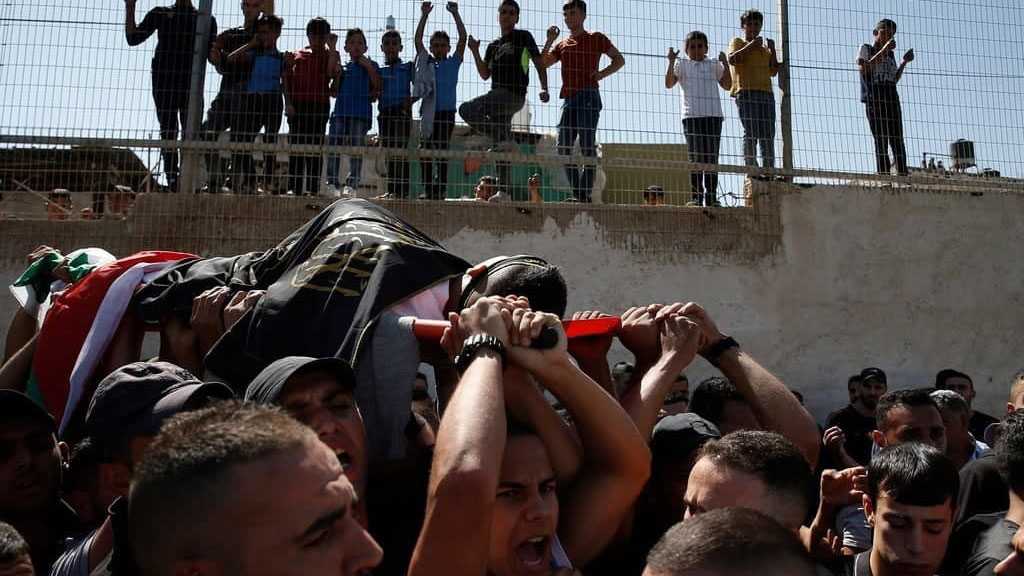
“Blood for blood, bullet for bullet, fire for fire,” were some of the chants that echoed in the Jenin town and its adjacent refugee camp, when the Palestinian residents carried the bodies of two of the four killed youth, before burying them in the ever-crowded martyrs’ graveyard. The fact that Jenin is, once more, openly championing the armed struggle option is sending alarm bells throughout occupied Palestine. Israel is now worried that an armed Intifada is in the making, and Abbas knows very well that any kind of Intifada would spell doom for his Authority.

It is obvious that what is currently taking place in Jenin is indicative of something much larger. Israel knows this, thus the exaggerated violence against the camp. In fact, two of the bodies of killed Palestinians are yet to be returned to their families for proper burial. Israel often resorts to this tactic as a bargaining chip, and to increase the psychological pressure on Palestinian communities, especially those who dare resist.

It might be relevant to note that the Jenin refugee camp was officially formed in 1953, a few years after the Nakba of 1948, the year when historic Palestine was destroyed and the State of Israel was created. Since then, generation after generation, Jenin’s youth continue fighting and dying for their freedom.

It turns out that Jenin never waved the white flag, after all, and that the battle which began in 2002 – in fact in 1948 – was never truly finished.


River to Sea Uprooted Palestinian   
The views expressed in this article are the sole responsibility of the author and do not necessarily reflect those of the Blog!

Tuesday, 17 August 2021

4 Martyred, Others Wounded in Armed Confrontations in Jenin

 August 16, 2021

Source: Al Mayadeen

By Al Mayadeen

A General strike is on in Jenin after the Israeli forces stormed the Jenin refugee camp and opened fire, resulting in the martyrdom of 4 Palestinians.


4 Killed, Others Wounded in Armed Confrontations in Jenin
Armed confrontations in Jenin resulted in the death of 4 Palestinians

According to Al Mayadeen correspondent, at daybreak today, Monday, four Palestinian youth were Martyred and numerous others injured following an armed confrontation with Israeli occupation forces in the Jenin refugee camp. 

The martyrs were buried amid demands for a mass strike in Jenin and throughout Palestine.

“Israeli forces attacked the camp, and as the forces stormed the camp, the special forces directly opened fire on numerous young men,” according to Palestinian media.

According to the sources, the bodies of the martyrs arrived at the Jenin Governmental Hospital in poor conditions. Occupation forces arrested a number of young men before leaving the city amid confrontations, sounds of explosions, and deliberate shooting. 

Palestinian factions commemorated the martyrs who perished in Jenin. Furthermore, Jenin’s resistance and its resilient youth were praised by the Islamic  Jihad Organization. Tariq Salmi, a spokesman for the organization, stated that the revolution is fueled by the pure blood of martyrs until the occupation is over and the Israelis leave Palestine.

The Palestinian Mujahideen Movement issued a statement mourning the deaths and stating that forcibly resisting the occupier is the most effective approach to confront the enemy. 

The movement emphasized that these confrontations affirm that resistance is the only viable option and the obvious inability to break its will.

Coincidently, the guards of Jabal Sbeih in Beita called on human rights institutions to intervene immediately to end the massacre against Beita and its people.

In a statement, the guards announced that the martyrs refused to be robbed of their land, protested peacefully, and protected their land. He detailed that although the occupation forces shot an array of bullets, the martyrs shot none.

Related


River to Sea Uprooted Palestinian   
The views expressed in this article are the sole responsibility of the author and do not necessarily reflect those of the Blog!

Sunday, 30 August 2020

How Israel Wages War on Palestinian History

By Jonathan Cook

Source

Jenin camp c2642

When the Palestinian actor Mohammed Bakri made a documentary about Jenin in 2002 – filming immediately after the Israeli army had completed rampaging through the West Bank city, leaving death and destruction in its wake – he chose an unusual narrator for the opening scene: a mute Palestinian youth.

Jenin had been sealed off from the world for nearly three weeks as the Israeli army razed the neighbouring refugee camp and terrorised its population.

Bakri’s film Jenin, Jenin shows the young man hurrying silently between wrecked buildings, using his nervous body to illustrate where Israeli soldiers shot Palestinians and where bulldozers collapsed homes, sometimes on their inhabitants.

It was not hard to infer Bakri’s larger meaning: when it comes to their own story, Palestinians are denied a voice. They are silent witnesses to their own and their people’s suffering and abuse.

The irony is that Bakri has faced just such a fate himself since Jenin, Jenin was released 18 years ago. Today, little is remembered of his film, or the shocking crimes it recorded, except for the endless legal battles to keep it off screens.

Bakri has been tied up in Israel’s courts ever since, accused of defaming the soldiers who carried out the attack. He has paid a high personal price. Deaths threats, loss of work and endless legal bills that have near-bankrupted him. A verdict in the latest suit against him – this time backed by the Israeli attorney general – is expected in the next few weeks.

Bakri is a particularly prominent victim of Israel’s long-running war on Palestinian history. But there are innumerable other examples.

For decades many hundreds of Palestinian residents in the southern West Bank have been fighting their expulsion as Israeli officials characterise them as “squatters”. According to Israel, the Palestinians are nomads who recklessly built homes on land they seized inside an army firing zone.

The villagers’ counter-claims were ignored until the truth was unearthed recently in Israel’s archives.

These Palestinian communities are, in fact, marked on maps predating Israel. Official Israeli documents presented in court last month show that Ariel Sharon, a general-turned-politician, devised a policy of establishing firing zones in the occupied territories to justify mass evictions of Palestinians like these communities in the Hebron Hills.

The residents are fortunate that their claims have been officially verified, even if they still depend on uncertain justice from an Israeli occupiers’ court.

Israel’s archives are being hurriedly sealed up precisely to prevent any danger that records might confirm long-sidelined and discounted Palestinian history.

Last month Israel’s state comptroller, a watchdog body, revealed that more than one million archived documents were still inaccessible, even though they had passed their declassification date. Nonetheless, some have slipped through the net.

The archives have, for example, confirmed some of the large-scale massacres of Palestinian civilians carried out in 1948 – the year Israel was established by dispossessing Palestinians of their homeland.

In one such massacre at Dawaymeh, near where Palestinians are today fighting against their expulsion from the firing zone, hundreds were executed, even as they offered no resistance, to encourage the wider population to flee.

Other files have corroborated Palestinian claims that Israel destroyed more than 500 Palestinian villages during a wave of mass expulsions that same year to dissuade the refugees from trying to return.

Official documents have disproved, too, Israel’s claim that it pleaded with the 750,000 Palestinian refugees to return home. In fact, as the archives reveal, Israel obscured its role in the ethnic cleansing of 1948 by inventing a cover story that it was Arab leaders who commanded Palestinians to leave.

The battle to eradicate Palestinian history does not just take place in the courts and archives. It begins in Israeli schools.

A new study by Avner Ben-Amos, a history professor at Tel Aviv University, shows that Israeli pupils learn almost nothing truthful about the occupation, even though many will soon enforce it as soldiers in a supposedly “moral” army that rules over Palestinians.

Maps in geography textbooks strip out the so-called “Green Line” – the borders demarcating the occupied territories – to present a Greater Israel long desired by the settlers. History and civics classes evade all discussion of the occupation, human rights violations, the role of international law, or apartheid-like local laws that treat Palestinians differently from Jewish settlers living illegally next door.

Instead, the West Bank is known by the Biblical names of “Judea and Samaria”, and its occupation in 1967 is referred to as a “liberation”.

Sadly, Israel’s erasure of Palestinians and their history is echoed outside by digital behemoths such as Google and Apple.

Palestinian solidarity activists have spent years battling to get both platforms to include hundreds of Palestinian communities in the West Bank missed off their maps, under the hashtag #HeresMyVillage. Illegal Jewish settlements, meanwhile, are prioritised on these digital maps.

Another campaign, #ShowTheWall, has lobbied the tech giants to mark on their maps the path of Israel’s 700-kilometre-long steel and concrete barrier, effectively used by Israel to annex occupied Palestinian territory in violation of international law.

And last month Palestinian groups launched yet another campaign, #GoogleMapsPalestine, demanding that the occupied territories be labelled “Palestine”, not just the West Bank and Gaza. The UN recognised the state of Palestine back in 2012, but Google and Apple refused to follow suit.

Palestinians rightly argue that these firms are replicating the kind of disappearance of Palestinians familiar from Israeli textbooks, and that they uphold “mapping segregation” that mirrors Israel’s apartheid laws in the occupied territories.

Today’s crimes of occupation – house demolitions, arrests of activists and children, violence from soldiers, and settlement expansion – are being documented by Israel, just as its earlier crimes were.

Future historians may one day unearth those papers from the Israeli archives and learn the truth. Those Israeli policies were not driven, as Israel claims now, by security concerns, but by a colonial desire to destroy Palestinian society and pressure Palestinians to leave their homeland, to be replaced by Jews.

The lessons for future researchers will be no different from the lessons learnt by their predecessors, who discovered the 1948 documents.

But in truth, we do not need to wait all those years hence. We can understand what is happening to Palestinians right now – simply by refusing to conspire in their silencing. It is time to listen.

River to Sea Uprooted Palestinian   
The views expressed in this article are the sole responsibility of the author and do not necessarily reflect those of the Blog!

Wednesday, 7 February 2018

أحمد النصر

أحمد جرّار شهيداً: المطارد الناجي من «الذل»

قال جيش العدو إنّه هدم المبنى الذي تحصّن فيه الشهيد جرار في بلدة اليامون قرب مدينة جنين في شمال الضفة الغربية (الأناضول)
كان يعلم أن طريق «العبث بأمن إسرائيل» ومستوطنيها يتفرّع إلى ثلاثة خيارات: الاعتقال، المطاردة، الشهادة، لكنه سلك الدرب غير آبهٍ للنتائج. فرحت إسرائيل بما سمّته إنجازاً، لكنها تعلم أن جيشاً بكامله، ومعه أجهزة أمن قوية وكبيرة، طاردوا شاباً في منطقة تخضع لحكمهم، وقد أخفقوا في الوصول إليه أربع مرات على الأقل، ليموت بطريقة تشهد أنه رفض المذلة، وأن الذي أُذِلّ هو «الجبروت الإسرائيلي» المكسور على أعتاب بندقيته. خلف كيان العدو، أيضاً، كيان طفيلي آخر من «جلدة» الشهيد أحمد. «سلطة أوسلو» تتقدّم خطوات في ما هو «مطلوب» منها لتمثّل في مسألة ملاحقة ثم استشهاد جرّار، آلة عدوانية شريكة في كشف المقاومين وسفك دمائهم
سلفيت | في التاسع من كانون الثاني 2018، أعلن أحمد نصر جرّار بطلقات بندقيته افتتاح العام الجديد، مستهدفاً مستوطناً ــ حاخاماً ــ إسرائيلياً في عملية نوعية غرب نابلس. جهود مضنية قضاها «الشاباك» الإسرائيلي وأجهزة الجيش والأمن الأخرى على مدار أيام طويلة، محاولاً فك لغز العملية، ليصل بعد نحو أسبوعٍ إلى أن جرّار هو «قائد خلية حماس» المسؤولة عن العملية.
العدد ٣٣٩٠

الضفة التي تغيّرت: هل هي بلاد المطلوبين؟

صورة للشهيد أحمد (يسار) في طفولته

رام الله ــ الأخبار
لا عجب في أن يترك أحمد نصر جرار هذا الأثر وراءه عند رحيله، فلم يصدق كثيرون من الفلسطينيين النبأ لحظة وروده صباح أمس، وصاروا أشبه بـ«اليتامى» عند مواجهة لحظة الحقيقة؛ الشهيد أحمد لم يكن مقاوماً فحسب، بل أخذ القرار عن مئات الألوف من الذين يؤمنون بالمقاومة، وتحديداً المسلحة. لذلك، ليس غريباً أن يشعر هؤلاء بشعور الأم عندما تُكذّب الفاجعة في فلذة كبدها عند الساعات الأولى، لكن، لماذا شكّل جرار «استثناءً» يتشابه مع ما فعله الشهيد باسل الأعرج قبل نحو عام. وثمة سؤال آخر مبكر: لماذا لم يمكث مطارداً أكثر من 20 يوماً؟

العدد ٣٣٩٠

فدائي بيْننا… عاش «أحمد النصر»

قبل تعميم «سلطة أوسلو» لغة التسامح والسلام، كانت بيانات التنظيمات الفلسطينية تُذيَّل بعبارة «الخزي والعار للخونة والعملاء». شركاء «الحل السلمي» أعادوا تدوير الجملة في ماكينة السردية المضادة. هرول العرب قبل العجم نحو التطبيع مع العدو، لتصبح «أدبيات الثورة» مادة تهكمية لدى «الواقعيين» (اقرأ المنبطحين). معاودة إنتاج ثقافة استحالة التغيير واستهداف «الفئة المغامرة» مارسهما 99% من حكومات العالم. النسبة هنا لا تُزعج أنصار الديموقراطية.

العدد ٣٣٩٠

زرع ذاكرة في أرضه واستشهد: هنا مقرّ إقامتي الأخير

 لو كان بالإمكان اختصار سيرة أحمد جرار في قصيدة، لوقع الاختيار على «أحمد الزعتر» للشاعر الراحل محمود درويش. فهو الذي «كان في كل شيء يلتقي بنقيضه»: حين كان ابن ست سنوات لم يحيَ عيشة أترابه المعهودة، إذ وُلِدَ لأبٍ مقاوم يسير إلى المستحيل بأطرافه المبتورة، ويطارده جيشٌ بأكمله كأنما هو بطل أسطوري يصارع وحشاً عملاق، حتى استشهد بعد مطاردة طويلة، وهدم المكان الذي كان يتحصّن فيه فوق رأسه، تماماً كما انتهى المطاف بجرار الابن.


River to Sea Uprooted Palestinian   
The views expressed in this article are the sole responsibility of the author and do not necessarily reflect those of the Blog!

جيش أحمد جرار


فبراير 7, 2018

ناصر قنديل

– تشهد مواقع التواصل عبر الصفحات الفردية والجماعية للفلسطينيين ثورة وطوفاناً تتصدّرهما صور الشهيد أحمد جرار والكتابات الوجدانية التي تفيض حباً وتقديراً لرمزية هذا الشهيد الذي اغتال حاخاماً صهيونياً متطرفاً يتصدّر لائحة العنصريين بين المستوطنين في التحريض على قتل الفلسطينيين، ونجح أحمد بعد الاغتيال بالتخفّي عن أعين مخابرات الاحتلال وعملائه متنقلاً في بيوت الناس وقراهم وبلداتهم، يطارده الاحتلال بفرق من جيشه ويفشل في الوصول إليه، حتى كانت معركة المواجهة بينه وحيداً، مقابل مئات الجند ورجال المخابرات ووحدات الكوماندوس، فيقاتل ومعه كسرات خبز وقنينة ماء حتى تنفد منه ذخيرته، فيُستشهَد.

– يكرّر الفلسطينيون في حديثهم عن أحمد جرار ما قاله محمود درويش عن أحمد العربي، ويردّدون كلنا أحمد، ويتباهون بمن يتمثّل قبل الآخر صورة أحمد ويكرّر فعله، فتكون الحصيلة البسيطة بعد استشهاد أحمد جرار، أنّ جيش الاحتلال ومخابراته وقد دوّخهم أحمد،

لم يتسنّ لهم الاحتفال بتسديد الرصاصات القاتلة إلى صدره، فقد كان أحمد آخر يستدرجهم لدفن أحد مستوطنيهم، الذي طالته سكين أحمد، وكان عليهم أن يواجهوا سيلاً من التظاهرات التي تهتف لأحمد على مساحة الضفة الغربية، وكان عليهم أن يقرأوا في سخونة التفاعل الشعبي والشبابي، خصوصاً مع استشهاد أحمد وتقدّمه أيقونة للشباب الذاهب للمقاومة بالمئات والآلاف بلا انتظار السلاح، وبما تيسّر من وسائل وأدوات ينفع بينها الدهس وينفع الطعن، وتنفع كلّ وسيلة متاحة أخرى يبتكرها شعبٌ أثبت على مدى قرابة مئة عام أنه لا ييأس ولا يتعب.

– تخلّصت «إسرائيل» من أحمد جرار، لكنها اكتشفت أنّ عليها أن تنتظر المواجهة مع جيش جرّار هو جيش أحمد جرار، حيث الشباب اليافع والصبية في الأحياء يلعبون لعبة التخفي والمخابرات والفائز في التخفي تكون جائزته أن يكنّى بأحمد، والعرائس تتحدّث لأزواج المستقبل عن مهر لعرس يتقدّمه إثبات الرجولة في ميزان أحمد، وحيث الفصائل التي تنابذت على أشياء كثيرة وتنافست وأحياناً تقاتلت، تجتمع على النموذج المثال لأحمد، وحيث البلدات والمخيمات تتنافس وتتبارى في مَن تكون البلدة ومَن يكون المخيم، حيث يكون الصمود والثبات، كما في جنين بلدة أحمد ومخيم أحمد.

– مَن يقرأ علم الاجتماع السياسي بين «الإسرائيليين» ويدرك معنى ما يسمّيه العلماء بالتيار والموجة العارمة، والأيقونة، سيعلم أنّ المواجهة مع الفلسطينيين قد دخلت بعد استشهاد أحمد جرار مرحلة جديدة.فليست القضية هنا دعوة للتضامن مع الطفلة المكافحة والصامدة عهد التميمي، ولا القضية إدانة واستنكار إقدام جنود الاحتلال على قتل طفل بدم بارد. إنّها شيء مختلف، لا مكان فيها لدعوات التضامن والحديث عن المظلومية. القضية هنا هي التباهي بالدم والشهادة لشاب أرهق جيش الاحتلال لشهر كاملبعد أن تمكّن من تسديد ضربة موجعة له على الأنف مباشرة وتركه في الأرض نازفاً، ومن ثم استطابت له الشهادة. القضية لا مظلومية فيها بل حداء نصر، وأنشودة الشهادة، والشعوب عندما تبلغ هذه المرتبة من العزم، وتصير هذه الحالة مشهداً طاغياً في كلّ بيت وكلّ شارع، على مَن يعاديها ويحتلّ أرضها ويصادر حقوقها، أن يشعر بالذعر لا بالخوف فقط.

فالآتي أعظم، وما خلف الستار وتحت السجادة أهمّ بكثير مما يبدو في كادر الصورة.

Related Videos
Related Articles

River to Sea Uprooted Palestinian   
The views expressed in this article are the sole responsibility of the author and do not necessarily reflect those of the Blog!

Thursday, 18 January 2018

IOF Raids Jenin, Kills Palestinian Who Carried out Nablus Operation

IOF manhunt
Israeli occupation forces killed a Palestinian late Wednesday in the north of the occupied West Bank.
Occupation forces raided the Palestinian city of Jenin late Wednesday, eyewitnesses said, with violent clashes breaking out in which Israeli occupation police said there were a “number of injuries”.
Palestinian health ministry announced that Ahmed Ismail Jarrar, 31, was martyred in Jenin raid.
For its part, Israeli security agency, the Shin Bet, said border guards raided Jenin to capture Palestinians who took part in Nablus operation, in which a rabbi was shot dead earlier this month.
“During the clashes, one of the suspects was killed while others were arrested,” Shin Bet said in a statement without giving further details.
Israeli media reported that at least two border guards were wounded in the gunfire exchange, one of them seriously.
SourceAgencies

Related Videos


Related
River to Sea Uprooted Palestinian   
The views expressed in this article are the sole responsibility of the author and do not necessarily reflect those of the Blog!