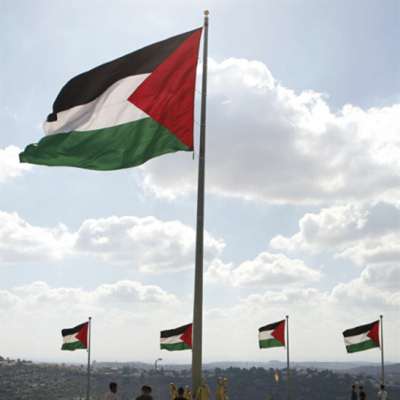
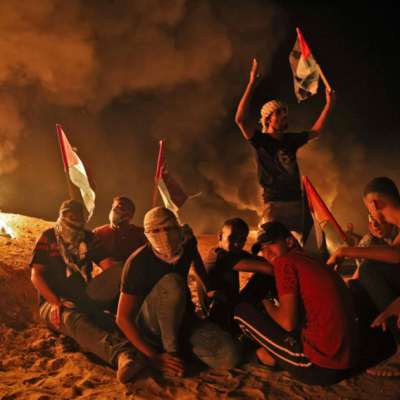
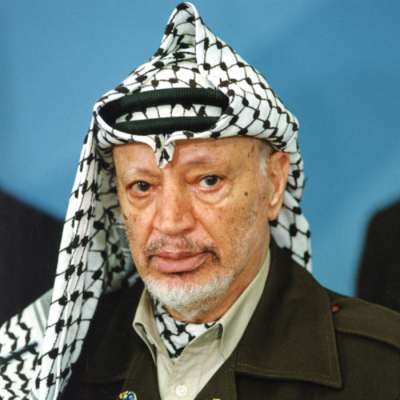
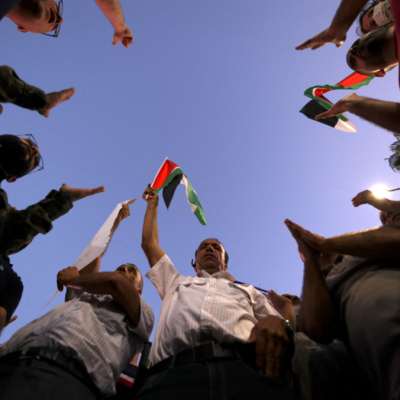
Uprooted Palestinians are at the heart of the conflict in the M.E Palestinians uprooted by force of arms. Yet faced immense difficulties have survived, kept alive their history and culture, passed keys of family homes in occupied Palestine from one generation to the next.
Chief of Palestinian resistance Hamas political bureau Ismail Haniya stressed that ‘Israeli’ prisoners in the besieged Gaza Strip will not see the light of day until Palestinian inmates held in ‘Israeli’ jails are released.
Haniya made the remarks in an interview with the international Arab Forum for Solidarity with Detainees in Zionist prisons on Saturday, the movement’s official website reported on Sunday.
He stressed that the issue of the Palestinian prisoners in ‘Israeli’ occupation jails would remain a top priority for Hamas and the movement supports these inmates by strengthening their steadfastness and working hard until they are released.
Haniya also noted that Hamas has managed to free more than a thousand Palestinian detainees from Zionist jails in the Wafaa al-Aharar [“True Promise of Free Men”] prisoner swap deal with the occupying regime in 2011.
Haniya emphasized that Tel Aviv does not make compromises willingly, confirming that “this enemy gives nothing without being forced to do so.”
More than 7,000 Palestinians are reportedly held in ‘Israeli’ jails. Hundreds have been incarcerated under the practice of administrative detention, which allows holding Palestinian inmates without trial or charge. Some Palestinian prisoners have been held in administrative detention for up to eleven years.
Elsewhere in his remarks, Haniya paid homage to Operation al-Quds Sword, which marked the latest military faceoff between the Zionist regime and the Gaza-based resistance groups, including Hamas.
He confirmed that this confrontation with the ‘Israeli’ occupation forces was a milestone in the history of Palestine, as it has “put the region on the path towards ending the ‘Israeli’ occupation of Palestine.”
Following message was written by Palestinian political prisoners in Israeli occupation prisons on the death of Samah Idriss, Lebanese Arab revolutionary intellectual. The editor-in-chief of Al-Adab magazine, Samah Idriss was the co-founder of the Campaign to Boycott Supporters of “Israel” in Lebanon. In his speech to the Masar Badil (Palestinian Alternative Revolutionary Path) conference in Beirut on 30 October of this year, he declared, “If we abandon Palestine, we abandon ourselves.”
We republish in full the letter from Palestinian prisoners:
The prisoners’ message in memory of Samah Idriss
It is an unusual morning, when the news of your departure comes to sink its teeth into the delicateness of love and emotion, the morning turns into sunset and your soul sets there, Samah. We remain in its shade as it flutters and fills the space on this exceptional morning. The news of the tragedy of your departure replaces for now our thoughts of liberation and freedom. Your absence keeps us transfixed in time, we look around us and remember you, and we still need your words and your committed, principled positions. We are still in the middle of the road to freedom, Samah.
Your news has traveled and reached us as the dew drops fade from the prison fences and bars. With it, our feelings crept in, and we felt the wound of losing you publicly. We want you to hear our last cry, you, who always spoke with our voice and our screams, or perhaps we want to bid you farewell with a whisper of screaming.
Our words will certainly reach you. We are in the prisons of the Zionist colonizer, and we wanted to meet you. You can see and, as you taught us, the journey is still long, and our lamp still needs a lot of oil, so why have you left now?!
Samah, we know that you have not left the mountain. You are as a mountain in your stances, and your steps are engraved in the path of this long journey. You are our beloved comrade, a companion on the hard path of struggle, a friend on the long road. Your body has left us, but your spirit will remain an inspiration to us. Your words and your positions are a beacon that we raise, debate and discuss as we walk. We will keep walking, comrade, until we get there.
From behind bars, behind walls, behind fences, in the clutches of the Zionists, we salute your family, your loved ones, your comrades and your companions. We mourn you with pride and admiration, and the highest commitment to the struggle. We mourn you as a writer, an intellectual, a comrade, and a fighter for the freedom for which you died. Sleep with clear eyes, and know that the road to freedom will never be cut off for free people.
The loss of 100 or so citizens to Iran, Iraq, Yemen, or Morocco would at best be terrible public relations for “Israel”. The loss of 100,000 or more would be existentially disastrous.
Flourishing communities such as those in Iraq, Iran, and Yemen were, for much of history, the centers of the Jewish world and deeply enmeshed within the societies that surrounded them. One of the most effective lies of the Israeli propaganda has been to posit the irreconcilability of Jewish and Arab identities as if it is impossible to be both. The existence of hundreds of thousands of Jews with origins from Morocco to the Gulf demonstrates otherwise.
Throughout the decades in which Arab leaders, in particular, pledged their opposition to the existence of “Israel” and its further colonization of Palestine, they have neglected to use one of the most powerful weapons at their disposal. Had Arab leaders in Iraq, Yemen or the states of the Arab Maghreb wished to truly damage the viability of “Israel”, they could easily have opened the way for their historic Jewish populations to return, trading in their Israeli passports and citizenship for that which they, their parents or even grandparents lost.
The tactical argument
By this point, it has become clear even to the mainstream western opinion that the two-state solution envisioned by the Oslo Process is not even a remote possibility. Rather than the self-determination of an Arab state on the territories occupied in the Six-Day War of 1967, the central issue of the conflict has shifted to the political equality of all Palestinians within the territory of Mandate Palestine. The achievement of this goal would instantly nullify the concept of a “Jewish State” as Jews within the entire territory are already outnumbered by Palestinians, a demographic imbalance that will only grow with time.
Consequently, in terms of alleviating the colonial pressure on the Palestinians, as well as amplifying their demographic, and by extension political advantage, it makes complete sense for the surrounding countries to voluntarily reabsorb their Jewish former citizens, thereby removing them from the arena of conflict.
In the case of Yemen, we are speaking of roughly 430,000 people. Of Iraqi Jews, between 200,000 to 600,000, Iranian Jews number 200,000 to 250,000, and Moroccans some 473,000. Were these communities to return to their homelands in any significant number it would be a catastrophic erosion of “Israel’s” demographic position, as well as its pretensions to being central to the identity of all Jews everywhere.
The loss of 100 or so citizens to Iran, Iraq, Yemen, or Morocco would at best be terrible public relations for “Israel”. The loss of 100,000 or more would be existentially disastrous.
Perhaps surprisingly given the intensity of its opposition to the Zionist state, the Islamic Republic of Iran is one of the regional countries best placed to facilitate this. Since the success of the 1979 revolution, Judaism has received official recognition along with other minority religions such as Christianity and Zoroastrianism, including political representation in parliament.
The Iranian leadership has consistently made clear the distinction it sees between Jews, an ethnoreligious community, and Zionists, purveyors of a racist political ideology. Still, the country’s Jewish citizenry is a fraction of its pre-revolutionary size. Despite this, the future large-scale and permanent return of Iranian Jews is entirely conceivable if Tehran goes to the necessary lengths to assure them that their cultural, religious, and political freedoms would be guaranteed.
Iran would likely be apprehensive about repatriating hundreds of thousands of its former citizens, their children, and grandchildren, in light of the ongoing Israeli campaigns of sabotage and assassination against its nuclear program and other targets. In the long run, however, even a relatively small demographic decline would dramatically constrain the military and covert power of the Israelis, hamstringing their capacity to attack their neighbors.
A population drain of this kind could well lead to a self-reinforcing cycle, whereby other Israeli citizens witnessing outmigration may also choose to emigrate to countries where their long-term future is better guaranteed.
The moral case
This is also a question that may force itself on the governments of the region whether they choose to address it or not.
The Jews of the Arab and wider Islamic world to a significant extent continue to hold on to their eastern cultural heritage. To those governments and movements opposing the colonization of Palestine, this fact represents a unique advantage to be exploited. As both the global and regional environment becomes more hostile to “Israel”, its behavior could become yet more erratic and desperate. By offering resettlement to their former Jewish communities, regional countries would both give them a peaceful way out and demonstrate that Jews do have a future in the region outside of occupied Palestine. Such a gesture would demonstrate to many the futility of sacrificing themselves for a colonial project that will inevitably fail.
Prior to the conflict, the Arab and Islamic world had nothing approaching the levels of persecution and discrimination as those suffered by the Jews of Christian Europe. In the aftermath of the Second World War and the exposure of the Holocaust to global awareness, the west could have earnestly confronted its own deeply rooted anti-Semitism. Instead, it chose to cynically back European Jewish ethnonationalism in Palestine.
For those struggling to end the colonial project in Palestine, an essential element of the strategy must be to demonstrate to enough Jewish Israelis that their own survival is not tied to the survival of “Israel” and that being a Yemeni, Iraqi, or Moroccan Jew does not exclude a person from membership of the Arab nation.
As well as the enormous economic benefits to be had from the reintegration of hundreds of thousands of highly educated and productive people, the value of the societal and cultural enrichment that would follow would be incalculable.
The peaceful repatriation of North African and Middle Eastern Jews to the countries of their birth or recent ancestry may seem like an idealistic pipe dream but it would not entail the creation of a radically new social dynamic. Rather it would be a return to the religious, cultural, and ethnic pluralism which has predominated in the region for so much of its history.
The opinions mentioned in this article do not necessarily reflect the opinion of Al mayadeen, but rather express the opinion of its writer exclusively.
تحت شعار “جهادنا حرية وانتصار”، تُحيي حركة الجهاد الإسلامي في فلسطين هذا العام الذكرى الـ34 لانطلاقتها الجهادية.
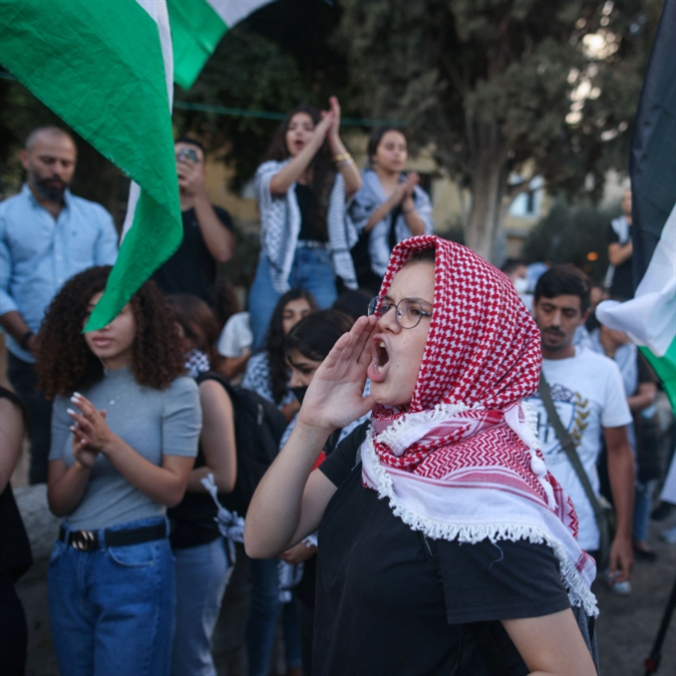
القيادات والحركات الفلسطينية باركت لحركة الجهاد هذا اليوم، مؤكدة وحدة الصف الفلسطيني بوجه العدو المحتل.
قيادات “الجهاد”
وبالمناسبة، قال الأمين العام لحركة الجهاد الإسلامي زياد النخالة إن “ما حدث بعد نفق الحرية يؤكد للعدو مرة أخرى أن هذه الأرض لنا وأن العدو إلى زوال”.
ولفت النخالة إلى أن “هؤلاء القتلة الصهاينة وجب قتالهم فإما حياة كريمة لنا أو ذل مستدام”، مشيرًا إلى أن “هذا العام شهدنا رفضًا لكل محاولات العدو لتهجير أهلنا في الشيخ جراح وحي سلوان”.
النخالة اعتبر أنه “المحزن أكثر هو تمدد الصهيونية في المنطقة العربية بشكل لم يحلم به مؤسسو الصهيونية”.
وقال: “نحن أكثر وعيًا بالمشروع الصهيوني فلنقف جميعًا شعبًا واحدًا وإرادة واحدة”، لافتًا إلى أن “المشروع الرسمي الفلسطيني أقصر من قامة الشهداء”.
وأشار إلى “أننا موعودون بالنصر والعدو محكوم بالخروج من فلسطين وعلينا أن نخرج من الغمغمة السياسية”.
ووفقًا للنخالة، فإن “بعض الأنظمة العربية يأخذ خطابنا للارتماء في المشروع الصهيوني الأميركي”، مضيفًا أنه “إذا لم نفعل ذلك سيبقى الاحتلال وسيتمدد لذلك يجب أن نراهن على شعبنا ومقاتلينا”.
ورأى الأمين العام لـ”الجهاد” أن “معركة سيف القدس كشفت هشاشة الاحتلال وأحيت الأمل لدى شعبنا بأن الانتصار على العدو ممكن”، مشيرًا إلى أنه “أصبح واضحًا للعالم أن مهرجانات التطبيع والسلام الكاذب وافتتاح السفارات لن تغير حقائق التاريخ”.
النخالة أكد أنه “رغم التحديات نراهن على ثبات أهلنا في القدس في التصدي لاقتحامات المستوطنين للأقصى”، قائلًا إن “ما تمر به قضيتنا الفلسطينية من تحديات لا يمنعنا من أن نرى بوادر أمل من أن الانتصار قريب”.
كما شدد على أن “شعبنا شعب مقاوم ومرابط ولم يبخل يومًا في تقديم التضحيات من أجل فلسطين ويواجه أعتى احتلال”. في المقابل “هناك من يراهن على تسويق الوهم في إمكانية إحداث اختراق لدى ذلك الاحتلال”، موجهًا “التحية إلى الأسرى ولا سيما منهم أسرى حركة الجهاد الإسلامي”.
كذلك وجه التحية إلى أبطال نفق الحرية وإلى الأسيرات اللواتي وصفهن بأنهن نجمات على جبين الأمة، مؤكدًا “وحدة قوى المقاومة في فلسطين والمنطقة وحماية هذه الوحدة”.
وشدد الأمين العام على “التمسك بفلسطين كل فلسطين وعلى أن المقاومة خيارنا”، مجددًا رفضه الدائم لكل مشاريع التطبيع والاستسلام مهما بلغ عدد الدول المتورطة فيها.
ممثل “حركة الجهاد الإسلامي” في لبنان إحسان عطايا قال من ناحيته إن “ذكرى انطلاقة حركة الجهاد الإسلامي الـ34 لها ميزة ونكهة خاصة، ولا سيما أنها جاءت خلال عام حافل بالإنجازات المهمة التي غيَّرت فيها “سرايا القدس” وفصائل المقاومة الفلسطينية الكثير من المعادلات مع العدو الصهيوني”.
وأكد عطايا لـ”إذاعة القدس” أن “حركة الجهاد ما زالت ثابتة على خيار المقاومة من أجل تحرير كل تراب فلسطين، ولم تتزحزح عن ثوابتها التي انطلقت من أجلها قيد أنملة”.
وأضاف: “حركة الجهاد في مواقفها وإنجازاتها أكدت للجميع أنه لا يمكن بغير المقاومة تحقيق إنجازات نوعية وتفوق على العدو في طريق تحرير القدس وكل فلسطين”.
ولفت إلى أن “الساحات كلها تعمل على قدم وساق من أجل الاحتفال بذكرى الانطلاقة الجهادية المركزية المتزامنة فيما بينها، لتثبت الحركة بذلك مجددًا أنها ما زالت متماسكة، وقادرة على التواصل والتفاعل، ويمكنها إرسال رسائل متعددة الاتجاهات بأنها ستبقى متسلحة بثوابتها، ومتمسكة بمبادئها ومنطلقاتها، وستظل وفية لنهج قادتها المؤسسين، ولدماء شهدائها المخلصين، وكل الذين استشهدوا على طريق القدس وفلسطين”.
وأكد عطايا في ختام حديثه أن “حركة الجهاد في طليعة المقاومين، وتخوض المعركة مع العدو دفاعًا عن فلسطين ومقدساتها، وصونًا لكرامة الأمة وعزتها”، موجهًا “التحية لشهدائنا وجرحانا وأسرانا البواسل في سجون العدو وزنازينه، ولشعبنا الصابر والمقاوم في غزة الأبية الصابرة، الذي لا يزال يدفع أثمانًا باهظة، ويتحمل الحصار الخانق لتمسكه بخيار المقاومة، وكذلك لأهلنا في القدس والضفة وعموم أرضنا المحتلة في انتفاضتهم المباركة بوجه الاحتلال”.
من جهته، أكد القيادي في حركة الجهاد الإسلامي أحمد المدلل أن الحركة من خلال سلاحها البسيط استطاعت أن تدك العدو الصهيوني وتصنع معادلات ردع جديدة.
وأكد المدلل في تصريح لقناة القدس اليوم أن شرف الانطلاقة الجهادية الـ34 أن الدكتور المؤسس فتحي الشقاقي أراد لفلسطين أن تكون حاضرة دائمًا في صلب الوعي الإسلامي ومن تمحور حوله هم الشباب المسلم.
وقال: “بالرغم من كل ما واجهته حركة الجهاد الإسلامي من حصار ومطاردات إلا أنها أصبحت قوية أكثر”. وأوضح أن كل العمليات البطولية لحركة الجهاد وصولًا لعملية انتزاع الحرية أعادت تأثير الحركة على الطاولة العالمية.
وشدد على أن المقاومة الفلسطينية والشعب الفلسطيني هما السد المنيع أمام العدو الصهيوني الذي لا يفهم سوى لغة القوة. وأكد أنه لا بد من وجود مشروع عربي إسلامي نهضوي في مواجهة المشروع الاستكباري الصهيوني.
وبيّن المدلل أن الكيان الصهيوني يعيش في أسوأ مراحله لأن سلاح المقاومة وعلى رأسه سلاح سرايا القدس استطاع ضرب عمق “تل أبيب”.
قيادات “حماس”
وقد هنأت حركة المقاومة الإسلامية “حماس” حركة الجهاد الإسلامي وأمينها العام، وأعضاء المكتب السياسي، وعموم قادة الحركة وكوادرها بمناسبة ذكرى الانطلاقة الرابعة والثلاثين.
وقالت “حماس” في بيان إن انطلاقة حركة الجهاد الإسلامي مثلت إضافة نوعية وإسهامًا كبيرًا في تعزيز المقاومة، وردف مشروع التحرير وحق العودة بالقوة والمنعة.
وأكدت الحركة في هذه المناسبة وحدة الهدف والقواسم المشتركة القائمة على خيار المقاومة ومقارعة المحتل، والمضي في تعزيز وحدة الحال والكلمة، والاستمرار في تحالف متين نحو هدفنا المشترك، تحرير فلسطين من بحرها إلى نهرها.
ولفتت إلى أن الصورة المشرقة التي جمعت سرايا القدس وكتائب القسام وكل أذرع المقاومة الفلسطينية في مواجهة الاحتلال ستبقى هي الحقيقة الثابتة، والتي لن تتغير حتى تطهير الأرض والمقدسات.
وأضافت “في هذا اليوم المجيد نقف إجلالًا للقادة الشهداء، المؤسس الدكتور الشهيد فتحي الشقاقي، والدكتور الشهيد رمضان شلح، وكل الشهداء والأسرى من حركة الجهاد الإسلامي الذين برهنوا بالدم على صدق التمسك بمسار التحرير والإصرار عليه، وأنهم لن يقيلوا أو يستقيلوا حتى يتحقق هدف التحرير”.
وبعثت الحركة بخالص التبريكات والدعوات الصادقات لرفقاء الدرب وشركاء الدم، مجددة معهم عهد الوفاء لفلسطين حتى نلتقي في ساحات المسجد الأقصى المبارك مهللين مكبرين محررين، وما ذلك على الله بعزيز ولا بعيد.
من جانبه، وجه اسماعيل رضوان القيادي في حركة حماس التحية والتهنئة لحركة الجهاد الاسلامي في ذكرى انطلاقتها، مؤكدًا أن انطلاقة حركة الجهاد الإسلامي نوعية وليست زيادة رقمية حيث أضافت رخمًا جديدًا في العمل المقاوم وأبدعت في ميداني السياسة والمقاومة معًا.
وقال رضوان: “نعتز بالعلاقة التي تربط حركة حماس والجهاد الاسلامي، حيث إننا يدٌ واحدة، وسرايا القدس وكتائب القسام تعملان سويا وستواصلان العمل كونهما رفقاء الدم والمصير”، مشددًا على حرص حركته على تطوير العلاقة الثنائية بين حركتي الجهاد الاسلامي وحماس وكل الوطن حتى الوصول للوحدة الوطنية التي تحافظ على الثوابت حتى تحرير فلسطين.
وأضاف رضوان: “العلاقة التي تربط بين الحركتين قائمة على المبدأ والعقيدة كوننا أصحاب مدرسة ايمانية تستمد أساسها من القرآن والكريم والسنة النبوية، وهي ما يربطنا في الفكر والتربية فنحن نسير على ذات الشوكة”.
وأشار رضوان إلى أن حركتي الجهاد وحماس قدمتا أغلى ما لديهما من رموز القيادة، بالإضافة إلى قيادة الجهاد الإسلامي مؤسسها فتحي الشقاقي وهاني العابد والخواجة وبهاء أبو العطاء وغيرهم من قوافل الشهداء، مؤكدًا أن التحام الحركتين نابع من صدقهما في تحرير فلسطين والتكامل القائم من رأس الهرم إلى باقي المجالات العسكرية والميدانية.
حركة “المجاهدين”
في السياق نفسه، تقدمت “حركة المجاهدين الفلسطينية” ممثلة بأمينها العام أسعد أبو شريعة “أبو الشيخ” وأعضاء مكتب الأمانة العامة وكافة قيادة وكوادر الحركة من إخوة الدين والدرب والجهاد في حركة الجهاد الإسلامي، وعلى رأسهم القائد زياد النخالة الأمين العام للحركة وأعضاء مكتبها السياسي وكوادرها، بخالص التهاني والتبريكات في ذكرى انطلاقتهم الرابعة والثلاثين.
وقالت حركة المجاهدين في بيان لها إن الانطلاقة أضافت زخمًا جهاديًا لمسيرة النضال الفلسطيني وللحركة الإسلامية في فلسطين، فكانت معلمًا بارزًا في مشروع التحرير والعودة، وقدمت رصيدًا كبيرًا في مسيرة الفكر والبندقية.
واعتبرت أن هذه المناسبة الجهادية أكدت الروابط الوثيقة التي تجمع مجاهدي الحركتين ومقاتلي سرايا القدس وكتائب المجاهدين والمشوار الطويل من التنسيق والعمل المشترك لنؤكد مضينا في تعزيز روابط الشراكة والتحالف نحو تحرير فلسطين من بحرها إلى نهرها وانتزاع كل الحقوق.
وشددت على ضرورة تعزيز التعاضد بين فصائل المقاومة كجسم فلسطيني أصيل يعبر عن ارادة الشعب في التحرر والخلاص من المحتل.
حركة “الأحرار”
بدورها، هنأت حركة الأحرار حركة الجهاد الإسلامي في الذكرى الـ34 لانطلاقتها الجهادية، مؤكدة أنها امتداد لمسيرة من الجهاد والعطاء في خدمة مشروع المقاومة
وقالت حركة الأحرار إن حركة الجهاد الإسلامي شكَّلت عنوانًا من عناوين الجهاد والبطولة وركيزة أساسية في ريادة مسيرة نضال شعبنا وإضافة نوعية لفصائل المقاومة الفلسطينية.
واستذكرت الحركة قادتها الكرام المؤسس الدكتور فتحي الشقاقي والأمين العام السابق د.رمضان عبد الله شلح وقافلة كبيرة من الشهداء، متمنية لحركة الجهاد دوام الرفعة والتقدم والارتقاء والثبات على خطى الشهداء.
حركة “فتح”
بالموازاة، هنأ عباس زكي عضو اللجنة المركزية لحركة فتح الأمين العام لحركة الجهاد الاسلامي القائد زياد النخالة ومكتبها السياسي وكوادرها بذكرة الانطلاقة الجهادية الـ34، مشيدًا بالحفاظ على نهج الحركة القائم على الثوابت ونضالها من أجل استعادة الأرض دون أن تسأل عن مكانتها في الحصص.
وقال زكي: “كرم الله حركة الجهاد الاسلامي أن يكون قائدها الأول شهيدًا، ونحن نراهن على الحركة التي تعلقت وملأت الفراغ وأصبحت قوة لا يستهان بها في ظل أوضاع غاية في التعقيد”.
وأشاد زكي بالأمين العام لحركة الجهاد الاسلامي القائد زياد النخالة لحفاظه على الإرث العظيم بعناده وإصراراه على الثوابت التي تُشكل طموح شعبنا.
وشدد زكي على أن العدو يقف حائرًا أمام حركة تكرس الوعي والفهم الذي انطلقت على أساسه بالإضافة إلى دورها المعاصر، مشيرًا إلى أن الاحتلال يستهدف أسرى الجهاد الإسلامي، بعد أن قام ستة من نخبتها بحفر نفق داخل سجن جلبوع واصطحاب المارد الفتحاوي ليعطي العارضة رسالة لنا جميعا أن الوحدة هي الأساس للقضاء على الاحتلال.
Ariel Sharon gave the commands, the Israeli-backed militiamen did the dirty work.
On one occasion of forty hours of ruthless slaughter, “Israel’s” June 6, 1982 invasion of Lebanon, called “Operation Peace for Galilee,” hardly experienced any sense of peace. Linda Butler, an associate editor at the Journal of Palestine Studies, narrates it well.
According to “Israel,” the aim of the operation was to push back the frontiers of the Palestinian resistance fighters to “protect the people of Galilee” – however, little did 3500 Palestinian and Lebanese know about how their death, sans criminal record, would protect settler colonialism miles and miles away. The second goal of the invasion was to station a government that has an affinity to Israeli settler colonialism. In this case, the president that was to assume office was right-wing leader Bashir Gemayel.
Sharon called it, “ridding the world of international terrorism.”
West Beirut, which engulfed the Sabra and Shatila camps, was besieged for 70 days. Three months into the invasion, 17,825 people were killed in occupied regions. West Beirut’s death toll alone, due to airstrikes, artillery and gunfire, took up 2,461 civilians.
As the death toll incessantly mounted, the Palestinian Liberation Organization (PLO) came to an understanding in August: to evacuate 11,000 Palestinian fighters and officials under the supervision and auspices of French, US, and Italian troops. The troops left by September 10, 1982.
On the afternoon of the 14th of September, Bashir Gemayel was assassinated in the Kataeb (Arabic for Phalengist) headquarters in Achrafieh, East Beirut. Habib Shartouni, a member of the Syrian Social Nationalist Party, was blamed for the explosion.
Ariel Sharon, the security minister at the time, capitalized on the assassination to execute a plan that has impacted the lives of thousands.
Sharon immediately pused the narrative that the Palestinians were behind the assassination of the Christians’ leader, and that they must be avenged as soon as possible.
Accordingto an Israeli journalist, Amnon Kapeliouk, the horrendous operation to be launched by Sharon had been “meticulously planned long in advance.”
At 3:00 AM on the 15th of September, Chief of Staff Rafael Eitan, Major General Amir Drori, Chief of Intelligence Elie Hobeika, and the Lebanese militia’s new commander-in-chief Fadi Frem met to discuss entry into the Sabra and Shatila camps. Sharon instructed, “Only one element, and that is the IDF, shall command the forces in the area.” While the IDF gave the orders, the Phalangist militiamen did the dirty work:
Fighter jets flew at a low altitude and tankers and troops surrounded the camps from all sides. Israeli snipers were at work, tanks were shelling the premises, and all exits and entrances were blocked by the IDF. Families locked themselves in their homes.
By 11:30 AM on the 16th of September, the Israelis announced that they had taken control of Beirut.
At 4:00 PM, jeeps supplied by the Israeli occupation forces drove into Shatila with the guidance of arrows drawn on the walls by the Israelis.
A platoon of 150 militia soldiers, armed with guns, knives, and axes, stormed the camp. Immediately, they entered homes, slit throats, axed, shot, and raped. On many occasions, they would also slit pregnant women’s bodies open, leaving them and their fetuses to bleed to death. Entire families and neighborhoods were lined up on the streets and shot ruthlessly.
On Thursday and Friday, Israelis fired light flares into the camps to guide the militiamen in the massacre. One Dutch nurse described the camp as bright as “a sports stadium lit up for a football game.”
By 8:40 PM, a briefing by an army general, Yaron, took place: He said that the militiamen are confused as to what to do with the men, women, and children. They were concerned that they found no terrorists, which left them to wonder what to do with the population they have rounded up.
At this point, the Israelis were divided on whether the operation should proceed or not. On the one hand, one commander thought things “may have gotten too far,” another commander was impressed with the militiamen’s work and that they should continue, as they called it, “mopping up” till Friday, 5 AM the next day. Upon requesting another bulldozer to “demolish illegal structures,” the Israelis unconditionally granted it to the Phalangists.
On Friday the 17th of September, the systemic murdering persisted. Bulldozers were at work: they were digging mass graves, and scooping bodies into piles on trucks just outside the camps. The “illegal structures,” which were inhabited buildings, would be destroyed so that bodies would be buried under the wreckage. At the height of this round of massacre, 400 militiamen were involved.
On Saturday at 6 AM, loudspeakers passing through the camps would order civilians to give in to the militia, to exit their homes, and turn themselves in. At that point, it was reported that a thousand people marched out of their homes in lines. The Israeli-backed militiamen would take some of the civilians out of the line and execute them on the spot, whereas others would be dragged to trucks nearby the Kuwaiti embassy and kidnapped…never to be found again.
At 9 AM, international journalists and media outlets entered the camps only to find piles of bodies lying down on the floor – many mutilated, maimed, and unidentifiable. Many graves were shallowly dug, leaving dead body parts to appear arbitrarily.
By 10 AM, the militiamen left the camp and the Israelis stayed out of the “scene” as to not be blamed for anything, refusing any accountability and denying any involvement in the disaster.
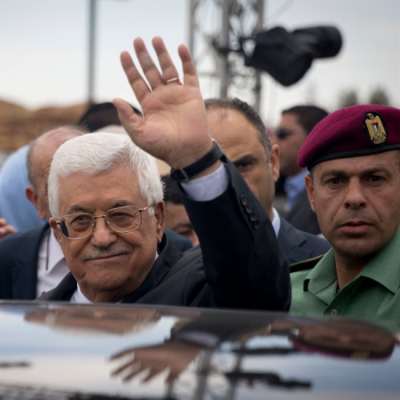
ثمانية وعشرون عاماً مرّت على توقيع «اتفاقية أوسلو». عقدان وسنوات ثمانٍ ثبت خلالها أن تلك الاتفاقية لم تكن أكثر من خديعة تعرّض لها الفلسطينيون، حتى يُربط مصيرهم أبداً بالاحتلال، من دون أن يقدروا على الفكاك منه. وبمعزل عن تفسير ما أقدم عليه الراحل ياسر عرفات من صفقة خاسرة أعطت إسرائيل كلّ شيء مقابل بعض الشيء وأشياء كثيرة متخيّلة، فإن ما آل إليه واقع السلطة التي أفرزها «أوسلو» يبدو من السوريالية بمستوى يصعب وصفه. إذ إنها تحوّلت إلى سيف مسلّط على رقبة المقاومة الفلسطينية، ليس من المبالغة القول إنه أمضى من السيف الإسرائيلي نفسه، فيما أضحى الهمّ الشاغل لقياداتها ووجوهها المحافظة على وجودهم ومكاسبهم، وإلى ذلك طريق واحد وحيد: “التنسيق الأمني”، الذي أضحت بموجبه السلطة حارساً وفيّاً لأمن إسرائيل ومصالحها، مع اطمئنان شبه كامل لدى الكيان العبري إلى أن هذا الواقع لن يتغيّر حتى ولو مات محمود عباس وشبع موتاً
يمكن للسلطة الفلسطينية والقائمين عليها أن يطلقوا على أنفسهم ما يريدون من أسماء وتوصيفات ترفع كيانهم السياسي إلى مراتب الدول ذات القرار والسيادة، إلّا أن ذلك لا يغيّر من واقع النظرة الإسرائيلية إليهم:…
بعد مقتل الناشط السياسي، نزار بنات، مطلع الشهر الجاري، وما سبق ذلك من فضيحة اللّقاحات منتهية الصلاحية، وأزمات الفساد و الحضور الهامشي لـ«المقاطعة» خلال حرب غزّة، زاد الحديث في الأوساط السياسية…
على مدار سنوات سبقت توقيع «اتفاق أوسلو»، سعت شخصيات فلسطينية وأخرى عربية في إقناع قيادة «منظّمة التحرير»، ورئيسها الراحل ياسر عرفات، بالذهاب نحو حلّ مرحلي، وإنهاء الكفاح المسلّح ضدّ دولة الاحتلال،…
على مدار الأعوام الماضية، واجهت المقاومة الفلسطينية عدواً داخلياً تمثّل في السلطة الفلسطينية وأدواتها الأمنية والسياسية، التي عملت على وأد المقاومة بالاعتقال والاغتيال والتنسيق الأمني مع الاحتلال….
يصحّ القول إن طموح الدولة، أو تحصيل أيّ مظهر من مظاهر السيادة، مثّل عقدة نقص لدى القيادة الفلسطينية، ليس منذ تأسيس «منظّمة التحرير» في مطلع الستينيات فحسب، إنّما للأمر جذورٌ فطرية تتّصل بواقع الشخصية…
على مدار 27 عاماً، واجهت المقاومة الفلسطينية عدواً داخلياً تمثّل في السلطة الفلسطينية وأدواتها الأمنية والسياسية، التي عملت على وأد المقاومة بالاعتقال والاغتيال والتنسيق الأمني مع الاحتلال. وخلال…
لم تَعُد حركة «فتح»، بعد قيادتها السلطة الفلسطينية، كما كانت قبلها؛ إذ باتت أطرها جميعاً مرتبطة بوجود السلطة التي تربط التنظيم بالرواتب والمناصب التي توزّعها على قياداتها. ومنذ بداية تأسيس السلطة،…
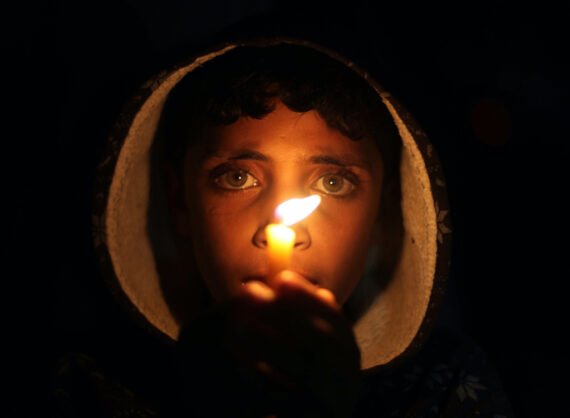
The continuing electricity crisis in Gaza means that it is only a matter of time before another Palestinian family dies in a fire caused by candles.
A Palestinian boy holds a candle during a protest against power cuts on November 3, 2013 in Gaza City. Gaza’s lone power plant shut its generators on Friday due to a fuel shortage, a move that will likely increase already long blackout hours in the impoverished coastal territory. Photo by Ashraf Amra. Anadolu Agency.
In late June 2006, and soon after Palestinian factions captured the Israeli soldier Gilad Schalit in an attack against an Israeli military outpost southeast of Gaza, Israel started a destructive military operation in the coastal enclave to bring its solider back. One of the main infrastructures destroyed by Israel’s military operation in Gaza at the time was Gaza’s only power plant, located in the Al-Nuseirat refugee camp where I grew up.
Israel’s F-16s destroyed the power plant with a dozen missiles as my family gathered in the middle of the night to seek some sort of protection. I remember that night vividly as my mother brought us together while Israeli warplanes fired their missiles at the power plant a mile away from my family’s house. The house would shake and the screams of children at night would be heard even clearer, breaking the relative silence of the night which was violated by the sonic sounds of the Israeli warplanes.
In the same year, my youngest brother Omar was born. Today, he is 15 years old – the number of years of Israel’s siege on Gaza – and he has probably not enjoyed a single full day of electricity in his entire life in Gaza. The year 2006 saw the start of the power outages crisis in the coastal enclave, which has only got worse over the years. At the start of the crisis, electricity was cu off for four hours a day. As the demand for more electricity increased with Gaza’s population doubling by some 70,000 a year, and as fewer people were able to pay electricity bills due to the lack of jobs, the crisis has only got worse.
For years, Israel has prevented the entry of materials needed to fix the damaged power engines and the oil tanks destroyed by its warplanes. In many instances, Israel would link allowing shipments of manufactured fuel to run the Gaza Power Plant to ceasing hostilities. Meanwhile Gaza’s power plant, which produces 140 MW of Gaza’s total need of 450 MW, has rarely been able to function at full capacity. Gaza depends on other sources to cover the rest of its needs including two Egyptian and Israeli supply lines. In many instances, these two lines have gone down, and Israel has used the pretext of the security situation in the Gaza Strip to postpone fixing the Israeli supply line.
The electricity crisis has impacted all aspects of life in Gaza. From 2006 to this day, dozens of patients have passed away due to the lack of electricity in the intensive care units (ICUs).
As forest fires continue unabated in many parts of the world due to the recent heat wave, one can only imagine what this heat wave means for the people of Gaza. In a place like Gaza, where green areas are limited, and where thousands of people live in tin houses in ever-crowded refugee camps, the heat is even worse. The only place people can escape to is the Mediterranean Sea, much of which is polluted by untreated sewage water that is pumped into the sea because the only desalination treatment in the Gaza Stirp was also destroyed by Israel in 2008/9.
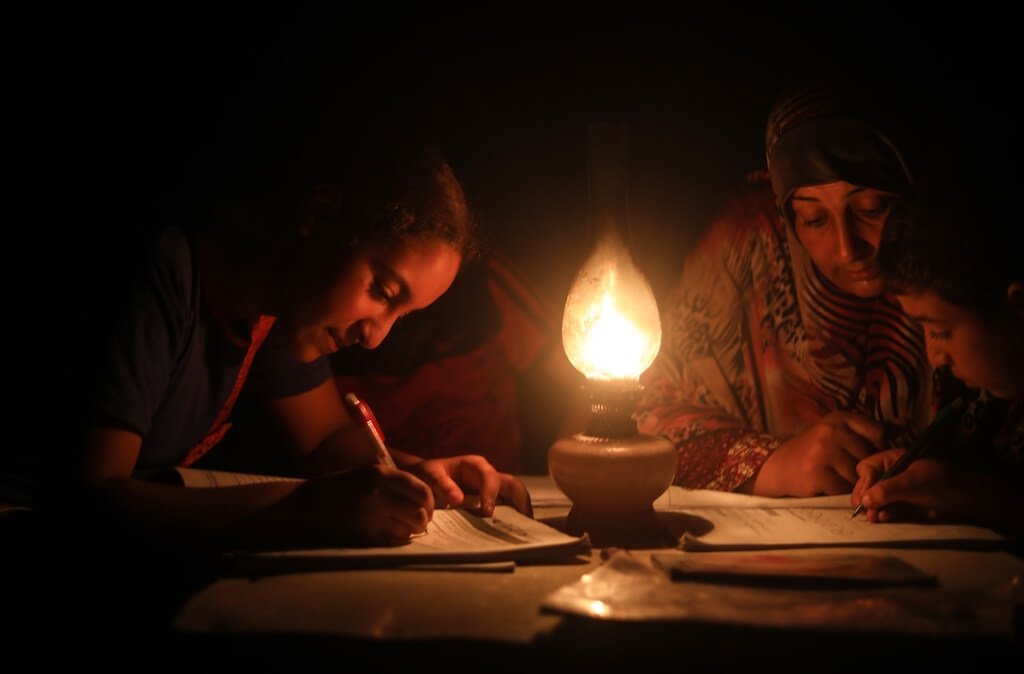
The electricity crisis has impacted all aspects of life in Gaza. From 2006 to this day, dozens of patients have passed away due to the lack of electricity in the intensive care units (ICUs). It has become nearly impossible for students to sit their exams or study due to the lack of electricity. Many factories and industries have stopped working due to the lack of electricity which is crucial to their functioning. All the people living in Gaza have had to change their lifestyle including when to cook, use the washing machines, or sleep, based on the power outage schedule.
A woman helps children study under candle light during a power cut in Khan Yunis, Gaza on August 18, 2020. After Israel tightened the blockade in Gaza Strip, the only power plant in the area stopped production affecting the life especially the health sector. Photo by Mustafa Hassona. Anadolu Agency.
The power outages crisis in the Gaza Strip has created new industries, some of which have been exploited by greedy merchants. Nearly every household in Gaza has a generator. As fuel prices jumped to 7 NIS (more than $2) per liter, following the destruction of many tunnels connecting Gaza with Egypt that were used to smuggle fuel, fewer people were able to run their generators.
In 2011-2013, when Egyptian fuel reached Gaza, most people turned on their generators at the same time, creating excessive noise pollution in the overpopulated coastal enclave. As this industry developed more and with fewer people able to run their own generators in the Gaza Strip, another private industry emerged with private electricity networks and companies being established. People interested in six extra hours of electricity pay approximately $50 a month and are able to use their lights and turn on their TVs – but not their fridges or electrical devices that consume a lot of energy.
With unemployment rates rising by the day in the Gaza Strip, only a handful of people can afford to pay their electricity bills, let alone subscribe to private electricity networks. The majority of people choose to leave their oven-like houses for the sea, which tends to be very crowded in the summer. The lack of electricity has also affected people’s ability to pump water into their tanks, creating yet another problem for Gazans.
So far, the international community has failed to provide tangible solutions to Gaza’s ongoing electricity crisis. First, it has failed to make Israel accountable and ensure it does not target Gaza’s already fragile electricity infrastructure. The international community has also failed to pressure Israel to allow the implementation of long-term projects in the Gaza Stirp that would solve the issue of power outages in the coastal enclave such as the proposal by Turkey to send a floating power plant; the proposal by Qatar to convert the power plant so that it operates on gas and to establish a gas line to provide Gaza’s power plant with the needed gas; or Algeria’s proposal to send fuel to operate the power plant.
The Palestinian division between Hamas and Fatah has added fuel to the fire in this regard. In many instances, the Palestinian governments of Gaza and the West Bank would exchange accusations over who is responsible for the crisis. Meanwhile, Israel, the occupying power, which should provide Palestinians with all needed services according to international law, acts with impunity.
The international community should hold Israel responsible and make sure that it provides Palestinians, who live under its tight siege in Gaza, with electricity.
The people of Gaza, who have experienced four major Israel offensives – the latest of which was in May 2021 and which resulted in the destruction of more infrastructure in the Gaza Stirp – deserve to live in dignity and to enjoy full, basic services. The international community should hold Israel responsible and make sure that it provides Palestinians, who live under its tight siege in Gaza, with electricity.
The denial of basic rights to the Palestinians has created a Palestinian generation that sees no hope in achieving a just solution to their plight. Meanwhile, the continuing electricity crisis in Gaza means that it is only a matter of time before another Palestinian family dies in a fire caused by candles.
Israel and the international community should fear the reaction of people like my youngest brother Omar. The situation in the Gaza Strip is unsustainable, and if the dignity and freedom of Palestinians there are not respected, regional security will always be at stake, and it will be a matter of time before another conflict breaks out, bringing even more destruction to Gaza’s infrastructure.
VIDEO: Nakba Survivors Speak: “The sky was our blanket and the ground was our mattress”
Kabbalistic Balance
-
Kabbalistic Balance August 6 2026 ___________________________________ More
Vids! +BN Vids Archive! HERE! ___________________________________ Support
The Br...
Report on Beth Israel vigil 07-04-26
-
*1A Rights under combined attack from local government plus media*
Ann Arbor City Council is at it again. Right before the long 4th of July
weekend, they ...
-
Hello all,
It is with great sadness that I share with you the passing of our beloved
sister, Mother, and Grandmother, the individual that you all knew ...
Best Horror Podcast
-
Best Horror Podcast Introduction: Horror podcasts […]
The post Best Horror Podcast appeared first on Copper Shock Horror Podcast.
Ikhras Endorses Muntadhar Al-Zaidi
-
“Oh parties of banditry and sectarianism and corruption, we have come and
our goal is to destroy you.” Ikhras formally endorses Muntadhar al-Zaidi,
Iraqi j...
Prince Charles: Foreign Jews behind bloodshed in ME
-
In May, 2017, British Crown Prince Charles declined an invitation from
Zionist entity’s president Reuven Rivlin‘s to attend the 100th anniversary
of the no...
Palestinian Women – One for All, All for One
-
Honouring All Palestinian Women by Honouring Three: Hanin Zoabi, Ahed
Tamimi, Samah Sabawi Vacy Vlazna “Palestinian women have always stood side
by side ...
US’s Saudi Oil Deal from Win-Win to Mega-Lose
-
By F. William Engdahl Who would’ve thought it would come to this? Certainly
not the Obama Administration, and their brilliant geo-political think-tank
neo-...
-
*Mordechai Vanunu wins human rights prize of Brazilian Press Association *
* http://www.alternativenews.org/english/index.php/features/updates/7038-mordechai...
Abdul Aziz Rantissi:
"My ultimate wish, my God, is to attain martyrdom,"...God granted him his wish on April 17, 2004, at the hands of Israeli assassins.