Uprooted Palestinians are at the heart of the conflict in the M.E Palestinians uprooted by force of arms. Yet faced immense difficulties have survived, kept alive their history and culture, passed keys of family homes in occupied Palestine from one generation to the next.
In yet another victory scored by the Palestinian ‘Islamic Jihad’ detainees, the resistance movement’s Leadership Committee announced that its detainees have suspended their hunger strike, declaring victory against the ‘Israeli’ occupation prisons administration.
A statement made by Islamic Jihad spokesman Tarek Izzeddine mentioned that “in a rapid development, the committee decided to suspend the strike, declaring to our people the victory of our resistance fighters in the battle of empty stomachs.”
He, however, made clear that details of the deal will be announced later.
“The victory of the detainees in their hunger strike against the occupation’s prisons administration is a victory of the entire Palestinian people and a turning point in the confrontation with the jailer to achieve the demands, adding that breaking the pride of the occupation at the hands of the Islamic Jihad has been certain.
The committee also explained that the decision to suspend the open hunger strike was made after the ‘Israeli’ prisons’ administration has submitted to most of the Islamic Jihad detainees’ demands, atop of which was to stop the brutal campaign against them, return the isolated ones, and improve the conditions of the female detainees.
Additionally, the committee thanked the Palestinian people and the free people of the world who supported this movement to preserve the organizational identity and the heritage of the Palestinian martyrs.
In violation of the Fourth Geneva Convention and others, the Israeli occupation pursues a policy of medical neglect against Palestinian prisoners who are continuously subjected to torment and maltreatment.
The Israeli occupation’s neglect of Palestinian prisoners violates the Fourth Geneva Convention
Behind the walls of the Israeli occupation prisons, Palestinians are always exposed to aggression and brutality under the Israeli apartheid regime. As a result of neglect and abuse, some freed prisoners with forsaken medical cases are reported dead shortly after their release, and others are reported dead inside the prison.
The methods to weaken both the will and the body are a tragic duality practiced amidst an Israeli political and judicial system that legitimizes torture and psychological pressure against Palestinian and Arab prisoners.
The reported health status of prisoners proved that the Israeli occupation, specifically the Israeli Prison System (IPS), flagrantly violated many international treaties and covenants, especially the Fourth Geneva Convention.
According to the Addameer Association for prisoners’ support, there are 4,650 Palestinian prisoners in Israeli occupation jails, including 200 children and 520 administrative detainees held without trial or charges.
The latest victim of negligence
The most recent case was reported on Wednesday after a Palestinian man diagnosed with cancer was medically neglected, resulting in his death.
The released Palestinian prisoner, Hussein Masalmeh, 39, was reported dead by the Commission for Detainees and Ex-Detainees’ Affairs on Wednesday night.
A statement by the Commission stated that the Israeli occupation’s medical negligence resulted in Masalmeh’s martyrdom.
They revealed that the prisoner spent 19 years of his 20-year sentence in prison, beginning in 2002 until February 14, 2021, when he was released to his painstaking medical journey in the Hadassah Hospital in the occupied city of al-Quds for seven months.
A week ago, he was transferred to Istishari Hospital in Ramallah where he died as a result of Israeli negligence.
Hussein Masalameh complained of abdominal pains for two months, while incarcerated in “Israel’s” southern an-Naqab prison, before he was admitted to the Soroka Hospital to be treated for what was later diagnosed as blood and bone marrow cancer.
The Palestinian Prisoners’ Club held the Israeli occupation responsible for the liberated prisoner’s death, condemning the Israeli occupation’s crimes of “medical negligence” that has been practiced for years against hundred of ill prisoners.
The adopted policy of neglect
Prisoners are subjected to systematic brutal physical and psychological torture methods, which harm and weaken their bodies. These methods include denial of access to real medical care, delaying the provision of treatment to sick and injured prisoners, oppression, humiliation, and torture, followed by fierce interrogations.
The Commission revealed that more than 500 male and female Palestinian prisoners in Israeli jails suffer from illnesses and diseases, which include severe cases of cancer.
Prisoners’ testimonies revealed that “200 prisoners are suffering from chronic illnesses, 25 from cancer, and 85 from various disabilities (physical, mental, psychological, and sensory), while the remaining 25 prisoners permanently reside in the clinic of Ramleh prison”, according to the Commission.
According to a report by the United Nations, “206 Palestinian prisoners and detainees died in Israeli jails as a result of cruel treatment and harsh conditions; 71 died as a result of torture; 54 died due to medical negligence; 74 were assassinated after detention.”
The Israeli occupation prisons’ administrations continue to delay the transfer of incurable cases to hospitals, and if they are ever transferred, it would be with their hands and feet handcuffed, not to mention the harsh and cruel treatment they are subjected to. According to the Commission of Detainees and Ex-Detainees’ Affairs, ill or injured prisoners are transported in unsanitary closed cars, instead of properly sanitized ambulances.
Factors that could increase the number of ill prisoners
The factors that contribute to consolidating the policy of deliberate medical negligence are many, and they include delaying providing treatment and committing medical crimes. The policy of neglect adopted by the occupation forces means neglecting their responsibility in providing the necessary medical care for prisoners.
Other factors include the abstinence from maintaining hygiene in the prisons necessary for the wellbeing of ill patients. There are no reports whatsoever of ensuring healthy and clean environments for prisoners. In the same context, no measures are taken to prevent insects and rodents from swarming into the imprisonment areas.
Another factor is overcrowdedness in cells and the absence of isolation rooms for patients with infectious diseases, such as acute and infectious viral intestinal infections and scabies, which threaten the health condition of fellow inmates.
Moreover, punitive measures are taken against the prisoners, which worsens their psychological conditions, and they can be summarized by the delays in transferring them to specialized external hospitals, denial of visits, sudden night searches, placing prisoners in solitary confinement cells, and forcing prisoners to take off their clothes in a humiliating and degrading manner.
Furthermore, the prisons lack any auxiliary medical devices for people with special needs, such as prosthetic limbs for amputees, medical glasses, and breathing devices and nebulizers for patients with asthma, chronic bronchitis, and other pulmonary diseases.
Female prisoners
Female prisoners of course do not get any kind of special treatment in Israeli occupation prisons. According to the Commission of Detainees and Ex-Detainees’ Affairs, female prisoners suffer from the absence of any gynecologist or female specialist or assistant, especially for pregnant prisoners who need regular follow-ups.
This only leads us to the injustice of forcing pregnant female prisoners to give birth with their hands and legs cuffed, without any consideration for the prenatal and postnatal care required, not to mention their suffering during labor.
Anhar al-Deek, a 25-year-old Palestinian prisoner, is one of many women in Israeli prisons who had to go through tough pregnancy circumstances until she was conditionally released from an Israeli prison before giving birth. She sent a message that described her sufferings in captivity, which caught the attention of the international community and triggered public opinion, thus pressuring the Israeli occupation to release her.
“What shall I do if I give birth while I’m away from you (her family)? I am handcuffed and you know how cesarean operations are [difficult enough] outside prison, so how [do you think it’ll be] in prison, with me handcuffed and alone?” Anhar wrote in agony prior to her release.
Israa Jaabis is another prisoner that has been suffering from medical neglect in the occupation prisons for 11 years since her arrest. Jaabis has third degree burns all over her fragile body, which she sustained after her car exploded near an Israeli occupation checkpoint in 2015. As a result, she was charged with attempted murder.
In a statement to her lawyer, she mentioned that the Israeli Prison System (IPS) did not provide her with the proper health care necessary for her treatment.
Even teenagers are not spared
In a statement from Ofer Prison to Addameer Association, an 18-year old teenager revealed his suffering inside the occupation prison. The boy stated that the doctor in the occupation prison only made quick tests after he started suffering from severe stomach pain. The doctor only gave him pills to help with the pain, which only worked at first. But after he was admitted to the clinic again, the medical staff said he was dehydrated. Yet after his release, he was struck with severe pain, and he was diagnosed with appendicitis that led to an infection spreading all over his body after his appendix burst. This is only one example of a series of easily avoidable prolonged agony the prisoners have to go through due to the maltreatment and negligence of the Israeli occupation in prisons.
“It turned out that my appendix had burst and an infection spread throughout my abdomen”, he revealed.
The 22-year-old wounded prisoner, Ayman al-Kurd, from occupied al-Quds, who received a 35-year prison sentence, is yet another example of the Israeli occupation brutality.
Al-Kurd now suffers from paralysis in his lower limbs, moves in a wheelchair, and lives in extremely difficult, agonizing health conditions in the Ramle Prison Hospital, following a rampage by the Israeli forces who shot him 13 times at close range.
Statements from behind the prison walls
Several prisoners shared statements with the Commission from inside the occupation prisons. They emphasized that prisoners live under difficult conditions without taking into account their physical and medical situation, in addition to being subjected to continuous physical assaults and psychological pressure.
In a statement from the Gilboa Prison, from which 6 prisoners managed to break out, Prisoner Amir Makhoul stated that the administration medically neglects around 70 prisoners that require immediate professional aid, some of whom suffer from hypertension, diabetes, and other chronic diseases.
Prisoner Bilal Zayed said that the number of medical cases in Megiddo Prison that require immediate and serious healthcare exceeds 300. He also mentioned that some detainees who arrive in the prison suffer from depression, introversion, and lack of self-esteem due to the applied interrogation methods that involve psychological and physical torture, solitary confinement, degrading treatment, and verbal abuse.
The Fourth Geneva Convention
The Israeli occupation has always violated the basic humanitarian laws and the laws endorsed by the Geneva Conventions, precisely the Fourth Geneva Convention, and continues to do so by adopting the policy of medical neglect towards the Palestinian prisoners suffering under the occupation.
The IPS continues to violate the relevant provisions of the Geneva Conventions by neglecting the basic medical needs of prisoners. In contrary to the Fourth Geneva Convention, the occupation deprives Palestinian prisoners of family visits, clothing, and blankets during the cold.
A report by the United Nations mentions that, in 2014, the Israeli occupation issued new “legislations” against Palestinian prisoners that include “forced feeding during hunger strikes, increasing the punishment for children up to 20 years of imprisonment, denial of secondary and higher education, the illegal fighter law, torture, and the imposition of unaffordable fines on prisoners”, all of which are in violation of the adopted Fourth Geneva Convention.
What is the Fourth Geneva Convention?
The Fourth Geneva Convention was adopted by the Diplomatic Conference for the Establishment of International Conventions for the Protection of Victims of War held in Geneva, as one of the four treaties signed in 1949.
The Geneva Convention IV stipulates protecting the people “who, at a given moment and in any manner whatsoever, find themselves, in case of a conflict or occupation, in the hands of a Party to the conflict or Occupying Power of which they are not nationals”.
What does the Geneva Convention IV State?
Under the Convention, article 76 states that prisoners and detainees “shall, if possible, be separated from other detainees and shall enjoy conditions of food and hygiene which will be sufficient to keep them in good health, and which will be at least equal to those obtaining in prisons in the occupied country.” It also states that all prisoners should receive the proper medical attention based on their health conditions.
Article 85 emphasizes that the detaining power should take the necessary measures to ensure that proper accommodation is offered, which includes a safeguard from humidity, sufficient sleeping space, and ventilation.
Articles 91 and 92 of the Geneva Convention IV emphasize that prisons should include a proper infirmary, with the presence of a qualified doctor, in addition to medical inspections at least once a month in order to monitor the nutrition of prisoners and to detect any contagious diseases.
No accountability
With the Geneva Convention IV put on hold, and with easy comparison to how the Israeli occupation treats the Palestinian prisoners, one cannot but ask: Why is the Israeli occupation not held accountable for its acts? Why is it not convicted of committing war crimes over the endless violations of humanitarian laws? Until they are held accountable, Palestinian prisoners will continue to suffer under the injustice of the occupation.
Anhar al-Deek, 26, is expected to have a cesarean delivery while in Israeli custody. (Photo: via Social Media)
Palestinian Anhar Al-Deek, who is nine months pregnant, has appealed for international intervention to release her from Israeli prison, so she can have her baby at home.
Twenty-six-year-old Al-Deek from the Kafr Ni’ma town, west of Ramallah, has sent a letter to her family urging them to call on the international community to help secure her freedom.
“What should I do if I give birth far from you? I am tied up, how can I give birth via cesarean section when I am alone in prison?” Anhar wrote in her letter to her family, adding: “I am exhausted, and I had severe pains in the pelvis and severe pain in my legs due to sleeping on the prison beds. I do not know how I want to sleep on it after my delivery operation.”
“How do I want to take my first steps after the operation, and how the warden holds my hands in disgust.”
“Israeli prison administration still wants to put me in isolation, my son and me,” she warned.
Anhar has been imprisoned for five months on charges of attempting to carry out a stabbing attack near an illegal settlement outpost, however, no verdict has yet been issued against her yet.
The Israeli prison authorities allowed her husband to visit her only once since her arrest.
Anhar’s mother, Aisha Al-Deek, told Anadolu that her daughter is living in a difficult psychological state, and there are real fears for her life during the birth.
Anhar has been diagnosed with depression and is fretting over her baby being delivered in squalid and dirty conditions, she added.
“We have contacted all the competent human rights and official bodies, consuls and embassies. We do not want anything but to allow Anhar to deliver her baby outside the prison,” Anhar’s mother said.
Khalida Jarrar is a Palestinian feminist, a lawyer, educator and an elected parliamentarian. Over the years, she came to symbolize Palestinian popular resistance in the occupied West Bank, enraging the Israeli occupation authorities that arrested her repeatedly.
Despite her failing health, as she is suffering from multiple ischemic infarctions and hypercholesterolemia, the 57-year-old feminist leader was thrown in jail, and placed in solitary confinement on many occasions.
After her release from prison in February 2019, she was rearrested in October, and is currently held under a precarious Israeli law known as ‘administrative detention’. This law is inconsistent with international law and the most basic requirements of fair trial in democratic countries, as prisoners are incarcerated for prolonged periods, without charge or due process.
Between her release and re-arrest, Jarrar contributed a Foreword to my latest book, These Chains Will Be Broken: Palestinian Stories of Struggle and Defiance in Israeli Prisons. Expectedly, her articulated message was that of the strength of character, determination, courage, and hope.
Below are excerpts of Jarrar’s Foreword, where she urges people around the world to “carry and communicate” the stories of Palestinian prisoners so that “someday, the walls of every prison may come tumbling down, ushering in the age of Palestinian freedom.”
The Age of Palestinian Freedom Will Come
By Khalida Jarrar
Prison is not just a place made of high walls, barbed wire and small, suffocating cells with heavy iron doors. It is not just a place that is defined by the clanking sound of metal; indeed, the screeching or slamming of metal is the most common sound you will hear in prisons, whenever heavy doors are shut, when heavy beds or cupboards are moved, when handcuffs are locked in position or loosened. Even the bosta — the notorious vehicles that transport prisoners from one prison facility to another — are metal beasts, their interior, their exterior, even their doors and built-in shackles.
No, prison is more than all of this. It is also stories of real people, daily suffering and struggles against the prison guards and administration. Prison is a moral position that must be made daily, and can never be put behind you.
Prison is comrades — sisters and brothers who, with time, grow closer to you than your own family. It is common agony, pain, sadness and, despite everything, also joy at times.
In prison, we challenge the abusive prison guard together, with the same will and determination to break him so that he does not break us. This struggle is unending and is manifested in every possible form, from the simple act of refusing our meals, to confining ourselves to our rooms, to the most physically and physiologically strenuous of all efforts -, the open hunger strike. These are but some of the tools which Palestinian prisoners use to fight for, and earn, their very basic rights, and to preserve some of their dignity.
Prison is the art of exploring possibilities; it is a school that trains you to solve daily challenges using the simplest and most creative means, whether it be food preparation, mending old clothes or finding common ground so that we may all endure and survive together.
In prison, we must become aware of time, because if we do not, it will stand still. So, we do everything we can to fight the routine, to take every opportunity to celebrate and to commemorate every important occasion in our lives, personal or collective.
I am honored to be part of this book, sharing my own story and writing this preface.
In this book, you will delve into the lives of men and women, read intimate stories that they have chosen to share with you, stories that may surprise you, anger you and even shock you. But they are crucial stories that must be told, read and retold.
The stories in this book are not written to shock you, but rather to illustrate even a small part of the daily reality endured by thousands of men and women, who are still confined within high walls, barbed wire and metal doors. When you read this book, you will have a frame of reference that will enable you to imagine, now and always, what life in an Israeli prison is like.
And every story, whether included in this book or not, is not a fleeting experience that only concerns the person who has lived it, but an event that shakes to the very core the prisoner, her comrades, her family, and her entire community. Each story represents a creative interpretation of a life lived, despite all the hardship, by a person whose heart beats with the love of her homeland and the longing for her precious freedom.
Each individual narrative is also a defining moment, a conflict between the will of the prison guard and all that he represents, and the will of the prisoners and what they represent as a collective, capable, when united, of overcoming incredible odds.
In actuality, these are not just prison stories. For Palestinians, the prison is a microcosm of the much larger struggle of a people who refuse to be enslaved on their own land, and who are determined to regain their freedom, with the same will and vigor carried by all triumphant, once-colonized nations.
The suffering and the human rights violations experienced by Palestinian prisoners, which run contrary to international and humanitarian law, are only one side of the prison story. The other side can only be truly understood and conveyed by those who have lived these harrowing experiences.
This book will allow you to live part of that experience by briefly touching the inspiring human trajectory of Palestinian men and women who have subsisted through defining moments, with all of their painful details and challenges.
Here, you can imagine what it feels like to lose a loving mother while being confined to a small cell, how to deal with a broken leg, to be left without family visitation for years at a time, to be denied your right to education and to cope with the death of a comrade.
While you will learn of the numerous acts of physical torture, psychological torment, and prolonged isolation, you will also discover the power of the human will, when men and women decide to fight back, to reclaim their natural rights and to embrace their humanity.
indeed, these are the stories of men and women who have collectively decided never to break, no matter how great the pressure and the pain.
I would like to conclude by saluting every female and every male prisoner who is eagerly awaiting the moment of their freedom and the freedom of their people. I salute those whose stories are written in this book and I thank them for allowing us a window into an intimate, painful chapter of their lives.
As for those whose stories were not conveyed here, simply because there are thousands upon thousands of personal narratives left untold, you are always in our hearts and minds.
Dear reader, please play your part, by listening to and conveying the stories of Palestinians, whether of those who are captive in Israeli prisons or those suffocating under Israeli occupation. Carry and communicate their message to the world so that, someday, the walls of every prison may come tumbling down, ushering in the age of Palestinian freedom.
– Ramzy Baroud is a journalist and the Editor of The Palestine Chronicle. He is the author of five books. His latest is “These Chains Will Be Broken: Palestinian Stories of Struggle and Defiance in Israeli Prisons” (Clarity Press, Atlanta). Dr. Baroud is a Non-resident Senior Research Fellow at the Center for Islam and Global Affairs (CIGA), Istanbul Zaim University (IZU). His website is www.ramzybaroud.net
How can the horrors of prison and the darkness of interrogation rooms leave a girl with a sense of awareness that not even brainwashing rooms could change? The most beautiful thing that came across during Heba’s interview was her spontaneity and her sincere words that stem from a heart that believed it will survive. Heba’s words must be preserved by history. She said that the [“Israeli”] occupation army is occupying a state. For those who wish to learn, there are many lessons to be learned from this sentence.
She left Jordan with her family to attend a wedding in Nablus. They went to a land where there is a lot of controversy and injustice. Like any girl preparing to look glamorous for a wedding, Heba wore the best clothes she owned. When she arrived at the Karama crossing, one of the “Israeli” intelligence officers appeared to be terrified after seeing her name. He yelled at her and said, “You are a saboteur.” The Jordanian citizen Heba al-Labadi has never been a “saboteur” at any time in her life. She has a clean record. She did not take any land by force. And she did not kill anyone. But she is a saboteur in the eyes of the occupation. That is how al-Labadi was detained and spent over two months behind bars for love.
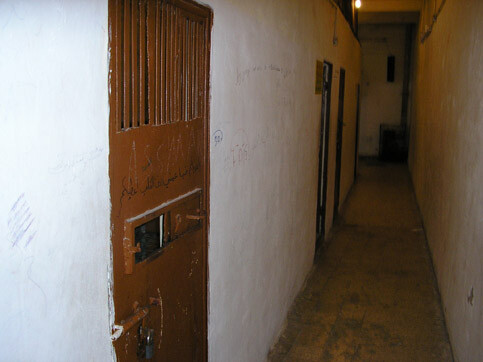
During her detention and as she walked through the cold corridors towards a cell, she remembered the Khiam detention center in southern Lebanon. She recalled how this facility was a symbol of humiliation before it was liberated from the Zionist enemy. She walked into the dark cells and behind each locked door there was another locked door.
“These detention centers will surely disappear as well,” she said. They will be “a symbol of liberation” the way the Khiam detention center is.
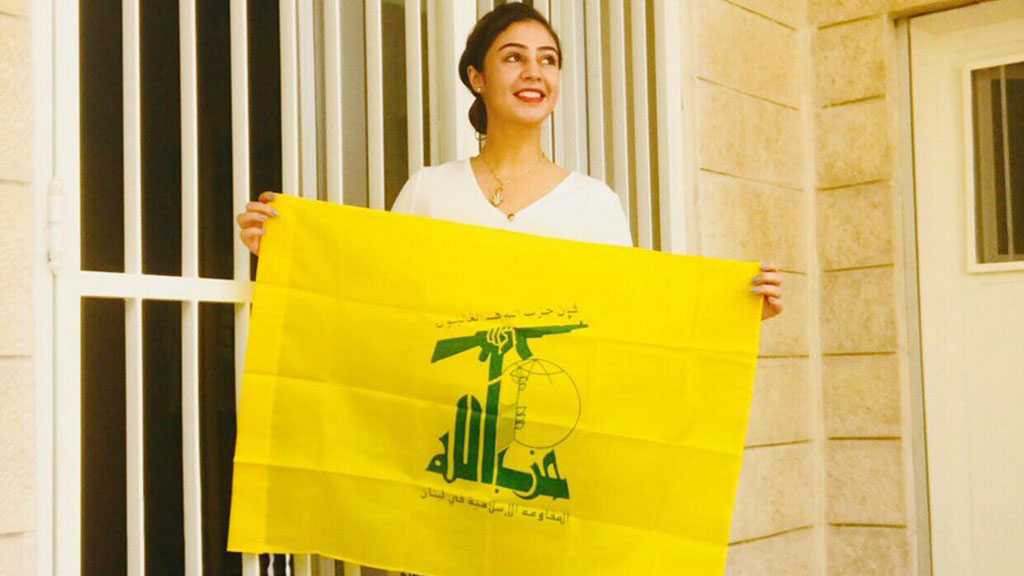
The investigators were angry with her because she visited Lebanon and roamed the streets of Beirut. How can a Jordanian girl visit Lebanese territory, walk along Hamra Street and visit Baalbek and Jbeil? How can she love Syria and regard it as a symbol of Arabism? Their problem was that she loves Hezbollah’s Secretary General Sayyed Hassan Nasrallah.
They asked her why she loved him.
“Because he liberated his land,” she said.
“This is not their land,” the arrogant interrogator replied.
Heba angered the interrogator. How dare an Arab citizen, during a time of treason and normalization, speak out about her love for the Resistance and Nasrallah?
The interrogator told her that Hezbollah is supported by Iran.
“‘Made in Britain’ is written on the shackles on my hands, and the moldy clothes you made me put on has ‘Made in Turkey’ written on it!” Heba said.
The rebellious girl silenced him. How could he possibly reply to her? How can a girl living through the horrors of prison and the darkness of interrogation rooms notice these details? Is this the sort of awareness that not even all brainwashing rooms could change? Or is it the patriotism that history editors could not stand up to? This is how the young people of this country are. They are aware of their rights. They know full well the details of their causes. This is how they remain insurmountable.
In the interrogation room, where the charges are fabricated, the investigator began weaving falsities, after which Heba was sentenced to administrative detention. For those who are unfamiliar with administrative detention, this is a practice the “Israeli” occupation is notorious for. It is handed down without a specific charge or indictment. More to the point, it is detention for no reason. It is meaningless. It can be described as a sullen and empty detention, an unjust cruel and inhumane detention through which hundreds of detainees are imprisoned without justification. It is detention for the sake of detention. When the occupier does not know what to charge you with, you are sentenced in accordance with his temperament. The occupying power invents a law to sentence you with, without any proper cause or charge.
When Heba was slapped with administrative detention, she decided to go on hunger strike. She had nothing left to fight with other than her flesh. The other female detainees told her not to do it because blood would come out of her mouth or she might suffer from heart attacks. She did not care. The jailer told her she would be thrown into solitary if she went on hunger strike and she would be left there to die and rot. She did not listen. The brave Jordanian went on hunger strike. The jailer did not take her seriously until her full on hunger strike entered its 25th day.
Al-Labadi was taken to hospital. After several attempts by “Israeli” officers and soldiers to persuade her to end her hunger strike, she was told, “tomorrow we will drug you, and leave you to die a clinical death.”
However, she still refused to end her hunger strike. Her resolve was not broken, and she triumphed. It was wonderous and surreal but true at the same time. Despite the will of an enemy that lacks humanity, Heba is the embodiment of an icon – a true, beautiful, revolutionary and brave woman, who teaches the world how to take one’s rights by force. Heba al-Labadi, a Jordanian-Palestinian, has given the Arabs new hope. As Mahmoud Darwish once said, “We Palestinians suffer from an incurable disease called ‘hope’.”
In an interview with al-Mayadeen, Heba cried. She made those of us, who smell our looted lands from afar made, cry with her. She said she did not feel the taste of freedom because there are still detainees imprisoned in the narrow rooms. There are 21 Jordanian detainees and about 30 people missing. No one knows where they are. She told us how she met Israa Jaabis.
Israa is another Palestinian detainee. The latest report regarding her case shows that Israa is being detained in the cellars of the Damon prison. Her situation is worsening daily. She is suffering from the pain of imprisonment and being separated for her son, Mutasim, as well as the hell of sickness.
The most beautiful thing that came across during Heba’s interview was her spontaneity and her sincere words that stem from a heart that believed it will survive. Heba’s words must be preserved by history. She said that the [“Israeli”] occupation army is occupying a state. For those who wish to learn, there are many lessons to be learned from this sentence.
كيف لفتاة تحت رهبة السجن وظلامية غرف التحقيق أن تمتلك كل هذا الوعي الذي لم تتمكن جميع غرف غسيل الدماغ من كيّه؟ أجمل ما ورد في مقابلة هبة عفويتها، كلماتها الصادقة التي تنبع من قلب مؤمن بأنه سينجو، رددت هبة كلمات يجب أن يحفظها التاريخ جيداً، قالت إن الاحتلال جيش تملّك دولة، وليس العكس، وفي هذه الجملة عبر كثيرة، لمن يريد أن يعتبر.
هبة اللبدي.. الأسيرة التي عوقبت بتهمة الحب!
تركت الأردن مع عائلتها لتحضر زفافاً في نابلس. ذهبوا إلى الأرض التي يكثر الجدال والظلم فيها، ارتدت هبة أفضل ما لديها، كأي فتاة تحضرّ أجمل ما في خزانة ثيابها لتتألق في حفلات الزفاف. وصلت معبر الكرامة، وعندما رأى أحد جنود المخابرات الإسرائيلية اسمها، ارتعب، وصرخ في وجهها: “أنتَ مخرّب”. لم تكن المواطنة الأردنية هبة اللبدي “مخرّبة” في أيٍ من فترات حياتها، سجلها العدلي نظيف، ولم تأخذ أرضاً بالقوة، ولم تقتل أحداً، لكنها مخرّبة بعين احتلال يعيب علينا مشاعرنا، ويعتبرها أعمالاً تخريبية، وهكذا، تمّ توقيف اللبدي أكثر من شهرين بتهمة الحب.
اعتُقلت اللبدي، وهي تمشي في الممرات الباردة نحو الزنزانة تذكرت معتقل الخيام جنوب لبنان، وكيف كان رمزاً للإذلال قبل أن يتمّ تحريره من العدو الصهيوني. مشت في الزنزانات المظلمة، حيث يوجد وراء كل باب موصد، باب موصد، وقالت “هاي المعتقلات أكيد كمان رح تروح”، كما أصبح معتقل الخيام “بقدرة قادر رمزاً للتحرير”.
كان المحققون غاضبين منها لأنها زارت لبنان، وجابت شوارع ببيروت، كيف تزور فتاة أردنية الأراضي اللبنانية، وتمرّ على شارع الحمرا، وبعلبك وجبيل، وكيف تحب سوريا، وتعتبرها رمز العروبة؟ مشكلتهم أنها تحب أمين عام حزب الله السيد حسن نصر الله، سألوها لماذا تحبيه قالت لهم “لإنه حرر أرضه”، فردّ عليها المحقق المتعجرف “هيدي مش أرضهم”، أغضبت هبة المحقق، كيف يجرؤ مواطن عربي، في زمن التخوين والتطبيع أن يجاهر بحبه للمقاومة ونصر الله؟
قال لها المحقق إن حزب الله مدعوم من إيران، قالت هبة إن “الأغلال التي في يدي مكتوب عليها صنع في بريطانيا والثوب “المعفن” الذي ألبستموني إياه مكتوب عليه صنع في تركيا”! أسكتته الفتاة الثائرة، بماذا يجيبها؟ كيف لفتاة تحت رهبة السجن وظلامية غرف التحقيق أن تلتفت لهذه التفاصيل؟ أهو الوعي الذي لم تتمكن جميع غرف غسيل الدماغ من كيّه؟ أم الوطنية التي لم يستطع محرّفو التاريخ أن يقفوا بوجهها؟ هكذا يكون شبّان هذا البلد المدركون لحقوقهم، العارفون بتفاصيل قضاياهم، هكذا يبقون عصيين على المحو والانكسار.
في غرفة الاستجواب، حيث تُلفق التهم، بدأ المحقق بنسج أوهام وتخاريف باطلة، وتمّ الحكم بعدها على هبة بالاعتقال الإداري، ولمن لا يعرف، الاعتقال الإداري هو الاعتقال الذي اشتهر به الاحتلال الإسرائيلي، يصدرُ دون توجيه تهمة معينة أو لائحة اتهام، وليكون التعبير دقيقاً هو اعتقال بلا سبب، بلا معنى، يصح تسميته بالاعتقال المزاجي، الفارغ، اعتقال ظالم، مجحف وقاسٍ يزج فيه مئات الأسرى في السجون بلا أدنى مبرر، اعتقال للاعتقال، لوضوح الظلم، عندما لا يعرف المحتل كيف يدينك، يدينك بمزاجه، برفاهيته، يخترع لك قانوناً فيدينك ليدينك، بدون سبب وتهمة.
عندما تسلّمت هبة قرار الاعتقال الإداري قررت الإضراب عن الطعام، لم يبق لها ما تقاتل به غير لحمها، نصحتها باقي الأسيرات بألا تفعل لأن الدم سيخرج من فمها، وقد تصيبها نوبات قلبية، لم تكترث، قال لها السجّان أنهم سيأخذونها إلى زنزانة انفرادية إن فعلت، وسيتركونها لتموت وتتفعن هناك، لم تسمع، أضربت الأردنية الشجاعة، ولم يأخذها السجّان على محمل الجد إلا بعد 25 يوماً من الإضراب الكلّي عن الطعام!
نُقلت اللبدي إلى المستشفى، وبعد عدة محاولات لإقناعها من قبل ضباط وجنود إسرائيليين، قالوا لها “سنخدّرك غداً، لتموتي موتاً سريرياً”، ولم تفك إضرابها، ولم تُكسر عزيمتها، وانتصرت، بمشهد سريالي عجيب، لكنه حقيقي، ورغم أنف عدوٍ لا يفقه من الإنسانية شيئاً، جسّدت هبة أيقونة المرأة الحقيقية، الجميلة، الثائرة، الشجاعة التي تعلّم العالم كيف يأخذ حقه بالقوة. هبة اللبدي الأردنية – الفلسطينية أصابت العرب بنوبة أمل جديدة، وكما قال محمود درويش “أن تكون فلسطينيًا يعني أن تُصاب بأمل لا شفاء منه”.
في مقابلتها مع الميادين بكت هبة، وأبكتنا معها، نحن الذين نشم رائحة أراضينا المنهوبة من بعيد، قالت إنها لا تشعر بطعم الحرية لأن هناك أسرى ما زالوا في الغرف الضيقة، 21 أسيراً أردنياً وحوالي 30 مفقوداً لا يعرف أحد أين هم، وحكت لنا كيف قابلت الأسيرة إٍسراء جعابيص، إٍسراء بالمناسبة أسيرة فلسطينية آخر تقرير صادر عن حالتها يفيد بأن وضع إسراء المعتقلة داخل أقبية معتقل “الدامون”، يزداد سوءاً يوماً بعد يوم، فهي تكابد ألم السجن وجحيم المرض ولوعة الفراق لولدها “معتصم” في آن واحد. أجمل ما ورد في مقابلة هبة عفويتها، كلماتها الصادقة التي تنبع من قلب مؤمن بأنه سينجو، رددت هبة كلمات يجب أن يحفظها التاريخ جيداً، قالت إن الاحتلال جيش تملّك دولة، وليس العكس، وفي هذه الجملة عبر كثيرة، لمن يريد أن يعتبر.
Palestinian women shout slogans during a protest calling
for the release of Palestinian prisoners held in Israeli jails
in Gaza City on 25 April 2012.
(Photo: AFP - Mohammed Abed)
On Wednesday April 25, 33-year-old Hasan al-Safadi entered the 52nd day of his hunger strike in protest of not just administrative detention (a form of internment where a prisoner is held indefinitely without ever knowing the charges against him or her), but the Israeli occupation’s policy of imprisonment in general.
Safadi was arrested for the seventh time by Israel on 29 June 2011. He spent 60 days under interrogation, and was only allowed to meet with his lawyer Mohammad al-Abed for the first time after 30 days.
Safadi was in Megiddo prison when he began his hunger strike, which the Israeli Prison Service (IPS) responded to by transferring him to Gilboa prison.
Prisoners who are transferred from one prison to another suffer immensely due to the harsh conditions they travel under, which include having their hands and feet shackled inside a metal ridged vehicle. The process of transfers, referred to as bosta, turns a two-hour trip into a torturous journey that could take up to three days.
After refusing to eat or drink water for five days in Gilboa, Safadi was taken back to Megiddo. After it became clear that he would not end his hunger strike, he was placed in solitary confinement in Jalameh prison. Ten days later, Safadi’s health deteriorated rapidly, and he was taken to the Ramleh prison hospital where he has remained since.
Safadi is no stranger to spending time in Israeli prisons. He was first arrested when he was just 16 years old, in 1994. From 2007 to 2010, he became the longest administrative detainee in Israeli prison, with his detainment renewed every six months over and over again.
After his release, he was arrested by the Palestinian Authority for 48 days and spent the next five months being summoned for interrogation regularly. Prior to his arrest by Israel in 2007, he had spent 43 months in prison. In total, Safadi spent 10 years as an administrative detainee in Israeli prisons, without ever once being sentenced or charged officially.
In the living room of his family’s house in the old city of Nablus, photographs of Safadi taken over the years cover the coffee table. Framed pictures of his oldest brother Farid, who was killed in 1996 in the Battle of the Tunnel near Joseph’s tomb, and of his sister Nelli, imprisoned for 18 months back in 2010, adorn the walls. Nelli was finally able to travel to the Gaza Strip to be reunited with her husband Obadah Saeed Hakam, also an ex-prisoner, who was freed in the October Hamas-Israel prisoners’ deal but exiled to Gaza.
The day before Israeli forces came to arrest Safadi, his mother recalls, was a good one. She had gone to see a bride for Safadi, and was planning on going back again with Safadi.
Instead, later that night the Safadi family was rudely awakened by an explosion that blew the front door off its hinges at 2am. Suddenly the house was teeming with soldiers, with more coming down from the roof. They took Safadi and as his mother began crying out and screaming at the soldiers, they beat him up on the way to taking him to the jeep.
Safadi had studied maintenance but could barely keep a stable job, due to his frequent summoning for interrogations by the Palestinian Authority and Israel, which sometimes lasted for days on end.
He is adamant that he will not break his hunger strike unless he attains freedom and rejects the notion of exile unequivocally.
His sister Najiyeh, whose four young sons are all wearing t-shirts emblazoned with their uncle’s face, elaborates more. “The Israeli authorities have presented Safadi with the chance to go into exile as opposed to the continuous arrests and harassment he faces from them since 2004,” she said. “They offered him exile again in 2007, and the Israeli intelligence officer’s exact words were, ‘It’s better for you to go to a different country instead of rotting here in Palestine.’”
Safadi’s detainment was extended by another six months on December 2011. None of Safadi’s family members have seen him since last June, or were allowed the courtesy of speaking to him by phone. Safadi has reportedly lost 20kg so far.
Safadi’s mother shook her head slowly. “I support his hunger strike,” she said, “but it’s extremely difficult watching your own son dying.”
Despite her age, Safadi’s mother went on hunger strike for 15 days in solidarity with her son. She almost collapsed, and had to be taken to the hospital where she was forced to end her strike.
“I don’t want Safadi to know of my hunger strike,” she said speaking softly. “I don’t want him to worry about me. One of my grandchildren wanted to write on his Facebook about my hunger strike but I forbade him from doing so.”
She added, “He’s a compassionate person. Quick tempered, but the most loving of my 11 children. Safadi has told me time and time again, in and out of prison, that he gets his strength from me. If he sees my crying on TV for example, he tells me it’s like I’ve placed him inside another prison.”
River toSeaUprooted Palestinian The views expressed in this article are the sole responsibility of the author and do not necessarily reflect those of this Blog!
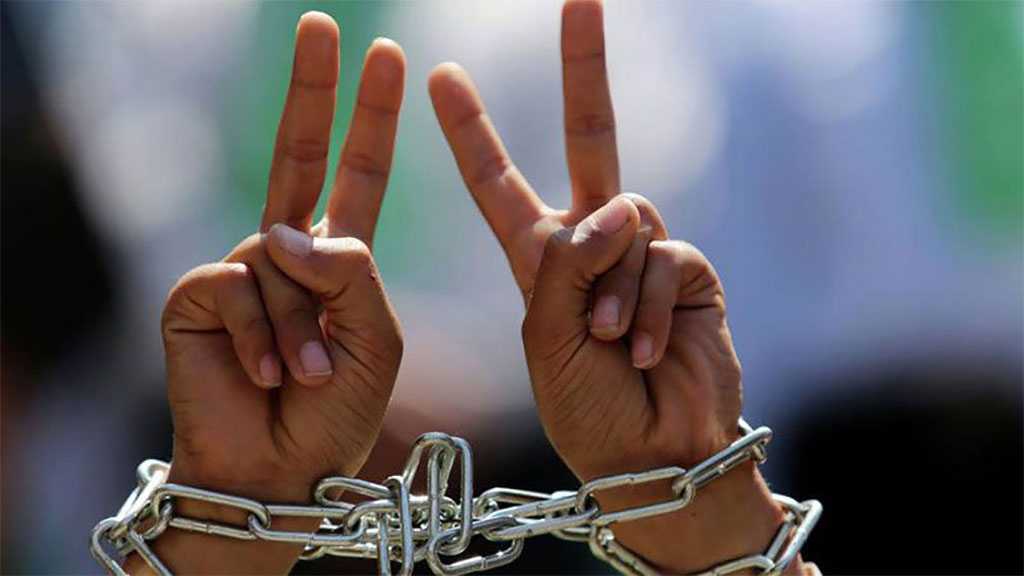
1600 Palestinian political prisoners, held by Israel, declared they will be starting an open-ended hunger strike on April 17th in protest to their illegal detention, and demanding basic rights.
Palestinian Minister of Detainees in the West Bank, Issa Qaraqe’, stated that the situation of the detainees in Israeli prisons is very difficult, and dangerous, especially amidst the ongoing Israeli violations and attacks against them.
Qaraqe’ added that the detainees are fighting a battle to defend their dignity and to improve their living conditions.
He further called for massive solidarity campaigns, and called for declaring April 17, the Palestinian Prisoners Day, as a day for solidarity and massive nonviolent protests in all parts of the occupied territories.
The Maan News Agency reported that a committee formed by the Israeli Prison Authority, headed by Yitzhak Gabai, visited a number of detention facilities, listened to the demands of the detainees, and “promised” respond to these demands this coming week.
Some of the demands presented by the detainees are;
1. Ending Administrative Detention.
2. Ending Solitary Confinement.
3. Reinstating the right to education.
4. Halting all invasions targeting detainees’ rooms and sections.
5. Allowing family visitations, especially to detainees from the Gaza Strip.
6. Improving medical care to ailing detainees.
7. Halting the humiliation, and body-search of the families of the detainees.
8. Allowing the entry of books and newspapers.
9. Halting all sorts of penalties against the detainees.
Palestinian detainees in Israeli prisons are subject to harsh and illegal treatment that violates International Law and the Fourth Geneva Convention to which Israel is a signatory.
The Palestinians started marking April 17 as the Palestinian Prisoners Day, on April 17, 1974, the day Israel released Mahmoud Bakr Hijazi, in the first ever prisoner-swap deal.
202 Palestinian detainees died after being kidnapped by the Israeli forces since 1967, following Israel’s occupation to the rest of Palestine (The West Bank, the Gaza Strip, East Jerusalem, and the Golan Heights).
Hundreds of detainees died after they were released suffering from serious illnesses and medical conditions resulting from extreme torture and abuse in Israeli prisons.
70 detainees died in prison due to extreme torture, 74 were executed by the soldiers after being arrested, 51 died due to the lack of medical treatment, 7 detainees died due to excessive force by the soldiers, and after being shot while in prison, former political prisoner, head of the census department at the Ministry of Detainees, Abdul-Nasser Farawna reported.
River toSeaUprooted Palestinian The views expressed in this article are the sole responsibility of the author and do not necessarily reflect those of this Blog!
Kabbalistic Balance
-
Kabbalistic Balance August 6 2026 ___________________________________ More
Vids! +BN Vids Archive! HERE! ___________________________________ Support
The Br...
Report on Beth Israel vigil 07-04-26
-
*1A Rights under combined attack from local government plus media*
Ann Arbor City Council is at it again. Right before the long 4th of July
weekend, they ...
-
Hello all,
It is with great sadness that I share with you the passing of our beloved
sister, Mother, and Grandmother, the individual that you all knew ...
Best Horror Podcast
-
Best Horror Podcast Introduction: Horror podcasts […]
The post Best Horror Podcast appeared first on Copper Shock Horror Podcast.
Ikhras Endorses Muntadhar Al-Zaidi
-
“Oh parties of banditry and sectarianism and corruption, we have come and
our goal is to destroy you.” Ikhras formally endorses Muntadhar al-Zaidi,
Iraqi j...
Prince Charles: Foreign Jews behind bloodshed in ME
-
In May, 2017, British Crown Prince Charles declined an invitation from
Zionist entity’s president Reuven Rivlin‘s to attend the 100th anniversary
of the no...
Palestinian Women – One for All, All for One
-
Honouring All Palestinian Women by Honouring Three: Hanin Zoabi, Ahed
Tamimi, Samah Sabawi Vacy Vlazna “Palestinian women have always stood side
by side ...
US’s Saudi Oil Deal from Win-Win to Mega-Lose
-
By F. William Engdahl Who would’ve thought it would come to this? Certainly
not the Obama Administration, and their brilliant geo-political think-tank
neo-...
-
*Mordechai Vanunu wins human rights prize of Brazilian Press Association *
* http://www.alternativenews.org/english/index.php/features/updates/7038-mordechai...
Abdul Aziz Rantissi:
"My ultimate wish, my God, is to attain martyrdom,"...God granted him his wish on April 17, 2004, at the hands of Israeli assassins.





 Sunday, April 15, 2012 at 7:46AM


