Showing posts with label Iran-US Relations. Show all posts

Friday, 25 June 2021

Iran Says Nuclear Talks Also Involve Pre-2015 US Sanctions

 24/06/2021

Iran Says Nuclear Talks Also Involve Pre-2015 US Sanctions

By Staff, Agencies

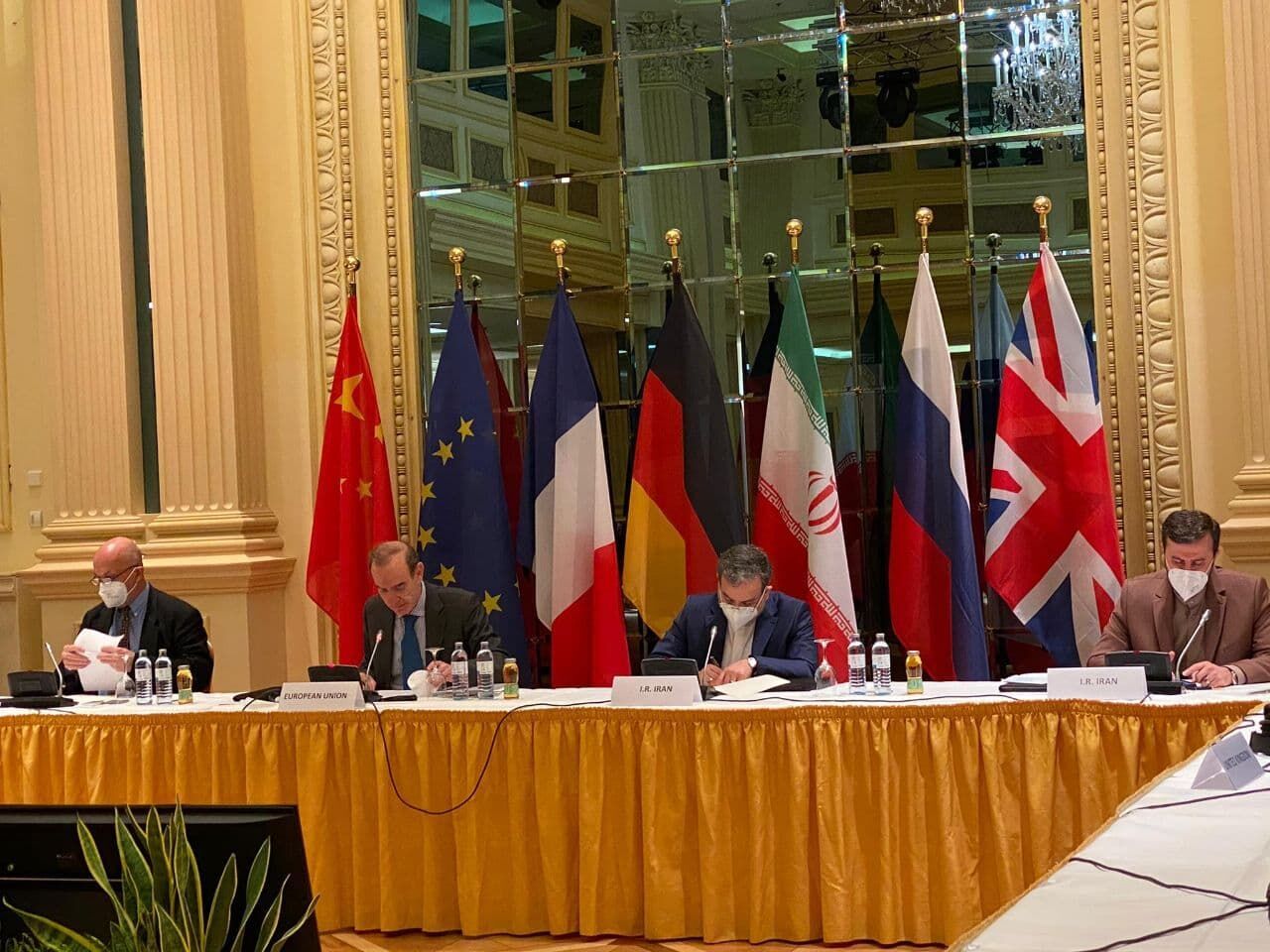
Iran and the US are haggling over problems with the nuclear deal that predated the Trump administration’s 2018 withdrawal from the accord, a top Iranian government official said, suggesting that negotiations to bring Washington back into the fold have become more complicated than previously known.

Mahmoud Vaezi, Iranian President Hassan Rouhani’s chief of staff, said the US had agreed in principle to lift all of the more than 1,000 economic sanctions that were re-imposed or added by Donald Trump after he exited the deal, including those on Iran’s oil, petrochemicals, banking and steel sectors.

Broader trade penalties on Iran’s financial sector that weren’t lifted under the 2015 pact with world powers had scared off foreign investors and banks, preventing Tehran from receiving many of the economic benefits that it had expected to flow from its agreement to rein in its nuclear program.

“Right now, we’re discussing which of the remaining sanctions are related to the nuclear deal and which ones relate to before 2015,” Vaezi told reporters in Tehran, according to the Iranian Students’ News Agency.

“Also, now it’s possible some of the sanctions related to individuals and matters prior to 2015 will remain, and they are also negotiating over those.”

Previously, Iran had said it was focused on removing the Trump-era sanctions, so Vaezi’s comments may indicate that the scope of the negotiations has widened. Tehran has refused to change the agreement to address US concerns about its ballistic missile program and military activities in the region.

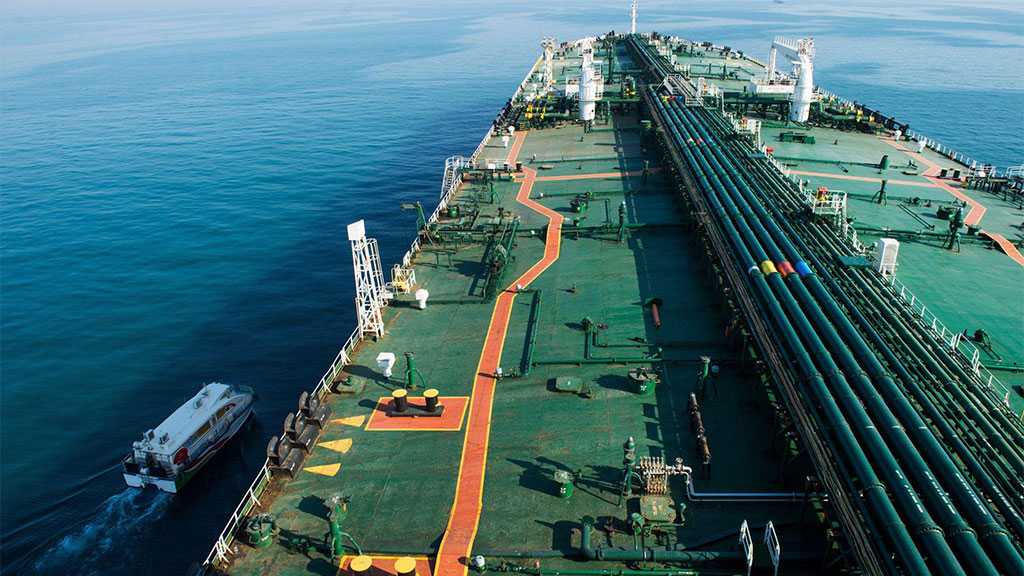
Revival of the deal would allow Iran to return to global oil markets in exchange for curtailing contentious nuclear work, and ease a standoff that has stoked military frictions in the energy-rich Gulf.

Trump’s withdrawal from the deal three years ago created a crisis defined by tit-for-tat attacks on shipping, oil installations and assassinations of key Iranian military and nuclear figures that almost led to another war in the Middle East.

World powers, led by the European Union, have spent the past three months in Vienna trying to bring that chapter of turmoil to an end by brokering a pathway back to the original accord that would see the US return to the deal and also re-establish previous limits on Iran’s atomic work.

On Wednesday, in a reminder of how Iran’s atomic work has often been the target of attacks widely blamed on US ally, the Zionist occupation regime, state news agencies said authorities in Iran had foiled an attempt to “sabotage” a site on the outskirts of Tehran belonging to the Atomic Energy Organization of Iran.

Vaezi said there was an agreement with the US to lift “a number of sanctions on individuals” including people close to Leader of the Islamic Revolution His Eminence Imam Sayyed Ali Khamenei, but he didn’t give details or specify whether they included president-elect Sayyed Ebrahim Raisi.


River to Sea Uprooted Palestinian   
The views expressed in this article are the sole responsibility of the author and do not necessarily reflect those of the Blog!

Thursday, 24 June 2021

S. Arabia has lost its cards in Yemen: analyst

 June 23, 2021 – 18:55

By Reza Moshfegh


TEHRAN – A Yamani writer says that Saudi Arabia looks for a solution to get out of Yemen’s swamp as it has lost its cards in the regions and Yemen.

“Saudi Arabia is looking for a way to exit from this war, which entered this year its seventh,” Talib al-Hassani tells the Tehran Times.

“Saudis have lost more cards facing more military and economic pressures, and this means that time is not going in their favor, but rather in the interest of Yemen,” al-Hassani adds.

Following is the text of the interview:

Q: How do you see Saudi Arabia’s position on Yemen after the Yemenis showed that they are able to respond to the Saudi aggression? Is Saudi Arabia in a position of strength?

A: Saudi Arabia is looking for a way to exit from this war, which entered this year its seventh.

 Meanwhile, Saudis have lost more cards facing more military and economic pressures, and this means that time is not going in their favor, but rather in the interest of Yemen.

The decision to end this catastrophe will not be in hands of Saudis, as the war decision was. The United States of America is a major partner in decision-making, and therefore today they are partners in the search for safe exit from Yemen.

These partners in war after their failure have no card on the negotiating table, unless embargo, economic sanctions and further restrictions.

All the Saudi or American initiatives that have been put forward since Biden came to power are based on negotiating with Sana’a over two options: 

lifting the siege in exchange for stopping targeting Saudi Arabia and freezing military operations inside Yemen, including the process of restoring the city of Marib in eastern Yemen, which is the last stronghold of the Saudi-led coalition in northern Yemen, or continuing embargo and more sanctions.

Sana’a has rejected this deal in whole and in detail and stipulated the lifting of the siege without expecting something in return, as well as the withdrawal of the Saudi and Emirati forces and all foreign forces from the south of the country.

This is a very big achievement and progress for Yemenis that did not exist during the past years.

In all cases, and according to the current developments, the coalition not only failed, but prompted Saudi Arabia and the Emirates to search for a gradual retreat, and it is now clear that Sanaa has achieved two strategic goals:

The first is to preserve the revolution and to remove Yemen from the U.S. and (Persian) Gulf camp that has lasted for decades.

The second is putting Yemen on an anti-U.S. axis that is a real threat to some (Persian) Gulf countries. This shift means that the American axis has failed after years of unremitting efforts and billions of dollars.

The first objective of the aggressive war on Yemen was to return it to the arms of America, through blocking efforts for change, and to impose more hegemony within two axes:

The first is a regional axis that ensures the existence of America’s allies in the region, and the second is international and within the conflict with Iran, China and Russia. In a word, the two axes are the continuation of dominance over the Bab al-Mandab Strait and the coasts of the Red Sea and Arab Sea or the Indian Ocean. 

All the headlines that were raised and announced in the media, including the restoration of the government of Abd Rabbeh Mansour Hadi, are considered marginal.

Saudi Arabia is currently in a predicament after losing its military and political reputation and is also threatened by political and economic instability.

The goals of the Saudi crown prince and Saudi rulers will not be realized as long as the war remains open, and therefore it will be the biggest loser.

Q: How do you see the level of coordination between the Yemeni resistance with other resistance groups in Iraq, Lebanon, and Palestine?

A: Yemen has become practically and openly within the axis of resistance; it is an important stronghold and a great addition to the axis, especially given its geopolitical geography is very pivotal in terms of supervising one of the most important seaports, Bab al-Mandab, as well as part of the map of the Chinese Silk Road. The Israeli statements were clear about their fear of Yemen playing an important role in blocking the movement of the Israelis in the Red Sea.

The other matter is the military future of Yemen, as the predictions say that Yemen will turn into a large military force, which is not far from the occupied Palestinian territories. The offer of Abdul Malik Badr Al-Din Al-Houthi, the leader of the revolution, to send military assistance to the Palestinian resistance factions in the last war, Seif Al-Quds, signals an important change in the regional balances. It is very important, and the Palestinian resistance factions commented on that with much praise and belief that this is a major shift on the path to liberating Palestine. This was not a slogan, but rather Yemen currently possesses winged missiles and drones whose range reaches the Palestinian territories. All the resistance factions have representatives in Sana’a, and there is clear coordination.

Q: What is the status of the Palestinian cause among the Yemenis? What are the reasons for Yemeni support for Palestine?

A: The Yemeni people view the Palestinian cause from a religious ideological standpoint. Al-Quds and Al-Aqsa Mosque are sacred lands and must be liberated.

The other matter is that America seeks hegemony over the Yemeni people, which constitutes a real threat to Islam and Muslims.

The U.S. has committed war crimes against Yemeni people that are not permissible. Yemeni people cannot remain silent or form a coalition with the United States of America, which represents an existential threat to Islam.

The Yemeni people also look at the Palestinian cause from a nationalistic point of view. Palestine is an Arab land that must be liberated, and this appears through the broad popular response in demonstrations and marches in solidarity with the Palestinian people on all occasions, including the International Quds Day.

Therefore, the Yemeni people are still part of the Arab nations. The new development is that the Ansar Allah Islamic Movement has now become the ruling political front in the country, and this movement led by Abdul Malik Badr Al-Din Al-Houthi succeeded in changing the failed and puppet traditional system, which did not represent the Yemeni Islamic and religious identity.

This shows the volume of support for this popular movement, which is a major shift in the future of the country, especially its active role in making and influencing the decision in the region in the future.

Q: What will be the fate of the peace negotiations between Yemen and Saudi Arabia? Who are the mediators in peace talks?

A: Negotiations still have a long road to reach results. It was clear that the Omani delegation that went to the Yemeni capital, Sana’a, to meet with officials was expected more than what it could carry out, and therefore hopes were opened wide to reach an end to the war on Yemen, lifting the siege, and opening Sana’a International Airport, which has been closed since 2017. 

There are many reasons for this reliance on the Omani role, the first of which is the positive position of the Sultanate of Oman and its great efforts in playing the role of mediator between the various regional and international parties, as well as its embrace of the Yemeni national negotiating team, as it has been leading this role for years.

Among these reasons is the Yemenis’ confidence in Omanis, and hence some observers confused the mission of the sultanate’s delegation with the chaos of political analysis and deductions based on wrong information.

 Especially since it coincides with a great regional and international diplomatic move, from which it was understood that the final touches are being put in steps to stop the war that has been going on for six-and-a-quarter years.

But the reality says:

First, the delegation does not have an Omani initiative to be presented to various parties, if so the Sultan of Oman would have presented it to officials in the capital, Sana’a, and if that was the case, this initiative would have been announced.

Secondly, the official Omani media, even the unofficial ones, did not issue a statement explaining the mission of the delegation, and the official media were limited to referring to the presence of this delegation in Yemen. This necessarily means that the delegation, despite its importance, does not exceed its mission as a continuation of efforts to bring the views closer and try to overcome the obstacles to address the crisis and support the process of negotiations that do not move much.

Third, the official statements made by the chief Yemeni negotiator and head of the national negotiating team, Muhammad Abd al-Salam, who accompanied the Omani delegation, whether made during arrival or during departure, were limited to praising the humanitarian role of the Sultanate of Oman and referring to the establishment of humanitarian arrangements in an effort to (to mitigate the suffering of our Yemeni people) as Muhammad Abd al-Salam says, and this means that efforts are focused on trying to separate the humanitarian file and lift the siege on the civil international airport of Sana’a, as well as the port of Hodeidah from the political and military files.

Whoever follows the statement issued by the ruling Supreme Political Council in the capital, Sana’a, which followed the meeting of Al-Mashat and members of the Political Council with the Omani delegation who praised the position and role of the Sultanate, will find that he focused on three main points, one of which is very important, which is the point related to the necessity of the withdrawal of Saudi, Emirati and foreign forces from all Yemeni lands before talking about any ceasefire initiative, as well as lifting the siege and opening Yemeni airspace for civilian flights as a legitimate, humanitarian and sovereign right of the Republic of Yemen.

The statement summarizes the Yemeni vision that was presented to the Omani side, and therefore the mission that the royal delegation carried out did not go beyond the fact that Oman wanted to know directly from the office of Mr. Abdul-Malik Badr al-Din al-Houthi, as the leader of the revolution, towards the various issues being discussed.

They wanted to address the major reasons for the failure of the United Nations and the failure of Biden’s envoy to Yemen, during the past few months.

The mission of the Omani royal delegation can be described as being limited to knowing Sana’a’s point of view, ideas, and approaches to a comprehensive solution in Yemen, and then transferring it to the other side. 

Therefore, this is an Omani effort that cannot be talked about its failure or success. In the end, it is a humanistic effort, an effort that its results cannot be discussed.

Some went on to think that the Sultanate of Oman intended to present an initiative of its own to Sana’a, and linked the visit of the Omani Foreign Minister Badr al-Busaidi and his delivery of a message from Sultan Haitham bin Tariq to King Salman and the delegation that flew to the capital Sana’a. 

Therefore, the failure of the “Omani initiative” would mean that the position of the Sultanate has changed over Yemen. This perception and description is inaccurate and goes beyond the pivotal and important strategic role that Oman plays for all parties, a role that stems from its stance and vision of the crisis in Yemen.

Some Arab newspapers and Saudi analysts worked a lot in this direction and hinted in one way or another to their dissatisfaction with the Omani role.

They made every effort to ruin the Omani-Yemeni relationship and its mediating role in trying to solve the crisis by receiving delegations and coordinating meetings between the various parties, within a humanitarian and political framework to stop the aggression on Yemen and the ongoing war, including hosting the (secret) Yemeni-Saudi dialogue.


RELATED NEWS

River to Sea Uprooted Palestinian   
The views expressed in this article are the sole responsibility of the author and do not necessarily reflect those of the Blog!

Saturday, 10 April 2021

Nuclear Deal Committee Concludes Meeting, Iran Reiterates Call for Lifting US Ban

 April 9, 2021

manar-09754580016179661313

Nuclear Agreement Joint Committee ended the second round of its 18th regular meeting Friday in the Austrian capital Vienna. After the meeting, the delegations of Iran, Russia, China, France, Britain, Germany, the European Commission and the International Atomic Energy Agency agreed to hold the next meeting next Wednesday at the level of assistants to foreign ministers of member states.

Iran’s Deputy Foreign Minister for political affairs Abbas Araqchi says Tehran will not stop any of its nuclear-related activities until Washington lifts the whole sanctions and returns to the 2015 nuclear deal.

Emphasizing on Iran’s principle stance on lifting of sanctions, Araqchi said that Tehran will not halt or even reduce the pace of its nuclear activities in particular in uranium enrichment sector.

The 20 percent enrichment of uranium is going forward even with the faster pace than the speed that the Iranian parliament envisaged in its law, he said, adding that 20 percent enriched uranium are being produced now.

The trend will go on until an accord will be reached, which will oblige the US to lift all of its sanctions, he stated, stressing that the whole sanctions should be lifted in one stage.

He further pointed to the negotiations with Europeans, Russia and China, noting that the claim that Iran is discussing with Europeans and they are holding talks with the Americans is not true, because the Iranian delegation in Vienna are negotiating with a set of current member states of the Joint Comprehensive Plan of Action (JCPOA), including the UK, France, Germany as well as Russia and China; then, they put forward the issue with the US in a way they know themselves.

Araqchi went on to say that there are signs that the Americans are reviewing their own stance and move forward to lift all sanctions, but the Iranian side is not still in a position to make a judgement, because the negotiations have not been finalized.

According to the Iranian diplomat, a long way is still ahead; although, the pace of negotiation is moving forward and the atmosphere of the talks are constructive.

Source: Al-Manar English Website and IRNA


Related News


River to Sea Uprooted Palestinian   
The views expressed in this article are the sole responsibility of the author and do not necessarily reflect those of the Blog!

Friday, 9 April 2021

Nuclear Deal Committee Concludes Meeting, Iran Reiterates Call for Lifting US Ban

manar-09754580016179661313

Nuclear Agreement Joint Committee ended the second round of its 18th regular meeting Friday in the Austrian capital Vienna. After the meeting, the delegations of Iran, Russia, China, France, Britain, Germany, the European Commission and the International Atomic Energy Agency agreed to hold the next meeting next Wednesday at the level of assistants to foreign ministers of member states.

Iran’s Deputy Foreign Minister for political affairs Abbas Araqchi says Tehran will not stop any of its nuclear-related activities until Washington lifts the whole sanctions and returns to the 2015 nuclear deal.

Emphasizing on Iran’s principle stance on lifting of sanctions, Araqchi said that Tehran will not halt or even reduce the pace of its nuclear activities in particular in uranium enrichment sector.

The 20 percent enrichment of uranium is going forward even with the faster pace than the speed that the Iranian parliament envisaged in its law, he said, adding that 20 percent enriched uranium are being produced now.

The trend will go on until an accord will be reached, which will oblige the US to lift all of its sanctions, he stated, stressing that the whole sanctions should be lifted in one stage.

He further pointed to the negotiations with Europeans, Russia and China, noting that the claim that Iran is discussing with Europeans and they are holding talks with the Americans is not true, because the Iranian delegation in Vienna are negotiating with a set of current member states of the Joint Comprehensive Plan of Action (JCPOA), including the UK, France, Germany as well as Russia and China; then, they put forward the issue with the US in a way they know themselves.

Araqchi went on to say that there are signs that the Americans are reviewing their own stance and move forward to lift all sanctions, but the Iranian side is not still in a position to make a judgement, because the negotiations have not been finalized.

According to the Iranian diplomat, a long way is still ahead; although, the pace of negotiation is moving forward and the atmosphere of the talks are constructive.

Source: Al-Manar English Website and IRNA


Related News


River to Sea Uprooted Palestinian   
The views expressed in this article are the sole responsibility of the author and do not necessarily reflect those of the Blog!

Wednesday, 10 March 2021

Breaking: Iran stands firm…US must rejoin JCPOA before talks begin

 Iran’s military power continues to grow in quantity and quality so it is better able to defend itself

March 8, 2021

No negotiation will take place between Iran, US before sanctions removed: Source tells Press TV

This image has an empty alt attribute; its file name is VT-pictures-E1.jpg
ABOUT VT EDITORSVT EditorsVeterans Today
VT
Editors is a General Posting account managed by Jim W. Dean and Gordon Duff. All content herein is owned and copyrighted by Jim W. Dean and Gordon Duffeditors@veteranstoday.com

[ Editor’s Note: Neither Iran nor Biden are under any significant pressure to move first on fixing the JCPOA. Both know that a misstep could torpedo an effective solution, and those involved in ‘blinking first’ would be blamed for the failure.

Both the US and its EU JCPOA partners want to pretend that it is inconsequential that Iran is not reaping any trade benefits from the deal, although Iran gave up most of its nuclear program to come to the JCPO Agreement.

Iran does not want to be put into a position of accepting the breach of the deal as “no big thing,” and hence no compensation would need to be discussed. Iran would then be in a much weaker position for a new deal, with the obvious caveat that it could be broken again, making Iran twice the fool.

Imam Reza Shrine, Mashad, Iran – Jim Dean archives

Iran has nothing to lose by holding firm on the idea that it is owed its benefits from the deal, where the EU has also had a free ride, having offered nothing more than promises.

Iran’s military power continues to grow in quantity and quality, so it is better able to defend itself; and if the Western Powers squeeze it any more, it would probably dial back its nuclear commitments, like they have already started to do.

So Iran’s offer is simple, to “give us our money, remove the sanctions, and we will go back into full compliance again”. Or if the US continues to demand renegotiations, Iran could counter that it would consider that track if control and oversight of Israel’s nuclear program would go on the table at the same time. Israel would refuse, of course.

Frankly, I would have played that card already and watched the hypocritical Western world fake nuclear hypocrites deal with openly protecting Israel’s right to have them… what I call the ‘nuclear supremacist’ position. “We are Jews and we can have or do anything we want or we will call you bad names.”

Biden is not about to go to war over Iran, and Iran knows that. He would look foolish to pick up the Trump sanctions mantle, but it would be awkward for the Republicans to fry him on that.

What Biden does want is to deescalate the Persian Gulf to release US military forces to intimidate China on the sea and Russia in the Arctic. But he can’t do it all at once. Regions much be secured before new battles begun Jim W. Dean ]

Jim’s Editor’s Notes are solely crowdfunded via PayPal
Jim’s work includes research, field trips, Heritage TV Legacy archiving & more. Thanks for helping. Click to donate >>
Iran is in no hurry to surrender to Western demands. It is stronger now than ever due to the continued threats.

First published … March 08, 2021

There will be no negotiations between Iran and the United States on any matter before Washington removes illegal sanctions it has unilaterally imposed on Tehran, an informed security source tells Press TV.

The security source, which talked to Press TV on condition of anonymity on Sunday, noted that the Western countries’ interpretation of recent remarks by Iran’s President Hassan Rouhani and Foreign Minister Mohammad Javad Zarif about a new plan for negotiations with the United States are erroneous and no such plan exists.

“The idea of a step-by-step plan for starting talks between Iran and the United States has been rejected at the highest levels of the Islamic Republic and there will be no contact between Iran and the US before sanctions are removed,” the security official added.

The security source’s remarks came after Rouhani’s Thursday statements in which the Iranian chief executive slammed US for violating the 2015 nuclear deal, adding that Washington should take practical steps to rejoin the deal and lift all sanctions it has re-imposed on Tehran.

Rouhani noted that if the US took steps to that effect, Iran would reciprocate “action with action.”

“The US, as the one who violated the deal, shall lift all sanctions and take practical steps in order to be able to return to the JCPOA,” Rouhani argued, using an acronym to for the landmark nuclear accord signed between Iran and six countries in 2015.

The Iranian foreign minister also said a day later that Tehran would soon present a “constructive concrete plan of action” through proper diplomatic channels.

He made the remark in reaction to earlier statements by an Iranian politician who claimed in an interview that if the West sent “clear signals” to Iran and, for example and announced that the US sanctions would be removed within a year, Tehran would be ready to restart negotiations with Washington.

“As Iran’s FM & chief nuclear negotiator, I will shortly present our constructive concrete plan of action—through proper diplomatic channels,” Zarif tweeted

Iranian polity is vibrant & officials express diverse opinions

But those opinions should NOT be confused with state policy

As Iran’s FM & chief nuclear negotiator, I will shortly present our constructive concrete plan of action—through proper diplomatic channels#CommitActMeet

— Javad Zarif (@JZarif) March 5, 2021Some Western circles had mistakenly taken Rouhani’s and Zarif’s remarks as a sign that Iran is ready for renewed talks with the US with European sources saying that Tehran is giving positive signs about opening informal talks about its nuclear program.


River to Sea Uprooted Palestinian   
The views expressed in this article are the sole responsibility of the author and do not necessarily reflect those of the Blog!

Monday, 26 October 2020

Iran Seeks to Confuse the United States?

 By Philip Giraldi

Source

Another story that is more fiction than fact
John Ratcliffe c1317

Those who have been waiting for the elusive October Surprise that will upset the apple cart on election day are admittedly running out of time. The media’s unwillingness to even consider that the antics of Hunter Biden just might constitute an embarrassment of major proportions or even something worse has done much to kill that story. And the old tried and true expedient of starting a little war somewhere is also proving to be a false hope as no one appears ready to provoke the righteously wrathful Secretary of State Mike Pompeo by ponying up a casus belli. Maybe there is still time for a false flag operation, but even that would require more prior planning than the White House appears capable of.

There is, however, one area that might just be exploitable to create a crisis, though it much depends on whether a tired public is willing to go one more round over the issue of “foreign election interference.” And yes, the Russians are presumed to be involved, on this occasion, as they always are, joined by the ever-vengeful Iranians.

On Wednesday Director of National Intelligence, John Ratcliffe held a news conference at which he laid out details of the most recent dastardly plot against American democracy. He described how Iran and Russia both obtained American voter registration data, apparently through publicly accessible databases and through purchases of email lists. Though no actual votes have been altered, they are using that information “to influence the presidential election as it enters its final two weeks.” Ratcliffe elaborated how “This data can be used by foreign actors to attempt to communicate false information to registered voters that they hope will cause confusion, sow chaos and undermine…confidence in American democracy.”

Ratcliffe focused mostly on Iran, saying that it had been identified as the source of what he described as a claimed 1,500 “spoofed emails” routed through Estonia that “seek to intimidate voters, incite social unrest, and damage President Trump.” Iran was also blamed for other material, to include a video encouraging the casting of illegal ballots both domestically and overseas. Additional intelligence suggests that Iran is planning to take more steps to influence the election in the coming days, though what those measures could possibly be was not revealed.

Other government sources elaborated, indicating that Iranian intelligence has been credited with the sending of the email messages going out to Democratic voters in four states, including hotly disputed Pennsylvania and Florida. The emails falsely claimed to be from the alleged far-right group Proud Boys which has been much in the news.  Their message was that “we will come after you” if the recipients fail to vote for Donald Trump.

It doesn’t take much to realize that threatening messages relating to voting for Trump allegedly coming from a source described as “racist” would undoubtedly motivate most registered Democratic voters to do the opposite, but that seems to have escaped the analysts of the Directorate of National Intelligence. And one must also ask why Tehran would want the re-election of a president who has been unremittingly hostile, including imposing crippling sanctions, withdrawing from a beneficial nuclear agreement, and assassinating a leading Revolutionary Guards general. Even U.S. Senate minority leader Chuck Schumer appears to have figured that one out, saying “It was clear to me that the intent of Iran in this case and Russia in many more cases is to basically undermine confidence in our elections. This action I do not believe was aimed… at discrediting President Trump.”

The anti-Trump New York Times has, of course, another, more sinister interpretation, suggesting that “…it may also play into President Trump’s hands. For weeks, he has argued, without evidence, that the vote on Nov. 3 will be ‘rigged,’ that mail-in ballots will lead to widespread fraud and that the only way he can be defeated is if his opponents cheat. Now, on the eve of the final debate, he has evidence of foreign influence campaigns designed to hurt his re-election chances, even if they did not affect the voting infrastructure.”

The Times also notes a broader conspiracy by the dreadful Persians, explaining how “Iran has tinkered at the edges of American election interference since 2012, but always as a minor actor. Last year, it stepped up its game, private cybersecurity firms have warned. They have caught Iranian operatives occasionally impersonating politicians and journalists around the world, often to spread narratives that are aimed at denigrating Israel or Saudi Arabia, its two major adversaries in the Middle East.” Again, however, the article provides no explanation of what Iran could possibly hope to gain from the minimal “tinkering” it might be able to engage in an American election in which billions of dollars will be spent by Democrats and Republicans who are viciously attacking each other without any outside help.

Ratcliffe had less to say about Russia but U.S. media coverage of the story included a referral to a recent account of how the U.S. military’s Cyber Command helped take down a network developed by Russian hackers called TrickBot that had been used in ransomware attacks directed against companies as well as cities and towns across the United States. It also reported how “In recent days, another Russian hacking group called Energetic Bear, often linked to the F.S.B. — one of the successors to the Soviet Union’s K.G.B. — appears to have focused its attention on gaining access to state and local government networks. That has caught the attention of federal investigators because, until now, the group had largely targeted energy firms, including public utilities.”

There was, however, no evidence that either hacking group was being directed against voter systems, so Russia’s inclusion in the front-page Times story headlined “Iran and Russia Seek to Influence Election in Final Days, U.S. Officials Warn” has to be considered questionable editorial judgment. Perhaps scaremongering would be a better description. In any event, the story itself is much ado about nothing. Iran’s sending out 1,500 emails if that actually occurred, would have zero impact. Likewise, the claimed existence of alleged Russian hacking groups that have done nothing directed against voters or balloting systems with only a few days left until the election would appear to be an electoral tactic rather than exposure of any genuine threat. One might even describe it as a bit of deliberate disinformation.


River to Sea Uprooted Palestinian   
The views expressed in this article are the sole responsibility of the author and do not necessarily reflect those of the Blog!

Thursday, 24 September 2020

The censored reason why the US would torpedo the UN over Iran: Iranian strength

 Tuesday, 22 September 2020 7:19 PM  [ Last Update: Tuesday, 22 September 2020 7:23 PM ]

US Rep. Ilhan Omar (D-MN) (L) talks with Speaker of the House Nancy Pelosi (D-CA) during a rally with fellow Democrats before voting on H.R. 1, or the People Act, on the East Steps of the US Capitol on March 08, 2019 in Washington, DC. (AFP photo)
US Secretary of State Mike Pompeo speaks during a news conference to announce the Trump administration’s restoration of sanctions on Iran, on September 21, 2020, at the US State Department in Washington, DC. (Photo by AFP)
Why would the US blow up the UN over little old Iran?

By Ramin Mazaheri and cross-posted with Press-TV

Washington has illegally snapped back illegal sanctions on Iran. No one in the world cares, but all this illegality has not gone unnoticed: The US is gutting both its international reputation and that of the United Nations all over Iran.

Risking the international order, which Washington partially controls, over China – Ok, they could be viewed as a serious enough threat by the realpolitik fanatics in the Pentagon. Over the former USSR? Ok, that unsubmissive bloc also threatened total US control.

But over Iran?

We must remind ourselves that the question seems strange only because in all the Western coverage of Iran-US relations what is never broached is the merest notion of Iranian strength.

But if Iran is so powerless then why is the US going to such unprecedented lengths? Why did the warmongering New York Times take a pause from their yellow journalism to concede that, yes, the absurd sanctions move means, “the United States has largely isolated itself from the world order”.

But they didn’t genuinely explain, much less even ask: “Why risk so much over Iran?”

Here is the never-stated reality: the US has made this desperate, sure-to-fail gambit because US policy has been defeated by superior Iranian strength.

This is not jingoistic propaganda on my part: The New York Times conceded that, “The act was born of frustration”. Iran is not some behemoth ready to steamroll the entire world, nor is it a media darling welcomed by foreign masses with strewn flowers – so how can it frustrate the superpower so very much, even as so many other countries fear to engage in the smallest acts of independence or defiance?

It can’t merely be the morally-bankrupt answer so popular in the US, “It’s the economy, stupid,” – i.e, that Iran has a lot of oil. 

No, Iranian strength rests upon the fundamental success of Iran’s unique combination of post-1917 socioeconomic political structures adapted under a genuine and modern interpretation of Islam.

This strength has even another strength on top of it – what a tremendous appeal this combination has for the huge portion of the globe known as the Muslim world.

Iran calls US attempt to ‘snapback’ sanctions ‘null and void’, urges UN to block it

Iran says the US’ claim about the return of the UN Security Council’s sanctions against Tehran as per the so-called “snapback” mechanism is “null and void”, calling on the UN and its Security Council to block any attempt to reinstate the bans.

The idea that the Iranian Islamic Revolution could be universally exported is an absurdity – forced conversion to Islam is proscribed in the Qur’an, for starters, and Islamic culture does not seem readily compatible with that of Amsterdam, Rio de Janeiro or Tokyo any more than the culture of Tokyo, Rio and Amsterdam are readily compatible with that of Iran’s. But the idea that a post-1917, Islamically-based government can not just exist but thrive – even in total and open opposition to Western imperialism – is most definitely exportable to the Muslim World.

But even allowing this option to be democratically presented within Muslim countries is something which imperialists – from any region or culture – cannot risk.

Iran’s frightening strength, and its massive threat, is thus this: it keeps democratically presenting this option. That is the true reason why the US is so very deranged over Iran that they would topple the world order just to keep Iran from succeeding.

In a sense they are right: Iran’s success really does challenge the world order, after all, given the modern importance of oil – a Muslim world not chained by arrogant imperialists would force the West to finally cooperate and not dominate, and also free up trillions of petrodollars for local use.

Washington demands that 80 million Iranians must be viciously sanctioned because they keep selecting this option; keep getting out to vote; keep democratically participating; and – in 2020 – keep on respecting the national democratic will no matter how many sanctions get levied in an effort to, as former US Secretary of State John Kerry once said by accident in Paris, “implode” Iran.

(In 2020 in the US, however, it seems like neither side will honor the national democratic will if their own candidate doesn’t win – more proof that the US is not a very democratic culture, perhaps.)

UN chief says will take no action on US 'snapback' push against Iran
UN chief says will take no action on US ‘snapback’ push against Iran

The UN chief says “uncertainty” prevents him from considering Washington

Savvy commentators know that Trump’s sanctions may have increased economic difficulties but they also know that they have only increased domestic patriotism: a country which fought for eight years to preserve 5 centimetres of Iranian land from Iraqi & Western aggressors cannot be easily cowed, nor have they come this far to stop now.

Increasing this sense of patriotism is the reality that Iranians truly feel that they deserve international respect precisely because the Iranian Islamic Revolution of 1979 has created a novel system so very strong and egalitarian that it can face endless sanctions and still win.

These post-1917 and Islamic-inspired creations, solutions and levers are what are so treasured domestically; are what explain the success for Iran’s resistance; cannot even be objectively described, much less openly admired, in the West, which is why the West doesn’t even want to inquire about possible Iranian strengths.

It also these systems – their very success, support and how they increase sovereign Iranian strength – which explain why it is China which courted Iran for the Belt and Road Initiative and not the other way around. For over five years Iran rather rejected Beijing’s overtures, in order to give the JCPOA a chance.

The most lenient analysis in 2020 would be that the JCPOA is at least a partial failure, and it seems very historically logical to predict that even a victory by Joe Biden would not lead to the US actually honoring the treaty.

But as the JCPOA’s promises continued to go unfulfilled Iranian diplomats were also laying the groundwork for the $400 billion, 25-year strategic partnership with China that now seems certain to be finalized.

None of it adds up over Iran, to the US elite:

Why would the US blow up the UN over little old Iran? Why is China making Iran (and not, say, Russia) their make-or-break node in their Belt and Road Initiative? Why is the world standing with Iran against almighty Washington?

But it’s not possible to intelligently answer such questions if the idea of Iranian strength cannot even be openly discussed.

Fortunately for the average Iranian: strength means having the ability to disregard the ignorance, collusion and duplicity of those weaker than yourself.

Ramin Mazaheri is currently covering the US elections. He is the chief correspondent in Paris for PressTV and has lived in France since 2009. He has been a daily newspaper reporter in the US, and has reported from Iran, Cuba, Egypt, Tunisia, South Korea and elsewhere. He is the author of ‘Socialism’s Ignored Success: Iranian Islamic Socialism’ as well as ‘I’ll Ruin Everything You Are: Ending Western Propaganda on Red China’, which is also available in simplified and traditional Chinese.

(The views expressed in this article do not necessarily reflect those of Press TV.)

Press TV’s website can also be accessed at the following alternate addresses:

www.presstv.ir

www.presstv.co.uk

www.presstv.tv


River to Sea Uprooted Palestinian   
The views expressed in this article are the sole responsibility of the author and do not necessarily reflect those of the Blog!

Tuesday, 19 May 2020

Saturday, 9 May 2020

لماذا الهدنة مع الأميركيين؟


نجاح حكومة مصطفى الكاظمي العراقية في نيل ثقة المجلس النيابي بها، وموافقة صندوق النقد الدولي على التفاوض مع حكومة حسان دياب لوقف الانهيار الاقتصادي في لبنان، مؤشران قويّان يرمزان الى مرحلة هدنة بين القوى الداخلية والخارجية في هذين البلدين لوقف التراجع المخيف فيهما.
لجهة القوى التي تستطيع تمرير حكومة الكاظمي بعد ستة أشهر من صراعات ومناكفات وعجز متتابع لسياسيين فشلوا في تشكيل حكومة، فهي داخلياً مجموعات الحشد الشعبي والأحزاب الموالية لرئيس المجلس النيابي الحلبوسي في الغرب العراقي وآل البرازاني الأكراد في الشمال. هؤلاء هم الذين يسيطرون على المجلس النيابي ويكملون عديده بهيمنة للحشد الشعبي لأن الدستور يمنح الشيعة نحو 60 في المئة من عدد النواب تبعاً للتوازنات السكانية.
أما القوة الثانية في الداخل العراقي فهي المرجعية الدينية العليا للشيعة التي تتدخّل كلما شعرت أن خطراً يتهدد الدولة العراقية أو الكيان السياسيّ. ولها نفوذها في مجلس النواب وبالتالي بين وزراء الحكومة، بشكل يمكن فيه اعتبارها ناقوس الخطر الذي يضرب حين يتأزم العراق.
هذا عن الجانب الداخلي، وهو جزء بسيط من الصراعات الخارجية العميقة في العراق التي بدأت منذ 1990 وتعمّقت مع الاحتلال الأميركي المتواصل لأرض الرافدين منذ 2003 وازدادت التهاباً مع نجاح الحشد الشعبي في تدمير القسم الأكبر من الإرهاب الداعشي والقاعدي والسيطرة على قسم وازن من العراق السياسي.
هناك اذاً صراع أميركي – إيراني عنيف على الاراضي العراقية يرتدي لباس احتدام في التنافس السياسي في بعض الأحيان، وقتال يتسربل بتبادل للقصف بين قواعد أميركية، ومقار داخلية متحالفة مع إيران، للإشارة فإن آخر الاعمال الأميركية كانت اغتيال القائد الإيراني قاسم سليماني وقائد الحشد الشعبي أبو مهدي المهندس وهما يخرجان من مطار بغداد. وردّ الإيرانيون بقصف قاعدة عين الأسد الأميركية في العراق.
بذلك فإن القوى المؤثرة على السياسة العراقية هي بناها الداخلية من أحزاب ومراكز دينية وحشد وتنظيمات والاحتلال الأميركي المتواصل الى جانب نفوذ إيراني عميق سببه تحالفه مع الحشد الشعبي والعلاقات الدينية التاريخية التي تجمعه بغالبية العراقيين.
هناك أيضاً نفوذ تركي وسعودي على بعض التنظيمات العراقية في الوسط الغربي، لكنها غير مؤثرة إلا من خلال الاحتلال الأميركي.
فما الذي استجدّ بعد ستة أشهر من العجز عن تشكيل حكومة عراقية وتأزم الوضع العسكري بين إيران والأميركيين ورفع الحشد الشعبي لشعار الانسحاب الفوري للقوات الأميركية المحتلة من العراق؟
فجأة وافق الأميركيون على تمديد استجرار العراق للكهرباء الإيرانية لنحو 120 يوماً أي أربعة اشهر كاملة، كما نالتا حكومة الكاظمي ثقة واسعة وهي التي كانت تتهيأ لاعتذار رئيسها عن متابعة التشكيل للعراقيل الداخلية والخارجية.
والطريف أن برنامج حكومة الكاظمي اورد ضرورة مجابهة الصعوبات الاقتصادية والأمنية والتحضير لانتخابات مبكرة ووضع برنامج عمل لتنويع الاقتصاد العراقي.
فلم ينسَ شيئاً، إلا الاحتلال الأميركي، فتجاهله وكأن لا احتلال ولا مَن يحتلّون.
هناك أمور مثيرة للدهشة الى درجة الذعر، وهو أن معظم قوى الحشد الشعبي وافقت بدورها على هذا البرنامج.
الأمر الذي يكشف أن حكومة الكاظمي هي تسوية سببها التعادل في موازين القوى بين حشد شعبي قوي جداً بتركيبة أحزابه، ومدعوم من إيران وبين احتلال أميركي لديه مؤيدوه في وسط العراق وغربه عند جماعة الحلبوسي ومن كردستان العراق، أما أسرار هذا التوازن فهي موجودة بتلويح الأكراد وبعض أحزاب الوسط بالانفصال وتشكيل اقاليم مستقلة في كل مرة يحاول فيها الحشد الشعبي دفع الأميركيين الى الانسحاب وهذه واحدة من مصادر القوة الأميركية في أرض السواد وهي واحدة من مصادر عجز الحشد الشعبي في أرض السواد.
لذلك، فإن تراجع أسعار النفط وخفض إنتاجه وما تسبّبوا به من انهيار اقتصادي بالاستفادة من الكورونا والتلويح بتقسيم العراق الى كيانات سنية وكردية وشيعية دفعت باتجاه هدنة مؤقتة لتمرير هذه المرحلة بأقل قدر ممكن من الأضرار.
لجهة لبنان فموضوعه مشابه، خصوصاً لناحية انهياره الاقتصادي المريع والانقسام الحاد بين قواه السياسية التي تتمحور بين الولاء للأميركيين والسعوديين وبين التحالف مع إيران وسورية.
ولأن الأميركيّين لا يمكنهم ترك بلد بأهمية لبنان يلعب فيه حزب الله رأس حربة المقاومة في الإقليم، والسماح لفوضى لن تؤدي إلا إلى خسارة الحلفاء اللبنانيين لأميركا وتراجع دورهم السياسي، فارتأت الدولة الأميركيّة العميقة أن التعامل مع حكومة حسان دياب من خلال الصندوق والبنك الدوليين والمؤتمرات الأوروبيّة هي لفرصة لتتوازن فيها مع القوة البنيوية العمودية لحزب الله في لبنان، وذلك في محاولة للتساوي معه في المرحلة الحالية وعرقلته في آجال لاحقة.
هكذا هو دائماً حال الدول البراجماتية النفعية التي تعطي كل مرحلة ما تستحق، والهدنة الأميركية في لبنان هي محصلة جهود بذلها حزب الله في قتال «إسرائيل» والإرهاب والدفاع عن الدولة السورية ما جعله مرهوب الجانب وقوياً الى درجة أن مهادنته في لبنان هي انتصار للطرف الآخر، لذلك فإن الأميركيين هم الذين نجحوا في إرجاء انسحابهم من العراق ويحاولون الإمساك بلبنان من خلال الصندوق الدولي، أما حزب الله فيعرف من جهته أن الأميركيين لا يوزعون هبات على أعدائهم، بل يهادنون بشكل مؤقت في محاولة لتكوين ظروف سياسية أفضل، لهم بالطبع.
والحزب بدوره يهادن من بعد ملحوظ ساهراً على حماية حكومة قد تكون هي الفرصة النموذجية للدفاع عن لبنان في وجه فوضى قد تؤدي الى تدمير الدولة وتفجير الكيان السياسي.


نجاح حكومة مصطفى الكاظمي العراقية في نيل ثقة المجلس النيابي بها، وموافقة صندوق النقد الدولي على التفاوض مع حكومة حسان دياب لوقف الانهيار الاقتصادي في لبنان، مؤشران قويّان يرمزان الى مرحلة هدنة بين القوى الداخلية والخارجية في هذين البلدين لوقف التراجع المخيف فيهما.
لجهة القوى التي تستطيع تمرير حكومة الكاظمي بعد ستة أشهر من صراعات ومناكفات وعجز متتابع لسياسيين فشلوا في تشكيل حكومة، فهي داخلياً مجموعات الحشد الشعبي والأحزاب الموالية لرئيس المجلس النيابي الحلبوسي في الغرب العراقي وآل البرازاني الأكراد في الشمال. هؤلاء هم الذين يسيطرون على المجلس النيابي ويكملون عديده بهيمنة للحشد الشعبي لأن الدستور يمنح الشيعة نحو 60 في المئة من عدد النواب تبعاً للتوازنات السكانية.
أما القوة الثانية في الداخل العراقي فهي المرجعية الدينية العليا للشيعة التي تتدخّل كلما شعرت أن خطراً يتهدد الدولة العراقية أو الكيان السياسيّ. ولها نفوذها في مجلس النواب وبالتالي بين وزراء الحكومة، بشكل يمكن فيه اعتبارها ناقوس الخطر الذي يضرب حين يتأزم العراق.
هذا عن الجانب الداخلي، وهو جزء بسيط من الصراعات الخارجية العميقة في العراق التي بدأت منذ 1990 وتعمّقت مع الاحتلال الأميركي المتواصل لأرض الرافدين منذ 2003 وازدادت التهاباً مع نجاح الحشد الشعبي في تدمير القسم الأكبر من الإرهاب الداعشي والقاعدي والسيطرة على قسم وازن من العراق السياسي.
هناك اذاً صراع أميركي – إيراني عنيف على الاراضي العراقية يرتدي لباس احتدام في التنافس السياسي في بعض الأحيان، وقتال يتسربل بتبادل للقصف بين قواعد أميركية، ومقار داخلية متحالفة مع إيران، للإشارة فإن آخر الاعمال الأميركية كانت اغتيال القائد الإيراني قاسم سليماني وقائد الحشد الشعبي أبو مهدي المهندس وهما يخرجان من مطار بغداد. وردّ الإيرانيون بقصف قاعدة عين الأسد الأميركية في العراق.
بذلك فإن القوى المؤثرة على السياسة العراقية هي بناها الداخلية من أحزاب ومراكز دينية وحشد وتنظيمات والاحتلال الأميركي المتواصل الى جانب نفوذ إيراني عميق سببه تحالفه مع الحشد الشعبي والعلاقات الدينية التاريخية التي تجمعه بغالبية العراقيين.
هناك أيضاً نفوذ تركي وسعودي على بعض التنظيمات العراقية في الوسط الغربي، لكنها غير مؤثرة إلا من خلال الاحتلال الأميركي.
فما الذي استجدّ بعد ستة أشهر من العجز عن تشكيل حكومة عراقية وتأزم الوضع العسكري بين إيران والأميركيين ورفع الحشد الشعبي لشعار الانسحاب الفوري للقوات الأميركية المحتلة من العراق؟
فجأة وافق الأميركيون على تمديد استجرار العراق للكهرباء الإيرانية لنحو 120 يوماً أي أربعة اشهر كاملة، كما نالتا حكومة الكاظمي ثقة واسعة وهي التي كانت تتهيأ لاعتذار رئيسها عن متابعة التشكيل للعراقيل الداخلية والخارجية.
والطريف أن برنامج حكومة الكاظمي اورد ضرورة مجابهة الصعوبات الاقتصادية والأمنية والتحضير لانتخابات مبكرة ووضع برنامج عمل لتنويع الاقتصاد العراقي.
فلم ينسَ شيئاً، إلا الاحتلال الأميركي، فتجاهله وكأن لا احتلال ولا مَن يحتلّون.
هناك أمور مثيرة للدهشة الى درجة الذعر، وهو أن معظم قوى الحشد الشعبي وافقت بدورها على هذا البرنامج.
الأمر الذي يكشف أن حكومة الكاظمي هي تسوية سببها التعادل في موازين القوى بين حشد شعبي قوي جداً بتركيبة أحزابه، ومدعوم من إيران وبين احتلال أميركي لديه مؤيدوه في وسط العراق وغربه عند جماعة الحلبوسي ومن كردستان العراق، أما أسرار هذا التوازن فهي موجودة بتلويح الأكراد وبعض أحزاب الوسط بالانفصال وتشكيل اقاليم مستقلة في كل مرة يحاول فيها الحشد الشعبي دفع الأميركيين الى الانسحاب وهذه واحدة من مصادر القوة الأميركية في أرض السواد وهي واحدة من مصادر عجز الحشد الشعبي في أرض السواد.
لذلك، فإن تراجع أسعار النفط وخفض إنتاجه وما تسبّبوا به من انهيار اقتصادي بالاستفادة من الكورونا والتلويح بتقسيم العراق الى كيانات سنية وكردية وشيعية دفعت باتجاه هدنة مؤقتة لتمرير هذه المرحلة بأقل قدر ممكن من الأضرار.
لجهة لبنان فموضوعه مشابه، خصوصاً لناحية انهياره الاقتصادي المريع والانقسام الحاد بين قواه السياسية التي تتمحور بين الولاء للأميركيين والسعوديين وبين التحالف مع إيران وسورية.
ولأن الأميركيّين لا يمكنهم ترك بلد بأهمية لبنان يلعب فيه حزب الله رأس حربة المقاومة في الإقليم، والسماح لفوضى لن تؤدي إلا إلى خسارة الحلفاء اللبنانيين لأميركا وتراجع دورهم السياسي، فارتأت الدولة الأميركيّة العميقة أن التعامل مع حكومة حسان دياب من خلال الصندوق والبنك الدوليين والمؤتمرات الأوروبيّة هي لفرصة لتتوازن فيها مع القوة البنيوية العمودية لحزب الله في لبنان، وذلك في محاولة للتساوي معه في المرحلة الحالية وعرقلته في آجال لاحقة.
هكذا هو دائماً حال الدول البراجماتية النفعية التي تعطي كل مرحلة ما تستحق، والهدنة الأميركية في لبنان هي محصلة جهود بذلها حزب الله في قتال «إسرائيل» والإرهاب والدفاع عن الدولة السورية ما جعله مرهوب الجانب وقوياً الى درجة أن مهادنته في لبنان هي انتصار للطرف الآخر، لذلك فإن الأميركيين هم الذين نجحوا في إرجاء انسحابهم من العراق ويحاولون الإمساك بلبنان من خلال الصندوق الدولي، أما حزب الله فيعرف من جهته أن الأميركيين لا يوزعون هبات على أعدائهم، بل يهادنون بشكل مؤقت في محاولة لتكوين ظروف سياسية أفضل، لهم بالطبع.
والحزب بدوره يهادن من بعد ملحوظ ساهراً على حماية حكومة قد تكون هي الفرصة النموذجية للدفاع عن لبنان في وجه فوضى قد تؤدي الى تدمير الدولة وتفجير الكيان السياسي.


River to Sea Uprooted Palestinian   
The views expressed in this article are the sole responsibility of the author and do not necessarily reflect those of the Blog!