Uprooted Palestinians are at the heart of the conflict in the M.E Palestinians uprooted by force of arms. Yet faced immense difficulties have survived, kept alive their history and culture, passed keys of family homes in occupied Palestine from one generation to the next.
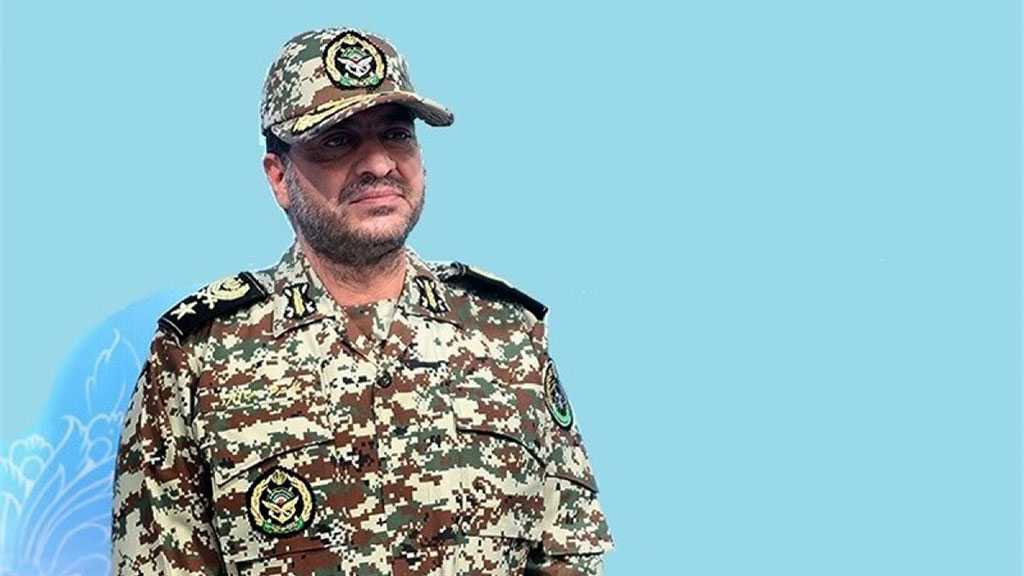
Iran’s Air Defense Forces Commander, Brigadier General Alireza Sabahi Fard, confirmed that his forces is keeping “a watchful eye” on the country’s strategic regions and will not allow any act of aggression by the enemy to go unnoticed.
While visiting the air defense center in the southeastern port city of Chabahar on Wednesday, Fard said that committed and expert personnel of air defense defend the country with a watchful eye, stressing, “We will not allow any mistake by the enemies for the sake of our authority and dignity.”
“The units of this force, by [exercising] intelligence, vigilance and keeping a watchful eye, will not allow any aggression by outsiders,” he added.
The top commander further noted that the northern Indian Ocean and the strategic region of southeastern Iran are under full surveillance of the air defense, stressing the region enjoys complete security.
Fard said the Chabahar air defense center is in charge of monitoring the sky of a part of the country where there is a lot of air and sea transportation to the Strait of Hormuz and the Gulf, as well as to East Asia and Central Asia, adding that various types of surveillance equipment are deployed to the region to monitor any moves.
“All kinds of completely indigenous electronic interception, radar and missile systems, which are the result of round-the-clock efforts of the youth of this border and region, are deployed in this area, and the enemies know that we are very close to them in the region and we even monitor their breathing,” he added.
The senior commander reiterated that Iran’s air defense has long been capable of detecting and monitoring any flying object with any radar cross-section and uses powerful systems and weapons for tactical and defensive actions against offensive forces.
Navigation in the Arctic is still restricted to icebreakers
Only time will tell if the Transpolar Route will pan out—if climate change and a shrinking polar ice cap will make this a truly viable maritime superhighway. But Beijing is betting it will.
As the events in the Suez Canal over the past week have reminded us, the world’s great sea lanes—the arteries through which flows the lifeblood of the global economy—are defined as much by chokepoints as by open waters. Some of these chokepoints are well known: the Panama Canal, the Straits of Gibraltar, the Strait of Hormuz, and the Suez Canal itself. Others figure somewhat less prominently in our collective geographic imagination: the Strait of Molucca, the Turkish Straits, the Bab el-Mandeb or Gate of Tears, and the Lombok Strait. But make no mistake: whether well-known or not, choke points define the world’s seaway, and keeping those chokepoints unobstructed is a core interest of any nation that depends on seaborne trade for its wealth and wellbeing.
Again, as the events of the past week or so have made us keenly aware, accidental blockage of one of these chokepoints is an ever-present risk. There is always the possibility that a container ship or tanker will come to grief and obstruct one of the narrower choke points. But the real danger, the one that keeps both maritime insurance companies and naval strategic planners up at night, is the prospect of the purposeful closure of such choke points by military force, either during war or in conflicts short of war. These choke points can be pinched shut in times of conflict by mines, missiles, or blockades. This is much easier to do than controlling the high seas or denying access to those seas. And even the prospect of heightened tensions in places like the Strait of Hormuz can send maritime insurance rates skyrocketing. Should any of these vital passageways be closed due to a deliberate act of war, the geopolitical and economic consequences could be cataclysmic. And if they are closed by one party to a conflict at the expense of another.
It is against that backdrop that one must view the People’s Republic of China’s recent interest in the Arctic.
In January 2018, China introduced its Arctic Policy, which declared that China is a “Near Arctic” state. The document goes on to call for greater Chinese participation in “resource exploration and exploitation” in the region, and a greater role for China in regional forums. Beyond that document, China has also made clear that it envisions a greater role for the Chinese military in securing China’s polar interests. Simply put, China now sees itself as an active participant and major stakeholder in Arctic affairs. It also recognizes that it needs to develop the power projection capabilities—forces, basing infrastructure, etc.—that would enable it to fulfill its Arctic vocation.
The logic behind this new policy is twofold. On the one hand, there are considerable oil, natural gas, and other natural resources that are becoming increasingly accessible as the Arctic ice melts. Various studies, for example, show that the Arctic contains an estimated 22 percent of the world’s undiscovered fossil fuel resources, with perhaps 90 billion barrels of oil and 1,670 trillion cubic feet of natural gas located beneath the region’s disputed international waters. And the region also contains considerable deposits of rare earth elements (REEs)—minerals essential to cutting-edge military, computing, and environmentally-friendly technologies, such as electric vehicles, wind power turbines, and solar panels. China sees both commercial and strategic opportunities in the Arctic and is positioning itself to exploit those opportunities.
On the other hand, and at least equally importantly, Beijing is interested in the Arctic because it offers a less vulnerable route to the European market. At the moment, the vast majority of China’s trade with the Middle East, Africa, and Europe must pass through at least two of the world’s maritime chokepoints. The route to the Persian Gulf involves transiting both the Strait of Malacca and the Strait of Hormuz. Similarly, to sail from Shanghai to the Mediterranean, a ship must pass through the Strait of Malacca, the Gate of Tears, and the Suez Canal. At each of these chokepoints, transit can be denied by both hostile states and non-state actors.
Recognizing the strategic vulnerability inherent in this situation, Beijing has naturally begun seeking alternatives. One approach has been to invest in alternative overland trade routes through its Belt and Road Initiative. Another has been to build pipelines and transportation infrastructure linking the Pakistani port of Gwadar to Western China. And Beijing has aggressively courted the Panamanian government in order to secure Chinese access to the canal. China has even proposed building a canal through the Kra Isthmus in Thailand with the aim of bypassing the Straits of Molucca. Finally, Beijing has increased the size, capability, and reach of the People’s Liberation Army (PLA) Navy and developed the “String of Pearls”—a network of Chinese military and commercial facilities extending from the Chinese mainland to Port Sudan in the Horn of Africa—to support its efforts to keep Chinese maritime trade flowing across the Indo-Pacific region.
But perhaps the most ambitious approach has been to seek a route to Europe and onward that avoids all the major choke points from Shanghai to Piraeus, a route that is far less vulnerable to interdiction by hostile powers. This route, literally running across the top of the world, is the Transpolar or Trans-Arctic Route. Unlike the Northern Sea Route, another alternate Arctic passage that runs along Russia’s Arctic coastline and within Russian waters, the Transpolar Route is almost entirely in international waters. It runs from the Atlantic Ocean to the Pacific Ocean across the center of the Arctic Ocean, passing close to the North Pole. While currently navigable only by heavy icebreakers, and, therefore, not suited to commercial sea traffic, the shrinking of the polar ice cap means that by 2030 it will be passable by commercial vessels.
Such a route has compelling commercial advantages. For journeys between Europe and China, the Northern Sea Route can already be two to three weeks faster than the Suez Canal. By cutting straight across the Arctic, the Transpolar Route could save an additional two days. But it also offers something at least as important: the strategic advantage of not passing through any of the world’s major chokepoints.
Only time will tell if the Transpolar Route will pan out—if climate change and a shrinking polar ice cap will make this a truly viable maritime superhighway. But Beijing is betting it will. And the recent events in the Suez may well result in China doubling down on that bet.
Andrew Latham is a professor of political science at Macalester College in Saint Paul, Minnesota; and a Research Associate with the Centre for Defence and Security Studies, Canada. He has a Ph.D. in Political Science, with a concentration in International Relations and Strategic Studies.
تراهن بكين على أن تغيّر المناخ وتقلّص الغطاء الجليدي القطبي سيجعلان الطريق عبر القطب الشمالي طريقاً بحرياً سريعاً إلى أوروبا وما بعدها.
لا تزال الملاحة في القطب الشمالي مقتصرة على كاسحات الجليد
كتب الأستاذ الجامعي والباحث الكندي أندرو لاثام مقالة في مجلة “ذا ناشونال انترست” الأميركية تناول فيها الأزمة الأخيرة في قناة السويس عندما سدّت سفينة شحن الممر المائي العالمي وعطلت مرور السفن التجارية لنحو أسبوع، كاشفاً أن الصين تفكر بممر مائي بديل عبر القطب الشمالي أقصر مسافة وأكثر أمناً، لتجارتها مع أوروبا والأميركيتين.
وقال الكاتب إن الأحداث التي وقعت في قناة السويس خلال الأسبوع الماضي، ذكّرتنا بأن الممرات البحرية الكبرى في العالم – الشرايين التي يتدفق من خلالها شريان الحياة للاقتصاد العالمي – يتم تحديدها من خلال نقاط الاختناق بقدر ما يتم تحديدها من خلال المياه المفتوحة. وأضاف أن بعض هذه الممرات معروفة جيداً على غرار قناة بنما، ومضيق جبل طارق، ومضيق هرمز، وقناة السويس نفسها. بينما ثمة ممرات أخرى أقل بروزاً في خيالنا الجغرافي الجماعي مثل مضيق ملوكا والمضيق التركي وباب المندب أو بوابة الدموع ومضيق لومبوك.
وقال الكاتب إنه ينبغي ألا نخطئ سواء كانت هذه الممرات معروفة أم لا، فإن نقاط الاختناق تحدد ممر العالم البحري، والحفاظ على تلك النقاط الخانقة من دون عوائق هو مصلحة أساسية لأي دولة تعتمد على التجارة المنقولة بحراً من أجل ثروتها ورفاهيتها.
وأضاف أن أحداث الأسبوع الماضي جعلتنا ندرك جيداً أن الانسداد العرضي لإحدى نقاط الاختناق هذه يمثل خطراً دائماً. فهناك دائماً احتمال أن تتعطل سفينة أو ناقلة حاويات وتعيق إحدى نقاط الاختناق الأضيق. لكن الخطر الحقيقي، الذي يبقي شركات التأمين البحري والمخططين الاستراتيجيين البحريين مستيقظين في الليل، هو احتمال الإغلاق المتعمد لنقاط الاختناق هذه بالقوة العسكرية، إما أثناء الحرب أو في النزاعات من دون الحرب. إذ يمكن إغلاق نقاط الاختناق هذه في أوقات النزاع بواسطة الألغام أو الصواريخ أو الحصار. وهذا أسهل بكثير من السيطرة على أعالي البحار أو منع الوصول إلى تلك البحار. وحتى احتمال تصاعد التوترات في أماكن مثل مضيق هرمز يمكن أن يؤدي إلى ارتفاع شديد في أسعار التأمين البحري. وفي حالة إغلاق أي من هذه الممرات الحيوية بسبب عمل حربي متعمد، قد تكون العواقب الجيوسياسية والاقتصادية كارثية.
خلفيات اهتمام الصين بالقطب الشمالي
ورأى الباحث أنه في ظل هذه الخلفية، يجب على المرء أن ينظر إلى الاهتمام الأخير لجمهورية الصين الشعبية بالقطب الشمالي. ففي كانون الثاني / يناير، قدمت الصين سياسة القطب الشمالي، والتي أعلنت فيها أن الصين دولة “بالقرب من القطب الشمالي”. وتدعو الوثيقة إلى مشاركة صينية أكبر في “استكشاف الموارد واستغلالها” في المنطقة، وإلى دور أكبر للصين في المنتديات الإقليمية الخاصة بالقطب. وإلى جانب تلك الوثيقة، أوضحت الصين كذلك أنها تتصور دورًا أكبر للجيش الصيني في تأمين المصالح القطبية للصين. وببساطة، ترى الصين نفسها الآن كمشارك نشط وصاحبة مصلحة رئيسية في شؤون القطب الشمالي. كما تدرك أنها بحاجة إلى تطوير قدراتها العسكرية، والبنية التحتية الأساسية، وما إلى ذلك والتي من شأنها أن تمكنها من الوفاء بمهمتها القطبية.
الموارد النفطية والمعدنية في القطب الشمالي
وأضاف الكاتب أن المنطق الكامن وراء هذه السياسة الصينية الجديدة ذو شقين. فهناك، من جهة، قدر كبير من النفط والغاز الطبيعي والموارد الطبيعية الأخرى التي يمكن الوصول إليها بشكل متزايد مع ذوبان الجليد في القطب الشمالي. وتظهر دراسات مختلفة أن القطب الشمالي يحتوي على ما يقدر بنحو 22 في المائة من موارد الوقود الأحفوري غير المكتشفة في العالم، مع ربما 90 مليار برميل من النفط و1670 تريليون قدم مكعب من الغاز الطبيعي، تقع تحت المياه الدولية المتنازع عليها في المنطقة. كما تحتوي المنطقة على رواسب كبيرة من العناصر الأرضية النادرة، وهي معادن ضرورية للتكنولوجيات العسكرية والحاسوبية والصديقة للبيئة المتطورة، مثل المركبات الكهربائية وتوربينات طاقة الرياح والألواح الشمسية.
وترى الصين هذه الفرص التجارية والاستراتيجية في القطب الشمالي وهي تستعد لاستغلال تلك الفرص.
ومن جهة أخرى، وبنفس القدر من الأهمية على الأقل، تهتم بكين بالقطب الشمالي لأنه يقدم طريقاً أقل عرضة للخطر إلى السوق الأوروبية. في الوقت الحالي، يجب أن تمر الغالبية العظمى من تجارة الصين مع الشرق الأوسط وإفريقيا وأوروبا عبر اثنين على الأقل من الممرات البحرية في العالم. يشمل الطريق المؤدي إلى الخليج عبور كل من مضيق ملقا ومضيق هرمز.
وللإبحار من مدينة شنغهاي الصينية إلى البحر الأبيض المتوسط، يجب أن تمر السفينة عبر مضيق ملقا وبوابة الدموع وقناة السويس. وفي كل من هذه النقاط الخانقة، يمكن أن تمنع كل من الدول المعادية والجهات الفاعلة غير الحكومية العبور.
وقال الكاتب إنه إدراكاً منها لهذا الضعف الاستراتيجي الموجود في هذا الوضع، بدأت بكين البحث عن بدائل. وكان أحد الأساليب هو الاستثمار في طرق التجارة البرية البديلة من خلال “مبادرة الحزام والطريق”. وكان الأسلوب الآخر هو بناء خطوط أنابيب وبنية تحتية للنقل تربط ميناء غوادر الباكستاني بغرب الصين.
كما دأبت بكين على التودد بقوة إلى الحكومة البنمية من أجل تأمين وصول الصين إلى القناة. واقترحت الصين حتى بناء قناة عبر كرا إيثموس في تايلاند بهدف تجاوز مضيق مولوكا.
وأخيراً، زادت بكين حجم بحرية جيش التحرير الشعبي الصيني وقدراتها ووصولها وطورت “سلسلة اللآلئ” – وهي شبكة من المنشآت العسكرية والتجارية الصينية التي تمتد من البر الرئيسي الصيني إلى بورتسودان (في السودان) في القرن الأفريقي – لدعم جهودها للحفاظ على تدفق التجارة البحرية الصينية عبر منطقة المحيطين الهندي والهادئ.
البحث عن طريق أقصر وأضمن
وأضاف الباحث: قد يكون النهج الأكثر طموحاً هو البحث عن طريق إلى أوروبا وما بعدها يتجنب جميع نقاط الاختناق الرئيسية من شنغهاي إلى بيرايوس، وهو طريق أقل عرضة للاعتراض من قبل القوى المعادية. هذا الطريق، الذي يمتد عبر الجزء العلوي من العالم، هو طريق عبر القطب الشمالي. وعلى عكس طريق البحر الشمالي، وهو ممر قطبي بديل آخر، يمتد على طول ساحل القطب الشمالي لروسيا وداخل المياه الروسية، فإن الطريق العابر للقطب يقع بالكامل تقريباً في المياه الدولية. فهو يمتد من المحيط الأطلسي إلى المحيط الهادئ عبر وسط المحيط المتجمد الشمالي، ويمر بالقرب من القطب الشمالي. وفي حين أن الغطاء الجليدي القطبي لا يمكن ملاحته حاليًا إلا بواسطة كاسحات الجليد الثقيلة، وبالتالي فهو غير مناسب لحركة الملاحة البحرية التجارية، فإن تقلّص الغطاء الجليدي القطبي بحلول عام 2030 سيكون الطريق سالكاً للسفن التجارية.
وتابع أندرو لاثام يقول: مثل هذا الطريق له مزايا تجارية مقنعة. فيمكن أن يكون طريق بحر الشمال للرحلات بين أوروبا والصين، أسرع من قناة السويس بأسبوعين إلى ثلاثة أسابيع. ومن خلال قطع القطب الشمالي مباشرة، يمكن أن يوفر الطريق العابر للقطب يومين إضافيين. كما أن هذا الطريق يقدم شيئاً آخر بنفس الأهمية وهو الميزة الإستراتيجية المتمثلة في عدم المرور عبر أي من نقاط الاختناق الرئيسية في العالم.
وختم الكاتب قائلاً: إن الوقت فقط سيحدد ما إذا تغيّر المناخ وتقلّص الغطاء الجليدي القطبي سيجعلانه طريقاً بحرياً سريعاً قابلاً للتطبيق. لكن بكين تراهن على أنها ستفعل ذلك. وقد تؤدي الأحداث الأخيرة في السويس إلى أن تضاعف الصين رهانها هذا.
*أندرو لاثام أستاذ العلوم السياسية بكلية ماكالستر في سانت بول، مينيسوتا، وهو باحث مشارك في مركز دراسات الدفاع والأمن في كندا.
When it comes to sowing – and profiting – from division, Erdogan’s Turkey is quite the superstar.
Under the delightfully named Countering America’s Adversaries Through Sanctions Act (CAATSA), the Trump administration duly slapped sanctions on Ankara for daring to buy Russian S-400 surface-to-air missile defence systems. The sanctions focused on Turkey’s defence procurement agency, the SSB.
Turkish Foreign Minister Mevlut Cavusoglu’s response was swift: Ankara won’t back down – and it is in fact mulling how to respond.
The European poodles inevitably had to provide the follow-up. So after the proverbial, interminable debate in Brussels, they settled for “limited” sanctions – adding a further list for a summit in March 2021. Yet these sanctions actually focus on as-yet unidentified individuals involved in offshore drilling in Cyprus and Greece. They have nothing to do with S-400s.
What the EU has come up with is in fact a very ambitious, global human-rights sanctions regime modeled after the US’s Magnitsky Act. That implies travel bans and asset freezes of people unilaterally considered responsible for genocide, torture, extrajudicial killings and crimes against humanity.
Turkey, in this case, is just a guinea pig. The EU always hesitates mightily when it comes to sanctioning a NATO member. What the Eurocrats in Brussels really want is an extra, powerful tool to harass mostly China and Russia.
Our jihadis, sorry, “moderate rebels”
What’s fascinating is that Ankara under Erdogan always seems to be exhibiting a sort of “devil may care” attitude.
Take the seemingly insoluble situation in the Idlib cauldron in northwest Syria. Jabhat al-Nusra – a.k.a. al-Qaeda in Syria – honchos are now involved in “secret” negotiations with Turkish-backed armed gangs, such as Ahrar al-Sharqiya, right in front of Turkish officials. The objective: to boost the number of jihadis concentrated in certain key areas. The bottom line: a large number of these will come from Jabhat al-Nusra.
So Ankara for all practical purposes remains fully behind hardcore jihadis in northwest Syria – disguised under the “innocent” brand Hayat Tahrir al-Sham. Ankara has absolutely no interest in letting these people disappear. Moscow, of course, is fully aware of these shenanigans, but wily Kremlin and Defence Ministry strategists prefer to let it roll for the time being, assuming the Astana process shared by Russia, Iran and Turkey can be somewhat fruitful.
Erdogan, at the same time, masterfully plays the impression that he’s totally involved in pivoting towards Moscow. He’s effusive that “his Russian colleague Vladimir Putin” supports the idea – initially tabled by Azerbaijan – of a regional security platform uniting Russia, Turkey, Iran, Azerbaijan, Georgia and Armenia. Erdogan even said that if Yerevan is part of this mechanism, “a new page may be opened” in so far intractable Turkey-Armenia relations.
It will help, of course, that even under Putin pre-eminence, Erdogan will have a very important seat at the table of this putative security organization.
The Big Picture is even more fascinating – because it lays out various aspects of Putin’s Eurasia balancing strategy, which involves as main players Russia, China, Iran, Turkey and Pakistan.
On the eve of the first anniversary of the assassination of Gen Soleimani, Tehran is far from cowed and “isolated”. For all practical purposes, it is slowly but surely forcing the US out of Iraq. Iran’s diplomatic and military links to Iraq, Syria and Lebanon remain solid.
And with less US troops in Afghanistan, the fact is Iran for the first time since the “axis of evil” era will be less surrounded by the Pentagon. Both Russia and China – the key nodes of Eurasia integration – fully approve it.
Of course the Iranian rial has collapsed against the US dollar, and oil income has fallen from over $100 billion a year to something like $7 billion. But non-oil exports are going well over $30 billion a year.
All is about to change for the better. Iran is building an ultra-strategic pipeline from the eastern part of the Persian Gulf to the port of Jask in the Gulf of Oman – bypassing the Strait of Hormuz, and ready to export up to 1 million barrels of oil a day. China will be the top customer.
President Rouhani said the pipeline will be ready by the summer of 2021, adding that Iran plans to be selling over 2.3 million barrels of oil a day next year – with or without US sanctions alleviated by Biden-Harris.
Watch the Golden Ring
Iran is well linked to Turkey to the west and Central Asia to the east. An extra important element in the chessboard is the entrance of freight trains directly linking Turkey to China via Central Asia -bypassing Russia.
Earlier this month, the first freight train left Istanbul for a 8,693 km, 12-day trip, crossing below the Bosphorus via the brand new Marmary tunnel, inaugurated a year ago, then along the East-West Middle Corridor via the Baku-Tbilisi-Kars (BTK) railway, across Georgia, Azerbaijan and Kazakhstan.
In Turkey this is known as the Silk Railway. It was the BTK that reduced freight transport from Turkey to China from one month to only 12 days. The whole route from East Asia to Western Europe can now be travelled in only 18 days. BTK is the key node of the so-called Middle Corridor from Beijing to London and the Iron Silk Road from Kazakhstan to Turkey.
All of the above totally fits the EU’s agenda – especially Germany’s: implementing a strategic trade corridor linking the EU to China, bypassing Russia.
This would eventually lead to one of the key alliances to be consolidated in the Raging Twenties: Berlin-Beijing.
To speed up this putative alliance, the talk in Brussels is that Eurocrats would profit from Turkmen nationalism, pan-Turkism and the recent entente cordiale between Erdogan and Xi when it comes to the Uighurs. But there’s a problem: many a turcophone tribe prefers an alliance with Russia.
Moreover, Russia is inescapable when it comes to other corridors. Take, for instance, a flow of Japanese goods going to Vladivostok and then via the Trans-Siberian to Moscow and onwards to the EU.
The bypass-Russia EU strategy was not exactly a hit in Armenia-Azerbaijan: what we had was a relative Turkey retreat and a de facto Russian victory, with Moscow reinforcing its military position in the Caucasus.
Enter an even more interesting gambit: the Azerbaijan-Pakistan strategic partnership, now on overdrive in trade, defence, energy, science and technology, and agriculture. Islamabad, incidentally, supported Baku on Nagorno-Karabakh.
Both Azerbaijan and Pakistan have very good relations with Turkey: a matter of very complex, interlocking Turk-Persian cultural heritage.
And they may get even closer, with the International North-South Transportation Corridor (INTSC) increasingly connecting not only Islamabad to Baku but also both to Moscow.
Thus the extra dimension of the new security mechanism proposed by Baku uniting Russia, Turkey, Iran, Azerbaijan, Georgia and Armenia: all the Top Four here want closer ties with Pakistan.
Analyst Andrew Korybko has neatly dubbed it the “Golden Ring” – a new dimension to Central Eurasian integration featuring Russia, China, Iran, Pakistan, Turkey, Azerbaijan and the central Asian “stans”. So this all goes way beyond a possible Triple Entente: Berlin-Ankara-Beijing.
What’s certain as it stands is that the all-important Berlin-Moscow relationship is bound to remain as cold as ice. Norwegian analyst Glenn Diesen summed it all up: “The German-Russian partnership for Greater Europe was replaced with the Chinese-Russian partnership for Greater Eurasia”.
What’s also certain is that Erdogan, a master of pivoting, will find ways to simultaneously profit from both Germany and Russia.
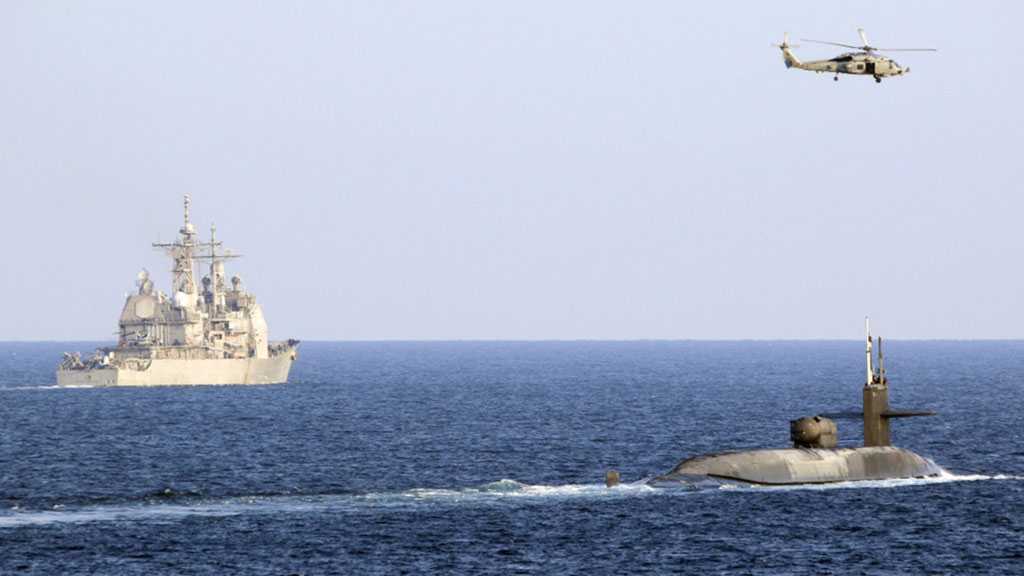
A nuclear-powered US submarine has passed through the Strait of Hormuz and into the Gulf in an apparent attempt to provoke Iran, while an ‘Israeli’ sub reportedly made a similar excursion into the Red Sea.
The USS Georgia [SSGN-729] is an Ohio-class nuclear-powered sub carrying, not ballistic nuclear warheads, but up to 154 Tomahawk cruise missiles – or as many as 66 special operatives, the Navy pointed out on Monday, announcing the boat’s transit into the “Arabian Gulf,” as the US calls the body of water.
The Georgia was escorted by the guided missile cruisers USS Port Royal [CG 73] and USS Philippine Sea [CG 58], and made the transit on Sunday, the Navy announced a day later. It was only the second such acknowledgment in eight years.
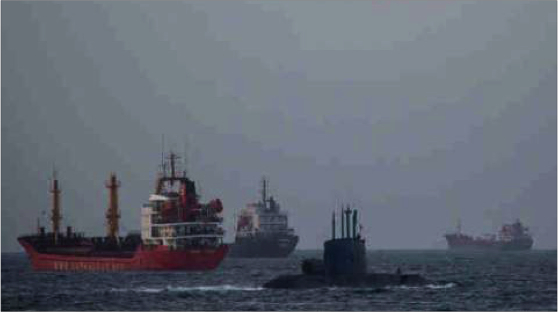
Following the announcement, ‘Israeli’ public broadcaster Kan reported on Monday evening that one of the Zionist entity’s submarines transited the Suez Canal last week, with Egypt’s approval. However, the Kan report cited “Arab intelligence sources” while the ‘Israeli’ military officially declined to comment.
The naval demonstrations come in the wake of last month’s assassination of Mohsen Fakhrizadeh, a senior scientist who led Iran’s nuclear program. Tehran has blamed the Zionist entity for the murder.
The US Central Command [CENTCOM] commander, General Kenneth McKenzie, is currently visiting the Middle East, though his exact whereabouts have not been revealed. Earlier this month, the US sent two nuclear-capable bombers to the region in another “message” to Tehran, citing unspecified reports of a potential threat of attacks.
The Strait of Hormuz is heavily patrolled by Iran’s Islamic Revolutionary Guard Corps [IRGC] ships, which has led to stand-offs with US naval forces operating in the area in the past. The anniversary of the US drone attack that killed IRGC commander General Qassem Soleimani near Baghdad in January is also fast approaching.
توجهت غواصة هجومية أميركية ومدمرتين تابعتين للبحرية الأميركية إلى الخليج العربي، وفي هذا الصدد، أعلنت البحرية الأميركية في بيان لها، أن غواصة «يو أس أس جورجيا» يمكن تزويدها بـ154 صاروخ توماهوك، وقادرة على نقل 66 عنصراً من القوات الخاصة». وأرفق البيان بصور تظهر الغواصة وهي تطفو على سطح البحر يواكبها طراداً «يو أس أس بورت رويال» و»يو أس أس فيليبين سي» في هذا المضيق الاستراتيجي، الذي تهدّد إيران بانتظام بإغلاقه.
وشدّدّ سلاح البحرية الأميركية على أنّ «وجود الغواصة في المنطقة يظهر تعهد الولايات المتحدة (…) بضمان أمن الممرات البحرية، بفضل قدرات واسعة تسمح لها بأن تكون على أهبة الاستعداد للدفاع عن نفسها ضد أي هجوم في أي لحظة».
وجدير بالذكر أنّ البحرية الأميركية عادة، لا تكشف عن مواقع غواصاتها في العالم.
فيما كشفت القناة 11 العبرية، نقلاً عن مصادر استخباراتيّة عربية، أنّ «إسرائيل أرسلت غواصة باتجاه إيران، عبر قناة السويس بتصريح مصري، وذلك لإرسال رسالة إلى طهران، وأشار مراسل الشؤون العربيّة، روعي كييس في تقريره إلى أنّ الجيش الإسرائيليّ رفض التعقيب على الخبر».
من ناحيتها، قالت صحيفة «إسرائيل اليوم» إنّ «الغواصة كانت تسير فوق الماء علانية، وعبرت إلى البحر الأحمر من قناة السويس بتصريح مصري»، لافتةً في الوقت ذاته إلى أنّ «غواصة هجومية أميركية ومدمرتين تابعتين للبحرية الأميركية اتجهت إلى الخليج، في رسالة أيضاً بأنّ واشنطن مستعدة لأي عمل في المنطقة».
ويأتي الكشف عن الغواصات «الإسرائيليّة» والأميركيّة في الخليج، بعد ساعاتٍ من تهديد الجنرال أفيف كوخافي رئيس أركان جيش الاحتلال إيران بـ»دفع ثمن باهظ في حال فكرت في مهاجمة أيّ أهداف إسرائيليّة»، ونقلت صحيفة (هآرتس) عنه قوله مساء أول أمس الإثنين إنّه «في حال نفذت إيران أو حلفائها تهديداتها سواء من جبهات قريبة أو بعيدة، فإنهم سيدفعون ثمناً باهظاً جداً».
وأضاف: «سنهاجم بكل قوة من يكون شريكاً بشكل جزئي أو كامل، كان قريباً أو بعيداً، في أي عمل ضدّ إسرائيل أو ضدّ أيّ أهداف إسرائيلية»، مشيراً إلى أنّ «الجيش مستعد للتعامل مع أي سيناريوهات ولديه خطط جاهزة لذلك».
ومن الجدير بالذكر، أنّ مجلة دير شبيغل الألمانية كانت نشرت تقريراً مُفصلاً عن مساعي التطوير الحثيثة في سلاح البحرية الإسرائيليّ والذي يُراد له أن يُصبح ذراعاً استراتيجية بعيدة المدى.
وكشفت المجلة في التقرير الذي استهلته بالتأكيد على أن «دولة الاحتلال تواصل العمل بهدوء بغية التحول إلى دولة غواصات بحرية عظمى»، أنّ «سلاح البحرية الإسرائيليّ تسلم رابع غواصة من طراز دولفين (غواصات دولفين تُصنع في ألمانيا تبلغ حمولتها 1550 طناً، تعمل بمحرك ديزل–كهربائي، يمكن تجهيزها لتحمل صواريخاً نووية) وأدخلها الخدمة تحت اسم (أحي تنين)».
ووصفت دير شبيغل عملية تسلح دولة الاحتلال بهذه الغواصات بأنها «عملية امتلاك مخزن نووي متحرك وخفي ينقذ دولة الاحتلال في حال تعرضها لهجوم نووي تعجز عن الرد عليه برياً»، كما نشرت صحيفة (يديعوت أحرونوت) تقريراً مُفصلاً عن الغواصة سابقة الذكر «أحي تنين» لفتت فيه إلى أنّ «الغواصة المذكورة والتي تربض في القاعدة البحرية بميناء حيفا ستتحول إلى غواصة عملياتية قريباً ما يعني أنّ سلاح البحرية الإسرائيليّ يتطوّر بقفزات نوعية في مجال الكشف عن الاتصالات والقتال والقدرة على المكوث تحت الماء بفضل أنظمة غير مرتبطة بالجو الخارجي».
يُشار إلى أنّ ألمانيا تقوم بتزويد «إسرائيل» بالغواصّات الأكثر تطوراً، والقادرة على حمل رؤوسٍ نوويّةٍ.
وفي هذا السياق، كان الجنرال المسؤول عن تفعيل الغواصات في سلاح البحريّة «الإسرائيليّ»، والذي لا يُسمح بنشر اسمه، قال إنّ «الغواصّة الجديدة هي آلية معقدّة ومُركبّة جداً، وبالتالي نحتاج إلى مقاتلين أكفاء لكي يقوموا بتفعيلها»، لافتاً إلى أنّه «في السنة الماضية قامت الغواصات بتنفيذ العديد من العمليات المُعقدّة، وبناءً على ذلك، حصلت على وسام الشرف من قائد البحريّة الإسرائيليّة»، على حدّ قوله.
جدير بالذكر في هذا السياق، أن هذه الغواصة تتمتع، بحسب التصريحات الأمنية «الإسرائيلية»، بـ»القدرة على إطلاق صواريخ موجهة تحمل رؤوساً نووية، وبكونها تُشكّل مركباً أساسياً في إستراتيجية الضربة الثانية للجيش الإسرائيليّ، في حال تلقّت إسرائيل ضربة ذريّة، بحيث تتوفّر لها القدرة على توجيه ضربةٍ مضادّةٍ».
“”the exact moment when the Empire collapsed: 8 January 2020. What happened that day? Following the murder of Major General Qasem Soleimani in a US drone attack (on the 3 of January 2020) the Iranians retaliated by using missiles to attack several US bases in Iraq.” The Saker
I remember one evening in distant 1991, I was sitting with a few friends in the SAIS cafeteria discussing the future of the United States with a few very smart students, including a Pakistani Army Colonel, a US captain who served on aircraft carriers and a Spanish diplomat: we all agreed that “the system” was perfect, so to speak, and that the US would only collapse if a strong external shock would hit it hard. We all agreed that the combination of the best propaganda machine in history, the stupidification resulting from many daily hours of watching the Idiot Tube and, finally, a very effective repression apparatus made for a quasi perfect dictatorship: the one which only gives the illusion of democracy and people power.
Years later, in 2017, I read by J.M. Greer’s brilliant book “Twilight’s Last Gleaming” which I later reviewed here. I would say that this book is one of the best one written on the topic of a future US collapse, even though this is a (very well written) fiction book because it brilliantly illustrates the kind of mindset which can get a supposed superpower in a very bad situation.
To me, this all made perfect sense, but only because I, and my SAIS friends, never even considered the possibility that the US Nomenklatura would commit national suicide and, in the process, bring down the AngloZionist Empire.
Yet this is exactly what happened.
So when did all this begin?
There are many possible answers to this question. Some say with the murder of Kennedy. Others point to Clinton, whose Presidency inaugurated a policy of armed imperialism all over the planet; this administration was also the first one to witness a major “coming out” of the Neocons (many of which had already infiltrated the GOP during Reagan). Then there is 9/11 with the subsequent GWOT. As I said, these are all valid candidates, and there are many more.
My personal view is that the main initiation of collapse was under Barack Obama, a truly exceptionally weak President who would have made an absolutely terrific used cars salesman, but who as a President lost control of his own country and even his own administration. It was under Obama that we saw the vacuum at the top resulting in various agencies (DoS, DoD, CIA, Pentagon, etc.) all developing their own “foreign policies” which resulted in total chaos on the foreign policy front. Needless to say, having harpies such as Hillary Clinton or Susan Rice or Samantha Power involved did not help!
What is it with western women which makes them become even more bellicose than men when they reach a position of power?! Looking at women like Thatcher or Hillary, I wonder if these women are not carefully selected precisely for their nasty character and need to prove themselves as “equal” to men by being even more nasty and murderous than male politicians…
Since his election, it has become very popular to blame Donald Trump for everything which went wrong under his Presidency and, indeed, there is much which ought to be blamed on him. But what so many people overlook is that almost everything which went wrong under Trump began with Obama! When Trumps says that he inherited an awful mess, he is absolutely correct. Not that this absolves him from his own contribution to chaos and collapse!
And, in truth, the biggest difference between Obama and Trump, is that Trump did not start any real wars. Yes, he did threaten a lot of countries with military attacks (itself a crime under international law), but he never actually gave the go ahead to meaningfully attack (he only tried some highly symbolic and totally ineffective strikes in Syria). I repeat – the man was one of the very few US Presidents who did not commit the crime of aggression, the highest possible crime under international law, above crimes against humanity or even genocide, because the crime of aggression “contains within itself the accumulated evil”, to use the words words of the chief US prosecutor at Nuremberg and Associate Justice of the Supreme Court of the United States, Robert H. Jackson. I submit that just for this reason alone any decent person should choose him over Biden (who himself is just a front for “President” Harris and a puppet of the Clinton gang). Either that, or don’t vote at all if your conscience does not allow you to vote for Trump. But voting Biden is unthinkable for any honest person, at least in my humble opinion.
In the Trump years something absolutely amazing happened: while Trump and his administration were busy destroying the Empire externally, the Dems put all the energy and resources into destroying Trump. However, to paraphrase a quote by the Russian author Zinoviev, “they targeted at Trump but they hit the United States” (Zinoviev’s quote was about the putative anti-Soviets: “Метили в коммунизм, а попали в Россию” which can be translated as “they were aiming at Communism, but they hit Russia”).
What took place next was precisely what my SAIS friends and I could never have imagined: the US ruling elites committed collective suicide.
Suicide is typically executed in three phases: decision to commit suicide, the act of suicide itself, and then death. If we accept that the decision to engage in behavior which can only be described as suicidal was taken sometime during the Obama years, then this begs the question of where we are now. In other words, has the Empire already died or is it still only in agony?
I was asking myself that question the other day when I suddenly realized that I might have determined the exact moment when the Empire collapsed: 8 January 2020.
What happened that day?
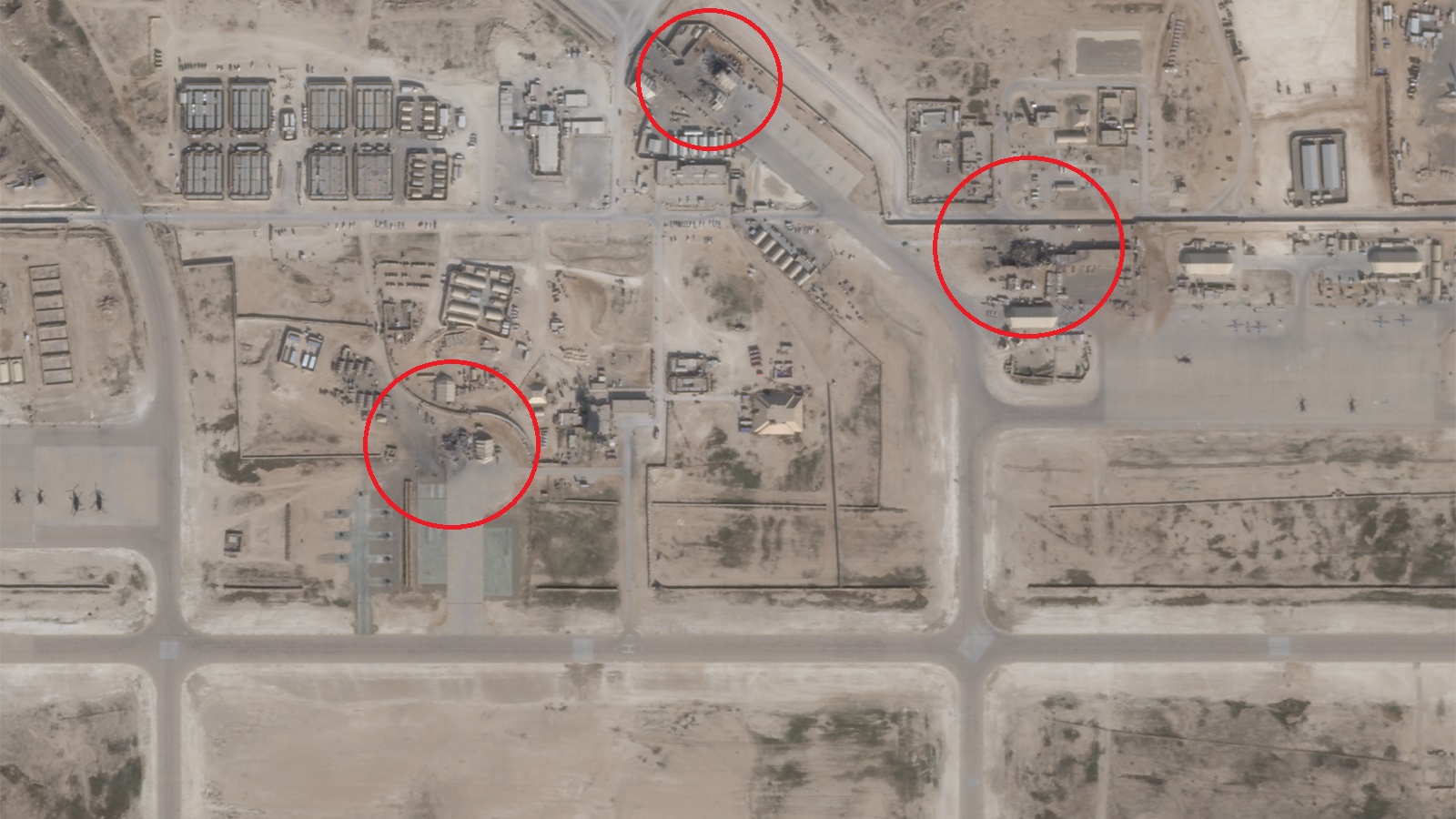
Following the murder of Major General Qasem Soleimani in a US drone attack (on the 3 of January 2020) the Iranians retaliated by using missiles to attack several US bases in Iraq.
According to the US side, there were only minor injuries, which is very likely since the Iranians warned the US by several backdoor channels what they were planning on doing. This argument was used by Trump and his supporters to say that the Iranian reaction was lame, ineffective and could be completely ignored.
In my opinion, the moment when the Trump Administration made this statement is when the death certificate of the Empire was signed. Why?
First, the low number of US casualties (probably higher than the official one, US troops were evacuated and treated in several countries) is due to only to the fact that Iranians are superb strategists: they realized that killing a lot of US soldiers would force Trump to strongly retaliate, so they chose not to kill them. Instead, they put a gun to their collective heads. How?
Think about it: the Iranian counter-strike showed the entire world something which most people did not realize: Iranian missiles (ballistic and cruise) were much more accurate than previously thought. In fact, they clearly have some form of terminal guidance. Simply put, the Iranians have proven that they can very precisely, deliver a warhead of several hundred pounds of high explosives pretty much anywhere in the Middle East. To give you a visual idea of their current coverage check out this page.
This bears repeating: the Iranians have now proven that they can place several hundred pounds of high explosives anywhere in the Middle-East with a CEP of about 3-5 meters!
Remember the Khobar Towers bombing? Yes, this was a truck bomb with much more explosives than a missile can carry (by at least an order of magnitude), but that truck was also parked far away from the towers! Yet just under 500 people died that day.
There are plenty of similar US military installations in the Middle-East, many buildings housing hundreds of US servicemen. Just imagine what would have happened if the Iranians had decided to take out as many lives as possible and placed a couple of their missiles right on top of, say, 10 such facilities – just imagine the cost in lives!
But the Iranians are smart, and they chose a much wiser course of action: they used their missiles essentially to kick Uncle Shmuel where it hurts, but they mainly demonstrated their ability to create thousands of US casualties in just a few minutes.
Obviously, another, now undeniable, Iranian capability is the ability to instantly destroy any gas/oil facility in the region: wells, processing facilities, terminals – you name it: if it is important and expensive, the Iranians can destroy it.
The Iranians also have the ability to close down the Strait of Hormuz and even to attack USN ships, possibly including carriers.
Last, but certainly not least, this now proven Iranian capability puts every government building in danger, along with any crucial facility (Dimona anybody?).
At this point of the conversation all the well-propagandized flag-waving morons will immediately stand up and declare something along these lines:
“So what?! If these sand-niggers cross the line they know that we can massively bomb them! Heck, we can even nuke them and send them back to the stone age! Let them try and they will see what the wrath of the most powerful nation on earth, with the most formidable military in history, can do to a bunch of semi-literate peasants, LOL! Let see if their “Allah” will save them!”
Apart from all the ignorant cliches typically spewed by this crowd, there is a major analytical error underlying this “logic” (I use the term generously): the Iranians have lived with this threat since 1979 and they are used to it. Not only that, but they know for a fact that these are empty threats. Oh sure, the US can do to Iran what “Israel” did to Lebanon in the course of the “Divine Victory” war of 2006, or what NATO has done to Serbia during the Kosovo war (1998-1999): kill civilians and destroy the country’s infrastructure to punish these civilians for supporting the “wrong” (i.e. not US approved) government. But if Uncle Shmuel does to Iran what Israel did to Lebanon, the result will be the same: the Iranians will rebuild (they are very good at that) and they will bounce back twice as strong. As for their martyrs, the more there will be, the stronger the Iranian people’s resistance (check this article written by an Iranian scholar in excellent English explaining the roots of the unique ethos of Shia Islam).
Last, but also not least, the US Presidents and their aides are quite aware of the current state of the US military: it is a military which simply cannot win even simple conflicts, a military hopelessly gutted by insane liberal ideologies, a military whose entire surface fleet has been made obsolete by hypersonic missiles (which the Iranians also seem to be working on!) and a military whose Air Force spent absolutely obscene amounts of money to create a supposedly “5th generation” fighter which in many ways is inferior to US 4th generation aircraft!
This begs the question of what still works in the US military. In my opinion, the US submarine fleet is still very powerful, and the US nuclear deterrence posture is still solid. Other than that? Meh…
Bottom line: the arguments that the US did not retaliate because it did not care, or that it does not care because “we can nuke them” are typically civilian nonsense which have no connection whatsoever to the real world (just imagine the political consequences for the already highly unpopular US following a nuclear strike, especially on a non-nuclear country!)
Okay, but then why did the US not retaliate?
Simply put, because Uncle Shmuel does not have what it takes to take on Iran. Heck, Uncle Shmuel can’t even take on Venezuela (!), which is an extremely weakened country right on the US’s door step. Frankly, if this or the next President decides that the US needs to “pick up a crappy little country and throw it against a wall just to prove we are serious” then I recommend Grenada. I know, Grenada was basically undefended in 1983 (mainly by a few lightly armed Cuban engineers) and it took the 82nd airborne to rescue the totally defeated and clueless US special forces stuck under fire, but I think that since 1983 the Pentagon had the time to make a some “lessons learned” exercises and that by now the US probably could re-invade this tiny island without repeating one of the worst disasters in military history.
Conclusion
The Empire died on the day the Iranians hit these US facilities and the US did absolutely nothing. In fact, since that date, what have we seen:
The Iraqis are slowly but surely kicking the US forces out of Iraq
The number of attacks against US forces in Iraq has sharply increased, including against the massive US bunker complex known as “the Green Zone” which now is not “green” at all.
The US failed at renewing the anti-Iran sanctions at the UN Security Council and Russia has already declared that she is willing to sell S-400s to Iran. You can also count China in this great weapons market.
In Yemen, the Iranian backed Houthis have basically won the war and defeated both the KSA and the US.
In Afghanistan, the US and its “coalition of the losers” has stayed even longer than the Soviets and has achieved exactly nothing except a total and most humiliating defeat. The contrast between the performance of the Soviet 40th Army (poorly equipped and averagely commanded) force of conscripts and what the lavishly equipped (but also poorly commanded) US professional force achieved is absolutely amazing on all levels, but the most telling is how much the Soviets actually built in Afghanistan (even facilities that the US still uses every day!). Uncle Shmuel only destroyed everything except the opium trade…
In other words, everything is going exactly according to the announced Iranian game plan to completely kick the US out of the Middle-East. I know, this seems unthinkable right now, but please make the list of all the putatively “unthinkable” things which have since happened and you will see how dangerous it is to assume that something will never happen.
When Georgia attacked the Russian peacekeepers in Tskhinval there were also limited casualties, but Russia immediately counter-attacked defeated in Georgian military in 3 days, and that in spite of being numerically smaller (at least in the initial phases of the counter-attack) and too slow to react (a typical Russian weakness). And the message to “to whom it may concern” sent by the Russian counter-attack was simple: attack a Russian base, or kill Russian soldiers and you will be killed: every time a Russian serviceman has been killed in Syria the Russians retaliate with strong missiles and air strikes. In other instances Russian Spetsnaz units killed selective Takfiri commanders. And everybody “got it”, even the Turks who have not been able to force the Russian to stop shrinking their areas of control in Syria to a small fraction of what it used to be.
Mind you – Russia has no desire to become an Empire or even some kind of superpower (Russians realize how evil any empire is for the country which is supposed to host it: they suffered for over 300 years in this toxic status of “empire” and they had enough! Only dumb Hillary and even dumber Brzezinski still thought that Russia wanted to “rebuild the USSR” when, in fact, Putin’s policies were designed to disengage and separate from the former Russian periphery which only drained immense Russian ressources and never gave Russia anything useful (and nevermind the Warsaw Treaty Organization which was just as ressources-consuming and useless as the periphery). All they want is being taken seriously and treated with respect, not as a superpower, but simply as a major, but truly sovereign, power.
Compare that with the unique blend of stratospheric megalomania, narcissistic self-worship and crass ignorance of the leaders of the US and you immediately see that the Empire is not dying anymore, it is already dead and has been dead for many months now.
What comes next?
Well, the election of course. I submit that under no scenario will the next administration be able to reverse that course and somehow miraculously resurrect the Empire. Empires don’t resurrect. It has been tried in the past (even by Napoleon), it never works. Once empires lose momentum and, especially, their ideological credibility, they are over. Oh sure, a dead body still can emit some heat for a while, some organs, or even cells, can work for a while longer, but dead is dead. Mostly dead bodies bloat and stink, which also applies to dead empires.
This is not to say that the outcome will not matter, it will – but only for the future of the United States themselves. Simply put, the upcoming vote is either a vote for upholding law and order in the US, or for total nihilism. On a deeper level, it is a vote for the US or against it: the Dems all hate this country and its “deplorables”; they also hate almost every aspect of US history (overturned statues are but symbols of this hatred) and they hate what they call “a racist system” in spite of the fact that the real causes of racial tensions in the US have very little to do with the “system” and everything to do with the unique problems of blacks in a culture with mainly European roots.
The Empire is dead. And I hope and believe that its death will mark the rebirth of the United States as a “normal” country (which is what happened to all the other former empires).
Until that happens, we can now at least rest assured that this amazingly evil Empire has finally died, even if very few noticed this.
P.S. While writing this column my thoughts turned to Major General Qasem Soleimani, who was cowardly murdered (he was on a diplomatic mission) by Trump. I imagined what he would have said if somebody had offered him the following deal: Haj Qasem – would you agree to be murdered by the modern Crusaders if your martyrdom would turn out to be the “straw” which will break the Empire’s “camel” back? I think that he would reply with tears of joy in his eyes “Glory be to God for allowing me this immense honor and joy and for allowing me to become a shadid (God’s witness)!” Soleimani was a soldier, the real thing, not a disguised businessman or politician, and he knew that he could die literally every moment of his life. He died as a general in charge of the Islamic Revolutionary Guard Corps and of its elite Quds Force. It sure looks to me that Trump in his ignorant arrogance gave Soleimani the best death he could have wished for. May this great man rest in peace!
TEHRAN – While the U.S. describes the deployment of its aircraft career to the Persian Gulf region as a show of force aimed at deterring Iran, a senior Iranian military official has welcomed the deployment of American troops to the region, saying they will be within Iran’s reach.
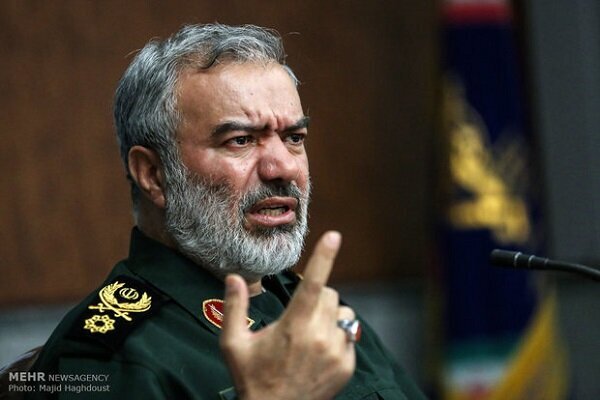
“It is better for them to come to the Persian Gulf because they will be within our reach,” Ali Fadavi, the deputy commander of the Islamic Revolutionary Guard Corps (IRGC), told the Arabic-language al-Mayadeen news network aired on Wednesday.
In a provocative move, the U.S. aircraft carrier USS Nimitz has entered the Persian Gulf for the first time in ten months on September 18, only one day before the U.S. announced the return of all UN sanctions on Iran. The U.S. navy said in a statement on the same day that the aircraft carrier’s transit through the Strait of Hormuz into the Persian Gulf was “scheduled,” a clear attempt to dispel speculation over the timing of the deployment of USS Nimitz to the Persian Gulf, which came against a backdrop of heightened tensions between Tehran and Washington. However, the U.S. move was widely seen as a show of force to Iran.
“If the Americans commit new folly, they will be faced with unimaginable force.”The IRGC has flown home-made surveillance drones over the aircraft carrier and publish images of it. The images show fighter planes parked on the carrier’s deck.
In a clear warning to the U.S., Fadavi said, “If the Americans commit new folly, they will be faced with unimaginable force.”
Iran also flexed its military muscles only a week before the U.S. aircraft carrier entered the Persian Gulf. On September 11, the Iranian Army began three-day military exercises in the Sea of Oman and parts of the Indian Ocean. The exercises, codenamed “Zolfaqar-99”, took place in areas spanning 2 million square kilometers. During the exercises, Iran’s armed forces unveiled and tested their state-of-the-art weapons, including a number of cruise missiles and combat drones.
Analysts believe that the Zolfaqar-99 exercises were meant to send a clear message to the U.S. that Iran is fully prepared to thwart any U.S. military action.
The IRGC has flown home-made surveillance drones over the USS Nimitz aircraft carrier and publish images of it. The images show fighter planes parked on the carrier’s deck.“Iran conducted the Zolfaqar-99 exercises to show that it is able to defend itself in the face of any U.S, military action,” Seyed Jalal Sadatian, Iran’s former ambassador to the UK, told the Tehran Times.
Sadatian previously told the Tehran Times that Trump was likely to wage limited war with Iran to boost his reelection chances. According to the former ambassador, U.S. allies in the region cannot confront Iran alone and that the U.S. had no other options than strengthening their bases in the region to besiege Iran in a way that it would not be able to respond to any aggression.
“But they will fail because Iran has a strategic depth in the region and the U.S. can’t undermine this strategic depth. So if they attack Iran, they will be bogged down in the region. Any attack against Iran could pave the way for the U.S. to be mired in the region,” the former ambassador warned.
The U.S. threatened to attack Iran after an American publication accused Iran of weighing a plot to assassinate U.S. ambassador to South Africa Lana Marks in retaliation for the assassination of the IRGC’s Quds Force Commander Qassem Soleimani in early January. Iran strongly denied the accusation.
After leaving the 2015 nuclear deal between Iran and world powers, the U.S. sought to build a maritime coalition against Iran in the Persian Gulf. But its efforts in this regard failed to yield concrete results.
Fadavi said the Americans will never be able to create coalitions against Iran in the region. “They have not and will not succeed in forming any new coalition against the Islamic Revolution,” the top general said, adding, “The U.S. efforts to create coalitions against the Islamic Revolution are old.”
Kabbalistic Balance
-
Kabbalistic Balance August 6 2026 ___________________________________ More
Vids! +BN Vids Archive! HERE! ___________________________________ Support
The Br...
Report on Beth Israel vigil 07-04-26
-
*1A Rights under combined attack from local government plus media*
Ann Arbor City Council is at it again. Right before the long 4th of July
weekend, they ...
-
Hello all,
It is with great sadness that I share with you the passing of our beloved
sister, Mother, and Grandmother, the individual that you all knew ...
Best Horror Podcast
-
Best Horror Podcast Introduction: Horror podcasts […]
The post Best Horror Podcast appeared first on Copper Shock Horror Podcast.
Ikhras Endorses Muntadhar Al-Zaidi
-
“Oh parties of banditry and sectarianism and corruption, we have come and
our goal is to destroy you.” Ikhras formally endorses Muntadhar al-Zaidi,
Iraqi j...
Prince Charles: Foreign Jews behind bloodshed in ME
-
In May, 2017, British Crown Prince Charles declined an invitation from
Zionist entity’s president Reuven Rivlin‘s to attend the 100th anniversary
of the no...
Palestinian Women – One for All, All for One
-
Honouring All Palestinian Women by Honouring Three: Hanin Zoabi, Ahed
Tamimi, Samah Sabawi Vacy Vlazna “Palestinian women have always stood side
by side ...
US’s Saudi Oil Deal from Win-Win to Mega-Lose
-
By F. William Engdahl Who would’ve thought it would come to this? Certainly
not the Obama Administration, and their brilliant geo-political think-tank
neo-...
-
*Mordechai Vanunu wins human rights prize of Brazilian Press Association *
* http://www.alternativenews.org/english/index.php/features/updates/7038-mordechai...
Abdul Aziz Rantissi:
"My ultimate wish, my God, is to attain martyrdom,"...God granted him his wish on April 17, 2004, at the hands of Israeli assassins.