Showing posts with label Syria Reconstruction. Show all posts

Wednesday, 15 September 2021

بوتين والأسد يفتتحان المرحلة الجديدة

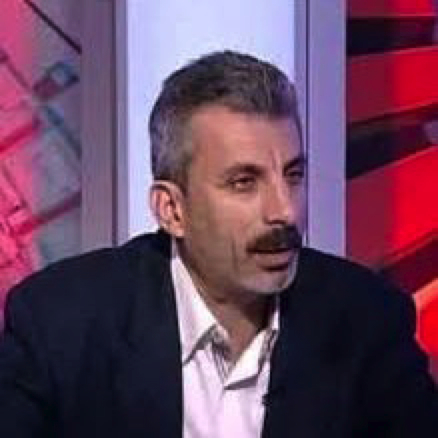
ناصر قنديل

إدلب إلى الواجهة مجدّداً: هل يتكرّر سيناريو «M5»؟

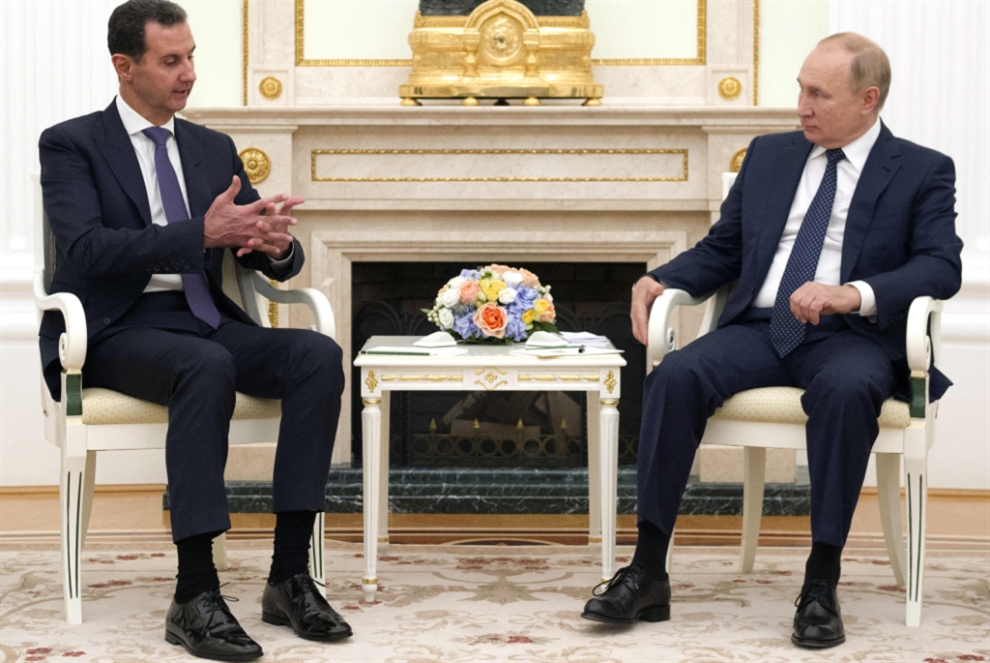
يقدم الاجتماع الهام الذي جمع الرئيس الروسي فلاديمير بوتين بالرئيس السوري بشار الأسد في موسكو، تأكيداً جديداً على ما أظهرته أحداث السنوات العشر الماضية من إشارات لموقع ومكانة سورية في معادلات المنطقة، بعدما أريد لهذه الأحداث ان تمحو تلك المكانة التي حجزتها سورية على مدى عقود ماضية، وتكمن أهمية لقاء الرئيسين بوتين والأسد أنه يأتي في لحظة تقاطع جملة أحداث دولية وإقليمية وسورية، ليشكل نقطة انطلاق لمسار جديد ترتسم معالمه بسرعة بعد جمود امتد لسنوات في ملفات المنطقة منذ إعلان الانسحاب الأميركي من التفاهم النووي مع إيران، ضمن سياق تصعيدي لكسر جبهة المواجهة التي تضم روسيا والصين وإيران وسورية ودول وقوى آسيوية أخرى، جمعها السعي لكسر مشروع الهيمنة الأميركية على أكبر قارات العالم مساحة وسكاناً، والتي تختزن أكثر من نصف ثروات العالم وأكثر من نصف قدرات العالم العسكرية، فصمدت جبهة المواجهة ونجحت باحتواء عاصفة التصعيد.

خلال هذا العام ومع تسلم الإدارة الأميركية الجديدة، شهدت آسيا تكريساً لتفاهم القوى الصاعدة في آسيا على قطع الطريق أمام عروض الصفقات الثنائية التي توهمت إدارة الرئيس الأميركي الجديد جو بايدن أنها سياسة قادرة على استعادة زمام المبادرة، وبدأت ملامح التسليم الأميركي بالفشل مع الانسحاب الأميركي من أفغانستان، الذي تزامن مع انتقال دول وقوى محور المقاومة إلى الهجوم لكسر خطط الحصار الأميركية، فخرجت فلسطين منتصرة من معركة سيف القدس، وخرجت إيران بانتخاباتها الرئاسية تحمل راية القائد الجنرال قاسم سليماني بإخراج القوات الأميركية من المنطقة، وبلغ الملف النووي الإيراني مراتب علمية تضع واشنطن بين خيارات أحلاها مر، فإما تقبل بلوغ إيران اللحظة النووية الحرجة المتمثلة بامتلاك كمية من اليورانيوم المخصب على درجة عالية تكفي لتصنيع قنبلة نووية، أو الانكفاء عن الشروط وقبول العودة بلا شروط إلى الاتفاق النووي، وتوج هذا الهجوم المعاكس مشهد السفن الإيرانية التي استقدمها حزب الله تحت شعار السفن قطعة أرض لبنانية، لتنقلب واشنطن من خط الحصار إلى البدء بفك الحصار من باب التراجع عن بعض عقوبات قانون قيصر لتتيح نقل الغاز من مصر والكهرباء من الأردن عبر سورية إلى لبنان.

موسكو كانت على ضفة التلقي لكل هذه المتغيرات المتحركة، حتى جاءت زيارة المبعوث الأميركي الخاص بالملف الإيراني روبرت مالي إلى موسكو مدخلاً لإحداث النقلة في السياسات، فسورية هي حجر الرحى في معادلات المنطقة، وقد باءت كل محاولات تجاوزها بالفشل، بمثل ما فشلت خلال السنوات الماضية مشاريع إسقاطها وتفتيبها، فلا شام جديد فاعل بلا الشام، ولا قمة جوار العراق تنجح بلا الجار الأول، وواشنطن تعترف بفشل العقوبات في صناعة السياسة كما اعترفت بفشل القوة العسكرية بصناعتها وفقاً لتوصيف الرئيس بايدن لحاصل الحرب في أفغانستان، ويحضر العرض الروسي على طاولة المباحثات، تشجيع روسي لإيران للعودة إلى مفاوضات فيينا وإنجاز تفاهم تقني أولي مع الوكالة الدولية للطاقة الذرية مقابل التزام أميركي بالتخلي عن الأوهام التي عطلت التوصل لتفاهم في جولات فيينا يضمن العودة إلى الاتفاق الأصلي من دون تعديلات وشروط وإضافات، ودعوة روسية لواشنطن لحسم أمر الانسحاب من سورية لقوات أميركية تتواجد بصورة غير شرعية، لحساب تولي موسكو مواصلة الحرب على “داعش” وإدارة الحوار بين الجماعات الكردية التي ترعاها واشنطن والدولة السورية وتنشيط العملية السياسية، بما يفتح الباب لسقوط الذريعة التركية للبقاء في شمال غربي سورية. وجاءت المعارك التي خاضها الجيش السوري في منطقة الجنوب، والتي انتهت بدخوله إلى درعا تحت نظر قاعدة التنف لتقول لجميع الجماعات الموهومة بالإسناد الأميركي أن مرحلة جديدة قد بدأت، وأن بسط سيطرة الدولة السورية على كامل أراضيها تنطلق.

يدرك الأميركيون معنى فقدان المشروعية الداخلية والخارجية للبقاء في سورية والعراق بعد انسحابهم من أفغانستان، بعدما فقدوا شرعية هذا البقاء في العراق بعد مطالبتهم من مجلس النواب العراقي بالانسحاب، بينما لم يملكوا شرعية وجودهم في سورية يوماً، كما يدرك الأميركيون أن فترة السماح المتاحة أمامهم لإعلان الانسحاب لن تطول قبل أن تبدأ عمليات المقاومة باستهدافهم، ويدركون أن المخرج المتاح بأقل الخسائر هو تظهير الانسحاب من سورية كحلقة من حلقات تقاسم مهام الحرب على الإرهاب مع روسيا، وإظهار نية التشارك مع موسكو في الدفع باتجاه تنشيط فرص الحل السياسي في سورية على قاعدة التراجع التدريجي عن العقوبات وفكفكتها لحساب توفيرالتمويل لإعادة النازحين وإعادة الإعمار، كما قالت دراسة الدبلوماسي الأميركي السابق الخبير بشؤون سورية جيفيري فيلتمان، ونصائح السفير الأميركي السابق لدى سورية روبرت فورد.

مرحلة جديدة في المنطقة ستبدأ من سورية، وفرص يمكن أن يلتقطها، ويفترض أن يلاقيها بعض العرب واللبنانيين كي لا يظهروا مجرد صدى للصوت الأميركي.


فيديوات متعلقة


مقالات متعلقة


River to Sea Uprooted Palestinian   
The views expressed in this article are the sole responsibility of the author and do not necessarily reflect those of the Blog!

Tuesday, 14 September 2021

بوتين مستقبلاً الأسد: بجهودنا المشتركة وجهنا ضربة للإرهابيين

الثلاثاء 14 أيلول 2021

الميادين نت المصدر

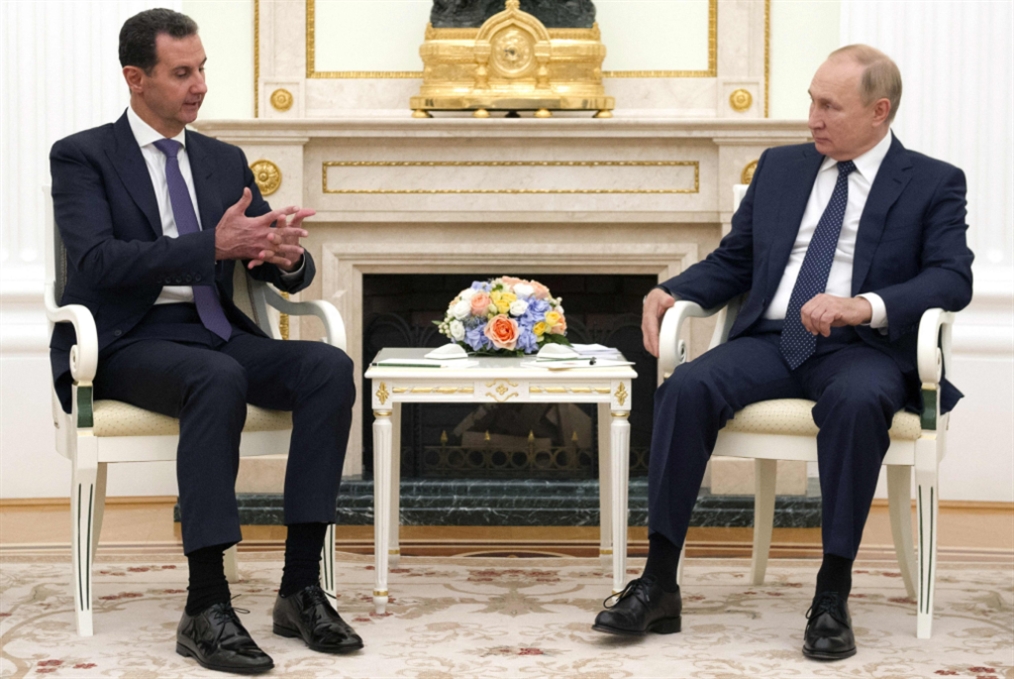
في زيارة غير معلنة مسبقاً، الرئيس الروسي فلاديمير بوتين يعقد اجتماعاً مع نظيره السوري بشار الأسد في العاصمة الروسية موسكو.


بوتين يلتقي الأسد في موسكو: القوات الأجنبية عائق أمام توحيد سوريا
بوتين يستقبل الأسد في الكرملين

أفاد الكرملين، صباح اليوم الثلاثاء، بأن الرئيس الروسي فلاديمير بوتين عقد اجتماعاً مع نظيره السوري بشار الأسد الذي وصل إلى العاصمة الروسية موسكو في زيارة غير معلنة مسبقاً.

وأشار بوتين خلال اللقاء إلى أن “الرئيس السوري يفعل الكثير لإقامة حوار مع المعارضين السياسيين”.

كما هنأ بوتين الأسد بـ”النتائج الجيدة للانتخابات الرئاسية”، قائلاً إن هذه النتائج “تؤكد أن السوريين يثقون بك، وعلى الرغم من كل الصعوبات والمآسي التي شهدتها السنوات السابقة، فإنهم يُعوّلون عليك في عملية العودة إلى الحياة الطبيعية”.

وأضاف الرئيس الروسي: “بجهودنا المشتركة وجهنا ضربة للإرهابيين”، لافتاً إلى أن “الجيش السوري يسيطر على أكثر من 90% من أراضي البلاد، رغم بقاء عدد من بؤر الإرهاب قائمة”.

وأشار إلى أن المشكلة الأساسية لسوريا هي الوجود غير الشرعي للقوات الأجنبية على أراضيها، معتبراً أن “هذا يعيق التقدم على طريق تعزيز وحدة البلاد”.

ولفت بوتين إلى أن التبادل التجاري بين روسيا وسوريا ازداد بمقدار 3.5 مرة في النصف الأول من العام الجاري، كما أنه تم تسليم أولى شحنات لقاحات “سبوتنيك V” و”سبوتنيك لايت” لسوريا.

وبحسب الكرملين، توجه الرئيس الأسد لبوتين بالقول إن “جيشي البلدين أسهما كثيراً في حماية البشرية من شرّ الإرهاب الدولي”، مضيفاً أن “بعض الدول لها تأثير مدمر على إمكانية إجراء العمليات السياسية بكل الطرق”.

وأضاف الأسد أن الجيشين السوري والروسي حققا نتائج مهمة في تحرير الأراضي وتدمير الإرهاب، وساهما بعودة اللاجئين الذين أجبروا على مغادرة منازلهم.

واعتبر أن “الإرهاب الدولي لا يعرف حدوداً وينتشر مثل العدوى في جميع أنحاء العالم”، مشدداً على أن “الجيشين أسهما إسهاماً كبيراً في قضية حماية البشرية جمعاء من الإرهاب”.

الرئيس السوري أكد أن “أعمالنا السياسية سواء كانت في سوتشي أو في أستانة ساهمت أيضاً في تطبيع الحياة في سوريا”، مشيراً إلى أن “بعض الدول التي لها تأثير مدمر على إمكانية إجراء العمليات السياسية بكل طريقة”.

ووصف الأسد العقوبات المفروضة على سوريا بأنها “لا إنسانية ولا شرعية”، شاكراً “روسيا وشعبها على المساعدة الإنسانية التي يقدمها الاتحاد الروسي إلى سوريا”.


فيديوات متعلقة


مقالات متعلقة


River to Sea Uprooted Palestinian   
The views expressed in this article are the sole responsibility of the author and do not necessarily reflect those of the Blog!

Friday, 23 July 2021

بكين وصلت إلى دمشق.. ماذا بعد؟

المصدر: الميادين

أحمد الدرزي

حملت زيارة الصين إلى دمشق 3 أبعاد، فقد تم فيها دعوة دمشق إلى الدخول في مشروعها الكبير وبدأ العمل فيها على البنى التحتية الضرورية.


Visual search query image
كان واضحاً الحرص الصيني على الوصول إلى دمشق في تاريخ القسم الرئاسي نفسه، للدلالة على الدعم الكبير لها.

تعاطى السوريون مع قدوم وزير الخارجية الصيني في يوم القسم الرئاسي إلى سوريا، والذي حمل دلالات رمزية عميقة، بمشاعر متباينة بين التفاؤل والتشاؤم، وخصوصاً أن الوضع الاقتصادي ضاغط بشدة على القاعدة الأكبر منهم، التي تجاوزت 90% من مجموع السكان، فأي مسارات ستسلكها العلاقات بين البلدين؟ وما انعكاسها على الوضع السوري الداخلي والخارجي؟

لا يعدّ اهتمام قادة بكين بسوريا وليد اللحظة، إذ إنه يمتد إلى نهايات الألفية الثانية، مع صعود الصين التي بدأت نهضتها الحقيقية في العام 1978، بمجيء دينغ هسياو بينغ. وكان من المفترض أن تحصل قفزة كبيرة في العلاقة بين البلدين بعد زيارة الرئيس الأسد لبكين في العام 2004، ولكن المشاريع الاقتصادية التي كان من المفترض أن تقوم بها الأخيرة في مدينة عدرا العمالية تم إيقافها لأسباب غير معروفة.

مع مجيء تشي جينبينغ في العام 2013 إلى موقع الرئاسة في الصين، تم الإعلان عن مبادرة “الحزام والطريق” التي قُدّرت كلفتها بحدود 4 تريليون دولار. وكان اللافت للنظر هو استبعاد سوريا والعراق من المشروع، واعتبار شمال غرب إيران وجنوب شرق تركيا الممرَّ البري نحو أوروبا، واعتبار مرفأ حيفا في فلسطين المحتلة المرفأ المعتمد في شرق البحر الأبيض المتوسط. 

أخذت السياسات الصينية تُظهر نفسها على المستوى السياسي بعد إدراك قادة بكين أن القدرات الاقتصادية الهائلة التي أتاحت لهم بناء قدرة عسكرية دفاعية، تتيح لهم ترجمة ذلك، لتحويل الصين إلى قطب دولي موازٍ للقطب الأميركي الأوحد، ما دفع الرئيس جينبينغ إلى الإعلان عن اعتباره أن العالم أصبح متعدد الأقطاب، ولا عودة عن ذلك، وذلك من منبر الأمم المتحدة في العام 2015.

ارتفعت نبرة التحدي الصيني بعد مجيء الإدارة الأميركية الجديدة بقيادة بايدن، واعتبارها كلاً من الصين وروسيا تهديدين استراتيجيين للولايات المتحدة، ما دفع الرئيس الصيني إلى الإعلان عن أنَّ “زمن التنمّر على الصين ولَّى بلا رجعة”.

كما أحدث الانسحاب الأميركي غير المشروط من أفغانستان، وتركه الفوضى والاضطرابات من خلال سيطرة حركة “طالبان”، قلقاً لدى دول الجوار، ما دفع 40 دولة إلى عقد مؤتمر آسيا الوسطى والجنوبية في مدينة طشقند في أوزباكستان بتاريخ 15 تموز/يوليو الماضي، بعنوان لافت للنظر هو “الترابط الإقليمي، تحديات وفرص”.

وكان من الواضح من خلال طبيعة تحركات وزير الخارجية الصيني أنَّ القرار اتخذ بضرورة تأمين منطقة غرب آسيا، التي تشمل المنطقة الممتدة من أفغانستان إلى شرق البحر الأبيض المتوسط، وهو ما يقتضي بطبيعة الحال إخراج سوريا من منطقة الصراعات الدولية والإقليمية، فالتقى القوى الدولية والإقليمية المؤثرة في الملف السوري، ممثّلة بكل من وزيري خارجية روسيا سيرغي لافروف والمملكة العربية السعودية سعود الفرحان في اليوم الأول. وفِي اليوم الثاني، التقى وزير خارجية تركيا مولود جاويش أوغلو قبل التوجّه إلى دمشق.

كان واضحاً الحرص الصيني على الوصول إلى دمشق في تاريخ القسم الرئاسي، للدلالة على الدعم الكبير لها، وعلى أنّ بقاء الرئيس الأسد في سدة الحكم لم يكن سوى مظهر لنتائج الصراع الدولي والإقليمي وتحولاته الكبرى، وتأكيداً على دور الصين في المرحلة القادمة في تأمين الجغرافيا السورية كمنطقة آمنة، بالتعاون والتنسيق بشكل أساسي مع موسكو وطهران، وإشراك المملكة العربية السعودية التي تعتبر قاطرة دول الخليج، إضافة إلى مصر التي زارها في اليوم التالي، والتقى فيها الرئيس المصري عبد الفتاح السيسي، ومعالجة الدور التركي السلبي الذي لم يفِ بتعهداته لبكين بتسليم القيادات الإرهابية التركستانية، رغم الدعم الاقتصادي الصيني لها.

وكان لاتصال وزير الخارجية وانغ يي بوزير الخارجية الإيراني محمد جواد ظريف في اليوم الذي زار فيه دمشق دلالة كبيرة، وخصوصاً أن بيان وزارة الخارجية الصيني أعلن استعداد الصين للعمل مع إيران على مواجهة السياسات الأحادية والهيمنة، وهو ما يعني بالضرورة التوافق مع استراتيجيتها بإخراج الأميركيين من غرب آسيا بأكملها، وخصوصاً سوريا والعراق، ما يمهّد الطريق لدخول مبادرة “الحزام والطريق” إلى كل من العراق وسوريا ولبنان.

حملت الزيارة الصينية إلى دمشق 3 أبعاد، فقد تم فيها دعوة دمشق إلى الدخول في مشروعها الكبير، أسوةً ببقية الدول التي وافقت عليه، وبدأ العمل فيها على البنى التحتية الضرورية. 

وللتأكيد على ذلك، وقعت على اتفاقيات الاستثمار في كل مدينة عدرا الصناعية واللاذقية، وعلى إنشاء خط بري من الشمال إلى الجنوب، يربط دول الخليج العربي وشمال أفريقيا بتركيا وأوروبا، وبناء خط لسكك الحديد يربط مرفأ طرطوس بالعراق وإيران وباكستان والصين، إضافةً إلى الاستثمار في قطاع النفط والغاز، والجانب الآخر يتعلق بالمساعدات التي يمكن أن تقدمها إلى سوريا.

وقد توج ذلك بمبادرة للحل السياسي وفق قرارات الأمم المتحدة، مع الدعم الكبير لتصورات دمشق في أكثر القضايا، وخصوصاً ما يتعلق بالإدارة الذاتية والاحتلال التركي، عندما لمّحت المبادرة إلى “رفض جميع المخططات المحفزة على الانقسامات العرقية تحت ذريعة مكافحة الإرهاب”، إضافةً إلى شرط أساسي: “ينبغي دعم حل سياسي شامل وتصالحي للقضية السورية” بقيادة السوريين.

من الواضح أنَّ المساهمة الصينية في مساعدة سوريا اقتصادياً وسياسياً مرتبطة بتحقيق متطلبات أساسية، تتعلق بتغيير بيئة العمل الاقتصادي وتغيير التشريعات الاقتصادية، وهو ما تعهّد به الرئيس الأسد في خطاب القسم، عندما أكّد أن العمل في المرحلة القادمة سيكون على مكافحة الفساد وإصدار تشريعات اقتصادية جديدة.

أما الحلّ السياسي، فقد يذهب نحو مسار تشكيل منصّة للمعارضة السورية الداخلية بعنوان منصة دمشق، تكون مهمّتها الأساس إيجاد أرضية للحوار والتفاوض بين الطرفين في دمشق، وليس جنيف، وإنهاء دور المنصات التي تشكل امتدادات دولية وإقليمية.

بعد أن اختارت دمشق قرار التوجّه شرقاً، تطلَّب منها ذلك الشروع في تحقيق المتطلبات الثلاثة الآنفة الذكر، وهو ما ينتظره أغلب السوريين الذين طحنتهم الحرب، والذين يبحثون عن مخرج لاسترداد حياتهم السابقة واستعادة المناطق المحتلة في الشمال السوري وجنوبه، والبدء بإعادة إعمار ما تهدم على الصعيد الاجتماعي والاقتصادي، والّذي تعجز عنه الدولة السورية وحدها.  


River to Sea Uprooted Palestinian   
The views expressed in this article are the sole responsibility of the author and do not necessarily reflect those of the Blog!

Thursday, 6 May 2021

The forthcoming inevitable battle for Middle-East Peace

 May 05, 2021

The forthcoming inevitable battle for Middle-East Peace

by Ghassan Kadi for the Saker Blog

The alleged stray ground-to-air Syrian missile that landed near the nuclear reactor in Dimona Israel carried many messages; both overt and covert.

And, as if the fact that this missile managed to penetrate Israel’s formidable ‘Iron Dome’ was not embarrassing enough for Israel, the official Israeli report alleged that the missile was actually Iranian-made; not Russian as initially perceived by the world.

In other words, the Israeli report is saying that its ‘Iron Dome’ has been easily penetrated by a missile that is 1) not meant to hit ground targets, 2) had already spent its fuel and maneuverability and was literally on a free fall trajectory by gravitation and not propulsion, 3) yet it penetrated the allegedly most advance air defense system in the world, and 4) above all, it was made in Iran; a nation ‘crippled by sanctions and governed by ‘fundamentalist Mullas’.

Seriously, Israel has never before admitted a defense failure that is even close to such similar proportions.

Ironically, almost simultaneously, Iran revealed photos of an American aircraft carrier taken by a drone; not to forget mentioning that Iran also revealed that it has developed kamikaze drones ready to attack any target within their range in the Gulf.

But the Dimona incident alone cannot be seen in isolation of the recent Russian ‘diplomacy’ initiatives in the Middle East. I have deliberately put the word diplomacy under inverted comas, because that Russian version of diplomacy has a side that proves its worth in both traditional diplomatic ways as well as ones that are unorthodox.

Russia has thus far been very tight-lipped about its objectives in the Middle East. My own analysis of it has landed me in hot water with Russian friends and media allies, and I accept their stand. Perhaps they do not want me to ‘spoil the hidden agenda’, but my role as an analyst is not going to stop, and their views, directives, and concerns will not make me feel guilty for expressing my analyses and predictions.

In this portrayal of recent regional political events in the Middle east, I am relying on bits of pieces of information from here and there, but the analysis of it all is based on my own understanding of what makes sense in combining all what is currently taking place. My analysis does not represent the views of any blog, news agency or government. I have expressed similar views earlier, but events keep progressing, and in every step of the way, it seems that my initial prediction about the Russian initiative in the Middle East was accurate. So here is an updated summary of it all with a bit repetition of earlier material for the benefit of first-time readers.

Ever since Russia responded to Syria’s request to offer military aid, Russia responded with accepting the request under certain conditions; conditions that stipulate a Syrian-Israeli peace settlement agreement.

But this wasn’t all. Putin’s Russia is trying to reverse what Kissinger did to Russia some forty years ago when he catapulted the USSR out of Middle East politics and conned Egypt into accepting a unilateral peace deal with Israel in the so-called Camp David Accords.

Ever since then, Russia has been deprived of a role to play in the Middle East, none at all, until Putin sent troops into Syria and thereby changing the status quo not only in the Middle East, but also heralding the end of the single global superpower status of the post USSR USA.

The post-USSR world has seen Russia suffering from huge American-based NATO encroachments in Eastern Europe, and the current impasse in Ukraine is only one aspect of it. Former Warsaw Pact nations have gone full dipole away from Russia and in cahoots with their new-found Western ‘allies’. The Stalin era might have left a bitter taste in the palate of some East European countries, but this was a long time ago, and nations like Poland and Ukraine surely must understand and know who are their historic regional and global allies. With the era of Nazism and Fascism in the dust bin of history that Europe would like to forget, even Germany and France ought to realize that today’s Russia cannot be associated with Stalin’s-USSR any more than today’s Germany and France can be associated with Hitler and Petain.

And, if Poland wants to remained mentally entrenched in the Stalin era and forget about who liberated it from Nazi occupation, it should look further back in history and remember that the partition of Poland in the 19th Century was not only orchestrated by the Russian Czars, but also in collaboration with Prussia and Austria.

As discussed in the previous article, the current animosity of Eastern European nations towards Russia is not something that can be rationally explained and justified.

Back to the Middle East.

Only Russia can broker a peace deal in the Middle East, a deal that includes not only Syria and Israel, but also Iran, Saudi Arabia and Turkey.

The main sticking elements in any such deal are Israel and Turkey, and to a lesser extent Iran.

In the same previous article mentioned above, I predicted a win-win scenario that Russia will broker between Iran and Saudi Arabia; one that guarantees the mutual withdrawal of Iran from Syria and Saudi Arabia from Yemen. As a matter of fact, a few days ago Saudi Crown Prince MBS announced that he wants to have a good relationship with Iran. Is this a sign that this deal is closer than we think? Perhaps not, but I cannot think of any other reason.

Turkey will undoubtedly want a bite of the cherry, and I not sure how will Russia be able to diplomatically appease Erdogan without giving him too much more than what he has taken already. However, his recent stand on Ukraine has put him in deep hot water with Russia and in any future bargains, he will find that his Ukraine venture will be used against him. He has deliberately introduced a bargaining chip that can be used only against himself.

This leaves Israel; how to bring Israel to the negotiating table for a deal that is unlike all previous American-brokered deals.

All American-brokered deals have thus far been based on providing Israel with the lion’s share and the Arab party with very little; especially when it came to making deals with the Palestinian Authority. Furthermore, on top of the political and strategic gains that America delivered to Israel in all of those deals, America ensured that Israel continued to have military superiority and that Arabs would never be able to score a major military victory, even if united.

Despite the October 1973 (ie Yom Kippur War) and what followed it, all the way up to the July 2006 war with Hezbollah, and the humiliations that Israel suffered from all of those military engagements, Israel remains mentally entrenched in the euphoria of the huge Six-Day War win of June 1967 and what ensued afterwards, resulting in what can best be described as the invincible army complex.

Israel will not be prepared to sign a peace agreement with Syria while it believes that it continues to have this military superiority; the power to shape events in its favour. For Israel to change course and become more realistic, it needs either a new generation of political leaders who are more rational, or a reality check; a punishment if you wish.

This is why it is that, inasmuch as the corridors of negotiations are opening up and the tables are being prepared, so are the drums of war.

It is worthy to note here that major reconstructions have not begun in Syria yet. The underlying message here is that perhaps Syria is expecting more carnage, and that reconstruction will have to wait. Why reconstruct twice? In its current state of devastation, Syria has little to lose.

Israel, on the other hand, is in a very vulnerable situation, and the Dimona incident has exposed this gaping hole.

Syria has exercised great restraint in the face of the ongoing Israeli airstrikes. Even though an Israeli jet was downed a few years ago, by-and-large, Syria has remained non-respondent. We do not know exactly what is happening behind the scenes, but it seems that Israel is misreading Syria’s lack of response and seeing weakness, despite information from Russia that such is not the case. Israel will continue to act like the regional bully, refusing to sit at the negotiating table as an equal partner, unless it receives a significant hit.

This hit is not necessarily one that will cause much carnage in Israel such as civilian and military loss of life. Putin will not accept or allow such a level of devastation to be inflicted on Israel. After all, a significant fraction of Israel’s population is originally Russian. Putin, furthermore, is intent on convincing Israel that it is Russia, and not America, that can give Israel real peace with its Arab neighbours.

To this effect, Israel only needs to lose a few fighter-jets, ten, maybe twenty, finding itself unable to defend key military and strategic land targets in order for it to realize that the days of military superiority are gone.

The Dimona incident is a forewarning, but only if Israel wants to read in between the lines. Otherwise, there will be a war in the Middle East, a war that will be intended to be contained and limited to be a punch, a powerful punch, but not a knockout.

With this said, this is the Middle East, a very volatile region, with many volatile heads. A limited war aimed at showing who has muscle may end up spiraling out of control and into something very large. With experience of such unpredictability, Syria is presenting to Israel that a long war will bring more destruction upon Israel than it will on an already destroyed Syria.

What seems certain is that peace initiatives are on the table, but not all parties are yet convinced that they will attend such talks as equal partners before some arms are twisted and statures rattled.

River to Sea Uprooted Palestinian   
The views expressed in this article are the sole responsibility of the author and do not necessarily reflect those of the Blog!

Wednesday, 16 December 2020

James Jeffrey’s Confessions: We Destroyed the Syrian Pound and Prevented Russia, Iran and Assad from Feeling Victory (1) اعترافات جيمس جيفري: دمّرنا الليرة السوريّة ومنعنا روسيا وإيران والأسد من الشعور بالانتصار… (1)

James Jeffrey’s Confessions: We Destroyed the Syrian Pound and Prevented Russia, Iran and Assad from Feeling Victory (1)

Paris – Nidal Hamada

In a lengthy interview with The Monitor, former U.S. special envoy to Syria James Jeffrey made confessions about his country’s Syria policy, which can rightly be said to be the kind of scandal revealed by WikiLeaks documents.

James Jeffrey said: I convinced Secretary Pompeo of the USA administration that Iran should be treated as a nuclear problem like North Korea and that it represents a threat to security in the region, and we supported the Israeli air campaign against Iranian targets in Syria, we told them if you did not address the Iranian presence in Syria will not succeed in the war against ISIS, and we invoked the administration’s war against terrorism to justify the “Israeli” air campaign against Iranian targets in Syria, so we made a policy in Syria that is at the heart of our Iranian policy and the result was relatively successful, because we got a lot of Turkish assistance.

 Elsewhere, James Jeffrey says: “We have stepped up the pressure of siege and isolation on Assad, we have kept along the line to prevent any reconstruction assistance that the country needs, see what happened in the Syrian pound, you see what happened to the Syrian economy, it was a very useful strategy.”

 On the Iranian issue, he also says that “Iran’s ability in Syria to impose an equation similar to south Lebanon through long-range missiles stopped because of the Israeli air campaign, and the continuation of this campaign is due to The American diplomatic support and I will not enter into more details on the subject, we have stopped Iran’s long-term objectives and put its presence under pressure, but I do not know if it is enough to force it to leave Syria. I know that this is an important element for any broader agreement and no matter how much pain we attribute to the Russians, the regime in Syria and the Iranians, this will not disappear until Iran leaves Syria.”

He also said that Russia is winning politics and it knows that there is no military solution to the crisis, and we have clearly told them that we will lift the sanctions, and that Assad will return to the Arab League and will drop the diplomatic blockade if they accept our offer put by Pompeo in Sochi in 2019, they know what this offer is.”

(Part2: Turkey kurds and how were they lying to Trump?).

اعترافات جيمس جيفري: دمّرنا الليرة السوريّة ومنعنا روسيا وإيران والأسد من الشعور بالانتصار

باريس – نضال حمادة

This image has an empty alt attribute; its file name is Untitled-523.png

في مقابلة طويلة أجراها مع (ذي مونيتر) أدلى المبعوث الأميركي الخاص السابق الى سورية جيمس جيفري بكلام أشبه بالاعترافات حول سياسة بلاده في سورية، يمكن القول عنها بحق إنها من نوع الفضائح التي كشفتها وثائق «ويكيليكس».

قال جيمس جيفري: لقد أقنعت مع وزير الخارجية بومبيو أعضاء الإدارة الأميركية أنه يجب التعامل مع إيران على أنها مشكلة نوويّة على غرار كوريا الشمالية وأنها تمثل تهديداً للأمن في المنطقة، كما دعمنا الحملة الجوية «الإسرائيلية» ضدّ الأهداف الإيرانية في سورية، قلنا لهم إذا لم تعالجوا التواجد الإيراني في سورية فلن تنجحوا بالحرب ضدّ داعش، وتذرّعنا للإدارة بالحرب ضدّ الإرهاب لتبرير الحملة الجوية «الإسرائيلية» على أهداف إيرانية في سورية، هكذا صنعنا سياسة في سورية تدخل في صلب سياستنا الإيرانية العامة وكانت نتيجتها ناجحة نسبياً، لأننا حصلنا على الكثير من المساعدة التركية.

 في مكان آخر يقول جيمس جيفري: «لقد صعّدنا ضغوط الحصار والعزلة على الأسد، لقد حافظنا على طول الخط على منع أية مساعدة لإعادة الإعمار التي يحتاجها البلد، أرأيتم ماذا حلّ بالليرة السورية، أرأيتم ماذا حلّ بالاقتصاد السوري، لقد كانت استراتيجية مفيدة جداً».

 في الشأن الإيراني يقول أيضاً «إنّ قدرة إيران في سورية على فرض معادلة شبيهة بجنوب لبنان عبر صواريخ بعيدة المدى توقفت بسبب الحملة الجوية الإسرائيلية، ويعود استمرار هذه الحملة إلى الدعم الدبلوماسي الأميركي ولن أدخل بتفاصيل أكير عن الموضوع، لقد أوقفنا أهداف إيران البعيدة المدى ووضعنا وجودها تحت الضغط، لكن لا أعرف إذا كان كافياً حتى يجبرها على ترك سورية. أنا أعرف أن هذا عنصر مهمّ لأيّ اتفاق أوسع ومهما كان الألم الذي نسبّبه للروس وللنظام في سورية وللإيرانيين فهذا لن يختفي قبل مغادرة إيران لسورية».

قال أيضاً «إنّ روسيا تكسب بالسياسة وهي تعلم ان لا حلّ عسكرياً للأزمة، وقد قلنا لهم بشكل واضح إننا سوف نرفع العقوبات، وإنّ الأسد سوف يعود الى الجامعة العربية وسوف يسقط الحصار الدبلوماسي في حال قبلوا بعرضنا الذي طرحه بومبيو في سوتشي عام 2019، هم يعرفون ما هو هذا العرض».

(الجزء الثاني: تركيا الأكراد وكيف كانوا يكذبون على ترامب؟).


River to Sea Uprooted Palestinian   
The views expressed in this article are the sole responsibility of the author and do not necessarily reflect those of the Blog!

Thursday, 19 November 2020

Syria’s International Conference On Refugees Is A Masterclass In Balancing

 12 NOVEMBER 2020

By Andrew Korybko

American political analyst

Syria

The kinetic phase of the Hybrid War of Terror on Syria has mostly drawn to a close, as evidenced by the milestone event of the country hosting an international conference on the return of refugees, which resulted in several significant outcomes that speak to the masterful execution of its “balancing” strategy and raise hope that the Arab Republic will eventually transform into the Eastern Mediterranean terminal point of China’s visionary W-CPEC+ corridor across Eurasia.

Strategically Disarming “Weapons Of Mass Migration”

Syria’s international conference on the return of refugees is a milestone event for the country’s war which shows that the kinetic phase of the Hybrid War of Terror against it has mostly drawn to a close. President Assad’s keynote speech saw the Syrian leader thanking his Russian and Iranian wartime allies for their help getting to this point and encouraging his compatriots abroad to finally return home. He claimed that some of their host countries are exploiting them for financial and other reasons, strongly hinting that they’re being used against their will as “Weapons of Mass Migration” like Ivy League scholar Kelly M. Greenhill earlier described such a phenomenon. In connection with that, President Assad condemned those states which continue to impose illegal sanctions against the Arab Republic, which has disincentivized some refugees from returning home and thus results in artificially perpetuating this historic humanitarian crisis that was initially sparked by their external war of regime change aggression against his people through terrorist means.

Syria’s “Balancing” Act

Thankfully, Syria can count on its Russian and Iranian wartime allies to help reconstruct the ruined country and thus facilitate the return of millions of refugees to their homeland. To this end, Russia promised to allocate $1 billion as well as open up a trade mission in Damascus while Iran suggested setting up an international fund for this purpose. Both countries seem poised to enter into a “friendly competition” with one another for reconstruction contracts and market space which can only work out to Syria’s ultimate benefit. The Arab Republic is therefore expected to retain its carefully calibrated “balancing” act between them, wisely doing its utmost to prevent the emergence of any complete dependence on either of them in the future. This strategy is consistent with what it’s always pursued over the decades and represents its masterful execution which too many other small- and medium-sized states previously attempted but to no avail. Even worse, many of Syria’s peers saw this strategy backfire on them, thus leading to either their ruin or full dependence on one partner.

Full credit goes to Syria’s world-class diplomats for being able to manage such a difficult policy with such success. Not only are they “balancing” between Russia and Iran, but they also managed to attract the important participation of other countries in their international refugee conference, most curious of which for some observers is Pakistan. Those who only casually follow Syrian affairs might have missed it, but Islamabad recently dispatched massive medical aid to the Arab Republic. This and its participation in the international conference show that the “global pivot state” (which the author previously referred to it as) is capable of bold foreign policy moves independent of its close American, Saudi, and Turkish partners. Pakistan, just like Syria, is also practicing its own “balancing” act between its aforementioned three traditional partners and its three newest ones of Russia, China, and Iran. In fact, it can be argued that Pakistan and Syria are in the process of synergizing their respective “balancing” strategies for the betterment of Eurasia.

Pakistan’s Serendipitous Chance In Syria”

To explain, not only is Syria “balancing” between Russia and Iran, but also between India and Pakistan too. Although Damascus and Delhi have a long history of close relations, Presidential Advisor Bouthaina Shabaan told the Hindustan Times in August 2017 that her country is becoming hesitant about India’s role in its reconstruction after Prime Minister Modi’s highly publicized trip to “Israel” where he did everything from sign intergovernmental deals solidifying their de-facto alliance to even walking barefoot with Netanyahu along the beach. The author realized at the time that this is “Pakistan’s Serendipitous Chance In Syria” whereby Islamabad could flex its anti-Zionist credentials to present itself as a much more credible partner than pro-Zionist Delhi in pursuit of strengthening the two state’s historic relations that reached their high point in 1974 after a Pakistani pilot flying a Syrian jet shot down an “Israeli” fighter flying over the occupied Golan Heights. Syria’s diplomats were evidently receptive to Pakistan’s outreaches, hence the steady improvement of ties.

The Winding Road To W-CPEC+

It’s not just nostalgia for their Old Cold War-era ties nor their shared hatred of “Israel” that’s bringing them closer together nowadays, but pro-Chinese Silk Road pragmatism. The China-Pakistan Economic Corridor (CPEC) is the flagship project of China’s Belt & Road Initiative (BRI), and its western branch corridor (W-CPEC+) through Iran has the chance of not only reaching Russia by running parallel with the stalled North-South Transport Corridor (NSTC) across Azerbaijan but can also extend as far as Syria via Iraq. China is the little-discussed third economic force apart from Russia and Iran which is engaged in a “friendly competition” with its partners to develop Syria, and the improvement of Syrian-Pakistani relations as is presently happening could result in W-CPEC+ extending from the Pacific Ocean to the Eastern Mediterranean through Iran, Iraq, and Syria, all of which are allied with one another. It’ll of course take a lot of political will from all sides — not least of all Pakistan — to see this ambitious vision through, but if successful, then it could revolutionize Mideast geopolitics.

All five countries — China, Pakistan, Iran, Russia, and Syria — would benefit from this outcome. The People’s Republic is the world’s second-largest economy and actively eyeing more positions in the Eastern Mediterranean to complement its prospective ones in “Israel”, albeit via more geopolitically reliable mainland routes than the maritime ones connecting it to the self-professed “Jewish State”. Pakistan has an interest in bolstering its credential as the “global pivot state” by having CPEC serve as the platform for integrating Eurasia more closely together. Iran, which is desperately seeking all manner of sanctions relief, is reportedly negotiating a gargantuan economic agreement with China and would certainly benefit by facilitating more East-West trade through its territory. As for Russia, its recent control over Tartus means that it could profit from any Syrian export of Chinese products through that port. As for the Arab Republic itself, its expected benefit is that this vision would accelerate its reconstruction and allow it to finally actualize its pre-war “Five Seas Strategy”.

Concluding Thoughts

All told, Syria’s international conference on the return of refugees was about much more than just its titular topic. Reading between the lines of the details that have since been revealed about this milestone event, it was actually a masterclass in Syria’s “balancing” strategy. The Arab Republic proved that its diplomats are among the most highly skilled in the world after successfully “balancing” between Russia and Iran, as well as India and Pakistan, all with the aim of fulfilling its visionary “Five Seas Strategy” which some argue was partially responsible for provoking the Hybrid War of Terror that’s been viciously waged against it for almost an entire decade already. In the best-case scenario, Syria will eventually serve as the Eastern Mediterranean terminal point of the W-CPEC+ corridor connecting that strategic body of water with the Pacific Ocean via a several-country-long mainland commercial corridor. The successful fulfillment of this vision would revolutionize not only Mideast geopolitics, but also Eurasian geopolitics as a whole, which thus makes it an urgent priority for all.


River to Sea Uprooted Palestinian   
The views expressed in this article are the sole responsibility of the author and do not necessarily reflect those of the Blog!

Monday, 16 November 2020

Syria’s International Conference On Refugees Is A Masterclass In Balancing

 By Andrew Korybko

Source

The kinetic phase of the Hybrid War of Terror on Syria has mostly drawn to a close, as evidenced by the milestone event of the country hosting an international conference on the return of refugees, which resulted in several significant outcomes that speak to the masterful execution of its “balancing” strategy and raise hope that the Arab Republic will eventually transform into the Eastern Mediterranean terminal point of China’s visionary W-CPEC+ corridor across Eurasia.

Strategically Disarming “Weapons Of Mass Migration”

Syria’s international conference on the return of refugees is a milestone event for the country’s war which shows that the kinetic phase of the Hybrid War of Terror against it has mostly drawn to a close. President Assad’s keynote speech saw the Syrian leader thanking his Russian and Iranian wartime allies for their help getting to this point and encouraging his compatriots abroad to finally return home. He claimed that some of their host countries are exploiting them for financial and other reasons, strongly hinting that they’re being used against their will as “Weapons of Mass Migration” like Ivy League scholar Kelly M. Greenhill earlier described such a phenomenon. In connection with that, President Assad condemned those states which continue to impose illegal sanctions against the Arab Republic, which has disincentivized some refugees from returning home and thus results in artificially perpetuating this historic humanitarian crisis that was initially sparked by their external war of regime change aggression against his people through terrorist means.

Syria’s “Balancing” Act

Thankfully, Syria can count on its Russian and Iranian wartime allies to help reconstruct the ruined country and thus facilitate the return of millions of refugees to their homeland. To this end, Russia promised to allocate $1 billion as well as open up a trade mission in Damascus while Iran suggested setting up an international fund for this purpose. Both countries seem poised to enter into a “friendly competition” with one another for reconstruction contracts and market space which can only work out to Syria’s ultimate benefit. The Arab Republic is therefore expected to retain its carefully calibrated “balancing” act between them, wisely doing its utmost to prevent the emergence of any complete dependence on either of them in the future. This strategy is consistent with what it’s always pursued over the decades and represents its masterful execution which too many other small- and medium-sized states previously attempted but to no avail. Even worse, many of Syria’s peers saw this strategy backfire on them, thus leading to either their ruin or full dependence on one partner.

Full credit goes to Syria’s world-class diplomats for being able to manage such a difficult policy with such success. Not only are they “balancing” between Russia and Iran, but they also managed to attract the important participation of other countries in their international refugee conference, most curious of which for some observers is Pakistan. Those who only casually follow Syrian affairs might have missed it, but Islamabad recently dispatched massive medical aid to the Arab Republic. This and its participation in the international conference show that the “global pivot state” (which the author previously referred to it as) is capable of bold foreign policy moves independent of its close American, Saudi, and Turkish partners. Pakistan, just like Syria, is also practicing its own “balancing” act between its aforementioned three traditional partners and its three newest ones of Russia, China, and Iran. In fact, it can be argued that Pakistan and Syria are in the process of synergizing their respective “balancing” strategies for the betterment of Eurasia.

Pakistan’s Serendipitous Chance In Syria”

To explain, not only is Syria “balancing” between Russia and Iran, but also between India and Pakistan too. Although Damascus and Delhi have a long history of close relations, Presidential Advisor Bouthaina Shabaan told the Hindustan Times in August 2017 that her country is becoming hesitant about India’s role in its reconstruction after Prime Minister Modi’s highly publicized trip to “Israel” where he did everything from sign intergovernmental deals solidifying their de-facto alliance to even walking barefoot with Netanyahu along the beach. The author realized at the time that this is “Pakistan’s Serendipitous Chance In Syria” whereby Islamabad could flex its anti-Zionist credentials to present itself as a much more credible partner than pro-Zionist Delhi in pursuit of strengthening the two state’s historic relations that reached their high point in 1974 after a Pakistani pilot flying a Syrian jet shot down an “Israeli” fighter flying over the occupied Golan Heights. Syria’s diplomats were evidently receptive to Pakistan’s outreaches, hence the steady improvement of ties.

The Winding Road To W-CPEC+

It’s not just nostalgia for their Old Cold War-era ties nor their shared hatred of “Israel” that’s bringing them closer together nowadays, but pro-Chinese Silk Road pragmatism. The China-Pakistan Economic Corridor (CPEC) is the flagship project of China’s Belt & Road Initiative (BRI), and its western branch corridor (W-CPEC+) through Iran has the chance of not only reaching Russia by running parallel with the stalled North-South Transport Corridor (NSTC) across Azerbaijan but can also extend as far as Syria via Iraq. China is the little-discussed third economic force apart from Russia and Iran which is engaged in a “friendly competition” with its partners to develop Syria, and the improvement of Syrian-Pakistani relations as is presently happening could result in W-CPEC+ extending from the Pacific Ocean to the Eastern Mediterranean through Iran, Iraq, and Syria, all of which are allied with one another. It’ll of course take a lot of political will from all sides — not least of all Pakistan — to see this ambitious vision through, but if successful, then it could revolutionize Mideast geopolitics.

All five countries — China, Pakistan, Iran, Russia, and Syria — would benefit from this outcome. The People’s Republic is the world’s second-largest economy and actively eyeing more positions in the Eastern Mediterranean to complement its prospective ones in “Israel”, albeit via more geopolitically reliable mainland routes than the maritime ones connecting it to the self-professed “Jewish State”. Pakistan has an interest in bolstering its credential as the “global pivot state” by having CPEC serve as the platform for integrating Eurasia more closely together. Iran, which is desperately seeking all manner of sanctions relief, is reportedly negotiating a gargantuan economic agreement with China and would certainly benefit by facilitating more East-West trade through its territory. As for Russia, its recent control over Tartus means that it could profit from any Syrian export of Chinese products through that port. As for the Arab Republic itself, its expected benefit is that this vision would accelerate its reconstruction and allow it to finally actualize its pre-war “Five Seas Strategy”.

Concluding Thoughts

All told, Syria’s international conference on the return of refugees was about much more than just its titular topic. Reading between the lines of the details that have since been revealed about this milestone event, it was actually a masterclass in Syria’s “balancing” strategy. The Arab Republic proved that its diplomats are among the most highly skilled in the world after successfully “balancing” between Russia and Iran, as well as India and Pakistan, all with the aim of fulfilling its visionary “Five Seas Strategy” which some argue was partially responsible for provoking the Hybrid War of Terror that’s been viciously waged against it for almost an entire decade already. In the best-case scenario, Syria will eventually serve as the Eastern Mediterranean terminal point of the W-CPEC+ corridor connecting that strategic body of water with the Pacific Ocean via a several-country-long mainland commercial corridor. The successful fulfillment of this vision would revolutionize not only Mideast geopolitics, but also Eurasian geopolitics as a whole, which thus makes it an urgent priority for all.

River to Sea Uprooted Palestinian   
The views expressed in this article are the sole responsibility of the author and do not necessarily reflect those of the Blog!