Showing posts with label Jewish Crimes. Show all posts

Tuesday, 22 September 2020

Millennials and the Holocaust

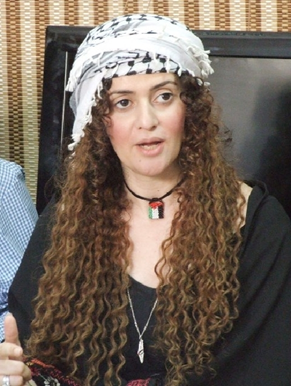
  BY GILAD ATZMON

palestine-holocaust-humiliation.jpg

By Gilad Atzmon

What is it that causes some to constantly measure how much they are hated?  What kind of people demand their host nation be intimately familiar with their past?  We learned this week that once again, some Jews are upset by the fact that a considerable segment of the American people refuse to see the past exactly as they themselves see it. 

The Jewish Forward reported over the weekend that  “survey results on Holocaust knowledge in America are in, and the findings are terrifying. Not only do they show a shocking level of ignorance, but they reinforce findings about all adults, as well as trends throughout western Europe.” Those Americans who worry that Americans are uniquely ignorant should be relieved. Americans are only just as ‘ignorant’ or maybe as ‘rebellious’ as Europeans. 

It seems that despite intensive Holocaust indoctrination and the fact that Holocaust museums and monuments have mushroomed all over the USA, fewer Americans are interested in their Jewish neighbors’ historic suffering and the question is, what can be done about it?  Perhaps they will have to erect  a holocaust museum on every American street corner. Maybe they can solve this acute educational problem by attaching a large and heavy iron Star of David to the back of every millennial. 

The Forward reports that two-thirds of young Americans didn’t know how many died in the Holocaust. For some peculiar reason it is very important to most Jewish institutions that everyone parrots the ‘six figure.’ This is peculiar, as the notion of a genocide is within the realm  of the categorical rather than the numerical.  But if these institutions insist upon reducing the holocaust into a materialist quantified figure I am inclined to ask how many Jews know the exact number of Ukranians who were starved to death in the Holodomor?  How many Jews have even heard of the Holodomor? Which Jews know about Stalin’s Jews as Israeli leading columnist Sever Phlocker identifies them. Do contemporary Jews know about the impact of the Yiddish Speaking Spanish International Brigade on Catholic Spain in 1936? How many Iraqis died in the Neocon ‘war against terror’? I ask because Haaretz Writer Ari Shavit  wrote in 2003 that  “the war in Iraq was conceived by 25 neoconservative intellectuals, most of them Jewish.” If Jewish institutions want everyone else to understand  the holocaust in numerical terms, maybe it would be reasonable to expect Jews to know the numbers of colossal crimes against humanity perpetrated largely or partially by Jews. 

The Forward is upset by the fact that nearly half of millennial Goyim couldn’t name a single death camp. In return I ask  how many Jewish millennials know about Deir Yassin or can name a single Zionist massacre in Palestine in 1948 or before? How many Jewish millennials know about the Sabra and Shatila massacre?  Or the  Kefar Qana Massacre?  What do they know about the malnutrition in Gaza caused directly by years of blockade imposed by the Jewish State?  

Apparently “11% of respondents harbor ‘intensely’ antisemitic views by agreeing to six or more anti-Jewish statements. That’s 28 million Americans” the Forward writes. I was curious to find out what are those “intensely” anti-Semitic views. Apparently the survey refers to the following list produced by the ADL in early 2020.   

ADL.jpg

According to the ADL, back in January  “44 percent of respondents agreed with the statement that ‘Jews stick together more than other Americans,’ 25 percent agreed that ‘Jews always like to be at the head of things’ and 24 percent believed that ‘Jews are more loyal to Israel than to America.’

Americans should be thrilled by the ADL’s findings and the recent study of millennials’ attitude to Jews.  These  studies  suggest that despite the tyranny of correctness,  Americans , at large and millennials in particular, aren’t blind to the reality in which they live. They still think independently and authentically.  Yet, despite the fact that almost half of Americans admit to being aware of Jewish clannish exclusivist culture, America is kind to its Jews as peace and harmony are embedded in its Christian ethos. Yet one issue must be raised. If the ADL and the recent holocaust study represent Jewish American attitudes to their gentile neighbours,  it may reveal that 2% of the American population disapprove of  the legitimate views of 44% of Americans as ‘antisemitic.’  Nearly half of the Americans are castigated as ‘racists’ for noticing the generally accepted notion that “Jews stick together.”  By doing so the ADL & Co actually confirms that from a Jewish perspective  it is ‘all about the few not the many.’ 

Admittedly, the situation is potentially volatile. Still, if fighting antisemitism is so important for American  Jews maybe people like Alan Dershowitz who struggles desperately to clear his name of underage sex allegations are not the best candidates to preach to Americans about who they should read and what history and education are all about.

 Watch Alan Dershowitz preaching to the American people  about history and morality: https://youtu.be/PkS2wonicuI

Thanks for supporting Gilad’s battle for truth and justice.

My battle for truth involves a serious commitment and some substantial expenses. I have put my career on the line, I could do with your support..

Denote


River to Sea Uprooted Palestinian   
The views expressed in this article are the sole responsibility of the author and do not necessarily reflect those of the Blog!

Tuesday, 25 February 2020

ماهر زعاترة..دمك قدسيّ


في الضحى، هذا اليوم (أمس)، داخل المسجد الأقصى، ناديت الخالة ام علي، ابنة مدينتي طمرة، حيث كنا معاً وبمعية مجموعة طيبة من مرابطي ومرابطات الأقصى من أبناء مدينتي الرائعة، نرابط في مهجة الفؤاد. ناديتها، كي تنتظر معنا قليلاً، في مدخل المكان المخصص للوضوء في المسجد، والمتوضأ، بجانب باب الاسباط، حتى لا تتبلل بالمطر، وكان قد اشتدّ عند الساعة الحادية عشرة، فقالت إن المطر بركة ونقاء، ولا بأس من بلل المطر..
المسافة بيني وبينها، أقل من عشرة أمتار. لاحظنا ان الخالة أم علي، وعدداً من المرابطين، توتروا، أسرعنا صوبهم. لنعرف ما الذي يحدث، وما إن تحرّكنا، حتى سمعنا إطلاق نار كثيف، وأغلق الباب فوراً، ومنع المرابطون من الخروج، ثم أغلقت كل أبواب الحرم !
وقالت الخالة ام علي، «شاهدت شاباً يمشي بسرعة – كان المطر شديداً، والطبيعي أن يمشي الناس بسرعة – ويضع يديه بداخل جيبي معطف أسود يرتديه، ثم ركضَت خلفه مجموعة من الجنود يتحدّثون بأجهزتهم الخاصة، فالتفت الشاب وتفاجأ، فركض هو الأخر، والتفّ واتجه صوب الباب، فكان إطلاق النار خلال ثوانٍ».
وكان صوت النار فظيعاً، كأن هؤلاء في معركة مع فيلق مسلح!!، لكن الحقيقة يا أيها الناس، ان المعركة كانت مع انسان فلسطيني أعزل !!
وبعد أقل من ربع ساعة، تمّ فتح كل أبواب المسجد، والمقبلون إليه، يدخلون من دون أي تدقيق او إجراءات متّبعة، مع حدوث عملية في القدس، فما بالكم بداخل الحرم!!!
السؤال الكبير: هل يعقل أن تتم عملية فدائية في باب الأسباط، ويتم فتحه بعد أقل من ربع ساعة، ثم يدخل المرابطون والمصلّون من دون أي تضييق !!
هل يعقل أن يأتي شاب، في نيته تنفيذ عملية فدائية، بسيارته، ويتركها في مطلع باب الأسباط «المكان الهدف»، والمسافة بين المكان الذي «ترك» سيارته فيه، وبين باب الأسباط، خمسون متراً بل وأكثر! هل يعقل أن الاحتلال سمح له بالمشي على قدميه، كل هذه المسافة «وهو يركن» سيارته بشكل غير قانوني، وفي منطقة مكشوفة للمحتل، بل إن تمركزاً عسكرياً كبيراً له فيه!!!!!
اما وضع السكين واقتحام بيته، فإنها مستلزمات «تثبيت» جريمتهم.
ومن الجدير ذكره في هذا السياق، عندما نفذ شابان عملية فدائية قبل شهرين في القدس، أُغلقت الابواب ست ساعات، وحين فتحوا الأبواب، منعوا من هم دون الخمسين عاماً – نساء ورجالاً – من دخول الحرم!! وكانت إجراءات مشددة جداً !
لكن، ما قام به الاحتلال اليوم هو جريمة نازية جديدة، تضاف الى سجله الإجرامي النذل والجبان، فقد ارتعبوا من سرعة مشي الشهيد ماهر!! او ان ضابطهم، نهض في الصباح وأعطى أمراً بقتل إنسان فلسطيني هذا اليوم! وفي الحالتين، احتلال عايب جبان وجبان وجباااان.
أيها المجرمون، أنتم ومن يعترف بوجودكم وباغتصابكم،
مهما قتلتم منّا، ومهما تجبّرتم، ومهما تفنّنتم بقتلكم ونذالتكم، ستبقى هذه الأرض عربية فلسطينية، وإن فُنينا، سيطاردكم التراب الذي لن يحمل ولا يحتمل الا ملحه، ولن تستطيعوا أن تتخلصوا من هذه الحقيقة، وهذا القدر المبرم !
المجد لعبق دمك الزكي يا ماهر زعاترة.

River to Sea Uprooted Palestinian   
The views expressed in this article are the sole responsibility of the author and do not necessarily reflect those of the Blog!

Wednesday, 27 November 2019

Blinded Palestinian Journalist Exposes Israel’s Increasing Violence Against Media


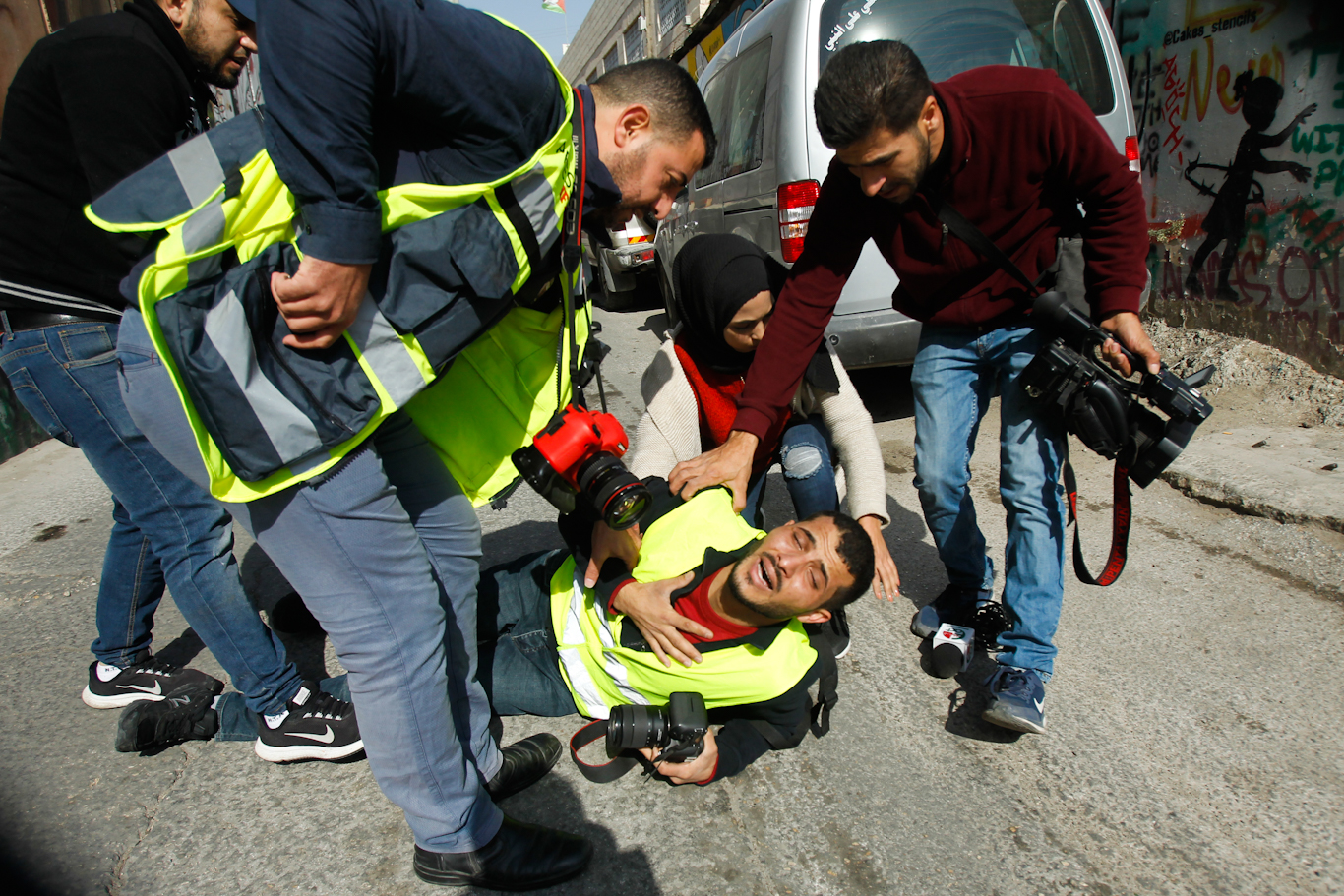
Muath Amarneh Feature photo

Blinded Palestinian Journalist Exposes Israel’s Increasing Violence Against Media

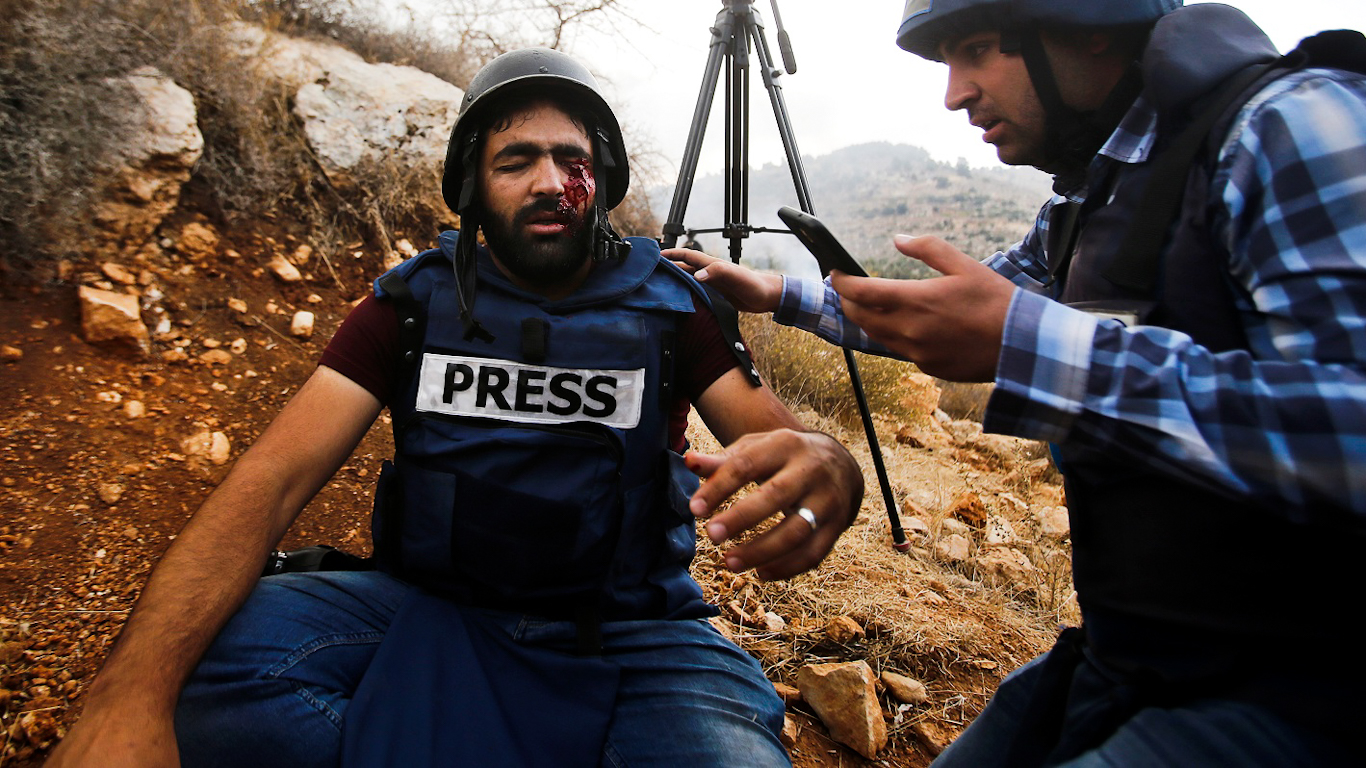
On November 15, Palestinian photojournalist Muath Amarneh covered a demonstration in Surif, a West Bank city where residents were protesting against the theft of their land by Israeli settlers. Wearing a press jacket and helmet, Amarneh was shot in the head by an Israeli bullet while taking pictures on a nearby hill — about 330 feet from the soldiers.
“Everything just changed. I felt the whole world was circling around me. And I felt my whole life flash before me. I felt like I was dying,” Amarneh said, describing his reaction when hit.
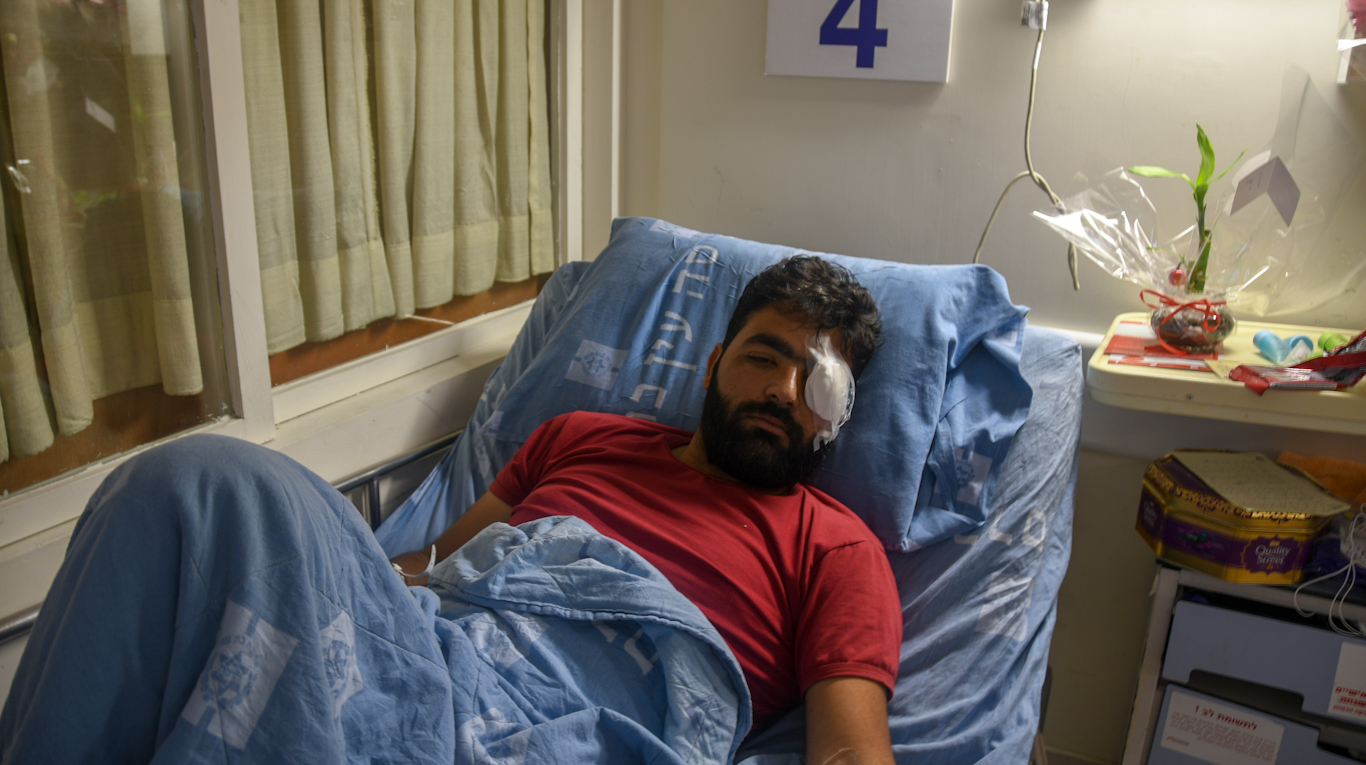
With blood dripping from his eye, Amarneh was taken to a hospital in Hebron, West Bank. He was eventually transported to Hadassah Hospital in Jerusalem where his left eye was removed. He remains there awaiting further operations to have the bullet removed from his head. 
Videos and photos capturing Amarneh after the bullet pierced his eye went viral online. Using the hashtags #MuathEye#EyeofTruth and #MuathAmarneh, “journalists across the world posted images of themselves with an eyepatch or one hand over their eye as a way to stand in solidarity with Amarneh.

Increasing Israeli violations against Palestinian press

After being shot, Israeli soldiers rushed to Amarneh claiming he wasn’t hit by one of their bullets but rather with stones thrown by protesters, but Amarneh was behind a line of demonstrators hurling stones.
“The army told me that, “This is not from us. This is from the people who are protesting and throwing stones. It’s the Palestinian who threw stones at you. It’s not a bullet from us,” Amarneh said.
Israeli police said they used “non-lethal means” to “disperse the rioters.” “The use of the non-lethal means was not directed at all at the photographer, and his injury could have been caused by the violent rioters,” Micky Rosenfeld, the Israeli police’s foreign press spokesperson, said.
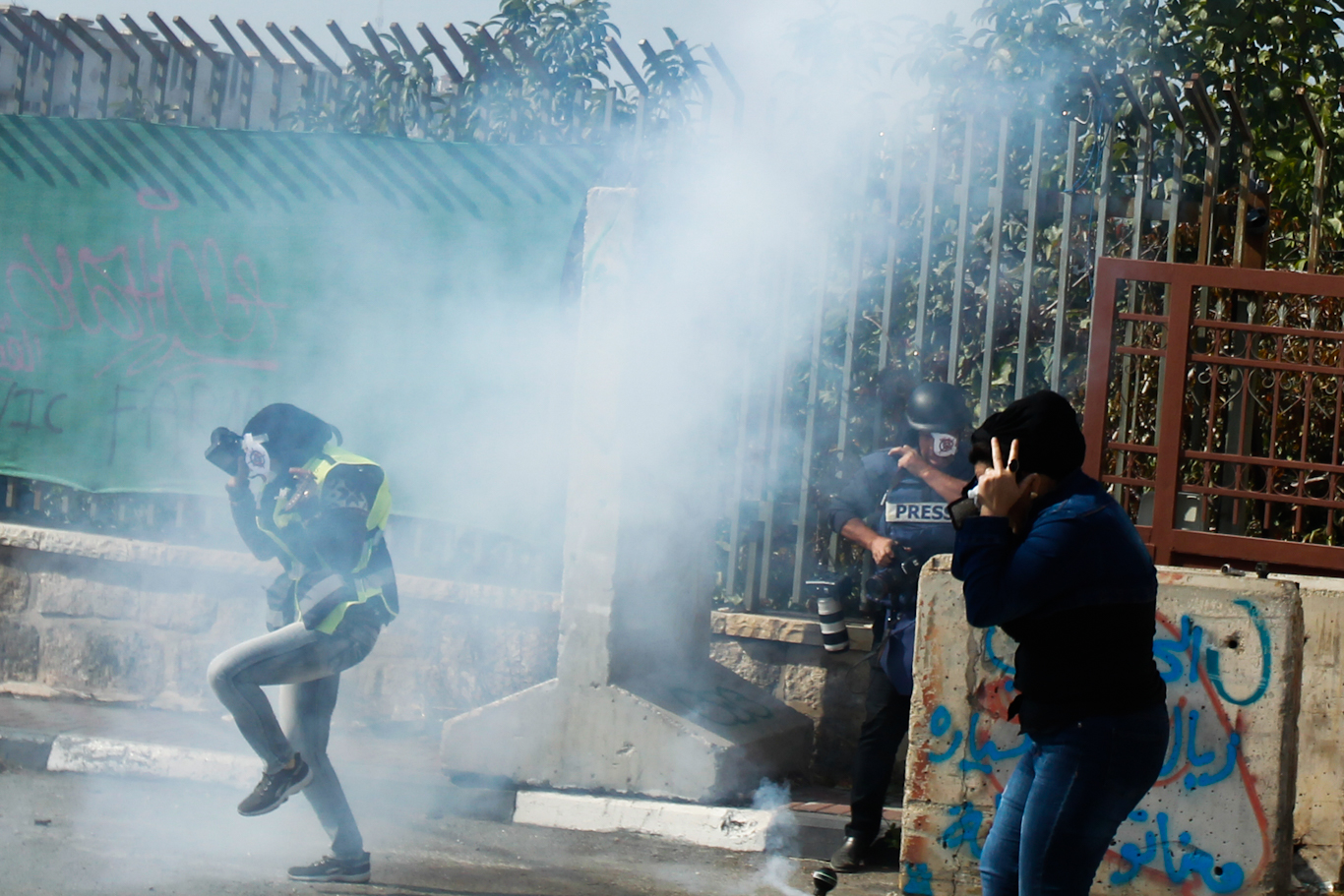
Palestinian journalists take cover from tear gas shot by Israeli police during a solidarity protest on November 17, 2019 in Bethlehem. Photo | Musa Al-Shaer
However, Amarneh believes he was directly attacked by Israeli forces.
Four days before Amarneh lost his eye, Omar al-Badawi was fatally shot by Israeli soldiers during clashes near Hebron. Video captured al-Badawi as he was shot in the chest by Israeli forces. Soldiers claimed they assumed al-Badawi was carrying a molotov cocktail, but he was merely holding a towel to extinguish a fire engulfing a tree near his home. Amarneh was one of the journalists who documented al-Badawi’s murder.
“After what happened, the Israeli army really doesn’t want journalists to show the world what’s going on,” Amarneh said. He feels that since al-Badawi’s killing was broadcast globally, the Israeli army is intensifying its crackdown on Palestinian journalists. He mentioned how an area in Bethlehem designated for journalists for years by the Israeli military is now an unwelcome location.
“This Thursday, they started telling journalists that if you stay in this place, we will arrest you,” Amarneh said, describing how the soldiers pushed the journalists and seized their cameras.
The following Sunday after Amarneh was shot, Palestinian journalists held a sit-in in Bethlehem to express their support. Israel Police dispersed the crowd using tear gas, with dozens of demonstrators suffocating from tear gas inhalation and seven individuals lightly wounded.
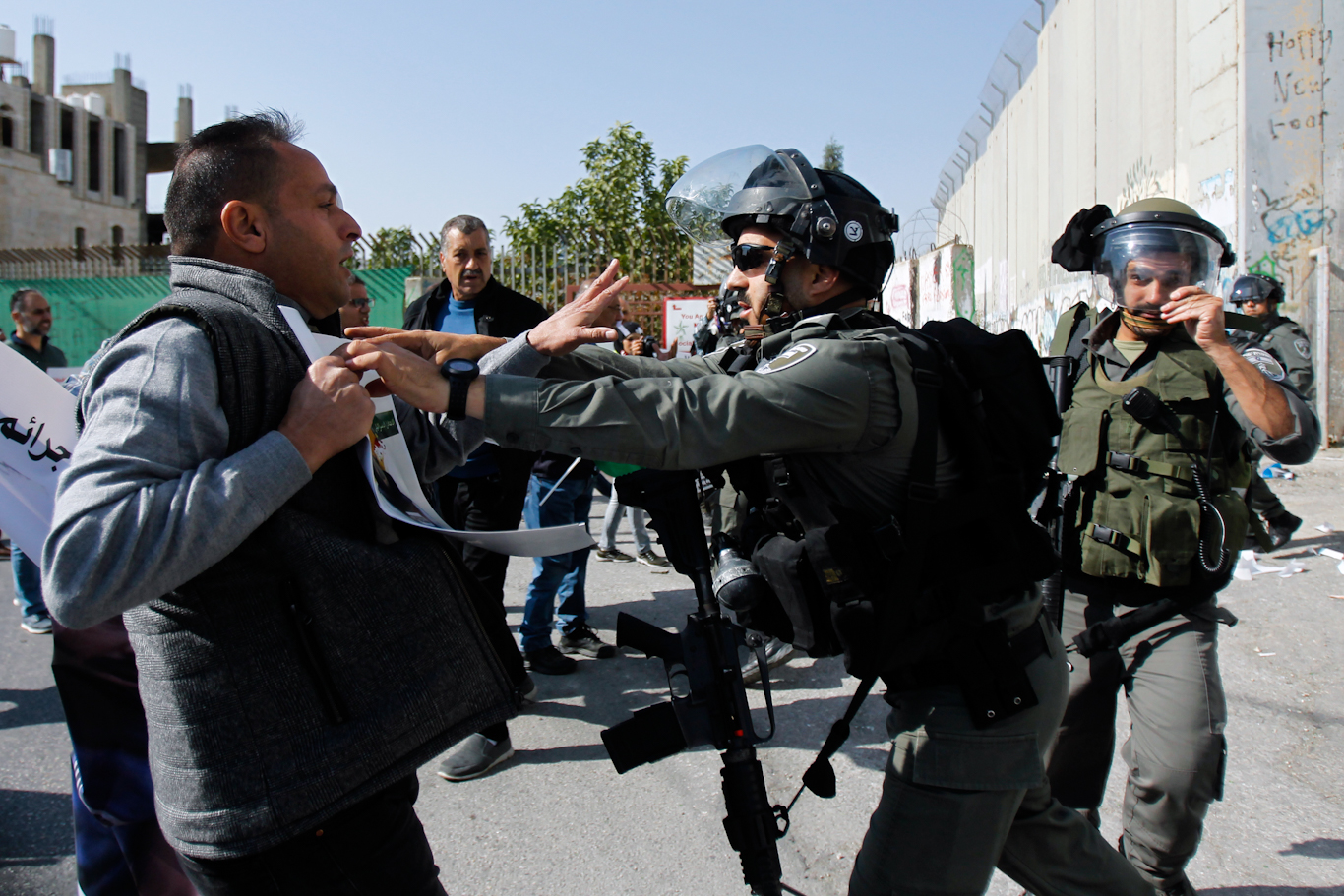
Israeli polcie grab a member of The Palestinian Journalists’ Syndicate during a solidarity protest on November 17, 2019, in Bethlehem. Photo | Musa Al-Shaer
On Wednesday, the Israeli army closed the office of Palestine Television in Jerusalem for six months after storming Al-ArzMedia Services Company which provides services to Palestine TV.
Mousa Rimawi, Director General of the Palestinian Center for Development and Media Freedoms (MADA), believes the Israeli army targeted Amarneh.
“I think they are targeting him. Witnesses say that. He said that. This is not the first time they are targeting journalists,” Rimawai said.
We saw it in Gaza, especially last year. When the Israeli army was targeting journalists, killing two of them and injuring tens of journalists by snipers.”
In 2018, Palestinian journalists Yasser Murtaja and Ahmad Hassan Abu Hussein were killed by Israeli snipers just one week apart from each other while covering the Great March of Return protests at the Gaza border.
According to The Palestinian Center Development and Media Freedoms (MADA), 455 Israeli violations and 129 Palestinian violations occurred against Palestinian journalists in 2018  — a more than 52 percent increase in the last two years. During the first half of 2019, 330 violations were documented against Palestinian media  — a 19 percent increase from the same period last year. The majority of these violations comprise physical abuse, arrests or detentions, questioning, preventing coverage and shutting down websites and social media accounts.
Palestinian journalists
Palestinian journalists help a colleague injured during a solidarity protest on November 17, 2019 in Bethlehem. Photo | Musa Al-Shaer
“They want to silence this media who is covering the events relating to the Israeli occupation and to cover their crimes and daily practices in Palestine,” Rimawi said.
The Palestinian Journalists’ Syndicate (PJS) places the number of violations in 2019 higher, at more than 630, with 90 percent of reported attacks executed by Israel. Musa Al-Shaer, a board member of PJS, said MADA’s calculation is lower because they adjust the statistics in order to receive financial aid from the international community.

Facebook’s censorship of Palestinian media

Of the 330 documented violations by MADA, 65 of them were committed by Facebook. In 2016, the Israeli government and Facebook announced they were working together to combat incitement on social media. The driving force behind this partnership was Israel’s accusation that Palestinian violence is fueled by incitement online.
“After that announcement, Facebook began to block Palestinian sites for journalists and media outlets,” Rimawi said. He explained that Facebook has adopted Israel’s definition of incitement when deciding what content to censor. But going by Israel’s standards poses a problem for Palestinians.
“If someone posts a picture of a martyr, that’s incitement for Israelis, but for Palestinians that is normal. You could be posting a picture of your cousin who is a martyr,” Rimawi said.
Palestinians call those who died resisting the Israeli occupation “martyrs”, while Israelis refer to them as terrorists. He mentioned that words like Hamas (which literally translates to excitement in Arabic) and Qassam, the name of the military wing of Hamas, are consistently flagged. In some instances, a person named Qassam might end up with a deactivated Facebook account.
Facebook censorship of Palestinian media is increasing, and Israel appears to be the one steering the wheel. In 2017, 85 percent of Israeli government requests to “remove content deemed harmful or dangerous” was approved.
“We know Israel is pressuring other social media sites like Instagram and Twitter, but there are no agreements between them and Israel,” Rimawi said. “But with Facebook there is.”

Paving the way for Palestinian freedom of press

Amid a sharp rise in violations against Palestinian journalists, MADA is working with other civil society organizations to build a coalition to defend freedom of expression and digital freedom in Palestine. The coalition plans to tackle legislation, government policies, monitoring press freedom, Israeli violations and Facebook restrictions.
“It’s a good thing when people will not be silent, when countries will not be silent when there’s killing of journalists. But it must be linked with policies,” Rimawi said.
Muath Amarneh
Palestinian photojournalist Muath Amarneh lies injured in his hospital bed in Jerusalem. Photo | Delilah Boxstein
Amarneh has frequently experienced Israeli abuse in his ten years of working as a journalist. He was previously shot multiple times by rubber bullets on the lower parts of his body and fired at by water cannons. But this recent attack was the most severe.
Amarneh is currently focused on his recovery but asserts he will seek legal action when he is healed. Despite the trauma of losing his eye, he still plans to continue reporting.
“I won’t stop being a journalist but now I feel unsafe,” Amarneh said. “They could attack my other eye. It will be harder for me to continue what I am doing.”
Feature photo | Palestinian photojournalist Mu’ath Amarneh, seated on the left, moments after being shot in the left eye by an Israeli soldier in Surif, West Bank on November 15, 2019. Photo | Palestinian Information Center

River to Sea Uprooted Palestinian   
The views expressed in this article are the sole responsibility of the author and do not necessarily reflect those of the Blog!

Friday, 8 November 2019

Israel’s Supreme Court — Upholding “Targeted Assassinations” and Torture

By Stephen Lendman
Global Research, November 08, 2019

Time and again, Israel’s high court upholds human and civil rights abuses committed by the state.
In 2006, the court upheld its targeted assassinations policy, claiming they’re OK when no other choices exist to protect against dangers to national security — that don’t exist it failed to say.
The policy contravenes Israeli law, the laws of war, and human rights law. Time and again, Israel falsely calls legitimate self-defense by Palestinians “terrorism,” unjustifiably justifying its lawless actions, most often upheld by its high court.
In Public Committee against Torture in Israel et al v. the Government of Israel et al (1999), Israel’s Supreme Court banned the practice it earlier OK’d, ruling “psychological pressure (and) a moderate degree of physical pressure” are permissible.
Israel’s 1987 Landau Commission condemned harsh interrogations amounting to torture, but approved the practice to obtain evidence for convictions in criminal proceedings, saying these tactics are necessary against “hostile (threats or acts of) terrorist activity and all expressions of Palestinian nationalism.”
Despite calling the 1984 UN Convention against Torture “absolute (with) no exceptions and no balances,” Israel’s high court OK’d coercive interrogations in three cases.
It permitted violent shaking, painful shackling, hooding, playing deafeningly loud music, sleep deprivation, and lengthly detainments.
Loopholes in the high court’s 1999 ruling OK’d abusive practices amounting to torture despite banning the practice.
It notably allowed physical force in so-called “ticking bomb” cases, giving Israeli interrogators and others wide latitude on their actions.
The court effectively ruled both ways, approving torture and other abusive practices despite banning it.
International law is clear and unequivocal on this issue, banning it at all times, under all circumstances with no allowed exceptions.
In 2015, Israel’s Supreme Court rejected a petition by human rights groups and political movements that called for overturning the Anti-Boycott Law.
At the time, the Global BDS Movement and Coalition for Women for Peace called the bill “one of the most dangerous anti-democratic laws promoted” by Knesset members, adding:
“Boycott is a nonviolent, legal and legitimate means to promote social and political aims that are protected in civil rights of freedom of expression, opinion and assembly. The bill constitutes a fatal blow to all these civil rights.”
The police state law punishes entities or individuals that call for boycotting Israel, or an economic, cultural, or academic boycott of its illegal settlements.
According to the Adalah Legal Center for Arab Minority Rights in Israel, Israel’s Supreme Court “ignored the chilling effect of this law, and missed the opportunity to tell legislators that there are limits to their anti-human rights actions. This law encourages discrimination against the Arabs in Israel.”
The 2012 Nakba Law “harms both the freedom of expression and the civil rights of Arab citizens, even before its implementation.”
“Because the law’s formulation is so broad and vague, many institutions have already begun and will self-censor in order not to risk incurring penalties.”
Israel’s high court upheld the law, falsely claiming it “does not raise difficult and complex questions.”
It violates Arab history, culture, heritage, and the right to express, teach, or disseminate it freely.
Arab intellectual Constantin Zureiq earlier called the Nakba “the worst catastrophe in the deepest sense of the word, to have befallen the Arabs in their long and disaster-ridden history.”
Compromising their ability to publicly denounce what happened compounds the high crime against them.
Speech, press, and academic freedoms in Israel are gravely endangered. In 2017, legislation was enacted that banned foreign nationals who support BDS from entering the country.
Last April, Israel’s Jerusalem district court ruled against Human Rights Watch’s Israeli office director Omar Shakir, a US citizen, ordering him deported for supporting the global BDS movement, his lawful free expression right.
HRW appealed the ruling, petitioning Israel’s Supreme Court to overturn the injustice. It got an injunction to let Shakir stay in the country until the high court heard his case.
On Tuesday, the court ruled against him, Shakir tweeting:
“Breaking: Israeli Supreme Court upholds my deportation over my rights advocacy. Decision now shifts back to Israeli gov; if it proceeds, I have 20 days to leave…(W)e won’t be the last.”
Critic of Israeli human rights abuses Amnesty International said
“the court has made it explicitly clear that those who dare to speak out about human rights violations by the Israeli authorities will be treated as enemies of the state.”
Israel’s Supreme Court ruled against free expression. Without it, all other rights are jeopardized.
Compromising speech, press, and academic freedoms is the hallmark of totalitarian rule — the new normal in the US, other Western societies and Israel, affirmed by its high court.
Is is just a matter of time before Western ones rule the same way?
Is digital democracy in the West and Israel endangered?
Are abuses against Chelsea Manning, other whistleblowers, Julian Assange, and other independent journalists prelude for much more severe crackdowns against fundamental freedoms ahead?
*
Note to readers: please click the share buttons below. Forward this article to your email lists. Crosspost on your blog site, internet forums. etc.
Award-winning author Stephen Lendman lives in Chicago. He can be reached at lendmanstephen@sbcglobal.net. He is a Research Associate of the Centre for Research on Globalization (CRG)
His new book as editor and contributor is titled “Flashpoint in Ukraine: US Drive for Hegemony Risks WW III.”
Visit his blog site at sjlendman.blogspot.com.
Featured image is from IMEMC


River to Sea Uprooted Palestinian   
The views expressed in this article are the sole responsibility of the author and do not necessarily reflect those of the Blog!

Saturday, 28 September 2019

Weekly report on israel’s terrorism on Palestinians (19 – 25 September 2019)


Weekly Report On Israeli Human Rights Violations in Palestine (19 – 25 September 2019)
Israeli violations of human rights in the occupied Palestinian territory 
19 – 25 September 2019

  • Great March of Return in Eastern Gaza Strip: 112 civilians injured, including 39 children, 2 women, 2 paramedics and a journalist.
  • 13 civilians injured, including 3 children and a journalist, in the West Bank.

  • During 110 incursions into the West Bank, including occupied East Jerusalem: 124 civilians arrested, including 14 children.
  • Israeli forces raided ADDAMEER Prisoner Support and Human Rights Association in Ramallah and seized five laptops and other equipment.

  • 5 shooting incidents reported against Palestinian fishing boats off the Gaza Strip shore, and 3 incursions into the eastern Gaza Strip

  • A house demolished in occupied East Jerusalem; the wall and foundations of another house destroyed in Nablus in addition to an agricultural room and walls of a house in Hebron.                                    
  • 66 temporary checkpoints erupted in the West Bank, where 4 Palestinian civilians were arrested. 
  • A Palestinian arrested at Erez “Beit Hanoun” Crossing, north of the Gaza Strip.  
Summary 
During the reporting period, PCHR documented 204 violations of the international human rights law and international humanitarian law (IHL) by Israeli forces and settlers in the occupied Palestinian territory.
As part of the Israeli violations of the right to life and bodily integrity, Israeli forces wounded 125 Palestinian civilians in the Gaza Strip and the West Bank. In the Gaza Strip, 112 civilians were wounded, including 39 children, 2 women, 2 paramedics and a journalist at the Great March of Return.  Meanwhile, the Israeli forces wounded 13 Palestinian civilians, including 3 children and a journalist, in separate shooting incidents in the West Bank.
As part of the Israeli incursions and house raids, Israel carried out 110 incursions into the West Bank, including occupied East Jerusalem, and raided civilian houses, attacking and enticing fear among residents in addition to shooting in many incidents. As a result, 124 Palestinians were arrested, including 14 children. As part of Israeli attacks against human rights organizations to hinder their work, Israeli forces raided the office of ADDAMEER Prisoner Support and Human Rights Association in Ramallah and sized a number of laptop and other equipment on Thursday, 19 September 2019.  It should be noted that this is the 3rd time in the last years the Israeli forces raid the office.
In the Gaza Strip, the Israeli forces carried out 3 incursions into the eastern Gaza Strip and arrested a Palestinian at Beit Hanoun “Erez” crossing.
Under the settlement expansion activities in the West Bank, including occupied East Jerusalem, PCHR documented 6 violations, including confiscating a construction vehicle in southern Bethlehem; destroying a house in al-Tour neighbourhood in Jerusalem; destroying the foundations and retaining wall of a house in Nablus and the walls of a house and an agricultural room in Hebron in addition to a court’s decision forcing a family to vacate their estate in Jerusalem.  Further, the Israeli settlers carried out 6 attacks at the Palestinian civilians and their property in the West Bank.
In terms of the Israeli closure policy, the Gaza Strip still suffers the worst closure in the History of the Israeli occupation in the oPt as it has entered the 14th consecutive year, without any improvement to the movement of persons and goods and ongoing isolation of the Gaza Strip from the West Bank and the rest of the world. Meanwhile, the West Bank is divided into separate cantons with key roads blocked by the Israeli occupation since the Second Intifada and with temporary and permanent checkpoints, where civilians’ movement is restricted and others are arrested.


  1. Violation of the right to life and to bodily integrity

  1. Excessive Use of Force against the Great March of Return in the Gaza Strip
The 75th Great March of Return took off in eastern Gaza Strip on Friday, 20 September 2019, titled “Refugee Camps of Lebanon”. The Israeli attacks resulted in the injury of 112 civilians, including 39 children, 2 women, 2 paramedics and a journalist.
The incidents were as follows:

  • Northern Gaza Strip: At approximately 16:00 on Friday, 20 September 2019, hundreds of civilians marched towards the central tent of the Great March of Return (GMR) in Abu Safiyah area, northeast of Jabalia, north of the Gaza Strip. Israeli forces stationed behind sand berms and in military vehicles along the border fence, fired live and rubber bullets as well as teargas canisters at a number of protesters, who threw stones at them. As a result, 24 civilians injured, including 11 children: 16, including 8 children, were shot with live bullets and their shrapnel; 6 , including 3 children, were hit with tear gas canisters; and 2 were shot with rubber bullets. Those wounded civilians were transferred via ambulances belonging to the Ministry of Health and  Union of Health Work Committees (UHWC) to the Indonesian and al-Awda Hospitals and their injuries were classified between minor and moderate. Hamada Suhail Mohamed Sa’d Ghabayin (21), from al-Tuffah neighborhood in Gaza City,sustained serious live bullet wounds in his abdomen.
  • Gaza City: at approximately 17:00 on Friday, hundreds of civilians marched in eastern Malakah area, east of Gaza City. Speeches, theatrical performances and other segments were performed at the protest central encampment. Dozens of protestors approached the fence and threw stones with slingshots at Israeli soldiers. The activities continued until 19:00 on the same day. Despite the peaceful nature of the demonstrations, Israeli forces directly stationed along the border fence fired live and rubber bullets and tear gas canisters at the participants. As a result, 24 civilians injured, including 2 children, a woman and a photojournalist: 6 were shot with live bullets and 18 were shot with rubber bullets. The wounded woman is Tahreer Sa’ed Abdul Razeq Baker (30) was shot with a live bullet to the left foot. Photojournalist Abdul Rahman Hani Abdul Qader al-Kahlout (23) was shot with a live bullet to the feet.
  • Central Gaza Strip: at approximately 15:00, hundreds of civilians, including women, children and families, took part in the eastern Bureij refugee camp protests; tens of them gathered adjacent to the border fence at a range varying between 3 – 300 meters. A number of protestors approached the fence and threw stones with slingshots at Israeli soldiers. The Israeli soldiers, reinforced with several military SUVs, fired live and rubber bullets in addition to teargas canisters at them. As a result, 14 civilians were wounded, including 8 children: 4 were shot with live bullets and their shrapnel, 2 was shot with rubber bullets and 8 were hit with tear gas canisters.
  • Khan Younis:  hundreds participated in Khuza’ah protests. Tens approached the border fence, set tires on fire, attempted to throw stones and firecrackers, and raised Palestinian flags in addition to chanting national songs. Israeli forces fired live and rubber bullets and tear gas canisters at protesters, wounding 13 civilians, including 4 children, a woman and 2 paramedics: one of them was deemed critical; 3 were hit with live bullets and their shrapnel; 6 were hit with rubber bullets and 4 were hit with tear gas canisters. The wounded volunteer paramedics were identified as: Rabah al-Bayyouk (25),who was hit with a rubber bullet in his right arm; and Ghanem Mostafa al-Najjar (45), who was hit with a rubber bullet in his right arm as well, Al-Najjar is a volunteer with the Palestinian Red Crescent Society.  Furthermore, ‘Ali Mostafa Ferwanah (28) sustained serious live bullet wound in his thigh.
  • Rafah: hundreds participated in the eastern Shokah protests, where folklore songs and speeches were held. Dozens approached the border fence and threw stones and fireworks at the shielded Israeli soldiers, who responded with live and rubber bullets and teargas canisters against the protestors. As a result, 37 civilians were injured, including 14 children: 23 were shot with live bullets and their shrapnel, 10 were shot with rubber bullets and 4 were hit with tear gas canisters.
  1. Excessive use of force in the West Bank:
  • At approximately 13:30 on Friday, 20 September 2019, Palestinians from Kufor Qaddoum village, northeast of Qalqiliyah launched their weekly peaceful protest and headed towards the village’s eastern entrance that has been closed by Israeli forces for the past 15 years in favor of “Kedumim” settlement. The demonstrators chanted national slogans demanding end of the occupation and protested the Israeli forces’ crimes against Palestinians in the Gaza Strip. The protestors threw stones at the Israeli soldiers stationed behind sand berms while the soldiers fired sponge-tipped bullets, sound bombs and tear gas canisters at them. As a result, a 46-year-old civilian was hit with a rubber bullet to the hand, a 27-year-old young man was hit with a rubber bullet to the back. The wounded journalist, Ahmed Shawer (27) was hit with rubber bullet to the hand. (the names of the wounded civilians are available at PCHR)
  • At approximately at approximately 14:00 on Monday, 23 September 2019, students at Birzeit University and a number of Palestinians in addition to international and Israeli human rights defenders organized a peaceful demonstration at the northern entrance to al-Birah in solidarity with prisoners on hunger strike in Israeli prisons. When the protestors approached the checkpoint near “Beit Eil” settlement, north of the city, Israeli soldiers fired live and rubber bullets, sound bombs and tear gas canisters at them. As a result, 10 students fainted and suffered tear gas inhalation and they received medical treatment on the spot.
  1. Shooting and other violations of the right to life and bodily integrity
  • At approximately 02:50 on Thursday, 19 September 2019, Israeli forces moved into Ramalah and stationed in al-Manarah Square in the center of the city. a number of Palestinian young men and children gathered and threw stones at Israeli forces. Israeli forces chased the protestors in the center of the city and fired rubber bulets, sound bombs and tear gas canisters at them. As a result, 5 Palestinian young men in their early twenties sustained rubber bullets in their lower extremities of their bodies and they received medical treatment on the spot by Palestine Red Crescent Society (PRCS) crews. (The names of the wounded civilians are available at PCHR)
  • At approximately 11:40 on Friday, 20 September 2019, Israeli gunboats stationed in northwest of Beit Lahia in northern Gaza Strip, chased and opened fire at Palestinian fishing boats sailing within 3- 6 nautical miles. As a result, the fishermen were forced to flee fearing for their lives; neither casualties nor material damage was reported.
  • At approximately 18:20 on Saturday, 21 September 2019, Israeli forces moved into ‘Azzoun village, east of Qalqiliyah amidst firing rubber bullets, sound bombs and tear gas canisters at Palestinian civilians claiming that those civilians threw stones at them during their patrol. As a result, a 13-year-old child was shot with a rubber bullet in the leg; a 16-year-old child was shot with a rubber bullet in the thigh; a 17-year-old child was shot with a rubber bullet in the thigh; a 22-year-old young man sustained a rubber bullet wound in the abdomen and a 20-year-old young man sustained a rubber bullet wound to the leg. (The names of those wounded are available at PCHR)
  • At approximately 07:20 on Sunday, 22 September 2019, Israeli gunboats stationed offshore, opened fire and chased Palestinian fishing boats sailing within 4 nautical miles off al-Sudaniyah shore, west of Jabalia in northern Gaza Strip. As a result, the fishermen were forced to flee fearing for their lives; no casualties were reported.
  • Half an hour later, Israeli gunboats stationed in northwest of Beit Lahia in northern Gaza Strip, opened fire and chased Palestinian fishing boats sailing within 3 nautical miles. As a result, the fishermen were forced to flee fearing for their lives; no casualties were reported.
  • At approximately 07:30 on Monday, 23 September 2019, Israeli gunboats stationed in northwest of Beit Lahia in northern Gaza Strip, opened fire and chased Palestinian fishing boats sailing within 3 nautical miles. As a result, the fishermen were forced to flee fearing for their lives; no casualties were reported.
  • At approximately 07:20 on Tuesday, 24 September 2019, Israeli gunboats stationed in northwest of Beit Lahia in northern Gaza Strip, opened fire and chased Palestinian fishing boats sailing within 3 nautical miles. As a result, the fishermen were forced to flee fearing for their lives; no casualties were reported.
  • At approximately 09:20 on the same day morning, Israeli soldiers stationed in eastern al-Shoka village, east of Rafah, fired tear gas canisters at the farmers. As a result, farmers suffered tear gas inhalation and were forced to leave their lands.

  1. Incursions and Arrests
Thursday, 19 September 2019:
  • At approximately 00:00, Israeli forces moved into Zeta village, north of Tulkarm. They raided and searched a house belonging to Khalid Ahmed Abu Sharqiyah (19) and then arrested him.
  • At approximately 01:15, Israeli forces moved into Balta refugee camp, east of Nablus. They raided and searched a number of houses after which they arrested Yusuf Sa’ed Hashash (22), Nasser Sbaitan (20) and Ra’ed Wahid Abu ‘Awad (19).
  • At approximately 02:00, Israeli forces moved into Ramallah. They raided and searched the head office of Addameer Association for Supporting Prisoners and Human Rights in al-Rafedain Square in the first floor of Sabat building. The soldiers broke the main door, tampered with office contents and seized 5 laptops, memory cards, three laptop memories, one laptop card, several books and additionally searching through the belongings of the office. 5 laptops and other contents. Israeli forces had previously raided Addameer office in 2002 and 2012.
  • At the same time, Israeli forces moved into Jenin. They raided and searched a house belonging to Mohammed Hesien Manasrah (19) and then arrested him.
  • At the same time, Israeli forces moved into Jenin refugee camp, west of Jenin. They raided and searched several houses and then arrested Ahmed Abed Sabbah (20), Mohammed Nathmi Abu Ghurrah (19), Suheib Mari’e al-Zare’i (24), Yusuf Sobhi Shraim (35) and Basel ‘Akramah Stati (27).
  • At the same time, Israeli forces moved into Beit Daqou village, northwest of occupied East Jerusalem. They raided and searched a house belonging to Mohammed ‘Omran Rayan (27) and then arrested him.
  • At approximately 02:40, Israeli forces moved into Kafel Hares village, north of Salfit. They raided and searched a house belonging to ‘Emad Mahmoud Abdul Hamid al-Qaq (17) and then arrested him.
  • At approximately 03:30, Israeli forces moved into Kafer Ne’mah village, west of Ramallah. They raided and searched several houses and then arrested Mohammed Mansour Jobran ‘Abdoh (18) Ehab Mohammed Mohyee Eden ‘Abdoh (18), huein Sa’ed ‘Abdoh (18) and Bara’a Shadi al-Fayez (24).
  • At approximately 04:20, Israeli forces moved into Qalqiliyah. They raided and searched several houses and then arrested Mahdi Hashem Sabri (30), Mohammed Na’em Shafiq Bakeer (27), ‘Obadah Abdul Halim al-Haj (25) and Hamzah Yasser ‘Ouweiant (25).
  • At approximately 10:00, Israeli forces moved into Sour Baher village, south of occupied East Jerusalem. They raided and searched a house belonging to Monther Younis Hamadah (39) and handed him a summons to refer to the Israeli Intelligence Service at al-Maskobiya detention center in West Jerusalem. Hamadah is husband of Fadwa Hamadah (32), who was sentenced with 10 years of imprisonment in the Israeli prisons after she attempted to carry out a stab attack in Bab al-‘Amoud area in occupied East Jerusalem. Younis received a decision to deny him access to al-Aqsa Mosque for 10 days.
  • Israeli forces carried out (6) incursions in Tulkarm, Kuber, Um Safa and ‘Atarah villages, north of Ramallah; al-‘Aroub refugee camp and Beit Kahel village in Hebron. No arrests were reported.
Friday, 20 September 2019:
  • At approximately 18:30, Israeli forces moved into Al Mahmoud neighborhood, west of al-‘Issawiyah village, northeast of occupied East Jerusalem. They raided and searched a house belonging to Mahmoud Abdullah Mahmoud (16) and then arrested him.
  • Israeli forces carried out (10) incursions in Kafer Romman village, east of Tulkarm; Qalqiliyah, Hejjah and Kafer Thuluth villages, east of the city; Rafat village, west of Salfit; Sarda village, north of Ramallah; Beit Ummer, al-Thaheriyah, Emrish and Abu al-‘Asja villages in Hebron. No arrests were reported.
                                      
Saturday, 21 September 2019:
  • At approximately 01:00, Israeli forces moved into al-‘Aroub refugee camp, north of Hebron. They raided and searched 2 houses belonging to Islam Tayseer Banat (14) and Mohammed jamal Abu Sal (15) and then arrested them.
  • At approximately 01:30, Israeli forces moved into Beit Kahel village, north of Hebron. They raided and searched several houses and then arrested Omer Mahmoud Abdul Hadi ‘Asafrah (23), Bassam ‘Atiyah al-Zuhour (30), Amir Bassam ‘Atiyah al-Zuhour (20) and Montaser Mahmoud Ismail Ariyoush (22).
  • At approximately 03:00, Israeli forces moved into Beit Ummer village, north of Hebron. They raided and searched a house belonging to Mohammed Ahmed ‘Alami (30) and the arrested him.
  • At the same time, Israeli forces moved into al-Fawar refugee camp, south of Hebron. They raided and searched a house belonging to Sami Mohammed Janazrah (46) and then arrested him.
  • At approximately 09:00, Israeli forces stationed at al-Container checkpoint, north of Bethlehem, arrested Salem Mousa Shadid (20), from Kharsa, south of Hebron, while he was heading to his university in Abu Dese village, east of occupied East Jerusalem.
  • At approximately 13:00, Israeli forces moved into Beit Ummer village, north of Hebron and stationed in Safa area. They stopped illegal vehicle, searched it and arrested 3 children, who were inside it and took them to a detention center in “Gush Etzion” settlement, south of Bethlehem. The arrestees were identified as: Suleiman Mohammed Abu Daya (15), Mohammed Bassam Moneer Ekhleil (16), Abdul ‘Aziz Mohammed Shafiq Ekhleil (17), Abudllah Amjad Omer al-Titi (18) and Mohammed Netham Namer Do’mos Ekhleil (18).
  • In the afternoon, Israeli forces moved into al-‘Izzariyah village, southeast of occupied East Jerusalem following the funeral procession of Nasim Mokafeh Abu Romi (14) in the village cemetery. They fired rubber bullets and tear gas canisters at houses. As a result, 6 civilians suffered tear gas inhalation and were taken to the Emergency Center in the village to receive treatment. Hundreds of Palestinians, from al-‘Izariyah village, participated in the funeral procession of Abu Romi, who was killed By Israeli forces after he attempted to stab a soldier at Bab al-Silsila Gate in al-Aqsa Mosque in occupied East Jerusalem’s Old City in Mid-August. Abu Romi’s dead body was detained by Israeli authorities until 20 September 2019, when they handed his body to his family.
  • At approximately 22:00, Israeli forces stationed at Beit Furik checkpoint, east of Nablus, arrested Emad Nehad Qayem (20), from Ras al-‘Ain neighborhood, south of the city. Israeli forces claimed that they found a knife with Qayem. It should be noted that Palestinian civilians in the West Bank seriously think before buying kitchen sharp tools and carrying them to their houses fearing from being arrested on this ground.
  • Israeli forces carried out (5) incursions in ‘Azzoun village, east of Qalqiliyah; Kafel Hares, Haras, Deir Estia, and Bruqin villages in Salfit. No arrests were reported.
Sunday, 22 September 2019
  • At approximately 01:30, Israeli forces moved into Beit Kahel village, north of Hebron. They raided and searched a number of houses after which they arrested Mahmoud Salem al-Zuhour (22), Mohammed Tayseer ‘Asafrah (30), Mo’ath Ahmed Mahmoud ‘Asafrah (28), Yusuf Ahmed Mahmoud ‘Asafrah (26) and Zahran Mahmoud ‘Asafrah (36).
  • At approximately 02:00, Israeli forces moved into Hazma village, northeast of occupied East Jerusalem. They raided and searched a house belonging to ‘Ali al-‘Afow al-‘Omlah (25) and then arrested him.
  • At approximately 3:00, Israeli forces moved into Beit Oula village, west of Hebron. They raided Raed Abdul-‘Afou al-‘Omla’s (25) house, searched it and arrested al-‘Omla.
  • At approximately 07:30, Israeli forces backed by 6 military construction vehicles moved about 100 meters into eastern al-Buraij in the central Gaza Strip. They leveled, combed, and repaired the barbed wire in lands adjacent to the border fence. The vehicles then headed to the south east of al-Maghazi. At approximately 15:00, the vehicles redeployed along the border fence.
  • At approximately 23:00, Israeli forces stationed at Beit Hanoun “Erez” crossing in northern Gaza Strip, arrested Bassam Mahmoud Yusuf Ghurab (41), from ‘Amer Housing Project in northern Gaza Strip, who owns Donya al-Kahraba’a Company. According to the statement of Ghurab’s brother, Ahmed (33), at approximately 08:00 on Sunday morning, Ghurab went to the Israeli Intelligence Service after he applied for a travel permit to the West Bank and his family then lost contact with him. At approximately 23:00 on the same day, Ahmed received a phone call from the Israeli Intelligence Services informing him that his brother is arrested in Ashkelon Prison for security reasons. Ghurab appeared for the scheduled interview with the Israeli Intelligence Services a week ago but he was dismissed and returned to the Gaza Strip.
  • At the same time, Israeli forces established a temporary checkpoint near Jeet village, northeast of Qalqiliyah. They checked Palestinian civilians’ ID cards, searched their vehicles and then arrested Yusuf Ghaleb Hannoun (23), from ‘Anabtah village, east of Tulkarm.

  • Israeli forces carried out (3) incursions in Nuba and Taffuh villages in Hebron; Rojeeb village, east of Nablus. No arrests were reported.
Monday, 23 September 2019:
  • At approximately 01:00, Israeli forces moved into al-Issawiyah village, northwest of old East Jerusalem. They raided and searched several houses, and then arrested (24) civilians, including (7) children, and took them to al-Maskobiya investigation center. (The names of the arrestees are available at PCHR)
  • At approximately 01:30, Israeli forces moved into Bala’a village, northwest of Tulkarm. They raided and searched several houses and then arrested (3) civilians namely; Ali Younis Abu Younis (46); Mahmoud Mohammed ‘Amair (46) and Amjad Wael Abu al-Naser (31).
  • At the same time, Israeli forces moved to Bait ‘Anan, northwest of old East Jerusalem. They raided and searched a house belonging to Wissam Elias Rabea’ (22), and then arrested him.
  • At approximately 02:00, Israeli forces moved into ‘Azoun village, east of Qalqiliya. They raided and searched 2 houses belonging to ‘Odai Hamza Inaya (27) and Kazem Mofeed Redwan (28) and then arrested them.
  • At the same time, Israeli forces moved into Habla village, south of Qalqiliya. They raided and searched a house belonging to ‘Ali Ahmed al-Jada’ (32) and then arrested him.
  • At the same time, Israeli forces moved into Abu Dese village, east of the occupied East Jerusalem’s Old City. They raided and searched a house belonging to Isma’el Ali Halabeya (29) and then arrested him.
  • At approximately 02:15, Israeli forces moved into Hebron. They raided and searched 2 houses belonging to Nizar Mohammed Ra’fat Sider (26) and Rami Mohammed al-Owaiwi (26) and then arrested them.
  • At the same time, Israeli forces moved into Kafer Thuluth village, east of Qalqiliya. They raided and searched several houses and then arrested (3) civilians namely: Abdul Sattar Khader Mara’ba (25); Msallam Mohammed ‘Owda (29) and Mo’nes Fareed Marab’a (20).
  • At approximately 02:15, Israeli forces moved into Qarawat Bani Hassan village, northwest of Salfit. They raided and searched 2 houses belonging to Hazem Zaher Mara’i (16) and Abdul Rahman Abdul ‘Aziz Mara’i (22) and then arrested them.
  • At approximately 02:20, Israeli forces moved into Birzeit village, north of Ramallah. They raided and searched a house belonging to Sana’ Abed Mghamis Abu ‘Awwad (55) and then arrested her.
  • At the same time, Israeli forces moved into Barham village, north of Ramallah. They raided and searched a house belonging to Basel Saleh Falyan (22), a student at Birzeit University, and then arrested him.
  • At approximately 02:30, Israeli forces moved into Jenin refugee camp, west of Jenin. They raided and searched several houses and then arrested (5) civilians namely: Tamer ‘Azmi Nasharti (28); Mohammed Karam Nassar (45); Tha’er ‘Awni al-Swaity (24) his brother ‘Iqab (18); and Tareq Zeyad Abu Tabeekh (23).
  • At approximately 03:00, Israeli forces moved into al-Duheishah refugee camp, south of Bethlehem. They raided and searched several houses and then arrested (3) civilians namely: Bilal Omar Dawoud (26); Morad Mo’ayad al-Khour (23); and Jamal Osama al-Issa (24).
  • At approximately 03:30, Israeli forces moved into Ramallah, and stationed at al-Masayef and al-Masyoun neighborhoods. They raided and searched several houses and then arrested (3) civilians; who were former prisoners at the Israeli prisons, namely: ‘Etiraf Bajes al-Rimawi (45); Wissam Rabea’ (23); and Nassar Jaradat (25).
  • At approximately 04:00, Israeli forces moved into ‘Ain al-Lawza in Silwan village, south of occupied East Jerusalem’s Old City. They raided and searched several houses and then arrested (3) civilians namely: Ala’a Tawfiq Abu Tayeh (21); Majdi Wa’el Abu Tayeh (21); and Ishaq Khalid Abu Tayeh (22).
  • At approximately 20:00, a large Israeli military force moved into Deir Nitham village, northwest of Ramallah. Dozens of Palestinian protestors gathered on the village streets and threw stones and empty bottles at Israeli soldiers, who responded with live and rubber bullets and teargas canisters against them in addition to firing teargas canisters at houses. As a result, a number of civilians suffered teargas inhalation and they received treatment on the spot. Israeli forces raided and searched several houses and questioned (3) civilians on the spot for about 3hours and they were identified as: Mahmoud Khair al-Tamimi; Mohammed Jawad al-Tamimi; and Youssef Mohammed al-Tamimi. Since 16 September 2019, Israeli forces close the 3entrances of Deir Nitham village, search, abuse, and attack all passersby.
  • Israeli forces carried out (5) incursions into the following areas with no reported arrests: Beit Reema, Deir Ghasana and al-Nabi Saleh villages, northwest of Ramallah; al-Zahereya and Abu al-Asja villages in Hebron. No arrests were reported.
Tuesday, 24 September 2019:

  • At approximately 01:00, Israeli forces moved into Dura village, southwest of Hebron. They raided and searched a house belonging to Mohammed Ahmed Sharawna (23) and then arrested him.
  • At approximately 01:30, Israeli forces moved into Beit Kahel village, northwest of Hebron. They raided and searched a house belonging to Fathi Jehad ‘Asafra (28) and then arrested him.
  • Around the same time, Israeli forces moved into Halhoul, north of Hebron. They raided and searched a house belonging to Sa’oud Ahmed Zama’ra (27) and then arrested him.
  • At approximately 02:00, Israeli forces moved into Hebron. They raided and searched the head office of Union of Palestinian Labor Committee, after breaking the main door using a special tool. Furthermore, they threw all the contents on the ground. Before they leave, they confiscated a printer and a personal computer, and fixed a notification in Jewish Language in Hebron saying: “Do not open this room”.
  • Around the same time, Israeli forces moved into Bethlehem, and stationed in Wadi al-Ma’ali neighborhood in the center of the city. They raided and searched several houses and then arrested Omar Ayyad al-Harimi (21) and Mohammed Hadya (22).
  • At approximately 02:15, Israeli forces moved into Shaqba village, northwest of Ramallah. They raided and searched a house belonging to Harith Salem Shalash (21) and then arrested him.
  • At approximately 02:30, Israeli forces moved into Yatta, south of Hebron. They raided and searched several houses and arrested (6) civilians namely: Mohammed Jebril al-Najjar; Faisal Mohammed Jebril al-Najjar; Mahmoud Abdul Rahman al-Najjar; Rami Ali al-Najjar; Ahmed Mohammed al-Najjar and Ghaleb Mohammed Ali Qara’esh.
  • At the same time, Israeli forces moved into Qablan village, southeast of Nablus. They raided and searched several houses and then arrested ‘Odai Najeh Aqra’a (25).
  • At approximately 03:00, Israeli forces moved into al-Duheishah refugee camp, south of Bethlehem. They raided and searched a house belonging to Ahmed Mazen Raqban (20) and then arrested him.
  • At approximately 03:30, Israeli forces moved into Tarqumiya village, northwest of Hebron. They raided and searched a house belonging to Tamer ‘Aref Qabaja (30) and then arrested him.
  • At the same time, Israeli forces stationed at Salem Military Court’s Gate, west of Jenin, arrested Osama Jehad Abu Swais (18), from Jenin, and took him to an unknown destination.
  • At approximately 07:30, Israeli forces backed by 6 military construction vehicles and bulldozers moved about 100 meters into al-Nimer Gate, east of Deir al-Balah in the central Gaza Strip. The vehicles leveled the lands and repaired the barbed wire and then redeployed along the border fence.
  • Israeli forces carried out (4) incursions in Bani Na’iem and Sourif, Raboud and Boqa’a villages in Hebron. No arrests were reported.
Wednesday, 25 September 2019:
                   
  • At approximately 02:00, Israeli forces moved into Nablus. They raided and searched a house belonging to Abdullah Shnaiwer Dekat (29) and then arrested him.
  • At approximately 02:20, Israeli forces moved into ‘Ain al-Sultan refugee camp, north of Jericho. They raided and searched a house belonging to Majdi Abdul Qader ‘Ouwedat (26), a former prisoner in the Israeli prisons, and then arrested him.
  • At approximately 03:00, Israeli forces moved into Tubas. They raided and searched s house belonging to ‘Aqil Majed Dawoud Daraghmah (26) and then arrested him.
  • At the same time, Israeli forces moved into Ethna village, west of Hebron. They raided and searched a house belonging to Tareq Mohammed Tamizi (26) and then arrested him.
  • At approximately 04:30, Israeli forces moved into al-Sowanah neighborhood, east of occupied East Jerusalem’s Old City. They raided and searched a house belonging to Fadi Arafat al-Hadmi (43), Jerusalem Affairs’ Minister, and then arrested him.
  • At approximately 05:00, Israeli forces moved into Silwan village, south of occupied East Jerusalem’s Old city. They raided and searched a house belonging to ‘Adnan ‘Adel Ghaith (46), Jerusalem’s Mayor, and then handed his family a summons in his name to refer to the Israeli Intelligence Service in “al-Maskobiya” Detention Center in West Jerusalem.
  • At approximately 07:00, Israeli forces backed by a number of military construction vehicles moved tens of meters into eastern al-Qarara village, east of Khan Younis in southern Gaza Strip. the vehicles leveled lands in the area for few hours and then redeployed along the border fence.
  • At approximately 08:40, a group of Israeli undercover units “Mista’arvim” dressed like Palestinian civilian sneaked into Birzeit village, north of Ramallah, using a civilians vehicle with Palestinian registration plate. the vehicle stopped in Ramallah’s Old City and the special unit groups raided a residential building for Birzeit University and then arrested Netham Sami Emtair (21), a student at Birzeit University from Dura in Hebron.
  • At approximately 11:30, Israeli forces moved into Ramallah and stationed in Batn al-Hawa neighborhood in the western area of the city. They raided and searched a house belonging to Samer Mena Saleem al-‘Arbid (38), confiscated paper files related to his work and then arrested him. It should be noted that al-‘Arabid served 5 years in the Israeli prisons.
  • Israeli forces conducted (4) incursions in Sa’ir and Beit ‘Awa villages in Hebron; Kafer Qalil and Rojeeb villages in Nablus. No arrests were reported.

III. Settlement Expansion and settler violence in the West Bank including occupied East Jerusalem

  1. Demolition and Confiscation of Civilian Property for Settlement Expansion Activities

  • At approximately 16:00 on Friday, 20 September 2019, Israeli forces moved into Rakhma area within Taqou’a municipality boundaries in southern Bethlehem. The Israeli forces then confiscated a municipality bulldozer while constructing a water pipeline in al-Bariyia area, which belongs to the municipality boundaries. Eyewitnesses said that the Israeli forces ordered the municipality staff to stop the construction works and then confiscated the bulldozer, claiming that the construction is illegal. Taqou’a Municipality condemned the Israeli attack on its staff and construction vehicles, noting that this attack shows the Israeli ambitions for Palestinian property and territories. The municipality added that this attack constitutes a strong support for the settlers and their greed to establish more settlement outposts on Palestinians’ lands and create Jewish majority. The municipality confirmed that it will defend its rights and thwart all Israeli plans.
  • At approximately 11:00 on Tuesday, 24 September 2019, Israeli Municipality bulldozer demolished an under-construction house belonging to ‘Isaa Khalil in al-Tour neighborhood, east of occupied East Jerusalem’s Old City, under the pretext of non-licensing. Khalil’s father said that the Israeli forces accompanied with Israeli Municipality staff moved into al-Tour neighborhood, raided the building of Khalil family and completely surrounded it in order to demolish ‘Isaa’s house, which is located in the 3rd floor and built of tin plates on an area of 120 square meters. He added that the Israeli Municipality handed his son ‘Isaa a demolition notice to self-demolish his house and gave him until Monday, 23 September 2019. Khalil confirmed that his son started to self-demolish his house, but the municipality staff raided the house and completed the demolition. Khalil added that the Israeli forces attacked the family members while demolishing their houses and severely beat them. As a result, ‘Odai Khalil sustained bruises and wounds and was then taken to a medical center. Furthermore, Khalil two sons, Qusai (21) and ‘Isaa (29) were arrested.
  • At approximately 15:00 on Tuesday, 24 September 2019, Israeli forces accompanied with a bulldozer and a vehicle of Israeli Civil Administration moved into the northern entrance to ‘Urta village, east of Nablus. They stationed in al-Mazra’ah area, southeast of the city. The bulldozer demolished the concrete foundations of a 200-sqaure-meter an under-construction house, in addition to a retaining wall. The mentioned house and retaining wall belong to Akram Fawzan Ahmed Darawsha and their costs estimated at NIS 100.000. The demolition was carried out under the pretext of building in Area C without getting a prior permit from the Israeli forces.
  • At approximately 09:00 on Wednesday, 25 September 2019, Israeli forces backed by military construction vehicles and accompanied with a bulldozer, 3 excavators and a vehicle of the Israeli Civil Administration moved into al-Hejrah village, east of Dura, southwest of Hebron. The soldiers were deployed in the area while the military construction vehicles demolished the house walls of Sameer Nimer ‘Isaa Nimer Dodain (38), under the pretext of non-licensing. The under-construction house is comprised of 3 story and built on an area of 520 square meters. It should be noted that the Israeli authorities handed Sameer a notice to stop construction works in February 2019 and did not handed him a demolition notice. The house cost is estimated at NIS 800.000.
  • Around the same time, Israeli forces backed by military construction vehicles and accompanied with an excavator and a vehicle of the Israeli Civil Administration moved into al-Baq’ah area, east of Hebron. The excavator demolished a 20-sqaure-meter agricultural room belonging to Nader ‘Odah Jaber, under the pretext of non-licensing.
  1. Israeli Settler Violence

  • At approximately 02:30 on Thursday, 19 September 2019, dozens of Israeli settlers, under the Israeli forces’ protection, moved into Halhoul city, north of Hebron. The settlers attempted to raid al-Nabi Yunis Mosque to perform prayers, therefore, Palestinians closed its gates with iron locks to prevent the settlers from entering it. Meanwhile, dozens of Palestinians gathered, threw stones at the Israeli vehicles and closed the main street with iron barriers. The Israeli soldiers responded with sound bombs, tear gas canisters, and rubber bullets. They also chased the stone-throwers between residential houses. The clashes continued until 04:00, during which, many Palestinian young men suffocated due to tear gas inhalation and no arrests among them were reported.
  • At approximately 15:00 on Thursday, a group of Israeli settlers, under the Israeli forces’ protection, moved into Beir al-Sabie’ area in the central of Hebron, to perform prayers in Habron and ‘Atanaiel tombs. The Israeli forces closed Bab al-Zawiyia area and Beir al-Sabie’ Street, in addition to ordering the shops’ owners to close their shops. Meanwhile, dozens of Palestinians gathered, threw stones at the Israeli soldiers, who responded with sound bombs, tear gas canisters, and rubber bullets. They also chased the stone-throwers in Bab al-Zawiyia area and on Abu Humus Street. As a result, many civilians suffocated due to tear gas inhalation. The mentioned area was closed until 20:00.
  • On Friday, 20 September 2019, a group of Israeli settlers, from “Beit Eill” settlement, attacked Sayil Darwish (40), from Barqah village, east of al-Birah, while present in his plot of land, according to eyewitnesses’ testimony. As a result, he sustained wounds and bruises in his face and head and was then taken to a medical center in Termas’iyia village. Meanwhile, a number of settlers threw stones at the residents’ vehicles and broke the windows of 3 vehicles.
  • At approximately 13:00 on Monday, 23 September 2019, dozens of Israeli buses carrying settlers moved into Sabastiyia village, northwest of Nablus, under the Israeli forces’ protection. They then headed to the archaeological site to perform prayers.
  • In evening, a group of Israeli settlers, from “Yatizhar” settlement, south of Nablus, attacked Palestinian civilians’ vehicles with stones while passing through the bypass road adjacent to the settlement. As a result, the windows of 2 taxi cars were broken. A taxi driver said that: “At approximately 18:10 on Momday, 23 September 2019, I was driving my taxi on Ramallah-Jenin road and then entering “Yatizhar” settlement road. Meanwhile, I was surprised with a number of settlers stayed on the top of a mount. The settlers threw stones at my taxi and broke the right window. I increased my speed and did not stop until arrive at the entrance to Jenin.”
  • At approximately 22:30 on Monday, Israeli forces moved into Nablus to secure buses carrying Israeli settlers. The settlers headed to Joseph Tomb in Balata village, east of the city, where they performed prayers.
  1. Seizure of Palestinian civilians property in favor of settlement associations
On Monday, 23 September 2019, Israeli Magistrates Court issued a decision that orders Samareen family to evacuate their house in Wadi al-Helwa neighborhood in Silwan village, south of occupied East Jerusalem’s Old City, under the pretext of belonging to the Jewish National Fund. Wadi al-Helwa Information Center stated that the court gave the family 90 days to completely evacuate their house, while the latter confirmed that they would appeal the decision before the District Court. It should be noted that the family are fighting from 28 years in the Israeli Courts to protect their house, prove their ownership and refute the settlement association’s claims.
Ahmed Samareen, one of the heirs, said that the Israeli authorities transferred the house ownership to the (Custodian of Absentee Property) in 1983 after the death of his grandfather, Mousa ‘Abdullah Smareen, under the pretext that his sons are living in Jordan and there are no heirs in the oPt. The house are comprised of 4 residential apartments, sheltering 13 members.
  1. Closure policy and restrictions on freedom of movement of persons and goods
                          
The Gaza Strip
As the Israeli closure of the Gaza Strip enters its 14th consecutive year, severe restrictions on the freedom of movement of persons and goods enhance the de facto separation of the Gaza Strip and the West Bank.
From time to time, the Israeli authorities close the crossings with the Gaza Strip as a collective punishment policy against Palestinians or due to Israeli holidays. Furthermore, patients and their companions as well as businessmen are arrested while travelling via Beit Hanoun (Erez) Crossing in the northern Gaza Strip. In this week, the Israeli authorities arrested a businessman while travelling via “Erez” Crossing.
Moreover, Israeli naval forces imposed a blockade on the Gaza Sea, chased fishermen, opened fire at them, and confiscated their fishing equipment. During this week, five shooting incidents against fishermen and their boats were reported.
West Bank
In addition to permanent checkpoints and closed roads, this week witnessed the establishment of more temporary checkpoints that restrict the goods and individuals movement between villages and cities and deny civilians’ access to their work. Israeli forces established 66 temporary checkpoints and arrested civilians.

The military checkpoint were as follows:
Hebron:
  • On Thursday, 19 September 2019, Israeli forces established 3 checkpoints at the northern entrance to Halhoul village, at the southern entrance to Hebron, and at the northern entrance to Yatta city.
  • On Friday, 20 September 2019, 2 similar checkpoints were established at the entrances to Samou’a and Bani Na’iem villages.
  • On Saturday, 21 September 2019, Israeli forces established 4 checkpoints at the entrances to al-Shayyoukh, Beit Kahel, Sureef, and Sa’ir villages.
  • On Sunday, 22 September 2019, Israeli forces established 3 checkpoints at the entrance to Sa’ir village, at the northern entrance to Halhoul village, and at the southern entrance to Yatta city.
  • On Monday, 23 September 2019, 4 similar checkpoints were established at the entrance to al-‘Aroub refugee camp, at the entrances to Samou’a and Beit ‘Awaa villages, and at the southern entrance to Hebron.
  • On Tuesday, 24 September 2019, Israeli forces established 4 checkpoints at the entrances to Dura, Beit Ummer, al-Majd, and Dir ‘Asal villages.
  • On Wednesday, 25 September 2019, Israeli forces established 4 checkpoints at the entrance to Taramah village, between Beit Kahel and al-Dahiriyia villages, and at the southern entrance to Hebron.
Bethlehem:
  • On Sunday, 22 September 2019, Israeli forces established several temporary checkpoints at the villages’ entrances, west and south of the city. They also tightened security measures at military checkpoint. A number of activists said that the Israeli forces established temporary checkpoints on street No. 60 that connects between Bethlehem and Hebron, causing a traffic jam. Furthermore, the Israeli forces closed the entrance to al-Nashnash area with a military checkpoint, south of al-Khader village. The main entrance to Beit Fajjar village, south of Bethlehem, was also closed, causing a traffic jam in “Gush Etizon” square and on a road connecting between al-‘Aroub refugee camp and Beit Ummar village. The Israeli forces were heavily deployed in ‘Aqabet Hasnah square, at the western entrance to al-Khader village.
Ramallah and al-Bireh:
  • On Thursday, 19 September 2019, Israeli forces established a checkpoint at the southern entrance to Selwad village, northeast of Ramallah.
  • On Friday, 20 September 2019, 3 similar checkpoints were established at the entrances to al-Nabi Salah, ‘Aboud and ‘Ein Sina villages.
  • On Saturday, 21 September 2019, 2 similar checkpoints were established at the entrance to Termas’iyia village, northeast of the city.
  • On Sunday, 22 September 2019, Israeli forces established 3 checkpoints at the entrances to ‘Atarah and al-Nabi Saleh villages.
  • On Tuesday, 24 September 2019, Israeli forces established 3 checkpoints at the entrances to al-Nabi Saleh, Selwad and ‘Aboud villages.
Jericho:
  • On Friday, 20 September 2019, Israeli forces established 2 checkpoints at the northern and southern entrances to Jericho.
  • On Saturday, 21 September 2019, Israeli forces re-established 2 checkpoints at the northern and southern entrances to Jericho.
  • On Sunday, 22 September 2019, Israeli forces established a checkpoint at the northern entrance to the city.
Nablus:
  • At approximately 18:00 on Thursday, 19 September 2019, Israeli forces established a checkpoint on Nablus- Jenin Road, near al-Mas’oudiyia entrance, northwest of the city.
  • At approximately 19:00 on Friday, 20 September 2019, a similar checkpoint was established on Nablus-Ramallah Road, near the intersection of al-Sawiyia village, south of the city.
  • At approximately 18:00 on Saturday, 21 September 2019, Israeli forces established 2 checkpoints on Nablus-Northern ‘Asirah village Road, and on Nablus-Jenin Road, near al-Mas’oudiyia entrance, northwest of the city.
  • At approximately 07:30 on Sunday, 22 September 2019, Israeli forces established a checkpoint on Nablus-Northern ‘Asirah village, north of Nablus.
  • At approximately 14:00 on Sunday, 22 September 2019, Israeli forces stationed at Beit Foreek checkpoint, east of Nablus, obstructed the movement of Palestinian civilians’ vehicles and interrogated them. No arrests among them were reported. The same thing recurred at 14:30 on Tuesday, 24 September 2019.
  • Qalqiliyia:
  • On Thursday, 19 September 2019, Israeli forces established 4 checkpoints at the eastern entrance to Qalqiliyia, and at the entrances to ‘Azoun, Kafur Qaddoum and ‘Izbit al-Tabeeb villages.
  • At approximately 20:30 on Friday, 20 September 2019, a similar checkpoint was established between Jayyous and ‘Izbit al-Tabeeb villages.
  • On Sunday, 22 September 2019, Israeli forces established 3 checkpoints between Jayyous and ‘Izbit al-Tabeeb village, between Jayyous and al-Nabi Iyyas villages, and at the entrance to Jeet village, northeast of Qalqiliyia.
  • On Monday, 23 September 2019, Israeli forces established a checkpoint at the entrance to ‘Izbit al-Tabeeb village, east of the city.
Salfit:

  • At approximately 16:00 on Saturday, 21 September 2019, Israeli forces established a checkpoint at the entrance to Dir Istiyia village, north of Salfit.
  • On Monday, 23 September 2019, Israeli forces established 2 checkpoints near the entrance to Kaful Hares village in “ Ariel” settlement square, north of Salfit, and at the entrance to  Dir Ballout village, west of the city.
Tulkarm:

  • At approximately 13:00 on Monday, 23 September 2019, Israeli forces established a checkpoint between the eastern Baqah village and Nazlit ‘Isaa village, north of Tulkarm.
River to Sea Uprooted Palestinian   
The views expressed in this article are the sole responsibility of the author and do not necessarily reflect those of the Blog!