Uprooted Palestinians are at the heart of the conflict in the M.E Palestinians uprooted by force of arms. Yet faced immense difficulties have survived, kept alive their history and culture, passed keys of family homes in occupied Palestine from one generation to the next.
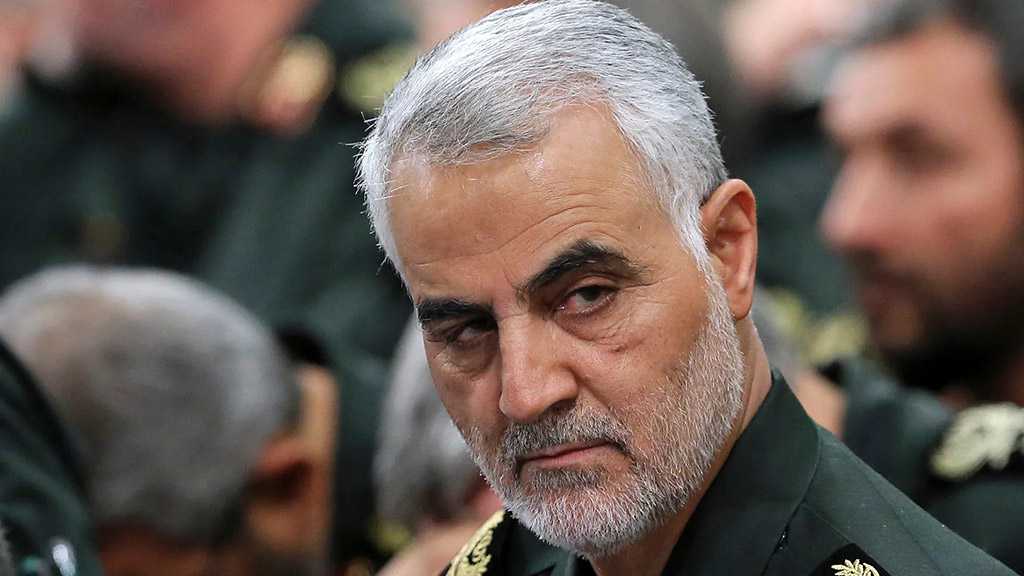
A new book that hit shelves today by Lt. Gen. Keith Kellogg reveals that the Trump administration planned the killing of Gen. Qassem Soleimani as part of a “disproportional” response to attacks on US troops in Iraq by Shiite resistance groups. Kellogg was then-Vice President Mike Pence’s national security adviser, and also served as executive secretary and chief of staff for the US National Security Council under Trump.
“We had always considered him a legitimate target because he was a sponsor for terrorism and was directly responsible for the deaths and maiming of hundreds of Americans,” Kellogg writes about Soleimani in “War by Other Means: A General in the Trump White House,” according to the UK Daily Mail, which received an advance copy of the book.
Solemani commanded the Quds Force, an elite formation of Iran’s Islamic Revolutionary Guard [IRG], and commanded Iranian forces in Syria fighting against the Wahhabi Daesh [Arabic acronym for “ISIS” / “ISIL”] and al-Qaeda-linked terrorist groups before leading the Iranian and Iraqi fight to push Daesh out of Iraq.
Despite being sanctioned by the United States as a “terrorist”, Soleimani enjoyed enormous prestige across the Middle East as the “linchpin” who united resistance groups to halt Daesh’s advance toward Baghdad when the Americans would not commit to anything more than airstrikes against Daesh.
Because of the anti-Daesh war, Soleimani was closely linked with resistance groups in Iraq’s Popular Mobilization Forces [PMF], which opposed the continued US presence in Iraq. According to Kellogg’s book, an exchange of strikes in late December 2019 is what pushed the White House over line and decided to take Soleimani out.
On December 27, 2019, the Shiite resistance group Kataib Hezbollah attacked an Iraqi military base in Kirkuk where US forces were based, killing a US contractor and injuring four US service members, as well as two Iraqi service members. The next day, the US launched an airstrike on Kataib Hezbollah positions, and that evening, protests in Baghdad descended on the US embassy in the Green Zone and set fire to some of its outer structures.
Washington blamed Iran for both of those attacks, and Soleimani in particular, who they learned would be secretly traveling to Baghdad in just a few days.
“But our response had barely begun,” Kellogg wrote about the December 28 airstrikes. “We had highly reliable intelligence reports affirming that our chief enemy here was Soleimani.”
“’The Iranians had crossed our ‘red line’ by killing an American and reinforced their folly by attacking our embassy in Baghdad. We would respond. And this time our response would be disproportional,” Kellogg wrote. “We jumped up the escalation ladder. Our answer would be unambiguous. Our target would be Soleimani.”
The airstrike, carried out by an MQ-9 Reaper combat drone, hit a group of vehicles at Baghdad International Airport just after midnight on January 3, 2020, killing 10 people. Among them was Soleimani, as well as Abu Mahdi al-Muhandis, the leader of Kataib Hezbollah and deputy commander of the PMF.
The fury over the US attack, which was carried out without consulting the Iraqi government, led to the country’s parliament voting to ask all US forces to leave the country. However, Trump threatened to freeze Iraqi oil assets in a Federal Reserve bank account if Baghdad followed through.
“Soleimani was plotting imminent and sinister attacks on American diplomats and military personnel, but we caught him in the act and terminated him,” Trump told reporters at his Mar-a-Lago resort the day after the attacks. He would later claim that Soleimani planned on targeting a US embassy, then later increased his claim to four embassies.
After other senior administration leaders, including then-War Secretary Mark Esper, clarified that there wasn’t actually intelligence pointing to a specific attack Soleimani was allegedly planning, Trump momentarily let the mask slip by tweeting on January 13 that “it doesn’t really matter because of his horrible past!”
Then-US Secretary of State Mike Pompeo similarly claimed Soleimani was “actively plotting to “take big action” against the US. “There would have been many Muslims killed as well, Iraqis and people in other countries as well. It was a strike that was aimed at both disrupting that plot, deterring further aggression, [and] we hope, setting the conditions for de-escalation, as well,” he told Fox News on January 3.
However, Pompeo also soon said he had no specific intelligence on a specific threat posed by Soleimani, and also admitted within a week that “we don’t know precisely when – and we don’t know precisely where” the supposed attack was to have taken place.
However, by July of 2020, Pompeo had changed his tune again, aligning more closely with what Kellogg writes in his book. His response came after Agnes Callamard, the UN special rapporteur on extrajudicial, summary or arbitrary executions, submitted a report on Soleimani’s assassination finding it was an “arbitrary killing” that violated the United Nations charter.
“The strike that killed General Soleimani was in response to an escalating series of armed attacks in preceding months by the Islamic Republic of Iran and ‘militias’ it supports on US forces and interests in the Middle East region,” Pompeo told Fox News on July 10. “It was conducted to deter Iran from launching or supporting further attacks against the United States or US interests, and to degrade the capabilities of the Quds Force.”
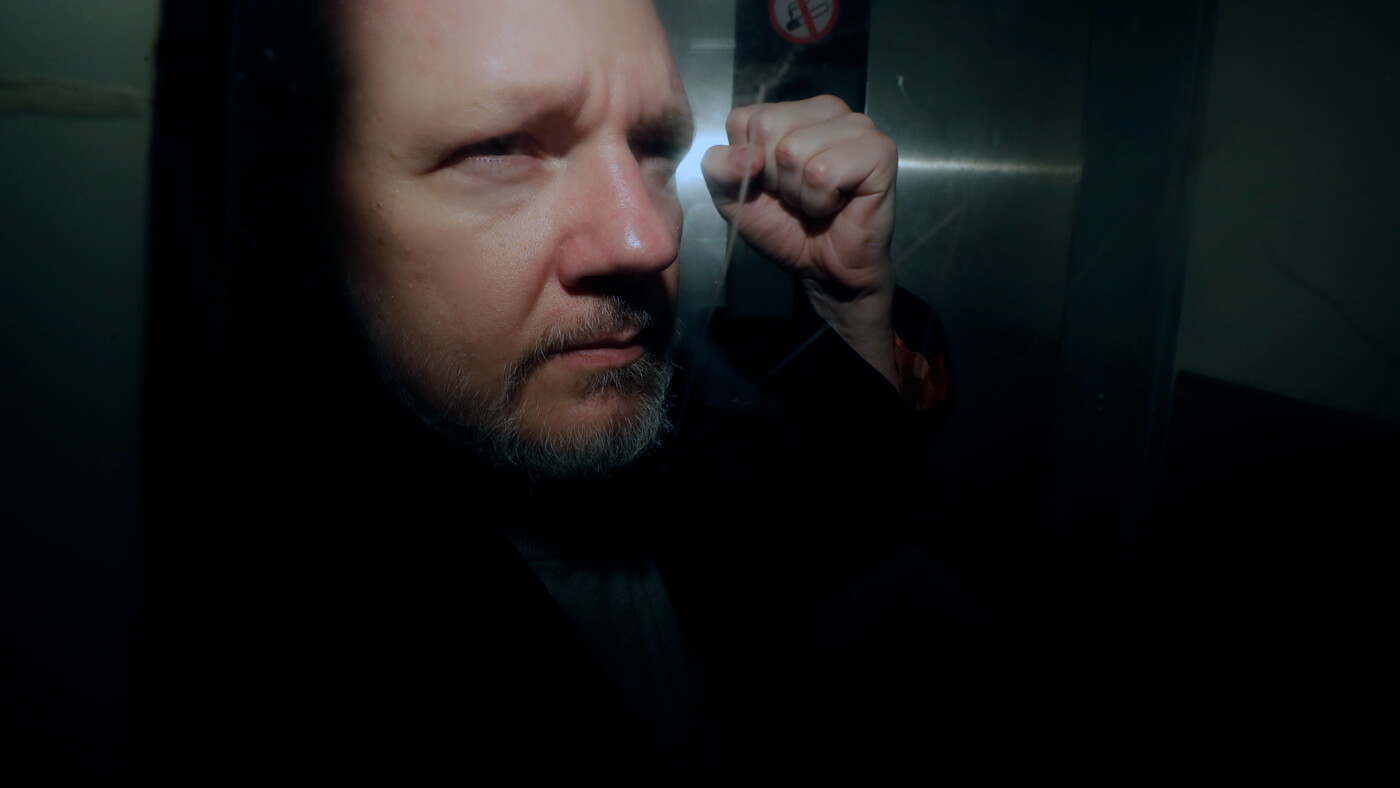
One of the biggest moments in Julian Assange’s trial is slated to happen next month, when the embattled and imprisoned WikiLeaks founder’s final extradition hearing is held in Great Britain. And as host Lee Camp points out before introducing his guest in this clip from “Redacted Tonight,” there have been some stunning developments recently in Assange’s story—namely, the revelation that the U.S. government and a certain three-letter intelligence agency were ginning up possible plans to assassinate Assange.
If ever there were an expert on Julian Assange, it would surely be Camp’s guest, John Shipton—Assange’s father—who calls the assassination plot considered by former Secretary of State Mike Pompeo and other U.S. officials “pretty scandalous,” if not entirely surprising. Shipton also holds forth on the American government’s big quandary if Assange were to be brought onto U.S. soil to face charges, the man who perjured himself to implicate Assange, and why he thinks his son’s work has been a “great success” despite his plight. Have a look at the clip above to watch the whole interview.
The Kabul Airport bombing shows there are shadowy forces in Afghanistan, willing to disrupt a peaceful transition after US troops leave. But what about US intel’s own ‘shadow army,’ amassed over two decades of occupation? Who are they, and what is their agenda?
So we have the CIA Director William Burns deploying in haste to Kabul to solicit an audience with Taliban leader Abdul Ghani Baradar, the new potential ruler of a former satrapy. And he literally begs him to extend a deadline on the evacuation of US assets.
The answer is a resounding “no.” After all, the 31 August deadline was established by Washington itself. Extending it would only mean the extension of an already defeated occupation.
The ‘Mr. Burns goes to Kabul’ caper is by now part of cemetery of empires folklore. The CIA does not confirm or deny Burns met Mullah Baradar; a Taliban spokesman, delightfully diversionist, said he was “not aware” of such a meeting.
We’ll probably never know the exact terms discussed by the two unlikely participants – assuming the meeting ever took place and is not crass intel disinformation.
Meanwhile, Western public hysteria is, of all things, focused on the imperative necessity of extracting all ‘translators’ and other functionaries (who were de facto NATO collaborators) out of Kabul airport. Yet thundering silence envelops what is in fact the real deal: the CIA shadow army left behind.
The shadow army are Afghan militias set up back in the early 2000s to engage in ‘counter-insurgency’ – that lovely euphemism for search and destroy ops against the Taliban and al-Qaeda. Along the way, these militias practiced, in droves, that proverbial semantic combo normalizing murder: ‘extrajudicial killings,’ usually a sequel to ‘enhanced interrogations.’ These ops were always secret as per the classic CIA playbook, thus ensuring there was never any accountability.
Now Langley has a problem. The Taliban have kept sleeper cells in Kabul since May, and much earlier than that in selected Afghan government bodies. A source close to the Ministry of Interior has confirmed the Taliban actually managed to get their hands on the full list of operatives of the two top CIA schemes: the Khost Protection Force (KPF) and the National Directorate of Security (NDS). These operatives are the prime Taliban targets in checkpoints leading to Kabul airport, not random, helpless ‘Afghan civilians’ trying to escape.
The Taliban have set up quite a complex, targeted operation in Kabul, with plenty of nuance – allowing, for instance, free passage for selected NATO members’ Special Forces, who went into town in search of their nationals.
But access to the airport is now blocked for all Afghan nationals. Yesterday’s double tap suicide-car bombing has introduced an even more complex variable: the Taliban will need to pool all their intel resources, fast, to fight whatever elements are seeking to introduce domestic terror attacks into the country.
The RHIPTO Norwegian Centre for Global Analyses has shown how the Taliban have a “more advanced intelligence system” applied to urban Afghanistan, especially Kabul. The “knocking on people’s doors” fueling Western hysteria means they know exactly where to knock when it comes to finding collaborationist intel networks.
It is no wonder Western think tanks are in tears about how undermined their intel services will be in the intersection of Central and South Asia. Yet the muted official reaction boiled down to G7 Foreign Ministers issuing a mere statement announcing they were “deeply concerned by reports of violent reprisals in parts of Afghanistan.”
Blowback is indeed a bitch. Especially when you cannot fully acknowledge it.
From Phoenix to Omega
The latest chapter of CIA ops in Afghanistan started when the 2001 bombing campaign was not even finished. I saw it for myself in Tora Bora, in December 2001, when Special Forces came out of nowhere equipped with Thuraya satellite phones and suitcases full of cash. Later, the role of ‘irregular’ militias in defeating the Taliban and dismembering al-Qaeda was feted in the US as a huge success.
Former Afghan President Hamid Karzai was, to his credit, initially against US Special Forces setting up local militias, an essential plank of the counter-insurgency strategy. But in the end that cash cow was irresistible.
A central profiteer was the Afghan Ministry of Interior, with the initial scheme coalescing under the auspices of the Afghan Local Police. Yet some key militias were not under the Ministry, but answered directly to the CIA and the US Special Forces Command, later renamed as the infamous Joint Special Operations Command (JSOC).
Inevitably, CIA and JSOC got into a catfight over controlling the top militias. That was solved by the Pentagon lending Special Forces to the CIA under the Omega Program. Under Omega, the CIA was tasked with targeting intel, and Special Ops took control of the muscle on the ground. Omega made steady progress under the reign of former US President Barack Obama: it was eerily similar to the Vietnam-era Operation Phoenix.
Ten years ago, the CIA army, dubbed Counter-terrorist Pursuit Teams (CTPT), was already 3,000 strong, paid and weaponized by the CIA-JSOC combo. There was nothing ‘counter-insurgency’ about it: These were death squads, much like their earlier counterparts in Latin America in the 1970s.
In 2015, the CIA got its Afghan sister unit, the National Directorate of Security (NDS), to establish new paramilitary outfits to, in theory, fight ISIS, which later became locally identified as ISIS-Khorasan. In 2017, then-CIA Chief Mike Pompeo set Langley on an Afghan overdrive, targeting the Taliban but also al-Qaeda, which at the time had dwindled to a few dozen operatives. Pompeo promised the new gig would be “aggressive,” “unforgiving,” and “relentless.”
Those shadowy ‘military actors’
Arguably, the most precise and concise report on the American paramilitaries in Afghanistan is by Antonio de Lauri, Senior Researcher at the Chr. Michelsen Institute, and Astrid Suhrke, Senior Researcher Emerita also at the Institute.
The report shows how the CIA army was a two-headed hydra. The older units harked back to 2001 and were very close to the CIA. The most powerful was the Khost Protection Force (KPF), based at the CIA’s Camp Chapman in Khost. KPF operated totally outside Afghan law, not to mention budget. Following an investigation by Seymour Hersh, I have also shown how the CIA financed its black ops via a heroin rat line, which the Taliban have now promised to destroy.
The other head of the hydra were the NDS’s own Afghan Special Forces: four main units, each operating in its own regional area. And that’s about all that was known about them. The NDS was funded by none other than the CIA. For all practical purposes, operatives were trained and weaponized by the CIA.
So, it’s no wonder that no one in Afghanistan or in the region knew anything definitive about their operations and command structure. The UN Assistance Mission in Afghanistan (UNAMA), in trademark infuriating bureaucratese, defined the operations of the KPF and the NDS as appearing “to be coordinated with international military actors (emphasis mine); that is, outside the normal government chain of command.”
By 2018, the KPF was estimated to harbor between 3,000 to over 10,000 operatives. What few Afghans really knew is that they were properly weaponized; well paid; worked with people speaking American English, using American vocabulary; engaged in night operations in residential areas; and crucially, were capable of calling air strikes, executed by the US military.
A 2019 UNAMA report stressed that there were “continuing reports of the KPF carrying out human rights abuses, intentionally killing civilians, illegally detaining individuals, and intentionally damaging and burning civilian property during search operations and night raids.”
Call it the Pompeo effect: “aggressive, unforgiving, and relentless” – whether by kill-or-capture raids, or drones with Hellfire missiles.
Woke Westerners, now losing sleep over the ‘loss of civil liberties’ in Afghanistan, may not even be vaguely aware that their NATO-commanded ‘coalition forces’ excelled in preparing their own kill-or-capture lists, known by the semantically-demented denomination: Joint Prioritized Effects List.
The CIA, for its part, couldn’t care less. After all, the agency was always totally outside the jurisdiction of Afghan laws regulating the operations of ‘coalition forces.’
The dronification of violence
In these past few years, the CIA shadow army coalesced into what Ian Shaw and Majed Akhter memorably described as The Dronification of State Violence, a seminal paper published in the Critical Asian Studies journal in 2014 (downloadable here).
Shaw and Akhter define the alarming, ongoing process of dronification as: “the relocation of sovereign power from the uniformed military to the CIA and Special Forces; techno-political transformations performed by the Predator drone; the bureaucratization of the kill chain; and the individualization of the target.”
This amounts to, the authors argue, what Hannah Arendt defined as “rule by nobody.” Or, actually by somebody acting beyond any rules.
The toxic end result in Afghanistan was the marriage between the CIA shadow army and dronification. The Taliban may be willing to extend a general amnesty and not exact revenge. But to forgive those who went on a killing rampage as part of the marriage arrangement may be a step too far for the Pashtunwali code.
The February 2020 Doha agreement between Washington and the Taliban says absolutely nothing about the CIA shadow army.
So, the question now is how the defeated Americans will be able to keep intel assets in Afghanistan for its proverbial ‘counter-terrorism’ ops. A Taliban-led government will inevitably take over the NDS. What happens to the militias is an open question. They could be completely taken over by the Taliban. They could break away and eventually find new sponsors (Saudis, Turks). They could become autonomous and serve the best-positioned warlord paymaster.
The Taliban may be essentially a collection of warlords (jang salar, in Dari). But what’s certain is that a new government will simply not allow a militia wasteland scenario similar to Libya. Thousands of mercenaries of sorts with the potential of becoming an ersatz ISIS-Khorasan, threatening Afghanistan’s entry into the Eurasian integration process, need to be tamed. Burns knows it, Baradar knows it – while Western public opinion knows nothing.
عندما رشّح سعد الحريري نفسه لرئاسة لحكومة بعد أن دفع عبر حلفائه حكومة حسان دياب للاستقالة وأفشل مصطفى أديب في مهمة تشكيل حكومة وفقاً للمبادرة الفرنسية، ظنّ الحريري أنّ الظرف مؤاتٍ له ولحلفائه في الداخل ومناسب لمن يعمل بإمرتهم في الخارج، مؤات لصياغة وضع يستفرد به مع حلفائه بحكم لبنان بواسطة «مجلس إدارة» يُقصي به الأكثرية النيابية عن الحكم عبر مصطلح اختصاصيّين ويرمّم عبره العلاقة مع السعودية ويستعيد موقعه وموقع أبيه في تلك المملكة الغاضبة عليه اليوم.
لكن حسابات الحريري اصطدمت بالواقع المركّب داخلياً وخارجياً، ففي الداخل واجه الحريري صلابة من رئيس الجمهورية الذي لم يؤخذ بالضغط والتهويل ولم يرعبه الحصار الاقتصادي الأميركي الضاغط، ولم يفتّ من عضده ما قام به البعض لإحداث انقلاب داخلي أو تحميله مسؤولية عرقلة تشكيل الحكومة وتسليم الأمر والحكم لسعد الحريري ومَن معه في الداخل ومَن يديره من الخارج.
لقد تمسّك رئيس الجمهورية بنصوص الدستور وأحكامه الناظمة لتشكيل الحكومة والتي تعطيه حق المشاركة الفاعلة في تشكيل الحكومة خلافاً لما أراده الانقلابيّون من عمل مغاير لروح النص الدستوريّ وحرفه، وأفشل سعيهم إلى جعل توقيع رئيس الجمهورية لمرسوم تعيين الوزراء وتشكيل الحكومة عملاً آلياً إلزامياً لا موقع لإرادة الرئيس فيه قبولاً أو رفضاً.
أما خارجياً فقد وجد الحريري أنّ رهانه على متغيّر ما في الموقف السعودي منه، هو رهان خاطئ وتأكد له بشكل قاطع أنّ الصورة التي عاشها يوم اعتقاله قبل 4 سنوات على ولي العهد السعودي لا تزال هي هي لا بل اشتدّت قسوة عليه. تأكد له ذلك بعد سلسلة من الوساطات الخارجية العربية والدولية فشلت كلها في حمل السعودية على مراجعة مواقفها من سعد الحريري الذي بات مطروداً من «نعيم مملكة الخير» ولم تفلح الوساطات الإماراتية أو المصرية أو الفرنسية أو الأميركية في ثني السعودية عن موقفها السلبي الحادّ منه والذي أبلغته للوسطاء والمتضمّن القول إنّ سعد الحريري شخص سعودي الجنسية أساء لوطنه مالياً وسياسياً وعليه أن يؤدي الحساب قبل أي تقييم آخر للعلاقة به، وبالتالي عرف جميع الوسطاء أنّ باب السعودية مقفل بوجه سعد إلى إشعار آخر إنْ لم يكن إغلاقاً أبدياً.
هذه الخيبة وفشل الرهانات دفعت سعد الحريري الذي كلف بتشكيل الحكومة بعد أن «فاز بأصوات تكاد لا تتعدّى نصف أعضاء مجلس النواب وليس فيهم إلا أقلية مسيحية جعلت البعض يطعن بما يسمّونه «الميثاقية» في التكليف لكون الكتلتين المسيحيتين الأساسيتين استنكفتا عن تسميته، هذه الخيبة حوّلت الحريري من سياسي مكلف بمهمة عاجلة تتضمّن تشكيل حكومة إنقاذ لبنان إلى «سائح سياسي» يهدر الوقت وهو يستمرّ باحثاً عن طرق ينقذ بها نفسه حاضراً ومستقبلاً، وبدل أن تشكل الحكومة في أيام قليلة وتنصرف إلى العمل أهدر الحريري ما يقرب من الأشهر التسعة سائحاً جوالاً في الخارج وزائراً ظرفياً للبنان بحيث أنه أمضى معظم المدة في بلاد الوساطات والاغتراب بعيداً عن لبنان وهمومه، مهلة قفز فيها الدولار الأميركي من 6500 يوم تكليف الحريري إلى 20000 ألف ليرة اليوم. وترسّخ أكثر الانهيار المالي والانهيار الاقتصادي وتهدّد الأمن والسلم الوطني، أما الحريري فقد كان باحثاً في سياحته السياسيّة عن رضا السعودية، ومرتاحاً إلى دعم حلفائه في الداخل الذين لهم حساباتهم الشخصية في الموضوع حسابات منعت الحريري عن الاعتذار.
لقد استفاد الحريري من خلوّ الدستور من نص على مهلة قصوى للتشكيل يسقط بعده التكليف، واستفاد من وضعه داخل طائفته باعتباره «الأقوى تمثيلاً فيها» بحيث لا يجرؤ أحد على قبول المهمة إنْ لم يرضَ الحريري بذلك، كما استفاد من خشية أطراف داخلية من فتنة سنية شيعية إذا أزيح الحريري من غير رضاه عن مقعد رئاسة لحكومة أو تشكيلها، كما استثمر في علاقات تربطه ببعض الخارج الذي يرى مصلحة في وجود الحريري رئيساً للحكومة، استفاد من كلّ ذلك واتخذ من التكليف والتشكيل رهينة بيده يبتز بها حتى يحقق مصالح له ولحلفائه على حساب المصلحة الوطنية ومصالح الشعب.
ومن جهة أخرى تكامل تصرف الحريري مع خطة بومبيو الموضوعة ضدّ لبنان، لا بل شكل في تصرفه ذاك الوجه الآخر للحصار الأميركي الذي ارتكز إلى فساد الطبقة السياسية اللبنانية وتسبّب معه بالانهيار الاقتصادي والمالي بعد الفراغ السياسي، وبعد 9 أشهر من المماطلة والتسويف واثر تنازلات كثيرة قام بها الطرف الآخر من أجل الإنقاذ، قدّم الحريري تشكيلة حكوميّة انقلب فيها على ما كان اتفق عليه خلال الوساطات السابقة ووضع رئيس الجمهورية بين حلين سيّئين أو سيّء وأشدّ سوءاً، حيث إنّ الموافقة على تشكيلة الحريري كما وردت من غير نقاش وتفاهم أو اتفاق مع الرئيس يعني تخلي الرئيس عن الصلاحية وإطاحة بالدستور وإنشاء أعراف جديدة غير دستورية في الموضوع، ثم من يضمن ألا يستقيل الحريري بعد تعيينه وأن يمتنع بعد ذلك عن تصريف الأعمال كما هي عادته ويستمرّ الفراغ السياسي الذي أسّس له الحريري قبل سنتين؟ أما رفض التشكيلة صيانة للصلاحيات وتطبيقاً للدستور والتسبّب باعتذار الحريري سيعني استمرار الفراغ مع احتمال تسارع الانهيار المتعدد الأشكال.
في المحصلة لم يكن سهلاً على رئيس الجمهورية اتخاذ القرار بالقبول مع هذه الهواجس، كما لم يكن سهلاً عليه رفض التشكيلة مع ما يعني دفع الحريري إلى الاعتذار، كما يشتهي الحريري نفسه لأنه يخرجه «بطلاً طائفياً» على أبواب الانتخابات النيابية. والحريري الذي أيقن أنّ السعودية لن تفتح بابها له يعرف أنّ الحكم بالنسبة إليه مستحيل مع غياب الرضا السعودي، وأنّ مهلة الأشهر الطويلة التي استهلكها لم يكن يعالج فيها العقبات الداخلية بل جلها كان من أجل معالجة الغضب السعودي.
وعليه نرى أنّ ما فعله الحريري من تقديم التشكيلة الوزارية إلى رئيس الجمهورية وبالشكل الذي حصل وما تبعها من مواقف وتصريحات أطلقها مع إعطائه الرئيس مهلة 24 ساعة للإجابة، إنما هو فعل كيديّ يشكل فخاً للرئاسة وكميناً للبنان كان يتوخى منه الحريري صنع بيئة الاعتذار ليخرج بطلاً، لأنه يعلم جازماً أن ليس ميشال عون قائد الجيش السابق ورئيس الجمهورية الحاضر وصاحب المواقف الصلبة، ليس ميشال عون من يُفرَض عليه شيء بالأمر الواقع وتطاح بصلاحياته الدستورية، لذلك كان ينتظر الحريري الرفض وكان يحضر للاعتذار المؤكد الذي تأخر سبعة أشهر.
والآن وقد حصل الاعتذار ووضع لبنان أمام خيارات صعبة تتراوح بين الطموح بالحلّ وبين الرعب من الانفجار، فإنّ السؤال كيف نتلمّس طريق الحلّ؟
اعتقد أنّ الحلّ السريع بعد كلّ ما حصل لن يكون إلا عن طريق إيجاد صيغة دستوريّة ما لتفعيل الحكومة الحالية، وفقاً لقاعدة «الضرورات تبيح المحظورات»، وتوكل إلى هذه الحكومة رعاية الشأن الاقتصادي لمنع الجوع، ومتابعة الوضع الأمني لمنع الانفجار، إجراء انتخابات نيابية قبل موعدها بأشهر عدة مع مبادرة رئيس الجمهورية بالموازاة مع ذلك لإطلاق حوار وطني يكون بمثابة مؤتمر تأسيسي لتحديد مستقبل لبنان. هذا إذا نظرنا إلى الأمور بجدّية وعقلانية… وإلا فلننتظر انفجاراً لا يصمد بعده إلا من هيّأ لنفسه ما يحميه ويمنع الأخطار العظمى من النيل منه.
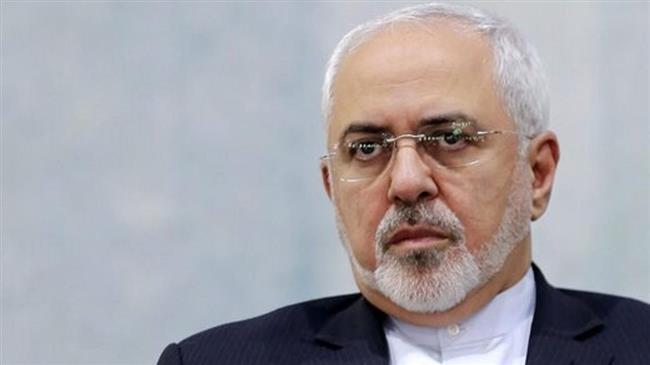
Zarif made the remarks in a Thursday tweet, comparing Netanyahu’s fate to that of other major anti-Iran figures in the US, who were the Israeli PM’s close allies in his plots against Tehran, including former US President Donald Trump, his former national security advisor John Bolton, and his secretary of state Mike Pompeo.
“Netanyahu has joined the disgraceful journey of his anti-Iran co-conspirators—Bolton, Trump and Pompeo—into the dustbin of history,” Iran’s foreign minister said.
Zarif asserted that Iran continues to stand tall, pointing out that the same fate has been repeated for Iranians’ ill-wishers over several millennia, adding, “Time to change course.”
According to a statement by the UN General Assembly, as of January 13, 2021, ten member states were subject to the provisions of Article 19 of the Charter, namely Iran, Central African Republic, Comoros, Congo, Libya, Niger, Sao Tome and Principe, Somalia, South Sudan and Zimbabwe.
Under Article 19 of the Charter of the United Nations, members whose arrears equal or exceed the amount of their contributions due for two preceding full years lose their voting rights.
The Charter also gives the General Assembly the authority to decide “that the failure to pay is due to conditions beyond the control of the member,” and in that case a country can continue to vote.
The top Iranian diplomat also published his previous letter to Guterres, in which he conveyed Iran’s “strong dismay” over his announcement, saying the decision is “fundamentally flawed, entirely unacceptable and completely unjustified” due to Washington’s illegal sanctions on Iran.
“The Islamic Republic of Iran is fully committed to fulfill[ing] its financial obligations to the United Nations and will continue to make every effort to settle the arrears in the payment of its financial contribution to the UN and other international organizations as soon as the underlying imposed conditions, i.e. the US unlawful unilateral coercive measures, is removed,” Zarif’s letter read.
Zarif’s tweet came after earlier in the day, Iran’s Foreign Ministry spokesman Saeed Khatibzadeh said the country’s payment of its UN membership dues has been made possible through a South Korean bank and the debt will be paid soon.
“The Islamic Republic of Iran has always promptly acted to pay its membership dues to the United Nations, and the problem that arose last year was due to the blocking of the payment route by the United States,” Khatibzadeh told IRNA.
He said the United Nations Secretariat is completely aware of the details of the issue, which he said was not Iran’s fault whatsoever.
According to Khatibzadeh, in negotiations with the UN Treasury, Iran had proposed to transfer the money from its financial resources in South Korea, and it was decided that the Treasury try to remove barriers to the money transfer and pursue acquiring a permit from OFAC (the US Department of the Treasury’s Office of Foreign Assets Control) for the transfer.
“The permit was recently issued and the way for withdrawing the membership dues from Iran’s account in the [South] Korean bank and transferring it to the UN account in Seoul has been paved, and this payment will be made soon,” he added.
During his 24 years as a senior foreign correspondent for The Washington Times and United Press International, Martin Sieff reported from more than 70 nations and covered 12 wars. He has specialized in US and global economic issues.
Biden has so far made no move whatsoever to rein in the continued bold and potentially very dangerous US military exercises with allies right up to the very borders of Russia.
Secretary of State Antony Blinken’s March 3 speech at the US State Department should be warmly welcomed around the world, especially in Caracas and Tehran: It does indeed mark a highly significant shift in US foreign policy and deserves to be taken at face value: But it does not address fundamental policy conflicts with Russia and China that Biden inherited from his predecessors – and not just Donald Trump. And it is these far bigger, unaddressed issues that may very well yet propel the world into a nightmarish thermonuclear war.
Blinken in his speech made an acknowledgement that his predecessors Mike Pompeo, Condoleezza Rice and Hillary Clinton would never have been capable of – and that John Kerry was never allowed to admit.
Blinken openly admitted that there had been US efforts to topple governments by force that Washington was critical of. He further openly acknowledged that some of those efforts had failed and that they had badly discredited the cause of democracy and the United States itself around the world.
“We will incentivize democratic behavior, but we will not promote democracy through costly military interventions or by attempting to overthrow authoritarian regimes by force. We tried these tactics in the past. …they haven’t worked. They have given democracy promotion a bad name and they have lost the confidence of the American people. We will do things differently,” Blinken said.
There is every reason to believe that Blinken was sincere in his commitment to forswear efforts at regime change in both Iran and Venezuela.
First, the very day before his important speech, Blinken held a telephone conversation with Venezuelan opposition politician Juan Guaido, whom Trump, Pompeo and then National Security Adviser John Bolton farcically tried to promote as the legitimate president of Venezuela. US allies around the world, especially in Europe and Latin America have been humiliatingly led by the nose to publicly support this absurd contention, akin to incredibility to claiming that Venezuela’s great Angel Falls flow up not down, or that the World is Flat.
No details of what Blinken discussed with Guaido have yet emerged at this time of writing but it is very clear what the secretary of state’s message was: Like so many previous corrupt and vanity-filled dupes eager to grab the coattails of America’s imagined New Rome global imperium, Guaido was told he was going to be thrown under the bus.
This move is clearly demanded by US pragmatic interests. If there is one lesson that Wall Street and its US government servants have followed for the past 150 years since the rise of John D. Rockefeller and J. P Morgan: It is to back Winners and throw Hopeless Losers to the wolves.
Guaido certainly counts as a Hopeless Loser: He has gained no discernible political, popular or military support within Venezuela, despite the continuing suffering caused by the ongoing US economic war launched against Caracas by President Joe Biden’s old boss and close friend Barack Obama in 2014 and then enthusiastically intensified by Trump and Pompeo.
Does that mean the economic war against Venezuela will end? Certainly not. Blinken himself, like his master, President Biden supported it 100 percent during the Obama administration. And the new administration, already the source of Republican wrath for its domestic economic and social policies, will not casually open up a new front where it can be attacked as wimps.
Like brutalized children, liberal Democrats have been terrified of such accusations ever since Senator Joe McCarthy accused them of “losing China ” (China was never theirs to lose) and being soft on communism back in 1950.
Also, ending the economic war on Venezuela would require decisive and original action and Blinken, like Biden and National Security Adviser Jake Sullivan, has owed his long, slow, steady rise precisely to following the golden rule of liberal Democrats since the days of party presidential candidate Adlai Stevenson in the 1950s: Never take a strong, sustained position on anything , good or bad. Even when you see a policy is leading you off the edge of a cliff, just slow it down a bit and still tumble over the cliff to your political doom. Never dare to actually stop, or reverse any disastrous course of action.
These simple principles determined the endless foreign policy fiascos of Lyndon Johnson, Jimmy Carter, Barack Obama and even to some degree Bill Clinton.
Clinton was led by the nose, though reluctantly, to bomb Serbia and risk needless confrontation with Russia by his secretary of state Madeleine Albright and her lifelong mentor, Russia-phobic former national security adviser Zbigniew Brzezinski.
Blinken’s foreswearing of any effort at direct regime change therefore appears to be part of a policy that while initially appearing moderate will never lead to anything truly constructive.
Blinken, like Biden and Sullivan, wants to restore US participation in the Joint Comprehensive Plan of Action (JCPOA) with Iran for no better reason than that they all supported it and helped negotiate it in the first place for Obama.
However, the new administration has already made clear it does not dare risk driving Saudi Arabia into China or Russia’s arms. Blinken’s speech may indeed lead to the return of US participation in the JCPOA, something America ‘s European allies and the Iranians would both welcome. But it looks unlikely so far to lead to anything else.
Also, so far, Biden has so far made no move whatsoever to rein in the continued bold and potentially very dangerous US military exercises with allies right up to the very borders of Russia. Yet if these moves had been carried out by the Russian Air Force and Navy off the shores or close to the territories of the United States, they would provoke complete outrage.
Similarly, the US armed forces are plunging ahead, secure in both administration and bipartisan congressional support, to step up military deployments in the Western Pacific openly proclaimed as containing China within the two Island Chains of the great ocean.
Blinken’s speech should indeed be welcomed as a positive first step towards reducing global tensions: But it is far too early to celebrate whether he will continue to walk the walk even while he talks the talk.
Venezuelan non-president, Juan Guaido, is back in headlines after the new US Secretary of State Antony Blinken called him to discuss America’s favorite talking points: “a return to democracy” via “free and fair elections.”
I’m sure the irony will not be lost on those who question the legitimacy of the US election that saw Biden take power.
Anyway, you would have to have been offline or in a coma for the past couple of years to not be aware of some key facts about ‘interim president’ Guaido and US “concern” for Venezuelans.
Venezuelans didn’t vote for Guaido to be president, he hasn’t even stood for president. Venezuelans voted for Maduro. America can huff and puff and whine, but that won’t change the reality.
Guaido named himself ‘interim president’, to the support of only roughly 50 countries – leaving a glaring nearly 150 countries not recognizing this Western-groomed stooge as Venezuela’s leader.
Further, Guaido not only isn’t president of the country, he is no longer president of the National Assembly. As a result, recently, even the EU dropped its recognition of Guaido as interim president. He is a Western-groomed thug who fully backs America’s aggression and sanctions against his own country.
Venezuela’s election process has been recognized as transparent and effective, with former US President Jimmy Carter in 2012 calling it “the best in the world.” On the other hand, Venezuelan opposition, as well as Western nations, have interfered with and attempted to sabotage elections.
As for America’s grave “concern” for Venezuelans, the US in February 2019 staged a “humanitarian aid” delivery via Colombia (“aid” which contained nails and wire, likely meant for opposition barricades), blaming Maduro for “burning food & medicine,” when in fact the trucks were burned by “opposition” supporters. That same month, President Trump threatened military intervention against Venezuela.
The US allegedly sabotaged Venezuela’s power grid in March 2019 (and then blamed the Maduro government for the power failure).
President Maduro blamed the August 2018 drone assassination attempt on Colombia and elements in the US. The US was also linked to the kidnapping and coup against former Venezuelan President Hugo Chavez.
But aside from those and many other provocations against Venezuela, it is the brutal sanctions against the country that is a clear indicator of just how little America cares for the people.
As many have already surmised, the Biden administration is a continuation of the previous admin’s policies, and Blinken is the new Pompeo. They even sound the same.
Blinken to Ukraine’s foreign minister: “unwavering support for Ukraine’s sovereignty and territorial integrity,” “Russian aggression...”
Pompeo to the same: “support for #Ukraine’s sovereignty and territorial integrity is ironclad,” “Russia and its proxies’ intransigence, aggressive actions...”
Blinken on Crimea: “Russia’s invasion and seizure,” “we call on Russia to end its occupation,” “#CrimeaisUkraine” (newsflash: it’s not, and there was no invasion).
And of course, their American speak on Guaido is also the same, with both Blinken and Pompeo feigning concern for the lives of the Venezuelan people.
Flogging a dead horse named Guaido
The guy just isn’t popular in Venezuela, not now, not back in early 2019 when America & allies tried to foist him onto Venezuelans.
When I traveled to Venezuela in March 2019, aside from documenting the lack of chaos that Western pundits and media insisted was ongoing at the time, I also tried to find evidence of the massive support the same pundits and media claimed Guaido had.
I had seen on various occasions massive demonstrations of solidarity with President Maduro, the man who average Venezuelans support, particularly impoverished indigenous and Afro-Venezuelans who are conveniently ignored by Western media.
On March 30, I spent a good chunk of the day riding around on motorcycle taxi trying to find pro-Guaido protests which had been advertised, instead at designated sites and times finding none, a trickle, or pro-Maduro protesters instead.
Later the same day, I saw another massive pro-Maduro demonstration.
In encounters with Venezuelans during my few weeks in Caracas, I met people who made clear they didn’t support Guaido and what they were fighting for.
“We are poor people, but we are proud, we have dignity. We are fighting against Imperialism, against rich people that want our country, that want us as slaves, that want our oil, our water. But we will win.
The governments of the United States and other nations want to tell everybody that we are starving, we are dying in the streets, we are being oppressed by our government. But we’ve never been more free than now, in spite of all the problems we do have.”
He and others spoke of the extreme racism and discrimination Afro-Venezuelans and indigenous Venezuelans faced before Chavez came to power.
“Before, we were treated like nothing, we were treated only as workers, that was it. Say to your governments, this isn’t a fight against Maduro, this is a fight against the people that are trying to be free.”
I won’t even repeat some of the unbelievable racist slurs they were subject to.
Some months later, back in Ontario, I met Ronald Abache, an Afro-Venezuelan who attended a lecture I gave. During the question period, he was so articulate about racism in Venezuela, “very alive, but hidden under class status,” that I asked to record his words.
“In 1999, for the first time ever in any country in South America, a law was passed to not discriminate against people of color. People that never had a voice now have one and will never give it up again. You can go to the remotest area in my country and everybody can read. Everybody knows their rights and knows that their voice counts.”
He also challenged the opposition to answer one question:
“What would they do different? What is their plan? If they’re planning to go back to those great old days (sarcasm), the people are not having it. Two million militias, old people, young people, everybody knows what the United States is doing. My mother is 70, she’s about to join the militia!”
These are just some of the people marginalized by Western media and politicians. The ones who claim concern for Venezuela.
As Mr. Abache noted, Venezuelans themselves aren’t going to accept US hegemony, not only the leadership. I got a powerful sense of that in the demonstrations I observed and from the people I spoke with.
The new Biden administration may want to pressure Venezuela into compliance, but the people won’t accept that.
Israel’s inclusion in Centcom will further harm the Palestinian cause, drive a wedge between Arab states and raise the heat on Iran
Flags of the US, Israel, the United Arab Emirates and Bahrain are projected on the ramparts of Jerusalem’s Old City in celebration of Israeli normalisation deals with the UAE and Bahrain, 15 September 2020 (AFP)
Jonathan CookJonathan Cook, a British journalist based in Nazareth since 2001, is the the author of three books on the Israeli-Palestinian conflict. He is a past winner of the Martha Gellhorn Special Prize for Journalism. His website and blog can be found at: http://www.jonathan-cook.net
With none of the usual fanfare associated with such a momentous decision, the Pentagon announced last month a major reorganisation to bring Israel – for the first time – inside its military command in the Middle East alongside the Arab states.
Until now, Israel has belonged to the US military’s European command, or Eucom, rather than the Middle Eastern one, known as Central Command, or Centcom. The decision effectively jettisoned the traditional wisdom that Israel’s inclusion in Centcom would increase friction between the US and Arab states, and would make the latter more reluctant to share intelligence or cooperate with the Pentagon.
Those concerns were felt especially keenly when the US had large numbers of troops in Iraq and Afghanistan. Back in 2010, David Petraeus, then Centcom’s commander, expressed fears that the price of too-overt military collusion with Israel could be exacted on US forces stationed in the region.
But Israel’s long-standing goal has been to force the Pentagon to restructure Centcom, and pressure had mounted from pro-Israel lobby groups in Washington in the final months of the Trump administration. The decision looked very much like a “parting gift” to Israel from President Donald Trump as he stepped down.
Military ‘normalisation’
Israel’s formal transfer to Centcom has not yet taken place, but the move was cemented last week with the first visit to Israel by General Kenneth McKenzie, the current head of Centcom, since Joe Biden entered the White House. Alongside Israel’s military chief of staff, Aviv Kohavi, McKenzie planted a tree – officially to mark the Jewish holiday of Tu Bishvat but symbolically representing a new era in their strategic partnership.
The decision to bring Israel inside Centcom is best viewed – from Washington’s perspective – as the culmination of efforts to push the Arab states into public ‘normalisation’ with Israel
On Friday, after a meeting with the US general, Benny Gantz, Israel’s defence minister, issued a statement praising the Pentagon’s reorganisation, saying it would “afford Israel opportunity to deepen cooperation with new regional partners and broaden operative horizons”.
The decision to bring Israel inside the US military command in the Middle East is best viewed – from Washington’s perspective – as the culmination of efforts to push the Arab states into public “normalisation” with Israel.
Military normalisation can now be added to the political, diplomatic and economic normalisation that formally began last September when two Gulf states, the United Arab Emirates and Bahrain, signed the so-called Abraham Accords with Israel. Morocco and Sudan have also announced their own peace deals with Israel, and other Arab states are likely to follow suit once the dust settles with the incoming Biden administration.
Since the signing of the Abraham Accords, the UAE has been forging strong trading ties with Israel and has helped to establish the Abraham Fund, designed to finance the infrastructure of occupation Israel has used to deprive the Palestinians of statehood. When flights to Dubai were launched in November, Israeli tourists poured into the UAE to take advantage of the new friendly relations and escape lockdown restrictions back home.
In fact, it is widely reported that such visits have become one of the main ways Israel has imported new variants of Covid-19. Last week, Israel effectively closed its borders – except to General McKenzie – to keep the virus in check.
Growing confidence
On the face of it, Israel’s desire to move into Centcom – a kind of Middle East Nato covering several Arab states with which Israel still has hostile relations – appears counter-intuitive. But, in fact, Israel will make major strategic gains. How Gulf states became business partners in Israel’s occupationRead More »
It will align US security interests in the region even more closely with Israel’s, at the expense of its Arab neighbours. It will aid Israel’s continuing efforts to crush the national ambitions of the Palestinians, with many Arab states’ either explicit or implicit cooperation. It will accentuate political tensions within the bloc of Arab states, further weakening it. And it will help to build pressure on recalcitrant Arab states to join the broader consensus against Israel’s one remaining significant regional foe: Iran.
It is significant that Washington’s long-standing concern about Israel’s presence in Centcom damaging US relations with the Arab states has apparently evaporated.
Once, the US was careful to distance itself from Israel whenever the Pentagon got deeply mired in the region, whether it was the US Gulf war of 1990 or the invasion and occupation of Iraq in 2003. Those calculations no longer seem relevant.
The move demonstrates a growing US confidence that the Arab states – at least those that matter to Washington – are unperturbed about being seen to make a military accommodation with Israel, in addition to political and economic engagement. It underscores the fact that the oil-rich Gulf states, alongside Israel, are now the key drivers of US foreign policy in the region and suggests that the most important, Saudi Arabia, is waiting for the right moment to sign its own accord with Israel.
Move out of the shadows
Israel, it is expected, will continue to conduct military exercises in Europe with Nato countries, but will soon be able to build similar direct relations with Arab armies, especially those being rapidly expanded and professionalised in the Gulf using its oil wealth.
US General Kenneth McKenzie (L), commander of US Central Command (Centcom), shakes hands with Saudi military officers on 18 July 2019 (AFP)
As the Israeli scholar Jeff Halper has noted, Israel has shown how effective it is at translating its military and security ties with armies and police forces around the world into diplomatic support in international bodies.
The Middle East is not likely to be different. Once Israel has become the linchpin of more professionalised armies in the region, those states dependent on its help can be expected to further abandon the Palestinian cause.
Regional divide-and-rule
Another dividend for Israel will be complicating Washington’s relations with the Arab region.
Not only does Centcom operate major bases in the Gulf, especially in Bahrain and Qatar, but it leads the proclaimed “war on terror”, with overt or covert operations in several Arab states, including Iraq and Syria.
With Israel inside Centcom, the US and its most favoured Arab states are also likely to be more directly implicated in Israel’s major military operations against the Palestinians, such as the repeated ‘wars’ on Gaza
It will be harder for the US to disentangle itself from Israel’s own openly belligerent operations, including air strikes, in both countries, that are conducted in flagrant violation of international law. Tensions between the US and Baghdad have in the past escalated over Israeli air strikes in Iraq, with threats to limit US access to Iraqi airspace.
With Israel inside Centcom, the US and its most favoured Arab states are also likely to be more directly implicated in Israel’s major military operations against the Palestinians, such as the repeated “wars” on Gaza.
This will pose a significant challenge to the region’s cooperative institutions such as the Arab League. It is almost certain to drive an even deeper wedge between pro-Washington Arab states and those accused of being on the wrong side of the “war on terror”.
The result could be a regional divide-and-rule policy cultivated by Israel that mirrors the decades-long, disabling divisions Israel has generated in the Palestinian leadership, most pronounced in the split between Fatah and Hamas.
Anti-Iran front
The biggest bonus for Israel will be a more formal alliance with Arab states against Iran and shepherding more ambivalent states into Israel’s orbit.
That appears to have been the purpose of the recently well-publicised reconciliation between the UAE and Saudis on one side and Qatar on the other, achieved in the dying days of the Trump administration. One of the chief causes of the lengthy blockade of Qatar related to its insistence on maintaining political and economic ties with Tehran.
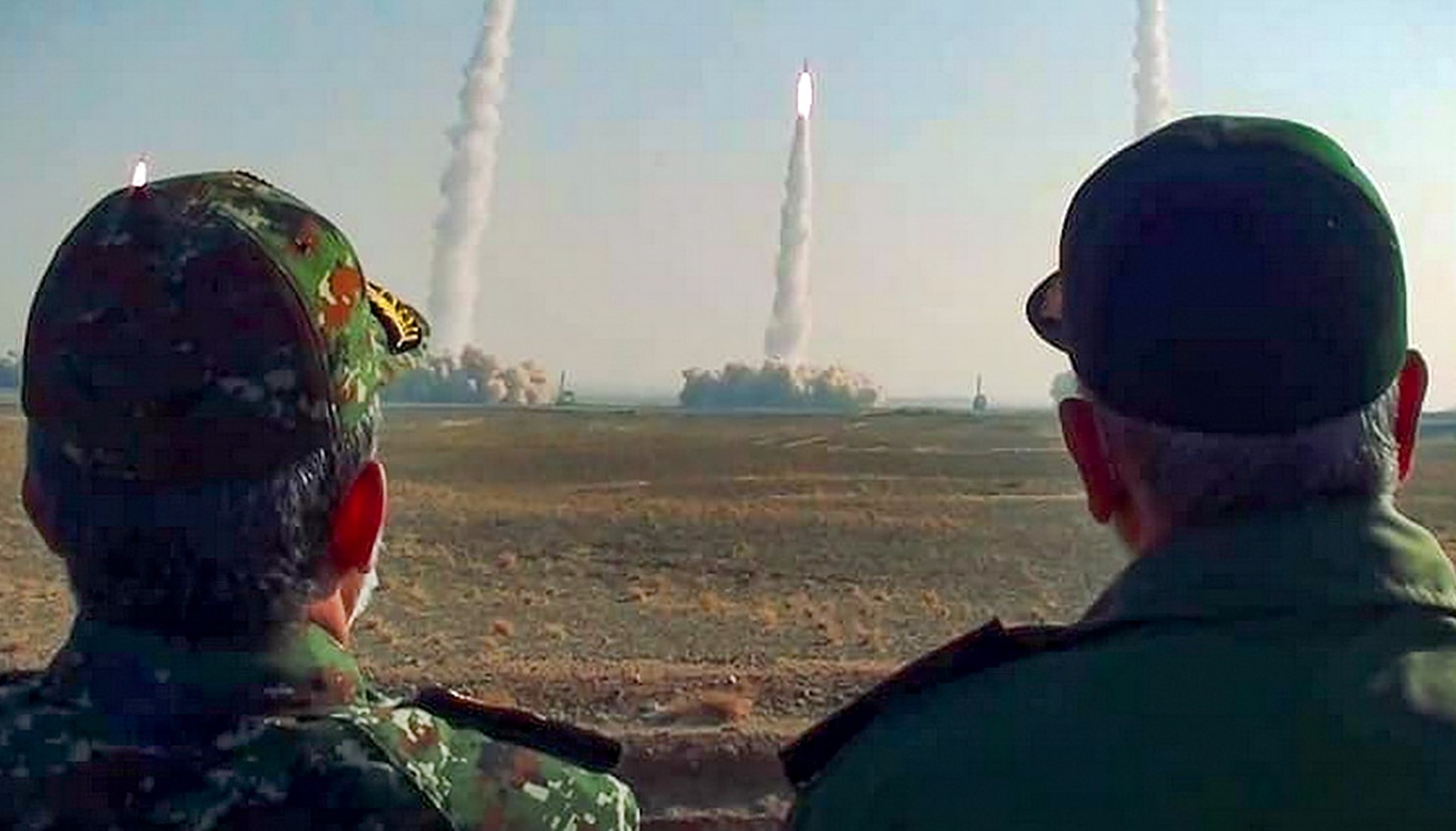
Head of Iran’s Revolutionary Guard Corps, Hossein Salami (R), watches missiles being launched during a military drill in central Iran on 15 January 2021 (AFP)
Israel’s aim is to force the Biden administration’s hand in continuing Trump’s belligerent anti-Iran policy, which included aggressive sanctions, assassinations and tearing up the 2015 nuclear agreement with Tehran signed by Barack Obama. That deal had given inspectors access to Iran to ensure it did not develop a nuclear bomb that might neutralise the strategic clout Israel gains from its nuclear arsenal.
Once Israel has become the linchpin of more professionalised armies in the region, those states dependent on its help can be expected to further abandon the Palestinian cause
Inside Centcom, Israel will be able to work more closely with Gulf allies to sabotage any efforts inside Washington to revive the nuclear accord with Tehran. That point was underscored last week when an online security conference, hosted by Tel Aviv University, was attended by two Gulf ministers.
At the conference, Kochavi, Israel’s military chief of staff, issued an unprecedented public rebuke to Biden over recent statements that he wished to revive the nuclear deal. Kochavi called the agreement “bad and wrong strategically and operatively”, claimed that Iran would launch nuclear missiles at Israel once it had them, and declared that a go-it-alone attack by Israel “must be on the table”.
Bahrain’s foreign minister, Abdullatif al-Zayani, observed that Israel and the Gulf states would have a better chance of preventing any US conciliation towards Iran if they spoke in a “unified voice”. He added: “A joint regional position on these issues will exert greater influence on the United States.”
That view was echoed by Anwar Gargash, the UAE’s foreign affairs minister.
Middle East bogeyman
In a sign of how the Biden administration is already fearful of taking on a broad Middle Eastern alliance against Iran, the new president’s pick for secretary of state, Antony Blinken, said last month it was “vitally important” to consult with Israel and the Gulf states before re-entering the deal.Is the UAE plotting with Israel against Palestinian refugees?Read More »
Israeli Prime Minister Benjamin Netanyahu, desperate to bolster his electoral fortunes and deflect attention from his looming corruption trial, has every incentive to prise open that chink.
Ensuring Iran remains the Middle East’s number one bogeyman – the focus of western hostility – is in the joint interests of an Israel that has no intention of ending its decades-old obstruction of Palestinian statehood and of Gulf states that have no intention of ending their own human rights abuses and promotion of Islamic discord.
Mike Pompeo, Trump’s departing secretary of state, planted a landmine last month designed to serve Israeli and Saudi interests by highlighting the fact that a number of al-Qaeda leaders have found shelter in Iran. That echoed the Bush administration’s – in this case, entirely fanciful – claim of ties between al-Qaeda and Saddam Hussein as a pretext, along with non-existent WMD, for the invasion and occupation of Iraq in 2003.
With Israel’s arrival in Centcom, the lobbying for a repeat of that catastrophic blunder can only grow – and with it, the prospects for renewed conflagration in the Middle East.
The views expressed in this article belong to the author and do not necessarily reflect the editorial policy of Middle East Eye.
إن انضمام “إسرائيل” إلى القيادة المركزية الأميركية سيزيد من إلحاق الضرر بالقضية الفلسطينية وسيدق إسفيناً بين الدول العربية ويزيد من حدة التوتر مع إيران.
كتب جوناثان كوك مقالة في موقع “ميدل إيست آي” البريطاني قال فيه إن البنتاغون أعلن الشهر الماضي عن إعادة تنظيم كبيرة لإدخال “إسرائيل” – لأول مرة – داخل قيادتها العسكرية في الشرق الأوسط، القيادة المركزية الأميركية ، إلى جانب الدول العربية، وهذا القرار الخطير لم يحدث أي من الضجة المعتادة.
وأضاف: حتى الآن، تنتمي “إسرائيل” إلى القيادة الأوروبية للجيش الأميركي، أو ، بدلاً من القيادة في الشرق الأوسط، المعروفة باسم القيادة المركزية . لقد تخلص القرار بشكل فعال من الحكمة التقليدية القائلة بأن إدراج “إسرائيل” في القيادة المركزية الأميركية من شأنه أن يزيد الاحتكاك بين الولايات المتحدة والدول العربية، وسيجعل الأخيرة أكثر إحجاماً عن مشاركة المعلومات الاستخباراتية أو التعاون مع البنتاغون. فقد تم الشعور بهذه المخاوف بشكل خاص عندما كان للولايات المتحدة أعداد كبيرة من القوات في العراق وأفغانستان. في عام 2010، أعرب الجنرال ديفيد بتريوس، قائد القيادة المركزية الأميركية آنذاك، عن مخاوفه من احتمال دفع ثمن التواطؤ العسكري الصريح مع “إسرائيل” على القوات الأميركية المتمركزة في المنطقة.
لكن هدف “إسرائيل” الطويل الأمد كان إجبار البنتاغون على إعادة هيكلة القيادة المركزية، وقد تصاعد الضغط من جماعات الضغط المؤيدة لـ”إسرائيل” في واشنطن في الأشهر الأخيرة من إدارة الرئيس دونالد ترامب. وكان القرار يشبه إلى حد كبير “هدية وداع” لـ”إسرائيل” من ترامب أثناء تنحيه.
تطبيع عسكري
وأوضح الكاتب أنه لم يتم الانتقال الرسمي لـ”إسرائيل” إلى “سنتكوم” بعد، ولكن تم تعزيز هذه الخطوة مع أول زيارة الشهر الماضي إلى “إسرائيل” من قبل الجنرال كينيث ماكنزي، الرئيس الحالي للقيادة المركزية، منذ دخول الرئيس جو بايدن البيت الأبيض. إلى جانب رئيس أركان الجيش الإسرائيلي، أفيف كوخافي، زرع ماكنزي شجرة، رسمياً بمناسبة العيد اليهودي لتو بيشفات، لكنها تمثل رمزياً حقبة جديدة في شراكتهما الاستراتيجية.
وبعد اجتماع مع الجنرال الأميركي، أصدر بيني غانتس، وزير الأمن الإسرائيلي، بياناً أشاد فيه بإعادة تنظيم البنتاغون، قائلاً إنه “سيوفر لإسرائيل فرصة لتعميق التعاون مع شركاء إقليميين جدد وتوسيع آفاق العمل”.
وقال الكاتب إن قرار إدخال “إسرائيل” داخل القيادة العسكرية الأميركية في الشرق الأوسط – من وجهة نظر واشنطن – يعتبر تتويجاً لجهود دفع الدول العربية إلى “التطبيع” العلني مع “إسرائيل”. وأضاف: يمكن الآن إضافة التطبيع العسكري إلى التطبيع السياسي والدبلوماسي والاقتصادي الذي بدأ رسمياً في أيلول / سبتمبر الماضي عندما وقعت دولتان خليجيتان، الإمارات العربية المتحدة والبحرين، ما يسمى بـ”اتفاقات إبراهيم” مع “إسرائيل”. كما أعلن المغرب والسودان عن اتفاقيات السلام الخاصة بهما مع “إسرائيل”، ومن المرجح أن تحذو دول عربية أخرى حذوها بمجرد انتهاء الغبار مع إدارة بايدن.
وتابع كوك: منذ توقيع اتفاقات إبراهيم، أقامت الإمارات علاقات تجارية قوية مع “إسرائيل” وساعدت في إنشاء صندوق إبراهيم، المصمم لتمويل البنية التحتية للاحتلال الذي استخدمته “إسرائيل” لحرمان الفلسطينيين من إقامة دولة. وعندما تم إطلاق الرحلات إلى دبي في تشرين الثاني / نوفمبر، تدفق السياح الإسرائيليون على الإمارات للاستفادة من العلاقات الودية الجديدة والهروب من قيود الإغلاق في الوطن. ويُقال على نطاق واسع إن مثل هذه الزيارات أصبحت إحدى الطرق الرئيسية التي استوردت بها “إسرائيل” أنواعًا جديدة من فيروس كوفيد -19 الشهر الماضي، إذ أغلقت “إسرائيل” حدودها فعلياً – باستثناء استقبال الجنرال ماكنزي – لإبقاء الفيروس تحت السيطرة.
ورأى الكاتب أنه في ظاهر الأمر، فإن رغبة “إسرائيل” في الانتقال إلى “سنتكوم ، وهو نوع من حلف شمال الأطلسي في الشرق الأوسط يغطي العديد من الدول العربية التي لا تزال “إسرائيل” لديها علاقات عدائية معها، تبدو غير بديهية. لكن في الواقع، ستحقق “إسرائيل” مكاسب إستراتيجية كبيرة. وستعمل على مواءمة المصالح الأمنية الأميركية في المنطقة بشكل أوثق مع مصالح “إسرائيل”، على حساب جيرانها العرب. وسوف تساعد جهود “إسرائيل” المستمرة لسحق الطموحات الوطنية للفلسطينيين، مع تعاون العديد من الدول العربية سواء بشكل واضح أو ضمني. وسيزيد من حدة التوترات السياسية داخل كتلة الدول العربية، ويزيد من إضعافها. وسيساعد على زيادة الضغط على الدول العربية المتمردة للانضمام إلى إجماع أوسع ضد العدو الإقليمي الوحيد المتبقي لـ”إسرائيل”: إيران.
وقال الكاتب “إن من الأهمية بمكان أن قلق واشنطن الطويل الأمد بشأن الوجود الإسرائيلي في القيادة المركزية الأميركية الذي يضر بعلاقات الولايات المتحدة مع الدول العربية قد تبخر على ما يبدو. فذات مرة، كانت الولايات المتحدة حريصة على إبعاد نفسها عن “إسرائيل” كلما غرق البنتاغون بعمق في المنطقة، سواء كانت حرب الخليج الأميركية عام 1990 أو غزو العراق واحتلاله عام 2003. هذه الحسابات لم تعد موجودة. فقد أظهرت هذه الخطوة ثقة الولايات المتحدة المتزايدة في أن الدول العربية – على الأقل تلك التي تهم واشنطن – غير منزعجة من أن يُنظر إليها على أنها تقدم تسوية عسكرية مع “إسرائيل”، بالإضافة إلى المشاركة السياسية والاقتصادية. إنه يؤكد حقيقة أن دول الخليج الغنية بالنفط، إلى جانب “إسرائيل”، أصبحت الآن المحركين الرئيسيين للسياسة الخارجية الأميركية في المنطقة، وتشير إلى أن أهمها، المملكة العربية السعودية، تنتظر اللحظة المناسبة لتوقيع اتفاقها الخاص مع إسرائيل”.
وأضاف: من المتوقع أن تستمر “إسرائيل” في إجراء التدريبات العسكرية في أوروبا مع دول حلف الأطلسي (الناتو)، لكنها ستتمكن قريباً من بناء علاقات مباشرة مماثلة مع الجيوش العربية، وخاصة تلك التي يتم توسيعها بسرعة واحترافها في الخليج باستخدام ثروتها النفطية. ومن المحتمل أن يخرج الضباط الإسرائيليون قريباً من الظل ويقومون بتدريب الجيوش الإماراتية والسعودية وتقديم المشورة لهم كجزء من أدوارهم المشتركة في القيادة المركزية. إن خبرة “إسرائيل” الخاصة، التي تعتمد على عقود من المراقبة والسيطرة والقمع للفلسطينيين، ستكون مطلوبة بشدة في دول الخليج التي تخشى المعارضة الداخلية أو الانتفاضات.
وكما أشار الباحث الإسرائيلي جيف هالبر، أظهرت “إسرائيل” مدى فعاليتها في ترجمة علاقاتها العسكرية والأمنية مع الجيوش وقوات الشرطة في جميع أنحاء العالم إلى دعم دبلوماسي في الهيئات الدولية. ومن غير المحتمل أن يكون الشرق الأوسط مختلفاً. فبمجرد أن تصبح “إسرائيل” العمود الفقري للجيوش الأكثر احترافاً في المنطقة، يمكن توقع أن تتخلى تلك الدول التي تعتمد على مساعدتها عن القضية الفلسطينية.
فرّق تسد
ورأى الكاتب أن المكاسب الأخرى لـ”إسرائيل” ستكون تعقيد علاقات واشنطن مع المنطقة العربية. إذ لا تقوم القيادة المركزية الأميركية بتشغيل قواعد رئيسية في الخليج فقط، وخاصة في البحرين وقطر، ولكنها تقود “الحرب على الإرهاب” المعلنة، مع عمليات علنية أو سرية في العديد من الدول العربية، بما في ذلك العراق وسوريا. وسيكون من الصعب على الولايات المتحدة أن تنأى بنفسها عن عمليات “إسرائيل” العدائية العلنية، بما في ذلك الضربات الجوية، في كلا البلدين (سوريا والعراق)، والتي تتم في انتهاك صارخ للقانون الدولي.
وأضاف: تصاعدت التوترات بين الولايات المتحدة وبغداد في الماضي بسبب الضربات الجوية الإسرائيلية في العراق، مع تهديدات بتقييد وصول الولايات المتحدة إلى المجال الجوي العراقي. لكن بوجود “إسرائيل” داخل القيادة المركزية الأميركية، فمن المرجح أيضاً أن تكون الولايات المتحدة والدول العربية المفضلة لديها أكثر تورطًا بشكل مباشر في العمليات العسكرية الإسرائيلية الكبرى ضد الفلسطينيين، مثل “الحروب” المتكررة على غزة. سيشكل هذا تحدياً كبيراً للمؤسسات التعاونية في المنطقة مثل جامعة الدول العربية. ويكاد يكون من المؤكد دق إسفين أعمق بين الدول العربية الموالية لواشنطن وتلك المتهمة بالوقوف في الجانب الخطأ من “الحرب على الإرهاب”.
وخلص الكاتب إلى أنه يمكن أن تكون النتيجة سياسة “فرق تسد” الإقليمية التي ترعاها “إسرائيل” والتي تعكس الانقسامات التي دامت عقوداً، والتي عطلتها “إسرائيل” في القيادة الفلسطينية، والتي تجلّت أكثر في الانقسام بين حركتي فتح وحماس.
الجبهة المناهضة لإيران
وأوضح الكاتب أن المكافأة الأكبر لـ”إسرائيل” ستكون تحالفاً أكثر رسمية مع الدول العربية ضد إيران ورعاية دول أكثر تردداً في فلك “إسرائيل”. ويبدو أن هذا الأمر كان الغرض من المصالحة التي تم الإعلان عنها أخيراً بين الإمارات والسعوديين من جهة وقطر من جهة أخرى، والتي تحققت في الأيام الأخيرة لإدارة ترامب. فمن الأسباب الرئيسية للحصار المطول على قطر إصرارها على الحفاظ على العلاقات السياسية والاقتصادية مع طهران. وتهدف “إسرائيل” إلى إجبار إدارة بايدن على مواصلة سياسة ترامب العدائية المناهضة لإيران، والتي تضمنت عقوبات صارمة واغتيالات وتمزيق الاتفاق النووي لعام 2015 مع طهران الذي وقعه الرئيس باراك أوباما. وقد سمح هذا الاتفاق للمفتشين بالدخول إلى إيران للتأكد من أنها لم تطور قنبلة نووية قد تكسر النفوذ الاستراتيجي الذي تكسبه “إسرائيل” من ترسانتها النووية.
وتابع الكاتب: داخل القيادة المركزية -سنتكوم، ستكون “إسرائيل” قادرة على العمل بشكل أوثق مع حلفاء الخليج لتخريب أي جهود داخل واشنطن لإحياء الاتفاق النووي مع طهران. فقد أصدر كوخافي، رئيس أركان الجيش الإسرائيلي، توبيخاً علنياً غير مسبوق لبايدن بشأن التصريحات الأخيرة التي قال فيها إنه يرغب في إحياء الاتفاق النووي. ووصف كوخافي الاتفاق بأنه “سيء وخاطئ استراتيجياً وعملياً”، وادعى أن إيران ستطلق صواريخ نووية على “إسرائيل” بمجرد امتلاكها، وأعلن أن هجوم “إسرائيل” بمفردها “يجب أن يكون على الطاولة”.
وأشار وزير خارجية البحرين، عبد اللطيف الزياني، إلى أن “إسرائيل” ودول الخليج ستكون لها فرصة أفضل لمنع أي تسوية أميركية تجاه إيران إذا تحدثت “بصوت موحد”. وأضاف: “الموقف الإقليمي المشترك بشأن هذه القضايا سيكون له تأثير أكبر على الولايات المتحدة”. وكرر هذا الرأي أنور قرقاش وزير الخارجية الإماراتي.
وفي إشارة إلى كيف تخشى إدارة بايدن بالفعل الدخول في تحالف شرق أوسطي واسع ضد إيران، قال انتوني بلينكين، وزيرة الخارجية الأميركي، الشهر الماضي إنه من “المهم للغاية” التشاور مع “إسرائيل” والخليج قبل العودة إلى الاتفاق النووي.
رئيس الوزراء الإسرائيلي بنيامين نتنياهو، اليائس لتعزيز ثرواته الانتخابية وصرف الانتباه عن محاكمته التي تلوح في الأفق بالفساد، لديه كل الحافز لفتح هذه الفجوة، وذلك لضمان أن تظل إيران البعبع الأول في الشرق الأوسط – محور العداء الغربي – في المصالح المشتركة لـ”إسرائيل”، التي لا تنوي إنهاء عوائقها المستمرة منذ عقود للدولة الفلسطينية، ودول الخليج التي لا تنوي إنهاء انتهاكات حقوق الإنسان وتعزيز الانقسام الإسلامي.
مايك بومبيو، وزير خارجية ترامب، زرع لغماً أرضياً الشهر الماضي مصمماً لخدمة المصالح الإسرائيلية والسعودية من خلال تسليط الضوء على حقيقة أن عدداً من قادة تنظيم القاعدة وجدوا ملاذاً في إيران. وردد ذلك صدى ادعاء إدارة الرئيس جورج بوش الإبن – الوهمي تماماً – بوجود روابط بين “القاعدة” وصدام حسين كذريعة، إلى جانب أسلحة دمار شامل التي لم تكن موجودة، لغزو العراق واحتلاله عام 2003.
وختم كوك تحليله بالقول إنه “مع وصول إسرائيل إلى القيادة المركزية، فإن الضغط لتكرار هذا الخطأ الكارثي يمكن أن ينمو فقط، وتنمو معه احتمالات تجدد الحرب في الشرق الأوسط”.
Kabbalistic Balance
-
Kabbalistic Balance August 6 2026 ___________________________________ More
Vids! +BN Vids Archive! HERE! ___________________________________ Support
The Br...
Report on Beth Israel vigil 07-04-26
-
*1A Rights under combined attack from local government plus media*
Ann Arbor City Council is at it again. Right before the long 4th of July
weekend, they ...
-
Hello all,
It is with great sadness that I share with you the passing of our beloved
sister, Mother, and Grandmother, the individual that you all knew ...
Best Horror Podcast
-
Best Horror Podcast Introduction: Horror podcasts […]
The post Best Horror Podcast appeared first on Copper Shock Horror Podcast.
Ikhras Endorses Muntadhar Al-Zaidi
-
“Oh parties of banditry and sectarianism and corruption, we have come and
our goal is to destroy you.” Ikhras formally endorses Muntadhar al-Zaidi,
Iraqi j...
Prince Charles: Foreign Jews behind bloodshed in ME
-
In May, 2017, British Crown Prince Charles declined an invitation from
Zionist entity’s president Reuven Rivlin‘s to attend the 100th anniversary
of the no...
Palestinian Women – One for All, All for One
-
Honouring All Palestinian Women by Honouring Three: Hanin Zoabi, Ahed
Tamimi, Samah Sabawi Vacy Vlazna “Palestinian women have always stood side
by side ...
US’s Saudi Oil Deal from Win-Win to Mega-Lose
-
By F. William Engdahl Who would’ve thought it would come to this? Certainly
not the Obama Administration, and their brilliant geo-political think-tank
neo-...
-
*Mordechai Vanunu wins human rights prize of Brazilian Press Association *
* http://www.alternativenews.org/english/index.php/features/updates/7038-mordechai...
Abdul Aziz Rantissi:
"My ultimate wish, my God, is to attain martyrdom,"...God granted him his wish on April 17, 2004, at the hands of Israeli assassins.