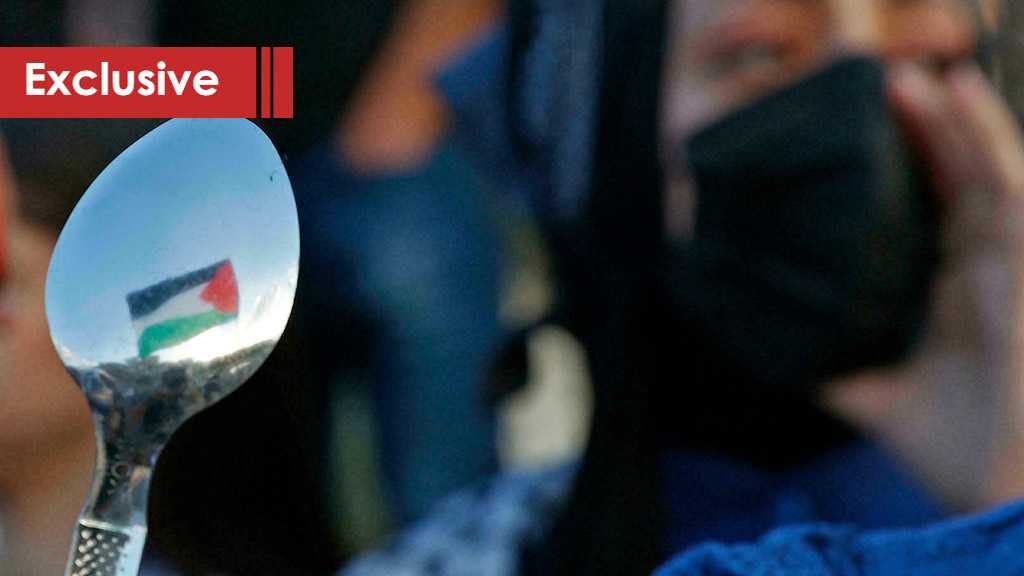
Uprooted Palestinians are at the heart of the conflict in the M.E Palestinians uprooted by force of arms. Yet faced immense difficulties have survived, kept alive their history and culture, passed keys of family homes in occupied Palestine from one generation to the next.
Beirut – A “miserable failure”, that’s how the former commander of Gilboa prison described the covert operation led by the 6 Palestinian prisoners who escaped the high security prison north of occupied Palestine.
Gilboa prison is considered one of the most important and highly ranked security prisons in occupied Palestine. It was built in 2004 and designed with the help of Irish specialists and only includes prominent Palestinian prisoners.
“Israeli” media quoted the former commander saying that the escape of the 6 Palestinian detainees was shameful and the most dangerous accident that could happen. On the morning of the escape, prison guards and members of the investigation team were in a state of shock.
Severe responses from senior officers and politicians in the “Israeli” regime to the operation lead to serious questions from “Israeli” media outlets on the ability and the coherence of the regime’s security institutions, in the light of the most recent event.
The “Israeli” entity’s KAN broadcaster announced that the authorities will investigate with the prison service members who took unusual decisions, in addition to huge suspicions regarding cooperation with the prisons.
Another “Israeli” news outlet, The times of “Israel” described the jail break as one of the worst escapes in the “Israeli” entity’s history.
To make things worse for the security institutions, the “Israeli” daily Haaretz said the prison blueprint was previously published online, making it available to the public. It further added that during this time it wasn’t clear if this highly dangerous threat helped the prisoners in their plan.
Moreover, the “Israeli” daily stated that the security failure regarding the prison service administration is well known and clear for a long time. To rub salt into the wound, no precautions had been taken to prevent any possible threat or act done by the Palestinian prisoners.
And with another shocking news, Haaretz declared that the prison warden on shift during the prison break, fell asleep.
On the political level, “Israeli” Prime Minister Naftali Bennett said that the incident might affect the front lines on “all our borders”, and not only on internally.
After the accident, the “Israeli” army spokesman announced that army forces will be increased to three battalions and seven armored companies to widen the search operations.
Commenting on the breakout, commander of Hermon Prison Commissioner Yariv Cohen, in an interview with the “Israeli” Yedioth Ahronoth newspaper, classified the Islamic Jihad movement – to which five of the six prisoners belong to – as “a very sophisticated group”, adding that “there is no doubt that we need to understand why we did not pick up on this intelligence-wise”.
Based on the above-mentioned, an immense intelligence failure occurred in the “Israeli” regime’s different security sectors, and it’s one of its kind that the great escape by the Palestinian prisoners was considered a historic operation and one of the smartest, although it is not the first.
All in all, the Palestinian detainees’ historic breakout with all the surrounding factors, including the time taken to dig the ten-meter-long tunnel and the tools used to do it, in addition to the security level at the Gilboa Prison, proved that no matter how heavily equipped the “Israeli” regime gets and with more advanced human resources, it will remain weaker than a spider web.
“the National Monument is not about war, it is about peace.”
“We are blessed” Mohammad tells me, a sentence he would repeat a number of times during our gatherings.
He is referring to the so-called “Miracle of Lebanon,” the 2006 war that catapulted Hezbollah to legendary status in the country, as it became the first Lebanese force to defeat “Israel”.
And it was a loss that led to serious recriminations in Tel Aviv as Israeli soldiers were humiliated by the resistance fighters, in a war they were expected to win, but instead, ended up weakening the Zionist regime and strengthening the very forces they hoped to crush.
The victory remains a source of national pride and certainly boosted the standing of the Shia political movement in the minds of the Lebanese people.
This was a war that pitted resistance fighters against one of the most technically advanced nations on the planet. “Israel” has the world’s fourth-largest military and, despite denials, is a major nuclear power.
But as Robert Taber points out in his seminal work ‘The War of the Flea’, a conventional army cannot defeat a resistance force fighting for a sacred cause that carries the support of the civilian population.
“Yes, here, the resistant had much more than the support of his own people,” Mohammad said, “all inhabitants in surrounding areas were part of the forces that fought against “Israel”. The resistance couldn’t have survived and arisen without the support its people.”
We are at the National Monument, in the mountainous village of Mleeta in southern Lebanon, the site of the 2006 resistance base, described disparagingly by Britain’s Daily Mail newspaper as “Hezbollah’s Disneyland.”
It was clear that the newspaper, known for supporting Nazi Germany during the 1930s has never set foot in the former Hezbollah military post that has been turned into a museum commemorating the 2006 war.
Far from the “theme park where children are indoctrinated the glory of martyrdom,” the Mleeta museum is a respectful commemoration to the Lebanese people martyred during “Israel’s” war.
In fact, it is not different from war memorials in other countries, including Britain’s Imperial War Museum or the Museum of the Battle of Normandy in France.
But not for the first time, the Daily Mail was missing the point as Mohammad explained “the National Monument is not about war, it is about peace.”
Opening in 2010 to mark the commemoration of the 10th anniversary of Hezbollah’s ability to oust “Israel” from Lebanon. The popular tourist site consists of original Hezbollah bunkers and a 200 meter tunnel that was made a fully operational resistance command center.
An array of weapons, including anti-aircraft guns, that were used in the defeat of the Zionist entity are displayed on the so-called Martyr’s Hill, which also commemorates all those who sacrificed their lives defending Lebanon.
“We are blessed” Mohammad told me once again.
He is referring to the natural green blanket that provided the resistance fighters with camouflage, making the base impenetrable and undetectable despite the close proximity of the Israeli Sujud military post.
“The trees here remain green all year round, Mohammad told me, “Night vision doesn’t work. They didn’t know Hezbollah was here, they never discovered the military base” my guide explained as he pointed at the mountain opposite where the Zionist soldiers were located.
“Nature always defeats technology,” he said,” It is the master of everything. This is the nearest place to God.”
But life in the mountains was tough. The nearest hospital was over an hour away and it was difficult for those who were wounded to receive treatment.
Movements were restricted to avoid detection and it was cold – fires were not allowed to avoid them being spotted by Israeli surveillance planes.
“There were no roads as there are now,” Mohammad explained. “Volunteers were expected to make their own way here, which wasn’t easy as they would have to carry weapons and missiles too.”
A large part of the resistance was what Hezbollah leader Sayed Hassan Nasrallah has described as “the brain war” which had a huge impact on moral as “Israel” did not know what technology Hezbollah fighters were using.
His infamous statement stressing that “Israel” is “weaker than a spider’s web” is encapsulated in a showpiece at the entrance of the museum, which proudly displays helicopters and tanks downed by the resistance.
“This was a turning point in the war” Mohammad said as he indicated the destroyed Merkava tank. Known as God’s chariot, the Israeli Defence Force (IDF) believed that it was indestructible.
“The resistance did something that “Israel” didn’t expect,” he added. “This was one of their most elite tanks and it was destroyed by the resistance forces. It was a harsh damage to the Israeli military and people’s moral, who turned against the war.”
The war that was supposed to be won swiftly by “Israel”, ended with a UN-brokered ceasefire and the withdrawal of IDF troops just a month after the invasion was launched.
Nearly 2000 Lebanese people were killed and around one million internally displaced as Israeli missiles destroyed civilian infrastructure.
During the war, the United States, Britain, Australia and Canada backed “Israel”. Washington provided “Israel” with precision-guided missiles as part of the so-called “War on Terror.”
The British government, led at the time by Tony Blair, shamefully blocked a move by the European Union to call for an immediate ceasefire.
This was a stark contrast to the people of those nations who demonstrated, claiming an end to “Israel’s” war.
Chants of “We are all Hezbollah” reverberated on the streets of London which provoked some controversy as leading figures in the smaller left-wing parties scurried to tell their members not to join in.
What it reflected was an expression of unconditional solidarity with the resistance party, rejecting the media’s portrayal of Hezbollah, classified as an “Islamist terrorist party.”
It was a British, European, US classification that triggered nervousness around the chants.
Another guide named Mohammad – “we are all called Mohammad here” he joked – said that this was a hypocritical move designed to delegitimize the resistance.
“They are guilty of double standards” he added as we discussed Operation Timber Sycamore – the covert CIA program; millions of dollars in cash, weapons and training were channeled to a myriad of Salafi groups in Syria.
“We are against terrorism” he told me, as he went on to condemn any actions against the people of Europe, Britain and the US.
At the time of writing, Lebanon is going through another crisis – an economic crash due, in large part, to the US Caesar sanctions that aimed people’s starvation and submission, with the intention of disarming Hezbollah.
To do so would be to leave the people of Lebanon at the mercy of “Israel” and trigger a potential massacre. The monument in Mleeta serves as a reminder of why that must never be allowed to happen.
It is not up to the US – or for that matter the Western liberal left – to determine how the Lebanese people resist. The only beneficiaries of a disarmed Hezbollah are “Israel” and US imperialism.
We saw during “Israel’s” recent bombardment of the Palestinian people in the besieged Gaza strip efforts to delegitimize the resistance through the media and other channels by branding Hamas – the democratically elected government – as terrorists.
Deranged, former US Secretary of State Mike Pompeo has used the Hezbollah bogeyman to demonize Venezuela, Cuba and other Latin American countries, insisting on having operating cells there.
This dangerous narrative shifts the focus away from the real global terrorists – US imperialism.
Washington has at least 800 military bases across the world and has funded death squads and supported coups in Latin America and the Middle East at great human cost.
Fearful of the decline of the dollar as the world currency – and with it the ability of the US finance capital to control world markets – it has embarked on a new Cold War against China and imposed crippling sanctions on other countries during the middle of the pandemic.
As Sayed Nasrallah said about “Israel”, the US is weaker than a spider’s web. But this also makes it more dangerous.
Hezbollah remains an important force in the fight against US imperialism and supporting the rebuilding of Lebanon. We might not agree on everything – in fact we almost certainly don’t. But this is to miss the point.
The future of Lebanon must be determined by its people, not external forces driven by their own imperialist interests.The opinions mentioned in this article do not necessarily reflect the opinion of Al mayadeen, but rather express the opinion of its writer exclusively.
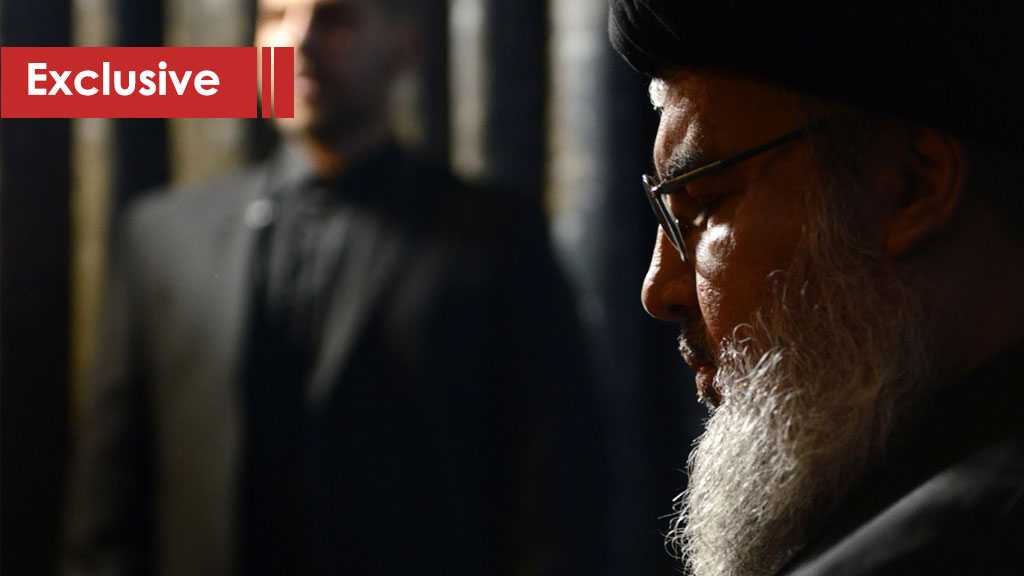
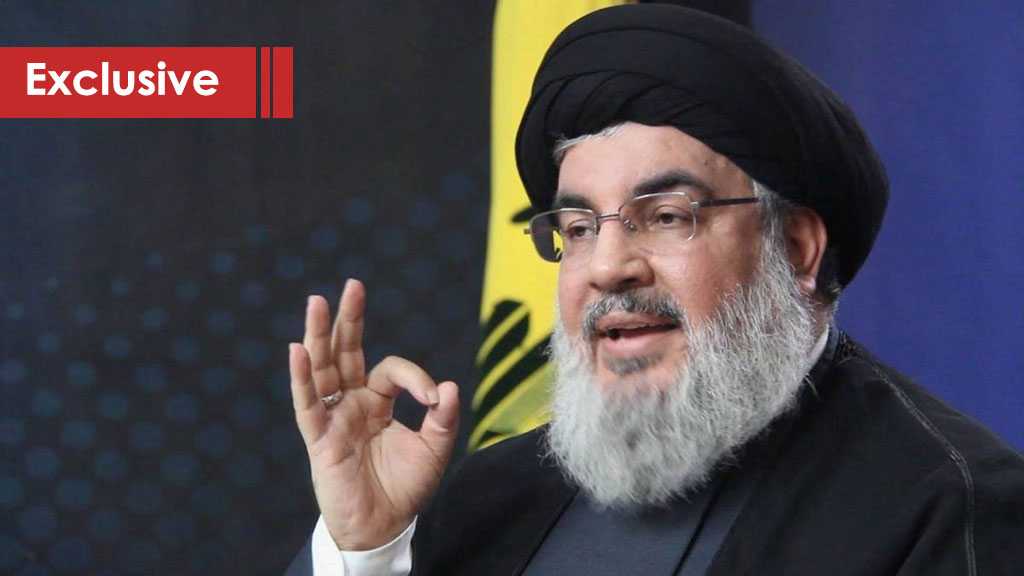
As every loved leader, Hezbollah Secretary General His Eminence Sayyed Hassan Nasrallah’s source of power comes from his supporters, this time the confession is made by Zionist media.
Noting that Sayyed Nasrallah makes sure he portrays the truth and “stretches it as much as possible without letting it snap,” the source of an article entitled “Nasrallah – Leading Hezbollah’s Information Warfare” admitted that Sayyed Nasrallah’s speeches and interviews are not broadcasted in the ‘Israeli’-occupied territories but are occasionally cited in the ‘Israeli’ media.
However, security officials and research centers like Alma’s, the publisher of the article, which is an education and research center, dedicated to researching the security challenges on the Zionist entity’s occupied northern borders, follow them closely and do in-depth analyses of them.
Whoever observes ‘Israeli’ media can clearly deduce that the Hezbollah leader is their ‘credible enemy’; despite the fact that the entire ‘Israeli’ establishment views Sayyed Nasrallah as a threat to its existence, there is another fact that they believe every word he says and wait every single speech he makes.
In the past several years, Sayyed Nasrallah used to respond to every Zionist killing of a Hezbollah member, vowing to avenge his martyrdom.
In his speeches, normally, Sayyed Nasrallah does not use any aids or sheets of paper, the website noted, adding that a unique example of one of Nasrallah’s interviews is the one that was conducted in July 2019. “What makes it unique is the fact that [Sayyed] Nasrallah presented a map, however, other than that, the interview is not considered out of the ordinary.”
The symbol of truth and honesty, Sayyed Nasrallah “speaks about Hezbollah’s surface-to-surface missile array capabilities, specifically regarding the missiles’ range and a diverse set of ‘Israeli’ targets that are planned on being attacked in the next military confrontation,” according to Alma.
Sayyed Nasrallah elaborates on ‘Israeli’-occupied cities, communities, and exact distances in kilometers. The Hezbollah leader elaborated only on the resistance movement’s “military capabilities that could not be contradicted publicly,” the website claims.
Referring to when Sayyed Nasrallah jokingly addressed the claim that Hezbollah has an atomic bomb, Alma’s paragraphs shed light on His Eminence’s saying that “obviously we [Hezbollah] do not have an atomic bomb, but attacking the ammonic tanks in Haifa will produce the same effect…”
The source then cites Dr. Tzvi Barel [Barel, 2006], who claimed that Sayyed Nasrallah’s speeches can be divided into several categories, each one targeting a different audience, such as his supporters in Lebanon, ‘Israeli’ settlers, Arab states, etc. Some of them target more than one audience, but in any case, it is apparent that Sayyed Nasrallah puts much thought into every sentence he says.
Ran Binyamini, in an issue of “the Seventh Eye” [issue no. 64, September 1st, 2006] focusing on Hezbollah and lessons learned from the the July 2006 War, gives an example of Sayyed Nasrallah “cynically taking advantage of Hezbollah’s information warfare against the families of ‘Israeli’ soldiers.”
Binyamini says that on the day after the kidnapping of the ‘Israeli’ soldiers in July of 2006, members of the Goldwasser family, whose son, Ehud, was one of the soldiers kidnapped, stayed inside their house and away from the press to avoid allowing Sayyed Nasrallah “to use their pictures and video footage for humiliation and negotiation in his next televised address.”
“Surprisingly”, the author went on to say, [Sayyed] Nasrallah in his address tried to pressure the kidnapped ‘Israeli’ soldiers’ families into pressuring the Zionist authorities to do everything necessary for their sons. In another part of his speech, he addressed the Zionist leaders by stating his conditions in the negotiations for the release of the kidnapped soldiers.
A second example that many remember is Sayyed Nasrallah’s “spiderweb speech” in May 2000 following the Zionist withdrawal from southern Lebanon. Moshe Yaalon considered then that this victory speech reflected Hezbollah’s perception that the ‘Israeli’ society’s resilience is the weak link in ‘Israel’s’ resilience as a whole.
According to Yaalon, Sayyed Nasrallah’s speech, its influence on ‘Israel’s’ enemies, and the Zionist weakness that it portrayed, was no less dangerous than the war itself.
Alma went on to cite Orna Mizrahi as saying recently that Sayyed Nasrallah’s threats are taken seriously by the ‘Israeli’ military and other ‘Israeli’ security authorities. Especially the “equation of deterrence” given by him in his speech addressing the ‘Israeli’ military’s activity in Syria in July 2020.
“The equation: you kill one of our Mujahideen, we kill one of your soldiers” Sayyed Nasrallah said on August 30th, 2020.
The Zionist military has been on high alert ever since that day, and has changed its operational manners of conduct.
ألقى قائد حماس في غزة خطاباً يوم السبت الماضي، جاء اقرب إلى حديث مطول مع مجموعة مختارة من الأكاديميين، ومثل فرصة مهمة لمعرفة الشخص الذي قاد الحرب الأخيرة، وأصبح الاسم الأبرز فلسطينياً، معرفة مباشرة لشخصه وأسلوبه وفكره وسياسات حركة حماس خصوصاً، والمقاومة عموماً. فالحديث هو وثيقة سياسية بامتياز، يمكن اعتمادها لزمن آتٍ.
قدّم السنوار تحليلاً متماسكاً لظروف ما قبل الحرب وشرح كيف تدحرجت الأحداث لتصل إلى المواجهة، إذ اعتبر أنّ تراجع السلطة عن التفاهمات الوطنية التي جرت بين حركتي حماس وفتح ثم مع باقي الفصائل، وقدمت بها حركة حماس التنازل تلو التنازل، في سبيل الوصول إلى هذه التفاهمات والشروع ببناء نظام فلسطيني جديد وإنهاء الانقسام، فتراجعت عن إصرارها على تزامن الانتخابات التشريعية مع الرئاسية وانتخابات المجلس الوطني، لتقبل بكامل وجهه نظر السلطة بأن تجري انتخابات المجلس التشريعي أولاً وقبلت بتغيير قانون الانتخابات ليصبح قانون النسبية الكاملة والقوائم، إلا أنّ السلطة في رام الله، ما لبثت أن تراجعت، والسلطة لم تغادر موقعها الذي لا يرى أية بدائل للتفاوض، ولا يرى أنّ العملية الديمقراطية هي أساس الحكم ومصدر شرعيته، وإنما الحكم يقوم ويستمر بالإيفاء بالالتزامات التي قررها اتفاق أوسلو وما تلاه من ملاحق أمنية، يرى السنوار أنّ الوصول إلى هذه الحالة من الخلاف الفلسطيني – الفلسطيني، قد صنع شعوراً زائفاً لدى الاحتلال، بأنه يستطيع والحالة كذلك تمرير مخططاته بالقدس، فكانت أحداث باب العمود وتلتها أحداث حي الشيخ جراح والمسجد الأقصى، تحرك الشعب الفلسطيني بكلّ أطيافه وتشظياته على قلب رجل واحد، وهنا اضطرت المقاومة للتدخل، واضعة القدس تحت جناحها وحمايتها، بعد أن خذل المدينة الجميع بمن فيهم عمان ورام الله.
اتسم حديث السنوار بالشعبويّة والتعبويّة والدعم النفسي، وأدى ولا ريب إلى إكمال دور الصواريخ في إنعاش الحالة المعنوية لعموم أهل فلسطين، بعد مرحلة من الإحباط وانعدام اليقين وانحدار الثقة بالنفس، وأكد في السياق على المكانة التي منحتها الحرب والمقاومة لمن يقاتل ويقاوم، وعلى امتلاك قراري الحرب والسلم، ثم تحدّث في تفاصيل المعركة ومقدار القوة التي استعملتها المقاومة ومقدار القوة التي لا زالت تملكها، فيما الضعف والوهن لم يتسلل إلى النفس المقاومة والى المواطن الغزيّ، في حين انكشفت أكذوبة المشروع المعادي الذي لا تستطيع التكنولوجيا والقوة المجردة التمويه على مقدار ضعفه وهشاشته، فهو ليس إلا بيت عنكبوت. الحصار سوف يُرفَع – أو أنّ ظروف الحصار ستكون أقلّ صرامة – وأنّ ازدهاراً سيلمسه أهل غزة بالقريب، فيما إعادة إعمار ما دمّرته الحرب سيكون سريعاً، بإشراف المقاومة التي لا تحتاج لمدّ اليد لأموال الإعمار، فلديها كثير وسيأتيها كثير من أصدقائها وشركائها في محور المقاومة والممانعة الذي أكد الانتماء له، وإعادة الإعمار لن يكون لرام الله دور فيها، وهو الأمر الذي يؤيده بقوة عموم أهل غزة، بمن فيهم اتحاد المقاولين، ومعهم من اكتوى بنار الخلاف بين غزة ورام الله التي دفّعتهم ثمن خلاف ليسوا مسؤولين عنه.
عبر الطريقة الشعبوية، تحدث السنوار في عمق السياسة، أكد على استقلالية القرار – الحرب والسلم – وعلى ولاية المقاومة على القدس وعلى شرعية تمثيلها للشعب الفلسطيني في كافة أماكن انتشاره، الأمر الذي كان جلياً في الالتفاف حول المقاومة، – وكأنه يقول – بما يمثل تصويتاً وانتخاباً وتفويضاً للمقاومة، وأبلغ مستمعيه من أكاديميين ومشاهدين بما ستعرضه حماس في لقاءات القاهرة يومي السبت والأحد المقبلين، مؤكداً أنّ تفاهمات ما قبل الحرب التي تراجعت رام الله عنها، لم تعد قائمة، فما بعد الانتصار ليس كما قبله، وقدّم نصيحة شبه مباشرة لرام الله، بأن تكفّ عن طرح مبادرات وأفكار من مثل حكومة وفاق، أو قيادة مشتركة، فهذا ليس إلا كلاماً فارغاً ومضيعه للوقت، ولم يعد وارداً في أجندة المقاومة التي أصبحت صاحبة اليد الطولى، وأشار إلى أنّ منظمة التحرير بتركيبتها الحالية عاجزة وغير جامعة وهي تحتاج إلى إعادة بناء تبدأ بانتخابات مجلس وطني أولاً ومن ثم تستكمل هيئاتها بموجب الانتخابات، وأن لذلك أهمية وأولوية تفوق انتخابات المجلس التشريعي، وكانت رسالته الأخيرة للمجتمع الدولي – والتي يُقال إنه أرسلها سابقاً عبر مصر وقطر – عن قبول حركة حماس باتفاق وطني، كما ورد في وثيقة الأسرى، ثم في التفاهمات الوطنية، يقضي بقبول دولة فلسطينية على حدود الرابع من حزيران وعاصمتها القدس، وهو شرط المقاومة البديل لشروط الرباعية الدولية.
إطلالة السنوار ولا شك موفقة، ضرورية وبالغة الأهمية لمعرفة الرجل وما يقول أولاً، والأهمّ لمعرفة برنامجه وسياسته ثانياً، ولكن، ولكي يستمرّ هذا التوفيق وتبقى للرجل صورته التي شاهدها الناس السبت الماضي، لا بد من تسجيل بعض الملاحظات :
أثبت السنوار منذ اليوم الأول للمعركة أنه صادق الوعد والفعل، وذلك منذ الساعة السادسة من مساء العاشر من أيار الماضي حين انطلقت الصواريخ في موعدها الدقيق من غزة للقدس، ونتمنى على الرجل أن يبقى دائماً كذلك، مصداقاً قولاً وفعلاً – وهو تمنّ مصدره الاحترام لا سوء الظنّ – فالأيام المقبلة سوف تكون أطول وأكثر أهمية من الأيام التي انقضت، والمعارك الآتية ولا بدّ، سوف تكون عديدة وأكثر ضراوة في نارها، وأشدّ أثراً في مفاعيلها ونتائجها السياسية، الأمر الذي يتطلّب دقة في القول وعدم الانسياق في مسارب الحماسة.
أطلقت المقاومة على المعركة اسم «سيف القدس»، وهي بلا ريب نقطة مركزية في الوجدان القومي والديني والسياسي، وكان حافز الحرب الدفاع عنها، وإعلان المسؤولية عنها والرعاية عليها، وحمايتها تتطلّب أدوات وجهوداً سياسية واجتماعية واقتصادية وحقوقية صادقة ومخلصة، تسير في موازاة العمل العسكري وتمثل رديفاً كفاحياً يتكامل معه. من هنا، فإنّ المقدسي أولاً والفلسطيني ثانياً ينتظر من المقاومة تطوير برامجها وتفعيل هذه الأدوات، وإيلاء المسائل المذكورة الأهمية التي تستحقها.
إنّ كثيراً من جمهور المقاومة ومناصريها، يتمنون على السنوار، أن يذكر دائماً أنّ الفضل في المعركة المجيدة، للمقاومة بكل عناصرها، وأنّ المقاومة هي من أنزله مكانته الرفيعة في السياسة وفي القلوب، الأمر الذي يدعوه أن يتحدث ويتعاطى مع موقعه بصفته الأكبر وبأنه قائد للمقاومة، ورمز من رموزها، لا قائداً لفصيل، فالعمل وإن تحقق بجزء مهم منه على يد حركة حماس، إلا أنّ جميع تشكيلات المقاومة كانت شريكة في هذا الإنجاز المجيد، ومعهم توحّد الشعب الفلسطيني من أعالي الجليل إلى أقاصي النقب ومن ساحل المتوسط إلى أعماق الأغوار ومن ورائهم الأمة بأسرها والعالم بأجمعه في لحظة تاريخية فارقة، تمثل فرصة فريدة لقائد وطن لا قائد فصيل.
Beirut – It is not surprising that the effects of the “spider web” concept are still reverberating among leaders and experts in Tel Aviv, 19 years after Hezbollah Secretary General Sayyed Hassan Nasrallah delivered his 2000 liberation speech.
The policy and propaganda makers in Tel Aviv failed to contain the effects of this concept and root it out. This failure is not a passing phenomenon. On the contrary, this concept is being renewed at every political and security juncture. Nevertheless, we find Prime Minister Benjamin Netanyahu repeatedly denying that “Israel” is a “spider web” during his speech a few days ago on the anniversary of the 2006 war in Mount Herzl.
Why did Netanyahu mention the “spider web” slogan again? Why is this slogan engraved in the “Israeli” consciousness? What is the secret of this slogan’s great impact on “Israel”? Is it related to its content, to its creator or to its context and timing? What is the danger that lurks behind this slogan, which the “Israeli” leaders repeatedly feel the need to point to? How did Netanyahu try to refute this slogan, and to what degree did he succeed?
The “spider web” concept does not refute the fact that “Israel” is a strong state both in terms of military and technological might or that it possess immense destructive powers. This exact description applies to the reality of the Zionist society. However, this society’s division and defeat will only be achieved if it encounters a resistance and a society that depends on this resistance, a society with steadfastness, determination and willingness to sacrifice for its cause. Perhaps the fact that Sayyed Nasrallah stated this position in this context suggests that he deliberately distinguished between the superiority of “Israel’s” military capabilities and its structural and social weakness.
““Israel”, which possesses nuclear weapons and a strongest air force in the region, is by God, weaker than a spider web,” Sayyed Nasrallah said.
19 years later, one of the most prominent generals in “Israel” and the chair of the Herzliya Conference Major General (Ret.) Amos Gilad, echoes the same concept in different terms.
““Israel” is a home protected by strong walls from the outside, but termites are eating it from the inside,” Gilad said.
On the other hand, the concept of the “spider web” is the opposite to that of the “iron wall”, which has been the main factor in shaping “Israel’s” general strategy. The summary of this Zionist concept is that its leaders realized very early on that they would not succeed in imposing their entity without planting despair in the hearts of the Arab and Palestinian people regarding the possibility of victory over the Zionist project. From here, the concept of the “iron wall” had to be planted and propagated to become something along the lines of a self-evident truth. If promoting this thought succeeds, and if it becomes a reality, recognizing the existence of “Israel” becomes a logical result that is suitable for this introduction.
Meanwhile, the “spider web” concept presents a contrasting image to the “iron wall” in how the “Israeli” public views itself and in the consciousness of the Arab people. Thus, the underlining factor of the “spider web” concept is that there is a possibility of victory over “Israel” despite its technological and military superiority as well as unlimited US support.
Nevertheless, not all slogans that have these meanings lead to the sort of repercussions the “spider web” caused. What characterized the “spider web” slogan is that it was not the result of purely theoretical jurisprudence of a group of theorists or a summary of an academic research. It was the culmination of a historic victory that derived its credibility from the facts. In other words, the practical achievement that is based on this concept was there before Sayyed Nasrallah uttered his slogan.
But what supported its credibility and influence in “Israel” was that it was issued by the leader of the resistance. This indicates that it is an expression of a vision from which the resistance launched its strategic and historical achievements. The resistance also depends on it with a broad realistic outlook in crystallizing its plans for the future. This led to a rise in the level of danger in the consciousness of the “Israeli” leaders. In short, the “spider web” slogan was able to strike a serious blow to the “iron wall” concept along more than one juncture starting from 2000 liberation, to the 2006 victory, to the regional deterrence formulas Hezbollah imposed on the “Israeli” entity.
The “spider web” slogan was characterized with a degree of distinctiveness, which dominated decision-making institution in Tel Aviv and appeared prominently among experts. This was reflected in the “Israeli” discourse over the years that followed. Netanyahu himself was one of the prominent speakers who repeated this concept. He repeated references to the concept in the wake of Operation Protective Edge [aggression against Gaza] in 2014. He also addressed the same concept in 2016 twice in the same day. Netanyahu again referred to it a few days ago during his speech marking the anniversary of the 2006 war.
On this particular point it is sufficient to point to Netanyahu most recent claim that the “Israeli” society is not a “spider web”.
“In practice, the total opposite came true: For more than a month we have deployed both soldiers and citizens along the front because the home front also turned into a [battle] front. We showed immunity. We proved our strength and steadfastness … Our fighters showed determination, sacrifice, courage and heroism,” Netanyahu added.
This address reflects that “Israel” is trying to reproduce a picture that is different from the 2006 war. However, when they try to embark on this failed task, they are forced to ignore the fact that “Israel” has failed in its strategic goals of crushing Hezbollah to produce a new Middle East. Netanyahu failed to reach an objective approach when he said, “at the same time, there have been failures – not just a few – at the political level and the military level. And we are applying the lessons learned from these failures on both the strategic and operational sides.”
To refute Netanyahu’s failed attempt, we will recall some junctures. The Winograd report noted that the army refrained from launching a major land invasion during the 2006 war and only partially implemented it at the end of the war. Was this proof of the determination and sacrifice shown by the soldiers, or was it a result of the horror that was haunting them and awaiting them should they venture with their land invasion? Following the famous Merkava tank massacre, the [“Israeli”] army demanded a halt to the military operation before the time that it initially requested had elapsed. Where is the heroism demonstrated by the soldiers in the battles of Maroun al-Ras, Bint Jbeil and Ayta al-Shaab?
Where is the steadfastness of the home front? Does it lie in the success of the deterrence formula – Tel Aviv in return for Beirut – imposed by Hezbollah? Why did the enemy refrain from targeting Beirut? Is it not because it recognized that Hezbollah had the courage, the will and the ability to carry out the threat that Sayyed Nasrallah issued?
“Israel’s” problem is that it was late in trying to modify the image of the war. Netanyahu’s repeated references to the “spider web” concept in the years that followed only underscores the great impact the concept had on the “Israeli” reality, despite its denials. This strongly suggests that it will remain a feature in “Israel’s” future and a constant concern in the consciousness and rhetoric of all its leaders.
Kabbalistic Balance
-
Kabbalistic Balance August 6 2026 ___________________________________ More
Vids! +BN Vids Archive! HERE! ___________________________________ Support
The Br...
Report on Beth Israel vigil 07-04-26
-
*1A Rights under combined attack from local government plus media*
Ann Arbor City Council is at it again. Right before the long 4th of July
weekend, they ...
-
Hello all,
It is with great sadness that I share with you the passing of our beloved
sister, Mother, and Grandmother, the individual that you all knew ...
Best Horror Podcast
-
Best Horror Podcast Introduction: Horror podcasts […]
The post Best Horror Podcast appeared first on Copper Shock Horror Podcast.
Ikhras Endorses Muntadhar Al-Zaidi
-
“Oh parties of banditry and sectarianism and corruption, we have come and
our goal is to destroy you.” Ikhras formally endorses Muntadhar al-Zaidi,
Iraqi j...
Prince Charles: Foreign Jews behind bloodshed in ME
-
In May, 2017, British Crown Prince Charles declined an invitation from
Zionist entity’s president Reuven Rivlin‘s to attend the 100th anniversary
of the no...
Palestinian Women – One for All, All for One
-
Honouring All Palestinian Women by Honouring Three: Hanin Zoabi, Ahed
Tamimi, Samah Sabawi Vacy Vlazna “Palestinian women have always stood side
by side ...
US’s Saudi Oil Deal from Win-Win to Mega-Lose
-
By F. William Engdahl Who would’ve thought it would come to this? Certainly
not the Obama Administration, and their brilliant geo-political think-tank
neo-...
-
*Mordechai Vanunu wins human rights prize of Brazilian Press Association *
* http://www.alternativenews.org/english/index.php/features/updates/7038-mordechai...
Abdul Aziz Rantissi:
"My ultimate wish, my God, is to attain martyrdom,"...God granted him his wish on April 17, 2004, at the hands of Israeli assassins.