Uprooted Palestinians are at the heart of the conflict in the M.E Palestinians uprooted by force of arms. Yet faced immense difficulties have survived, kept alive their history and culture, passed keys of family homes in occupied Palestine from one generation to the next.
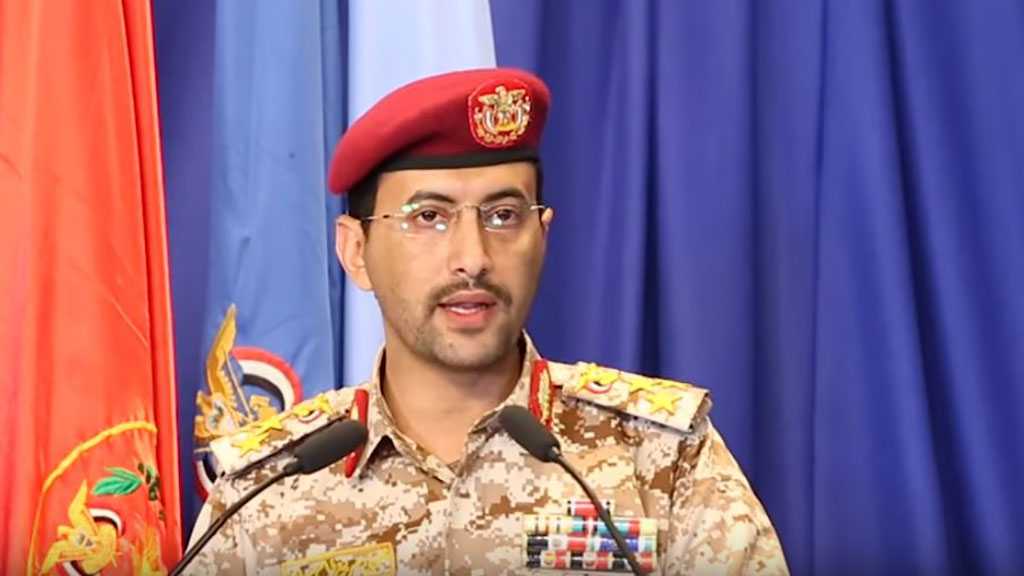
In yet another heroic achievement scored against the Saudi aggressors, the Yemeni resistance, represented by the Armed Forces, used 16 drones and ballistic missiles to hit targets deep inside Saudi Arabia in their latest operation, Yemeni Armed Forces Spokesman Brigadier General Yehya Saree announced.
“As part of confronting the crimes of [the Saudi-led] aggression against our country, our Armed Forces carried out the 7th Operation Balanced Deterrence, targeting vital facilities and military bases of the Saudi enemy,” Brigadier General Saree said in a televised statement on Sunday.
Saree explained that the operation targeted vital installations and military bases of Saudi Arabia, including Saudi Aramco facilities in Jeddah, Jizan and Najran regions, which he said were bombed with five Badr ballistic missiles and two Sammad-3 drones.
He added that Saudi Aramco facilities in Ras al-Tanura in the Dammam region, eastern Saudi Arabia, were also targeted with eight Sammad-3 drones and a Zulfiqar ballistic missile.
The spokesman stressed that Yemeni forces successfully hit their targets in both attacks.
In a statement on Saturday, Riyadh claimed that its air defenses had intercepted and destroyed three ballistic missiles and three explosive-laden drones launched towards Dammam, Jizan and Najran regions.
Yemen has been beset by violence and chaos since 2015, when Saudi Arabia and its allies launched a devastating war against the poorest Middle Eastern country to reinstall Yemen’s overthrown government of Abd Rabbuh Mansur Hadi in Sanaa and crush the Ansarullah resistance movement.
The war, accompanied by a tight siege, has failed to reach its goals and killed hundreds of thousands of Yemeni people, putting millions more at risk of starvation by destroying much of the country’s infrastructure.
The new operation came after the Yemeni Armed Forces repeatedly warned Saudi Arabia to stop the war and siege against the country or face larger and more extensive operations.
The Yemeni forces have stepped up their retaliatory attacks deep inside Saudi Arabia in recent months.
In his Sunday remarks, Saree said the new operation succeeded in achieving its goals, warning Saudi Arabia of the consequences of its continued military campaign against the Yemeni people.
He underlined that Yemen is entitled to carry out more military operations to defend itself and its people until the war and siege against the country come to an end.
“The Yemeni Armed Forces will continue their jihadist battle until the liberation of all the lands of the republic and the achievement of freedom and independence,” Saree affirmed.
Last month, UN Under-Secretary-General for Humanitarian Affairs and Emergency Relief Coordinator Martin Griffiths said that about 5 million Yemenis are “just one step away” from succumbing to famine and related diseases.
“Ten million more are right behind them,” Griffiths warned.
According to Henrietta Fore, the executive director of UNICEF, one child dies every 10 minutes in Yemen from preventable causes, including malnutrition and vaccine-preventable diseases, which are the ramifications of the war on Yemen.
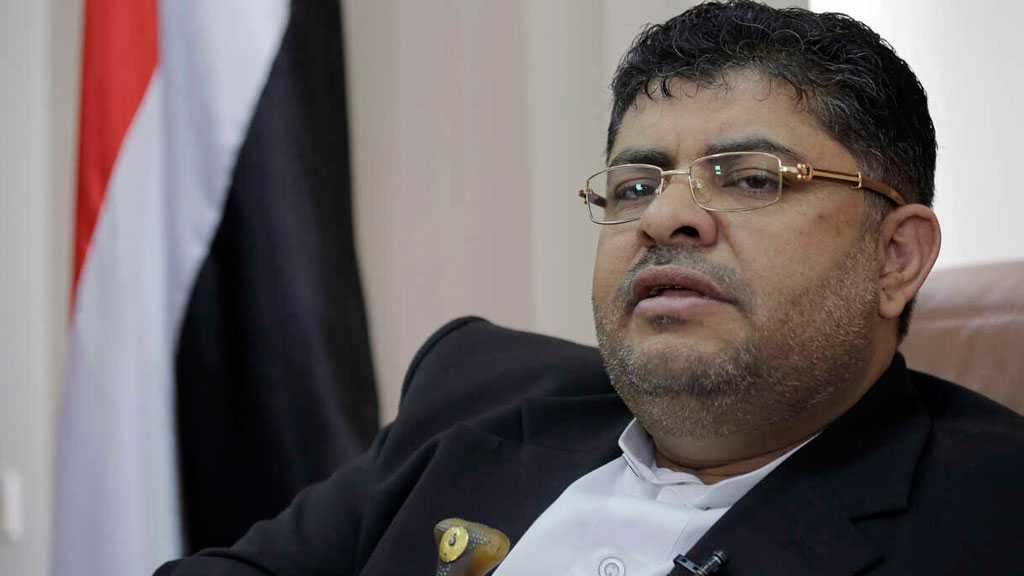
In another development, the spokesman for Yemen’s Ansarullah resistance movement affirmed the Yemeni people’s right to defend themselves so long as Saudi Arabia insists on continuing the war.
“Just as they insist on continuing their aggression and siege, our Yemeni people continue to defend themselves,” Mohammed Abdul-Salam tweeted on Sunday.
The latest operation against Saudi Arabia coincided with the liberation of the southern district of Rahba district by the Yemeni Army and allied popular committees, he said.
A security official in Marib Province told Yemen News Agency [SABA] that all the residents of Rahba can return to their homes and farms and practice their normal lives after the district was completely secured by Yemeni forces.
Finian CUNNINGHAM Former editor and writer for major news media organizations. He has written extensively on international affairs, with articles published in several languages
The Saudi rulers are facing a humiliating defeat as the Yemenis take revenge and Uncle Sam washes his hands of blood.
After six years of blowing up Yemen and blockading its southern neighbor, the Saudi rulers are now saying they are committed to finding peace. The move is less about genuine peace than economic survival for the oil kingdom.
The Saudi monarchy say they want “all guns to fall completely silent”. Washington, which has been a crucial enabler of the Saudi war on Yemen, has backed the latest “peace offer”. Secretary of State Antony Blinken this week endorsed the initiative from the Saudi rulers, saying he had spoken with them “on our work together to end the conflict in Yemen, facilitate humanitarian access and aid for the Yemeni people”.
The Saudi foreign ministry stated: “The initiative aims to end the human suffering of the brotherly Yemeni people, and affirms the kingdom’s support for efforts to reach a comprehensive political resolution.”
Can you believe this sickening duplicity from the Saudis and the Americans?
So, after six years of relentless aerial bombing in Yemen causing the world’s worst humanitarian crisis, according to the United Nations, the Saudis and their American military supplier, seem to have developed a conscience for peace and ending suffering.
The real reason for trying to end the conflict is the perilous state of the Saudi oil-dependent economy. Saudi Aramco, the state-owned oil, gas and petroleum industry, recently announced that its profits have slumped by nearly half in 2020 compared with the year before. Down from $88 billion to $49 billion.
Given that its oil economy provides nearly 90 per cent of state budget that is a stupendous hit on the Saudi finances. The Saudi rulers rely on hefty state subsidies to keep its 34 million population content. With income from the oil industry nosediving that means state deficits will explode to maintain public spending, or else risk social unrest from dire cutbacks.
Saudi Arabia remains the biggest oil exporter, but due to the Covid-19 pandemic and world economies going into recession crude oil prices have plummeted. At one point oil prices fell to around $20 a barrel. The Saudi economy needs an oil price of around $70 a barrel to reel in a profit.
The upshot is the Saudi war in Yemen has become a critical drain on state finances and potentially jeopardizing the superficial stability of the absolute monarchy.
Of further alarm is the increasing missile and drone attacks by the Houthi rebels in Yemen on key Saudi locations, including the capital Riyadh.
The Yemeni rebels are escalating airstrikes on Aramco installations at its headquarters in Dhahran and Dammam in Eastern Province, as well as in the cities of Abha, Azir, Jazan, and Ras Tanura. The targets include oil refineries and export terminals. The Saudis claim they have intercepted a lot of the missiles with U.S.-made Patriot defense systems. Nevertheless, the mere fact that the Yemenis can hit key parts of the Saudi oil economy over a distance of 1,000 kilometers is a grave security concern undermining investor confidence.
The first major strike was in September 2019 when Houthi drones hit the huge refinery complex at Abqaiq. That caused Saudi oil production to temporarily shut down by half. It also delayed an Initial Public Offering of Aramco shares on the stock market as investors took fright over political risk.
At a time when the Saudi oil economy is contracting severely due to worldwide circumstances, an additional debilitating threat is the intensifying campaign of Houthi airstrikes. They are taking the war into Saudi heartland.
The Biden administration has condemned the Houthi missile attacks on Saudi Arabia as “unacceptable”. Such American concern is derisory given how Washington has been providing warplanes, missiles and logistics for the Saudis to indiscriminately bomb Yemen causing tens of thousands of deaths. The Americans also enable the Saudis to impose a blockade on Yemen’s sea and airports, which has prevented vital food and medicines from being supplied to the country. Nearly 80 per cent of Yemen’s 30 million population are dependent on foreign aid deliveries. The blockade is a war crime, a crime against humanity, and the Americans are fully complicit.
President Joe Biden has said he is ending U.S. military support for Saudi Arabia’s war in Yemen. It was an election promise. However, it is not clear what military support the U.S. has actually stopped, if at all. The Saudi bombing of food depots continues and the blockade on the country could not be maintained without essential American logistics.
More cynically, the Biden administration realizes that the Saudis started a war back in March 2015, when Obama was president and Biden was vice-president, that has turned into an un-winnable quagmire whose horrendous human suffering has become a vile stain on America’s international image.
That’s why Biden and his diplomats have been urging the Saudi rulers to sue for peace. Now it seems the Saudi monarchy realizes that the reckless war launched by “defense minister” Crown Prince Mohammed bin Salman has come with a price that they can’t afford to sustain if they want to preserve their rickety house of cards, known as the House of Saud.
On the latest peace proposal, the Yemeni rebels have rejected it out of hand. They say it contains “nothing new”. The Houthis say the only way to end the war is for the Saudis and their American sponsors to end the aggression on their country. There is no “deal”. It is a case of the Saudis and the Americans just getting out.
Meantime, the airstrikes on Saudi oil infrastructure are going to continue with ever-increasing damage to the royal coffers. Thus, the Saudi rulers have no choice but to unconditionally surrender in this criminal war. They are facing a humiliating defeat as the Yemenis take revenge and Uncle Sam washes his hands of blood.
– None of the observers and followers of the Yemeni scene, supporters of the Yemeni people and their resistance represented by Ansar Allah, nor of their opponents supported the Saudi aggression to expected that the war will continue for this long, nor that the Yemenis can bear this amount of killing, destruction, siege, hunger and suffering, and stand at their goals to stop the aggression and lift the blockade as a condition for accepting any call for a cease-fire and the beginning of negotiations.
– Compared to all the wars that have been fought against the peoples of the region and their resistance forces, there is nothing that can be compared to the Yemeni case, as the six-years war is being fought directly by armies possessing tremendous military superiority, accompanied by a tight siege, which can be similar in terms of intensity of fire to the wars of Gaza and the 2006 aggression against Lebanon. But there is nothing like the Yemeni situation, they are wars of days and weeks, not years, and despite the fiery siege on Gaza, the Egyptian outlet remains a breathing lung for the besieged Gaza. In Syria Lebanon remained a lung to breath from, and in Syria, where the war continued for ten years accompanied by fierce sanctions, the fiery superiority of the Syrian state and its allies remained, and the sea remained under the hands of the Syrian state and its army, and a resource for armaments and imports that could be secured behind the back of the blockade, Whereas in Yemen, supremacy was for the camp of enemies, with fire and siege, and the six years continued and produced havoc, destruction, death, hunger and epidemics, and Yemen was steadfast
– During the sixth year, Yemen moved from steadfastness to regaining, developing missile salutations and drones, an unmistakable deterrent force despite the electronic jamming techniques possessed by the Americans and through them the Saudis, and within a year this weapon proved high technical capabilities that produced a military deterrence balance based on exceptional scientific superiority, and within a year the security of the Saudi rear in Yemen, and burned Aramco times, and became the security of the water The gulf and the energy corridors and ensure their flow in the hands of the Yemenis, and proved the failure of the war miserably to all those who were behind it, led by The American Joe Biden, who became president and was vice president on the day of its launch with the promise of ending it in weeks or months, and began maneuvers to get out of the war with the least losses, from trying to distinguish America from Saudi Arabia, to Saudi offers of a cease-fire, to U.S. calls for a political solution.
– On the eve of the seventh year, the Yemenis demonstrated their strength, so they presented the trilogy of victory, and their leader, Mr. Abdul Malik al-Houthi, appeared in a detailed explanation of the war, its objectives and context, and the conditions for accepting solutions through the duality of stopping aggression and lifting the siege, based on steadfastness, determination and clarity in reading the past and the present and drawing the horizon of the future. Within hours of the zero hours of the seventh year, the army and the resistance presented an intense and concentrated dose of deterrence elements, inflaming the Saudi depth with raids and missiles, saying with a full mouth that the threats of their leader had taken their way to implementation. During the day, hundreds of thousands of Yemenis gathered in the squares and streets, celebrating the Day of National Resilience, affirming their loyalty and cohesion with their leadership and army, the 2006 July scene of the destruction of the destroyer Sa’er, the speech of Sayyed Hassan Nasrallah, and scene of the people marching to southern Lebanon amid the cluster bombs in response to the call of the Leader of the Resistance. This trilogy victory was a harmonious symphony, drawing a clear ceiling in front of the American-Saudi alliance entitled, no place for maneuvers, the war will be a scourge, not a debate, and the negotiation path has a mandatory path: stop the aggression and lift the blockade, opening of the port and airport and the departure of foreign troops.
– Yemen enters the seventh year with the strongest confidence in victory, and the great victory has become the fruit of great patience, but this time it is really the patience of an hour.
لم يكن أحد من المراقبين والمتابعين للمشهد اليمنيّ، من مؤيّدي الشعب اليمنيّ ومقاومته التي يمثلها أنصار الله، وحكماً من خصومه المؤيدين للعدوان السعوديّ ليتوقع قبل ست سنوات في مثل هذه الأيام، أن تستمرّ الحرب طول هذه المدة، ولا أن يتمكّن اليمنيون من تحمل هذا الكم من القتل والدمار والحصار والجوع والمعاناة، ويصمدوا عند أهدافهم بوقف العدوان ورفع الحصار كشرط لقبولهم بأية دعوة لوقف النار وبدء التفاوض.
–
بالمقارنة مع كل الحروب التي خيضت وتخاض ضد شعوب المنطقة وقواها المقاومة، ليس هناك ما يمكن تشبيهه بالحالة اليمنية، فحرب ست سنوات تخوضها مباشرة جيوش تملك تفوقاً عسكرياً هائلاً، يرافقها حصار محكم، يمكن أن تشبهه من حيث كثافة النار حروب غزة وعدوان عام 2006 على لبنان، لكنها حروب أيام وأسابيع، وليست سنوات، ورغم الحصار الناري يبقى المنفذ المصري رئة تنفس لغزة المحاصرة، وتبقى سورية رئة يتنفس منها لبنان، وسورية التي استمرّت الحرب عليها عشر سنوات وما يرافقها من عقوبات، بقي التفوق الناري فيها للدولة السورية وحلفائها وبقي البحر تحت يد الدولة السورية وجيشها، ومورداً للتسلح وتأمين المستوردات التي يمكن تأمينها من وراء ظهر الحصار، بينما كل شيء في اليمن تفوق لمعسكر الأعداء، بالنار وإحكام الحصار، والسنوات الست تتواصل وتنتج الخراب والدمار والموات والجوع والأوبئة، واليمن صامد.
–
خلال السنة السادسة انتقل اليمن من الصمود الى استرداد زمام المبادرة، مطوّراً سلاح الصواريخ والطائرات المسيّرة، قوة ردع لا تخطئ رغم تقنيات التشويش الإلكتروني التي يملكها الأميركيون ومن خلالهم السعوديون، وخلال سنة أثبت هذا السلاح مقدرات تقنية عالية أنتجت توازن ردع عسكري مستنداً الى تفوق علمي استثنائي، وخلال سنة صار أمن العمق السعودي بيد اليمن، واحترقت آرامكو مرات، وصار أمن مياه الخليج وممرات الطاقة وضمان تدفقها بيد اليمنيين، وثبت فشل الحرب فشلاً ذريعاً لكل من كان وراءها، وفي طليعتهم الأميركي جو بايدن الذي صار رئيساً وكان نائباً للرئيس يوم انطلاقها بوعد إنهائها خلال أسابيع أو شهور، وبدأت المناورات للخروج من الحرب بأقل الخسائر، من محاولة التميّز الأميركي عن السعودي، الى عروض سعوديّة لوقف النار، الى دعوات أميركية لحل سياسي.
–
عشية السنة السابعة أظهر اليمنيّون بأسهم، فقدموا ثلاثيّة النصر على الملأ، فظهر قائدهم السيد عبد الملك الحوثي في شرح مفصل للحرب وأهدافها وسياقها وشروط قبول الحلول تحت شعار وقفها، وتختصرها ثنائيّة وقف العدوان وفك الحصار، وعبر عن مستوى الثبات والعزم والحزم والوضوح في قراءة الماضي والحاضر ورسم أفق المستقبل، وخلال ساعات حلّت الساعة صفر من السنة السابعة فقدم الجيش والمقاومة، جرعة مكثفة ومركزة من عناصر الردع فألهبوا العمق السعودي بالغارات والصواريخ، قائلين بالفم الملآن إن تهديدات قائدهم قد أخذت طريقها للتنفيذ، مستعيدين مشهد تدمير المقاومة في لبنان للمدمّرة ساعر ترجمة لخطاب السيد حسن نصرالله، وخلال ساعات النهار احتشد مئات آلاف اليمنيين في الساحات والشوارع، يحيون يوم الصمود الوطنيّ، يؤكدون تمسكهم بثوابتهم وتماسكهم مع قيادتهم وجيشهم، مستعيدين مشهد زحف الشعب الى جنوب لبنان وسط القنابل العنقودية تلبية لدعوة قائد المقاومة، فكانت هذه الثلاثيّة سمفونية متناغمة، ترسم سقفاً واضحاً أمام الحلف الأميركي السعودي عنوانه، لا مكان للمناورات، الحرب ستكون وبالاً لا سجالاً، وطريق التفاوض له ممر إلزامي وقف العدوان ورفع الحصار، أي فتح المرفأ والمطار وخروج القوات الأجنبية.
–
اليمن يدخل السنة السابعة أشدّ ثقة بالنصر، وقد بات النصر العظيم ثمرة للصبر العظيم، لكنه هذه المرة فعلاً صبر ساعة.
Yemen’s Ansar Allah are on the offensive on Marib city, once again. The Saudi-led coalition is struggling.
The Houthis, as Ansar Allah, are colloquially known, reportedly captured 10 out of 14 districts of the region in their latest push on March 4th.
The Houthi government deputy foreign minister, Hussein al-Ezzi said that apart from the significant central district of Marib city, every other significant location was under their control. A key strategic location, home to one of the largest oil infrastructures in Yemen, Marib has seen intensified fighting and a renewed military offensive. It is also the last Saudi stronghold in the relatively calm area of Central Yemen. If entirely lost by the Saudi-led coalition, the city would allow the Houthis to carry out even more attacks on targets within the Kingdom’s borders.
Saudi-led coalition airstrikes have continued bombarding Houthi positions, according to Houthi media. These manage to impede the swift movement of forces, but haven’t deterred the offensive. As it usually happens when the Houthis get the upper hand anywhere in Yemen, the so-called Western world begins yelling “foul”.
UN Secretary General Antonio Guterres immediately said that widespread fighting could lead to the displacement of thousands. He called on Ansar Allah to halt their offensive on every front, and primarily on Marib. No calls for the Saudi-led coalition to stop their airstrikes or continuous ceasefire violations in al-Hudaydah were made.
In addition to Marib City, the Houthis struck behind enemy lines. This included two attacks.
The first one targeted the King Khalid Air Base in the southern Saudi province with a Qasef-2K suicide drone. It was reportedly successful. Ansar Allah claimed to have had fired a cross-border missile and struck a Saudi Aramco facility in the Read Sea city of Jeddah.
According to the Houthi military spokesman, Yahya Sarea, the attack took place at dawn on March 4th, and was carried out with a Quds-2 winged missile. It reportedly struck its target.
Riyadh has not admitted either of the attacks, and there are no other details. The UN also said it has received unconfirmed reports.
The Axis of Resistance appears to be really pushing its enemies back, with 4 US convoys being targeted in the same day in Iraq, and Israel having a lull in its activity in recent days.
Tel Aviv accused Iran of carrying out an “eco-terrorism” attack by spilling oil in the Mediterranean Sea. There are concerns that a large-scale, heavy retaliation is coming. Time will only show if a response will really come and in what form it will be.
Currently, the Houthis are pushing successfully and the US is suffering for its attack on the Iraqi-Syriain border, and Israel is plotting its next move.
‘Israel’s’ Channel 13 is reporting that Iranian drones, such as those that attacked the Saudi oil company Aramco in the past, could reach ‘Israel’ from Yemen.
‘Israel’s’ Channel 13 touched on the soaring tensions between Iran and ‘Israel’ and their exchanges in the form of “strong action and words.” The broadcaster focused on the alleged deployment of an ‘Israeli’ submarine to the Persian Gulf, the launching of missiles from Gaza last weekend, and the new Iranian threats.
Channel 13 suggested that there were two important events. On the one hand there is “an Iranian desire to avenge the assassination of the nuclear scientist Mohsen Fakhrizadeh, and this draws ‘Israeli’ attention to what is happening in Yemen.” On the other hand, there is “the first anniversary of the assassination of General Qassem Soleimani on January 3 which prompted the Americans to offer muscle to face the Iranians in the Gulf.”
These two matters reportedly “pushed the ‘Israeli’ security establishment to advance their preparations,” underscoring their existing “fear of Iran’s attempt to accumulate capabilities in Yemen that could pose a threat to ‘Israel’.”
Channel 13 said, “It may sound strange to most ‘Israelis’ when hearing about Yemen, which has never been on the threat map. But yes, it is Yemen. Iranian drones, like those that attacked the Saudi oil company Aramco a year and a half ago, could reach ‘Israel’ from Yemen.”
Channel 13’s military affairs commentator Alon Ben David said, “When you hear about an ‘Israeli’ submarine in the Red Sea – its target not necessarily being in the Gulf – I say that what worries ‘Israel’ most, and the army spokesman has publicly expressed this, is the Iranian capabilities in Yemen.”
It is noteworthy that ‘Israeli’ media, quoting intelligence sources, said recently that “a military submarine belonging to the ‘Israeli’ navy crossed the Suez Canal above water.”
‘Israel’s’ Kan Channel stated that this step comes “amid a very tense period between ‘Israel’ and Iran,” indicating that this “submarine that crossed the Red Sea will head, according to Arab intelligence officials’ estimates, towards the Gulf.”
“القناة 13” الإسرائيليّة تتحدث عن أنّ الطائرات المسيّرة الإيرانيّة، كتلك الطائرات التي هاجمت شركة النفط السعوديّة أرامكو سابقاً، يمكن أن تصل من اليمن إلى “إسرائيل”.
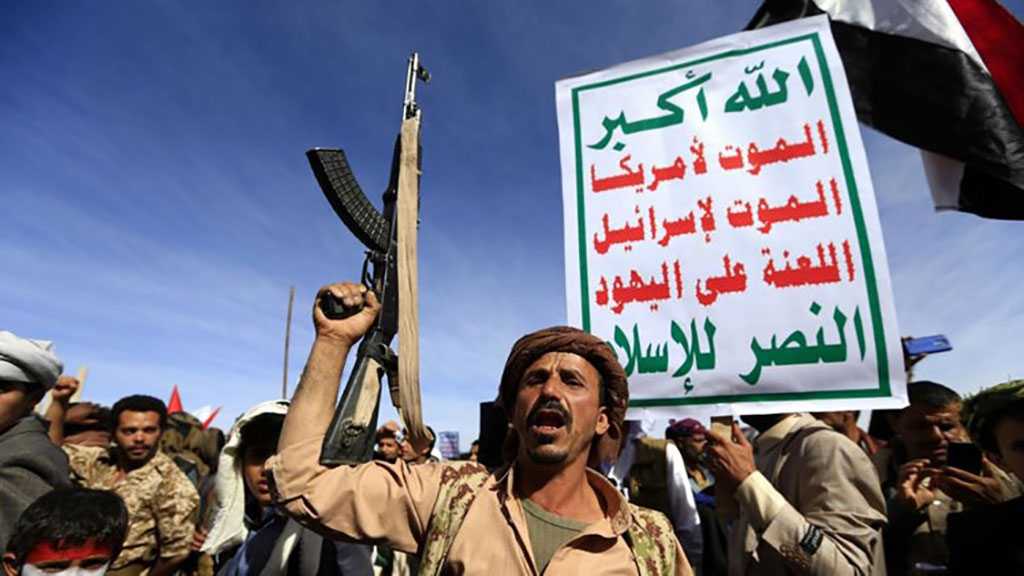
تظاهرة لجماعة “أنصار الله” في العاصمة صنعاء عام 2019 (أ.ف.ب)
تحدثت “القناة 13″ الإسرائيليّة عن مستوى التوتر بين إيران و”إسرائيل” وتبادلهما رسائل “شديدة بالأفعال والكلمات”، خاصة بعد زعم إرسال غواصة عسكريّة تابعة للبحريّة الإسرائيليّة إلى الخليج، وإطلاق الصواريخ من غزة نهاية الأسبوع الماضي، والتهديدات الإيرانيّة الجديدة.
القناة الإسرائيليّة أشارت إلى وجود حدثين مهمين، من جهة “رغبة إيرانيّة للانتقام على اغتيال العالم النووي محسن فخري زاده، وهذا يشد الأنظار الإسرائيليّة إلى ما يحصل في اليمن”، ومن جهة أخرى “الذكرى السنويّة الأولى على اغتيال الجنرال قاسم سليماني، في 3 كانون الثاني/يناير المقبل، ما دفع الأميركيين إلى عرض عضلات بشكل كبير مقابل الإيرانيين في الخليج”.
هذان الأمران مجتمعان “دفعا إلى رفع الاستعدادات في المؤسسة الأمنية الإسرائيليّة”، بحسب القناة 13، التي أكدت وجود “خشية من محاولة إيران مراكمة قدرات في اليمن، يمكن أن تشكل تهديداً على إسرائيل”.
وقالت القناة 13: “الأمر قد يبدو غريباً لأغلب الإسرائيليين عند سماع اليمن التي لم تكن في أيّ مرة على خريطة التهديدات، لكن نعم إنها اليمن – الطائرات المسيّرة الإيرانيّة، كتلك الطائرات التي هاجمت شركة النفط السعوديّة أرامكو قبل سنة ونصف، يمكن أن تصل من اليمن إلى إسرائيل”.
كما رأى معلق الشؤون العسكريّة في القناة 13 ألون بن ديفيد، أنّه “عندما تسمع عن غواصة إسرائيليّة تتواجد في البحر الأحمر – وليس بالضرورة هدفها الخليج – أقول إن أكثر ما يقلق إسرائيل، وقد أعرب المتحدث باسم الجيش عن ذلك بشكل علني – القدرات الإيرانيّة في اليمن”.
يذكر أنّ وسائل إعلام إسرائيلية نقلت عن مصادر استخباراتيّة قولها مؤخراً، إن “غواصة عسكريّة تابعة للبحريّة الإسرائيليّة عبرت قناة السويس علناً من فوق الماء”.
وذكرت قناة “كان” الإسرائيلية أن هذه الخطوة جاءت “في خضم فترة متوترة جداً بين إسرائيل وايران”، مشيرة إلى أن هذه “الغواصة التي عبرت البحر الأحمر، ستتوجه بحسب تقديرات المسؤولين الاستخباراتيين العرب تجاه الخليج”.
Yemeni Armed Forces Spokesman Brigadier General Yehya Saree announced that Yemen’s Ansaurllah revolutionary movement targeted the Saudi Aramco oil company in the Red Sea city of Jeddah.
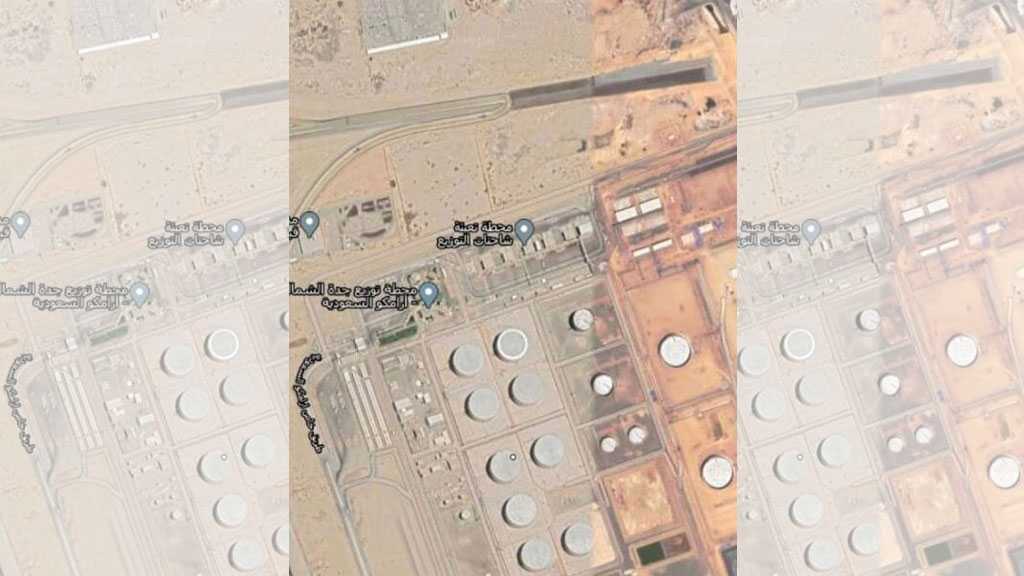
Brigadier General Saree said Yemeni fighters fired a ‘Quds 2’ missile at a distribution station of Aramco on Monday.
“With God’s help and support, the missile force was able to target the Aramco distribution station in Jeddah with a Quds 2 missile, which entered service recently after successful operational experiments in the Saudi depth, which have not been announced yet,” Saree tweeted on Monday.
He also informed that the missile hit the target accurately, forcing ambulances and firefighting vehicles to rush to the targeted area immediately.
News – Yemen: The spokesman for the Armed Forces, Brigadier General Yahya Sare’e, announced that the Rocketry Force targeted Aramco’s distribution station in Jeddah with a winged missile Quds-2, which is announced for the first time.
Brigadier General Sare’e confirmed in a press statement at dawn, Monday, that the missile targeted its target accurately, and ambulances and firefighting vehicles rushed to the targeted place.
He pointed out that the missile Quds 2 is from a new generation of winged missiles produced by the Yemeni Rocketry Force, had been used recently after successful operational tests targeting the Saudi depth in operations that had not been announced yet.
The spokesman of the Armed Forces indicated that the operation comes in response to the continuation of the siege and aggression, and in the context of what the Armed Forces had promised earlier to implement large-scale operations in the depths of Saudi Arabia.
The Brigadier General call on all civilians and foreign companies in Saudi Arabia, to move away from important vital installations, stressing that the operations in Saudi depth continues.
A senior Yemeni Ansarullah official asked Saudi King Salman bin Abdulaziz to settle scores with Iran if he dares to face the Islamic Republic directly.
Chairman of Yemen’s Supreme Revolutionary Committee Mohammed-Ali al-Houthi made the remarks in a sarcastic tweet on Friday.
“King Salman well knows the Yemenis are only fighting the Americans who are using the Saudi soil and US-made weapons to wage a war against the Yemeni nation,” al-Houthi said.
“If the Saudi king has scores to settle with Iran, he’d better face the country directly,” he added.
The Ansarullah official made the remarks in reaction to the Saudi king’s virtual address to the 75th General Assembly of the United Nations, in which he said Riyadh would not take its hands off the Yemeni nation until it “gets rid of Iran’s domination.”
King Salman blamed the Islamic Republic for much of the Middle East’s instability, and repeated a host of baseless accusations against Iran, ranging from “sponsoring terrorism” to seeking weapons of mass destruction.
The video of the speech was released on Wednesday showing the aging monarch sitting at his office as he struggled to read the text from papers, which he was grasping with both hands, without looking at the camera.
The 84-year-old monarch accused Iran of providing support to Yemen’s popular Ansarullah movement, which has been defending the Arab country against the kingdom’s 2015-present war. He once again blamed Iran for the 2019 Yemeni attacks against Saudi Arabia’s Aramco oil installations.
The Saudi ruler also took aim at the 2015 Iran nuclear deal, claiming Tehran exploited the agreement to “intensify its expansionist activities.” He also claimed “the kingdom’s hands were extended to Iran in peace with a positive and open attitude over the past decades, but to no avail.”
Iran strongly dismissed the Saudi king’s claims, and highlighted the Saudi regime’s atrocities and civilian massacres in Yemen, of which King Salman made no reference during the speech.
Senior Lebanese political analyst Nasser Qandil explores what has changed between Hezbollah and Israel over the last 14 years since the ‘July War’ or ‘The Second Lebanon War’ in 2006.
After tracing the major changes and transformations in the military balance of power between the two sides over the last 14 years, Qandil then explores the current challenges facing Hezbollah inside Lebanon, particularly regarding the deepening economic and political crises in the country.
Note: we have added our own sub-headings in the below transcript to make for easier reading
Actually, regarding (Hezbollah’s) achievement of liberation (in the year 2000) free from any conditions or negotiations, any analyst can figure out that after the year 2000, the region was involved in a race between the Resistance and (Israeli) Army of occupation in which both (sides) tried to reinforce the reality that they wanted to reflect on May 24, 2000 (i.e. just before the liberation).
Israel wanted to say that it has positioned itself on the borders with the purpose of protecting the interior (of Israel); that the era of (the war of) attrition has ended; and that it is moving into a stage where it is able to direct (its) deterrent capacity at will. In contrast, the Resistance wanted to say that Israel has humiliatingly and forcefully withdrawn (from Lebanon); and that this withdrawal is not only the beginning of a countdown of the (Israeli) entity’s capacity to hold onto (occupied) land, but also (its capacity) to go to any (new) war again as well.
Israel’s withdrawal from Gaza in 2005 and the Al Aqsa Uprising (“Al Aqsa Intifada”) certified what the Resistance was saying. (Israel’s) 2006 war on Lebanon was the contest that had to settle the previous contests and the (side) who wins this round, cements what it has said. Israel has worked on a plan, theory, mechanisms and appraisals, that is, it didn’t go haphazardly to war (in 2006). In short, Israel counted on “air warfare” theory and put it into practice the (2006) war. However, the Resistance was aware of that, so it opted to strengthen its power on land, in order to cancel out the theory of air warfare, and to bring the enemy to the land to fight, engage in (battles) of attrition, and (ultimately) defeat it.
The Resistance was the victor. This was the outcome (of the war), because when we talk about ‘victory’ we are not referring to the historic and final defeat. Rather, we are just discussing this war (in 2006) in which the Resistance achieved victory and Israel was defeated again. As in the Lebanon war of the year 2000, or (more accurately) as reflected by the liberation in the (year) 2000, Israel lost its first pillar, that is, its ability to occupy (Lebanon) and remain in it. It also lost its second pillar in the 2006 war, which is its ability to wage war and achieve the goals (that it sets) as it wills.
After the 2006 war, the issue (between both sides) persisted. They entered a totally new and different race. The entity of the (Israeli) occupation is fighting to restore its honor and rehabilitate its image, whereas the Resistance is fighting the battle of becoming a regional power able to make the deterrence weapon (itself as) the policymaker. Since the year 2006, America put its weight behind (Israel’s goals) since Israel is not able to survive any longer without American protection and support. America went to Iraq after realizing that Israel superiority is (gradually) being eroded, and that it is important to rehabilitate its power and control through the American military presence to compensate for the deficiency in Israel’s ability that came about after Lebanon’s liberation in the year 2000 and the Al Aqsa intifada.
Host:
We all remember Condoleezza Rice and the ‘New Middle East Project’.
Nasser Qandil:
Exactly, and this was at the heart of the 2006 war. However, before this (war), America went to Iraq in order to redress the imbalance occurred after Lebanon’s liberation in 2000 and the Al Aqsa intifada, but they failed. The “July War” (2006) came as a second rehabilitation supported by American pressure, calculations and backing. It was a new failure that was added to the accumulated record of failures.
The only available alternative (choice) then was going to a great war, i.e. to topple Syria. This was like Armageddon. Nevertheless, other different battles, the Yemen war and the battle over the future of Iraq, occurred alongside the war (in Syria). They were no less important than the (war in Syria). Today, 14 years after the July War (in 2006), we can talk about facts and not about general trends only. The resistance (movements) transformed from being a resistance force into an Axis of Resistance. This becomes a fact; it is not just words. Today, when his eminence Sayyed (Hassan Nasrallah) speaks and says “I will kill you” – we’ll discuss this later – this (statement) reflects the (powerful reality) of the Axis of Resistance, from Beirut, to Palestine, to Iraq, to Yemen, to Iran and to Syria. This is the first major transformation that occurred between the years 2006 to 2020 during the heat of the several wars that raged over the map of the region.
The second (major transformation during these years): the ‘missile belt’ is now able to strike – from any point (within the Axis of Resistance) – any target in occupied Palestine (i.e. Israel). This means that as the resistance in Palestine is able to target all (areas of Israel) north of Gaza, the resistance in south Lebanon can target the entire (area of Israel) south (of Lebanon); the resistance from Iraq is even able to reach the (Mediterranean) sea; the resistance in Yemen can cover the whole territory of Palestine; and that’s besides (the missiles capabilities of) Syria and Iran.
The Host:
The entire Israeli intelligence efforts have lately been centered on the missile capabilities of the resistance.
Nasser Qandil:
This ‘(missile) belt’ has been completed; it is not a subject of discussion anymore.
The third (major) development is the entrance of the drones (UAVs). The use of this weapon is not restricted to the Lebanese front line. Israel has evidence that confirms that. How many times were drones sent by the resistance from Lebanon? How many times were the Israelis lost because they failed to track the drones sent from Gaza? (Further evidence lies in) the drones in Yemen, and the achievement of the Aramco attack (in Saudi Arabia) that the godfather of the Dimona (Israeli nuclear program) and Thomas Friedman wrote about it an important article in the New York Times. The article states that what happened in Aramco (can be) repeated on all American military bases in the Middle East, and can be repeated (in a strike) on Dimona. Moreover, one of the Israeli generals quoted by Thomas Friedman during a telephone conversation says that it seems that we must now relinquish the status of being the number one technicians in the Middle East, (and cede that status) to Hezbollah and its allies, and (we ought to) call upon our people to carry hand rifles in any coming wars in which drones are used. Henceforth, the third factor is the drones.
The fourth (major) new factor is the precision-guided missiles which formed the center of the struggle during the last two or three years of the Syrian war. The Israeli (air) raids which initially aimed at stopping the supply of weapons to the resistance (from Syria to Lebanon) turned into a specific goal (during these years) which became ‘preventing the resistance from the possibility of transforming their missiles into precision-guided ones’. Today, the Israelis speak about precision-guided missile factories and this signifies that they have surrendered to this fact.
The last issue we are ignorant of was revealed by the video published (recently) by (Hezbollah’s) military media which says “Mission accomplished”. Certainly, it is not referring to the precision-guided missiles because his eminence Sayyed (Hassan Nasrallah) has already announced clearly and publicly that ‘yes, we have enough precision-guided missiles to hit any vital Israeli military installation in occupied Palestine’. But we still don’t know what is meant by “Mission accomplished”. This will stay one of the resistance’s surprises in the coming wars.
Israel 14 years on from the July War
Nasser Qandil:
What have Israel and America achieved in return? Their situation now is similar to that in the July War (2006); they go to war today on one foot only. It was the air force in (the) July (War) that they relied upon, and it is the financial sanctions (that they rely upon) today. Did the Resistance succeed in breaking this foot? I say “Yes, and we will expand on this discussion later.
Host:
We will continue discussing why the resistance succeeded…
Nasser Qandil:
In the first section we talked about the progress achieved by the resistance (Hezbollah) from 2006 to 2020. Israel also worked (on building its power) during these 14 years. Let u see what it did.
Host: …and of course (Israel) was given a green light by the US.
Nasser Qandil:
First of all, Israel focused on the home front. Its main aim was not to draw up a plan to seize the initiative, but to face the fallout of the July War. The resistance (Hezbollah) has risen higher and higher in its level of readiness, its networking capabilities (i.e. greater integration of the Resistance Axis across the region), and its ability to wage war. Meanwhile, what did the (Israeli) entity do?
(First), the Iron Dome that (Israel) was preparing (in order to intercept) Katyusha missiles is now threatened by precision-guided missiles and drones. (The Israelis) went back to saying that they will shoot down missiles with hunting rifles!
(Second), the (Israeli) home front has further collapsed, and now in the time of Corona, it is even worse.
Third, political fragmentation, which is one of the repercussions of the July War. Since the July War, the (Israeli) entity has been mired in its inability to reestablish a historical (political) bloc capable of leading the entity politically. This fragmentation reached its peak with three (consecutive) repeats of the election.
The last point that (Israel) has discovered (over the last 14 years) is that there is no solution to is broken spirit, because we are not only talking about equipment, armies, weapons and logistical plans, we are talking about human beings, about their mental condition. The resistance (Hezbollah) is now becoming more and more confident that it can bring down the (Israeli) entity. When his eminence Sayyed (Nasrallah) comes out and says in one of his recent appearances that there is a real possibility that the (Israeli) entity will collapse without war, and that this generation is going to witness the liberation of Jerusalem…On the other hand, we find the (Israeli) entity in a state of frustration. No matter how many (Israeli) generals say “We will win. Victory is ours in the coming war. We are waiting for the right opportunity to wage war”…what are you (Israelis) waiting for? You and the Americans said: “Time is not in our favor. Yesterday’s war is better than a war today, and a war today is better than a war tomorrow.”
Host:
Who is going to achieve Israel’s goals today? Who is the principal agent? The US? Because, as you said in one of your articles, Sayyed Nasrallah’s recent speech on 7/7/2020, presents the most vivid example of the (resistance’s) ability to defeat the Israeli occupation and American hegemony. But how is he (Nasrallah) able today to combine this (military) resistance with economic resistance?
The third pillar of the Resistance: economic reconstruction
Nasser Qandil:
What I want to get to is that in one of his appearances, his eminence Sayyed Nasrallah cut to the chase and said: “The resistance (Hezbollah) has already overtaken Israel. Israel is still standing thanks to US protection.” In 1996, the Resistance discovered – and this was the secret behind the liberation in the year 2000 – that the Israelis remained (in Lebanon) because they were under the illusion that the border buffer zone (that Israel established within Lebanese territory) protects the (Israeli) entity from the missiles of the resistance. So if (Israel) realizes that the border (buffer zone) is pointless and that the entity will be targeted no matter what, it will withdraw. And this is what happened (in the year 2000).
Today, his eminence Sayyed (Nasrallah) tells us that the resistance is certain that the (Israeli) entity continues to survive only because of the American presence (in the region), and that the decisive battle with the entity is a battle to expel the Americans from the region.
Whoever analyses the (American) sanctions and the logic behind them will discover that they are not aimed at escalating the situation such that it provokes a full-scale confrontation. This is nothing but propaganda. In fact, these sanctions have direct political goals. I mean, (Lebanese) parties affiliated to the US (in Lebanon) are proposing (very high demands such as) the disarmament (of Hezbollah) and the implementation of Resolution 1559 because this is the American approach. Just as they (Americans) did in 1983 with (Lebanese) President Amine Gemayel when they told him that they were (about to attack) Syria at the same time in which they were engaged in negotiations with (Syria). Two months later, McFarlane) the special US envoy to the Middle East) was asked: “why did you back out (of the attack)? You would have put (Gemayel) in big trouble.” McFarlane answered: “if we told (Gemayel) that we were (negotiating) with Damascus, he would have beat us to it. We trick our allies to make them think that we are escalating for the sake of imposing stronger terms in the negotiations.”
What do Americans want from the Caesar Act? Why are the Americans putting pressure on Lebanon, blocking access to US dollars in the (Lebanese) market, preventing the transfer of dollars to the country, and closing lines of credit – via the Central Bank of Lebanon’s accounts -for the purchase of fuel? What do they want? The Americans are not hiding (their intentions). They told us what they want. James Jeffrey (US Special Representative for Syria Engagement) told us. Why the Caesar Act? He said in the live appearance he made in which he spoke about the Act. He said ‘we wish to go back to (the balance of power) that existed before 2011. What does he mean by “before 2011”? He means the time when “we (Americans) will acknowledge the victory of President Assad. We were not present (in Syria before 2011), but Hezbollah and Iran were not there either. We leave (Syria), but (Hezbollah and Iran must) leave too.”
So he (Jeffrey) wants to ensure the security of the (Israeli) occupying entity in southern Syria by hinting at sanctions against Russia as the main target of the Caesar Act. Syria will be hit by sanctions anyway and Iran is drowning in a sea of sanctions. Therefore, these sanctions are actually against Russia. The Caesar Act was introduced originally at the beginning of 2016 in order to reach a compromise with Russia in relation to the battle in Aleppo. However, (the Caesar Act) now aims at reaching an agreement with Russia over the terms of the withdrawal of US forces from Syria and is not aimed at (prolonging) their stay.
Second, regarding Lebanon, David Schenker (US Assistant Secretary of State for Near Eastern Affairs) publicly appeared on TV and said that Hezbollah is involved in ‘corruption, smuggling, money laundering, causing devastation, and that it is the cause of the crisis (in Lebanon)’ etc. Give it to me directly (Schenker), what do you want? He (Schenker) told us directly that “you are suffering greatly (due to the economic crisis). You have promising gas reserves in the (Mediterranean) sea, but they are in a region that is the subject of a dispute with Israel. We (the US) presented you with a plan, so accept it! So the US wants an exit strategy that provides the (Israeli) occupying entity with a security belt on the Syrian and the Lebanese fronts, and (the US seeks to achieve this) by exerting “maximum pressure on the resistance”.
———
Nasser Qandil:
This is the third pillar of the power of the Resistance. The first pillar is military capability. The second pillar is the political front, meaning the Axis of Resistance. The third pillar is economic reconstruction. Without a resistance economy, the resistance cannot speak of an ability to maintain a level of cohesion within its support base and environment. What I want to say here is that the measures and steps taken by the resistance are not new. It is not true that the resistance, being under pressure at the moment, is now discovering or searching (for solutions). This was in fact its original program. Its original program was and is ‘Openness to the East’, that (Lebanon) have multiple sources (for economic, financial, and political relations). Its original program is aimed at breaking the borders (created by) Sykes-Picot between the countries of the region to form a single (economic) market. Its original program is aimed at relying on industry, agriculture and the national currency for exchange with neighboring countries and where possible. This is the original plan of the resistance. But this plan is now being put into action. It is not a negotiating weapon to lure Americans into easing conditions. If the Americans want to cooperate they are welcome, but if they don’t we will proceed (with this plan). Either way, this plan is not subject to review. Industry and agriculture are objective needs (of Lebanon).
In terms of industry and agriculture, Lebanon … Lebanon, by the way – in the year 1960, the Iraqi market was running 60% of the Port of Beirut and 30% of Lebanese industrial production. Today, Lebanon, which used to export milk, cheese, juice, clothing and shoes to the Gulf, imports 200 million dollars worth of milk and cheese only! Thus, the revival of the agricultural and manufacturing sectors, which were destroyed by the rentier economy, was and is the original plan. We are not talking about a knee-jerk reaction.
Host:
Has the goal (behind the sanctions) become counter-productive? Because the Lebanese internal consensus over the economic resistance that Sayyed Nasrallah called for was remarkable. I want you to comment briefly because we exceeded the time allocated for this file. The Patriarch (Bechara Boutros) al-Rahi said today: “The Lebanese people today do not want any majority (group in Lebanon) to tamper with the constitution and to keep them away from (Lebanon’s) brothers and friends.” This is noteworthy as well Mr. Nasser, is it not?
Nasser Qandil:
The truth is, the speech of his Beatitude (al- Rahi), at certain points, was vague and unclear. It seemed like he was targeting the resistance by talking about neutrality and keeping Lebanon out of conflicts. However, today there may be another direction. I think the Lebanese people know that when we talk about buying oil products in Lebanese pounds… if you don’t want to buy them from Iran, then buy them from Saudi Arabia. Aren’t you friends with Saudi Arabia and the UAE? Let these countries sell us oil products in Lebanese pounds. Half of the demand for dollars in the Lebanese market is because of oil imports. We are depleting the reserves of the Central Bank of Lebanon. They will last us for five years instead of ten if we keep using them for oil imports.
His eminence Sayyed Nasrallah announced that Iran is ready to help, and since oil imports are consuming half of the budget, the resistance is proposing to remove half of the pressure on the US dollar, meaning (that the exchange rate) would return to 3000 or 4000 (Lebanese pounds per dollar) if we buy these oil products in Lebanese pounds. We are not bound to (importing) from Iran exclusively. Bring any offer from any other country.
Host:
True…for the Americans, the (economic) war was aimed at Hezbollah. However, the entirety of Lebanon is suffering the consequences of this war.
Nasser Qandil:
Here, I want to say something so we can put things in the right perspective. When the uprising began in October (2019), Pompeo and his team went beyond warnings. (Jeffery) Feltman (Former Assistant Secretary of State for Near Eastern Affairs) said before the American Congress: “Do not overestimate the influence of this uprising. Let’s not allow Lebanon to become prey for China and Russia.” He said frankly that China wants Lebanon to be a base for its 5G (technology) in the Middle East.
The Americans are backtracking from this (maximum economic pressure) approach not only because of economic (considerations). Do not be mistaken. This is because a highly powerful security message was delivered to the Americans about what the resistance might do if the situation (in Lebanon) deteriorated further.
—————-
Nasser Qandil:
When someone with the great prominence, status, and figure of Sayyed Nasrallah comes out and says: “I will kill you, I will kill you, I will kill you” … These words were written down (on paper). He did not say them out of anger during his speech. He was establishing a (new) equation. He said: “You are making me choose me between hunger or death. My answer is: I will kill you, I will kill you, I will kill you.” Mediators received questions asking them “what is going on? (what does Nasrallah mean here by ‘I will kill you’)” Then they got the answer. The answer might be – I do not know the answer, only the resistance knows it – but it might be in the form of strong military strike that the US and Israel would never expect. Is it the announcement of the zero hour for the expulsion of US forces from Iraq and Syria? Maybe. Is it a precision guided missile attack on the Dimona (nuclear reactor in Israel), for example? Maybe. Is it a (codeword) for opening up the (military) front in the south of Lebanon, and the Golan Heights front (from Syria) under the title of liberating the Shebaa Farms and the Golan Heights in one go? Maybe. This is the level and size (of the warning that Nasrallah directed).
The resistance will not stand idly by while its people suffer (from the deteriorating economic crisis). It will fight hunger by establishing the foundations of economic reconstruction because this is its project. This (economic reconstruction) has nothing to do with merely fighting (US) sanctions. (The resistance) found an opportunity to launch this project. Other (Lebanese parties) did not accept these proposals (before). Now it is the chance (to put them forward).
Do we want to change Lebanon’s identity by (economically) cooperating with China and giving rise eastern totalitarianism and who knows what, as some (in Lebanon) claimed? No. But does it make sense that the NATO (member) Turkey dares to go to Russia and buy S400 (missile systems), while we (Lebanese) don’t dare to buy Kalashnikov bullets that former Prime Minister Saad Hariri pledged to buy but did not dare to allocate funds for? We have 10 billion dollars’ worth of offers from China to build power plants, factories and tunnels under BOT (Build–operate–transfer) contracts, but we don’t have the courage to accept these offers because we are afraid that the US might be upset with us!
Host: Saudi Arabia itself is now negotiating with China over avenues of cooperation…
Nasser Qandil:
Everyone is turning to China. (Check) the Boston Harbor now, all the equipment for loading, operating, and unloading are Chinese!
Host: This all goes back to the American-Israeli concerns, Mr. Nasser.
Nasser Qandil:
This is the economic vision of the resistance. The (military) dimension (of this whole picture) is something else. The (military) dimension is the following: when they raise the bar of the financial threat, we raise the bar of the military-security threat.
Kabbalistic Balance
-
Kabbalistic Balance August 6 2026 ___________________________________ More
Vids! +BN Vids Archive! HERE! ___________________________________ Support
The Br...
Report on Beth Israel vigil 07-04-26
-
*1A Rights under combined attack from local government plus media*
Ann Arbor City Council is at it again. Right before the long 4th of July
weekend, they ...
-
Hello all,
It is with great sadness that I share with you the passing of our beloved
sister, Mother, and Grandmother, the individual that you all knew ...
Best Horror Podcast
-
Best Horror Podcast Introduction: Horror podcasts […]
The post Best Horror Podcast appeared first on Copper Shock Horror Podcast.
Ikhras Endorses Muntadhar Al-Zaidi
-
“Oh parties of banditry and sectarianism and corruption, we have come and
our goal is to destroy you.” Ikhras formally endorses Muntadhar al-Zaidi,
Iraqi j...
Prince Charles: Foreign Jews behind bloodshed in ME
-
In May, 2017, British Crown Prince Charles declined an invitation from
Zionist entity’s president Reuven Rivlin‘s to attend the 100th anniversary
of the no...
Palestinian Women – One for All, All for One
-
Honouring All Palestinian Women by Honouring Three: Hanin Zoabi, Ahed
Tamimi, Samah Sabawi Vacy Vlazna “Palestinian women have always stood side
by side ...
US’s Saudi Oil Deal from Win-Win to Mega-Lose
-
By F. William Engdahl Who would’ve thought it would come to this? Certainly
not the Obama Administration, and their brilliant geo-political think-tank
neo-...
-
*Mordechai Vanunu wins human rights prize of Brazilian Press Association *
* http://www.alternativenews.org/english/index.php/features/updates/7038-mordechai...
Abdul Aziz Rantissi:
"My ultimate wish, my God, is to attain martyrdom,"...God granted him his wish on April 17, 2004, at the hands of Israeli assassins.