Showing posts with label Ramadan Shallah. Show all posts

Sunday, 21 November 2021

Bahaa Abou Al-Ata…A Name Deeply Engraved within the Israeli Mind

 Nov 20, 2021

Source: Al Mayadeen

By Hassan Lafi

Abou al-Ata was responsible for removing the “Master of Israeli Security” from the podium in an embarrassing fashion, which Netanyahu viewed as a personal insult.


اخبار لبنان من لبنان - أخبار كل يوم
Martyr Bahaa Abou el-Ata

The decision taken by “Israel” to assassinate Bahaa Abou al-Ata, the leader of the northern region in the Quds Brigades – the military faction of the Islamic Jihad Movement in Palestine -, was certainly not a normal event. It took place on the dawn of Tuesday, 12 November 2019, and showcased a string of complicated Israeli calculations given that this assassination would be the first targeting a resistance commander since 2012, and occurred amidst a lack of tension or war.

Thus, the two Israeli institutions, the political and military, were aware that taking this decision would certainly break the equation sanctified by the Palestinian resistance, which stipulates that any assassination equals a war.

Subsequently, the assassination of Abou al-Ata, for “Israel”, was a declaration of a military battle with the resistance in Gaza. And certainly, the Israeli intelligence assessments know very well that the shrapnel of the Gaza rockets in that battle will not be confined to the borders of the settlements around the Gaza Strip and the south, but will rather reach deep into the “Gush Dan” area, the most densely populated center in the occupied lands.

Nonetheless, this scenario occurred in the battle of “Sayhat al-Fajr” (The Cry of Dawn) which the al-Quds Brigades fought against “Israel.”

Two years after the assassination of Bahaa Abou al-Ata, the question still remains: what was the Israeli view of the Palestinian leader’s personality? And what did it represent in the Israeli mindset of both military and political institutions? 

Amos Gilad, head of the Israeli Institute for Policy and Strategy (IPS) and former director of policy and political-military affairs at the Ministry of Security, answered when asked about Bahaa Abou el-Ata by saying: “He was the chief motivator for the Islamic Jihad’s operation, and possesses a strong and bold personality.” 

Israeli Occupation Army Spokesman Heidi Zilberman did not diverge from Gilad’s assessment, saying to journalists following the assassination of Abou al-Ata that “Israel” understands well that the martyr was “a wild element, mostly working according to a point of view paradoxical to regional interests.” This confirms that the occupation dealt with the resistance leader as a major hurdle to its regional plans, the most important of which were:

First: “Israel” was in need of cooling down the Gaza front through understandings of instilling calm in exchange for humanitarian facilitations (on a humanitarian level). This approach turned, two years after the assassination of Abou al-Ata, into a full-fledged plan put forward by the Israeli foreign minister Yair Lapid, and adopted by his government, titled “Security in exchange for Economy”, away from any political dimensions related to the Palestinian rights as a people under occupation.

Second: The political leadership of the Israeli occupation at the time, represented by Prime Minister Benjamin Netanyahu, considered that the continuation of the “ninth hour” strategy, of which martyr Abou al-Ata was the icon, that maintains a state of perpetual conflict through engagement with “Israel,” negatively affects the impetus of some normalizing countries to steer towards “Tel Aviv”, which Netanyahu considered a major goal in his regional policies. Moreover, the name of Bahaa Abou al-Ata was engraved deeply in Netanyahu’s mind at two instances that had great impact on his policies and personality. 

The first instance was Abu al-Ata’s crucial role in sanctifying the eye for an eye equation with the occupation, which came in defense of the peaceful protesters who were being assaulted during their “Return Marches” by the IOF. This equation engendered successive rounds of military escalations, becoming the main reason behind the toppling of Netanyahu’s government in November 2018 following the resignation of the then-Minister of Security, Avigdor Lieberman, who opposed accepting a ceasefire with the resistance in Gaza right after the “Ashkelon Hell” battle. Lieberman viewed this “compromise” as a capitulation on the part of Netanyahu’s government. 

The second instance was al-Ata’s responsibility for removing Netenyahu, the so-called “master of Israeli security,” from the podium in an embarrassing fashion in front of his electoral audience in “Ashdod”. This incident was considered by the former PM as a personal insult to him that affected his entire political future, especially with the wide circulation of Abou al-Ata’s picture in Israeli media. Although this circulation aimed to send a threat to the Palestinian leader in order to hinder his work, the continuation of “Al-Quds Brigades”, under his leadership, in the engagement strategy, made him a permanent presence in the Israeli media. Every time Bahaa Abou al-Ata’s photo is published, the Israeli public recalls the humiliation of Netanyahu and his escape from Abou al-Ata’s missiles to the shelter. 

Third: At the time, “Israel” was seeking to focus its efforts on the northern front and the Iranian nuclear project, taking advantage of the presence of US President Donald Trump in office. However, as the Gaza front continued to heat up through the engagement strategy, the occupation considered that the Islamic Jihad, as an effective part of the resistance axis, impeded these Israeli endeavors. Therefore, the Israeli occupation planes tried to assassinate in Damascus the commander of the military department in the Islamic Jihad movement, Akram al-Ajouri, whom “Tel Aviv” calls the military mastermind of the al-Quds Brigades, in tandem with their assassination of Abou al-Ata, who was considered the most powerful executive commander in the Brigades. Thus, “Israel” would have dealt a simultaneous double blow to the military mind and arm of the Islamic Jihad, in order to paralyze the military capacity of the al-Quds Brigades.

This strategy echoes the mistakes made in 1995 when former Israeli PM Yitzhak Rabin decided to assassinate the founder of the Islamic Jihad movement and its first secretary-general, Dr. Fathi Shaqaqi, believing that the movement was solely based on the person of Shaqaqi.

However, less than six months later, the Islamic Jihad was carrying out its first operations in “Tel Aviv,” in response to the assassination of martyr Shaqaqi, under the leadership of Dr. Ramadan Shallah back then, may God have mercy on him.

In the case of Bahaa Abou al-Ata, the Jihad movement, led by its Secretary-General Ziad al-Nakhala, did not wait extensively to prove to “Israel” the failure of its expectations: Half an hour after Abou al-Ata’s assassination, al-Quds Brigades fired a rocket barrage in the direction of the “Gush Dan” area, announcing the start of the “Sayhat al-Fajr” battle.


River to Sea Uprooted Palestinian   
The views expressed in this article are the sole responsibility of the author and do not necessarily reflect those of the Blog!

Monday, 13 September 2021

الأسد الاستراتيجي.. هابوك.. فحاربوك..

See the source image

الاثنين 13 أيلول 2021

سماهر الخطيب

منذ أن تسلّم الرئيس السوري بشار الأسد مقاليد الحكم في تموز من عام 2000، بدأت معظم مراكز الدراسات العربية والغربية والأميركية عبر أبحاثها ودراساتها حول شخصية الرئيس الجديد لسورية وطريقة حكمه طرح العديد من السيناريوات التي حاول معدّوها في الغرف السوداء عرض أفكارهم وآرائهم حول شخصية الرئيس الأسد وكيفية السيطرة على سورية من خلال تفنيد سياساته وقراراته والبحث في تطلعاته.

شكل مجيء الرئيس بشار الأسد إلى سدة الحكم، مع ما يحمله من أفكار، استمرارية لمسار والده الرئيس الراحل حافظ الأسد وتطويراً لمدرسة الأب بما يحمله الإبن من أفكار استراتيجية عصرية، الأمر الذي شكل هاجساً لدى صناع السياسة وأصحاب القرار في المجتمع الدولي، خاصة أنه عبّر، مع أول خطاب له، عن رغبته في تحرير النظام السياسي والاقتصادي وتعزيز الديمقراطية في الداخل السوري، معلناً نيّته إطلاق عمليات لبرلة اجتماعية واقتصادية وقد أعطى الأولوية للإصلاحات الاقتصادية بهدف خلق الشروط الملائمة للدمقرطة السياسية اللاحقة، فعُرفت بداية عهده بـ(ربيع دمشق)، وباتت سياساته هدفاً للسياسة الأميركية التي لم تُرِد سورية قوية كعهدها.

لم يحدّد الرئيس الأسد فقط نهج سورية في المجالين الاقتصادي والتقني بل حدّد مسارها الديمقراطي؛  مسارٌ لم يكن مستنسخاً عن الغرب، بل هو خاص بسورية تستمده من تاريخها وتحترم عبره مجتمعها. وقال في موضوع الديمقراطية: «لايمكننا أن نطبّق ديمقراطية الآخرين على أنفسنا، فالديمقراطية الغربية على سبيل المثال، هي نتاج تاريخ طويل أثمر عادات وتقاليد تميّز الثقافة الحالية في المجتمعات الغربية. ولتطبيق ما لديهم علينا أن نعيش تاريخهم مع كل أهميته الاجتماعية، كما أنّ من الواضح أن هذا مستحيل، ينبغي أن نمتلك تجربتنا الديمقراطية التي هي خاصة لنا وهي استجابة لحاجات مجتمعنا ومتطلبات واقعنا».

كما انتقد الرئيس بشار الأسد منذ استلامه مقاليد الحكم «بيروقراطية الدولة» معتبراً أنها «عقدة رئيسية أمام التطور»، قائلاً: «لا تعتمدوا على الدولة ليس لديها عصا سحرية وعملية التغيير تتطلب عناصر لا يملكها شخص واحد.. السلطة بلا مسؤولية هي السبب في الفوضى» وتابع: «يجب أن نحرر أنفسنا من تلك الأفكار القديمة التي غدت عقبات، ولننجح نحتاج إلى تفكير حديث.. قد يعتقد بعضهم أنّ العقول المبدعة ترتبط بالعمر وأنها يمكن أن توجد مع العمر غير أنّ هذا ليس دقيقاً تماماً فلدى بعض الشباب عقول قوية حية وخلاقة».

خارجياً، بدأت القيادة السورية تعمل جدياً على وضع استراتيجية سياسية خارجية للبلاد، فأولت اهتماماً لروسيا والصين دولياً، ولإيران وتركيا إقليمياً، مع الحفاظ على مكانة سورية في التعاون العربي – العربي وتعزيزه، بهدف تشكيل ائتلاف لاحق يمنع الانتشار الأميركي وتمركزه في المنطقة ويحول دون إعادة توزيع القوى في الشرق الأوسط لصالح هذا التمركّز.

حينها، تخطّت سورية العديد من الصعوبات التي واجهتها منذ 2001، فعززت دعمها للمقاومة في لبنان وفلسطين واستقرّ وضعها الداخلي وحافظت على علاقاتها مع الداخل العراقي وتعاونت مع طهران وتركيا لبناء شبكة إقليميّة. وطيلة الفترة الممتدّة بين 2001-2006، واجهت سورية زلازل إقليمية عديدة كانت تنذر بالسوء والأخطار الكبيرة عند كل منعطف.

ثم بدأ الوضع بالتحسن منذ خريف 2006 وخرجت سورية من دوامة الأزمات والعقوبات التي فرضت عليها، وأخذت تتعافى تدريجياً وتستعيد حيويتها الإقليمية في الأعوام 2007 و2010 وتجدّدت علاقاتها العربية، خاصة مع لبنان والعراق، ومدّت جسوراً مع أوروبا والولايات المتحدة وتعمّقت تحالفاتها، وفي الوقت عينه، واصلت دعمها للمقاومة في العراق ولبنان وفلسطين. كما بدأت رؤية سورية الاستراتيجية لربط البحار الخمسة، المتوسط والأحمر والخليج والأسود وقزوين، بشبكة تعاون إقليمية، من خلال إقامة شبكات ربط للنقل البحري بين المرافئ السورية ونظيراتها في كل من رومانيا وأوكرانيا، أو من حيث ربط شبكات إمداد الطاقة الكهربائية أو الغاز العربية مع منظومة الطاقة الأوروبية عبر تركيا، كخطّ الغاز العربي الذي يتم العمل على ربطه بمنظومة الغاز التركية عبر سورية، وبالتالي بمنظومة الغاز الأوروبية، ليس هذا فحسب، بل إن هذه الرؤية تلقى دعماً من قادة الدول الإقليمية التي تشكل عناصر أساسية في هذا الفضاء الاقتصادي وينظر إلى توسيعه لربطه مع الدول المطلة على بحر البلطيق الأمر الذي يقع في صلب الرؤية الاستراتيجية لسوري، ومن ينظر إلى المشروع الصيني يدرك أنه استكمال لتلك الاستراتيجية.

تبيّن للرئيس بشار الأسد حال الفراغ الاستراتيجي الناجم عن الأزمات التي لحقت بالدور والوجود الأميركيين في المنطقة، قارئاً وجود تحوّل كبير في معادلات الجغرافيا السياسية وعلومها، مستنتجاً سقوط مفهوم الشرق الأوسط، مورداً البديل لمفهوم الأقاليم الجديدة، مقدّماً صياغته لمنطقة إقليمية تحلّ مكان مفهوم الشرق الأوسط هي منطقة البحار الخمسة، وفيها تصير روسيا وإيران وتركيا ودول أوروبا المتوسطية شركاء في إقليم جغرافي واحد، مخاطره واحدة ومصالحه متقاربة، داعياً إلى منظومة تعاون إقليمية بين القوى الكبرى لحفظ الأمن وقيام التعاون الاقتصادي.

في سبيل ذلك، أجرى الرئيس الأسد في 2 كانون الأول 2010 مباحثات في القصر الرئاسي في كييف مع الرئيس الأوكراني فيكتور يانوكوفيتش في سبيل تفعيل تلك الاستراتيجية عبر توقيع اتفاقية التجارة الحرة بين البلدين، ما أثار الغضب الغربي والأميركي الذي كانت له رؤيته الخاصة للشكل الذي ينبغي أن تتطور الأمور عليه. فكان هدف واشنطن فرض رقابة لصيقة على العمليات الجارية في الشرق الأوسط وكان أحد شروطها المركزية إضعاف إيران، إنما سارت الخطوات السورية الموجهة نحو توحيد قدرات الدول الإقليمية الكبرى بالتعارض مع المخططات الأميركية، فوقفت دمشق «عثرة» أمام تحقيق الاستراتيجية الأميركية في المنطقة.

تمّ التأكيد على التحالف الاستراتيجي بين إيران وسورية في نهاية شباط 2010، وقام الرئيس الإيراني حينها محمود أحمدي نجاد بزيارة هامة إلى دمشق التقى فيها الرئيس بشار الأسد والأمين العام لحزب الله السيد حسن نصر الله، كما التقى رئيس المكتب السياسي لحركة حماس خالد مشعل والأمين العام لحركة الجهاد الإسلامي رمضان شلح، وأعلن الرئيسان الإيراني والسوري عن «التوحد أمام التحديات والتهديدات، وأنّ أيّ حركة يمكن أن ترفع التوقعات في الدراما الدولية في ما يتعلق بأيّ من الدولتين».

كما أعلن الرئيس الإيراني أنّ «على العالم أن يعرف أنّ إيران ستقف خلف الشعب السوري إلى النهاية، وأن الروابط  الإقليمية قوية للغاية». وأشارت أحداث اللقاء إلى أنّ حلفاً استراتيجياً يتكون ويتأكد، ويشكل جبهة جديدة في مواجهة التحالف الأميركي – «الإسرائيلي» ومن يسانده من العرب والقوى الأخرى.

أدرك الأميركيون حينها، أنهم إن لم يوقفوا عمليات توزع القوى الجديد في المنطقة فإنهم مضطرون للتعامل مع إقليم جديد تماماً وعلى درجة عالية من التضامن ومن المستبعد أن يكون مستعداً للخضوع لإدارتها بلا قيد أو شرط.

ويمكن لمتتبع السياسة الأميركية تجاه سورية أن يعلم مسبقاً أنها لطالما دأبت على محاولات «إخضاع» الدولة السورية والتغيير «القسري» للنظام، واهتم المحافظون الجدد بإمكانية السعي إلى فرض تغيير قسري للنظام في سورية. ففي عام 1996 نشرت مجموعة من المحافظين الجدد الأميركيين، بينهم دوغلاس فيث وريتشارد بيرل، تقريراً قدّمت فيه توصيات لرئيس الوزراء الصهيوني المقبل آنذاك بنيامين نتنياهو في ما يتعلق بسياسة الأمن القومي «الإسرائيلي» وهي تتضمن «استخدام القوة لتحقيق أهداف إضعاف واحتواء بل وحتى صدّ سورية».

كان على سورية أن تجري حسابات إقليمية استراتيجية لا تتخلى عن مواصلة السعي إلى توازن عسكري تكنولوجي مع «إسرائيل» ومواجهة حروب وأزمات أخرى اشتعلت في الوقت ذاته تقريباً. حيث استندت في مواجهة تلك التحديات الأقليمية إلى استراتيجية واضحة كرّسها وعدّلها الرئيس حافظ الأسد منذ 1975. بدأ الرئيس بشار الأسد استلهام دروس استراتيجية والده وفي أساس تلك الاستراتيجية كان بناء الجبهة المشرقية (جبهة لبنان وسورية والأردن والفلسطينيين تمتد من رأس الناقورة في جنوب لبنان إلى مدينة العقبة جنوب الأردن)، فعمّق علاقات سورية بلبنان والأردن والمقاومة الفلسطينية خلال السبعينات، وبات الدعم الذي تحصل عليه سورية من روسيا وإيران يوازي الدعم الأميركي لـ»إسرائيل»، معتمداً على ما قاله الرئيس الراحل حافظ الأسد في كلمته بمناسبة عيد الثورة في آذار 1992: «التحالفات الجديدة القادمة لن تكون كالتي كانت. التحالفات الجديدة ستبحث في مجالات حيوية.. إن العرب كمجموعة لم يفعلوا شيئاً لمواجهة المستقبل ولم يقدموا جديداً للتعامل مع العالم الجديد، وإلى أن يتكوّن وعي عربي أفضل يفهم أبعاد ما يحدث فإنّ سورية في سياستها وفي أفعالها تأخذ بالاعتبار هذه الأبعاد كما تراها واثقة أنها ستظل القلعة الوطنية القومية. فسورية لن تجامل ولن تساوم أحداً على المبادئ، خاصة عندما يتعلق الأمر بالأبعاد القومية هكذا نحن وهكذا سنبقى وهذا هو دور سورية القومي النقي ماضياً وحاضراً ومستقبلاً، مهما ضخمت مصاعبنا فالتسليم ليس خيارنا.. السلام الذي نقبله هو الذي يعيد الأرض ويعيد الحقوق وينشر الأمن في المنطقة وأقل من ذلك هو استسلام.. إذا كان أحد يظن أن المتغيرات الدولية ترضخ الشعوب فبئس هذا الأحد لأنه لم يستعد السيرة البشرية ولم يستوعب مدلولاتها وعبرها ولم يدرك أن النسيج النفسي والاجتماعي للشعوب يجعلها تنتزع من كل ظرف جديد خلاصة العناصر والإمكانات التي تجعلها قادرة على التكيف ومواجهة التحديات الجديدة».

بالتالي، فإنّ استراتيجية الرئيس بشار الأسد لم تكن جامدة، بل تعامل مع استراتيجيته كخياط ماهر يتعاطى مع رقعة قماش على طاولة يجري فيها تعديلاً وتفصيلاً لتتلاءم مع متطلبات المرحلة. فعكف على تثبيت استراتيجية سورية جديدة تأخذ بالاعتبار كافة المتغيرات. ومن جملة الدروس المستوحاة أنّ سورية لم تغيّر خطابها القومي، ورغم تواضع ثروات سورية الاقتصادية أصبحت دولة مركزية في المشرق العربي شديدة الاستقلال في قراراتها وخياراتها وهو استقلال أصبح نادراً بين الدول في العقد الأول من القرن الحادي والعشرين وأشار إليه كبار الباحثين الأوروبيين.

اليوم تواجه سورية تحدياً اقتصادياً يعود تفاقمه إلى أسباب عديدة أبرزها القانون الأميركي (قيصر)، وعُقوباته التي تريد عرقلة عملية التطوير، لكنّ من صمد وتصدّى لمختلف أساليب الحرب ببشاعتها فإنه سيدير هذه الأزمة بضراوتها.

هو الأسد الذي قاد سورية نحو العز والنصر…


فيديوات متعلقة


مقالات متعلقة


River to Sea Uprooted Palestinian   
The views expressed in this article are the sole responsibility of the author and do not necessarily reflect those of the Blog!

Wednesday, 17 June 2020

Sayyed Nasrallah to US: Before Killing Lebanese with Hunger or Weapons, We’ll Kill You..Arms to Continue Protecting Us


Sayyed Nasrallah to US: Before Killing Lebanese with Hunger or Weapons, We’ll Kill You..Arms to Continue Protecting Us
Click the Pic to see Sayyed Hassan Nasrallah;s televised speech

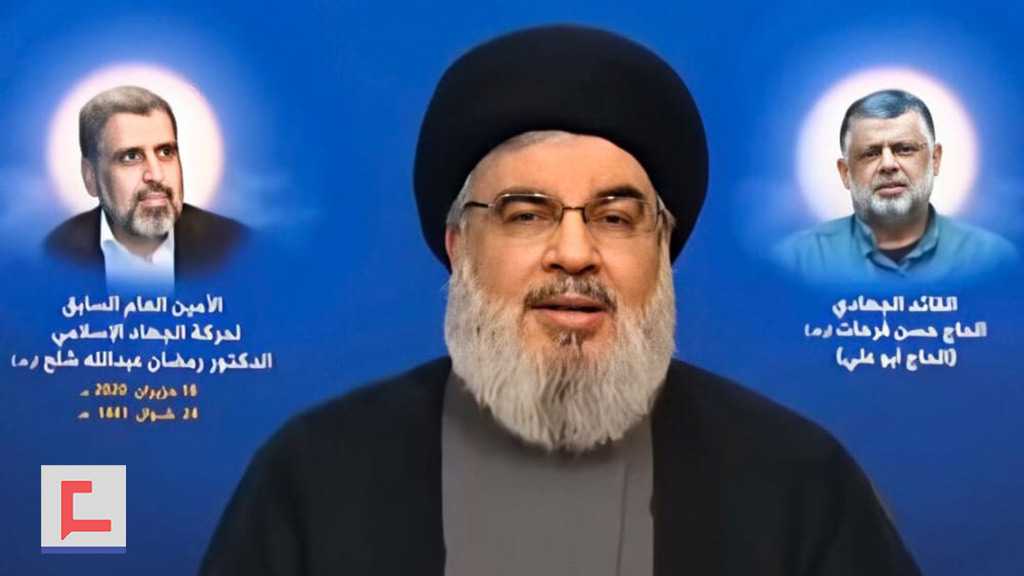
Beirut-Hezbollah Secretary General His Eminence Sayyed Hassan Nasrallah delivered on Tuesday a televised speech in which he tackled the latest internal and regional developments.
At the beginning of his speech, Sayyed Nasrallah condoled the Islamic Jihad resistance movement in Palestine on the demise of its Secretary General Dr. Ramadan Abdullah Shallah. “He was a wise and great leader who believed in resistance to the farthest limits, and he was keen on good relationships with the resistance factions.”
In parallel, His Eminence highlighted that “Late Dr. Shallah was keen on the Palestinian unity and the integrity of Palestinians with each other.”
He further mentioned that “The interests and responsibilities of Dr. Shallah didn’t stop at the Palestinian borders, but extended to get the Islamic nation close to each other.”
On another level, the Resistance Leader condoled the family of “Late Hajj Abu Ali Farhat, who belongs to the founding generation of Hezbollah and the Islamic Resistance in Lebanon.”
“Hajj Abu Ali Farhat was a leader of axes within the resistance since its beginnings and he assumed several responsibilities in the path of resistance,” he said, revealing that “I’ve lived with Hajj Abu Ali Farhat; he is a quiet and patient person.”
According to His Eminence, “Hajj Abu Ali Farhat is one of the role model leaders in jihad, bearing responsibilities, as well as individual, ethical and moral behavior.”
Moving to the internal political arena, Sayyed Nasrallah urged “The Lebanese people to have a stance regarding the brutal and oppressive American Caesar Act.”
“Talking about the government’s resignation is baseless and is part of rumors; we didn’t discuss any related thing at all,” he uncovered, pointing out that “We consider that Lebanon’s interest is in continuity of this government and exerting the possible efforts because the current situation doesn’t tolerate any transformations on this level.”
On the same level, His Eminence confirmed that “Any steps for approaching and calming the situation between different political forces must be motivated and taken out of the political bazar.”
Meanwhile, Hezbollah Secretary General reiterated that “Referring the slogans of disarming the resistance to the October 17 protests is unjust towards this protest movement. It aggrieves the movement or revolution, because a lot of those who took to the streets on October 17 do not believe in these stances and do not have a hostile stance towards the resistance.”
“Demanding rights is acceptable and a must, but making the protest movement carry the 1559 umbrella is negative and wrong,” he added, noting that “Demanding the rights must be separated from calls to disarm the resistance.”
Stating that “The parties behind the June 6 demonstration against the resistance’s weapons are well-known,” His Eminence went on to emphasize that “The real problem is the economic and social situation, the rise in the dollar exchange rate and the import and export problems. Introducing the 1559 demand into this type of demands has negative repercussions, because it leads to divisions, as actually happened on the ground.”
Meanwhile, Sayyed Nasrallah stressed that “For the resistance’s environment, the resistance’s weapons are part of a strategic culture and ideology that is much deeper than what some people think.”
“One of the things that we had warned about during the protests was colliding with the army, insulting and blocking roads,” he reiterated, noting that “When protests erupted over the rise in the dollar exchange rate and acts of violence occurred in Beirut and Tripoli, some held the Shiite duo responsible and said that Hezbollah and Amal sought to topple the government.”
He further recalled that “In the past, the same sides fabricated and claimed that this is Hezbollah’s government, so is Hezbollah stupid to topple its government? This is a sign of confusion and absurdity.”
Warning that “Lebanon is suffering from moral failure and degradation on social media, and there is difficulty in fully and thoroughly controlling these platforms,” he added that “It is the responsibility of all political and religious forces not to allow our country fall into chaos, sectarian or political strife.”
“We must face things with responsibility as long as there is moral degradation insecurity and media fabrications,” His Eminence said, noting that “The involvement of political and religious leaders in sectarian incitement amounts to moral betrayal.”
In addition, Sayyed Nasrallah underscored that “Incitement is much more dangerous than the attacks on public property because it evokes sedition.”
He also condemned “The malicious campaign to hold the Shiite forces responsible for burning and destroying the properties during Saturday’s protests,” announcing that Hezbollah “will do anything to prevent strife, clashes and the return of fire lines, including being present on the streets.”
“Holding Hezbollah and the Amal Movement responsible for the individual actions of some people in their environment is unjust,” His Eminence viewed, pointing out that “The accusations against Hezbollah and the Amal movement have reached a great level of degradation and humiliation.”
In response, Sayyed Nasrallah called on the “security and judicial agencies to summon rioters to interrogation and declare their identities, stressing that “The attempt to blame Shiites as a sect or Dahiyeh for the incidents that happened is an unacceptable, unjust and deplorable accusation.”
Moving to the economic situation in Lebanon, His Eminence explained that “The main issue regarding the high price of dollar is related to the law of supply and demand.”
On this level, he unveiled that “There is firm and definitive information that the Americans are preventing the transfer of sufficient and necessary quantities of dollar to Lebanon.”
“The Americans are interfering and pressing the Banque du Liban to prevent poring dollar into the market,” he stressed, recalling that “We- in Hezbollah- are the ones who are bringing the dollar to Lebanon, and we are not the ones who collect it.”
Meanwhile, Sayyed Nasrallah underlined that “There is a Lebanese bank that is protected from certain political entities which had since August 2019 collected tens of millions of dollars and transferred them out of Lebanon.”
He wondered “According to official statements and records, 20 billion dollars were taken out of the banks, who did that?”
“The issue of the dollar is an American conspiracy against Lebanon, its people, currency and economy, and there are those who are managing this process,” His Eminence stated, advising the Lebanese people, not to be taken by rumors and whoever works on spreading rumors must be held accountable
As he confirmed that “The issue of the dollar and price hikes is no longer a topic of the free and capitalist economic system, but rather a topic of national security,” he asked:  “Can we find a state like Iran which sells the Lebanese state and companies gasoline, gas, and diesel?”
“Before heading to Iran or any other country, the Lebanese must accept find solutions to the economic crisis,” Sayyed Nasrallah said, highlighting that “There is a fast-track and railway project from Tripoli to Naqoura. If this project happens, it will bring money and job opportunities to the country.”
According to His Eminence, “The Chinese companies are ready to build up electricity factories, and this will create jobs for the Lebanese.”
“The Americans use Lebanon and its economy to achieve their interests, that is, the security of “Israel” as well as the maritime and land borders,” he added, pointing that “Waiting the Americans means humiliation, hunger and submission.”
On this level, Sayyed Nasrallah explained that “The Americans are pressuring Lebanon, not because they love the Lebanese people, but because they are punishing them. The Americans are not keen on the laws while they are trampling them.”
“Whoever awaits moving the resistance’s environment against it will fail,” the Resistance Leader declared, sending a sounding message: “For those who bet on starving or leaving the country hungry, I confirm that this will not happen. If the equation is starvation versus weapons, we have an equation greater than this and I will not talk about it today. And I ask them to analyze.”
Clearly enough, Sayyed Nasrallah said: “For those threatening us that they will kill us with weapons or hunger I say; our weapons will remain with us, we will not starve, and we will kill you. We will kill you.”
“They want to kill our people after starving and humiliating them and we will not allow this to happen,” he added, noting that “America’s resort to Caesar Act resembles an evidence of Syria’s victory in the military war because it is the US’ last weapon.”
In addition, His Eminence clarified that “Syria’s allies who stood with it in the security and military war will not abandon it in facing the economic war,” noting that “The target of Caesar’s Act is the Syrian people, the return to chaos and civil war”
Calling the Lebanese “not to be happy with Caesar Act because it harms them a lot and perhaps more than Syria,” Sayyed Nasrallah concluded that he understands “the government’s inability to confront the US, but what I am calling for is not submitting to Caesar Act.”
Related Videos


Related Artticles

River to Sea Uprooted Palestinian   
The views expressed in this article are the sole responsibility of the author and do not necessarily reflect those of the Blog!

Thursday, 11 June 2020

Obituary: Ramadan Abdullah Shalah


June 7, 2020


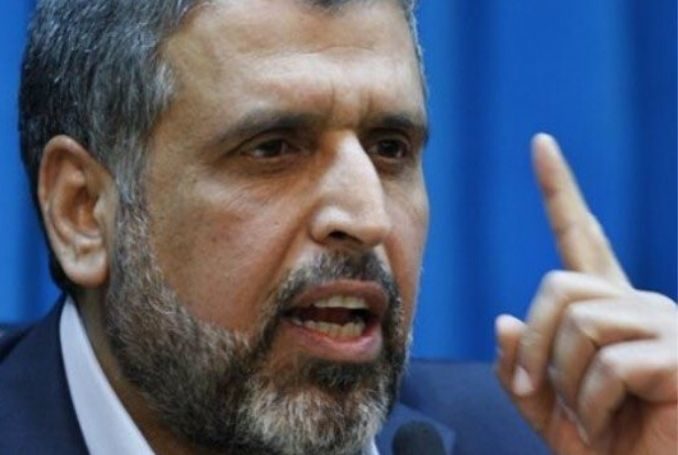
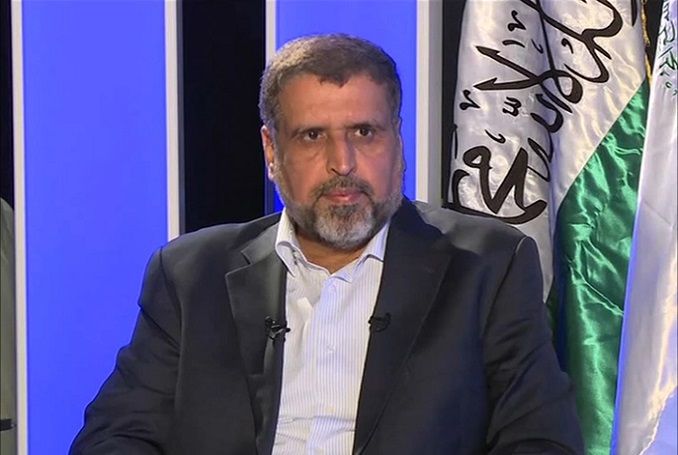
Former Islamic Jihad leader Ramadan Shalah. (Photo: File)

An extraordinary life of resistance against colonizers of his homeland Palestine will be celebrated, though Shalah is no more.
Al Manar TV reported on Saturday that the former leader of Palestine’s Islamic Jihad (PIJ) movement Ramadan Shalah has died.
His leadership of Palestine’s freedom struggle will be remembered as an outstanding contribution despite enormous challenges.
Born in Gaza in 1958, Shalah’s distinguished career as an academic did not impede his commitment to liberate Palestine. His impressive resume lists a 1990 doctoral degree in Islamic and Middle Eastern studies from the University of Durham in England, authorship of scholarly articles on Middle Eastern economics, and fluency in English, Arabic, and Hebrew.
He was tasked with leading the PIJ following the assassination of its founder Dr. Fathi Shiqaqi in 1995.
Until his fateful illness in 2018, Shalah’s remarkable ability to position the PIJ as a formidable arm of Palestine’s liberation movements alongside Hamas will remain a beacon of hope for his people.
As has been the case of most liberation movements including South Africa’s ANC, Islamic Jihad was designated as a “terrorist organization” by the United States.
In the Alarmuk refugee camp in Damascus, funeral arrangements for former Islamic Jihad leader Ramadan Shalah have begun. Leading Islamic Jihad leader Ziad Nahala has come to say goodbye.


Embedded video


And to the eternal shame of America for having branded Nelson Mandela as a “terrorist”, Ramadan Shalah shared the same fate. He was listed as a “Specially Designated Terrorist” in 1995 and a decade later was placed on the FBI’s “Most Wanted Terrorists” list with a huge bounty on his head.
Though Israel will rejoice his death, Palestine will mark his passing in tribute to yet one more martyr who selflessly dedicated his life to attaining freedom, honor, and dignity.
Ramadan Shalah may be no more, but the movement for liberation which he led from exile in Damascus and Beirut, and the significant alliances he formed within the arc of resistance is assured to be as steadfast as he was.

– Iqbal Jassat is an Executive Member of the South Africa-based Media Review Network. He contributed this article to The Palestine Chronicle. Visit: www.mediareviewnet.com 

River to Sea Uprooted Palestinian   
The views expressed in this article are the sole responsibility of the author and do not necessarily reflect those of the Blog!