Showing posts with label Iran-Hezbollah Versus Israel. Show all posts

Friday, 11 October 2019

Trump and Tehran Shake Up the Middle East الانسحاب الأميركي من سورية والهجوم على أرامكو.. ترامب وطهران يهزّان المنطقة


Smoke rising from the Abqaiq oil processing plant in Saudi Arabia after it was attacked in September.
Smoke rising from the Abqaiq oil processing plant in Saudi Arabia after it was attacked in September.CreditCreditPlanet Labs Inc., via Associated Press
Opinion Columnist

I’m sure I’m not the only one who finds it bizarre that the Republican leadership is (rightly) going nuts over President Trump’s betrayal of the Kurds in Syria while it’s ignoring his betrayal of the U.S. Constitution at home. If only Lindsey Graham & Co. were as eager to defend our democracy as they are the Kurds. But I digress.
If you think Trump’s withdrawal of U.S. troops from Syria will make the Middle East more explosive, you’re correct. But there’s far more going on. Those troops were also interrupting Iran’s efforts to build a land bridge from Tehran to Beirut to tighten a noose around Israel — and their removal could help bring the Iran-Israel shadow war out into the open. This is the really big story in the Middle East today.
Here’s the background: In the early hours of Sept. 14, the Iranian Air Force launched roughly 20 drones and cruise missiles at one of Saudi Arabia’s most important oil fields and processing facilities. The drones and cruise missiles flew so low and with such stealth that neither their takeoff nor their impending attack was detected in time by Saudi or U.S. radar. The pro-Iranian Houthi militia in Yemen claimed responsibility for the raid. That was as believable as saying that Santa Claus did it.
Some Israeli strategists argue that this surprise attack was the Middle East’s “Pearl Harbor.” An exaggeration? Maybe not.
“Recalculating, recalculating, recalculating.”
Every country is now recalculating its security strategy, starting with Israel. Consider how Uzi Even, one of the founding scientists of Israel’s Dimona nuclear reactor, assessed the Iranian strike.
“A total of 20 cruise missiles and drones were used in the attack,” Even wrote in Haaretz on Sunday. “Drone wreckage discovered in Saudi Arabia shows that the Iranians are manufacturing and operating drones so advanced (with jet engines and significant stealth capabilities) that they do not lag behind Israeli capabilities in this field. Seventeen targets incurred a direct hit in this concentrated bombardment. Considering the 20 projectiles whose debris was found at the attack site, that’s an 85-percent success rate, which indicates the very high capability and reliability of the technology that was used.”

Photos of the aftermath, Even added,
“show the precision that was achieved in the attack. Each one of the spherical gas tankers in the picture was hit in the center. The pictures also show that the strike precision was one meter. … The Iranians, or their proxies, showed that they can hit specific targets with great precision and from a distance of hundreds of kilometers. We have to accept the fact that we are now vulnerable to such a strike.”
Even’s conclusion: Operations at Israel’s “Dimona nuclear reactor should be halted. It has now been shown to be vulnerable, and the harm it could cause would likely exceed its benefits.”
Not a bad day’s work for Iran — and Israel wasn’t even the target. Now let’s look at the Arabs. The Saudis and the United Arab Emirates got a double shock from the Iranian attack. It simultaneously exposed Iran’s precision and Donald Trump’s isolationism.
It had to have been quite the cold shower for the Saudis to call Washington to discuss what the U.S. planned as a strategic response only to discover that our president was busy looking for the cellphone number of Iran’s president, Hassan Rouhani, to see if he could cut the same deal with him that he did with North Korea’s dictator, Kim Jong-un: Give me a photo-op handshake, and we can do business.
Translated into Arabic, Trump was saying to the Gulf Arabs: “I forgot to tell you. I’m only interested in selling you our weapons — not using them in your defense. But don’t forget to stay in my hotel when you’re next in D.C.! Operators are standing by.”
The Saudis and the U.A.E. got the message. They, too, got busy looking for the Iranian leader’s cellphone number — and the number of the pro-Iranian emir of Qatar, too. Time to get right with all the neighbors.
This, in turn, has fractured the tacit U.S.-Sunni Arab-Israel anti-Iran coalition and left Israel feeling more alone than ever to deal with Iran — and its proxies in Lebanon, Syria and Iraq.
Because Prime Minister Bibi Netanyahu of Israel also got a double dose of Trump reality. After Netanyahu did poorly in the recent Israeli election, Bibi learned how much Trump doesn’t like losers. When asked about Bibi after the Israeli election, Trump said coolly that he hadn’t spoken to him — “our relationship is with Israel.”

President Trump has cooled on Prime Minister Benjamin Netanyahu since the Israeli election. CreditRonen Zvulun/Reuters
Translated into Hebrew, Trump was saying: “Bibi? Bibi? I once knew a guy who owned a deli at Lexington and 55th named Bibi.”أكتوبر 11, 2019
And then, after the Iranian attack on Saudi Arabia, Trump declared that when it comes to a war with Iran, “we’d certainly like to avoid it.” Again, translated into Hebrew:
“America is happy to keep oil sanctions on Iran, but it is not going to partner with Israel and the Sunni Arabs to create regime change there or militarily destroy Iran’s capabilities.”
Bibi had completely misread Trump’s mind-set, which was: “We’re awash in oil and gas. We’re not fighting anyone’s wars in the Middle East.” The Iranians don’t even have an embassy in Washington. But they read Trump perfectly.
Recalculating, recalculating, recalculating.
The Gulf Arabs can and will find a way to buy off the Iranians. Israel can’t. Israel has a real Iran problem. Beware.
Iran’s is an awful regime. The ruling clerics have deprived at least two generations of young Iranians the freedom and tools to realize their full potential — one reason that a brain drain and drug addiction are rampant among Iranian youth.
While Iran’s people “aspire to be like South Korea — and they have the talent to be that — Iran’s hard-line leadership prefers to rule like North Korea,” observed Karim Sadjadpour, Middle East expert at the Carnegie Endowment.
So Iran’s Islamic revolutionaries need constant conflict with America and Israel to justify their ruthless internal repression. But Iran is heir to a great civilization. Even with its brain drain, it’s still got lots of real scientific talent.

توماس فريدمان
أنا متأكد من أنني لست الشخص الوحيد الذي يجد أنه من الغريب أن القيادة الجمهورية تتجاهل خيانة الرئيس ترامب للأكراد في سورية، رغم كونها محقة في ذلك التجاهل، لكنها تتجاهل خيانته للدستور الأميركي في الداخل بغير حق، ويا حبذا لو كان ليندسي جراهام وشركاه فقط متحمّسين للدفاع عن ديمقراطيتنا مثل دفاعهم عن الأكراد.

لكن تعالوا لندقق.

إذا كنت تعتقد أن سحب ترامب للقوات الأميركية من سورية سيجعل الشرق الأوسط أكثر تفجراً، فأنت على حق، لكن هناك الكثير مما يحدث. فهذه القوات كانت تحاول عرقلة جهود إيران لبناء جسر بري من طهران إلى بيروت يهدف لتشديد الخناق حول إسرائيل ، وسحبها يمكن أن يساعد في تسريع إطلاق حرب الظل بين إيران و إسرائيل . وهذه هي القصة الكبيرة حقاً في الشرق الأوسط اليوم.

إليكم الخلفية: في الساعات الأولى من يوم 14 سبتمبر، أطلق سلاح الجو الإيراني حوالي 20 طائرة وصواريخ كروز على واحد من أهم حقول النفط ومنشآت المعالجة في المملكة العربية السعودية، طارت الطائرات بدون طيار وصواريخ كروز منخفضة للغاية وبطريقة الأشباح لدرجة أنه لم يتم اكتشاف إقلاعها أو هجومها الوشيك في الوقت المناسب من قبل الرادار السعودي أو الأميركي. أعلنت ميليشيا الحوثي الموالية لإيران في اليمن مسؤوليتها عن الغارة. كان ذلك معقولاً مثل قول إن بابا نويل فعل ذلك أيضاً، لكن التفصيل هنا حول من فعلها لم يعد مهماً.

يجادل بعض الاستراتيجيين الإسرائيليين أن هذا الهجوم المفاجئ كان «ميناء بيرل هاربر» في الشرق الأوسط، وهو الهجوم الياباني الذي صدم أميركا وفاجأها ودخلت الحرب العالمية الثانية بعده، ربما نعم وربما لا.

أي شخص في إيران توصل إلى فكرة هذه الضربة الجوية الجريئة حصل على التهنئة والترقية، إذ لا يمكن تخيّل القيام بالعمل بشكل أفضل، لأن الصوت الذي تسمعه يصدر من كل عاصمة عربية و إسرائيل هو الصوت نفسه الذي تسمعه من مساعد القيادة الآلي عندما تنحرف سيارتك فجأة عن المسار المحدد:

إعادة الحساب، إعادة الحساب، إعادة الحساب.»

تقوم كل دولة الآن بإعادة حساب استراتيجيتها الأمنية، بدءاً بـ إسرائيل . تأمل كيف قام عوزي إيفين، أحد العلماء المؤسسين لمفاعل ديمونا النووي الإسرائيلي، بتقييم الضربة الإيرانية داعياً إلى الإسراع بإقفال المفاعل بعدما صارت فوائده أقلّ من درجة المخاطر التي يجلبها.

وكتبت صحيفة «هآرتس» يوم الأحد: «تم استخدام ما مجموعه 20 صاروخًا وطائرة بدون طيار في الهجوم». و»حطام الطائرة بدون طيار المكتشفة في المملكة العربية السعودية يُظهر أن الإيرانيين يصنعون ويديرون طائرات بدون طيار متطوّرة للغاية مع محركات نفاثة وقدرات تسلل وتشويش راداريّ كبيرة لدرجة أنهم لا يتخلفون عن القدرات الإسرائيلية في هذا المجال، سبعة عشر هدفًا تلقت ضربة مباشرة في هذا القصف المركز، بالنظر إلى المقذوفات العشرين التي تم العثور على حطامها في موقع الهجوم، فإن ذلك يمثل نسبة نجاح تبلغ 85 بالمئة، مما يشير إلى القدرة العالية والموثوقية العالية للتكنولوجيا التي تم استخدامها. «

نشر في نيويورك تايمز يوم 10-10-2019.

River to Sea Uprooted Palestinian   
The views expressed in this article are the sole responsibility of the author and do not necessarily reflect those of the Blog!

Sunday, 17 February 2019

‘Israel’ Simulates Conditions of War with Hezbollah in New Drills


In an attempt to train soldiers for combat operations in topographical conditions similar to those in Lebanon, the Zionist army conducted a massive drill over the last week.
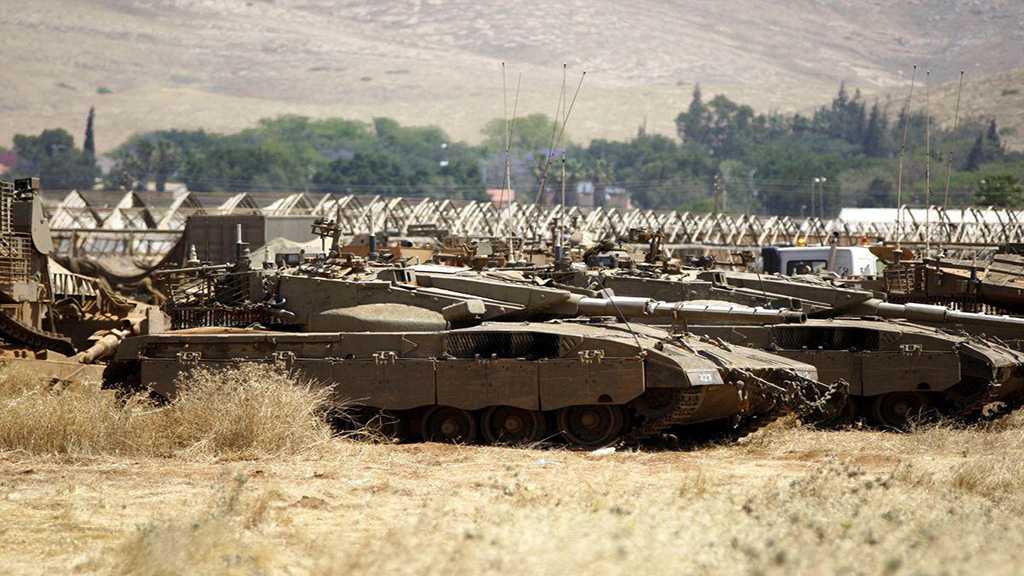
The wargame was the largest one carried out by the occupation’s 401st Brigade of the Armored Corps in recent years, according to ‘Israeli’ Channel 12 news. The soldiers carried out drills in coordination with the ‘Israeli’ Air Force, as well as the engineering and intelligence corps.
Dozens of tanks, armored personnel carriers and helicopters were deployed in the training zone in the occupied Jordan Valley, according to the Zionist military.
The brigade’s commander, Col. Dudu Sonago, said Hezbollah fighters have gained extensive experience and have developed more sophisticated battle techniques after fighting in Syria’s war.
“As the situation in Syria stabilizes, Hezbollah is returning its forces to Lebanon,” Sonago said. “They are no longer a guerrilla organization, but a real army. They fought there in regiments of companies and battalions, very similar to the military,” he told Channel 12.
“They operate in civilian areas and are ready with a large quantity of anti-tank missiles,” Sonago added. “This is a challenge the [‘Israeli’ military] must train for.”
The exercise comes while the ‘Israeli’ regime heightened tensions along the border with Lebanon after launching an alleged operation to locate and destroy cross-border tunnels claimed to be used by Hezbollah to reach the occupied territories.
Hezbollah Secretary General His Eminence Sayyed Hassan Nasrallah later dismissed the effectiveness of the Zionist operation that wrapped up in January, adding that Hezbollah’s plan to liberate northern of the occupied territories remained intact.
Related Videos
Related Articles

River to Sea Uprooted Palestinian   
The views expressed in this article are the sole responsibility of the author and do not necessarily reflect those of the Blog!

Monday, 11 February 2019

إسرائيل لا تثق بجيشها البرّي: «حرب 73 ستكون نزهة»!

إسرائيل لا تثق بجيشها البرّي: «حرب 73 ستكون نزهة»!  
غولان: وضع سلاح البر سيء جداً، وقائد ذراع البر لا يعمل (أ ف ب )

 علي حيدر

 السبت 9 شباط 2019

لم يعد الحديث عن عدم جاهزية سلاح البر في جيش العدو مجرد تقدير أو تحذير من لجان متخصصة أو من مفوض شكاوى الجنود. بل أتى من قلب المؤسسة العسكرية ومن قيادتها العليا. في وثيقة سرية قدمها نائب رئيس الأركان السابق اللواء يائير غولان، كان الأخير صريحاً إلى حد الإقرار بعدم ثقة القيادة العليا بالجيش البري، والتحذير مما ينتظر الجبهة الداخلية من سيناريوات لم تشهدها طوال تاريخها في كل الحروب التي خاضتها في مواجهة الجيوش العربية.

لم يعد بإمكان المؤسسة الإسرائيلية بكافة عناوينها، التغطية على هذه الحقيقة المؤلمة بالنسبة لكل إسرائيلي محتل، جندياً كان أو مستوطناً، خصوصاً أن من قدمها هو من القيادة العسكرية العليا، وكان أحد المرشحين لخلافة رئيس الأركان السابق غادي آيزنكوت في منصبه. ومما أضفى على الوثيقة المزيد من الصدقية أيضاً أنها لم تستند إلى تقديرات نظرية، بل إلى تجارب عملانية أيضاً، الأمر الذي رفع من مستوى الخطورة لدى قادة تل أبيب - حتى لو تمت التغطية على ذلك - خصوصاً أن هذا الواقع يمهد لمزيد من النكسات والهزائم التي ستكون مفاعيلها أشد خطورة على وجودها وأمنها.

أكد اللواء غولان أن انعدام الثقة بقدرات سلاح البر، والخوف من الخسائر، أديا إلى عدم تنفيذ اجتياح بري خلال العدوان على قطاع غزة في العام 2014، في ما سمي بـ«الجرف الصامد». وأشار إلى أن «انعدام الثقة بسلاح البر انتقل إلى الشبان، وألحق هذا الأمر ضرراً لا يمكن إصلاحه من حيث ثقة الضباط بأنفسهم وبقدرتهم على الانتصار». في المقابل، اعتبر رئيس معهد القدس للأبحاث الاستراتيجية، أفرايم عنبر، أن «الخشية هذه موجودة منذ سنوات طويلة وكما يبدو منذ أيام حرب لبنان الثانية» (حرب تموز 2006)، مشيراً إلى أنه «ليس عبثاً تم إهمال سلاح البر لمصلحة قدرات السايبر وسلاح الجو».

لكن المشكلة الكبرى بالنسبة لإسرائيل، تكمن في الخطورة الكبرى التي ستواجهها انطلاقاً من أن «الضربة التي ستوجه إلى الجبهة الداخلية ستكون (في الحرب المقبلة) أكبر مما تحتمله، وأن إخفاق حرب يوم الغفران (حرب تشرين العام 1973) سيكون «نزهة» قياساً بالضربة التي ستوجه إلى الجبهة الداخلية»، بحسب غولان. في المقابل، رأى قائد سلاح البر السابق اللواء غاي تسور، أنه «إذا نظرنا إلى المستقبل، وبموجب إدراكنا لطبيعة الحرب المقبلة في لبنان، فعلينا تعزيز ثقة صناع القرار بسلاح البر».

ويعود منشأ هذه الخطورة، بحسب منطق غولان، من أن «سلاح الجو لن يتمكن من وقف آلاف الصواريخ في الحرب المقبلة، وبالتالي سيكون من الضروري دخول القوات البرية إلى أراضي العدو ووقف إطلاق الصواريخ. وإلا فإن الجبهة الداخلية ستتلقى ضربات صاروخية سيكون من الصعب عليها تحملها»، «والوضع سيشكل صدمة للجمهور». يتلاقى هذا «التحذير» أيضاً مع ما سبق أن أقر به الرئيس السابق لأركان جيش العدو غادي آيزنكوت عشية رأس السنة العبرية في أيلول الماضي، بأن سلاح الجو غير قادر على الانتصار في الحرب، وأن «الانتصار سيأتي حصراً عبر عمل القوات البرية».

لكن المشكلة أن هناك قدراً من التسليم الضمني بأن سلاح البر في جيش العدو، عاجز عن تحقيق أي حسم عسكري، فضلاً عن الكلفة الباهظة التي سيتلقاها. ومن هنا تنبع عدم ثقة القيادة العليا به، وهو ما وصفه غولان في الوثيقة، بأنه «مفهوم كارثي» وأن «وضع سلاح البر سيء جداً، وقائد ذراع البر لا يعمل...». ويضيف أيضاً أن «مشكلة القيادة العليا للجيش الإسرائيلي تكمن في الوعي، وهذه القيادة فعلاً لا تعتمد على سلاح البر... وحتى الاستثمارات المالية الكبيرة في سلاح البر لن تفيد». وهكذا يتضح فعلياً أن إسرائيل عالقة بين «خيار جوي عقيم وغزو بري متعذر» 

(«الأخبار»، 10 أيلول 2018 ).

يادلين مشكّكاً: إلى أي مدى يمكن أن يصل الهجوم البري؟ إلى بيروت؟ شمال لبنان؟ العراق؟

كل ذلك توالى بعد محاولات المؤسستين العسكرية والسياسية التشكيك بتقارير مفوض شكاوى الجنود في الجيش اللواء يتسحاق بريك، الذي أكد عدم جاهزية الجيش للحرب. لكن انكشاف وثيقة غولان أطاح بكل هذه الجهود الدعائية.

في المقابل، تدرك تل أبيب خطورة الصورة التي تتشكل في وعي أعداء إسرائيل حول عدم جاهزية سلاح البر. وتدرك أيضاً القدرات الصاروخية الهائلة التي يمتلكها محور المقاومة، والقادر من خلالها على دك الجبهة الداخلية، وهو ما وفَّر ردعاً استراتيجياً في مقابل القوة النارية والتدميرية الهائلة لجيش العدو. وانعكاس كل ذلك على معادلات الردع المتبادل، وعلى المدى الذي يمكن أن يبلغه أعداء إسرائيل في حال نشوب أي مواجهة كبرى.

أياً كانت المساعي التي تبذلها القيادة الإسرائيلية لتبديل صورة جيشها بنظر جمهورها وبنظر أعدائها، فإنها من الناحية العملية لم تعد تثق بجيشها في مواجهة قوى المقاومة، وباتت أمام حقيقتين لخّصهما رئيس الاستخبارات العسكرية السابق، اللواء عاموس يادلين. الأولى عبّر عنها بالقول: «أنا لا أوافق على الادعاء أن العملية البرية ستوقف إطلاق الصواريخ. إلى أي مسافة ستصل العملية البرية؟ حتى بيروت؟ حتى شمال لبنان؟ إلى غرب العراق؟». وهو أراد بذلك الإشارة إلى أن هذا التمدد الإسرائيلي المفترض لن يوقف أيضاً دك الجبهة الداخلية بالصواريخ. والثانية، أن «ذراع البر في الجيش الإسرائيلي يمثّل شعب إسرائيل الذي لا يريد إرسال جنوده إلى هجوم بريّ في الحرب المقبلة». وهي الحقيقة الأكثر إيلاماً وحضوراً في وعي قادة تل أبيب على المستويين السياسي والأمني.


River to Sea Uprooted Palestinian   
The views expressed in this article are the sole responsibility of the author and do not necessarily reflect those of the Blog!
Tuesday, 2 October 2018

Iran and Hezbollah Are Ready to Face Any Challenge: But Are Israel and The US Ready?

IRGC_Syria_5921f.jpg  
Israel, through its Prime Minister Benyamin Netanyahu, is waving the flag of war in the face of Iran and Hezbollah, showing what is claimed to be a “secret nuclear facility in Iran and Hezbollah strategic missile warehouse in the heart of the capital Beirut”. The “secret nuclear facility” has been debunked by Iranians living in the area- the pictures were taken in front of what turned out to be a carpet factory. In Beirut, the AMAL movement led by Parliament Speaker Nabih Berri constructed a gate long ago, closing the visible path towards a boat repair hangar at Ouzai. The real question is: What Israel is trying to do or say? 

 No one in Lebanon can be certain whether a war is being prepared against Hezbollah, Iran’s partner which shares its ideology and objectives to “support the oppressed around the world”. Israel and the US may, in fact, be preparing war against Iran and Hezbollah, in which case the possibility of war against Lebanon is not far-fetched. I say against Lebanon because Hezbollah, along with the Shia society that protects and is part of the organization, represents around 25 to 30 percent of the Lebanese population - not counting other religions and secular political parties who share Hezbollah’s goal to serve as a balancing power protecting Lebanon from Israel. 

Commanders in Lebanon consider that Netanyahu made his show at the UN presenting specific objectives as sensitive targets because he doesn’t want to hit these “targets”. Had he been certain of the contents, why didn’t he bomb these Hezbollah warehouses as he claims he has been doing throughout the seven years of war in Syria? 

 According to sources in Beirut, strategic missiles can’t be located in residential areas like the capital Beirut or any other city or village. Missiles are ready to be launched in hundreds of places with a small reserve backup in each to avoid the total destruction that befell many warehouses during the second war on Lebanon in 2006. Moreover, launching ballistic long or media range missiles needs to take place very far away from population centers to avoid collateral damage in the case of a failed launch, always a possibility.

The reason why the Beirut airport has been targeted by Netanyahu’s satellite photos may be related to the intention to build a new airport – Qalay’aat - far from the suburbs of Beirut and close to an area which the US’s friends in Lebanon can use for many other purposes. 

What is clear from Netanyahu’s presentation is that Hezbollah has achieved a “balance of fear” with its enemy. Israel can no longer damage Hezbollah and Lebanon’s infrastructure and get away with it with little damage to themselves because the organization will respond with strength through its advanced military capabilities. IRGC ballistic missiles and armed drones’ attacks against targets in Kurdistan Iraq and albu Kamal in Syria gives an idea of Hezbollah’s capabilities. However, there is one important difference: Hezbollah doesn’t need missiles with a range between 500 and 800 km, but much less than that. Iran has adapted Hezbollah missiles with a shorter range of 300 km and a more destructive warhead. 

Moreover, Hezbollah has used relatively primitive armed drones in Syria, hiding the surprises – according to sources – for a possible war against Lebanon, or to target more distant enemies when needed. 

In Syria, the rules of engagement will change again when Russia supplies the promised S-300. If Damascus decides to shoot down an Israeli jet, has Tel Aviv thought about the fate of the pilot if he is downed over Lebanon? Has the memory of Ron Arad disappeared? Hezbollah – according to the source – is not motivated to abduct Israeli soldiers as in 2006, because Israel does not currently hold Hezbollah hostages. However, a gift from the sky – said the source – will never be rejected. Thousands of Palestinians can be freed if an Israeli pilot falls into the hands of Hezbollah in Lebanon.  
Such developments would only embarrass Netanyahu, who has subjected himself to ridicule by playing the investigative journalist around a football camp in Lebanon and a carpet factory in Iran. His public performances are not those of a serious prime minister. 

The “Axis of the Resistance” was first hit in 2006 with the Israeli attack on Hezbollah, again in 2011 with the war on Syria, and in 2018 it is Iran’s turn. The first two plans failed dramatically, reinforcing the strength of Hezbollah, whose organization has now become one of the strongest armies in the Middle East. In Iraq, it gave birth to al-Hashd al-Shaabi, an Iraqi security force with strong ideological convictions who are prepared to kick the US out of Mesopotamia. In Syria, President Assad has emerged stronger and his ministers are meeting Arab ministers in the corridors of the UN- indicating a serious shift in the Arab position towards the Levant. 

With every war or tough western policy to defeat this “axis” using Saudi Arabian money and western intelligence services in the Levant and Iraq, this “axis” becomes stronger and increases the number of its supporters. Can the western warmongers finally learn that such a policy is, in fact, drastically weakening the West in the Middle East? I doubt it. 


River to Sea Uprooted Palestinian   
The views expressed in this article are the sole responsibility of the author and do not necessarily reflect those of the Blog!