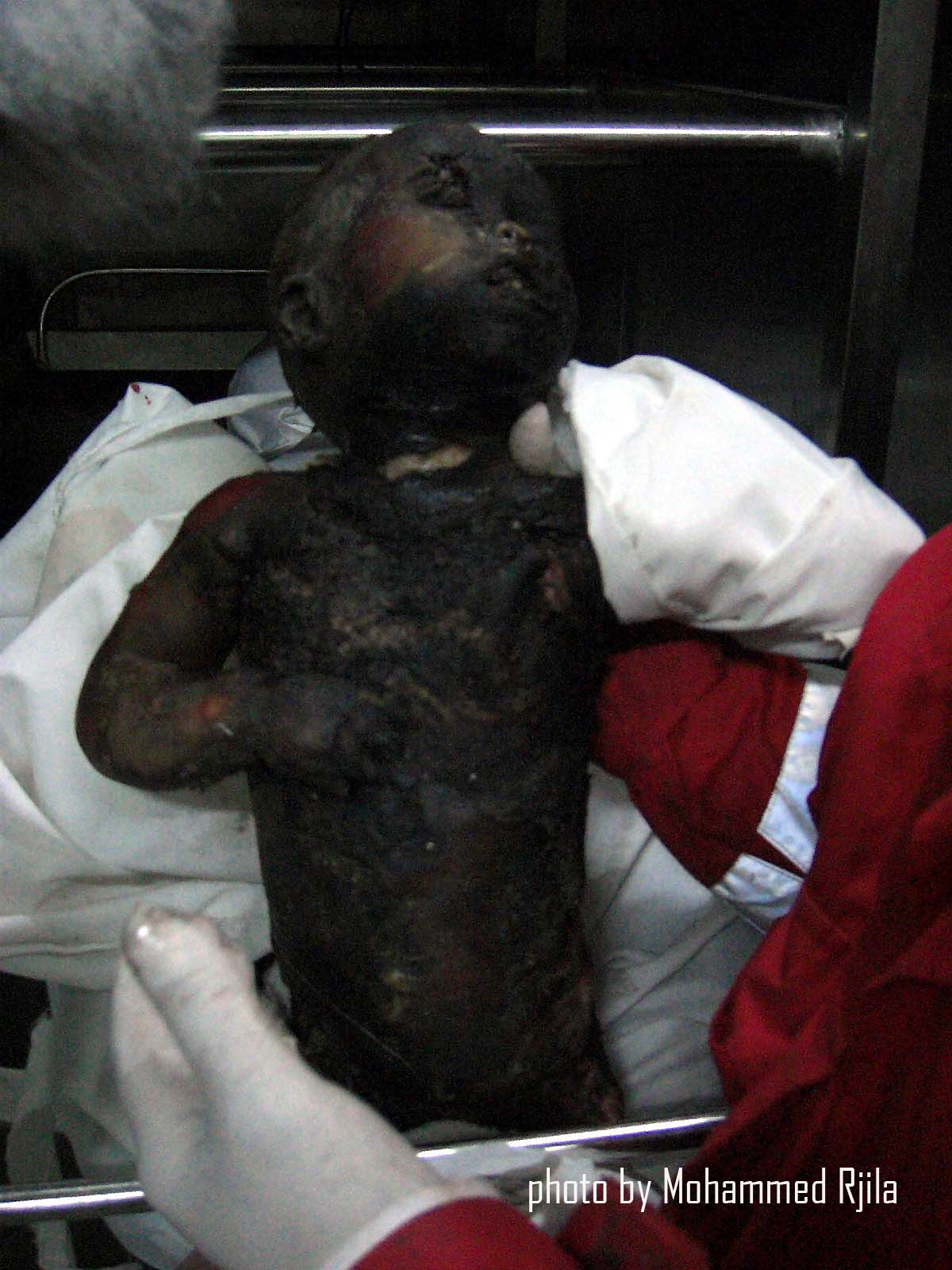
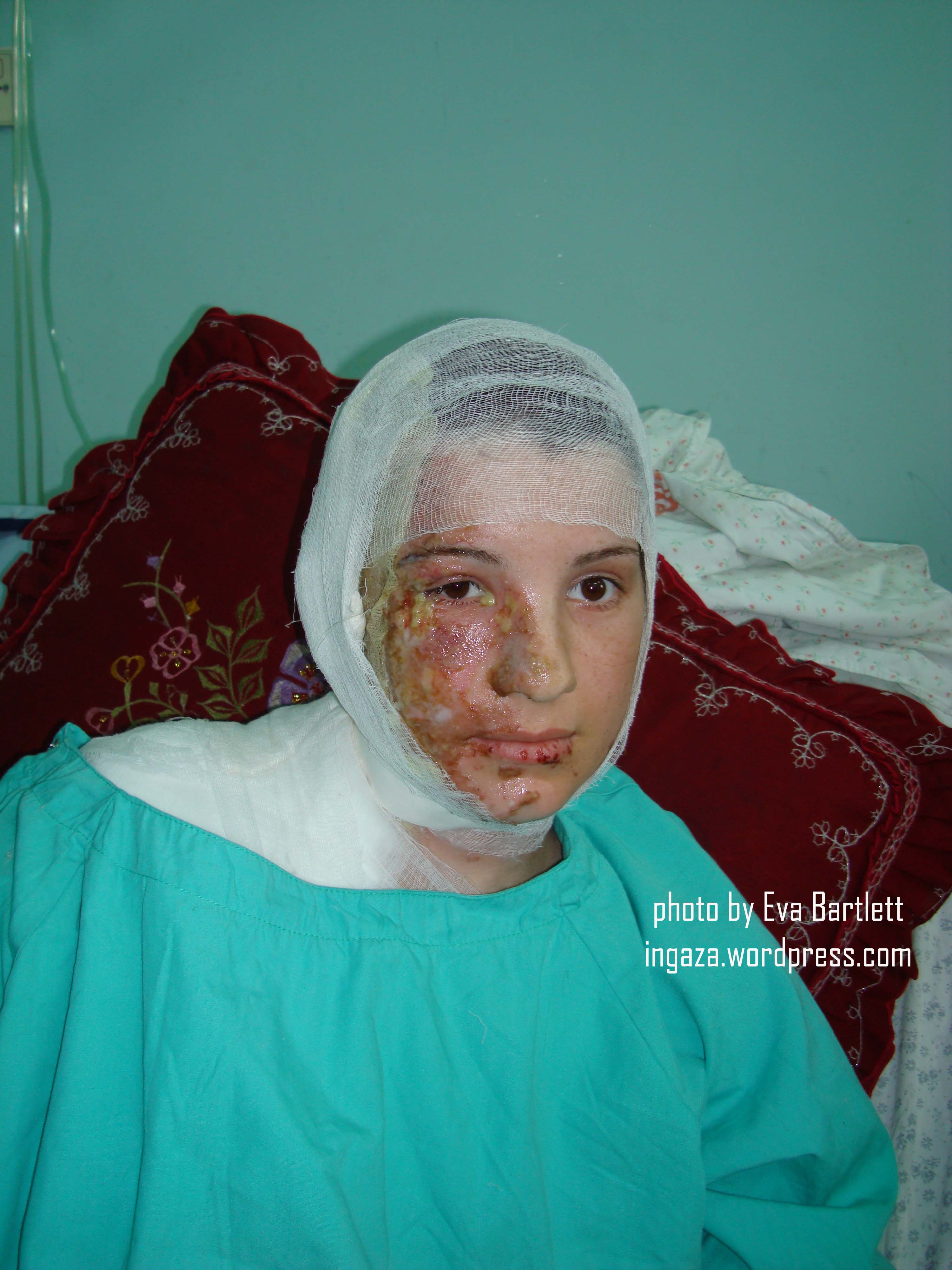
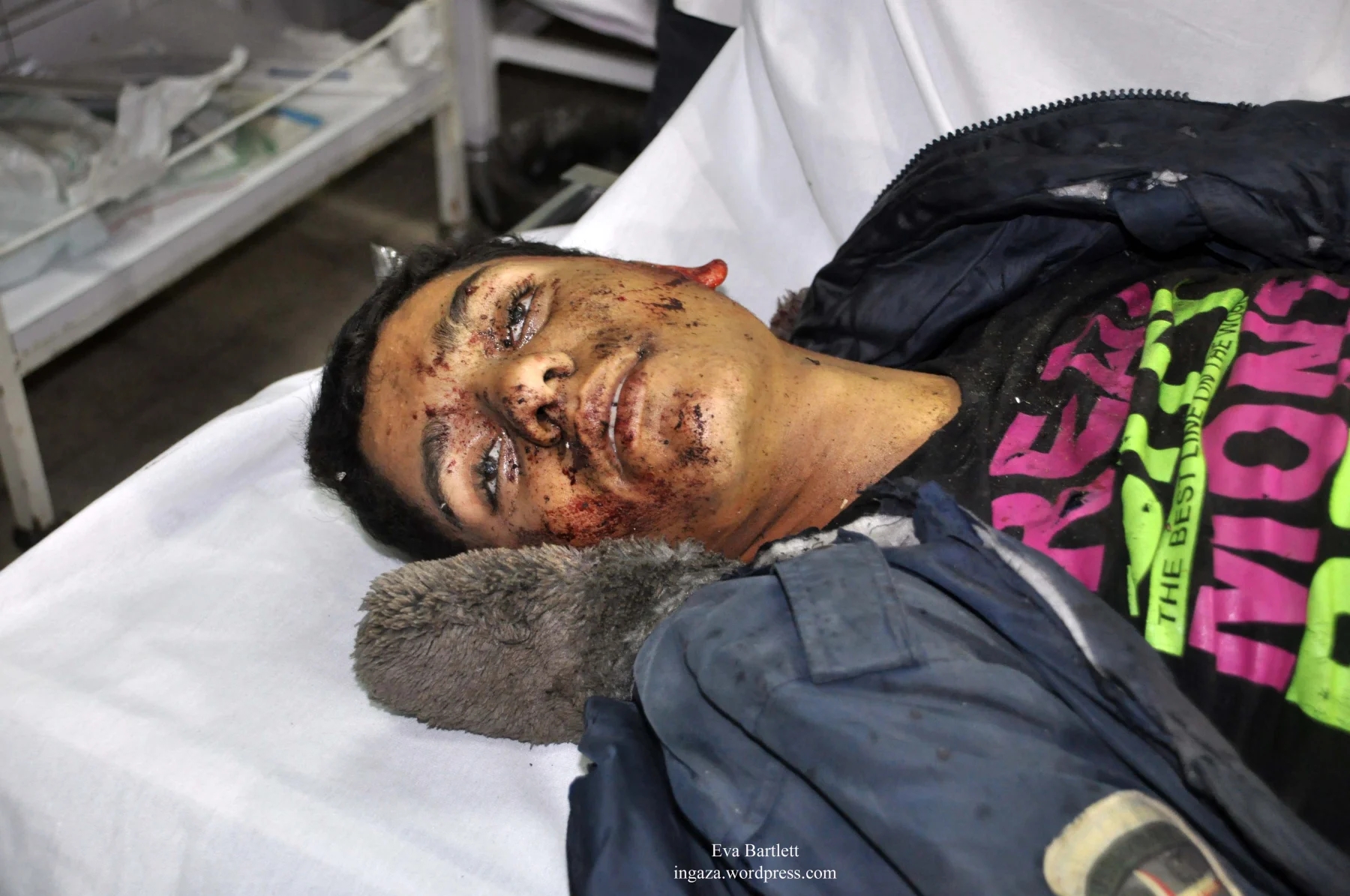
Uprooted Palestinians are at the heart of the conflict in the M.E Palestinians uprooted by force of arms. Yet faced immense difficulties have survived, kept alive their history and culture, passed keys of family homes in occupied Palestine from one generation to the next.
I have been questioned enough times to know that things are not going well when the officer looks at your passport and asks you questions for which the answers are written in the passport itself.
JERUSALEM — “I need a cell for a Jew,” the Israeli cops driving the jeep called into the jail. I was the Jew they were referring to and the jail was the infamous “Muskobia,” in the heart of West Jerusalem. This was the end of a long and tiring day that began with a protest in the village of Nabi Saleh in Palestine. I was covered in sweat, tear gas, dust, and quite a bit of the disgusting skunk liquid that the Israeli army sprays on protestors.
It was a hot day and my arms were full of bruises, my elbow and wrists sprained from the soldiers twisting them during the arrest. But regardless of the fact that I was protesting with Palestinians, I was still a Jew and when I was sent to jail for the night the authorities needed to make sure I was in a cell for Jews.
White privilege it seems, like skin color, doesn’t go away even in situations like that. Not that the cell for Jews was a room at the Marriott — far from it. There were eight or ten other guys, it was so full of cigarette smoke that I could hardly see from one end of the cell to the other, and when one of the inmates called for help because he was sick the guards showed no concern whatsoever.
However, I knew that my visit in the cell was limited to 24-48 hours at the very most. I knew that I would see a judge by the end of the first 24 hours and that a lawyer was on my case before I even reached the police station. It goes without saying that my interrogation was in a police station in the local settlement, not in a Shabak, or secret-police dungeon.
My rights were read to me and I was offered coffee and even a sandwich. I was not blindfolded, I was not beaten, I wasn’t shackled, and it took a while for the soldiers who brought me in to realize that they had forgotten to take away my cell phone, which of course I used to inform my family and friends where I was during several visits to the restroom.
All this took place several years ago. What I had learned from years of crossing the line from the privileged side to the side of the wall where privilege is not available, is that no amount of activism and no amount of crossing this line can take away the white privilege.
It wasn’t until recently that a chink was made in the armor of white privilege. Just a chink, and barely noticeable to the naked eye.
Secondary security screening
Landing in Washington, Dulles Airport after a recent visit to Palestine, I hurried, as I always do, to the Global Pass line. Global Pass is a privilege one can utilize that allows for a quick and easy entry back to the U.S. To receive it you must complete an extensive form, pay, and go through an interview at a local Homeland Security office. I have had this wonderful privilege for many years and it makes life a lot easier when I travel.
However, upon this recent return, something had changed. After placing my passport in the machine, I received a piece of paper telling me to see an agent. The agent took my passport, placed it in a sealed box, and told me to take it to another room. “Follow the red tape on the floor,” he said.
The line led me to another agent at the entrance to a large hall. He took my passport and sent me to sit and wait in a particular part of the hall. That is when it occurred to me that I was actually going through secondary security screening. This trip was not an ordinary one. It was May of 2021, my first trip to Palestine since COVID, and it was prompted by the unusual uprising that had taken place in Palestine.
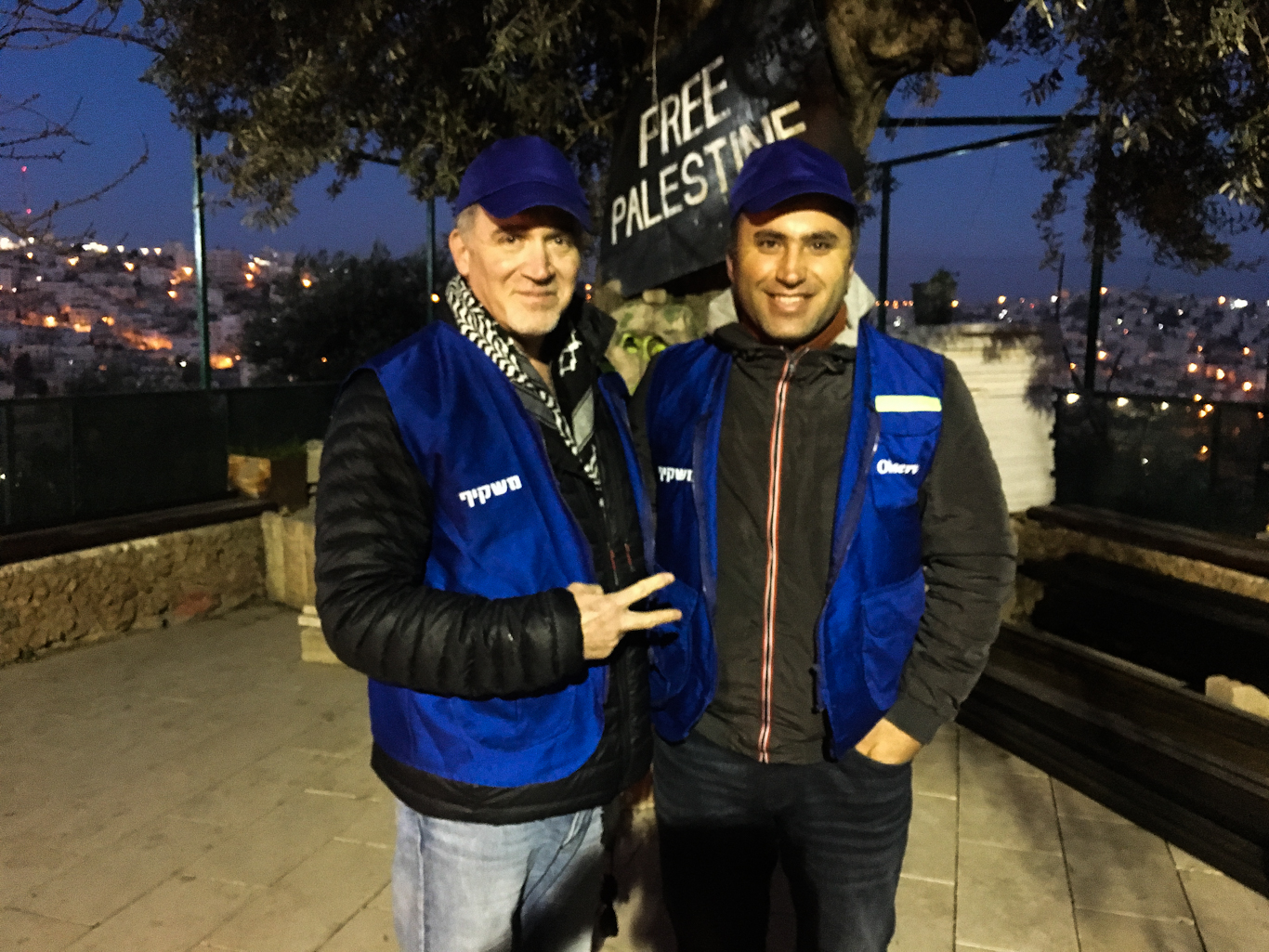
Miko Peled, left, with Palestinian activist Issa Amro in Tel-Rumeida, Hebron. Photo | Miko Peled
No flights were landing in Tel-Aviv because the airlines were afraid of the Qassam rockets being shot from the Gaza Strip. So even though my ticket was to Tel-Aviv, I was rerouted and flew to Istanbul; then to Amman, Jordan; and from there I proceeded overland to cross into Palestine — a process that is neither pleasant nor convenient and consumes an entire day. My return to the United States was the same. I had to travel overland to Amman, Jordan, and from there to fly via Istanbul to Washington.
As I was sitting in the secondary-screening hall I was pondering all of this and wondered if that was the reason for the ordeal. In front of me were tables where passengers placed their luggage for inspection. On one of them, a Black woman had her suitcase and handbag and an officer was going through each and every item. When he finished inspecting the most intimate parts of her private possessions he looked at her. The woman was obviously pregnant and the officer asked, “Is the father your husband or your boyfriend?”
What town in Jerusalem are you from?
I have been questioned enough times to know that things are not going well when the officer looks at your passport and asks you questions for which the answers are written in the passport itself. “Where were you born?” “What countries did you visit?” This is why there is a passport to begin with, so that an officer can see the answers to those questions at a glance.
“I was born in Jerusalem,” I said, as it is stated in my passport.
“Yes, but what town or city in Jerusalem?” he asked.
“Jerusalem is a city.”
“Oh ok, well I am not familiar with the region.
“What countries have you visited in the last few years?”
The list was long but the one that he found most interesting was Iran. He asked a few questions about what I did and where I went, and what I spoke about during my lectures.
“Peace, love, and reconciliation,” I replied.
After the questioning came the inspection of my belongings, every item and every piece of paper was examined and had to be explained.
The entire affair took a couple of hours. It wasn’t pleasant, but it was not the end of the world. What did seem to me to be the end of the world was the email I received the following day, notifying me that my Global Pass was revoked as well as my TSA Pre-Check.
So now, with a chink in my privilege, each time I fly I must wait in line with everyone else, pull out my laptop and, what is worst of all, take off my shoes.
Feature photo | This undated screenshot taken from a video shows the arrest of Miko Peled by Israeli forces during a protest in occupied Palestine.
IOF kill 2 Palestinian civilians, including a child, in Tubas and occupied East Jerusalem
3 Palestinians shot and wounded in the West Bank, including occupied East Jerusalem
1 IOF shooting reported against fishing boats, and twice at agricultural lands in the Gaza Strip
In 107 IOF incursions into the West Bank, including occupied East Jerusalem: 56 civilians arrested, including a child and 2 women
Settler-attacks: Palestinian shot and wounded by settler; other assaults on civilians in Jerusalem and Hebron
Demolitions in occupied East Jerusalem: 2 houses self-demolished; IOF demolished 4 commercial facilities, dismantled two houses, and 5 agricultural facilities
House foundations razed, as well as 5 dunums of land; a barracks, 4 greenhouses and a sheep barn demolished in Hebron.
IOF established 35 temporary military checkpoints in the West Bank and arrested 3 Palestinians on said checkpoints
Summary
Israeli occupation forces (IOF) continued to commit crimes and multi-layered violations against Palestinian civilians and their properties, including raids into Palestinian cities that are characterized with excessive use of force, assault, abuse, and attacks on civilians, turning the West Bank into isolated blocks of land. Israeli settlers continued their attacks, including shooting and wounding Palestinian civilians; meanwhile, IOF continued its razing and demolishing of Palestinian properties, mainly in Hebron and Jerusalem.
The Israeli settlement expansion works continued on Palestinian lands and properties. Meanwhile, the Gaza Strip enters its 15th year under closure, exacerbating the humanitarian hardships across the territory.
IOF shooting and violation of right to bodily integrity:
IOF killed two Palestinian civilians, including a child, and wounded 3 others, including a child, in excessive use of force in the West Bank: on 16 November 2021, IOF killed Saddam Hussein A. Bani Ouda (26) during a raid into Tubas.
On 17 November 2021, Omar I. Abu-Asab (16) from Isawiya was killed by IOF fire allegedly for carrying out a stab attack that wounded two members of the Israeli border guards near al-Aqsa Mosque.
A child was wounded during clashes in Jerusalem, and 2 others during an IOF incursion into Nablus.
In the Gaza Strip, PCHR documented 1 IOF shooting at fishing boats in the Gaza Sea, and two others on agricultural lands in eastern Gaza.
IOF incursions and arrests of Palestinian civilians: IOF carried out 107 incursions into the West Bank, including occupied East Jerusalem. Those incursions included raids of civilian houses and shootings, enticing fear among civilians, and attacking many of them. During this week’s incursions, 56 Palestinians were arrested, including a child and 2 women.
In the Gaza Strip, IOF arrested 1 Palestinian attempting to cross the border area in northern Gaza.
Demolitions:
PCHR documented 9 incidents:
Occupied East Jerusalem: 2 Palestinians forced to demolish their homes in Sur Baher and Ras al-Amoud; 4 commercial facilities demolished in al-Ram; 2 houses dismantled; 5 sheep barns (barracks) near al-Za’im.
Hebron: tin-plate taken from a barracks in Wad al-Mughair (valley); 5 dunums of land razed in Beit Ummar; a barracks dismantled and a ground floor of a house demolished in Yatta. A barracks and 4 greenhouses demolished as well as a sheep barn in Tarqumiyah.
Settler-attacks:
Occupied Jerusalem: Palestinians assaulted on Jaffa street, and another shot and wounded with live bullets in Ras al-Amoud.
Hebron: one Palestinian wounded in settlers’ attack on farmers.
Israeli closure policy and restrictions on freedom of movement:
The Israeli occupation authorities continued its collective punishment measures against the Gaza Strip as the 15-year Israeli closure imposed on the territory deepened the population’s humanitarian and living crises, as unemployment has skyrocketed at 45%, i.e. 217,000 able workers are unemployed, 63% of whom are youth.
More than half of the Gaza Strip population suffer in poverty, as the Palestinian Central Bureau of Statistics data shows that 53% of the Gaza Strip population is poor; meanwhile, more than 62.2% is classified as food insecure, according to the United Nations Office for the Coordination of Humanitarian Affairs.
Additionally, IOF continued to divide the West Bank into separate cantons with key roads blocked by the Israeli occupation since the 2000 Second Intifada -still closed to this date- and with temporary and permanent checkpoints, where civilian movement is restricted, and they are subject to arrest, especially at al-Karama border crossing, alongside the Palestinian-Jordanian border.
Shooting and other Violations of the Right to Life and Bodily Integrity
At approximately 09:00 on Thursday, 11 November 2021, a group of students gathered near Abu al-Rish military checkpoint, which is established in Hebron’s southern area. The students threw stones at the checkpoint while IOF chased them towards schools area and indiscriminately fired sound bombs and tear gas canisters at them. As a result, many students suffocated due to teargas inhalation and received treatment on the spot by the Palestinian Red Crescent Society (PRCS)’s staff.
At approximately 14:00, a group of Palestinians gathered at the southern entrance to Halhul city, where IOF established a military watchtower. The Palestinians threw stones at the military watchtower. Afterwards, Israeli military backups arrived and Israeli soldiers deployed and fired sound bombs and teargas canisters at stone-throwers. As a result, many of them suffocated due to teargas inhalation. Also, IOF chased the stone-throwers towards Halhul city and at the northern entrance to Hebron. During which, Mousa Ghanem al-Se’dah (24) was arrested and taken to an unknown destination.
At approximately 15:00, a group of Palestinians gathered at the northern entrance to al-Bireh city and threw stones at IOF stationed at al-Mahkama military checkpoint, which is established near “Beit El “settlement, north of the city. A number of soldiers got out of the checkpoint and fired teargas canisters, sound bombs and rubber bullets at the protestors. Afterwards, violent clashes erupted in the area. As a result, dozens of protestors suffocated due to teargas inhalation. Moreover, IOF chased the protestors, during which, Ahmed al-Terawi (18) and Mohammed Kamel Hasanin (19), from Jalazone refugee camp in northern Ramallah, were arrested.
On Friday, 12 November 2021, IOF moved into Biddu village in occupied East Jerusalem, where clashes erupted between IOF and Palestinian young men who threw stones at the soldiers. The IOF responded with rubber bullets and teargas canisters. As a result, Dawoud Fahmi Badwan (14) was shot with a rubber bullet in the upper part of his body and then taken to a hospital in Ramallah, where it was turned out that he was suffering from internal bleeding in his lung.
At approximately 18:00 on Sunday, 14 November 2021, IOF moved into Beit Iksa village, northwest of occupied East Jerusalem. IOF fired sound bombs and teargas canisters at Palestinians and their houses. Afterwards, clashes erupted in the area, but no casualties were reported. Also, IOF closed the sole military checkpoint established at the village’s entrance and prevented citizens from entering or exiting the village.
At approximately 16:20 on Monday, 15 November 2021, an Israeli undercover unit “Mista’arvim” sneaked into ‘Asirah Street, north of Nablus, via Volkswagen Microbus, stationed near al-Shakhshir Supermarket and surrounded a residential building. Few minutes later, several military vehicles moved into Nablus and backed up the unit. Before their withdrawal, they arrested ‘Abed al-Hakeem Ma’moun Shaheen (27) under the pretext of being wanted to IOF. During IOF’s incursion into Nablus, a group of Palestinians gathered and threw stones and empty bottles at military vehicles that surrounded the residential building. Afterwards, IOF fired live and rubber bullets, sound bombs and teargas canisters at the Palestinians. As a result, a 20-year-old male was shot with a live bullet in his right foot and a 20-year-old male was shot with a live bullet in his right hand. Both of them were taken to a hospital for treatment. Moreover, many Palestinians suffocated due to teargas inhalation and received treatment on the spot.
At approximately 21:15, IOF stationed along the Gaza’s border fence with Israel, north of the agriculture school in Beit Hanoun, north of the Gaza Strip, opened sporadic fire at border areas and fired flare bombs in the sky. No casualties or material damage were reported.
On Tuesday dawn, 16 November 2021, in new crime of excessive use of force, IOF killed a Palestinian civilian during their incursion into Tubas village in the West Bank. PCHR’s investigations confirm that there was no imminent danger or threat to soldiers’ lives at the time the man was targeted. This crime again proves IOF unjustifiable lenient shooting standards in disregard for Palestinian civilians’ lives. According to PCHR’s investigations, at approximately 05:00 on Tuesday, 16 November 2021, IOF moved into Tubas. Some soldiers stationed near the al-Quds Open University at the entrance to the city while others moved into the city to carry out incursions.
Meanwhile, a number of Palestinians gathered at the southern entrance to Tubas, near Tubas Filling Station, and threw stones at military vehicles stationed near the university. IOF immediately fired live and rubber bullets, sound bombs and teargas canisters at the protestors. As a result, Sadam Hussain ‘Abed al-Wali Bani ‘Odah (26), from Tammun nearby village, was shot with a live bullet that penetrated his heart and settled in the lungs. Bani ‘Odah was taken via civilian car to Tubas Turkish Hospital, where it was turned out that he is in critical condition. Doctors tried to save his life, but in vain. According to PCHR’s investigations, Bani ‘Odah was wounded while he was 30 meters away from the Israeli soldiers, who were exposed to limited stone-throwing at that time; therefore, there was no imminent danger or threat to the lives of soldiers justifying firing live bullets at Bani ‘Odah along with other protestors.
An eyewitness said to PCHR’s fieldworker that: “at approximately 05:52, while I was near Tubas Filling Station on the main Street, where a group of Palestinians were throwing stones at Israeli soldiers stationed in front of al-Quds Open University, a car arrived from the southern side of tubas coming from Tammun village. After that, four citizens stepped out of the car. I knew one of them; he was Saddam Bani ‘Odah. I noticed that Saddam was throwing stones along with other protestors at IOF stationed in front of the university. Suddenly, Sadam fell next to me on his back. I carried him along with a group of protestors and put him in a taxi that was parking in the area. The taxi took him to Tubas Turkish Hospital. Later, I went to the hospital, where doctors declared his death succumbing to his wounds he sustained after being shot with a live bullet that settled in his lung. It should be noted that there was no imminent danger to soldiers’ lives as protestors only threw stones from a distance of 10 meters at them, whereas Israeli soldier responded with live bullets and teargas canisters.”
During the incursion, IOF moved about 400 meters to the southern entrance to the city, where clashes and stone-throwing occurred. They raided and searched houses, from which they arrested Hamza Omar Nimer Daraghmah (28) and Aysar ‘Izat Musalamani (28). In the morning, an exchange of fire took place with gunmen, but no casualties were reported.
At approximately 08:20, IOF stationed along the Gaza’s border fence with Israel, east of Maghazi refugee camp, opened fire at agricultural lands along the border fence, but no casualties were reported.
At approximately 05:30 on Wednesday, 17 November 2021, Israeli gunboats stationed off al-Waha Shore, northwest of Beit Lahia, and off al-Sudaniyia Shiore, west of Jabalia, north of the Gaza Strip, chased Palestinian fishing boats sailing within 2-5 nautical miles and opened heavy fire around them. Israeli naval forces also pumped water at the fishing boats and fired shells around them until 08:45, stirring fear among the fishermen and forcing them to flee. No casualties were reported.
At approximately 17:00, IOF killed a Palestinian child under the pretext of carrying out a stabbing attack, which resulted in the wounding of two Israeli border guard officers on al-Wad Street, one of occupied East Jerusalem’s Old City main streets, that leads to al-Aqsa mosque. Israeli police announced in a statement that an 16-year-old child arrived at occupied East Jerusalem’s Old City and stabbed with a knife two Israeli border guard officers. The police added that: “In response, Israeli soldiers opened fire at him and neutralized him. Later, he was pronounced dead “. It turns out later that the victim is Omar Ibrahim Abu ‘Asab (16), from Isawiya village.
IOF published footage documenting the incident. The footage showed a young boy points a knife at two of border guard officers while they were walking on a street in occupied East Jerusalem and tries to stab one of them in the upper back. After that, a fighting erupted between the two officers and boy, during which, a person in civilian clothes opened fire at the boy from his pistol from one- meter distance, so he fell on the ground. Afterwards, IOF gathered in the area.”
PCHR continues to investigate the incident and its circumstances and points out that the footage indicates that IOF could neutralize/control the boy without killing him, and the person who opened fire is likely one of the settlers in the area.[1]
In its aftermath, IOF shut off Bab al-Amoud and Bab al-Sahira (Herod’s Gate) and banned movement in and out of Jerusalem’s Old City. IOF also closed Qalandiya checkpoint and cleared the area surrounding Bab al-Asbat.
Incursions and arrests
Thursday, 11 November 2021:
At approximately 00:30, IOF stationed at a temporary military checkpoint established at the eastern entrance of Qalqilya, arrested Mo’een Mohammed al-Dalou (27), from the city, while passing through the checkpoint.
At approximately 01:00, IOF arrested Yasine Kayed Sabbah (23) and Khaled Mustafa Sabbah (23), after raiding and searching their houses in Urif village, southeast of Nablus.
Around the same time, IOF arrested (3) civilians, including a woman, after raiding and searching their houses in al-Dheisha refugee camp, southeast of Bethlehem. The arrestees are: Areen Yousef al-Maghrebi, Basel Ayed Mezher and Nour al-Hasanat.
At approximately 01:30, IOF arrested Khalil Samir Zeidan (24), after raiding and searching his house in Tell village, southeast of Nablus.
Around the same time, IOF arrested Yousef Ayed al-Faqih (36), after raiding and searching his house in Dura, southwest of Hebron governorate.
At approximately 02:30, IOF arrested Ibrahim Ali al-Haj (34), after raiding and searching his house in Halhul, north of Hebron governorate.
Around the same time, IOF arrested Abdul Fattah Mahmoud Abu Jheisha (40), after raiding and searching his house in Idhna, west of Hebron.
At approximately 03:00, IOF arrested ‘Ahed Mohammed Abu Fara (40) and Abdul Rahman Hamed Hmeidat (34), after raiding and searching their houses in Surif, west of Hebron.
At approximately 16:00, IOF stationed at the border fence in northern Beit Lahia, north of the Gaza Strip, arrested Ahmed Jaber Mesmih (18), from the city. Later, the Israeli government declared a Palestinian citizen sneaked via the border fence.
IOF carried out (8) incursions in Fawwar refugee camp and Bayt Kahil in Hebron; Beitunia, Atara, Kafr Malik, al-Mazra’a al-Gharbiya and al-Nabi Saleh villages in Ramallah; and Ein al-Sultan refugee camp in Jericho. No arrests were reported.
Friday, 12 November 2021:
At approximately 02:00, IOF reinforced with several military vehicles moved into al-Tuwani village, east of Yatta, south of Hebron governorate. They raided and searched Mohammed Fadel Rab’ai’s house, but no arrests were reported.
IOF carried out (6) incursions in Halhul, Hebron and Sa’ir in Hebron; Far’un, Tulkarm and al-Shuweika villages in Tulkarm governorate. No arrests were reported.
Saturday, 13 November 2021:
At approximately 02:30, IOF arrested (4) civilians after riding and searching several neighborhoods in Hebron. The arrestees are: Issam ‘Ahed al-Natshah (24), Ameer Mohammed Abu Zeina (22), Younis Issam Abu Irmilah (23), and Mohammed Hamed al-Qawasmah (24).
IOF carried out (2) incursions in Beit Ummar and Idhna villages in Hebron. No arrests were reported.
Sunday, 14 November 2021:
At approximately 02:00, IOF arrested Ibrahim Hani Souman (30), after raiding and searching his house in Bethlehem.
Around the same time, IOF arrested Tamer Naser Awwad (28), after raiding and searching his house in Bayt Sahur, east of Bethlehem governorate.
At approximately 04:20, IOF arrested Ahmed Mohammed Hazeen (21), after raiding and searching his house in Qalandiya refugee camp, northwest of Jerusalem governorate.
At approximately 10:00, IOF stationed at the gate of Salem Military Court, west of Jenin, arrested Mathna Khaled Kmeil (22), from Qabatiya, southeast of Jenin, while present inside the court to attend the judge session of his relative, Ahmed Kmeil.
At approximately 20:00, IOF arrested (2) civilians after stopping them in Hebron’s Old City, claiming that they did not obey the Israeli solders’ orders. IOF took them to a police center in “Kiryat Arba’” settlement. The arrestees are: Yazan Hamed al-Rajabi (18) and Tamer Helmi al-Fakhouri (19).
In evening hours, IOF stormed and searched the house of the Aqsa Mosque’s guard, Ahmed Abu Alia, in the occupied East Jerusalem’s Old City. Abu Alia stated that as soon as he went back home after finishing his work at the Aqsa Mosque, the Israeli Intelligence Services along with the Israeli police stormed and searched his house for an hour. He added that they did not find anything, so they handed him a summons to refer to the Israeli Intelligence Services in al-Kishle investigation center on Monday.
IOF carried out (10) incursions in Qabatiya, Zababdeh, Arraba, al-Jalamah, Arana, Beit Qad, Misilyah, Anzah, Sanur and Faqqu’a. No arrests were reported.
Monday, 15 November 2021:
At approximately 01:20, IOF arrested (4) civilians, including (3) siblings and a child, after raiding and searching their houses in Isawiya in the occupied East Jerusalem. The arrestees are: Qais, Mousa and Marwan Haitham Mustafa (20), (24), and (28); and Omar Mohammed Shweiky (17).
At approximately 04:00, IOF arrested Ahmed Sami Tawafshah (21), along with his brother, Mohammed (20), after raiding and searching their houses in Sanjal, northeast of Ramallah.
At approximately 04:15, IOF arrested Ahmed Osama Ladadwah (21) and Abdul Mo’ti Mazen Ladadwah (20), after raiding and searching their houses in al-Mazra’a al-Gharbiya village, north of Ramallah.
IOF carried out (6) incursions in al-Bireh, Birzeit, Beit Liqya, and Kharbatha al-Misbah in Ramallah governorate; Hableh, Azzun, east of Qalqilya. No arrests were reported.
Tuesday, 16 November 2021:
At approximately 03:30, IOF arrested (3) civilians after raiding and searching their houses in Ya’bad village, southwest of Jenin governorate. The arrestees are Khaled Arafat Amro (22), Mujahed Izz al-Dein ‘Amarnah (23), and Abdullah Mohammed Hirzallah (25).
At approximately 03:00, IOF arrested (4) civilians after raiding and searching their houses in Bayt Dajan village, northeast of Nablus governorate. The arrestees are: Majdi Hussein ‘Amer (45), Emad Suliman Imawi (43), Farhan Naseem Isma’el (36), and Hmeid Abdul Raheem Hanayshah (37).
At approximately 04:05, IOF arrested Ameer Issam Sharqawi (22), after raiding and searching his house in al-Zababdeh village, southeast of Jenin governorate.
At approximately 17:00, IOF ambushed and arrested (3) civilians, after stopping their vehicles on the entrance of Beita village, southeast of Nablus. The arrestees are: Mohammed Mesh’al al-Nino (28), from Nablus, Mohammed Ghassan Abu Haweila (25), and Fawzi Faisal Abu al-Leil(22), from Balata refugee camp, east of the city. No arrests were reported.
Wednesday, 17 November 2021:
At approximately 02:30, IOF arrested Izz al-Dein Jaber Owda (27), after raiding and searching his house in Dayr Samet village, southwest of Dura, southwest of Hebron governorate.
At approximately 03:30, IOF arrested Mahmo9ud Mousa Abu Turk (24), after raiding and searching his house in the southern area of Hebron.
At approximately 03:00, IOF arrested Anas Sameer al-Ostah (35), Chairman of the Board of Directors of the “Qamat Foundation” for Documenting the Palestinian Struggle, after raiding and searching his house in al-Masaken al-Sha’biya neighborhood, northeast of Nablus.
At approximately 03:05, IOF arrested Yousef Taher Fashafishah (21) and Rabeh Khaled Fashafishah (22), after raiding and searching their houses in Jaba’ village, south of Jenin governorate.
At approximately 17:50, IOF arrested Mohammed Sarhan, while present in Bab Huta, one of the Aqsa Mosque’s gated, and took him to an unknown destination.
At approximately 19:00, IOF moved into Isawiya village, in the occupied East Jerusalem. They raided and searched Ibrahem Abu ‘Asab’s house, the father of Omar Ibrahim Abu ‘Asab (16), who was killed after conducting a stab attack against Israeli border guards in the main road leading to the Aqsa Mosque in the occupied East Jerusalem’s Old City. Before the withdrawal, IOF arrested Omar’s father, mother and his brother, Husain (18).
Meanwhile, violent clashes occurred between Palestinians and IOF who fired teargas canisters and sound bombs at them. As a result, dozens of citizens suffocated due to teargas inhalation.
Settlement Expansion and settler violence in the West Bank, including occupied East Jerusalem
Land razing, Demolitions, and Notices:
At approximately 09:30 on Thrsuday, 11 November 2021, IOF backed by military vehicles and accompanied with an Israeli Civil Administration vehicle and a truck mounted crane moved into Wad al-Moghayer area in southern Hebron. IOF deployed in the area while the civil administration officers dismantled tin plates of a 500-sqm barrack under the pretext of unlicensed construction in Area C. the barrack belonged to ‘Ezz al-Deen Mohammed Salhab (30).
Salhab said to PCHR’s fieldworker that:
“IOF, Border Police, and Civil Administration vehicles moved into the area surrounding our houses. IOF deployed in the vicinity and the Civil Administration officers dismantled the barrack, which I established for auto repair, without any demolition decision. After finishing dismantling the tin plates, the officer told me to dismantle the rest steel tubes so that he would not issue a notice to demolish them.”
At approximately 09:00 on Friday, 12 November 2021, the Israeli authorities levelled a 5-dunum land planted with almond trees and annexed years ago within the security fence of “Karmei Tzur” settlement, which was established on lands confiscated from southern Beit Ummar village, north of Hebron. The land belongs to the heirs of ‘Ali Sa’id Sabarnah, noting that the family always coordinates with the Israeli Civil Administration to access their land via special permits to work and plough it.
At approximately 15:00 on Saturday 13 November 2021, IOF forced Mohammed Khaled Rabay’ah to self-demolish his house in Wadi al-Hummus area in Sour Baher village in occupied East Jerusalem after he was previously notified under the pretext of unlicensed construction.
At approximately 09:00 on Monday, 15 November 2021, IOF backed by military vehicles and 2 civil administration vehicles as well as a truck mounted crane moved into Irfa’iyah area in eastern Yatta, south of Hebron. IOF deployed between the houses, and the Israeli authorities dismantled a tinplate barrack of 75 sqms belonging to Hamoudah Sabri al-‘Amour and confiscated it, under the pretext of unlicensed construction.
At approximately 10:00, IOF backed by military vehicles and accompanied with an Israeli Civil Administration vehicle and an excavator moved into Bayrouq area in eastern Yatta, south of Hebron. IOF deployed in the area and the excavator started demolishing a 225-sqm concrete slab as Mohammed Kamel al-‘Adrah was supposed to build a house to live in it with his family of 8, including 6 children. The Israeli authorities issued against Military Order (1797) on 07 November 2021, giving him 96 hours to appeal the decision.
At approximately 00:15 on Tuesday, 16 November 2021, IOF accompanied with 3 excavators and a bulldozer moved into al-Ram village, north of occupied Jerusalem. The bulldozers immediately demolished 4 commercial facilities in the vicinity of “Abu al-Shaheed” intersection. The demolished facilities were as follows: “al-Rehab” Supermarket, which is a 300-sqm barrack belonging to Aminah Hasan ‘Ali Hamdan, “Jaber” Shops for Vegetables and Fruits, which is a 200-sqm barrack, belonging to Isma’il Jaber; “al-Bashir” Gas Station; and a land used as a park for written off cars near the supermarket as well as confiscating used cars.
At approximately 09:00, IOF backed by military vehicles and accompanied with an Israeli Civil Administration vehicle, bulldozer and an excavator moved into Jamrourah area, west of Tarqoumiya village, northwest of Hebron. IOF deployed in the area while the Israeli Civil Administration officers emptied the contents of an agricultural rooms sheltering members from al-Batran family while the vehicles demolished a barrack, 4 agricultural rooms and a sheep barn. The demolition was as follows:
Owner
Facility
Description
Area
Individuals
Children
Saleh Ahmed Mohammed Nattah
Barrack
Steel pillars, shed and tinplate
500 sqms
4
–
Sheep barn
Steel angles and a barbed wire
100 sqms
Agricultural room
Steel pillars and a shed
20 sqms
Kitchen
Steel pillars and a shed
20 sqms
Sobhi Saleh Ahmed Nattah
Agricultural room
Steel pillars and shed
30 sqms
4
2
Agricultural room
Steel pillars and shed
20 sqms
6
4
‘Abdullah Saleh Ahmed Nattah
Agricultural room
Steel pillars and shed
20 sqms
5
3
It should be noted that this family depends on grazing sheep and lives in that area to feed sheep from natural pastures as the family owns 250 sheep. The Israeli authorities previously handed notices to stop construction works on 23 July 2021 as Jamrourah area is located in Area C according to the Oslo Accords.
At approximately 18:30, the Israeli authorities forced Eyad Barqan to self-demolish his house in Ras al-‘Amoud area in occupied East Jerusalem. The 2-storey house of 300 sqms is still under construction.
On Wednesday, 17 November 2021, IOF dismantled two dwellings of 120 sqms and 5 barracks used for grazing sheep belonging to Ibrahim, ‘Ali, Kayed, Mohammed and ‘Issa al-Sa’idi after IOF surrounded the area and denied civilians’ access to it.
Setters’ Attacks against Palestinian Civilians and their Property:
At approximately 02:00 on Saturday, 13 November 2021, a group of settlers attacked 2 Palestinians on Jaffa Street in occupied West Jerusalem when they were on their way back from work.
Jad ‘Aqel (20), from Shu’fat village, north of Jerusalem, said that he was with his friend, Nour Abu Khudeir (20) on Jaffa Street on their way back from work late at night. He added that a group of settlers, around 15, were on Jaffa Street and tried to provoke them. They could not at first, but verbal altercations occurred between them.
“When we continued walking, the settlers attacked us and sprayed pepper gas at our faces, then one of them hit me on the head and I fainted.”
Nour Abu Khudeir said, “The settlers gathered and attacked us with pepper spray in a scary way… I could not see anything anymore. I moved away a little after someone hit me on the back with a sharp tool.” He said that he tried to open his eyes when the Israeli police arrived and all the settlers escaped. He then saw his friend Jad lying on the ground unconscious with blood running down his face. An ambulance arrived and took him to Hadassah Hospital, where he woke up from time to time.
At approximately 10:30, a group of settlers attacked Ras al-‘Amoud neighborhood in occupied East Jerusalem and beat up Palestinians in the area. Meanwhile, a settler opened fire at Ahmed Khaled al-Keswani (20) and wounded him with a bullet in his hand. He was then taken to a local hospital.
At approximately 10:00 on Wednesday, 17 November 2021, Mo’atasem Ayoub al-Meshani (29), from al-Shyoukh village, north of Hebron, was wounded in his head after settlers threw stones at him when he was in the agricultural lands near “Asfar” settlement established on the Palestinian lands of northern al-Shyoukh. The wounded was taken to the governmental hospital in Hebron for treatment.
Mo’atasem al-Meshani said to PCHR’s fieldworker:
“I was in the lands adjacent to “Asfar” settlementto survey the lands there for the Palestinian Land Settlement Authority, and there were a number of Israeli soldiers as I coordinated with the Israeli side before I arrived at the land. At around 10:00 when I was about to finish my work, a group of about 20 settlers attacked the farmers in their fields and started throwing stones at them. I asked the soldiers to walk me out of the area, and 2 soldiers walked me 20 meters and then came back. My vehicle was a kilometer away from the site, so I continued walking. Meanwhile, four settlers ran towards me and heavily threw stones at me. As a result, a stone hit me in the head, and blood flowed. My glasses and cell phone fell on the ground and crashed. I went to the governmental hospital and later headed to the “Beitar Illit” police station to file a complaint against the settlers.”
Closure policy and restrictions on freedom of movement of persons and goods:
The Gaza Strip:
The Israeli occupation authorities continued its collective punishment measures against the Gaza Strip as the 15-year Israeli closure imposed on the territory deepened the population’s humanitarian and living crises, as unemployment has skyrocketed at 45%, i.e. 217,000 able workers are unemployed, 63% of whom are youth.
More than half of the Gaza Strip population suffer in poverty, as the Palestinian Central Bureau of Statistics data shows that 53% of the Gaza Strip population is poor; meanwhile, more than 62.2% is classified as food insecure, according to the United Nations Office for the Coordination of Humanitarian Affairs.
As for commercial crossings, although the occupation authorities allowed the entry of construction materials outside of the Gaza Reconstruction Mechanism (GRM), it continues to maintain restrictions on the import of thousands of goods into the Gaza Strip, including construction materials necessary for the reconstruction of what was destroyed by the latest Israeli offensive, and the equipment and materials needed to repair the massive damage caused to the water and sanitation facilities and electricity networks by the offensive.
Moreover, IOF continued to impose tightened restrictions on the entry of 62 types classified as “dual-use items”[2] that include hundreds of major goods and essential materials, which are essential for the population. The ban on the entry exacerbates the Gaza Strip’s crises across various sectors, including infrastructure, economic, health, and education.
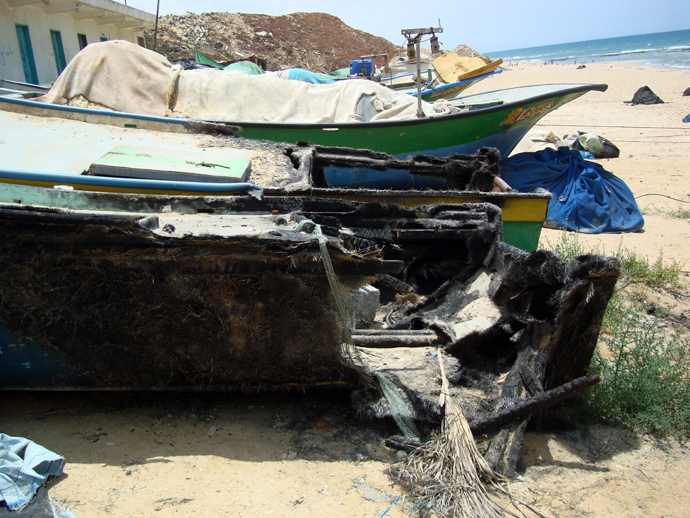
Also, IOF impose restrictions on the sailing area that fishermen are allowed to access, but still continues to chase and open fire on fishing boats sailing within those parameters. As such, fishermen are denied access to areas rich with fish.
At Beit Hanoun “Erez” crossing, the Israeli occupation authorities decreased the number of persons allowed travel via the crossing of the already-limited groups that were allowed passage after a thorough security check. Even though the Israeli occupation authorities declared they will allow patients’ travel, they refused to respond to dozens of permit requests applied by the Health Ministry’s Coordination and Liaison Department on behalf of patients with serious diseases, whose treatment is not available at the Gaza hospitals, and referred abroad for treatment in the hospitals in Israel, the West Bank, including occupied Jerusalem, and abroad.
The West Bank:
In addition to 108 permanent checkpoints and closed roads, this week witnessed the establishment of 35 temporary checkpoints that restrict the movement of goods and individuals, where IOF searched Palestinians’ vehicles, checked their IDs, and arrested 3 of them. IOF reinforced its restrictions on civilians’ freedom of movement at its permanent checkpoints in the West Bank and shut some checkpoints for several hours on multiple occasions.
Here follows PCHR documentation of restrictions on the freedom of movement and IOF-established temporary checkpoints across the West Bank this week:
Ramallah and Al-Bireh:
On Thursday, 11 November 2021, IOF established a checkpoint at the intersection between Silwad and Ein Yabrud villages, east of the city.
On Friday, 12 November 2021, IOF established a checkpoint at the entrance to Nabi Salih village.
On Saturday, 13 November 2021, IOF established 5 checkpoints at the entrances to Shuqba, Nabi Salih, Deir Abu Mash’al and Aboud villages, northwest of the city, and at the entrance to Silwad village, northeast of the city.
On Monday, 15 November 2021, IOF established 2 checkpoints at the entrances to Nabi Salih and Turmus Ayya villages.
On Tuesday, 16 November 2021, IOF established a checkpoint at the entrance to Turmus Ayya village, northeast of the city.
Jericho:
On Thursday, 11 November 2021, IOF established 2 checkpoints at the northern and southern entrances to the city.
On Friday, 12 November 2021, IOF closed al-Hamra checkpoint, which is established in northern Jericho, for 5 consecutive hours.
On Saturday, 13 November 2021, IOF established 2 checkpoints on al-Mo’arajat road connecting Jericho and Ramallah, and at the northern entrance to the city.
On Sunday, 14 November 2021, IOF established 2 checkpoints at the northern and southern entrances to the city.
On Monday, 14 November 2021, IOF established a checkpoint at the northern entrance to the city.
Nablus:
On Sunday, 14 November 2021, IOF established 2 checkpoints near the intersection of “Yitzhar” settlement and in al-Moraba’a area near tell village’s entrance, southeast of the city.
On Monday, 15 November 2021, IOF established a checkpoint between Urif and Asira al-Qibliya villages, southeast of Nablus.
Jenin:
On Monday, 15 November 2021, IOF established a checkpoint at Ya’bad village’s intersection, southwest of Jenin.
Hebron:
On Friday, 12 November 2021, IOF established 5 checkpoints at the entrances to Ash-Shuyukh, Beit Awwa and Khasa villages, at the southern entrance to Hebron, and at the northern entrance to Yatta city.
On Saturday, 13 November 2021, IOF established 4 checkpoints at the entrance to Beit Einun village, on Abu Risha Road, at the entrance to Fawwar refugee camp, and at the western entrance to the city.
Qalqilya
On Monday, 15 November 2021, IOF established 3 checkpoints at the entrances to Ras Atiya and Azzun villages, and at the eastern entrance to the city.
Salfit
On Monday, 15 November 2021, IOF established 2 checkpoints at the entrances to Deir Ballut and Kafr ad-Dik villages, west of the city.
[2] Israeli authorities claim that these items, although used for civilian purposes, could be used to develop the combat capabilities of the Palestinian armed groups.
Eva Bartlett is a Canadian independent journalist and activist. She has spent years on the ground covering conflict zones in the Middle East, especially in Syria and Palestine (where she lived for nearly four years). Follow her on Twitter @EvaKBartlett
The Israeli government has designated several human-rights groups ‘terrorist organisations’ in a blatant attempt to further cover up the crimes they commit against the Palestinian people.
On October 22, Israel branded six respected Palestinian human-rights groups “terrorist organisations,” outraging the UN and the wider global community. This, coming from a state that imprisons and kills Palestinian children, and murders uniformed medics.
On the Israeli Defense Ministry’s list were Addameer, Al-Haq, Defense for Children International Palestine (DCIP), the Union of Agricultural Work Committees (UAWC), the Bisan Center for Research and Development, and the Union of Palestinian Women’s Committees.
The groups either document Israel’s crimes against Palestinians, which, in my opinion, routinely amount to terrorism themselves, provide legal support to targeted or imprisoned Palestinians, or work to empower Palestinian civilians. In what bizarre world can they be deemed “terrorist groups”?
A joint statement by leading Israeli rights group B’Tselem and numerous other Israeli and Palestinian rights organisations described the ministry’s action as “a draconian measure that criminalises critical human-rights work,” and noted the importance of documentation, advocacy, and legal aid for the protection of rights worldwide. “Criminalising such work is an act of cowardice, characteristic of repressive authoritarian regimes,” it said.
A number of UN special rapporteurs have condemned the decision as “a frontal attack on the Palestinian human-rights movement and on human rights everywhere.”
This is not the first time Israel has harassed Palestinian (and Israeli) rights organizations.
The children’s agency, DCIP, is“an independent, local Palestinian child-rights organisation dedicated to defending and promoting the rights of children living in the West Bank, including East Jerusalem, and the Gaza Strip.” In July 2021, prior to its “terrorist” designation, its main office was raided by Israeli forces.
At the time, DCIP described the raid as “the latest act by Israeli authorities to increasingly push forward a campaign to delegitimise and criminalise Palestinian civil society and human rights organisations.” They also noted this was a campaign that has been on the rise in recent years, “advanced by a network of rising nationalist Israeli civil society organisations and associated organisations elsewhere, with the support of the Israeli Ministry of Foreign Affairs.”
With the minister of defence designating such groups as “terrorists” and the Ministry of Foreign Affairs supporting the delegitimization campaign, it is not credible to argue the persecution is not coming from the Israeli government itself.
For one of the other listed groups, the Union of Agricultural Work Committees (UAWC), Israel’s targeted harassment caused the Dutch government to cease funding. Israel’s 972 magazine reported on this, saying “for years, a global network of Israel advocacy groups had been lobbying European governments to cut off funding to UAWC, a group that assists Palestinian farmers to cultivate and remain on their land, market their produce, and develop water infrastructure.”
Some of the work UAWC had done in recent years, the article noted, included establishing “52 cooperatives in the West Bank and Gaza, [and] rehabilitating almost 10,000 dunums of Palestinian land that were under threat of confiscation by Israeli authorities in Area C.”
It also planted nearly two million trees, and developed connecting routes amounting to almost 700km in distance. “UAWC also worked to provide better water access to Palestinians in Area C, where water and sanitation services are regularly interrupted by Israeli settlement expansion,” the article also said.
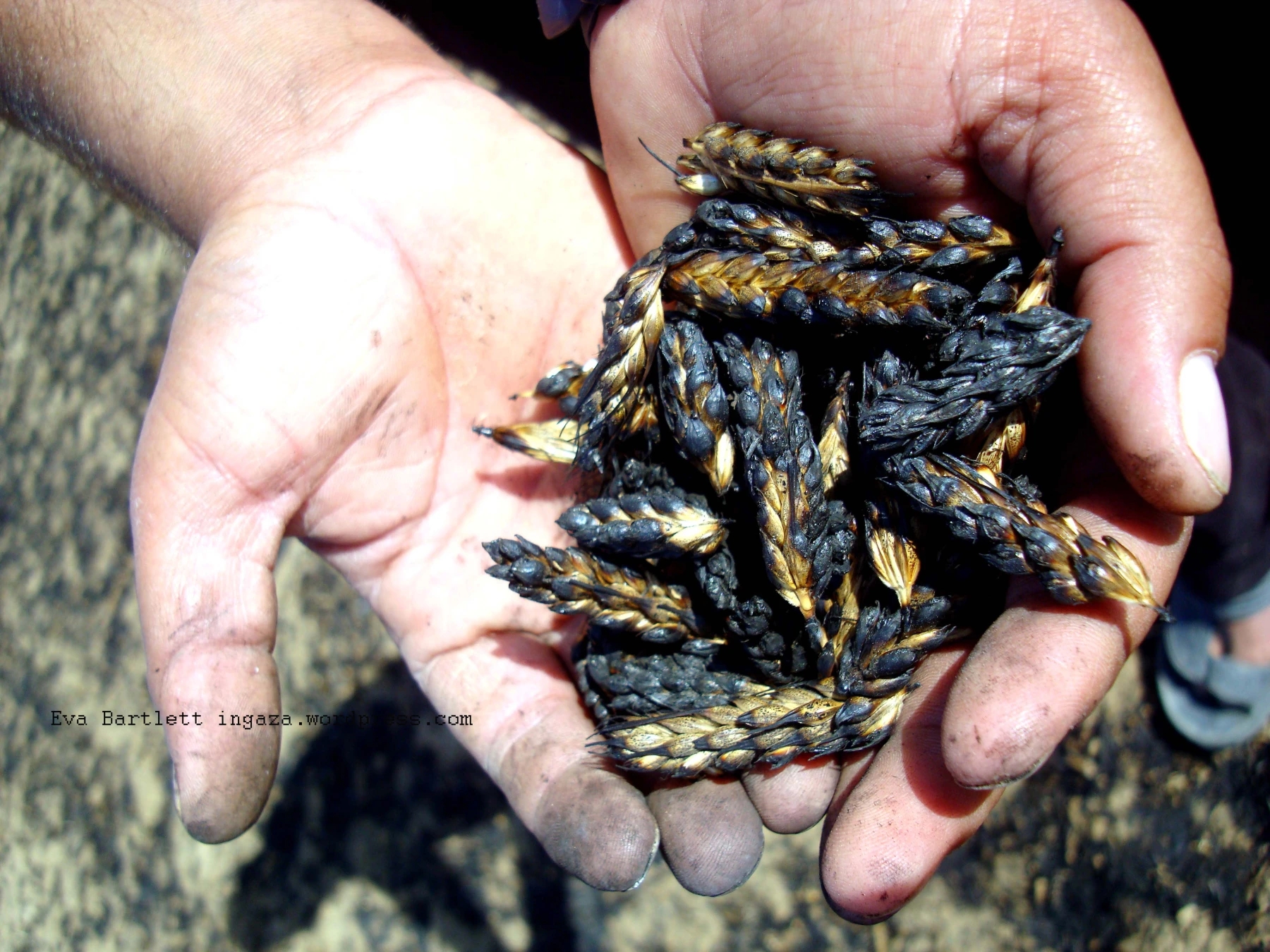
My experiences in Gaza, volunteering for years with impoverished Palestinian farmers and farm labourers coming under Israeli live fire on a near-daily basis, demonstrated to me that the work of groups like UWAC is essential to help farmers rehabilitate destroyed farmland. These are people simply trying to eke out an existence, being maimed and murdered by Israeli fire while doing so, their farmland and wells bulldozed and destroyed, their crops burned.
I also have some experience with the work of DCIP, which documents Palestinian child detainees in Israeli prisons, including children in solitary confinement, as well as children killed by Israeli soldiers or colonists. Without groups like this documenting these crimes, advocating for the children becomes all the more impossible. Clearly, this is one of the reasons Israel has made the outrageous terrorist designation.
But DCIP also helps sick and injured Palestinian children get medical care. The group helped rehabilitate a terribly injured, bedridden, 16-year-old Palestinian teen I met in a Cairo hospital in July 2008, months after an Israeli soldier shot him in the spine.
In March 2008, Abdul Rahman Abu Oida went to the roof of his home, checking the water tank to see why the family suddenly had no water, and was shot in the spine by an Israeli sniper hiding on another rooftop.
As I later wrote, “The bullet destroyed three vertebrae; the shot left Abed paralysed in a puddle of his own blood until his 13-year-old brother, 15 minutes later, found him and dragged him downstairs. Ambulances were prevented from accessing the area. Abed lay untreated for three hours before he reached a hospital in Gaza City.”
In the Cairo hospital where I met him, he was emaciated, with appallingly large bedsores on his backside and feet. These festering bedsores would be the cause of other ailments which plagued him and eventually caused his death. Through a contact at DCIP, Abed began to get proper treatment for his original wound and the consequences of the bedsores.
Although he survived the 2008/9 Israeli massacre, including Israel’s attack on the rehabilitation hospital in which he and 60 other patients were, in 2014 he finally passed away. But without DCIP’s intervention, Abed would surely have died not long after I met him in 2008.
Without people to document these crimes, Israel’s actions could be even more monstrous than they already are.
Last May, in an attempt to prevent journalists from reporting its war crimes, Israel precision-bombed key media buildings in Gaza (which it had previously done in 2009, 2012, and 2014).
Throughout occupied Palestine, the work of human rights groups in documenting Israel’s crimes remains imperative, and the country’s continued harassment of these groups – including their “terrorist” designation – indicates the effectiveness of their advocacy and the determination of Israel to whitewash its crimes.
Kabbalistic Balance
-
Kabbalistic Balance August 6 2026 ___________________________________ More
Vids! +BN Vids Archive! HERE! ___________________________________ Support
The Br...
Report on Beth Israel vigil 07-04-26
-
*1A Rights under combined attack from local government plus media*
Ann Arbor City Council is at it again. Right before the long 4th of July
weekend, they ...
-
Hello all,
It is with great sadness that I share with you the passing of our beloved
sister, Mother, and Grandmother, the individual that you all knew ...
Best Horror Podcast
-
Best Horror Podcast Introduction: Horror podcasts […]
The post Best Horror Podcast appeared first on Copper Shock Horror Podcast.
Ikhras Endorses Muntadhar Al-Zaidi
-
“Oh parties of banditry and sectarianism and corruption, we have come and
our goal is to destroy you.” Ikhras formally endorses Muntadhar al-Zaidi,
Iraqi j...
Prince Charles: Foreign Jews behind bloodshed in ME
-
In May, 2017, British Crown Prince Charles declined an invitation from
Zionist entity’s president Reuven Rivlin‘s to attend the 100th anniversary
of the no...
Palestinian Women – One for All, All for One
-
Honouring All Palestinian Women by Honouring Three: Hanin Zoabi, Ahed
Tamimi, Samah Sabawi Vacy Vlazna “Palestinian women have always stood side
by side ...
US’s Saudi Oil Deal from Win-Win to Mega-Lose
-
By F. William Engdahl Who would’ve thought it would come to this? Certainly
not the Obama Administration, and their brilliant geo-political think-tank
neo-...
-
*Mordechai Vanunu wins human rights prize of Brazilian Press Association *
* http://www.alternativenews.org/english/index.php/features/updates/7038-mordechai...
Abdul Aziz Rantissi:
"My ultimate wish, my God, is to attain martyrdom,"...God granted him his wish on April 17, 2004, at the hands of Israeli assassins.