Uprooted Palestinians are at the heart of the conflict in the M.E Palestinians uprooted by force of arms. Yet faced immense difficulties have survived, kept alive their history and culture, passed keys of family homes in occupied Palestine from one generation to the next.
No, this will not be an article about Russians kidnapped in Chechnia (that was a very long time ago) or somewhere in a combat zone. I will be talking about the USA and Iran. First, here are a few links for context:
Quick update: the Iranians have declared that the detention of Iuzik was not an espionage case, but a visa violation which will be resolved very soon.
Next, I would like to clarify a few things before discussing what I think is “Russia’s kidnapping problem“.
In the case of Iuzik, I do not think that she was a spy for anybody, including the Israelis. Why? For one thing, I read that she entered Iran with a passport stamped with an Israeli visa. That is not very smart, especially for a putative ‘spy’ and, besides, even the Israelis are not that arrogant (or incompetent). Furthermore, if the Iranians (who have truly world class security services!) had really suspected Iuzik they had many other options including:
Setting up a sting operation and film her doing something illegal
Feed Iuzik all sorts of bad info to confuse her bosses and smoke out any spies in Iran
Contact the FSB and warn the Russians about her real professional profile
These are just the three most obvious ones. There are many more.
Finally, spies are not arrested immediately upon arrival, this really makes no sense whatsoever (what would be the point?).
[Sidebar: some have noted that Iuzik is closely linked to all sorts of toxic Russian “informal” or “non-system” opposition groups. That is absolutely true and I am sure that Iuzik has no more love for Putin than she has for Iran. And maybe she truly loves Israel. But that does *not* make her a usable spy while this could have made her a “victim of Putin’s regime and hatred for real journalists“, at least if the Russian Foreign Ministry had not acted immediately and firmly. The truth is that these Kodorkovskii-type of “journalists” are no threat to Putin or his “regime”. That is precisely what makes them so angry and why they have to invent “persecutions” ex nihilo]
So what happened here?
My guess is (and I hope and ask my Iranian friends to correct me if I am wrong!) that this is not about Iuzik herself. I see two possibilities:
The Israeli visa really infuriated somebody at the IRGC and that person acted impulsively
This is the result of internal infighting in Iran
The first one is obvious, so let me explain the second one.
A lot of Iranians harbor plenty of reservations about Russia, some are even outright hostile or suspicious. They are not alone, there is also plenty of Russians who do not trust the Iranians. In the first case, the history of wars and Russian interventions (not to mention the Soviet support for Saddam Hussein’s war on Iran!) is the cause. In the Russian case, the Iranian attitude towards Afghanistan, Chechnia and, especially, Bosnia created a bad image of Iran (and, to a lesser degree, Islam) in some circles in Russia. There is nothing new here, other countries have had the same problem (France and Germany, Russia and China, etc.). My guess is that somebody somewhere in the Iranian power structure saw this as a way to create problems between Russia and Iran. The telltale sign for me is that Iuzina was arrested, according to various reports, by a IRGC special forces team (that is what is done with real spies to prevent them from killing themselves or destroying evidence). Thus a REAL anti-spy method was used on somebody who was self-evidently NOT a spy. If so, that plan failed, since the Russians immediately summoned the Iranian ambassador who immediately promised to solve this issue.
The case of Iumasheva is much more primitive. This is simply the latest attempt of the US deep state to try to make the Russians do something in retaliation which could then be used to prove how evil and devious the Russians are. As for offering her to grab a coffee on the way out, it is simply a lack of education of the FBI agents involved. Maybe they wanted to hit on her, or brag to their pals about taking her out, or maybe they simply wanted to show some kindness and did not realize how this kind of clumsy “kindness” would be seen in Russia (where women have a very different status than the poor women of the United States).
So these two cases are completely unrelated and do not form a pattern.
Except they do, alas, and this is the real Russian kidnapping problem.
Where whining will get you in Russia
In the public opinion (both in Russia and outside Russia) Russia simply looks weak and easy to bully. Now, of course, inside Russia these kinds of views are mostly held by pro-US “liberals” who are just waiting to fan any flame against Putin and the Kremlin. Most people inside Russia do actually understand the reasons why Russia does not retaliate in kind (Maria Zakharova just repeated it all on TV recently, Russian speakers can listen to her here). She summed it all up by mentioning the Russian proverb “На обиженных воду возят” whose direct translation into English makes no sense whatsoever: water is carried on the backs of offended people. This proverb comes from the times of Peter I when canalizations were not available everywhere and when some dishonest employees of the state who were supposed to deliver the water by carriage for free began charging money for this. When Czar Peter heard about that, he punished these crooks by making them pull the horse-carriages themselves. Nowadays the word “offended” takes a different meaning of “pouting” or “whining”, so I would (very freely) translate it as “whiners get screwed” or something to that effect. An even freer translation could be “don’t bitch and you won’t be treated like one”. Simply put, concepts like “oi vey!” or “gwalt” are not Russian ones
When westerners are outraged, they typically do a lot of talking. They threaten, they complain, they protest, they denounce, etc. Russians typically say nothing, take the pain and concentrate. Furthermore, complaints, threats or protests are seen as signs of weakness in the Russian culture. For example, the advice given to anybody going to jail in Russia is “не верь, не бойся, не проси” which means “don’t trust, don’t fear and don’t ask/beg”. If the so-called “Russian studies specialists” and other experts in the West understood this key feature of the Russian mindset they would not misread Russia so often.
So this is what happens: each time somebody in the West kidnaps a Russian citizen (or does not respect their diplomatic status) the Russian officials very boringly and vapidly protest, mostly behind closed doors and publicly repeat the canned sentences about “US obligations under international law”, about how the boorish behavior of the USA will end up boomeranging and even further discredit the country which modestly fancies itself the “city on the hill”, “indispensable nation”, the “land of the free”, “home of the brave”, etc.
This all simply reeks of weakness to non-Russians (just see Paul Craig Robert’s article above!).
And that is a REAL problem for Russia.
In Asia, everybody “gets it”. The Iranians understand that absolutely perfectly and do not mistake politely smiling diplomats with Russian weakness (Iran’s future is, in so many ways, becoming dependent on Russia and the Iranians know that very well; just as with the Putin-Xi alliance, Ayatollah Ali Khamenei and Putin also understand each other perfectly). Hence their immediate reaction. As for the Russians, they also understand that this was not a hostile act on the part of Iran as a country but either a bureaucratic screw-up, or a case of Iranian infighting (which happens in Russia too!).
But in the West, Russia’s apparent passivity and even taste for pain only triggers bewilderment and frustration and I believe that Russia needs to address this problem for the following reason:
Thanks to the ceaseless efforts of Obama and Trump, the AngloZionist Empire is tanking much faster than anybody (including myself) would have ever thought. True, Europe is still a US colony, but the “natives are being restless” and there are all the signs that at least the “Old Europe” (aka “western Europe”) is slowly coming to its senses and realizes that the US not only fails to deliver much, but even cannot really punish very much either. Not only that, but the “Old Europeans” will vitally need Russia’s help to deal with the “New Europeans” (aka “eastern Europeans), wannabe colonial servants and full-time Empire-brown-nosing regimes when the EU finally tanks (which, at least to me, is not an issue of “whether” but only a question of “when”).
So far, and as long as Russia continues to look like a willing punching ball of the USA, future potential allies will always wonder whether Russia is a paper tiger or, even worse, a “pretend-resister” and a pushover in reality.
Europe and the Americas are no more a Russian foreign policy priority, if only because right now the US is “not agreement capable” while the EU is trying to find some middle-path between the US, Russia and the nutjobs in the East. True, Russian foreign policy priorities are now in the South, the East and the North. But let’s not confuse cause and effect here. A truly sovereign USA or EU would be an superb partner for Russia in so many ways that she cannot but do everything she can to try to change current US and EU perceptions.
So what could Russia do?
I will immediately exclude all actions which would be illegal under international and Russian law. The fact that a political Neanderthal acts like a thug is no reason for civilized people to emulate him or retaliate in kind. Each country, each nation, has to decide for itself whether the rule of law (national or international) is something which matters to it or not.
However, I believe that there are legal actions the Russians could take.
For one thing, the Russians could get much, much more assertive at the UN. I get it, Lavrov had to say that he was sure that Trump and Pompeo had nothing to do with the latest illegal denial of visas of Russian officials to the UN: he was trying to help Trump who probably really had nothing to do with this. But Pompeo?! Of course Lavrov and everybody else understand that this could not have happened without Pompeo’s go-ahead. How much did Lavrov’s diplomatic talk help Trump? I don’t think that it made any difference. And it did make Lavrov look plain silly (a very rare case indeed!) in the eyes of the western public. Was it worth it? I don’t think so!
Next, so far the Russians have failed to really put pressure on the USA worldwide, but the reality is that she has plenty of options to hurt US security, political and economic interests. For example in Africa where Russia (and China) have gained a lot of traction in recent years or in Latin America where Russia could provide much more political support to opposition groups to local comprador regimes (say in Brazil, Colombia or even Mexico!). I don’t mean do what the USSR did and waste millions on local Communist parties or by single-handedly supporting the local economies. But the Russians could begin using political methods (covert and overt) to being showing the US intelligence community (which will immediately detect this) that there is a price to pay.
What would be important in this case would be to start very “low”, with a few actions here and there, just enough to get the US Americans to notice and then to protest in back-channels. Once this happens, the Russians could simply say “you treat us as hostiles, fine, but there will be a price to pay”. The first time around Uncle Shmuel is unlikely to notice, but once this become a pattern, especially an increasing one, trust me, he will notice!
And, consider this: the USA is already, and has been since at least 2013, engaged in a full-spectrum aggression on Russia and they have pretty much exhausted all nasty measures which the USA could implement more or less safely. Escalating further by, say, disconnecting Russia from the SWIFT, or try to impose a no-fly zone over Syria or try to disconnect Russia from the Internet, or blockade Russian ships – these are all measures which are often mentioned, but which would definitely trigger a dangerous Russian retaliation. The Russians have made several (very uncharacteristic) warnings about that and the US Americans most likely understood that perfectly. This is also what happened when the Ukronazis were on the verge of an attack on Russia and Putin decided to (again very uncharacteristically) warn Kiev that any such attack would have major “consequences for the Ukrainian statehood“. All the Ukrainians, most of them being either Russian or understanding the Russian political culture, immediately understood what that meant and the much announced offensive was scrapped.
Conclusion: Russians still often suck at PR
Yes, RT was huge progress, and even Sputnik probably has a function for the western audiences. And ladies like Zakharova sure are a HUGE progress compared to the stone-faced Soviet spokesmen. But, simply put, this is not enough.
Furthermore, even inside the Russian society there are real patriots (not just western agents) who are getting mighty fed-up with the Kremlin’s, let’s kindly call it “meek” or “hyper-polite” attitude. Meekness is a great quality, so are good manners. But other attitudes and actions are needed when faced with rogue thug-like regimes, especially when those regimes are both self-worshiping and appallingly ignorant.
I have already mentioned in the past that I believed that the “retirement age reform” was a mistake and that it would create a new, patriotic, opposition to the Kremlin’s policies and even, but to a lesser degree, to Putin himself. This did happen, even if Putin’s last-minute intervention kinda softened the blow and, eventually, this topic was if not forgotten, then at least not the top issue.
Then there has been, for years now, a weird policy of apparent appeasement of the Nazi regime in Kiev. Since Putin’s very public threat, since he refused to even take phone calls from Poroshenko and since the Russians have FINALLY begun handing out passports to the Ukrainians, things have somewhat improved on that front. But for YEARS the Russian opposition (patriotic or not at all) was warning about an imminent “sellout” of Novorussia and that hurt the Kremlin (even if that sellout never happened).
I think that it is high time for Putin or Lavrov to start “not taking calls” from Trump or Pompeo, initially figuratively but, if needed, maybe even literally.
As for the patriotic opposition to Putin, there would be a very easy way to deal with it:
start listening to it and show much more firmness
finally give the boot to some of the more toxic 5th columnists in the government
invite that opposition for a real national debate in various public forums (Valdai, TV, radio, etc.)
I think that many of these patriotic opponent of the Kremlin would be glad to fully support Putin if he did that. If he fails to do so, this opposition will only grow. Right now the Kremlin is “lucky” that this patriotic opposition has not succeeded (yet?) in presenting a single halfway credible political figure to lead it. To my great regret, most of the folks involved are angry, bitter and deeply resentful that they have been almost completely ignored by the Kremlin. But this will inevitably change, especially if the current government continues to look weak, indecisive and not truly patriotic at all.
Thus, I believe that, both for external and internal reasons, the Kremlin needs to develop and implement a much firmer policy towards US-ordered kidnapping of Russian citizens. I also believe that this will happen once the political costs for the Kremlin of its current “politeness” become even higher.
One more thing – remember the US seizure of Russian diplomatic buildings in the USA? Putin’s response was very typically Russian: he invited the children of US diplomats to Christmas ceremony in the Kremlin. For a short while, he did look like the proverbial “better man”. But what since? NOTHING! Another President sits in the White House and the buildings are still under illegal US control. Did Putin’s “better man” attitude do anybody any good? Especially in the long term? I sure don’t think so. There is a simple truth that every cop knows: narcissistic thugs do not appreciate good manners. There is a lesson here.
– لا نريد هنا مناقشة اسباب الانسحاب الأميركي من سورية سواء الجزئي أو المتدرج أو الشامل، فهو استحقاق مؤجل منذ معركة تحرير حلب، وسقوط أي فرصة لتعديل موازين القوى العسكرية بوجه الدولة السورية. والتأجيل مر بثلاث مراحل. في الأولى كان بالرهان على النجاح في إدارة الحرب على داعش بما يضمن تدحرجها في الجغرافيتين السورية والعراقية، وقد افشله محور المقاومة بانتصاره في معارك الموصل ودير الزور والبادية وتدمر. والثانية بالرهان على مقايضة الوجود الأميركي بالوجود الإيراني والمقاوم في سورية ضماناً لأمن إسرائيل، كشرط من شروط التسوية التي تقبل بها واشنطن في سورية، وقد سقط رهان المقايضة نهائياً، واقتنع الروس بأن لا إمكانية لبحث وجود إيران وقوى المقاومة ما دام الجولان السوري محتلاً، ويعلن كيان الاحتلال ضمه وتؤيده واشنطن في ذلك، أما المرحلة الثالثة فكانت الرهان على عقدة إدلب بوجه تقدّم مشروع الدولة السورية لفتح استحقاق الخروج الأميركي، على قاعدة أن إدلب كآخر معقل للمسلحين والوافدين من الإرهابيين وللأتراك ستشكل تغييراً في وجهة الحرب التي كتبتها معارك حلب وما بعدها وصولاً إلى درعا، حتى قالت معركة خان شيخون العكس، فصار قرار الانسحاب على الطاولة راهناً.
– لا نريد هنا أيضاً مناقشة تبعات الانسحاب، الذي باعه الرئيس الأميركي دونالد ترامب للرئيس التركي رجب أردوغان، وكل منهما يعلم أن ترامب وجد الذريعة لخروج مما أسماه الحروب اللانهائية السخيفة، لأن جوهر القرار هزيمة المشروع الأميركي في سورية، ولن يغير من ذلك ما سيقوله كثيرون عن مؤامرة تفجير الشمال السوري، وتقسيم سورية، لأنه كيفما دارت البدايات بعد القرار الأميركي، فإن النهايات ستكون انتشار الجيش السوري حتى الحدود الدولية، وعودة تركيا إلى اتفاقية أضنة، وسقوط مشروع الكانتون الكردي، وانضمام الأكراد إلى مسار الحل السياسي كمكوّن من مكونات المجتمع السوري، والرابح سيكون حكماً هو مشروع الدولة السورية، سواء أدركت القيادات الكردية مبكراً حجم ترددها بالتسليم بالأحقية السيادية على الجغرافية السورية للدولة السورية، واستبقت بفعل ما يلزم الخطوة التركية الأولى، او واصلت التردد وسبقتها الخطوة التركية الأولى، ففي الحالين سيكون الجيش السوري هو الجهة القادرة على فرض عودة الأمن إلى المنطقة، التي لن يكون إمساك أي طرف بأمنها، غير الدولة السورية، نزهة كما يعتقد، لا الجيش التركي سينجح بالاستقرار، ولا الجماعات الكردية ستستطيع الصمود.
– ما نريد مناقشته هي العبر التي يقدّمها ما يجري شمال سورية، فما هو حال جماعات المعارضة السورية التي تقاتل تحت راية العلم التركي، بعدما كانت تتشدق بشعارات الاستقلال والسيادة، وهي لا تشبه اليوم إلا جماعة أنطوان لحد في جنوب لبنان، تحت راية المحتل الإسرائيلي، ويعلم منافقو المعارضة أن تركيا وما تضمره لسورية لا يختلف بنظر السوريين على اختلافهم عما يضمره كيان الاحتلال للبنان وفلسطين وسورية؟ وما هو حال الجماعات الكردية التي تعاملت مع الاحتلال الأميركي كضامن لسلخ جزء من الوطن وتحويله كياناً تفتيتياً لوحدته، وها هي اليوم تندب حظها وتتحدث عن الطعن في الظهر، بعدما جربت طعن وطنها السوري ودولتها في الظهر، ورفضت تقديم وطنيتها على المال والنفط والوعود التي تسقط بفخاخها اليوم؟ وماذا عن العرب حكاماً وبعض النخب الملتحقة بهم، الذين لا زالوا يظنون أن أمامهم مزيد من الوقت ليراقبوا ما يجري في سورية قبل الاعتذار وطلب الصفح لما فعلت أيديهم، أو الذين راهنوا على أميركا مرة لتحمي دول الخليج من إيران، فباعت أمنهم لأنصار الله اليمنيين، أو راهنوا عليها لتشفي غليل أحقادهم ضد سورية وإيران وحزب الله وقوى المقاومة، وها هي تتركهم، وستتركهم أكثر يواجهون مصيرهم الأسود كأحقادهم، بينما تكلفة الاعتراف بنصر محور المقاومة لن ترتب عليهم سوى صفاء النيات، لتلاقيهم الأيدي الممدودة التي لا تعرف للثأر والانتقام مكاناً.
BEIRUT, LEBANON (10:00 P.M.) – The Turkish military struck some U.S. Special Forces personnel in northern Syria this week while they were attacking the Kurdish-led Syrian Democratic Forces (SDF), Newsweek reported on Friday.
Citing an Iraqi-Kurdish intelligence official and a senior Pentagon official, the Turkish military mistakenly hit some U.S. Special Forces personnel that were embedded with the SDF troops in the border city of Kobani (var. ‘Ayn Al-‘Arab).
The attack consisted of artillery fire and was reportedly carried out at Mashtenour Hill in Kobani.
According to Newsweek, the senior Pentagon official said that the Turkish Armed Forces should be conscious of the U.S. positions in the region.
The report did not specify if there were any casualties as a result of this attack.
The Turkish Ministry of Defense and U.S. Defense Department have not commented about the alleged incident in northern Syria.
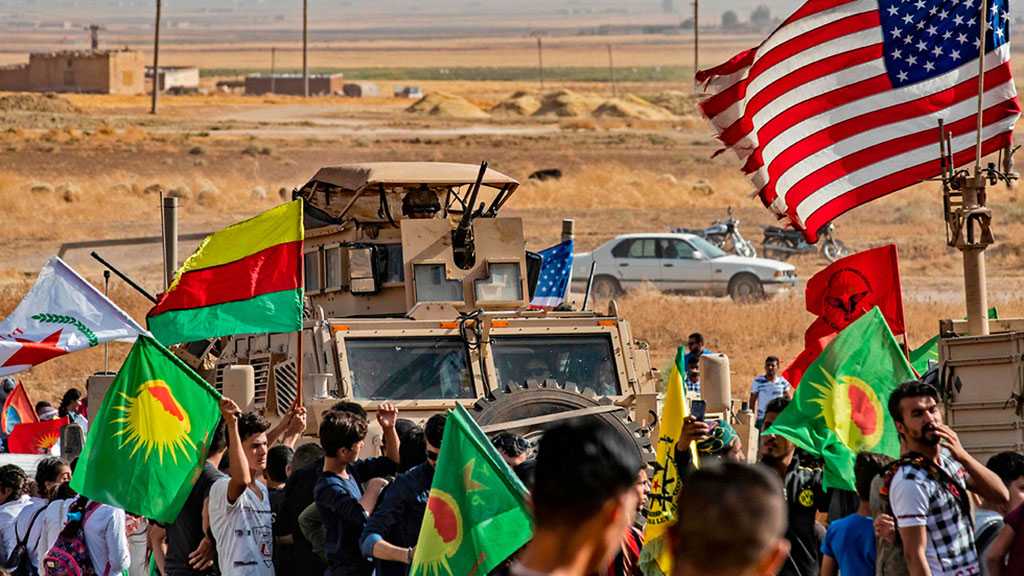
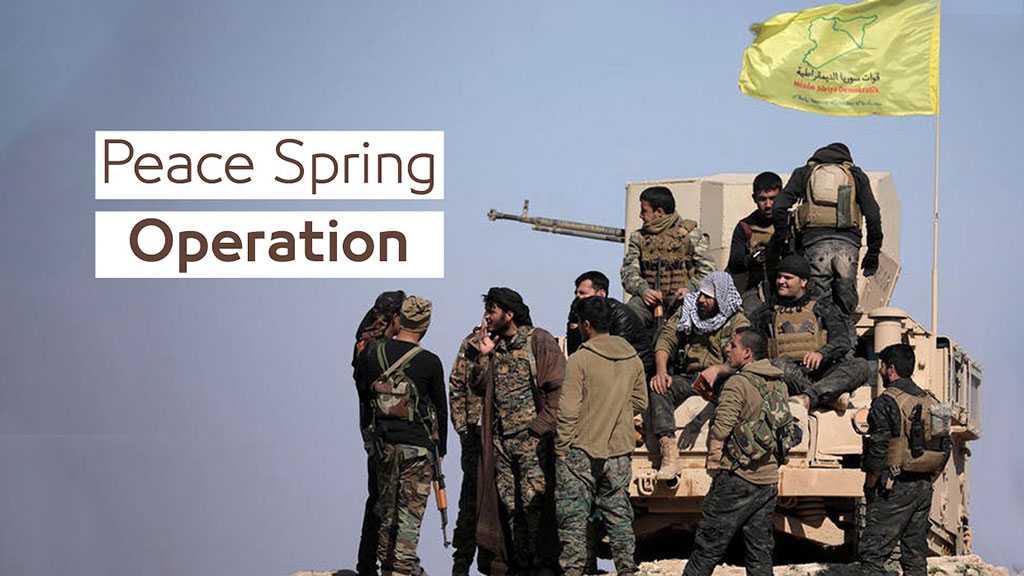
On Wednesday afternoon, the Turkish Armed Forces kicked off “Operation Peace Spring” against the Syrian Democratic Forces and their allies from the People’s Protection Units (YPG).
Since launching this offensive, the Turkish Armed Forces and their allies from the so-called “Syrian National Army” have captured several areas around the cities of Ras Al-‘Ayn (Al-Hasakah Governorate) and Tal Abyad (Al-Raqqa Governorate).
Smoke rising from the Abqaiq oil processing plant in Saudi Arabia after it was attacked in September.CreditCreditPlanet Labs Inc., via Associated Press
I’m sure I’m not the only one who finds it bizarre that the Republican leadership is (rightly) going nuts over President Trump’s betrayal of the Kurds in Syria while it’s ignoring his betrayal of the U.S. Constitution at home. If only Lindsey Graham & Co. were as eager to defend our democracy as they are the Kurds. But I digress.
If you think Trump’s withdrawal of U.S. troops from Syria will make the Middle East more explosive, you’re correct. But there’s far more going on. Those troops were also interrupting Iran’s efforts to build a land bridge from Tehran to Beirut to tighten a noose around Israel — and their removal could help bring the Iran-Israel shadow war out into the open. This is the really big story in the Middle East today.
Here’s the background: In the early hours of Sept. 14, the Iranian Air Force launched roughly 20 drones and cruise missiles at one of Saudi Arabia’s most important oil fields and processing facilities. The drones and cruise missiles flew so low and with such stealth that neither their takeoff nor their impending attack was detected in time by Saudi or U.S. radar. The pro-Iranian Houthi militia in Yemen claimed responsibility for the raid. That was as believable as saying that Santa Claus did it.
Some Israeli strategists argue that this surprise attack was the Middle East’s “Pearl Harbor.” An exaggeration? Maybe not.
Whoever in Iran came up with the idea of this daring airstrike just got a big pay raise. It could not have worked out better. Because the sound you hear coming from every Arab capital and Israel is the same sound you hear from your automated driving assistant when your car has suddenly deviated from the mapped route:
“Recalculating, recalculating, recalculating.”
Every country is now recalculating its security strategy, starting with Israel. Consider how Uzi Even, one of the founding scientists of Israel’s Dimona nuclear reactor, assessed the Iranian strike.
“A total of 20 cruise missiles and drones were used in the attack,” Even wrote in Haaretz on Sunday. “Drone wreckage discovered in Saudi Arabia shows that the Iranians are manufacturing and operating drones so advanced (with jet engines and significant stealth capabilities) that they do not lag behind Israeli capabilities in this field. Seventeen targets incurred a direct hit in this concentrated bombardment. Considering the 20 projectiles whose debris was found at the attack site, that’s an 85-percent success rate, which indicates the very high capability and reliability of the technology that was used.”
Photos of the aftermath, Even added,
“show the precision that was achieved in the attack. Each one of the spherical gas tankers in the picture was hit in the center. The pictures also show that the strike precision was one meter. … The Iranians, or their proxies, showed that they can hit specific targets with great precision and from a distance of hundreds of kilometers. We have to accept the fact that we are now vulnerable to such a strike.”
Even’s conclusion: Operations at Israel’s “Dimona nuclear reactor should be halted. It has now been shown to be vulnerable, and the harm it could cause would likely exceed its benefits.”
Not a bad day’s work for Iran — and Israel wasn’t even the target. Now let’s look at the Arabs. The Saudis and the United Arab Emirates got a double shock from the Iranian attack. It simultaneously exposed Iran’s precision and Donald Trump’s isolationism.
It had to have been quite the cold shower for the Saudis to call Washington to discuss what the U.S. planned as a strategic response only to discover that our president was busy looking for the cellphone number of Iran’s president, Hassan Rouhani, to see if he could cut the same deal with him that he did with North Korea’s dictator, Kim Jong-un: Give me a photo-op handshake, and we can do business.
Translated into Arabic, Trump was saying to the Gulf Arabs: “I forgot to tell you. I’m only interested in selling you our weapons — not using them in your defense. But don’t forget to stay in my hotel when you’re next in D.C.! Operators are standing by.”
The Saudis and the U.A.E. got the message. They, too, got busy looking for the Iranian leader’s cellphone number — and the number of the pro-Iranian emir of Qatar, too. Time to get right with all the neighbors.
This, in turn, has fractured the tacit U.S.-Sunni Arab-Israel anti-Iran coalition and left Israel feeling more alone than ever to deal with Iran — and its proxies in Lebanon, Syria and Iraq.
Because Prime Minister Bibi Netanyahu of Israel also got a double dose of Trump reality. After Netanyahu did poorly in the recent Israeli election, Bibi learned how much Trump doesn’t like losers. When asked about Bibi after the Israeli election, Trump said coolly that he hadn’t spoken to him — “our relationship is with Israel.”
President Trump has cooled on Prime Minister Benjamin Netanyahu since the Israeli election. CreditRonen Zvulun/Reuters
Translated into Hebrew, Trump was saying: “Bibi? Bibi? I once knew a guy who owned a deli at Lexington and 55th named Bibi.”أكتوبر 11, 2019
And then, after the Iranian attack on Saudi Arabia, Trump declared that when it comes to a war with Iran, “we’d certainly like to avoid it.” Again, translated into Hebrew:
“America is happy to keep oil sanctions on Iran, but it is not going to partner with Israel and the Sunni Arabs to create regime change there or militarily destroy Iran’s capabilities.”
Bibi had completely misread Trump’s mind-set, which was: “We’re awash in oil and gas. We’re not fighting anyone’s wars in the Middle East.” The Iranians don’t even have an embassy in Washington. But they read Trump perfectly.
Recalculating, recalculating, recalculating.
The Gulf Arabs can and will find a way to buy off the Iranians. Israel can’t. Israel has a real Iran problem. Beware.
Iran’s is an awful regime. The ruling clerics have deprived at least two generations of young Iranians the freedom and tools to realize their full potential — one reason that a brain drain and drug addiction are rampant among Iranian youth.
While Iran’s people “aspire to be like South Korea — and they have the talent to be that — Iran’s hard-line leadership prefers to rule like North Korea,” observed Karim Sadjadpour, Middle East expert at the Carnegie Endowment.
So Iran’s Islamic revolutionaries need constant conflict with America and Israel to justify their ruthless internal repression. But Iran is heir to a great civilization. Even with its brain drain, it’s still got lots of real scientific talent.
Iran is now trying to semi-encircle Israel with proxy militias like Hezbollah — in Lebanon, Syria and Western Iraq, armed with precision-guided missiles. The word “precision” really matters. In the 2006 war between Hezbollah and Israel, Iranian-armed Hezbollah had to fire scores of dumb, unguided, surface-to-surface rockets of limited range in hopes of damaging a single Israeli target, mostly in the northern half of the country. Ditto Hamas in Gaza.
Hezbollah supporters wearing headbands with pictures of Iran’s Ayatollah Ali Khamenei, the current supreme leader, and Ayatollah Ruhollah Khomeini, the leader of the Islamic Revolution, during an event marking the revolution’s anniversary.CreditNabil Mounzer/EPA, via Shutterstock
But since 2016, Iran has been transferring kits to Hezbollah to convert its dumb rockets into precision-guided missiles — like those that perfectly punctured the Saudi oil facilities. It’s not clear how many Hezbollah now has, but if it has only 150 it could hit all of the important economic and military targets in Israel. That’s Israel’s ports, airports, power plants, nuclear reactor, Intel computer chip factory and its network of software and technology companies. It could cripple Israel.
In light of all this, Israel has been signaling two things to Hezbollah and Iran.One is that in response to any missile attacks, Israel will carpet bomb neighborhoods in Lebanon where Hezbollah’s families live and where it manufactures the missiles, and turn them into rubble, as it did on a small scale in 2006. And it will make the Lebanese economy collateral damage.
And the other is that Israel will attack Tehran directly, either with precision long-range missiles from Israel or submarine-launched missiles from the Persian Gulf, with this message:
“Every time Tel Aviv is hit by your proxies, we will hit Tehran. You will not sit out this war. And you will not out-crazy us.”
So, the Middle East may look calm right now, but that’s an illusion. Everyone is recalculating: The Iranians are emboldened, the Arabs are frightened and Israel and Iran are one miscalculation away from a war of precision missiles that neither can afford.
The Times is committed to publishing a diversity of letters to the editor. We’d like to hear what you think about this or any of our articles. Here are some tips. And here’s our email: letters@nytimes.com.
Thomas L. Friedman is the foreign affairs Op-Ed columnist. He joined the paper in 1981, and has won three Pulitzer Prizes. He is the author of seven books, including “From Beirut to Jerusalem,” which won the National Book Award. @tomfriedman•Facebook
توماس فريدمان أنا متأكد من أنني لست الشخص الوحيد الذي يجد أنه من الغريب أن القيادة الجمهورية تتجاهل خيانة الرئيس ترامب للأكراد في سورية، رغم كونها محقة في ذلك التجاهل، لكنها تتجاهل خيانته للدستور الأميركي في الداخل بغير حق، ويا حبذا لو كان ليندسي جراهام وشركاه فقط متحمّسين للدفاع عن ديمقراطيتنا مثل دفاعهم عن الأكراد.
لكن تعالوا لندقق.
إذا كنت تعتقد أن سحب ترامب للقوات الأميركية من سورية سيجعل الشرق الأوسط أكثر تفجراً، فأنت على حق، لكن هناك الكثير مما يحدث. فهذه القوات كانت تحاول عرقلة جهود إيران لبناء جسر بري من طهران إلى بيروت يهدف لتشديد الخناق حول إسرائيل ، وسحبها يمكن أن يساعد في تسريع إطلاق حرب الظل بين إيران و إسرائيل . وهذه هي القصة الكبيرة حقاً في الشرق الأوسط اليوم.
إليكم الخلفية: في الساعات الأولى من يوم 14 سبتمبر، أطلق سلاح الجو الإيراني حوالي 20 طائرة وصواريخ كروز على واحد من أهم حقول النفط ومنشآت المعالجة في المملكة العربية السعودية، طارت الطائرات بدون طيار وصواريخ كروز منخفضة للغاية وبطريقة الأشباح لدرجة أنه لم يتم اكتشاف إقلاعها أو هجومها الوشيك في الوقت المناسب من قبل الرادار السعودي أو الأميركي. أعلنت ميليشيا الحوثي الموالية لإيران في اليمن مسؤوليتها عن الغارة. كان ذلك معقولاً مثل قول إن بابا نويل فعل ذلك أيضاً، لكن التفصيل هنا حول من فعلها لم يعد مهماً.
يجادل بعض الاستراتيجيين الإسرائيليين أن هذا الهجوم المفاجئ كان «ميناء بيرل هاربر» في الشرق الأوسط، وهو الهجوم الياباني الذي صدم أميركا وفاجأها ودخلت الحرب العالمية الثانية بعده، ربما نعم وربما لا.
أي شخص في إيران توصل إلى فكرة هذه الضربة الجوية الجريئة حصل على التهنئة والترقية، إذ لا يمكن تخيّل القيام بالعمل بشكل أفضل، لأن الصوت الذي تسمعه يصدر من كل عاصمة عربية و إسرائيل هو الصوت نفسه الذي تسمعه من مساعد القيادة الآلي عندما تنحرف سيارتك فجأة عن المسار المحدد:
إعادة الحساب، إعادة الحساب، إعادة الحساب.»
تقوم كل دولة الآن بإعادة حساب استراتيجيتها الأمنية، بدءاً بـ إسرائيل . تأمل كيف قام عوزي إيفين، أحد العلماء المؤسسين لمفاعل ديمونا النووي الإسرائيلي، بتقييم الضربة الإيرانية داعياً إلى الإسراع بإقفال المفاعل بعدما صارت فوائده أقلّ من درجة المخاطر التي يجلبها.
وكتبت صحيفة «هآرتس» يوم الأحد: «تم استخدام ما مجموعه 20 صاروخًا وطائرة بدون طيار في الهجوم». و»حطام الطائرة بدون طيار المكتشفة في المملكة العربية السعودية يُظهر أن الإيرانيين يصنعون ويديرون طائرات بدون طيار متطوّرة للغاية مع محركات نفاثة وقدرات تسلل وتشويش راداريّ كبيرة لدرجة أنهم لا يتخلفون عن القدرات الإسرائيلية في هذا المجال، سبعة عشر هدفًا تلقت ضربة مباشرة في هذا القصف المركز، بالنظر إلى المقذوفات العشرين التي تم العثور على حطامها في موقع الهجوم، فإن ذلك يمثل نسبة نجاح تبلغ 85 بالمئة، مما يشير إلى القدرة العالية والموثوقية العالية للتكنولوجيا التي تم استخدامها. «
The Iranian Army Ground Force staged a war game in the country’s northwestern regions near the common border with Turkey on Wednesday.
The unannounced military exercise has been held in regions near Oroumiyeh, capital of the northwestern province of West Azarbaijan, with Army Commander Major General Abdolrahim Mousavi in attendance.
The military drill involves rapid reaction units, mobile and offense brigades, and helicopters from the Army Ground Force’s Airborne Unit, Tasnim news agency reported.
Held with the theme “One Target, One Shot”, the exercise is aimed at evaluating the combat preparedness of Army units and their mobility and agility in the battlefield.
Iran’s Armed Forces hold routine military exercises throughout the year.
Iranian officials have repeatedly underscored that the country will not hesitate to strengthen its military capabilities, including its missile power, which are entirely meant for defense, and that Iran’s defense capabilities will be never subject to negotiations.
Military Media released, on Wednesday, scenes of that included more details of the 1st phase of the victory from Allah Operation, carried out by the Army and Popular Committees in Najran front.
The scenes revealed new details of dozens US and Canadian armored vehicles and military vehicles while they were seized in ambushes by the Army’s Engineering Unit. Dozens of these armored were burned and others were pulled out of the battleground to be used in the future against the US-Saudi forces. The scenes highlighted the steadfastness of the Yemeni fighter in front of the armored vehicles and dozens of airstrikes.
Extensive scenes showed the progress of Yemeni Army units while storming the sites of the mercenaries of aggression and chasing hundreds of Saudi mercenaries as they flee with their vehicles and armored vehicles. The scenes also showed the Army’s ethical treatment of hundreds of the Saudi war prisoners and mercenaries who surrendered.
US President Donald Trump’s sudden decision to pull back US troops from northern Syria drew quick, strong criticism Monday from some of his closest allies in Congress, among them South Carolina Senator Lindsey Graham, who warned that the move would ultimately be “a nightmare” for the “Israeli” entity.
“By abandoning the Kurds we have sent the most dangerous signal possible,” Graham said on Twitter.
“America is an unreliable ally and it’s just a matter of time before China, Russia, Iran, and North Korea act out in dangerous ways. The US now has no leverage and Syria will eventually become a nightmare for ‘Israel’,” the normally close ally of the president said.
It was condemned, too, by Kurdish fighters who would be abandoned to face a likely Turkish assault after fighting alongside Americans for years against the Wahhabi Daesh [Arabic acronym for “ISIS” / “ISIL”].
The announcement threw the military situation in Syria into fresh chaos and injected deeper uncertainty into US relations with European allies.
Syria’s Kurds accused the US of turning its back on allies and risking gains made in the years-long fight against Daesh.
Trump defended his decision, acknowledging in tweets that “the Kurds fought with us” but adding that they “were paid massive amounts of money and equipment to do so.”
“I held off this fight for almost 3 years, but it is time for us to get out of these ridiculous Endless Wars, many of them tribal, and bring our soldiers home,” he wrote.
If the Turks go too far, he tweeted later, “I in my great and unmatched wisdom” will destroy their economy.
Hours after the White House announcement, two senior State Department officials minimized the effects of the US action, telling reporters that only about two dozen American troops would be removed from the Turkey-Syria border, not all the US forces in the northeast of the country. They also said Turkey may not go through with a large-scale invasion and the US was still trying to discourage it.
Both officials spoke only on condition of anonymity to discuss what led to the internal White House decision.
Both Republicans and Democrats in the US have warned that allowing the Turkish attack could lead to a massacre of the Kurds and send a troubling message to American allies across the globe.
US troops “will not support or be involved in the operation” and “will no longer be in the immediate area,” in northern Syria, White House press secretary Stephanie Grisham said in an unusual late-Sunday statement that was silent on the fate of the Kurds.
There are about 1,000 US troops in northern Syria, and a senior US official said they will pull back from the area – and could depart the country entirely should widespread fighting break out between Turkish and Kurdish forces.
For the moment, the US troops are not leaving Syria, officials said.
A US official confirmed that American troops were already moving out of the security zone area, which includes the Syrian towns of Ras al-Ayn and Tal Abyad. That official was not authorized to speak for the record and was granted anonymity to comment.
Sunday’s announcement followed a call between Trump and Erdogan, the White House said Sunday.
The decision is an illustration of Trump’s focus on ending American overseas entanglements – one of his key campaign promises. His goals of swift withdrawals in Syria, Iraq and Afghanistan have been stymied.
As he faces the impeachment inquiry at home, Trump has appeared more focused on making good on his political pledges, even at the risk of sending a troubling signal to American allies abroad.
Kabbalistic Balance
-
Kabbalistic Balance August 6 2026 ___________________________________ More
Vids! +BN Vids Archive! HERE! ___________________________________ Support
The Br...
Report on Beth Israel vigil 07-04-26
-
*1A Rights under combined attack from local government plus media*
Ann Arbor City Council is at it again. Right before the long 4th of July
weekend, they ...
-
Hello all,
It is with great sadness that I share with you the passing of our beloved
sister, Mother, and Grandmother, the individual that you all knew ...
Best Horror Podcast
-
Best Horror Podcast Introduction: Horror podcasts […]
The post Best Horror Podcast appeared first on Copper Shock Horror Podcast.
Ikhras Endorses Muntadhar Al-Zaidi
-
“Oh parties of banditry and sectarianism and corruption, we have come and
our goal is to destroy you.” Ikhras formally endorses Muntadhar al-Zaidi,
Iraqi j...
Prince Charles: Foreign Jews behind bloodshed in ME
-
In May, 2017, British Crown Prince Charles declined an invitation from
Zionist entity’s president Reuven Rivlin‘s to attend the 100th anniversary
of the no...
Palestinian Women – One for All, All for One
-
Honouring All Palestinian Women by Honouring Three: Hanin Zoabi, Ahed
Tamimi, Samah Sabawi Vacy Vlazna “Palestinian women have always stood side
by side ...
US’s Saudi Oil Deal from Win-Win to Mega-Lose
-
By F. William Engdahl Who would’ve thought it would come to this? Certainly
not the Obama Administration, and their brilliant geo-political think-tank
neo-...
-
*Mordechai Vanunu wins human rights prize of Brazilian Press Association *
* http://www.alternativenews.org/english/index.php/features/updates/7038-mordechai...
Abdul Aziz Rantissi:
"My ultimate wish, my God, is to attain martyrdom,"...God granted him his wish on April 17, 2004, at the hands of Israeli assassins.