Friday, 3 April 2020

الاتحاد الأوروبيّ والولايات المتحدة مهدّدان بالتفكك؟


– تنبأت غونداليسا رايس بتفكك الاتحاد السوفياتي، عندما كانت صفتها الباحثة التي نالت شهادة الدكتوراة في العلوم السياسية قبل أكثر من عشر سنوات من توليها أي مسؤولية حكومية، ونالت بسبب أطروحتها مكانة علميّة لفتت نحوها الأنظار ورشحتها للمناصب التي تبوأتها في عهد الرئيس جورج بوش الإبن، وقالت في وصفها لما سيجري في الاتحاد السوفياتي، وقد جرى فعلاً، «إن الإمبراطوريات التاريخية والدول العظمى المعاصرة، ترحل وتتفكك فجأة دون أن تمنحك مقدّمات تراقبها وتبني عليها سياقاً طويلاً ينتهي بالتفكك، إنها كما الطوفان والزلزال عملية تحدث فجأة، إنها تحدث وحسب». وهذا الكلام الذي صح في حال الاتحاد السوفياتي، لا يمكن إنكار إمكانية أن يصح أيضاً في حال غيره من الإمبراطوريات والدول العظمى.
– ما يشهده الاتحاد الأوروبي هذه الأيام، بخلفيّة فهم إضافية لأسباب خروج بريطانيا من الاتحاد كعلامة على نهاية الزمن الافتراضي لعمر الاتحاد، وبدء تبلور أسئلة شعبية حول جدوى البقاء تحت عباءته، يقول إن مخاطر حقيقية تتهدد استمرار الاتحاد، الذي فقد وظيفته في الجغرافيا السياسية والاقتصادية الدولية كإطار جامع لأوروبا بغربها وشرقها يتيح بقوة الحوافز المالية، الحلول مكان حلف الأطلسي، لمحاصرة روسيا داخل حدودها، وهو اليوم يفقد قدرته على تقديم نموذج قادر على الحياة في مواجهة نوعين من الأزمات، لا مبرر لبقائه إذا عجز عن إثبات أنه آلة جماعية أشدّ فعالية من القدرات المنفردة للدول على مواجهتها، النوع الأول هو أزمات الانهيارات المالية التي عصفت باليونان وإيطاليا وإسبانيا، وظهر خلالها الاتحاد، بخلفيته الفرنسية الألمانية، جهة مصلحية تتخذ مسافة من الدولة المهددة، وتكون مساهمتها محكومة بسقف هو الإقراض كما يفعل صندوق النقد الدولي، مقابل شروط، والنوع الثاني هو التهديد الذي مثله فيروس كورونا، حيث لم يظهر الاتحاد أنه موجود، وبدت خطط المواجهة محلية حصراً، كما بدا العجز محلياً، لكن بدت المعونة حاضرة من خارج الاتحاد، وخصوصاً من الصين وروسيا، المفترض أنهما من خارج نادي الأصدقاء التقليديين.
– عندما يدخل الصينيون بمئات الأطباء والخبراء وأطنان المعدات والمستشفيات الميدانية إلى إيطاليا، وعندما يحرك الرئيس الروسي فلاديمير بوتين الطريق البري لشاحناته العسكرية لنقل المساعدات والخبراء والأطباء نحو إيطاليا، فليس من المبالغة القول إننا أمام حركة معاكسة لسقوط جدار برلين، ونحن نرى بأمّ العين أن دول أوروبا الشرقية تتهم بالخيانة أوروبياً، وهي تتوجّه بالشكر على المعونة الصينية والروسية كما فعل رئيس صربيا، وتتسابق بإعلان تخلّيها عن علم الاتحاد الأوروبيّ، وعندما نرى المشهد يتكرّر بقوة في إيطاليا وإسبانيا، بإنزال أعلام الاتحاد الأوروبيّ، ونقرأ مقالات وآراء لقادة في الدولة والأحزاب تطرح أسئلة وجودية حول فرص البقاء في الاتحاد الأوروبيّ، وصولاً للتشكيك في مبررات بقائه، عندها علينا أن لا نتردد في طرح السؤال عما إذا كان الاتحاد، وربما منظومة اليورو، وليس منظومة الشنغن فقط، تتهدّدهم مخاطر الزوال؟
– في الولايات المتحدة الأميركية أسئلة لا تقل خطورة تتعالى أصواتها في العديد من الولايات الأميركية، حول النظام الفدرالي وماذا يقدم لولاياتهم، خصوصاً بالنسبة للولايات الأكثر دخلاً ومساهمة في الميزانية الفدرالية، ومع تفشي فيروس كورونا، ظهرت الحواجز على مداخل الطرق الكبرى التي تربط الولايات ببعضها، توحي بأن المطلوب تأشيرة دخول تمنحها الولاية لأبناء الولايات الأخرى ليتاح لهم الدخول إلى أراضيها. وهذا كافٍ للقول إن النظام الفدرالي أصيب في الصميم، وتقدم ولاية نيويورك نموذجاً عما تعانيه مع النظام الفدرالي عبر المشاهد التي تتناقلها وسائل التواصل الاجتماعي لمستشفياتها، بحال تدعو للشفقة، على مرضى يتوزعون أسرة حديدية صدئة، في الممرات والباحات الخلفية ومواقف السيارات، وأسئلة كبرى عن جدوى البقاء في النظام الفدراليّ ما دام عاجزاً عن تقديم النجدة عند وقوع الكارثة، وبعد زلزال كورونا لن يكون مستغرباً، مع تداعي البورصات والنظام المصرفي، أن نشهد تصاعداً في النقاش حول مبررات تحمل الشراكة في الخسائر، وحول جدوى النظام الفدرالي نفسه، تلاقي دعوات استقلال، قديمة متجددة لأصوات وازنة في عدد من الولايات تنادي بالتمرّد على الصيغة الفدرالية، وستلقى مزيداً من المؤيدين كلما بداً النظام الفدرالي عاجزاً.

River to Sea Uprooted Palestinian   
The views expressed in this article are the sole responsibility of the author and do not necessarily reflect those of the Blog!

العالم تخطّى المليون إصابة: 80% من الإصابات و85% من الوفيات في أميركا وأوروبا. دياب: أنقذت ضميري وسحبت التعيينات لأنها لا تشبهني… وهناك كورونا سياسيّ أيضاً. عودة المغتربين تبدأ الأحد… والفحوصات في بيروت… والجيش ينتشر في طرابلس


https://www.al-binaa.com/archives/243015

مع تجاوز العالم عتبة المليون إصابة بفيروس كورونا، رفعت منظمة الصحة العالمية من مستوى التحذير من خطورة المزيد من انتشار الفيروس، خصوصاً أن أرقام الوفيات لا تزال مقلقة مع تجاوزها عتبة الـ50 ألف حالة، وما يربك منظمة الصحة العالمية هو أنها اعتادت التعامل مع تفشي أوبئة أشد فتكاً، لكن في البلدان الأشد فقراً والأقل قدرة على مستوى الإمكانات الصحية والمالية، ولذلك كانت المعالجة التقليدية تتم عبر مناشدة الدول المقتدرة على تخصيص موازنات لمساعدة الدول المصابة، وتقديم الأجهزة والأدوية واللقاحات، واستنفار الجسم الطبي للتطوّع في حملات الإنقاذ، لكن الجديد والمفاجئ للمنظمة كما يقول القيّمون عليها هو أن النسبة الكبرى من الإصابات هي في البلدان الأكثر تقدماً والأشد اقتداراً، فـ 80% من الإصابات الفعلية التي تمثل 780 ألف إصابة من اصل إجمالي المليون الذي شفي منهم أكثر من 200 ألف وتوفي منهم 50 ألفاً، هي في أميركا وأوروبا، حيث سجلت 600 ألف إصابة فعلية، كما سجلت فيها 43 ألف حالة وفاة أي 85% من حالات الوفاة، بينما لا تشكل حالات الشفاء فيها أكثر من 30% من إجمالي حالات الشفاء، وذلك على عكس الصين التي سجلت 8% من العدد الإجمالي للمصابين المليون، منهم 2% من الإصابات الفعلية، و30% من حالات الشفاء، و6% من حالات الوفيات، بحيث توزعت إصابات الصين المسجلة الـ80 ألفاً بين 75 ألف حالة شفاء و2000 إصابة فعلية و3000 حالة وفاة، بينما عدد سكان الصين يعادل ضعف مجموع سكان أوروبا وأميركا.
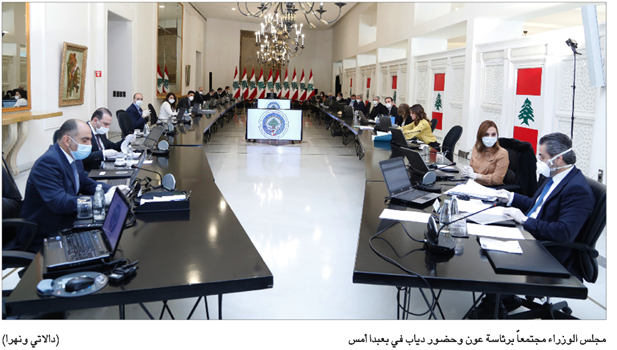
لبنان الذي لا يزال في مستوى مقبول من التعامل مع الفيروس بمكانة جيدة بين دول العالم، وفق معدل 72 إصابة بكل مليون نسمة، مقابل معدل وسطي عالمي بـ 125 إصابة للمليون، وبرقم تسلسلي بين الدول هو الـ 74 من حيث عدد الإصابات، والـ 88 من حيث عدد الإصابات بكل مليون نسمة، لكن هذا لم يمنع من تسجيل مصدرين للقلق على خسارة هذه المكانة، الأول هو درجة التفلت التي تمّ رصدها في تطبيق حالة التعبئة العامة، بسبب عدم انضباط فئات عديدة بإجراءات العزل، والثاني هو تعثر تطبيق آلية عودة المغتربين عبر إجراء الفحوص المخبرية قبل السفر، بسبب رفض عدد من الدول لهذا الترتيب، ما استدعى من الحكومة التي عقدت جلستها أمس في قصر بعبدا برئاسة رئيس الجمهورية العماد ميشال عون، تكليف الجيش والقوى الأمنية المزيد من التشدد في تطبيق الإجراءات، وتلويح الحكومة على لسان رئيسها الدكتور حسان دياب بالمزيد من التشدد، وقد سجل أمس انتشار للجيش في مدينة طرابلس، بينما أعلن وزير الصحة الدكتور محمد حسن عن بدء تطبيق آلية العودة للمغتربين من السعودية ودولة الإمارات العربية المتحدة ودولتين أفريقيتين، ومراقبة النتائج بعد إجراء الفحوصات في لبنان وتطبيق إجراءات العزل بعدها.
القضية الأبرز على المسار الحكومي كانت أزمة تعيينات مصرف لبنان وهيئة الأسواق المالية، التي كادت تعرض الحكومة لأزمة سياسية مع تلويح تيار المردة بالانسحاب من الحكومة، ما لم ينل التيار حصة تناسب حجمه من التعيينات، وفشل محاولات الوساطة التي قام بها حزب الله بين التيار الوطني الحر وتيار المردة لتسوية النزاع حول التعيينات، وكان في بداية الجلسة الحكومية موقف لرئيس الحكومة، أعلن خلاله سحب البند الخاص بالتعيينات عن جدول الأعمال، قائلاً “أنقذت ضميري وسحبت التعيينات لأنها لا تشبهني”. ونقلت وزيرة الإعلام منال عبد الصمد عن الرئيس دياب قوله، “من الواضح أن المصاعب التي تواجه البلد تتزايد وتكبر، وتهدّد اللبنانيين بمستقبلهم وصحتهم ومعيشتهم. قدر هذه الحكومة أن تحمل أعباء هذه التحدّيات دفعة واحدة، وأن تخوض هذه الأمواج العاتية من المشكلات، وأن تتحمّل المسؤولية من أجل تخفيف الأضرار عن لبنان واللبنانيين. هذه التحديات الوطنية، تفترض من المسؤولين، وخصوصاً من القوى السياسية، حدّاً أقصى من الحجر الصحي على المصالح والحسابات والمزايدات، لأن الوضع في البلد، وعلى كل المستويات، لا يحتمل مزيداً من التناحر السياسي وتناتش الحصص، خصوصاً أنه لم يعد هناك شيء في البلد يمكن تناتشه”.
وأضافت عبد الصمد نقلا عن دياب قوله “بكل أسف، لم نشعر أن هناك وعياً وطنياً أو تخلٍّ عن السلوك السابق الذي يتحمّل مسؤولية رئيسية وأساسية في الانهيار الذي نعيشه، أو ارتقاءً إلى مستوى المخاطر الوطنية. هناك من يعتقد أن شيئًا لم يحصل، وأن انتفاضة اللبنانيين في 17 تشرين الأول انتهت، ويحاولون طمس حقيقة أن البلد يعيش تداعيات كل السياسات الماضية. نحن لطالما قلنا وردّدنا أننا لا نريد منافسة أحد في السياسة، وأنه ليست لدينا طموحات سياسية، وأننا نريد العمل بصمت كي ننقذ البلد من الانهيار الشامل. لكن، وبكل أسف، هناك من يصرّ على عرقلة الحكومة ورميها بالحجارة، لأنه يعتقد أن نجاحها يؤدي إلى كشف عورات السياسات السابقة، وأن البلد لا يمكنه أن يعيش من دون الدوران في فلكهم. في كل الأحوال، يبدو أن فيروس كورونا كان مرضاً منتشراً في مختلف مفاصل الحياة في لبنان قبل أن يتحوّل إلى وباء مرضي في الصحة. حظّ هؤلاء المتحاملين أننا في هذه الحكومة مصرّون على مواجهة الأوبئة المالية والصحية والاجتماعية والمعيشية. وهي أوبئة تكاد مكافحتها تكون مستعصية، بسبب عمقها وتجذّرها. ومسؤوليتنا تحتّم علينا أن نستمر في مهمتنا وأن نتحمّل وأن نصبر… فنحن حكومة مواجهة التحديات… نعم حكومة مواجهة التحديات.”
لم ينجح مجلس الوزراء بتمرير سلة التعيينات المالية والمصرفية بسبب الخلاف السياسي على الحصص والأسماء لا سيما بين التيار الوطني الحر وتيار المردة بغياب وزرائه عن الجلسة التي عقدت أمس في بعبدا برئاسة رئيس الجمهورية ميشال عون. فيما يرفض الرئيس سعد الحريري ايضاً تغيير نائب الحاكم السني او تجاهله في تعيين مرشح آخر.
وقد استمرّت الاتصالات الى ما قبل الجلسة في محاولة للتوصل الى صيغة توافقية بين التيارين الحر والمردة، لكن وصلت الجهود الى طريق مسدود ما دفع بوزراء المرده لمقاطعة الجلسة تعبيراً عن رفضهم للتعيينات ما دفع برئيس الحكومة حسان دياب الى انقاذ الموقف وحماية الحكومة من اي انقسام وتضعضع، بادر الى سحب ملف بند التعيينات من جدول الأعمال، وتحدث مطولاً في مستهل الجلسة ورد على الحملة التي استهدفت الحكومة والتعيينات مؤكدًا رفضه لمنطق المحاصصة السياسية في التعيينات. وشدد دياب على أنّ حكومة التكنوقراط لا يمكنها أن تقبل بتعيينات لا تعتمد معايير الكفاءة. وأعلن سحب بند التعيينات من الجلسة.
وطلب مجلس الوزراء تخفيض رواتب نواب حاكم مصرف لبنان وهيئة الرقابة على المصارف وهيئة الأسواق المالية. وافادت المعلومات ان “الاتصالات لم تتمكّن من تذليل العقبات امام التعيينات في ظل اصرار تيار المردة على الحصول على مقعدين بينما رفض التيار الحر الامر، اما العقدة الثانية فهي سنية مع عدم رغبة بالتصادم الكامل مع الحريري”، فيما افادت مصادر “البناء” أن دياب لم يقتنع بالاسماء المطروحة بعد اطلاع على سيرهم الذاتية تبين انهم لا يتمتمعون بالكفاءة المطلوبة لهذه المواقع. ولم يقرر مجلس الوزراء بحسب المعلومات إدراج بند التعيينات على جدول اعمال الجلسة المقبلة.
وقرر مجلس الوزراء “السماح للرّاغبين بالعودة بالصعود الى الطائرات مع ضوابط صحية على أن تحصل الاختبارات في لبنان وتكرّر بعد أسبوع من عودتهم”. وذلك بسبب رفض دول عديدة استقبال الطواقم الطبية اللبنانية ورجال الأمن وإجراء الاختبار في مطاراتها. وأفيد ان اميركا وفرنسا والسعودية ودبي ابلغت وزارة الخارجية اللبنانية انها ستتولى اجراء الاختبارات بواسطة طواقمها الخاصة وليس اللبنانية. ومن المتوقع أن تصل الاحد المقبل الى بيروت 4 طائرات 2 منها من افريقيا وواحدة من الرياض تقل المغتربين.
واعلن وزير الصحة حمد حسن امس، بعد اجتماع مع رئيس الحكومة وعدد من الوزراء البدء بتسيير الرحلات الأحد المقبل في مرحلة أولى، وستشمل دول الخليج والقارة الأفريقية التي تشهد انتشارًا أقل للوباء، شرط إجراء الفحوص المخبرية الخاصة PCR antigen + antibody قبل 72 ساعة من الصعود إلى الطائرة. وإذا تعذر ذلك، ينبغي على الراغبين بالعودة الإقامة في الفندق وانتظار 24 ساعة لحين إجراء فحص الـ PCR في بيروت”، وأضاف: “بعد 24 ساعة، يتم التقييم الوبائي للمرحلة الأولى وبعدها تنطلق خطة العودة المعدَلة ابتداءً من 7 نيسان من كافة الدول ومن ضمنها الأوروبية وغيرها من الدول وفق الخطة المعدلة للعودة وقد اتخذت الحكومة كل هذه الإجراءات لحماية اللبنانيين الوافدين على متن الطائرات وأهلهم ومجتمعهم في لبنان”.
وأعلن الرئيس عون خلال الجلسة ان “عودة اللبنانيين من الخارج تتطلب تنظيماً دقيقاً لأن التزايد المضطرد للأعداد يفرض إجراءات استثنائية تؤمن سلامة العائدين كما سلامة محيطهم”. ونقلت وزيرة الاعلام منال عبد الصمد عن رئيس الحكومة حسان دياب قوله خلال الجلسة “هناك خرق كبير وخطير لإعلان التعبئة العامة ومناطق لا تلتزم بالتدابير ما يسبب ثغرة فاضحة لانتشار الوباء واذا لم تطبّق الإجراءات بصرامة قد نضطر الى اتخاذ قرارات اكثر تشدداً وتدابير قاسية”.
وسبق الجلسة لقاء بين الرئيسين عون ودياب.
في غضون ذلك، أعلنت وزارة الصحة العامة بلوغ عدد الحالات المثبتة مخبرياً في المستشفى الحكومي ومختبرات المستشفيات الجامعية المعتمدة بالإضافة إلى المختبرات الخاصة 494 حالة بزيادة 15 حالة عن يوم الاربعاء علماً ان عدد الفحوصات التي أجريت في الساعات الأربع والعشرين الماضية بلغ 539 فحصاً. وتم تسجيل 4 وفيات جديدة بالفيروس، ليصبح عدد الوفيات حتى تاريخه ست عشرة وفية.
في المقابل استمر خرق قرار التعبئة العامة على حاله منذ بداية الاسبوع، وسجلت زحمة سير لافتة على الطرقات وازدحام للمواطنين امام المصارف.
وبعد الإشكالات التي جرت في طرابلس، ظهر عضو كتلة المستقبل النيابية وليد البعريني متجولاً في عكار وعمد الى مصافحة مناصريه في غياب أي إجراءات صحية في خرق فاضح لقرار التعبئة العامة ما يؤشر الى تزايد الخروقات في مناطق شمالية معظمها تقع في مناطق وجود تيار المستقبل. ونشرت قيادة الجيش على “تويتر”، إرشادات للمواطنين استكمالاً لفترة التعبئة العامة ‏جاء فيها: “تقيّد بالتعليمات، التزم منزلك، امتنع عن التجوّل إلّا في حالات الضرورة القصوى”.‏
وأعلنت غرفة العمليات الوطنية لادارة الكوارث في تقريرها اليومي حول أن “الإصابات بفيروس “كورونا” في المتن ارتفعت إلى 104. أما في بيروت فقد بلغت الحالات 93 وفي كسروان 64 وفي بعبدا 48 وفي جبيل 41 حالة وهناك 7 حالات ما زالت قيد التدقيق من قبل وزارة الصحة”. وبحسب التقرير، “تتراوح نسبة الالتزام بالحجر المنزلي بين 70 و80 بالمئة في المحافظات، وسط تسجيل حركة سير ناشطة وتجمعات أمام الـATM والمصارف وتظاهرات مطلبية وفتح محال تجارية ومراسم الدفن”.

River to Sea Uprooted Palestinian   
The views expressed in this article are the sole responsibility of the author and do not necessarily reflect those of the Blog!

THE INVISIBLE BUG THAT KILLED AN EMPIRE


THE INVISIBLE BUG THAT KILLED AN EMPIRE

The liberal world order is a shambles. The coronavirus pandemic will spell the end of full-spectrum dominance by Britain, the United States, and those in the European Union tethered so inextricably to the NATO alliance. A quote below from a Reuters report citing French President Emmanual Macron, it sums up the fall of the mediocre empire created after World War 2.
“What’s at stake is the survival of the European project.”
It’s too bad my country has no statesmen to herald the coming of the end. I wonder when the first American governor will tell my countrymen what is at stake for them?
Macron was cited after the Reuters report framed the catastrophe in Italy, and how the European Union left the Italians to fend for themselves like castaways. To be honest, I never thought Macron had it in him, but he’s surprised even me. And when Russia and China came to the rescue, it was NATO and Poland that closed airspace to the Russian aid transports. Italy will never forget or forgive this. The story in Spain is a similar one, as is the one here in Greece. If not for the Greek authorities quick action to close businesses and borders, Europe’s summer vacationland would already be overwhelmed.
At a time when Germany and the Netherlands have split the EU into two parts by blocked a call from Italy, Spain, and France to issue joint debt to help finance a recovery, President Donald Trump and his opposition have splintered America into similar desperate parts. In the United States, hard-hit places like New York City cannot even get the needed equipment to treat the spiraling number of COVID-19 cases. ICU units are full, almost everyone has been exposed, and Governor Cuomo is begging for respirators that will never come. And this is just New York.
In the state of Georgia, Republican Governor Brian Kemp just held a “town hall” meeting with constituents before extending school closings. However, although Georgia’s COVID-19 spread is one of the fastest-growing and deadliest in the nation, Kemp has not expanded the state effort. This is a mistake on the level of criminal negligence if you factor in mathematical projections of how the disease is gripping the United States. While Donald Trump panders a “beautiful Easter” as his motivation to open back up sections of the U.S., it seems like the Republican party is willing to follow the unpredictable president over a cliff.
A report entitled “Hell is Coming: Here is the Mathematical Proof”, from a Wall Street expert, Inan Dogan, Ph.D., shows us the incontrovertible magnitude of the coronavirus pandemic, both in terms of human suffering, and where the mid-term economy of the world is concerned. Dogan puts forward the facts of the geometric spread of the disease along with the death spiral that only levels off after countries take drastic measures. The most telling figures, the fact the infection and death rates double every three days, is a metric that cannot be hidden. Simple math can be applied to any of the COVID-19 pandemic charts online. Dogan says 2 million Americans are already infected with the virus, and that testing and delay factors obscure the real gravity of the situation. The United States passed China and Italy with the most number of COVID-19 cases, and the disease spread curve confirms the totals doubling every three days. Dr. Dogan predicted the U.S. death toll on March 26th would be 900, the actual number was 1,201. I followed the trend and did the math too. Unless President Trump takes more drastic measures, America’s government will have fallen behind the rest of the world in the worst possible way, by letting her people down totally. As for the economic impacts, the situation is already far beyond estimating.
Anyone can follow the Bloomberg predictions or Wall Street ticker to determine the world is in a mess. Trump and the Congress printing out an extra $2 trillion is monumental enough to show this. But the macro-level view does not show the depth or scope of this pandemic. For instance, at the micro-economic level, farms and other producers around the world will be smashed by the pandemic. Here on Crete island, small farmers cannot ship their produce to places like Italy or the rest of the Balkans, since tight border restrictions prevent the trucks from rolling in. Many are already selling their products below the cost to produce them, just to keep their businesses alive. And this situation will only worsen in the months to come. What about American exports and imports?
The only good news Americans can cling to is the fact the United States is not nearly so dependent on exports as most other countries. Farms in America, for instance, are mostly owned by huge corporations that are far more capable of handling market fluctuations and individual farmers who once fed the country. Oil and gas are a huge problem, as are the travel, tourism, food, and entertainment sectors. The biggest problem for Trump and the other politicians is the joblessness that is about to shatter the incumbent president’s hopes of reelection. This is why Trump is so keen to reboot the country before Easter. He says he thinks it’s a “beautiful time” and that he thinks it would be a super timeline to try and reopen the U.S. by then, but what he means is that millions of Americans being jobless when the Easter Bunny shows up… Well, this is the level of “Trump” disasters the American leadership considers dire. This Moody’s outlook for China may be a premonition for America in the coming weeks:
“In recently released data from China (A1 stable) offers a glimpse into the impact of the unfolding consumption shock. The official data suggests a sharp contraction relative to last year in retail sales (-20.5%), industrial production (-13.5%), fixed-asset investment (-24.5%), and job losses (5 million) in January and February.”
Here’s the gist. President Trump and most of the leadership in the U.S. are dealing with this crisis from a “fantasy” perspective, or as if the country was somehow prepared for catastrophes like COVID-19. The United States spends untolled trillions on national defense, homeland security, cybersecurity, and an unspeakable list of programs. Pharmaceutical companies in the country rake in trillions as well, and when the American people call on the industry in a crisis?
“Easter would be a beautiful timeline. It’s a beautiful time of year.”
The connective tissue of America is about to be put under coronavirus stress, whether or not every citizen comes down with the bug, every man, woman, and child will be affected. A $1200 loan from Uncle Sam is not going to help. And yes, the stimulus checks are a loan from the world central banks. The stock market rallied on the announcement of the stimulus package by the government, but the U.S. passing China in the number of cases is already pushing the Dow Jones back down as of Friday, March 27. And once the “lag” numbers start coming in, when Easter rolls over families because of the employment situation, and as more families are touched by the death toll, the situation is NOT going to get better anytime soon.
There is no happy ending to the story of the American hegemony that failed. Being a ruler can be a great thing when the sun is shining, but when catastrophe dashes hope kings usually head for asylum. It will be interesting to see where Donald Trump and the EU’s mediocre heads of state end up.

By Phil Butler
Source: New Eastern Outlook

River to Sea Uprooted Palestinian   
The views expressed in this article are the sole responsibility of the author and do not necessarily reflect those of the Blog!

Don’t Let COVID-19 Devastate Syria, Yemen and Gaza

Posted by INTERNATIONALIST 360° on 
TEHRAN (FNA)- It doesn’t take a strategic mind to realize what the likely impact of the COVID-19 pandemic would be on Syria, Yemen and Gaza.
It is not difficult to make predictions, either, because much will depend on the way these nations, already devastated by US-led wars of aggression and occupation, won’t be able to react.
The World Health Organization fears the numbers of people infected with coronavirus will far exceed the official figures estimated by these nations. An even worse scenario is thought to be unfolding in Syria, where an internally displaced population of 7 million, and the fact some parts of the country remain outside central government control make controlling the spread of the virus almost impossible.
The same argument could be made about Yemen and Gaza. Ground and air links between them have been largely severed, and there are deepening concerns that large numbers of virus carriers were able to return before border was sealed in Gaza.
On the medical supply side, there are also likely to be disruptions, as there are shortages of imported raw materials and spare parts because of US sanctions and Israeli-Saudi blockades. However, this is likely to be less of a factor than in Western countries, where long supply chains are now the norm rather than the exception.
The severity and duration of the short-term demand and supply impacts depends on the measures these nations may take to contain the spread of the virus. If the pandemic shows signs of spreading rapidly as it is doing in Europe and the US, these three governments will start to close factories and shops – if any – selling nonessential items.
Although there are still many uncertainties about how the pandemic will develop, it is clear that international support mechanisms may not be able to fully cope. Moreover, such mechanisms tend to be relatively weak in war-torn areas as the scattered nature of the population makes it difficult to reach effected people.
To complement international initiatives, Gaza, Syria and Yemen will need to mobilize their own institutional machinery as well, particularly those with presence in hard-hit areas. These include police stations, health clinics and agriculture/livestock offices which could provide logistic bases to reach the displaced people with medical assistance, as well as income and food support.
These facilities should be brought into play with funds from the United Nations and international aid agencies. There is no question that these governments are struggling to meet rising medical care costs, their financial capacity is severely limited. International organizations should be mobilized to help.
Will these measures be enough? Probably not. The whole world, specially the Western countries that have been making a fortune through arms deals with the Saudis and have been backing Riyadh as well as the Israelis and militant groups in Syria should do their part in helping these war-ravaged nations.
The US and countries in Europe should also step up their level of assistance outside their borders. One way to quickly and effectively do this has to be ending their wars of aggression and support for the Saudi and Israeli regimes, or proxy forces in Syria. At this time, this policy reversal would be far better than sending money to help people survive the health crisis.
As many observers have emphasized, the COVID-19 crisis is not just one of health and the economy, but also has other dimensions. COVID-19 is already challenging our assumptions about humanity, about society, about greed and selfishness, about the need to cooperate.
The pandemic has exposed fault lines in trust among humans, among groups, among countries, between citizens and governments, and faith in many of assumptions about life, not only beliefs and humanity, but also knowledge itself.
The world is beginning to doubt America’s role as the world’s leader and a trusted partner to turn to at times of crisis like this. As we slowly realize that we are inundated with fake news by Washington and its war-party goons
The time has come for the UN and the rest of civil society to begin to address and come to terms with what life is going to be like in Syria, Yemen and Gaza after they impose the lockdowns and other inconveniences forced by the virus and its consequences.
Put simply, this time it is different. Millions of lives are at risk. The world will not be able to simply revert to business as usual after the virus hit these nations in the coming days and weeks. The time has finally come for the world community to help build a life that’s more secure, equitable, inclusive and sustainable in Syria, Yemen and Gaza.

River to Sea Uprooted Palestinian   
The views expressed in this article are the sole responsibility of the author and do not necessarily reflect those of the Blog!

إيران تنصح الأميركيّين بالتفكير بتداعيات أيّ عمليات استفزازيّة.. وترامب يحذّر! روحانيّ: أميركا أضاعت فرصة رفع العقوبات عن إيران


قال الرئيس الإيراني حسن روحاني أمس، إن «الولايات المتحدة أضاعت فرصة تاريخية لرفع العقوبات عن بلاده أثناء أزمة تفشي فيروس كورونا»، لكنه، أكد أن «العقوبات لم تعرقل مكافحة طهران للعدوى».
وأثار وزير الخارجية الأميركي مايك بومبيو أول أمس، احتمال أن تدرس واشنطن تخفيف العقوبات المفروضة على طهران وبلدان أخرى للمساعدة في مكافحة فيروس كورونا، لكنه لم يعطِ أي مؤشر ملموس على كونها تخطط لذلك.
وقال روحاني في اجتماع مع الحكومة بثّه التلفزيون «أضاعت الولايات المتحدة أفضل فرصة لرفع العقوبات، كانت فرصة كبيرة لكي يعتذر الأميركيون… وليرفعوا العقوبات الظالمة الجائرة عن إيران».
وتسبب فيروس كورونا في وفاة 3036 شخصاً وإصابة 47593 في إيران مما يعني أنها البلد الأكثر تضرراً في الشرق الأوسط وهو ما دفع الصين والأمم المتحدة لحث الولايات المتحدة على تخفيف العقوبات.
وقال روحاني «كان يمكن للأميركيين استغلال هذه الفرصة وإبلاغ الشعب الإيراني أنهم ليسوا ضده. عداؤهم (للإيرانيين) واضح».
وزاد الخلاف بين طهران وواشنطن منذ 2018 بعدما سحب الرئيس الأميركي دونالد ترامب بلده من الاتفاق النووي الذي أبرمته طهران مع ست قوى عالمية في 2015 وأعاد فرض عقوبات كبلت الاقتصاد الإيراني.
وعرضت واشنطن تقديم مساعدات إنسانية لطهران، لكن الزعيم الأعلى الإيراني آية الله علي خامنئي رفض هذا العرض.
وعلى الرغم من أن السلطات الإيرانية ذكرت أن العقوبات الأميركية عرقلت جهودها لاحتواء تفشي الفيروس فإن روحاني قال «العقوبات لم تعرقل جهودنا لمكافحة تفشي فيروس كورونا».
وأضاف «لدينا اكتفاء ذاتي تقريباً في إنتاج كافة المعدّات الضرورية لمكافحة كورونا. كنا أكثر نجاحاً بكثير من العديد من البلدان في مكافحة هذا المرض».
وأرسلت بلدان عدة منها الإمارات والصين وبريطانيا وفرنسا وقطر وتركيا شحنات من الإمدادات الطبية إلى إيران تشمل قفازات وكمامات طبية.
وقالت ألمانيا أول أمس، إنها «قامت مع فرنسا وبريطانيا بإرسال إمدادات طبية إلى إيران في أول معاملات بموجب آلية تجارية تأسست لمقايضة السلع الإنسانية والغذائية بعد انسحاب واشنطن من الاتفاق النووي».
من جهة أخرى، حذر الرئيس الأميركي دونالد ترامب أمس، إيران و»وكلاءها» من «الهجوم على القوات أو الأصول الأميركية في العراق»، مشيراً إلى «احتمال شن هجوم خاطف لكنه لم يقدّم تفاصيل».
وكتب ترامب على تويتر «استناداً إلى قناعة ومعلومات، تخطط إيران أو وكلاؤها لهجوم خاطف على القوات الأميركية أو الأصول الأميركية في العراق. في الحقيقة ستدفع إيران ثمناً باهظاً للغاية إذا حدث هذا».
بدوره، دعا يحيى رحيم صفوي المستشار العسكري للمرشد الإيراني علي خامنئي الولايات المتحدة إلى «التفكير بعواقب أي عمليات استفزازية قبل تنفيذها في العراق».
وقال صفوي: «على الولايات المتحدة أن تتقبّل تواجدها غير القانوني في العراق واحتلالها أراضيه، ودفاع العراق عن نفسه أمام المغامرات الأميركية لا يمكن تجنبه».
وأضاف: «انتهاك السيادة العراقية لن يكون لصالح الجيش الأميركي والإدارة الأميركية ولا يمكن للمنطقة تحمل أزمة جديدة».
وشدد صفوي، على «ضرورة أن تفكر الإدارة الأميركية ملياً بـالنتائج قبل اتخاذ أي قرار مستفز في العراق».
وقال: «يمكن تفسير التحركات العسكرية في القواعد الأميركية على أنها إعادة تنظيم للصفوف والتقليل من أي خسائر، لكننا لا نستبعد أن تقوم بإثارة التوتر نظراً لاستمرار تمركزها الاحتلالي في العراق».

River to Sea Uprooted Palestinian   
The views expressed in this article are the sole responsibility of the author and do not necessarily reflect those of the Blog!

Zarif to Trump: ‘Iran starts no war, but teaches lessons to to those who do’. Military chief: If U.S. makes slightest move against Iran it will face the ‘fiercest response’

April 2, 2020 – 12:51


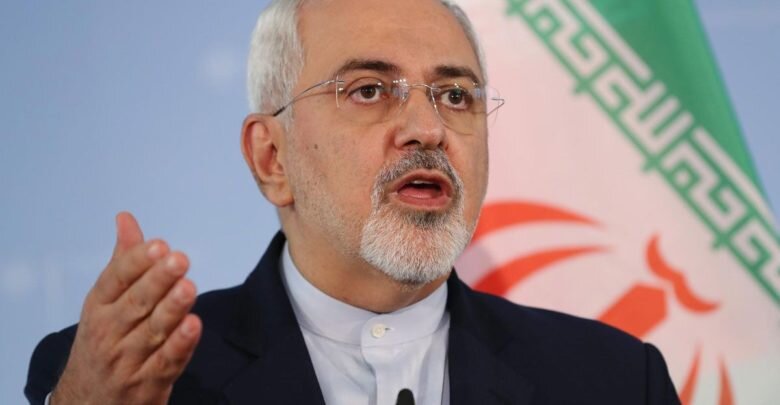
TEHRAN – Foreign Minister Mohammad Javad Zarif on Thursday warned U.S. President Donald Trump that Iran does not start a war but will give a lesson to those who start.
“Iran starts no war, but teaches lessons to those who do,” Zarif tweeted.
Zarif warned Trump, “Don’t be misled by usual warmongers, again.”
The warning by the Iranian foreign minister came after Trump claimed on Twitter on Wednesday that Iran was plotting a “sneak attack” on U.S. troops or facilities in Iraq. 
“Upon information and belief, Iran or its proxies are planning a sneak attack on U.S. troops and/or assets in Iraq. If this happens, Iran will pay a very heavy price, indeed!” Trump wrote.
In response Zarif said “Iran has friends” but “no one can have millions of ‘proxies’.”
He added, “Unlike the U.S.- which surreptitiously lies, cheats and assassinates- Iran only acts in self-defense.” 
PA/PA 

Military chief: If U.S. makes slightest move against Iran it will face the ‘fiercest response’


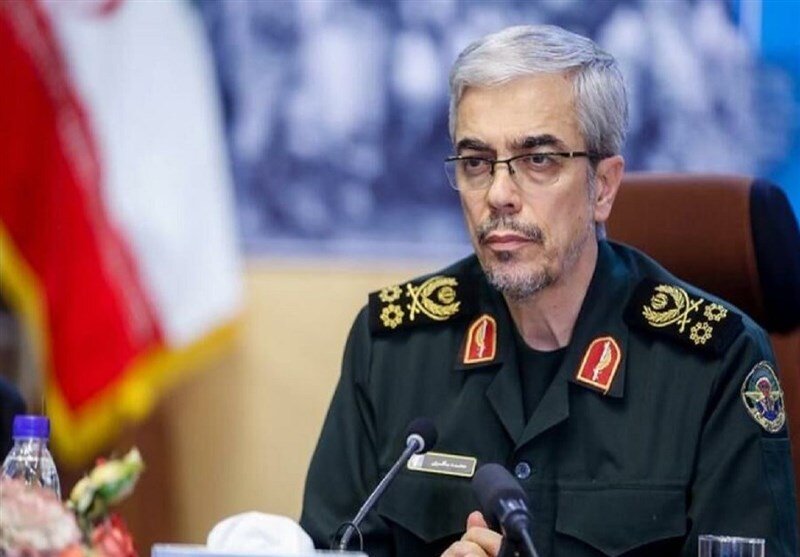
TEHRAN – Iran’s armed forces chief of staff said on Thursday that Iran has no intention to attack U.S. forces in the region but warned if the Americans have an “ill will against our country’s security” or make the slightest move against Iran “they will face our fiercest reactions”.
Major General Mohammad Hossein Bagheri made the warning in response to the U.S. moves in the region.
In recent days U.S. forces have been increasing their military moves in Iraq and the Persian Gulf region, launched an extensive media and psychological operations and have “intentions” against Iraqi resistance forces, including Popular Mobilization Units, the top general told reporters.
He added Iran is “closely monitoring the activities and moves of Americans” in the region and the Iranian armed forces are fully guarding “land, marine and aerial borders”.
The major general went on to say that the moves that have been taking place in recent weeks against American military bases in Iraq are a “normal reaction by the Iraqi people and resistance forces against U.S. ‘satanic measures’ in assassinating General Soleimani and Abu Mahdi al-Muhandis, the commander of Iraqi resistance forces, and has no nothing to do with us”.
He said the fact that the U.S. is attributing these moves to Iran is a psychological projection.
U.S. President Donald Trump claimed on Twitter on Wednesday that Iran was plotting a “sneak attack” on U.S. troops or facilities in Iraq. 
“Upon information and belief, Iran or its proxies are planning a sneak attack on U.S. troops and/or assets in Iraq. If this happens, Iran will pay a very heavy price, indeed!” Trump wrote.
The Iranian military chief said, “Americans are well aware that the people of the region and the dear people of Iraq are opposed to their military presence in these countries and it is their normal reaction.”
PA/PA

River to Sea Uprooted Palestinian   
The views expressed in this article are the sole responsibility of the author and do not necessarily reflect those of the Blog!

Young Palestinian wounded by Israeli forces dies

Thursday, 02 April 2020 4:54 AM  [ Last Update: Thursday, 02 April 2020 4:54 AM ]

US Rep. Ilhan Omar (D-MN) (L) talks with Speaker of the House Nancy Pelosi (D-CA) during a rally with fellow Democrats before voting on H.R. 1, or the People Act, on the East Steps of the US Capitol on March 08, 2019 in Washington, DC. (AFP photo)
An Israeli soldier runs toward Palestinian demonstrators during clashes with them, following a demonstration against the expropriation of Palestinian land, in the village of Kfar Qaddu, near the city of Nablus, in the Israeli-occupied West Bank, on March 6, 2020. (Photo by AFP)

A young Palestinian man has died weeks after being seriously wounded by live Israeli fire during a protest rally in the occupied West Bank.
The 22-year-old Palestinian, identified as Islam Dweikat, died on Wednesday evening of severe injuries he received from Israeli gunshots at Mount al-‘Arma, south of the city of Nablus in the West Bank, on March 11, reported Palestine’s official Wafa news agency, citing a statement from the Palestinian Health Ministry.
Dweikat underwent treatment in a number of hospitals but went into a coma and was pronounced dead on Wednesday.
He had been injured by Israeli forces during a protest rally in Beita Town against the takeover of Mount al-‘Arma by Israeli settlers.
Israeli troops fired live bullets and tear gas canisters at the Palestinian protesters in Beita, killing another protester, 15-year-old Mohammad Hamayel. A number of other protesters were wounded by Israeli live bullets while scores of others suffered tear gas inhalation, the report further said.
On February 28, Israeli settlers made their first attempt to seize the mountain and turn it into an Israeli religious tourist site. Since then, residents of Beita have held sit-ins atop the mountain on a daily basis.Israeli forces shoot dead Palestinian teen boy in northern West BankThe 15-year-old Mohammad Abdul-Karim Hamayelhad was shot in the head.
Palestinians say Israeli settlers have been emboldened by US President Donald Trump’s Middle East plan — which he has himself called the “deal of the century” — and Israeli Prime Minister Benjamin Netanyahu, who has pledged to annex the occupied areas on which settlements are built.
More than 600,000 Israelis live in over 230 settlements built since the 1967 Israeli occupation of the Palestinian territories of the West Bank and East Jerusalem al-Quds.

Press TV’s website can also be accessed at the following alternate addresses:

River to Sea Uprooted Palestinian   
The views expressed in this article are the sole responsibility of the author and do not necessarily reflect those of the Blog!

Oil Price Rises After Trump Phones Putin


Oil Price Rises After Trump Phones Putin
March 31, 2020
Oil Price Rises After Trump Phones Putin
by Gary Littlejohn
The recent rapid decline in oil prices may now be coming to a halt as Trump and Putin agreed in a recent phone call that their oil industry ministers should talk to each other about the oil standoff that began when Russia refused to agree to participate in a cut in oil output proposed by OPEC. This proposed cut was then effectively reversed by Saudi Arabia ‘opening the taps’ to increase its oil output. Russia continued to refuse to cut back, even though the COVID-19 pandemic drastically reduced global demand for hydrocarbon products.
Various oil-producing countries have suffered from this as global storage capacity for oil has rapidly been filled up. For example, Oman may be compelled to sell off its energy companies because it cannot afford to run them at a loss, and Nigeria may have to cease production as it is one of the countries with a very low storage capacity. Yet contrary to long-running media coverage (recently reversed as the present oil price standoff developed) the US shale oil industry is very vulnerable to the refusal of both Russia and Saudi Arabia to cut production in the face of collapsing demand.
There has for about the last three years been a minority voice among US analysts of shale oil production claiming that the ‘sweet spots’(most readily accessible and high production oil fields) in the US Permian Basin had all been played out, such that the debts incurred by the extracting companies were becoming unsustainable. This view was increasingly recognised as being supported by the reluctance of lenders to continue financing such shale oil production on the grounds that the underlying geology indicated that the remaining oil (in proposed new fields) could not be recovered profitably.
In this context many commentators have seen the oil price standoff between Russia and Saudi Arabia as an attempt by one or both to eliminate a vulnerable competitor (shale oil) from the market.
Recent doubling down by Saudi Arabia after Russia claimed that it could withstand a long price-reducing output competition seemed to confirm this:
This seems to be the reason for the phone call from Trump to Putin:
Certainly some analysts have argued that the price competition could lead to a rebound to as much as $60 per barrel if the US shale oil sector were eliminated from the market. This growing chorus included a recent very direct claim from Igor Sechin, the head of oil major Rosneft:
It certainly looks as if there is very little room left for US shale oil to reduce its production costs further, especially when lenders have been increasingly shunning the industry for about the last three years. This has considerable implications for the USA in sustaining its dominant position in the global economy.
Whereas in the past the US had been self-sufficient in oil, by 2005 it was looking to rely more on oil and gas from the Gulf of Guinea in Africa, a policy that led to the US Department of Defense engaging in a diplomatic initiative to reduce maritime insecurity in that region, thereby minimising the risk of disruption to the envisaged new oil supply routes. This initiative resulted in the establishment of the Gulf of Guinea Commission in November 2006, but then the sudden technical and financial changes that led to the surge in US shale oil production meant that this reliance on West African oil was no longer necessary. Regrettably, since then maritime security in the Gulf of Guinea has become a great deal worse.
The fact that the US had become less reliant on oil imports was very important for sustaining the position of the US dollar as the global reserve currency, because it is the fact of the global trade in oil being priced in dollars that is the main foundation for that reserve currency position, thereby enabling the US economy to keep growing in a way that is fuelled by debt. That growth strategy is now under serious threat unless the USA can control oil supply and prices in other parts of the world. This ‘necessity’ places the current US refusal to leave Iraq and its theft of oil from Syrian oil wells in context, and makes it easier to understand the intense pressure being placed on Iran and Venezuela in particular. The aggression is actually sign of strategic weakness, verging on desperation. In other words, this is a major geopolitical turning point. It is for this reason that the US is pushing for an end to the oil price war:
From the viewpoint of Russia, this is certainly a good time to eliminate US shale oil competition, because Russia has recently grown into a much stronger position in the global energy market, after being underestimated until about 2015. In 2014, at about the time of the Maidan square coup in Ukraine, Saudi Arabia and the US increased oil production in an apparent attempt to bankrupt Russia by pushing down the global oil price. At that time, Western commentators assumed that Russian oil fields were old, with future production likely to be flat, and that Russia would not be able to innovate to increase production on existing fields. It was also felt that there would be few new oil or gas fields that would enable Russia to increase its production substantially. Finally it was generally assumed that the devaluation of the Ruble would cripple the Russian economy, leading possibly to social unrest and an over throw of the Russian government. All of these assumptions proved to be false, and were seen to be false at the time by a small minority of well-informed Western commentators.
In fact the devaluation of the Ruble was far less damaging than most had assumed, partly because economic sanctions meant that Russia became even less reliant on imports, including of food, while pushing on with a revolution in Russian wheat production that led to a rapid growth in exports and lowered domestic food prices. In addition, ongoing oil and gas export revenues continued to be in foreign exchange, while the devalued Ruble meant the Russian oil became cheaper internationally.
In 2014/5 Russia immediately began to turn its oil production around with four innovations, one of which greatly extended the productive life of its older oilfields. Then it opened a major new natural gas field in the Arctic (Yamal, soon to be followed by Arctic 2) and continued with the construction of various pipelines that meant it could supply the EU, China and Turkey with gas more cheaply than would have been possible by ocean shipping or rail. Furthermore, the implications of the fact that the Power of Siberia pipeline to China, which started on 2nd December 2019, is a fixed price contract seem to have been missed by many commentators: at a time of steep oil price decline, there is no reason to believe that the price of Russian oil exports to China has declined at all, let alone by the same amount as the global market price. At a time when China is now gearing up to restart its economy following the worst of the COVID-19 pandemic there, it will presumably soon start to consume oil and (via LNG tanker shipping) natural gas at almost the same level as before.
This level of resilience is further boosted by the Turkstream and Nordstream pipelines, and the Nordstream 2 pipeline is due to start up later this year in spite of all the obstacles placed in its way:


Russia also seems to be moving into energy markets in Africa, with one company now having a stake in the Algerian gas pipeline that crosses the Mediterranean to feed into the EU gas market and with an apparent attempt to recover ownership of oil fields that it lost when Gadaffi was ousted in Libya:
Yet what is most important in the longer term is that the earlier assumption that there were no new oilfields to be developed in Russia has also proved to be mistaken:
No wonder Russia has claimed that it could withstand a low oil price for a decade:
Nor should Russia’s position be considered in isolation from developments elsewhere. For example, Iran has discovered a large oil field next to one of its gas fields, but has little chance of developing it in the present circumstances. The long-term implication in terms of shifting global energy sources is evident, however. More important in the shorter run are the vast oil resources in Venezuela, one of whose fields borders neighbouring Guyana. US oil companies are already eyeing up these enormous opportunities. The sudden re-emergence of overt political pressure by the US on Venezuela is an indication that there are strong reasons for the US not to give up on ‘regime change’ in Venezuela:

The last link above provides important detailed information as to why the charges of Venezuelan government involvement in the Columbian narcotic trade are untrue. Part of Russia’s response to this US campaign has been for Rosneft to sell its Venezuelan subsidiaries to a company wholly owned by the Russian government, in order to avoid US sanctions:
In general Russia has undertaken a whole suit of measures to insulate its economy against the sanctions imposed since 2014, with the result that it now has a highly resilient, diversified and increasingly innovative economy with two sovereign wealth funds, with gold and foreign exchange funds sufficient to pay off all government and corporate debt, and with a highly trained and well-equipped military that implies that some forms of intervention and destabilisation are much less likely to succeed. In the global energy power game, the fact that US President Trump phoned Putin amid speculation of offers to ease various kinds of sanctions in return for a renewed agreement on oil output with OPEC is certainly a very important development. For an economy not much larger than that of Germany on the Purchasing Power Parity measure, an economy that defaulted on its debts in 1998, this is quite a turnaround.

River to Sea Uprooted Palestinian   
The views expressed in this article are the sole responsibility of the author and do not necessarily reflect those of the Blog!