Saturday, 5 December 2020

The Palestinian children of Karmiel know what Israeli apartheid is


Orly Noy is a journalist and a political activist based in Jerusalem.

Orly Noy

3 December 2020 11:09 UTC

The nation-state law has been invoked to reject a petition by students for reimbursement of their bus fares to Arabic-language schools

Less than a day after Israel’s nation-state law was approved by the Knesset, Haaretz published a commentary by Jonathan Lis addressing its practical significance.

 “The nation-state law is mainly a symbolic measure designed to enshrine national values in a basic law,” he wrote.

An Israeli flag flies in the northern city of Karmiel on 3 November (AFP)

Less than a day after Israel’s nation-state law was approved by the Knesset, Haaretz published a commentary by Jonathan Lis addressing its practical significance. “The nation-state law is mainly a symbolic measure designed to enshrine national values in a basic law,” he wrote.

Considerable commentary of this nature was heard at the time: Israel is defined as a Jewish state, with all the concomitant discriminatory ramifications. Many sought on that basis to mute criticism of the new law. Others understood that the law, officially legalising apartheid within Israel’s borders, would be more than merely symbolic.

Lawyer Hassan Jabareen, founder of the legal defence group Adalah, whose petition against the law has been pending for more than two years, described it nicely to me at the time: If hitherto Arab citizens could turn to the courts for help in fighting discrimination in the name of the law, from now on the legal system itself can validate apartheid, also in the name of the law.

Confiscated land

A 30 November article in Haaretz proves just how correct Jabareen’s point was, as the Krayot Magistrate’s Court recently cited the nation-state law as grounds to reject a petition from Arab children in Karmiel seeking reimbursement for their bus fares to Arab schools outside the town, since there are no Arab schools in Karmiel.

“Karmiel, a Jewish city, was founded to strengthen Jewish settlement in the Galilee,” Senior Registrar Yaniv Luzon wrote in his decision. “Establishing an Arabic-language school … [and] funding school transportation for Arab students, for anyone who needs it anywhere, could change the demographic balance of the city and damage its character.”   

The experience of more than seven decades proves that the Israeli legal establishment is an integral part of the system of Jewish superiority

It might be worth noting the founding circumstances of the “Jewish city” of Karmiel, whose character the chief registrar is so concerned about: Karmiel was established in 1964 on land confiscated from surrounding Arab villages.

Karmiel is one of more than 700 communities the state has built for the Jewish population since Israel’s founding, compared with none built for the Arab population – apart from a few towns in the Negev designed for the orderly resettlement of Bedouins whose lands the state coveted.

Though the two populations have grown at a similar rate since 1948, the apartheid land-use policy, which confiscates land from one population to build towns for the other, has so constricted Arab towns geographically that many of their residents have been forced to find housing in nearby Jewish towns.

But apartheid is unhappy with that too, apparently. It does not want Arabs in Jewish towns, and it also does not want to let them live on their own lands, separately. On the one hand, outright theft; on the other, a sense of superiority and racial purity.

‘Equal rights as individuals’

Back in the day, when the nation-state law was brought before the Knesset, its initiator, Avi Dichter, made the following appeal to Arab citizens: “You will be able to live as a national minority among us and enjoy equal rights as individuals, but not equality as a national minority.” 

Now, Senior Registrar Luzon clarifies, based on the nation-state law, even “living among us” is not a real option, because maintaining Jewish demographic superiority is an explicit goal of the law itself. That is, even if theoretically the Arab residents of Karmiel were prepared to send their children to the city’s Jewish schools – where they would be exposed to racist, militaristic indoctrination that, among other things, normalises the occupation – that would not be a solution. Their very presence in the city is unwanted, and fighting against it is considered legitimate and lawful.
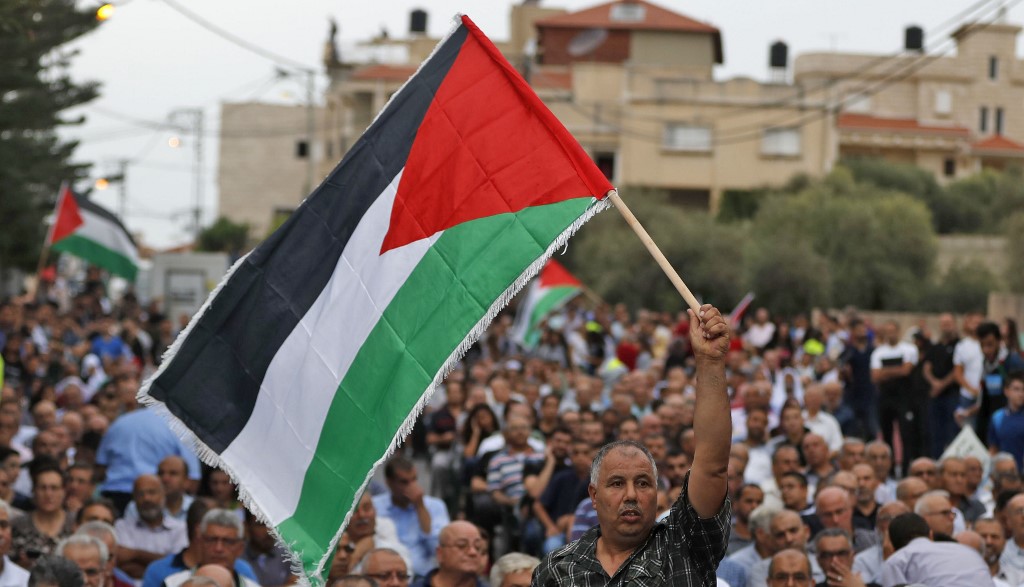
Protesters denounce Israel’s nation-state law in the village of Jatt in October 2018 (AFP)

The person who ought to have been battling for the rights of these students who petitioned the court for help is Education Minister Yoav Galant, who voted in favour of the nation-state law. Given the court’s decision, it is worth noting again the deception in the distinction made by Dichter between individual rights and national rights for Palestinian citizens. 

Has the massive confiscation of land belonging to Arab citizens been done on an individual or a national basis? Is the discrimination against Arab students carried out on an individual or a national basis? Is abandoning the security of Arab citizens and ignoring their victimisation by organised crime an individual or a national trend? Is preventing Arab families from making their homes in Jewish towns via residential screening committees happening on an individual or a national basis? 

Just one service was accomplished by the nation-state law for the public discourse in Israel, and that was tearing the mask away from all these manipulative and false distinctions.

Persecuting Palestinian identity

The children of Karmiel did not petition the court to allow them to wave a Palestinian flag or sing the Palestinian anthem in the city’s streets. They petitioned for the right to live in their city and study at a school where their language is spoken, and where they will not be viewed as inferior citizens. The court made it clear that their Palestinian identity makes them inferior and unwanted; that their very existence is a threat, by law.Why acknowledging Israeli apartheid is not enough

The country’s Arab citizens are persecuted for wanting to be who they are. Their Palestinian identity is what makes them, in the eyes of the Zionist government, less than fully reliable citizens. The intra-Zionist argument is only about limits to their rights, which are never material and are always conditional.

True, institutional and racist discrimination against Arab citizens of Israel existed even before the nation-state law. But with its passage, the parliament of Israel proudly proclaimed the legitimacy of the state’s apartheid foundations. Apartheid became the law of the land.

Although many petitions against the nation-state law are still pending, the experience of more than seven decades proves that the Israeli legal establishment is an integral part of the system of Jewish superiority. It is the gatekeeper. In that sense, Luzon has simply done what is expected of him.

River to Sea Uprooted Palestinian   
The views expressed in this article are the sole responsibility of the author and do not necessarily reflect those of the Blog!

عمرو علان: محاذير عدم الرد على اغتيال محسن فخري زادة


مقالي في صحيفة رأي اليوم

يعد الاستنتاج القائل بأن جريمة اغتيال العالم الفيزيائي الإيراني البارز محسن فخري زادة هي أول نتائج الاجتماع الثلاثي (الإسرائيلي) الأمريكي السعودي في مدينة نيوم السعودية استنتاجاً معقولاً، سيما في ضوء وصف الجمهورية الإسلامية في إيران هذه الجريمة بالمؤامرة الثلاثية (الإسرائيلية – الأمريكية – السعودية)، وبعد وقوع هذه الجريمة بات من الأسهل رسم تصور عن مخطط كيان الاحتلال الإسرائيلي للفترة الراهنة التي تفصلنا عن تنصيب الرئيس الأمريكي المنتخب جو بايدن، فيبدو أن الكيان الصهيوني، وبالتعاون مع حلفائه من المتصهينين من حكومات الخليج بالإضافة إلى غطاء أمريكي من إدارة دونالد ترامب، يبدو أنه عازم على توجيه عدة ضربات أمنية مؤثرة للجمهورية الإسلامية وربما إلى جهات أخرى في محور المقاومة أيضاً في هذه الفترة، ويطمح العدو الصهيوني إلى تحقيق عدة أهداف من هذه الضربات منها: 

–         توجيه ضربات تكتيكية مؤذية يكون لها أثار على البرنامجين الصاروخي والنووي الإيرانيين.

–         تعقيد المسارات أمام عودة أمريكية سريعة محتملة إلى الاتفاق النووي الإيراني بعد تسلم إدارة جو بايدن مقاليد الحكم.

–         المساس بالهيبة الإيرانية وتوجيه ضربات معنوية قاسية للجمهورية الإسلامية وإلى محور المقاومة عموماً، وفي المقابل إعطاء دفعة معنوية للحكومات المتصهينة في الخليج.

–         تقديم إنجازات أمنية وميدانية عملية لاتفاقات التطبيع الأخيرة بين الكيان الصهيوني والحكومات المتصهينة في الخليج، ليتم وضعها بين يدي إدارة جو بايدن كأوراق ضغط تُعدِّل في التوازنات ضد مصلحة محور المقاومة في حال دخول إدارة جو بايدن في محادثات جديدة مع الجمهورية الإسلامية حول الاتفاق النووي الإيراني مستقبلاً، وفي هذا الشأن كان نِك واليش محلل قناة (سي أن أن) الأمريكية للشؤون الأمنية قد قال أنه برغم العلاقة المرجح أن تكون مضطربة بين بنجامين نتنياهو والرئيس الأمريكي الجديد، يشير هذا الاغتيال إلى أن (إسرائيل) يمكنها القيام بخطوات عنيفة ومفيدة للبيت الأبيض، وهذه الخطوات لا تمنع بايدن من لعب دور الشرطي الرحيم في الوقت الذي يُظهِر فيه الشرطي العنيف قدرته على قتل أحد أهم القدرات البشرية الإيرانية في أحد ضواحي طهران الأكثر تأميناً.

وربما تعد هذه النقطة الأخيرة الأخطر من بين أهداف جريمة الاغتيال التي تفرض على القيادة الإيرانية الرد بطريقة مناسبة ورادعة، فعزوف الجمهورية الإسلامية عن الرد على هذه الجريمة يبعث بإشارات مضرة مفادها أن الجمهورية الإسلامية مستعدة للعودة إلى الاتفاق النووي بأي ثمن، وأن الحلف الناشئ بين الكيان الصهيوني وبين المتصهينين العرب برعاية دونالد ترامب هو حلف فاعل يمكن للأمريكي الاعتماد عليه، وأنه يمكنه القيام بعمليات تكتيكية تخل بالتوازنات القائمة بين محور المقاومة وبين المعسكر الصهيوأمريكي، مما يفرض وقائع جديدة يمكن أن يبنى عليها في السياسة.

لا نعتقد أن هذه الحسابات غائبة عن ذهن قيادات محور المقاومة، ولدى هذا المحور من القدرات العملانية والتكتيكات الميدانية ما يمكّنه من القيام برد متكافئ ورادع على جريمة اغتيال فخري زادة، بشكل يمنع تعديل التوازنات القائمة أو ربما يحسّنها لصالحه، وبطريقة تتفادى الانجرار إلى حرب مفتوحة في التوقيت الذي يفرضُه عليه العدو.

عمرو علان

كاتب وباحث سياسي

فيديوات مرتبطة

River to Sea Uprooted Palestinian   
The views expressed in this article are the sole responsibility of the author and do not necessarily reflect those of the Blog!

Syria Falls Victim to US Highway Robbery

Source

Posted by INTERNATIONALIST 360° on 

https://journal-neo.org/wp-content/uploads/2020/12/OIL352354.jpg

Vladimir Platov
Recently, you can very frequently see in the reports of the Middle Eastern media information that the United States is exporting military personnel and special equipment from Syria to Iraq.

In November alone the world saw several such reports:

– on November 29, the Syrian news agency SANA reported the advance of a military caravan consisting of 25 heavy weaponry vehicles from the Kharab al-Jir US military base in Syria to the Al-Walid checkpoint on the border with Iraq;

– On November 23, the United States transferred a convoy of 50 armored vehicles again through the Alwaleed border crossing;

– On November 16 and 20, 2 more American convoys with tanks and military trucks followed the border with Iraq from Syria;

– According to Syrian media, several dozen American servicemen have already left the US base in the village of Al-Malikiya.

An uninformed observer may be given the false impression that the Pentagon, in pursuance of repeated public statements by President Trump, is actively withdrawing its military presence from Syria. However, this fundamentally contradicts reality: there is a regular rotation of American troops in Syria and the strengthening of the US military presence in the country, including by increasing the presence of Washington-controlled private military campaigns (PMCs).

Media and eyewitness reports about dozens of American military convoys that were heading to Iraqi territory from Syria are primarily due to the need for a “combat escort” of oil stolen by the United States from Syria. Syrian media and many international observers have already repeatedly reported US caravans with illegally extracted Syrian oil crossing checkpoints permanently controlled by Washington bordering Iraq, evidence was clearly documented, including that obtained by the space reconnaissance of the Russian Aerospace Forces. SAR is sure that these minerals are mainly exported from the territories of oil fields in Deir ez-Zor and Hassek controlled by the American military and Kurdish formations. According to SANA, in November alone, more than 120 tanks with the stolen “black gold”, guarded by US troops and armored vehicles, crossed the Syrian border and headed towards Iraq …

Oil exports are carried out by the US-controlled Sadkab company, created under the so-called Autonomous Administration of Eastern Syria. The income from this smuggling, which even by rough estimates reaches $ 30 million a month, goes through the brokerage companies interacting with Sadcab to the accounts of American PMCs and the US intelligence services. When escorting caravans of oil stolen in Syria, US special forces units, heavy military equipment, and even combat aircraft are periodically used. Due to the fact that in this case “real money” is involved, amounting to tens of millions, which you do not need to report to anyone, either to Congress or to senators, US intelligence services actively engage in these operations to finance their so-called “gray” and black operations. And this practice is nothing new for the American special forces, which, in particular, can be confirmed by the famous Iran-Contra scandal or the CIA’s operations to transport drugs to the US and Europe from Asia during the Vietnam War, etc.

However, one must not forget that absolutely all hydrocarbon deposits and other minerals located on the Syrian territory do not belong to “American defenders against the terrorists of DAESH (prohibited in the Russian Federation – ed.)”, but solely to the Syrian Arab Republic. Therefore, what Washington is currently doing, namely, seizing and retaining oil fields in eastern Syria under its armed control is, simply put, international state banditry. Neither US law nor international law justify American troops protecting Syria’s hydrocarbon deposits from the Arab republic itself and its people. But the reason for Washington’s actions lies far from the ideals of freedom and slogans for the fight against terrorism it so loftily proclaims, from any legislative viewpoint.

However, in addition to stealing Syria’s national treasure – oil, the United States is also responsible for the policy of economic strangulation that harms the Syrian population. Due to unilateral US sanctions, the humanitarian crisis is aggravated in the SAR, which is a real economic genocide. By now, as a result of measures carried out by the Syrian government with the support of Russia, 2.5 million Syrians have already been able to return to their homeland. However, due to the package of anti-Syrian sanctions initiated by the United States under the general title of the “Caesar Act”, the restrictions affect almost all spheres of the economy and life of the Syrian Arab Republic. That is why it becomes obvious that the United States, in the face of the failure of its plans to forcefully remove the President of the SAR Bashar al-Assad, began to carry out an economic attack on the Middle Eastern state, staging an outright invasion using military force and economic leverage, and such actions should be served a clear international verdict.

The US has been in Syria for over six long years. During this time, the Americans captured a third of the country, controlling the situation on the ground through their junior allies in the person of the Kurdish people’s self-defense units. The only exception is Et-Tanf, where they often have to do all the dirty work themselves, including administrative, because there is now at least some stable opposition to Damascus, and besides, they have the largest and most effective military base.

However, the defeat of the terrorists means the inevitable expulsion of the Americans from Syria; it’s just a matter of time. Indeed, unlike even Afghanistan, where Washington has a controlled government, in Syria, US troops are in an extremely hostile environment. Do not forget that, along with the American military, there are many different Arab tribes in the Middle East, among most of which anti-American sentiments are constantly growing and, under certain conditions, they might attack to defend their soil. Even the Kurds, whom the United States has repeatedly insulted, betrayed, abandoned to be devoured by Ankara, are greatly offended at the United States and at some point may show Washington that it is not the boss in the region.

In addition to a possible armed confrontation, the cessation of US predatory activities and their military aggression in Syria can, of course, be facilitated by an intensification of the diplomatic offensive against Washington on this issue through various international forums and threats of court, where Russia, China, and other states friendly to Damascus will play the first fiddle.

Related Videos

Related News


River to Sea Uprooted Palestinian   
The views expressed in this article are the sole responsibility of the author and do not necessarily reflect those of the Blog!

Donald Trump: “This may be the most important speech I’ve ever made….”

River to Sea Uprooted Palestinian   
The views expressed in this article are the sole responsibility of the author and do not necessarily reflect those of the Blog!

Friday, 4 December 2020

هل صحيح ان لبنان ليس مهما لأميركا؟


البناء

المأخوذون بالإعجاب بالسياسات الأميركية يرغبون في استحقار بلدهم وتعظيم أميركا فتلازمهم جملة التسخيف لمكانة لبنان ويردون على مَن يقول إن السياسات الأميركية تستهدف لبنان بقولهم إن لبنان في آخر سلم الأولويات الأميركية، فهل هذا صحيح؟

يمكن التساؤل عن حجم الأهمية بالوقائع وليس بالتخمين، فنضع لبنان بمعايير الأحجام مع أي دولة أخرى في العالم، من حيث عدد السكان والمساحة والحجم الإجمالي للاقتصاد، ونقارن بالتوازي معايير الاهتمام التي تعكسها الوقائع.

كم مرة ذكر المسؤولون الأميركيّون في بيانات الرؤساء والوزراء وسائر مستويات القرار، وكم هو عدد الأشخاص اللبنانيين الذين أنزلت بهم عقوبات، وكم من مسؤول أميركي زار لبنان، وكم من موفد خاص كلفه الأميركيون بمهام تتعلق بلبنان، ولنقارن ذلك فقط في عهد الرئيس دونالد ترامب بدولة كاليابان مثلاً.

ما شهدته مفاوضات ترسيم الحدود البحريّة وحده يكفي لاختصار الموقع الذي يحتله لبنان في الحسابات الأميركية رغم أنف المتذاكين، ولماذا يهتم الأميركي بالتوسط مع لبنان حول مفاوضات الترسيم، إن لم يكن لبنان مهماً؟

الذي يريد المستنكرون إنكاره هو أن لبنان منذ صار بلداً للمقاومة يؤرق ليل الرؤساء الأميركيين كلما تعاظمت قوة هذه المقاومة وقدرتها على التسبب بإثارة القلق على مستقبل كيان الاحتلال وبعد ظهور حجم ثروات الغاز في الساحل اللبناني تجمّعت في لبنان أولويات الثنائية الأميركيّة، أمن «إسرائيل» ومصادر الطاقة.


River to Sea Uprooted Palestinian   
The views expressed in this article are the sole responsibility of the author and do not necessarily reflect those of the Blog!

Thursday, 3 December 2020

Foolish FONOPs

Foolish FONOPs

December 01, 2020

By Nat South for the Saker Blog

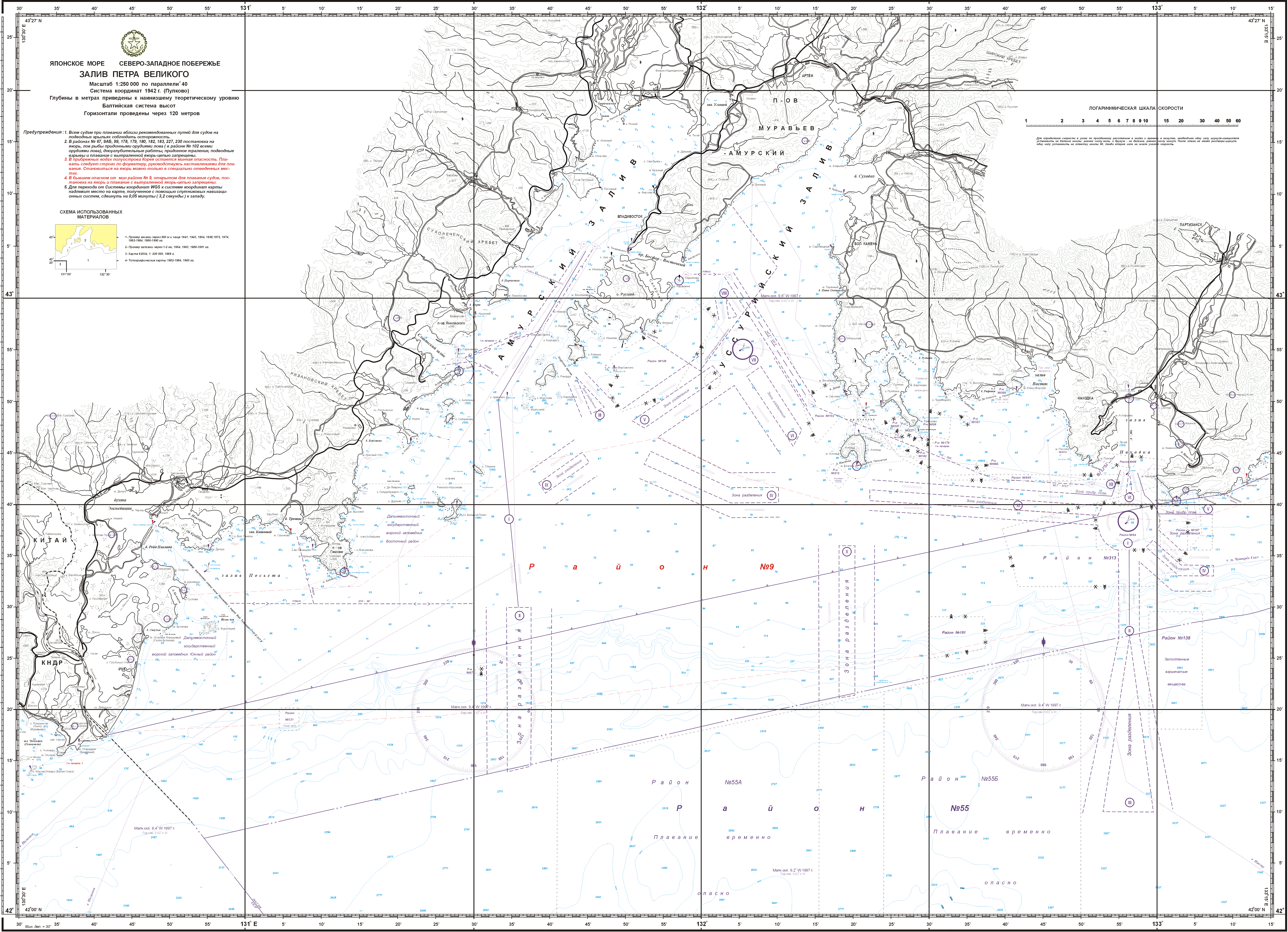
A new tiny twist in U.S. naval activities, albeit one that raises some eyebrows happened last week due to its location. The latest in “freedom of navigation operation”, aka ‘FONOP’ carried out by the U.S. Navy took place in Peter the Great Bay (Zaliv Petra Velikogo), near to Vladivostok in the Far East of Russia. The fact that Washington cherrypicked the location might be at first sight, insignificant and also petty considering the context, but there’s more to this given the timing and ongoing pinprick but widely applied pressure applied to Russia on many fronts these days, (military, political, trade and diplomatic).

The legal background and historical details for the Peter the Great Bay incident has been explained in the article “Driving Russia further into China’s arms”, which lays out the legal issues and interpretations of baselines, internal, territorial and historic waters.

The bottom line is that naval vessels do have a right to navigate within other countries’ 12 nautical mile territorial limit, if it is under the rule of “innocent passage”, (see Article 19 of UNCLOS), by transiting in a “continuous and expeditious” manner that is not “prejudicial to the peace, good order or security of the coastal state”. There are specific activities that are not permitted including surveillance and flying shipborne aircraft.

Naval and air incursions have been going on for years and also back in the Soviet era, famously highlighted by the Black Sea ‘bumping’ incidents in 1986 and 1988, (also due to UNCLOS). The Black Sea remains one of the vital pressure points to this day, yet the Far East not so until December 2018, when the first post-Cold War FONOP in the area was carried out by the USS ‘McCampbell’.

The notion and implementation of FONOPs, started in 1979, are uniquely peculiar to the U.S. and symptomatic of Washington’s persistent mindset of “needing to poke their noses” where and when it suits them to prove all too often counterproductive point. Following the Peter the Great Bay incident, the U.S. Pacific Fleet stated that the “United States will never bow in intimidation or be coerced into accepting illegitimate maritime claims, such as those made by the Russian Federation.”

The concept of FONOPs also stands sharply at odds with Washington’s stance on UNCLOS, as the Senate has not ratified it. Nevertheless, it is worth pointing out that Washington has accepted UNCLOS as binding international law. Back in 2015, the chairman of the Joint Chiefs of Staff, Gen. Joe Dunford, stated: “We undermine our leverage by not signing up to the same rule book by which we are asking other countries to accept.” Except that the U.S. would be bound by all the articles of UNCLOS and not stay in a position of cherry-picking just a selection that suits its narrow set of interests. Quite telling, the reasons as to why the U.S. shouldn’t ratify UNCLOS, as laid out in this Heritage Foundation document, namely the threat of lawsuits and being made accountable and abide by the decisions of the International Seabed Authority. This excerpt from another article speaks volumes about the mindset at work: “The U.S. can best protect its rights by maintaining a strong U.S. Navy, not by acceding to the convention.”

Cynically, the very fact that the U.S. hasn’t ratified it, means that Washington interprets UNCLOS with its usual ‘exceptionalism’ outlook and takes it upon itself to be the world’s leading proponent of upholding “freedom of navigation”; this only goes one way and it is principally the U.S. Navy that applies this concept, usually in the form of a destroyer. Typically, the style of Washington is to send in cruise missile carrying “505 feet of American fighting steel” over differences of legal views over claims over sea areas and reiterate pedantic enforcement of “innocent passage” in selected localities. The U.S. Coast Guard has been involved in FONOPs too, but in a very restricted capacity and more recently (and unusually so) one in the South China Sea.

The rationale for FONOPs is based uniquely on Washington’s interpretation of “excessive claims” made by other states that it finds unacceptable, “to protest other states’ excessive maritime claims and encourage those states to harmonize their claims with U.S. interpretations of international law” (Odell 2019) as well as maintain customary international law. There are two aspects to note, a. “innocent passage” and “excessive maritime claims” regarding territorial waters, since there is a fine line between these two statements. I am not at this stage going to go into the specifics and gritty details of the issues of either customary international law or UNCLOS, other to say it is complex and invariably there are conflicting views over interpretation. The crux of the legal matter is that the U.S. maintains the belief that if challenges to customary international law are not carried out, then this over time ultimately legitimatise them by setting a negative precedent. If this multiplied over and over worldwide, this ultimately erodes U.S. supremacy, (for an insight in this – read the top paragraph of page 3 of this document). In short, it sounds really immature and pathetic to nit-pick over where the baseline for Zaliv Petra Velikogo, yet this precisely what Washington did last week, because do not doing so erodes their maritime rights.

There are several elements that underpin a FONOP, legal, diplomatic and ultimately the operational naval stage. Originally, ‘operational’ FONOPs were designed as the next step to supplement diplomatic efforts to challenge excessive claims or when these efforts have proven fruitless. An example of this, the USCG did a FONOP 35 years ago in the North Western Passage, much to the annoyance of Canada.

As Odell stated, “the United States does not conduct FONOPs vis-à-vis all excessive maritime claims everywhere in the world every year”. The pattern, tempo and nature of ‘operational’ FONOPs has principally focussed on those countries who happen not to agree with the “rules-based liberal international order”, a concept exclusively promoted by Washington to uphold its global primacy. While other countries who take umbrage at what they perceive as excessive claims, they go to the ITLOS to try to settle the matter, the U.S. sends in the navy. What does that say?

The mantra often trotted out on these occasions by the U.S. Navy is that it “operates in close coordination with allies and partners who share our commitment to uphold a free and open international order that promotes security and prosperity.” In other words, only security and prosperity that serves first and foremost U.S. interests, namely via a rolled out globalised Monroe Doctrine. The FONOP concept has morphed into something wider -” to uphold security and prosperity interests”, not quite the same category as “challenging excessive maritime claims” or conducting “innocent passage” transits.

It is interesting to see that there is barely lukewarm support for FONOPs from those “allies and partners”, despite Washington’s active encouragement. In fact, they are not on the same page in terms of carrying out U.S. style FONOPs, especially in the South China Sea. Since a few states have competing interests and claims as well as strong trade relations themselves in the region, as such they aren’t keen on jumping on that particular kind of boat so to speak, (South Korea and Japan for instance are a case in point). U.S. FONOPs have been frequently carried out in the South China Sea for over a decade. Quite tellingly, Chinese PLA(N) ships have themselves sailed through U.S. waters back in 2015 to and from the Bering Sea and Washington merely twitched back then.

So the much vaunted short lived unilateral acts conducted by the U.S. can also be flipped, as the saying goes, it takes two to tango, so there is little that the U.S. could do if the PLA(N) (again) or let’s say even the Russian Navy decides to apply Article 19 “innocent passage” transit off continental U.S, the Aleutian Islands, Puerto Rico or Hawaii.

Another important pressure point is the Arctic, specifically the Northern Sea Route (NSR). Last year, I outlined the situation and background to FONOPs in the Arctic, as a result of the French Navy’s BSAH ‘Rhône’ transit from Norway to Canada via the NSR. Of interest to note that the Rhône’s voyage was essentially a very low key FONOP in nature, but without resorting to either using a combat ship or making public statements to the effect. Furthermore, I mentioned at the time that U.S. has started to take incremental steps towards a fully-fledged FONOP in the Arctic region.

As I write this, the U.S. had indeed taken further steps this year to carry out limited operations in the Barents Sea. In May, 4 US Navy ships and a UK frigate went to the Barents Sea, the first time in the area since the 1980s. On this occasion the Northern Fleet was notified, however this was not the case in September. In total, the US Navy went to the Barents: Sea 3 times in 2020 alone (2). The latest reason? – “This Barents Sea mission marks a significant milestone, clearly demonstrating our dynamic ability to operate anywhere in the world,” said Cmdr. John D. John, Ross’ commanding officer.

The U.S. isn’t actually trying to preserve UNCLOS for all, but in reality, trying to reimpose and expand a US‐led regional status quo, whether in the Barents or the South China Sea. It can thus be considered that FONOPs are little more than a barely concealed tool for keeping and deploying the U.S. Navy Fleets globally to obscure far flung places in order to make their combat capability posturing and presence known. If the U.S. had wanted to prove a point strictly regarding the principle of freedom of navigation, it would have been more tactful to send non-combat ships instead like the French apparently did. To certain extent, this can be summed up by the words of the commandant of the USCG, Adm Schultz, who said. “I think in the Arctic right now, if we did something with the Navy, it’s more about just showing our ability to project capability up there.”

Certainly, the U.S. Navy has a knack in conducting FONOPs near to the Russian Navy Fleets’ homeports or significant Chinese military installations. The Peter the Great Bay incident is no exception, given Vladivostok and the nearby new mega shipyard, ‘Bolshoy Kamen’, which just happens to be carrying out nuclear submarine upgrades. Hence the tone set recently by Moscow in response to the incident may be an indicator: “Such muscle flexing is apparently meant to exacerbate the situation, which once again proves that at the current historical stage the United States is opting to use force methods to advocate own foreign policy interests.”

So foolishly, the U.S. rattles the FONOP cage once more, with lofty pronouncements made once more, and more bloviating about freedom and security. What does this actually achieve other than more pushbacks and toughening of stances from Russia in this instance?

FONOPs are not a constructive diplomatic tool or even add value since they trigger more tensions and are also a cost to the military, (paradoxically even the U.S. ‘rules-based partners’ such as Canada and Australia see it that way too). Although, the aim of FONOPs is to shape the U.S.’s desired strategic effects and improve partnerships, they ultimately fail to do this is any consistent or meaningful manner of asserting maritime rights. Instead, FONOPs are seen as a crude instrument of U.S. military primacy, designed to send an antagonistic signal of power projection.

  1. Odell, Rachel, How Strategic Norm-Shaping Undergirds America’s Command of the Commons (August 31, 2019). MIT Political Science Department Research Paper No. 2019-23,
  2. May: Arleigh Burke-class Aegis destroyers USS Donald Cook, Porter and Roosevelt + HMS Kent; September: USS Ross + HMS Sutherland + HNoMS Thor Heyerdahl. October: USS Ross again).

River to Sea Uprooted Palestinian   
The views expressed in this article are the sole responsibility of the author and do not necessarily reflect those of the Blog!

Australian Lowlifes – American Empire’s Bitches

Australian Lowlifes – American Empire’s Bitches

December 01, 2020

By Allen Yu for the Saker Blog

I have picked on America for some time … and for good reasons … because American leaders and media on the world stage have been tragically hypocritical and arrogant for too long.

Just look at the recent murder of Iran’s top nuclear scientist – Mohsen Fakhrizadeh. Imagine if a top scientist in the U.S. (or U.K. or France or Germany for that matter) was murdered in a similar fashion: American leaders and media would all be all up in arms, calling out the despicable act for what it is, an affront against basic civility.

But because this happened to Iran, there is no moral indignity expressed in the U.S. media or its leaders. Trump seemingly smugly tweeted the news. Other leaders acknowledged nonchalantly almost as if it were news about bad weather. The killing is treated at worst as political intrigue by Israel – with certain approval by Trump – to prevent Biden from improving relations with Iran and perhaps rejoining the JCPOA.

It’s truly despicable … but expected. And now we see something just as disgusting in … Australia!

A few weeks ago, news came out that Australia troops have murdered at least 39 innocent civilians in Afghanistan in the course of the Afghan war. Over the weekend, an obscure artist in China made an art about the tragedy which was widely circulated in Chinese social media, and which Chinese Foreign Ministry Spokesman Li JianZhao twitted.

The Australians are now all up in arms over the image! The angle Australian (and U.S.) media and leaders is taking is that this is all “fake news”! Australian Prime Minister Morrison pronounced it to be a “fake image”! In this Australian news video, one Australian politician pronounced that the image is “gratuitous, inflammatory, deeply offensive.” The reporters fumed that China was “childish” and a “bully” and that Australians must “stand up” to Chinese aggression. China is doing this – in their view – because it is mad at Australia for speaking up about Hong Kong, Xinjiang, and banning Huawei. Australian must not back down because who knows what else will China demand of Australians later, and what else evil China will demand of Australia’s children and grandchildren down the road!

I kid you not … that’s what they are saying in Australia!!!

So a few quick responses.

First, this is not “fake news.” It is real news. Watch “Killing Field: Explosive new allegations of Australian special forces war crimes | Four Corners.” It’s a documentary made by the Australian Public Broadcast Service and can be easily found on YouTube at https://youtu.be/-GPplTKCYpQ The issues are real. The events are real. The tragedy is real. The pain is real.

Second, this is not a “fake image.” It’s art – commonly understood to be an expression or application of creative skills to produce artifacts that evokes beauty and/or emotive power.

I remember a few years ago, many the West laughed at Muslims for getting for mad at “art” that satirized the Muslim prophet Muhammadin in what has been called the Jyllands-Posten Muhammad cartoons controversy. The Muslims accused the West of defaming their religion, but the West hollered “Freedom of speech”! But even in their fervor, never did Muslim supporters raise the issue about a “fake image”!So to Australian media and politicians again … this is Art.

Third, talk about “gratuitous, inflammatory, deeply offensive”! It is the Australians who are “gratuitous, inflammatory, deeply offensive” for attacking Chinese who are creating and spreading art that expresses a shared human pain. The art evokes a primal, innate expression for basic human rights, especially taken in larger view of the West’s endless wars in the world – including the Middle East, Afghanistan, Africa, Latin America, among others. It is a basic human right to feel and communicate such emotions from human tragedies and offenses.

Fourth, about China being “childish” and a “bully,” please look in the mirror. Please look first into the mirror and reflect upon what you as a nation have done to others. You who say you are a gate keeper of peace have betrayed that trust and blindly killed some 39 – probably much more(!) – innocent men, women, and children. China is not “bullying” you by holding a mirror up and hoping that you can reflect upon the crimes you have conducted.

Fifth, stop crying about how you must stand up to China … Over the past two or so years, you have taken dramatic actions following U.S. lead in fighting a trade, technology, and ideology war against China the last few years. This is your choice, not China’s. You have spread lies about Huawei’s 5G insecurity, you have sided with and inflamed foreign-sponsored hooligans in Hong Kong, and you have created false, unsubstantiated reports about so-called Xinjiang “concentration camps.” Yes, you should stop. But not because of China per se, but because that’s the common, basic, decent, human thing to do.

Please understand that even after you do stop, you still have to face the music for the music your troops have conducted in Afghanistan.

China does not want to be your judge or savior, Australia. You have to face up to the court of history and humanity yourself. Please grow up, get some bones, stop being America’s bitch, and take some responsibility for yourself, Australia.

River to Sea Uprooted Palestinian   
The views expressed in this article are the sole responsibility of the author and do not necessarily reflect those of the Blog!

شربل نحاس وحكاية النيّات الحسنة


ناصر قنديل

– تحتلّ نظرية التحذير من الوقوع في فخّ النيّات الحسنة من قبل الخبراء النقديين الذين يفترضون حلاً للأزمة التي تعصف بلبنان منذ عقدين على الأقل، موقعاً محورياً في مقاربة حزب «مواطنون ومواطنات في دولة»، وأمينه العام الوزير السابق شربل نحاس، الذي تميّز مع حزبه في تقديم مقاربة هي الأعمق لفهم الأزمة المالية والاقتصادية، وربط الأزمة بالبنية السياسية لنظام المحاصصة الطائفية، والدعوة لدولة مدنية كأساس وقاعدة للخروج من الأزمة، وبقي نحاس وفريقه يمثلون أكثر مجموعات انتفاضة 17 تشرين جديّة ووضوحاً واستقلالية، فهم المجموعة الوحيدة التي قدّمت وثيقة لتشريح الأزمة وتوصيفها وتقديم الحلول والرؤى، وهم المجموعة الوحيدة التي لا تحوم حولها شبهات الارتباط بمشاريع خارجية، وهم المجموعة الأكثر وضوحاً في ربط الأزمة الاقتصادية بالسياسة، وعدم تحويلها باباً للعن السياسة وشيطنتها بدافع الشعبويّة في إحلال الشتيمة مكان العلم، بل لاقتحام السياسة والدخول من بابها العريض، والتجرؤ على مقاربة القضية المحورية التي تمثلها المقاومة وسلاحها في الحياة السياسية بخلفية البحث عن موقف وطني يحاول تخيل حلول على مستوى الدولة تنطلق من اعتبار المقاومة مشروعاً وطنياً، والسعي لتصوّر الفصل الافتراضي بينه وبين التمايز عن حزب الله الإقليمي، بينما توزّعت مجموعات الانتفاضة، بين مقاربات ساذجة تقوم على اعتبار المقاومة موضوعاً خلافياً يجب تحييده، ومقاربات تخديمية لطلبات المموّلين والمشغلين الخارجيين بإقحام المقاومة كعنوان وظيفي تستعمل الانتفاضة لتخديم مشروع المواجهة مع المقاومة.

– في الكتاب الذي أصدره شربل نحاس والمجموعة التي يعمل معها، تشريح اقتصاديّ ونقديّ لنمو الأزمة، ومحاولة تلمس لآفاق حلول. والأهم هو الوضوح في رسم خط فاصل بين التعبير الذي مثلته انتفاضة 17 تشرين، وحركة 14 آذار، التي بقيت بنظر الكثير من الخارج والداخل الراعي لما بعد 17 تشرين الروح التي تتحرّك من خلالها محاولات توصيف وتوظيف الحراك الشعبي لتوجيهه كأداة تخديميّة لمشروع استهداف للمقاومة يرفض نحاس ومجموعته الانضواء تحته، بقوة رفضهما ذاته الانضواء تحت لواء قوى 8 آذار التي تتمسك بالمقاومة وسلاحها، لكنها شكلت جزءاً من الأزمة الاقتصاديّة والسياسيّة ولم تستطع التحرّر من إرث شراكتها في صناعة الأزمة لتكون شريكاً في صناعة الحل، وفي الحوارات التلفزيونية البعيدة عن بعض الارتجال الذي قدّم نحاس ومجموعته بصورة سلبيّة واستعلائية في عيون المؤمنين بالمقاومة، أعاد نحاس تصويب موقعه السجالي بوجه أعداء المقاومة الذين لا يرون في الحراك الشعبيّ إلا مدخلاً لتخديم وتزييت آلة المواجهة الداخلية والخارجية مع المقاومة.

– المشكلة التي لا يمكن تجاهلها مع أطروحات نحاس وفريقه، التي تقوم على ما يسمّيه بالانتقال السلمي للسلطة، والتفاوض على تحقيقه لبلوغ المرحلة الانتقاليّة التي يثقون بحتميّتها، أنهم يقعون مرة أخرى في ما حذروا منه، وهو إسقاط النيّات الطيّبة على التحليل والسياسة، بصفتهما أداتين علميّتين لا مكان للرغبات والمشاعر فيها. فالقراءة التي تحكم المقاربة تمنح الشق الداخلي حجماً أكبر من الواقع بالقياس لعلاقته بالخارج، فكيف يكون خيار السقوط الحتميّ للصيغة القائمة على المحاصصة والفساد وقد عوّمها الخارج منذ العام 1998 وفقاً لما يقدّمه ويشرحه نحاس بإتقان، طالما أن الجزء الرئيسي من تجفيف العملات الصعبة يأتي في سياق الحصار والضغوط الهادفة لإسقاط المقاومة. وهذا يفتح الباب لأحد احتمالين: الأول ان يستمر الرهان الخارجي على هذه السياسة، وعندها ستسقط رهانات الحصول على عملات صعبة من صندوق النقد الدولي وسواه، ولا يحتاج نحاس لمن يشرح له الترابط بين سياسات الصندوق والدور الوظيفيّ لها في خدمة الحسابات الأميركية، ويصبح التطلع لمرحلة انتقاليّة تستند الى فرضية الحصول على التمويل مجرد رهان على النيّات الحسنة، لأن التمويل لا صلة له بالإصلاح ولا ببناء دولة تستطيع إقناع الخارج بجديتها وصدقيتها وشفافيتها، بقدر علاقته العضوية بمصير المقاومة وسلاحها، موقف الدولة منهما. والخيار الثاني هو أن تنتهي التحولات الإقليمية والدولية الى تسويات تكون بموجبها فرصة جديدة شبيهة للفرص السابقة لتلاقي طرفي النزاع الإقليمي، الأميركي ومحور المقاومة، على الإفراج عن لبنان من دائرة الجفاف المالي. وهذا لن يكون مشروطاً بأي بنية للدولة تقوم في لبنان، بقدر اتصاله بالتوازنات التي يمثلها لبنان في المعادلات الإقليمية، بمثل ما كان عليه الحال مرات كثيرة أدّت الى إعادة إنتاج النظام نفسه.

– كل من الخيارين الفرضيّتين، استمرار رهان الحصار أو انتصار خيار التسويات، لا يمكن توصيف تجاهله إلا بالنيات الحسنة، بدلاً من التحليل العلمي والعملي للسياسة. ومن هنا يشتق وقوع جديد في حسابات النيات الحسنة بالرهان على فرضية تسليم المعنيين بالسلطة بفرضية المرحلة الانتقالية، طالما أن نظاماً يصفه نحاس بأنه قائم على التسوّل وتصدير المهاجرين، قادر على استعادة توازنه المالي وتخفيض سقف حاجاته، بما يتناسب مع حجم المخصص له في المعادلات الدولية والإقليمية، من خلال ما يصححه سعر الصرف المرتفع في كلفة الاستيراد من جهة، وحجم الاستهلاك من جهة موازية، ومن خلال ما يصحّحه عائد تحويلات المهاجرين الجدد في ميزان المدفوعات. وهذه خاصيّة دوريّة كل عقود يعيد إنتاجها النظام مع الاختناقات والأزمات، وطالما كان تمويل النظام السياسي والأمني في لبنان مبنياً على دفع فاتورة حفظ الاستقرار الإقليمي الذي يتأثر كثيراً باللااستقرار في لبنان، ويصير التوقّع بتلبية أصحاب القرار لدعوات الانتقال السلمي للسلطة مجرد وقوع في الرهان على نيات حسنة.

– ما ينتقدُه نحاس في المراهنين على الانتخابات النيابية، سواء المبكرة أو المتأخرة، لجهة اعتبار قدرة الانتخابات على إنتاج تغيير مجرد وهم، خصوصاً أن التذرع بقانون الانتخابات كذبة كبيرة، لأن من لديه أغلبية شعبية، سيمسك بالأغلبية النيابية في أي قانون انتخابات، طالما ان أغلبيته عابرة للطوائف، وسيحصد تمثيلاً يمنحه حق الفيتو في النظام السياسي على الأقل، إذا كانت أغلبيته موزعة بطريقة غير متوازنة بين الطوائف، ويحق لنحاس ومجموعته توصيف هذه الرهانات بالوقوع في النيات الحسنة بأحسن الأحوال، لكن نحاس يعود ويقع في رهان النيات الحسنة بالاعتقاد ان الانتقال للدولة المدنية هو تطور حتميّ ناتج عن مأزق النظام البنيويّ، وهو ما تنفيه القراءة المقارنة للأزمة الراهنة وأزمة السبعينيات، التي كانت مع بداياتها أقرب للدولة المدنية من بدايات الأزمة الراهنة، ونجح النظام السياسي الاقتصادي بإعادة إنتاج ذاته من رحمها، ولا شيء يقول بأنه سيفشل هذه المرة، مع درجة تخندق وتجزر أوسع أفقياً وأشد وضوحاً وعصبية عمودياً، لشبكة المواقف والمصالح المنعقدة حول الخنادق الطائفية.

– ستبقى نقطة البداية لتغيير جدي منشود في لبنان هي في لقاء القوى غير الطائفية حول مشروع طويل النفس، وإقامة حوار جدّي بينها وبين المقاومة لإدارة معركة هادئة متدرجة لإنتاج توزان قوى قادر على فتح نافذة نحو صعود تحالف عابر للطوائف بعيد عن المحاصصات الطائفية، ومؤمن بأن حفظ الاستقلال الوطني هو شرط حاكم وحاسم من شروط بناء الدولة، وأن حفظ المقاومة من مقوّمات هذا الاستقلال.


River to Sea Uprooted Palestinian   
The views expressed in this article are the sole responsibility of the author and do not necessarily reflect those of the Blog!

Taiwan: A US Foothold Before a Chinese Tidal Wave

 By Tony Cartalucci

Source: New Eastern Outlook

Taiwan has found itself increasingly in the middle of the growing power struggle between a waning US and a rising China.

Taiwan is recognized by both the UN and the vast majority of the world’s nations including (officially) the United States under the One China policy – but Taiwan’s pro-independence circles have nonetheless enjoyed large amounts of financial and political support from Washington and has been a point of contention in the region and between Beijing and Washington for decades.

The most recent example of this – reported by the Taipei Times in their article, “Two Washington-based pro-democracy NGOs to establish offices in Taipei,” – was the increased footprint of Washington’s notorious regime change front – the National Endowment for Democracy.

The article would claim:

Two Washington-based non-governmental organizations (NGOs), the National Democratic Institute for International Affairs (NDI) and the International Republican Institute (IRI), are to establish offices in Taiwan after they were sanctioned by Beijing last year.

The two institutes, along with the US National Endowment for Democracy (NED), Freedom House and Human Rights Watch were sanctioned last year after speaking in support of Hong Kong democracy activists and as well as being part of China’s tit-for-tat reaction against US President Donald Trump signing the US’ Hong Kong Human Rights and Democracy Act. 

Of course the US NED was not simply “speaking in support” of Hong Kong opposition groups – but was a primary conduit through which US government funding passed to these opposition groups.

Making the purpose behind the US NED’s expansion in Taiwan much clearer was IRI president Daniel Twining’s comments claiming (emphasis added):

From our Taipei base, we will work with our partners to highlight Taiwan’s hard-won democratic lessons, strengthen networks of Asia’s democratic actors and build resilience against malign authoritarian influence in the region… As the CCP [Chinese Communist Party] becomes more aggressive in violating the global rules-based order, now is the time for all democracies … to invest in strengthening ties with Taiwan.

In other words, the US NED’s move in Taiwan is meant to contribute to Washington’s wider campaign of encircling and containing not only China but to fuel US-funded unrest targeting China’s closest regional allies.

Independence movements in Taiwan have identified themselves as part of the so-called “Milk Tea Alliance” – a united front of US-funded opposition groups from across the region attempting to coerce their respective governments into a confrontational posture toward Beijing. Most recently this has included the opposition in Hong Kong and anti-government protests in Thailand.

And while the US is clearly banking on its heavy investments in “soft power” – essentially region-wide political interference – China’s strategy focuses instead on economic ties underpinned by principles of non-interference.

It is no surprise that the Asian region has responded positively to the latter instead of the former.

Taiwan’s Future is Inevitable 

The US and the wider Western media have promoted narratives of an impending Chinese invasion of Taiwan. This narrative has been used to justify the sale of US weapons to Taiwan’s military including a recent arms deal worth several billion US dollars.

The Business Insider in an article titled, “A Chinese invasion of Taiwan would not be easy, and the 400 anti-ship missiles the US plans to sell to Taiwan would make it even harder,” would note:

Less than a week after it authorized a $1.8 billion arms sale to Taiwan, the US Department of State notified Congress on Monday of another possible Foreign Military Sale to Taiwan for $2.4 billion that includes hundreds of Harpoon anti-ship missiles and launchers.

The big sale, if approved by Congress, would give Taiwan 100 Harpoon Coastal Defense Systems (HCDS) and 400 RGM-84L-4 Harpoon Block II Surface-Launched Missiles, very capable all-weather weapons that can search for and take out ships as far as half-way across the Taiwan Strait.

The sale of the additional missiles would later be approved.

The weapons are for a “Chinese invasion” that will likely never come and in addition to the US “soft power” networks Taiwan now serves as a base for – the US still lacks any means to confront or contain China’s influence – both in regards to Taiwan and in regards to the wider region.

The need for a “Chinese invasion” of territory already recognized as part of China by the UN makes so little sense on so many levels. But the clearest level is economically where mainland China now stands as Taiwan’s largest trade partner and investor.

Mainland China has been the key to Taiwan’s economic growth throughout recent years and had helped drive the easing of cross Strait tensions.

Because of Taiwan’s economic ties with the mainland, the most recent drive by the US to re-introduce a wedge between the two has come at high cost to Taiwan’s economy. The government fulfilling Washington’s desire to restrict mainland investment and  oppose Beijing’s decisions regarding Chinese territory has cut Taiwan off from economic inflows the US – and even the wider West – are unable to compensate for.

A look at Taiwan’s foreign investment and trade over the last two decades reveals an obvious and unavoidable trend regarding Taiwan’s near to intermediate future.  It is a trend of a shrinking Western role in Taiwan’s economy replaced by a rising mainland China – and a trend that inevitably impacts Taiwan geopolitically.

Twenty years ago only 4% of Taiwan’s exports headed to mainland China while 18% headed to the United States. Today, 34% of Taiwan’s exports head to China versus 10% to the United States. Taiwan’s imports reflect a similar shift in economic power. Both China’s economic rise and its proximity to Taiwan means that this trend will only continue.

US efforts to build up Taiwan’s independence movement is meant to deliberately disrupt this trend – and it is doing so not by providing Taiwan with economic alternatives but instead baiting the island into a growing political and even military standoff with the mainland and its regional allies. This is being done specifically at the expense of Taiwan’s economic ties to both.

Just like Australia and others being drawn into Washington’s anti-Chinese foreign policy – such a stance is not sustainable. As long as China can avoid provocations and conflict and continue offering the benefits of economic prosperity and peace as an alternative to Washington’s strategy of tension – patience and time will run out for Washington’s style of Indo-Pacific hegemony and the interests in the region abetting it will be displaced by those interested in a more constructive regional architecture.

Perhaps on a more global scale a similar process can play out within the United States itself – where current circles of power pursuing this counterproductive foreign policy are displaced by those with a more constructive vision of America’s role not only in Asia but around the globe.


River to Sea Uprooted Palestinian   
The views expressed in this article are the sole responsibility of the author and do not necessarily reflect those of the Blog!