July 1, 2021
Israeli Human Rights Violations in the Occupied Palestine (24 – 30 June 2021)
- 16 Palestinians wounded, including 2 journalists and a child, in IOF excessive use of force in the West Bank
- In 122 IOF incursions into the West Bank, including occupied East Jerusalem: 80 civilians arrested, including 9 children and 2 sisters
- Repeated IOF theft of Palestinians’ money during raids to civilian houses
- Demolitions in the West Bank: IOF demolish a house, a commercial facility and a room in occupied East Jerusalem and an under-construction house in Salfit
- Cease-construction notice served against a school in Hebron; and 3 demolition and cease-construction notices served in Bethlehem
- Settlers uproot dozens of olive trees in Nablus
- IOF established 43 temporary military checkpoints in the West Bank and arrested 3 Palestinian civilians on said checkpoints
Summary
Israeli occupation forces (IOF) continued to commit crimes and multi-layered violations against Palestinian civilians and their properties, including raids into Palestinian cities that are characterized with excessive use of force, assault, abuse and attacks on civilians, turning the West Bank into isolated blocks of land. Israeli settlement expansion on Palestinian properties and land continued. Meanwhile, the Gaza Strip enters its 15th year under closure, exacerbating the humanitarian hardships across the territory.
IOF shooting and violation of right to bodily integrity:
19 Palestinians were wounded, including 2 journalists and a child, in IOF excessive use of force in the West Bank, including occupied East Jerusalem: 5 were wounded, 1 classified critical, in attacks on a protest in Jabal Sbaih, Nablus; 6 others, including a journalist, were wounded in IOF attacks on Kafr Qaddum protest, Qalqilya; and 2 others, including a child, were wounded in Jenin; another 2, including a journalist, were wounded during a demolition in Silwan, occupied Jerusalem. Dozens suffocated due to tear gas inhalation, fired by IOF in its attacks in the West Bank.
In the Gaza Strip, one IOF shooting incident was reported against agricultural lands in eastern Rafah.
IOF incursions and arrests of Palestinian civilians: IOF carried out 121 incursions into the West Bank, including occupied East Jerusalem. Those incursions included raids of civilian houses and shootings, enticing fear among civilians, and attacking many of them. During this week’s incursions, 80 Palestinians were arrested, including 9 children and two sisters. During these raids, IOF stole money from at least two houses, including a journalist’s.
Demolitions:
PCHR fieldworkers documented 8 violations:
- East Jerusalem: a room self-demolished; commercial facility and a house demolished in Silwan.
- Hebron: cease-construction notice served against a school in Yatta, and two tin-plated houses dismantled in Dahiriyia.
- Bethlehem: 4 demolition notices served against 4 houses in Walaja and Kisan.
- Salfit: under-construction house demolished
Settler-attacks: PCHR fieldworkers reported and documented 5 attacks by Israeli settlers on Palestinian civilians and their properties:
- East Jerusalem: attack on al-Ghawy family home in Sheikh Jarrah neighborhood
- Nablus: 50 olive seedlings uprooted, other trees’ branches cut and a water pump confiscated in Jalud; in Ras Nakheel, 50 olive seedlings uprooted; in Burin, farmers’ lands (dozens of dunums) set on fire.
Israeli closure policy and restrictions on freedom of movement
The Israeli authorities continued to impose collective punishments against the people of the Gaza Strip by closing Karm Abu Salem and Beit Hanoun “Erez” Crossings (with partial operation).
On Thursday, 24 June 2021, IOF expanded the fishing area in the Gaza Sea to 9 nautical miles after it was limited to 6 (allowed fishing area was 15 nautical miles before the aggression) after the aggression. IOF also announced superficial facilitations on the restriction on the import of goods to Gaza, as some raw materials used exclusively for civilian objects were allowed entry.
Starting Monday, 28 June 2021, IOF allowed the entry of fuel for Gaza’s sole power plant.
Meanwhile, IOF continued to divide the West Bank into separate cantons with key roads blocked by the Israeli occupation since the Second Intifada and with temporary and permanent checkpoints, where civilian movement is restricted, and they are subject to arrest.
Shooting and other Violations of the Right to Life and Bodily Integrity
- At approximately 19:30 on Thursday, 24 June 2021, IOF stationed near “Avatar” settlement outpost, which is established on Sabeih Mount few weeks ago, south of Beita village, southeast of Nablus, opened fire at Palestinian young men who carry out activities, including setting fire to tires protesting at the establishment of the outpost on the mount. As a result, a Palestinian young man was shot with a two-two bullet in his shoulder and was taken to Rafidia Hospital for treatment.
- At approximately 13:00 on Friday, 25 June 2021, a group of Palestinians, including children, gathered in the center of Beita village, southeast of Nablus, and headed towards Sabeih Mount in southern Nablus, to protest the establishment of the outpost there. The Palestinians gathered in the western side of the mount and set fire to tires on a road leading to the mount. After that, IOF indiscriminately opened fire at the protestors. Accordingly, violent clashes erupted, during which, the protestors threw stones at IOF, who continued to fire live and rubber bullets, sound bombs and teargas canisters at the protestors. The clashes continued until17:50 and resulted in the injury of 4 protestors; 3 of them were shot with live bullets and one was shot with a rubber bullet in his back. The wounded were taken to Rafidia Governmental Hospital for treatment, where the injury of one of them was reported critical. PCHR keeps the names of those wounded.
- Around the same time, IOF stationed at the northern entrance to Kafr Qaddum village, north of Qalqilya, suppressed a protest organized by dozens of Palestinians. IOF chased the Palestinians gathered in the area, clashed them and fired rubber bullets, sound bombs and teargas canisters at them. As a result, 6 Palestinians were shot with live and rubber bullets; one of them was a journalist namely Mohammed ‘Enaiyia (30), a cameraman at Palestine TV. Mohammed was shot with a rubber bullet in his foot. PCHR keeps the names of those wounded.
- At approximately 18:00, IOF stationed near “Yitzhar“ settlement, which is established in south-eastern Nablus, opened fire at a Palestinian young man, under the pretext that he attempted to carry out a stabbing attack near the settlement. As a result, the young man was wounded and arrested later. It was found later that the arrestee was Mohammed Kamal Jamil ‘Aranda (36), from Einabus village. Mohammed suffered from mental disorders.
- At approximately 19:00 on Tuesday, 30 June 2021, IOF suppressed a peaceful protest organized by dozens of Palestinians in al-Bustan neighborhood in Silwan, south of occupied East Jerusalem’s Old City, protesting at the demolition of residential houses and facilities in favor of establishing (King’s Garden) Park on al-Bustan’s lands. According to PCHR’s follow up, dozens of Palestinians gathered on al-Bustan neighborhood’s main street, condemning the demolition carried out by Israeli municipality crews in the morning. The protestors raised Palestinian flags, during which, IOF deployed on nearby roads, surrounded the protestors, suppressed them and pushed and beat them. Afterwards, violent clashes erupted between the IOF and Palestinians in al-Bustan neighborhood and in nearby neighborhoods and continued until midnight. During which, IOF fired rubber bullets, teargas canisters and sound bombs at the protestors. As a result, dozens of them suffocated due to teargas inhalation. It should be noted that Silwan village is the closet to Jerusalem walls and comprised of 12 neighborhoods built on 5640 dunums of lands; 6 of those neighborhoods are under the threat of forced displacement and houses demolition. The Israeli municipality handed more than 6817 demolition orders to the residents of al-Bustan, Baten al-Hawa, ‘Ein al-Louza, Wadi al-Helwa, Wadi al-Rababa, and Wadi Yasoul neighborhoods, so at least 7500 Palestinians became under the threat of displacement.
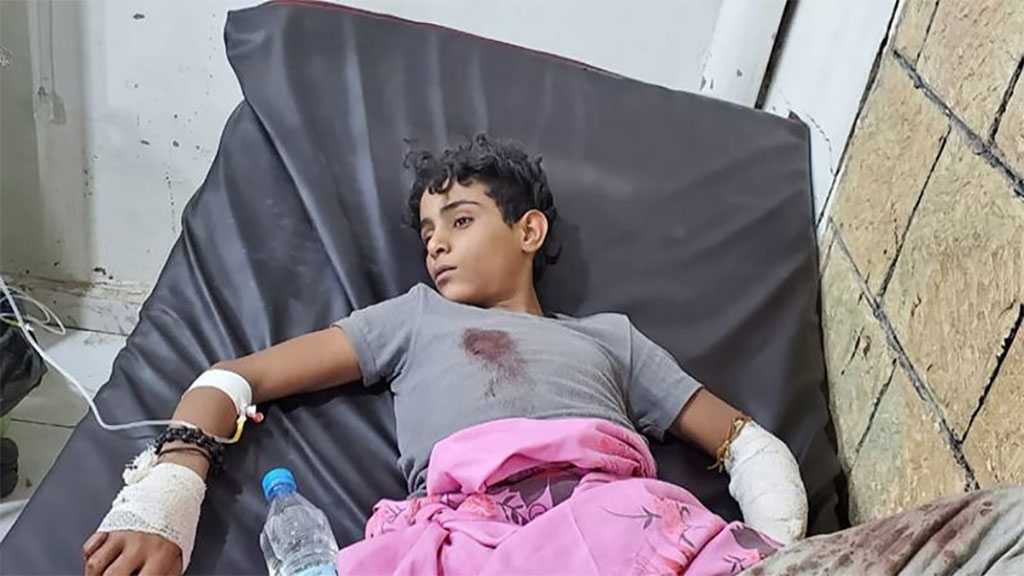
- At approximately 04:30 on Wednesday, 30 June 2021, IOF moved into Jenin refugee camp, west of Jenin. Meanwhile, a group of Palestinians gathered and threw stones at IOF vehicles. IOF immediately fired live and rubber bullets, sound bombs and teargas canisters at the protestors. As a result, two protestors, including a child, were injured. The child was shot with a live bullet in his left leg while the other protestor sustained shrapnel wounds in his head. Both of them were taken to Dr. Khalil Suliman Hospital for treatment. PCHR keeps the names of those wounded.
- At approximately 06:00, IOF stationed along the Gaza’s border fence with Israel, east of al-Shawka village, east of Rafah, opened fire at agricultural lands, but no casualties were reported.
Incursions and arrests
Thursday, 24 June 2021:
- At approximately 00:35, IOF moved into Huwwarah village, southeast of Nablus. They raided and searched several houses and arrested Zeid Fo’ad Khudair Owda (15), and Ahmed Mahmoud Ghassan Owda (15).
- At approximately 01:00, IOF moved into Jabal al-Mawaeh area in Bethlehem. They raided and searched 2 houses belonging to Sa’ad Abdullah Nawawrah (39) and Ahmed Atta al-Herimi (27), both are members of the Administrative Committee of the Palestinian Detainees and Ex-Detainees Society and arrested them.
- Around the same time, IOF moved into Beit Ummar, north of Hebron. They raided and searched 3 houses belonging to Khamis Mohammed Za’aqiq (33), Khaled Mahmoud Sleiby (26) and Waheed Hamdi Abu Mara (48) and arrested them.
- At approximately 02:00, IOF moved into Dahiyat al-Salam area in Anata, northeast of the occupied East Jerusalem. They raided and searched Abdul Salam Jamal Salama’s (28) house and arrested him.
- At approximately 03:00, IOF moved into Eizariya, east of the occupied East Jerusalem. They raided and searched Mohammed Hani Far’oun’s (24) house and arrested him.
- At approximately 04:10, IOF moved into Beita, southeast of Nablus. They raided and searched several houses and arrested Sufian Rebhi Dawoud (28), and Mohannad Hamdallah Dweikat (25).
- At approximately 04:50, IOF moved into Burin, southeast of Nablus. They raided and searched several houses and arrested Ahmed Mohammed Emran (25).
- At approximately 17:00, IOF severely beaten and arrested Huthaifa Habeeb Abdeen (19) and Anas Ahmed Abu Shousha (20), while walking on al-Wad street, one of the occupied East Jerusalem’s Old City’s streets. IOF took them to one of the detention centers in the city.
- At approximately 18:30, IOF stationed at one of the Sheikh Jarrah neighborhood’s checkpoints, north of the occupied East Jerusalem’s Old City, arrested Bashar Ya’ish (26). IOF took him to one of the detention centers in the city.
- At approximately 23:00, IOF arrested Yousef Jawdat al-Shaweish (20) and Hamza Sa’di al-Joulani (19), while present near their houses in Bab Huta neighborhood, one of the occupied East Jerusalem’s Old City’s neighborhoods. IOF took them to one of the detention centers in the city.
- At approximately 23:35, IOF moved into Silat al-Harithiya village, west of Jenin. They raided and searched several houses and arrested Marwan Adel Sabbah (39).
- IOF carried out (5) incursions in Ya’bad, Silat al-Harithiya, Kafr Dan, Ti’anik and Dayr Ghazale villages in Jenin governorate. No arrests were reported.
Friday, 25 June 2021
- At approximately 02:00, IOF moved into Salem village, northeast of Nablus. They raided and searched several houses and arrested Waseem Sameer Rasheed (19), and Thameen Turki Hamdan (24).
- At approximately 10:00, IOF arrested Khamis Shehada (48), an employee in the Islamic Endowments (Waqf) Department, after severely beaten him and his sons while present in Bab al-Silsila area, one of the occupied East Jerusalem’s Gates in the Old City. IOF took him to one of the detention centers in the city.
- At approximately 13:30, IOF arrested Nidal Sufian al-Natshah (46), after getting out of the Aqsa Mosque through al-Silsila Gate. IOF took him to al-Kishle police center and released him after several hours of investigation, then they handed him a decision that bans his entry to the Aqsa Mosque for 6 months.
- At approximately 22:30, IOF moved into Shu’afat refugee camp, north of the occupied East Jerusalem. They raided and searched 2 houses belonging to Yazan Sandouqa (14) and Ibrahim Sandouqa (15) and arrested them.
- IOF carried out (3) incursions in Hebron, Tapuah, and Dayr al-‘Asal al-Tahta in Hebron. No arrests were reported.
Saturday, 26 June 2021
- At approximately 02:00, IOF moved into Isawiya village, northeast of the occupied East Jerusalem. They raided and searched Fo’ad Derbas’s house, severely beaten and arrested his 2 sons: Adam (20) and Majd (18). IOF took them to unknown destination.
- At approximately 03:30, IOF moved into Jenin. They raided and searched several houses and arrested Ahmed Mahmoud ‘Aaref Ja’far (26).
- At approximately 17:00, IOF stationed at the entrance of Karm al-Jaouni area whose residents are living under the threat of forcible eviction and to be replaced by Israeli settlers in Sheikh Jarrah neighborhood, north of the occupied East Jerusalem’s Old City, severely beaten and arrested 2 siblings: Asala (24) and Alisar Mohammed Abu Hasna (21). Asala and Alisar were taken to a police center on Salah al-Dein street for investigation and released after several hours on condition of house arrest for 5 days. It should be noted that Asala sustained serious bruises in her hand.
Activist Muna al-Kurd stated that while Alisar and Asala were passing through one of the established checkpoints, heading back home, they were attacked and harassed verbally by the Israeli soldiers. They headed to the Israeli police officer to submit a complaint against the soldiers, and suddenly the Israeli soldiers attacked, severely beaten and arrested the girls, and took them to Salah al-Dein police center. It should be noted that Alisar and Asala are living with their father and 2 brothers in their mother’s house, Amal Mahmoud al-Qasem, who is dead. Al-Qasem’s house is one of the four houses which are under the threat of forcible eviction which the Israeli Court postponed the decision of their eviction until the beginning of next August.
- At approximately 20:00, IOF arrested Khaldoun Rawhi al-Barghouthi (47), from Kobar village, north of Ramallah governorate, while travelling with his vehicle near Bir Nabala area, northwest of the occupied East Jerusalem. IOF confiscated his vehicle and took him to an unknown destination.
- IOF carried out (3) incursions in Dura, Halhul and Sa’ir in Hebron governorate. No arrests were reported.
Sunday, 27 June 2021
- At approximately 02:00, IOF moved into the southern side of Hebron, and stationed at Abu Sneina neighborhood. They raided and searched Yazan Taha Abu Sneina’s (25) house and arrested him.
- At approximately 09:00, Israeli infantry unit launched from the military camp near “Kiryat Arba’” settlement, stormed al-Hariqa neigborhod, south of Hebron. They raided and searched 2 houses and arrested Ramzy Thyab Irfa’iya (15), and Zayed Ni’man Da’na (17).
- At approximately 22:00, IOF moved into al-Tur neighborhood, east of the occupied East Jerusalem. They raided and searched several houses and arrested Ra’ed Hazem al-Sayad (16) and Abdullah Eyad al-Hidra (21).
- At approximately 23:00, IOF moved into Anata village, northeast of the occupied East Jerusalem. They raided and searched Adham Hatem al-Yasini’s (22) house and arrested him.
- IOF carried out (2) incursions in Halhul and Beit Ummar in Hebron. No arrests were reported.
Monday, 28 June 2021
- At approximately 02:00, IOF moved into Idhna, west of Hebron. They raided and searched 2 houses belonging to Haris Mohammed Awad (40) and Isam Ayed Tmeizi (39), but no arrests were reported.
- At approximately 02:00, IOF moved into Azzun, east of Qalqilya. They raided and searched several houses and arrested Laith Samer Saleem (24).
- Around the same time, IOF moved into Anabta village in Tulkarm. They raided and searched several houses and arrested Ahmed Ali Sharaqa (23).
- At approximately 02:30, IOF moved into al-Bireh, north of Ramallah governorate, and stationed at Um al-Sharayet neighborhood. They raided and searched Basel Hussam M’alla’s (24) house and arrested him.
- Around the same time, IOF moved into Am’ari refugee camp, southeast of al-Bireh, and stationed at al-Shuhada street. They raided and searched several houses and arrested Sufian Bassam Miqdadi (23). During the withdrawal, IOF randomly threw sound bombs and teargas canisters behind them.
- At approximately 03:00, IOF moved into Mohammed Anwar Muna’s (39) house, a reporter for Snd News Agency, in Zawata village, west of Nablus. Muna was interrogated about his journalistic work. Meanwhile, IOF deployed and searched the house, and confiscated (3200 NIS), including (2200 NIS) from his children’s saving boxes and (1000 NIS) from his wife’s purse. Before the withdrawal, IOF wrote on a paper the value of the confiscated money.
- Around the same time, IOF moved into Beit Hanina, north of the occupied East Jerusalem’s Old City. They raided and searched several houses and arrested (4) civilians; Salama (27) and Ahmed Yousef Ghaith (24), Bahjat Mohammed Mas’oud (25), and Kareem Jamal Abu Ta’a (25).
- At approximately 04:30, IOF moved into Jalazone refugee camp, north of Ramallah, stationed on the UNRWA school street, and deployed between civilians’ houses causing fear and panic among civilians. They raided and searched Fares Khamees al-Haridi’s (18) house, detained all his family in one room and arrested him.
- At approximately 09:00, IOF deployed in Hebron’s Old City arrested Anas Sa’d al-Dein al-Merwani (20), from Hebron, while present near the Ibrahimi Mosque. IOF took him to a police center in “Kirayt Arba’” settlement, east of Hebron.
- IOF carried out (3) incursions in Halhul and Beit Ummar in Hebron; and Tulkarm, as IOF dropped the lightened banner of the martyr Ashraf Na’alwa. No arrests were reported.
Tuesday, 29 June 2021
- At approximately 01:00, an Israeli special undercover unit “Mista’arvim” sneaked into Bil’in village, west of Ramallah, using a bus. They stationed in front of Hamza Ghazi al-Khateeb’s (24) house, raided and searched the house to arrest the abovementioned citizen. Meanwhile, another IOF stormed the village and surrounded al-Khateeb’s house to cover withdrawal of the special unit.
- Around the same time, IOF reinforced with several military vehicles moved into Aroub refugee camp, north of Hebron. They raided and searched several houses and arrested (4) civilians and took them to an unknown destinations. The arrestees are: Samer Khaled al-Badawi (22), Islam Jamal al-Jundi (25), Zakariya Nabil al-Qiq (19), Fadel Tayseer al-Qiq (20).
- At approximately 03:00, IOF moved into Nablus. They raided and searched Omar Maher Shalhoub’s (39) house and arrested him.
- Around the same time, IOF reinforced with several military vehicles moved into Dura, southwest of Hebron governorate. They raided and searched Saleem Yousef al-Rajoub’s (40) house and arrested him.
- At approximately 23:00, IOF arrested Mousa Maher Kash’am (24), while present in Baten al-Hawa neighborhood in Silwan, south of the occupied East Jerusalem’s Old City. IOF took him to one of the detention centers in the city.
Wednesday, 30 June 2021
- At approximately 01:00, IOF moved into the southern side of Hebron. They raided and searched Obaida Izzat al-Ajlouni’s (28) house and arrested him.
- At approximately 01:30, IOF moved into Dheisha refugee camp, south of Bethlehem. They raided and searched 2 houses belonging to Mohammed Wa’el Manna’ (17) and Maher Mohammed al-Walaji (18) and arrested them.
- At approximately 02:00, IOF moved into Nablus. They raided and searched the house of the Engineer ‘Alaa Sameeh al-A’raj (34), in al-Ma’ajin neighborhood, west of Nablus, and arrested him.
- At approximately 02:15, IOF moved into ‘Anza village, southeast of Jenin. They raided and searched several houses and arrested Mohammed As’ad Ataya (25), and Ahmed Jaber Obaid (23).
- At approximately 02:30, IOF moved into Rujeib village, southeast of Nablus. They raided and searched Bara’ Na’el Dweikat’s (23) house and arrested him.
- At approximately 03:00, IOF moved into Bayt Dajan village, northeast of Nablus. They raided and searched Naseer Ridwan Abu Thabet’s (24) house and arrested him.
- Around the same time, IOF moved into Irtas village, south of Bethlehem. They raided and searched several houses and arrested (3) civilians. The arrestees are: Kamel Mahdi Zaghloul (18), Zeidan Mohammed Zeidan (20) and Ahmed Mohammed Abu Rayya (23).
- Around the same time, IOF moved into Kafr Qaddum, north of Qalqilya. They raided and searched a house belonging to Bashar (28) and Mohammed Mahmoud Ishteiwi (30), damaged the house contents, confiscated (10,000 NIS) and arrested them.
Their brother, Aqel Ishteiwi, stated that:
“A big Israeli force stormed our 2-storey house, where Mohammed is furnishing the ground floor to get married, and the rest of the family is living in the upper floor. The Israeli soldiers stormed Mohammed’s apartment, damaged its contents, and then they headed to our house and completely destroyed all the house’s contents, and my 2 brothers were blindfolded and arrested. After the withdrawal, I saw my sister’s bag which contained a (10,000 NIS) for university premiums, was thrown empty in the kitchen, and the money was stolen.”
- At approximately 10:00, IOF arrested Nasrallah Munir al-A’war (20), from Silwan, while present in Ras al-Amud neighborhood, east of the occupied East Jerusalem’s Old City.
- At approximately 12:00, IOF moved into Jabaal al-Mukaber neighborhood, southeast of the occupied East Jerusalem. they raided and searched Mohammed Khaled Oweisat’s (20) house and arrested him.
- IOF carried out (3) incursions in Yatta, Surif and Shuyukh villages in Hebron. No arrests were reported.
Settlement Expansion and settler violence in the West Bank, including occupied East Jerusalem
Demolitions, Confiscations, and Notices
- On Saturday morning, 26 June 2021, Hamzah Mahmoud Abu Sal’oum self-demolished a residential room within his house in al-Thawri neighborhood, south of occupied East Jerusalem, pursuant to the Israeli Municipality’s decision under the pretext of unlicensed construction.
Abu Sal’oum said that he built that room in 2013 on an area of 34sqms for his 18-year-old son Jebril, who is with a disability. Abu Sal’oum said that the Israeli Municipality immediately prosecuted him and issued a demolition decision. In July 2013, the Israeli court fined him with ILS 27,000, but he could postpone the decision for few years. In 2019, the court fined him again with ILS 17,000. He said that he reached a dead end the municipality did not give him a legal license for the construction of the room and so was forced to implement the demolition by his own hands.
- On Tuesday morning 29 June 2021, the Israeli municipality demolished a commercial facility in al-Bustan neighborhood in Silwan, south of occupied East Jerusalem’s Old City, under the pretext of unlicensed construction amid Israeli heavy firing of rubber-coated bullets, teargas canisters and sound bombs. Meanwhile, a journalist sustained shrapnel wounded while other civilians sustained bruises due to the IOF’s attacks. IOF also arrested 5 civilians, who were the facility’s owner and his family, including a child.
According to PCHR’s investigations, at approximately 09:00, Israeli heavy forces accompanied with the municipality’s vehicles and crews moved into al-Bustan neighborhood. They deployed the neighborhood alleys and closed its entrances, banning the entry and exit of the residents. They also closed all the surrounding intersections, including Wadi al-Rababah and al-‘Ain intersections and stopped the vehicles, causing traffic jam in the village neighborhoods and streets. IOF surrounded and raided “al-Khalil Butchery” owned by Nedal Harbi al-Rajabi (43) amid heavy pepper spraying at those who were inside. A fistfight broke out between the civilians and IOF, who severely beat them. As a result, the facility’s owner, his son Harbi (18), his child Ahmed (16), his brothers Qasem (39) and Fadi (36) sustained bruises and then arrested and referred to detention facilities. Meanwhile, the municipality crews emptied contents from the butchery and demolished it.
Khaled Abu Tayeh, Member of Silwan Lands Defense Committee, said that IOF banned the neighborhood’s residents from approaching the demolition area and violently beat them. They heavily fired rubber-coated bullets, teargas canisters and sound bombs. As a result, dozens suffocated and sustained wounds but were treated on the spot. Meanwhile, Labib al-Jazmawi, al-Jazeera photojournalist, sustained minor burns in his hand and waist after being hit with a teargas canister in his hand, requiring his referral to the clinic for stitches.
Abu Tayeh added that the commercial facility demolished by the Israeli municipality bulldozers was established 10 years ago on an area of 30sqms and supports 13 individuals. The municipality issued in 2016 a demolition notice and imposed a fine of ILS 20,000 on al-Rajabi Family and the latter paid it. Abu Tayeh said that the butchery was among 17 houses and facilities in al-Bustan neighborhood that were notified by the Israeli Municipality and given 21 days, which ended, for the self-demolishing their property according to “Chemnitz Law,” which bans appeals or objections to the demolition decisions. Abu Tayeh pointed out that al-Bustan neighborhood which includes 100 houses, where 1550 individuals live and are under the threat of forced displacement after the Israeli Municipality rejected last March the engineering projects submitted to the municipality to organize and license the houses and the neighborhood. The Municipality also refused to extend and freeze the demolition decisions, aiming to establish the “King’s Garden”, on the ruins of the neighborhood.
It should be mentioned that the suffering of al-Bustan residents started in 2004 when the Israeli municipality decided to demolish the Palestinian houses in the neighborhood under the pretext of unlicensed construction even though some of those houses were built in 1948 and 1967. In 2005, the Israeli municipality distributed demolition decisions to owners of 100 houses and implemented 10 of them while it imposed high fines on others. The neighborhood extends over 70 dunums; 65% of its residents are children and women.
- At approximately 10:30, IOF backed by a military vehicle and accompanied with the Israeli Civil Administration vehicle moved into Um Qussah area to the east of Yatta, south of Hebron. The Civil Administration officer fixed a notice to stop construction works to a school wall. The notice included stopping the construction works in all the school utilities, including bathrooms and a clinic built of tinplate. The notice gave the school until 14 July 2021, to settle the legal issues before the Military Objections Committee.
- At approximately 11:00, the Israeli municipality’s bulldozers demolished a house belonging to Fadelallah Mohammed al-‘Abbasi in al-Sweih neighborhood in Silwan, south of occupied East Jerusalem’s Old City, under the pretext of unlicensed construction, amid IOF’s beating and pushing its residents and firing rubber bullets, teargas canisters and sound bombs inside it and in its surrounding.
Fadelallah al-‘Abbasi said that he was surprised with IOF’s raid of the family building after destroying the main door and raiding his house in the third floor, forcing him and his family to get out without a prior warning. He added that IOF violently attacked all the family members and terrified the children and women, who suffocated due to inhaling the teargas that was fired by IOF inside the house. Al-‘Abbasi said that his brother Khalil and his cousins Seif and Mohammed Mahmoud al-‘Abbasi and Sai’d No’man al-‘Abbasi sustained wounds in the head, face and extremities before arresting and taking them to the Post Police Center on Salah al-Deen Street. He added that his house was built on an area of 60sqms and included 2 small rooms, a kitchen and WC last February to live with his wife and children, Salah (4) and Mohammed (2). He said that the Israeli municipality handed him a demolition order around a month ago; during which his lawyer initiated the legal proceedings necessary for postponing or freezing the decision. A hearing was scheduled, but the Israeli municipality surprised him in the morning and implemented the decision without a warning. Al-‘Abbasi added that the IOF demolished his house on his belongings and gave him only 5 minutes to evacuate.
- On Tuesday, 29 June 2021, IOF handed 2 demolition notices to owners of 2 inhabited houses sheltering 4 siblings from Abu al-Teen family in Somei’a area in ‘Ain al-Jweizah neighborhood in al-Waljah village, northwest of Bethlehem, under the pretext of unlicensed building.
Salam Abu al-Teen, wife of one of the notified houses’ owners, said that 18 individuals, most of them are children, live in the 2 houses in in ‘Ain al-Jweizah neighborhood in al-Waljah village. She added that the four siblings: Hussein, Mohammed, Tariq and Mohammed Nasser Abu al-Teen and their families used to live in Sho’afat refugee camp in Jerusalem and lately decided to build 2 small houses in al-Waljah, but the Israeli authorities prosecuted them and fixed an administrative demolition notice for the 2 houses giving them 15 days to implement it.
- At approximately 08:00 on Wednesday, 30 June 2021, IOF demolished an under-construction house in al-Baq’an area, north of Burqin village, west of Salfit. The 200-sqm house is comprised of four bedrooms, a living room, a kitchen and 4 bathrooms belonging to Mousa Ahmed Amin Abu Tabikh (56).
Abu Tabikh said:
“at approximately 08:00, my neighbors called to tell me that IOF’s bulldozers were demolishing my house. Amonth ago, I received a demolition notice giving me 96 hours to appeal, which coincided Thursday that means it is impossible to do anything within the 96 hours. On Sunday, I went to obtain a precautionary paper for stopping the demolition, but they told me I cannot have this paper and asked for more papers to stop the demolition. I gave them all the needed papers and the officer called me later to tell me that the demolition was cancelled and I can continue building. However, I was surprised today with the bulldozers carrying out the demolition. I called the governorate, which told me to contact the Liaison but the bulldozers were almost done. I also planted the area with 450 olive trees but was ordered to return the land as it was before or the trees will be uprooted. I do not what to do now as I am originally from Yatta in Hebron and intended to live here where I work.”
In the morning as well, the Israeli authorities notified 2 under-construction houses to stop the construction works in Kisan village, east of Bethlehem. Ahmed Ghazal, Deputy Chief of the Kisan Village Council, said that the Israeli authorities notified 2 houses belonging to ‘Omer ‘Ali ‘Abyyat and Hussein Yousif ‘Abbyat to stop construction works under the pretext of unlicensed construction.
- At approximately 14:00, IOF backed by military vehicles and accompanied with an Israeli Civil Administration vehicle and a mounted crane truck moved into Kherbet Zanouta, south of al-Thaheriyah village, south of Bethtlehm. The soldiers deployed between the dwellings and the Israeli civil administration officer started dismantling two tinplate dwellings; the first belonged to ‘Abdel Halim Mahmoud al-Tol (70), who lived with his wife while the second belonged to his son, Mahmoud, who lived with his wife and 5 kids. Before leaving, the Civil Administration officers handed al-Tol a warrant of the tin plates.
Settler attacks on Palestinian civilians and their property
- At approximately 22:00 on Saturday, 26 June 2021, under IOF’s full protection, Israeli settlers living in al-Ghawi family building, which they forcibly took over in al-Sheikh Jarrah neighborhood, northeast of occupied East Jerusalem, assaulted the residents of Karam al-Ja’ouni area, which is under the threat of forcible displacement, and insulted them in addition to throwing stones at them. As a result, the residents gathered in front of ‘Abdulatif Family house in the neighborhood attempting to confront the settlers’ assaults. IOF intervened and suppressed the residents, forcibly dispersing them. They were severely beaten up by IOF, who also arrested Samir ‘Abdulatif (41) and his 15-year-old son, Khalil. The Red Crescent crews said that they evacuated 4 persons who sustained wounds and bruises due to the IOF’s attacks.
- On Tuesday, 29 June 2021, a group of settlers from “Ahya” settlement established on the lands of Jalud village, east of the village, southeast of Nablus, assaulted the agricultural lands in the eastern side of the village near Rujeib School for Boys and uprooted 50 olive and grape seedlings that were planted 5 years ago. They also confiscated a water pump used for irrigation from a barrack belonging to Hashem Ahmed ‘Abdel Hadi Hamoud from the village.
- In the same morning, a group of settlers, from “Esh Kodesh” settlement established on the lands of Qusra village, southeast of Nablus, north of the West Bank, assaulted the agricultural lands in the eastern area “Ras al-Nakhil area” and uprooted 50 olive seedlings, which were planted 1 to 2 years ago, belonging to Qusay ‘Abdel Men’aem Abu Reidah from the same village.
- At approximately 16:00, a group of settlers from “Yitsahar” settlement established on southeastern lands of Nablus assaulted the agricultural lands in southeastern Burin village set fire to the agricultural lands. The fire reached the olive fields and tens of dunums owned by the Palestinian farmers of Burn village before the fire being extinguished.
- On Wednesday early morning, 30 June 2021, a group of settlers from “Ayha” settlement established on the lands of Jalud village, east of the village, southeast of Nablus, assaulted the agricultural lands in the eastern side of the village near Rujeib School for Boys. They cut the branches of ten trees that were planted 50 and 70 years ago belonging to Rajeh Mohammed Salamah Hamoud from the same village.
Closure policy and restrictions on freedom of movement of persons and goods:
The Gaza Strip:
The Israeli authorities continued to impose collective punishments against the people of the Gaza Strip, including tightened restrictions on imports and exports, causing a serious deterioration in Palestinians’ enjoyment of their economic and cultural rights. Since the occupation announced resumption of operations at Karm Abu Salem crossing, limited types of agricultural produce were allowed export (110 tons, including 30 tons of tomato), before the occupation shocked farmers with its impossible condition to remove the fruit’s stem, which was refused by farmers and led them to refuse to export their produce. This week, IOF allowed the export of tomatoes and other produce, and clothes.
On Thursday, 24 June 2021, IOF expanded the fishing area in the Gaza Sea to 9 nautical miles after it was limited to 6 (allowed fishing area was 15 nautical miles before the aggression) after the aggression. IOF also announced superficial facilitations on the restriction on the import of goods to Gaza, as some raw materials used exclusively for civilian objects were allowed entry.
Starting Monday, 28 June 2021, IOF allowed the entry of fuel for Gaza’s sole power plant.
The West Bank:
In addition to 108 permanent checkpoints and closed roads, this week witnessed the establishment of 43 temporary checkpoints that restrict the movement of goods and individuals, where IOF searched Palestinians’ vehicles, checked their IDs and arrested 3 of them. IOF closed many roads with cement cubes, metal detector gates and sand berms and tightened their measures against individuals’ movement at military permanent checkpoints.
Jerusalem:
- On Saturday, 26 June 2021, IOF established a checkpoint in Biddu village’s tunnel, northwest of the city.
- On Sunday, 27 June 2021, IOF re-established the checkpoint in Biddu village’s tunnel, northwest of the city.
Bethlehem:
- On Thursday, 24 June 2021, IOF established a checkpoint in ‘Aqabet Hasna area, which leads to Bethlehem’s western villages.
- On Saturday, 26 June 2021, IOF established 2 checkpoints in ‘Aqabet Hasna area and at the northern entrance to Tuqu village.
- On Sunday, 27 June 2021, IOF established 3 checkpoints at the entrance to Jannatah, at the western entrance to Beit Fajjar village, and at the northern entrance to Tuqu village.
- On Monday, 28 June 2021, IOF establishes a checkpoint at the northern entrance to Tuqu village.
- On Tuesday, 29 June 2021, IOF established 2 checkpoints near the intersection of al-Nashash area and at the northern entrance to Tuqu village.
- On Wednesday, 30 June 2021, IOF established a checkpoint at the northern entrance to Tuqu village.
Ramallah and Al-Bireh:
- On Thursday, 24 June 2021, IOF established a checkpoint at the intersection of Ras Karkar village.
- On Sunday, 27 Juen 2021, IOF established 3 checkpoints at the entrances to Nabi Salih and Aboud villages, and under the bridge of Atara village.
Jericho:
- On Thursday, 24 June 2021, IOF established 2 checkpoints at the northern and southern entrances to the city.
- On Friday, 25 June 2021, IOF established a checkpoint at the northern entrance to the city.
Nablus
- On Thursday, 24 June 2021, IOF established 3 checkpoints at the entrance to Madama village, in al-Moraba’a area near Tell village’s entrance, and near the intersection of “Shavei Shomron” settlement, west of the city.
Hebron
- On Thursday, 24 June 2021, IOF established 4 checkpoints at the entrances to Beit Ummar, Ash-Shuyukh and Tawana villages, at the southern entrance to Hebron.
- On Friday, 25 June 2021, IOF established 2 checkpoints at the entrance to Al-Arroub refugee camp and at the entrance to Idhna village.
- On Tuesday, 29 June 2021, IOF established 4 checkpoints at the entrance to Fawwar refugee camp, at the northern entrance to Yatta city and at the entrance to Beit Awwa village.
Salfit
- On Thursday, 24 June 2021, IOF established 4 checkpoints at the entrances to Deir Ballut, Kifl Haris, Deir Istiya, and Qarawat Bani Hassan villages.
- On Friday, 25 June 2021, IOF established 3 checkpoints at the northern entrance to Salfit and at the entrances to Deir Istiya and Qarawat Bani Hassan villages.
Qalqilya
- On Thursday, 24 June 2021, IOF established a checkpoint at the entrance to Izbat al-Tabib village.
- On Friday, 25 June 2021, IOF established 3 checkpoints at the entrances to Nabi Ilyas, Azzun and Hableh villages.