Showing posts with label 2021 Palestinian elections. Show all posts

Saturday, 26 June 2021

Palestinians protest death of activist Nizar Banat in PA police custody

 Death of prominent critic of the Palestinian Authority has unleashed anger at President Mahmoud Abbas

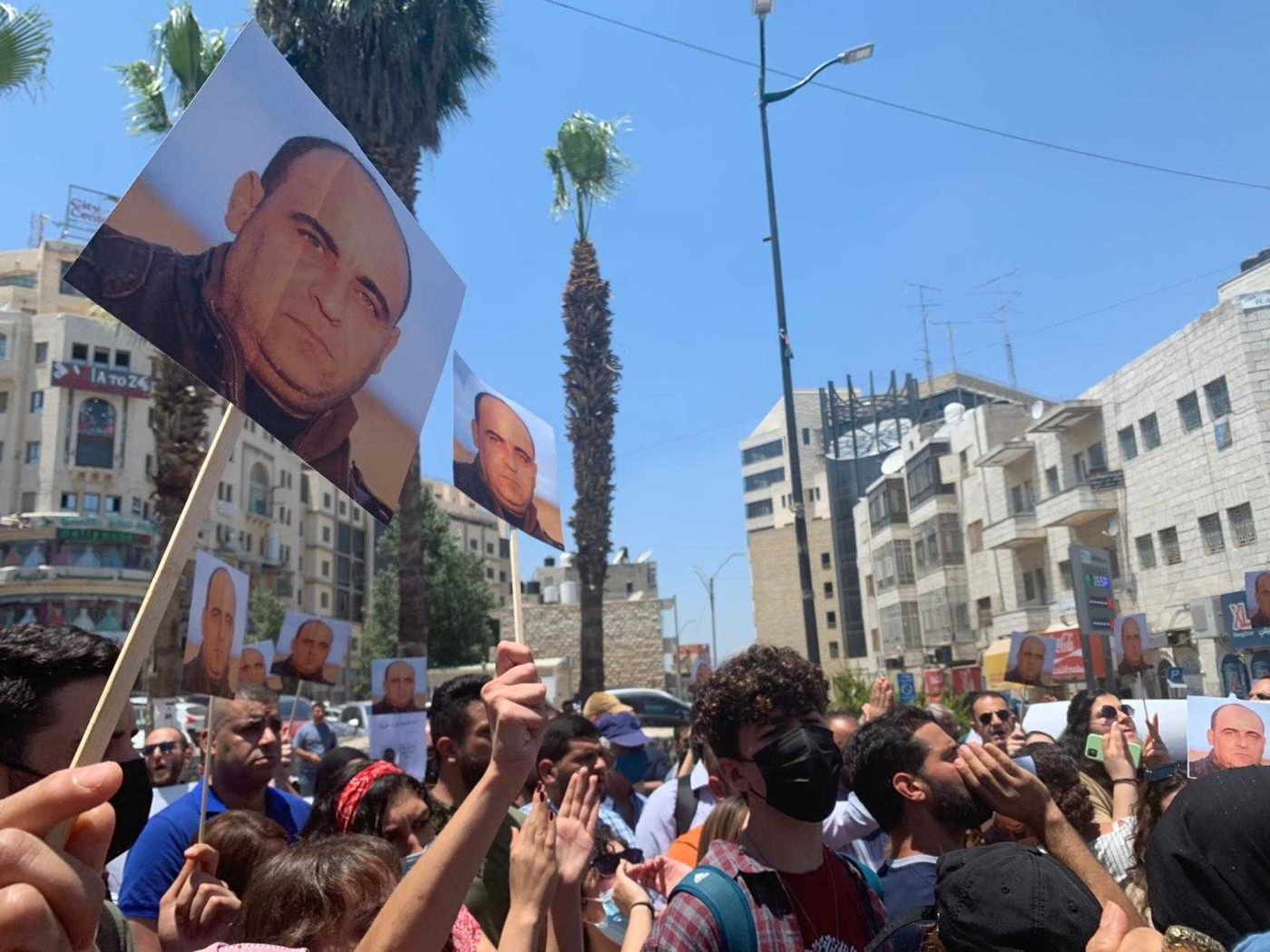
Protesters hold photos of Nizar Banat, who died in the custody of Palestinian Authority security forces, during a demonstration in the occupied West Bank city of Ramallah on 24 June 2021 (MEE/Shatha Hammad)

By Shatha Hammad in Ramallah, occupied West BankPublished date: 24 June 2021 11:40 UTC | Last update: 8 hours 33 mins ago

Protesters took to the streets in the occupied West Bank on Thursday, facing police repression following the death of prominent critic of the Palestinian Authority (PA) Nizar Banat overnight while in the custody of PA forces.

In Ramallah, the administrative centre of the PA, thousands of demonstrators chanted: “In soul, in blood, we defend you Nizar.”

Many other slogans took direct aim at the PA and President Mahmoud Abbas, with chants including: “The people want the downfall of the regime,” and “Leave, leave Abbas.”

PA forces hit demonstrators with batons and fired tear gas and stun grenades in Ramallah.
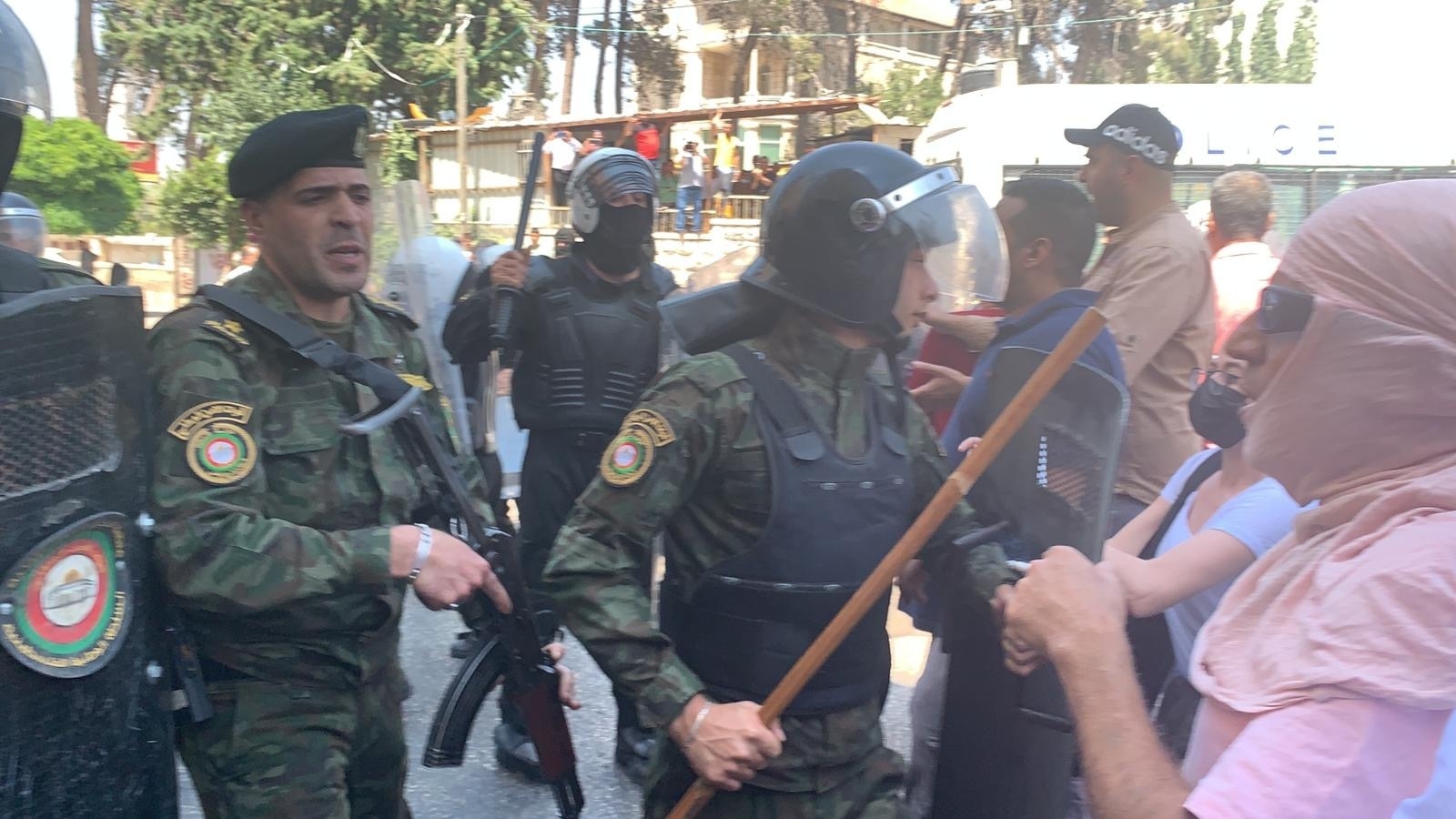

A member of Palestinian Authority forces wields a baton during the demonstration in memory of Nizar Banat in Ramallah on 24 June 2021 (MEE/Shatha Hammad)

Banat was arrested by at least 25 officers, who raided his home in the town of Dura in the southern West Bank governorate of Hebron, at 3.30am on Thursday. He was declared dead shortly afterward.

Preliminary autopsy results showed that Banat was severely beaten with several bruises and fractures showing all over his body, Samir Zaarour, a doctor who oversaw the autopsy, said on Thursday.

The Ramallah-based Independent Commission for Human Rights revealed the autopsy results at a news conference in Ramallah on Thursday.

Zaarour said Banat had injuries in the head, neck, shoulders as well as broken ribs and internal bleeding in the lungs – signs indicative of an unnatural death – stressing that the victim did not suffer from any serious medical condition that would otherwise lead to his death.

Full autopsy and toxicology reports, expected to be available within 10 days, will definitively determine the cause of death.

‘Dangerous precedent’

Ammar Al-Dwaik, the general director of the commission, described the death of Banat a “dangerous precedent” against a political dissident, calling for a criminal investigation into the incident that would refer the perpetrators of the killing to trial.

Banat was well known for his criticism of the PA leadership and had been arrested several times in the past by Palestinian security forces. He was also a candidate on the Freedom and Dignity electoral list for the Palestinian Authority parliamentary elections, which had initially been scheduled for 22 May, but were postponed by the PA.

Human rights organisations and Palestinian factions have called for an independent investigation into the circumstances surrounding Banat’s death – which, according to Mohannad Karajah, a member of the Palestinian Lawyers for Justice group, amounted to an “assassination”.

PA officials announced on Thursday afternoon that Prime Minister Mohammad Shtayyeh had ordered an investigation committee – led by Minister of Justice Mohammad Shalaldeh and including a physician appointed by the Banat family, a human rights official, and a security official – into Banat’s death.

But Omar Assaf, a member of Democratic Front for the Liberation of Palestine (DFLP) political bureau, dismissed outright the credibility of an investigation led by the PA.

“There needs to be a popular investigation committee established, not an official committee, because a popular committee will uncover the truth,” he told Middle East Eye.

He referred to the case of Majd al-Barghouthi, who died in PA custody in 2008, only for an official investigation to clear security forces of wrongdoing.

“In the case of Majd al-Barghouthi, they concluded that he was a chain smoker, when he had never smoked once in his life,” Assaf said. “These are the official investigation committees.”

‘Palestinian law protects the occupation’

Speaking at the demonstration in Ramallah, Assaf added: “This is a continuation of the Dayton [Mission] creed, which was adopted by the PA and its security apparatus, that the people are the enemy of the state. There must be the dismissal of heads of the security branches, and the criminals responsible for killing Nizar Banat should be brought to court.”

The PA was established in the wake of the 1993 Oslo Accords, and initially intended to be an interim governing body until the establishment of a fully-fledged Palestinian state.

But with a two-state solution never materialising, the PA – which exerts only limited control over Areas A and B, which make up around 40 percent of the West Bank – has long been accused by many Palestinians of being an extension of the Israeli occupation.

The PA’s security coordination with Israel is a principal target of anger. The policy, through which PA forces are in regular contact with Israeli forces, has meant PA police may withdraw from areas ahead of an Israeli army raid, or arrest Palestinians wanted by Israel.

“Palestinian law protects the occupation, but we want it to protect the Palestinian people,” Maher al-Akhras, a leader of the Islamic Jihad movement in the West Bank, told MEE from the Ramallah protest.Abbas critic Nizar Banat dies after raid on his home by PA forces

Akhras, who was released from Israeli prison in November following a 103-day hunger strike against his administrative detention, drew a parallel between Banat’s death and the killing of another prominent Palestinian activist, Basel al-Araj, in March 2017.

Araj had been one of six activists imprisoned and tortured by the PA for six months in 2016. Most of them were arrested by Israeli forces shortly after their release by the PA, while Araj went into hiding for months, only to later be killed in a standoff with Israeli forces. The PA had been widely denounced at the time as complicit in Araj’s death due to its security coordination.

The PA has also been criticised for its crackdown on political opposition and social media users in the West Bank through draconian legislation on social media posts. Abbas, meanwhile, has been in power since 2005. Though his term as president officially ended in 2009, the PA has not held presidential elections in 16 years.

In addition to legislative elections, a presidential vote initially scheduled for 31 July was postponed in April, with the voting rights of Palestinians living in occupied East Jerusalem cited as a reason. Critics of Abbas have accused the president of using Jerusalem’s right to vote as an excuse to avoid the election due to the popularity of Hamas, the main rival party to his own Fatah movement.

The US State Department said on Thursday that Washington was “disturbed” by Banat’s death.

“We urge the Palestinian Authority to conduct a thorough and transparent investigation and to ensure full accountability in this case,” spokesperson Ned Price said in a statement. 

“We have serious concerns about Palestinian Authority restrictions on the exercise of freedom of expression by Palestinians and harassment of civil society activists and organizations.”

Related


River to Sea Uprooted Palestinian   
The views expressed in this article are the sole responsibility of the author and do not necessarily reflect those of the Blog!

Saturday, 12 June 2021

هكذا تكلَّم السنوار


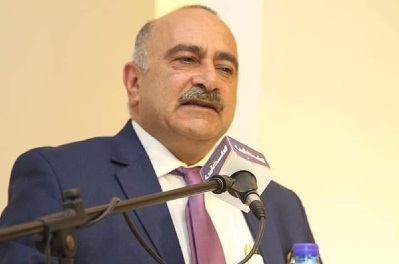
سعادة مصطفى أرشيد _

ألقى قائد حماس في غزة خطاباً يوم السبت الماضي، جاء اقرب إلى حديث مطول مع مجموعة مختارة من الأكاديميين، ومثل فرصة مهمة لمعرفة الشخص الذي قاد الحرب الأخيرة، وأصبح الاسم الأبرز فلسطينياً، معرفة مباشرة لشخصه وأسلوبه وفكره وسياسات حركة حماس خصوصاً، والمقاومة عموماً. فالحديث هو وثيقة سياسية بامتياز، يمكن اعتمادها لزمن آتٍ.

قدّم السنوار تحليلاً متماسكاً لظروف ما قبل الحرب وشرح كيف تدحرجت الأحداث لتصل إلى المواجهة، إذ اعتبر أنّ تراجع السلطة عن التفاهمات الوطنية التي جرت بين حركتي حماس وفتح ثم مع باقي الفصائل، وقدمت بها حركة حماس التنازل تلو التنازل، في سبيل الوصول إلى هذه التفاهمات والشروع ببناء نظام فلسطيني جديد وإنهاء الانقسام، فتراجعت عن إصرارها على تزامن الانتخابات التشريعية مع الرئاسية وانتخابات المجلس الوطني، لتقبل بكامل وجهه نظر السلطة بأن تجري انتخابات المجلس التشريعي أولاً وقبلت بتغيير قانون الانتخابات ليصبح قانون النسبية الكاملة والقوائم، إلا أنّ السلطة في رام الله، ما لبثت أن تراجعت، والسلطة لم تغادر موقعها الذي لا يرى أية بدائل للتفاوض، ولا يرى أنّ العملية الديمقراطية هي أساس الحكم ومصدر شرعيته، وإنما الحكم يقوم ويستمر بالإيفاء بالالتزامات التي قررها اتفاق أوسلو وما تلاه من ملاحق أمنية، يرى السنوار أنّ الوصول إلى هذه الحالة من الخلاف الفلسطيني – الفلسطيني، قد صنع شعوراً زائفاً لدى الاحتلال، بأنه يستطيع والحالة كذلك تمرير مخططاته بالقدس، فكانت أحداث باب العمود وتلتها أحداث حي الشيخ جراح والمسجد الأقصى، تحرك الشعب الفلسطيني بكلّ أطيافه وتشظياته على قلب رجل واحد، وهنا اضطرت المقاومة للتدخل، واضعة القدس تحت جناحها وحمايتها، بعد أن خذل المدينة الجميع بمن فيهم عمان ورام الله.

اتسم حديث السنوار بالشعبويّة والتعبويّة والدعم النفسي، وأدى ولا ريب إلى إكمال دور الصواريخ في إنعاش الحالة المعنوية لعموم أهل فلسطين، بعد مرحلة من الإحباط وانعدام اليقين وانحدار الثقة بالنفس، وأكد في السياق على المكانة التي منحتها الحرب والمقاومة لمن يقاتل ويقاوم، وعلى امتلاك قراري الحرب والسلم، ثم تحدّث في تفاصيل المعركة ومقدار القوة التي استعملتها المقاومة ومقدار القوة التي لا زالت تملكها، فيما الضعف والوهن لم يتسلل إلى النفس المقاومة والى المواطن الغزيّ، في حين انكشفت أكذوبة المشروع المعادي الذي لا تستطيع التكنولوجيا والقوة المجردة التمويه على مقدار ضعفه وهشاشته، فهو ليس إلا بيت عنكبوت. الحصار سوف يُرفَع – أو أنّ ظروف الحصار ستكون أقلّ صرامة – وأنّ ازدهاراً سيلمسه أهل غزة بالقريب، فيما إعادة إعمار ما دمّرته الحرب سيكون سريعاً، بإشراف المقاومة التي لا تحتاج لمدّ اليد لأموال الإعمار، فلديها كثير وسيأتيها كثير من أصدقائها وشركائها في محور المقاومة والممانعة الذي أكد الانتماء له، وإعادة الإعمار لن يكون لرام الله دور فيها، وهو الأمر الذي يؤيده بقوة عموم أهل غزة، بمن فيهم اتحاد المقاولين، ومعهم من اكتوى بنار الخلاف بين غزة ورام الله التي دفّعتهم ثمن خلاف ليسوا مسؤولين عنه.

عبر الطريقة الشعبوية، تحدث السنوار في عمق السياسة، أكد على استقلالية القرار – الحرب والسلم – وعلى ولاية المقاومة على القدس وعلى شرعية تمثيلها للشعب الفلسطيني في كافة أماكن انتشاره، الأمر الذي كان جلياً في الالتفاف حول المقاومة، – وكأنه يقول – بما يمثل تصويتاً وانتخاباً وتفويضاً للمقاومة، وأبلغ مستمعيه من أكاديميين ومشاهدين بما ستعرضه حماس في لقاءات القاهرة يومي السبت والأحد المقبلين، مؤكداً أنّ تفاهمات ما قبل الحرب التي تراجعت رام الله عنها، لم تعد قائمة، فما بعد الانتصار ليس كما قبله، وقدّم نصيحة شبه مباشرة لرام الله، بأن تكفّ عن طرح مبادرات وأفكار من مثل حكومة وفاق، أو قيادة مشتركة، فهذا ليس إلا كلاماً فارغاً ومضيعه للوقت، ولم يعد وارداً في أجندة المقاومة التي أصبحت صاحبة اليد الطولى، وأشار إلى أنّ منظمة التحرير بتركيبتها الحالية عاجزة وغير جامعة وهي تحتاج إلى إعادة بناء تبدأ بانتخابات مجلس وطني أولاً ومن ثم تستكمل هيئاتها بموجب الانتخابات، وأن لذلك أهمية وأولوية تفوق انتخابات المجلس التشريعي، وكانت رسالته الأخيرة للمجتمع الدولي – والتي يُقال إنه أرسلها سابقاً عبر مصر وقطر – عن قبول حركة حماس باتفاق وطني، كما ورد في وثيقة الأسرى، ثم في التفاهمات الوطنية، يقضي بقبول دولة فلسطينية على حدود الرابع من حزيران وعاصمتها القدس، وهو شرط المقاومة البديل لشروط الرباعية الدولية.

إطلالة السنوار ولا شك موفقة، ضرورية وبالغة الأهمية لمعرفة الرجل وما يقول أولاً، والأهمّ لمعرفة برنامجه وسياسته ثانياً، ولكن، ولكي يستمرّ هذا التوفيق وتبقى للرجل صورته التي شاهدها الناس السبت الماضي، لا بد من تسجيل بعض الملاحظات :

أثبت السنوار منذ اليوم الأول للمعركة أنه صادق الوعد والفعل، وذلك منذ الساعة السادسة من مساء العاشر من أيار الماضي حين انطلقت الصواريخ في موعدها الدقيق من غزة للقدس، ونتمنى على الرجل أن يبقى دائماً كذلك، مصداقاً قولاً وفعلاً – وهو تمنّ مصدره الاحترام لا سوء الظنّ – فالأيام المقبلة سوف تكون أطول وأكثر أهمية من الأيام التي انقضت، والمعارك الآتية ولا بدّ، سوف تكون عديدة وأكثر ضراوة في نارها، وأشدّ أثراً في مفاعيلها ونتائجها السياسية، الأمر الذي يتطلّب دقة في القول وعدم الانسياق في مسارب الحماسة.

أطلقت المقاومة على المعركة اسم «سيف القدس»، وهي بلا ريب نقطة مركزية في الوجدان القومي والديني والسياسي، وكان حافز الحرب الدفاع عنها، وإعلان المسؤولية عنها والرعاية عليها، وحمايتها تتطلّب أدوات وجهوداً سياسية واجتماعية واقتصادية وحقوقية صادقة ومخلصة، تسير في موازاة العمل العسكري وتمثل رديفاً كفاحياً يتكامل معه. من هنا، فإنّ المقدسي أولاً والفلسطيني ثانياً ينتظر من المقاومة تطوير برامجها وتفعيل هذه الأدوات، وإيلاء المسائل المذكورة الأهمية التي تستحقها.

إنّ كثيراً من جمهور المقاومة ومناصريها، يتمنون على السنوار، أن يذكر دائماً أنّ الفضل في المعركة المجيدة، للمقاومة بكل عناصرها، وأنّ المقاومة هي من أنزله مكانته الرفيعة في السياسة وفي القلوب، الأمر الذي يدعوه أن يتحدث ويتعاطى مع موقعه بصفته الأكبر وبأنه قائد للمقاومة، ورمز من رموزها، لا قائداً لفصيل، فالعمل وإن تحقق بجزء مهم منه على يد حركة حماس، إلا أنّ جميع تشكيلات المقاومة كانت شريكة في هذا الإنجاز المجيد، ومعهم توحّد الشعب الفلسطيني من أعالي الجليل إلى أقاصي النقب ومن ساحل المتوسط إلى أعماق الأغوار ومن ورائهم الأمة بأسرها والعالم بأجمعه في لحظة تاريخية فارقة، تمثل فرصة فريدة لقائد وطن لا قائد فصيل.

* الكفير ـ جنين ـ فلسطين المحتلة

River to Sea Uprooted Palestinian   
The views expressed in this article are the sole responsibility of the author and do not necessarily reflect those of the Blog!

Tuesday, 1 June 2021

«معركة» عزل السلطة تنطلق: «الممثل الشرعي الوحيد»… مقاومة

 رجب المدهون

 السبت 29 أيار 2021

«معركة» عزل السلطة تنطلق: «الممثل الشرعي الوحيد»... مقاومة
أكدت «حماس» جاهزيتها للذهاب إلى أبعد مدى في ترتيب البيت الفلسطيني (أ ف ب )

غزة في إطار سعيها إلى الاستثمار في نتائج معركة «سيف القدس»، والتي يبرز من بين أهمّها تراجع مكانة السلطة الفلسطينية وتهشّم صورتها لدى الجمهور، تعمل فصائل المقاومة على الإفادة من ذلك، في إعادة ترتيب البيت الداخلي على أساس إنهاء برنامج المفاوضات وتصدير برنامج الكفاح المسلّح. وفي هذا الإطار، تُكثّف الفصائل لقاءاتها الهادفة إلى إنهاء تفرّد محمود عباس بالقرار الرسمي الفلسطيني، متجاهلةً دعوة الأخير إلى تشكيل حكومة وحدة وطنية، على اعتبار أنها لا تُلبّي تطلّعات مَن خَرج منتصراً من معركة طاحنة مع العدو. في هذا الوقت، تتواصل الجهود المصرية لبدء مفاوضات غير مباشرة بين المقاومة والاحتلال، تستهدف تثبيت وقف إطلاق النار، توازياً مع تجدّد تحذيرات الفصائل للعدو من التلاعب بملفّ إعادة الإعمار

بعد أسابيع من الإحباط الذي ساد أوساط الفلسطينيين وفصائلهم، إثر تأجيل رئيس السلطة، محمود عباس، الانتخابات، بذريعة رفض الاحتلال إقامتها في مدينة القدس، تسعى العديد من الفصائل إلى إرساء آليات جديدة لإعادة ترتيب البيت الداخلي، وذلك استثماراً لنتائج معركة «سيف القدس»، التي كان التنسيق الفصائلي فيها في أعلى مستوياته وأفضلها. منذ ما قبل المعركة، بدا واضحاً أن التنسيق بين الفصائل في قطاع غزة كان عالياً جدّاً، في ظلّ عدّة جلسات ولقاءات عقدتها لتباحث قضية القدس، مؤكدة وقوفها خلف التهديد الذي أطلقه رئيس أركان «كتائب القسام»، الجناح العسكري لحركة «حماس»، محمد الضيف، واستعدادها لخوص المعركة موحّدة بكلّ قوة. إلّا أن تجليات التنسيق في ما بين الفصائل خلال المعركة على المستوى السياسي، بجوار توحّدها في خطواتها العسكرية عبر «غرفة عمليات المقاومة المشتركة»، وتحقيقها سويّة انتصاراً في المواجهة، وخفوت موقف السلطة الذي بدا ضعيفاً ودون المستوى، كل ذلك دفع الفصائل جميعها إلى تعزيز خطابها بصوابية برنامج المقاومة الفلسطينية، وانتهاء برنامج المفاوضات، والمطالبة بإعادة ترتيب البيت الفلسطيني في أسرع وقت، ومواجهة تفرّد عباس وجزء من حركة «فتح» بالقرار الفلسطيني.

[اشترك في قناة ‫«الأخبار» على يوتيوب]

وحسبما علمت «الأخبار»، فقد عقدت الفصائل في غزة، قبيل المعركة الأخيرة، اجتماعات مع قيادة «حماس»، لتباحث الأحداث في القدس والخيارات المتاحة أمامها، مؤيّدة الذهاب نحو مواجهة مع الاحتلال في حال استمرّت ممارساته في المدينة المحتلة. وبعد انتهاء المعركة، عقدت لقاءً آخر اتفقت خلاله على ضرورة الضغط على عباس لترتيب البيت الفلسطيني، وإنهاء حالة التفرّد، لتحقيق أكبر مكتسب لمصلحة القضية الفلسطينية بعد الانتصار، ووقف عبث المفاوضات، فيما اقترحت بعض الفصائل، في حال رفض عباس الاتفاق، إعلان فقدانه للشرعية، وأنه مغتصب لقيادة الشعب الفلسطيني، والعمل على تشكيل إطار يجمع جميع فصائل المقاومة، باعتبار المقاومة المُمثّل الوحيد للشعب الفلسطيني في كلّ مكان. وفي الوقت الذي دعا فيه عباس إلى تشكيل حكومة وحدة فلسطينية بعد الحرب، تلتزم بالاتفاقيات مع الاحتلال وبشروط «الرباعية الدولية»، تجاهلت الفصائل هذه الدعوة على اعتبار أنها لا تُلبّي تطلّعات الشعب الفلسطيني الذي يعيش حالة انتصار على العدو.

تجاهلت الفصائل دعوة محمود عباس إلى تشكيل حكومة وحدة وطنية


في المقابل، أكد رئيس المكتب السياسي لحركة «حماس»، إسماعيل هنية، أن حركته جاهزة للذهاب إلى أبعد مدى في ترتيب البيت الفلسطيني، داعياً إلى البدء في إعادة هيكلة «منظّمة التحرير الفلسطينية»، وإدخال الشعب الفلسطيني في الشتات في معادلة المؤسّسة والقرار عبر الانتخابات، وبناء رؤية فلسطينية على قاعدة الشراكة. وشدّد هنية على أن معركة «سيف القدس» أنهت مرحلة وفتحت مرحلة حديدة، لافتاً إلى أن الجماهير وقفت في كلّ مكان خلف المقاومة. واعتبر عضو المكتب السياسي لحركة «الجهاد الإسلامي»، خالد البطش، بدوره، أن «معركة سيف القدس كانت نقطة تحوّل استراتيجي أسّست لانتصار كبير على أساس أن الفلسطيني يمكن أن ينتصر على المحتل، وعليه يجب استعادة الوحدة الوطنية، وتحقيق الشراكة ضرورة مُلحّة لاستثمار نصر معركة سيف القدس». ورأت «الجبهة الشعبية لتحرير فلسطين»، من جهتها، أن «معركة سيف القدس أعادت التأكيد على وحدة الشعب الفلسطيني، وهو أوّل معطى يجب أن نبني عليه قاعدة وحدتنا الوطنية والاجتماعية المتينة، من بوّابة استعادة مشروعنا الوطني التحرّري، وأداته الوطنية الجامعة؛ منظّمة التحرير الفلسطينية التي يجب تحريرها من قيود نهج التسوية والمفاوضات والاتفاقيات الكارثية مع العدو، والتي طوتها مقاومة شعبنا وانتصاره المؤزّر». ودعت الجبهة، القيادة الفلسطينية الرسمية «المهيمنة»، إلى «عدم تبديد إنجازات ومكتسبات شعبنا، من خلال العودة إلى المفاوضات التي يتزايد الحديث بشأنها، وعدم المساهمة في نقل التناقض إلى الداخل الفلسطيني».

من ملف : فلسطين: معركة عزل السلطة تنطلق


فيديوات متعلقة


متعلقة متعلقة


River to Sea Uprooted Palestinian   
The views expressed in this article are the sole responsibility of the author and do not necessarily reflect those of the Blog!

Monday, 3 May 2021

هَبَّة باب العمود طريق لتصويب المسار


عمرو علان - Amro 🇵🇸 (@amrobilal77) | Twitter

عمرو علان

الأحد، 02 مايو 2021 07:31 م بتوقيت غرينتش

بناءً على تقدير موقف واقعي، وقراءة متكاملة للمشهد الفلسطيني بكافة أبعاده، كان قد استشرف البعض منذ بدايات مسار الانتخابات التشريعية الفلسطينية الجديدة بأن يقوم رئيس السلطة الفلسطينية محمود عباس بتأجيلها كما حصل فعلاً. ولسنا هنا بصدد العودة إلى النقاش الذي دار قبل قرار الفصائل الفلسطينية خلا حركة الجهاد الإسلامي حول خوض مغامرة انتخابية جديدة، لا سيما أننا في حضرة هبَّةٍ مقدسيةٍ عظيمة، قد أنجزت في الميدان وتُبشِّر بالمزيد إذا ما استفاقت الفصائل الفلسطينية لا سيما في الضفة والقدس من غفوتها، وتجاوزت ملهاة انتخابات مجلس تشريعي لدولة تخيُّلية؛ ما هي – في حقيقة الأمر – إلا جزءٌ صغير من كلٍ مغتصَب، يرزح تحت سلطة احتلال تتحكم بكل مفاصل حيات ذاك الفلسطيني الذي مازال صامداً على أرضه يقاوم، بما في ذلك انتخاباته وباعتراف رئيس السلطة الفلسطينية، بغض النظر عن وجاهة التبرير الذي ساقه هذا الأخير لتأجيل أو بالأصح لإلغاء الانتخابات التشريعية.

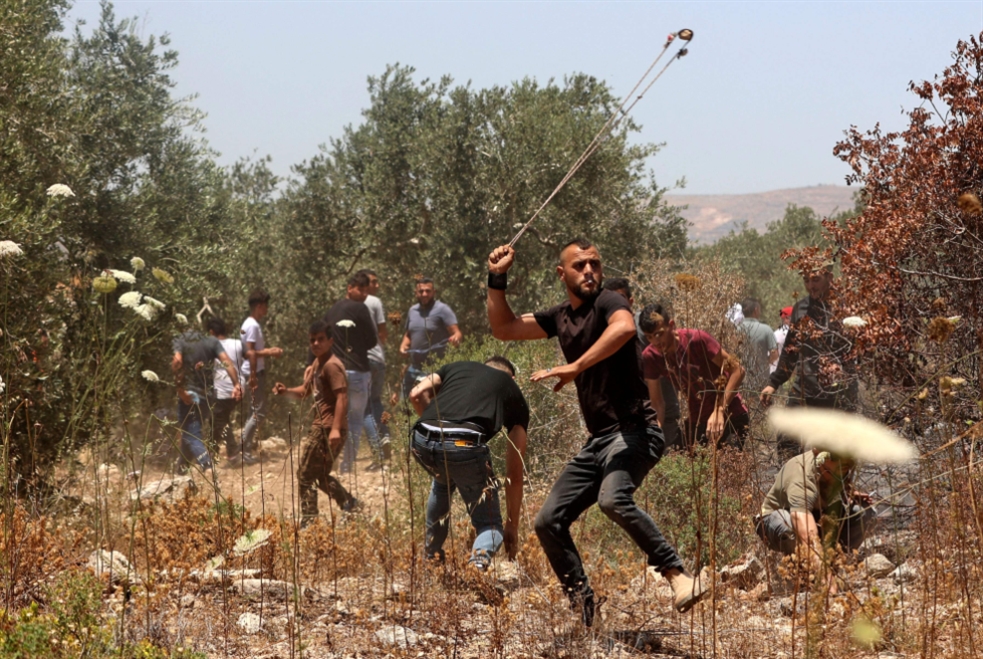
ما شهدته ساحات الأقصى وأزقة القدس العتيقة في الأيام القليلة الماضية يعيد التأكيد على معادلتين: أولاهما كون الشعب الفلسطيني في الضفة والقدس وحتى في أراضي 48 جاهزاً وحاضراً للقيام بحركة شعبية قابلة لأن تتطور وتتصاعد حتى تصل إلى العصيان المدني وانتفاضة ثالثة طال انتظارها. فبمجرد إقدام الاحتلال على المساس بالمقدّسات تراجعت الهموم الحياتية للمواطن الفلسطيني لتأخذ مرتبة ثانية بعد الهم الوطني، فهذا الصامد في أرضه الذي يرى بأُم العين تغوّل الاستيطان، سواءً في الضفة أو عبر المحاولات المستمرة لتهويد القدس، أثبت أنه يدرك طبيعة الصراع وجوهره، ويفهم أكثر من غيره مسؤولياته التي لا يتردد في القيام بها، وكان هذا شاخصاً في مدى رقعة امتداد الاحتجاجات التي شملت بالإضافة إلى القدس أراضي الضفة الغربية ومناطق 48. وقد تجلى الوعي الفلسطيني في طبيعة الهتافات التي صدرت من قبيل “سامع يا صهيوني سامع.. جاي تسكير الشوارع..”، و”مِن أم الفحم تحية.. لقدسنا الأبية..”، و”بلا سلمية بلا بطّيخ.. بدنا أحجار وصواريخ.. يا أقصى إحنا جينا.. والشرطة ما تثنينا..”. ولعل الهتاف الأكثر بلاغة كان “حط السيف قبال السيف.. إحنا رجال محمد ضيف..”، فكان لافتاً أنه لم يُهتف باسم أيٍ من السياسيين سواءً أكانوا من “حماس” أم من “فتح”، بل هُتِف باسم القادة العسكريين والشهداء.

بمجرد إقدام الاحتلال على المساس بالمقدّسات تراجعت الهموم الحياتية للمواطن الفلسطيني لتأخذ مرتبة ثانية بعد الهم الوطني، فهذا الصامد في أرضه الذي يرى بأُم العين تغوّل الاستيطان، سواءً في الضفة أو عبر المحاولات المستمرة لتهويد القدس، أثبت أنه يدرك طبيعة الصراع وجوهره


أما المعادلة الثانية التي أكدت عليها هبّة باب العمود فكانت الخشية الكبيرة لدى العدو من تفاقم الوضع في الأراضي المحتلة، وظهر ذلك جلياً في طريقة تعاطيه مع الأحداث، سواءً أكان مع صواريخ المقاومة التي انطلقت من غزة بشكل محسوب دعماً لهبّة القدس، أو في تعامل شرطة الاحتلال مع المتظاهرين المقدسيين التي على ما يبدو تفادت سقوط شهداء بين المتظاهرين خوفاً من التصعيد.

وتمكن قراءة القلق الأمريكي أيضاً من انزلاق الوضع إلى انتفاضة ثالثة في لغة التصريح غير المألوفة الصادر عن المتحدث باسم الإدارة الأمريكية نيد برايس، حيث أبدى قلق الإدارة الأمريكية من تصاعد العنف في القدس، وطالب بوقف شعارات الكراهية مع الدعوة إلى الهدوء، بالإضافة إلى مطالبة السلطات بحفظ أمن وسلامة جميع من في القدس، على عكس الموقف الأمريكي التقليدي الذي ما انفك عن تحميل الفلسطينيين مسؤولية جرائم الاحتلال مشفوعاً بعبارته الممجوجة بأن لدى “إسرائيل” حق الدفاع عن النفس. ولم تكن هذه صحوة ضمير، بل مؤشرا على إدراكه للنتائج الوخيمة على كيان الاحتلال إذا ما تطورت الاحتجاجات لتصل إلى انتفاضة ثالثة، يُحتمَل أن تعم هذه المرة كل الأراضي المحتلة في القدس والضفة وأراضي 48، ويكون ظهرها محمياً بمقاومة مسلحة قادرة في غزة يدعمها محور مقاومة صاعد بات يغير المعادلات على الأرض، ويمكنه رسم الخطوط الحمر أمام كيان الاحتلال في طريقة تعاطيه مع انتفاضة الشعب الفلسطيني، خطوط حمر وقواعد اشتباك لن يجرؤ الاحتلال على تجاوزها كما بات واضحاً في سلوكه خلال الأعوام القليلة الماضية.

هاتان المعادلتان كانتا الحاكمتين خلال السنوات الثلاث أو الأربع الأخيرة على أقل تقدير وما تزالان، ونُذكّر بهبّة كاميرات الأقصى التي خسرها الاحتلال، والعمليات الفردية وعمليات الطعن والدهس المتكررة ضد المستوطنين، وتراجع نتنياهو عن تنفيذ خطة الضم في الأول من تموز الفائت خوفاً من اشتعال الأراضي المحتلة حسب تقارير أجهزته الأمنية والعسكرية، ناهيكم عن الحذر الشديد لدى الاحتلال من الانزلاق إلى مواجهة جديدة مفتوحة مع المقاومة في غزة، وتوازن الرعب الذي يعيشه المحتل على جبهة جنوب لبنان المحرر أمام حزب الله.

وعليه يصير السؤال المطروح بإلحاح على الفصائل الفلسطينية: أما حان الوقت للبناء على معادلات القوة هذه في الميدان بشكل منظم، مما يؤدي إلى انتزاع تنازلات حقيقية من العدو من قبيل تفكيك المستوطنات في الضفة أو وقف تهويد القدس على أقل تقدير؟

أما حان الوقت للبناء على معادلات القوة هذه في الميدان بشكل منظم، مما يؤدي إلى انتزاع تنازلات حقيقية من العدو من قبيل تفكيك المستوطنات في الضفة أو وقف تهويد القدس على أقل تقدير؟


لدى الشعب الفلسطيني وفصائله اليوم فرصة جديدة واقعية تتمثل بهبّة مقدسية مباركة يمكن تطويرها وتأطيرها، ويمكن من خلالها استعادة وحدة وطنية حقيقية في الميدان بين كل من يؤمن بمقاومة الاحتلال، عوضاً عن اللهث وراء مشاريع لن تؤدي إلا إلى زيادة التشظي في الساحة الفلسطينية كما حصل عقب القرار البائس في التوجه إلى انتخابات تشريعية في ظل الاحتلال وتحت سقف “أوسلو”.

وإذا ما سلمنا بأنه قد ثبُت بالدليل الحسي انقطاع الأمل في قيام السلطة الفلسطينية ورموز التنسيق الأمني بتعديل مسلكهم، عندها يصبح على عاتق الفصائل مع الذين ما زالوا يؤمنون في “فتح” الرصاصة الأولى لا “فتح” القبيلة؛ اجتراح السبل لتفعيل العمل الميداني، لمواكبة تحركات الشارع الفلسطيني المنتفض، وعلى السلطة حينها الاختيار بين أن تكون جزءاً من الشعب الفلسطيني الثائر أو الوقوف على الحياد، وإما أن تستمر بالتنسيق الأمني مع قوات الاحتلال، وعندها لا ملامة على شعبنا إن عاملها معاملة العملاء في الانتفاضتين السابقتين.

وختاماً نُذكِّر بأن تفعيل المقاومة الشعبية الجادة والعصيان المدني كانا من أهم مخرجات اجتماع أمناء الفصائل الأخير المنعقد في أيلول الماضي، فماذا إذن هم منتظرون؟


River to Sea Uprooted Palestinian   
The views expressed in this article are the sole responsibility of the author and do not necessarily reflect those of the Blog!

Saturday, 1 May 2021

EU gives lip service to Palestinian elections once again

Hamas warns against delaying next month's Palestinian election - France 24

By Jim W. Dean, Managing Editor -April 30, 2021

EU’s Borrell calls on Israel to facilitate elections across all Palestinian territories

…from PressTV, Tehran

[ Editor’s Note:  The Palestinians now have two boots on their neck, Israel’s and Mr. Abbas’. He knew that Israel would refuse his fake request for election polls in East Jerusalem, and that is what he wanted.

Why? Because he knows the majority of Palestinians know he is hanging on to power purely for the sake of having it. He has never groomed any leadership to come behind him, revealing he wants it all for himself, literally dying in office.

The Israeli government is his partner in crime because it is just fine with the weak, selfish, non-threatening Abbas, and wants to block Hamas rising to power, hence postponing elections suits both.

It is a great irony, as we see a similar struggle taking place in the Israeli election, contenders seeking power not to serve the public, but to serve themselves. Israelis are so sick of “it’s all about Bibi”.

A coalition of political parties with divergent views is considering making compromises they all can live with under a united banner of “anyone but Bibi”.

The Islamic party is even in play with the latest attempt for a new coalition that can form a government, as the others do not have the numbers to break the magic 60 number without it.

Netanyahu is desperate to remain in power so that he can find some way to stop his corruption trial. This was put on display when he tried, illegally, to replace the current justice minister with his hand picked replacement, whom he could rely on to stop his trials.

What followed was an historic cabinet meeting where charges were hurled at each side that they did not have the authority to declare themselves the ruling power. The current Justice ministers said only the Justice Minister could name his replacement. Bibi lost.

And as a bonus, all the other former fractioned parties seem to now see that they must make whatever sacrifices are needed to form a government.

They have a new understanding banner uniting them all, that says ‘No more Netanyahu tyranny…we have had enough’. Bibi’s window to form a government ends at midnight on Saturday. Expect the final deals that parties have been saving for the last minute to start being unveiled Saturday night… Jim W. Dean ]

The EU’s Joseph Borrell

First published … April 30, 2021

The European Union has urged Israel to ensure that elections are held across the Palestinian territory, including in East Jerusalem al-Quds, expressing regret over a postponement of planned parliamentary polls.

“We reiterate our call on Israel to facilitate the holding of such elections across all of the Palestinian territory, including in East Jerusalem,” EU foreign policy chief Josep Borrell said in a written statement on Friday.

Palestinian President Mahmoud Abbas postponed the parliamentary elections amid a dispute over voting in Israeli-annexed East Jerusalem al-Quds, as well as splits in his Fatah movement and its unpopularity.

Abbas told a conference of senior Palestinian officials on Thursday night that the first Palestinian national elections in 15 years would be indefinitely delayed.

The dispute over East Jerusalem al-Quds was reportedly the official rationale for the postponement cited by Abbas in a speech early Friday following the meeting of Palestinian political factions.

In his statement, Borrell described the decision to postpone the planned elections as “deeply disappointing” and said the EU has repeatedly thrown its weight behind “credible, inclusive and transparent elections for all Palestinians.”

“We firmly believe that strong, inclusive, accountable and functioning democratic Palestinian institutions based on respect for the rule of law and human rights are vital for the Palestinian people, for democratic legitimacy and, ultimately, for the two-state solution,” he added.

The top EU official said, “We strongly encourage all Palestinian actors to resume efforts to build on the successful talks between the factions over recent months.”

He also emphasized the need to set a new date for elections without delay.

He called for calm and restraint “from all actors at this sensitive time” and expressed the bloc’s readiness to “work with all those involved to facilitate EU observation of any electoral process.”

Nabil Abu Rudeineh, a spokesman for President Abbas, told the Voice of Palestine radio station on Tuesday that Israeli authorities have so far refused to agree to European observers monitoring the Palestinian elections, and that the European Union is yet to receive an approval.

The official called for international help to remove the hurdles put by the Israeli regime to undermine the Palestinian polls, particularly in East Jerusalem al-Quds.

Abu Rudeineh reiterated the Palestinian stance that there will be no elections without al-Quds.

BIOGRAPHY

Jim W. Dean, Managing Editor

Managing EditorJim W. Dean is Managing Editor of Veterans Today involved in operations, development, and writing, plus an active schedule of TV and radio interviews. 

Read Full Complete Bio >>>

Jim W. Dean Archives 2009-2014

https://www.veteranstoday.com/jim-w-dean-biography/jimwdean@aol.com


River to Sea Uprooted Palestinian   
The views expressed in this article are the sole responsibility of the author and do not necessarily reflect those of the Blog!

Hamas setting up a Christian media centre? You’re kidding….


Ismail Haniyeh with Fr Manuel Musallam, Gaza 2007

No, it could be for real

By Stuart Littlewood -April 30, 2021

The unlikeliest headline I’ve seen lately is Al-Monitor’s report that Hamas might be persuaded to set up a Christian media centre. Its purpose would be to defend the Islamic resistance movement from claims that it mistreats Christians, especially those living under Hamas rule in Gaza.

Then I saw who was doing the persuading: Father Manuel Musallam. Or to give him his correct title, Monsignor Manuel. And it all made perfect sense.

Apparently, several Christians have withdrawn from Hamas’s candidate list for the legislative elections in May after being pressured and intimidated by various media outlets. Fr Manuel says his nephew in Ramallah had intended to run on the Hamas list but his family asked him to reconsider. He blamed a smear campaign against Hamas that caused his family to worry that their business interests would be affected and the Israelis would persecute them.

Hamas’s media set-up fails to respond adequately to unjust smears, says Fr Manuel. Media outlets in Europe portray Hamas inaccurately, particularly its relationship with Christian residents. But contrary to what some Western outlets claim, Christians are not persecuted under Hamas.

Basem Naim, from Hamas’ international relations office, told Al-Monitor that Fr Manuel’s idea for a media centre will be considered and a Christian media adviser possibly appointed. He also explained that Hamas offered a number of Christian figures in the West Bank and Gaza Strip the chance to run on the movement’s list “but they withdrew for several reasons, such as family pressure or health issues, or even fear of Israeli restrictions on their travel and work”.

Failing to get the Holy Land message to the West

Every Palestinian I met during my visits urged me to “tell their story”, and this I’ve tried to do for 15 years. Hamas and the Fatah-dominated Palestinian Authority don’t bother. They not only neglect to tell the world, they fail to brief people like me so that we can tell it.

And when, some years ago, I criticized the Palestinian embassy in London for their lackadaisical attitude, defunct website and dysfunctional media department, and called for the ambassador to pack his bags and go home, I was branded “an enemy of Palestine”. The embassy today is well staffed with political, media, cultural, civil society and economic departments. But what they do to combat the torrent of Israeli misinformation is still a mystery. The Fatah/PA position as collaborators with the Israeli occupation probably means that their paymasters demand silence. Hamas are under no such constraint. After their surprise 2006 election victory they could – and should – have immediately re-invented themselves and seized the media initiative. But they’ve left it too late and now have a mountain to climb. It took them far too long to re-write their much-criticised Charter and consequently failed to win friends or influence enough people here in the West.

Around 2013, according the Guardian newspaper, Hamas “began a public transformation… with a new head of media.” But did anyone notice?

It is largely thanks to dedicated activists, civil society campaign groups and online privateers that people in the West have become better informed about the evil occupation that defiles the Holy Land…. and no thanks whatsoever to the leadership in Palestine. With truth and so much more on their side Palestine’s politicians nevertheless carelessly allow the Israeli regime, with its brazen propaganda and monstrous lies, to run rings round them. Even Western Christendom is in a pathetic state of paralysis.

“Our love for God… is currently in intensive care”

That remarkable priest, Manuel Musallam, used to run the Catholic community in Gaza. I was privileged to meet him in 2007 when he hosted a visit by a small group I was with. The Gaza Strip had been under tight blockade for 18 months following the bizarre hostility to Hamas’s fair and square election victory the previous year. The situation was strained.

In the church’s school assembly hall I was surprised to see so many Muslim students. On one wall hung a huge portrait of the Pope and on the adjacent wall an equally large portrait of Yasser Arafat.

Fr Manuel whisked us off to a meeting at the House of Fatah and then we drove to see Hamas prime minister Ismail Haniyeh and some of his colleagues, who received us with utmost courtesy and friendship and gave straight answers to straight questions. Haniyeh and Fr Manuel declared their unity to the TV cameras, emphasizing that they were Palestinians first and Muslim or Christian second in the struggle against the common enemy. The two men know each other well and Haniyeh has since become Chief of Hamas’s Political Bureau.

The following year – and who can forget? – the Israelis launched their horrendous three-week blitzkrieg called Operation Cast Lead at Christmas-time and New Year 2008/09. At the height of the killing spree, Fr Manuel sent this message from the smoking ruins to anyone who would listen:

“Our people in Gaza … cry, but no one wipes their tears. There is no water, no electricity, no food, only terror and blockade… Our children are living in a state of trauma and fear. They are sick from it and for other reasons such as malnutrition, poverty and the cold… The hospitals did not have basic first aid before the war and now thousands of wounded and sick are pouring in and they are performing operations in the corridors. The situation is frightening and sad.”

He added: “May Christ’s compassion revive our love for God even though it is currently in ‘intensive care’.”

A few days later he wrote:

“Hundreds of people have been killed and many more injured in the Israeli invasion. Our people have endured the bombing of their homes, their crops have been destroyed, they have lost everything and many are now homeless. We have endured phosphorus bombs which have caused horrific burns, mainly to civilians. Like the early Christians our people are living through a time of great persecution, a persecution which we must record for future generations as a statement of their faith, hope and love.

“Act and intervene, or nothing will change.”

When Fr Manuel retired in 2009 in failing health I remarked in an article: “I doubt if God has finished with him just yet. There’s a mountain of work to be done and good men are hard to find.”

And so it was. In the run-up to Christmas 2010 he was one of a trio of churchmen from the Holy Land touring Ireland to raise awareness of the plight of the dwindling Christian community under the illegal Israeli military occupation. Together with Archbishop Theodosius Hanna (Greek Orthodox Church) and Constantine Dabbagh (Executive Director of the Middle East Council of Churches) he showed they were more than a match for Western politicians who fancied they knew all about the Middle East. “We need only one thing, to be protected by the world against the crimes of Israel”, was their central message. And they made this stark plea: “Act and intervene, or nothing will change.”

Fr Manuel told Irish government ministers and their foreign affairs committee:

“I was in Gaza during the war [Operation Cast Lead] and suffered with my people for 22 days. I saw with my own eyes a phosphoric bomb in the school yard. I saw people injured by these phosphoric bombs, although these bombs are forbidden. These crimes against us were ignored by all the people of the world…

“What happened in Gaza was not a war. A war is a clash between soldiers, aircraft and weapons. We were victims, just victims. They destroyed Gaza. I was there and saw with my own eyes what happened. We in Gaza were treated like animals… We are not terrorists. We have not occupied Israel.

“We do not want to die to liberate Palestine. We want to live to build Palestine…. We are asking the world to give the Palestinian people their rights. The question is whether peace is possible. Despite all the difficulties, the crimes and the war, we as Palestinians say peace is possible if justice is possible.

“All we ask of Israel is to respect us and not treat us like animals. We also ask parliamentarians and governments across the world not to give us food aid. We do not need cookies from Israel. We do not even need to trade with Israel. All we need is to be protected. We are suffering a war that we have endured for more than 60 years.”

“Be assured that Hamas will protect Christians in Gaza”

Christianity in the region had been destroyed not by Muslims but by Israel, said Fr Manuel. “Israel destroyed the church of Palestine and the church of Jerusalem beginning in 1948. It, not Muslims, has sent Christians in the region into a diaspora.”

He told his listeners how he had seen the Israeli army target the Christian school in Gaza.

“Five Hamas ministers visited the school after it was attacked and promised they would repair the damage… Hamas paid more than 122,000 US dollars to repair all the damage caused. Afterwards I met the Hamas prime minister, Ismail Haniyeh. When he embraced me he said this, and we believed it. He said: “Go to your family, but be assured that Hamas will employ weapons against Muslims to protect Christians in Gaza.” This is the reality. Christians in Palestine are not suffering persecution, because we are not considered to be a religious community but rather the people of Palestine. We have the same rights and the same obligations.”

He ended by describing how things really are:

“We have spoken to Israel for more than 18 years and the result has been zero. We have signed agreements here and there at various times and then when there is a change in the government of Israel we have to start again from the beginning. We ask for our life and to be given back our Jerusalem, to be given our state and for enough water to drink.

“We want to be given more opportunity to reach Jerusalem. I have not seen Jerusalem since 1990…. We want to see an end to this occupation, and please do not ask us to protect those who are occupying our territory.”

“Peace is possible if justice is possible. Make peace possible.”

Fr Manuel should have been a political leader. To improve the human condition, it seems to me, churchmen must also be politically minded and not afraid to “mix it” with the out-and-out scoundrels who infest our political institutions and cloak themselves in a national flag.

Inevitably, the message for politicians in the world outside the Holy Land is the one expressed by this feisty priest: PEACE IS POSSIBLE IF JUSTICE IS POSSIBLE.

The world should be saying to their political leaders loudly and clearly: “It is surely not beyond the wit of civilised man to stop mouthing platitudes and act to deliver justice. Make peace possible. Or find other employment, for you offend all decent people.”

Stuart Littlewood
30 April 2021

Featured photo: Ismail Haniyeh with Fr Manuel Musallam, Gaza 2007

AUTHOR DETAILS

Stuart Littlewood

After working on jet fighters in the RAF Stuart became an industrial marketing specialist with manufacturing companies and consultancy firms. He also “indulged himself” as a newspaper columnist. In politics he served as a Cambridgeshire county councillor and member of the Police Authority. Now retired he campaigns on various issues and contributes to several online news & opinion sites. With a lifelong passion for photography he has produced two photo-documentary books, one of which can be read online at http://www.radiofreepalestine.org.uk.

http://www.radiofreepalestine.org.ukstu@f8.eclipse.co.uk


River to Sea Uprooted Palestinian   
The views expressed in this article are the sole responsibility of the author and do not necessarily reflect those of the Blog!

Thursday, 8 April 2021

From His Solitary Confinement, Marwan Barghouti Holds the Key to Fatah’s Future

 April 7, 2021

By Ramzy Baroud

If imprisoned Palestinian leader, Marwan Barghouti, becomes the President of the Palestinian Authority (PA), the status quo will change substantially. For Israel, as well as for the current PA President, Mahmoud Abbas, such a scenario is more dangerous than another strong Hamas showing in the upcoming Palestinian parliamentary elections.

The long-delayed elections, now scheduled for May 22 and July 31 respectively, will not only represent a watershed moment for the fractured Palestinian body politic, but also for the Fatah Movement which has dominated the PA since its inception in 1994. The once-revolutionary Movement has become a shell of its former self under the leadership of Abbas, whose only claim to legitimacy was a poorly contested election in January 2005, following the death of former Fatah leader and PA President, Yasser Arafat.

Though his mandate expired in January 2009, Abbas continued to ‘lead’ Palestinians. Corruption and nepotism increased significantly during his tenure and, not only did he fail to secure an independent Palestinian State, but the Israeli military occupation and illegal settlements have deepened and grown exponentially.

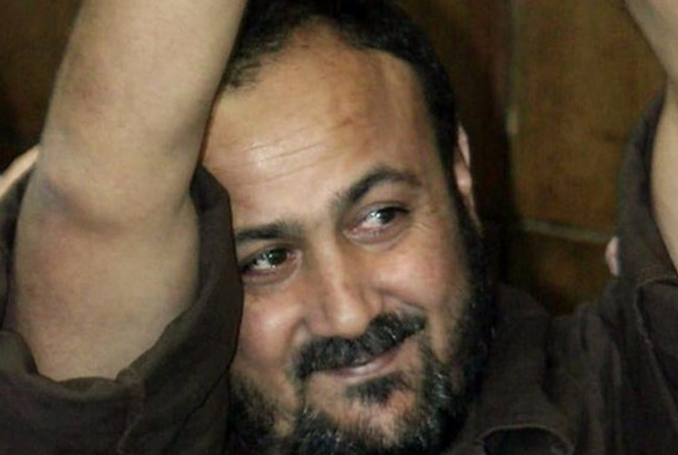
Abbas’ rivals from within the Fatah Movement were sidelined, imprisoned or exiled. A far more popular Fatah leader, Marwan Barghouti, was silenced by Israel as he was thrown into an Israeli prison in April 2002, after a military court found him guilty of involvement in Palestinian resistance operations during the uprising of 2000. This arrangement suited Abbas, for he continued to doubly benefit: from Barghouti’s popularity, on the one hand, and his absence, on the other.

When, in January, Abbas declared that he would hold three successive rounds of elections – legislative elections on May 22, presidential elections on July 31 and Palestinian National Council (PNC) elections on August 31 – he could not have anticipated that his decree, which followed intense Fatah-Hamas talks, could potentially trigger the implosion of his own party.

Fatah-Hamas rivalry has been decades-long but intensified in January 2006 when the latter won the legislative elections in the Occupied Territories. Hamas’s victory was partly attributed to Fatah’s own corruption, but internal rivalry also splintered Fatah’s vote.

Although it was Fatah’s structural weaknesses that partly boosted Hamas’ popularity, it was, oddly, the subsequent rivalry with Hamas that kept Fatah somehow limping forward. Indeed, the anti-Hamas sentiment served as a point of unity among the various Fatah branches. With money pouring in from donor countries, Fatah used its largesse to keep dissent at a minimum and, when necessary, to punish those who refused to toe the pro-Abbas line. This strategy was successfully put to the test in 2010 when Mohammed Dahlan, Fatah’s ‘strong man’ in Gaza prior to 2006, was dismissed from Fatah’s central committee and banished from the West Bank, as he was banished from Gaza four years earlier.

But that convenient paradigm could not be sustained. Israel is entrenching its military occupation, increasing its illegal settlement activities and is rapidly annexing Palestinian land in the West Bank and Jerusalem. The Gaza siege, though deadly and tragic, has become routine and no longer an international priority. A new Palestinian generation in the Occupied Territories cannot relate to Abbas and his old guard, and is openly dissatisfied with the tribal, regional politics through which the PA, under Abbas, continues to govern occupied and oppressed Palestinians.

Possessing no strategies or answers, Abbas is now left with no more political lifelines and few allies.

With dwindling financial resources and faced by the inescapable fact that 85-year-old Abbas must engineer a transition within the movement to prevent its collapse in case of his death, Fatah was forced to contend with an unpleasant reality: without new elections the PA would lose the little political legitimacy with which it ruled over Palestinians.

Abbas was not worried about another setback, like that of 2006, when Hamas won majority of the Palestinian Legislative Council (PLC)’s seats. Until recently, most opinion polls indicated that the pro-Abbas Fatah list would lead by a comfortable margin in May and that Abbas would be re-elected President in July. With his powers intact, Abbas could then expand his legitimacy by allowing Hamas and others into the PLO’s Palestinian National Council – Palestine’s parliament in the Diaspora. Not only would Abbas renew faith in his Authority, but he could also go down in history as the man who united Palestinians.

But things didn’t go as planned and the problem, this time, did not come from Hamas, but from Fatah itself – although Abbas did anticipate internal challenges. However, the removal of Dahlan, the repeated purges of the party’s influential committees and the marginalization of any dissenting Fatah members throughout the years must have infused Abbas with confidence to advance with his plans.

The first challenge emerged on March 11, when Nasser al-Qidwa, a well-respected former diplomat and a nephew of Yasser Arafat, was expelled from the movement’s Central Committee for daring to challenge Abbas’ dominance. On March 4, Qidwa decided to lock horns with Abbas by running in the elections in a separate list.

The second and bigger surprise came on March 31, just one hour before the closing of the Central Election Commission’s registration deadline, when Qidwa’s list was expanded to include supporters of Marwan Barghouti, under the leadership of his wife, Fadwa.

Opinion polls are now suggesting that a Barghouti-Qidwa list, not only would divide the Fatah Movement but would actually win more seats, defeating both the traditional Fatah list and even Hamas. If this happens, Palestinian politics would turn on its head.

Moreover, the fact that Marwan Barghouti’s name was not on the list keeps alive the possibility that the imprisoned Fatah leader could still contest in the presidential elections in July. If that, too, transpires, Barghouti will effortlessly beat and oust Abbas.

The PA President is now in an unenviable position. Canceling the elections would lead to strife, if not violence. Moving forward means the imminent demise of Abbas and his small but powerful clique of Palestinians who benefited greatly from the cozy political arrangement they created for themselves.

As it stands, the key to the future of Fatah is now held by a Palestinian prisoner, Marwan Barghouti, who has been kept by Israel, largely in solitary confinement, since 2002.

– Ramzy Baroud is a journalist and the Editor of The Palestine Chronicle. He is the author of five books. His latest is “These Chains Will Be Broken: Palestinian Stories of Struggle and Defiance in Israeli Prisons” (Clarity Press). Dr. Baroud is a Non-resident Senior Research Fellow at the Center for Islam and Global Affairs (CIGA) and also at the Afro-Middle East Center (AMEC). His website is www.ramzybaroud.net

River to Sea Uprooted Palestinian   
The views expressed in this article are the sole responsibility of the author and do not necessarily reflect those of the Blog!