Showing posts with label Asa’ib Ahl al-Haq. Show all posts

Wednesday, 13 October 2021

Muqtada The Conqueror gains ground in Iraqi poll

In recent elections, Muqtada al-Sadr’s popularity was confirmed, but the infighting in Iraq is just starting


This image has an empty alt attribute; its file name is IraqElections-300x192.jpg
Muqtada The Conqueror gains ground in Iraqi poll

By Pepe Escobar posted with permission and first posted at Asia Times

It would be tempting to picture the Iraqi parliamentary elections last Sunday as a geopolitical game-changer. Well, it’s complicated – in more ways than one.

Let’s start with the abstention rate. Of the 22 million eligible voters able to choose 329 members of Parliament from 3,227 candidates and 167 parties, only 41% chose to cast their ballots, according to the Iraq High Electoral Commission (IHEC)

Then there’s the notorious fragmentation of the Iraqi political chessboard. Initial results offer a fascinating glimpse. Of the 329 seats, the Sadrists – led by Muqtada al-Sadr – captured 73, a Sunni coalition has 43, a Shi’ite coalition – led by former Prime Minister Nouri al-Maliki – has 41 and the Kurd faction led by Barzani has 32.

In the current electoral setup, apart from Shi’ite coalitions, Sunnis have two main blocks and the Kurds have two main parties ruling autonomous Kurdistan: the Barzani gang – which do an array of shady deals with the Turks – and the Talabani clan, which is not much cleaner.

What happens next are extremely protracted negotiations, not to mention infighting. Once the results are certified, President Barham Saleh, in theory, has 15 days to choose the next Parliament speaker, and Parliament has one month to choose a President. Yet the whole process could last months.

The question is already in everyone’s minds in Baghdad: true to most forecasts, the Sadrists may eventually come up with the largest number of seats in Parliament. But will they be able to strike a solid alliance to nominate the next prime minister?

Then there’s the strong possibility they may actually prefer to remain in the background, considering the next few years will be extremely challenging for Iraq all across the spectrum: on the security and counter-terrorism front; on the ghastly economic front; on the corruption and abysmal management front; and last but not least, on what exactly the expected US troop withdrawal really means.

The takeover of nearly one-third of Iraqi territory by Daesh from 2014 to 2017 may be a distant memory by now, but the fact remains that out of 40 million Iraqis, untold numbers have to deal on a daily basis with rampant unemployment, no healthcare, meager education opportunities and even no electricity.

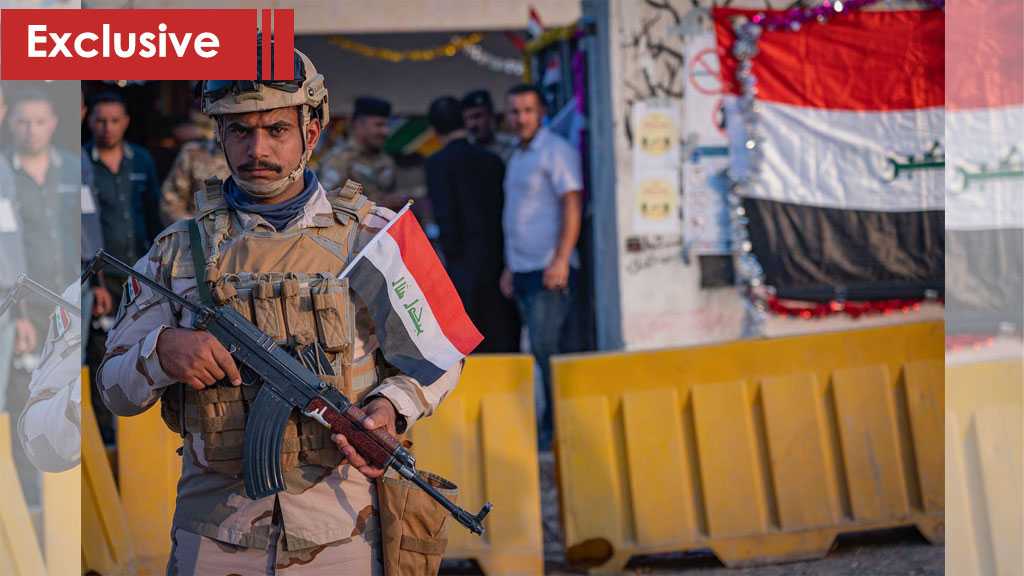
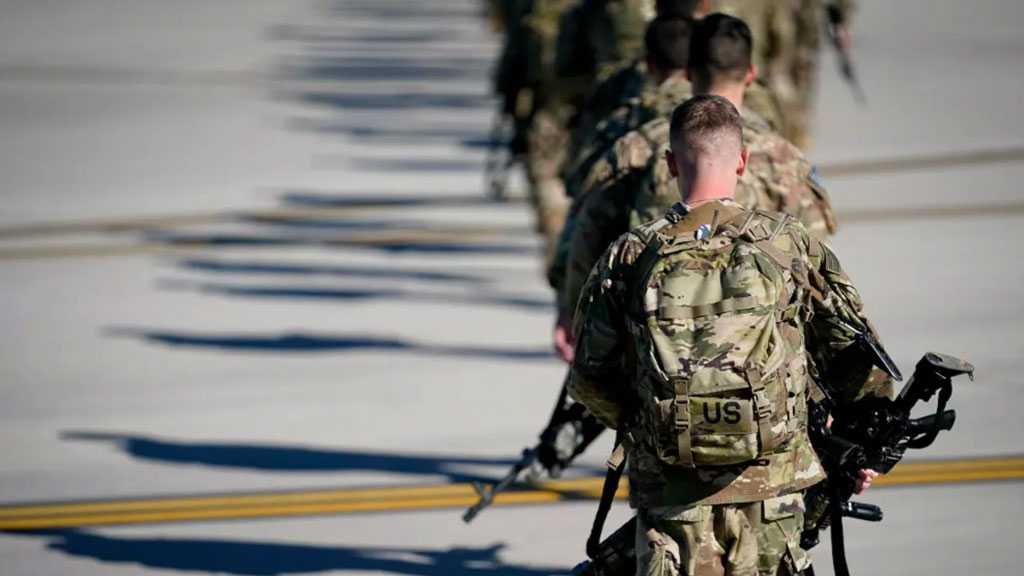
The American “withdrawal” in December is a euphemism: 2,500 combat troops will actually be repositioned into unspecified “non-combat” roles. The overwhelming majority of Iraqis – Sunni and Shi’ite – won’t accept it. A solid intel source – Western, not West Asian – assured me assorted Shi’ite outfits have the capability to overrun all American assets in Iraq in only six days, the Green Zone included.

Sistani rules

To paint the main players in the Iraqi political scene as merely a “Shi’ite Islamist-dominated ruling elite” is crass Orientalism. They are not “Islamist” – in a Salafi-jihadi sense.

Neither they have set up a political coalition “tied to militias backed by Iran”: that’s a crass reductionism. These “militias” are in fact the People’s Mobilization Units (PMUs), which were encouraged from the start by Grand Ayatollah Sistani to defend the nation against takfiris and Salafi-jihadis of the Daesh kind, and are legally incorporated into the Ministry of Defense.

What is definitely correct is that Muqtada al-Sadr is in a direct clash with the main Shi’ite political parties – and especially those members involved in massive corruption.

Muqtada is a very complex character. He’s essentially an Iraqi nationalist. He’s opposed to any form of foreign interference, especially any lingering American troop presence – in whatever shape or form. As a Shi’ite, he has to be an enemy of politicized, corrupt Shi’ite profiteers.

Elijah Magnier has done a sterling job focusing on the importance of a new fatwa on the elections issued by Grand Ayatollah Sistani, even more important than the “Fatwa of Reform and Changes” which addressed the occupation of northern Iraq by Daesh in 2014 and led to the creation of the PMUs.

In this new fatwa Sistani, based in the holy city of Najaf, compels voters to search for an “honest candidate” capable of “bringing about real change” and removing “old and habitually corrupt candidates.” Sistani believes “the path of reform is possible” and “hope … must be exploited to remove the incompetent” from ruling Iraq.

The conclusion is inescapable: vast swathes of the dispossessed in Iraq chose to identify this “honest candidate” as Muqtada al-Sadr.

That’s hardly surprising. Muqtada is the youngest son of the late, immensely respected Marja’, Sayyid Muhammad Sadiq al-Sadr, who was assassinated by the Saddam Hussein apparatus. Muqtada’s immensely popular base, inherited from his father, congregates the poor and the downtrodden, as I saw for myself numerous times, especially in Sadr City in Baghdad and in Najaf and Karbala.

During the Petraeus surge in 2007, I was received with open arms in Sadr City, talked to quite a few Sadrist politicians, saw how the Mahdi army operates both in the military and social realm and observed on the spot many of the Sadrist social projects.

In the Shi’ite collective unconscious Muqtada, at the time based in Najaf, made his mark in early 2004 as the first prominent Shi’ite religious leader cum politician to confront the US occupation head-on, and tell them to leave. The CIA put a price on his head. The Pentagon wanted to whack him – in Najaf. Grand Ayatollah Sistani – and his tens of millions of followers – supported him.

Afterward, he spent a long time perfecting his theological chops in Qom – while remaining in the background, always extremely popular and learning a thing or two about becoming politically savvy. That’s reflected in his current positioning: always opposed to the US occupation forces, but willing to work with Washington to expedite their departure.

Old (imperial) habits die hard. Out of his status of sworn enemy, routinely dismissed as a “volatile cleric” by Western media, at least now Muqtada is recognized in Washington as a key player and even an interlocutor.

Yet that’s not the case of the Asa’ib Ahl al-Haq group, which was born of the Sadrist base. The Americans still don’t understand that this is not a militia but a party: they are branded by the US as a terrorist organization.

US occupation actors also conveniently forget that the way Iraq’s “dysfunctional” Parliament is configured, along confessional lines, is inextricably linked to the project of Western liberal democracy being bombed into Iraq.

Geopolitically, looking ahead, Iraq’s future in West Asia from now on will be inextricably linked to Eurasian integration. Not surprisingly, Iran and Russia were among the first actors to officially congratulate Baghdad for running a smooth election.

Muqtada and the Sadrists will be very much aware that the Axis of Resistance – Iran-Iraq-Syria-Hezbollah in Lebanon – is strengthening by the minute. And that is directly linked to the Iran-Russia-China partnership strengthening Eurasia integration. But first things first:  let’s get an “honest” prime minister and Parliament in place.


River to Sea Uprooted Palestinian   
The views expressed in this article are the sole responsibility of the author and do not necessarily reflect those of the Blog!

Monday, 11 October 2021

Iraq Elects 2021: The People’s Decision in The Spotlight!

 October 10 2021

Iraq Elects 2021: The People’s Decision in The Spotlight!

By Mohammed Sleem

The 10th of October 2021 is the day of Iraq’s parliamentary elections. The world is watching the democratic operation as the Iraqis are on spot to elect the best choice for their country, amid severe crises on several levels, especially the economic and political ones.

Among the external ambitions, the western countries are willing to put their hands on the Iraqi territories, especially the American and British ones; and with the several pluralism views and parties taking action on the political arena, the people’s decision is the most important to set a whole new perspective, orientation, and goals for Iraq itself.

Since 2003 the country has been lacking stabilization. On the economic level, corruption is one of the main factors the people were suffering from, as they have been struggling to find different income resources for the goal of living, and of course the mismanagement of the available minerals and natural resources made things harsher; not to forget the plundering taking place by the hands of external armies who are absurdly executing the plans of the American administration and the British ones also.

Besides, the security challenges represent a vital issue to any new government emerging to power since the bombings and the impact of the terrorist organizations are still in place, leading to a huge number of casualties and financial losses.

On the elections side, several coalitions are heading towards the political process, each has their own strategy to cure what was considered a total mess.

The electoral programs are the main concern every party is looking to deliver and implement, presenting the reform plans that suit every coalition on a side and securing its strategic choices in addition.

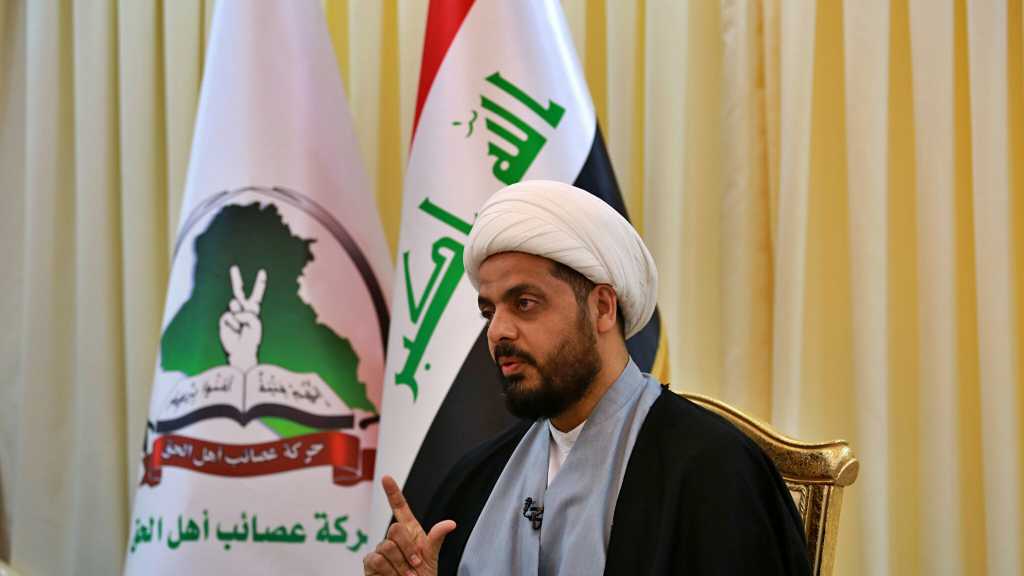
The Popular Mobilization Units, better known by the Arabic name of al-Hashd al-Shaabi, are one of the most essential sides that several sides are looking to dissolve, since protecting Iraq from the external ambitions doesn’t match the plans of the Americans and their partners. Sheikh Qais al-Khazaali, the Secretary General of the Asaib Ahl al-Haq resistance movement stated earlier that “The United States, Britain, Saudi Arabia, the UAE, and ‘Israel’ want to dissolve the Popular Mobilization Units.” He added during his meeting with sheikhs and elders of the Rumaitha clans in Muthanna that “hundreds of millions of dollars were spent to weaken the front that adopts the defense of the Popular Mobilization,” describing the demand for its dissolution as “catastrophic.”

Earlier, al-Khazaali stressed that “the dimensions of the upcoming elections include key issues, such as the future of the Popular Mobilization and the fate of the Chinese agreement, and addressing the issue of energy,” adding that “external intentions are struggling and trying to outweigh cuffs on it.”

The parties backing the PMU are looking forward to protect the strategy that proved its success earlier against the takfiri groups especially when Daesh [the Arabic acronym for ‘ISIS/ISIL’ terrorist group] took over the third of the Iraqi lands back in 2015, to prevent any approaches to bring back the external ambitions, through destroying the Iraqi capabilities as a united country against all the external proxies and tools.

A recent tool the western countries are backing and depending on to implement their policies is represented by the NGOs that were active in 2019 demonstrations against the government corruption, and funded by the American administration in order to mix the papers in, and make a new ambiance to control the people’s minds and decisions.

Meanwhile, there are several parties that are calling to protect the PMU, the most important are The Fatah Alliance, which was formed in 2018 under the chairmanship of Hadi al-Ameri, the Secretary General of the Badr Organization, and which includes political wings of a number of armed factions, parties and movements, the most important of which is the Badr Organization, the Sindh rally headed by MP Ahmed al-Assadi, leader of the Popular Mobilization, and the “Sadiqoun” movement headed by Qais al-Khazaali, the Secretary General of the Asaib Ahl al-Haq movement.

The coalition, which is running with 73 candidates, also includes the Supreme Islamic Council headed by former MP Hammam Hammoudi, the Islamic Action Organization, the Jihad and Construction Movement headed by the PMU leader Hassan al-Sari and the “Sayyid al-Shuhada” Brigades.

To sum up, the Iraqi situation almost looks like the Lebanese one, external interventions, plans and ambitions facing the people of the land, and in order to prevent all what’s mentioned, the people themselves must take the decision, which should be brave enough to stand against such schemes.


River to Sea Uprooted Palestinian   
The views expressed in this article are the sole responsibility of the author and do not necessarily reflect those of the Blog!

Wednesday, 11 August 2021

Resistance Groups: US Sanctions Won’t Weaken Our Resolve to Defend Iraq

11 Aug 2021

Resistance Groups: US Sanctions Won’t Weaken Our Resolve to Defend Iraq

By Staff, Agencies

The Iraqi resistance groups targeted by US sanctions said the restrictive measures show that their counter-terrorism campaign poses a challenge to the Americans, stressing that the bans will fail to weaken their resolve to protect the homeland and restore its sovereignty.

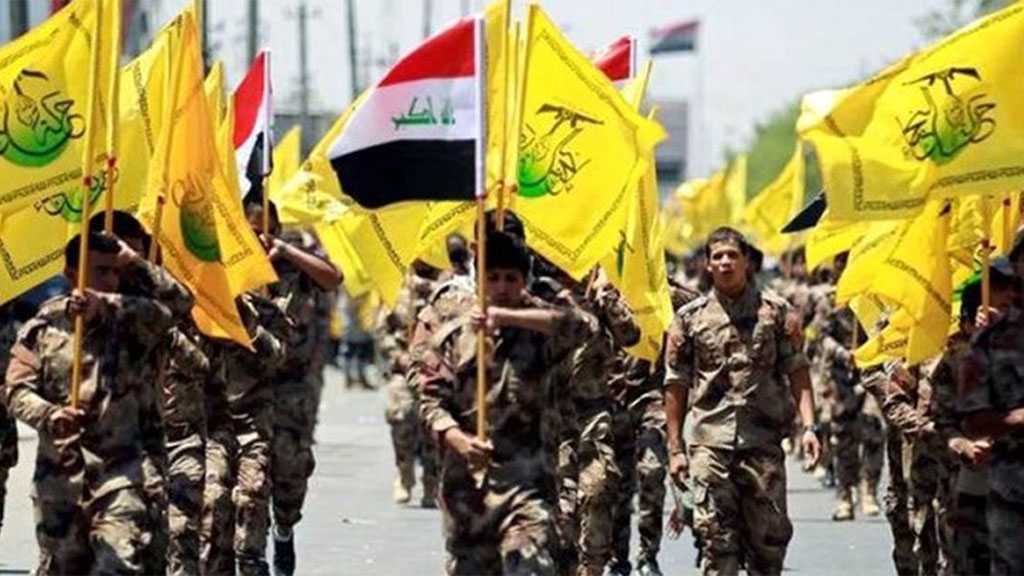
The Asaib Ahl al-Haq and Kataib Hezbollah, both subdivisions of Iraq’s Popular Mobilization Units [PMU], better known in Arabic as Hashd al-Shaabi, said on Tuesday that they would remain impervious to the US sanctions.

A day earlier, the US State Department said it had imposed sanctions on the two Iraqi resistance factions under the so-called Iran, North Korea, and Syria Nonproliferation Act [INKSNA], which prohibits arms transfer to those targeted.

Asaib politburo spokesman Mahmoud al-Rubaie told Iraqi al-Ahad news website that the US restrictive measures against resistance groups as “a battle between right and wrong,” saying they represent the extent of the failure that successive US administrations have suffered in the Middle East.

The US sanctions did not catch Asaib by surprise since the group “expects anything from them [the Americans],” he added. “Whatever they do will not affect us because we are strong.”

Rubaie also said that the United States “is concerned about the political presence of the resistance and is therefore seeking a way to escape … Of course, the [Iraqi] government is also weak and cannot counter US pressure.”

Washington wants a “poor Iraq,” where the youths are jobless, he said.

Similarly, Asaib politburo member Ahmad al-Mousavi said that Washington was trying to drive the resistance out of the Iraqi political equation because it had brought about the failure of US schemes in the Arab country.

“US sanctions will not affect the performance of the Asaib Ahl al-Haq and will not remove this resilient Iraqi group from the political scene,” he added.

Mousavi expressed hope that the Iraqi government would take a clear stance on the new US bans, complaining, however, about Baghdad’s silence in the face of US restrictions against resistance groups over the past year.

Meanwhile, the Kaf Telegram channel, a Kataib Hezbollah-affiliate, said, “Let them impose on us whatever sanctions they have at their disposal. It is an honor that we are still a difficult challenge in their calculations.”

“We will continue our path to restoring [Iraqi] sovereignty and dignity by relying on God,” it said.

In early 2003, the US invaded Iraq under the later debunked pretext that the regime of Saddam Hussein possessed weapons of mass destruction.

It withdrew soldiers from Iraq between 2007 and 2011, but redeployed them in 2014 along with other partners to allegedly counter the threat of Daesh.

Iraq managed to end the territorial rule of the Takfiri terrorist group in the country thanks to the sacrifices of the national army and Hashd al-Sha’abi, which had the backing of neighboring Iran.

On January 3, 2020, the US assassinated Iran’s anti-terror commander General Qassem Soleimani and his Iraqi trenchmate Abu Mahdi al-Muhandis, deputy head of Hashd al-Sha’abi, two influential figures in the fight against Daesh.

Two days later, the Iraqi parliament unanimously approved a bill, demanding the expulsion of all foreign military forces led by the United States from the Arab country.

Since then, however, Washington has been dragging its feet on the troop pullout and targeting anti-terror groups from time to time.


River to Sea Uprooted Palestinian   
The views expressed in this article are the sole responsibility of the author and do not necessarily reflect those of the Blog!

Tuesday, 10 August 2021

Fruitless Strategy: US Targets Lebanon’s Hezbollah, Resistance Groups in Syria & Iraq with New Sanctions

 10 Aug 2021

Fruitless Strategy: US Targets Lebanon’s Hezbollah, Resistance Groups in Syria & Iraq with New Sanctions

By Staff, Agencies

As part of its unlimited pressure on the Resistance axis, the US State Department has imposed a new round of sanctions on resistance groups in Iraq, Syria and Lebanon, in what appears to be a sign of Washington’s anger over the successful role they have been playing.

In a notice issued on Monday, the Department’s Bureau of International Security and Nonproliferation said the restrictive measures target Iraq’s Asa’ib Ahl al-Haq and Kata’ib Hezbollah, which are both subdivisions of Popular Mobilization Units [PMU] or Hashd al-Sha’abi along with the Lebanese Hezbollah resistance movement.

The sanctions were imposed under the so-called Iran, North Korea, and Syria Nonproliferation Act [INKSNA], which bans arms transfer to those targeted.

Two Syrian entities, Wael Issa Trading Establishment and Ayman Al Sabbagh Trading, as well as three Russian firms, Charter Green Light Moscow, Asia-Invest LLC and NPP Pulsar LLC, were also included in the US sanctions list.

According to the notice, the sanctions were applied on July 29 under the INKSNA, which authorizes Washington to sanction foreign individuals, private entities, and governments that it deems to be engaged in proliferation activities.

The ban forbids US government departments, agencies and personnel from signing contracts with or from providing licenses or government assistance to the targeted groups and organizations.

“These measures shall be implemented by the responsible departments and agencies of the US government and will remain in place for two years from the effective date, except to the extent that the Secretary of State may subsequently determine otherwise,” read the notice.

In response, Saad Al-Saadi, a member of the Asaib politburo, said that the sanctions show that the US sees the resistance factions as a “stumbling block” to the Zionist-American projects in Iraq.

“This indicates that we have achieved the results that the Iraqi people want and thwarted these projects that were and still remain the cause of all the crises that the country is going through on the economic, political, and security levels,” he told Iraq’s Shafaq news agency.

Al-Saadi further stated: “We, the sons of resistance and national movements representing the Iraqi people, consider these sanctions as a pride and dignity for the Iraqi people…These sanctions only increase our resolve and steadfastness in adhering to our principles and values and the project of resisting the occupation and the illegal foreign presence in Iraq.”


River to Sea Uprooted Palestinian   
The views expressed in this article are the sole responsibility of the author and do not necessarily reflect those of the Blog!

Saturday, 31 July 2021

Iraqi Resistance Groups Vow to Force US Troops to Leave Humiliated

 July 30, 2021

Visual search query image

By Staff, Agencies

Iraqi Kataib Hezbollah resistance movement has emphasized that the American military troops must withdraw from the Arab country, vowing that it is ready to force the occupation troops to do so.

The anti-terror group, which is part of the Popular Mobilization Units, better known by the Arabic word Hashd al-Shaabi, announced in a statement on Thursday that it has and will firmly oppose the dominance of “evil” colonial powers over the natural resources of Iraq.

The statement noted that Kataib Hezbollah will continue to carry out its duties regardless of pressures and challenges it might face.

“All resistance groups have become a thorn in the eye of the American enemy. We are fully prepared to once again drive US forces out of Iraq in humiliation,” it also read.

Kataib Hezbollah warned that further surprises await American occupation forces in case they insist on their presence on the Iraqi soil.

Jafar al-Hussaini, spokesman for the resistance movement, said the Iraqi factions would not target diplomatic missions in the country, describing attacks on the US embassy in Baghdad’s fortified Green Zone as false-flag operations aimed at deceiving the Iraqi nation.

“Diplomatic facilities in Iraq are not on the list of targets by resistance forces. Attacks on the evil US embassy in Baghdad are meant to disrupt equations and trick Iraqi people,” Hussaini told Beirut-based Arabic-language al-Mayadeen TV on Thursday.

“The perpetrators of attacks on the evil embassy are pursuing destructive interests, and their affiliations are suspicious,” he added.

In the same context, Leader of Asaib Ahl al-Haq Movement, Qais al-Khazali, said the United States does not intend to withdraw its forces from Iraq, stressing that the cost of continued presence of American forces in the country will be heavy.

“US overflights in Iraq are aimed at espionage purposes. Baghdad-Washington negotiations will not result in the withdrawal of US troops from Iraq. This is just a deception game,” he added.

Khazali described the Iraqi government’s negotiations with the United States and the agreement purportedly ending the US combat mission in Iraq by the end of 2021 as “deceptive” and “bogus.”

He said the agreement does not explicitly state the withdrawal of American forces from Iraq, and fails short of addressing the violation of the Iraqi airspace by US military aircraft.

“The agreement has simply been struck in order to change the title of US forces. This is what we had earlier reported about. US overflights in Iraq are being carried out to spy on resistance groups. Our demand concerning the pullout of foreign military forces is legitimate,” Khazali said.

US President Joe Biden and Iraqi Prime Minister Mustafa al-Kadhimi on Monday sealed an agreement formally ending the US combat mission in Iraq by the end of the current year, more than 18 years after US troops were sent to the Arab country.

Under the agreement, however, US military forces will continue to operate in Iraq in what has been termed as an “advisory role.”

A joint Iraq-US statement issued after the meeting said the “security” relationship will be focused on “training, advising and intelligence-sharing.”

Speaking to reporters following the White House meeting, Biden claimed that the US would continue to “train, to assist, to help and to deal with Daesh [the Arabic acronym for terrorist ‘ISIS/ISIL’ group] as it arises,” when the combat mission comes to an end.

The US currently has about 2,500 troops in Iraq. It is not known how many troops will stay in the country beyond 2021. White House press secretary Jen Psaki said “the numbers will be driven by what is needed for the mission over time.”

Anti-US sentiment has been growing in Iraq since the assassination in January 2020 of Abu Mahdi al-Muhandis, deputy head of the Popular Mobilization Units, along with the region’s legendary anti-terror commander Lieutenant General Qassem Soleimani in Baghdad.

They were targeted along with their companions on January 3, 2020 in a drone strike authorized by former US president Donald Trump near Baghdad International Airport.

Two days after the attack, Iraqi lawmakers approved a bill that requires the government to end the presence of all foreign military forces led by the US.


Related Articles


River to Sea Uprooted Palestinian   
The views expressed in this article are the sole responsibility of the author and do not necessarily reflect those of the Blog!

Wednesday, 28 July 2021

Nujaba: Entire US Military, Including “Criminal” Air Force, Must Leave Iraq

 27 Jul 2021

Visual search query image

By Staff, Agencies

Iraq’s al-Nujaba resistance movement has called for a complete pullout of American forces from the country, saying the planned withdrawal under the newly-inked agreement between Baghdad and Washington must include the US military’s “criminal” air force.

“We have no confidence whatsoever in Americans, and do not agree to their presence under any circumstances. We fiercely oppose the US military presence, and demand a complete pullout of American forces,” Nasr al-Shammari, Nujaba’s spokesman, told the Lebanese al-Mayadeen news network in an interview on Monday night.

The comments followed a meeting between Prime Minister Mustafa al-Kadhimi and US President Joe Biden in Washington, where they sealed an agreement formally ending the US “combat” mission in Iraq by the end of 2021, more than 18 years after US troops were sent to the country.

Under the agreement, however, US military forces will continue to operate in Iraq in what has been termed as an “advisory role.”

A joint Iraq-US statement issued after the meeting said the “security” relationship will be focused on “training, advising and intelligence-sharing.”

Speaking to reporters following the meeting, Biden said the US would continue to “train, to assist, to help and to deal with ISIS as it arises,” when the combat mission comes to an end.

The US currently has about 2,500 troops in Iraq. It is not known how many troops will stay in the country beyond 2021. White House press secretary Jen Psaki said “the numbers will be driven by what is needed for the mission over time.”

Shammari hailed Kadhimi’s latest remarks that Iraq no longer requires American combat troops.

The Nujaba official said the withdrawal must also include the US air force, which, he said, controls Iraq’s airspace and has been behind many of the American military’s crimes in the Arab state.

“The US military’s crimes in Iraq, especially the assassination of military commanders Lieutenant General Qassem Soleimani [of Iran] and Abu Mahdi al-Muhandis, were carried out by its air force,” Shammari said.

He said the US military offered no help to Iraq to prevent the rise of the Wahhabi Daesh [Arabic acronym for “ISIS” / “ISIL”] initially, or to defeat it later on.

“American forces did not warn against the Daesh militant group’s threats until after it captured more than a third of the Iraqi soil. Additionally, the troops did not provide any assistance to confront the terrorists,” he said.

Shammari said certain Iraqi factions want to promote themselves though foreign support and thus seek a prolongation of the US military presence in the country.

“Who can guarantee that American forces in Iraq will not be reinforced under the title of advisors?” he asked.

Meanwhile, prominent Shia cleric Muqtada al-Sadr praised the agreement to end US combat mission in Iraq, saying, “We are waiting for a complete withdrawal of American troops.”

Sadr praised the role of Iraqi resistance fighters in speeding up the American pullout in a post published on his Twitter page, and wrote “The occupiers finally announced the start of the withdrawal of all their combat forces.”

“We are waiting, just as you are, for the complete pullout of the occupying forces,” he said in an address to resistance groups, while appreciating “efforts aimed at striking this agreement, especially those made by brother al-Kadhimi.”

He added, “We have already announced our conditions, and the military operations of resistance forces will stop completely once they are met. We must work to support Iraqi armed forces, including the army and law enforcement, so they can secure Iraqi territories and protect the country against terrorism, violence and proxies.”

Separately, Parliament Speaker Mohammed al-Halboosi hailed the agreement to end US combat mission in Iraq, and stated that his country is moving confidently towards the full realization of its capabilities.

He described the agreement as a diplomatic and political achievement in line with Iraq’s national interests, establishment of full sovereignty and the creation of a capable Iraq.

Anti-US sentiment has been growing in Iraq since the assassination in January 2020 of Abu Mahdi al-Muhandis, the deputy head of the Popular Mobilization Units, along with the region’s legendary anti-terror commander General Qassem Soleimani in Baghdad.

They were targeted along with their companions on January 3, 2020 in a drone strike authorized by former US president Donald Trump near Baghdad International Airport.

Two days after the attack, Iraqi lawmakers approved a bill that requires the government to end the presence of all foreign military forces led by the US.

“Kata’ib Sayyid Al-Shuhada”: US May Back a Military Ruler in Iraq

27 Jul 2021

Source: Al Mayadeen

After many Iraqi stances refusing to legitimize the US presence in Iraq, the “Kata’ib Sayyid al-Shuhada” Spokesman Kadhim al-Fartousi warns against a plan to destabilize the elections and appoint a US-backed military ruler in Iraq.

Visual search query image
Al-Fartousi: The Iraqi government made a grave mistake

In an interview for Al Mayadeen, the “Kata’ib Sayyid al-Shuhada” Spokesman Kadhim al-Fartousi considered that “the negotiations between the Iraqi Prime Minister Mustafa Al-Kadhimi and his accompanying delegation with the US administration are aimed at legitimizing the US presence in Iraq.”

In response to the Biden-Kadhimi agreement to end the US military combat mission in Iraq by the end of the year, al-Fartousi said that “the Iraqi government made a grave mistake when it undertook the role of a mediator between the Resistance and the US.” 

“By doing so, the Iraqi government recognized the presence of US combat troops in Iraq,” he added.

Concerning the Iraqi parliamentary elections and Iraq’s political future, Al-Fartousi confirmed that “the circulated information suggests that the upcoming elections will not bring anything new to the political structure. As a result, a decision was made against them.”

Al-Fartousi warned that “a military figure, who accompanied the Iraqi delegation to the US, may be nominated as a military ruler,” he added.

The Secretary-General of “Asa’ib Ahl al-Haq” Qais al-Khazali said that the Iraqi Foreign Minister’s statement about the need for US forces was “unfortunate”, noting that “the statement is rejected and does not reflect the reality of the capabilities the Iraqi forces have attained.”

On Monday, the Deputy Secretary-General of Iraq’s “Al-Nujaba Islamic Resistance Movement” Nasr al-Shammari expressed to Al Mayadeen his distrust in the Americans.

“Iraq’s Al-Nujaba Islamic Resistance Movement rejects the US presence in Iraq,” al-Shammari emphasized.

Commenting on some Iraqi stances which call for the continuation of US presence in Iraq, Al-Shammari  said, “Whoever demands a continued US military presence in Iraq aims to gain internal power through the foreign powers.” 

“US forces in Iraq did not provide an early warning against ISIS invasion, nor did they assist in confronting it,” he added.

Meanwhile, Iraqi Foreign Minister Hussein Fuad had lately stressed that his country’s security forces are still in need of the training, armament, equipment, and capacity-building programs provided by the US.

On his part, Iraqi National Security Adviser Qassem al-Araji has recently announced that the US has been informed that “Iraq does not need any foreign combat force” on its soil.


Related


River to Sea Uprooted Palestinian   
The views expressed in this article are the sole responsibility of the author and do not necessarily reflect those of the Blog!

Monday, 26 July 2021

Al-Kadhimi: Iraq Doesn’t Need US Combat Troops

  July 25, 2021

Iraq’s Prime Minister said that his country no longer requires US combat troops to fight “ISIS”.


Visual search query image
Iraq’s Prime Minister Mustafa Al-Kadhimi

Ahead of a planned trip to Washington, Iraq’s Prime Minister Mustafa al-Kadhimi said that “the US and Iraq agreed in April that the US transition to a train-and-advise mission meant the US combat role would end.”

During an interview for AP, al-Kadhimi said that “there is no need for any foreign combat forces on Iraqi soil. “

“Iraq’s security forces and army are capable of defending the country without US-led coalition troops”, he added.

Al-Kadhimi went on to say that “the war against ISIS and the readiness of our forces require a special timetable, and this depends on the negotiations that we will conduct in Washington.”

Furthermore, al-Kadhimi said that “Iraq is not Afghanistan, and the US withdrawal from Iraq is not comparable to its withdrawal from Afghanistan,” emphasizing that “Iraq has succeeded in gaining the trust of neighboring countries, and accordingly, it is working toward the stability of the region.”

Iraqi Prime Minister headed an official delegation to the United States on Sunday, to discuss US-Iraqi relations.

Before departing for Washington, al-Kadhimi affirmed that his visit comes within the framework of Iraq’s efforts to consolidate a close relationship with the US, stressing that “the visit culminates long efforts of intensive work during the strategic dialogue sessions period, to organize the security relations between the two countries in a way that serves Iraq’s interest.”

US sources did not rule out the possibility of Washington maintaining its military presence in Iraq at the current level. The New York Times quoted sources in the US Defense Department and the White House as saying that Washington could maintain its military forces in Iraq by reclassifying their roles on paper.

It is notable that on Thursday, an Iraqi delegation headed by Iraqi Foreign Minister Hussein Fuad arrived in Washington to meet with US officials.

US Secretary of State Anthony Blinken said during his meeting with his Iraqi counterpart that “we will discuss with the Iraqi delegation the fight against ISIS so that we can establish security and stability, which indicates close relations with Iraq.”

For his part, the Iraqi foreign minister said, “We are here to conduct dialogue and discussion with the American side,” hoping that the dialogue will “deepen the joint cooperation between Washington and Baghdad.”

Hussein added that “the premises of the dialogue are based on joint action, mutual respect, and cooperation in broad areas, including security, military, economic, energy, health, combating COVID-19, and many other fields.”


Iraqi Resistance Lambasts FM’s Remarks on Need for US Troops

 July 24, 2021

Blinken
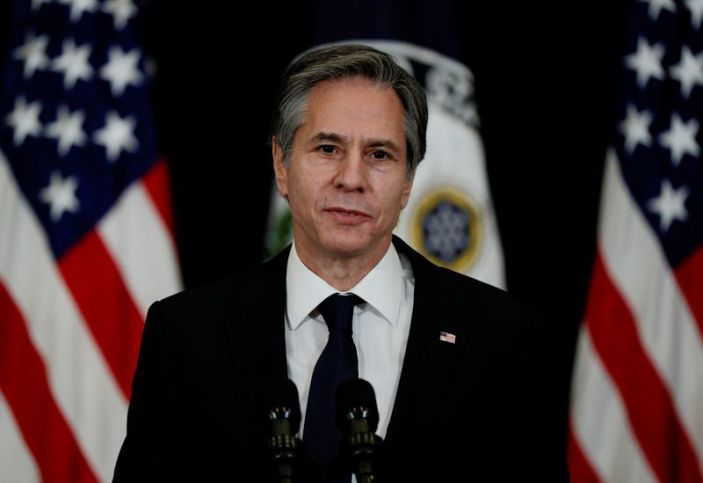
Secretary of State Antony Blinken at the State Department (February 4, 2021 / photo by Reuters).

Iraqi Foreign Minister Fuad Hussein’s recent statements about the need for US forces in the Arab country have drawn strong criticism from anti-terror resistance groups and political leaders.

Speaking at a joint press conference alongside his American counterpart Antony Blinken in Washington on Friday, the Iraqi foreign minister said that Baghdad still required Washington’s help, and called for maintaining bilateral security cooperation.

“We need to work with the International Coalition, led by the United States, against the terrorists of Daesh,” Hussein alleged. “We need cooperation in the field of intelligence. We need help with training. We need troops to help us in the air.”

The comments came at a time when American and Iraqi officials are finalizing a shift in the US military mission in Iraq to what they call “a purely advisory role” by the end of the year.

Citing a US official and two people familiar with the matter, Politico reported on Thursday that the change is planned to be announced on Monday after Iraqi Prime Minister Mustafa al-Kadhimi meets with US President Joe Biden at the White House.

In response, the Iraqi Resistance Coordination Committee, which consists of representatives of anti-terror factions within the Popular Mobilization Units (PMU) or Hashd al-Sha’abi, underlined the need for the withdrawal of all foreign troops from the country.

In a statement carried by Lebanon’s al-Mayadeen TV channel, the committee warned that the meddling of foreign forces in Iraq’s security is meant to spy on the work of the country’s security agencies, adding that the mission of the US Air Force in Iraq is to defend the security of the Zionist regime and spy on the resistance.

“We stress the resistance’s conditions not to allow the presence of any foreign military personnel on Iraqi soil,” it added. “The pullout of foreign occupying forces from Iraq must be done completely from all Iraqi territory in order for the process to be real.”

The secretary general of the Asa’ib Ahl al-Haq movement, a subdivision of Hashd al-Sha’abi, said FM Hussein’s remarks are “very unfortunate and unacceptable” for all Iraqis who are proud of their military and security institutions.

Ammar Hakim, Iraqi Shia cleric and head of National Wisdom Movement (Hikma), expressed hope that the Iraqi delegation’s talks with the US would take into account the country’s interests through their professional conduct.

Source: Press TV


Related Videos


Related News


River to Sea Uprooted Palestinian   
The views expressed in this article are the sole responsibility of the author and do not necessarily reflect those of the Blog!

Thursday, 22 July 2021

PMU Faction Says US Responsible for Massacre of Iraqis in Daesh Bombing

 July 21, 2021 

PMU Faction Says US Responsible for Massacre of Iraqis in Daesh Bombing

By Staff, Agencies

The leader of Iraq’s Asa’ib Ahl al-Haq resistance movement, which operates under the command of Popular Mobilization Units [PMU], has held the United States responsible for the loss of dozens of lives in a deadly Baghdad bombing claimed by the Daesh terror group, which he described as a creation of the US, “Israel” and their Gulf allies.

Qais al-Khazali said in a statement on Tuesday that political motives lie behind the bloody carnage in the bustling Woheilat market of Baghdad’s eastern neighborhood of Sadr City a day earlier.

He said the terror attack tooisraek place on the eve of Eid al-Adha [Feast of Sacrifice] and as Iraqi Prime Minister Mustafa Al Kadhimi prepares to visit Washington within the next few days.

“The United States is seeking justification for its overstay in Iraq through the presence of Daesh [Arabic acronym for ‘ISIS’ / ‘ISIL’] terrorists. Everyone knows that Daesh was created by the US, the “Israeli” regime and certain Gulf Arab states, and their intelligence services are in control of the group,” Khazali said.

The Iraqi PMU leader said the United States is behind the upsurge in Wahhabi Daesh terror attacks, adding that Washington is responsible for the massacre of Iraqi people and its crimes will be responded appropriately.

He added that some individuals are complicit in aiding and abetting terrorist elements to carry out the market bombing.

A bomber killed at least 35 people and wounded dozens in a crowded market in the Sadr City neighborhood of Baghdad on Monday night. More than 60 people were wounded.

The Daesh terrorist group claimed responsibility for the attack.

Hospital sources said the death toll could rise as some of the wounded are in critical condition.

The Asa’ib Ahl al-Haq resistance movement, in a separate statement, strongly criticized the performance of Kadhimi’s government and Iraqi security forces in response to the market blast in Baghdad.

“We call on the government to take immediate actions to stop criminal acts,” the group said.

The movement stressed that Kadhimi, who is also the commander-in-chief of Iraqi Armed Forces, in addition to security forces are primarily responsible for the occurrence of such bombings.

Asking for an inquiry into the failure to prevent the tragedy, Asa’ib Ahl al-Haq said intelligence measures and pre-emptive operations should be taken to destroy terrorist lairs.

The anti-terror movement also stressed that the Popular Mobilization Units, better known by the Arabic word Hashd al-Shaabi, should be given a greater role to guarantee security and that their experiences should be used.

Backed by the PMU, Iraq put an end to Daesh’s territorial rule on its soil in late 2017, more than three years after the terror group emerged in the Arab country and captured swaths of land in its western and northern parts.

However, Daesh sleeper cells have continued to launch terror attacks against security forces and civilians from time to time.

The latest bombing, one of the largest since the victory against Daesh, signaled a rise in the strength of the remaining terrorists in Iraq, which are widely believed to have the support of the United States.


Related News


River to Sea Uprooted Palestinian   
The views expressed in this article are the sole responsibility of the author and do not necessarily reflect those of the Blog!

Asaib Ahl Al-Haq: Iraqi Resistance Decided To Expel US Forces

 18/07/2021

Asaib Ahl Al-Haq: Iraqi Resistance Decided To Expel US Forces

By Staff, Agencies

Iraq’s Asaib Ahl al-Haq resistance movement said the Iraqi government is not entitled to keep any foreign forces in the country without the authorization of the country’s parliament, stressing that the American forces’ presence in Iraq runs counter to the Arab country’s constitution.

“The presence of American troops in Iraq is a clear violation of the Iraqi constitution,” Mahmoud al-Rubaie, spokesman of the resistance movement’s political bureau, told Iran’s Tasnim news agency.

“Furthermore, there is no agreement or approval for the presence of these forces in Iraq from the parliament of Iraq, as a country with a parliamentary system, and the government has no right to keep any foreign troops on the Iraqi soil without the consent of the parliament,” al-Rubaei said.

He pointed out that the incumbent Iraqi government has admitted, unlike previous governments, that the US forces are neither training nor advisory forces, but rather, they belong to the US Army’s Ground Force, who have committed a series of crimes in Iraq.

“Among the crimes committed by the American forces in Iraq, we can mention the biggest, which is the martyrdom of the commanders of victory,” al-Rubaei said.

He was making a reference to the US assassination of Iran’s top anti-terror commander, General Qassem Soleimani, along with deputy commander of the Popular Mobilization Units [PMU], Abu Mahdi al-Muhandis, at Baghdad International Airport in January 2020, after which Iraq’s Parliament passed a law demanding the expulsion of all US-led forces.

The spokesman said that Iraqi Prime Minister Mustafa al-Kadhemi, in his upcoming visit to Washington, would pursue the US military’s withdrawal from Iraq.

He also termed the strategic talks between Baghdad and Washington as “useless”, saying such recurring talks are aimed at prolonging the US occupation forces’ stay on the Iraqi soil, which contradicts the parliament’s law and the will of the Iraqi nation.

“We believe that the Americans will leave Iraq in the near future,” al-Rubaei continued, “because the Islamic Resistance has made its decision to confront them, and this decision was made after the failure of all efforts and the end of all chances given to the Americans and the current Iraqi government for diplomatic and political moves to rid Iraq of these forces.”

He expressed hopes that public pressure and efforts made by resistance groups and some political movements would drive the Iraqi government to publicly demand the withdrawal of US forces.

“We have no request but this from the government, despite the fact it has been long overdue,” the spokesman added.

The US, under both administrations of Donald Trump and Joe Biden, has repeatedly targeted the positions of Iraqi resistance forces, who played a significant role in defeating Daesh [the Arabic acronym for ‘ISIS/ISIL’] terrorist group.

Biden’s first military strike abroad was against the PMU forces at the Iraqi-Syrian border back in February, only a month into his presidency. Biden also ordered airstrikes against the headquarters of the 14th Brigade of the PMU, also known as Hashd al-Shaabi, along Iraq and Syria’s common border last month.

Some 3,500 foreign troops, including 2,500 Americans, are still in Iraq, with the alleged aim of preventing the re-emergence of Daesh in the Arab country.

Observers, however, say Washington’s targeting of resistance forces is aimed at reviving Daesh and, in turn, prolonging its illegal occupation of Iraq under the pretext of fighting the terrorist group.

Such a US military presence also exists in Syria, where the Pentagon’s mission is not coordinated with the Damascus government, and while there is no clear timetable for withdrawal.


Related Videos


Related News


River to Sea Uprooted Palestinian   
The views expressed in this article are the sole responsibility of the author and do not necessarily reflect those of the Blog!