Showing posts with label Cyprus. Show all posts

Friday, 16 April 2021

Lebanon Confirms Its Rights To Confront ’Israel”… What Are Its Power Elements?

 Source

Lebanon Confirms Its Rights To Confront ’Israel”… What Are Its Power Elements?

Charles Abi Nader

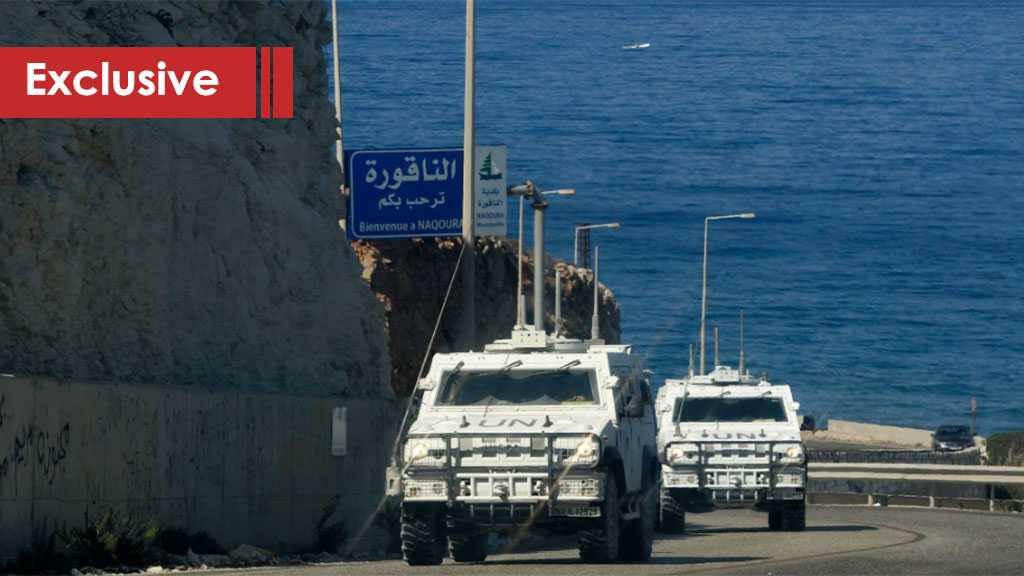
Apart from the political contending that preceded and accompanied the administrative-legal path of the Lebanese Maritime Borders Amendment Decree [6433], which also takes its constitutional and diplomatic path [as soon assumed] to the United Nations, it can be said that Lebanon – the government and the institutions – through its delicate and decisive decision to amend that decree, has imposed itself as a powerful player in the game of regional and international interests and conflicts.

The statement that Lebanon has imposed itself as a powerful player in the game of international interests and conflicts may be misplaced or inappropriate if we compare it to the crisis situation in Lebanon today, and what it is experiencing in terms of what looks like a financial, economic and social collapse, in addition to its fragmentation and political imbalance. But in reality, despite all the tragedies that have passed through Lebanon, its position has brought the highest level of challenge to many regional and international players.

First of all, the field of interest in which Lebanon has created itself by amending the decree defining its pure economic waters, is almost the entire eastern Mediterranean region, which is apparently very rich in gas and oil, between Syria and Turkey eastward and northward, between the occupied Palestine and Egypt southward and southwestward, and between Cyprus, Turkey and Greece westward. We are talking here about a maritime field, which is currently experiencing a delicate conflict and danger over the division and determination of the exclusive economic waters of the aforementioned countries, not far from the possibility that it will cause a military confrontation, such as between Greece and Turkey or between Cyprus and Turkey.

On the other hand, while ‘Israel’ is considered Lebanon’s fiercest opponent in this maritime border dispute, and due to its urgent need to exploit the huge wealth from the occupied Palestine’s coasts and to accelerate and advance its partnership with the Forum of Eastern Mediterranean States [Egypt, Cyprus and Greece], which is based on the initiation of the extraction and supply of gas and since it has completed the completion and preparation of the administrative, technical and legal structure for the initiation of the exploration in the Karish border field with Lebanon, which was affected by the aforementioned Lebanese amendment in more than half of its area, it will consider the Lebanese position regarding the amendment of its maritime rights in the south as a declaration of war against it, which would call for a non-simple reaction, not only as it threatened to stop indirect negotiations with Lebanon.

At a time where Lebanon is experiencing this almost complete collapse at all levels, and where most of the external parties involved in the conflict or the file contribute to deepening the collapse by exerting a lot of additional pressure on Lebanon to force it to surrender or submit to the maritime or other border file, and as these parties consider that the Lebanese position is supposed to be lenient and lax, in other words, disregarding what they see as their rights, so that they can make quick use of their needs before its inevitable collapse, Lebanon declares this strong position.

Therefore, the fundamental question remains: On what does Lebanon depend in this powerful position? And what are Lebanon’s power elements in the delicate game of defiance that it got itself involved in?

Of course, the consistent position of His Excellency the President of the Republic as a key official actor in guiding the negotiation process has been instrumental in amending the decree and establishing Lebanese maritime rights by fully supporting and embracing the perspective of the experts in the Lebanese Armed Forces and the specialists of the negotiating delegation in the demarcation process, which highlighted in a scientific-legal manner the correct maritime borders, that must be at first: A valid document for deposit with the United Nations and relevant institutions of the international community, and secondly: a platform for indirect negotiation with the enemy and for the demarcation and precise determination of the border based on it.

On the other hand, the legal and technical point of view presented and proved by the Lebanese Army in scientific details, from which its position was clear and decisive, regarding the necessity of completing indirect negotiations with the enemy on its basis, and in terms of the futility of its completion without it, proves without any doubt that the military, as a matter of national responsibility and duty, will be an essential party in fixing, protecting and supporting the amendment decision, with all possible military or security implications, dangers or repercussions.

Also, it is absolutely impossible to overlook the important role of the unified internal Lebanese position on the amendment, which was finally demonstrated by all concerned, official, partisan and political parties, and despite some initial reservations, which were in good faith in order not to lose the opportunity of demarcation and to benefit from the wealth as soon as possible, due to the urgent need for it today, this united position in terms of cohesion and non-division was essential in confirming the Lebanese decision to amend against all external parties.

In the end, the decisive role remains for the resistance, with its deterrent capabilities and balance of force against the ‘Israeli’ enemy, which is the main foundation in stabilizing and protecting the delicate, sensitive and bold Lebanese position, in terms of modification in general, and in terms of its sensitivity to hit the center of the Karish field, which ‘Israel’ considers to be under its control [within the areas occupied in the Palestinian waters], which had completed all appropriate measures to initiate exploration and exploitation of its wealth, with possible implications and developments, that will produce a provision that the enemy will regard the official Lebanese amendment to the decree as war or targeting what it claims to be its rights. As the Resistance has always stated, it is behind the Lebanese government in supporting and protecting what the latter determines in terms of national rights, land or maritime borders or the borders of Lebanese sovereignty, thus it [the Resistance] will, with its qualitative capabilities, remain the most powerful and solid safety valve for the protection, maintenance and stabilization of these national rights.


Related Articles


River to Sea Uprooted Palestinian   
The views expressed in this article are the sole responsibility of the author and do not necessarily reflect those of the Blog!

Wednesday, 6 January 2021

Erdogan and Libya… Will the Ottoman Dream End?

 ARABI SOURI 

Erdogan the Ottoman Caliph Wannabe - Syria Libya Yemen Africa Azerbaijan

The following is the English translation from Arabic of the latest article by Turkish career journalist Husni Mahali he published in the Lebanese Al-Mayadeen news site Al-Mayadeen Net:

The last week of last year witnessed interesting developments in the Libyan file, and it seems that it will become more hot and interesting during the next few days and weeks; after the fiery statements made by Field Marshal Khalifa Haftar calling for the “expulsion of the Turkish occupier”, Turkish President Recep Tayyip Erdogan did not delay in responding by sending the Minister of Defense Hulusi Akar and the commanders of the armed forces to Tripoli, in a new attempt from him to flex the muscles, which he relatively failed in after his “strategic ally” Fayez al-Sarraj refused to receive the delegation that met the pro-Ankara figures led by the Minister of Interior, Fathi Bash Agha, who has Ottoman origins, in the midst of information that started talking about differences, splits and conflicts between the forces, factions, and armed groups that support the government Al-Wefaq, some of which are loyal to Turkey, which the Misrata factions attach special importance to, considering that their militants are a remnant of Ottoman rule, according to President Erdogan’s classification.

Erdogan had talked about a million Libyans of successive Ottoman origins, since Sultan ‘Suleiman the Magnificent’ responded to the request for help from the Libyans to protect them from the attacks of the Knights of Malta and Rhodes in the year 1553, and this Ottoman rule continued until 1911 when Italy occupied Tripoli.

The press information also talks about an important role for Abdul Hakim Belhadj, who lives in Turkey, and who owns the “Wings” aviation company, which played an important role in the transfer of Syrian mercenaries to the Mitiga base near Tripoli. Belhadj, who fought alongside bin Laden, is considered one of the most important leaders of the armed factions in the relationship between Ankara and the rest of the Libyan groups that helped it to establish two air bases in Mitiga and Al-Watiyah, and another navy base west of Misrata.

The Turkish officers are training the Libyans in these bases on various types of weapons, including the use of drones and heavy guns, which explains the words of Turkish Foreign Minister Mevlut Cavusoglu, who said during his press conference with Lavrov in Sochi on December 29: ‘Haftar or any other country has no right to ask Turkey to leave the Libyan territories and stop its support for the legitimate government, Turkey will not leave,’ which is the main topic in the discussions of the Libyan parties under the auspices of the United Nations, and had previously agreed to hold elections on December 24, That all foreign forces and mercenaries be expelled from Libya until that date.

Everyone knows that this talk specifically targets Turkey, which is the only country that has officially sent military forces to Libya, and it is the only country that, with President Erdogan’s admission, transferred thousands of Syrian mercenaries to Libya.

And the entry of Egypt on the line of its crisis came to embarrass President Erdogan. The information expects that he will seek to host the Speaker of the Libyan Parliament, Aguila Saleh, in Istanbul, in response to Cairo’s efforts in dialogue with the Libyan parties in Tripoli, which was visited by an Egyptian military, intelligence, and political delegation a day after the visit of Turkish Defense Minister Hulusi Akar.

The Egyptian Foreign Minister Sameh Shoukry’s call to his Libyan counterpart, Muhammad al-Sayala, and after that al-Sayala’s visit to Moscow and his meeting with Minister Lavrov, came amid information that talks about a joint Russian-Egyptian move to bring together Sarraj and Haftar at a summit that settles all matters on the road to final reconciliation.

This may mean ending the Turkish military role in Libya, in which Paris also seeks to play an important role in it, and at all levels, and everyone knows that this role was and will remain against the calculations of Ankara, which is facing many difficulties and problems in its relations with the European Union, and the main reason for this is the President Emmanuel Macron solidarity with Greece and Cyprus.

With Macron remaining in power in the next May elections, he will continue to create problems for Erdogan’s Turkey, and the latter will then find himself in an unenviable position, with possible pressure from President Biden, in the absence of his “traditional friend”, German Chancellor Angela Merkel, who will give up her position in this coming September.

All these rapid and successive developments did not prevent Erdogan from continuing to implement his agenda in Libya, in which he sees his important arena to challenge his regional and international enemies, especially Cairo and Paris, which he hopes will return to its normal relations with Ankara in the event that Macron loses in the next elections.

Erdogan did not neglect the appointment of his new ambassador in Paris after he has found the right person for that, a former friend of Macron at the university. The information talks about the Turkish president’s desire to achieve a similar breakthrough in the relationship with Cairo, which Minister Cavusoglu spoke a few days ago about “open intelligence channels with it, as is the case with Tel Aviv,” and perhaps to face all future possibilities.

In all cases, whatever the possible results of the Libyan reconciliation efforts, which information of Ankara’s attempts to obstruct it, it has become clear that Erdogan will mobilize all his Libyan, regional and international capabilities to stay in Libya, for many reasons, the most important of which are psychological, and because he will not accept defeat easily.

Erdogan also does not want his efforts to go to waste, and he is the one who planned to obtain a share in Libyan oil and gas on land and in sea, and also planned to send Turkish companies to Libya, to contribute to the reconstruction of what the war has destroyed, which will bring Turkey a large income that will help it overcome its difficult financial crisis.

The wager on the ideological side that he attaches to special importance in all of his calculations and movements since the so-called “Arab Spring” remains. Without this aspect, Erdogan will not remain the leader of all Islamists in the world, and he will lose his most important weapon in addressing his supporters and followers at home, who are the ones he accustomed to his Ottoman national, religious and historical statements, and he succeeded in convincing them that the whole world is jealous of Turkey and envies it for its victories and feared its greatness!

To help us continue please visit the Donate page to donate or learn how you can help us with no cost on you.
Follow us on Telegram: http://t.me/syupdates link will open Telegram app.


إردوغان وليبيا.. هل ينتهي الحلم العثماني؟

إردوغان تحدث عن وجود مليون ليبي من أصول عثمانية في ليبيا.
حسني محلي
باحث علاقات دولية ومختصص بالشأن التركي

حسني محلي 

المصدر: الميادين نت

يجري تداول معلومات عن تحرك روسي- مصري مشترك لجمع السراج وحفتر في قمة تحسم كل الأمور على طريق المصالحة النهائية، وقد يعني ذلك إنهاء الدور التركي العسكري في ليبيا.

شهد الأسبوع الأخير من العام الماضي تطورات مثيرة على صعيد الملف الليبي، ويبدو أنه سيزداد سخونة وإثارة خلال الأيام والأسابيع القليلة القادمة، فبعد تصريحات نارية أطلقها المشير خليفة حفتر، ودعا فيها إلى “طرد المحتل التركي”، لم يتأخر الرئيس التركي رجب طيب إردوغان في الرد على ذلك بإرسال وزير الدفاع خلوصي آكار وقادة القوات المسلحة إلى طرابلس، في محاولة جديدة منه لعرض العضلات، وهو ما فشل فيه نسبياً بعد أن رفض “حليفه الاستراتيجي” فايز السراج استقبال الوفد الذي التقى الشخصيات الموالية لأنقرة، وفي مقدمتها وزير الداخلية فتحي باش آغا ذو الأصول العثمانية، وسط المعلومات التي بدأت تتحدث عن خلافات وانشقاقات وصراعات بين القوى والفصائل والمجموعات المسلحة التي تدعم حكومة الوفاق، وبعضها موالٍ لتركيا التي تولي فصائل مصراتة أهمية خاصّة، باعتبار أن مسلحيها من بقايا الحكم العثماني، وفق تصنيف الرئيس إردوغان. 

وكان إردوغان قد تحدث عن مليون ليبي من أصول عثمانية متتالية، منذ أن لبى السلطان سليمان القانوني طلب النجدة من الليبيين لحمايتهم من هجمات فرسان مالطا ورودوس في العام 1553، واستمر هذا الحكم العثماني حتى العام 1911، عندما احتلت إيطاليا طرابلس.

وتتحدث المعلومات الصحافية أيضاً عن دور مهم لعبد الحكيم بلحاج المقيم في تركيا، والذي يملك شركة “الأجنحة” للطيران، التي أدت دوراً مهماً في عملية نقل المرتزقة السوريين إلى قاعدة معيتيقة قرب طرابلس. كما أن بلحاج الذي قاتل إلى جانب بن لادن يعدّ من أهم قيادات الفصائل المسلّحة في العلاقة بين أنقرة وباقي المجموعات الليبية التي ساعدتها لإنشاء قاعدتين جويتين في معيتيقة والوطية، وأخرى بحرية غرب مصراتة.

ويقوم الضباط الأتراك بتدريب الليبيين في هذه القواعد على مختلف أنواع الأسلحة، بما فيها استخدام الطائرات المسيرة والمدافع الثقيلة، وهو ما يفسر كلام وزير الخارجية التركي مولود جاويش أوغلو، الذي قال خلال مؤتمره الصحافي مع لافروف في سوتشي بتاريخ 29 كانون الأول/ديسمبر المنصرم: “لا يحق لحفتر أو أي دولة أخرى أن تطلب من تركيا مغادرة الأراضي الليبية ووقف دعمها للحكومة الشرعية، تركيا لن تغادر”، وهو الموضوع الأساسي في مجمل مباحثات الأطراف الليبية برعاية أممية، وسبق أن اتفقت على إجراء الانتخابات في 24 كانون الأول/ديسمبر القادم، على أن يتم إخراج كل القوات الأجنبية والمرتزقة من ليبيا حتى ذلك التاريخ.

ويعرف الجميع أن هذا الحديث يستهدف تركيا تحديداً، وهي الدولة الوحيدة التي أرسلت رسمياً قوات عسكرية إلى ليبيا، وهي الوحيدة التي قامت باعتراف الرئيس إردوغان بنقل الآلاف من المرتزقة السوريين إلى ليبيا.

وجاء دخول مصر على خط أزمتها ليحرج الرئيس إردوغان. وتتوقع المعلومات أن يسعى إلى استضافة رئيس البرلمان الليبي عقيلة صالح في إسطنبول، كرد على مساعي القاهرة في الحوار مع الأطراف الليبية في طرابلس التي زارها وفد عسكري واستخباراتي وسياسي مصري بعد يوم من زيارة وزير الدفاع التركي خلوصي آكار. 

وجاء اتصال وزير الخارجية المصري سامح شكري بنظيره الليبي محمد السيالة، ومن بعده زيارة السيالة إلى موسكو ولقائه الوزير لافروف، وسط المعلومات التي تتحدَّث عن تحرك روسي – مصري مشترك لجمع السراج وحفتر في قمة تحسم كل الأمور على طريق المصالحة النهائية. 

وقد يعني ذلك إنهاء الدور التركي العسكري في ليبيا التي تسعى باريس أيضاً لأداء دور مهم فيها، وعلى جميع الأصعدة، ويعرف الجميع أنَّ هذا الدور كان وسيبقى ضد حسابات أنقرة التي تواجه الكثير من المصاعب والمشاكل في علاقاتها مع الاتحاد الأوروبي، والسبب الرئيسي في ذلك هو الرئيس إيمانويل ماكرون المتضامن مع اليونان وقبرص.

وببقاء ماكرون في السلطة في انتخابات أيار/مايو القادم، سوف يستمر في خلق المشاكل لتركيا إردوغان، وسيجد الأخير نفسه حينها في وضع لا يحسد عليه، مع الضغوط المحتملة من الرئيس بايدن، بغياب “صديقته التقليدية” المستشارة الألمانية أنجيلا ميركل التي ستتخلّى عن منصبها في أيلول/سبتمبر القادم. 

ولم تمنع كلّ هذه التطورات السريعة والمتلاحقة إردوغان من الاستمرار في تطبيق أجندته في ليبيا، التي يرى فيها ساحته المهمة لتحدي أعدائه الإقليميين والدوليين، وبشكل خاص القاهرة وباريس، التي يتمنى لها أن تعود إلى علاقاتها الطبيعية مع أنقرة في حال خسارة ماكرون في الانتخابات القادمة.

ولم يهمل إردوغان تعيين سفير جديد له في باريس، بعد أن وجد الشخص المناسب لذلك، وهو صديق سابق لماكرون في الجامعة. وتتحدث المعلومات عن رغبة الرئيس التركي في تحقيق انفراج مماثل في العلاقة مع القاهرة، التي تحدَّث الوزير جاويش أوغلو قبل أيام عن “قنوات استخباراتية مفتوحة معها، حالها حال تل أبيب”، وربما لمواجهة كل الاحتمالات المستقبلية.

وفي جميع الحالات، وأياً كانت النتائج المحتملة لمساعي المصالحة الليبية، والتي تتحدَّث المعلومات عن محاولات أنقرة لعرقلتها، فقد بات واضحاً أن إردوغان سيستنفر كل إمكانياته ليبياً وإقليمياً ودولياً للبقاء في ليبيا، لأسباب عديدة، أهمها نفسية، ولأنه لن يتقبل الهزيمة بسهولة.

كما لا يريد إردوغان لأتعابه أن تذهب هباء منثوراً، وهو الذي خطط للحصول على حصة ما في النفط والغاز الليبي براً وبحراً، كما خطط لإرسال الشركات التركية إلى ليبيا، لتساهم في إعادة إعمار ما دمرته الحرب، وهو ما سيحقق لتركيا دخلاً كبيراً يساعدها على تجاوز أزمتها المالية الصعبة. 

ويبقى الرهان على الجانب العقائدي الذي يوليه أهمية خاصة في مجمل حساباته وتحركاته منذ ما يسمى بـ”الربيع العربي”. ومن دون هذا الجانب، لن يبقى إردوغان زعيماً لجميع الإسلاميين في العالم، كما سيخسر سلاحه الأهم في مخاطبة أنصاره وأتباعه في الداخل، وهم الذين عوَّدهم على مقولاته القومية والدينية والتاريخية العثمانية، ونجح في إقناعهم بأن العالم أجمع يغار من تركيا ويحسدها على انتصاراتها ويهاب من عظمتها!


River to Sea Uprooted Palestinian   
The views expressed in this article are the sole responsibility of the author and do not necessarily reflect those of the Blog!

Wednesday, 30 December 2020

Turkey pivots to the center of The New Great Game

Turkey pivots to the center of The New Great Game 

December 28, 2020

by Pepe Escobar with permission and first posted at Asia Times

When it comes to sowing – and profiting – from division, Erdogan’s Turkey is quite the superstar.

Under the delightfully named Countering America’s Adversaries Through Sanctions Act (CAATSA), the Trump administration duly slapped sanctions on Ankara for daring to buy Russian S-400 surface-to-air missile defence systems. The sanctions focused on Turkey’s defence procurement agency, the SSB.

Turkish Foreign Minister Mevlut Cavusoglu’s response was swift: Ankara won’t back down – and it is in fact mulling how to respond.

The European poodles inevitably had to provide the follow-up. So after the proverbial, interminable debate in Brussels, they settled for “limited” sanctions – adding a further list for a summit in March 2021. Yet these sanctions actually focus on as-yet unidentified individuals involved in offshore drilling in Cyprus and Greece. They have nothing to do with S-400s.

What the EU has come up with is in fact a very ambitious, global human-rights sanctions regime modeled after the US’s Magnitsky Act. That implies travel bans and asset freezes of people unilaterally considered responsible for genocide, torture, extrajudicial killings and crimes against humanity.

Turkey, in this case, is just a guinea pig. The EU always hesitates mightily when it comes to sanctioning a NATO member. What the Eurocrats in Brussels really want is an extra, powerful tool to harass mostly China and Russia.

Our jihadis, sorry, “moderate rebels”

What’s fascinating is that Ankara under Erdogan always seems to be exhibiting a sort of “devil may care” attitude.

Take the seemingly insoluble situation in the Idlib cauldron in northwest Syria. Jabhat al-Nusra – a.k.a. al-Qaeda in Syria – honchos are now involved in “secret” negotiations with Turkish-backed armed gangs, such as Ahrar al-Sharqiya, right in front of Turkish officials. The objective: to boost the number of jihadis concentrated in certain key areas. The bottom line: a large number of these will come from Jabhat al-Nusra.

So Ankara for all practical purposes remains fully behind hardcore jihadis in northwest Syria – disguised under the “innocent” brand Hayat Tahrir al-Sham. Ankara has absolutely no interest in letting these people disappear. Moscow, of course, is fully aware of these shenanigans, but wily Kremlin and Defence Ministry strategists prefer to let it roll for the time being, assuming the Astana process shared by Russia, Iran and Turkey can be somewhat fruitful.

Erdogan, at the same time, masterfully plays the impression that he’s totally involved in pivoting towards Moscow. He’s effusive that “his Russian colleague Vladimir Putin” supports the idea – initially tabled by Azerbaijan – of a regional security platform uniting Russia, Turkey, Iran, Azerbaijan, Georgia and Armenia. Erdogan even said that if Yerevan is part of this mechanism, “a new page may be opened” in so far intractable Turkey-Armenia relations.

It will help, of course, that even under Putin pre-eminence, Erdogan will have a very important seat at the table of this putative security organization.

The Big Picture is even more fascinating – because it lays out various aspects of Putin’s Eurasia balancing strategy, which involves as main players Russia, China, Iran, Turkey and Pakistan.

On the eve of the first anniversary of the assassination of Gen Soleimani, Tehran is far from cowed and “isolated”. For all practical purposes, it is slowly but surely forcing the US out of Iraq. Iran’s diplomatic and military links to Iraq, Syria and Lebanon remain solid.

And with less US troops in Afghanistan, the fact is Iran for the first time since the “axis of evil” era will be less surrounded by the Pentagon. Both Russia and China – the key nodes of Eurasia integration – fully approve it.

Of course the Iranian rial has collapsed against the US dollar, and oil income has fallen from over $100 billion a year to something like $7 billion. But non-oil exports are going well over $30 billion a year.

All is about to change for the better. Iran is building an ultra-strategic pipeline from the eastern part of the Persian Gulf to the port of Jask in the Gulf of Oman – bypassing the Strait of Hormuz, and ready to export up to 1 million barrels of oil a day. China will be the top customer.

President Rouhani said the pipeline will be ready by the summer of 2021, adding that Iran plans to be selling over 2.3 million barrels of oil a day next year – with or without US sanctions alleviated by Biden-Harris.

Watch the Golden Ring

Iran is well linked to Turkey to the west and Central Asia to the east. An extra important element in the chessboard is the entrance of freight trains directly linking Turkey to China via Central Asia -bypassing Russia.

Earlier this month, the first freight train left Istanbul for a 8,693 km, 12-day trip, crossing below the Bosphorus via the brand new Marmary tunnel, inaugurated a year ago, then along the East-West Middle Corridor via the Baku-Tbilisi-Kars (BTK) railway, across Georgia, Azerbaijan and Kazakhstan.

In Turkey this is known as the Silk Railway. It was the BTK that reduced freight transport from Turkey to China from one month to only 12 days. The whole route from East Asia to Western Europe can now be travelled in only 18 days. BTK is the key node of the so-called Middle Corridor from Beijing to London and the Iron Silk Road from Kazakhstan to Turkey.

All of the above totally fits the EU’s agenda – especially Germany’s: implementing a strategic trade corridor linking the EU to China, bypassing Russia.

This would eventually lead to one of the key alliances to be consolidated in the Raging Twenties: Berlin-Beijing.

To speed up this putative alliance, the talk in Brussels is that Eurocrats would profit from Turkmen nationalism, pan-Turkism and the recent entente cordiale between Erdogan and Xi when it comes to the Uighurs. But there’s a problem: many a turcophone tribe prefers an alliance with Russia.

Moreover, Russia is inescapable when it comes to other corridors. Take, for instance, a flow of Japanese goods going to Vladivostok and then via the Trans-Siberian to Moscow and onwards to the EU.

The bypass-Russia EU strategy was not exactly a hit in Armenia-Azerbaijan: what we had was a relative Turkey retreat and a de facto Russian victory, with Moscow reinforcing its military position in the Caucasus.

Enter an even more interesting gambit: the Azerbaijan-Pakistan strategic partnership, now on overdrive in trade, defence, energy, science and technology, and agriculture. Islamabad, incidentally, supported Baku on Nagorno-Karabakh.

Both Azerbaijan and Pakistan have very good relations with Turkey: a matter of very complex, interlocking Turk-Persian cultural heritage.

And they may get even closer, with the International North-South Transportation Corridor (INTSC) increasingly connecting not only Islamabad to Baku but also both to Moscow.

Thus the extra dimension of the new security mechanism proposed by Baku uniting Russia, Turkey, Iran, Azerbaijan, Georgia and Armenia: all the Top Four here want closer ties with Pakistan.

Analyst Andrew Korybko has neatly dubbed it the “Golden Ring” – a new dimension to Central Eurasian integration featuring Russia, China, Iran, Pakistan, Turkey, Azerbaijan and the central Asian “stans”. So this all goes way beyond a possible Triple Entente: Berlin-Ankara-Beijing.

What’s certain as it stands is that the all-important Berlin-Moscow relationship is bound to remain as cold as ice. Norwegian analyst Glenn Diesen summed it all up: “The German-Russian partnership for Greater Europe was replaced with the Chinese-Russian partnership for Greater Eurasia”.

What’s also certain is that Erdogan, a master of pivoting, will find ways to simultaneously profit from both Germany and Russia.


River to Sea Uprooted Palestinian   
The views expressed in this article are the sole responsibility of the author and do not necessarily reflect those of the Blog!

Friday, 2 October 2020

Turkey’s Destabilizing Role

Source

Tuesday, 29 September 2020 10:22

With the current problems between Armenia and Azerbaijan and the continuous meddling of Turkey stirring trouble where it can-one cannot help but remember Cyprus and the way that beautiful Island was divided (1974) due to Turkish greed and a long time wish to reestablish the Ottoman Empire with a new face.

Cyprus pre-1974 was an island with a rising economy and status amongst world countries. Under the wise leadership of President Makarious it was navigating its way upwards.

Sadly the coup by the Greek Junta on President Makarious presented Turkey with an excuse to invade the Island-one that it had been searching for, for some time.

Syriatimes had the opportunity to interview Marinos Sizopoulos President of EDEK (a socialist Cyprus political Party).

EDEK party shrinks as turmoil escalates over ousted MEP, KNEWS

1- Can you give us a brief overview of the Cypriot problem-maybe going back to the British occupation of the island of Cyprus

After the occupation of Cyprus by the British, the Greek Cypriots of the island, in their very first official welcoming speech to the British in July 1878, asked for enosis (union) with Greece. The enosis was the main and constant demand of the Cypriots, expressed in every official memorandum to the British, in articles in the newspapers and speeches in the Legislative Council. 

The main turning points in the history of the movement for union with Greece was the 1931 revolt known as «Oktovriana», the referendum of 1950 and the EOKA struggle of 1955-1959. Specifically, the demand of Cypriots for Enosis urged them to an impulsive and not organized public revolt in 1931. The aftermath of the 1931 revolt was that the Governor’s House, symbolizing the colonial rule, was set on fire and an autocratic rule was imposed immediately afterwards.

In 1950 the results of the referendum for union (“enotiko dimopsifisma” as it is called) was that 96% of the Cypriots demanded the union of the island with Greece. Five years later, the EOKA struggle began which demanded the unification of the island with Greece. The struggle was ended with the Zurich and London Agreements in 1959. Following the Agreements, Cyprus was recognized as an independent state, the union could no longer be promoted and Turkey, Great Britain and Greece were imposed as the guaranteeing powers of the Republic of Cyprus. 

Few years later, in 1963, the military coup of Turkey against the Republic of Cyprus emerged. The coup was the first attempt of Turkey to put in action its plan for reoccupying Cyprus. This plan was designed in 1956 and it aimed to overthrow the legitimate government of the island by military force and integrate Cyprus to the Turkish regime.    Almost ten years later, in 1974, the military coup of the Greek military Junta allowed Turkey to invade and illegally capture 37% of the island. 

Since then, EDEK, the Socialist Party of Cyprus, has been struggling to set Cyprus free from the Turkish army. We demand all refugees be allowed to return to their home land, all settlers that illegally have been transferred by Turkey in the occupied areas, and all Turkish troops leave the island immediately. 

2- Archbishop Makarious the third was a well known leader of Cyprus-what was his role exactly?

Makarios was a charismatic leader. The people who met him, in Cyprus and abroad, admired him for his personality and knowledge. This can be confirmed by the thousands of letters that he received by his fans and followers from all over the word. Even in the reports of the foreign diplomats held in the historic archives we read how clever he was and how he fought for the justice of his people.   

Makarios succeeded to give prestige to both the office of Archbishop and that of the President of the Republic of Cyprus. He spent his life doing charity and missionary work in Cyprus and abroad. He was struggling for the establishment and strengthening of the Republic of Cyprus. By calling the name Makarios, we refer to the person whose work reflects our flag, our land, our struggles for freedom, national dignity and survival as Greek Cypriots.

His role after the Agreements in Zurich and London was focused on his initiatives for strengthening the Republic of Cyprus as an independent state. He worked hard for strengthening the role of Cyprus in the international community and especially into the Non-Aligned Movement. He systematically tried to give Cyprus an important and significant role in this Movement. As it is very well known he developed some really strong and sincere friendships with the Arab countries of the region, and specifically with Syria and Egypt. 

3- How many political parties are there in Cyprus?

There are four parliamentary parties in Cyprus which have been active for a few decades now. Randomly a few more parties, movements or combinations are popping up, but their existence is just for a short period of time. EDEK, of which I am President since 2015, was established in 1969. It is the socialist party of Cyprus, the fourth political power in the Cyprus Parliament.

4- In your opinion what was the reason for the invasion of Cyprus by Turkey and did Greece play a detrimental role in this invasion?

Turkey’s main goal, set since the 1950s, was to integrate Cyprus into Turkish territory in order to gain a dominant role in controlling the Middle East.

Britain sought to maintain its military presence and influence in Cyprus, in order to continue to exploit the island’s geostrategic position to the benefit of its interests in the region.

The United States, which was acting within the context of the Cold War (as it was at its peak at the time), sought to avoid the internationalization of the Cyprus problem and, above all, the involvement of the Soviets in the island’s affairs.

The junta of Athens, subservient to American politics, contributed with various illegal political and military means to carry out the coup against Makarios and to enable Turkey to invade and occupy the 37%.

For the United States and Britain, the Turkish invasion was a way of resolving a chronic problem. A “resolution” which runs counter to international law and the UN Charter. 

5- What were the policies of the USA and Europe towards Cyprus after the invasion?

The main goal of the US and the European Union is not to clash with Turkey, with which their geo-strategic interests are particularly important. Thus, in violation of international law, European principles, resolutions and provisions of the UN Charter, they either maintain an equal distance, or push Turkey towards the realization of its goals. The United States does that by strengthening Turkey with military equipment, and the European Union by enhancing its trade relations and economic agreements with Turkey.

Editor-in-Chief Reem Haddad

Basma Qaddour

River to Sea Uprooted Palestinian   
The views expressed in this article are the sole responsibility of the author and do not necessarily reflect those of the Blog!

Saturday, 26 September 2020

Turkey's Destructive Role in the M.E and Europe

 Source

Tuesday, 15 September 2020 10:49

Turkey has for a longtime now been the enzyme that speeds problems in the area of the Mediterranean. Still unable to stomach the Treaty of Lausanne(1923) which defined the borders of modern day Turkey it has for a long time now been scheming to extend its borders by land grabbing from other countries. This can be clearly depicted in two countries Cyprus and Syria .In 1974 Turkey attacked Cyprus and occupied a third of the island and formed on its own the “Republic of Northern Cyprus” recognized by no country in the world except its creator. In Syria the story is even sadder – not satisfied with usurping Alexanderetta ,Turkey opened its borders to terrorists to infiltrate Syria and aided and abetted them(During the war of terror on Syria). Now it has taken a further step by arming and training terrorists and by actually sending its troops inside Syria. Turkey dreams of a revival of the Ottoman Empire and for that to happen boundaries must change and towns and cities might have to be erased. A question arises –why does no one do anything about  this? Why is the world silent while Turkey wreaks havoc where it wants. What is the UN doing or for that matter the EU?

 Syriatimes carried out an interview with EU parliamentarian Athanasios Konstantinou to clarify certain points.

  Member of European Parliament  to ST: EU’s appeasement of Turkey, has deeply injured the trust of Greek citizens

 Member of European Parliament Athanasios Konstantinou reckons that hollow actions that have no political and economic impact will be taken by the EU against Turkey for political propaganda reasons.

 He told Syria Times e-newspaper that from the 1980 till today, more than 60.000 Turkish planes have infiltrated Greek airspace not counting the paralleling actions of the Turkish navy.

 Konstantinou, in addition, has pointed out that U.N. repeatedly over time appears  powerless and without the will to enforce international law and in that way tolerate NATO to act in their place.

 Here below is the full text of the interview:

1-Can you tell us about the origins of the gas drilling dispute between Greece  and Turkey? 

For many decades Turkey has applied a calculated foreign policy that aims to seize as much of the Aegean Sea as possible, part of a larger plan to enforce itself as a Mediterranean power.

 This policy is obviously effective, due mostly to the failure of all past and present Greek governments (and their allies) to efficiently protect the Greek borders. This explains why Turkey defies international law and openly and officially threatens war, if Greece exercises its rights to the “12 nautical miles” international law, in Aegean.

A major phase for the implementation of their strategy was the occupation of Northern Cyprus. Until then, the Turkish plan was a “paper” one, but since then, Turkey is moving with real steps. Consider that from the 1980 till today, more than 60.000 Turkish planes have infiltrated the Greek airspace  not counting the paralleling actions of the Turkish navy.

 All major powers and alliances endorse the Turkish plan, otherwise the occupation of Cyprus, with its obvious geopolitical effects, would not have been tolerated and possibly would have not been tried by the Turks!

 So in that light, what we see now regarding the “drilling dispute” as you put it, is not surprising.

2-Is the United Nations able to influence Turkey?? 

The United Nations, unfortunately, wasn’t able in the past and cannot in the present, influence Turkey. Allow me to remind your readers that, for the illegal Turkish occupation forces in Cyprus, U.N. voted two resolutions, ordering the withdrawal of the Turkish army.

 Nothing of the kind has happened.

 Furthermore, the UN voted on an arms embargo for Libya, an embargo, today de facto ignored by Turkey and other countries.

 The greater issue here is that, U.N. repeatedly over time appears powerless and without the will to enforce international law and in that way tolerates NATO to act in their place.

And NATO’s first priority, of course, is the protection of USA’s interests and not the international law.

3-Many EU emergency summits were held concerning this issue, were the results positive?

The results of these summits, can barely  be described as “not-negative” but we certainly cannot define them as positive. In my opinion, European Union with its appeasement Turkish policy, has severely damaged the trust of the European peoples in the Union. And without any doubt, has deeply injured the trust of Greek citizens. After all, Greek borders are part of the E.U. ’s borders. And the Greek economy as well. When a malicious outsider defies your borders and tries to rip-off your wealth and you don’t defend either, then you void the reasons for your own existence as a Union.

4- Is the EU likely to approve  sanctions on Turkey ? What kind of sanctions will they be and most importantly how effective?  

So far, everything points out that no real measures or sanctions will be imposed on Turkey from E.U. Only hollow and without political or economic impact actions will be taken and only for political propaganda reasons.

If this is the case, then we are led to believe that EU politics obey and serve not the interests of European citizens but those of  big international financial lobbies. And I know that this is most frustrating for the Syrian people also, because you have felt this injustice through the sanctions imposed to Syria.

5-How does Libya enter into this equation? 

The Turkish involvement in Libya, is the second major stepping stone, of their plan to promote themselves to a Mediterranean power, as I have pointed out earlier.

The Turkish government wisely tries to capitalize on NATO’s great mistake and injustice on Libya, where once more, international financial lobbies have indicated policies aiming to gain and disregard the will of the peoples. The result was chaos in Libya and opportunity for Turkey. This is why other countries like Egypt, counteract against the Turkish actions.

Editor in chief : Reem Haddad

Basma Qaddour


River to Sea Uprooted Palestinian   
The views expressed in this article are the sole responsibility of the author and do not necessarily reflect those of the Blog!

Tuesday, 15 September 2020

WHAT DOES FRANCE WANT FROM LEBANON AND HEZBOLLAH, AND WILL IT ACHIEVE ITS GOALS? 3/3

 Posted on  by Elijah J Magnier

Written by Elijah J. Magnier: @ejmalrai

From Lebanon, French President Emmanuel Macron has transmitted messages in multiple directions. It is clear that America did not object to his attempt to intervene directly. Lebanon is a very complex country and that France does not have the necessary base to bring about the changes it desires. But France wants to regain a strong foothold in the Land of the Cedars, starting from the Port and ending with oil, gas, electricity and infrastructure agreements to build a robust popular base, if it succeeds in its endeavour.

However, there is another reason for the presence of France in the Middle East, from which it has been absent for a long time, and that is the Turkish presence that is building for itself fixed positions in Libya, Iraq, Syria, Lebanon and Palestine. After the Port blew up on the 4th of August, Turkish Vice President Fuat Oktay arrived in Lebanon at the head of a delegation that also included Foreign Minister Mevlut Cavusoglu, expressing to President Michel Aoun “Turkey’s readiness to build the port and the adjacent buildings.” 

Turkey did not stop at this point, but announced its willingness to grant “Turkish citizenship to anyone who declares that they are Turkish or Turkmen and who wishes to become a citizen.” This has huge implications, because the presence of Turkish citizens in a nearby Middle Eastern country offers the leadership in Ankara an excuse to intervene directly to “protect its citizens” whenever it thinks fit. The Turkish expansion in Libya, Iraq, Cyprus and Syria clearly doesn’t stop President Recep Tayyip Erdogan – who visited the Turkmen Lebanese community in the northern Lebanese town of Kawasha, Akkar, in 2020 – from putting his arms out towards Lebanon.

The foothold of Turkey appeared in North Lebanon through assistance provided by the Turkish Cooperation and Coordination Agency (TIKA) in the northern regions of Denniyeh, Tripoli and Akkar. Remarkable activity by Turkish associations has been recorded in other Lebanese locations, particularly in Ketermaya, Burj Al-Barajneh camp, Debbieh, and other Palestinian camps.

It has been the practice for the states behind the relief agencies and non-governmental agencies (NGO) to pave the way for building an incubator environment for those who fund these agencies. Lebanon has been open to foreign “interference” and, for decades, had embraced multiple foreign countries’ intervention in its domestic affairs, especially after the retreat of Syria (in 2005), which had had a major influential role in Lebanon. Following the harbour explosion this August 2020, several hundred NGOs officially registered to be able to receive the $290 million world donation to (apparently) distribute the moneys to the most damaged areas of Beirut.

Turkey has an interest in investing its companies in Lebanon to explore for gas and oil, and sees Lebanon as fertile ground with opportunities for establishing itself more robustly in the country. The existing and potential allies of Turkey in Lebanon are more than ready to adopt the Turkish line after the decline of Saudi Arabia’s influence in this country in particular and in the Middle East in general. Moreover, the decline of the popularity of former Prime Minister Saad Hariri who used to enjoy the support of the majority of the Sunni, and the sharp differences in the Lebanese Sunni arena that is divided into multiple sections under a multiplicity of leaders from different backgrounds is offering a perfect environment for Turkey. There are strong signs and visual indications that the former Minister of Justice Ashraf Rifi has switched loyalty…

The French President’s visit caused a storm in a teacup. The Lebanese political class are still strong notwithstanding the dismal failure to rebuild the country for many decades, and, when accused of corruption, they seek shelter behind their sects. However, a vacuum has been created between these politicians and the people, who have begun to slowly wake up slowly. What President Macron is proposing to do represents only temporary steps to compensate for the current US void. But France is far from succeeding to cover even a small part of the $81 billion deficit. All that President Macron was able to collect was an amount of less than $300 million dollars, insufficient to repair even part of what was destroyed by the Beirut Port explosion. Hence, if we include this financial shortfall and the US role after November 3d election, it is very unlikely that Paris will achieve its desired goals in Lebanon.

Proofread by:   Maurice Brasher and C.G.B.

River to Sea Uprooted Palestinian   
The views expressed in this article are the sole responsibility of the author and do not necessarily reflect those of the Blog!

Sunday, 13 September 2020

توسّع أردوغان, في شرق المتوسّط مسمار نعش النهاية..


سماهر الخطيب

وجّهت الولايات المتحدة بالأمس دعوة إلى الحليف الناتوي تركيا لسحب قواتها من شرق المتوسط.

وجاءت الدعوة على لسان وزير الخارجية الأميركية مايك بومبيو عشية زيارته إلى قبرص بهدف التوصل إلى حل سلميّ يُنهي التوتر في المنطقة.

وبحسب بومبيو فإن «زيارته لقبرص تأتي استكمالاً لاتصالات أجراها الرئيس الأميركي دونالد ترامب مع نظيره التركي رجب طيب أردوغان ورئيس الوزراء اليوناني»، مشدداً على «ضرورة حل النزاع بطريقة دبلوماسية وسلمية». كما أشار إلى «دور ألمانيا في السعي إلى خفض التوتر».

فيما أكدت الدول الأوروبية السبع المطلة على المتوسط في ختام قمتها بشأن الأوضاع في شرق المتوسط استعدادها لـ»فرض عقوبات على تركيا ما لم تتراجع عما وصفته بتحركاتها الأحادية الجانب في المنطقة».

كما أكدت الدول الأوروبية السبع “دعمها الكامل وتضامنها مع قبرص واليونان في وجه التعديات المتكررة على سيادتهما وحقوقهما السيادية والأعمال التصعيدية من جانب تركيا”، وفق ما جاء في البيان.

وندّد الرئيس الفرنسي إيمانويل ماكرون أول أمس، بـ”لعبة الهيمنة لقوى تاريخية” في البحر الأبيض المتوسط وليبيا وسورية، مسمياً تركيا. وقال ماكرون إن «دول المتوسط السبع تريد حواراً بنية حسنة مع تركيا التي تقود سياسة توسعية في البحر الأبيض المتوسط».

وفي المشهد التركي يبدو أنّ أردوغان ماضٍ إلى نهاية حقبته «الأردوغانية»، بعد أن أصبحت نزعته «السلطانية» المتحكمة والمسيطرة على أفعاله وأقواله. وهو يعلم جليّاً بأنّ تلك النزعة التوسعية فاقدة أي شرعية أو مشروعية وخالية من أي سند قانوني يدعمها أو حق تاريخي يؤصّلها، ليس في مياه البحر الأبيض المتوسط، فحسب، إنما في معظم الأراضي السورية التي سلخها أجداده عن أمها السورية بلا حق وها هو اليوم يفتح عليه أبواب مواجهات قاسية وقاصمة، قد تصل إلى حد الحرب.

ومنذ أن وقعت تركيا اتفاقية ترسيم الحدود مع الوفاق الليبية ولم تكل ولم تهدأ بتوجيه تهديداتها لجيرانها في منطقة شرق البحر الأبيض المتوسط، وبخاصة قبرص واليونان، وذلك من خلال إعلانها الخاص بتوسيع نطاق عملياتها لاستكشاف حقول الغاز في المنطقة المتنازع عليها شرقي المتوسط، وتأكيدها على مواصلة سفينة التنقيب التركية “ياووز” أعمالها، خلال الفترة الممتدة من 18 آب، وحتى نهاية أيلول الحالي.

وصرّح أردوغان مراراً أن بلاده ستستأنف عمليات التنقيب وستبحث عن مصادر الطاقة قبالة جزر يونانية، متوعّداً بعدم التراجع عن توغل بلاده في شرق المتوسط، زاعماً أن لبلاده «الحق تماماً» في المنطقة المتنازع عليها مع اليونان.. وإذا ما فتحنا دفتر الحساب حول الحق المزعوم فسنجد أنّ هذه «الحقوق العثمانية» ما هي إلا الأوهام مجرّدة من المصداقية بنت إمبراطوريتها السابقة على المجازر التي ارتكبتها كالمجازر الأرمنية والسريانية واقتطعت الأراضي بلا أدنى حق متذرعة بقوة السيف من جهة وباتفاق مع حلفاء الحربين العالميتين الأولى والثانية من جهة أخرى..

إنما هروب أردوغان من الجهة الغربية نحو جهة المتوسطية سيكون مسماراً في نعش النهاية الحتمية لجنون الحقبة «الأردوغانية» التي عاشتها بلاده ودفعت وستدفع أكلافها عالية وغالية..

إذ أضحى أردوغان عدواً مشتركاً للغرب وللشرق بتصرّفاته الرعناء ولم تقتصر تلك العداوة على الخارج بل ظهرت وتغلغلت داخل بلاده وبين مواطنيه..

ودخل في دوامة الخلافات مع محيطه الشرقي والغربي وبات العمق الاستراتيجي أضغاث أحلام ولم يعد يساوي الحبر الذي كتب فيه أحمد داوود أوغلو كتابه موجهاً دعواته لحزبه السابق حزب العدالة والتنمية بالتوجه نحو الشرق والداخل المشرقي وباتت رؤية “صفر مشاكل” صفراً على شمال طموحات أردوغان الرعناء.. فأصبح الإقليم برمته ضدّه، فبينما تلوّح أوروبا بورقة العقوبات، تحرّك فرنسا قطعها الحربية إلى المتوسط، وواشنطن تفتر علاقتها به وتطلب منه بصريح العبارة سحب قواته من المتوسط وتدين “الجامعة العربية” تصرفاته وتطالبه بسحب قواته من سورية وليبيا وغيرها من البلاد التي عاث فيها فساداً ليبدو وكأنّ الجميع اتفق عليه ويتجه نحو تشكيل حلف جديد في رحم المنطقة لملاقاته، والذي يبدو في الزمن القريب قدراً مقدوراً..

في المحصلة تبدو نهاية «الأردوغانيّة» أمراً محتوماً وحقيقة مؤكدة، وفي التاريخ الكثير من أمثولات أطماع أردوغان وأوهامه التي تسببت بانهيار إمبراطوريات كبيرة واندثرت حضارات عظيمة، إذا ما افترضنا أنّ تركيا «حضارة» وإن كانت، فإنما حضارة مسروقة مبنية على مجازر..

وفي العودة إلى التاريخ، فإن كثيراً من الإمبراطوريات انهارت وفسدت واضمحلت من داخلها، بسبب تصرفات حكامها وما محاولة أردوغان لبناء دولة خلافة تركية من جديد، إلا أوهام مضادة لحركة التاريخ وتزييف لتطور البشرية..

وإذا ما استمرّ في تجاوزاته لكل الخطوط الحمر فإن نهايته حتماً ستأتي على يد تحالف دولي إقليمي، قد يتحول إلى حلف عسكري في القريب العاجل، للقضاء على أوهام السلطان الذي لم يعد له صاحب أو صديق..


River to Sea Uprooted Palestinian   
The views expressed in this article are the sole responsibility of the author and do not necessarily reflect those of the Blog!