Showing posts with label Quranic Islam. Show all posts

Tuesday, 15 December 2020

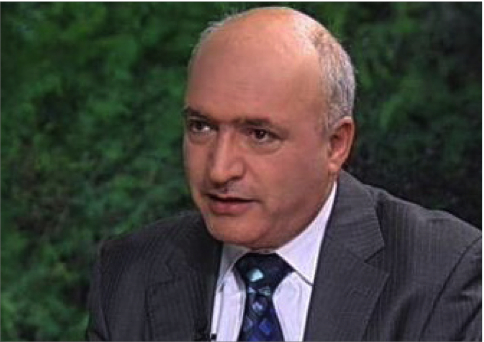
قراءة في كلمة الرئيس بشار الأسد في مشاركته في الاجتماع الدوري لوزارة الأوقاف في سورية


زياد حافظ

See the source image

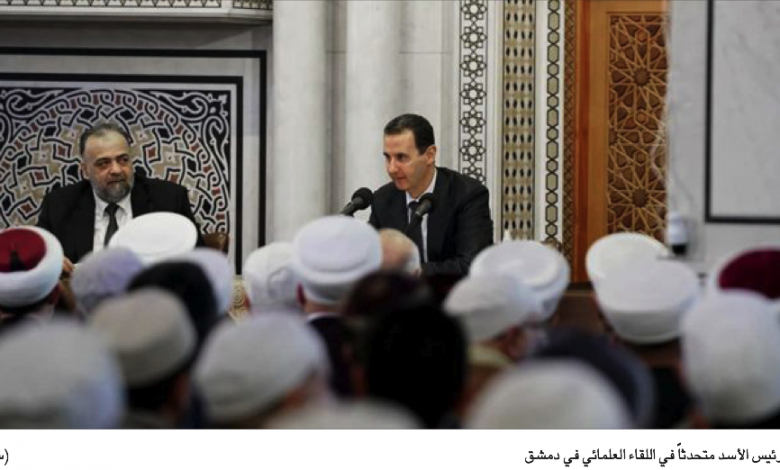
استوقفنا عنوانان في الصفحة الأولى لصحيفة «واشنطن بوست» الأميركية الصادرة في 8 كانون الأول/ ديسمبر 2020: العنوان الأول: «الإنجيليون يسيّرون ترامب ما يعني فشل الدين»، والعنوان الثاني: «شرعنة المخدرات». العنوانان يمثلان الذهنية القائمة في الولايات المتحدة عند النخب وخاصة عند من يسوّق لليبرالية. وهذا الموضوع بالذات تناوله رئيس الجمهورية العربية السورية الدكتور بشار الأسد في كلمته لمجمع العلماء والعالمات (التشديد على العالمات كان من الرئيس السوري) في افتتاحية الاجتماع الدوري لوزارة الأوقاف. لم يكن المقصود الردّ على ما أتت به الصحيفة لأنّ كلامه سبق ما صدر فيها بل لأنه ربط الموقف السياسي بالبعد الثقافي والمجتمعي لما يمثّله الدين بشكل عام والإسلام بشكل خاص والعروبة والعلاقة بينهما واللغة العربية والقضايا المرتبطة بكلّ ذلك في السجالات التي تدور في الفضاء الثقافي. فلماذا نعتبر كلمة الرئيس في غاية الأهمية في هذه الظروف ومن خلال المنصة التي اختارها؟

السبب الأول هو أنه لأول مرّة نشهد مقاربة من شخص يعتلي أعلى موقف في المسؤولية السياسية أيّ الحكم ويقدّم مقاربة حول ترابط العديد من القضايا الثقافية الفكرية بالسلوك الفردي والجماعي وبالسياسة وبشكل دقيق يتجاوز تعداد العناوين العريضة. فالمواضيع التي تناولها الرئيس بشار الأسد تشمل السياسة والثقافة والدين والمجتمع والفكر كما طرح الإشكاليات المتعدّدة وكيف تنعكس على السياسة. ولم يكتف الرئيس بالتوصيف والتشريح بل رسم الخطوط العريضة لمعالجة الإشكاليات التي تكلّم عنها وجميعها تستحق النقاش المعمّق. وبالتالي أن تأتي هذه المقاربة عن مسؤول يعني أنّ القيادة لمشروع عربي نهضوي موجودة في أعلى هرم المسؤولية وأنّ التجدّد الحضاري هو سينتج عن المقاربات التي يقوم بها المجتمع العربي والإسلامي لكافة قضايا العصر. هذه النقطة في رأينا في بالغ الأهمية خاصة وأنّ الأمة مستهدفة بكلّ ما يكوّنها من مجتمع ودولة وثقافة وحضارة وخاصة في ما يتعلّق بالدين واللغة والموروث الحضاري والفكري. فالحروب التي شُنّت على هذه الأمة منذ قرون عديدة ما زالت قائمة ولم تفلح حتى الآن في محو هذه القوّة الذاتية التي تقاوم الاحتلال والاغتراب.

السبب الثاني هو أنّ الكلمة أتت دون قراءة لنصّ ما وبتسلسل ما يدلّ على عمق الاستيعاب لمجمل القضايا الشائكة وبالتالي تسكنه. كما أنّ إشاراته المتعدّدة لوسائل التواصل الاجتماعي وما يدور من سجالات فيها يدلّ على أنه ليس منقطعاً عن واقع المجتمع. بعض القضايا التي عرضها كالهجوم على القرآن الكريم كالوصف بأنه منتوج سرياني هو هجوم موجود في تلك وسائل التواصل الاجتماعي وقد اطّلعنا عليها. وفي هذه الكلمة عبّر الرئيس عن قناعات عميقة يستطيع المرء من خلالها فهم كيفية التفكير وكيفية المقاربة وبالتالي المواقف التي يتخذها. فهي إحدى المفاتيح لقراءة تفكيره ومواقفه والضوابط والخطوط الحمر التي لن يتجاوزها. فالعروبة خط أحمر وليس شعاراً بل ممارسة لهوية جامعة.

السبب الثالث هو أنّ جوهر كلمة الرئيس السوري يجسّد أدبيات التيّار العروبي الواسع والموجود في مخرجات المؤتمر القومي العربي ومنشورات مركز دراسات الوحدة العربية. وهذا ليس مستغرباً أن يكون كذلك الأمر في سورية وقيادتها بل هو أمر طبيعي بينما العكس لن يكون ذلك، أيّ أن يكون على قمة الهرم السياسي في سورية إلاّ من يجسّد الروح العروبية. فهذه هي سورية قلب العروبة النابض والتي استهدفها العدوان الكوني عليها خشية من تلك العروبة. ويأتي كلام الرئيس ليحسم فكرياً وسياسياً جدلاً عبثياً في الفضاء الفكري والسياسي حول العلاقة بين العروبة والإسلام. فالعديد من المثقفين العرب حاولوا في مراحل مختلفة وضع العروبة في وجه الإسلام كما حاولوا تسويق الهويات الفرعية على حساب الهوية الجامعة. فجاء كلام الرئيس السوري ليدحض كلّ ذلك ويعتبر ألّا تناقض بين هوية العائلة والقبيلة والمدينة والمنطقة والإقليم مع الهوية العربية الجامعة لكلّ تلك المكوّنات. وهذا هو متن الخطاب العروبي للمؤتمر القومي العربي ومن يؤمن بالمشروع النهضوي العربي. فهذه العروبة الجامعة تحلّ المشكلة المصطنعة للأقلّيات التي أدخلتها الحقبة الاستعمارية منذ القرن التاسع عشر.

هذه الملاحظات تستدعي التوقف عند النقاط العديدة التي أثارها الرئيس في حديثه إلى مجمع العلماء والعالمات كما شدّد في بداية كلمته. والنقاط العديدة أثيرت في سياق خط بياني واضح. فالحرب التي تخوضها سورية حرب متعدّدة الأوجه منها ما يمسّ بتماسك المجتمع ويضعف صموده. والتماسك المجتمعي مهدّد إذ الهجوم يستهدف مقوّمات ذلك التماسك وهي الهوية من جهة والدين من جهة أخرى والعلاقة بينهما. ومقاربة الرئيس السوري كانت لها عدّة أبعاد بدءاً بالفكر وثم بالسياسة وتداعياتها على قدرة المواجهة وعلى المستقبل. واستند في المقاربة إلى مخزون فكري وفقهي في آن واحد إضافة إلى ربط ذلك بالخيار والموقف السياسي.

لن نستطيع في هذه المقاربة تناول كلّ الأفكار التي أتى بها الرئيس السوري في كلمته لضيق المساحة أولاً ولأنّ العديد منها يستحق مقاربات منفصلة كحديثه عمّا سمّاه بالليبرالية الحديثة مثلاً أو حول أصول اللغة العربية أو حتى دور الإسلام في بلاد الشام. لذلك سنتناول بعضها لما نعتبره من أساسي في فهمنا لكلمته.

في البداية، الخط البياني للكلمة هو تشخيصه لطبيعة المواجهة التي فُرضت على سورية عبر العدوان الكوني عليها. لم يكرّر أسباب العدوان ومن اشترك وما زال في ذلك العدوان لكنه أراد أن يركّز في تشخيصه للمشهد على استهداف المجتمع في سورية. وأحد محاور الاستهداف هو عبر الهجوم على مكوّنات الوعي أيّ الدين واللغة في بعديهما التاريخي والمستقبلي وفي دورهما في تماسك المجتمع. ومن هنا تأتي أهمية المنصة التي اختارها لدحض الكثير من الاتهامات التي وجّهت لبنية الدولة والمجتمع ليس فقط من قبل الخصوم والمتشدّدين الذين استعملوا الدين كوسيلة لأهداف سياسية لا علاقة بالدين بل للذين اعتبروا أنّ الحداثة هي عبر نقض الدين في المجتمع والدولة. والرسالة التي أراد إرسالها هي التكامل بين الدين والدولة عندما تكلّم عن «العلمانية» وبعض المفاهيم المغلوطة التي يتمّ ترويجها وعن إمكانية إخراج الدين من الدولة. فهذا لن يحصل إلاّ إذا تمّ إخراج الدين من المجتمع. وبما أنّ مقاربته للأمور تفيد بأنّ الدين ضرورة لتماسك المجتمع فإنّ ذلك يعني أنه لا يجوز وضع الدين في قفص الاتهام كعائق لتنمية المجتمع لأنه قاعدة أساسية لتماسكه وبقائه. وتشديده على الدور الذي يقوم به مجمع العلماء والعالمات هو لتثبيت تلك العلاقة ودحض أيّ فكرة أنّ الدولة القائمة في سورية هي ضدّ الدين كما يروّج له خصومها أو كما يعتقد البعض من «المتحرّرين» أو «العلمانيين». من جهة أخرى نفى مزاعم جماعات التعصّب والغلو والتوحّش بأنها تمثّل الإسلام. فهذه الجماعات ترتكب الكبائر المحرّمة في الدين وذلك عبر قتلهم للأبرياء والتمسّك بالطقوس على حساب المقاصد. وتشديده على المقاصد كان لافتاً لأنّ ذلك يعكس فهمه للإسلام وتمسّكه به والمختلف عن التفسيرات الضيّقة والحرفية والخارجة عن السياق.

صحيفة «واشنطن بوست» في عنوانها عن «فشل الدين» تنتمي إلى تيّار ليبرالي انتقده الرئيس السوري. استفاض الرئيس في كلمته عمّا سمّاه بـ «الليبرالية الحديثة» التي تهدف إلى سلخ الإنسان عن هويته ليس فقط بالمعنى السياسي أو الثقافي بل أيضاً من هويته الجنسية أو الجندرية كما سمّاها (الجندرية تعريب لكلمة «جندر» الإنكليزية التي تشير إلى جنس المرء من ذكر أو أنثى). وهذا يتنافى مع موروثنا الثقافي والديني. فكيف يمكن للمرء أن «يختار» هويته الجندرية بينما الطبيعة هي التي تقوم بذلك؟

وأوضح أنّ الليبرالية الحديثة تنقض مفهوم مرجعية الجماعة وتريد نقلها إلى مرجعية الفرد ما يسهل نزع الهوية وما تمثّلها. فمرجعية الفرد مدمّرة للمجتمع عبر تدمير الوحدة الأساسية له وهي العائلة ومن ثم القبيلة وأو العشيرة ومن ثم الوطن. كما تدعو تلك الليبرالية إلى تعميم ما هو مناف للأخلاق والصحة العامة كالدعوة لتعميم المخدّرات كما ذكر الرئيس وكما جاء في عنوان آخر في الصحيفة الأميركية، وهي إحدى الأبواق البارزة لليبرالية وتدّعي ذلك بدون خجل. فالدين غير مقبول عند هؤلاء الليبراليين الحديثيين على حدّ قوله خاصة لدوره في المجتمع. في هذا السياق يفتح الرئيس، سواء قصد ذلك أو لم يقصد، باب التفكير بالموروث الثقافي المستورد من الغرب. الرئيس الروسي بوتين انتقد الديمقراطية المستوردة والرئيس السوري انتقد الثقافة المستوردة. ونحن ندعو إلى بناء منظومة معرفية عربية منبثقة عن موروثنا الثقافي مع التمسك بالمخزون العلمي الذي كوّنه العالم عبر القرون.

الهجوم على الدين في المجتمع السوري، واستطراداً في المجتمع العربي أجمع، يأتي عبر كتابات تشكّك في مكوّنات الشرع الإسلامي بدءاً بالقرآن الكريم وثم في الحديث ووصولاً إلى الفقه. وحرص الرئيس السوري أن يربط بين الحالة السورية التي يعتبرها متقدّمة في هذا المجال وبين حالة العالم الإسلامي التي اعتبرها متراجعة، فسورية هي جزء من العالم الإسلامي ولها مكانتها المميّزة تاريخيا، في الماضي، والحاضر، والمستقبل. فهو حريص على الحفاظ على تلك المكانة وهذه هي إحدى مهام مجمع العلماء والعالمات. وفي ما يتعلّق بالقرآن الكريم أشار الرئيس إلى ما يتمّ تداوله في وسائل التواصل الاجتماعي حول «سريانية» القرآن. هذه إحدى الاتهامات وليست الوحيدة ولكن نكتفي بما ذكره الرئيس السوري. والمقصود في «سريانية» القرآن، أنّ القرآن الكريم مؤلّف منقول وليس من كلام الله الذي أوحى به إلى الرسول الأكرم. والتشكيك بالقرآن الكريم هدفه ضرب عصفورين بحجر واحد. الأول هو ضرب أساس الإسلام والثاني ضرب العروبة. صحيح أنّ العروبة موجودة قبل الإسلام ولكن على حدّ قول علماء آسيويين أشار إليهم الرئيس السوري في كلمته أنهم لا يتصوّرون الإسلام خارج العروبة. ونحن نقول إنّ العروبة مفتاح لفهم الإسلام كما أنّ الإسلام مفتاح لاكتشاف العروبة. ولا يغيب عنّا أدبية أحد مؤسّسي حزب البعث الأستاذ ميشال عفلق في محاضرته الشهيرة «في ذكرى الرسول العربي» حيث قال: «فالإسلام هو الهزة الحيوية التي تحرّك كامن القوى في الأمة العربية فتجيش بالحياة الحارة، جارفة سدود التقليد وقيود الاصطلاح. مرجعة اتصالها مرة جديدة بمعاني الكون العميقة، ويأخذها العجب والحماسة فتنشأ تعبّر عن إعجابها وحماستها بألفاظ جديدة وأعمال مجيدة، ولا تعود من نشوتها قادرة على التزام حدودها الذاتية، فتفيض على الأمم الأخرى فكراً وعملاً، وتبلغ هكذا الشمول.»

من هذه الزاوية انتقل إلى الهجوم الآخر على الدين وهو التشكيك باللغة العربية فقدّم مطالعة سريعة حول أصول اللسان العربي وعلاقته بالسريانية والآرامية. ومن جهة أخرى اعتبر الاجتهاد الفقهي إنجازاً مشكوراً للفقهاء الذين قدّموا التفاسير والاجتهادات ولكن كانت مبنية على أرضية معرفية غير التي هي موجودة اليوم. لكنه رفض تقييم تلك الاجتهادات بمعايير الحاضر لبيئات مختلفة في الماضي لما يحمل ذلك من إجحاف بحق الفقهاء الذين قدّموا ما لديهم ضمن ظروفهم. لذلك اعتبر أنّ من مهامّ مجمع العلماء والعالمات الذي يمثل أمامه هو تقديم اجتهادات متماهية مع شؤون العصر دون بالضرورة ترك الموروث الفقهي. نعتقد أنّ هذا موقف في غاية الأهمية ولكنه شائك لأنه يفتح باب عصرنة الفقه في عصر معادي للدين بشكل عام وللإسلام بشكل خاص. فالتمسّك بالموروث الفقهي من تماسك المجتمع المسلم عبر القرون وبالتالي يجب الانتباه والحذر من الشروع في اجتهادات قد تكسر ذلك التماسك. وبالنسبة لنا التماسك هو عنصر استراتيجي في عصر التجزئة والتفتيت. كما يجب الحذر من الوقوع في إنشاء فقه الدولة التي تتغيّر مع الظروف وبالتالي يهدّد بتماسك الفقه والشرع.

كما ذكرنا أعلاه ليس بمقدورنا تفصيل كلّ ما جاء في كلمة الرئيس بشّار الأسد لضيق المساحة ولعمق الإشكاليات التي تتلازم مع الطروحات الفكرية التي ذكرها. من الواضح أنّ أمامنا قائد شاب ولكن مخضرماً وواسع الاطلاع بالتاريخ والثقافة وبأهمية التجدّد الحضاري عبر التمسّك بالهوية الجامعة التي تصون وحدة المجتمع كمرتكز لتحقيق وحدة الأمة. فلا تجدّد في رأينا في ظلّ الضعف ولا قوّة في ظلّ التجزئة. كما أنّ المعركة ليست سياسية فحسب بل مجتمعية وثقافية وحضارية. هذا ما خرجنا به بعد الاستماع للكلمة مع الشعور بالاطمئنان حول مستقبل سورية ومستقبل الأمة العربية.

*كاتب وباحث اقتصادي سياسي

والأمين العام السابق للمؤتمر القومي العربي


River to Sea Uprooted Palestinian   
The views expressed in this article are the sole responsibility of the author and do not necessarily reflect those of the Blog!

Sunday, 13 December 2020

Assad and Islam of the Levant الأسد وإسلام بلاد الشام


الأسد للعلماء: لقيادة المواجهة مع مشروع الليبراليّة دفاعاً عن الهويّة بوجه التفلّت والتطرّف


Photo of الأسد للعلماء: لقيادة المواجهة مع مشروع الليبراليّة دفاعاً عن الهويّة بوجه التفلّت والتطرّف

Syrian President Bashar al-Assad launched from a gathering of scientists in Damascus a call for the renaissance of scientists with the task of leading the confrontation with the liberalism project, which aims to strike the national identity and the ideological depth represented by Islam, together with social and family values, considering that this project aimed at dismantling societies and opening the way to the project of hegemony, This project stands behind both fragmentation, Misrepresentation and extremism, Assad accused French President Emmanuel Macron and Turkish President Recep Erdogan of sharing roles in managing extremist climates to strike the true identity of societies, He called for realising the lack of contradiction between their Islamic affiliation, their national identity and their secular state.


Assad and The Islam of the Levant

Nasser Qandil

–

 When an Islamic reference with the rank and knowledge of Sheikh Maher Hammoud said that when he listened to the speech of President Bashar al-Assad yesterday, in a council of leading scholars in Syria, he was surprised that the level of talk and depth in the issues of jurisprudence, doctrine, Qur’an and interpretation matched the senior scholars, as he was surprised by the clear and deep visions in dealing with issues affecting the Islamic world in deeper matters than politics, this is some of what will be the case for anyone who has been able to hear the flow of President Assad in dealing with matters of great complexity, sensitivity and accuracy, over the course of an hour. He is half-spoken in the sequence of the transition from one title to another, and supports every idea of religious evidence, Qur’anic texts, prophetic hadiths and historical evidence, and he paints the framework of the battle he is fighting intellectually to address decades-old dilemmas known as titles such as secularism, religiosity, Arabism and Islam, moderation and extremism, the task of scholars in interpreting and understanding biography and providing example in the front lines of identity battles, in drawing the paths of social peace, and establishing a system of moral, national and family values.

–

 Assad is crowned by efforts led by great reformers in the Arab and Islamic worlds to address these thorny issues, courageously advancing to this difficult, risky course, taking it upon himself as an Islamic, nationalist and secular thinker, to present a new version of the doctrinal, intellectual and philosophical understanding, seeking To replace imaginary virtual battles with historical reconciliation between lofty concepts and values related to peoples and elites, but divided around them, and fighting, instead of looking for the points of fundamental convergence that begin, as President Al-Assad says, of human nature, divine year and historical year. High values cannot collide, people’s attachment to them cannot be contradictory, and scientists and thinkers must resolve the contradiction when it emerges, and dismantle it. This is the task that Assad is dealing with by diving into the world of jurisprudence, thought and philosophy, and he is putting his hand on a serious intellectual wound, which is his description of the role played by the liberal school based on the destruction and dismantling of all societal structures, and elements of identity, to turn societies into mere individuals racing to live without meaning and controls, closer to the animal instinctive concept, and to the law of the jungle that governs it.

–

The historical role of Islam in the East, its structural and historical overlap with the manufacturing of major transformations, and universal identities, a title that needs the courage of Assad to approach it in terms of adherence to secularism, nationalism, prompts Assad to reveal the danger of realizing those who look to take control of this East of the importance of occupying Islam, as an investment less expensive than occupying the land, and doing its place and more. Whoever occupies Islam and speaks his tongue cuts more than half way to achieve his project, and reveals the danger of Assad realizing this in the heart of the war on Syria as one of the most prominent titles of the war prepared to control Syria, and in parallel the demonstrations of Islam in Syria, elites, scientists and the social environment. of resistance to the projects of intellectual, political and related occupation Seeking to destroy identity, belief, family cohesion, morality and value system, which carried the project of extremism financed and programmed with hundreds of satellite channels to spread strife and sow fear and encourage terrorism, with a neat rotation between the two sides feeding each other, and pushing Syrian scientists in the face of the precious sacrifices of the ranks of scientists, and they played in this confrontation a role that President Assad places as the role of the army on the front sands.

–

 Historically, Syria has been the focal point of the national identity, from which Islam has established its status as a cultural political project, and in front of doctrinal and religious schools divided between Wahhabism and the Muslim Brotherhood led by Saudi Arabia and Turkey, the aspiration for Islam in the Levant has always been to promote the Islam of al-Azhar, and together constitute the historical turning point in the course of the East, in harmony with the understanding of the national identity of society and the secular foundation of the state. In this historic conversation, it is clear that President Assad has taken this important task upon himself as a thinker, not just as head of state.


الأسد للعلماء: لقيادة المواجهة مع مشروع الليبراليّة دفاعاً عن الهويّة بوجه التفلّت والتطرّف

Photo of الأسد للعلماء: لقيادة المواجهة مع مشروع الليبراليّة دفاعاً عن الهويّة بوجه التفلّت والتطرّف

أطلق الرئيس السوري الدكتور بشار الأسد من لقاء علمائي جامع في دمشق الدعوة لنهضة العلماء بمهمة قيادة المواجهة مع مشروع الليبراليّة الذي يستهدف ضرب الهوية القوميّة والعمق العقائديّ الذي يمثله الإسلام، ومعهما القيم الاجتماعية والأسرية، معتبراً أن هذا المشروع الهادف لتفكيك المجتمعات وفتح الطريق لمشروع الهيمنة، هو الذي يقف وراء التفلّت والتطرّف معاً، متهماً الرئيس الفرنسي امانويل ماكرون والرئيس التركي رجب أردوغان بتقاسم الأدوار في إدارة مناخات التطرّف لضرب الهوية الحقيقيّة للمجتمعات التي دعاها الأسد الى إدراك عدم التناقض بين انتمائها الإسلاميّ وهويتها القوميّة ودولتها العلمانيّة.

–

الأسد وإسلام بلاد الشام

ناصر قنديل

–

 عندما يقول مرجع إسلامي بمرتبة وعلم الشيخ ماهر حمود أنه عندما استمع الى حديث الرئيس بشار الأسد أول أمس، في مجلس ضمّ كبار العلماء في سورية، فوجئ بأن مستوى الحديث وعمقه في قضايا الفقه والعقيدة والقرآن والتفسير يُضاهي كبار العلماء، كما فوجئ بالرؤى الواضحة والعميقة في تناول القضايا التي تطال العالم الإسلامي في شؤون أعمق من السياسة، فهذا بعض ما سيقع عليه كل مَن أتيح له سماع تدفّق الرئيس الأسد في تناول شؤون شديدة التعقيد والحساسية والدقة، على مدى ساعة ونصف متحدثاً بتسلسل الانتقال من عنوان الى آخر، وتدعيم كل فكرة بالشواهد الدينيّة والنصوص القرآنية والأحاديث النبوية والشواهد التاريخية، وهو يرسم إطار المعركة التي يخوضها فكرياً لمعالجة معضلات عمرها عقود طويلة عرفت بعناوين، مثل العلمانية والتديُّن، والعروبة والإسلام، والاعتدال والتطرف، ومهمة العلماء في التفسير وفهم السيرة وتقديم المثال في الخطوط الأماميّة لمعارك الهوية، وفي رسم مسارات السلم الاجتماعي، وإرساء منظومة القيم الأخلاقية والوطنية والأسرية.

–

 يتوّج الأسد مساعي قادها إصلاحيّون كبار في العالمين العربي والإسلامي لتناول هذه القضايا الشائكة، متقدماً بشجاعة لخوض هذا المسلك الوعر، والمحفوف بالمخاطر فيأخذ على عاتقه كمفكر إسلاميّ وقوميّ وعلمانيّ، تقديم نسخة جديدة من الفهم الفقهيّ والفكريّ والفلسفيّ، تسعى لاستبدال المعارك الافتراضيّة الوهميّة بمصالحة تاريخية بين مفاهيم وقيم سامية تتعلق بها الشعوب والنخب، لكنها تنقسم حولها، وتتقاتل، بدلاً من أن تبحث عن نقاط التلاقي الجوهري التي تنطلق كما يقول الرئيس الأسد من الفطرة البشريّة، والسنة الإلهيّة والسنة التاريخيّة. فالقيم السامية لا يمكن لها أن تتصادم، وتعلّق الشعوب بها لا يمكن أن يأتي متناقضاً، وعلى العلماء والمفكرين حل التناقض عندما يظهر، وتفكيكه. وهذه هي المهمة التي يتصدّى لها الأسد بالغوص في عالم الفقه والفكر والفلسفة، وهو يضع يده على جرح فكري خطير يتمثل بتوصيفه للدور الذي تقوم به المدرسة الليبرالية القائمة على تدمير وتفكيك كل البنى المجتمعية، وعناصر الهوية، لتحويل المجتمعات الى مجرد أفراد يتسابقون على عيش بلا معنى ولا ضوابط، أقرب للمفهوم الحيوانيّ الغرائزيّ، ولشريعة الغاب التي تحكمه.

–

 الدور التاريخيّ للإسلام في الشرق، وتداخله التركيبي والتاريخي مع صناعة التحوّلات الكبرى، والهويات الجامعة، عنوان يحتاج الى شجاعة الأسد لمقاربته من منطلق التمسك بالعلمانيّة، والقوميّة، يدفع الأسد للكشف عن خطورة إدراك الذين يتطلعون لوضع اليد على هذا الشرق لأهميّة احتلال الإسلام، كاستثمار أقل كلفة من احتلال الأرض، ويقوم مقامها وأكثر. فمن يحتلّ الإسلام ويلبس لبوسه وينطق بلسانه يقطع أكثر من نصف الطريق لتحقيق مشروعه، ويكشف الأسد خطورة إدراكه لهذا الأمر في قلب الحرب على سورية كواحد من أبرز العناوين للحرب التي أعدّت للسيطرة على سورية، وبالتوازي ما أظهره الإسلام في سورية، من النخب والعلماء والبيئة الاجتماعية من قدرة مقاومة لمشاريع الاحتلال الفكري، والسياسي، وما يتصل بها من سعي لتدمير الهوية والعقيدة والترابط الأسري والأخلاق ومنظومة القيم، وهو ما حمله مشروع التطرّف المموّل والمبرمج بمئات الفضائيّات لبثّ الفتن وزرع الخوف والتشجيع على الإرهاب، بتناوب متقن بين طرفَيْه يغذي أحدهما الآخر، ودفع علماء سورية في مواجهته تضحيات غالية من صفوف العلماء، وأدوا في هذه المواجهة دوراً يضعه الرئيس الأسد بمصاف دور الجيش على الجبهات.

–

 تاريخياً، كانت سورية هي نقطة الارتكاز التي تأسست عليها الهويّة القوميّة، والتي امتلك منها الإسلام صفته كمشروع سايسيّ حضاريّ، وأمام مدارس فقهيّة ودينيّة تتوزّع بين الوهابية والأخوان المسلمين بقيادة سعودية وتركية، كان التطلع دائماً لإسلام بلاد الشام ليستنهض معه إسلام الأزهر، ويشكلان معاً نقطة التحول التاريخية في مسار الشرق، بالتناغم مع فهم الهوية القوميّة للمجتمع، والأساس العلماني للدولة. وفي هذا الحديث التاريخي، يبدو بوضوح أن الرئيس الأسد قد أخذ هذه المهمة الجليلة على عاتقه كمفكّر، وليس فقط كرئيس للدولة.


فيديوات متعلقة

–


River to Sea Uprooted Palestinian   
The views expressed in this article are the sole responsibility of the author and do not necessarily reflect those of the Blog!

Monday, 2 November 2020

ماكرون إعتذِر وتعهّد بعدم تكرار خطئك الذي لا يُغتفر

المحامي معن الأسعد

لم تكن ردود الفعل من العالمين الإسلامي والعربي، على المواقف التي أطلقها الرئيس الفرنسي إيمانويل ماكرون، وأساء فيها إلى نبي الرحمة وأهان الإسلام، واتهمه بأنه يعيش في أزمات، بالمستوى الردعي الذي يستحقه، ويكشف زيفه وادّعاءه ومغالطاته، ويفضح جهله بالإسلام كعقيدة ورسالة سماوية إنسانية كغيرها من الأديان والرسالات التي تدعو إلى المحبة والتسامح والسلام، والحق والفضيلة، وتتصدّى للإرهاب أياً كان مصدره ومرتكبه وهويته «ومن قتل نفساً بغير حقّ كأنه قتل الناس جميعاً» هذا هو الإسلام.

إنّ الرئيس ماكرون يجب ان يعلم وأعتقد أنه يعلم، إلا إذا كان يريد تجهيل نفسه، أنّ الإرهاب لا دين له ولا طائفة ولا هوية، ونذكّره وهو حكماً يتذكّر ماذا فعلت دولته التي استعمرت دولاً بشعوبها وخيراتها في أفريقيا، في الجزائر وتونس ولبنان وغيرها، وكيف حكمتها بالحديد والنار والاعتقال والقمع والتجويع ومصادرة الممتلكات، يعني أنها مارست الإرهاب المكشوف والمقنّع.

نذكّره، ونسأله، أليست فرنسا وأميركا وأوروبا وبعض العرب هم من اخترعوا «داعش» والحركات الإرهابية المتطرفة، ودعموها سياسياً ومالياً وعسكرياً؟ هل يتذكّر الرئيس الفرنسي عندما أطلق وحلفاؤه، على الإرهابيين القتلة، لقب «مقاتلي حرية» (freedom fighters).

ألستم من موّل وسلّح ودعَم الإرهابيين، ونقلهم إلى بلادنا لقتال الدول التي رفضت الانصياع والخضوع لمشاريعكم ومخططاتكم المشبوهة إرضاء وخدمة للكيان الصهيوني الغاصب؟

ألستم أنتم من فتحتم الطريق أمام الإرهابيين تحت أيّ مسمّى كانوا ليرتكبوا المجازر ويقطعوا الرؤوس ويجزّوا الرقاب ويغتصبوا النساء، في أفظع ما تعرّضت له البشرية في العصر الحديث؟ أليسوا هم بغطاء منكم وحمايتكم قتل الإرهابيون مئات الألوف من الشعوب العربية والإسلامية البريئة، ويتّموا أولادهم وشرّدوهم في البراري في ظروف اجتماعية وإنسانية ومعيشية وصحية ومناخية أودت بعشرات الالوف منهم؟ ألستم من ساعد الإرهابيّين على تدمير بلادنا وتهجير شعوبها وتحطيم وسرقة تراثها وآثارها وطمس حضارتها التي كانت الشاهد على زيف حضارتكم؟

إنّ الذين ينحرون ويقطعون الرقاب في بلدكم فرنسا، هم من صناعتكم، وقد عادوا إلى بلادكم بعد أن أمعنوا إرهاباً وقتلاً وتدميراً وخراباً في بلادنا، يعني بكلّ بساطة بضاعتكم عادت إليكم، بعد أن نفذوا إرهابهم في العراق وسورية ولبنان واليمن.

إعتذر أيها الرئيس الفرنسي ممّن أسأت إلى دينهم ونبيّهم وقيَمهم الرسالية والإنسانية، وتعهّد بعدم تكرار ما ارتكبته من خطأ فاضح لا يغتفر…

ـــــــــــــــــــــــــــــــــــــــــــــــــــــــــــــــــــــــــــــــــــ

أمين عام التيار الأسعدي


River to Sea Uprooted Palestinian   
The views expressed in this article are the sole responsibility of the author and do not necessarily reflect those of the Blog!

Thursday, 15 October 2020

A Delegated System of Governance: Understanding the Concepts of Imamat and Wilayat in Shi’a Islam, Part II

A Delegated System of Governance: Understanding the Concepts of Imamat and Wilayat in Shi’a Islam, Part II

October 13, 2020

by Mansoureh Tajik for the Saker Blog

 “In the Name of God, the Most Gracious, the Most Merciful.

In Part I of this topic (See here), the inception of the Islamic Republic of Iran under the leadership of Imam Khomeini was referenced as a specific example of a system in governance based on Imamat and Wilayat as interpreted, implemented, and practiced in Shi’a Islam. Iran was a nation pegged and primed to become a model for a fully secularized, westernized, and liberalized society in a Muslim majority land. This was a nation endowed with lucrative material wealth and natural resources, several millennia of civilization, culture, and written history but headed by a darling pro-Western puppet regime brought about through series of costly overt and covert schemes and operations.

As well it was stated in the article that the inception of this system was to bring the Word of God into the governance of people exactly when supercilious Western elites, that is, the sorts of elites who have this delusion that history begins and ends with them, were gleefully celebrating an envisioned modern Atlantis in which the Word of God has no place in its systems of governance. Still, the Islamic Republic of Iran happened. Not only did the Islamic Republic of Iran happen, it became a significant, enduring, and dynamic force to reckon with despite all options on and under the table that were thrown at it. Talk about the showing of a heavenly middle phalange. Metaphorically speaking, of course.

Before attending to the next segment, I would like to address here a question posed in the comment section of the part I of the essay since the response to that helps with specific points in the overall argument of the essays. “daniel” on October 02, 2020  ·  at 4:46 am EST/EDT wrote:

“99.25% of the participants voted “yes” to an Islamic Republic system of government in Iran[1] replacing a system of monarchy based on an inherited position transfer from a king to his eldest son.”

Was the Iran 1979 referendum (results shown above) a once off thing & considered binding for life or was it set up as a recurring probing exercise which follows some regular interval, say a 50 years cycle?

Until 1979, any major movement, like the Constitutional Movement of 1906 or any systematic mechanism that could have legitimately and authentically admitted the will of the people into the system of governance had often been violently suppressed. I addressed some of that in another essay last year titled “Willfully and Consciously Demonizing Shia: the Leadership of the Pious.” Please see here.

The revolution of 1979 happened because for hundreds of years almost all major and minor movements to reform the system of governance according to authentic desires and will of the people of Iran had failed. The referendum in 1979 was the first and the ONLY straight forward mechanism at that time to get the voices of the people heard, clearly documented, and actualized. After some revisions to the constitution 10 years later, another nationwide referendum was held and 97.38% of the participants approved the revised version of the constitution. Furthermore, through direct election of their representatives into Majlis Shoraye Islami (an assembly of 290 seats) and Majlis Khobregah Rahbari, the Assembly of Experts for Leadership (consisting of 88 seats), the people of Iran could make decisions about the constitution and the Wali Faqih, respectively.

When there are already appropriate, effective, and functioning venues and mechanisms in place, the need for a referendum becomes null and void unless either all of those systems become so corrupt and dysfunctional that the will of the people can no longer be genuinely manifested, or the issue in question is so novel that the approval of which does not fall within the realm of the established mechanisms and requires a nationwide referendum. So far, we have had neither of those situations occurring in Iran.

I would like to add a comment that I thought the answer provided by another commenter “arash” a good use of the instrument of jadal—a form of argument when one uses already accepted conventions of the opponent as proof and/or refutation of one’s own argument. Although I think “daniel” may have asked the question out of sincere curiosity, I do understand the sensitivity of the question and what may have prompted that response. A repeated ad nauseam favorite false statement by the Zionist West, Inc. has often been that a democratic referendum can work in a Muslim land only once: to bring about an Islamic State into power (often referencing Egypt and Muslim Brotherhood experience of 1950s as example); then it is stopped for good. Nevertheless, we are glad that the democratic processes work so very well and in an exemplary manner at least in the US, France, UK, and elsewhere in the West. Electoral College Votes. Two Party Systems. AIPAC. Industry Lobbies. Yellow Vests. Brexit. Arbitrary Lockdowns…

People. Glass Houses. Stones.

Now, in continuing with our topic in this follow-up essay, we start with defining the terms and concepts related to the topic of wilayat and Imamat. The term wilayat is derived from tri-literal root word “wāw lām yā,” literally meaning “something that comes very closely on the heels of another of a similar essence without distance and separation between the two.”[1] Depending on the context, the word wali could take different (but related) meanings. Prominent among the meanings are guardian, protector, friend, ally, encouraging, aiding, assisting, heeding, following, parent, and offspring.[2] The common denominator and implicit in all these meanings of wali and its derivatives are two conjectures: 1) a spiritual and devotional nearness, intimacy, and companionship; 2) a reciprocal and mutual relationship both in theory and in practice.

Generally speaking, anyone and anything can become anyone’s wali and/or one can choose him/her/it as his wali, be it an informal choice and/or a formal declaration though laws and conventions. If you want to know who your wali is, you must take an inventory of who and what your closest allies, companions, influencers, friends, masters, and followers are and how you spend most of your time. While at it, you should examine what credentials those awlia (plural form of wali) have, where they are leading you, what the final destination and ultimate consequence of the path in which you are following that wali are. Let’s make the meaning of the term more palpable and empirical.

An alcoholic has chosen alcohol and its colleagues –that is, anything and anyone connected to it by way of selling, serving, producing, distributing, and more – as his awlia. He spends part of his time chasing after getting that alcohol and the remainder of his time following where that alcohol takes him (in mind, body, and soul). Obedient to his wali to the bone. Ditto with a drug addict, sex addict, food addict, fame addict, internet addict, and you name it. For capitalists, capital et al. are their awlia. For Satan worshippers, Satan is their wali. They chase to find it and they follow where it leads, a downward spiral to be sure. For some Trump and his handlers are their wali/awlia; for others Biden and his handlers are their wali/awlia. Some choose Muhammad bin Salman as their wali, and some do the same with Abul Fattah el-Sisi. Sultan Erdogan Jr. is wali to some and Netanyahu is wali to others. Zionism, imperialism, globalism, and more are all awlia to this, that, and the other. For some, their ego is their wali and for some others their wants, lusts, ambitions and greed.

A troupe of wretched examples to be sure. The reality of our world is such that hopeless examples of wali far exceed the worthy and upright ones. As Molana Jalal-iddin Muhammad (Molavi) in Mathnavi reminds us: رشته ای بر گردنم افکنده دوست — می کشد هر جا که خاطرخواه اوست“A bridle around my neck placed by the beloved – Taking me place to place wherever s/he desires.” So, it behooves us to choose wisely that/s/he which/who we choose as our wali. Generally speaking, that is.

More specifically, however, about the term wali (and its plural form awlia), Quran issues certain caveats. There is a verse in Quran (2:255) called Ayatul Kursi which is memorized and often recited by Muslims with the two verses that follow it, verse 256 and verse 257.[3] The trio offer many blessings and bounties for those who recite them regularly. So, they are quite well-known among those who are blessed enough to have chosen Quran as their regular companion. All three verses and their translations are in the reference sections. Here, however, I would like to restate first Verse 257 in which the word Wali with a specific meaning of Protecting Guardian and its plural form awlia meaning guardians are used:

 “Allah is Wali [Protecting Guardian] of those who have believed. He brings them out of the darkness(es) toward the light. And those who disbelieved, their awlia [guardians] are the Taghut [transgressing oppressor and evildoers] who bring them out of the light toward the darkness(es). Those are the companions of the fire and they abide therein forever.”

Thus there is only One True Wali for humanity and that is God, the Protecting Guardian. If a person or a collective (an Ummah) chooses anyone and anything other than God as his/her/their guardians, then they are eventually led into nothing but all sorts of darkness: Oppression, misery, ignorance, transgression and more. The choice is clear: Choose One True Wali, or become slaves to many masters and false gods and their self-serving impulses. If a nation does not choose God as One True Wali, it appears that any good-for-nothing two-bit jerk with some capital, fire power, and conniving skills would dare to imagine himself as qualified to be their master and make decision for them. I am just saying.

Logic, reason, wisdom, common sense, and intelligence all dictate that we, as individuals and/or as collectives choose the best and the most qualified for guardianship, administration, and caretaking of our affairs according to our beliefs and ideals. And nobody is putting a gun/sword over anyone’s head to choose God as their Wali.

I can see an explosion of fiery questions in so many minds. Wasn’t Islam spread by sword?! Didn’t Allah-fearing Muslims attack nations and forced people to convert to Islam or get decapitated?! Does the word Daesh/ISIS mean anything?! I am very grateful that you are asking all these questions, notwithstanding the questionable assumptions. The key to answering all these questions is following all the intricate details that one way or another link to the concept of wali and use concrete and true examples to distinguish true from false, which by the end of these essays we will have done, Inshallah.

Verse 256 of Chapter 2 (Baqarah) that we mentioned above states that:

“There is no compulsion in the religion. Certainly a distinction has been clearly made between the right and the wrong. Therefore, whoever disbelieves in false idols/evildoing transgressors and believes in Allah, then certainly he has grasped onto a robust anchor that will not break. And Allah is All-Hearing and All-Knowing.”

Since there is no (read, must not be any) compulsion in this religion and the distinction between right and wrong has been clearly made, our job is to first reject all false awlia and then accept One True Wali. If we do not, our punishment/the consequence is to fall into dizzying vortices of fear and regret. If we succeed in doing this though, then we have grasped onto a “robust anchor”—an unbreakable, firm, unwavering, and lasting chain and handhold. Again, the choice is clear and is ours.

Now, we need to follow up on two clues: 1) How God as Wali translates into the concept of wilayat of a person, which means guardianship, stewardship, caretaking, safekeeping, and supervision by other than God; 2) What/who the bands in the unbreakable chain of “robust anchor” are.

As Muslims, we believe the Almighty God has absolute Wilayat, the Absolute Protecting Guardianship, of all creation, including the human beings. This Wilayat takes two inter-linked and inter-related types of laws that govern us (humans) and the world in which we live. One form relates to the laws of Taqwin, or the innate laws of nature. Everyone and everything from a speck of dust to electrons to multi-cellular complex beings to the universe at large submits to, or is a Muslim to, these laws of Taqwin.

We are able to study the chemistry of water because the electrons, the protons, the neutrons, the atoms, the molecules, the hydrogen bonds, and every drop of water, every stream, river, lake, and ocean all faithfully submit to the laws of Taqwin. Because there is a law, we can learn from the repeated patterns made possible by that law and try to manipulate observable things around us. It does not really matter if someone believes in God or s/he is an agnostic or an atheist. Every ounce of his/her existence submits, or is a Muslim to the laws of Taqwin set by God, the Creator. When we study biology, anatomy and physiology, biochemistry, parasitology, microbiology, immunology, virology, ecology, and whatever else, we are in fact trying to understand the laws of Taqwin regardless of whether we fully understand or willingly admit this fact or not.

Most of these laws could be observed, learned, experimented with, and from them countless lessons could be drawn. God’s Wilayat in Taqwin is Absolute. That we can manipulate a gene, for example, it does not mean that somehow we have gained some sort of a veto power to overwrite the laws of Taqwin. It only means the laws of Taqwin that govern the genes offer a level of flexibility to be “interpreted,” to a certain point, in practice. So, those “scientists” with a tiny bit of knowledge but huge propensity for arrogance should exercise caution not to get too cocky since they do not really know when their arrogance might just force them to nosedive into abyss. Wilayat over Taqwin is not our topic of discussion here, so we leave it be.

The other form of God’s Wilayat relate to the laws of Tashri’e. These are laws that are sent to people by God through His great Messengers and Prophets (May peace be upon them all) to guide humanity in this life and prepare/educate/equip them with the appropriate knowledge and skill for the Hereafter. The first prophet, we are taught by Quran, was Adam (peace be upon him) and the last one was Prophet Muhammad. However, great prophets of God were not merely some post office employees given a piece of mail to deliver. They were also given the responsibility and mandate to govern the societies of believers in accordance to the laws set by God Almighty. In other words, they were delegated by God to govern; an authorized or deputized Wilayat. In this regard then a prophet is Wali of God, and all prophets are Awlia of God, Awlia-Allah.

Why? Because the one who knows and understands the laws best, the one who has been trained and assisted by the Law Maker the best, the one who is the most truthful, honest, trustworthy, pious, and pure and behaves most authentically in accordance with the laws of God and obeys him in heart, body, mind, and soul is the best qualified person to govern the believers of God based on His laws. It is not an unreasonable and illogical concept that would be hard to grasp. It is rather simple.

Is it stated in Quran that the prophets of God have guardianship over the believers’ affairs? Yes. A few examples are helpful. During the time of Prophet Abraham (peace be upon him), he had the legitimate Wilayat and guardianship to govern and lead the society of the believers. During the time of Prophet Moses (peace be upon him), he had the legitimate Wilayat and guardianship to govern and arbitrate the affairs of the believers. Likewise with Prophet Isa Son of Maryam (peace be upon him), Prophet David (peace be upon him), Prophet Issac (peace be upon him), Prophet Muhammad  and all other prophets of God. Relevant verses abound in Quran but here are a few examples:

In Chapter 4 (Nisaa), Verse 64:1-8, it is stated: “And We did not send any Messengers except for them to be obeyed by Permission from God.”

Chapter 4, Verse 59:1-10 reads: “O you who believe! Obey Allah and obey the Messenger and those among you who have the guardianship of your affairs.”

Chapter 26 (Shu’ara), Verses 105-110: “The people of Noah denied the Messengers. When their brother Noah said to them, ‘Will you not fear God? Indeed, I am a trustworthy Messenger to you. Therefore, fear God and obey me. And I do not ask of you any payment for it. My payment is not but from the Lord of the Worlds. So, fear God and obey me.”

Chapter 26, Verses 142-145: “When said to them their brother Saleh, ‘Will you not fear God? Indeed, I am to you a trustworthy Messenger. So, fear God and obey me. And I do not ask of you any payment for it. My payment is not but from the Lord of the Worlds.”

Chapter 26, Verses 160-164: “People of Lut denied the Messengers. When said to them their brother Lut, ‘Will you not fear God? Indeed, I am to you a trustworthy Messenger. So, fear God and obey me. And I do not ask of you any payment for it. My payment is not but from the Lord of the Worlds.”

Therefore, this guardianship, this delegated (by God) system of governance is entrusted to Prophets who are trustworthy and get their wages/salary directly from God. They are not there to fill their pockets, accumulate wealth, and fulfill their lofty desires at the expense of people and under the guise of governing them. They have primacy over any other person for that position.

These are all Prophets of God and we are saying that Prophet Muhmmad was the last of the Prophets. Then, what happened after him? Was the world left without a Wali? Were people and the believers left on their own to find someone, anyone, to govern their affairs? Was there any criterion? Did the Prophet leave the people stranded to fight and divide? Would that even be a responsible and wise thing to do?

It is quite evident that we Shi’a Muslims believe that Wilayat did not end with the Prophet and the guardianship of the society of the believers, the Muslim Ummah, had a clear path to take. This brings us to the next phase of the essay in which we explore the term Imamat and how a major division occurred as soon as the Prophet passed away. We are entering into a very complex territory and a minefield and, with God’s Help, I will need to do some major mine neutralization. So, stay tuned, please.

References

[1] Jafari MR & Haeri SH (1390). “An Inquiry into the meaning of the term Wali.” Quarterly Special in Imamat Research, No. 1, Imamat Cultural Foundation, Spring 1390.

[2] Norasideh AA, Feyzullah-Zadeh AA, and Mastery Farahani J (1391). “Semantics of the term ‘Wali’ in Al-Quran Al-Karim.” Arabic Literature Bulletin,No. 7 (6/65), Pages 151-168. Shahid Beheshti University, College of Literature and Social Sciences.

[3] Holy Quran, Chapter 2 (Al-Baqara), Verses 255-257:

اللّهُ لاَ إِلَهَ إِلاَّ هُوَ الْحَیُّ الْقَیُّومُ لاَ تَأْخُذُهُ سِنَهٌ وَ لاَ نَوْمٌ لَّهُ مَا فِی السَّمَاوَاتِ وَمَا فِی الأَرْضِ مَن ذَا الَّذِی یَشْفَعُ عِنْدَهُ إِلاَّ بِإِذْنِهِ یَعْلَمُ مَا بَیْنَ أَیْدِیهِمْ وَمَا خَلْفَهُمْ وَ لاَ یُحِیطُونَ بِشَیْءٍ مِّنْ عِلْمِهِ إِلاَّ بِمَا شَاء وَسِعَ کُرْسِیُّهُ السَّمَاوَاتِ وَ الأَرْضَ وَ لاَ یَۆُودُهُ حِفْظُهُمَا وَ هُوَ الْعَلِیُّ الْعَظِیمُ (255)

“Allah is One, there is no God but Him, the Ever existing, the Sustainer of all that exists. It does not overtake Him either slumber or sleep. To Him belongs all there is in the heavens and whatever on the earth. Who is the one who can intercede with Him except with His permission? He knows what is before them and what is behind them. And they will not encompass anything of His knowledge except that which He Wills. His dominance extends to all the heavens and the earth. And it will not tire Him the guardianship of them both.”

لاَ إِکْرَاهَ فِی الدِّینِ قَد تَّبَیَّنَ الرُّشْدُ مِنَ الْغَیِّ فَمَنْ یَکْفُرْ بِالطَّاغُوتِ وَ یُۆْمِن بِاللّهِ فَقَدِ اسْتَمْسَکَ بِالْعُرْوَهِ الْوُثْقَیَ لاَ انفِصَامَ لَهَا وَاللّهُ سَمِیعٌ عَلِیمٌ (256)

“There is no compulsion in the religion. Certainly a distinction has been clearly made between the right and the wrong. Therefore, whoever disbelieves the false idols/evildoing transgressors and believes in Allah, then certainly he has grasped onto a robust anchor that is unbreakable. And Allah is All-Hearing and All-Knowing.”

اللّهُ وَلِیُّ الَّذِینَ آمَنُواْ یُخْرِجُهُم مِّنَ الظُّلُمَاتِ إِلَی النُّوُرِ وَالَّذِینَ کَفَرُواْ أَوْلِیَآۆُهُمُ الطَّاغُوتُ یُخْرِجُونَهُم مِّنَ النُّورِ إِلَی الظُّلُمَاتِ أُوْلَئِکَ أَصْحَابُ النَّارِ هُمْ فِیهَا خَالِدُونَ (257)

“Allah is Wali [Protecting Guardian] of those who have believed. He brings them out of the darkness(es) toward the light. And those who disbelieved, their awlia [guardians] are the Taghut [transgressing oppressor and evildoers] who bring them out of the light toward the darkness(es). Those are the companions of the fire and they abide therein forever.”


River to Sea Uprooted Palestinian   
The views expressed in this article are the sole responsibility of the author and do not necessarily reflect those of the Blog!

Sunday, 4 October 2020

Understanding the Concepts of Imamat and Wilayat in Shi’a Islam: Iranian Revolution and Constitution, Part I

Understanding the Concepts of Imamat and Wilayat in Shi’a Islam: Iranian Revolution and Constitution, Part I

October 01, 2020

by Mansoureh Tajik for the Saker Blog

Bismillah-ir-Rahman-ir-Rahim, “In the Name of God, the Most Gracious, the Most Merciful.

Who is qualified to be in the position of governing and based on what rules are two of the most essential questions with which human societies continue to wrestle. We are currently witnessing at the global stage how the fate and wellbeing of nations are tightly linked to the quality of, or lack thereof, the people in charge of their affairs and the quality of the rules with which they are governed. There is now multitude of nations and leaderships globally that operate based on many ideological shades and hues. From among them, one could choose a few systems to dissect, compare, and contrast to have a sober understanding of which system could offer the wisest framework for a given nation, why, and how. Here, I will focus on one specific form within Shi’a Islam frame of reference, that of Imamat with its extension Wilayat Faqih.

Admirers of secular and other non-secular persuasions could have their own picks and explain their version of things. While they are at it, they could also explain how theirs is working out for them but we request that they do so with intellectual honesty and solid evidence.

Happily, time is almost up for two specific groups of people who have actually been enablers of one another’s dysfunctions, true colleagues, if you will: 1) Religious hypocrites who have duplicitously used religion as a shield to further their selfish lusts and corrupt ways. 2) Non-believing seculars who have made misuse of religion by the first group a scapegoat for their ignorance, arrogance, and incompetence. They are in fact two blades of the same scissors, a match made in hell.

A genuinely interested and intellectually honest and fair person nowadays could examine all evidence about particular leaderships and nations that claim a given religion or ideology as their frame of reference and distinguish the real from the fake. Quite a few rulers around the world, for example, claim Islam as their frame of reference—let’s say, like Iran or Turkey or Saudi Arabia or Egypt or Pakistan or any other— but an impartial thinker could examine all the evidence and reach a reasonable conclusion that these nations have decidedly different systems of words and deeds even though they all claim Islam as the overarching framework. When, for instance, Ayatullah Khamenei of Iran speaks about which direction Iran and the Iranians should be, would be, and are taking, a diligent truth seeker has enough tangible, measurable, and truthful evidence to determine that this man is speaking and behaving as an honest, forthright, and God-fearing leader. In contrast, when the Sultan Al-junior Rajab Tayyib Erdogan of Turkey speaks of Islam, Muslims, and Quran, a fair person can clearly conclude based on real and tangible evidence that s/he is witnessing an Effendi Charlatan in operation.

Questions (be they real, cynical, or rhetorical) forming in the mind of those without real familiarity with Quran and Islam might include the followings: If Islam as a religion and Quran as a Book of God have qualities that they could produce such contrary products and opposite leaderships as a wise leader like Ayatullah Khamenei and a weasel like Sultan Erdogan Junior, then what good is such religion and of what use is such Book?! Random and lottery picking could have a 50/50 chance of either of the two outcomes, too. So, why bother with God, Islam, the religion, and the Book?

These are rational questions and I am glad that some are asking them, albeit with their inner voices. The short answer to these questions is that the two are not both products of the same religion and Book. They are the products of the degree to which they stay on or astray from the Right Path as set by this religion and this Book. The Leader is an example of someone who is genuinely striving to be on the Right Path to the best of his abilities. The weasel is an example of someone who has willfully deviated from the Right Path in deeds but is pretending to be on it in his ramblings. The long answer and evidence and documents supporting it constitute the core of these writings.

For the sake of transparency and for those who may be new to my essays, I must state once again that I am a Shi’a Muslim Twelve-Imami and a believer in Wilayat Faqih, the current system of governance in Iran. An important task before me here as I see it, is not to get anyone to accept or approve of this system of Imamat and Wilayat Faqih. Rather, I hope to provide enough and clearly enough explanations and examples to disentangle and clarify complex and at times decidedly contentious historical and religious facts and concepts in order to correctly convey the wisdom and the reasoning behind this particular system of leadership and governance to those who are interested and/or have an intellectual curiosity about the subject.

I am certain I cannot pack into one moderately-sized essay everything I ought to say to do a decent job of explaining without making this difficult article so lengthy that by the time people reach the middle, they will have already forgotten the beginning. Therefore, in as much a synopsis form as possible, I will Inshallah explain in this and most likely one or two follow-up essays how a delegated system of governance by God based on God’s rules as revealed in Quran and interpreted by scholars of Shi’a Twelve-Imami has worked both in theory and in practice. We shall see. I will also use historical examples from Islam and Iran in addition to relevant concepts to make the text less abstract and more comprehensible. We shall see as well how things have been working out for us the non-seculars specifically the Shi’a Muslims under Imamat and Wilayat Faqih, as operationalized in the Islamic Republic of Iran. It is not going to be an easy ride. So, do please bear with me and the essays.

“Islamic Republic, Not a Word More, Not a Word Less”

Fifty days after the victory of the Iranian Revolution in 1979, through a nation-wide referendum in which 98 percent of eligible voters participated, 99.25% of the participants voted “yes” to an Islamic Republic system of government in Iran[1] replacing a system of monarchy based on an inherited position transfer from a king to his eldest son.

The ballots were worded rather simply (See the image below): “The change from previous regime to Islamic Republic the constitution of which will be put to the nation’s vote for approval.” The “Yes” ballots were in crimson text on a green background. The “No” ballots were in red lettering on a beige background.

No gimmicks. No play on words. No deceptive tactics. It was on persistent urging of Imam Ruhullah Khomeini the referendum was held in the first place. Many were insisting that he, as the uncontested Leader of the Revolution, should just make a public announce about the change in Iran’s political system since the majority in the population was wholeheartedly supporting him anyway. Why mess with a referendum?

Imam Khomeini begged to differ. He insisted on a real tangible and measurable participation by the people of Iran. The people of Iran must put their choice into writing. A choice in which there is obligation and responsibility for their life on earth and for the Hereafter. Their decision had to be clearly documented and witnessed by themselves first and foremost, by the world at large, by the future generations, and above all, by God. A majority “yes” vote in this context could be thought of as a written Bey’at, or a written covenant of allegiance, to the very principles of Islam as the overarching framework of governance. The governed does not just consent. The governed enters into a contract to never desert the scene and to remain ever-vigilant and ever-present at war or at peace or wherever the battle is. For the past 40+ years, majority of the Iranian people, by Grace of God Almighty, have been in the scene.

It is useful to go into a bit more details about the events surrounding the referendum since it gives us an inside look into how things were back then at the beginning. Also, I might need to refer back to some segments later on in the essays. Late Sadiq Tabatabai, the spokesperson for then the transitional government, writes the details in his memoires as follows:

We were in the middle of Esfand (the 12th month in the Iranian calendar, March 1979) when Ahmad Agha (Imam Khomeini’s second son) called me from Qom. He said, “Agha says you must hold a referendum.”

I said, “That’s all good but I am not in charge!”

He said, “You should talk to the State Minister and tell him Imam says a referendum must be held.” I went to Agha Ahmad Haj Seyyed Javadi and relayed Imam’s message. He said, “A referendum needs tools. It requires provincial and regional governors. When we have none of these, how could we hold any referendum?! The State Ministry used to have a major office of elections but that is not currently active either.”

So, I called Ahmad Agha and told him what the State Minister had told me. An hour later, Ahmad Agha called again and said that Agha was asking how the referendum’s situation was progressing. I said, “Ahmad jan, this is not some dyeing barrel [an Iranian expression meaning it is not that easy].”

He said, “You know Agha and I know him, too! I am not going to go back to him a second time and say no! If you want, you come and tell him yourself.”

Immediately, I headed to Qom and went to see Imam. I said, “Agha, why a referendum? You should just make an announcement about it. The whole world knows that the entire population is behind you if you just announce that Islamic Republic is now our political system, all the people will be behind you and support you. Besides, a referendum is going to show exact same thing as well. Right now, we have no resources.”

He said, “You are not understanding things. Right now, it is as you say. But fifty years from now, they are going to turn around and say that they stirred people’s emotions and they just forced the system they wanted on them. They manipulated the public’s sentiment and had them say what they themselves told them to say. So, voting must be done and the precise number of people for and against it must be officially determined and publicly announced.”[2]

Those of us who observe on a regular basis what is spewed out of the media outlets of hostile regimes in the UK, the US, the Zionist entity in Occupied Palestine, and their regional oil wells with flags, we could see quite vividly how they are trying so desperately to distort and falsify the Iranian history and the history of our revolution. So, we find ourselves always remembering to salute Imam Khomeini for his prudence and foresight.

Within less than three weeks from the majority “yes” vote to change to an Islamic Republic, another nationwide election was held and 73 members of Majlis Khubregan-e Qanon Asasi, the Assembly of Experts for Constitutional Laws were elected directly by the people. This assembly formulated the first constitution of the Islamic Republic with Wilayat Faqih, or the Guardianship of Faqih, as its core custodial authority and stewardship through some 67 public and open sessions.[3]

The final draft of the constitution was once again put to a nationwide vote on November 22, 1979, just as it had been promised by Imam Khomeini and was clearly written on the ballots for the very first referendum (See above). Again, there were quite a few people who were insisting the constitution not to be put into another direct vote by the people. However, Imam Khomeini insisted once again on proceeding with another nationwide referendum so the people of Iran could cast their votes regarding the constitution of the Islamic Republic of Iran. The constitution was approved by nearly 95% of the eligible participants who voted positively.

Now, from among all existing systems of government, why this system and how is it different from other Islamic countries in the world? Why did it happen in 1979? Why in a Shia-majority Iran? What does “Wilayat” mean? What are the indicators of “Wilayat”? What does “Faqih” mean? What are the attributes of a “Faqih”? Why should a “Wali Faqih” become the supreme steward of the entire system? Where did this system and its principle concepts come from and why? Where is it headed, how, and why?

We will get to all these questions and more. But it is important to first contextualize the formation of this decidedly religious system by examining the global socio- and geo-political context in which it was being established during the last quarter of the 20th Century. I apologize for zigzagging back and forth through time. It is a necessary tactic here to get to some significant events.

The Iranian Islamic Revolution in a Global Context

Written in blood-red color and pasted on a solid black background a rhetorical question was plastered on the cover of Time magazine on April 8, 1966, about thirteen years before the victory of the Iranian Revolution. At the cost of 35 cents per issue, a willfully ostentatious question read: “Is God Dead?”[4] The cover, for the first time ever, used no figures, photographs, or drawings. Dismissal of a deeply-rooted system of belief in God was gleefully advertised. No need for any distractions and pictorial bells and whistles. The title aimed to rehash a rhetoric of Nietzsche from eight decades earlier written in The Gay Science:

“After Buddha was dead, people showed his shadow for centuries afterwards in a cave,—an immense rightful shadow. God is dead: but as the human race is constituted, there will perhaps be caves for millenniums yet, in which people will show his shadow.—And we—we have still to overcome his shadow.”[5]

A shadow play, heh?! In the Time article, the author had not failed to overestimate the power of the self-proclaimed liberals of the West. Nor had it faltered to underestimate God and men of God. He wrote, “Secularization, science, urbanization all have made it comparatively easy for the modern man to ask where God is and hard for the man of faith to give a convincing answer, even to himself.” He was, after all, catering to his bosses’ greed to sell a few more copies of the magazine at 35 cents a piece. His boss was catering to the greed of his masters at Meredith Corporation to keep his job. Meredith Corporation in turn was catering to the greed of its shareholders at New York Stock Exchange to show a noticeable rise in their stock price. Greed, a deadly Sin? Says who?

The harbingers of the self-declared liberal West intoxicated by a feeling of intestinal fortitude failed to see, or more accurately refused to believe, what was going on right under their aloofly laic noses in their most precious puppet kingdoms. While the West was busy closing the file on anything God might say about the governance and rulership of people and societies in the West itself and around the world, Imam Ruhullah Khomeini, a man of God in his sixties then, who was sent to exile in Najaf by Shah’s regime was hard at work to bring the Word of God into the governance of the people who believed in God, and in Iran of all places.

Around the time the Time article was being circulated in April 1966, Imam Khomeini gave a mission to his first son, Agha Mostafa Khomeini to take part in Hajj and make connections with other Muslim activists and inform them of the aims and the progress of the Islamic movement. Shah’s SAVAK (National Intelligence and Information Agency) in close collaboration with Istikhbarat (Information Ministry) in Iraq and Saudi Arabia is following the movement. A memo from the central office of Shah’s SAVAK that was forwarded to a local office of SAVAK in Qom (See the image below) reads:

“Information obtained indicates Mostafa Khomeini, the son of Ayatullah Khomeini, who in the current year went to Mecca, has had contacts with a few radical elements including Majdiddin Mahllati, one of the opposition clerics in Shiraz. They have made some decisions for the months of Muharram and Safar. Since it is probable that these types of people, upon their return to Iran, create incitements, you must order a complete surveillance of the known entities and make necessary arrangements and announce the outcome.”[6]

Iran was a country that was groomed by the lords of the West and through overt and covert operations and a major coup d’etat to become its most darling puppet secular regime and Gendarme in Persian Gulf. It was to be Shi’a only in name and a great model for the region. Even up until two years before the victory of the Iranian Revolution, Jimmy Carter referred to it as an “Island of Stability in one of the more troubled areas of the world.” How boorishly unschooled. (To be continued.)

References

[1] The Center for Islamic Revolution Documents, “Media Narrative Regarding the Islamic Republic Referendum on Farvardin 12, 1358.” News Code: 4822. Published online at 12:19, Farvardin 12, 1398 (April 1, 2019). Accessed online through the Center’s site: http://irdc.ir/

[2] Tabatabai S. “Social and Political Memoires of Dr. Sadeq Tabatabai.” Vol. 3, Pages 269-276. Translated from Farsi.

[3] Madani, Seyyed J (1382). “A Review of the Formation of the Islamic Republic’s Constitution.” Portal of Comprehensive Social Sciences, Zamaneh, No. 16. Social Sciences and Cultural Studies Research Center, Article Number: 9644. Online at: Insani.ir

[4] Time. Available online at: http://content.time.com/time/covers/0,16641,19660408,00.html

[5] Friedrich Nietzsche (2001). “The Gay Science.” Willimas B., the Editor; Nauckhoff J., the Translator. Cambridge Texts in the History of Philosophy, Cambridge University Press, UK. Available online at: http://www.holybooks.com/the-gay-science-friedrich-nietzsche

[6] SAVAK Memo #1432600011 to Qom’s SAVAK. Central Office of National Intelligence and Security Agency, Prime Minister’s Office, Farvardin 25, 1345 (April 14, 1966).


River to Sea Uprooted Palestinian   
The views expressed in this article are the sole responsibility of the author and do not necessarily reflect those of the Blog!