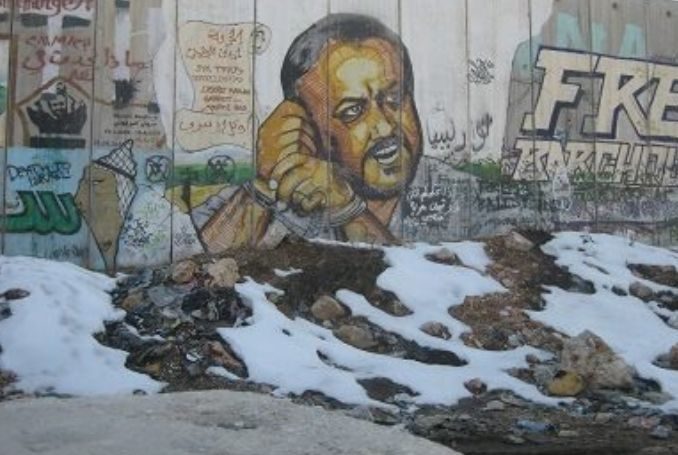
Uprooted Palestinians are at the heart of the conflict in the M.E Palestinians uprooted by force of arms. Yet faced immense difficulties have survived, kept alive their history and culture, passed keys of family homes in occupied Palestine from one generation to the next.
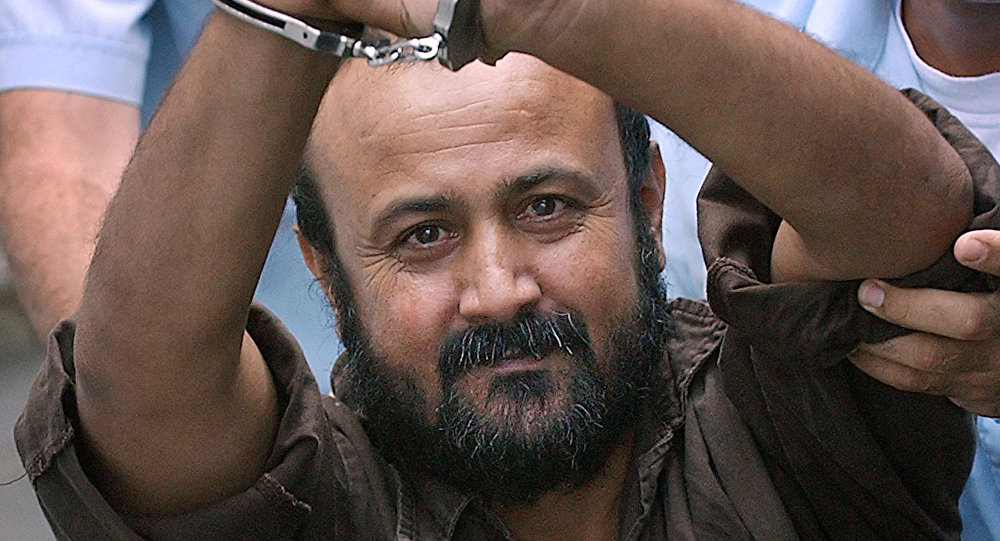
Hamas included Marwan Al-Bargouthi on the list of Palestinian prisoners whom the movement calls for their release as part of prisoner swap deal with the occupation authorities, a report said on Wednesday.
Russia Today quoted a Hamas official as saying that Hamas is keen to free all prisoners who have life terms.
The official noted that this round of talks has not discussed so far numbers and names of prisoners who are likely to be freed.
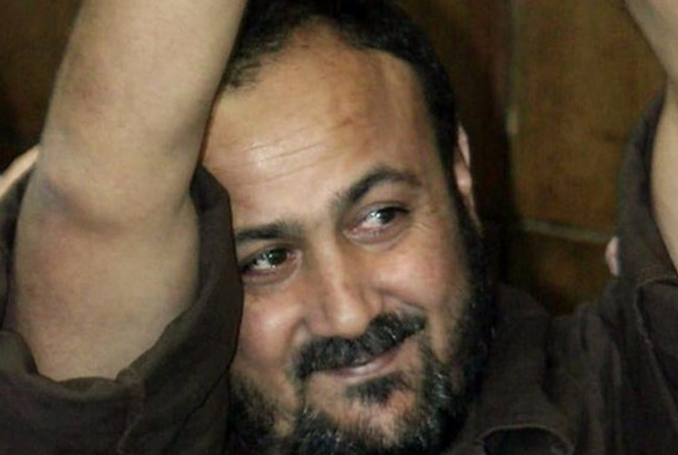
Barghouti, a popular Fatah leader, is serving a five life sentences plus 40 years. He is dubbed “Palestine’s Nelson Mandela.”
Earlier on Monday, Egyptian security chief Abbas Kamel arrived in the Gaza Strip through Erez Crossing point on the borders with the occupied territories to hold talks with leaders of Palestinian factions, including the Hamas.
One of the discussed issues was the possible prisoner swap deal with the Israeli occupation authorities.
During Monday meetings, Hamas officials informed Kamel that the Resistance movement rejects linking the process of the reconstruction of the Gaza Strip with reaching the prisoner swap deal.
أكد مصدر في «حماس» أن الحركة حريصة على خروج جميع الأسرى الفلسطينيين من سجون الاحتلال وفي مقدمتهم القادة والمحكومون بأحكام مرتفعة ومدى الحياة والمؤبدات.
وشدّد المصدر على أن هناك حرصاً من الحركة على إخراج هؤلاء القادة وتم دائماً طرح أسمائهم في صفقة «شاليط»، كاشفاً عن «فيتو صهيوني أو حتى من تدخّلات من قبل البعض خصوصاً حول مروان البرغوثي».
وأضاف: «حتى اللحظة في هذه الجولة من المفاوضات، لم يتم التوصل إلى نقطة الحديث حول مَن وعدد الذين سيخرجون من السجون»، مشيراً إلى أن «الاحتلال ما زال يماطل ولم يستجب للذهاب إلى مفاوضات غير مباشرة في هذا الموضوع».
وفي السياق، كشف موقع «واينت» العبري نقلاً عن مسؤول صهيوني كبير، أن الاحتمالات لإبرام صفقة تبادل أسرى مع حركة «حماس» ارتفعت.
وبحسب «واينت»، أفاد المسؤول بأن «إسرائيل» تنتظر حالياً عرضاً من قبل الوسطاء المصريين لصفقة من هذا القبيل»، التي ستشمل الإفراج عن سجناء فلسطينيين أمنيين مقابل إعادة جثماني الجنديين الصهيونيين، أورون شاؤول وهدار غولدن، واطلاق سراح المواطنين أبرا منغرسة، وهشام السيد، اللذين تحتجزهما «حماس» في قطاع غزة.
كما أوضح المسؤول الصهيوني أن «المصريين مهتمون بالقضية، ويفهمون أنه بدون حل قضية الأسرى والمفقودين لن تكون هناك إعادة إعمار، بعد الدمار الذي حدث في العملية العسكرية الأخيرة».
If imprisoned Palestinian leader, Marwan Barghouti, becomes the President of the Palestinian Authority (PA), the status quo will change substantially. For Israel, as well as for the current PA President, Mahmoud Abbas, such a scenario is more dangerous than another strong Hamas showing in the upcoming Palestinian parliamentary elections.
The long-delayed elections, now scheduled for May 22 and July 31 respectively, will not only represent a watershed moment for the fractured Palestinian body politic, but also for the Fatah Movement which has dominated the PA since its inception in 1994. The once-revolutionary Movement has become a shell of its former self under the leadership of Abbas, whose only claim to legitimacy was a poorly contested election in January 2005, following the death of former Fatah leader and PA President, Yasser Arafat.
Though his mandate expired in January 2009, Abbas continued to ‘lead’ Palestinians. Corruption and nepotism increased significantly during his tenure and, not only did he fail to secure an independent Palestinian State, but the Israeli military occupation and illegal settlements have deepened and grown exponentially.
Abbas’ rivals from within the Fatah Movement were sidelined, imprisoned or exiled. A far more popular Fatah leader, Marwan Barghouti, was silenced by Israel as he was thrown into an Israeli prison in April 2002, after a military court found him guilty of involvement in Palestinian resistance operations during the uprising of 2000. This arrangement suited Abbas, for he continued to doubly benefit: from Barghouti’s popularity, on the one hand, and his absence, on the other.
When, in January, Abbas declared that he would hold three successive rounds of elections – legislative elections on May 22, presidential elections on July 31 and Palestinian National Council (PNC) elections on August 31 – he could not have anticipated that his decree, which followed intense Fatah-Hamas talks, could potentially trigger the implosion of his own party.
Fatah-Hamas rivalry has been decades-long but intensified in January 2006 when the latter won the legislative elections in the Occupied Territories. Hamas’s victory was partly attributed to Fatah’s own corruption, but internal rivalry also splintered Fatah’s vote.
Although it was Fatah’s structural weaknesses that partly boosted Hamas’ popularity, it was, oddly, the subsequent rivalry with Hamas that kept Fatah somehow limping forward. Indeed, the anti-Hamas sentiment served as a point of unity among the various Fatah branches. With money pouring in from donor countries, Fatah used its largesse to keep dissent at a minimum and, when necessary, to punish those who refused to toe the pro-Abbas line. This strategy was successfully put to the test in 2010 when Mohammed Dahlan, Fatah’s ‘strong man’ in Gaza prior to 2006, was dismissed from Fatah’s central committee and banished from the West Bank, as he was banished from Gaza four years earlier.
But that convenient paradigm could not be sustained. Israel is entrenching its military occupation, increasing its illegal settlement activities and is rapidly annexing Palestinian land in the West Bank and Jerusalem. The Gaza siege, though deadly and tragic, has become routine and no longer an international priority. A new Palestinian generation in the Occupied Territories cannot relate to Abbas and his old guard, and is openly dissatisfied with the tribal, regional politics through which the PA, under Abbas, continues to govern occupied and oppressed Palestinians.
Possessing no strategies or answers, Abbas is now left with no more political lifelines and few allies.
With dwindling financial resources and faced by the inescapable fact that 85-year-old Abbas must engineer a transition within the movement to prevent its collapse in case of his death, Fatah was forced to contend with an unpleasant reality: without new elections the PA would lose the little political legitimacy with which it ruled over Palestinians.
Abbas was not worried about another setback, like that of 2006, when Hamas won majority of the Palestinian Legislative Council (PLC)’s seats. Until recently, most opinion polls indicated that the pro-Abbas Fatah list would lead by a comfortable margin in May and that Abbas would be re-elected President in July. With his powers intact, Abbas could then expand his legitimacy by allowing Hamas and others into the PLO’s Palestinian National Council – Palestine’s parliament in the Diaspora. Not only would Abbas renew faith in his Authority, but he could also go down in history as the man who united Palestinians.
But things didn’t go as planned and the problem, this time, did not come from Hamas, but from Fatah itself – although Abbas did anticipate internal challenges. However, the removal of Dahlan, the repeated purges of the party’s influential committees and the marginalization of any dissenting Fatah members throughout the years must have infused Abbas with confidence to advance with his plans.
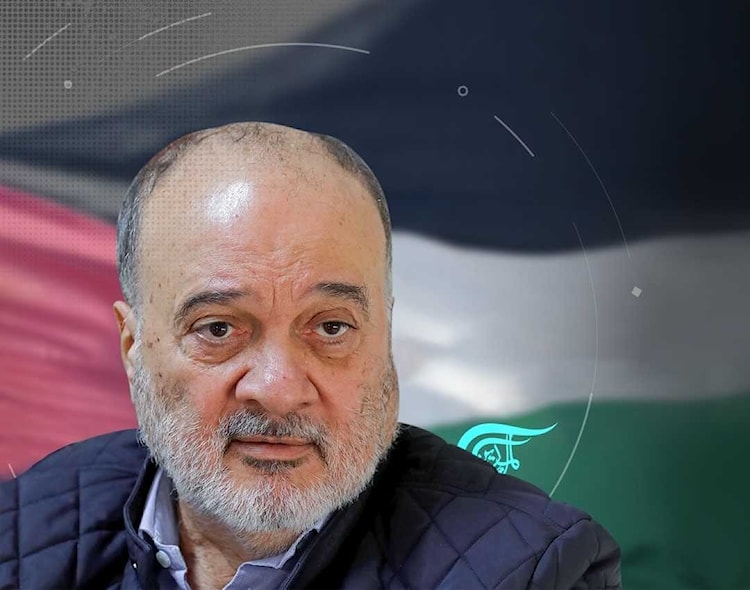
The first challenge emerged on March 11, when Nasser al-Qidwa, a well-respected former diplomat and a nephew of Yasser Arafat, was expelled from the movement’s Central Committee for daring to challenge Abbas’ dominance. On March 4, Qidwa decided to lock horns with Abbas by running in the elections in a separate list.
The second and bigger surprise came on March 31, just one hour before the closing of the Central Election Commission’s registration deadline, when Qidwa’s list was expanded to include supporters of Marwan Barghouti, under the leadership of his wife, Fadwa.
Opinion polls are now suggesting that a Barghouti-Qidwa list, not only would divide the Fatah Movement but would actually win more seats, defeating both the traditional Fatah list and even Hamas. If this happens, Palestinian politics would turn on its head.
Moreover, the fact that Marwan Barghouti’s name was not on the list keeps alive the possibility that the imprisoned Fatah leader could still contest in the presidential elections in July. If that, too, transpires, Barghouti will effortlessly beat and oust Abbas.
The PA President is now in an unenviable position. Canceling the elections would lead to strife, if not violence. Moving forward means the imminent demise of Abbas and his small but powerful clique of Palestinians who benefited greatly from the cozy political arrangement they created for themselves.
As it stands, the key to the future of Fatah is now held by a Palestinian prisoner, Marwan Barghouti, who has been kept by Israel, largely in solitary confinement, since 2002.
– Ramzy Baroud is a journalist and the Editor of The Palestine Chronicle. He is the author of five books. His latest is “These Chains Will Be Broken: Palestinian Stories of Struggle and Defiance in Israeli Prisons” (Clarity Press). Dr. Baroud is a Non-resident Senior Research Fellow at the Center for Islam and Global Affairs (CIGA) and also at the Afro-Middle East Center (AMEC). His website iswww.ramzybaroud.net
ما هي أبعاد تحالف القيادي ناصر القدوة والأسير مروان البرغوثي في الانتخابات التشريعية الفلسطينية؟ وما هي نقاط التقاطع بينهما؟ وهل الاتفاق بينهما جبهة انتخابية فقط أم مشروع سياسي مستقبلي؟
القدوة للميادين: سأخوض الانتخابات تحت عنوان إحداث التغيير في الحالة الفلسطينية
انعطف القيادي ناصر القدوة عند مفترق الانتخابات عن حركة فتح، مؤسساً الملتقى الوطني الديمقراطي، وأعلن خوض الانتخابات مستقلاً بقائمة الحرية مدعوماً من الأسير مروان البرغوثي.
فهل تكون خطوة القدوة انشقاق عن الحركة أم شق لها؟ وهل الاتفاق بين البرغوثي والقدوة جبهة انتخابية فقط أم مشروع سياسي مستقبلي؟ وأي أبعاد لهذه الخطوة؟
وفي التحالف بين البرغوثي والقدوة تطرح الأسئلة؛ فأي نقاط تقاطع بين مناضل يتمتع بتأييد واسع شعبي، وآخر يحجز مكانةً في الدوائر النخبوية وينسج علاقات دوليةً وإقليمية؟
ويؤكد مراقبون أن تحالف مروان البرغوثي وناصر القدوة، وهو ابن شقيقة الرئيس الراحل ياسر عرفات، إذا ما صمد أمام الضغوط التي تمارس عليه وتحديداً من حركة فتح فقد يشكل ركيزة أساسية من ركائز العمل الوطني الديمقراطي.
في هذا السياق، قال مؤسس الملتقى الوطني الديمقراطي ناصر القدوة في حديث مع الميادين: “سأبقى فتحاوياً حتى العظم ولم أدر ظهري للحركة”، مشيراً إلى أن “بعض الجهات النافذة في حركة فتح أدار ظهره لي ولقطاعات واسعة في الحركة لأسباب سياسية”.
وقال القدوة للميادين إن “قرار فصلي من فتح لا ينسجم مع نظام الحركة ولا يأخذ بالاعتبار التاريخ والجغرافيا”، مؤكداً: “أنا سأبقى في فتح واختلافي مع بعض الأشخاص هو حول الجوهر ولا يتعلق بأمور شخصية وشكلية”.
وأضاف: “سأخوض الانتخابات تحت عنوان إحداث التغيير في الحالة الفلسطينية، والحالة الفلسطينية بحاجة إلى تغيير واسع وعميق، وكرامة المواطن الفلسطيني في خطر بسبب انتهاك سيادة القانون والحرية”.
القدوة تابع: “هناك أمور بدأت تتغير وحاجز الخوف كسر مع ترشحنا للانتخابات، وما زلت أعتبر نفسي في صلب فتح ولست قيادياً سابقاً في الحركة”.
وأشار إلى أن “بعض الدوائر الفلسطينية لم يتوقف عن توجيه الاتهام لي بأنني حالة دحلانية”، مشيراً إلى أنه “لم يصوت على قرار فصل محمد دحلان من فتح أو غيره لأنها حركة تضم كل الاتجاهات السياسية”.
وقال: “من لديه معلومات عن أموال تصلني من الخارج فليظهرها ولا أنتمي لأي محور من المحاور”.
وكشف القدوة أن “البرغوثي من الممكن أن يترشح للانتخابات الرئاسية وإذا قرر ذلك سندعمه، وسنكون في المعسكر نفسه معه”.
القدوة قال إن “هناك أجواء إيجابية وطيبة تصلني من حركة حماس وهذا لا يعني عدم وجود خلاف معها”.
وحيال تصريحه الأخير الذي هاجم فيه الإسلاموية، رفض القدوة “توجيه أي اتهام لي بالهجوم على الإسلام”، مؤكداً أنه “تم تحريف كلامي بشأن الإسلام بطريقة مزعجة وكاذبة”.
وفي سياق آخر، أكد القدوة أن “إسرائيل مسؤولة عن اغتيال الراحل ياسر عرفات وفق الأدلة والاثباتات”.
فيما رفض ما يسمى بالـ”خطر الإيراني”، قائلاً إن “طهران هي جزء من المنطقة ويجب الحوار معها”.
كما قال إن “سلاح المقاومة الفلسطينية يجب أن لا يمس، وهي مسألة تخضع للحوار فقط”.
هذا وأعلنت لجنة الانتخابات المركزية الفلسطينية قبول ترشيح 36 قائمةً انتخابيةً للوصول إلى مقاعد المجلس التشريعي الفلسطيني.
أبرز اللوائح حملت عنوان حركة فتح وشعارها العاصفة، وهي قائمة مكتملة من 132 عضواً على عدد مقاعد المجلس التشريعي، بدعم من الرئيس محمود عباس.
قائمة الحرية التي يرأسها القيادي السابق في حركة فتح ناصر القدوة، بدعم من القيادي الأسير مروان البرغوثي، وهي غير مكتملة وتضم 65 مرشحاً، معظمهم من الضفة الغربية.
أما قائمة حركة حماس مكتملة بدورها وتحمل عنوان “القدس موعدنا” برئاسة الدكتور خليل الحية، وتضم عدداً من الأسرى من ذوي الأحكام العالية كنائل البرغوثي وجمال أبو الهيجا وحسن سلامة.
ومن القوائم غير المكتملة أيضاً قائمة “نبض الشعب”، ويرأسها من سجنه الأمين العام للجبهة الشعبية لتحرير فلسطين أحمد سعدات، وتضم عضو المجلس التشريعي الأسيرة خالدة جرار، إضافةً إلى قياديين في الجبهة في الضفة الغربية وغزة.
حركة الجهاد الإسلامي تغيب عن المشهد الانتخابي لاعتبارها أن الانتخابات تجري ضمن برنامج يعترف بالاحتلال وشرعيته على أرض فلسطين، وأنها تحول خطير ويعطي شرعيةً للاحتلال لضم الضفة الغربية والقدس، وفق تصريحات أمينها العام زياد نخالة الأخيرة في دمشق.
The Central Elections Commissions (CEC) announced that 28 electoral lists have submitted nomination applications. (Photo: Central Elections Commission website)
Nine members of the Palestinian National Liberation Movement – Fatah – withdrew on Thursday from the movement’s electoral list for parliamentary elections just as the Central Elections Commission closed registration for the polls.
Fatah candidate in Gaza, Riad Al-Astal, announced on Facebook that he had withdrawn from the movement’s electoral list to protest “the irresponsible decision to ignore the number of votes in Khan Yunis,” as well as the disregard of popular opinion and conduct that was not representative of Fatah’s spirit.
— The Palestine Chronicle (@PalestineChron) April 1, 2021
Another Fatah candidate in Gaza, Prof Muhammad Abu Hamida who had also withdrawn from the movement’s electoral list said he had taken his decision for reasons that he will keep to himself.
Elsewhere, in the West Bank, unknown gunmen opened fire on the home of a Fatah candidate in the southern governorate of Hebron shortly after he officially announced joining the movement’s list.
Senior Fatah leaders Marwan Barghouti and Nasser Al-Qidwa have given Palestinian Authority President Mahmoud Abbas until March 5 to accept their electoral list, Lebanon’s Al-Akbar reported on Monday.
Barghouti has been in an Israeli prison since 2002, while Al-Qidwa is a cousin of the late Yasser Arafat. According to senior Fatah sources, they have proposed a list to Abbas that includes young people and active Fatah members who have been effectively neutralized by Abbas due to their resistance against the Israeli occupation.
The Lebanese newspaper reported the sources as saying that they ruled out that Abbas could cancel the elections or postpone them due to regional and international pressure if he fails to be ready to face Fatah’s main rival, Hamas.
Meanwhile, the differences within Fatah are increasing. The Secretary of its Central Committee, Jibril Al-Rajoub failed last week to prevent the formation of different electoral lists for Fatah members and leaders.
Al-Akhbar said that Al-Rajoub had laid down a roadmap for the elections that meets the demands of Barghouti and Al-Qidwa, but falls far behind their vision in relation to fighting corruption and supporting Palestinian resistance against the occupation.
Senior Fatah official Qadura Fares has announced that he will not stand for election. Fares is the director of the Palestinian Prisoners’ Club and said that he is not standing as a candidate because of the “numerous painful conditions for the democratic process that makes the factional agenda superior to national interests.”
Moreover, another senior Fatah official, Nabil Amro, is apparently seeking to form his own list after rejecting the list proposed by the movement’s Central Committee, which does not put him among the top names. Former PA Prime Minister Salam Fayyad, the sources said, is working to form his own list and could possibly act in partnership with Amro.
From the perspective of the Israeli security establishment, it would have been better if the scheduled Palestinian elections would not take place at all.
Palestinian President Mahmoud Abbas has ordered general elections to be held on 22 May, a presidential one on 31 July and Palestinian National Council polls on 31 August.
Hamas, the main opposition to Abbas’ Fatah movement currently running a parallel administration in Gaza, welcomed the announcement.
About two million Palestinians in the occupied West Bank and East Jerusalem and besieged Gaza Strip are eligible to vote. Israel, which annexed East Jerusalem in 1967 in a move never recognised by the international community, most likely will not allow Jerusalemites to vote.
‘The elections pose for Israel more risks than opportunities’
– Colonel Michael Milshtein, ex-Israeli Military Intelligence
But Israel also remembers how it was shocked to realise that Hamas had won the last elections for the Palestinian legislature in 2006. Judged to be free and fair by international observers, Hamas defeated Fatah, which had been established by its founding father Yasser Arafat and led since his death by Abbas.
“The elections pose for Israel more risks than opportunities,” says Colonel Michael Milshtein, who headed the Palestinian branch in the research department of Israeli Military Intelligence, known by its Hebrew acronym as Aman.
A year after the elections, Hamas took power in Gaza in a coup following violent clashes with Fatah – and has controlled the coastal enclave ever since.
The general elections are a promising development to enhance the democratic process, increase public trust, create international support for the Palestinian predicament and refresh the stagnated Palestinian politics and its ageing politicians.
Fatah suffers from internal tensions, factional rifts and a deteriorating public image. Meanwhile, Hamas shows determination, a high degree of unity and organisational skills.
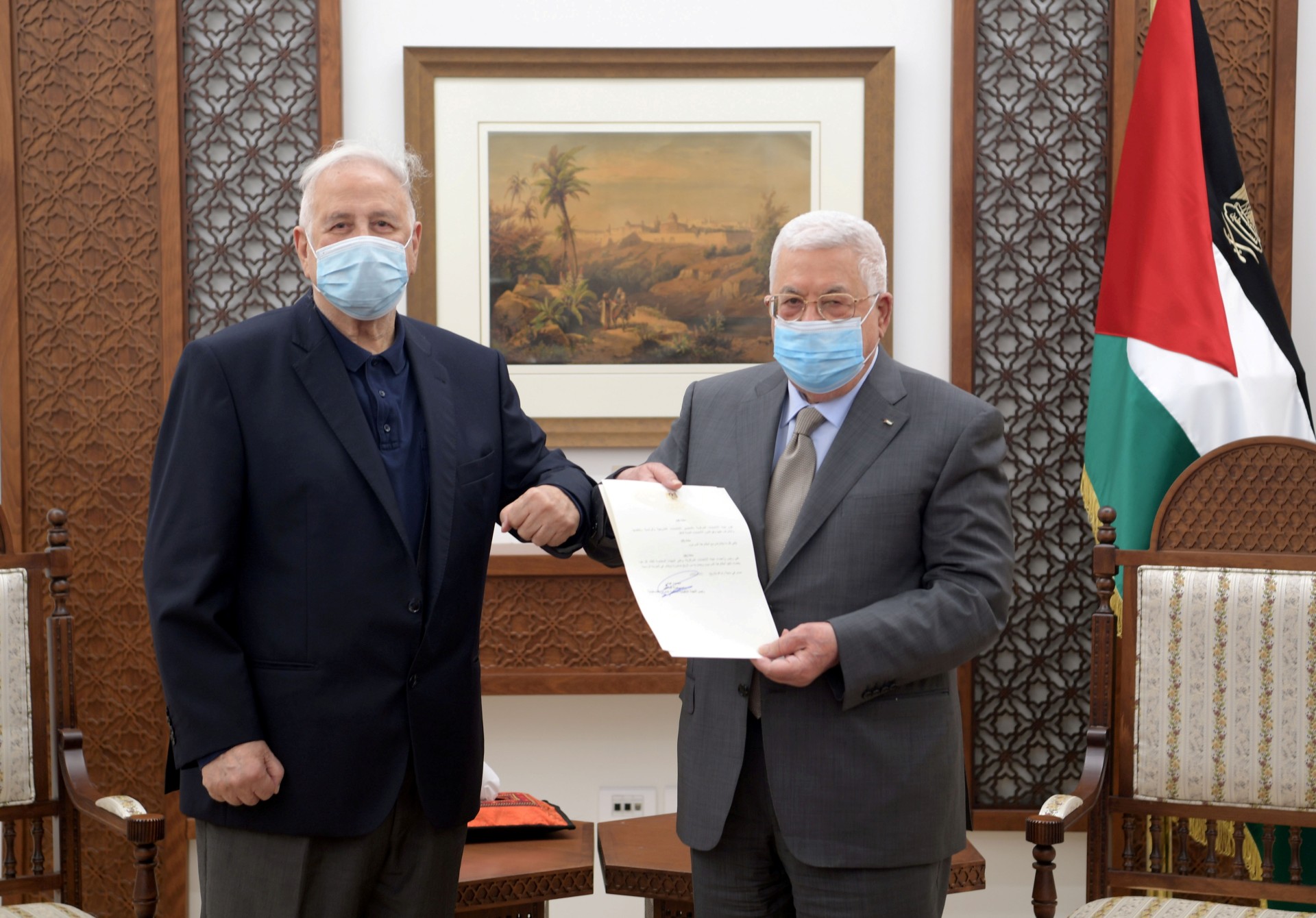
Palestinian President Mahmoud Abbas (R) hands the election decree to Chairman of the Palestinian Central Election Committee Hana Naser in Ramallah in the Israeli-occupied West Bank (Reuters)
These traits were already present in the turbulent years of 2006-2007, which resulted in Hamas’s election victory and domination of Gaza.
Thus, Israeli security officials from Military Intelligence and the Shin Bet, who monitor and analyse developments in the occupied West Bank and Gaza, are worried.
Fatah fears
According to Israeli security officials, Abbas and his top lieutenants are no less concerned than Israel. They say that Abbas was very reluctant to agree to call the elections.
Abbas’s weakening leadership is challenged by Marwan Barghouti, who is considered the most popular leader among Fatah and Palestinian Authority supporters. So far, all attempts by Abbas to persuade Barghouti to drop his candidacy have failed.
To facilitate Abbas’s aim, Israeli security officials went out of their way to allow the president’s advisers to visit Barghouti in his prison cell, where he is serving multiple life sentences after being convicted of murder by an Israeli court during the Second Intifada.Palestine elections: Gaza voters sceptical about upcoming polls.
But, eventually, Abbas succumbed to the pressure, which was mounted on him by the younger generation of Palestinians that hope to see a change of guard, and by Egypt.
Egypt has over the years played a major role in the attempts to bring about a genuine national Palestinian reconciliation between Fatah and Hamas, which has so far failed. Calling the elections is another effort to unify the Palestinian people.
Abbas now faces a dilemma. Without the elections, his attempts to bring national unity and to reinstate Fatah as a significant force in Gaza are doomed to fail. But if the elections take place, Fatah may be defeated again and Hamas would increase its power, not only in its solid base of Gaza but also in the West Bank.
The Israeli security perception is that the elections are a threat.
If Hamas wins the elections, it will increase its self-confidence to challenge Israel more drastically.
Military Intelligence and Shin Bet analysts have already drawn up scenarios arguing that if Hamas emerges as the winner, or only increases its power in the elections, it will employ the same military tactics used in Gaza – launching rockets, planting bombs and using hit and run tactics – against Israeli troops and Jewish settlers in the West Bank.
Israel’s approach is: why rock the boat?
However, there is truly little that Israel can do. It cannot openly oppose the elections, and it knows that it has no real measures to influence them.
HearstDavid Hearst is co-founder and editor-in-chief of Middle East Eye. He is a commentator and speaker on the region and analyst on Saudi Arabia. He was The Guardian’s foreign leader writer, and was correspondent in Russia, Europe, and Belfast. He joined the Guardian from The Scotsman, where he was education correspondent.
Both parties are going into the elections without an agreed vision for Palestine and a detailed plan for obtaining it
You can tell when elections are being planned in the occupied West Bank.
This is the fifth time elections across Palestine have been attempted in the past 15 years since they were held in 2006, when Hamas, to everyone’s surprise, not least their own, swept the board. This time President Mahmoud Abbas appears to be serious about holding them.
How can one tell? Because between them his Preventive Security and Israeli forces are arresting anyone who opposes their candidates. The Palestinian Prisoners Club says that 456 civilians were arrested in January in the West Bank and on one night alone in February, 31 Palestinians were rounded up.
A Palestinian member of Central Elections Commission displays an ID to a colleague as they check the work of the first Voter Information and Registration Centre in Gaza City on 10 February, 2021 (AFP)
A serious escalation
The arrests are politically colour blind. Every faction has been targeted – even those that have not yet been established. For over a year, Israeli forces have been targeting hundreds of young men and women from a left-wing social and political network.
Politically motivated arrests are nothing new in the West Bank. What may surprise some is that the Hamas leadership in Gaza is still pushing ahead with the election plan regardless
They face charges of “terrorist activity,” “visiting an enemy state” or even vaguer “communicating with foreign agents”. Their interrogators put them in little doubt about why they are being detained . They want fear to spread in the community. Detention and torture are tools to stop the network before it can grow. Hamas members in the West Bank are threatened they will be next if they dare to stand.
Khaled al-Hajj, a Hamas leader in Jenin who supported President Abbas’s elections decrees, was arrested last week. Another Hamas member, who had just had surgery for cancer, was severely beaten.
Wasfi Kabha, a former Hamas minister, told MEE: “We are facing a dangerous and serious escalation, not only by the occupation, but also by the security services that belong to the PA. That arrest campaign aims to scare, intimidate and terrorise members of the movement and also those who have sympathy for Hamas. The arrests are meant to influence the election. There are many others that the Israeli forces threaten to arrest if they nominate themselves or take part in the elections.”
Kabha added: “The Palestinian security services severely beat Abdel Nasser Rabbi despite the fact he had suffered from cancer and had surgery a short time ago. Unfortunately, Palestinian security services finish the job of whoever Israel can not manage to arrest.”
Politically motivated arrests are nothing new in the West Bank. What may surprise some is that the Hamas leadership in Gaza is still pushing ahead with the election plan regardless.
A divided Hamas
The interesting question is why? During three rounds of negotiations with Fatah in Beirut and Ankara, the Hamas leadership insisted on holding all three elections for the Legislative Council , the presidency, and the National Council of the PLO simultaneously. This is because they did not trust Abbas to keep his word once he himself had been reelected as president.After 15-year wait, Palestinian elections face new obstacles following law amendments
Hamas also insisted that the PA end its security cooperation with Israel and the arrest campaign in the West Bank. For a while Abbas complied, only to abandon that strategy when it became clear to him last November that Donald Trump was out of office. In subsequent talks in Cairo, Hamas failed to get either demand.
The other two factions, the Islamic Jihad and the Popular Front for the Liberation of Palestine (PFLP), both tabled reservations. Islamic Jihad announced it was not running for the elections, but the delegation from Hamas stayed in.
Proponents of the deal with Fatah claim that Hamas were given guarantees that some 38,000 civil servants in Gaza would not only be paid by the PA, but receive permanent tenure. They claim a new election court would be formed to avoid the heavily weighted constitutional court that Abbas created. They also claim Hamas would secure the collaboration of the international community, including renewing relations with the European Union. They also claim that no one could criminalise the resistance.
Opponents of the deal within Hamas say all of these promises are wishful thinking. They point out that the issue of civil servants, which is at least a decade old, has been put off until after the elections. A new election court has not been announced by Abbas and, even if it were to be formed, it could not supplant the existing constitutional court, which remains the highest legal authority in the West Bank.
Lastly, they say that it is not in Fatah’s power to guarantee international recognition of Hamas, which is still designated as a terrorist organisation by both the US and the EU.
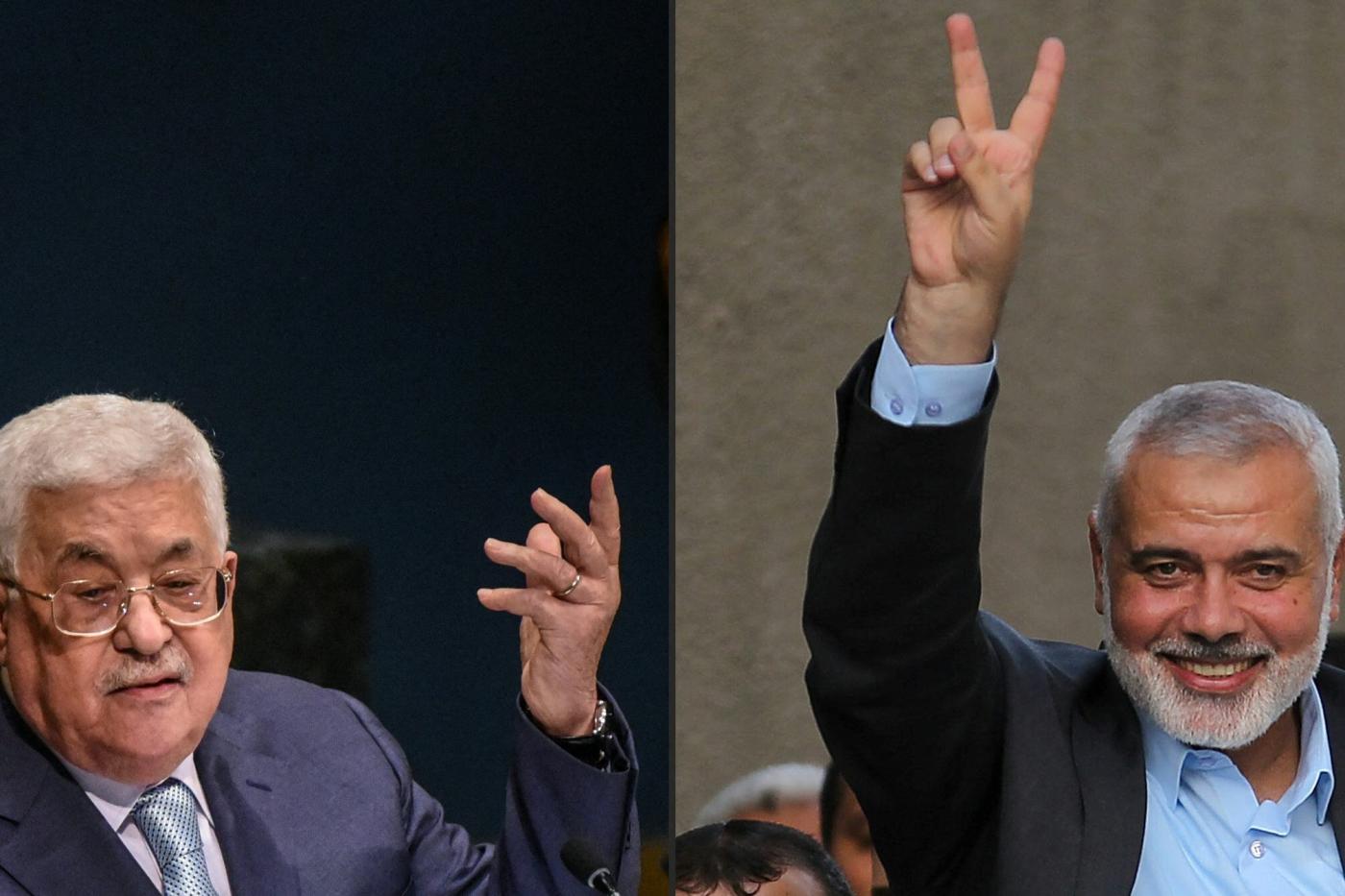
This combination of pictures created on 11 January, 2019 shows (L) Palestinian President Mahmoud Abbas and Hamas leader Ismail Haniyeh (AFP)
Hamas’s senior leadership is clearly divided. Hamas in Gaza is hemmed in, unable to break out of the prison camp that has become Gaza following the 2006 elections, the attempted coup by Fatah leader Mohammed Dahlan, and the split with Fatah. They are fed up with being held responsible for the continuing siege and are desperate to find a way out. Money is also running out. Iran is no longer funding them as before, and there are signs that other foreign backers are pushing them into Fatah’s arms. Israel’s arrest campaign aims to destroy a new Palestinian movement
But the anger at the crackdown on Hamas, Islamic Jihad and the PFLP members in the West Bank is mounting. While there is sympathy over the conditions they face in Gaza, the Hamas leadership, which is now based entirely in the enclave, will face mounting pressure to pull out of elections in which Hamas can only lose.
No one expects a rerun of the 2006 result.
One measure of the backlash which the leadership in Gaza will face is spelled out in a leaked letter from one of the most prominent Hamas leaders in Israeli prisons. Ibrahim Hamid was a leader of the military wing in the West Bank during the Second Intifada and received one of the harshest terms: 54 concurrent life imprisonment sentences. Hamid called the decision by Hamas’ political bureau to run in the elections “hasty”.
He said the decision had been made independently of the Shura Council, a consultative body that elects Hamas’s politburo, and without the full knowledge of the prisoners’ movement. Ibrahim added that running for the elections would only serve Abbas’s purpose of reviving his legitimacy while curtailing that of Hamas.
In Hamid’s analysis, Hamas is facing a lose/lose scenario: should it win the elections, what is to prevent a repeat of the 2006 scenario, which launched the siege of Gaza and the split with Fatah? Should it lose the elections, would Hamas hand over both the administration and its rockets to Fatah in Gaza?
Even if Abbas kept his word and created a genuinely representative national Palestinian government, and Hamas was allowed to return to parliament and enter the PLO, what would stop Israel from arresting MPs as they do now?
Fatah’s problems
Fatah is faring no better. Abbas’s drive to refresh his mandate and seek the legitimacy he has lost as one of the architects of Oslo is being threatened by two other Fatah leaders. Abbas has long been aware of the plan which I first revealed in 2016 to replace him with his arch-rival Dahlan.
The plan for a post-Abbas era was hatched by the United Arab Emirates, Jordan and Egypt. Since 2016, Egypt and Jordan have not stopped pressuring Abbas to reconcile with Dahlan. The latest message was passed to Abbas when Egypt and Jordan’s heads of intelligence visited Ramallah recently.
The new card in this operation is the man who ran against Abbas and then withdrew his candidacy in the 2005 presidential election, the Fatah leader Marwan Barghouti, a leader of the First and Second Intifadas who is in prison on five concurrent life sentences.
Barghouti remains a consistently popular figure of the resistance. At one point he polled higher than both Abbas and Ismail Haniyeh, the Hamas leader, for the post of president. In April 2017 Barghouti organised a hunger strike of Palestinian prisoners in Israeli jails.
This time round, Barghouti announced his intention to run for the presidency and the PNC through one of his supporters, Raafat Ilayyan. Ilayyan quoted Barghouti as saying that a united Fatah list “should be open to all including those accused of taking sides and those sacked from the movement”.
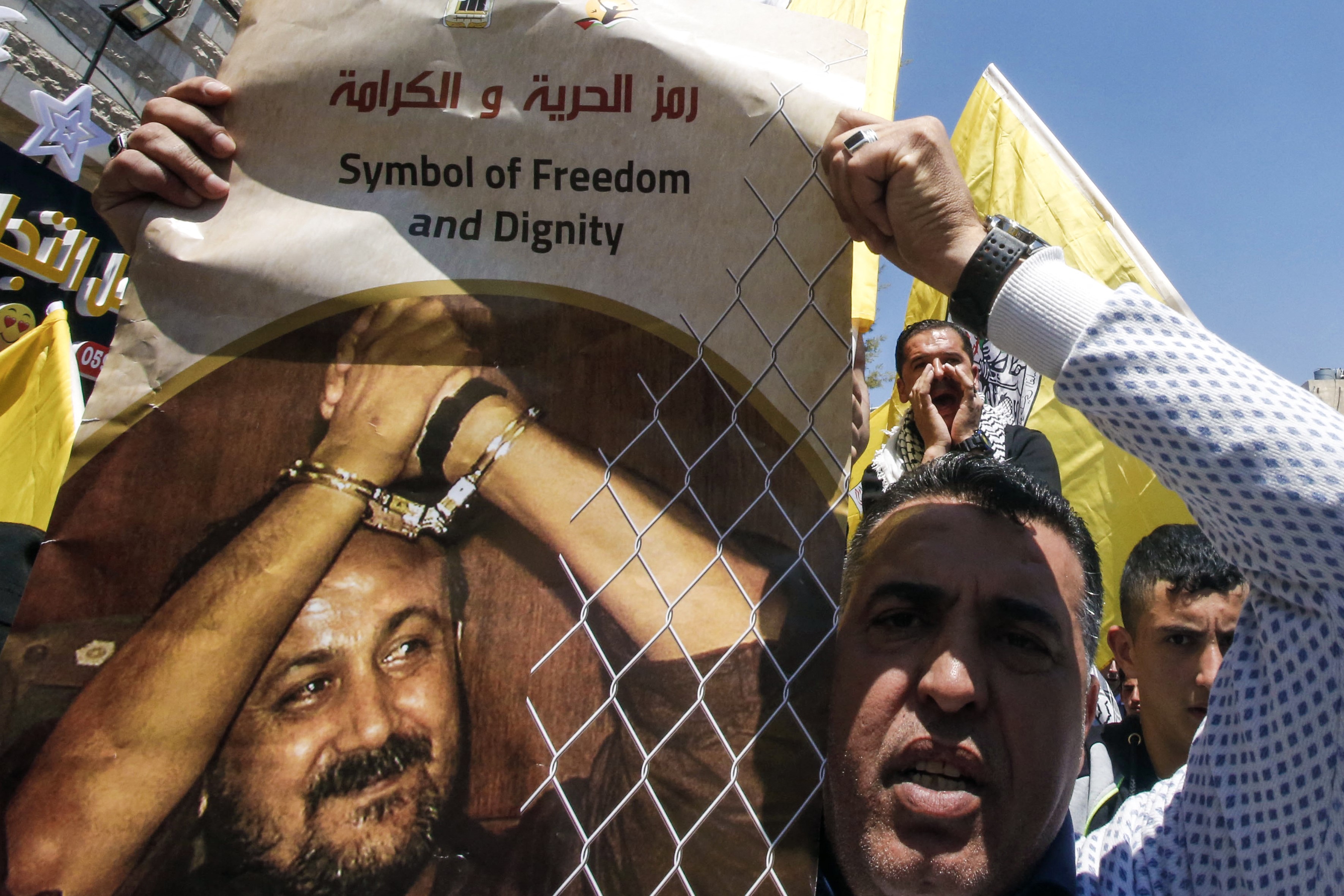
A man holds a photo of prominent Palestinian prisoner Marwan Barghouti calling for his release during a rally on 17 April 2017 (AFP)
This was a clear reference to Dahlan, who lives in exile and has been sentenced in absentia to three years in prison on corruption charges and expelled from the party. Dahlan’s lawyer at the time called the conviction a “cleansing exercise” for Abbas.
Does Fatah want to liberate Palestine from the occupation, or does it want to govern as a surrogate for Israel, whatever conditions it is put under?
After nearly two decades behind bars, Barghouti wants to get out of jail. Is Dahlan, who is Israel’s preferred Palestinian leader, the Fatah leader’s get out of jail card? Barghouti’s announcement ruffled feathers in Fatah. Jibril Rajoub, secretary general of Fatah’s central committee, who led negotiations with Hamas, accused foreign countries of meddling in the Palestinian elections.
Rajoub told Palestinian TV: “Some messages have been received from some countries trying to interfere in the path of dialogue, including Arab states which rushed [to normalise relations with Israel]. However, Fatah’s position is clear and does not take directions from any foreign capital.”
In their campaign to position Dahlan as the next Palestinian leader, Egypt, Jordan and UAE are keen to exploit the distrust between Fatah and Hamas. The latest sign of this is the arrival of the first of what will be a large group of Dahlan men in Gaza after many years in exile. This could only have been achieved with the consent of Hamas leaders in Gaza.
The true winner of the election may, therefore, be a man who does not even stand on the ballot. One way or another, Dahlan is determined to return to Palestine at the expense of both Abbas and Hamas.
The jockeying for position within Fatah is about power. But aside from this, Fatah has a real problem with its identity and its purpose. Does Fatah want to liberate Palestine from the occupation, or does it want to govern as a surrogate for Israel, whatever conditions it is put under?
Rajoub and Dahlan are sworn enemies only because they are rivals. Neither has a vision for a free Palestine. Abbas momentarily found his voice as a Palestinian leader in pushing back against the normalisation of ties with Israel, which he called a betrayal. But as soon it became clear Trump was on his way out, Abbas tossed his principles out of the window and returned to business as usual both with Washington and Israel.
The real leaders
Who then are the real leaders of this struggle? For this, we should not look to elections but to what is happening on the streets because it is only here that liberation movements are reborn. That was the case when the late Palestinian leader Yasser Arafat started Fatah and when Hamas became a dominant force in the First Intifada. No one, either in Ramallah or Gaza, is leading or directing events that are now taking place in Palestine.
Israel is playing a delaying game, and unhappily, both Fatah and Hamas leaders are playing into its hands
It has been a long time since there were major demonstrations by Palestinian citizens of Israel. Earlier this month, protests erupted in several towns and villages. The spark this time is the crime rate and the lack of policing. But the Palestinian flags and the slogans tell a different story, one that has not been seen or heard since the First Intifada.
There are more and more youth initiatives taking root in the West Bank, including the one Israeli forces are so keen to dismantle. There is clearly a new generation of protest underway that is independent of Fatah, Hamas or the now divided Joint List in the Israeli Knesset.
In the diaspora, the Boycott, Divestment and Sanctions movement (BDS) is becoming an international movement. This, too, is independent of any Palestinian leadership. Rudderless, there is every chance that a new Palestinian movement in and outside Palestine will seize control.
Israel is playing a delaying game, and, unhappily, leaders of both Fatah and Hamas – one crippled by its decision to recognise Israel, the other imprisoned by it – are playing into its hands. If this continues, the impetus to break the deadlock will come from the streets, as it always has done in the past.
No vision
What a contrast Palestinian leaders make to other liberation movements. When Nelson Mandela walked out of prison on 11 February 1990, he made a speech that resonates to this day. He said the armed struggle would continue until apartheid collapsed. He called on the international community to continue the boycott of the apartheid regime.
Mandela and the ANC showed determination and vision to the end. Both are sadly lacking in Palestine
“The factors which necessitated the armed struggle still exist today. We have no option but to continue. We express the hope that a climate conducive to a negotiated settlement would be created soon so that there may no longer be the need for the armed struggle… To lift sanctions now would be to run the risk of aborting the process towards the complete eradication of apartheid. Our march to freedom is irreversible. We must not allow fear to stand in our way,” Mandela said.
Compare this to what Fatah has done. It signed the Oslo agreement that criminalised the armed struggle and opened the way for Israel to normalise its relations with China, the Soviet Union in its last days, India and many African countries. Oslo gave nothing to the Palestinians. It ended up giving a lot to Israel, culminating in the opening of embassies in Abu Dhabi and Manama.
The Palestinian Authority created by Oslo became a surrogate of Israeli forces, even when Israel was starving Ramallah of tax revenue collected on its behalf. In Abbas’s own words, the PA provided Israel with “the cheapest occupation in history”.
Mandela and the African National Congress showed determination and vision to the end. Both are sadly lacking in Palestine. The mice of this struggle are in Ramallah. The lions are on the street – where they have always been.
The views expressed in this article belong to the author and do not necessarily reflect the editorial policy of Middle East Eye.David
And You Remain Impossible to Erase
-
There you are, the inspiring Imam, forever present in the conscience of the
honorable and the hearts of the loyal.
Father Dave Smith, Pray For (Mufti) Dr. Hassoun
-
Abducted by the terrorist regime in Syria in 2025, Sheikh Hassoun has been
sentenced to life in prison I spoke with Father Dave Smith, an Australian
Anglic...
The eight heads were only the beginning
-
“Over 1,200 Human Heads And Multiple Human Fetuses Discovered In A
Warehouse In Detroit“ (Books Behind Borders):Despite everything authorities
had already ...
Jewish Supremacy Over The Goy
-
Jewish Supremacy Over The Goy August 26 2026
___________________________________ More Vids! +BN Vids Archive! HERE!
___________________________________ Sup...
Report on Beth Israel vigil 08-15-26
-
*Charlie Kirk and JFK*
John F. Kennedy was assassinated under questionable circumstances on
November 22, 1963, and Charlie Kirk fell on September 10 of la...
On The Road To International Anarchy
-
ON THE ROAD TO INTERNATIONAL ANARCHY— An Analysis (14 August 2026) by
Lawrence Davidson Part I — The Turn Toward […]
-
Hello all,
It is with great sadness that I share with you the passing of our beloved
sister, Mother, and Grandmother, the individual that you all knew ...
Best Horror Podcast
-
Best Horror Podcast Introduction: Horror podcasts […]
The post Best Horror Podcast appeared first on Copper Shock Horror Podcast.
Ikhras Endorses Muntadhar Al-Zaidi
-
“Oh parties of banditry and sectarianism and corruption, we have come and
our goal is to destroy you.” Ikhras formally endorses Muntadhar al-Zaidi,
Iraqi j...
Prince Charles: Foreign Jews behind bloodshed in ME
-
In May, 2017, British Crown Prince Charles declined an invitation from
Zionist entity’s president Reuven Rivlin‘s to attend the 100th anniversary
of the no...
Palestinian Women – One for All, All for One
-
Honouring All Palestinian Women by Honouring Three: Hanin Zoabi, Ahed
Tamimi, Samah Sabawi Vacy Vlazna “Palestinian women have always stood side
by side ...
US’s Saudi Oil Deal from Win-Win to Mega-Lose
-
By F. William Engdahl Who would’ve thought it would come to this? Certainly
not the Obama Administration, and their brilliant geo-political think-tank
neo-...
-
*Mordechai Vanunu wins human rights prize of Brazilian Press Association *
* http://www.alternativenews.org/english/index.php/features/updates/7038-mordechai...
Abdul Aziz Rantissi:
"My ultimate wish, my God, is to attain martyrdom,"...God granted him his wish on April 17, 2004, at the hands of Israeli assassins.