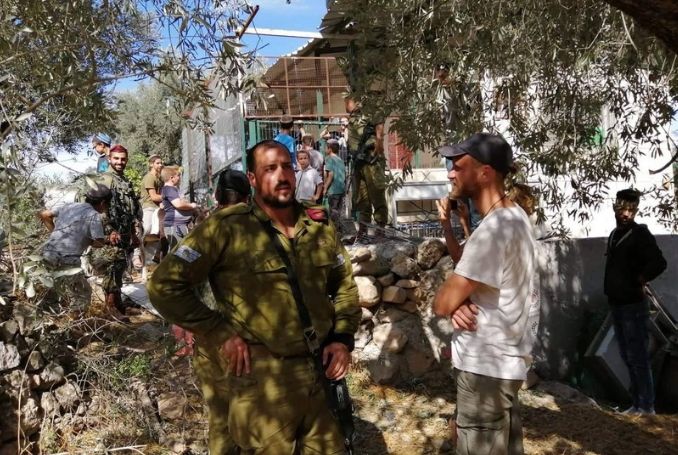
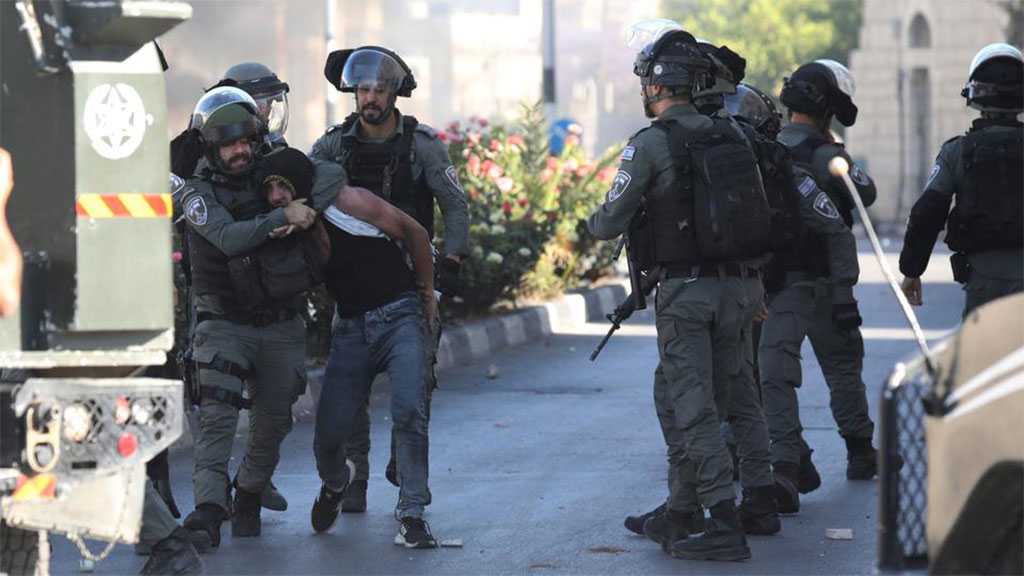
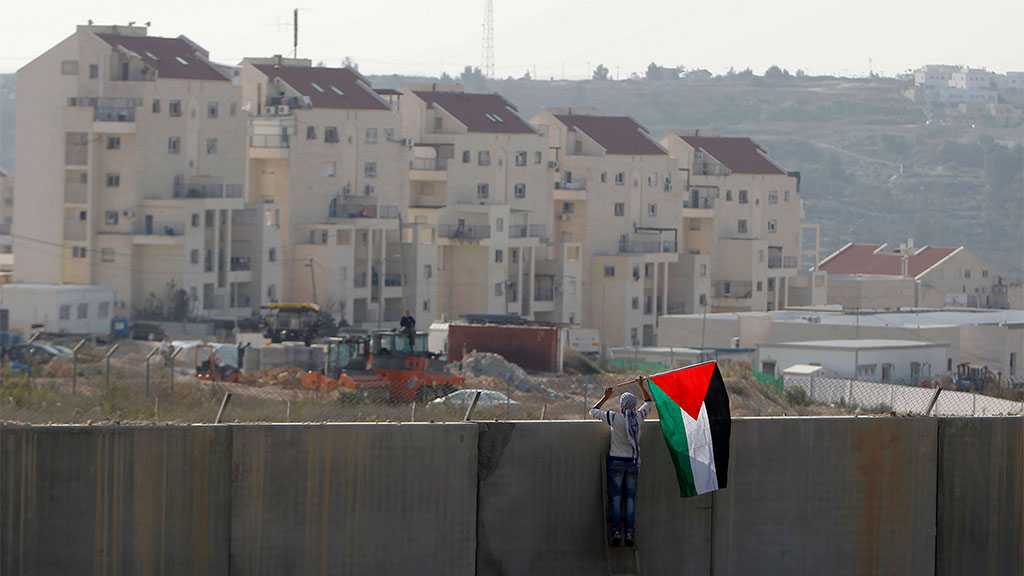
Uprooted Palestinians are at the heart of the conflict in the M.E Palestinians uprooted by force of arms. Yet faced immense difficulties have survived, kept alive their history and culture, passed keys of family homes in occupied Palestine from one generation to the next.
A spy inside the residence of the Israeli war minister Benny Gantz with relations to an Iranian organization was arrested, the Israeli internal ‘intelligence’ claimed.
A 37-years old Omri Goren working as ‘cleaner’ in the residence of the notorious war criminal Benny Gantz who was also the chief of staff of the so-called IDF terrorist organization, Israelis like to call it Israel’s ‘Defense’ Forces.
Of course, and as the Israelis always claim, the spy was discovered and arrested before doing any harm and before managing to install spyware in the laptop of the Israeli war criminal Gantz, Israelis always claim no harm and no losses in whatever happens to them, that’s part of their official propaganda system dubbed ‘Hasbara’ which they taught to the officials in the USA, Britain, and others of their allies.
Israeli media reported that the ‘cleaner’ took some photos of the residence from the inside to prove his credentials and offered to work with a shadowy hacking group called ‘Black Shadow’ linked to Iran, somehow.
Israeli opposition is grilling the current Israeli junta and its extensive security apparatuses for their failure in screening the staff working closely with its top officials, the same Benny Gantz was also subject to an alleged hacking into his mobile phone in March 2019 by the same Iranian group which hasn’t acknowledged the hack till date.
The reality of ‘Israel’
Israel is hostile to all its neighbors due to its core nature a cancerous settling entity planted in the heart of the Arab world and populated with millions of imported European settlers who stole the land of the real Semite people of the Levant, it continues to attack all its neighbors and threatens extended neighbors while playing the victim role all the time, its leaders and so-called defense forces are terrorists of former terrorist groups described as such by its main creator the British occupiers of Palestine.
It would take some time before finding out whether any serious leaks the alleged Iranian group managed to obtain through this spy, such information will be only distributed in one of the Israelis political battles when they attack each other, or if the alleged Iranian group decides to announce what they managed to put their hands on.
If you want us to remain online, please consider a small donation, or see how you can help at no cost. Follow us on Telegram: https://t.me/syupdates link will open the Telegram app.
Traditionally a festive season, this year’s olive harvest is once again overshadowed by Israeli vandalism and assaults, resulting in low yields due to the devastating impacts of the Israeli eco-terrorism.
The olive harvest season is yet another Palestinian struggle in the face of the colonial Israeli entity.
It could and should have been a seasonal family celebration. It could and should have been a peaceful encounter with nature. It could and should have been a harvest in the grove, where trees are tightly enrooted and extend as deep as Palestinian ancestors. It could and should have been the annual olive oil harvest season…
Instead, it is yet another Palestinian struggle in the face of a colonial Israeli entity.
“Israel” could not care less about mankind; would it care about an olive tree?” – Abed from the occupied West Bank.
Every year, the olive harvest takes place in Palestine in October and November. Unfortunately, it is not the usual harvest festival, as Palestinian farmers face a triple challenge, particularly in the occupied West Bank, according to a recent report published by the International Committee of the Red Cross (ICRC).
“My olives bear the brunt of Israeli aggression.” – A 60-year-old Palestinian woman from Salem village, east of Nablus city.
The triple challenge
The first is Israeli settlers, guarded by occupation forces, escalating their daily assaults against Palestinian farmers and their property. The second is “Israel” imposing access restrictions on farmers whose groves are located behind the separation barrier and close to Israeli settlements. The last is “Israel’s” acts of ecological terrorism that have long-lasting effects on climate.
“When I was a first-grader, I used to walk to school on footpath amid green plants at an olive orchid with my brother. As I became a freshmen student, the olive orchid was razed and an Israeli settlement was built in its place. “- Mohammad from Raba, a village in the West Bank village.
The nightmare season
To no one’s surprise, this harvest season too was disrupted by Israeli settlers, who physically assaulted farmers, vandalized or set fire to their trees, or harvested and stole their produce.
Last month, Israeli settlers committed daily assaults against Palestinians harvesting their olive season. In the West Bank, 365 Israeli settlers attacks were reported. This year, almost 8,000 olive trees have already been uprooted, although the season is not over yet.
“Life’s work disappeared in a second.”- Fouad from Raba.
“It’s like watching your children being cut down in front of you.”
Furthermore, ICRC data revealed that “over the period of one year (August 2020 – August 2021) more than 9,300 trees were destroyed in the occupied West Bank.”
“Here is what our eyes saw: a barren land, and dozens, perhaps even hundreds, of dead olive trees.” – Mona from the occupied West Bank.
“My uncle had a stroke at the sight of the trees being cut in front of him,” Mona added.
According to a study published in 2012 by the Applied Research Institute Jerusalem (ARIJ), Israeli occupation forces have uprooted 800,000 Palestinian olive trees in the West Bank since 1967.
In an exclusive interview for Al Mayadeen English, Lobby and Advocacy Director at the Union of Agricultural Work Committees (UAWC) Moayyad Bsharat said that the UAWC has organized a yearly campaign to help Palestinian farmers in their olives harvest season, adding that 250 volunteers from several Palestinian universities have participated in this year’s campaign.
Bsharat further stated that 95 Israeli attacks against Palestinians have been reported during the campaign.
He also commented on “Israel’s” decision to designate UAWC among five other Palestinian organizations as “terrorist”, saying, as a Palestinian agricultural institution, we have been subjected to persecution and incitement campaigns by Israeli organizations for more than ten years.
“The occupation and its settlers have a racist colonial project in the region, which is not restricted to plundering, confiscating, and occupying the land, but extends to uprooting the Palestinians entirely from it.”
“I mean, this classification presents “Israel” as a rogue entity against international law. If you review the Security Council’s definition of terrorism, you will find it embodied entirely in the occupation and its settlers. It is the one who kills children and women, arrests innocent civilians, and demolishes homes …”, he stressed.
“For us, the Israeli occupation’s decision is an intense expression of the size and importance of the work we are doing, and this is a renewed affirmation that we will pursue our mission and will not leave the Palestinian farmers who are facing the occupation on their own,” Bsharat concluded.
“I cannot enter my land”
“I have 20 Dunams of olive trees. I cannot enter my land. The Israeli occupation forces prevent us from passing; they assault us whenever they see us in the area. They steal our water and vandalize our trees. I am in constant fear of losing my land and my tress.”
Palestinian farmers are deprived of their basic right to access their land, except for a few days a year. Meanwhile, Israeli permit approval rates have been diminishing over the years. The year-round restrictive access regime in these areas, which impedes essential agricultural activities, has continued to have an impact on olive productivity and value.
According to the United Nations Office for the Coordination of Humanitarian Affairs (OCHA), the approval rate fell from 71% of applications in 2014 to 37% in 2019. The rate further declined in 2020 to 24%. Furthermore, the Israeli authorities issued new standing regulations in September 2019 that limit the number of days farmers can access their land.
No other income
Many Palestinian families rely on olive trees for their primary source of income, and vandalized trees mean less income and fewer opportunities for Palestinian families in general, and children in particular. The entire olive sector, including olive oil, table olives, pickles, and soap, is worth over $100 million per year, according to Oxfam International.
According to UN figures, olive trees cover approximately 48% of agricultural land in the West Bank and Gaza. Olive trees account for 70% of fruit production in Palestine and approximately for 14% of the Palestinian economy. 93% of the olive harvest is used to make olive oil.
“I don’t have any other income. I was counting on this harvest season to provide food to the table and to admit my son to college. After the Israeli settlers uprooted my olive trees, I cannot afford anything. My son just lost his hope of going to the university.”- Moaed from the West Bank.
West Bank trade remains largely isolated from global markets due to restrictions imposed on the movement of goods to, from, and within the occupied Palestinian territory, according to a July 2011 study by the UN Conference on Trade and Development (UNCTAD).
“My loss is so devastating to my family and my co-workers. I could not export our virgin olive oil because of the Israeli harsh restrictions. It is so hard for us to accept this nightmare.”- Zakaria from the occupied West Bank.
“We are the olive trees”
“Our relationship with the olive trees is untypical. It is not just a tree. It is part of my childhood memory,” explains a smiling Abed under an ancient 12-meter olive tree.
“Olive trees are a constant reminder that the danger is nearing us. The colonial entity aims to uproot our identities and construct a new identity which is different from ours”, Abed sighs.
In an exclusive interview for Al Mayadeen English, the young Palestinian man, speaking emotionally, added that “Israel” wants to erase his memories and banish him from existence, affirming that the Palestinian olive tree is a symbol.
“We are the olive trees. It symbolizes how the colonial Israeli entity wants to uproot Palestinians and expel them from their own land, just like it uproots an olive tree; “Israel” wants to kill me in the same way it kills an olive tree and builds a new future on our past”.
Abed commented on the famous photo of an old Palestinian woman holding onto an olive tree, by saying that this Palestinian woman is not holding onto the tree because it is a tree. “The olive tree symbolizes her childhood, her first love, her first family gathering, her roots, and her fear of being uprooted from her land.”
“The Olive tree is so important since it represents our Palestinian identity. It is directly related to our land, our steadfastness, and our resilience”.
“And just as they uproot our olive trees and we replant them, we will liberate Palestine and return to Palestine, all of Palestine,” he concluded.
Jewish settlers, backed by Israeli soldiers, harass Palestinian olive harvesters in the Occupied West Bank. (Photo: via Twitter)
Jewish settlers on Wednesday stole harvesting tools and olive crops from Palestinian lands in the northern occupied West Bank, according to the official Palestinian news agency WAFA.
Ghassan Daghlas, an official who monitors settler activities, told WAFA that residents of Qaryout village, south of Nablus, noticed that the olive harvest tools were missing.
The farmers used the tools to pick the olives in their lands located near the illegal Jewish settlement of Shavot Rahel were missing.
Daghlas added that the Palestinian farmers managed to stop the Jewish settlers who were stealing their crops and kick them out of their lands.
Jewish settlers intensify their assault against Palestinian farmers during the olive harvest season, considered one of the main sources of income for Palestinians. They often synchronize their raids and assaults with Israeli soldiers, who provide them with cover and protection.
Over 1,600 employees at tech giants Amazon and Google have urged their employers to pull out of a contract under which they will sell “dangerous technology” to the Zionist entity and its military and cut all ties with the regime over its atrocities against the Palestinian people.
Initially, more than 90 workers at Google and more than 300 at Amazon anonymously signed an open letter published by the Guardian newspaper on Tuesday, demanding the termination of Project Nimbus, which will provide cloud services for the Tel Aviv regime.
“The technology our companies have contracted to build will make the systematic discrimination and displacement carried out by the ‘Israeli’ military and government even crueler and deadlier for Palestinians,” the employees said in the letter.
“We condemn Amazon and Google’s decision to sign the Project Nimbus contract with the ‘Israeli’ military and government, and ask them to reject this contract and future contracts that will harm our users,” they said.
They underlined the need for the two companies to stop contracting with any militarized organization in the US and beyond.
Project Nimbus is a $1.2bn contract awarded last April to Google and Amazon, which succeeded in beating out bids from Microsoft, Oracle, and IBM, to provide cloud services for the ‘Israeli’ occupation regime and its military.
There are fears that the technology would allow for further illegal surveillance of Palestinians and facilitate the expansion of the Zionist regime’s illegal settlements across the occupied territories.
“This contract was signed the same week that the ‘Israeli’ military attacked Palestinians in the Gaza Strip, killing nearly 250 people, including more than 60 children,” said the “employees of conscience,” referring to the ‘Israeli’ regime’s latest war on Gaza which occurred in May and lasted for 11 consecutive days.
“We cannot look the other way, as the products we build are used to deny Palestinians their basic rights, force Palestinians out of their homes and attack Palestinians in the Gaza Strip, actions that have prompted war crime investigations by the international criminal court.”
In another opinion piece posted hours later on NBC, two workers at the tech giants updated the number of signatories, saying that nearly 1,000 anonymous signatories at Amazon and more than 600 at Google have joined the campaign.
“Since we have no ability to guarantee that the technology we build won’t be used to commit human rights abuses against Palestinians, cutting the contracts entirely is the only ethical option left for our companies,” Gabriel Schubiner, software engineer and researcher at Google, and Bathool Syed, content strategist at Amazon, wrote in the article.
The two employees said they agree with the two companies’ stated commitment to ethics, but also pointed to their hypocrisy. “We want to work for companies that do more than pay lip service to ethical business practices,” they noted.
“Instead, our companies signed contracts that they knew would be highly controversial, yet relinquishes their ability to enforce their own publicly stated principles while attempting to deny workers our say in how our labor is used.”
The Zionist entity plans to construct hundreds of new settler units near occupied East al-Quds and the occupied side of Syria’s Golan Heights, despite international outcry against the Tel Aviv regime’s unlawful land grab policies.
According to a report published by TV7 ‘Israel’ news channel, Karta Company will build 104 settler units and several commercial structures in Har Gilo settlement, about five kilometers south of al-Quds.
Karta chairman Amichai Neiman described the multi-million-dollar project as “strategically important” since “it would be located at one of the highest points of the holy city, along the light railway and with a breathtaking view.”
He said the project is among those his company is set to undertake across al-Quds, including construction of thousands of settler units.
About 600,000 Zionist occupy over 230 illegal settlements built since the 1967 occupation of the Palestinian territories of the West Bank and East al-Quds.
Palestinians want the West Bank as part of a future independent Palestinian state, with al-Quds as its capital.
All ‘Israeli’ settlements are illegal under international law as they are built on occupied land.
The UN Security Council has condemned the Zionist regime’s settlement activities in the occupied territories in several resolutions.
The occupation regime seized the Golan Heights from Syria in the closing stages of its 1967 Six-Day War on Arab countries, which also saw the regime occupy the Palestinian territories of the West Bank, East al-Quds, and the Gaza Strip.
Tel Aviv unilaterally annexed the Golan Heights in 1981 in a move not recognized by the international community.
Syria has repeatedly reaffirmed its sovereignty over the Golan Heights, saying the territory must be completely restored to its control.
1 Palestinian killed during IOF attacks on peaceful protest in Nablus; another dies in Jenin of wounds sustained earlier in IOF attacks
3 Palestinians wounded, including a journalist, a person with disability and a child
IOF air strike damages agricultural land in Northern Gaza; IOF shooting at fishing boats in the Gaza sea
In 143 IOF incursions into the West Bank, including occupied East Jerusalem: 75 civilians arrested, including 10 children
Construction of settlement project initiated on the grounds of Jerusalem International Airport in Qalandia, East Jerusalem
7 brothers forced to self-demolish their homes; residential building demolished in East Jerusalem
IOF demolished several houses, and commercial facilities in the West Bank
Settler-attacks in the West Bank: settlers cut trees and assault Palestinian civilians and their homes
IOF established 66 temporary military checkpoints in the West Bank and arrested 2 Palestinian civilians on said checkpoints
Summary
Israeli occupation forces (IOF) continued to commit crimes and multi-layered violations against Palestinian civilians and their properties, including raids into Palestinian cities that are characterized with excessive use of force, assault, abuse, and attacks on civilians, turning the West Bank into isolated blocks of land. Israeli settlement expansion on Palestinian properties and land continued.. Meanwhile, the Gaza Strip enters its 15th year under closure, exacerbating the humanitarian hardships across the territory.
IOF shooting and violation of right to bodily integrity:
IOF killed a Palestinian civilian and wounded 3 others in the West Bank: a journalist, a child, and a person with disability. Additionally, another Palestinian civilian died of wounds he sustained in an IOF attack in Jenin. On 6 August 2021, IOF killed 37-year-old Imad Ali Mahmoud Dweikat with a bullet in the chest; the victim was not involved in the clashes in Beita, as he was standing by an olive tree at least 150 meters from the area, and he did not pose any threat -nor were there any event that did- to IOF. A child, and a journalist, were also wounded during IOF attacks on the peaceful protest against settlement expansion in Beita, southeastern Nablus. Also, Deyaa Yusuf Yassin Kmail (24) died on 11 August 2021 of wounds he sustained during an IOF raid into Jenin. A person with disability was wounded as a tear gas canister hit him during an IOF raid into Dayr al-Ghusun, northern Tulkarm; IOF arrested him after his injury, and later released him.
In the Gaza Strip, IOF launched an air strike that caused damage to an agricultural land in Beit Hanoun. Additionally, two IOF shootings at fishing boats were reported in northern Gaza.
IOF incursions and arrests of Palestinian civilians: IOF carried out 143 incursions into the West Bank, including occupied East Jerusalem. Those incursions included raids of civilian houses and shootings, enticing fear among civilians, and attacking many of them. During this week’s incursions, 75 Palestinians were arrested, including 10 children.
In the Gaza Strip, IOF conducted a limited incursions into Central Gaza Strip.
Demolitions:
PCHR fieldworkers documented 13 violations:
Hebron: two under-construction houses demolished; cease-construction notice served against a house in Si’ir; also in Yatta, IOF demolished a water well, a room, and a barracks.
Ramallah: two residential tents and sheep barns dismantled and confiscated in Ramun; a barracks (used as shelter) was demolished on Ras al-Mo’rajat – the main road connecting Jericho and Ramallah.
East Jerusalem: Construction of settlement project initiated on the grounds of Jerusalem International Airport in Qalandia; 7 houses self-demolished in Beit Hanina; residential building demolished in Silwan
Jenin: 3 commercial facilities and water tank (used for vineyards) demolished in Yabad
Bethlehem: paved road in Battir bulldozed; chicken barn demolished in al-Walaja
Nablus: two barracks demolished in Luban e-Sharkiya
Settler-attacks: PCHR fieldworkers reported and documented 4 settler attacks:
Bethlehem: dozens of olive trees cut in Jab’a; agricultural lands razed and the owner assaulted in Kisan
Jenin: smashed windows in assault on vehicle in Kafr Ra’i
Hebron: assault on Palestinian civilians in the Old City
Israeli closure policy and restrictions on freedom of movement:
This week, Israeli occupation authorities continued to ban the entry of dozens of goods, including construction materials, in collective punishment measures against the Gaza Strip as the Israeli closure imposed on the territory entered its 15th year, without an end in sight that would fulfil Palestinians’ right to enjoy their economic, social, and cultural rights. Despite the Israeli occupation’s announcement of a series of relief measures on both Karm Abu-Salem and Beit Hanoun crossing, severe restrictions remain in place as several types of products and raw materials are banned entry.
On Monday, 9 August 2021, the Presidential Committee for coordinating the entry of goods to the Gaza Strip via Karm Abu-Salem crossing announced that the Israeli occupation reversed its decision to allow the entry of certain goods to Gaza. According to the Committee, the goods in subject include 34 types, mostly cell phones, laptops/computers, and connection/internet materials.
Meanwhile, IOF continued to divide the West Bank into separate cantons with key roads blocked by the Israeli occupation since the 2000 Second Intifada -still closed to this date- and with temporary and permanent checkpoints, where civilian movement is restricted, and they are subject to arrest, especially at al-Karama border crossing, alongside the Palestinian-Jordanian border.
Shooting and other Violations of the Right to Life and Bodily Integrity
At approximately 05:45 on Friday, 06 August 2021, Israeli gunboats stationed off al-Waha Shore, northwest of Beit Lahia, and off al-Sudaniyia Shore, west of Jabalia, north of the Gaza Strip, chased Palestinian fishing boats sailing within 3 nautical miles and opened sporadic fire at them. The IOF shooting and chasing continued until 09:00 on the same day, which caused fear among the fishermen and forced them to flee. No casualties were reported.
On the same day, IOF killed a Palestinian civilian and wounded a child, and a journalist, during its attacks on a peaceful protest against settlement expansion in Beita, southeastern Nablus, northern West Bank. According to PCHR investigations, the victim was not involved in the clashes, as he was standing by an olive tree at least 150 meters from the area. Additionally, there were no threats to the lives of IOF soldiers during the protest, eliminating any justification to the murder crime. This crime is yet another stark example of IOF unjustifiable relaxed shooting standards in disregard for Palestinian civilians’ lives.
According to PCHR investigations, at approximately 13:00 on Friday, 6 August 2021, a peaceful protest took off from Beita village towards Mount Sbaih, where IOF established “Avitar” settlement outpost three months ago. The protestors held Palestinian flags and chanted against the occupation and settlers. Upon their arrival to Mount Sbaih, they found IOF troops stationed in the area; the soldiers fired at the protest and violent clashes erupted. A group of the protestors threw rocks at soldiers, who continued to fire live and rubber-coated bullets, as well as tear gas and stun grenades, at the protestors. The clashes continued until 15:17 and resulted in the death of a Palestinian civilian; a journalist and a child were wounded as well. The victim was identified as 37-year-old Imad Ali Mahmoud Dweikat from Beita village; he was shot with a live bullet in the chest and died after his arrival to Rafidia Hospital. Additionally, several other Palestinian civilians suffocated due to tear gas inhalation.
Kifah ‘Enad ‘Abed Bani Shamsa said to PCHR’s fieldworker that:
“On 06 August 2021, I performed the Friday prayer in Beita village Park near al-Hawata area and Sabieh Mount, south of Beita village, southeast of Nablus. At approximately 13:30 following the prayer, a number of Palestinians who performed the Friday prayer in the village’s mosque flocked to the area below Sabeih Mount to protest against the establishment of “Avitar” settlement outpost. A group of the villagers and I distributed food and drinks to Palestinians participating in the protest, which developed to clashes with IOF. During the clashes, IOF fired sound bombs, teargas canisters and live and rubber bullets at protestors. At approximately 15:10, I withdrew from the area of clashes and headed towards the ambulances parking. When I was four meters away from the parking, I saw my friend Imad Ali Mahmoud Dweikat ( 37) standing under an olive tree, 150 meters away from the clashes. I headed to him and stood next to him. We talked with each other for 5 to 7 minutes. Suddenly, Imad fell beside me on his right side and flipped onto his abdomen. I saw blood come out of his mouth, so I knew that he was injured. I flipped him onto his back and put my hand on his chest to stop the bleeding, noting that I did not hear any gunshots at that time. Afterwards, ambulance officers came, put Imad on a stretcher, got him into the ambulance, and then took him to the field hospital in the village. After that, Imad was transferred to Rafidia Governmental Hospital in Nablus. Few minutes later, he was pronounced dead. The villagers and I headed to the hospital to say goodbye to him.”
PCHR investigations show that IOF use excessive force and snipers to kill in a premeditated and unjustifiable manner. In a matter of a few weeks, IOF killed 6 Palestinian civilians, including 2 children, during its attacks on peaceful protests against settlement expansion in Beita. This fact suggests that IOF’s conduct is in fact a systemic and political decision that is repeated on more than one occasion, eliminating any base for allegations of a security necessity or real threat.
At approximately 02:55 on Saturday, 07 August 2021, an Israeli drone fired a missile at an agricultural land belonging to Zakaria Ahmed Mohammed Hamdan (77) in the center of al-Qerman Street in Beit Hanoun, north of the Gaza Strip. Five minutes later, an Israeli warplane fired 2 missiles at the land, causing severe damage to it. Also, nearby houses’ windows were broken, but no casualties were reported.
At approximately 21:15 on Saturday, 07 August 2021, Israeli gunboats stationed off al-Waha Shore, northwest of Beit Lahia, and off al-Sudaniyia Shore, west of Jabalia, north of the Gaza Strip, chased Palestinian fishing boats sailing within 1-5 nautical miles, opened sporadic fire at them and fire flare bombs in the sky, causing fear among the fishermen and forcing them to flee. No casualties were reported.
At approximately 01:45 on Tuesday, 10 August 2021, IOF moved into Dayr al-Ghusun, northern Tulkarm. IOF raided several houses and arrested 5 civilians.[1] During the raid, IOF shot a tear gas canister at Loay Zeyad Abu-Zaytoun, a person with disability, and wounded him in the face. IOF arrested Abu-Zaytoun and took him to an Israeli hospital; he was later released to the Palestinian Red Crescent Society.
Aby-Zaytoun’s brother, Ayman, gave the following testimony to PCHR fieldworker:
“A large Israeli occupation force raided the village, as my brother Loay – who is mentally disabled, was getting out of the house. IOF immediate shot a tear gas canister at him, causing severe wounds in his face. They arrested him and took him on foot to the center of the village; there were traces of his blood on the ground where he marched. IOF put him in a military vehicle that drove into the area adjacent to the annexation wall where an Israeli ambulance arrived and gave him first aid. He was taken to Meir Medical Center. At approximately 19:00, an Israeli ambulance transferred him to a PRCS ambulance, who transported him to Dr. Thabet Thabet hospital, where we were shocked to find out that he was not given any medical care at the Israeli hospital, the blood on his face was not even cleaned. The doctors diagnosed him with retinal damage, fractures in the nose and jaw; he needs surgical intervention.”
Following the Friday prayers on Wednesday, 11 August 2021, dozens of Palestinians organized a peaceful sit-in to demands cessation of Israeli construction in the vicinity of the al-Haram al-Ibrahimi mosque, in the center of the Old City of Hebron, the latest of which was the construction of an elevator to allow settlers access to the roof of the mosque. Large forces of the Israeli Border Police arrived at the area, fired stun grenades at the participants, and arrested: Yazan Yusry Taha (36) and Akram Fakhry Massouda (42). They were taken to the Ibrahim Mosque police station. The Border Police also shut all gates leading to the Ibrahimi Mosque.
At approximately 17:15 on Wednesday, medical sources at Nablus Specialty Hospital announced the death of 24-year-old Deyaa Yusuf Yassin Kmail, from Jenin, of wounds he sustained in an IOF raid into Jenin. According to PCHR investigations, IOF moved into Jenin at approximately 02:00 on Tuesday, 3 August 2021. During the raid, a number of Palestinians gathered and threw stones at IOF vehicles. IOF fired live and rubber bullets, sound bombs and teargas canisters at the protestors. As a result, two protestors were injured with live bullets; including Deyaa Kmail whose condition was deemed serious. Kmail remained in the hospital until his unfortunate death.
Incursions and arrests
Thursday, 05 August 2021:
At approximately 01:00, IOF moved into al-Sawahera, southeast of the occupied East Jerusalem. They raided and searched Shadi Aziz Hilsa’s (21) house and arrested him.
Around the same time, IOF arrested Mahmoud Mohammed Sabarnah (17) and Yasine Adel Za’aqiq (16), after raiding and searching their houses in Beit Ummar, north of Hebron.
At approximately 02:00, IOF arrested Mohammed Eissa Hijazi (19), after raiding and searching his house in Jabal al-Mawaleh area in Bethlehem.
At approximately 02:20, IOF arrested Mansour Mahmoud ‘Abahera (31), and Sharif Mohammed al-Bashir (32).
At approximately 02:30, IOF arrested Najeh Abdullah al-Kilany (66), along with his sons, Mahdi (30) and Mujahed (24), after raiding and searching their house in al-Far’a refugee camp, south of Tubas.
At approximately 11:00, IOF arrested (4) civilians including 2 children after raiding and searching their houses in Baten al-Hawa neighborhood in Silwan, south of the occupied East Jerusalem’s Old City. The arrestees are: Nasim Zuhair Dumiri (14), Ahmed Saleh Kash’am (20), Mohammed Samer Sarhan (18), and his brother, Sultan (16).
At approximately 10:30, IOF arrested Yousef al-Rashaq (23), from al-Bustan neighborhood in Silwan, south of the occupied East Jerusalem’s Old City, after summonsing him to refer to Moscovia Detention Center, in West Jerusalem, for investigation.
At approximately 13:00, IOF arrested Abdul Hameed Majed Deiriyah (26), from Bayt Fajar, south of Bethlehem, after summonsing him for investigation in “Gush Etzion”
At approximately 04:40, IOF arrested Mo’ayad Fayez al-Qaq (27), from Kifl Haris village, north of Salfit, while passing through a temporary military checkpoint established at the entrance of Wadi Qana near Deir Istiya, north of Salfit.
At approximately 17:00, IOF arrested Anwar Sami Obaid (23), after storming his engagement party in al-Isawiya village, north of the occupied East Jerusalem, and transferred him for investigation before extending his arrest. It should be noted that Obaid was arrested over than 28 times during the last 10 years, as in the last 2 years IOF intensified tracking Obaid between summonses, house arrest in evening hours, house arrest and ban his entry to East and West Jerusalem.
IOF carried out (3) incursions in Hebron, Bani Na’im, and Dayr al-‘Asal al-Fawqa in Hebron governorate. No arrests were reported.
Friday, 06 August 2021:
At approximately 00:30, IOF arrested Mohammed Yousef Deiriyah (21), while passing through a temporary military checkpoint established at the western entrance of Bayt Fajar, south of Bethlehem.
At approximately 14:00, IOF arrested Abdul Jabbar Tamim Salem (24), from Bazariya in Nablus governorate, while present at Bab al-Amud area in West Jerusalem.
At approximately 22:00, IOF arrested Majed Ragheb al-Jo’ba (41), while getting out of the Aqsa Mosque in the occupied East Jerusalem’s Old City, through Bab Huta, and took him to Bab al-Asbat police center. It should be noted that al-Jo’ba is a former prisoner who was banned to enter Jerusalem and West Bank for 6 months in 2018, and allowed him to enter Izariya, Israel and East Jerusalem. This decision was extended several times, and he recently received several summonses for interrogation, arrested 3 times during this year and warned to take serious actions against him.
Saturday, 07 August 2021:
IOF carried out an incursion in Marda village, north of Salfit. No arrests were reported.
Sunday, 08 August 2021:
At approximately 02:00, IOF arrested Ibrahim Na’eem Roumi (21), after raiding and searching his house in Beit Jala, west of Bethlehem governorate.
Around the same time, IOF arrested Mohammed Khaled al-Shawaheen (39), after raiding and searching his house in Yatta, south of Hebron governorate.
At approximately 10:00, IOF arrested Nitham Roshdi Abu Romouz (40), while present in the Aqsa Mosque yards in the occupied East Jerusalem’s Old City.
At approximately 12:00, IOF handed Jameel Eissa al-Abassi (41) a summons to refer to Moscovia Detention Center in 2 hours after raiding and searching his house in Ras al-Amud neighborhood, east of the occupied East Jerusalem’s Old City.
At approximately 23:00, IOF arrested Mohammed Eyad Deiriyah (15) and Anas Fadel Deiriyah (16), from Bayt Fajar village, southwest of Bethlehem, while present near the western entrance of the village.
IOF carried out (2) incursions in Halhul and Surif villages in Hebron. No arrests were reported.
Monday, 09 August 2021:
At approximately 06:00, IOF arrested Wafa Khalil Idris (23) and Waleed Hammad al-Silmi (23), after raiding and searching their houses in al-Am’ari refugee camp, south of al-Bireh.
At approximately 07:00, IOF reinforced with 6 military bulldozers moved 50-100 meters into the west of the border fence with Israel, east of al-Maghazi. They leveled and combed lands adjacent to the border fence and redeployed again at approximately 15:00.
Around the same time, IOF arrested (7) civilians after raiding and searching their house in Beita village, southeast of Nablus. The arrestees are: Zuhair Ahmed Bani Shamsa (45), Osaid Mohammed Mo’alla (23), Mo’tasem Met’eb Dweikat (32), Abdul Rahman Mohammed Ma’ali (18), Ahmed Emad Hamayil (31) and Islam Hamed al-Jaghoub (29).
At approximately 07:30, IOF arrested Mahmoud Mohammed Taym (38), after raiding and searching his house in Ein Beit al-Ma’ refugee camp, west of Nablus.
At approximately 14:00, IOF arrested Mohammed Naser al-Qawasmi (24), after raiding and searching his house in Anata village, northwest of the occupied East Jerusalem.
At approximately 15:00, IOF arrested Mohammed Yousef Houshiyah (40), from Yatta, after stopping his vehicle on a military checkpoint establishes at the northern entrance of the city.
IOF carried out (2) incursions in Jalazone refugee camp and Deir Abu Masha’al village near Ramallah. No arrests were reported.
Tuesday, 10 August 2021:
At approximately 01:00, IOF arrested Mahmoud Jaber (25), while passing through Shu’afat refugee camp checkpoint, northeast of the occupied East Jerusalem.
At approximately 01:45, IOF arrested (6) civilians including a child, after raiding and searching several houses in Dayr al-Ghusun village, north of Tulkarm. The arrestees are: Ahmed Abdul Fattah Badran (31), Firas Subhi Owda (44), his son Hamza (14), Eyas Subhi Owda (42), Abdul Mun’im Tayseer Owda (18), Yaser Ibrahim Ghanem (55), and Lo’ay Zeyad Abu Zaytoun (24). Abu Zaytoun was arrested after he sustained a teargas canister in his face and referred to one of the Israeli hospitals before releasing him in the same day evening.
At approximately 02:00, IOF arrested (3) civilians including a child, and confiscated 70,000 NIS while raiding and searching the houses of Subhi As’ad Ghanem, and his sons, Firas and Eyas in Dayr Ghusun village, north of Tulkarm. The arrestees are: Hamza Firas Ghanem (14), his father and uncle, Firas (44) and Eyas (42).
Their brother, Eyad Ghanem, stated that:
“A large number of Israeli forces stormed our 3-storey house and detained all my family in one room on the ground floor, except my father who remained with them while they were searching and damaging the contents of the house. Meanwhile, they went to the first floor where they confiscated 70,000 NIS and some bank checks, as my brother withdrew this amount of money from the bank to finish his house, and they damaged his new bedroom. Then they went to the second floor to Eyas’s apartment and damaged his new bedroom which he brought 2 months ago, and then they arrested my brothers, Eyas and Firas, and my nephew Hamza (14).”
At approximately 02:00, IOF arrested Hafiz Mohammed al-Fasfous (29) and Mo’taz Mohammed al-Sharha (30), after raiding and searching their houses in Dura, southwest of Hebron governorate.
At approximately 02:30, IOF arrested Ihsan Ma’arik Hamamera (26), after raiding and searching his house in Husan, west of Bethlehem.
At approximately 03:35, IOF arrested Mohammed Khalil Atta (17), after raiding and searching his house in Dair Abu Masha’al village, northwest of Ramallah.
At approximately 05:15, IOF arrested Baher Rfiq Salhiya (37), after raiding and searching his house in Ras Karkar village, northwest of Ramallah.
Around the same time, IOF arrested the former prisoner, Israr Hatem Ma’rouf (21), after raiding and searching his house in Ein Qiniya village, northwest of Ramallah.
At approximately 10:00, IOF arrested Mus’ab Hamdan al-Rifa’i (28), after raiding and searching his house in Anata village, northwest of the occupied East Jerusalem.
At approximately 12:00, IOF arrested Ibrahim Atiya (26), after raiding and searching his house in Sheikh Jarrah neighborhood, north of the occupied East Jerusalem’s Old City.
At approximately 13:45, IOF arrested Laith Abdul Raheem Mallouh (21) and Yosra Ahmed Zeidan (24), from Deir Istiya village, north of Salfit.
IOF carried out (13) incursions in Yatta and Samu in Hebron; Beitunia and Shuqba in Ramallah; Aqraba, Sebastia and Beita in Nablus governorate; Jenin, Jalamah, Kafr Qud, Kufeirat, Burqin and Kafr Dan in Jenin governorate. No arrests were reported.
Wednesday, 11 August 2021:
At approximately 01:00, IOF arrested Izz al-Dein Osama Salah al-Dein (19) and Zayed Ahmed Kan’an (20), after raiding and searching their houses in Hizma village, northeast of the occupied East Jerusalem.
At approximately 02:00, IOF blew up the main door and stormed a money exchange shop belonging to Tayil Mohammed Owda, in Nablus, and then they withdrew but no confiscates were reported.
At approximately 02:20, IOF arrested Mo’ad Emad Kan’an (30) and Eyad Yousef Malaysha (24), after raiding and searching their houses in Jaba’ village, south of Jenin.
At approximately 02:30, IOF arrested Haitham Rida Jarrar (25), after raiding and searching his house in al-Zawiya village, southeast of Jenin.
At approximately 03:00, IOF arrested Ahmed Mohammed Sbayten (23), after raiding and searching his house in Husan village, west of Bethlehem.
At approximately 03:00, IOF arrested (3) civilians after raiding and searching their houses in Kafr Qalil village, southeast of Nablus. The arrestees are: Jaber Hasan Mansour (27), Khaled Waleed ‘Amer (23), and Ahmed Atiya Mansour (23).
At approximately 18:00, IOF arrested Alaa Nidal Zughayar (26), while present near Bab al-Asbat gate, one of the Aqsa Mosque’s gates in the occupied East Jerusalem’s Old City.
III. Settlement Expansion and settler violence in the West Bank, including occupied East Jerusalem
Demolitions, Confiscations, and Notices
At approximately 06:00 on Thursday, 05 August 2021, IOF backed by military vehicles and accompanied with Civil Administration vehicles and 4 excavators moved into Sa’ir village, north of Hebron, and stationed in Wad al-Sharq area. The soldiers deployed in the area while the excavators started demolishing 2 houses built of stones and concrete, allegedly for unlicensed construction in Area C. the demolition included the following:
An under-construction house of 2 floors and small room on the roof built on an area of 400sqms in addition to a 160cbms well belonging to Khalil ‘Ali Yasin Thalji, who was supposed to move with his wife and son Mohammed to the house.
An under-construction house of 2 floors and small room on the roof built on an area of 400sqms in addition to a 160cbms well belonging to Hayel Mohammed ‘Ali Thalji, who was supposed to move with his wife and 4 children; the eldest is 9 years old, as well as his father and brother.
Moreover, walls of concrete surrounding the 2 houses were demolished as well as a 10-sqm caravan used for storing construction tools. The Civil Administration officer also handed ‘Ali Yasin Thalji a notice to stop construction works in a house he owns with the same specifications near what was demolished, ordering the house’s owner to settle his legal matters and submit a challenge to the Civil Administration until 01 September 2021.
During the demolition, many young men gathered and threw stones at the IOF stationed in the area while IOF randomly fired sound bombs and teargas canisters at the stone-throwers and civilians in the area on the main road. As a result, a number of them suffocated due to teargas inhalation while the Border Guard officers arrested 4 civilians namely Jamal Mohammed ‘Ali; Kamal Mohammed ‘Ali Thalji (42); and Yazan ‘Ahed Hijazi Thalji (25) and released them at 18:00.
At approximately 06:30, IOF backed by 3 military vehicles and accompanied with an Israeli Civil Administration vehicle and a truck mounted train moved into Bariyah area in Ramun village to the west of “Caramilo” military checkpoint, northeast of Ramallah, where a Bedouin community belonging to al-Ka’abnah family lives. IOF brought workers from an Israeli private company to dismantle and confiscate 2 residential tents and 2 sheep barns belonging to Mahmoud Salem Ka’abnah and his son ‘Odah, allegedly for building in Area C and without any prior warning.
At approximately 09:00, IOF accompanied with a bulldozer and Civil Administration SUV moved into al-Rasifiyah area on al-Mo’arajat road between Jericho and Ramallah. The bulldozer demolished a residential barrack of steel and bricks on an area of 20sqms and sheltering Mohammed Soliman Salem Ka’abnah (45) and his family of 16, including 2 women and 14 children. The demolition came without any prior warning and allegedly for building in Area C.
The same morning, the Israeli authorities started implementing the new settlement neighborhood construction plan on the lands of abandoned Jerusalem International airport in Qalendia village, north of occupied East Jerusalem. It should be mentioned that the Israeli municipality in occupied Jerusalem started infrastructure works and building many streets in Qalendia Checkpoint as Road 45 was closed from the industrial area in “Atarot” settlement to the checkpoint in order to establish a huge settlement neighborhood on an area of 1,240 dunums that would include 6,900 to 9,000 settlement units in addition to stores on an area of 300,000 sqms. Moreover, 45,000 sqms will be allocated for a hotel, water tanks and other facilities. It should be noted that the construction and organization committee in Israel approved in 2020 the plan and the Ministry of Housing, which claims property of these lands to the Israel’s National Fund, will supervise the project in cooperation with the Israeli municipality. The project will isolate Jerusalem from the West Bank, particularly the northern area, which will be closed for good, as part of the establishment of a settlement belt surrounding the City and building settlement units for settlers. The settlement projects also aims at expanding and changing Jerusalem’s boundaries in addition to cutting off the Palestinian villages in the area and blocking any communication even with the Palestinian neighborhoods and communities.
On Friday morning, 06 August 2021, 7 siblings from al-Radaydah family self-demolished their houses in al-Ashqariyah neighbor in Beit Hanina village, north of occupied East Jerusalem, implementing the Israeli Municipality’s decision under the pretext of building without a license, displacing 46 individuals, including 32 children under 15.
‘Ali Ahmed Mahmoud Radaydah, owner of one of the houses demolished, said that he built his house 15 years ago on a land owned by his family on area of 2 dunums and then helped his other 6 brothers build their houses next to each other. Radaydah said that he received a demolition decision of 2 houses 10 years ago; during which many hearings were held at the courts that imposed 2 financial fines of 65,000 and 35,000. Al-Radaydah added that the Israeli court lately issued an administrative decision to demolish all the houses and refused to postpone or freeze the demolitions decisions, giving the family a last chance to self-demolish their houses or the municipality crews will do so and fine them with 100,000 to 200,000 shekels for the demolition costs. Radaydah added that he and his brothers were forced to self-demolish their houses by renting 2 excavators that cost him 30,000 shekels. Al-Radaydah said 46 persons, including 32 children under 15, have become homeless, allegedly for establishing the houses on a green and unorganized land, which the municipality refused to license for construction. Meanwhile, the municipality seeks to implement a new settlement plan in area on 70 dunums and issue prompt construction licenses for settlers.
At approximately 06:00 on Monday, 09 August 2021, IOF accompanied with 2 bulldozers and an Israeli Civil Administration SUV moved into Yabad village via its eastern entrance, southwest of Jenin. The bulldozers immediately demolished 3 commercial facilities and a water tank used for irrigating the grapevines.
#
Name
Damage
Place of Residence
1.
‘Omer ‘Abdel Rahman Zaid al-Kayani
An 80sqm butchery only built a year ago of cement was demolished120sqm stores built of cement and roofed with tinplate were demolished as it was built 2 months ago
Yabad
2.
Mohammed Khaled ‘Atatrah
A 300-sqm coffee shop and carwash were demolished
Yabad
3.
‘Abdel Fattah Sadeq ‘Abdel Qader al-Sha’er
A water tank that cost 36,000 shekels and was used for irrigating grapevines on an area of 6 dunums.A shed of steel was also demolished while 6 fruitful grape seedlings planted 6 years ago were uprooted
‘Arraba
On Tuesday, 10 August 2021, IOF’s vehicles levelled a road in Battir village, west of Bethlehem, while clashes broke out between the villagers and IOF.
Zaki al-Batmah, Member of Battir Municipality, said that IOF moved into eastern Battir village and levelled a road in Karam Hadidone area. He added that the villagers attempted to confront IOF and prevent their vehicles from levelling the road, but clashes broke out; during which IOF used teargas and sound bombs heavily. As a result, tens of civilians suffocated due to teargas inhalation. Al-Batmah said that IOF assaulted him and Said Abu Harthiyah, the municipality’s employee, causing them bruises and wounds.
The settlers have recently targeted the village by establishing mobile houses and tents to seize it and building a new settlement outpost; however, the villagers could confront them and removed the tents.
At approximately 08:30 on the same day, IOF’s bulldozers demolished a building of 2 floors belonging to Remah and ‘Ali ‘Odah in Beer Ayoub neighborhood in Silwan village, south of occupied Jerusalem’s Old City, allegedly for unlicensed construction.
Shadi ‘Odah, the brother of the houses’ owners, said that his 2 brothers built their houses 4 years ago after obtaining a “construction line” license from the Israeli municipality in prelude to obtain the needed legal licenses. ‘Odah added that his 2 brothers received an order to demolish the 2 houses, so the family headed to the Israeli courts, but the judge refused to postpone or freeze the decision. ‘Odah said that the family was surprised with IOF’s raiding the houses in the morning and giving the residents half an hour to evacuate and empty the contents before the demolition. ‘Odah said that the construction of the 2 houses cost them more than 700,000 shekels in addition to 150,000 shekels his brothers paid for the engineers for the licensing procedures. ‘Odah added that the first floor was of 100 sqms where his brother ‘Ali and his wife and 2 ids live while the second floor of 95 sqms shelter his mother and his 2 brothers.
At approximately 07:00 on Wednesday, 11 August 2021, IOF bulldozers moved into a poultry farm in al-Walaja village, northwest of Bethlehem, allegedly for unlicensed construction.
Head of the village council, Khader al-A’araj, said that IOF accompanied with a bulldozer moved into ‘Ein Jweizah area after moving into al-Natouf area from the eastern side of the village via a gate in the annexation wall. They headed to a poultry farm that included a barrack and an agricultural room belonging to Shadi Mousa ‘Abdel Sheikh from Beit Safafa village, south of occupied Jerusalem, and demolished it while the animals ran away. As a result, many of the animals died due to the demolition and the hot weather. Al-A’raj added that IOF 2 weeks ago notified the farm’s owner of an administrative demolition decision. The demolition losses exceeded 400,000 shekels, i.e. USD 121,000, especially that the farm had 300 poultry birds from different types.
At approximately 09:00, IOF accompanied with a bulldozer and an Israeli Civil Administration SUV moved via the main entrance into Al-Lubban ash-Sharqiya village, southeast of Nablus. The bulldozer immediately demolished 2 barracks of tinplate on an area of 90 square meters and used as an automobile repair shop belonging to Khalil Ibrahim Khalil ‘Aweis, from the same village, allegedly for illegal construction in Area C.
Around the same time, IOF backed by military vehicles and accompanied with an Israeli Civil Administration vehicle, a bulldozer, and an excavator moved into Khelet al-Dabe’a, east of Yatta, south of Hebron. IOF deployed in the area while the vehicles demolished a water well under constriction belonging to ‘Ali Jaber Dababsah. The latter received a notice within the (1797) military decision that gives citizens 96 hours to submit papers necessary for licensing the facility. IOF also demolished a 75sqm dwelling of bricks and tinplate sheltering 12 individuals, including 7 children, belonging to Mohammed ‘Ali Dababsah, who was previously notified.
It should be noted that the demolition was allegedly for unlicensed construction while regarding the military order, the Israeli authorities referred when issuing this notice to Article (4) of the military order no. (1797) that targets the new buildings and facilities, which were resided less than a month ago, as well as the buildings that have been under-construction for 6 months.
This decision deprives citizen’s right to legally defend his facility or dwelling, and the Israeli authorities started using this order and obtained powers and legal cover from the Israeli Supreme Court, which rejected all petitions and challenges that were applied by human rights organizations to defend the Palestinian houses in addition to authorizing the Civil Administration to implement this decision.
At approximately 11:00, IOF backed by military vehicles and accompanied with an Israeli Civil Administration vehicle, a bulldozer and an excavator moved into Kherbet al-Fakhit, east of Yatta, south of Hebron. IOF deployed in the area while the vehicles carried out the following demolitions:
A 30-sqm agricultural room belonging to Fo’ad Fadel al-‘Amour who received on 27 July 2021 a notice within the 1797 military decision that givens citizens 96 hours to submit their papers needed for licensing the facility.
A 200-sqm barrack of tinplate sheltering 400 sheep belonging to Akram Sari Mohammed Abu Sabha.
The Israeli authorities demolished Abu Sabha’s facility without a prior warning as they previously demolished a dwelling, tents and barrack for the same person on 18 October 2020.
Kherbet al-Fakhit is part of Kherab Masafer Yatta village with a population of about 80 people, who depend on agriculture and livestock. Al-Fakhit is bordered to the east by Kherbet al-Majaz, to the west by Kherbet Shaab al-Butm, to the north by Kherbet al-Tabban, and to the south by the Green Line and the Annexation Wall.
Settler attacks on Palestinian civilians and their property
On Friday morning, 06 August 2021, Israeli settlers cut tens of olive trees in Shaqif al-Dab’a area in Jab;a village, west of Bethlehem.
Head of the Jab’a village council said that the settlers raided a plot of land belonging to Ref’at Hasan al-Tous in Shaqif al-Dab’a area, southeast of the village, and cut tens of olive trees planted 60 years ago. It should be noted that IOF prevent Jab’a village’s farmers from entering their agricultural lands of 40 dunums, which were isolated by the annexation wall in 2005. IOF stationed at al-Jab’a crossing and known as “Hala Border Crossing,” which isolates the lands occupied in 1948 from the lands occupied in 1967, allows the lands’ owners from the village to enter their lands twice a year only according to the security coordination. It is once for plowing the land and trimming the trees and the other for harvesting the fruits after the season ends and the fruits are seized by the settlers of “Jab’out” and “Beit ‘Ayem” settlements.
At approximately 16:00 on the same day, a group of settlers from “Movi Dotan” settlement established on the lands of Jenin assaulted a car parked under Jabal Abu al-Shawareb in the northern side of Kafr Ra’ie village. The car belongs to Ibrahim Hafez Melhem from the same village when he was visiting his land. As a result, his car sustained severe damage due to big stones thrown at it.
At approximately 12:30 on Saturday, 07 August 2021, a group of settlers from “Beit Hadasa” settlement established on Palestinian lands in Hebron’s Old City, threw stones at houses belonging to the families of Sedr and Abu Hayyah in Souq al-Thahab area while IOF stationed on the houses’ roof near the settlement outpost were watching. Twenty minutes later, an Israeli Police force arrived and forced the settlers to go away. When the police left, IOF raided al-Shalalah street in front of the houses that were stoned. The soldiers beat up 2 brothers; one was a child and arrested them: Yasin (17) and Sa’ed (19) ‘Abdel Khaleq Nabil Seder. Around 02:00, Yasin was released near Hebron’s municipal center, where IOF established a military checkpoint, while Sa’ed was released at approximately 04:00 from an interrogation center from “Karyat Arba’” settlement police station, east of Hebron.
‘Abdel Khaleq Seder said to PCHR’s fieldworker that his son Yasin sustained nose fractures due to IOF’s beating while the Israeli police asked his son Sa’ed to return the next day in order to complete the interrogation.
At approximately 08:00 on Monday, 09 August 2021, a group of Israeli settlers moved into an agricultural land next to “Abi Hanahel” settlement established on western Kisan village, east of Bethlehem, and started leveling it to establish electricity poles after beating the owner.
Ahmed Ghazal, Kisan Village Council’s deputy chief, said to PCHR’s fieldworker that the settlers moved into an agricultural land rented by Hussein ‘Abdullah al-‘Abyyat and his sons in the western side of the village. Ghazal said that IOF prevented the owner of the land and his sons from entering the land where the settlers were levelling it, planting pine and olive trees in large numbers, and establishing electricity poles. Ghazal added that fistfights occurred between settlers and villagers, who tried to prevent settlers from seizing the land, but IOF increased their numbers in the area and detained the owner of the land ‘Abyyat and his sons for several hours.
It is noteworthy that Kisan village has been under large-scale settlers’ attacks, including the seizure of its lands in favor of expanding the existing settlements, assaults on the owners of agricultural lands there, preventing them from reaching their lands, and causing damage to their agricultural crops.
Closure policy and restrictions on freedom of movement of persons and goods:
The Gaza Strip:
The Israeli authorities continued to impose collective punishments against the people of the Gaza Strip, including tightened restrictions on imports and exports, causing a serious deterioration in Palestinians’ enjoyment of their economic and cultural rights. Meanwhile, the Gaza Strip still suffers the worst closure in the history of the Israeli occupation of the oPt as it has entered the 15th consecutive year, without any improvement to the movement of persons and goods, humanitarian conditions and bearing catastrophic consequences on all aspects of life.
The West Bank:
In addition to 108 permanent checkpoints and closed roads, this week witnessed the establishment of 66 temporary checkpoints that restrict the movement of goods and individuals, where IOF searched Palestinians’ vehicles, checked their IDs and arrested 2 of them. IOF closed many roads with cement cubes, metal detector gates and sand berms and tightened their measures against individuals’ movement at military permanent checkpoints. IOF reinforced its restrictions on civilians’ freedom of movement at its permanent checkpoints in the West Bank and shut some checkpoints for several hours on multiple occasions.
Here follows PCHR documentation of restrictions on the freedom of movement and IOF-established temporary checkpoints across the West Bank this week:
Jerusalem:
On Friday, 30 July 2021, IOF established a checkpoint at the entrance to Biddu village.
Bethlehem:
On Thursday, 05 August 2021, IOF established 5 checkpoints at the entrances to Beit Fajjar and Tuqu villages, near al-Nashash intersection, in ‘Aqabet Hasna area, and near Dar Salah village’s bridge.
On Friday, 06 August 2021, IOF established 3 checkpoints at the entrances to Beit Fajjar and Tuqu villages and near al-Nashash intersection.
On Saturday, 07 August 2021, IOF established 3 checkpoints at the entrance to Wadi Fukin village, in ‘Aqabet Hasna area and near al-Nashash intersection.
On Sunday, 08 August 2021, IOF established 2 checkpoints at the entrances to Beit Fajjar and Tuqu villages.
On Monday, 09 August 2021, IOF established 5 temporary military checkpoints at the entrances of Bayt Fajar, Tuqu, Fureidis, in ‘Aqabet Hasna area and near al-Nashash intersection.
On Tuesday, 10 August 2021, IOF established 3 temporary military checkpoints at the southern and the western entrances to Tuqu’ village: and at the southern entrance to Nahalin.
On Wednesday, 11 August 2021, IOF established 3 temporary military checkpoint at the entrances of Bayt Fajar, Tuqu, Nahalin, and Jab’a.
Ramallah:
On Friday, 6 August 2021, IOF established a temporary military checkpoint at the entrance of Aboud.
On Saturday, 7 August 2021, IOF established a temporary military checkpoint at Nabi Saleh’s northwestern entrance.
On Sunday, 8 August 2021, IOF established 2 temporary military checkpoints at the entrances of Turmus Ayya and Nabi Saleh villages.
On Monday, 9 August 2021, IOF established 2 temporary military checkpoints at the entrances of Aboud and Nabi Saleh villages.
On Tuesday, 10 August 2021, IOF established 2 temporary military checkpoints at the entrances of Aboud village and Jalazone refugee camp.
Jericho:
On Saturday, 7 August 2021, IOF established a temporary military checkpoint at Jericho’s southern entrance.
On Tuesday, 10 August 2021, IOF established 2 temporary military checkpoints at Jericho’s southern entrance and the entrance of Ein ad-Duyuk.
Nablus:
On Thursday, 05 August 2021, IOF established a checkpoint at the entrance to Beita village, southeast of Nablus.
On Friday, 06 August 2021, IOF established a checkpoint at the southern entrance to Jamma’in village, southeast of the city.
On Monday, 09 August 2021, IOF established a checkpoint at the entrance to Qusra village, southeast of the city.
Hebron:
On Thursday, 05 August 2021, IOF established 5 checkpoints at the western entrance to Hebron, and at the entrances to as-Samu, Khasa, Beit Awwa, and Idhna villages.
On Friday, 06 August 2021, IOF established 4 checkpoints at the southern entrance to Halhul city, at the southern entrance to Hebron, at the northern entrance to Yatta city, and at the entrance to Beit Ummar village.
On Saturday, 07 August 2021, IOF established 3 checkpoints at the entrance to Bani Na’im village, at the entrance to Yatta city, and at the entrance to Ash-Shuyukh village.
On Sunday, 08 August 2021, IOF established 2 checkpoints at the entrances to Susya and Idhna villages.
On Monday, 09 August 2021, IOF established 4 checkpoints at the eastern entrance to Dura village, at the entrance to Fawwar refugee camp, and at the entrances to Beit Ummar and Beit Kahil villages.
On Tuesday, 10 August 2021, IOF established 3 checkpoints at the southern entrance to Halhul city, at the western entrance to Hebron and at the entrance to Khasa village.
Salfit:
On Thursday, 05August 2021, IOF established a checkpoint at the eastern entrance to Marda village, north of the city.
On Friday, 06 August 2021, IOF established a checkpoint at the western entrance to Kafr ad-Dik village, west of Salfit.
On Saturday, 07 August 2021, IOF established 2 checkpoints at the entrance to Marda village, north of the city, and at the entrance to Kafr ad-Dik village, west of the city.
Qalqilya:
On Friday, 06 August 2021, IOF established a checkpoint at the entrance to Azzun village, east of the city.
Nouvelles du front ukrainien, par Thierry Meyssan
-
Les États-Unis et la Russie veulent conclure la paix le plus vite possible
en Ukraine. Le problème n'est pas où l'on croit : il semble que les
straussiens ...
The man bankrupting America
-
“Go F*** Yourself, Scott: A Full Background Check on The Man Bankrupting
America, Human Skin Tag, Scott Bessent.“ (Blundell).In the same week,
different US...
Occult Utopia Of Jewish Golden Age
-
Occult Utopia Of Jewish Golden Age September 6 2026
___________________________________ More Vids! +BN Vids Archive! HERE!
________________________________...
And You Remain Impossible to Erase
-
There you are, the inspiring Imam, forever present in the conscience of the
honorable and the hearts of the loyal.
Father Dave Smith, Pray For (Mufti) Dr. Hassoun
-
Abducted by the terrorist regime in Syria in 2025, Sheikh Hassoun has been
sentenced to life in prison I spoke with Father Dave Smith, an Australian
Anglic...
Report on Beth Israel vigil 08-15-26
-
*Charlie Kirk and JFK*
John F. Kennedy was assassinated under questionable circumstances on
November 22, 1963, and Charlie Kirk fell on September 10 of la...
On The Road To International Anarchy
-
ON THE ROAD TO INTERNATIONAL ANARCHY— An Analysis (14 August 2026) by
Lawrence Davidson Part I — The Turn Toward […]
-
Hello all,
It is with great sadness that I share with you the passing of our beloved
sister, Mother, and Grandmother, the individual that you all knew ...
Best Horror Podcast
-
Best Horror Podcast Introduction: Horror podcasts […]
The post Best Horror Podcast appeared first on Copper Shock Horror Podcast.
Ikhras Endorses Muntadhar Al-Zaidi
-
“Oh parties of banditry and sectarianism and corruption, we have come and
our goal is to destroy you.” Ikhras formally endorses Muntadhar al-Zaidi,
Iraqi j...
Prince Charles: Foreign Jews behind bloodshed in ME
-
In May, 2017, British Crown Prince Charles declined an invitation from
Zionist entity’s president Reuven Rivlin‘s to attend the 100th anniversary
of the no...
Palestinian Women – One for All, All for One
-
Honouring All Palestinian Women by Honouring Three: Hanin Zoabi, Ahed
Tamimi, Samah Sabawi Vacy Vlazna “Palestinian women have always stood side
by side ...
US’s Saudi Oil Deal from Win-Win to Mega-Lose
-
By F. William Engdahl Who would’ve thought it would come to this? Certainly
not the Obama Administration, and their brilliant geo-political think-tank
neo-...
-
*Mordechai Vanunu wins human rights prize of Brazilian Press Association *
* http://www.alternativenews.org/english/index.php/features/updates/7038-mordechai...
Abdul Aziz Rantissi:
"My ultimate wish, my God, is to attain martyrdom,"...God granted him his wish on April 17, 2004, at the hands of Israeli assassins.