Uprooted Palestinians are at the heart of the conflict in the M.E Palestinians uprooted by force of arms. Yet faced immense difficulties have survived, kept alive their history and culture, passed keys of family homes in occupied Palestine from one generation to the next.
استنكر رؤساء الحكومات السابقون، فؤاد السنيورة وسعد الحريري وتمام سلام، «المواقف الخارجة عن الأصول والأعراف والمواثيق العربية والدبلوماسية والأخلاقية، التي صدرت عن وزير الإعلام في الحكومة جورج قرداحي، سواءٌ تلك التي أدلى بها قبل تشكيل الحكومة، أو بطبيعة التبريرات التي صدرت عنه بعد ذلك، لأنّها أصبحت تشكل ضربة قاصمة للعلاقات الأخوية والمواثيق والمصالح العربية المشتركة، التي تربط لبنان بالدول العربية الشقيقة، وتحديداً مع دول مجلس التعاون الخليجي، ولاسيما مع المملكة العربية السعودية».
وشددوا على أن «الخطوة الأولى المطلوبة، وفي الحد الأدنى، هي في أن يدرك الوزير المعني إلى ما أوصلته مواقفه من إِضرار بالمصلحة الوطنية العليا للبنان، وبالتالي، في أن يبادر ويسارع إلى تقديم استقالته»، معتبرين أن «استمرار قرداحي في الحكومة أصبح يشكّل خطراً على العلاقات اللبنانية- العربية، وعلى مصلحة لبنان وعلى مصالح اللبنانيين في دول الخليج العربي وفي العالم».
ورأى رؤساء الحكومات السابقون، أن «هذه الانحرافات والاختلالات الخطيرة في التوازنات الداخلية والخارجية للدولة اللبنانية، هي التي تفاقمت بدءاً من العام 2011، وتعاظمت منذ العام 2016، والتي ظهرت نتائجها المدمّرة من خلال جميع المؤشّرات الاقتصادية والمالية والنقدية، والتي كان من نتيجتها الانهيارات المعيشية، وكذلك على الصعد الوطنية والسياسية التي أصبح يئنّ منها اللبنانيون الآن. فلقد أصبح واضحاً أن لا حلول تكفي لمعالجة هذه الانهيارات التي يعاني منها لبنان واللبنانيون، من دون تصحيح وتصويب حقيقي لذلك الاختلال الكبير في السياسات المتّبعة من قبل الفرقاء المسيطرين على القرار في لبنان».
وأوضحوا أن «ازدواجية السلطة تفاقمت إلى أن ظهرت على السطح إطباق الدويلة على الدولة، فبات لبنان يتحمّل أوزار مواقف لا تمتّ لمصالحه بصلة، ولا تتناسب مع تقاليده ونمط عيشه وأصول العيش المشترك». وأضافوا: «لقد طفح الكيل أيها السادة، ولبنان لا يمكن أن يكون إلا عربياً مخلصاً متمسكاً بإخوانه الذين أسهموا في دعم استقلاله وحريّاته وسيادته وتألّقه وتفوّقه».
In light of the recent massacre of seven protesters and the wounding of dozens of others in a highly sensitive district of Beirut, senior political analyst Nasser Qandil argues that the US and Israel are seeking to drag Hezbollah into a new Lebanese civil war that would rob the movement from engaging in a decisive war with Israel while in its military prime.
Days ago, on the 14th of October, at least seven people were killed and 60 others injured after unknown gunmen attacked Hezbollah and Amal supporters as they passed through Beirut’s sensitive Tayyouneh district as part of an organised peaceful protest.
In a joint statement, Hezbollah and Amal said armed groups belonging to Samir Geagea’s Christian Lebanese Forces (LF) Party fired at the protesters from rooftops, aiming at their heads, in an attempt to drag Lebanon into a sectarian civil war.
The Tayyouneh district is historically an area of political and sectarian sensitivity, as a key site in the outbreak and development of Lebanon’s Civil War (1975-1990).
(Note: Please help us keep producing independent translations by contributing a small monthly amount here )
Transcript:
Nasser Qandil, Senior Lebanese Political Analyst:
I hear those that (say) ‘they believe Lebanon is a priority (for the US to target)’. Indeed (it is), from the very first day that a resistance (movement in Lebanon) was born, (a resistance) that defeated and humiliated Israel, Lebanon became an American priority, because Israel was – and will always remain – an American priority. (It is only if) the resistance (in Lebanon) is defeated, only then will Lebanon no longer be an American priority.
Back in 2007, I saw an image of (former PM) President Fouad Saniora with (former) President George W. Bush on the White House lawn, and the news said that the Prime Minister of Japan was (meanwhile) waiting in the hotel; Lebanon is not more important than Japan (for the US), and (former) President Fouad Saniora is not more important than the Prime Minister of Japan either, but the resistance (in Lebanon) is indeed more important than the US interests in Japan, because it threatens Israel’s security and poses an existential threat to Israel’s future. (Therefore,) as long as this reality (i.e. resistance being an existential threat to Israel) increases and grows, and the American concern about it grows (in light of the) idea of (a US) withdrawal from the (Middle East) region, (the US worries) how (it) will leave Israel (behind with the threat of) this reality. Consequently, (US) activity for creating security belts for Israel is accelerating.
(Yet) from whom (does the US want to protect Israel)? Iran will not start a war (against Israel) – let’s say things as they are – Syria will not start a war (on the level of) states. The spearhead that can turn any confrontation in (this) region (between it and) Israel into a war –
Host:
– (is) the resistance in Lebanon (Hezbollah) –
Qandil:
– is the resistance in Lebanon, which the Israelis say (about it) – and that’s not me saying it – the Israelis say, and the Americans (themselves) say that the surplus power that Hezbollah now has at the level of the expertise of its fighters (gained) from the Syrian war, (these fighters) who are more than 50,000 and that possess contemporary (and advanced) combat experience, and (at the level of) the kinds of weapons that it has, (this powerful position of Hezbollah) may not be seen again. (They believe that) five years later, Hezbollah may not have this readiness (for war) which they have today –
Host:
– Why (is that)?
Qandil:
Because five years later, the resistance (in Lebanon) might not possess weapons more advanced than the precision-guided missiles (it currently has), while the Americans and Israelis might possess a more developed (weapon by then), at least this (current favourable position for Hezbollah) is not guaranteed (in the future), (while) now it is guaranteed that (Hezbollah) is the superior (force today), and (their weapons) are the more powerful/effective weapons. (Hezbollah’s) elite fighters that have just came out of a war still have the same vitality, readiness, and (required) experience to enter a new war. Five years later (however, according to US calculations), this (elite force) would be out of the battlefield, and a new generation that does not have the experience of the (previous elite) would be on (front lines instead) –
Host:
– For this reason, they are working on suppressing this (generation of elites) and producing a new generation; the fifth-generation (perhaps)?
Qandil:
No, they consider – the Israelis consider – that Hezbollah is ready for a war (against them) now, for that, we must pass up (Hezbollah’s) opportunity of dragging us into a war which they have the legitimacy (to start). They believe that Hezbollah is on full readiness (to start) a war. I’m not adopting (these views), I’m describing the American-Israeli view; they say that the issue of (intercepting) the fuel ships (coming from Iran to Lebanon) gives Hezbollah the legitimacy to start a war if we intercept them –
Host:
– (This would) justify (starting a war against Israel).
Qandil:
– (Hezbollah) would obtain the legitimacy (to start a war) but they –
Host:
– The (Israelis) don’t want to go to a war against (Hezbollah) because (Hezbollah) enjoys full readiness –
Qandil:
– Yes, (that’s the point), in their opinion (Hezbollah) is now (fully ready for a war) –
Host:
– five years later, will (Hezbollah) no longer be ready for a war (against Israel)?
Qandil:
That’s (the US and Israel’s) reading of the matter, that they must avoid (going to a war against Hezbollah) during the (next) five years –
Host:
– So, for the next five years, the (preferred US-Israeli war is the war –
Qandil:
– a Lebanese civil war –
Host:
– that (seems to be) brewing today. They would distract (Hezbollah) with internal (affairs and issues) –
Qandil:
– Exactly!
Host:
– They’re betting (their hopes on Hezbollah’s loss of) this readiness five years later –
Qandil:
– Exactly! (Hezbollah, according to their perception,) will be drained and have lost the moral high ground (that it enjoys today), and that’s a very significant matter; Hezbollah (is) a pure force (i.e. committed to morals/ethics etc) no matter how hard they try to slander it –
Host:
– The balance of power will change too.
Qandil:
– (but) when (Hezbollah) takes part in the civil war ‘game’, it’ll no longer be the same (party) it was, it will turn into a local militia (fighting) with (other) local militias. Even the majesty of (Hezbollah’s) power will erode by (its very participation in) the civil war, as it is different from wars that we’re familiar with, (such as) wars against Israel and other (enemies threatening Lebanon). Consequently, (dragging Hezbollah into a civil war) is necessary for the erosion of its moral and material strength. Therefore, the American-Israeli decision, after their failure in turning the October 17 (2019 protests) into a revolution against Hezbollah (under the false pretext that it is the party) responsible for the (Lebanese) economic crisis and the prohibition of cash flow into Lebanon – after this failure – the alternative (plan) is (exploiting) the (Beirut) Port (explosion) investigation case and triggering the Christian street with militia formations to lure Hezbollah into a civil war –
Host:
– And (Hezbollah) will not be tempted (by this incitement).
Qandil:
Until now…
Host:
Those are dangerous words! What (do you mean by) ‘until now’?
Qandil:
Let me explain to you –
Host:
Why (would they be lured into a civil war)?
Qandil:
(In) my opinion, there is always a limit to which leaderships can control the (rage) of the public, and those who know the history of wars would understand this idea; we are currently before – there are opinions that have begun to emerge among the Shias –
Host:
– ‘Why didn’t we continue (the fight in Tayyouneh), we would’ve beat them up…’
Qandil:
(Yes, and talk such as) ‘we always adopt stances of chivalry, we get slaughtered and killed, and you (leaderships) tell us (to be) patient and endure (the harm that is targeting us); they did (the same) to us in Khaldeh, and Badaro as well, and tomorrow they’ll (attack us for the) third and fourth time’ –
Host:
– And (they attacked Shias) in…I forgot what’s the name of the town, near the Lebanese borders…
Qandil:
Yes, in southern (Lebanon), in Chouaya.
Host:
Yes, (I meant) Chouaya.
Qandil:
If we reach a moment where – God forbid – the focal point that is supposed to deal with (a certain attack) is one of the (Shia) tribes (in Lebanon), and the Amal and Hezbollah leaderships fail to control them, and (if the events take place) in an area in which control is not organized (by certain political leaderships); an area in which, if a tribe was attacked, and the people respond (to the attack) – I’m giving scenarios (as an example) –
Host:
– So, the scheme to create a civil will remain (a major threat today) –
Qandil:
In 1975, Imam Musa al-Sadr (may God reveal his whereabouts), why did he go to the town of al-Qaa? Because the problem was made up there (in al-Qaa) such that the people of the (Shia) tribes would attack al-Qaa; a problem was made up (to drag Shia) tribes ( in a war against Christians), so (Imam al-Sadr) had to go and sit in the church and say ‘I would defend this church with my ‘amāmah (turban) and jubbah (gown)’, because he felt that the target (of the made up events) was to trigger a response (from Shia tribes in that region).
Okay, so Mr (Nabih) Berri would do it once (i.e. call people to control their rage and follow the orders of the leadership), his eminence Sayyed (Hassan Nasrallah) would do it too, (but) if the scheme (of dragging Lebanese people into a civil war) is ongoing, if there’s no general national climate that would react to this threat (with wisdom) and (take the necessary) steps at that level, if (we keep acting upon) the prevailing mentality in security, judiciary, and political (affairs in Lebanon) that is the mentality of ‘Abu Melhem’ (i.e. a TV character that’s referred to in Lebanese culture to denote a person who proposes reconciliation and peaceful solutions in all dispute) to (resolve issues) with courtesy, using (words like) ‘disputes’ (to describe severe problems), and (calling for) controlling a situation (whenever an issue arises) –
Host:
– (falling into a civil war) would be inevitable (in that case)? –
Qandil:
(We) will then be in (grave) danger (of falling into a civil war) – in my opinion – we will be in (grave) danger.
It was 9:05 a.m. on Wednesday, July 12, 2006 when the Lebanese Resistance movement carried out a cross-border raid in which Hezbollah fighters killed three Israeli soldiers, injured two and captured other two near Ayta Al-Shaab border town.
The border attack was orchestrated and overseen by senior Hezbollah commander Hajj Imad Mughniyeh. It was dubbed Operation Truthful Promise, referring to a promise made by Hezbollah Secretary General Sayyed Hasan Nasrallah to free all Lebanese prisoners at Israeli jails.
Few minutes after the news was circulated, jubilant Lebanese in southern towns and in Beirut’s southern suburb (Dahiyeh) took to streets to celebrate the Operation Truthful Promise, which was aimed at releasing Lebanese prisoners at Israeli jails through a swap deal with the occupation regime.
At 11:00 a.m., the Israeli occupation started its aggression on Lebanon, by launching ground, air and sea attacks on several areas across the southern towns. The Israeli strikes targeted numerous roads and bridges linking the southern towns with each other, as well as with the Lebanese capital, Beirut.
The Israeli attacks killed three Lebanese and injured at least 20 others, prompting the Resistance to retaliate by firing Katyusha rockets at Israeli settlements in the occupied territories.
At 3:00 p.m., Sayyed Nasrallah held a press conference at Al-Hassanein Mosque in Dahiyeh, in which he clarified the nature of the operation, noting that the aim of it was to release the Lebanese prisoners. During the conference, Sayyed Nasrallah said the Resistance was ready for de-escalation, but warned of ‘surprises’ in case the Israeli enemy chose the escalation.
“Had the whole world ganged up on, captured soldiers won’t return but through one way: indirect talks, full stop,” Sayyed Nasrallah said at the conference.
The Israeli occupation went ahead with the aggression, with attacks expanding to hit more areas in south Lebanon during the afternoon of the day. Former Israeli Prime Minister Ehud Olmert vowed a “very painful and far-reaching response.”
Former Lebanese President Emile Lahoud stressed that the Israeli threats won’t intimidate Lebanese people.
Lebanese government convened late Wednesday (July 12), issuing a statement announcing that the government didn’t know previously about the operation, and condemning the Israeli aggression which targeted Lebanese civilians and vital installations across the country.
Source: Al-Manar English Website
Wednesday, July 12, 2006, at about 9 am, a Zionist military force, of eight soldiers in two Humvees, moved on the internal road that links the colonies of “Zar’it” and “Shtola”, particularly at the border numbering “105”. A group of the Islamic Resistance fighters was waiting for them at the other side in Khallet Warda, which is located in the outskirts of Ayta al-Sha’ab town, on the border with occupied Palestine, the operation goal was to capture Israeli soldiers. The leadership of the operation instructed the fighters to carry out the plan, after the patrol was monitored coming from the direction of “Zarit” settlement to the ambush point. A special unit of the Islamic Resistance, targeted the second “Hammer” with direct shells, resulted in the death of 4 soldiers, in parallel with targeting the first “Hammer” with three “B7” (RPG) shells by another group, with the aim of stopping it, due to its heavy armor. Here, the “Swooping Group” set out towards the first “Hammer”. After the fighters detonated the technical fence with a special device making a hole in it, they crossed the border in the midst of heavy fire cover. They have been waiting for several weeks – intermittently – in “Khallat Warda”, deployed over several points previously determined by the Operation Command. The martyr Commander Khaled Bazzi “Al-Haj Qassem” was assigned the responsibility of the field command of the operation. As for the martyr commander Ibrahim Mahmoud Al-Hajj, “Abu Muhammad Salman”, he was responsible for securing the scene of the operation, by preventing any hostile reinforcements from advancing, hitting and obstructing them in case it happen, where he was appointed to the vicinity of the Ramya site, and was the supervisor of “Khallat Warda”. Hajj Qassem has explored the scene of the operation himself over and over for months before it was carried out. He prepared a plan, carried out training and maneuvers under the direct supervision of the great leader, martyr Imad Mughniyah, “Hajj Redwan”. Many maneuvers were carried out by the team assigned on the capturing operation, in a very similar environment to where it was actually carried out, and a personal presence of “Hajj Redwan”, where he provided precise guidance and operational observations. The fighters reached the first “Hammer”, two Israeli soldiers escaped, one of them was instantly killed while the other one escaped towards a nearby forested land. Two soldiers “Goldwasser” and “Regev” remained in the “Hummer” and were captured. The fighters seized four guns, one team was assigned to transport the two soldiers to the “safe zone”, after exploding the “Hammer” with a special device to clear any evidence that could help the enemy to discover what happened, or to know the fate of the two soldiers. All of this was in accordance with the accurately and carefully prepared plan. His Eminence, the Secretary General of Hezb Allah, Sayyed Hassan Nasr Allah (may God preserve him), called the process “The Sincere Promise,” stressing that “the two prisoners will only return through indirect negotiations or exchange …”. The Central Military Media documented some of the #Sincere_Promise operation, the scene survey by Hajj Qasim, the last maneuver supervised by “Hajj Redwan” and some of his observations, in addition to the scenes of the capturing process.
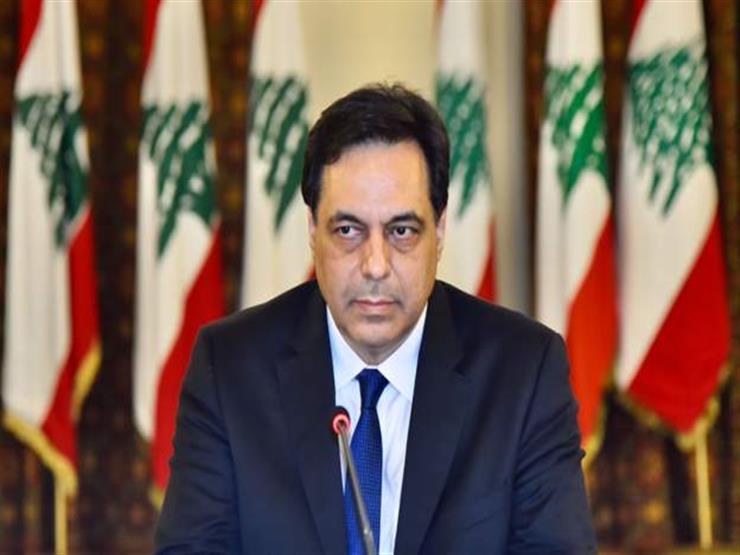
بعد أشهر من النقاش والجدال، وافق رئيس حكومة تصريف الأعمال حسان دياب والوزراء المعنيون على توقيع تعديل الحدود البحرية الجنوبية. تطوّر كبير قد ينسف المفاوضات غير المباشرة مع العدو الإسرائيلي، ويثبّت حق لبنان بمساحة 1430 كيلومتراً مربعاً، ويمنع «إسرائيل» من سرقة ثروة لبنان النفطيةقُضيَ الأمر. أخيراً، استدركَت الحكومة النتائج الكارثية التي كانَت ستنجُم عن تأخير تعديل المرسوم 6433 (الصادر عام 2011، والذي يحدد حدود المناطق البحرية الاقتصادية الخالصة للبنان)، وقررت إضافة مساحة 1430 كيلومتراً مربعاً إلى المنطقة «المتنازَع عليها» عند الحدود الجنوبية. بعدَ انقسام سياسي دامَ أشهراً، ونقاشات بينَ القوى السياسية ومراسلات مع الجهات المعنية، وجدَ رئيس الحكومة حسان دياب والوزراء المعنيون بالتوقيع أنفسهم أمام خيارين: إما التوقيع وتثبيت حقّ لبنان في هذه المساحة وإبلاغ الأمم المتحدة بذلك، أو تركها ملاذاً لشركات التنقيب التي تعمَل مع الحكومة الإسرائيلية لتسرح وتمرَح فيها، وتُصبِح الحدود «السايبة» هي البوابة التي يستغلها العدو الإسرائيلي لشفط ثروة لبنان النفطية، وخاصة أن التنقيب في هذه المنطقة تحديداً (حقلي «كاريش» و«72») سيبدأ في حزيران المقبل. وفي حال سلوك تعديل المرسوم الطريق المتوقع له، ستمتنع شركات التنقيب عن العمل في المنطقة التي ستُصبح «متنازعاً عليها».
فؤاد السنيورة
قرار التوقيع على تعديل المرسوم، اتّخذ مساءَ أمس في اجتماع وزاري ضمّ دياب ووزيرة الدفاع زينة عكر، ووزير الأشغال والنقل ميشال نجار، ووزير الخارجية شربل وهبة، والوفد العسكري المفاوض في الناقورة: العميد بسام ياسين والعقيد البحري مازن بصبوص. اقتراح التعديل كان قد ورد من قيادة الجيش، بعد سنوات على إنجاز دراسات مراسلات تجاهلتها الحكومات المتعاقبة. كان الجيش، منذ نحو 10 سنوات، يحاول تصحيح «الخطأ» الذي ارتكبته حكومة الرئيس فؤاد السنيورة الأولى، وحوّل مساحة 860 كيلومتراً مربعاً من المياه الجنوبية اللبنانية إلى منطقة «متنازع عليها». وبموازاة المفاوضات التي كانت تجرى بوساطة أميركية، تبيّن لفريق من التقنيين العسكريين والمدنيين أن حق لبنان يتجاوز تلك المنطقة «المتنازَع عليها»، ليصل إلى 2290 كيلومتراً مربعاً لا 860 كيلومتراً مربعاً فقط.
قرار التوقيع على التعديل لم يكُن سهلاً، فقد «استمر النقاش بين الوزراء لأكثر من ساعة ونصف ساعة حول من يُفترض به أن يوقّع أولاً». في البداية، «جرت محاولات من قبل وزراء لكي لا يكونوا أوّل الموقّعين»، لكن «رئيس الحكومة، ولأول مرة، كان متحمساً للحسم، فقال: إننا اجتمعنا اليوم لاتخاذ قرار، وعلينا توقيع المرسوم. وعندما يوقّع الوزراء سأقوم أنا فوراً بالتوقيع».
ميشال نجار حزب الكتائب
وبحسب المعلومات، دافع وزير الخارجية عن ضرورة تعديل المرسوم، وأكدت وزيرة الدفاع أنها ستوقّع وهي تتبنّى توجهات قيادة الجيش، بينما طلب وزير الأشغال مهلة ثلاثة أو أربعة أيام للتوقيع، لأنه يريد العودة إلى مديرية النقل البري والبحري في الوزارة، للاستيضاح حول عدد من النقاط. وخلال الاجتماع، «عرض الوفد العسكري على وزير الأشغال أن يحضر إلى الوزارة ويقدّم له عرضاً بكل المعلومات والإحداثيات الجديدة، لكن نجار أصرّ على العودة إلى المديرية كونها هي التي أعدّت المرسوم قبل إصداره عام 2011».
وزير الأشغال طلب مهلة ثلاثة أيام للعودة إلى مديريّة النقل البرّي والبحري
بعد الاجتماع، صدر بيان من الأمانة العامة لمجلس الوزراء أشار إلى أن «الرئيس دياب أكد خلال الاجتماع ضرورة الإسراع في بتّ هذا الملف. وبعدما قدم وفد الجيش شرحاً مفصلاً حول الملف، أكدت وزيرة الدفاع الوطني تبنّيها مشروع المرسوم المرفوع من قبلها. واستمهل وزير الأشغال العامة والنقل لدراسة هذا المشروع بالسرعة القصوى بالتنسيق مع قيادة الجيش تمهيداً لاستكمال الملف وتوقيعه من قبل وزيرَي الدفاع والأشغال ليصار بالنتيجة إلى عرضه على الرئيس دياب لتوقيعه وإحالته إلى رئاسة الجمهورية لإصدار الموافقة الاستثنائية المطلوبة».
اتخاذ قرار توقيع التعديل وتصحيح الخطأ السابِق، يُعدّ تطوراً كبيراً في ملف الترسيم البحري، جنوباً. فهو الأمر الذي سعى العدو الإسرائيلي جاهداً من أجل منعه، وكلّف الوسيط الأميركي بالضغط على الدولة اللبنانية من أجل التراجع عن الخط (29) الذي طرحه الوفد اللبناني المفاوض في الناقورة، بناءً على دراسات وخرائط وإحداثيات تؤكد حق لبنان بمساحة 2290 كيلومتراً في البحر، بدلا من الـ 860 كيلومتراً مربعاً «المتنازع عليها». وهو الأمر الذي دفعَ بالجانِب الإسرائيلي أيضاً، إلى تعليق عملية التفاوض غير المباشر وشنّ حملة في وسائله الإعلامية تتهم لبنان بنسف المفاوضات.
قد يؤدي تعديل المرسوم 6433 الى وقف المفاوضات فعلاً، وتعنّت العدو الإسرائيلي ورفضه العودة الى طاولة الناقورة. لكن الأكيد أن هذا التعديل سيكون ورقة قوية في يد الوفد اللبناني المفاوض، والأهم أنه سيُثبت حق لبنان حتى الخط (29)، ويحوّل مساحة 2290 كيلومتراً الممتدة إلى نصف حقل «كاريش» إلى منطقة متنازع عليها، الأمر الذي يمنَع شركة «إنرجين» اليونانية، أو أي شركة أخرى، من البدء بعملية التنقيب في هذا الحقل، لأنه يشكّل اعتداء على المنطقة الاقتصادية الخالصة التابعة للبنان.
في الاجتماع نفسه، ناقش رئيس الحكومة والوزراء والوفد المفاوض، موضوع ترسيم الحدود البحرية مع سوريا. وجرى تكليف وزير الخارجية شربل وهبة بمهمة التواصل مع الجانب السوري. وعلمت «الأخبار» أن وهبة وجّه دعوة إلى السفير السوري في لبنان علي عبد الكريم علي، حيث سيلتقيه في الوزارة يوم الثلاثاء المقبل، لإبلاغه باستعداد لبنان للتفاوض والبحث معه في الآليات المناسبة للبدء بالمحادثات، في انتظار وصول الكتاب الذي أعدّته قيادة الجيش ورأي المجلس الوطني للبحوث العلمية، ورسالة السفير اللبناني في دمشق سعد زخيا. وأكدت مصادر مطّلعة أن «الوفد العسكري ــــ التقني الذي يتولّى مهمة المفاوضات غير المباشرة مع العدو الإسرائيلي، هو نفسه من ستُوكَل إليه مهمة التفاوض المباشر مع الجانب السوري».
After months of debate, political division, discussions between political forces, Caretaker Prime Minister Hassan Diab and the ministers concerned agreed to sign the Southern Maritime Border Amendment. A major development that could torpedo indirect negotiations with the Israeli enemy, prove Lebanon’s 1,430-square-kilometer right, and prevent Israel from stealing Lebanon’s oil wealth. Finally, the government realized the disastrous consequences of delaying the amendment of Decree 6433 (issued in 2011, which sets the boundaries of Lebanon’s exclusive economic maritime zones) and decided to add an area of 1,430 square kilometers to the “disputed” area at the southern border.
Caretaker Prime Minister Hassan Diab and the ministers concerned ministers found themselves facing two options: either sign the Amendment and establish Lebanon’s right to this space and inform the United Nations, Or leave the “loose” borders as a haven for exploration companies working with the enemy entity a gateway to steal Lebanon’s oil wealth, especially since exploration in this particular area (Karish and 72 fields) will begin next June. After signing the amendment of the decree, exploration companies will refrain from working in the area, which will become “disputed”.
The decision to sign the amendment of the decree was taken yesterday evening at a ministerial meeting that included Diab, Defense Minister Zeina Aker, Minister of Works and Transport Michel Najjar, Foreign Minister Charbel Wahba, and the military negotiating delegation in Naqura: Brigadier General Bassam Yassin and Marine Colonel Mazen Basbous.
Siniora
The amendment proposal was received from the army command, years after the completion of correspondence studies ignored by successive governments. For nearly 10 years, the army has been trying to correct the “mistake” made by President Fouad Siniora’s first government, turning an area of 860 square kilometers of Lebanese southern waters into a “disputed” area.
In parallel with the U.S.-brokered negotiations, a team of military and civilian technicians found that Lebanon’s right exceeded that “disputed” area, reaching 2,290 square kilometers, not just 860 square kilometers.
The decision to sign the amendment was not easy. “The discussion between ministers continued for more than an hour and a half on who should sign first.” In the beginning, “attempts were made by ministers not to be the first to sign,” but “the prime minister, for the first time, was enthusiastic about making a decision, so he said:
We met today to make a decision, and we have to sign the decree.” When the ministers sign, I will immediately sign. ”
Michel Najjar, the Phalange Party
According to the information, the Foreign Minister defended the need to amend the decree, and the Minister of Defense confirmed that she will sign while adopting the directions of the army leadership, while the Minister of Works asked for three or four days to sign, because he wants to return to the directorate of land and sea transport in the ministry, to clarify a number of points. During the meeting, “the military delegation offered the Minister of Works to come to the ministry and present him with all the new information and coordinates, but Najjar insisted on returning to the directorate because it was the one who prepared the decree before it was issued in 2011.”
The Minister of Works requested a three-day deadline to return to the Directorate of Land and Maritime Transport
After the meeting, a statement issued by the General Secretariat of the Council of Ministers indicated that «President Diab stressed during the meeting the need to speed up the bit of this file. After the army delegation provided a detailed explanation of the file, the Minister of National Defense confirmed that she had adopted the draft decree submitted by her. The Minister of Public Works and Transport has begun to study this project as soon as possible in coordination with the army command in preparation for the completion of the file.
It was signed by the Ministers of Defense and Works to be presented to President Diab for signature and referred to the Presidency of the Republic to issue the required exceptional approval.”
The decision to sign the amendment and correct the previous error is a major development in the maritime demarcation file, south. This is what the Israeli enemy sought to prevent, and the U.S. mediator was tasked with pressuring the Lebanese state to reverse the line (29) put forward by the Lebanese negotiating delegation in Naqoura, based on studies, maps and coordinates confirming Lebanon’s right to 2,290 kilometers at sea, instead of the “disputed” 860 square kilometers. This has also prompted the Israeli side to suspend the indirect negotiation process and launch a campaign in its media accusing Lebanon of torpedoing the negotiations.
The amendment to Decree 6433 could effectively halt the negotiations, intransigence of the Israeli enemy and its refusal to return to the Naqoura table. But surely this amendment will be a strong paper in the hands of the Lebanese negotiating delegation, and most importantly it will prove Lebanon’s right to the line (29), and turn the area of 2,290 kilometers extending to half of the Karish field into a disputed area, which prevents the Greek company Energin, or any other company, from starting the exploration process in this field, because it constitutes an attack on Lebanon’s exclusive economic zone.
At the same meeting, the prime minister, ministers and the negotiating delegation discussed the demarcation of the maritime border with Syria. Foreign Minister Charbel Wahba was tasked with communicating with the Syrian side. Al-Akhbar learned that Wahba invited Syrian Ambassador to Lebanon Ali Abdel Karim Ali, where he will meet with him at the ministry next Tuesday, to inform him of Lebanon’s readiness to negotiate and discuss with him the appropriate mechanisms to start the talks, pending the arrival of the book prepared by the army leadership and the opinion of the National Council for Scientific Research, and the letter of the Lebanese ambassador in Damascus Saad Zakhia. Informed sources confirmed that “the technical military delegation that is in charge of indirect negotiations with the Israeli enemy, is the same one who will be entrusted with the task of direct negotiation with the Syrian side.”
من غير إطالة والعودة الى مسار إجراءات تحديد المنطقة الاقتصادية الخالصة للبنان، نكتفي بالتذكير بأنّ لبنان في تداوله لهذا الملف ارتكب جملة أخطاء عرّضت حقوقه للخطر والضياع، وكان الخطأ الأوّل في العام 2007 عندما أرسل وفداً ناقص الأهلية والمؤهّلات القانونية والمهنية الى قبرص للتفاوض على الحدود الغربية الجنوبية للمنطقة الاقتصادية تلك. وكان خطأ يومها في وضع النقطة (1)، ولكن لبنان وبسبب أو آخر لم يوقع الاتفاق النهائي مع قبرص ما جعل الحقّ قابلاً للتصحيح بالتراجع عن الخطأ، فلبنان لم يبرم الاتفاق هذا، ولم يجعل لاتفاقية ترسيم حدود المنطقة الاقتصادية وضعاً قانونياً ملزماً له خاصة أنّ رئيس الجمهورية لم يوقع ومجلس الوزراء لم يقرّ، ومجلس النواب لم يأخذ علماً ولم يصدّق وبقيت المسألة في إطار مشروع اتفاق لم يسلك مساره القانوني.
وبعد جمود سنتين، حرك الملف ووضع بعهدة قيادة الجيش بقرار من رئيس الجمهورية، وهنا رُسم خط جديد لحدود المنطقة الاقتصادية اللبنانية الجنوبي يعدّل الخط السابق وينقل نقطة الزاوية الجنوبية الغربية للمستطيل من النقطة 1 الى النقطة 23 ويعطي لبنان مساحة 863 كلم 2 زيادة عما كانت الاتفاقية مع قبرص تعطيه. وهنا ظنّ لبنان أنه صحّح الخطأ المرتكب من قبل وفد فؤاد السنيورة الى قبرص واستعاد مساحة مهمة للبنان في منطقته الاقتصادية الخالصة، وحتى يثبت العمل دولياً سارع الى توقيع مرسوم أرسله الى الأمانة العامة للأمم المتحدة يعلمها بها بحدود المنطقة الاقتصادية اللبنانية التي رسمها وفقاً لاتفاقية قانون البحار للعام 1982 التي انضمّ إليها لبنان في العام 1994.
وهنا وللوهلة الأولى ظنّ المتابعون للقضية أنّ في فعل الحكومة اللبنانية وإيداعها المرسوم 6433/2011 الأمم المتحدة صيانة لحقوق لبنان ودفاعاً عن ثرواته وحدوده وتصحيحاً لخطأ عرضها للخطر، ولكن في الحقيقة انطوى هذا المرسوم أو واجه أمرين خطيرين: الأول إقليمي دولي والثاني حقوقي داخلي.
ففي الأول امتنعت «إسرائيل» عن الإقرار بالحقوق اللبنانية المحددة بالمرسوم المودع لدى الأمم المتحدة واعتبرت انّ لبنان بتوقيعه مشروع الاتفاقية مع قبرص يكون قد أقرّ عملياً بمدى الحق الذي يدّعيه، وهي لا تتقبّل فكرة أي تعديل وتتمسك بالنقطة 1 الظاهرة في الخريطة المرفقة بمشروع اتفاقية لبنان/ قبرص.
اما في الثاني وهنا الوضع أشدّ وأدهى فيتعلق بالمرسوم ذاته والخريطة المرفقة به، حيث إنّ دراسة الملف تؤدّي الى تسجيل الملاحظات الخطيرة التالية:
أولاً: رسم لبنان خط حدود منطقته الجنوبيّة من النقطة 18 قرب الشاطئ الى النقطة 23 واختار النقطة 18 بعيدة عن الشاطئ لمسافة تتعدى عشرات الأمتار (28 م) من غير أيّ سند او مرجع او مرتكز قانوني ما يجعل قانون الخط (18-23) خطاً واهناً لا يرتكز على حجة قانونية تمكن من الدفاع عنه.
ثانياً: أرفق بالمرسوم خريطة يظهر عليها اسم «إسرائيل» بدل فلسطين في اعتراف واضح وبوثيقة رسمية لبنانية موقعة من رئيس الدولة بكيان العدو خلافاً للموقف الرسمي اللبناني.
ثالثاً: لم تظهر الخريطة المرفقة بالمرسوم 6433 /2011 حدود لبنان الدولية مع فلسطين المحتلة، وفي ذلك مماشاة للعدو الإسرائيلي الذي يريد التنصل من اتفاقية بوليه نيوكمب.
أما من حي الشكل فقد غاب عن المرسوم توقيع الوزراء/ الوزير المختص واكتُفي بتوقيع وزير الأشغال بينما وفقاً للقانون اللبناني فإنه يجب الحصول على تواقيع وزراء المال والدفاع والخارجية، وبغياب هذه التواقيع يكون في المرسوم عيب جوهري يقتضي التصحيح إما بالأبطال او بالإبدال.
وعلى ضوء ذلك بات ملحاً إلغاء المرسوم 6433 واعتباره كأنه لم يكن لأنّ التمسك به يعني ببساطة اعترافاً بـ «إسرائيل» وتنازلاً عن حدود لبنان الدولية مع فلسطين وإطاحة باتفاقية «بوليه نيوكمب» وباتفاقية الهدنة. وهذا ما فعله وللأسف اتفاق الإطار الذي يبقى من غير قيمة قانونية ملزمة وفقاً للنظام القانوني اللبناني حيث لم تصدّقه أيّة جهة رسمية مخوّلة او ذات صلاحية دستورية، ثم انّ موقف العماد عون صحّح او سدّ ما جاء فيه من ثغرات.
ومن جهة أخرى فإننا نذكر بأنّ لبنان وقبل إعداد المرسوم أعلاه، كان قد طلب من مكتب بريطاني مختص رأياً فنياً تقنياً قانونياً حول حدود المنطقة الاقتصادية اللبنانية الجنوبية الخالصة، واستجاب المكتب للطلب اللبناني وأودع نتيجة دراسته الاستشارية العلمية والقانونية والفنية الحكومة اللبنانية في آب 2011، وتظهر الدراسة انّ للبنان حق بمساحة 2290 كلم 2 زيادة على المساحة التي حدّدت له بمشروع اتفاقية مع قبرص، ولكن الغريب بالأمر انّ الدراسة البريطانية أخفيت في الأدراج، وتمسّك المسؤول اللبناني بما كان أعدّه من مرفقات ومضمون في المرسوم 6433 /2011 وأرسله إلى الأمم المتحدة بعد شهرين من تلقي الدراسة البريطانية، باعتباره وثيقة رسمية لبنانية تحدّد حدود المنطقة الاقتصادية اللبنانية.
مع هذا التباين في الموقفين اللبناني و»الإسرائيلي» تدخل أو أدخل الأميركيون لفضّ النزاع، على أساس انّ سقف الطلب اللبناني هو ما حدّد في المرسوم 6433 (أيّ المطالبة بـ 860 كلم 2) وسقف الطلب الإسرائيلي هو الخط B1-1 وانّ الخلاف واقع على 860 كلم2، وبعد طويل تفاوض غير مباشر توصل فريدريك هوف الى رسم خط اقترحه لفصل النزاع بحيث يعطي لبنان 55% من المنطقة المتنازع عليها ولم يستطع هوف أن يفرض اقتراحه على الطرفين فتجمّدت المفاوضات وأوقف هوف حركته المكوكيّة بين الطرفين.
في هذه الأثناء عاد لبنان وتحديداً قيادة الجيش لمراجعة الملف من أساسه واستعانت القيادة بأعرق وأهمّ الخبراء ومكاتب الدراسات الأوروبية وتوصّلت الى نتائج صادمة، حيث إنها وقفت على حقيقة خطر الأخذ بمشروع الاتفاق مع قبرص/ ووهن وخطورة الأخذ بما جاء في المرسوم 6433 /2011 الذي لا يمكن الدفاع عنه لأنه لا يستند الى أيّ حقيقة او مرجعية قانونية وتوصلت بنتيجة الدراسة الى رسم الخط النهائي العلمي والقانوني لحدود المنطقة الاقتصادية بشكل يأخذ بالاعتبار اتفاقية «بولية نيوكمب» واتفاقية الهدنة التي منهما تؤخذ نقطة البرّ التي تنطلق منها الحدود البرية شرقاً والحدود البحرية غرباً، كما وقانون البحار للعام 1982 الذي يحدّد قواعد وأسس رسم حدود المنطقة الاقتصادية البحرية، ورسمت بنتيجة ذلك خطاً جديداً هو ما يجب أن يكون حدود المنطقة اللبنانية جنوباً. وللمفارقة تبيّن أنّ هذا الخط هو متطابق بنسبة 99% مع الخط الموصى به من قبل المكتب الاستشاري البريطاني ذاك الخط الغارق في الأدراج الرسمية اللبنانية منذ آب 2011.
وعلى ضوء هذه الحقائق القانونية والوقائع الميدانية العملية بات على لبنان أن يسارع الى إصدار مرسوم يصحّح به خطأ الماضي ويصون مصالحه وثرواته، عليه أن يسارع بالفعل وعلى مرحلتين الأولى إلغاء المرسوم 6433 /2011 وإبلاغ الأمم المتحدة بالإلغاء وسحبه منها بتوقيع من سبق ووقع، والمرحلة الثانية إصدار مرسوم نهائيّ يتضمّن الحق اللبناني كاملا ويحمل تواقيع الوزراء المختصين.
أما القول بأننا لسنا بحاجة الى هذا الأمر فيعني ببساطة التمسك بالمرسوم 6433 الواهن والخطر وغير القابل للدفاع عنه ما سيؤدي الى التفريط الأكيد بالحقوق اللبنانية، فحجة لبنان بالمطالبة بحقه بـ 2290 كلم 2 ضعيفة بوجود المرسوم 6433 لأنّ الأخير يفسّر بأنه إقرار لبنان بمدى الحق اللبناني والإقرار سيّد الأحكام، فإذا لم يصحّح العيب هنا ضاع الحق اللبناني وانّ كلّ من يؤخر او يعارض او يعرقل سحب المرسوم 6433 من الأمم المتحدة وإرسال البديل الصحيح يكون عن قصد أو غير قصد يضعف الموقف اللبناني التفاوضي ويفرط بالحق اللبناني بثرواته البحرية إقراراً بالاعتراف بـ «إسرائيل» وتنازلاً عن اتفاقية «بوليه نيوكمب» والحدود الدولية التي ترسمها كما تظهر الخريطة المرفقة به.
The Throne Of Saint Jewry
-
The Throne Of Saint Jewry November 12 2026
___________________________________ More Vids! +BN Vids Archive! HERE!
___________________________________ Suppo...
Cracks in the foundations of Pax Judaica
-
World Jewry is terrified of the Kushner revelations from Cole as they
attack the foundations of Pax Judaica. We already know the basic facts of
the corrupt...
Report on Beth Israel vigil 09-12-26
-
*Eat-a-Cheeseburger Day Approaches*
This year, EAC Day appears on Monday, September 21st. The date coincides
with the Jewish holiday called Yom Kippur. Cl...
-
Hello all,
It is with great sadness that I share with you the passing of our beloved
sister, Mother, and Grandmother, the individual that you all knew ...
Best Horror Podcast
-
Best Horror Podcast Introduction: Horror podcasts […]
The post Best Horror Podcast appeared first on Copper Shock Horror Podcast.
Ikhras Endorses Muntadhar Al-Zaidi
-
“Oh parties of banditry and sectarianism and corruption, we have come and
our goal is to destroy you.” Ikhras formally endorses Muntadhar al-Zaidi,
Iraqi j...
Prince Charles: Foreign Jews behind bloodshed in ME
-
In May, 2017, British Crown Prince Charles declined an invitation from
Zionist entity’s president Reuven Rivlin‘s to attend the 100th anniversary
of the no...
Palestinian Women – One for All, All for One
-
Honouring All Palestinian Women by Honouring Three: Hanin Zoabi, Ahed
Tamimi, Samah Sabawi Vacy Vlazna “Palestinian women have always stood side
by side ...
US’s Saudi Oil Deal from Win-Win to Mega-Lose
-
By F. William Engdahl Who would’ve thought it would come to this? Certainly
not the Obama Administration, and their brilliant geo-political think-tank
neo-...
-
*Mordechai Vanunu wins human rights prize of Brazilian Press Association *
* http://www.alternativenews.org/english/index.php/features/updates/7038-mordechai...
Abdul Aziz Rantissi:
"My ultimate wish, my God, is to attain martyrdom,"...God granted him his wish on April 17, 2004, at the hands of Israeli assassins.