Showing posts with label Popular Revolutions. Show all posts

Sunday, 18 April 2021

Bahrain Crackdown: Demonstrations Continue For 20th Consecutive Night in Support of Jailed Activists

Bahrain Crackdown: Demonstrations Continue For 20th Consecutive Night in Support of Jailed Activists

By Staff, Agencies

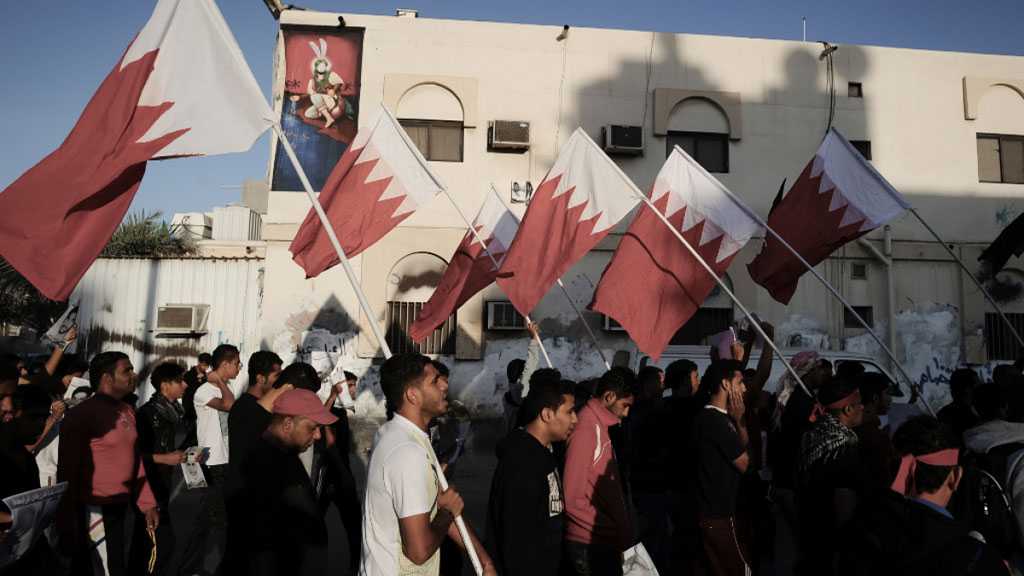
Amid the continued crackdown of the Manama regime, Bahrainis have rallied for the 20th night to reiterate their call for an immediate and unconditional release of political inmates amid concerns over the alarming situation of the country’s prisons in light of the coronavirus outbreak.

The demonstrations were held under the banner of “Friday of Prisoners’ Rage,” with participants denouncing Bahraini authorities’ mistreatment of imprisoned activists, and the miserable conditions of prisoners at detention centers across the tiny kingdom.

The demonstrators carried Bahrain’s national flags as well as pictures of jailed political opponents, and chanted anti-regime slogans in several villages, including Karzakan, Karbabad, Hamala, Shahrakan, al-Dair, Karrana, Abu Saiba, Shakhura, Bu Quwah, North Sehla and Samaheej, as they called for the unconditional freedom of the prisoners.

Similar rallies were held in the villages of Dar Kulaib and Ma’ameer, where protestors held up the pictures of prominent opposition figure Zakia al-Barbouri, who was charged to five years in prison on February 6, 2019, and had her citizenship revoked in a politically-motivated case.

Earlier this month, Bahrain’s most prominent Shia cleric Sheikh Isa Qassim warned that political dissidents in Bahraini prisons are facing deaths and demanded their immediate release. 

In a statement carried by Arabic-language Bahrain Mirror news website on April 1, the senior cleric called on the ruling Al Khalifa regime to choose between the deaths of the dissident inmates and their release.

“One of the worst things that the government of Bahrain does is to keep prisoners as leverage for political bargaining, especially now that the coronavirus is attacking prisons with full force,” the senior cleric added.

Demonstrations in Bahrain have been held on a regular basis ever since a popular uprising began in mid-February 2011.

The participants demand that the Al Khalifah regime relinquish power and allow a just system representing all Bahrainis to be established.

Manama, however, has gone to great lengths to clamp down on any sign of dissent.

On March 14, 2011, troops from Saudi Arabia and the United Arab Emirates were deployed to assist Bahrain in its crackdown.

On March 5, 2017, Bahrain’s parliament approved the trial of civilians at military tribunals in a measure blasted by human rights campaigners as being tantamount to imposition of an undeclared martial law countrywide.

King Hamad ratified the constitutional amendment on April 3, 2017.


River to Sea Uprooted Palestinian   
The views expressed in this article are the sole responsibility of the author and do not necessarily reflect those of the Blog!

Thursday, 21 November 2019

Yellow Vests reach 1 year: The redemption of France’s revolutionary spirit


Yellow Vests reach 1 year: The redemption of France’s revolutionary spirit
November 20, 2019
(Ramin Mazaheri is the chief correspondent in Paris for Press TV and has lived in France since 2009. He has been a daily newspaper reporter in the US, and has reported from Iran, Cuba, Egypt, Tunisia, South Korea and elsewhere. He is the author of the books ‘I’ll Ruin Everything You Are: Ending Western Propaganda on Red China’ and the upcoming ‘Socialism’s Ignored Success: Iranian Islamic Socialism’.)
For many years to come France will be divided into two periods – before the Yellow Vests, and after the Yellow Vests. It’s widely believed in France that things can never go back to the way they were.
I’m not sure there can be a better yardstick of domestic success – a better gauge of sociocultural impact – than that?
Outside of France the Yellow Vests have given the world a precious gift, and at a huge sacrifice: nobody will ever view “French-style democracy” with the respect their government arrogantly demands as the alleged “birthplace of human rights”. For a generation or longer, “What about the Yellow Vests?”, will be a conversation-ending question to anyone who claims the moral superiority of the “Western-style” political system.
Systematic repression of the poorest classes are indeed “universal values”, but only within neoliberal and neo-imperial systems. Make no mistake: It has been one year of open Yellow Vest revolt against the economic dictates of that “neoliberal empire”, the European Union, and it’s neo-colonial puppet temporarily occupying Élysée Palace in Paris.
What the last year has testified to is the redemption of France’s revolutionary spirit. Not every country has that, after all.
England, for example, will foolishly “keep calm and carry on” – a perfect summation of change-hating conservatism – until the bitter end, always. This is why reading English-language media coverage of the Yellow Vests was so very similar – “English conservative opposes egalitarian movement in France”. They have been running the same story for 200+ years, going back to Edmund Burke, who founded modern Western conservatism with his (reactionary) Reflections on the Revolution in France in 1790.
France is not England, but 53 weeks ago I don’t think anyone imagined that the French could possibly muster the stamina, dedication and self-sacrifice to protest amid massive state-sponsored repression every weekend for one year.
It’s an amazing achievement, and only those full of spite and hate could deny them a modest present of honest recognition on their birthday.
But Western mainstream media coverage in English and French was just that – they claimed the Yellow Vests achieved nothing.
One thing the French don’t like to be reminded of is: the French Revolution failed, and quickly. It’s as if they forget Emperor Napoleon?
The French Revolution is not like the Iranian, Chinese or Cuban Revolutions, all of which have endured. The American Revolution has also endured – too bad that it was even more aristocratic (bourgeois) and sectarian than the French Revolution.
But the French Revolution occurred in an era of constant regional imperialism, war, slavery, repression of women, religious and ethnic sectarianism, etc. – we would be wrong to say it did not still have positive worldwide ramifications in the most important realms of politics, economics, culture, etc. The USSR – the only empire based on affirmative action – also failed, but we would be wrong to say it didn’t also produce positive changes for their people and also worldwide.
Quickly, here are a few tangible victories of the Yellow Vests: they prevented Emmanuel Macron from presenting a 10th consecutive annual austerity budget, they prevented Macron from de-nationalising the three airports of Paris, and the 10 billion euros in so-called “concessions” was credited with keeping French economic growth in the positive in the last quarter.
However, even if the Yellow Vests have obviously not yet toppled the 5th Republic and set up a new order, their cultural is inestimable. Just as the Occupy Movement of the US in 2011 gave us the slogan and mentality of “We are the 99%”, so will the Yellow Vests stand for something equally conscience-raising.
The Yellow Vests want a French Cultural Revolution, and should lead it
However, a big difference between the two movements is that Occupy was led by many college-educated “do-gooders” – and God bless them – whereas the Yellow Vests are undoubtedly a movement of the most marginalised classes.
Seemingly the most comprehensive survey thus far showed that few Vesters are unemployed, two-thirds of Vesters make less than the average national wage, and an even greater percentage regret a lack of cultural resources and social links. In other words: hard-working, (yet still) poor, isolated citizens who yearn for more cultural enrichment.
This is why I have repeatedly drawn a different parallel: the Yellow Vests are essentially demanding a Cultural Revolution. Only China and Iran have ever had one, and both were state-sponsored.
Cultural Revolutions put the values of the formerly-oppressed classes into power – everything is brought to a halt for perhaps years in order to engage in mass discussions, with the aim of drastically updating a nation’s democratic institutions and general culture in order to accord with modern political ideals. This is precisely what the Yellow Vests want: a long, comprehensive, democratic rethink and public debate over France’s inclusion in the European Union, the eurozone, NATO, and the Americanisation/neoliberalisation of their domestic policies.
Chinese peasants, Iran’s “revolution of the barefooted” and the rural-based Yellow Vests – it’s impossible not to admit the parallels. The West, of course, only insists that both Cultural Revolutions were huge mistakes.
Not true: China’s Cultural Revolution created the rural economic and human capital which laid the groundwork for their 1980s-onwards boom, although the West would have you believe its rebirth sprung only from Deng’s reforms; Iran’s Cultural Revolution swept away the elite’s oppressive aping of the West and created the first modern Muslim democracy.
The Yellow Vests insist that they are the “real” France, and after a year of talking with them I agree – they know as much or more about politics than I do. Politics is not rocket science, after all, but mainly applying common morality to public policy and daily events.
Iran and China already had a government inspired by socialist democracy (and not by aristocratic liberal democracy) when they embarked on their Cultural Revolutions, whereas France does not – thus the repression.
What did the Occupy Movement “achieve”, after all? They prevented no bailouts, they folded after infinitely less state repression and there is no direct movement linked with them today. However, only a Burkean conservative would insist that the Occupy Movement didn’t wake many people up to the struggles of class warfare, and of egalitarian right and greedy wrong. It’s never mentioned in the Western media – which only adores far-right, nativist, anti-socialist movements like in Hong Kong – but Algerians have protested for 39 consecutive weekends as well.
The Yellow Vests have not failed – they have much to celebrate on their birthday, and this article serves as a rare reminder of that reality.
Iranian and Russian media – doing France’s job for them
What’s important to note is that since late June – when France started going on summer vacation – Russian and Iranian media in Paris (including my Farsi- and Spanish-language colleagues) have been the only television journalists openly covering the Yellow Vest demonstrations.
My French colleagues have done the most cowardly thing possible – they quit the field. For many months people in Paris couldn’t believe I had to work covering the Yellow Vests on Saturday: I repeatedly heard, “I thought they were finished?”
With exceptions I can count on one hand, for many months French media has been either totally absent or hidden. There are certainly no reporters doing live interviews (even without a logo displaying whom they work for), even though the presence of live reporters inherently reduces the willingness of police to be violent. Considering the toll of violence – 11,000 arrested, 2,000 convicted, 1,000 imprisoned, 5,000 hurt,1,000 critically injured and the innumerable tear-gassings – it’s no wonder French people hate the media.
In France the vast majority of media are private, with editorial lines decided by a handful of billionaires – that’s just how Western journalism works, sadly. “Free speech”, they call it. However, where are the public media – they are paid by taxpayer dollars to objectively cover their own nation?! Quite pathetic….
This is probably why the Macron administration openly disparages Russia’s RT and Sputnik (we won’t get into their problems with PressTV here): we have spent the past year properly doing our jobs, unlike France’s media.
That’s too bad for France, but the unexpected and undeniable accomplishments of the Yellow Vests speak for themselves. Who knows what they might achieve in year 2?

River to Sea Uprooted Palestinian   
The views expressed in this article are the sole responsibility of the author and do not necessarily reflect those of the Blog!

Saturday, 26 October 2019

The Bahrain Gov’t Is Attacking Female Activists – And Trump’s Policies are Emboldening Them


The Bahrain Gov’t Is Attacking Female Activists – And Trump’s Policies are Emboldening Them
In 2017, Bahraini human rights defender Ebtisam al-Saegh found herself sitting in a dark room before a pair of chain smoking officers from Bahrain’s National Security Agency. “No one is going to hear you in this place,” sneered one of the men, who introduced himself as ‘the torturer.’ “No one can protect you here, not the Human Rights Council or any other organization. You know we have a green light from Trump, right?”
It had been a brutal year in the tiny island of Bahrain, the home of the US Navy Fifth Fleet and a key American ally in the Arab Gulf. The government, led by the AlKhalifa monarchy, had begun a severe and ongoing crackdown, which saw all political opposition groups and independent media forcibly dissolved and thousands incarcerated on political charges, amid accusations of rampant torture and due process violations. Ebtisam had recently returned from the UN in Geneva, where she spoke out about Bahrain’s repression.
With her arrest and torture, the government was sending a message: this would not be tolerated.
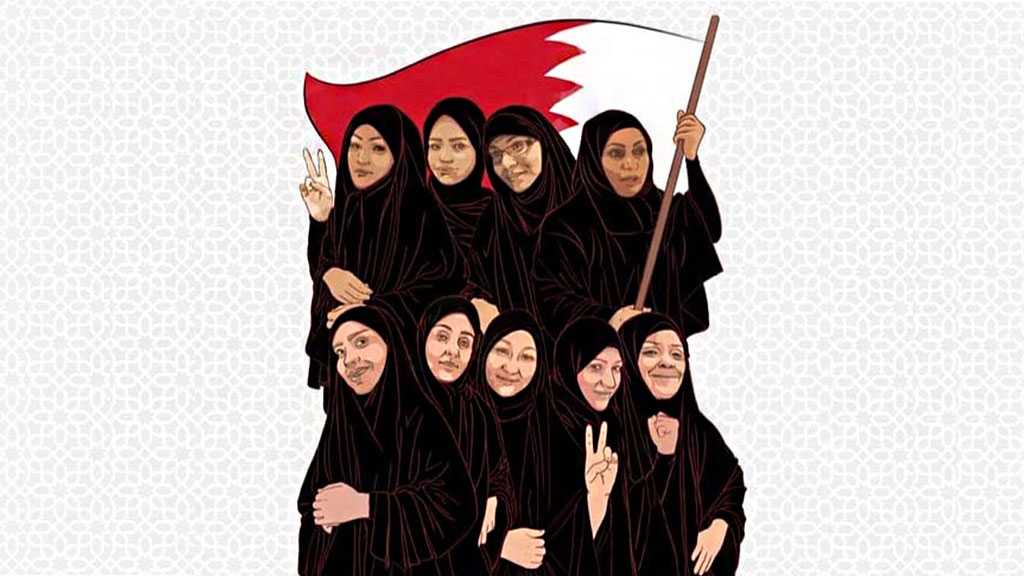
Women like Ebtisam have long played a central, albeit overlooked, role in Bahrain’s opposition movement. As the government increasingly targeted women for their opinions or those of their relatives, many began to come forward. Our organizations, the Bahrain Institute for Rights and Democracy and Americans for Democracy & Human Rights in Bahrain, have worked with nine women to share their stories. The resulting report, Breaking the Silence, traces the path of these women – from their arrests, through their interrogations and trials, to their detention at Isa Town Detention Centre, Bahrain’s only women’s prison. We uncovered horrific patterns of abuse, from sham trials to torture and sexual violence.
We encountered considerable obstacles to our work from the outset. The Bahraini state is highly resistant to scrutiny, making it virtually impossible to visit the country for research. UN Special Rapporteurs have not been permitted entry since 2006, while human rights groups, including Amnesty International, have been denied access since 2015. However, through regular phone calls with the imprisoned women and their families, as well as analysis of court rulings and medical reports and comments from psychologists and legal experts, we pieced together a coherent picture of their experiences.
As we assembled their stories, the systematic nature of government abuses became clear. During brutal interrogations, the women experienced extreme violence, ranging from threats of rape or death to beatings, sexual assault and witnessing the torture of relatives. To end these abuses, many agreed to sign pre-written confessions, later used by Bahrain’s widely condemned judiciary to convict them. When they attempted to raise their ill-treatment in court, they were dismissed by judges.
Once sentenced, the women were singled out for mistreatment at Isa Town prison due to their political status, as is common across the Bahraini prison system. They reported punitive measures, including restrictions on family visits, religious discrimination, physical assault and medical negligence. Two of the women who remain in prison today, Medina Ali and Hajer Mansoor, have only seen their children once over the past year – a visit that was granted only after significant international pressure.
The legacies of the women’s abuse affect them to this day. Ebtisam reported she can no longer sleep in the dark or tolerate the smell of cigarettes, both of which immediately transport her back to the smoky room where she was tortured. Others reported psychological trauma in their young children related to their prolonged separation. The stigma attached to incarceration also makes returning to society difficult: After being released following an international campaign against her unlawful conviction, Najah Yusuf was fired by her employer who questioned her integrity due to her criminal record.
“Sometimes I speak normally about my ordeal,” Yusuf told us, “but the truth is that I am bleeding from within. It’s painful, and I have no idea when all of this is going to end.”
While abuses in Bahrain may seem distant, the US exerts a huge influence on the country, and American policy has actively contributed to the crackdown. Since Trump’s election, Obama-era human rights conditions on arms sales have been removed and the State Department has approved an unprecedented $8.5 billion worth of arms sales, upgrades, services and training to the country. Despite evidence that some of this funding has gone directly to bodies implicated in the abuse of the women we interviewed, the US places no human rights conditions on its substantial investment in Bahrain.
Trump seemingly gave the “green light” to Bahrain’s crackdown during a state visit in May 2017, where he promised an end to the “strain” his predecessor had placed on US-Bahrain relations. Two days later, Bahraini police opened fire on peaceful protests in the village of Diraz, in what the UN High Commissioner for Human Rights described as among the “deadliest” operations since Bahrain’s pro-democracy uprising was crushed in 2011. The conservative shift in American domestic policy has also encouraged Bahrain’s rights abuses: days after the White House announced the resumption of federal executions in July 2019, Bahrain executed two torture victims amid international outcry; when asked for comment ahead of the executions, the Bahraini Embassy in Washington, DC explicitly referenced the US decision.
Trump’s barely-concealed enthusiasm for authoritarianism is bolstering a climate of impunity in the region. In Bahrain, this means abusers are free to operate without fear of consequences. When Trump received Bahrain’s Crown Prince to discuss arms deals last month, he made the message very clear: keep buying arms, and we will stay silent on rights abuses.
For the women we worked with, the knowledge that they could be seized again at any point is among the most terrifying aspects of their entire experience. It is time for Congress to make clear that these violations cannot be tolerated.
These nine women have broken the silence. Now it is up to us to raise our voices and make sure that their efforts are not in vain.

River to Sea Uprooted Palestinian   
The views expressed in this article are the sole responsibility of the author and do not necessarily reflect those of the Blog!

Thursday, 19 September 2019

الاستعمار العسكري المباشر هل يعود إلى المشرق…؟


سبتمبر 19, 2019

د. وفيق إبراهيم

دول المشرق تستنجد مجدداً بالمستعمر الغربي لحماية أنظمتها السياسية من الانهيار بتدخلٍ عسكري مباشر ومكشوف يضاف الى سلسلة قواعده المنتشرة منذ سبعة عقود تقريباً في النقاط الاكثر استراتيجية في المنطقة.

هكذا حال كل المعادلات السياسية الضعيفة التي لا تؤمن الا بحراب المستعمر لحماية مشيخاتها وإماراتها وملكياتها وتتجاهل شعوبها بإفقار وتجهيل لا مثيل لهما في حركة التاريخ.

فمن يصدّق ان بلداناً غنية بمستوى الخليج لا تصنع شيئاً سوى احتراف السيطرة على مجتمعاتها بالدين والقمع وقليل من الذهب المنثور، لكن هذه الوسائل لم تعد تكفي، فلا بد اذاً من العودة الى الخدمات المباشرة للمستعمرين اصحاب المصلحة بالدفاع عن مستعمرات تكتنز معدلات قياسية من النفط والغاز والقدرة على استهلاك الصناعات الغربية والموقع الاستراتيجي.

إلا انّ هناك استثناءات على هذه المعادلة في سورية التي تقاتل دولتها ضدّ عودة الاستعمار المتسربل بأدوات إرهاب داخلية وعالمية وإقليمية.

وكذلك اليمن الثائر على استعمار سعودي خليجي يغطي الاستعمار الأميركي الفعلي، والعراق المجابه لاستعمارين مباشرين، الأميركي والتركي واعوانهما من تنظيمات ارهابية وعرقية.

اما إيران فلا تزال منذ اربعة عقود تتصدّى لحملات عسكرية واقتصادية تستهدف إعادة إخضاعها للمستعمرين.

لجهة تركيا فلا تنتمي الى تلك الاستثناءات لانها «تستضيف» على اراضيها قواعد نووية وعسكرية أميركية واخرى لحلف الناتو، على الرغم من تماسك دولتها وقوة جيشها، لكنها آثرت الاتكاء على خدمات المستعمرين بتبرير الانتماء الى حلف واحد في وجه العدو السوفياتي حينه.

للتوضيح فإن الاستعمار العسكري الغربي المباشر رحل عن المشرق محتفظاً بقواعد في معظم الخليج والاردن انما بأشكال مختلفة تقاطعت مع هيمنة اقتصادية كاملة، وهذه هي أهداف الاستعمار الباحث دوماً عن المصادر الاقتصادية المتنوعة.

لذلك بدت بلدان المشرق في السبعين سنة المنصرمة وكأنها مستقلة شكلاً تديرها شبكة من عائلات وقوى منتمية الى محور السياسة الغربية من دون أي نقاش ومع رجحان كبير لمحورها الأميركي.

هذا ما جعل الحماية الغربية المعنوية والمباشرة قادرة على إجهاض اي محاولات تغيير فعلية في المنطقة العربية.

لكن انهيار الاتحاد السوفياتي استولد فرصة تاريخية ليحاول الأميركيون إعادة تشكيل المشرق على نحو مستسلم غير قادر على إحداث اي تغيير لمدة طويلة.

فابتدأوا باحتلال افغانستان قافزين مباشرة من آسيا الوسطى الى المشرق باحتلال العراق في 2003 ولمزاعم تبين أنها كاذبة وادت الى مئات آلاف القتلى من دون ان تتجرأ قوة واحدة على انتقاد الأميركيين.

واستكمالاً لخطتهم حاولوا تدمير سورية بالارهاب وقواهم المباشرة والاسناد الاقليمي العربي بالتمويل والتركي بالتدريب والحدود والخدمات اللوجستية والاحتلال المباشر والاسرائيلي بالغارات الجوية.

إلا ان هذه المخططات لم تنجح في سورية والعراق فبدت الحرب على اليمن وسيلة اضافية وضرورية بموازاة خطة تقسيم العراق وإضعافه وسيلة اساسية لحماية البقرة الخليجية الحلوب من كامل الاتجاهات.

بدوره تصدّى اليمن المتواضع الإمكانات والكبير بتاريخه، لأوسع عدوان خليجي عربي أميركي غربي ناقلاً المعارك الى ميادين السعودية بإصابته عشرات المرات لمصافي نفطية ومطارات ومواقع عسكرية وإدارية.

ان مثل هذا القصف وضع الأنظمة الخليجية وتغطيتها الأميركية أمام حقائق مذهلة، فلا سورية سقطت ولا تمزقت وسورية لم تتفتت وتبين بوضوح أن دول الخليج عاجزة عن الدفاع عن انظمتها حتى امام القوى المتواضعة في اليمن، فكيف يكون حالها مع العراق او سورية، وانكشف ان مصر والاردن وباكستان تؤيد الخليج خطابياً لان مشاكلها الداخلية والخارجية لا تسمح لهم ارسال قوات اليه.

هناك قلق أميركي إضافي من احتمال انفجارات شعبية داخلية في الخليج قادرة على بناء تغيير فعلي في انظمته الحاكمة.

لقد تزامنت هذه التحليلات الخليجية الأميركية مع قصف يمني لمصافي بقيق وخريص اللتين تنتجان ستة ملايين برميل اي نصف الإنتاج السعودي النفطي المرتبط بالاقتصاد الغربي بشكل كامل. فوجدها الغرب الأميركي فرصة تاريخية جديدة يلعب بها على الضعف الخليجي بمحاولة رفع مستوى استفادته منه، والزعم انه عائد للدفاع عنه، وهذا يتطلب ارسالاً سريعاً لقوى برية وجوية وبحرية انما ليس بالأعداد الكبيرة لان الحروب اليوم تقتصد في البنى العسكرية البشرية لمصلحة استعمال آليات الحرب الحديثة والمتطورة التي تعتمد بشكل شبه كامل على الوسائل المادية المتطورة. لجهة أنظمة الخليج المذعورة فهي مستعدة للتغطية المادية والسياسية واستعمال فقه ديني تزعم انه إسلامي لتسهيل حركة هذا الاستعمار الجديد ولتوسيع مشروعه، اتهم الغرب الأميركي إيران بقصف المصفاتين على الرغم من ان خبراء عسكريين غربيين أكدوا ان الحصار على اليمن بمنع اي حركة بشرية بحراً وبراً، معتبرين ان خبراء إيرانيين علموا اليمنيين فنون صناعة المسيَّرات بما فيها المتطورة القادرة على اجتياز اكثر من الف كيلومتر وهذا هو التحليل العلمي الصحيح والذي يبرر لليمنيين الدفاع عن وطنهم في وجه أي عدوان خارجي.

من جهته، يستنجد هذا الخليج بالأميركيين عن طريق اثارة خوفهم على مصالحهم الاقتصادية عنده، او بالإيحاء من خطر تغييرات داخلية لن تكون بالطبع لصالح استمرار الهيمنة الغربية على دول الخليج وثرواتها.

يتبين بالمحصلة ان الأميركيين يبتعدون عن فكرة الحرب على إيران مع ميلهم لنشر قوات غربية في مواجهتها على السواحل السعودية والاماراتية استكمالاً لقواعدهم في الكويت والبحرين وقطر والاردن، فبهذه الطريقة يعود الاستعمار المباشر الى كامل جزيرة العرب بنفقات مرتفعة تتحمّل وزرها الدول المحتلة.

فهل لهذه القوات وظائف اكبر؟ يعرف البيت الأبيض انه لا يستطيع ممارسة هذا الدور الا في الخليج، فسورية طردت الاستعمار منذ سبعين عاماً وتواصل طرد ما تبقى منه، والعراق يتحضّر لإبعاده حالياً، واليمن ينجز مهامه التحريرية.

بناء على هذه المعطيات فإن عودة الاستعمار الغربي الى الخليج هي لمهمة وحيدة وهي منع أي تغير داخلي يؤدي الى تحرير ثروات الخليج من الحكام وتغطيته الغربية، ووضعها في خدمة تطوّر دول يصرُ الأميركيون على سحبها من القرون الوسطى.


River to Sea Uprooted Palestinian   
The views expressed in this article are the sole responsibility of the author and do not necessarily reflect those of the Blog!

Tuesday, 7 May 2019

Saudi Arabia’s Sudden Interest in Sudan Is Not about Friendship. It Is About Fear

By Nesrine Malik – The Guardian
In the days following the ‘Yom Kippur’ war, after the Egyptian president, Anwar Sadat, agreed to a ceasefire and subsequent peace treaty with ‘Israel,’ he faced questions at home about his climb-down. When confronted on his capitulation, he is reported to have said that he was prepared for battle with ‘Israel’ but not with America. On the third day of the war, President Nixon had authorized Operation Nickel Grass, an airlift from the United States with the purpose of replenishing ‘Israel’s’ military losses up to that point. In November of 1973, the New York Times reported that “Western ambassadors in Cairo confirm Egyptian accusations that American Galaxies were landing war equipment in the Sinai.”
There was something of Sadat’s realpolitik in the realization over the past few weeks that Saudi Arabia has no intention of letting Sudan’s revolution achieve its objective of removing the military once and for all and installing a civilian government. In the period preceding the revolution, Saudi Arabia had grown relatively lethargic and jaded about Sudan, a country it saw as good only for providing bodies as battle fodder for its war in Yemen. When Sudan’s then president, Omar al-Bashir, fearful of his demise, took his begging bowl to his allies in the region, Saudi Arabia demurred. But this lack of interest evaporated the moment it became clear that there was real power in Sudan’s streets, and Bashir was deposed.
Long gone are the days when the US was the chief meddler in the region. Saudi Arabia has taken its place as a powerful force for the status quo. Gone also are the days when Saudi Arabia’s idea of extending its sphere of influence was to sloppily funnel funds to religious schools and groups across the Arab world and south Asia. The country has now taken on a more deliberate role: to stymie political change wherever possible.
Within days of the removal of Bashir, Saudi’s purse strings loosened. Along with the UAE, it pledged a $3bn aid package to prop up Sudan’s economy and thus the transitional military government. This shot in the arm has been accompanied by an alarming and unprecedented phenomenon, a propaganda campaign launched in Saudi-owned or Saudi-sympathetic media.
Gulf News ran a profile of the current head of the transitional military council saying that “during the war in southern Sudan and the Darfur region, he served on [sic] important positions, largely due to his civic manners and professional demeanor”. “Civic” and “professionally run” are not words many would use to describe the wars in Darfur and the south of the country.
The editorial started with a panicked homage to Sudan as “one of Africa’s and the Arab world’s most strategic countries”, as if the Saudis had just caught on to the fact that Sudan was not the sleepy, pliant, begging backwater they hoped it was. A senior United Arab Emirates minister last week tried to frame the sudden interest and largesse towards Sudan as a wise precaution after the tumult of the Arab spring. “We have experienced all-out chaos in the region and, sensibly, don’t need more of it,” he lectured. But this newfound affection for oh so strategic Sudan and its civic-mannered military leaders has more to do with the Saudi royal family’s heightened insecurity about its own fate than it does with maintaining stability. The danger of a Sudanese revolution is in its optics, in the sense of possibility that it suggests. If Saudi used to care about extending its soft power across the world in order to call on alliances against regional enemies such as Iran or Qatar, today’s aggressive Saudi foreign policy adventurism can be seen in the light of its one overarching fear: regime change.
Despite its economic troubles at home, the Saudi government still sees its sovereign wealth as a massive war chest to be leveraged to the end of its own survival. Even though the Saudi royal family seems to have a total monopoly on power, executing dissenters on a whim on national or foreign soil, Sudan has demonstrated that regime change is rarely about the technicalities. It is never about the firepower that an opposition can wield against an incumbent: it is about popular will. You can’t execute everyone.
The many failures of the Arab spring have been a boon for establishment regimes across the Middle East. No good will come of change, was the conventional regional wisdom for too long. Sudan is messing with that narrative. The army and the royal family are the only two institutions that can be allowed to rule, the logic goes: when civilians enter the fray they bring with them security lapses, terrorism and incompetence. But civilian governments also threaten other nuisances: real democracy, accountability and free expression. Saudi Arabia must prevent this, under the pretense of seeking stability, with the US absent but tacitly endorsing.
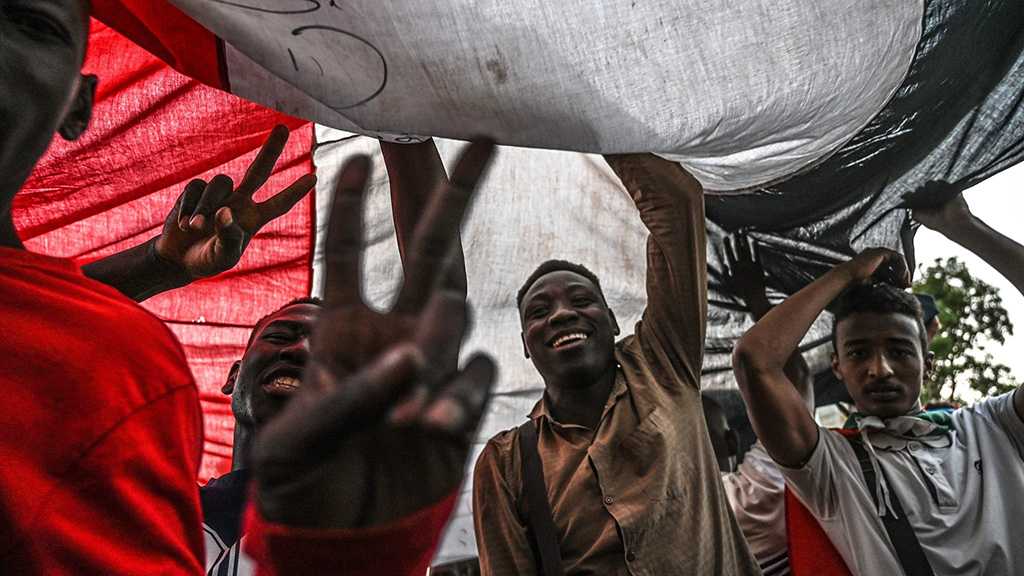
And so the Sudanese protesters, still firm in their standoff with the transitional government as they demand civilian rule, can wage war against Bashir and the remnants of his regime that are still in power. But how can they take on Saudi Arabia and its powerful allies in the region, who airlift support to the government? The burden on the Sudanese revolution is now even heavier – but the reward, if it succeeds, is to shake the thrones of all despots across the Middle East.

River to Sea Uprooted Palestinian   
The views expressed in this article are the sole responsibility of the author and do not necessarily reflect those of the Blog!

Tuesday, 16 April 2019

Bahrain Crackdown: Afghan Judge Revokes 183 Citizenships of Bahraini Nationals!


As part of the continued crackdown against own nationals, the Bahraini regime decided to revoke 183 citizenships of native Bahrainis under the alleged pretext of a ‘Bahraini Hezbollah’ case.
Ironically, the judge who issued the verdict that bans original landowners from their homeland, identified as Badr Abdul Latif Al Abdallah is of Afghan origins. Additionally, he belongs to the third generation of a family that was granted a Bahraini citizenship before it added the name “Al” to its title, a habit that is usually taken by families of non-Arab origins in Bahrain.
Following the unfair sentences issued on Tuesday to revoke the citizenship of 138 individuals, the number of similar cases in the tiny kingdom has now reached 985.
Relatively, yearly figures are classified as the following:
2019: 181
2018: 298
2017: 156
2016: 90
2015: 208
2014: 21
2012: 31
Earlier to the sentence, a report published by the Bahrain Mirror stated:
The revocation of citizenship in Bahrain after 2018 has become no more than a symbolic punitive measure- a pattern and part of a clear plan to purge the country of the opposition at any price, or perhaps a plan to change the country’s demographic makeup the quickest way possible, even by the most brutal means.
Following the total elimination of opposition groups and civil society, the arrests of the most prominent political and human rights figures, the complete suppression of remaining voices, and the ongoing imprisonment of thousands every year, without any deterrent, the revocation of nationalities seemed to be the final touch in cleansing process.
The number of citizens who have been stripped of their Bahraini nationality since 2011 amount to about 800, in a country with an indigenous population of 650,000, which is the biggest evidence of this practice.
“To put that figure into context, were the same policy applied to the UK, one million Britons would be made stateless,” says author and political analyst Bill Law.
The authorities have not only withdrawn the citizenships of political defendants in trials, but have also deprived all children whose fathers were imprisoned from having birth certificates and passports issued, as noted by the US State Department said in its annual 2017 report on human rights in countries around the world.
The numbers alarmingly increased during 2018, which recorded the highest number of citizenship revocation affecting 298 citizens, with the total number of citizens stripped of their nationality in Bahrain since 2011 amounting to about 804, according to the statistics of organizations and news reports.
In 2018, a court of cassation issued a final verdict, revoking the citizenship of Ayatollah Sheikh Isa Qassim, the spiritual leader of the country’s Shia citizens, who was under house arrest before leaving for London to receive emergency treatment.
2018 also witnessed a rare incident in the history of the country’s judiciary, and perhaps in history of all countries of the world, as 115 people were stripped of their citizenship in a single trial, in what was known as the Zulfiqar Brigades case.
News agencies reported on this verdict in surprise, while Amnesty International described the trial as “ridiculous” and “one of the most severe rulings yet, and is further proof that the Bahrain authorities have no regard whatsoever for international fair trial standards.”

River to Sea Uprooted Palestinian   
The views expressed in this article are the sole responsibility of the author and do not necessarily reflect those of the Blog!

Saturday, 9 February 2019

Bahrain opposition begins armed resistance against ‘Saudi occupation’ – English Subs

February 08, 2019
Note: this is the first time I am posting a video by the Middle-East Observer which has now joined the Saker Community (translations) and who will be providing us Arab-language videos translated and subtitled in English.  Please see under this video how to support the Middle-East Observer and stay in contact.  Please support this work generously!
Original description:  A prominent Bahraini opposition leader says his al-Wefaq movement has begun carrying out increasingly sophisticated armed resistance operations against the ruling al-Khalifa government and the “Saudi occupation”. Sayyed Murtada al-Sanadi said that the ruling al-Khalifa monarchy and its Saudi backers gave no opportunity for dialogue or negotiations despite eight years of peaceful protests by the opposition. Source: Etejah TV (YouTube) Date: 24 January, 2019 ———————————————————————————————————–
Support us on Patreon: Help our work continue and grow with as little as $1/month: https://www.patreon.com/MiddleEastObserver
Subscribe – YouTube channel: https://www.youtube.com/channel/UC2PtSAPyEgn0cnYzJZKHKiw
Subscribe – Website Mailing Listhttp://middleeastobserver.net/subscribe/
Like – Facebook page: https://www.facebook.com/MEO.Translation/
Follow – Twitterhttps://twitter.com/MEO_Translation

River to Sea Uprooted Palestinian   
The views expressed in this article are the sole responsibility of the author and do not necessarily reflect those of the Blog!

Tuesday, 29 January 2019

AI: Verdict on Bahrain’s Salman Is Bitter Blow to Freedom of Expression


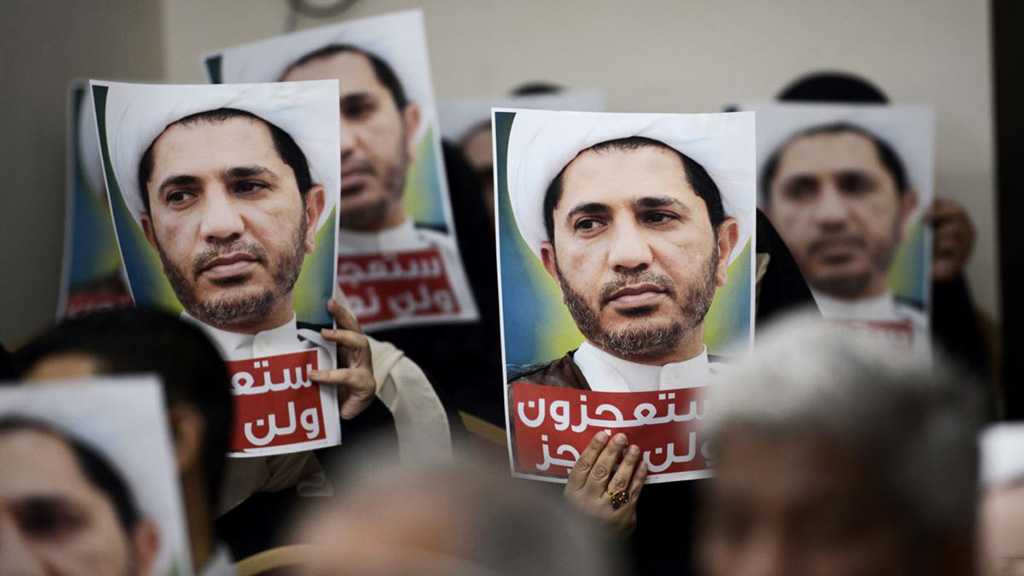
Amnesty International slammed Bahrain’s verdict on opposition leader Sheikh Ali Salman.
Responding to the news that Bahrain’s Court of Cassation has upheld the conviction of opposition leader Sheikh Ali Salman, Amnesty International’s Middle East Campaigns Director Samah Hadid said:
“Today’s verdict is yet another nail in the coffin for the right to freedom of expression in Bahrain and exposes the country’s justice system as a complete farce. The decision to uphold Sheikh Ali Salman’s conviction and life prison sentence following an unfair trial highlights the authorities’ determination to silence critical voices”.
She went on to say, “The Bahraini authorities must quash Sheikh Ali Salman’s conviction and release him immediately and unconditionally. They should also rescind the decision to dissolve the two opposition political groups, al-Wefaq and Wa’ad, and guarantee the right of everyone to freedom of association”.
Sheikh Ali Salman has been repeatedly arrested and charged for his perceived critical views of the authorities.
On 4 November 2018, he was sentenced to life imprisonment after being convicted of alleged trumped-up spying charges. Two other al-Wefaq members, Ali al-Aswad and Sheikh Hassan Sultan, were convicted in their absence during the same trial.
On 28 January 2019, Bahrain’s Al Khalifa regime’s Supreme Court upheld a life term over the alleged “spying” for Qatar.
Source: AI, Edited by website team
Related Vidoes
Related Articles

River to Sea Uprooted Palestinian   
The views expressed in this article are the sole responsibility of the author and do not necessarily reflect those of the Blog!

Thursday, 13 December 2018

The revolutionary chaos is a French heritage الفوضى الثورية ميراث فرنسي


ديسمبر 12, 2018
Written by Nasser Kandil,

It is enough to notice the chaos and violence which accompanied the French Revolution from 1789 to 1793 including incursions, executions, clashes, thefts, burning of palaces, buildings, shops, and closing of roads to discover the association of violence and chaos with every revolutionary action in the history of France. It is not a source of astonishment or a strange thing far from the French “civilized” scene that has empty-headed language that finds its roots in glorifying France and Paris in particular as a city of lights, perfumes and fashion.
In the French history, the revolutionary events were associated with chaos and violence till the chaos turned into a theory of European- French,-Russian- German origin but with dominant French roots. The revolutionary events usually have two accompanying conditions; First, their relation with major external events and transformations in a status of a great country as France that has colonial policies and a party in the international wars. Second, the presence of social leaders and groups who came to France from non-French nationality, they appear among the ranks of rebels and they often occupy a leading position among them. Therefore, the analysts fell into naivety in reading the revolutionary event due to the difference of nationalities and their positions in the revolutions as a reason for describing the revolution as a coup on behalf of external parties once German and many times American.
The French history from the French Revolution to the Revolution of 1870, the birth of Paris Commune as the first popular government that run the French capital or the global capital for sixty years, and the student protest in 1968 made the scene of Storming of the Bastille and the escape of prisoners and the accompanying chaos an associating scene in every revolutionary action. Furthermore the voice of Marie Antoinette the wife of King Louis XVI who said as narrated by Jean-Jacques Rousseau if the poor do not find bread , they can eat cake can be heard at every revolutionary action in the streets of Paris, even if the end was not dramatic as it was with the execution of Marie Antoinette.
Whenever there were revolutions in the history of France, they ended with the restoration of the traditional regime but in new form accompanied by difficult changes in the international situation of France and the inability of the rulers to provide a situation that preserves the French dignity and keeps France away from the humiliation of refraction which is accompanied by chaos and violence. The non-French people were playing a pivotal role in mobilizing, organizing, and leading them through considering Paris a global capital not as a capital of global country. Poverty, hunger, protest of students and trade unions and the attempt to innovate a new life style, new organization, and a new theory were always there, but the most important thing was the presence of a ruler who was promoted as a dazzling phenomenon that reveals intolerable vanity.
The Yellow vests movement in France is a reaction of the natural law, because every action has a reaction of the same kind and strength but in the opposite way. This exactly applies on the elements of surprise, mystery, and speed between Emanuel Macron and the Yellow vests movement. Violence, chaos, the difficult situations of the French external policy, the social crises resulting from the decline of the colonial status of France, the emergence of poverty and hunger, and the presence of non-French groups in streets are French features of every revolutionary situation of a global capital. But what is new is that this phenomenon is an interpretation of the development of the communication media and the revolution of information in making the revolutions of the twenty-first century and a French popular fragrance that will be a global trend in this century.
Translated by Lina Shehadeh,

الفوضى الثورية ميراث فرنسي


ديسمبر 10, 2018

ناصر قنديل

تكفي العودة لمستويات الفوضى والعنف التي لازمت الثورة الفرنسية الأم عام 1789 والتي شهدت في محطاتها المختلفة وصولاً حتى العام 1793 اقتحامات وإعدامات وتصادمات، وخلالها جميعاً سرقات وإحراق قصور ومبانٍ ومتاجر وإقفال طرقات، لاكتشاف متلازمة العنف والفوضى مع كل عمل ثوري في تاريخ فرنسا. وعدم أخذ هذا البعد كمصدر للذهول والحديث عن غرابته على مشهد فرنسي «حضاري» مستمدّ توصيفه من لغة بلهاء تجد جذورها في تمجيد فرنسا وباريس خصوصاً، كمدينة ليلية للأضواء والعطور والأزياء.

في التاريخ الفرنسي تلازمت الأحداث الثورية مع الفوضى والعنف حتى تحوّلت الفوضوية إلى نظرية ذات منشأ أوروبي فرنسي روسي ألماني، لكن بجذور وتفسيرات فرنسية طاغية، لكن الأحداث الثورية لم تكن يوماً بعيدة عن شرطين مرافقين لها، الأول هو اتصالها بوجود أحداث وتحولات خارجية كبرى في مكانة دولة كبرى كفرنسا، ذات سياسات استعمارية، وطرف في حروب دولية، والثاني وجود قادة وشرائح اجتماعية وافدين إلى فرنسا من غير الجنسية الفرنسية يظهرون في صفوف الثوار، وغالباً ما يحتلون مكانة قيادية بينهم، وفي الغالب أيضاً يقع المحللون في سذاجة قراءة الحدث الثوري بخلفية جنسياتهم، ومكانتهم في الثورات، كمدخل لتوصيف الثورة كعمل انقلابي لحساب خارج ما، ألماني مرة وأميركي مرات.

في التاريخ الفرنسي أيضاً من الثورة الفرنسية الأم إلى ثورة عام 1870 وولادة كومونة باريس، كأول حكومة شعبية أدارت العاصمة الفرنسية، أو عاصمة عالمية، لستين يوماً، ومن بعدها ثورة الطلاب عام 1968، ما يجعل رؤية مشهد اقتحام الباستيل، وخروج السجناء وما رافقه من فوضى، كخلفية متحركة في كل تكرار للوضع الثوري، وما يجعل سماع صدى صوت ماري انطوانيت زوجة الملك لويس السادس عشر، صاحبة القول، كما رواه جان جاك روسو، إن لم يجد الفقراء خبزاً فليأكلوا الكعك، في كل محطة من محطات التحركات الثورية في شوارع باريس، حتى لو تكن النهاية درامية كما هي مع إعدام ماري أنطوانيت.

في تاريخ فرنسا ليست هناك دائماً ثورات، لكن كلما كانت هناك ثورات كانت تنتهي باستعادة النظام التقليدي لحيويته بصيغة جديدة، وكانت ترافق محطاتها حالات التغير الصعب في ظرف فرنسا الدولي وعجز الحكام عن تقديم تأقلم يحفظ الكرامة الفرنسية ويجنب فرنسا ذل الانكسار، وكان يرافقها الكثير الكثير من العنف والفوضى، وكان يلعب غير الفرنسيين دوراً مفصلياً في تحشيدها وتنظيمها وقيادتها، باعتبار باريس عاصمة عالمية وليس بصفتها مجرد كونها عاصمة لدولة عالمية، لكن دائماً كان هناك الفقر والجوع والطلاب والنقابات، ومحاولة ابتكار لأسلوب جديد، وتنظيم جديد، ونظرية جديدة. والأهم أنه كان دائماً هناك حاكم تمّ تسويقه كظاهرة مبهرة وتكشف عن صناعة مريبة وتفاهة لا تحتمل.

السترات الصفراء في فرنسا هي استجابة للقانون الطبيعي، أنه لكل فعل رد فعل من النوع والقوة ذاتهما ولكن باتجاه معاكس. وهذا ينطبق تماماً على عناصر المفاجأة والغموض والسرعة، التي تجمع بين ظاهرتي أمانويل ماكرون والسترات الصفراء. أما العنف والفوضى والظروف الصعبة للسياسة الفرنسية الخارجية، والأزمات الأجتماعية الناتجة عن تراجع المكانة الاستعمارية لفرنسا، وظهور الفقر والجوع، وحضور الجماعات غير الفرنسية الأصل في الشارع، فكلها لا تفيد شيئاً في تفسير الخصوصية، لأنها سمات فرنسية لكل وضع ثوري في تاريخها كعاصمة عالمية. الجديد هو أن الظاهرة ترجمة فرنسية لتطوّر شبكات التواصل وثورة المعلوماتية في صناعة ثورات القرن الحادي والعشرين، ونكهة عطر باريسي شعبي سيصير موضة عالمية في هذا القرن، ولعله يكون مناسباً لكل من يريد الدخول على خط هذه الثورات، ويقوم بشراء الماركة وبيعها في أسواق جديدة.

Related Videos
Related Articles

River to Sea Uprooted Palestinian   
The views expressed in this article are the sole responsibility of the author and do not necessarily reflect those of the Blog!