Showing posts with label Al-Qassam Brigades. Show all posts

Tuesday, 23 November 2021

The British Empire Strikes against Palestinian Resistance Group Hamas

 November 22, 2021

By Iqbal Jassat

The British government’s discredited Home Secretary Priti Patel has once again emerged as Israel’s leading in-house lobbyist.

Though her credibility was severely dented when as UK Aid Minister she had to resign in 2017 following her scandalous unauthorized meetings with senior Israeli officials, Patel has made a comeback to yet again plunge the British establishment into a deeper foreign policy mess.

She has now announced dramatic plans to prescribe Palestinian liberation movement Hamas as a “terrorist entity”.

Previously only the military wing of Hamas, Izz al-Din al-Qassam Brigades, was proscribed under the UK Terrorism Act 2000.

In a statement released by her, Patel sounded no different to right-wing hawks in control of the apartheid regime: “Hamas has significant terrorist capability, including access to extensive and sophisticated weaponry, as well as terrorist training facilities. That is why today I have acted to proscribe Hamas in its entirety.”

Though her proscription order was introduced a few days ago and debating and voting were expected to follow shortly, the process will require approval by Parliament.

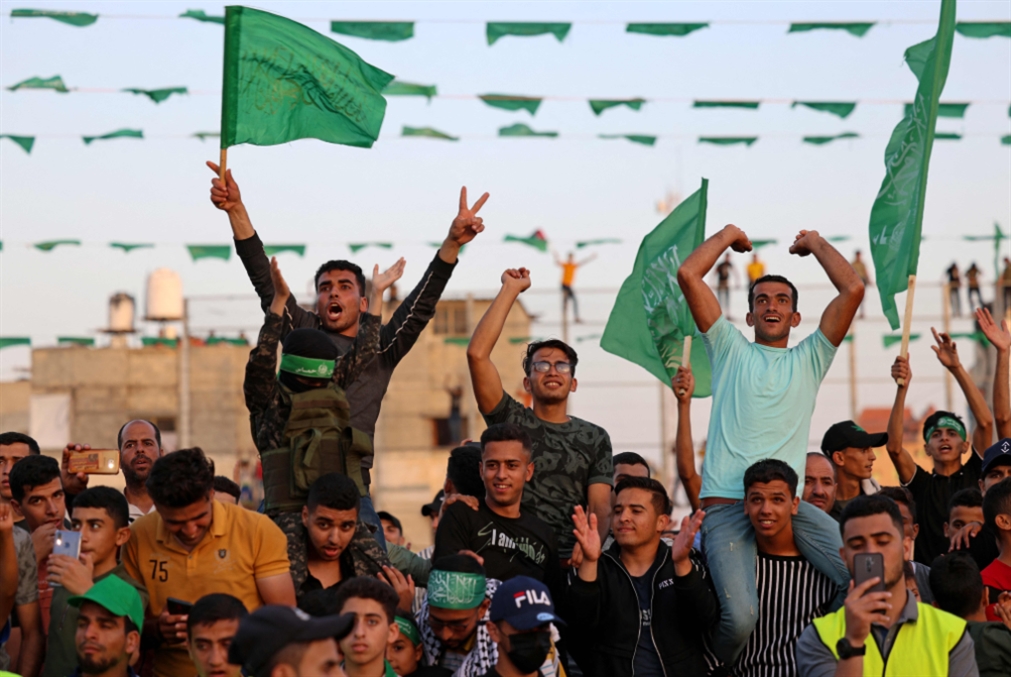
If approved, showing support for Hamas – including organizing events in support of them and flying the movement’s flag – could see punishments of up to 14 years in prison.

Not surprisingly, Israel has gleefully welcomed Patel’s announcement. Defense Minister Benny Gantz said it “sends a strong message of zero tolerance toward terrorist activities aimed at harming the State of Israel and Jewish communities.”

Absent from most media reports is the bizarre fact that Patel confirmed her moves in a speech on security and counter-terrorism in Washington.

BBC’S diplomatic correspondent James Landale suggested that the decision should also be seen through a domestic UK prism.

“Israel has been pushing for this for some time and the fact it is now happening reflects the deep contacts that Israel has within the Conservative Party.”

No newcomer to controversy, Patel is described by various British sources including Wikipedia as Eurosceptic. She “was a leading figure in the Vote Leave campaign for Brexit during the 2016 referendum on UK membership of the European Union.”

Reports indicate that following Cameron’s resignation, Patel supported Theresa May’s bid to become Conservative leader; May subsequently appointed Patel Secretary of State for International Development.

However, her breach of the Ministerial Code in 2017 when Patel was involved in a shameful political scandal involving clandestine meetings with Netanyahu and fellow government leaders in Israel, ended her tenure.

Though the unauthorized conduct of holding 12 separate meetings during a family holiday to Israel without notifying the Foreign Office or Downing Street had disgraced her, Boris Johnson ignored Patel’s violations by resuscitating her political career.

That the controversy surrounding her turbulent political career would expectedly have cautioned responsible leaders, Johnson chose to cave into the pro-Israel lobby by deploying her in one of the most powerful cabinet positions.

In making this outlandish move, Patel has selectively chosen to remain silent on the fact that Hamas, having engaged in Palestine’s political process and won the legislative elections in 2006, was rebuffed by the British government. In doing so, the UK defied and denied the political choice made by Palestinians.

As expected, Hamas has expressed its “shock and dismay” at the move.

It called on the government to apologize for the Balfour Declaration, which illegally set the stage for the creation of a “national home for the Jewish people” in Palestine in 1917, during the month of November.

The statement added: “The Palestinian people, backed by the Arab and Muslim nations and the free people of the world, will continue their fight for freedom and return at any cost and will not be discouraged by those who failed to support them.

“We are confident that the Palestinians will fulfill their aspirations for freedom and independence sooner or later.”

Given the fact that Hamas espouses Islamic values and that its defense of Masjid al Aqsa is profoundly admired, it is widely believed that the overwhelming majority of Muslims across the world support it.

Britain’s four million-plus Muslim population would be no exception to this. It goes without saying that solidarity with Palestine’s freedom struggle is intertwined with support for Hamas.

But by Patel’s decree, Muslims and millions of British citizens of various faith groups, found to be pro-Hamas will face criminal charges and the prospect of long-term jail.

– Iqbal Jassat is an Executive Member of the South Africa-based Media Review Network. He contributed this article to The Palestine Chronicle. Visit: www.mediareviewnet.com


Related Videos


River to Sea Uprooted Palestinian   
The views expressed in this article are the sole responsibility of the author and do not necessarily reflect those of the Blog!

Saturday, 11 September 2021

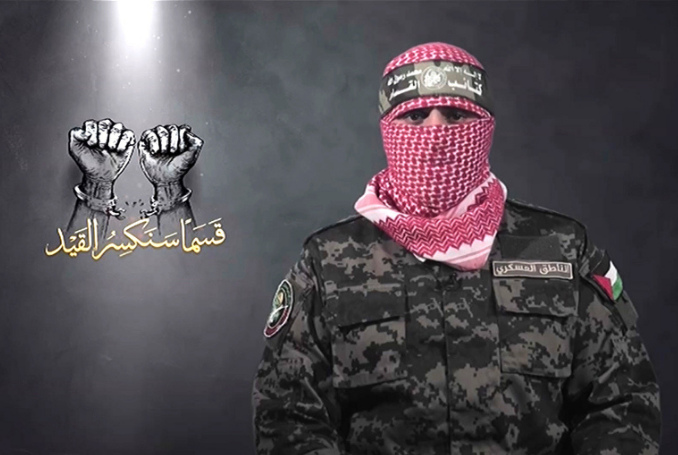
Gaza: Leader of Qassam Brigades Pledges to Free Recaptured Palestinian Prisoners in Future Exchange (VIDEO)

 September 11, 2021

Qassam Brigades spokesperon, Abu Obeida. (Photo: video Grab)

By Palestine Chronicle Staff

The iconic spokesperson for the Qassam Brigades, the armed wing of the Palestinian resistance movement Hamas, pledged today to free four Palestinian political prisoners who were recaptured by Israel days after their daring escape. 

“There will be no new (prisoner) exchange deal without the four heroic prisoners that were rearrested by the (Israeli) occupation,” Abu Obeida said in a recorded speech early Saturday. 

Israel has announced that it has recaptured the four Palestinian freedom fighters. One of the recaptured political prisoners, Zakarya Zubeidi, appeared with a disfigured face, signs of Isreali violence that accompanied his arrest. 

Abu Obeida reassured Palestinians that the rearrest of the political prisoners is not enough to hide what he describes as “the great shame that has befallen the enemy and its institutions”. 

Abu Obeida described the daring escape as another example of the “fragility of the security of the enemy”.

(The Palestine Chronicle)


River to Sea Uprooted Palestinian   
The views expressed in this article are the sole responsibility of the author and do not necessarily reflect those of the Blog!

Saturday, 5 June 2021

Israeli General: 11-Day Gaza War Just ‘First Stage’ of Wider Campaign

 Posted by INTERNATIONALIST 360° on 

Israeli soldiers work at an artillery unit as it fires near the border between Israel and the Gaza strip, on the Israeli side May 17, 2021

Morgan Artyukhina
After the Second Intifada uprising and the 2006 election victory of Hamas in Gaza, Israel was forced to pull all its settlers out of the Gaza Strip, at which time it imposed a cordon sanitaire around the territory that has dramatically impacted access to basic necessities by its more than 2 million Palestinian inhabitants.

During an interview with Israel’s Channel 13 on Thursday, Maj. Gen. Eliezer Toledano, head of the Israel Defense Forces’ Southern Command, said that the IDF limited its recent war in Gaza due to civilian pressure “on the home front,” but noted the military is “totally prepared” to continue if necessary.

“The operation ended, or at least its first stage did. The next stage will happen if we see that the security situation has changed,” Toledano said, according to the Times of Israel. That “first stage” involved roughly 1,500 airstrikes on targets in the Gaza Strip, which the IDF said targeted members of Hamas and the group’s facilities. The group’s militant wing, the Izz ad-Din al-Qassam Brigades, fired more than 4,300 rockets and mortars at Israel during the 11-day war.

While most of Hamas’ projectiles were intercepted by Israel’s Iron Dome air defense system, Gaza has few air defenses and the bombs fell on apartment buildings in the densely populated city, killing 254 people, 67 of whom were children and 80 of whom were militants, according to local health officials and Hamas. In Israel, 12 civilians, including two children, were killed by Hamas rockets.

Toledano said the IDF tried to “make the most” of the conflict while public opinion in Israel was on their side.

“We don’t have operations like this every week or every month because we understand the burden that this puts on civilians, especially on the home front. And therefore when we launched this operation, we had to make the most of it,” he said, adding that “these wars are complicated in terms of the rockets.”

“We are totally prepared to continue from the 11th day, with the 12th day, with the 13th day. It’s all contingent upon the security situation,” he continued. “If we succeeded with this first stage, that’s great. If we didn’t, we’ll have to continue.”

Israel’s previous major military operations in Gaza, in 2009 and 2014, each lasted several weeks and killed thousands of people, the vast majority of them Palestinians in Gaza, but also saw significantly increased numbers of Israeli civilians killed and injured as well.

In the aftermath of the May 20 ceasefire, both the IDF and Hamas have claimed victory. Hamas called the operation “Sword of Jerusalem” and said its intent was to halt the attacks by Israelis police against worshippers at Al-Aqsa Mosque and in the Palestinian neighborhood of Sheikh Jarrah, where several Palestinian families are at risk of being evicted after an Israeli court ruled in favor of Jewish settlers.

However, while the IDF claimed to have destroyed large numbers of stockpiled rockets and Hamas infrastructure and shot down some 90% of the rockets launched, the Times of Israel said after the conflict that the IDF’s “Operation Guardian of the Walls” had not been the resounding victory Jerusalem hoped for.

The wildcard now is the Wednesday formation of a government with New Right chief Naftali Bennett at the helm. While the right-wing figure recently referred to the bombardment of Gaza as part of Israel’s “just war against terrorism,” the kingmaker United Arab List, a small Palestinian party that helped the coalition to reach a majority in the Knesset, could be a moderating factor on some of Bennett’s more aggressive intentions.

A Palestinian party has never before been part of an Israeli government, and leader Mansour Abbas said on Wednesday that he only agreed to join the coalition after reaching “critical agreements on various issues that serve the interests of Arab society,” including education, welfare, employment, economic development, planning, construction, and crime and violence, according to Haaretz, as well as granting official status to Arab Bedouin settlements in the Negev Desert.

Prime Minister Benjamin Netanyahu, who has been head of the Israeli government for 12 years, warned right-wing members of the Knesset on Thursday to oppose what he characterized as a “dangerous left-wing government” coming into power, saying it was “selling” the Negev to the Bedouin.


River to Sea Uprooted Palestinian   
The views expressed in this article are the sole responsibility of the author and do not necessarily reflect those of the Blog!

Friday, 4 June 2021

“Al-Quds Sword” Opens Gaza-Damascus road «سيف القدس» تفتح طريق غزّة ــ دمشق

03/06/2021
“Al-Quds Sword” Opens Gaza-Damascus road

By Rajab al-Madhoun/Al-Akhbar Newspaper

Translated by Staff

Gaza | After years of estrangement due to the crisis in Syria since 2011, and the departure of “Hamas” from Damascus, the two parties are once again preparing to bring their relations back, despite internal criticism at their bases, at a time when the Axis of Resistance is seeking to arrange this return as part of the effort to strengthen the fronts facing the ‘Israeli’ occupation.

This was finally reinforced by the great role played by the Gaza Strip as an unshakeable arena of direct engagement with the enemy, highlighting the position of “Hamas”, especially within the Axis of Resistance, after achieving the great victory of the axis against ‘Israel’, which broke many of the rules of engagement and deterrence that Tel Aviv has tried to cement it for decades.

The resistance’s victory in the Battle of “Al-Quds Sword” opened the door to the return of relations between “Hamas” and the Syrian Republic, after a break of nearly ten years. This breach was demonstrated by the fact that Syrian President Bashar al-Assad sent a tribute to the movement, and the latter responded positively to it, opening up a new page that the Axis of Resistance seeks between the two parties. “Hamas” realizes the importance of the Syrian arena, as it was once a unique base for the development of its military capabilities, whether by delivering weapons to Gaza or establishing programs to develop its military arsenal, in particular missiles and drones, which have made a major leap, as well as being a base for drawing on Arab and Islamic expertise. Against this background, the voices within the movement continue to rise by the need to return to that vast arena, to further develop the capabilities of the resistance, in order to be harsher to the enemy.

With “Hamas” adopting a pragmatic path four years ago after the election of a new leadership headed by Ismail Haniyeh, Yehya Sinwar and Saleh al-Arouri, this leadership worked to re-establish a relationship with the Axis of Resistance, including Syria, with the help of parties in the axis, but the relationship with Damascus continued to have some reservations on both sides. But finally, after the renewal of confidence in the new “Hamas” leadership two months ago in the internal movement elections, and following the victory of the resistance, along with the Syrian initiative that followed, and the “Hamas” response to it, it seemed clear that reservations were breaking down, especially among Syrians. It is true that the parties have mutual reservations, perhaps internal objections to the re-establishment of the relationship, and each has its own reasoning, but the two leaders’ realization of the importance of normalization between them and the extent of their interest in it may be a powerful motivation to bridge the previous gap.

Following the positive “Hamas” response to Al-Assad’s greeting, criticism emerged both within the movement and from some of its supporters, who take a negative stance on the Syrian regime against the backdrop of events in Syria, but “Hamas” has a strong tendency to re-establish relations with Syrians. The military wing of the movement and a large part of the Political Office consider it urgent to do so, on the grounds that the exit from Syria has greatly affected the movement’s interests, narrowed its options, and made it lose a strategic arena where it has been maximizing its military strength.

As soon as the signs of rapprochement finally emerged, the voices of Palestinian and other Arab figures supportive to “Hamas” and hostile to the Syrian regime rejected normalization with the latter, and these are the same voices that have been calling for the continuation of the break with the axis parties for years, based on a sectarian standpoint. On the other hand, the current leadership of the movement believes that a smooth return of relations, quietly and as a first step, would be better for it, followed by the strengthening of confidence between the parties. This leads to the return of the movement’s leaders and members to Damascus, and the closing of the page of what happened previously with some “Hamas” members who were accused by Damascus of participating in the fighting against the Syrian army, on the grounds that this was not the movement’s decision and was done individually.

Al-Akhbar learned from a leading source in “Hamas” that the movement seeks to take advantage of the recent victory to strengthen its relations within the Axis of Resistance, including Syria. The source stressed that “the recent positive signals will soon be translated into practical steps, contacts and talks by the mediators in the axis, in order to bring the previous dispute to an end and to start a new phase.” It also noted that there had been a number of mediators who had worked on the file during the recent period, particularly the Palestinian factions in Syria, as well as a previous initiative by Hezbollah that is still working, stressing that the movement deals positively with all initiatives.

Confirming what Al-Akhbar has finally revealed, the source points out that “Hamas” will consult with Iran and Hezbollah with which meetings will be held shortly to discuss the use of “Al-Quds Sword” output, including the issue of the return of “Hamas”-Syrian relations, which the leadership of the movement currently attaches great importance to; Praising the statements of the Deputy Secretary-General of Hezbollah, Naim Qassem, in which he said that “efforts to bring Hamas back to Syria are well under way, and that the battle in Palestine is saying that we are on the path to return the relations between Hamas and Syria.”


«سيف القدس» تفتح طريق غزّة ــ دمشق


 رجب المدهون 


الثلاثاء 1 حزيران 2021

«سيف القدس» تفتح طريق غزّة ــ دمشق
ستتشاور «حماس» مع إيران والحزب الذي ستُعقد لقاءات معه قريباً لتباحث الاستفادة من مخرجات المعركة (أ ف ب )

غزة | بعد سنوات من القطيعة على خلفية الأزمة المندلعة في سوريا منذ 2011، ومغادرة حركة «حماس» دمشق، يستعدّ الطرفان، مرّة أخرى، لعودة العلاقات، رغم الانتقادات الداخلية لدى قواعدهما، في وقت يسعى فيه محور المقاومة إلى ترتيب هذه العودة، كجزء من العمل على تمتين الجبهات المواجِهة للاحتلال الإسرائيلي. وهو عملٌ عزّزه، أخيراً، الدور الكبير الذي لعبه قطاع غزة بوصفه ساحة الاشتباك المباشر التي لا تهدأ مع العدو، مبرِزاً مكانة «حماس»، خصوصاً ضمن محور المقاومة، بعدما حقّقت نصراً كبيراً في رصيد المحور ضدّ إسرائيل، كَسر الكثير من قواعد الاشتباك والردع التي حاولت تل أبيب ترسيخها طوال عقود.

[اشترك في قناة ‫«الأخبار» على يوتيوب]

شرّع النصر الذي حقّقته المقاومة في معركة «سيف القدس» الباب لعودة العلاقات بين «حماس» والجمهورية السورية، بعد قطيعة استمرّت قرابة عشر سنوات. تجلّى هذا الخرق في إرسال الرئيس السوري، بشار الأسد، تحية إلى الحركة، وردِّ الأخيرة بإيجابية عليها، ما يفتح صحفة جديدة يسعى إليها محور المقاومة بين الطرفين. وتدرك «حماس» أهمية الساحة السورية بالنسبة إليها، إذ كانت في السابق بمنزلة قاعدة فريدة لتطوير قدراتها العسكرية، سواءً بإيصال السلاح إلى غزة، أو إنشاء برامج لتطوير ترسانتها العسكرية وخاصة الصواريخ والطائرات المُسيّرة التي سجّلت قفزة كبيرة فيها، إضافة إلى كونها قاعدة للاستفادة من الخبرات العربية والإسلامية. وعلى هذه الخلفية، لا تزال الأصوات تعلو داخل الحركة بضرورة العودة إلى تلك الساحة الواسعة، لمتابعة تطوير ما وصلت إليه قدرات المقاومة أكثر، حتى تكون أكثر إيلاماً للعدو.

مع انتهاج «حماس» خطّاً براغماتياً منذ أربع سنوات بعد انتخاب قيادة جديدة برئاسة إسماعيل هنية ويحيى السنوار وصالح العاروري، عملت هذه القيادة على ترميم العلاقة مع محور المقاومة بما فيه سوريا، بمساعدة أطراف في المحور، لكنّ العلاقة مع دمشق بقيت تشوبها بعض التحفّظات لدى الطرفين. لكن أخيراً بعد تجديد الثقة بقيادة «حماس» الجديدة قبل شهرين في انتخابات الحركة الداخلية، وفي أعقاب الانتصار الذي حقّقته المقاومة، والمبادرة السورية التي تلته والتجاوب «الحمساوي» معها، بدا واضحاً أن التحفّظات في طريقها إلى الذوبان، خاصة لدى السوريين. صحيح أن لدى الطرفين تحفّظات متبادلة، وربّما اعتراضات داخلية على إعادة العلاقة، وكلّ له منطقه الذي يحاجج به، غير أن إدراك القيادتَين أهمية التطبيع بينهما وحجم المصلحة فيه، قد يكون دافعاً قوياً إلى ردم الهوّة السابقة.

عقب الردّ «الحمساوي» الإيجابي على تحيّة الأسد، ظهرت انتقادات داخل الحركة ومن بعض أنصارها الذين يتّخذون موقفاً سلبياً من النظام في سوريا على خلفية الأحداث فيها، لكن الكفّة في «حماس» تميل بقوة إلى عودة العلاقات مع السوريين، إذ يرى الجناح العسكري في الحركة، وجزء كبير من المكتب السياسي، ضرورة ملحّة في ذلك، على أساس أن الخروج من سوريا أضرّ بمصالح الحركة كثيراً، وضيّق الخناق عليها، وأفقدها ساحة استراتيجية كانت تعمل فيها على تعظيم قوتها العسكرية.

تسعى «حماس» إلى استثمار الانتصار لتعزيز علاقاتها داخل محور المقاومة


فور بروز مؤشّرات التقارب أخيراً، علت أصوات شخصيات فلسطينية وأخرى عربية مناصرة لـ«حماس» ومعادية للنظام السوري، برفض التطبيع مع الأخير، وهي الأصوات نفسها التي لا تزال منذ سنوات تدعو إلى استمرار القطيعة مع أطراف المحور، من منطلق مذهبي. في المقابل، ترى قيادة الحركة الحالية أن عودة سلسة للعلاقات، من دون ضجيج، كمرحلة أولى، ستكون أفضل لها حالياً، على أن يلي ذلك العمل على تعزيز الثقة بين الطرفين، وصولاً إلى عودة قيادات الحركة وعناصرها إلى دمشق، وإغلاق صفحة ما جرى سابقاً من بعض «الحمساويين» الذين تتّهمهم دمشق بالمشاركة في القتال ضدّ الجيش السوري، على أساس أن ذلك لم يكن قرار الحركة، وقد جرى بصورة فردية. وعلمت «الأخبار» من مصدر قيادي في «حماس» أن الحركة تسعى إلى استثمار الانتصار الذي حقّقته أخيراً لتعزيز علاقاتها داخل محور المقاومة، بما في ذلك سوريا. وأكد المصدر أن «الإشارات الإيجابية الأخيرة ستتمّ ترجمتها قريباً إلى خطوات عملية واتصالات ومباحثات من الوسطاء في المحور، تمهيداً لإنهاء الخلاف السابق والبدء بمرحلة جديدة». كما أشار إلى وجود عدد من الوسطاء الذين تحرّكوا في هذا الملفّ خلال المدة الأخيرة، وخاصة الفصائل الفلسطينية في سوريا إضافة إلى مبادرة سابقة من حزب الله لا تزال مستمرة، مؤكداً أن الحركة تتعامل بإيجابية مع جميع المبادرات.

وتأكيداً لما كشفته «الأخبار» أخيراً، لفت المصدر إلى أن «حماس» ستتشاور مع إيران والحزب الذي سيتمّ عقد لقاءات معه قريباً لتباحث الاستفادة من مخرجات «سيف القدس»، بما فيها قضية عودة العلاقات «الحمساوية» ــ السورية، التي توليها قيادة الحركة حالياً أهمية كبيرة، مشيداً بتصريحات نائب الأمين العام لحزب الله، نعيم قاسم، التي تحدّث فيها عن أن «الجهود المبذولة لعودة حماس إلى سوريا قطعت شوطاً مهماً، وأن المعركة في فلسطين تقول إننا أصبحنا على طريق عودة العلاقات بين حماس وسوريا»

.من ملف : غزة – دمشق: العودة حتمية


مقالات ذات صلة


River to Sea Uprooted Palestinian   
The views expressed in this article are the sole responsibility of the author and do not necessarily reflect those of the Blog!

Wednesday, 2 June 2021

اعلى سلطة في حماس: عودة العلاقات مع سوريا… حتميّة

  ابراهيم الأمين 

الثلاثاء 1 حزيران 2021


اعلى سلطة في حماس: عودة العلاقات مع سوريا...  حتميّة!
يعرف الجميع أن النقاش حول المسألة السورية كان عنصراً رئيسياً في القطيعة الكبرى بين دمشق و»حماس» (أ ف ب )

منذ الانتخابات الداخلية في حركة حماس، عام 2017، بدأت القيادة الجديدة رحلة ترميم القدرات السياسية، في موازاة عمل «كتائب القسّام» على ترميم قدراتها وتطويرها بعد نهاية عدوان عام 2014. وقد ركّزت قيادة حماس على جبهات عدّة، أبرزها ترجمة قرار قيادي بالانسحاب الكامل من الجبهات السياسية المشتعلة في العالم العربي. وهو قرار اتّخذ في ضوء مراجعة ما شهده العالم العربي منذ عام 2011.

[اشترك في قناة ‫«الأخبار» على يوتيوب]

من الضروري التأكيد أن الحركة لم تتخلّ عن مواقفها إزاء تطلعات قوى وجماهير عدد من الدول العربية. لكن النقاش عندما انطلق من موقع قضية فلسطين في هذه التحركات، وتركز على انعكاساتها على المقاومة ضد الاحتلال الإسرائيلي، سمح باستخلاص أمرين:

الأول: إجراء مقاصّة استمر النقاش حولها حتى اللحظة، وموجزها أن حصيلة الوضع السياسي في المنطقة العربية، على مستوى مواقف الحكومات وطبيعة الأنظمة الحاكمة، لم تكن في مصلحة القضية الفلسطينية، ولا في مصلحة المقاومة تحديداً. ويقول مرجع بارز في الحركة إن تقييماً سريعاً يمكنه أن يقود الى تدحرج الوضع السياسي في العالم العربي، من التخلّي عن القضية الى مرحلة التطبيع، لم يكن ليحصل لولا التراجع الحادّ في أدوار ومواقع دول مثل مصر والعراق، وخصوصاً سوريا. كما أن الحركة المعارضة للنظام في دمشق لم تحقق أي تغيير من شأنه إضافة ما يفيد القضية الفلسطينية، بل تحوّل الأمر الى مجرد تدمير للدول والمجتمعات من داخلها.

الثاني: أن إعادة الاعتبار لخيار المقاومة المباشرة كطريق إلزامي لتحقيق التحرير واستعادة الحقوق، تعني بناء استراتيجية مع القوى والحكومات والأطر التي تنخرط فعلياً في معركة المقاومة، ولا تقف لا في الوسط ولا في مربّع الداعين الى استمرار المفاوضات. وأدركت قيادة الحركة أن كتائب القسام نفسها، التي تحتاج الى دعم متنوع من حيث القدرات والإمكانات والخبرات، لم تجد خارج جبهة محور المقاومة من يقدم العون الحقيقي. ويبدو واضحاً لقيادة الحركة أن كل الدعم السياسي والمالي الذي يصل الى الحركة، أو إلى الفلسطينيين في غزة وبقية فلسطين، يخضع لرقابة فعلية، وأن هناك قوى وحكومات وجمعيات تخشى ذهاب الدعم الى الجناح العسكري. فيما تبقى إيران وحدها، ومعها حزب الله، من لا يقتصر دعمه على الجانب المدني، بل يذهب مباشرة الى دعم حاجات الأجنحة العسكرية بكل ما تحتاج إليه وبكل ما يمكن إيصاله إليها من أموال أو عتاد، إضافة الى بند رئيسي آخر يتعلق بالتدريب والخبرات، وهو أمر يستحيل أن تعثر عليه كتائب القسام خارج الضاحية الجنوبية وطهران، مع الإشارة الى أن النقاشات الداخلية حول هذا الأمر كانت تتطرق تلقائياً الى خسارة الساحة السورية بما يخص عمل الأجنحة العسكرية.

في اللقاء الذي جمع الرئيس السوري بشار الأسد مع قادة فصائل فلسطينية، قبل عشرة أيام، قال له قائد حركة الجهاد الإسلامي المجاهد زياد نخالة إن الصاروخ الأول المضاد للدروع الذي أطلقته «سرايا القدس» باتجاه مركبة صهيونية قرب غلاف غزة، حصلت عليه المقاومة بدعم من سوريا، وإن الصاروخ نفسه انتقل الى غزة عبر مرفأ اللاذقية. وتحدث النخالة عن دور سوريا في تسهيل تدريب مئات الكوادر المقاتلة التي عملت على القوة الصاروخية وعلى المشاريع القتالية.

هذا الموقف سبق أن شرحه بالتفصيل الأمين العام لحزب الله السيد حسن نصر الله في مقابلة له قال فيها إن الجيش السوري فتح مستودعاته الخاصة بالأسلحة المضادة للدروع لإرسالها الى قطاع غزة وتزويد فصائل المقاومة الفلسطينية بكميات كبيرة منها، بالإضافة الى أمور أخرى.

في هذا السياق، يعرف الجميع أن النقاش حول المسألة السورية كان عنصراً رئيسياً في القطيعة الكبرى بين دمشق وحماس. وكان واضحاً أن لدى القيادة السورية اقتناعاً بأن تياراً قوياً داخل الحركة انضم الى تيار «الإخوان المسلمين» في العالم العربي في دعم المعارضة المسلحة ضد النظام. بل يمكن القول، ويجب المصارحة، إن في سوريا من يتحدث عن نشاط مباشر لمجموعات فلسطينية كانت تعيش في كنف حماس، الى جانب المسلحين في أكثر من مكان ولا سيما في العاصمة والغوطة، رغم أن قيادة حماس نفت مراراً علاقتها بهذه المجموعات، من دون أن تنفي أن بعض عناصر المسلحين الفلسطينيين عملوا في الحركة لسنوات. وعزت قيادة حماس مغادرتها دمشق الى أسباب كثيرة، بينها أن دمشق طلبت وساطة الرئيس السابق للحركة خالد مشعل مع قيادات إسلامية سورية، وأنها عادت وتخلّت عن الحوار. كما أن دمشق كانت تريد من الحركة إطلاق مواقف معارضة لتحركات خصوم النظام. لكن الحقيقة أن هذا التيار داخل حماس تأثر كثيراً بما جرى على الصعيد العربي عموماً، والتقارب غير العادي الذي قام بين قيادة الحركة (مشعل) وبين الإدارتين القطرية والتركية انسحب على المسألة السورية، ما أدى عملياً الى قطيعة سياسية مع إيران. لولا أن كتائب عز الدين القسام، وبعض قيادات الحركة، عملوا على إعادة وصل ما انقطع مع إيران، وتمّت عملية التواصل والتعاون بين الحرس الثوري، وخصوصاً قائد فيلق القدس الشهيد قاسم سليماني، من دون المرور بالقيادة السياسية للحركة أو اشتراط التفاهم السياسي على مسائل كثيرة. وكان لهذا التفاهم والتعاون (الذي انطلق من جديد في عام 2013 وعاد الى زخمه السابق بعد حرب عام 2014) الدور البارز في تظهير قيادات بارزة في حماس موقفها الذي يقول بأن مسيرة المقاومة تقتضي التخلي عن التدخل في الأمور الداخلية للدول، وهو ما شمل أيضاً ما حصل في مصر.

في قيادة الحركة، اليوم، جسم كبير ونافذ يرى أن العلاقة مع محور المقاومة استراتيجية وقد أثبتت صدقيّتها


ومع أن طبيعة النقاشات الداخلية لم تظهر الى العلن، فإن من هم خارج حماس، انقسموا بين فريقين، الأول دعا الى التمهل في تقييم الموقف النهائي، خشية أن يكون تصرف حماس مجرد تبديل في التموضع ربطاً بالتراجع الحاد لدور الإخوان المسلمين ونفوذهم في العام العربي، وحجة هؤلاء أن الحركة لم تقم بمراجعة جدية لموقفها مما يجري في العالم العربي. وذهب أصحاب هذا التوجه إلى حدّ القول إن قيادة حماس أظهرت خشية كبيرة من نموّ التيار السلفي داخل قواعد الإخوان المسلمين ولدى قيادته الدينية، وإن هذا التيار يدعم بقوة فكرة الانقضاض على الأنظمة التي تصنّف في خانة «الكفر»، إضافة الى أن هذا التيار كان يصرّح بأنه ضد التعاون مع جهات أو حركات أو قوى لديها خلفية فكرية مختلفة. وكان المقصود، هنا، إيران وحزب الله وقوى من المقاومة العراقية.

لكن هذا الموقف لم ينسحب على مواقع قيادية بارزة في محور المقاومة. وتولى مرشد إيران السيد علي خامنئي حسم الجدل حول الموقف من حماس على وجه الخصوص، وأوصى قيادات الحرس الثوري وحزب الله ومؤسسات إيرانية بضرورة الفصل بين الموقف من مقاومة العدو، وبين المواقف الخلافية السياسية. وهو وفّر الغطاء لأكبر عملية دعم تقررت للأجنحة العسكرية في فلسطين، وعلى رأسها القسام، ضمن برنامج لا يزال مستمراً الى اليوم، وهو في صدد التطوير النوعي بعد الحرب الأخيرة.

ضمن هذه المناخات، كانت العلاقات بين حركة حماس ومحور المقاومة تمرّ بمنعطفات داخل الأطر التنظيمية في حركة حماس نفسها. ويمكن القول إنه خلال السنوات السبع الأخيرة، حسمت قيادة الجسم العسكري وقسم كبير من القيادة السياسية الموقف باتجاه تعزيز العلاقة مع محور المقاومة، وفتح ملف العلاقة مع سوريا ضمن المناقشات الجارية مع إيران وحزب الله.

كما يمكن الجزم بأن في قيادة الحركة، اليوم، جسماً كبيراً ونافذاً يرى أن العلاقة مع محور المقاومة استراتيجية وقد أثبتت صدقيتها، وخصوصاً أن هذه العلاقة لا تطلب من الحركة أثماناً سياسية لدعمها، والأهم وجود عامل مشترك معها يتعلق بالهدف الأول للحركة المتمثل في مواجهة الاحتلال وتحرير الأراضي الفلسطينية، ويرى أصحاب هذا الرأي أن الحركة ارتكبت خطأً جسيماً في التصادم مع محور المقاومة خلال الأزمة السورية، إذ كان يمكنها النأي بالنفس، وخصوصاً أن داخل الجسم العسكري من يقول صراحة بأن على المقاومة في فلسطين السعي الى بناء حلف استراتيجي مع محور المقاومة بما يجعل من قوة الحركة مماثلة لتلك التي يمتلكها حزب الله، تمهيداً لدخول معركة تحرير مشتركة ضد دولة الاحتلال في السنوات المقبلة.

وقد نجح هذا التيار، ليس في إلغاء أو فرض الصمت على التيار الآخر ــــ وهو تيار له رموزه القيادية على أكثر من مستوى، ويرى بأن موقف الحركة يجب أن يكون مرتبطاً بما يجري داخل الدول العربية نفسها. وهؤلاء عندما ينتقدون العلاقة مع إيران يعزون موقفهم الى ما تقوم به إيران من دعم للنظام في سوريا وللحكم في العراق، ولهذا التيار رموزه التي تحركت بطريقة ذكية، ولم تكن له الوجوه البارزة المستفزّة للتيار الآخر داخل الحركة. لأن من الواضح أن الجميع داخل حماس لا يريدون الذهاب الى مواجهة داخلية، حتى ولو بادرت قيادة الحركة في غزة الى التصرف بحزم مع كل ما يمكن أن يعطل برنامج دعم المقاومة. حتى المبادرة الى استئصال الحركة الداعشية في غزة، سياسياً وعسكرياً واجتماعياً، والعمل على محاصرتها تعبوياً ودعوياً، انطلقت من كون قيادة الحركة ترى في هذا الفكر خطراً عليها قبل أن يشكل خطراً على الآخرين، ولم يكن الأمر على شكل تقديم فروض الطاعة للمصريين كما يعتقد البعض، بل كان يعبّر عن فهم اختصره أحد القادة بالقول: نحن جزء من الإخوان المسلمين، وفكرنا ليس تكفيرياً. وما تحاول الحركة الوهابية تكريسه من مفاهيم لا يمكن أن يتحول الى وقائع برغم الدعاية القوية له.

عملياً، حسمت الحرب الأخيرة توجهات الجسم الأبرز في حماس، سياسياً وعسكرياً، بالتوجه نحو بناء استراتيجية جديدة تقوم أولاً على الانفتاح أكثر على القوى الفلسطينية الأخرى، وعلى تعزيز العلاقات مع إيران وقوى محور المقاومة ولا سيما حزب الله، وعلى إطلاق عمليات تواصل سياسي مع أطراف أخرى في المحور من دمشق الى اليمن، مروراً بالعراق.

لكن كل ذلك لم يكن عائقاً أمام سير الجسم القيادي في حماس نحو حسم مبدأ استعادة العلاقات مع سوريا على وجه الخصوص. وخلال الدورة الماضية (ولاية قيادة الحركة) اعترض أقل من ربع الأعضاء من مجلس شورى الحركة على عودة العلاقة مع سوريا، بينما أيدها ثلاثة أرباع المجلس. وفي المكتب السياسي، كان هناك إجماع مطلق على عودة العلاقة وفق رؤية لا تلزم حماس بأيّ أثمان سياسية أو تغييرات عقائدية، وهو السقف الذي عطّل مناورات قادها بارزون في الحركة، على رأسهم خالد مشعل الذي صار يتعامل الآن بواقعية براغماتية، وخصوصاً أنه عاد الى الجسم التنظيمي، بعد انتخابة رئيساً لإقليم الحركة خارج فلسطين، وهو ألزم نفسه بمواقف تعبّر عن الموقف العام للحركة، وربما هذا يفسّر تعرّضه لانتقادات من «المغالين» بسبب تصريحاته الأخيرة خلال الحرب على غزة، وشرحه لطبيعة العلاقة مع إيران أو سوريا، علماً بأن مشعل لم يقل ما يفيد بأنه عدل في جوهر موقفه، لكنه بات مضطراً إلى أن ينطق بما يتقرر من توجهات على صعيد قيادة الحركة.

على أن الجهد الذي يقوم به حزب الله مع القيادة السورية يحتاج الى تغيير جدي في نظرة دمشق الى موجبات تعزيز جبهة المقاومة ضد العدو وحلفائه. وهذا يفرض معالجة بعض الأمور داخل سوريا. لكن الأهم أن تبادر دمشق الى استغلال معركة «سيف القدس» لإطلاق دينامية جديدة هدفها احتواء كل الخلافات، وإعادة المياه الى مجاريها مع قيادة حماس، مع العلم بأن الوسطاء يعرفون أن الأمر يحتاج الى وقت وإلى خطوات بناء للثقة قبل التطبيع الكامل الذي يقود الى عودة قيادة حماس وكتائب القسام فيها الى الاستفادة من الساحة السورية بما يعزز قدراتها في مواجهة الاحتلال.

من ملف : غزة – دمشق: العودة حتمية


فيديوات متعلقة


مقالات متعلقة


River to Sea Uprooted Palestinian   
The views expressed in this article are the sole responsibility of the author and do not necessarily reflect those of the Blog!

Tuesday, 1 June 2021

Al-Quds Sword: A Drill for the Great Liberation War

 31/05/2021

Source

Al-Quds Sword: A Drill for the Great Liberation War

By Qassem Qassem/Al-Akhbar Newspaper

Translated by Staff

In the lead up to the latest confrontation with “Israel”, the spokesman for the Al-Qassam Brigades, Abu Obaidah, issued a stern warning to Tel Aviv. On May 10, at exactly 4:40 p.m. local time, Hamas’s military wing gave the “Israeli” enemy “until six o’clock to withdraw its soldiers from the blessed Al-Aqsa Mosque and the Sheikh Jarrah neighborhood and to release all detainees taken during the recent uprising in Al-Quds.”

Following the threat, the leadership of the resistance in Lebanon contacted their Palestinian counterparts for an assessment of the situation on the ground.

A source in the Palestinian resistance told Al-Akhbar that the assessment was that “the head of the enemy government, Benjamin Netanyahu, will not cancel the settlers’ march in Al-Quds and that the resistance will implement its threat, which involves bombing the ‘Israeli’ depth.”

The Hamas leadership also informed those concerned in Lebanon that the Palestinian resistance was expecting a violent “Israeli” response and an escalation that would last for nearly two weeks. During the conversation, two red lines were set. If crossed, they would require the intervention of the axis of resistance. The first is that the battle continues for about 50 days, as was the case during the 2014 war, and the second is the targeting of the missile stockpile of the Palestinian resistance and it being forced to economize in the process of launching missiles towards the “Israeli” entity.

At exactly six o’clock on that Monday, the Al-Qassam Brigades fired six rockets at the occupied city of Al-Quds, starting the Al-Quds Sword battle.

The reason for choosing this particular time and the equivalent number of rockets is due to the fact that most of the slogans calling for Gaza’s intervention to defend the city of Al-Quds were launched from Gate Number 6 at the Al-Aqsa Mosque compound. Before the resistance carried out its threat, “Israeli” security services had contradictory assessments regarding Hamas’s intentions and their ability to launch a rocket barrage at the center of the entity.

The army’s military intelligence Aman concluded that the head of the movement’s political bureau in Gaza, Yahya Al-Sinwar, was not interested in an escalation and that his priority was to improve the economic situation in the Strip.

The Shin Bet Internal Security Agency said that Al-Sinwar was “a religious and extremist man who sees himself as Saladin and hopes to seize on the current momentum in order to portray himself as the protector of Al-Quds.”

The Palestinian resistance believes that “Israeli” arrogance played a role in Tel Aviv’s miscalculations. They failed to take the final warning issued by the Commander in Chief of the Al-Qassam Brigades, Muhammad al-Deif (Abu Khaled), seriously in which he told the enemy that they would pay a dear price if they did not stop their attacks in the Sheikh Jarrah neighborhood.

According to sources in Hamas, “the enemy, because of its arrogance, thought that the response would be either demonstrations on the borders or launching a couple of missiles on settlements of the Gaza envelope. But it did not understand that Abu Khaled Al-Deif was the one who issued the threat, and the threat from a man of his stature could not be to launch rockets at the Gaza envelope.”

Hours before the first rockets were launched towards Al-Quds, the assessments of the Shin Bet were discussed by the security cabinet an hour before the resistance’s deadline expired.

During the session, the head of Shin Bet, Nadav Argaman, recommended a preemptive strike against Gaza, which was rejected by Prime Minister Benjamin Netanyahu and his defense minister, Benny Gantz. They wanted to wait for the first blow to appear as a victim, and then proceed with a military campaign that has American support. This is according to “Israeli” journalist, Ben Caspit, who made the revelations in Al-Monitor.

With the start of the Al-Quds Sword battle, the resistance in Lebanon raised the alert level, which was already elevated in anticipation of any “Israeli” provocations during the Chariots of Fire drills that the army intended to conduct early this month.

Despite the cancellation of the maneuver with the start of the Guardian of the Walls campaign (the name that the enemy gave to the battle), Hezbollah’s mobilization of the missile units continued.

During the battle, demonstrations rocked the northern borders of occupied Palestine. Several rockets were also launched towards the occupied territories. Most of the rockets fell into the sea, inside Lebanese territory, and in open lands in Palestine. Meanwhile, one rocket was intercepted near the city of Haifa.

Missiles and a drone were launched from Syria in conjunction with the ongoing battle in southern Palestine. The “Israelis” weren’t sure where the projectiles came from.

See the source image

This was planned, and it can be considered an exercise for a war where the fronts are united and one where the enemy will experience the war of the great liberation. The coordination that took place during this battle between the factions of the resistance axis was part of a drill for the battle to eliminate “Israel”. Last year, the head of Hamas’s political bureau, Ismail Haniyeh, visited Lebanon, where he met with the Secretary-General of Hezbollah, Sayyed Hassan Nasrallah.

At that time, the work teams of Hezbollah and the Al-Qassam Brigades met to draw up a plan for the battle oof liberation, and what the enemy entity had experienced for 11 days was part of this plan.

According to leaders in the Palestinian resistance, the northern arena was not required to do more than what it did, as the main focus was on developments within the 1948 borders, the occupied West Bank, Al-Quds, and along the Jordanian border.

However, in any future battle, the enemy must realize that it will not only face Gaza, but be forced to confront Lebanon, Syria, Iraq, and Yemen as well.

During the recent “Israeli” aggression on Gaza, Yemen’s Ansarullah movement communicated with Hamas and requested coordinates for sites it wanted to target with missiles and drones. But Hamas informed the Sana’a leadership that the field and military situation in the Strip is very good, and if the enemy crossed any of the red lines agreed upon with the axis of resistance, then Ansarullah can carry out their strike.

The intertwining of the axis and the prevention of singling out any party in it is a new equation established by the resistance forces in the last battle. It is a reality acknowledged by the United States, which is warning “Israel” against creating instability beyond Gaza.

“The level of violence is destabilizing beyond the limited area of Gaza … it is in no one’s interest to continue fighting,” Chairman of the Joint Chiefs of Staff Mark Milley warned.

This new reality was confirmed by Sayyed Nasrallah in his speech on the Resistance and Liberation Day a few days ago, when he said that “any harm to Al-Quds and the Al-Aqsa Mosque means a regional war.”

Al-Sinwar also echoed this sentiment, saying in a press conference that “a regional war will take place if there is any harm to the sanctities, and that all the forces of resistance will be together in any future battle if the holy sites call upon us.”

This is well understood by the enemy. An “Israeli” security source said the threats are credible.

“It seemed as if Nasrallah and Al-Sinwar’s speeches were coordinated,” the source stressed to Al-Monitor. “Nasrallah’s words must be taken seriously. He is the most credible of “Israel’s” enemies. He usually does not make empty threats.”

“The fact that he joined Al-Sinwar at this time and his declaration that any unilateral ‘Israeli’ move in Al-Quds will lead to a war must be treated in Al-Quds as a very serious warning.”

The prospects of confronting more than one side during the next war is something Chairman of the Foreign affairs and Defense committee in the Knesset, Zvi Hauser, also warned about.

“Perhaps this is the last time that ‘Israel’ faces Hamas alone. In the future, ‘Israel’ will face a challenge at the same time on additional fronts, such as the northern front, which makes the challenge more difficult.”

The liberation strategy developed by the two resistance groups in Lebanon and Palestine has become inevitable, and the recent war on the Gaza Strip showed some of its components. In addition, the resistance’s maneuver throughout occupied Palestine showcased positive aspects and others that need more work in the near future to improve and invest in the battle of the great liberation.

In the next stage, the resistance will also work to consolidate its equation (linking Al-Quds with Gaza), even if this leads to a new round of fighting.

Related


River to Sea Uprooted Palestinian   
The views expressed in this article are the sole responsibility of the author and do not necessarily reflect those of the Blog!

Thursday, 20 May 2021

HAMAS RELEASES FOOTAGE OF ISRAELI FORCES TAKEN BY NEW RECONNAISSANCE DRONE

 South Front

Hamas Releases Footage Of Israeli Forces Taken By New Reconnaissance Drone

On May 19, the Izz ad-Din al-Qassam Brigades, the military wing of the Hamas Movement, released aerial footage which were taken by its new reconnaissance drone.

The footage shows Israeli military posts, fortifications, equipment, as well as two Mirkava-type battle tanks situated in the outskirts of the Gaza Strip. The Palestinian group said that the footage was taken on May 18.

The footage was recorded by a new reconnaissance drone dubbed “Al Zouari”. The drone was named after Mohamed Zouari, a Tunisian Aerospace engineer and the mastermind behind al-Qassam drone program.Video Player


Zouari was the developer of the Ababeel1, the first reconnaissance armed drone to be made in Gaza by the Izz ad-Din al-Qassam Brigades.

The engineer was assassinated on December 15, 2016 in Tunisia’s Sfax when he was shot dead in a drive-by shooting operation generally attributed to the Israeli Mossad.

Hamas drone program continued to grow after the assassination of Zouari. Last week, the group unveiled a suicide drone dubbed “Shehab”. The drone was used in several attacks on Israeli targets, including a naval gas platform and a chemical plant.

Despite a tight siege and repeated military operations, Israel failed to prevent Hamas from obtaining drone technology. Iran is reportedly backing the group’s drone program.


MORE ON THIS TOPIC:


River to Sea Uprooted Palestinian   
The views expressed in this article are the sole responsibility of the author and do not necessarily reflect those of the Blog!