Uprooted Palestinians are at the heart of the conflict in the M.E Palestinians uprooted by force of arms. Yet faced immense difficulties have survived, kept alive their history and culture, passed keys of family homes in occupied Palestine from one generation to the next.
Iran’s Foreign Minister Hossein Amir Abdollahian says the United States claims it is willing to return to the 2015 nuclear deal but simultaneously expands sanctions, warning that Washington’s “contradictory behavior” presents one of the obstacles in the Vienna talks aimed at putting the accord back on track.
In a telephone conversation with his Swiss counterpart, Ignazio Cassis, on Tuesday, Amir Abdollahian said Iran was “ready and serious to reach a good and immediate agreement” in the talks that would start in Vienna, Austria on November 29, “but at the same time it is distrustful of US behavior.”
“On the one hand, the US pretends to be interested in returning to the JCPOA, but on the other, it has imposed sanctions on Iranian individuals and companies in two stages over the past few weeks. America’s contradictory behavior is one of the main obstacles to the negotiations,” he added, referring to nuclear deal by the acronym of its official name, the Joint Comprehensive Plan of Action.
The top Iranian diplomat also emphasized that the Islamic Republic would judge the US based on its behavior.
Envoys from Iran and the P4+1 group of countries – Britain, France, Russia, and China plus Germany – are expected to hold the seventh round of discussions in Vienna on November 29.
The negotiations were paused in June, when Iran held a presidential election. Since then, the new Iranian administration has been reviewing the details of the six rounds of talks held under the previous administration.
Former US president Donald Trump left the JCPOA in May 2018 and re-imposed the anti-Iran sanctions that the deal had lifted. He also placed additional sanctions on Iran under other pretexts not related to the nuclear case as part of his “maximum pressure” campaign.
Following a year of strategic patience, Iran resorted to its legal rights under the JCPOA, which grants a party the right to suspend its contractual commitments in case of non-compliance by other signatories, and let go of some of the restrictions imposed on its nuclear energy program.
The US administration of President Joe Biden has said it is willing to compensate for Trump’s mistake and rejoin the deal, but it has shown an overriding propensity for maintaining some of the sanctions as a tool of pressure.
Tehran insists that all sanctions must first be removed in a verifiable manner before it reverses its remedial measures.
Elsewhere in his remarks, Amir Abdollahian said that Tehran-Bern relations were on the right track and that a recent visit by Switzerland’s President of the National Council Andreas Aebi to Iran marked a turning point in bilateral parliamentary ties.
Referring to the efforts underway to resolve problems on the way of the activities of Swiss companies in Iran, he stressed the need to boost relations between the two countries in various sectors, including science, education, agriculture, transportation, health and banking.
The Swiss foreign minister, for his part, pointed to the importance of relations with Iran and explained the status of a trade channel between the two states.
The two chief diplomats also discussed the crisis in Afghanistan
Amir Abdollahian said Iran continued to encourage the ruling administration in Afghanistan to form an inclusive government, expressing concern over the humanitarian situation in the South Asian country amid the winter season.
His Swiss counterpart also announced his country’s readiness to cooperate in the transfer of aid to Afghanistan through Iran.
Bern agrees with Tehran on the need to form an inclusive government in Afghanistan, he said, praising Tehran for attempting to find a diplomatic solution to the Afghan crisis as well as hosting refugees.
Additionally on Tuesday, Amir Abdollahian met with Rafael Grossi, director general of the International Atomic Energy Agency [IAEA].
During the meeting, the Iranian foreign minister urged the UN nuclear watchdog to keep cooperating with the Islamic Republic within the framework of its technical duties and avoid taking political positions.
Grossi, for his part, said he stands ready to resolve the remaining technical issues between the IAEA and Iran with goodwill and close cooperation in the shortest possible time.
أعلنت واشنطن عن سلسلة مشاورات تشمل كيان الاحتلال ودول الخليج لمناقشة فرضية فشل مساعي العودة إلى الاتفاق النووي، وأوردت واشنطن الفرضية بناء على معطيات يوردها الأميركيون تحت عنوان عدم رغبة إيران بالعودة للاتفاق، وتضعها إيران تحت عنوان مواصلة واشنطن لعبة التذاكي لعودة مشروطة تتبنى ما كان الرئيس السابق دونالد ترامب يسعى الى تحقيقه ولا يمكن لإيران القبول به.
–
التسريبات الأميركية تقول ان إيران تواصل السعي لتطوير برنامجها النووي، وانها باتت قريبة من بلوغ اللحظة النووية الحرجة، أي امتلاك إيران لما يكفي لإنتاج سلاح نووي، ويضيف الأميركيون انه إذا أرادت إيران تأجيل العودة للاتفاق الى ما بعد هذه اللحظة، فإن واشنطن لن تكون مستعدة لذلك.
–
المسؤولون الأميركيون يتحدثون عن خطة عمل، والوقائع الحاضرة في المنطقة تقول ان هذه الخطة وضعت قيد التطبيق، ففي افغانستان تحول تنظيم “داعش” من تفجيرات عشوائية ضد “طالبان” أو الأجانب الى تفجيرات تسهدف قومية الهزارة القريبة من إيران حيث سقط العشرات كضحايا بتفجيرين كبيرين، وفي العراق خطر انفجار سياسي وربما امني على وقع الإمساك بنتائج الانتخابات النيابية والدفع بها الى نقطة مواجهة داخل البيت الشيعي الذي يشكل بيئة التحرك القريب من إيران، وفي لبنان تحقيق قضائي في انفجار مرفأ بيروت لم يعد خافياً حجم الدعم الذي يلقاه أميركياً، وتوجيه التحقيق نحو حزب الله وحلفائه، وتأتي مجزرة الطيونة لتقول ان المخاطرة بأخذ لبنان نحو الحرب الأهلية فرضية قائمة ضمن سلة الخيارات البديلة.
–
تتجه واشنطن بعد الانسحاب من افغانستان لترك قواتها للمنطقة، على قاعدة حرق الأخضر واليابس وراءها ما يضع قوى المقاومة امام مسؤوليات جسام، قد يكون بيان غرفة عمليات حلفاء سورية الذي يتضمن إعلاناً عن العزم على رد قاس على الغارات الإسرائيلية أول رسائل محور المقاومة للأميركي نحن عنوان وصلت رسالتكم وإليكم جوابنا.
New details emerged in a New York Times report, revealing that Iran’s top nuclear scientist Mohsen Fakhrizadeh was assassinated by a killer robot machine gun.
Cameras in this vehicle identified Fakhrizadeh and his position in the car sending this information back to the remote sniper
The New York Times revealed on Saturday that Israeli agents wanted to take out Iran’s top nuclear scientist Mohsen Fakhrizadeh for years, adding that the latter was assassinated by a killer robot machine gun.
The machine in question was kitted out with artificial intelligence and multiple cameras and capable of firing 600 bullets a minute.
The new details were a result of interviews with American, Israeli, and Iranian officials.
The report unmasked that Fakhrizadeh has been assassinated by a bullet fired from a machine gun via satellite: The Mossad sniper who pulled the trigger was thousands of miles away.
Israeli-US Preparations
“Israel’s” plan to assassinate Fakhrizadeh was said to have been in the works for many years, with several previous plots mulled on the belief that he was leading Iran’s nuclear weapons race, the report added.
As it became more likely that Donald Trump would not be re-elected, the plan became more aggressive.
The plan for the assassination began following a series of meetings between Israeli officials, led by Israeli Mossad director Yossi Cohen, and top American officials, including US President Donald Trump, Secretary of State Mike Pompeo, and CIA Director Gina Haspel, toward the end of 2019 and early 2020.
Decision
Israeli and US officials decided to carry out the attack remotely, with no agents on the ground at the time.
Drones would have been easy to detect in the distant countryside location, so a remote-controlled machine gun was chosen, the report said.
According to one intelligence official, the gun chosen was a special model of a Belgian-made FN MAG machine gun that was then attached to an advanced robotic apparatus.
Long before November 27, the date of the assassination, “Israel” began smuggling the gun into Iran.
It had to be disassembled and transported in parts, since it weighed around a ton altogether, before being reassembled closer to the kill site.
The machine gun was then fitted into the back of a blue Nissan Zamyad pickup truck, which was stationed by the side of the road, with a tarpaulin used to disguise the machinery inside.
Assassination
Fakhrizadeh was assassinated by a killer robot machine gun kitted out with artificial intelligence and multiple cameras and capable of firing 600 bullets a minute, according to a new report
All the assassins had to do now was wait for their target to come out on the road.
The first car in the Iranian scientist’s convoy carried security personnel as it left the Caspian coast city of Rostamkala. It was followed by the unarmored black Nissan driven by Mr. Fakhrizadeh, who was accompanied by his wife, Sadigheh Ghasemi.
Two more security vehicles arrived.
The report added that the top Iranian scientist refused to ride in an armored car, insisting on driving his car himself. Whenever he drove with his wife, he would ask the bodyguards to follow him in a separate car instead of accompanying them.
The motorcade arrived at the Firuzkouh Road U-turn shortly before 3:30 p.m. Mr. Fakhrizadeh’s car came to a stop, and he was positively identified by the operators, who also saw his wife sitting beside him.
The convoy turned right on Imam Khomeini Boulevard, and the lead car then zipped ahead to the house to inspect it before the arrival of Mr. Fakhrizadeh. Its departure left Mr. Fakhrizadeh’s car fully exposed, the report said.
The convoy slowed down for a speed bump, during which the sniper took the shot, firing multiple bullets which struck below the windshield, and causing the car to come to a halt.
With the help of the AI’s accuracy, the shooter repositioned and fired three additional times, now hitting the target in the shoulder.
Fakhrizadeh reportedly exited the car and was shot three more times.
The entire ambush was over within one minute of the first fired round.
Iranian Army Commander Major General Abdolrahim Mousavi said the ‘Israeli’ military’s claims that it had sped up alleged Iran strike plans are serving as a death march for the Zionist regime’s rulers.
“It looks like the heads of the Zionist regime have sensed the speed with which their lives are waning,” Major General Mousavi said on Wednesday.
“Maybe, they want to commit suicide for fear of death,” he added.
The comments came a day after Zionist official Aviv Kochavi alleged in an interview that the regime had “greatly accelerated” preparations for action against Iran’s nuclear energy program. He also purported that the regime had “greatly diminished Iran’s presence” to the north of the occupied territories.
Mousavi continued, “They [the Zionists] have many areas of vulnerability,” adding, “They have so far experienced many heavy defeats.”
By suggesting suicidal tendencies on the part of the regime’s officials, the commander was echoing repeated remarks by the Iranian military top brass and other senior figures that the regime must be contemplating its own demise if it entertained even the thought of attacking the Islamic Republic.
Tel Aviv’s claim of being able to reduce the Iranian presence in the region also comes while the Islamic Republic has been maintaining a robust military advisory campaign throughout the region, especially in Iraq and Syria.
The campaign has been successfully seeking to invigorate the Arab countries and others against Takfiri terrorists. Iranian officials have not only dismissed downsizing the campaign as a result of constant military strikes by the Zionist regime and its allies, but also they have been reporting a constant increase in the Islamic Republic’s regional influence and activities.
Zodiac Maritime, the Mercer Street’s operator, has a long history of working closely with both the Israeli Defense Force (IDF) and Israeli intelligence unit Mossad, using its ships to ferry arms and operatives around the region for covert operations, including assassinations.
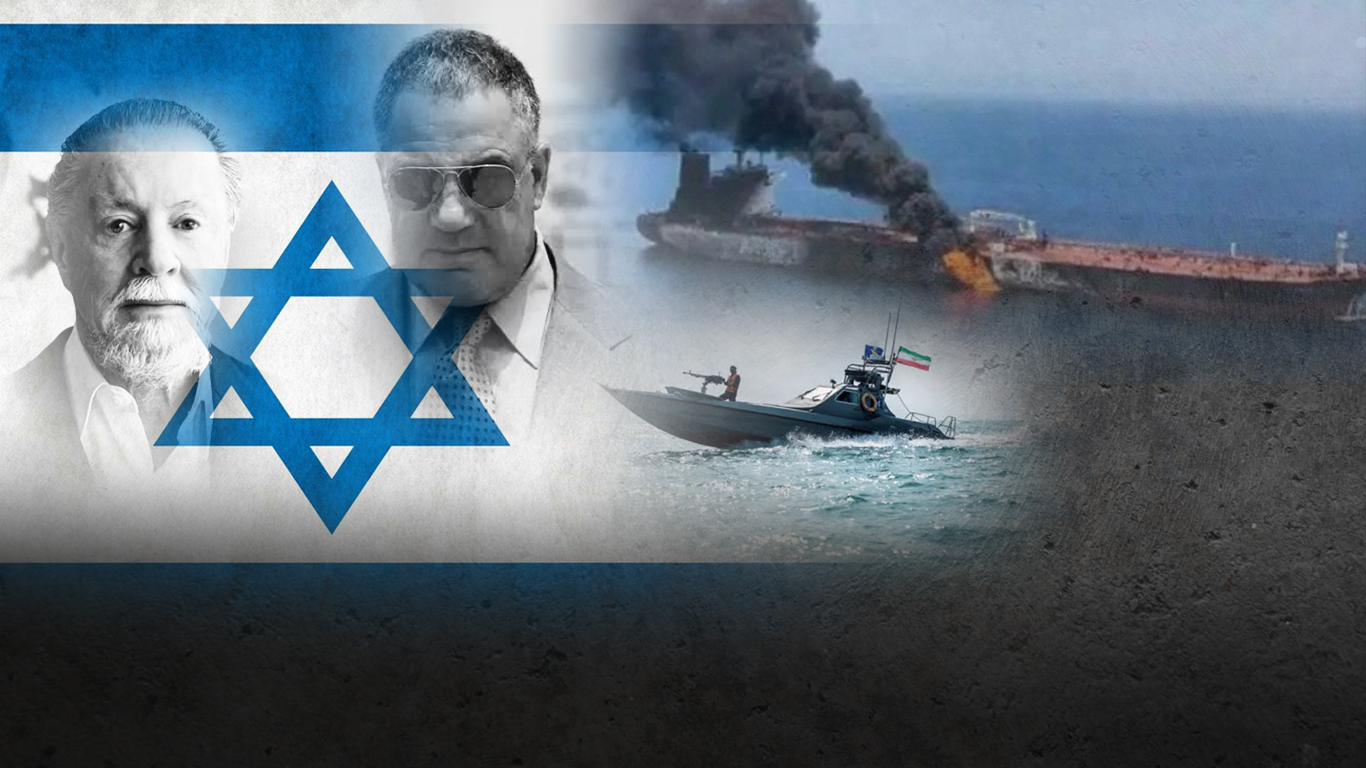
GULF OF OMAN — Earlier this summer, the Israeli-operated oil tanker Mercer Street was attacked by drones, allegedly emanating from Iran, disabling the ship and killing two people on board. The incident, portrayed as an unprovoked attack on a civilian vessel, caused worldwide outrage, and marked a new low in Iranian relations with Israel and its Western allies. But a MintPress investigation can now reveal that Zodiac Maritime, the Mercer Street’s operator, has a long history of working closely with both the Israeli Defense Force (IDF) and Israeli intelligence unit Mossad, using its ships to ferry arms and operatives around the region for covert operations, including assassinations.
Zodiac Killers
Zodiac Maritime is a worldwide shipping conglomerate owned and operated by the Ofer family. Brothers Eyal and Idan Ofer are Israel’s third and ninth richest billionaires, respectively, having taken over the business from their father, Sammy. The company also has a long history of working alongside the Israeli government on special operations.
Defying American sanctions, for years, Zodiac ships continued to trade with the Islamic Republic, docking regularly in Iranian ports. By the time of Sammy’s death in 2011, the U.S. government was investigating the firm and the Treasury Department had announced sanctions against it for supposedly helping Iran skirt round the American-imposed blockade.
Why such a well-established Israeli firm would breach sanctions and collaborate with an enemy state in Iran also mystified many Israeli officials, who launched their own inquiry. However, the government hearing on the affair was abruptly shut down after the chair was passed a note by a “very high-ranking security official” — that official rumored to have been Mossad Director Tamir Pardo. As soon as Committee Chairman Carmel Shama read the message, he immediately ordered all press to leave the meeting and finished the event behind closed doors. “Let’s just be clear: the note is not from a political figure and not from a business figure. It turns out that reality is much more complex, much more complicated and touchy than the average imagination can handle,” Shama offered as an explanation. The reaction from both the Knesset and the United States government suggests that this agreement was extremely secret indeed, with operations going on behind both of their backs.
The news, which Israeli media had christened “OferGate,” was immediately dropped and glossed over, with Prime Minister Benjamin Netanyahu insisting that the elderly Sammy Ofer, who died the same week, was a “Zionist through and through.” Meir Dagan, who had recently retired as director of Mossad, concurred, stating that the case had been “blown out of proportion,” and hinted that the Ofer family may have actually been acting in the service of the state.
Among such known missions are Zodiac Maritime cargo ships with modified hulls being used to ferry Israeli Black Hawk helicopters to Iran, where they were used by elite commando teams in reconnaissance missions against the Islamic Republic’s alleged nuclear programs. Zodiac Maritime’s business relationship with Iranian ports and shipping companies was crucial to this endeavor, providing both the cover and the means to enter Iranian waters without attracting suspicion.
The year before OferGate blew up in Israeli media, the billionaire clan’s boats were used in a successful assassination mission against Palestinian leader Mahmoud al-Mabhouh. Mossad killed the Hamas official, responsible for procurement of weapons, in his Dubai hotel room, causing a worldwide outrage. Secret agents traveled to the United Arab Emirates on Ofer’s ships, posing as workers and using forged foreign passports. Reports suggest that al-Mabhouh was drugged, electrocuted and suffocated with a pillow in his room, with some operatives escaping on the same ship they arrived on.
Although successful, the mission did not go as smoothly as planned, as Emirati police were able to identify a number of the perpetrators. Australia, the United Kingdom and Ireland expelled Israeli diplomats in protest at Mossad’s use of faked passports from their countries as cover for the operation.
Going further back, in 1988, elite Israeli forces, under the command of future Vice Prime Minister and Minister of Defense Moshe Ya’alon, used modified cargo ships to smuggle soldiers and helicopters into Tunisia, where they stormed into Tunis and killed Deputy Leader of the Palestine Liberation Organization (PLO) Khalil al-Wazir, before returning to the ship and making a hasty retreat.
The long history of Zodiac Maritime and other Israeli civilian shipping companies aiding the government in acts of international terrorism raises the question whether perhaps Iranian intelligence suspected something about the Mercer Street that is not publicly known. The vessel was travelling from Africa to the United Arab Emirates, and, when hit, was about to enter the Gulf of Oman — the narrow maritime passage between the Arabian peninsula and Iran. There was reportedly no cargo on board.
Yet any possibility of clandestine activities has been overlooked by corporate media when reporting on the Mercer Street attack. Instead, all such outlets preferred to echo Western governments’ framing of the events as an “unacceptable and outrageous attack on commercial shipping,” in the words of British Prime Minister Boris Johnson.
The British connection
The 28,400 ton vessel was attacked by drones on July 29 and July 30. The two casualties reported are an unidentified Romanian worker and Adrian Underwood, a soldier with a long and distinguished record in the British army. Underwood had recently joined private security group Ambrey.
Based in the provincial English city of Hereford, Ambrey boasts that its 600 operatives work in over 20 countries worldwide, providing security and training services around the globe. Hereford is also the headquarters of the SAS, Britain’s most elite fighting force. Because of the SAS, the city of barely 60,000 people has become arguably the worldwide center for mercenaries, a recent report noting that no fewer than 14 private military and security companies are based there. Ambrey itself has deep connections to the British armed forces, with most of its directors serving long tours of duty in its ranks.
The United Kingdom has close links with the Israeli national security state, supplying the IDF with over $500 million worth of weapons since 2015, much of this being aircraft or high tech machinery. British units provide training to their Israeli counterparts and there is even a small British force stationed inside the Jewish state. The U.K. and Israel now conduct joint war games as well as share intelligence. As Declassified UK noted, the United Kingdom also plays a crucial role in maintaining Israeli nuclear weapons, supplying submarine components that maintain the country’s nuclear capabilities.
Israel also enjoys significant influence in the U.K., selling weapons and funding political groups. Indeed, a recent investigation found that one third of the British cabinet, including Prime Minister Johnson, have been directly financed by Israel or pro-Israli lobby groups. Earlier this year, former Conservative Minister Alan Duncan claimed that he was blocked from being appointed Middle East Minister by Israeli pressure groups “for no other reason than that I believe in the rights of the Palestinians.” “The Israelis think they control the Foreign Office. And they do!” he added — a statement that goes beyond even the wildest remarks of Labor politicians accused of anti-Semitism.
Zodiac Maritime and the Ofer family also have close connections with Great Britain. Sammy Ofer himself served in the Royal Navy during the Second World War. And although Zodiac Maritime is legally based in Monaco, its day-to-day operations are run from London, with much of its fleet registered in Britain. Ofer donated substantial sums to British institutions, giving £20 million (around $27 million) to the National Maritime Museum at Greenwich in East London and £3.3 million (~ $4.5 million) to restore the historic ship Cutty Sark. There is now an entire wing of the National Maritime Museum named in his honor. In 2008, he was awarded the title of Honorary Knight of the British Empire. Ofer’s sons Eyal and Idan also reside in London, and both have continued their father’s tradition of giving ostentatiously to local art and cultural institutions.
Anatomy of an attack
Although the Mercer Street is operated by Zodiac Maritime, it is actually owned by a subsidiary of the Japanese shipping conglomerate Nippon Yusen Group. And despite Zodiac being an Israeli-owned and controlled company, it is, as previously noted, headquartered in London and technically registered as a Monaco-based operation. On top of all this, the Mercer Street flies a Liberian flag, as around one in ten big ships do. Such is the tax-avoiding world of international big business.
Built in 2013, the Mercer Street sailed throughout Africa, Europe and Asia. It was hit by a sustained attack from suicide drones on the evening of July 29 and the morning of July 30. In addition to the two human fatalities, the ship suffered considerable damage to its bridge, rendering it out of action. Zodiac Maritime refused to answer questions about the extent of the damage, reveal the identity of the Romanian individual killed, or confirm or deny its relationship with the Israeli government when asked by MintPress.
Responding to distress calls, the U.S. Navy sped to the ship, the aircraft carrier U.S.S. Ronald Reagan escorting it to a safe port. U.S. Central Command conducted an investigation into the affair, concluding that three UAV drones were used in the attack, and that military-grade explosives were used to blast a 6-foot hole in the topside of the pilot house, badly damaging its interior as well. Meanwhile, Britain immediately flew a team of 40 SAS commandos to eastern Yemen, acting on the theory that Iranian-supported Houthi rebels could have been behind the attack. That the United States and United Kingdom were so quick to act raises questions about how closely they are coordinating with each other and against Iran.
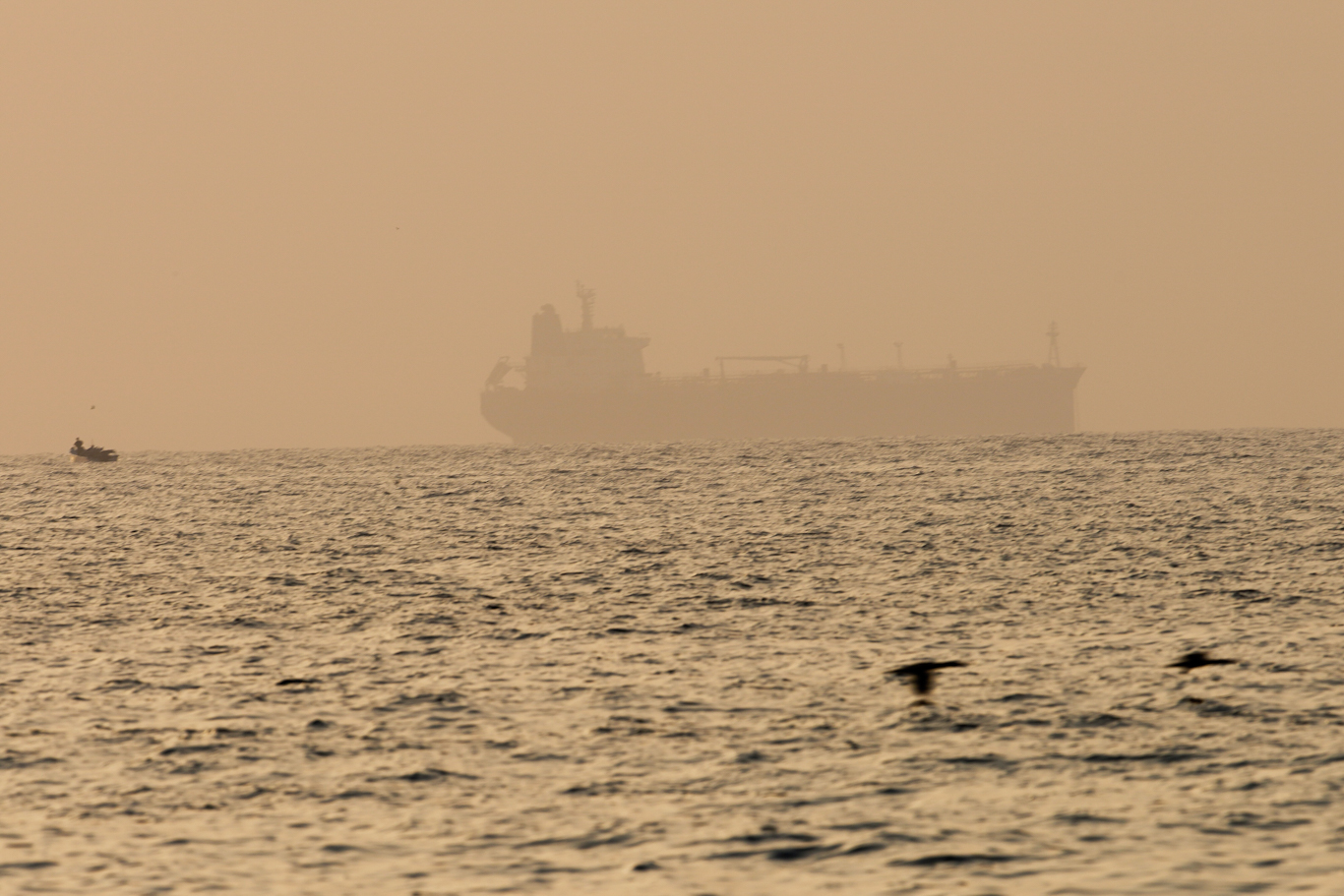
The Mercer Street is seen moored off Fujairah, UAE, on Aug. 4, 2021, one week after it was attacked. Jon Gambrell | AP
The U.S. and Israel both blamed Iran for the incident. “Upon review of the available information, we are confident that Iran conducted this attack,” said Secretary of State Anthony Blinken. “We are working with our partners to consider our next steps and consulting with governments inside the region and beyond on an appropriate response, which will be forthcoming.”
Israeli Prime Minister Naftali Bennett was even more confident — and belligerent. “I determine, with absolute certainty, Iran carried out the attack against the ship,” he stated. “The intelligence evidence for this exists and we expect the international community will make it clear to the Iranian regime that they have made a serious mistake… We know how to send a message to Iran in our own way,” he added.
Iran, for its part, has rejected the accusations. “Regarding the politically motivated statements made by the United States and the United Kingdom in this meeting against Iran concerning the Mercer Street vessel incident, I reiterate, once again, our firm rejection of these unsubstantiated allegations,” said Zahra Ershadi, Iran’s ambassador to the United Nations, who stressed that “the Islamic Republic of Iran is highly interested in, and attaches great importance to, maritime security.”
Tit-for-Tat spats
This is, however, far from the first time Iran has been linked with attacks on Israeli vessels. Indeed, earlier that month, a UAE-bound ship in the Strait of Hormuz, previously owned by Zodiac Maritime, was hit, with Israeli officials pointing the finger at Iran. The Times of Israelspeculated that the incident could have been a response to an Israeli attack on an Iranian centrifuge production site in June.
Israeli-owned ships have also come under fire in April, March, and February of this year, each time Jerusalem suspecting Iran. The last of these, the attack on the MV Helios Ray, damaged its hull. Ambrey operatives were also providing security for that ship. “This was indeed an operation by Iran. That is clear,” Netanyahu told the press at the time. Iran also denies responsibility for these attacks. Foreign Ministry spokesperson Saeed Khatibzadeh stated that Netanyahu suffered from “Iranophobia” and suggested that he was using the incidents as a distraction to Israel’s domestic problems.
However, few seem to believe that Iran is entirely guilt free. National security blogger Richard Silverstein described the Mercer Street incident as Iran repaying Zodiac Maritime in kind for its role in helping the Israeli military. “President Raisi seems intent on conveying a strong message: whatever you may have thought of [former President Hassan] Rouhani, he was a walk in the park compared to what I will be,” Silverstein wrote.
Receiving less press attention, Israel has also been carrying out a campaign against Iranian ships, targeting at least 12 Syria-bound vessels, most of them carrying Iranian oil. One such attack earlier this year backfired heavily on Israel, however. IDF commandos successfully attached a mine on an Iraninan oil tanker in the Mediterranean. But the resulting blast led to over 1,000 tons of oil leaking into the sea and washing up on Israeli beaches, causing the worst ecological disaster in the country’s history. Animals and coastal areas were covered in oil, forcing the government to close Israeli beaches for weeks afterward, as thousands of people worked to clean up the spill.
In April, Iranian military ship MV Saviz was attacked in the Red Sea. Israeli Defense Minister Benny Gantz stopped short of claiming responsibility, but stated that “Israel must continue to defend itself,” adding that, “Any place we find an operational challenge and necessity, we will continue to act.” But officials in Gantz’s government reportedly privately confirmed to the U.S. that it was indeed responsible for the attack. An Iranian military vessel also mysteriously caught fire and sank in early June of this year.
Israel has also carried out numerous attacks on the Iranian nuclear program, the most notable of which was perhaps the assassination of top scientist Moshen Fakhrizadeh last November. While traveling between a meeting and a university lecture in Tehran, Fakhrizadeh was gunned down, with many reports suggesting that a remotely operated gun mounted on a truck was responsible. Former Mossad Chief Yossi Cohen strongly hinted his agency was involved in the killing.
Iran is currently in negotiations with the United States about a redesigned nuclear deal, something that Israel strongly opposes. In 2018, President Donald Trump unilaterally withdrew from Barack Obama’s nuclear deal, but later tried to convince other nations to sanction Iran based on the Islamic Republic’s non-adherence to the agreement he had personally scuppered. The recent series of attacks have done nothing to help the prospect of a long-term accord being reached.
American sanctions have already inflicted serious hardship on Iran, sending the prices of consumer goods soaring and the value of its currency, the rial, plummeting. Oil production has sputtered, as the country can find few buyers for its primary national export. The price of food has also become a serious issue for many. “The sanctions deliberately target ordinary Iranians, women and children,” Seyed Mohammad Marandi, Professor of English Literature at the University of Tehran, toldMintPress last year. “They are designed to kill hospital patients and to create poverty. They have had partial success.”
The assault on the Mercer Street provokes many questions. If Iran did indeed attack the ship, why did it do so? Did they suspect or know anything about what was on board? Or was this simply another episode in the tit-for-tat spat that has been escalating between the two countries for years? How closely does Zodiac Maritime work with the Israeli security services? What is the role of the British mercenary group in all this? And to what extent does Israel work with the U.S. and U.K. on these issues? As with so much in the world of espionage, the truth rarely comes out quickly, if at all.
TEHRAN – With the Vienna nuclear talks hitting a deadlock after the sixth round, Israel finds itself more isolated on Iran and is unable to influence the talks, something that prompted it to try out a new military stunt in order to get the talks moving in line with Israel’s interests.
During his recent trip to Washington, Chief of Staff of Israeli Armed Forces Aviv Kochavi reportedly conveyed clear messages to the U.S. administration regarding the possibility of the U.S. returning to the 2015 Iran nuclear agreement. These messages included threats of an Israeli military attack inside Iran. The Israeli general held behind-closed-doors meetings with several high-ranking American officials including Secretary of Defense Lloyd Austin, Chairman of the Joint Chiefs of Staff Mark Milley, National Security Advisor Jake Sullivan, CIA Director William Burns, and DIA Deputy Director Suzanne White.
In these meetings, Kochavi claimed that Israel had made a decision to dismantle the alleged Iranian military nuclear program a year before the U.S. 2020 presidential election and the start of the buzz over a return to the nuclear deal, officially known as the Joint Comprehensive Plan of Action (JCPOA). According to Israeli reports, Kochavi also told his American interlocutors that the Israeli army has devised at least three military plans in order to thwart the Iranian nuclear program, and that the previous Israeli government, led by Benjamin Netanyahu, put aside funds for these plans, and that the current government, led by Naftali Bennett, pledged to add large sums in order to fill gaps related to readiness as soon as possible.
This saber-rattling came against a backdrop of a diplomatic war of words between Iran and the U.S. after the sixth round of the Vienna talks which resulted in little progress compared to previous rounds. The U.S. demanded a commitment from Iran to discuss other thorny, non-nuclear issues such as Iran’s missile program and its regional influence while rejecting Iranian demands regarding the lifting of all Trump-era sanctions and the provision of a guarantee that Washington would not withdraw from the deal again once it is revived. In fact, disagreements between the two are so deep that the mere resumption of the talks now hangs in the balance, with Russia is now insinuating that the talks may not be resumed any time soon.
This charged atmosphere has led Israel to remarkably increase diplomatic contacts with the U.S. in the hope that these communications would affect the U.S. stance toward the Vienna talks. But the Israelis themselves have acknowledged that they are unable to influence the U.S. Iran policy. The Israeli newspaper Haaretz reported Monday that Tel Aviv can no longer influence the new deal that the Biden administration seeks, one that would be “longer and stronger” than the existing one that is the JCPOA.
But the Israelis seem not to be giving up on their anti-JCPOA crusade. They appear to have reverted to the decades-long dream of getting the U.S. to do their own job with American blood and treasure: an American military strike against Iran. Haaretz reported that Israeli officials are trying to convince the U.S. into bringing up the military option against Iran if it continued its nuclear activities, hoping that making hostile announcements would create deterrence against Iran.
But one diplomat predicted that the Biden administration was less likely to attack Iran if it violated the terms of the agreement, Haaretz said, adding, Americans do not currently want the potential for a military conflict in terms of their priorities.
In doing so, the Israelis signal their assessment that threats of military strikes work with Iran, something that belies the most recent bouts of escalation during the Trump administration. Over the course of the Trump presidency, the U.S. issued a whole range of stark threats against Iran from attacking cultural sites to starving the Iranian people but none worked with Tehran. In addition, the Israelis themselves launched what they call the “campaign between wars,” a military doctrine mostly aimed to confront Iran’s spheres of influence in the region while keeping the confrontation below the threshold of an all-out war, to eliminate its regional influence and undermine its nuclear program. But they failed to achieve their goal as Iran’s nuclear program continues to advance and the country’s sway continues to expand.
Iran and the US are haggling over problems with the nuclear deal that predated the Trump administration’s 2018 withdrawal from the accord, a top Iranian government official said, suggesting that negotiations to bring Washington back into the fold have become more complicated than previously known.
Mahmoud Vaezi, Iranian President Hassan Rouhani’s chief of staff, said the US had agreed in principle to lift all of the more than 1,000 economic sanctions that were re-imposed or added by Donald Trump after he exited the deal, including those on Iran’s oil, petrochemicals, banking and steel sectors.
Broader trade penalties on Iran’s financial sector that weren’t lifted under the 2015 pact with world powers had scared off foreign investors and banks, preventing Tehran from receiving many of the economic benefits that it had expected to flow from its agreement to rein in its nuclear program.
“Right now, we’re discussing which of the remaining sanctions are related to the nuclear deal and which ones relate to before 2015,” Vaezi told reporters in Tehran, according to the Iranian Students’ News Agency.
“Also, now it’s possible some of the sanctions related to individuals and matters prior to 2015 will remain, and they are also negotiating over those.”
Previously, Iran had said it was focused on removing the Trump-era sanctions, so Vaezi’s comments may indicate that the scope of the negotiations has widened. Tehran has refused to change the agreement to address US concerns about its ballistic missile program and military activities in the region.
Revival of the deal would allow Iran to return to global oil markets in exchange for curtailing contentious nuclear work, and ease a standoff that has stoked military frictions in the energy-rich Gulf.
Trump’s withdrawal from the deal three years ago created a crisis defined by tit-for-tat attacks on shipping, oil installations and assassinations of key Iranian military and nuclear figures that almost led to another war in the Middle East.
World powers, led by the European Union, have spent the past three months in Vienna trying to bring that chapter of turmoil to an end by brokering a pathway back to the original accord that would see the US return to the deal and also re-establish previous limits on Iran’s atomic work.
On Wednesday, in a reminder of how Iran’s atomic work has often been the target of attacks widely blamed on US ally, the Zionist occupation regime, state news agencies said authorities in Iran had foiled an attempt to “sabotage” a site on the outskirts of Tehran belonging to the Atomic Energy Organization of Iran.
Vaezi said there was an agreement with the US to lift “a number of sanctions on individuals” including people close to Leader of the Islamic Revolution His Eminence Imam Sayyed Ali Khamenei, but he didn’t give details or specify whether they included president-elect Sayyed Ebrahim Raisi.
أتمَّت إيران استحقاقها الانتخابي الرئاسي الثالث عشر في ظل ظروفٍ داخليةٍ معقدةٍ، فالإيرانيون يعانون ظروفاً اقتصادية صعبة بسبب الحصار الخانق والجائر المفروض عليهم منذ أربعة أعوامٍ ونيِّفٍ، فيما سُمي «سياسة الضغوط القصوى» التي بدأها الرئيس الأميركي السابق دونالد ترامب، ناهيكم بظروف وباء «كوفيد-19» وآثارها السلبية على كلٍّ من الاقتصاد والحياة الاجتماعية على حدٍّ سواء.
ومن ناحيةٍ أخرى، فقد كانت حالة الاستقطاب بين المعسكرين «المحافظ» و»الإصلاحي» في هذه الانتخابات على أشدّها، وزادت بعض قرارات «مجلس صيانة الدستور» الطين بلة، إذ رفضت ترشيح شخصيات إيرانية مرموقة على غرار علي لاريجاني من «التيار المحافظ» وأسماءٍ أخرى بارزة من «التيار الإصلاحي»، تلك القرارات التي لم تلقَ شعبيةً واسعةً بين العديد من الناخبين، حتى إن المرشد الأعلى السيد علي الخامنئي أبدى في كلمةٍ علنيةٍ شيئاً من الانتقاد لتلك القرارات، ولا سيما قرار استبعاد علي لاريجاني من السباق الرئاسي رغم عدم تسميته صراحةً.
ويضاف إلى كل هذه الأجواء ما صاحَب الانتخابات من حملاتٍ عدائيةٍ معتادةٍ ترمي إلى تشويه الانتخابات الإيرانية، حملات يشنها معسكر أعداء الشعب الإيراني من القوى الغربية بالتعاون مع أدواتِها الإقليمية، حيث سُخِّرَت – حسب بعض الإحصاءات – قرابة 250 قناة ناطقة باللغة الفارسية للتحريض على مقاطعة الانتخابات على مدى الستة أشهر الماضية، ناهيكم بعديد المواقع الإلكترونية التي واظبت على بث الرسالة ذاتها، وقد تساوقت مع هذه الدعوات بعض الأسماء ذات الحيثية في المشهد السياسي الإيراني مثل الرئيس الإيراني الأسبق محمود أحمدي نجاد، الذي دعا الجمهور صراحةً لمقاطعة الانتخابات الرئاسية.
برغم كل هذه الظروف المعقّدة مجتمعةً، وبرغم مراهنة الخارج على انخفاض نسبة الإقبال الشعبي، حيث راهن الغرب على انخفاض نسبة الإقبال إلى مستويات تُراوح بين 23% فقط و37% في أكثر المراهنات سخاءً. لقد تم إجراء الانتخابات بنجاحٍ، ووصلت نسبة المشاركة الشعبية إلى قرابة الـ 50%، صحيحٌ أن هذه النسبة أقل من المعدل الإجمالي للانتخابات السابقة التي تُقدر بنحو 73%، لكنّ هذه النتيجة تظل جيدةً جداً ضمن الظروف المذكورة، ولقد عدَّتْها الجمهورية الإسلامية بحقٍ انتصاراً ولو كان بشقّ الأنفس، وقال المرشد الأعلى السيد علي الخامنئي فيها: «لقد شكَّلت مشاركة الشعب الإيراني في الانتخابات صفحةً مشرقةً أخرى لأمجاد الشعب الإيراني»، وعَدّ المرشد الأعلى هذا فوزاً «للأمة الإيرانية» التي استطاعت مواجهة «الدعاية الإعلامية للأعداء».
وأما الأمر الأهم في نتيجة هذه الانتخابات – بعيداً عن كل هذا الجدل – فيتمثل في ما يعنيه فوز رئيس السلطة القضائية السيد إبراهيم رئيسي، وفي نسبة توزيع الأصوات بين المتنافسِين نجد أن رئيسي قد حصل على 17،926،345 صوتاً بفارقٍ كبيرٍ عن باقي المرشحِين، تلاه قائد حرس الثورة الإسلامية السابق، اللواء محسن رضائي من معسكر «المحافظين»، الذي حصل على 3،4 ملايين صوت، يليه عبد الناصر همتي من معسكر «الإصلاحيين» الذي حصل على 2،4 مليون صوت، وجاء في نهاية السباق السيد أمير حسين غازي زاده الهاشمي من «المحافظين» الذي حصل على نحو مليون صوت، وبهذا يكون معسكر «المحافظين» بمُرشَّحيه الثلاثة: رئيسي ورضائي والهاشمي قد حصد بالمجمل أصوات السواد الأعظم من الناخبين.
يمكننا الخُلوص من نسبة توزيع الأصوات إلى تأكيد الناخب الإيراني على تمسكه بأسس ومبادئ الثورة الإسلامية وخط الولي الفقيه السيد علي الخامنئي، وكذلك إشاحة غالبية الناخبين الإيرانيين وجوههم عن «الإصلاحيين» بعد تجربة الرئيس المنتهية ولايته الشيخ حسن روحاني، وبحسب مطلعين على الشأن الإيراني، فإن الخط الذي يمثله السيد إبراهيم رئيسي هو خطٌّ جديدٌ يسمى تيار «حزب الله الثوري» في الداخل الإيراني، وهذا التيار يمثل امتداداً لمدرسة المرشد الأعلى السيد علي الخامنئي، الذي يشكِّل «خطاً واصلاً بين إيران الداخل وبين الامتداد العقائدي الخارجي»، ونشير هنا إلى أن النشرة التي تصدر عن «مؤسسة الثورة الإسلامية للثقافة والأبحاث» التابعة للسيد علي الخامنئي تُعنوَن «خط حزب الله». ويطرح هذا تساؤلاً في ما إذا كان وصول إبراهيم رئيسي إلى منصب رئاسة الجمهورية يؤذن بميلاد تيارٍ جديدٍ في المشهد السياسي الإيراني، يكون أكثر راديكاليةً وتمسكاً بثوابت الثورة الإسلامية، ويعتمد على وجوهٍ شابةٍ يمكن أن تجد فيها شريحة الشباب الإيراني نفَساً أكثر ثوريةً وحيويةً من المعسكرين التقليدييْن «المحافظ» و»الإصلاحي»، ولعل هذا ما قصده السيد علي الخامنئي حينما قال: «إن حكومة حزب الله الفَتِيَّة هي العلاج لمشاكل البلاد، أنا كما أكدت من قبل في العام الماضي، وقد ذكرت مراراً وتكراراً من قبل، أنا أؤمن بالحكومة الفَتِيَّة وحزب الله، وآمل في ذلك» في كلمةٍ متلفزةٍ ألقاها في 17 آذار 2021.
هذا في المشهد الإيراني الداخلي، أما في السياسة الخارجية، فكون إبراهيم رئيسي يُعد من صقور الثورة الإسلامية وقريباً من المرشد الأعلى، فيُعتقَد أنه على إدارة الرئيس جو بايدن عدم الرهان على تنازلات في المحدِّدات التي وضعها المرشد الأعلى للعودة إلى الاتفاق النووي، والتي تنص على وجوب رفع الولايات المتحدة الأميركية كلَّ العقوبات الجائرة التي فرضها الرئيس الأميركي السابق دونالد ترامب على إيران – لا مجرد تعليقها – قبل العودة إلى الاتفاق النووي، فعلى الأميركي الاختيار بين القبول بالمحدِّدات الإيرانية المشروعة، أو ستكون إيران حينها في حلٍّ من التزاماتها النووية المنصوص عليها في «خطة العمل الشاملة المشتركة»، ولا سيما في غياب أي مؤشرات على استعداد الولايات المتحدة الأميركية للإقدام على مغامرةٍ عسكريةٍ في منطقة غرب آسيا تجبر بها إيران على الرضوخ عنوةً، وذلك بسبب ميزان القوى الحاكم الراهن، بالإضافة إلى الوضع الدولي والإقليمي المختلف نوعياً عما كان عليه مطلع القرن الحالي.
أما حلفاء إيران في الإقليم، فلا شك أنهم يشعرون بالارتياح لنتائج الانتخابات الإيرانية، كون إبراهيم رئيسي على الراجح سيكون أشد جذريةً في دعم حركات المقاومة في منطقتنا، وذلك بما يتسق مع تاريخه وعقيدتِه السياسية المنسجمة مع فكر المرشد الأعلى للجمهورية الإسلامية، ومع فلسفة حكومة «حزب الله الثورية»، ولا سيما أن انتخاب إبراهيم رئيسي جاء غداة إعادة انتخاب الرئيس السوري بشار الأسد لدورةٍ رئاسيةٍ جديدةٍ.
ولكن طبعاً لا نُغفِل حجم التحديات الداخلية الكبيرة التي تنتظر حكومة إبراهيم رئيسي، سواءً أكانت العمل على تخطي الوضع الاقتصادي الضاغط في الداخل، أم التعامل مع تبعات جائحة «كوفيد-19»، أم تلبية طموحات الشباب الإيراني الذي بات يعاني نسب بطالةٍ مرتفعة.
وفي الخُلاصة، يبدو أن تولي الخط الذي مثَّلَه الرئيس الإيراني السابق الشيخ حسن روحاني لمقاليد الحكم كان في مرحلةٍ تقتضي الكثير من الدبلوماسية، حينما كان يتصدر المشهد التعويل على عقد اتفاقيةٍ نوويةٍ مع الولايات المتحدة الأميركية، أما اليوم فإيران والعالم يعيشان مرحلةً مغايرةً، وذلك على وقع الإخفاقات الأميركية في العَقْد المنصرم في عدة ساحات في منطقتنا والعالم، وما يعانيه الاقتصاد الأميركي من أزماتٍ بفعل العامل المسَرِّع «كوفيد-19»، وهناك الصعود الصيني كَـ «مركز قوة» عالمي جديد ذي اقتصادٍ متنامٍ باطّراد، وتثبيت روسيا لمركزها بصفتها دولةً ندّاً للولايات المتحدة الأميركية على الساحة الدولية، ناهيكم بالآثار الجيوسياسية المترتبة على دخول إيران مع الصين في اتفاقية إطار شراكة استراتيجية للـ25 سنةً القادمة، وهذا الوضع المغاير إقليمياً ودولياً يلزمه وجوهٌ جديدةٌ وسياساتٌ مختلفةٌ، تكون أكثر استعداداً للمواجهة وأقل تطلعاً نحو الغرب، فهل يشكِّل إبراهيم رئيسي حكومة «حزب الله الثورية» من أجل مقارعة القوى الاستعمارية إقليمياً ودولياً؟
يبدو ذلك، ففريق إبراهيم رئيسي من أولئك الذين لا يؤمنون بالتفاوض مع أميركا ولا يجدون فيه أي مصلحةٍ تُرجى، ويُفَضلون توثيق العلاقات مع الدول التي تُشاطِر إيران النزعة الاستقلالية كالصين وروسيا، ويكفي النظر إلى المرشح المنسحب من السباق الرئاسي سعيد محمد الذي يُتوقع أن يَشغَل منصب نائب الرئيس في حكومة إبراهيم رئيسي، والذي يدعو إلى تخصيب اليورانيوم على نسبة نقاء 90% رداً على التعنّت الأميركي، ولا ننسَ أنّ من أهم إستراتيجيات المرشد الأعلى السيد علي الخامنئي التي أعلن عنها هي إخراج أميركا من منطقة غرب آسيا، وتعزيز فكرة الاقتصاد المقاوم، ولا بد أن هذين الأمرين سيشغلان حيزاً رئيسياً في سياسات رئيسي وحكومته حسب ما نعلم من توجهاته.
لعلها إذاً مرحلة مواجهاتٍ مقبلةٍ إقليمياً ودولياً مع قوى الاستكبار العالمي من موقع قوةٍ، وربما كان الكيان الصهيوني أول المستشعرين لهذه المرحلة عندما قال: «انتخاب رئيسي لا يُبقي أمام «إسرائيل» سوى إعداد خططٍ لمهاجمة النووي الإيراني».
The Throne Of Saint Jewry
-
The Throne Of Saint Jewry November 12 2026
___________________________________ More Vids! +BN Vids Archive! HERE!
___________________________________ Suppo...
Cracks in the foundations of Pax Judaica
-
World Jewry is terrified of the Kushner revelations from Cole as they
attack the foundations of Pax Judaica. We already know the basic facts of
the corrupt...
Report on Beth Israel vigil 09-12-26
-
*Eat-a-Cheeseburger Day Approaches*
This year, EAC Day appears on Monday, September 21st. The date coincides
with the Jewish holiday called Yom Kippur. Cl...
-
Hello all,
It is with great sadness that I share with you the passing of our beloved
sister, Mother, and Grandmother, the individual that you all knew ...
Best Horror Podcast
-
Best Horror Podcast Introduction: Horror podcasts […]
The post Best Horror Podcast appeared first on Copper Shock Horror Podcast.
Ikhras Endorses Muntadhar Al-Zaidi
-
“Oh parties of banditry and sectarianism and corruption, we have come and
our goal is to destroy you.” Ikhras formally endorses Muntadhar al-Zaidi,
Iraqi j...
Prince Charles: Foreign Jews behind bloodshed in ME
-
In May, 2017, British Crown Prince Charles declined an invitation from
Zionist entity’s president Reuven Rivlin‘s to attend the 100th anniversary
of the no...
Palestinian Women – One for All, All for One
-
Honouring All Palestinian Women by Honouring Three: Hanin Zoabi, Ahed
Tamimi, Samah Sabawi Vacy Vlazna “Palestinian women have always stood side
by side ...
US’s Saudi Oil Deal from Win-Win to Mega-Lose
-
By F. William Engdahl Who would’ve thought it would come to this? Certainly
not the Obama Administration, and their brilliant geo-political think-tank
neo-...
-
*Mordechai Vanunu wins human rights prize of Brazilian Press Association *
* http://www.alternativenews.org/english/index.php/features/updates/7038-mordechai...
Abdul Aziz Rantissi:
"My ultimate wish, my God, is to attain martyrdom,"...God granted him his wish on April 17, 2004, at the hands of Israeli assassins.