Uprooted Palestinians are at the heart of the conflict in the M.E Palestinians uprooted by force of arms. Yet faced immense difficulties have survived, kept alive their history and culture, passed keys of family homes in occupied Palestine from one generation to the next.
في بداية التسعينات طرح بعض السياسيين سؤالاً عنوانه، هل أن أولوية الملف الأمني المتمثل بسحب الأسلحة وحل الميليشيات وإعادة توحيد الجيش، سيفتح الشهية الدولية نحو اعتبار الجيش حصان الرهان السياسي الأول، بحيث ننام ونصحو على تعاظم دور المؤسسة العسكرية، ونستعيد صورة الرؤساء الذين يلبسون البزة العسكرية، وعلى رغم تجاهل الكثير من السياسيين لهذه المعادلة، تقول وقائع ثلاثة عقود لما بعد اتفاق الطائف إن العسكر تصدروا الواجهة السياسية، فما كادت مفاعيل توحيد الجيش وحل الميليشيات تكتمل، حتى صار الرئيس المدني الياس الهراوي آخر الرؤساء الآتين من المجتمع السياسي، وصار الذين تناوبوا قبل الطائف وبعده على منصب قائد الجيش يدخلون إلى قصر بعبدا كرؤساء للجمهورية، ويبدو اليوم أن الأميركيين الذي يعاقبون لبنان بعقوبات جماعية يؤكدون بما لا يقبل التأويل عزمهم على مواصلة الاستثمار على علاقتهم بالجيش، لكنهم يضعون لهذا الاستثمار سقفاً أمنياً لا سياسياً، ويتراجع السقف السياسي الذي كانت عليه الحال في السابق، فالعنوان السياسي الرئيسي في زمن المواجهة الأميركية مع المقاومة لا يتخذ عنوان الرهان على المواجهة العسكرية والأمنية، فالأميركي يسلم، كما قال الكثير من المسؤولين الأميركيين صراحة، بأن تعريض الجيش لمخاطر الزج به في مواجهة مع المقاومة، يفوق قدرة الجيش وقابليته للاستجابة، والحفاظ على تماسكه.
–
في السياسة طور الأميركيون مقاربتهم منذ 17 تشرين الأول 2019، واعتبروا أن عنوان مكافحة الفساد هو الأنسب لتقدم الأجندة الأميركية في مواجهة المقاومة، على رغم القناعة الأميركية بلا جدوى تجاوز اتهام المقاومة بالفساد من الشعار إلى التفاصيل بتقديم أي واقعة مكتملة تؤكد هذا الاتهام، بينما يمكن، كما أكد كثير من المسؤولين الأميركيين إلحاق الأذى بحلفاء المقاومة تحت هذا العنوان، ولو اقتضى الأمر إصابة عدد من حلفاء واشنطن، الذين أظهروا بنظر واشنطن تخاذلاً في خوض المواجهة مع المقاومة بداعي الحرص على السلم الأهلي، وخرجت دراسات وتحليلات تتحدث عن تجديد الطبقة السياسية، بإنشاء مئات وآلاف منظمات المجتمع المدني في مناخ 17 تشرين والدفع بها إلى الواجهة السياسية، وجاءت العقوبات الأميركية على سياسيين ورجال أعمال لبنانيين تؤكد هذا المنحى، لكن دفع المعركة تحت عنوان الفساد لتجديد الطبقة السياسية، وبطريقة مستهدفة لحلفاء المقاومة وتقليص حضورهم السياسي، تستدعي إنهاض صف أمامي وخلفي في المستوى القضائي، يعيد إلى الواجهة السؤال الذي طرح في التسعينات بطريقة جديدة، هل نحن أمام زمن فتح الشهية الأميركية ومحاكاة الشهيات المحلية، وعلى أعتاب الاستحقاق الرئاسي، لنشهد مرشحين رئاسيين من القضاة، لكن بدلاً من شعار الجيش هو الحل، يتقدم شعار القضاء هو الحل؟
–
يريد البعض منا أن نصدق أن الفرصة التي وفرها انفجار مرفأ بيروت لتظهير الدور القضائي في مواجهة السياسيين تعبيراً عن انتفاضة الجسم القضائي على التدخلات السياسية، وتمسكاً باستقلال القضاء، الذي كان متهماً بالتقصير والاستنساب والتبعية الطائفية والسياسية، فهل حدث بين ليلة وضحاها أن نزل الوحي وتغيرت الصورة، وما يقوله حجم التصعيد القضائي تحت عنوان التضامن بين القضاة في كل تفاصيل قضية التحقيق في انفجار المرفأ، والمجازفة بمخاطر رفضت قيادة الجيش تحمل مثلها، جسدها ما ظهر من علامات الانقسام الطائفي في المجتمع وصولاً إلى الجسم القضائي نفسه، إن التذرع السابق بالضغوط التي يمارسها السياسيون كان استساغة يسلس عبرها القضاة النفس للمطالب السياسية طلباً للنفوذ والسلطة، ويعيدون فعلها اليوم بالتمرد على السياسة طلباً للتدخل فيها من باب أوسع، تتيحه النظرة الخارجية التي تدعو القضاء لملء الفراغ الناجم عن تراجع الجيش إلى الخلف، فيتقدم قضاة ليقولوا القضاء هو الحل، أي الرئاسة لقاض بدلاً من جنرال، ولا يمانعون من تدخل القضاة في السياسة تعويضاً عن زمن تدخل السياسة في القضاء.
–
يريد البعض القول إن هذا تحول إصلاحي ثوري يستحق التشجيع بمعزل عن المقدمات والظروف، التي يمكن وضعها في حسن التقاط اللحظة المناسبة لهذا الانقلاب، فلماذا التشكيك طالما أن هناك إجماعاً على أولوية مكافحة الفساد، وأن اللبنانيين ضاقوا ذرعاً بالسياسيين وعبروا عن ذلك في انتفاضة الغضب في 17 تشرين، ويردون السؤال بالقول، ولماذا تضع المقاومة نفسها كخط دفاع أمامي عن الطبقة السياسية سواء في مرحلة 17 تشرين، أو في مرحلة الملاحقات القضائية، والجواب بسيط، لكن بسؤال أيضاً، وهو لماذا يحجم القضاء عن فتح ملفات المصارف ومصرف لبنان، طالما جوهر النظام الفاسد يجد قلعته الحصينة في نظام الريع الذي يرعاه مصرف لبنان وتمثل المصارف قوته الضاربة، وطالما أن الثورة على الفساد وإثبات الأهلية لقيادة العمل الإصلاحي تبدآن من هنا، ومن دون هذا الشرط يصير المشهد واضحاً، إعادة تعويم النظام الريعي التابع والمستتبع برموز جديدة أشد طواعية واستعداداً للمجازفة بتعريض السلم الأهلي للخطر، وأكثر عدائية للمقاومة، وأشد طائفية، من القيادات الطائفية، مقابل الوصول للسلطة، فهل هذا إصلاح أم خراب؟
أضاع لبنان الكثير من الفرص بإدخالها في زواريب موحلة للسياسات الطائفية والحسابات الصغيرة ، حتى بات بلد الفرص الضائعة ، ومن يستعيد اللحظات التاريخية التي حملت في بداياتها وعودا وردية بفرض تاريخية لتغيير مسار الحياة اللبنانية سيجد الكثير منها ، فمنذ اتفاق الطائف تضيع الفرصة تلو الأخرى ، وربما تكون أهم الفرص الضائعة هي ما مثلته انتصارات المقاومة بتحرير الجنوب عام 2000 والمعادلات التي أنتجتها ، والتي منحت لبنان فرصة التحول الى رقم عربي ودولي صعب ، وفرصة التوحد حول مصادر قوة سيادية تتيح له حماية ثرواته وإستقلاله ، وإحاطة هذه القوة بعناصر اضافية للقوة الوطنية التي تتوحد حولها ، والانصراف من نقطة انطلاق لبنانية موحدة نحو بناء دولة قادرة على نيل ثقة الداخل والخارج بأهليتها ، لكن بدلا من ذلك انقسم اللبنانيون بين من وجد في انتصار المقاومة سببا للخوف الطائفي ، بعدما نظر للمقاومة بعيون طائفية ، فدخل مرحلة الإستنفار الطائفي بوجهها وأخذ لبنان بذلك نحو زواريب المخاطر والتشتت والضياع ، وهناك من وجد من موقع التزامه بتموضع اللبنانيين على ضفاف المعسكرات الخارجية الفرصة في تخديم حليفه الخارجي بالنظر الى انتصار المقاومة كفرصة لمطالبتها بتسليم سلاحها ، فاتحا معها ذات المعركة التي كان يخشى أعداؤها في الخارج فتح بابها مقدما الأرضية الداخلية للمعركة الخارجية التي تستهدف هذه المقاومة ، وهكذا ضاعت الفرصة .
–
مع وصول العماد ميشال عون الى رئاسة الجمهورية تولدت فرصة مهمة للنهوض بدولة ومؤسسات وخوض غمار اصلاح سياسي واقتصادي واطلاق مسار جدي لمكافحة الفساد ، في مناخ من الإستقرار السياسي الذي تولد مع إنضمام كتل سياسية متعددة الهوية والولاء داخليا وخارجيا الى موقع الشراكة في التسويات والتفاهمات التي واكبت هذه الفرصة ، بعدما التقى حول العهد الجديد تحالفه مع حزب الله من جهة والتسوية الرئاسية مع الرئيس سعد الحريري وتفاهمه مع القوات اللبنانية من جهة مقابلة ، لكن الفرصة تحولت في النصف الأول من العهد الى استنساخ لنمط الحكم التقليدي القائم على المحاصصة والبعيد عن الإصلاح ، وطغت الهوية الطائفية على مطالب التيار الوطني الحر وسلوك العهد ، سواء في مقاربة قانون الإنتخابات النيابية ، ووضع معيار لصحة وسلامة التمثيل ينطلق من درجة قيام المسيحيين بانتخاب نوابهم ، أو في مقاربة ملفات الوظائف العامة في الفئة الأولى وما دونها ، بإخضاعها للسعي لتقديم التيار والعهد كمدافع أول عن ما يسميه ب”حقوق المسيحيين” ، وما رافق ذلك في تعيينات الفئة الأولى من محاصصات وما عقد تعيينات الفائزين بمباريات مجلس الخدمة المدنية تحت شعار السعي للتوازن الطائفي ، وكان من الصعب حد الى الاستحالة الجمع بين التمسك بموقع مسيحي أول وموقع وطني أول في مقاربة قضايا الإصلاح في بلد محكوم بنظام طائفي يتكفل بتوليد الإنقسامات لا التفاهمات ، وجاء النصف الثاني مليئا بالأزمات من الإنهيار المالي الى كورونا وصولا الى انفجار مرفأ بيروت ، وما بينها من تفجير للتفاهمات التي ولدت مع بداية العهد ، وطغى التناحر والتنابذ وانضمت قوى جديدة الى التشتت السياسي ، وبدا بوضوح ان الفرصة تتلاشى تدريجيا وان سقف الطموح صار وضع حد للخسائر ومنع وقوع الأسوأ ، وليس تحقيق المزيد من الطموحات .
–
جاءت انتفاضة 17 تشرين الول 2019 فرصة جديدة لإنعاش الأمل بنهوض مسار تغييري في لبنان مع مشهد عشرات الآلاف يهتفون بلبنان جديد في شوارع العاصمة ، حيث تلاقى اللبنانيون من كل الطوائف والمناطق احتجاجا على نظام المحاصصة و الفساد ، وطلبا لتغيير جذري يضمن للبنانيين فرص عيش أفضل في دولة تقوم على الحقوق والتساوي امام القانون ، لكن سرعان ما بدأ الحراك الشعبي يتآكل لصالح شعارات سياسية ينقسم اللبنانيون حولها كمصير سلاح المقاومة الذي نجح الخارج بجعله عنوان مقايضة تمويله للكثير من الجماعات الفاعلة في الحراك بجعله شعارا لها كسقف لهذا الحراك ، وبالمثل توزع المشاركون مجددا على مرجعيات الطوائف وتوزعت ريحهم ، وصارت دعوات الإصلاح ومكافحة الفساد مشروطة ، ويوما بعد يوم تلاشى الأمل وتراجعت الفرصة وتحولت الإنتفاضة الى واحدة من عناوين الضياع اللبناني ، ومصادر الإستغلال السياسي والتوظيف الخارجي ، وصار الأمل الذي بدا قريبا في الأيام الأولى للإنتفاضة يبدو أبعد فأبعد .
–
مع تسمية الدكتور حسان دياب كرئيس للحكومة التي ولدت في مناخ الإنتفاضة ، ولدت فرصة جديدة ، فللمرة الأولى هناك رئيس حكومة من خارج النادي التقليدي ، ومن خارج الولاءات الطائفية والإقليمية ، ومن حظ لبنان أن يكون هذا الرئيس مؤمنا بلبنان مدني وبنظام للمساءلة والمحاسبة وبإصلاح جذري للنظامين السياسي والإقتصادي ، معتبرا انه جاء لتنفيذ وصايا الإنتفاضة ، لكن الرئيس الذي جاء بتسمية وثقة الأغلبية النيابية ، كجزء مما سمي بالطبقة السياسية ، لم يحصل على دعم الإنتفاضة وقواها ولا حصل على دعم شركائه في الحكومة ، ومرت الأيام الحكومية على إيقاع هذا التناوب بين مساع إصلاحية منقوصة ، ومشاريع حكم مبتورة ، فترهلت صورة الحكومة ، وذبلت الآمال بتغيير منشود ، وضاعات الفرصة .
–
بالرغم من الطابع المأسوي لجريمة تفجير مرفأ بيروت شكل التحقيق القضائي فرصة لإنتزاع القضاء المبادرة لقيادة المسعى الإصلاحي ، وبنى اللبنانيون الآمال على أن يدق التحقيق أبواب المحرمات السياسية ويقدم نموذجا عن الشجاعة والإقدام والحسم والوضوح والترفع ، فيحرج الجميع ويلزمهم بالخضوع ، وينجح بجمع الشجاعة والحكمة بخلق واقع جديد ، وبدلا من أن يحدث ذلك حث العكس ، فطريقة التصرف القضائي بنتائجها بغض النظر عن النوايا ، حولت حسان دياب من الدخيل غير المرغوب به في نادي رؤساء الحكومات السابقين ، الى عضو أصيل يحظى بالتكريم من مؤسسي النادي ، وبدلا من ان يكون مغردا خارج سرب الطائفة هجمت الطائفة عليه تحميه بعدما كانت قد نبذته وهجمت عليه كدخيل على نادي الأصلاء ، وبغض النظر عن النقاش القضائي والدستوري والسياسي دخل التحقيق قي مسار انحداري يصعب انقاذه منه ، فاقدا امكانية تمثيل عنوان نهوض لمشروع الدولة ، وبدلا من ان يكون التحقيق مدخلا انقاذيا للدولة صار المطلوب انقاذ التحقيق .
-Lebanon has lost many opportunities due to muddy paths of sectarian policies; despite historical moments that carried in their beginnings rosy promises of a historic chances to change the course of the Lebanese Life. Since the Taif Agreement, Lebanon has lost one opportunity after another until it became a country of missed opportunities. Perhaps the most important missed opportunity is what was represented by the victories of the resistance in liberating the south in 2000 and the equations it produced, which gave Lebanon the opportunity to unite its factions towards building a sovereign state that is capable of, and able to, protect its wealth and independence, and to become an important player regionally and internationally gaining the confidence home and abroad. Instead, Lebanese entered a stage of sectarian alienation and remained divided between those who found in the victory of resistance a cause of sectarian fear, looking at the resistance with sectarian eyes, and those who found the victory of the resistance an opportunity to serve their external allies, and demand RESISTANCE to give up its weapons, and thus the opportunity was lost.
– With the arrival of President Michel Aoun to presidency of the Republic, an important opportunity was born to promote a state and institutions, engage in political and economic reform, and to launch a serious path to fight corruption, in a climate of political stability that was born with the joining of different political blocs with different political identities and loyalties internally and externally on the basis of partnership in the settlements and understandings that accompanied this opportunity. With the arrival of President Michel Aoun to presidency, A new map of alliances took shape, with Hezbollah on one hand and the presidential settlement with Prime Minister Saad Hariri and his understanding with the Lebanese forces on the other hand. However, in the first half of President Michel Aoun’s presidency, the opportunity turned into a reproduction of the traditional pattern of past Lebanese governments based on sectarian quotas. As the sectarian quota mentality dominated the demands of the Free Patriotic Movement in the Parliamentary Elections Law. Also, their approach to choosing personnel to public jobs was marred by the slogan of seeking sectarian balance, and what so-called “the rights of Christians”, ignoring the winners of the matches of the Civil Service Council. It was difficult to an extent to the impossibility of combining adherence to a Christian first position and a first national position in approaching reform issues in a country governed by a sectarian system that is responsible for generating divisions rather than understandings. The second half of President Michel Aoun’s presidency was full of crises, from the financial collapse and Covid-19 to the explosion of Beirut Port, as well as the shifts in the alliances that were born with the beginning of President Michel Aoun’s presidency. As a result, rivalry and discord prevailed, and new forces joined the political dispersion, and it was clear that the opportunity was gradually fading. So, the ambition instead became to put an end to losses and prevent the occurrence of the worst, rather than promoting political and economic reforms.
– The October 17, 2019 uprising came as a new opportunity to revive hope for the advancement of a change course in Lebanon, with tens of thousands chanting for a new Lebanon in the streets of the capital, as Lebanese from all sects and regions met in protested against the quota system and corruption, requesting a radical change that would guarantee the Lebanese a better life in a country that is based on rights and equality before the law. However, soon the popular movement began to erode because of political slogans about which the Lebanese are divided, such as the fate of the weapons of Resistance, which the foreign powers succeeded in making it the uprising title, and likewise the participants were distributed again among the sects’ references and became ineffective. The calls for reform and fighting Corruption became conditional, and day after day the hope faded and the intifada became one of the titles of Lebanese losses, and became a source for political exploitation and external employment. And the goal that seemed in reach in the early days of the uprising began to seem farther and farther.
– With the naming of Dr Hassan Diab as head of the government which was born in the climate of uprising, a new opportunity was born, for the first time there was a head of government from outside the traditional club of politicians, and devoid of sectarian and regional loyalties, and Lebanon was fortunate to have a Prime Minister who believes in a civil Lebanon, a system of accountability, and a radical reform of the political and economic systems, and he considered his mandate to implement the demands of the intifada. However, this Prime Minister, who gained the parliamentary majority trust also, did not obtain the support and forces of the uprising, nor did he obtain the support of his partners in the government. And government days passed between incomplete reform efforts and incomplete governmental projects. The image of the government withered, the hopes of a change vanished, and the opportunity was again lost.
– Despite the tragic nature of the crime of bombing the Port of Beirut, the judicial investigation constituted an opportunity to extract the initiative to lead the reform effort, and the Lebanese built hopes that the investigation would knock on the doors of political taboos and provide a model of courage, boldness, clarity and elevation, embarrass everyone and obliged them to submit, and succeeds in gathering courage and wisdom by creating a new reality. Instead, the contrary happened. The way the judicial system’s behaviour with its findings, regardless of its intentions, has transformed Hassan Diab from being an outsider in the “previous prime ministers club” to an accepted member. And his sect that rejected him previously as a member of the originals’ club, turned to protect him and accepted him in the club. Regardless of the judicial, constitutional, and political debate, the investigation entered a downward trajectory, and lost the possibility of being a vehicle for state advancement, and instead of being a rescue entrance for the state, the investigation became the case to be saved.
– Once again Lebanon is a country of missed opportunities.
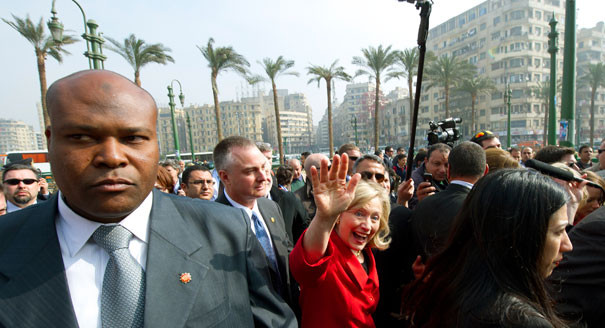
I know that the title of the article may be a clash with some hardliners who do not accept a negative word on the so-called Arab Spring, who always describe it as a revolution, especially in Tunisia and Egypt.
In order to comfort these people from the beginning, I confess to them that I personally was one of the participants in the events of January 25th in Egypt and I was one of those opponents of Mubarak’s policies and successive governments. In January, I did not accept reform, I was a hardliner who wanted to bring about a radical change in the structure of society, and I saw that the structure of Egyptian society had suffered a lot of social, economic, political and cultural damage, and that it was time for change.
However, far from emotions and through a scientific and objective view, it was necessary to assess what happened 10 years after the outbreak of the so-called Arab Spring, and through a review of the research heritage that has taken place over the past 10 years it is clear that the majority of researchers and scholars from different disciplines (politics, economy, sociology, media) have given a preliminary judgement on the events that took place in some Arab countries (Tunisia, Egypt, Yemen, Libya, Syria) at the end of 2010 and the beginning of 20111 as revolutions. It is strange that many of these studies have put the concept of revolution in the title of the study, and thus have been issued as required from the beginning, and the researcher himself, although researchers and leading scholars, did not bother to try to verify these events; did he actually live up to the revolution or not? We did not find a single study that tried to answer this question. Are the events and interactions witnessed by some Arab countries amounting to a revolution?
Here it must be emphasised that the revolution, as the majority of literature in the social sciences see it, is «to bring about a positive radical change in the social, economic, political and cultural structure of society. This scientific definition of the revolution leads us to the conclusion that revolutions are not judged by their causes and motives or through their events and interactions, but by their consequences. If society does not see a radical positive change in its social, economic, political and cultural structure, the events and interactions that have paved the way for the causes and motives that we cannot describe as revolution, but must seek another concept, especially since there are many concepts that may overlap and resemble the concept of revolution in terms of causes, motives, events and interactions, but differ in terms of results such as the concept of popular uprising, mass movement, protest movement and others.
Therefore, it is clear that the majority of studies carried out over the past 10 years have recognised that what happened is an Arab Spring and Arab revolutions that have accelerated governance through causes, motives, events and interactions without waiting to judge according to the results. In each society is different from what the other society has seen, each society has its own structural and historical specificity and it is not permissible to mix papers and generalise.
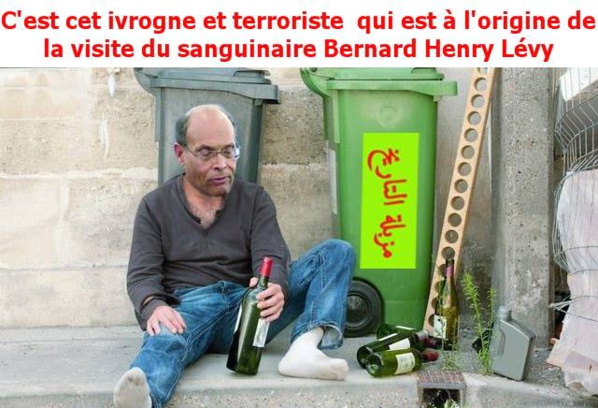
Montage photo qui exprime le dégoût des Tunisiens à l’égard de ce mercenaire du Qatar et agent du sionisme.
In a recent study we monitored the results of this so-called spring, the results in Tunisia say that the social, economic, political and cultural impact of the mass movement witnessed in Tunisia at the end of 2010 was negative on the structure of society and did not reflect positively on the vast majority of citizens.
The results in Egypt were very similar, and the January 25 movement did not make a positive change in the structure of society, and the situation of the vast majority of citizens did not improve, but their living conditions deteriorated from what they were under Mubarak.
In Yemen, events have destroyed the structure of society, civil and regional strife prevailed, external aggression has occurred, people have been displaced and diseases and epidemics have spread, and Yemen has become vulnerable to division.
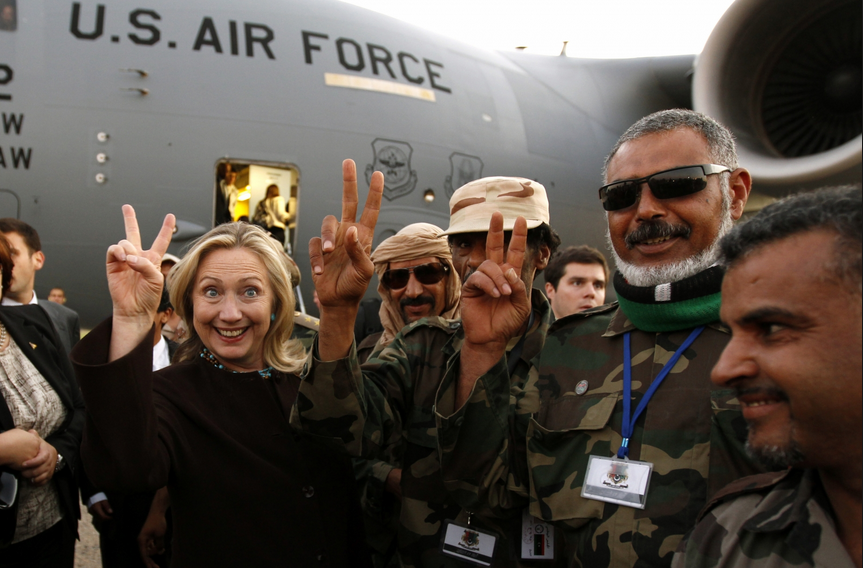
The results in Libya indicate that what happened is an external aggression that coveted the wealth of the Libyan people, which ultimately destroyed the structure of society, and Libya entered a crisis that had been internationalised, and there was no glimmer of hope to resolve it soon, and in deeds the idea of partition was perpetuated.
The results confirm that Syria has been subjected to an external conspiracy, which led to a global war with states that brought terrorist elements to the proxy war, which led to the destruction of the structure of Syrian society, displacement, asylum and the migration of millions of people.
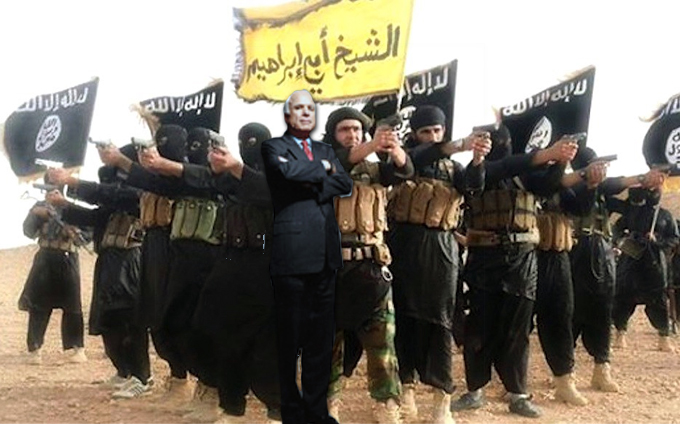
McCain’s ‘Moderate Rebels’ in Syria ARE ISIS
The results in its entirety indicate that the radical positive change in the social, economic, political and cultural structure of society caused by the revolutions has not been witnessed by any Arab society from the five societies that witnessed the events, so the precise scientific characterisation says that what happened in Egypt and Tunisia is by no means up to the level of the revolution, what happened in Egypt and Tunisia popular uprisings did not achieve their objectives, what happened in Yemen a power struggle turned into a civil war and external aggression, what happened in Libya is an external aggression, and what happened in Syria is an external conspiracy to undermine its foundations.
Thus, we can say that the so-called Arab Spring is a lie promoted through the colonial media machine, what has happened is the implementation of the new Middle East plan aimed at dividing and fragmenting our societies and of course exploiting some internal reasons and motives to move the popular masses, so the Arab public opinion must wake up and realise that the project is not finished and the plans of the American and Zionist enemy will remain in place, but are now being developed through the so-called peace and normalisation agreements.
تحلّ علينا خلال أيام الذكرى العاشرة لأحداث الربيع العربي المزعوم، وبالطبع أعلم أنّ عنوان المقال قد يكون صداماً لبعض المتشدّدين الذين لا يقبلون كلمة سلبية على هذه الأحداث ودائماً ما يصفونها بالثورة خاصة في تونس ومصر. ولكي نريح هؤلاء منذ البداية أعترف لهم أنني شخصياً كنت أحد المشاركين في أحداث 25 يناير في مصر وكنتُ أحد المعارضين لسياسات مبارك وحكوماته المتعاقبة. وفي يناير لم أكن أقبل بالإصلاح فقد كنتُ من المتشددين الذين يرغبون في إحداث التغيير الجذري في بنية المجتمع، وكنت أرى أن بنية المجتمع المصريّ قد أصابها الكثير من العطب على المستوى الاجتماعي والاقتصادي والسياسي والثقافي، وأنه قد حان وقت التغيير.
لكن بعيداً عن العواطف ومن خلال نظرة علمية وموضوعية كان لا بد من تقييم ما حدث بعد مرور عشر سنوات على اندلاع شرارة الربيع العربي المزعوم، ومن خلال مراجعة التراث البحثي الذي تم خلال العشر سنوات الماضية يتضح أن غالبية الباحثين والعلماء من تخصصات مختلفة ( سياسة – اقتصاد – اجتماع – إعلام) قد أصدروا حكماً مبدئياً على الأحداث التي شهدتها بعض الدول العربية ( تونس – مصر – اليمن – ليبيا – سورية) في نهاية العام 2010 وبداية العام 2011 بأنها ثورات. ومن الغريب أن كثيراً من هذه الدراسات قد وضع مفهوم الثورة في عنوان الدراسة، وبذلك يكون قد صادر على المطلوب منذ البداية، ولم يكلف باحث نفسَه، رغم أنهم باحثون وعلماء كبار، أن يحاول التحقق من هذه الأحداث؛ وهل بالفعل ترقى لمستوى الثورة أم لا؟ فلم نجد دراسة واحدة حاولت الإجابة على هذا السؤال. هل ما شهدته بعض الدول العربية من أحداث وتفاعلات يرقى لمستوى الثورة؟
وهنا يجب التأكيد على أن الثورة كما ترى غالبية الأدبيات في العلوم الاجتماعية هي «إحداث تغيير جذري إيجابي في بنية المجتمع الاجتماعية والاقتصادية والسياسية والثقافية». وهذا التعريف العلميّ للثورة يقودنا إلى استنتاج يقول إن الثورات لا يحكم عليها من خلال أسبابها ودوافعها ولا من خلال أحداثها وتفاعلاتها بل يحكم عليها بنتائجها. فإذا لم يشهد المجتمع تغييراً جذرياً إيجابياً في بنيته الاجتماعية والاقتصادية والسياسية والثقافية، فإن الأحداث والتفاعلات التي مهدت لها أسباب ودوافع لا يمكن أن نقوم بتوصيفها بمصطلح الثورة بل يجب البحث عن مفهوم آخر، خاصة أن هناك مفاهيم كثيرة قد تتداخل وتتشابه مع مفهوم الثورة من حيث الأسباب والدوافع والأحداث والتفاعلات، لكنها تختلف من حيث النتائج مثل مفهوم الانتفاضة الشعبية والحراك الجماهيري والحركة الاحتجاجية وغيرها.
ومن هنا يتضح أن غالبية الدراسات التي تمّت عبر العشر سنوات الماضية وسلّمت بأن ما حدث هو ربيع عربي وثورات عربية قد تسرّعت في الحكم من خلال الأسباب والدوافع والأحداث والتفاعلات من دون الانتظار للحكم وفقاً للنتائج، لذلك كان من الضروري الآن وبعد مرور عقد من الزمان على هذه الأحداث طرح السؤال التالي: هل ما حدث في بعض المجتمعات العربية يرقى بالفعل لأن نطلق عليه مصطلح ثورة أو أن نطلق عليه إعلامياً أنه ربيع؟ والإجابة على هذا السؤال تتطلب بحثاً دقيقاً فيما أفضت إليه الأحداث في كل مجتمع عربي على حدة، فما حدث في كل مجتمع يختلف عما شهده المجتمع الآخر، فلكل مجتمع خصوصيته البنائية والتاريخية ولا يجوز خلط الأوراق والتعميم.
وفي دراسة حديثة لنا قمنا برصد النتائج التي أفضى إليها هذا الربيع المزعوم، فجاءت النتائج في تونس تقول إن المردود الاجتماعي والاقتصادي والسياسي والثقافي للحراك الجماهيري الذي شهدته تونس في نهاية العام 2010 جاء سلبياً على بنية المجتمع ولم ينعكس بشكل إيجابي على الغالبية العظمى من المواطنين.
وجاءت النتائج في مصر متشابهة إلى حد كبير فلم يحدث حراك 25 يناير تغييراً إيجابياً في بنية المجتمع، ولم تتحسن أوضاع الغالبية العظمى من المواطنين، بل تدهورت أحوالهم المعيشية عما كانت عليه في عهد مبارك.
وفي اليمن أدّت الأحداث لتدمير بنية المجتمع وساد الاحتراب الأهلي والمناطقي، وحدث العدوان الخارجي، وتشرّد الشعب وانتشرت الأمراض والأوبئة، وأصبح اليمن عرضة للتقسيم.
وتشير النتائج في ليبيا إلى أن ما حدث هو عدوان خارجي طمعاً في ثروات الشعب الليبي، أدى في النهاية إلى تدمير بنية المجتمع، ودخول ليبيا في أزمة تم تدويلها، ولا يوجد بصيص أمل في حلها قريباً، والواقع يكرّس فكرة التقسيم.
وتؤكد النتائج أن سورية قد تعرضت لمؤامرة خارجية، أدّت إلى نشوب حرب كونية مع دول جلبت عناصر إرهابية للحرب بالوكالة، وهو ما أدّى لتدمير بنية المجتمع السوريّ، ونزوح ولجوء وهجرة ملايين من أبناء الشعب.
والنتائج في مجملها تشير إلى أن التغيير الجذري الإيجابي في بنية المجتمع الاجتماعية والاقتصادية والسياسية والثقافية التي تحدثها الثورات لم يشهدها أي مجتمع عربي من المجتمعات الخمسة التي شهدت الأحداث، لذلك فالتوصيف العلمي الدقيق يقول إن ما حدث لا يرقى بأي حال من الأحوال لمستوى الثورة، فما حدث في مصر وتونس انتفاضات شعبية لم تحقق أهدافها، وما حدث في اليمن صراع على السلطة تحول لحرب أهلية وعدوان خارجي، وما حدث في ليبيا عدوان خارجي استعماري، وما حدث في سورية مؤامرة خارجية لتقويض دعائم مشروعها المقاوم.
وبذلك يمكننا القول إن ما يُطلق عليه الربيع العربي هو أكذوبة يتم الترويج لها عبر الآلة الإعلاميّة الاستعماريّة، فما حدث هو تنفيذ لمخطط الشرق الأوسط الجديد الذي يستهدف تقسيم وتفتيت مجتمعاتنا وبالطبع استغل بعض الأسباب والدوافع الداخلية لتحريك الجماهير الشعبية، لذلك يجب أن يفيق الرأي العام العربي ويدرك أن المشروع لم ينته وستظل مخططات العدو الأميركي والصهيوني قائمة، بل يتم تطويرها الآن عبر اتفاقيات السلام والتطبيع المزعومة، اللهم بلغت اللهم فاشهد.
أزمة لبنان المزمنة باتت في حال استعصاء. فهي تعيد إنتاج نفسها على مرّ الزمن بأشكال وألوان مختلفة. ما ان يفرغ الشركاء في المنظومة الحاكمة من مواجهة تحدٍّ حتى ينبري لهم آخر. غير انّ أصعب التحديات ذلك الذي يصنعه أحد الشركاء لإضعاف زملائه. هو الأصعب لأنّ أهل الدار أدرى بخفاياها.
أهل الدار هم الشركاء الأقوى في المنظومة الحاكمة. ما ان هنأوا أنفسهم بإخفاق معارضيهم من أصدقاء الغرب في استغلال الانفجار الهيروشيماوي في مرفأ بيروت لتحميلهم وحدهم مسؤولية الكارثة وصولاً الى إجلائهم عن سدة السلطة حتى وجدوا أنفسهم على خلاف مع شركائهم بشأن ما يقتضي عمله بعد الكارثة.
الخلاف بين الشركاء ليس على مسألة بقائهم في السلطة بل على كيفية تسويق ذلك بين اللبنانيين الذين يضعون جميع أهل السلطة في سلّة واحدة باستثناء حزب الله بما هو حزب المقاومة. حتى حزب الله لا يسلم من النقد لسكوته على تجاوزات بعض حلفائه.
اللبنانيون الساخطون، وهم الغالبية، اندفعوا إلى الشوارع والساحات منادين بضرورة إقصاء أهل النظام الفاسد. ظاهر الحال انّ موازين القوى لا تسمح، بعدُ، بذلك. من هنا ينهض سؤال: ما العمل الآن؟
إذا كان إسقاط النظام الطوائفي الفاسد وأهله مطلوب ومشروع فإنّ تحقيقه متعذر في الحاضر والمستقبل المنظور. لذا فإنّ المسار الفاعل والأمن يتمثّل بتأجيج الانتفاضة الشعبية ضدّ أهل النظام الفاسدين لإكراههم على التسليم بأنّ نظامهم تآكل وانهار وأنهم عاجزون عن تعويمه وإصلاحه، وأنه يجدر بهم عدم المكابرة والإقرار تالياً بالواقع والقبول بتقصير زمن المحنة.
أما أهل الإنتفاضة فإنهم مطالَبون بالتعقّل إذ لا جدوى من طرح شعاراتٍ غير واقعية وغير قادرين على تحقيقها. لذا يقتضي ان يُقرنوا حملتهم ضدّ النظام الطوائفي الفاسد بطرح طريق لتغييره سلماً وتدريجاً لأنّ استخدام العنف بدعوى تسريع الإصلاح في مجتمع تعدّدي، كحال لبنان، يؤدي الى إندلاع حرب أهلية. أليس هذا ما حدث سنة 1975 وتحوّل الى حرب أهلية استمرّت حتى سنة 1990؟
يطرح بعض أهل القرار المستنيرين فكرة المؤتمر التأسيسي كمخرج من حال الاستعصاء وطريق لتحقيق التغيير والإصلاح سلمياً. هذه الفكرة سيف ذو حدّين. فهي جيدة من حيث اعتماد الحوار طريقاً للتوافق الوطني والإصلاح الديمقراطي، لكنها ملغومة من حيث هي وسيلة بأيدي أهل النظام الطوائفي الفاسد للتحكّم بتسمية أعضاءٍ للمؤتمر التأسيسي من بطانتهم وحواشيهم بقصد أن تأتي توصياته خادمةً لمصالحهم. أليس هذا ما انتهت اليه تجارب طاولات الحوار في القصور والسرايات؟
نعم، المؤتمر التأسيسي هو المخرج الأمثل من حال الإستعصاء التي تراوح فيها أزمة لبنان المزمنة. غير انّ نجاحه مشروط بكيفية تأليفه. وعلى هذا الصعيد، فإنّ الديمقراطية هي بالتأكيد البوابة والطريق. كيف؟
يتحدث بعض أهل القرار في هذه الآونة عن ضرورة تأليف حكومة وطنية جامعة من سياسيين واختصاصيين مستقلين تكون بمثابة قاطرة للإنقاذ وطليعة كاشفة لطريق التغيير والإصلاح. حسناً، في مقدور مثل هذه الحكومة، في مرحلة انتقالية، القيام بالمبادرات والإجراءات الآتية:
(أ) مبادرة رئيس حكومة الإنقاذ بالتعاون مع مجموعة من أهل الاختصاص في صفوف القوى الوطنية والتقدمية وتنظيمات المجتمع المدني المستقلة والوازنة الى الاجتماع للتوافق، في مهلة شهر واحد، على مشروع قانون للانتخابات يراعي أحكام الدستور، لا سيما المادة 22 (مجلس نواب على أساس وطني لاطائفي ومجلس شيوخ لتمثيل الطوائف) والمادة 27 («عضو مجلس النواب يمثل الأمة جمعاء» ما يستوجب الدائرة الوطنية الواحدة) والمادة 95 («إلغاء الطائفية السياسية وفق خطة مرحلية») وخفض سن الإقتراع الى الثامنة عشرة تجاوباً مع الإصلاحات المنصوص عليها في وثيقة الوفاق الوطني (الطائف) وغيرها من المبادرات الإصلاحية.
(ب) إعلان مشروع قانون الانتخابات الديمقراطي المتوافَق عليه وإحالته على كلٍّ من مجلس الوزراء، ومجلس النواب، وقوى الانتفاضة الشعبية ليُصار إلى إقراره في مجلس النواب في مهلةٍ أقصاها شهر واحد، وإذا امتنع المجلس او أخفق في ذلك لأيّ سبب كان، يُصار الى تبنّيه من قِبَل قوى الانتفاضة الشعبية المعبّأة والمستعدة لإطلاق وتفعيل ضغوط شعبية عارمة على الحكومة بغية طرحه بمرسوم جمهوري على استفتاء شعبي عام لإقراره وبالتالي لاعتماده وتنفيذ أحكامه عملاً بنظرية الظروف الإستثنائية التي تستوجب تدبيراً استثنائياً في حال نشوء ظرف استثنائي، وهو حال البلاد قبل كارثة 4 آب وبعدها.
(جـ) إجراء انتخابات عامة وفق مشروع قانون الانتخابات آنف الذكر بغية توليد أول مجلس نواب يؤمّن صحة التمثيل الشعبي وعدالته، فيشكّل بحدّ ذاته مؤتمراً تأسيسياً لإعادة بناء لبنان دولةً ووطناً.
هل كثير على القوى الوطنية والتقدمية، كما على المستنيرين من أهل القرار، اعتماد هذا النهج الديمقراطي خلال مرحلةٍ انتقالية للوصول الى المؤتمر التأسيسي كمخرج آمن من حال الاستعصاء التي تأسر البلاد والعباد؟
On the evenings of July 7th and 9th, a wave of unrest swept through several Serbian cities – chiefly Belgrade – in opposition to an announcement from Vučić that Belgrade would return to the government mandated coronavirus quarantine lockdowns.
Largely the protests were peaceful if energetic, with the vast majority of protesters of all ages and walks of life observing norms and voicing their opposition to the announcement that quarantine would return. Many of those protesting were not anti-Vučić per se, and their issues were not political in the electoral sense, but opposed the return to lockdowns which seem arbitrary and capricious at this point.
Vučić Responds Reasonably to Peaceful Protesters
In response to the protests, the Serbian government heard and understood the nature of the grievances, and did something quite rational – in a statement aired on live television, Vučić rescinded the return to quarantine order, which was otherwise to go into effect on the weekend of July 10th.
Because the government could not be seen as bending to opposition politics, and in part because it is also true, government talking points have stressed a difference between the peaceful protesters and the breakaway group of violent and radical opposition.
Additionally fueling the Belgrade and Novi Sad protests in Serbia were mixed grievances, which when unraveled are actually distinctly at odds with each other.
On the one hand is the criticism from the ultra nationalist right that the government used a more or less fake coronavirus as a pretext to move back the election date from April 26th to June 21st, and the social distancing provisions in place which precluded large rallies and gatherings as part of the campaigns.
Meanwhile, other grievances mostly from the Europhile liberal left criticized government for precisely the opposite – lifting quarantine lockdowns prematurely just in order to have an election – despite that elections were delayed already once until the coronavirus curve was ‘flattened’.
The opposition, whether liberal or nationalist, relies on such campaign rallies as well as U.S. deep-state controlled social media to promote their ideas and work. This is because local media – they claim with some justification – is overly sympathetic to the ruling party and Vučić.
Violence Erupts in Belgrade and Novi Sad
A more radicalized and younger break-away group of protesters took their grievances to the parliament building in Belgrade itself. This group was more ideological, composed of opposition parties, and always engage in protests against the government regardless of the cause. By the numbers, the most serious incidents occurred in Belgrade, about 20 police officers and 17 radical demonstrators had injuries, according Politika. Giving context, Serbia has an extraordinarily high youth unemployment rate, and many look for opportunities in other countries in order to realize their aims in life.
Clashes between the break-away protest led by the U.S. deep state-backed opposition and police began after 8pm in the capital, when this part of the demonstration broke through the fence in front of parliament. The more radical group there threw stones, bottles, bricks and firecrackers into the police line, to which law enforcement officers responded with at least 20 canisters of tear gas, according to opposition press releases. The cavalry and special force of the gendarmerie in full riot gear were called in to defend the parliament from further vandalism and fire.
The radical contingent continued stoning police in the central streets, where they were pushed away from the rest of the peaceful assembly. By 11:30 p.m., the main bulk of the peaceful protest eventually petered out and street cleaners began their work.
The Serbia case of the coronavirus response and the new Covid political reality is so revealing of the entire global situation, because all of the factors and international players involved in this bizarre new reality, are all present in Serbia.
Therefore to understand the Serbian situation is not only to understand the plandemic at hand, but is also to understand the balance of geopolitical forces in the Balkans and indeed the world, and to understand the theory and practice of the Color Revolution and how it combines with the newly implemented social control mechanism of the ‘plandemic’.
If at face value we accept the uncritical narrative on coronavirus, and do not know about Color Revolutions or the ‘plandemic’, then we arrive at the view that the protesters are out of their minds and have fallen victim to right-wing ‘fake news’, are ‘Covid deniers’, and that the government has handled this following long-established procedures and relatively sound recommendations.
But once we peel back a layer – the plandemic/scamdemic layer – we reveal that the government may indeed be manipulating the data towards political ends, because this is what we’ve already seen in nearly every country to-date. Now the position of the protesters makes sense, and these mirror the anti-lockdown protests that we’ve seen in the U.S. From this, we would arrive at the view that the Serbian government is ‘on-board’ with the so-called ‘scamdemic’, and naturally there would be well founded sympathies with the protests and even with the joint opposition.
The problem is that there is still yet another layer to peel back – the Color Revolution. The ugly truth is that the same globalist forces that have manufactured this plandemic are those who are also trying to mobilize a Color Revolution against Vučić’s Serbian government.
And now we can see Vučić sandwiched between Color Revolution and the Covid-19 plandemic.
For Vučić to deny the plandemic only further enforces a western trope that Serbia is some pariah state, and opens him up to the same universe of conspiracy and intrigue that hit Trump last Winter when he said that aspects of coronavirus was a ‘hoax’.
Because Serbia is a small country with perhaps a third-tier level of sovereignty, condemnation from the WHO would open it up to all kinds of economic attacks from the western international community. The simulacrum of the virus and the possibility of Vučić not responding, could create the possibility for a U.S. backed military coup combined with color revolution, with leading generals asserting that Vučić has disregarded the public health.
To go full bore on never-ending quarantine and social distancing on the other hand, as seen in places like Los Angeles, would open him up to criticism that he’s using the quarantine as a mechanism to suppress dissent, and would result in color revolutionary protests without end, against the lockdown – like what we saw in early-mid July in Belgrade, but on steroids.
What makes the Serbian government of Vučić credible is that it represents an amalgam of the median and average political views of the people, and whatever people believe about various anti-Vučić conspiracies (freemasonry, globalism, Russian agent, German agent, etc.), efforts to overthrow Vučić cannot have the veneer of public support without uniting the two extreme and incompatible ends of the very same political spectrum that situates Vučić as representing those median and average views. Again, that is the primary contradiction of the Color Revolution against Vučić and part of why, so far, it has entirely failed.
Indeed, Vučić rescinding the proposed quarantine for the weekend of July 10th is an example of Vučić’s basic policy of placing himself in line somewhere between the median view and the average view of Serbians. In so doing, he has taken the wind out of any hope for a coherent opposition talking point.
This dynamic of the opposition’s composition is distinct from Ukraine, for example, because both nationalism and liberalism in Ukraine was anti-Russian, but nationalism in Serbia is pro-Russian. This made the Maidan in Kiev, a Color Revolution, possible to pull-off.
This looks like a mess, doesn’t it? And subsequently, opposition talking points have equally been a mess, to the point of blatant contradictions and an insistence on incoherence.
The Incoherence of the Serbian Opposition
In general this incoherence is because the opposition itself is composed of two contradictory forces – the ultra nationalist right and the Europhile liberal left – which have merely been artificially cobbled together by the U.S. deep state, and its agents like Srdja Popovic and promoted by self-confessed CIA asset and publicist, Djordje Vukadinovic.
That same liberal+nationalist joint opposition tactic for the Color Revolution is exactly what was seen in the Maidan in Kiev. This is the playbook for Gladio B operations in former socialist states of Eastern Europe and the Balkans to make a Color Revolution. A Color Revolution is not possible without uniting these contradictory forces behind a counter-rational narrative which by default must be steeped in emotion-driven beliefs and decision making. Because an analytic or coherent view would see that in terms of policy and worldview, Vučić is ‘the middle-position’ compromise candidate between nationalist and liberal forces.
In other words, the liberal opposition and the nationalist opposition share more with the very same Vučić whom they oppose than they do with each other. That is why fomenting the irrational cult of Vučić hate is the primary ‘solution’ out of this logical quagmire.
By making elections a ‘referendum on Vučić’, then Vučić loses. But elections are not referendums, they are choices – and in elections it is a choice between Vučić and someone else. In the 2017 election, that someone else was Vuk Jeremic, a long-time U.S. asset and agent in the Balkans, whose campaign was publicly endorsed by the U.S. State Department, with components of it run out of the U.S. embassy in Belgrade itself.
This is also why opposition driven anti-Vučić criticisms on coronavirus handling are equally irrational and incoherent. The Europhile liberal left accuses Vučić of not doing enough, of lying about the health system’s equipment and preparedness, and for – yes wait for it – holding elections when it was unsafe to do so (!).
They cannot, however draw the natural conclusion from that line of thinking, that elections therefore should have been delayed further or even cancelled. Vučić is required by the constitution to carry out the election, and he had to fulfill that requirement. Following the coronavirus logic, the end of June with its bright sunlight and a flattened curve, was much more prudent than April.
So here the liberal left attacks Vučić for not doing enough and lying about coronavirus fatalities in terms of under-representing deaths, to stage an election at the expense of public health. And yet they cannot take that line of attack to its logical conclusion, because it stands at odds with the view of the ultra-nationalist right, that the coronavirus is a fake virus, and so they must fall back on the cult of Vučić hate which has always been about Vučić as some totalitarian dictator. In the totalitarian dictatorship of Vučić, opposition parties are fully represented in parliament by proportional representation, the country functions as a social democracy, and people are free to criticize Vučić and call him a dictator – all proofs that it is not the case.
Indeed, the nationalist right accuses Vučić of precisely the opposite – that he is part of this globalist scamdemic, and is over-representing coronavirus fatalities and that there should have been no quarantine, no lockdown, no social distancing, and that implementing all of these was done because he’s part of the globalist cabal, and in order to make it nearly impossible to organize a strong opposition influence in the elections against him.
The view of the nationalist right, in the case of the charge of over-representing fatalities, is probably much closer to the truth – and if the whole story were confined to the above, it would be true. And yet Serbia’s overall fatality rate has been significantly lower than in places like Italy, lending superficial credence to liberal accusations that fatalities have been under-represented in national statistics at Vučić’s behest.
That is why the final layer we peel back, the Color Revolution, puts all pieces together and makes sense out of what is otherwise senseless
The Color Revolution was first successfully pulled off precisely in Serbia, when it was still the central state of Yugoslavia. It was connected to a whole NATO war of aggression on Yugoslavia and Serbia. Among their chief in-country stooges at the time, was Popovic, who for his part is a student of Gene Sharp and an employee of George Soros and has organized and advised the CANVAS/OTPOR type operations which led the Color Revolutions in Yugoslavia, Egypt, etc., and recently the BLM protests in the U.S..
President Vučić’s decrees on coronavirus quarantine and distancing, including lockdown – following the advice of Chinese and Russian advisors who were in-country through the Spring – were used to make the election campaign window even smaller, to the detriment of opposition parties.
Rightfully so, the opposition parties had seized upon that development to accuse the president of manipulating data, media, and policy surrounding the novel coronavirus. There is strong evidence to suggest this is the case, which in the bubble of opposition talking points naturally includes leaked memos and emails, and off-the-record statements from insiders. But outside of the standard talking points from the opposition, there is something qualitative to consider.
Once the initial springtime quarantine/lockdown was lifted and campaigning for the new election date began towards the pushed-back election, the number of supposed coronavirus deaths averaged less than one a day, according to published government health sector statistics.
After the elections, this number jumped to nearly a dozen a day for no apparent reason. And so when the government had announced a return to the quarantine regimen based on these admittedly suspicious numbers.
But after the elections is normally a time when opposition groups might stage the standard protests to mobilize their base and create some public pressure on appointments and policies as the new post-election government is to be formed. So the announcement from Vučić that numbers had suddenly spiked and now large gatherings would be illegal, was treated with due contempt.
However, Vučić was able to maneuver this, by separating the real demands of the protesters which are against Covid-19 lockdown, from the opposition which has no real clear unifying line on this.
Vučić rescinded the quarantine order and in so doing, agreed with the protesters. The radical opposition, however, which always attempts to create mayhem and hyperventilates every situation, has been once again out-flanked and marginalized. They are associated with the violence and with an irrational perspective.
Exposing the joint opposition incoherence is relatively simple. They are overtly lying to the world and to themselves, and in standard form of the Color Revolution, are misrepresenting the actual views of protesters which are almost always nuanced, and more rational when compared to the U.S. backed joint opposition which has only one goal – an overthrow of the government.
And so confronted once again with a messaging crisis, the opposition has resorted to the same old inane mantras suited for the outside world (in the English language), which do not resonate with the world the way they hope they will. The gem they have landed on, in the face of all evidence to the contrary is their standard trope, incessant as it is annoying, but moreover ‘not believable’ and so to that extent also useless:
And that final point is the evidence that Vučić maneuvered this successfully. The opposition returns to its mantra with no new ground made, with no growth, and no new-found credibility.
What most voters will remember is the violent aspects of the break-away protests as negative, and Vučić hearing the peaceful protestors and rescinding the quarantine order as positive.
Voltaire, actualité internationale, n°191
-
Outre ce site internet gratuit, nous publions une lettre confidentielle en
PDF, Voltaire, actualité internationale. Chaque jeudi soir ou vendredi
matin, vo...
A Jewish One World Government
-
A Jewish One World Government October 21 2026
___________________________________ More Vids! +BN Vids Archive! HERE!
___________________________________ Su...
The United States At A Crossroad
-
The United States At A Crossroad—An Analysis (16 Sept 2026) by Lawrence
Davidson Part I—Texas vs Minnesota Back in mid-May […]
Report on Beth Israel vigil 09-12-26
-
*Eat-a-Cheeseburger Day Approaches*
This year, EAC Day appears on Monday, September 21st. The date coincides
with the Jewish holiday called Yom Kippur. Cl...
-
Hello all,
It is with great sadness that I share with you the passing of our beloved
sister, Mother, and Grandmother, the individual that you all knew ...
Best Horror Podcast
-
Best Horror Podcast Introduction: Horror podcasts […]
The post Best Horror Podcast appeared first on Copper Shock Horror Podcast.
Ikhras Endorses Muntadhar Al-Zaidi
-
“Oh parties of banditry and sectarianism and corruption, we have come and
our goal is to destroy you.” Ikhras formally endorses Muntadhar al-Zaidi,
Iraqi j...
Prince Charles: Foreign Jews behind bloodshed in ME
-
In May, 2017, British Crown Prince Charles declined an invitation from
Zionist entity’s president Reuven Rivlin‘s to attend the 100th anniversary
of the no...
Palestinian Women – One for All, All for One
-
Honouring All Palestinian Women by Honouring Three: Hanin Zoabi, Ahed
Tamimi, Samah Sabawi Vacy Vlazna “Palestinian women have always stood side
by side ...
US’s Saudi Oil Deal from Win-Win to Mega-Lose
-
By F. William Engdahl Who would’ve thought it would come to this? Certainly
not the Obama Administration, and their brilliant geo-political think-tank
neo-...
-
*Mordechai Vanunu wins human rights prize of Brazilian Press Association *
* http://www.alternativenews.org/english/index.php/features/updates/7038-mordechai...
Abdul Aziz Rantissi:
"My ultimate wish, my God, is to attain martyrdom,"...God granted him his wish on April 17, 2004, at the hands of Israeli assassins.