Showing posts with label al-Sisi. Show all posts

Saturday, 5 June 2021

المثلث السعودي- القطري- الإماراتي.. أين السيسي وإردوغان؟

حسني محلي

03-06-2021

حسني محلي 

المصدر: الميادين نت


حديث عن تحرك قطري مدعوم من إردوغان لمنع أي تقارب عربي مع دمشق، على الأقل قبل الاتّفاق النووي الذي سيحقق لطهران مكاسب إضافيّة.
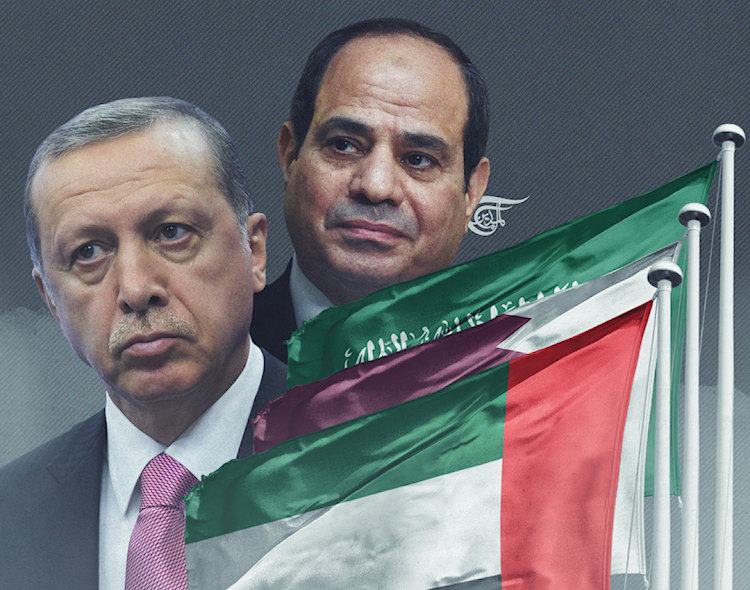
استغلَّت قطر العزلة الإماراتية عربياً، فسبقت إردوغان إلى المصالحة مع السيسي.

ستغلَّت قطر العزلة الإماراتية عربياً، فسبقت إردوغان إلى المصالحة مع السيسي

بعد سلسلة من التناقضات التي شهدتها علاقات قطر مع كلٍّ من السعودية والإمارات، بعد انقلاب عبد الفتاح السيسي على الإخوان المسلمين في مصر، وهو ما انعكس على علاقات هذه الدول وسياساتها في اليمن والمنطقة عموماً، عاد الغرام يطبع علاقات هذه الدول، من دون تحديد السبب والهدف!

وعلى الرّغم من المنافسة التقليدية المكشوفة بين الإمارات والسعودية وخلافاتهما في اليمن، عادت الأمور فجأة إلى وضعها شبه الطبيعي بين الرياض والدوحة، بعد قمة العلا في 5 كانون الثاني/نوفمبر الماضي، من دون أن يكون واضحاً لماذا لم تتشجّع أبو ظبي على هذا التطبيع، ورجّحت عليه بكل حماس العدو الأكبر “إسرائيل”. 

استغلَّت قطر العزلة الإماراتية عربياً، فسبقت رجب طيب إردوغان إلى المصالحة مع السيسي، ودخلت في حوارات مثيرة مع موسكو، انتهت بالاتفاق في الدوحة، في 11 آذار/مارس الماضي، على آلية جديدة تدعم مسار أستانا، ولكن من دون إيران. وقد أعلنت طهران بدورها تأييد هذه الآلية، مع تحفظها غير المعلن عن “غرام” موسكو مع كل من قطر وتركيا، على الرغم من استمرار دعمهما للمعارضة السورية، السياسية منها والمسلحة، بما في ذلك “النصرة” في إدلب.

موسكو التي عبّرت في اجتماع منتدى سان بطرسبورغ الاقتصادي الدولي (الأربعاء) عن تأييدها لتحركات قطر الإقليمية، يبدو أنّها تجاهلت تصريحات وزير الخارجية القطري محمد عبد الرحمن آل ثاني، الذي قال بعد زيارته الأخيرة إلى القاهرة ولقائه الرئيس السيسي إن “موقف بلاده في سوريا لم يتغير، وإنهم ما زالوا ضد الرئيس الأسد”، وهو ما سنراه أكثر وضوحاً في اجتماع وزراء خارجية الدول العربية، الذين سيجتمعون في الدوحة في 8 الشهر الجاري. وتهدف قطر من خلال هذا الاجتماع إلى عرقلة عودة سوريا إلى الجامعة العربية، مع استمرار الضغوط الروسية بخلاف هذا الاتجاه. 

يفسر ذلك التحرك القطري المفاجئ للمصالحة مع “عدو الأمس” القاهرة، بل أكثر من ذلك، إقناع الرئيس السيسي بالمصالحة مع الرئيس إردوغان، ليساهم ذلك في إنهاء الخلافات السعودية مع أنقرة، التي يعرف الجميع أنها لن تفكر في أي مصالحة مع الرئيس الأسد، وهو ما لا يخفيه الرئيس إردوغان أبداً. 

ويدفع ذلك بعض الأوساط إلى الحديث عن تحرك قطري مدعوم من الرئيس إردوغان، لمنع أي تقارب عربي (سعودي – مصري – إماراتي) مع دمشق، وعلى الأقل قبل الاتّفاق النووي الإيراني الذي سيحقق لطهران مكاسب إضافيّة، بعد ما تحقق لها من تفوق نفسي في انتصار المقاومة الفلسطينيّة في الحرب الأخيرة، فيما يسعى الرئيس السيسي لاستغلال الوضع الجديد في غزة لدعم مكانته الإقليمية والدّولية وترسيخها، وبضوء أخضر أميركيّ وأوروبيّ، من دون أن ننسى أن قطر وتركيا، ومعها السعودية، وباعتراف حمد بن جاسم، في تشرين الأول/أكتوبر 2017، كانت قد قادت الحرب على سوريا منذ بداياتها، كما تبنت السعودية والإمارات، ومعها باكستان، حركات الإسلام السياسي المسلّح، مثل “طالبان” و”القاعدة”، ومن قبلها تنظيمات المجاهدين الأفغان خلال الاحتلال السوفياتي للفترة الممتدة بين العامين 1979-1989.

ويذكر الجميع أيضاً الخلافات التي انفجرت بين قطر وتركيا وكلّ من السعودية والإمارات، اللتين دعمتا انقلاب السيسي في 3 تموز/يوليو 2013، فأعلنوا جميعاً الإخوان المسلمين تنظيماً إرهابياً. وقد لجأت قياداته لاحقاً إلى إسطنبول والدوحة.

كما لم يذكر أحد كيف استعدّت الدوحة لمرحلة ما بعد انقلاب السيسي، إذ تخلى الأمير الأب حمد بن خليفة آل ثاني فجأة (قبل انقلاب السيسي بأسبوع واحد فقط) عن منصبه لنجله الشاب تميم، الذي تبنى الإخوان المسلمين بشدة، واستنجد لاحقاً بالجيش التركي بعد تهديدات السعودية والإمارات له في حزيران/يونيو 2017، فأصبح لاعباً إقليمياً بفضل دعم إردوغان له.

وقد أدى دور الوساطة (!) بين طالبان وأميركا، والآن بين إردوغان وكل من السيسي والأمير محمد بن سلمان، العدوين المشتركين السابقين له ولحليفه إردوغان، وهو يقول إنه مستعد لمصالحة الجميع، باستثناء الأسد، علماً بأن إردوغان وآل ثاني كانا الأكثر تقرباً من الرئيس الأسد، وهما الآن الأكثر عداء له، من دون أن يكون واضحاً سبب استمرار موسكو، حليفة دمشق، بتعاونها معهما.

كما لا يدري أحد المبررات والأسباب التي تدفع إلى مصالحة دولتين مهمتين بكل المعايير والمقاييس، كمصر والسعودية، مع دولة بحجم قطر، التي لم تتهرب، بفضل أنقرة، من تحدي هاتين الدولتين، وإلى جانبهما الإمارات، التي تكتفي الآن بمراقبة تحركات قطر عن كثب، من دون اتخاذ أي موقف سلبي أو إيجابي حيالها، ورجّحت على ذلك الدخول على خط المواجهة بشكل غير مباشر، عبر دعم زعيم المافيا سادات باكار، الذي بدأ يكشف خفايا الدولة التركية وأسرارها في العديد من الأحداث الدموية داخلياً وخارجياً، ومنها عمليات الاغتيال الغامضة وتهريب المخدرات، وبالتالي تقديم الأسلحة والمعدات الحربية لجبهة “النصرة” والمجموعات الإرهابية في سوريا.

ويبقى السؤال أو التساؤل عن الدور الأميركي الحالي والمحتمل في مجمل هذه المعادلات، مع حقيقة تواجد القواعد الأميركية والأطلسية في جميع هذه الدول، الصديقة تارة، والعدوة تارة أخرى، مع استمرار حسابات واشنطن في سوريا والعراق، ومع التأكيد دائماً على ضمان أمن “إسرائيل” إلى الأبد، وهو ما لا تعترض عليه الدول “العدوة – الصديقة”، ويبدو أنها متفقة بشكل أو بآخر، ولكل حججها في ذلك حول قضية أساسية، وهي عدم السماح لإيران بترسيخ تواجدها في سوريا ولبنان واليمن، وبالطبع منطقة الخليج عموماً، وإلا فالقضية لا تحتاج إلى كل هذا المد والجزر في المواقف، بعد أن أثبتت السنوات العشر الماضية دورها ومسؤولياتها في أحداث المنطقة عموماً، وبشكل خاص في سوريا، التي تنتهي كل مشاكل المنطقة بحل أزمتها، ولكن بصفاء النيات. 

هذا الأمر لا يحتاج إلى أكثر من لقاء واحد، على أي مستوى كان، يتفق فيه الجميع على ضرورة العودة إلى ما قبل العام 2011، حتى من دون أي اعتذار من الشعب السوري، فقد دفع هذا الشعب الكثير إرضاء لغرائز ونزعات البعض من زعماء المنطقة، الذين ساهموا معاً في سيناريو ما يُسمى بـ”مشروع الشرق الأوسط الكبير”، ومن بعده “الربيع العربي الإمبريالي”، الذي قدم ما لا يخفى من خدمات تاريخيّة لـ”إسرائيل”، من دون أن يستخلص هؤلاء الزعماء أي درس من هزيمة “إسرائيل” هذه أمام المقاومة الفلسطينية ومن معها وخلفها من دول وشعوب التصدي والممانعة التي صمدت طيلة السنوات العشر الماضية ضد كل الأعداء.

ويبدو أنهم لم يستخلصوا العبر والدروس، فراحوا يتحايلون على أصحاب هذا الانتصار، وإلا كيف لنا أن نفسر التناقضات التي نعيشها الآن، بعد أن نسي هؤلاء الزعماء كل ما قالوه ضد بعضهم البعض، ولكل واحد منهم الكثير من الأسباب الشخصية والعامة ليكره الآخر أو الآخرين، وهو ما يفسر التحركات القطرية الأخيرة، والغريب فيها أنها حدثت برضا كل الأطراف الإقليمية المعادية والصديقة، بل أكثر من ذلك، برضا الأطراف الدولية، وهي أيضاً معادية وصديقة، وفي مقدمتها روسيا وفرنسا وبريطانيا وأميركا، التي تدير كل تحركاتها العسكرية في المنطقة عموماً من قاعدتي “العديد” و”السيليه” القريبتين من قناة الجزيرة التي “تتحدى الإمبريالية والصهيونية”!

وليس واضحاً كيف سيكون الرد الإيراني على كل هذه التحركات، التي إن لم تساهم في إنهاء الأزمة السورية فوراً، وبمصداقية تامة، فإنَّ المحافظين الذين يتوقَّع لهم الكثيرون انتصاراً كبيراً في الانتخابات القادمة، سيكون لهم موقف أكثر حزماً وحسماً إلى جانب الرئيس الأسد ومن معه في خندق المقاومة، وهو ما أثبتته طهران كنهج عقائديّ استراتيجيّ لن يتغيّر، ولكن قد يزداد عمقاً!

ويبقى السؤال الأهم في كل هذه المعادلات والسيناريوهات: هل سيطوي الرئيس السيسي صفحة الماضي مع “عدوه اللدود” الرئيس إردوغان؟ وكيف؟ وهل سيعملان في سوريا أو ضدها؟ ولمَ؟ وكيف سيكون ذلك؟ 

وتبقى المفاجأة الأكبر دائماً هي احتمالات المصالحة التركية مع “إسرائيل” بعد سقوط حكومة نتنياهو، الذي كان إردوغان يرى فيه عائقاً أمام محاولاته للمصالحة مع تل أبيب. وقد تبعث بدورها، بحكومتها الجديدة إذا نالت الثقة وعمَّرت طويلاً، إشارات إيجابية إلى أنقرة، ليساعدها ذلك في الخروج من عزلتها الإقليمية والدولية، ولو كان ذلك لمرحلة تكتيكية لا تتناقض مع أهداف “إسرائيل” ديناً وعقيدة واستراتيجية!


River to Sea Uprooted Palestinian   
The views expressed in this article are the sole responsibility of the author and do not necessarily reflect those of the Blog!

Saturday, 3 April 2021

مصر وحالة اللامعقول… أمن قوميّ أم أمن الرئيس؟ Egypt and the state of the absurd … national security or the security of the president?

 **English Machine translation Please scroll down for the Arabic original version **

مصر وحالة اللامعقول… أمن قوميّ أم أمن الرئيس؟

سعادة مصطفى أرشيد

أثار حادث جنوح الباخرة «إيفر غيفن» منذ أيام وسدّها مجرى الملاحة في قناة السويس، تسونامي من الأخبار والتعليقات والتحليلات، اعتمد كثير منها على نظرية المؤامرة، التي وإنْ كانت غالباً على خطأ، إلا أنها قد تصيب أحياناً، ومما لا شك فيه، أنّ تأثيرات هذا الحدث ولا بد، استراتيجية بامتياز، وسوف تكون لها تداعيات مهمة في الزمن القريب، انه ليس حدثاً عابراً.

تتعطل الموانئ السورية، اللاذقية، بانياس وطرطوس، يتمّ تدمير ميناء بيروت بفعل فاعل، يتوقف ميناءا عدن والحديدة عن العمل بسبب الحرب والحصار، وأخيراً تجنح سفينة «إيفر غيفن» التي تحمل بضائع يقلّ وزنها قليلاً عن ربع مليار طن بسبب الرياح، والنتيجة أن تغلق قناة السويس أمام حركة الملاحة، فيما تعمل موانئ الخليج بنشاط، مثلها مثل موانئ حيفا وأسدود، ويتداول الجميع الحديث عن قناة بديلة، تصل بين البحر الأبيض المتوسط والبحر الأحمر، من عسقلان حتى أيله (ايلات)، وعلى شواطئها مدن صناعيّة وتجمّعات عمالية وفنادق ومراكز ترفيه.

فكرة قناة السويس في البداية، ارتبطت بالغرب وتوسّعه وحركة تجارته العالميّة وتنافسه الاستعماريّ، حفر المصريون القناة بجهدهم وعرقهم في منتصف القرن التاسع عشر، وفقدوا مئات ألوف الأرواح أثناء عملية الحفر، وذلك باستعمال الفأس والقفة، وحققوا خلال عشر سنوات، معجزة هندسيّة تفوق في روعتها وفوائدها وتأثيرها أهرامات الجيزة، لكن ورثتهم لم يحافظوا عليها، وحتى عملية تطويرها التي انتهت عام 2015 لم تكن ذات بال وأهميّة، وهنا يتضح أنّ المسألة ليست مسألة سفينة جانحة بحادث عرضي، أو رياح عاتية، وإنما فشل للنظام.

في عام 1888 وقعت اتفاقية القسطنطينية، لإدارة قناة السويس والتي حدّدت حقوق السفن العابرة للقناة، وكذلك الحقوق والواجبات المترتبة على مصر، ومع تقدّم الزمان، تطوّر القانون الدولي المتعلق بالمضايق والممرات وأضاف على اتفاقية القسطنطينية التي لا تزال معمولاً ومعترفاً بها، بنوداً عديدة تحكم وتنظم عمل القناة، وهي تشمل حرية الملاحة والمرور السريع البريء والآمن للجميع، ومن دون تمييز تجاه العلم الذي ترفعه السفينة الذي يمثل الدولة التي سجلت السفينة بها، ويحظر كلّ من الاتفاقية المذكورة والقانون الدولي إغلاقها، وفي حين تملك مصر حقوقاً في القناة باعتبارها جهداً مصرياً في أرض مصرية، إلا أنها في الوقت عينه ترتب عليها مسؤوليات، وذلك بأن تقوم بما يلزم من أجل سلامة المرور، وصيانة الممر، وتأمين وسائل تيسير الملاحة، وضمان سلامة السفن، وحيازة ما يلزم من آليات الطوارئ في حال تعطلت القناة. فالممرات المائيّة يحظر إغلاقها لما في ذلك من تأثير على السلم العالمي، وأمام خطورة هذا الحدث الذي أثبت أنّ الدولة الفاشلة غير قادرة على إدارة هذا الممر الحيوي، الأمر الذي قد يضع إمكانيّة وضع إدارة القناة تحت رعاية دوليّة أمراً ممكناً.

الفشل عند هذا النظام، لم يبدأ عند حادث السفينة، فالنظام أصلاً لم يستطع المحافظة لا على مكانته العربيّة والأفريقية والإسلامية فحسب، ولا على علاقاته بجواره غرباً في ليبيا التي عادت وستعود عليه بالكوارث، مقابل خدمته لأولياء النعمة ومصدر بقائه في الحكم، أو جنوباً في السودان، الذي تقسّم وأخذ ينحو بشطريه الجنوبي والشمالي بعيداً عن مصر وعن المحيط العربي، وفشل النظام في التعاطي مع سدّ النهضة، الذي أخذ يمتلئ بالماء وأصبح أمراً واقعاً، فيما رجال النظام وقططه السمان يموّلون السدّ المعادي ويقرضون الحكومة الإثيوبيّة، بشرائهم سندات تمويل السدّ، لإماتتهم وإماتة المصريين عطشاً، مقابل فوائد ربوية، فيما حلفاء النظام السعوديين والإماراتيين، الذين يحارب نظام عبد الفتاح السيسي من أجلهم، نراهم يقفون إلى جانب إثيوبيا.

لم يرَ نظام العسكر في مصر، من مخاطر على بلده من الحرب الأهلية وليبيا، ولا في جنوب السودان، وما يحضّر له من سدود ومشاريع مائية، بخبرة وشركات (إسرائيلية) وأموال خليجيّة تقضي على إمدادات المياه من بحيرة فكتوريا والنيل الأبيض، ولا أمام خطر العطش الذي سيصيب مصر بعد اكتمال المشاريع على جميع روافد النيل، ويتنازل عن جزر مهمة لأمنه القوميّ في مضائق البحر الأحمر – تيران وصنافير – والتي كانت السبب المباشر لحرب عام 1967، والتي ستكون متكآت ملاحيّة لمشروع القناة البديلة.

إنها هزيمة لنظام العسكر، لصورة الدولة الشرقيّة في أذهان العالم، أنهم مثال للهزيمة في الحرب، والفشل في الإدارة، والاستبداد بالحكم، وعلى سبيل المثال البسيط، نرى وزير النقل المصري وهو جنرال متقاعد لا يرى في حادث السفينة مسؤوليّة إلا مسؤولية الرياح، التي استطاعت إزاحة سفينة متطوّرة يصل وزنها مع حمولتها إلى ربع مليار طن، في حين يتمّ تداول روايات سخيفة حول سبب الحادث والمسؤولية عنه.

هذا انكشاف لعورات نظام متهافت، فشل في الحفاظ على البلد وعلى أمنها القوميّ، يخوض حروباً بالوكالة في ليبيا، وأخرى في جنوب جزيرة العرب، يتحالف مع «إسرائيل» واليونان في خطوط الغاز، ويفرّط بحقوقه المائيّة التي هي سرّ بقاء مصر المعروفة في التاريخ باسم هبة النيل، عاجز عن التعامل مع الأزمات الاقتصادية الخانقة والمتلاحقة وغير قادر على حلها، البطالة تتفاقم وتزداد بمعدلات مزعجة وترافقها انهيارات اجتماعيّة، فساد مستشرٍ في كافة قطاعات الإدارة القاصرة، أبراج سكنية تنهار فوق أجساد ساكنيها، فيما لا يرى من مهدّدات للأمن القومي إلا في المعارضة الداخليّة، وزجّ 60 ألف من مواطنيه في السجون، بتهمة الانتماء للإخوان المسلمين، فيما بعضهم من الأقباط…

إنه نظام العسكر، ومصر التي نامت نواطير أمنها القومي ومصالحها العليا، فيما عاثت بها الثعالب ضراً وفساداً، لكم تحتاج إلى حاكم بعقلية السلطان العثماني محمود الثاني، الذي أنهى سيطرة العسكر الانكشاريّ على الدولة، بعد أن أصبحوا عبئاً ثقيلاً عليها، ومصدراً من مصادر ضعفها وهوانها.

اليوم في أمّ الدنيا كما يحب أهل مصر تسميتها، نرى في نظام العسكر، انّ الحمار قد أكل الأمن القوميّ وأبقى على أمن الحاكم وضرورات بقائه.

*سياسي فلسطيني مقيم في جنين – فلسطين المحتلة

Saturday, 27 March 2021

Suez Canal: Sisi is a danger not only to Egypt, but to the world


David Hearst is co-founder and editor-in-chief of Middle East Eye. He is a commentator and speaker on the region and analyst on Saudi Arabia. He was The Guardian’s foreign leader writer, and was correspondent in Russia, Europe, and Belfast. He joined the Guardian from The Scotsman, where he was education correspondent.

David Hearst

26 March 2021 18:16 UT

Egyptian government’s abject failure in responding to the Suez closure highlights the threat this regime poses to international trade and stability

Sisi
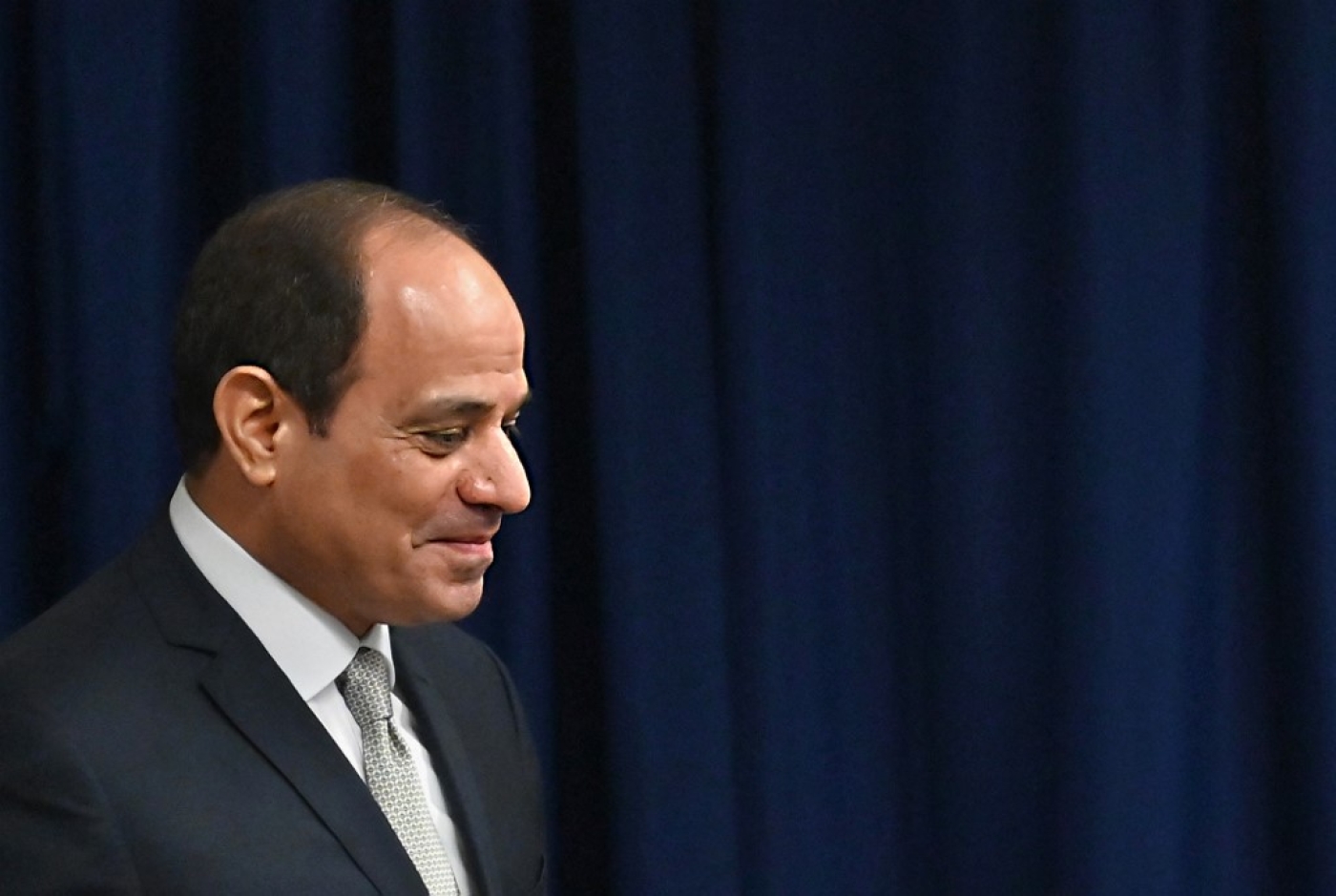
Egyptian President Abdel Fattah el-Sisi at the UN in New York in 2019 (AFP)

When a 35km expansion of the Suez Canal was opened six years ago, banners appeared on the streets of Cairo proclaiming it to be Egypt’s “gift to the world“.

Egyptian President Abdel Fattah el-Sisi welcomed foreign leaders on a yacht. Helicopters and jets performed a fly-by. The expansion was hailed as a national triumph and a turning point after years of instability.

The Egyptian government is a practised liar. It lies to its own people every day, but in times of crisis, it also lies to the international community

When the Suez Canal was closed unceremoniously by a 400-metre container ship hitting the bank in a dust storm on Tuesday, there was silence. For 26 hours, there was not a word about the closed canal, the shipping backing up in the Mediterranean and the Red Sea, or of the Ever Given itself.

Instead, the Suez Canal Authority (SCA) issued a media statement announcing the successful transit of an Italian cruise ship with 65 Covid-19 cases aboard.

There was a media blackout. It was only on Wednesday that the lying started in earnest, with the first official statement noting that efforts were “continuing to reopen the canal”. The SCA downplayed the impacts on navigation, sending a “message of assurance that the navigation will continue as usual”. As if to reinforce that message, the authority allowed a convoy of ships to enter from the northern end in Port Said on 24 March.

Feeding the propaganda mill

The authority warned journalists not to heed any news or rumours about the most serious incident to block the canal since the 1973 Arab-Israeli War, other than statements coming from them. Egyptian journalists did not need any encouragement to toe the line. They fed the propaganda mill, celebrating the SCA’s statement and claiming the ship had been refloated. They even tried to demonstrate this with satellite images, although the images themselves still showed the ship firmly wedged in place. 

The truth was even concealed from international shippers. The Gulf Agency Egypt shipping company quoted the SCA as saying that the container ship stranded in the canal for more than a day had been partially refloated and was standing alongside the bank, and that traffic would resume shortly.

The same story was fed to Lloyd’s List, which reported seeing an email from the Egyptian company sent to the China Shipowners’ Association: “We are still waiting confirmed information for the towing direction. Convoy and traffic will be back to normal within [a] very short time as soon as the vessel is towed to another position,” read the email, based on information provided directly by the SCA early on Wednesday.

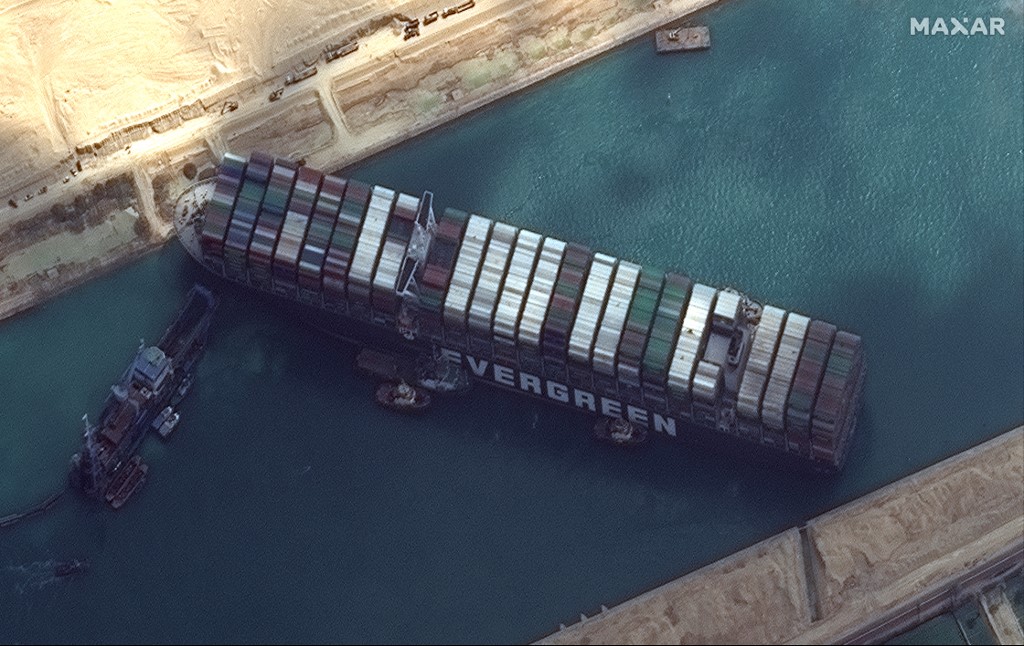
Satellite imagery shows tug boats and dredgers attempting to free a ship that ran aground in the Suez Canal on 26 March 2021 (Satellite image c.2021 Maxar Technologies/AFP)
Satellite imagery shows tug boats and dredgers attempting to free the ship that ran aground in the Suez Canal on 26 March 2021 (Satellite image c.2021 Maxar Technologies/AFP)

On Thursday, two days after the chaos had started, the SCA officially announced that navigation had been suspended.

The Egyptian government is a practised liar. It lies to its own people every day, but, in times of crisis, it also lies to the international community. 

When a Russian passenger jet was brought down in 2015 by an Islamic State (IS) missile 23 minutes into a flight from Sharm el-Sheikh to St Petersburg, Russia and the UK instantly cancelled all flights to the Red Sea resort.

Two harsh lessons

But it is difficult to keep maintaining that a ship the size of the Ever Given is floating, when it so evidently isn’t.

However the Suez Canal crisis is resolved, this incident has taught the world two harsh lessons: how important the canal and Egypt still are for international shipping, and how disastrously and incompetently both are being run.Egypt’s Suez Canal: Why does its closure matter?

The incompetence of Sisi’s dictatorship, in other words, is not just a matter of international concern on the issues of human rights and the rule of law. Sisi’s incompetence threatens a major international waterway.

In the immediate future, this week’s Suez crisis could not have happened at a worse moment. It reinforces the interest of oil-and-gas-producing Gulf states in exploring ways to bypass the canal by routing their product through Israel. The Emirati normalisation deal with Israel has led to a tidal wave of contracts and projects, each of which spells an existential threat to Egypt’s monopoly on this traffic.

Whether through a long-neglected pipeline built by the shah of Iran, new internet cable or a railway line, or even a canal through the Negev desert – no greater push could be given to finding ways of bypassing the Suez Canal and Egypt than by the Egyptian reaction to an incident of this magnitude.

Sisi’s disastrous rule

In the longer term, there is now a clear pattern of decline and disaster to Sisi’s rule. Above and beyond all the other issues in which he has embroiled his country – backing the wrong side in Libya, a witch hunt against the Muslim Brotherhood at home and abroad – Sisi really had two existential things to worry about. He has failed in both.

The first was the Suez Canal; the second was maintaining the water levels of the Nile. Sisi laughed and ridiculed his boss, former Egyptian president Mohamed Morsi, for raising concerns about the dam Ethiopia was building in 2012, and arranged for a leak of a private meeting to embarrass the president. 

The line from the Egyptian army was that the issue was too serious for a mere Muslim Brotherhood president to handle. So they shelved the issue, and Sisi then compounded his mistake by signing away Egypt’s claim in an agreement with Ethiopia and Sudan in 2015. Now, he is reportedly considering military action, just weeks before the dam – which has long been completed – gets its second crucial filling

Instead of concentrating his meagre resources on the two issues that really matter to his country, Sisi has spent all his time obsessed with his image

Instead of concentrating his meagre resources on the two issues that really matter to his country, Sisi has spent all his time obsessed with his image. 

A revealing window into Sisi’s real priorities in the years in which he has run Egypt into the ground can be seen in the official record of lobbyists working for the Egyptian government, filed with the US Department of Justice under the Foreign Agents Registration Act.

An investigation of these official records conducted by a group of Egyptian journalists at Sasapost reveals how the lobbying operation in Washington went into overdrive after the 2013 Rabaa massacre and the suspension of $260m in US military aid, a fraction of the total $1.3bn package.

Sisi’s government paid the Glover Park Group $250,000 a month to lobby senior members of Congress who opposed him, such as Senators Lindsey Graham and the late John McCain. Glover Park spent two years working on Graham until he reversed his position, Sasapost reported. Between 2013 and 2019, Sisi paid this company alone $13.25m – a huge price in the Washington lobby market.

Whitewashing the regime

What were Egypt’s concerns in Washington? Whitewashing Sisi’s image, targeting the American right and Israel’s supporters, and focusing on “religious rights,” with Joe Biden about to enter the White House. In other words, everything that Sisi has spent his money on has been about his image. None of it has had anything to do with what really matters to his country.

But these are Sisi’s priorities. He has not uttered one word about the crisis going on in the Suez Canal. 

It is now commonplace to hear that Egypt is a failing state – a state that fails its citizens, one with depleted resources, a weakened economy plundered by the Egyptian army, and growing levels of poverty affecting tens of millions of people. 

The international community, however, has yet to wake up to the fact that Sisi is a danger not only to his people and his country but also to international trade and stability. Perhaps a big ship jammed into a tight space will do that for them.

The views expressed in this article belong to the author and do not necessarily reflect the editorial policy of Middle East Eye.

timeline suez canal

River to Sea Uprooted Palestinian   
The views expressed in this article are the sole responsibility of the author and do not necessarily reflect those of the Blog!

Friday, 19 March 2021

The Arab yacht summit plotters have fallen out

 This image has an empty alt attribute; its file name is DYxJNIWWAAMxxsb.jpg

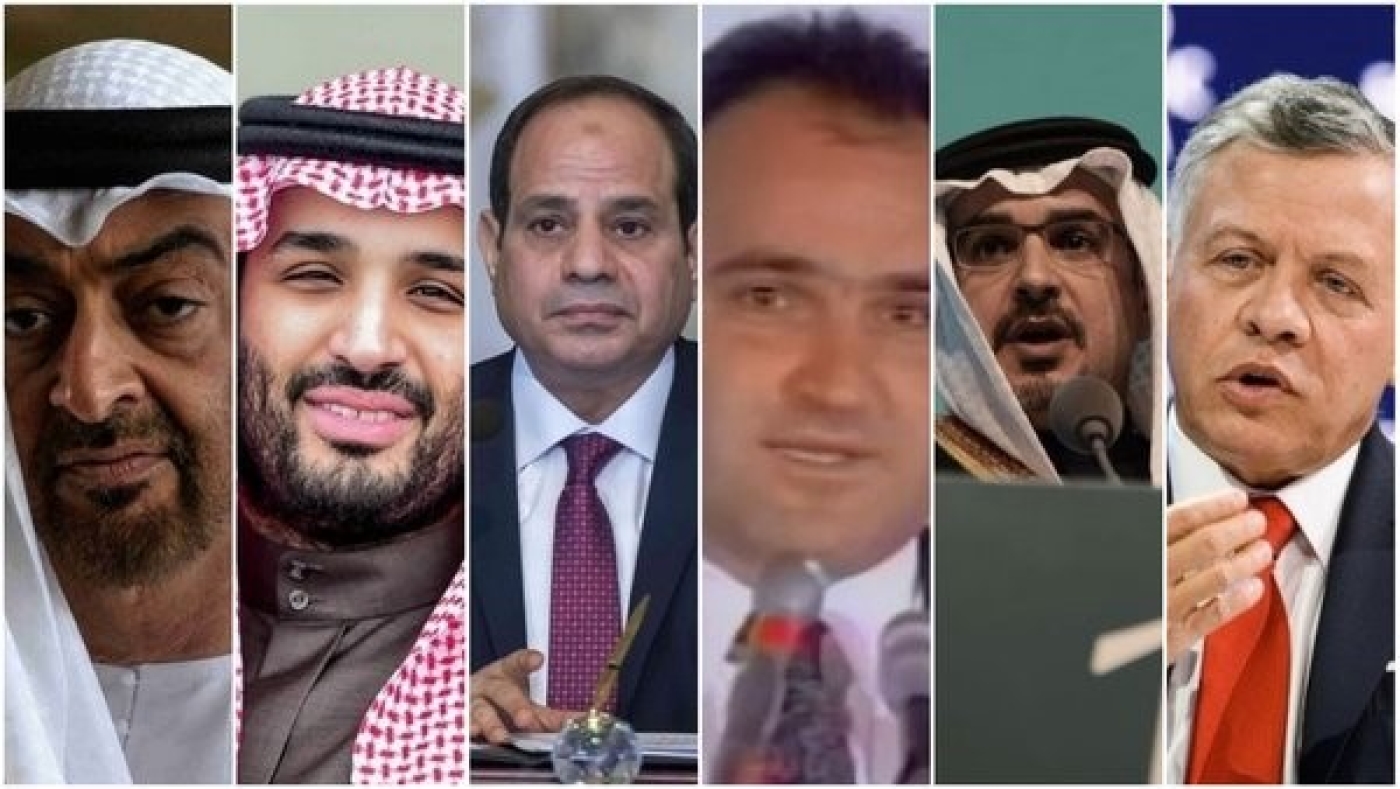
George Nader (fourth from left) organised a secret summit of Arab leaders on a yacht in the Red Sea in late 2015
David HearstDavid Hearst is co-founder and editor-in-chief of Middle East Eye. He is a commentator and speaker on the region and analyst on Saudi Arabia. He was The Guardian’s foreign leader writer, and was correspondent in Russia, Europe, and Belfast. He joined the Guardian from The Scotsman, where he was education correspondent.

David Hearst

15 March 2021 15:09 UTC 

An alliance of regional rulers that put so much effort into suppressing democracy is weakening now as its participants bear substantial grudges against each other

For the past decade, an alliance of rulers has bent every sinew to halt the onward, and irreversible, fight for human rights in the Arab world.

To preserve their own decaying regimes, this alliance has laid waste to once proud and civilised nations. It has waged wars in Yemen, Libya and Syria, reducing much of them to rubble. It has funded coups in Egypt, and attempted them in Tunisia and Turkey. The blood of hundreds of thousands has been shed in these interventions.

They were fought in the name of defending the region from Islamism and extremism. In this, they attracted the credulous, or cynical, support of former colonial powers France and Britain. But in reality their “jihad” had nothing to do with defending liberalism or secularism.

These regimes had no qualms about enlisting religious forces for political ends. Their quest was for hegemony, or how to transfer autocracy from one generation to another. For them, power was part of the family silver.

Late in 2015 – two years after their first major success, that being the military coup in Egypt, the leaders of this alliance – crown princes and rulers of Saudi Arabia, the United Arab Emirates, Bahrain, Egypt and Jordan – met secretly on a yacht to plot their plans for the region. To summon the same cast of characters on a yacht in the Red Sea today, six years on, would, however, be more difficult. 

For one thing, the fixer of this secret summit is in prison. George Nader is serving ten years on child sex charges. For another, the participants today bear substantial grudges against each other.

Money like rice?

Relations between Saudi Arabia and Egypt have cooled fastest. The Saudis no longer have “money like rice” as the Egyptian President Abdel Fattah el Sisi once bragged to his chief of staff Abbas Kamel. And any way King Salman is not as generous as his late brother Abdullah was, even if he had the money, which he doesn’t.

Sisi has no interest in following Mohammed bin Salman into the camp of pariah dictators

Sisi tried to get a new line of funding from Riyadh by giving it two uninhabited but strategically placed Red Sea islands, Tiran and Sanafir, to much protest at home. But the Saudis are no longer interested in such baubles like the Suez Canal and the Gulf of Aqaba.  

Their eyes light up when contemplating cheaper and faster ways to the Mediterranean – through Israel. Egypt is not saying it, but it is getting increasingly irritated by plans to bypass the Suez Canal, which it enlarged to the tune of $8.2bn.

Whether it is reversing a once-secret desert pipeline that ran from Iran to Israel during the time of the Shah, or the development of ports and free zones in Israel, or Blue Raman, a new fibre optic cable for the Middle East, it’s all pointing in one direction for Cairo – a huge loss of money and regional influence. 

Saudi Crown Prince Mohammed bin Salman (AFP)

It is not as if there have not been past divergences between banker and client state. Egypt’s refusal to send troops to fight in Saudi Arabia’s disastrous war in Yemen was one. It has refused to be as hostile to Iran and its allies in Lebanon. But two new factors are persuading Egypt that its national interests are not always best served by its regional allies. 

The Biden factor

The first is the arrival of US President Joe Biden and his obvious antipathy to the Saudi Crown Prince Mohammed bin Salman – even though he refuses to sanction him. Sisi has no interest in following bin Salman into the camp of pariah dictators. Rather, he has a strong motive to distance himself from that clan.For Trump’s Middle East allies, Joe Biden is a new nightmareRead More »

Bin Salman’s international reputation has been tarnished by the release of the US intelligence report into the murder of journalist Jamal Khashoggi. When it was released, Mohammed bin Salman expected that every member of his club, and even those that were not, like Qatar, to send a message of support. 

Most did. King Abdullah II of Jordan; Sudan’s prime minister, Abdalla Hamdok, flew to Riyadh. Others like Bahrain and the UAE issued statements. The only country to fall silent was Egypt.

The second factor was the military defeat of the Libyan general Khalifa Haftar, when his forces were repulsed from Tripoli and retreated to Sirte. The Turkish intervention, and the effectiveness of its drones, came as a shock to Egypt, whose agenda in Libya was driven by the Emirates. Egypt, however, invested considerably in training, arming and supplying Haftar’s forces.

When both the UAE and Egypt discovered that they were on the losing side – and this was sometime before Haftar pushed Sisi to invade – some in the Egyptian media began to question publicly why Egypt was in this position. Libya is important to its neighbour, not least because of the millions of Egyptians who – in times of peace – work there. When Libya prospers, so does Egypt. Haftar’s defeat opened the way for direct talks with the government in Tripoli, and covert talks with Turkish intelligence chiefs. 

As a result, the candidates of the list which lost the election to the post of prime minister had been agreed beforehand by both Turkey and Egypt. When the Libyans rejected those candidates, it did not disturb the tacit understanding between Ankara and Cairo. Nor are things as close between Cairo and Abu Dhabi. The froideur started over a question of money. But it rapidly went much further over Abu Dhabi’s recognition of Israel

The second wave

The second wave of normalisation with Israel displaced the first. Both Egypt and Jordan lost influence as the gatekeepers of the Arab world to Israel, in the same degree to which the UAE gained it.

It’s no coincidence that two of the nations that attended that yacht summit are in the process of softening their hostility to Ankara

When Abu Dhabi announced it would invest $10bn in Israeli energy, manufacturing, water, space, healthcare and agri-tech, it was no coincidence that Jordan at first refused permission for Benjamin Netanyahu’s jet to use its airspace, and he had to cancel his trip to pick up the prize money in person. Netanyahu’s office said the dispute with Amman stemmed from Israel’s decision to cancel the Jordanian crown prince’s plans to visit the Al-Aqsa mosque the day before.  

Much of the legitimacy of the Hashemite dynasty rests on its role as custodian of the holy sites in Jerusalem, a role that is now being overtly threatened by its Saudi cousin with Israel’s encouragement. Bin Salman is playing a zero-sum game. By advancing his own relationship with Israel, he is weakening the stability of Israel’s safest border. 

Egypt's President Abdel Fattah al-Sisi attends the closing session of an African summit meeting (AFP)
Egypt’s President Abdel Fattah el-Sisi (AFP)

The yacht summit was convened to counter Turkey and Iran’s resistance to their schemes. So it’s also no coincidence that two of the nations that attended that summit are in the process of softening their hostility to Ankara.

Enters Turkey

Both Turkey and Saudi Arabia are being pushed into each other arms by a US president who is hostile to the Saudi crown prince and the Turkish president, Recep Tayyip Erdogan. Mohammed bin Salman was told by his advisers that if Biden won, he would have to open relations with Turkey. 

Where foreign relations are based on secret pacts between leaders each of whom have good reason to fear their own people, they are built on sand

Bin Salman is not convinced, and can’t overcome the feeling that Erdogan was out to get him for having ordered Khashoggi’s murder. But the relationship between his father, King Salman, and Erdogan was never ruptured and so halting attempts are being made.

Qatar has offered to mediate, which is ironic, because when the boycott of the Gulf peninsula states started, the Turks offered to mediate. Turkey maintains strong relations with Oman and Kuwait and both Ankara and Riyadh have an interest in showing Washington they are regional players.

But is more going on under the table? Recently the Houthis claimed to have shot down a drone that “had proven its worth in Azerbaijan”, an oblique reference to Turkey. It was a Turkish drone, but not one used in Azerbaijan. Last year the Saudi government signed a deal with a local company to supply armed drones after getting a technology transfer from a Turkish defence firm, Vestel Karayel. Six drones were delivered. 

Turkey denies there was anything official about this technology transfer. A Turkish source familiar with the defence industry said Vestel did not seek government authorisation to make such a tech transfer to Riyadh. Still, the incident raised eyebrows. Janes defence news said the Karayel has not been previously known to be in service with the Saudi military.

In any case the Saudi boycott of Turkish goods still continues.

Repairing ties with Egypt

Last week’s flurry of statements from the Turkish foreign minister, Mevlut Cavusoglu, chief counsellor to the president Ibrahim Kalin and the president himself about turning the page with Egypt have been downplayed by Cairo.

Egyptian Foreign Minister Sameh Shoukry, confirming contacts with Cavusoglu, said that Turkey must “align with Egypt’s principles” before relations could return to normal. And the editor in chief of Egypt’s al Watan newspaper published ten conditions before relations could be restored.

This will have the same effect on Ankara as the 13 demands the blockading countries laid on Qatar.

The optimism in Ankara started when Egypt announced an oil and gas exploration bid in the Eastern Mediterranean which acknowledged the coordinates of the continental shelf declared by Ankara. The Greek foreign minister, Nikos Dendias, claims to have since “adjusted” those coordinates after a trip to Cairo.Turkey-Egypt relations: What’s behind their new diplomatic push?Read More »

Turkish intelligence chiefs have, however, met their Egyptian counterparts several times. Apart from Libya, Turkey is offering the Egyptians help in their dispute with Ethiopia over the Grand Ethiopian Renaissance Dam. UAE is doing the opposite by offering help to the Ethiopian Prime Minister Abiy Ahmet. 

Mohammed Dahlan, the Abu Dhabi-based former Fatah security chief, visited Addis in an announced visit. What was not announced was that his boss Crown Prince Mohammed bin Zayed went with him, according to one informed source. Egypt is baulking at the Turkish charm offensive and there has been no breakthrough.

“Egypt wants Ankara to take at least a symbolic step on the presence of Muslim Brotherhood in Turkey,” an official told MEE. 

If that is what is needed, it will not materialise. The Muslim Brotherhood does not have a physical presence like a regional office in Turkey. So there is nothing to close down. To go against individual members of the large expatriate Egyptian community in Istanbul would mean extraditing individuals, which Turkey is not going to do. Nor is there any discernible Turkish pressure on the Egyptian opposition media in Istanbul. Cairo would particularly like Al Sharq television off air.

“The Turkish authorities have nothing to offer nor withdraw when it comes to Al Sharq Channel because we are not funded by Turkey or Qatar,” its owner Dr Ayman Nour, the Egyptian opposition politician, told MEE. “We have not sensed any change on the Turkish side with regard to Al Sharq.”

But the axis itself is weakening and the lessons for everyone in the region are clear. Where foreign relations are based on secret pacts between leaders, each of whom have good reason to fear their own people, they are built on sand. Where they are based on the strategic interests of their peoples, they are more durable. The more national interests are based on the interests of their peoples rather than the rulers, the greater the stability of the region

Thus far it has been warm embraces one day, and stabs in the back the next.

The views expressed in this article belong to the author and do not necessarily reflect the editorial policy of Middle East Eye.

This article is available in French on Middle East Eye French edition.

Related


River to Sea Uprooted Palestinian   
The views expressed in this article are the sole responsibility of the author and do not necessarily reflect those of the Blog!

Wednesday, 18 November 2020

For Trump's Middle East allies, Joe Biden is a new nightmare

David Hearst


17 November 2020 14:19 UTC | Last update: 17 hours 25 mins ago

David Hearst is the editor in chief of Middle East Eye. He left The Guardian as its chief foreign leader writer. In a career spanning 29 years, he covered the Brighton bomb, the miner’s strike, the loyalist backlash in the wake of the Anglo-Irish Agreement in Northern Ireland, the first conflicts in the breakup of the former Yugoslavia in Slovenia and Croatia, the end of the Soviet Union, Chechnya, and the bushfire wars that accompanied it. He charted Boris Yeltsin’s moral and physical decline and the conditions which created the rise of Putin. After Ireland, he was appointed Europe correspondent for Guardian Europe, then joined the Moscow bureau in 1992, before becoming bureau chief in 1994. He left Russia in 1997 to join the foreign desk, became European editor and then associate foreign editor. He joined The Guardian from The Scotsman, where he worked as education correspondent.


The president-elect’s actions in the Middle East will be dictated by events. But the loss of Trump represents a body check for the ambitions and aspirations of Gulf hegemons
Then Vice President Joe Biden during a visit to Saudi Arabia in 2011 (Reuters)

You can detect the shadow of Donald Trump fading from the Middle East in the nervous twitches of his closest allies.

Israeli Prime Minister Benjamin Netanyahu is accelerating settlements before the inevitable freeze or pause in construction in January when President-Elect Joe Biden takes over. Egyptian President Abdel Fattah el-Sisi is releasing just a fraction of the estimated 60,000 political prisoners he has stashed in his jails.

Trump’s Middle East triumphs will soon turn to disaster

Read More »

Sisi’s television anchors are, from one day to the next, given different scripts to read out. Take the sad case of Nashaat al-Deehy. When Biden was a candidate, al-Deehy trashed him: “Joseph Biden will become the oldest US president in the history of the United States of America. On 20 November he will be 78 years old. This will impact his mental situation and he suffers from Alzheimer’s and therefore is not fit to be president of the United States of America.”

But once the US media had called Biden president-elect, al-Deehy became respectful. “We have just learned that President Abdel Fattah el-Sisi sent a congratulations cable to US President-elect Joe Biden. This man has great respect for Egypt and is known to be wise and he listens well. He does not take decisions frantically. He does not take decisions when he’s angry. All of this was missing in the case of Donald Trump, who was violent and stubborn and arrogant. All of this we’re seeing it.”

Small gestures

The Saudi ambassador in London is in an equal turmoil. One day he hints to the Guardian that jailed women activists could be freed during the G20 summit next week.

“The G20, does it offer an opportunity for clemency? Possibly. That is a judgment for someone other than me,” said Khalid bin Bandar bin Sultan bin Abdulaziz Al Saud. “People ask: is it worth the damage it is causing you, whatever they did? That is a fair argument to make and it is a discussion we have back at home within our political system and within our ministry.”

The next day he calls in the BBC to deny what he has just said.

Poor ambassador.

The king himself is by no means immune from wild policy swings. He has started being nice to Turkey.

A week after the earthquake in Izmir, Salman ordered the dispatch of “urgent aid” to the city. Then we learn that the king of Bahrain Hamad bin Isa Al Khalifa and the Turkish President Recep Tayyip Erdogan were in talks. The occasion was to present condolences for the death of the Bahraini Prime Minister Prince Khalifa bin Salman Al Khalifa. But direct contact with a satellite of Riyadh would have been impossible without a green light from the diwan, the Saudi royal court.

Ever since Erdogan refused to let the murder of the Saudi journalist Jamal Khashoggi in Istanbul drop, he has become a hate figure in Riyadh. Turkey has been declared – repeatedly –  a regional threat by Saudi social media and Turkish goods subject to a growing boycott. Now it has all changed.

These are small gestures, but telling ones, as Trump leaves office.

CIA bites back

Top of the list of nervous allies is the man who used Trump to fashion his rise to power.

Biden has every incentive to encourage MBS’ many enemies in the Royal family to step forward to prevent the over ambitious prince from becoming King

To become crown prince, Mohammed bin Salman (MBS) had to get rid of, and trash the reputation of his elder cousin Mohammed bin Nayef, who was at the time the CIA’s prime asset in the country and the Gulf region. Before he did this, bin Salman phoned Jared Kushner, Trump’s son in law and Middle East adviser, to ask permission. It was given, sources with knowledge of the call told Middle East Eye.

Biden knows bin Nayef personally. Bin Nayef’s chief of staff and former interior minister Saad al-Jabri has fled to Toronto. A few days after Khashoggi’s assassination in the Saudi consulate in Istanbul in October 2018, MBS despatched another crew from the Tiger Squad to kill al-Jabri, according to a lawsuit filed under the Torture Victim Protection Act in the US District of Columbia.

Al-Jabri was lucky. Border agents at Toronto International Airport detected the operation and sent it back home. All this is active evidence. None of this has been dealt with. The CIA’s own assessment that MBS ordered Khashoggi’s killing has never been published.

It is not just Biden himself the crown prince has to fear – although the presidential candidate reserved his sharpest words for the killing of Khashoggi – but the return of the CIA to the top table of decision making in the White House.

Overnight MBS goes from having a president in the White House who “saved his ass”, as Trump put it, to a successor who is not remotely interested in doing the same. Biden has every incentive to encourage MBS’s many enemies in the royal family to step forward to prevent the over-ambitious prince from becoming king. There are enough of them, by now.

Get out of jail card

An Oval Office under new management leaves MBS with relatively few options.

He could use Israel as his get-out-of-jail card, by pushing for recognition and normalisation. There is bipartisan support in Congress for the Abraham Accords signed between the United Arab Emirates, Bahrain and Israel.

How Mohammed bin Salman is quietly enabling an Israeli axis in the Arab world

Read More »

Although the incoming Biden administration will put more emphasis on restarting direct negotiations between the Palestinian Authority and Israel, it would not stop another major Arab state like Saudi Arabia from joining the party.

The opposition to Saudi normalisation with Israel would be at home, not abroad. Recognising Israel would be perilous domestically. However much Saud alQahtani’s social media trolls bully Saudi public opinion, it is ferociously pro-Palestinian and anti-Zionist.

Never more so than today, Palestine remains the key source of instability in the Middle East, the conflict that defines it, the conflict that endures as a symbol of European colonisation and Arab humiliation.

The custodian of the Two Holy Mosques recognising Israel? Not over many Muslims’ dead bodies.

Each time MBS has had to walk back on his wish to recognise Israel (and he was very near to flying to Washington and playing the role of smiling sponsor at the signing ceremony in the White House, before cancelling at the last minute) he has turned to his father, the king, to say that nothing has changed and reaffirm official state policy.

This is the Arab Peace Initiative published by his predecessor King Abdullah in 2002 and it only allows  recognition of Israel after a negotiated solution has been found based on 1967 borders.

US President Donald Trump waves to supporters on 15 November (Reuters)

US President Donald Trump waves to supporters on 15 November (Reuters)

The loss of Trump’s “крыша” – or protective roof – and the arrival of a hostile president in Biden will mean that MBS will need his father in the post as king even more than he has done in the past. We know from Saudi sources that at one point MBS was toying with the idea of forcing his father’s premature abdication on health grounds and seizing the crown himself.

The loss of Trump’s protective roof and the arrival of a hostile president in Biden will mean that MBS will need his father in the post as king even more than he has done in the past

In his latest round of purges, MBS targeted leading members of Hay’at al-Bayaa (the Allegiance Council) whose role is to approve a royal succession and the appointment of a new crown prince.

The latest arrests to purge the Allegiance Council of his critics would only have made sense if MBS himself was intending to becoming king. But that was in good times, when bin Salman’s star was rising and he could still visit London and Washington without creating flashmobs of human rights protesters.

In bad times, the king remains the tribal chief, who commands the loyalty of the royal family and the kingdom. Regardless of Salman’s actual mental condition, he is still the head of the family and there will be no rebellion against him. The same would not apply to his son if he pushed his father aside and seized the crown. He would be fair game for a palace coup. This is probably the main reason why the father is still king.

Regional alliance

The fate of the regional alliance that a future King Mohammed was attempting to build around himself also hangs in the balance. The real fight going on in the Sunni Arab world is about who would take over as leader and Western proxy.

Biden must end Trump’s alliance with Mohammed bin Salman

Read More »

The purpose of the alliance with Israel – in Emirati eyes – is not to increase wealth but power, power to become, with Saudi Arabia under King Mohammed, the regional hegemon.

That ambition still exists.

But the role that an “Arab Nato” alliance was intended to play to combat and curb Iran will now be diminished by Biden’s attempt to restore the nuclear agreement with Tehran. Iran’s rulers stared Trump in the eyes and did not blink first. They outlasted this US president as they have done to Jimmy Carter and every president who followed him.

The nuclear agreement (known as JCPOA) was Barack Obama’s crowning foreign policy achievement – although it was the fruition of years of negotiation involving many countries and past foreign ministers – the so-called P5 plus one, the permanent members of the UN Security Council plus Germany, and Turkey and Brazil before them.

However, each side’s moves are sequenced and whatever difficulties that lie on that path, Biden will pivot once more to restoring this nuclear agreement. Even if some sanctions continue, the policy of using them to exert “maximum pressure” will be over.

Detente will inevitably create a new reality in the Gulf region.

It will also create a new reality for members of the opposing alliance, Turkey and Qatar. Biden is no admirer of Erdogan, with whom he has spent many hours talking. He has apologised to Erdogan once for remarks suggesting that Turkey helped facilitate the rise of the Islamic State group. He is not about to do that again soon.

In a meeting with the New York Times’ editorial board filmed in December, Biden described Erdogan as an autocrat. Asked about how comfortable he felt with the US still basing 50 nuclear weapons in Turkey, Biden said his comfort level had “diminished a great deal” and that he would be making it clear to the Turkish leader that the US supports the opposition.

A volatile world

Once in power, Biden may find it more difficult to express this personal hostility. Whether he likes it or not, Turkey is a more confident regional military power than it was in Obama’s time.

Its military has proved itself as a counterweight to Russian military power in Syria and Libya, and it has just achieved a major breakthrough in Nagorno Karabakh, establishing for the first time access by road from the Turkish border to the Caspian Sea.

This is a strategic win for the Turkish state.

If he is going to partially lift sanctions on Iran, Biden will find that he needs Turkey as a regional counterbalance. There are today too many arenas, from Syria and Iraq to Libya, where Turkey has become a player. Biden has to deal with these “facts on the ground” whether he likes it or not.

Similarly, pressure will also now grow on Saudi Arabia to end its siege on Qatar. Their immediate neighbour, the UAE, will always regard Qatar’s pro-Islamist foreign policy as an existential threat. But the same does not apply to Riyadh, and quiet negotiations in Oman and Kuwait have already taken place.

Biden’s actions in the Middle East will be dictated by events. But the loss of Trump represents a body check for the ambitions and aspirations of Gulf hegemons.

It’s a more uncertain, volatile world.

The views expressed in this article belong to the author and do not necessarily reflect the editorial policy of Middle East Eye.

River to Sea Uprooted Palestinian   
The views expressed in this article are the sole responsibility of the author and do not necessarily reflect those of the Blog!