Uprooted Palestinians are at the heart of the conflict in the M.E Palestinians uprooted by force of arms. Yet faced immense difficulties have survived, kept alive their history and culture, passed keys of family homes in occupied Palestine from one generation to the next.
رسمت الصين كقوة صاعدة على المستوى الاقتصادي الدوليّ مشروعها للانتقال خارج الحدود من خلال ما عُرف بخطة الحزام والطريق، الذي يتوزع على محاور عدة أبرزها خطوط سكك حديد وجسور بريّة ضخمة، وطرق بحريّة حديثة بمرافئ مجهزة، تؤمن ربط الصين بأجزاء القارة الآسيويّة كلها وصولاً إلى أوروبا من نوافذ متعددة أهمها روسيا وتركيا، وبمشاركة دولتين أوروبيتين هما اليونان وإيطاليا انضمّتا إلى الخطة الصينية، وفتحتا الباب لاستثمارات صينية تعبيراً عن ذلك، وتقع باكستان آسيوياً في قلب الخطة الصينية عبر استثمار يقارب مئة مليار دولار في مرفأ غوادر، بينما جاء الاتفاق الموقع بين الصين والعراق والذي بلغت قيمته خمسمئة مليار دولار، تطال بناء كل شيء في العراق من الجامعات إلى المستشفيات وسكك الحديد والكهرباء ومحطات المياه وخطوط النفط والغاز، والتي شكلت وفقاً للخبراء سبباً لتحريك الضغوط تحت عنوان ثورة الشارع على حكومة الرئيس عادل عبد المهدي وصولاً لاستقالته، ولا يتبرأ الأميركيّون من مسؤوليتهم عن إسقاطها، من دون أن يتمكن خليفته مصطفى الكاظمي من التبرؤ من الاتفاق الذي وقعه سلفه.
–
مع غموض مصير الاتفاق الصيني العراقي وبقائه فوق الطاولة، يثبت اتفاقان صينيان كبيران، كل منهما بخمسمئة مليار دولار، واحد مع إيران والآخر مع روسيا، وفيهما عناوين في حقول الطاقة وصناعة الطائرات المدنيّة، وصناعة تكنولوجيا الاتصالات، وتجهيز المرافئ وبناء شبكات متطوّرة لسكك الحديد ومدن سياحية، وعبرهما تصل الصين إلى حدود أوروبا من خلال روسيا، وإلى مياه الخليج وحدود المتوسط عبر إيران، ومن خلالها نحو العراق أو تركيا أو كليهما، بينما يتشارك الروس والإيرانيّون في تشجيع الصين على الاستثمار في سورية، خلافاً لكل التحليلات التي تتحدث عن تضارب مصالح على هذا الصعيد.
–
يناقش بعض اللبنانيين الانفتاح على الصين بسذاجة وجهل، متخيلين أن الحديث يجري عن دولة نامية، حيث يقع هذا البعض في أوهام ماضي التفوق الأوروبي التقني والصناعي، والتفوق الأميركي الاقتصادي، متجاهلين معنى انضمام إيطاليا لمبادرة الحزام والطريق الصينية، ومتجاهلين معنى نشر أبراج شركة هواوي الصينية في سويسرا وبريطانيا وألمانيا، لاستثمار تقنية الجيل الخامس من أجهزة الاتصالات، الذي يشكل محور الثورة العالمية في التكنولوجيا، ونقطة الارتكاز في الاقتصادات الرقمية الحديثة، ومتجاهلين أن صناعة الدواء العالمي، بما في ذلك الأميركي والأوروبي تتم بنسبة 90% في المصانع الصينية، وأن شركات أميركية عملاقة مثل أبل تصنّع هواتفها الذكية في الصين، وأن مرافئ عالمية كبرى مثل بوسطن وأمستردام تعمل بمعدات صينية بنسبة 80%، وأن اكبر مخزون عالمي من السلع والأموال والمعدات الصناعيّة موجود لدى الصين، وأن الاستثمار الأكبر في سندات الخزينة الأميركية هو الاستثمار الصيني بقيمة تزيد عن ثلاثة تريليونات دولار.
–
لبنان الذي يملك قيمة استراتيجية في موقعه على البحر المتوسط، وكان الصينيون قد أعربوا عن اهتمامهم بمرفأ طرابلس وبخطوط سكك الحديد وبناء مدن صناعية حرة، يملك أيضاً قيمة مضافة يمثلها القطاع المصرفي الذي ورّطه أصحابه والقيّمون عليه سياسياً ومالياً بعملية تدمير ذاتي، يمكن أن يشكل مصدر اهتمام صيني عبر عن نفسه بسعي الصين ضمن عروضهم للبنان بامتلاك مصرف ومؤسسة مالية، هذا بالإضافة لتوافر أجيال من خبراء بالتقنيات الحديثة في المعلوماتية والاتصالات بين متخرجي الجامعات من اللبنانيين، يندر وجود مثله في العالم العربي يؤهل لبنان لتشكيل منصة تقنية متقدمة للعالم العربي في مجال اقتصاد المعرفة.
–
الغباء وحده قد يحول دون إفادة لبنان من الفرصة الصينية، بما فيها ما سيحصل عليه إذا وضع ذلك شرطاً لاتفاق اقتصادي استراتيجي، لجهة طلب توظيف صيني برقم قد يصل إلى عشرين مليار دولار في سندات الخزينة اللبنانية بفائدة منخفضة ولمدة تزيد عن عشر سنوات، ما يؤهل لبنان السيطرة على أزمة الديون، والسيطرة على سعر الصرف، فهل يملك اللبنانيون شجاعة الإقدام، أم أن لدعوات الحياد علاقة بمسعى تعطيل هذا التوجّه، تحت شعار الهوية الدينية مرة والثقافية مرة؟
Just at the time when the country is being led by a caretaker Prime Minister, Adel Abdel Mahdi, and the newly elected Prime Minister, Mustafa al-Kadhemi (boycotted by many powerful political groups) is struggling to form his cabinet, the terror group “ISIS” is increasing its attacks on a number of Iraqi provinces. The Shia majority has asked for the withdrawal of US forces while the Sunnis and Kurds want these forces to remain, and ask instead for the withdrawal of the Iraqi security forces al-Hashd al-Shaabi or “Popular Mobilisation Forces” (PMF). ISIS is testing the military readiness of the Iraqi security forces and is taking advantage of the severe domestic differences between all political parties, knowing that the country is also facing serious financial difficulties and has a pandemic to deal with as well. The country is in crisis and the pressure is overwhelming.
ISIS is aware of the presence of security holes in various parts of Iraq, particularly around the Hamrin mountains in Salahuddin province, Jurf al-Nasr (south of Baghdad) in Babil province, Jalawla and Baqubah in Dyala province, in Karbala province, wadi Houran, along the Iraqi-Syrian borders in the al-Anbar province. Since a month ago ISIS has been harassing the security forces, mainly the PMF, and engaging with them to test their readiness- and exhaust their resources. It is also establishing fake checkpoints with men dressed as members of the Iraqi Army who arrest and kill tribal men. This is happening in the Sunni areas, whose political leaders are asking the PMF to leave their provinces and for the US to remain in Iraq. The US, with perfect timing, has ceased its intelligence collaboration with the Iraqi forces
ISIS knows the desert and the mentality of the people living in these provinces. It also seems to be aware of the cessation of collaboration between the US and the Iraqi forces, where the Iraqi drones are insufficient to cover these provinces and collect enough intelligence information about ISIS’s movement and intentions. Thus, Iraqi forces have turned from a preventive stance to a defensive one, while ISIS moves from being the hunted to become the hunter in many provinces. It is common knowledge that the Iraqi forces have difficulties controlling the 599 km long border between Iraq and Syria, where ISIS crosses with its major forces and equipment.
Many ISIS militants somehow managed to escape from a Syrian prison run by the Kurdish Syrian Democratic Forces (SDF), a US partner, in the north-eastern city of Hasaka, a prison that held some 11,000 to 12,000terrorists captured on the battlefield. The escapees seem aware of the existence of a meeting point to join other groups still on the loose between the two borders. According to Iraqi intelligence sources in Baghdad, many of these joined sleeper cells in different provinces; some were killed and captured by the Iraqi security forces during the latest attacks.
ISIS is capable of surprise attacks and insurgency but has failed to hold its new ground, notwithstanding the violence of its attack, the biggest since 2017. It has recently attempted to control the oil road east of Tikrit by isolating the north from the southern Tikrit city in Salahuddin province and attacking Mukeshefah and Samarra. ISIS aims to regain some control over financial resources (oil) and has been gathering forces coming overland and along the Tigris river. ISIS took advantage of the Federal Police presence—unfortunately, the Federal Police are unfit to fight against irregular militants as the well-trained counter-terrorism brigade or the PMF could. While many Sunni political leaders are asking US forces stay, many tribes in Salahuddin are asking the Prime Minister to send the Hashd PMF to their villages and cities as a permanent presence following the repetitive ISIS attacks.
The list of the new Cabinet members in Iraq.
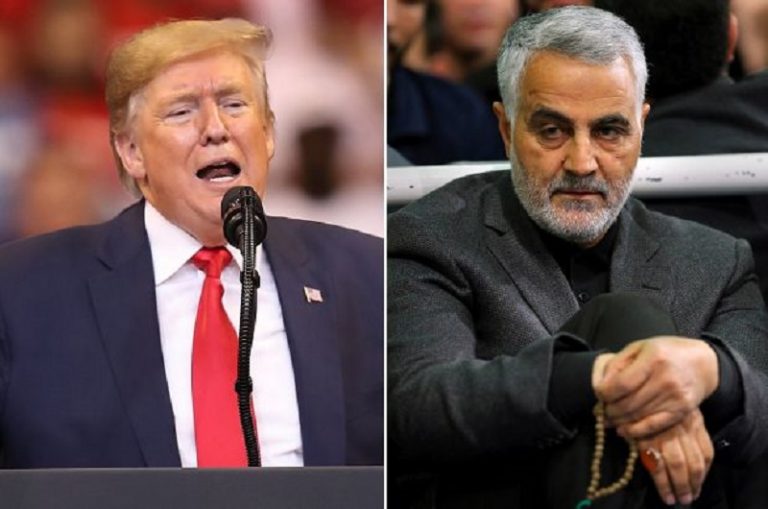
The assassination of the commanders Qassim Soleimani and Abu Mahdi al-Muhandis pushed Iraq to ask the US to leave the country. The US forces ceased intelligence collaboration and scheduled a meeting on the 6thof June to initiate a dialogue about the strategic relationship between the two countries- but not to organise total withdrawal. Following the Iraqi parliament’s binding decision to see the US forces out of Iraq, subsequent to Washington’s destructive decisions to violate Iraqi sovereignty and in contradiction with the agreement with Baghdad signed in 2014, these forces are no longer offering any support at all without political concessions from the Iraqi leadership.
The Prime Minister asked Hashd al-Shaabi to intervene against ISIS due to its long experience in guerrilla warfare. However, Hashd lacks air cover due to the slow and inefficient coordination between its command on the ground and the Iraqi Air Force. This handicap is allowing ISIS to resist longer on the battlefield and contributing further to Hashd’s human casualties.
ISIS is playing on the US-Iraq and the US-Iran differences in Mesopotamia. It is also showing high military readiness and capability to fight back and exhaust the Iraqi security forces. However, Hashd al-Shaabi is also showing determination to defeat the group and force its withdrawal on multiple fronts. The Iraqi command needs to find non-US resources to regain the momentum, rely on its own resources to provide surveillance and armed drone support for its ground troops and intelligence services. Perhaps Russia and Iran can fill the vacuum the US is intentionally creating. Otherwise, Baghdad will indeed manage to repel ISIS, but with much greater human losses- unless it changes its classical approach and offers a new deterrence strategy, through spreading “eyes” in the sky in the “softest” areas, those where ISIS militants move at ease, and particularly on the Iraqi-Syrian borders and in al-Anbar desert. For that, the country needs a new and strong government- certainly not a caretaker Prime Minister with limited authority, and a novice Prime Minister unable to form an adequate cabinet and lacking political support from the MPs’ group leaders.
Mr Abdel Mahdi has ordered Hashd al-Shaabi – the security forces bombed repeatedly by the US air force and accused of being loyal only to Iran – to deploy its forces in the provinces where ISIS is most likely to enjoy a greater presence. Abdel Mahdi is aware that Hashd capacities and ideology make it fitter to confront ISIS than any other brigade. But Abdel Mahdi doesn’t want to remain in power and is looking forward to handing on the office to al-Kadhemi.
However, ex-Prime Ministers Nuri al-Maliki and Ayad Allawi refused to grant support to al-Kadhemi and his cabinet because some proposed names were not part of their consensus. Al-Kadhemi is accused of favouring the Kurds and the Sunni by accommodating their candidates but disfavouring the Shia by imposing names that are considered provocative and unacceptable to many groups. Al-Kadhemi is being asked not to choose names that are unsuitable to the Shia groups, to the street and to both Iran and the US. Decision-makers in Baghdad suggested that the new PM candidate asks all parties (Sunni, Shia and Kurds) to forward names of at least 3 technocrats or 3 politicians for each seat in the cabinet allocated to them (11 for the Shia, 6 for the Sunni, 4 for the Kurds and 2 for the minorities). If all those names are unsuitable for al-Kadhemi, he can ask for another batch of names. But what he can’t do – said the source – because this would fail to gain parliamentary support—is to choose technocrats from the Shia quota disapproved by many Shia groups, and other names of politicians as forwarded by the Kurds and the Sunni.
Furthermore, Baghdad lacks a strong government, yet the foreign debts and the low price of oil are adding severely to Iraq’s deficit. Iraq needs 80 billion dollars per year but has a revenue of less than 30 billion. In the midst of this difficult situation, the Coronavirus is adding more strain on Baghdad, and tensions between the US and Iran harm the country. Both countries are fighting their own war on Iraqi soil and each side wants the other out of the country. Hashd al-Shaabi is considered an enemy of the US and Israel and is essential for Iran for keeping the US out and, for Iraq, to protect the country from ISIS. The Shia are divided, as well as the Sunnis and the Kurds. And now, as the last straw, ISIS is increasing its attacks, taking advantage of this chaotic state. It will take a miracle for Iraq to be able to stand on its feet any time soon.
Proofread by: Maurice Brasher and C.G.B
This article is translated free to many languages by volunteers so readers can enjoy the content. It shall not be masked by Paywall. I’d like to thank my followers and readers for their confidence and support. If you liked it, please don’t feel embarrassed to contribute and help fund it, for as little as 1 Euro. Your contribution, however small, will help ensure its continuity. Thank you.
No country could fail to be shaken by the kind of profound struggle between all its political groups that currently prevails in Iraq. The US does not need to make any great effort to sow discord between the parties because they are currently intrinsically fragmented. The removal of Major General Qassim Suleimani from the Iraqi scene– whose personal objective had been to bring the various political parties together – was a major event, but not a game-changer. It did not profoundly modify the Iraqi political scene because he had already failed, two months before his assassination by the US, to persuade the parties to agree on a single Prime Ministerial candidate, following the resignation of Prime Minister Adel Abdul Mahdi. Iraqi politicians put their differences above all else in order to protect their political influences, unmoved by the patriotic duty for unity in the light of the serious challenges facing their country.
Prime Minister Abdul-Mahdi was not mistaken when he once told me: “We do not know how to rule. We are good at opposing the ruler.” No ruler in Iraq will be able to get the country out of its current severe financial crisis, the political acrimony, and COVID-19 health crisis, because the financial means are lacking. The pressure from the street, where protestors were demanding improved living conditions, will return stronger than ever. The low price of crude oil is undermining Iraq’s yearly income. The state’s budget deficit is skyrocketing; its external debts are persistent and its need for help from the World Bank, which is under US control, is greater than ever. America will not provide financial assistance until its demands are fulfilled and Iranian influence is removed from Iraq.
America rejects Iraq’s balancing policy. Iraq considers its relationship with the US only as important as its relationship with neighbouring Iran. Washington wants Iraq for itself, adopting one principle: “after me, the great flood” (après moi le deluge) an expression said to be often used by Louis XV of France to indicate that he is the centre of attention, no other consideration matter but his own self-obsession and that any other considerations are irrelevant.
The US is supporting Iraqi Kurdistan by expanding its “Harir” military base and establishing another large military base on the border with Iran. The message to Baghdad seems blunt: US forces will remain in the face of resistance from those parts of Iraq more subject to Baghdad’s authority. In Kurdistan, the central government authority is not as effective as in other parts of the country. The US supports the Kurdish Peshmerga and arms them through its allies, the United Arab Emirates, who are providing the Kurdish armed men with weaponry: four cargos full of weapons landed recently in Erbil.
It is not excluded, if Trump remains in power, that his administration will help the Kurdistan region detach itself from Iraq, as it may also support a Kurdish secession attempt in north-eastern Syria. In the part of Syria, the US is occupying with Kurdish help, US forces are stealing Syrian crude oil- even if its price is no longer sufficient to pay the expenses of the troops deployed around it- indicating that there is another reason for their presence, related to the US ally, Israel.
Iraqi protestors refer to the United States as the “Joker,” a powerful force exerting influence on events in Iraq, often covertly. This influence was evident in last year’s demonstrations, but most conspicuously in the Kurdistan independence movement. Kurdish officials already rejected the binding constitutional decision of the Iraqi parliament – in a clear rebellion against the authority of Baghdad –which demanded the US withdrawal from Iraq.
Iraqi decision-makers in Baghdad believe that US President Donald Trump acts only in accordance with his own country’s interests. He thanked Adel Abdul-Mahdi for his protection of the US embassy because it was attacked in Baghdad. The US President sent a positive message to Iran through Abdul-Mahdi and then, a few days later, killed the Iranian General Qassem Soleimani. The US administration is also working for Israel’s interests in Iraq – and not according to the “declared” interest of the US in building a strong and friendly Iraq-US relationship.
Trump did not listen to his protests when Abdul-Mahdi called him personally and told him that US actions in attacking security forces were angering the Iraqis and that any unilateral action would have catastrophic consequences for everyone. Rather, Trump listened to his aides who consider the Middle East leaders as subordinates, not allies. This US condescension serves the interests of Iran, which knows how to benefit from American mistakes, said the sources.
There is no doubt that Iraq is facing a crisis, with severe domestic bickering adding to the difficult economic and sanitary situation affecting all countries. But the greatest danger to the country comes from the Trump administration, which can only imagine subduing states by force. The US will certainly end up “reaping the whirlwind” rather than gaining a robust alliance with Iraq.
There is no doubt that Iraq is experiencing difficult labour in the midst of severe domestic bickering, plus the difficult economic and sanitary situation affecting all countries. But even more dangerous is the fact that Iraq is in the eye of the storm, pulled off course by the winds of Trump, who can only imagine subduing states by force. The US will certainly end up “reaping the whirlwind” rather than gaining any kind of robust allies.
Proofread by: Maurice Brasher and C.G.B
This article is translated free to many languages by volunteers so readers can enjoy the content. It shall not be masked by Paywall. I’d like to thank my followers and readers for their confidence and support. If you liked it, please don’t feel embarrassed to contribute and help fund it, for as little as 1 Euro. Your contribution, however small, will help ensure its continuity. Thank you.
Following Iraqi president Barham Saleh’s nomination of Adnan al-Zarfi (Zurufi or Zurfi) as the new Prime Minister, Iraq has entered a critical stage. The Shia block is divided. The 30 days given to al-Zarfi to nominate his cabinet will lead either to a quorum of the parliament recognising his new cabinet and in consequences to a bloody future that could lead to unrest and even partition of Iraq or absence of a quorum. Why did President Saleh nominate al-Zarfi?
In 2018 Speaker Mohamad Halbousi proposed Barham Saleh as President. The proposal was adopted by “Al-Fateh”, the largest Shia coalition, with the agreement of the Sunni. Kurdish leader Masoud Barzani and US presidential envoy Brett McGurk were against the nomination of Saleh. It was Iranian IRGC Major General Qassem Soleimani who pushed for Barham Saleh to become president. Saleh, upon his nomination, promised Soleimani to be “better than Mam Jalal” (Uncle Jalal Talibani, one of Iran’s closest allies). Once Saleh was elected, he was asked by the “Al-Fateh” coalition, to nominate Adel Abdel Mahdi as prime minister, and he complied. One year later, Abdel Mahdi was asked by the Marjaiya in Najaf to resign in response to street demonstrations demanding reforms, necessary infrastructure and better job opportunities.
Soleimani met with Shia leaders who all agreed– with the exception of Hadi al-Ameri, who wanted to be the Prime Minister of Iraq – to nominate Qusay al-Suheil. Al-Fateh forwarded the name to President Barham Salih who refused to appoint al-Suheil and went to Erbil for a few days, enough time for the street to reject the nomination. It was Sayyed Moqtada al Sadr – who rejected the nomination of al Suheil – who then contacted President Saleh and informed him that he represented the largest coalition, called “Sairoon”. Saleh, who feared Moqtada’s reaction, sent a letter to the parliament and the constitutional court asking them to define the “largest coalition”. None managed to respond clearly to this request.
The Iraqi constitution’s definition of the “largest coalition” is elastic and subject to interpretation. President Barham Saleh maliciously threw this apple of discord between the parliament and the constitutional court. It was Nuri al-Maliki who in 2010 introduced a new definition of “large coalition” to beat Ayad Allawi, who had managed to gather 91 MPs and was eligible to form a government. Al-Maliki formed a broad coalition after the MPs took their oaths and established that he was leading the largest coalition, as defined by the final alliances formed after the parliamentary elections, rather than by the poll results.
President Salih told Soleimani that the Shia coalition was divided and that he was not in a position to decide. At the same time, Salih accommodated the Americans who saw that Soleimani’s candidates were failing to win consensual approval. Iran’s Shia allies were effectively contributing to the failure of Soleimani’s efforts to reach an agreement among Shia over a PM nominee.
By forwarding his resignation on November 29, 2019, to President Salih, Adil Abdel Mahdi made it clear he no longer wished return to power. On February 1, Salih nominated Mohamad Allawi on Moqtada al-Sadr’s demand. Moqtada was given the leading role in choosing a candidate following the US assassination of Soleimani at Baghdad’s airport. This leadership was agreed to in Tehran by General Ismail Qaaani, who believed Moqtada should lead all groups because he was the main instigator of the protests. Even if the people in the street no longer welcomed Moqtada, he remained the only one capable of clearing the road and allowing the formation of a new government. Iran’s priority was for the parliament and the government to concentrate on the withdrawal of all foreign forces, led by the US.
Mohammad Allawi failed to achieve a parliamentary quorum because he behaved condescendingly towards some of the Shia, the Sunni and the Kurds. Allawi believed that Moqtada’s support was sufficient and that all the other groups and ethnicities would have to accept his choice of ministers. Allawi presented his resignation to Salih on March 2.
According to article 73/3 of the Iraqi constitution, the sole authority for nominating a prime minister belongs to the president, who has 15 days to select a candidate. However, President Salih gave the Shia 15 days to choose a candidate. A coalition of seven members representing all Shia groups was formed—they presented 17 candidates. Three names were offered: Naim al-Suheil, Mohamad al-Soudani and Adnan al-Zarfi. Naim al-Suheil received the most votes but was rejected by Faleh al-Fayad.
Although al-Zarfi is a member of the al-Nasr party led by former PM Haidar Abadi (al-Nasr was formed in 2018), Nuri al-Maliki pushed hard for al-Zarfi (also a member of al-Da’wa party) and sent him to Beirut to convince the Lebanese to bless his nomination. Iran was against the designation of a US national (al-Zarfi holds a US passport). Confronted by Iran’s rejection, Al-Maliki managed to convince Moqtada al-Sadr to nominate al-Zarfi. Al-Maliki managed even if al-Zarfi was the one who fought against Jaish al-Mahdi – with US support – in Najaf in 2004, persecuted Moqtada in the city and expelled him to Baghdad. Moqtada al-Sadr – who recently refused any prime minister holding dual nationality – put his signature on the agreed paper offered to Salih along with Nuri al-Maliki, Haidar Abadi and Sayyed Ammar al-Hakim as per the newly claimed “largest coalition”.
It was a golden opportunity for Salih, with the absence of Soleimani, to please the Americans, the Kurds, the Sunni and a large group of Shia. Salih used his constitutional authority to nominate al-Zarfi as a prime minister. It will be a blow to Iran if al-Zarfi manages to form his government and present it to the parliament. With the support of such a large coalition of Shia-Sunni-Kurdish MPs, he will no doubt reach the necessary quorum.
One of the main reasons Moqtada al-Sadr supported al-Zarif (apart from al-Zarif’s promise to satisfy Moqtada’s requests in the new cabinet) is the birth of a new group called “Osbat al-Thaereen” (the “Movement of the Revolutionary Association” – MRA). This group claimed twice its responsibility for bombing al-Taji military base where the US and other members of the coalition have a permanent presence. Sayyed Moqtada rejects any attacks on US forces and prefers acting through diplomatic channels (via the parliament). Many Iraqi groups close to Iran swore to seek the withdrawal of the US forces mainly due to the Pentagon’s refusal to discuss a full removal of troops. The US is only willing to relocate troops. Moreover, the US is reinforcing its presence in crucial bases in Iraq (K1, Ayn al-Assad and Erbil) and is about to bring the Patriot interception missile system to its bases in Iraq, without Iraqi government consent.
If al-Zarfi manages to get parliament approval, he may seek to avoid any withdrawal negotiations with the US. He would also merge Hashd al-Shaabi and attempt to disarm the Iraqi groups close to Iran. But al-Zarfi is not in a position to seek a change of the parliament’s decision related to the US withdrawal. That issue will concern the newly elected parliament. However, al-Zarfi, like any new prime minister, is expected to gather a large number of MPs in the forthcoming parliamentary elections, enough to seek the prolonged presence of the US forces in Iraq.
Osbat al-Thaereen warned the US forces in Iraq.
This scenario is only applicable if al-Zarfi manages to reach the parliament in 30 days with a new cabinet and to retain his allies, notably the Shia. Iran will do everything possible to make things difficult for al-Zarfi. The ex-governor of Najaf was accused of burning the two Iranian consulates in Karbala and Najaf last year and is expected to follow the path of his al-Nasr coalition leader (former PM Abadi) in respecting US sanctions on Iran. That would be devastating to Iran’s economy, already suffering from the harshest US sanctions ever.
Al-Zarfi as prime minister will be a major blow to Iran and to those who support its objectives and ideology in Iraq. The coronavirus will not keep Iran away from the Iraqi theatre; Iran will not allow Iraq to fall under US control. If al-Zarfi comes to power, the stability of Iraq will be shaken, and partition will be back on the table. An era of instability can be expected in Mesopotamia under an Iraqi prime minister considered to be an ally of the US, particularly following the assassination of Qassem Soleimani.
Proofread by: C.G.B
This article is translated free to many languages by volunteers so readers can enjoy the content. It shall not be masked by Paywall. I’d like to thank my followers and readers for their confidence and support. If you liked it, please don’t feel embarrassed to contribute and help fund it, for as little as 1 Euro. Your contribution, however small, will help ensure its continuity. Thank you.
بغداد | البحث عن بديلٍ لرئيس الوزراء المستقيل عادل عبد المهدي، مستمر. مساعٍ متوازية تبذلها الأحزاب والقوى السياسية للوصول إلى حلٍّ للخروج من الأزمة المستمرة منذ 1 تشرين الأوّل/ أكتوبر الماضي. في الإطار العام، ثمّة خياران: الأوّل بقاء عبد المهدي، والثاني البحث عن بديل.
في الخيار الأوّل، ثمّة مساران متوازيان. الأوّل هو بقاء عبد المهدي، مصرّفاً للأعمال؛ وبذلك تُسند مهمة إجراء الانتخابات التشريعية المبكرة إلى الحكومة الاتحادية الحاليّة، وقد سبق أن حدّد عبد المهدي الموعد الأوّلي لإجرائها مطلع كانون الأوّل/ ديسمبر المقبل.
أما الثاني، فإعادة تكليف عبد المهدي، وتحديداً من قِبل «الكتلة النيابيّة الأكبر»، أي «تحالف البناء» (يضمّ إلى جانب هادي العامري، نوري المالكي وفالح الفياض وخميس الخنجر ومحمد الحلبوسي وآخرين)، هو أمرٌ واردٌ جدّاً، غير أن هذه الخطوة مرتبطةٌ بـ«ثلاث موافقات»، هي:
1-
موافقة عبد المهدي، شخصيّاً، واستمرار بعض الأطراف في الضغط على الرجل ليعود عن قراره في «الغياب الطوعي». ثمة من يقول إن العودة ستكون «تدريجيّة»، بالتوازي مع الاتصالات القائمة. وإن أسفرت المباحثات عن اتفاقٍ على بديل فسيكون عبد المهدي في غنىً عن قرار «العودة». وإن فشلت، فستسلّم الأحزاب والقوى أمرها إليه، ولا سيما أنه أبدى بعض «الليونة»، وقد بدا ذلك في حراكه الأخير يوم الجمعة الماضي، والذي حمل رسالةً واضحةً بأنّه «جاهزٌ» (نوعاً ما) للتصدّي لمسؤوليّاته، علماً بأنّ بعض زوّاره يعبّرون عن «تململه» من المناخ السياسي السائد.
2-
موافقة النجف، أي «المرجعية الدينية العليا» (آية الله علي السيستاني). فبعدما دعت القوى السياسية إلى «إعادة النظر» في دعمها لعبد المهدي، أواخر العام الماضي، سارع الأخير إلى تقديم استقالته. ثمّة من يربط بين «تمريره» وبين رفع «الفيتو» عنه. هذا الرفض مردّه إلى موقف النجف، المنحاز إلى الشارع الرافض لاستمرار عبد المهدي في منصبه. لكن، وفي محاولةٍ لـ«الالتفاف» على ذلك، ثمة من يقول إن «النجف وبُعيد موقفها الرافض بالتدخل إيجاباً أو سلباً، في مسألة التكليف، أو حتى التعليق»، منحت القوى السياسية مساحةً لـ«المناورة» وتسمية من تراه مناسباً. في المقابل، ثمّة من يقول إن هذا الموقف لا يسري على إعادة تكليف عبد المهدي. هنا، يُنقل عن مطّلعين على مناخات النجف، إشارتهم إلى «الأحداث الأخيرة، وما نتج منها من رفع الدعم عن عبد المهدي، ومن الصعب أن يُمنح مجدّداً».
3-
الشارع، وتحديداً المحتجون منذ 1 تشرين الأوّل/ أكتوبر الماضي، إلى جانب «التيّار الصدري»، بزعامة مقتدى الصدر. موقف الغاضبين من التركيبة الحكوميّة مدعوماً بموقف الصدر، سيواجَه بموقف القوى الداعمة لعبد المهدي. وعليه، من شأن التفاهم مع الصدر، ضبط الشارع. هذه النقطة ــــ كما يُنقل عن المطّلعين ــــ «دقيقةٌ جدّاً»، فـ«انتزاع القبول من الشارع، مرتبطٌ بتفاهمات القوى السياسية»، وترجمة «دعم» عبد المهدي، في الشارع، مرتبطٌ أيضاً بالمكاسب السياسية التي سيحقّقها الصدر وتيّاره، في المفاوضات القائمة.
أما في الخيار الثاني، أي في الشقّ المتعلّق بـ«بدلاء» عبد المهدي، فيبرز في «بورصة» الأسماء، الآن، مدير جهاز المخابرات العراقي مصطفى الكاظمي، والمرشّح السابق على قائمة «تحالف الفتح» (ائتلاف الكتل المؤيّدة لخيار «الحشد الشعبي») علي شكري. الأنظار تتجه إلى الأوّل، وخاصّةً أن حظوظه مرتفعةٌ جدّاً، في ظل الدعم الإقليمي والدولي الذي يحظى به بالدرجة الأولى، وقبوله كمرشّح توافقيٍّ من مختلف الأطراف من القوى «الشيعية» و«السُنّية» و«الكرديّة» (والشارع) أيضاً بالدرجة الثانية، وقدرته على تنفيذ ما هو مطلوبٌ منه في المرحلة المقبلة، أي استعادة «هيبة الدولة» وفرض القانون، وإجراء الانتخابات المبكرة. وفي هذا السياق، وتحديداً في الشق المتعلّق بـ«اهتمام» طهران بالكاظمي، كانت لافتة زيارة الأمين العام لمجلس الأمن القومي الإيراني علي شامخاني له، حيث أكد أن «تشكيل حكومة قويّةٍ وفاعلةٍ ومنبثقة من أصوات الشعب العراقي، يمثّل رغبةً إيرانيّةً دائمة».
Iraq’s caretaker prime minister said the US is pressurizing Baghdad to sever relations with Tehran, but Iraqis will never allow their country to become a staging ground for clashes between other countries.
“By withdrawing from the JCPOA and putting pressures on Iran and Iraq, the US further complicated the regional situation, and is now mounting pressure on us and urges the severance of ties between Iraq and Iran,” said Adil Abdul Mahdi in a meeting with Secretary of Iran’s Supreme National Security Council (SNSC) Ali Shamkhani in Baghdad.
Abdul Mahdi has remained in office as the caretaker prime minister of Iraq since his resignation in November.
Abdul Mahdi further underlined that the Iraqi people and government will never allow the Arab country to be a venue for the settlement of conflicts or clashes between other countries.
Praising the Iranian government and nation for their genuine support for Iraq in the difficult years of the war against terrorism, he expressed gratitude to Tehran for offering assistance in the battle with a novel coronavirus epidemic.
“The geopolitical logic dictates that we employ the potential of our neighbors to fulfill our national interests and security,” AbdulMahdi stated.
For his part, Shamkhani highlighted the leading role of Iraq in restoring stability and calm to the region, and voiced Iran’s support for the immediate formation of a popular government in the Arab country.
There is hard evidence that a Western-Arab-Hebrew axis is doing its utmost to obstruct stability in Iraq, Shamkhani said, adding that Takfiri terrorists were the West’s proxies that only sought Iraq’s disintegration.
The Iranian official also lauded the Iraqi Parliament for ratifying a bill on the expulsion of American military forces, saying the Iraqi army and popular forces have proved their ability to ensure security without reliance on foreign forces.
In a “bombshell” revelation that calls into question one of the Trump administration’s stated justificiations for assassinating Iranian Gen. Qasem Soleimani—a move that nearly sparked a region-wide military conflict—Iraqi intelligence officials told the New York Times that they believe ISIS, not an Iran-linked militia, was likely responsible for the Dec. 27 rocket attack that killed an American contractor at an air base near Kirkuk, Iraq.
The Times reported Thursday that “Iraqi military and intelligence officials have raised doubts about who fired the rockets… saying they believe it is unlikely that the militia the United States blamed for the attack” was responsible.
“All the indications are that it was Daesh,” Brigadier General Ahmed Adnan, the Iraqi chief of intelligence for the federal police at the K-1 air base, told the Times, using the Arabic acronym for ISIS. “We know Daesh’s movements.”
The Trump administration has not released a single piece of evidence showing that the Iraqi militia Khataib Hezbollah, which has ties to Iran, was responsible for the attack on K-1. The group has denied carrying out the attack.
The U.S. responded to the rocket attack days later with deadly airstrikes on Khataib Hezbollah targets in Iraq and Syria, setting off a dangerous escalatory spiral that brought Iran and the U.S. to the brink of war.
On Jan. 2, the U.S. assassinated Soleimani with a drone strike in Baghdad ordered by President Donald Trump. Following the assassination, which was widely condemned as an act of war, the U.S. Department of Defense issued a statement claiming without evidence that Soleimani “orchestrated attacks on coalition bases in Iraq over the last several months—including the attack on December 27th—culminating in the death and wounding of additional American and Iraqi personnel.”
But Iraqi officials told the Times that “based on circumstantial evidence and long experience in the area where the attack took place,” there is good reason to be skeptical about U.S. claims that Khataib Hezbollah was behind it.
As the Times reported:
The rockets were launched from a Sunni Muslim part of Kirkuk Province notorious for attacks by the Islamic State, a Sunni terrorist group, which would have made the area hostile territory for a Shiite militia like Khataib Hezbollah.
Khataib Hezbollah has not had a presence in Kirkuk Province since 2014.
The Islamic State, however, had carried out three attacks relatively close to the base in the 10 days before the attack on K-1. Iraqi intelligence officials sent reports to the Americans in November and December warning that ISIS intended to target K-1, an Iraqi air base in Kirkuk Province that is also used by American forces…
These facts all point to the Islamic State, Iraqi officials say.
“We as Iraqi forces cannot even come to this area unless we have a large force because it is not secure,” Brig. Gen. Adnan said of the area from which the rocket attack was launched. “How could it be that someone who doesn’t know the area could come here and find that firing position and launch an attack?”
In response to the Times report, Jamal Abdi, president of the National Iranian American Council, tweeted:
“Al-Qaeda attacked the U.S. on 9/11 and we went to war with Iraq. If this report is true, ISIS attacked the U.S. and we nearly went to war with Iran.”
The US almost started WWIII based on questionable evidence.
After all of the violence in the Middle East following the attack on US bases, #Iraqi officials are now questioning the US's claim that the #Iran-backed militia Khataib Hezbollah are to blame. https://buff.ly/31CpWqT
U.S. officials insisted to the Times that they have “solid evidence” showing that Khataib Hezbollah carried out the attack, but they have not released any of this evidence to the public or to Iraqi officials.
“We have requested the American side to share with us any information, any evidence, but they have not sent us any information,” Lt. Gen. Muhammad al-Bayati, chief of staff for former Prime Minister Adel Abdul Mahdi, told the Times.
Ilan Goldenberg, Middle East security director at the Center for a New American Security think tank, tweeted that the U.S. Congress “must ask questions about this and get the intel.”
Responsible Statecraft managing editor Benjamin Armbruster agreed.
“Congress needs to investigate ASAP,” Armbruster tweeted.
*
Note to readers: please click the share buttons above or below. Forward this article to your email lists. Crosspost on your blog site, internet forums. etc.
The original source of this article is Common Dreams
Voltaire, actualité internationale, n°190
-
Outre ce site internet gratuit, nous publions une lettre confidentielle en
PDF, Voltaire, actualité internationale. Chaque jeudi soir ou vendredi
matin, vo...
Rabbi Jeff and Grok
-
JAKEGTV, banned on JewTube and Jew-owned Instagram, seems to be back on
X:POV: You Try Watching The Flydubai Hijacking But The Anchors Keep
Noticing https:...
The Legendary Golem
-
The Legendary Golem October 3 2026 ___________________________________ More
Vids! +BN Vids Archive! HERE! ___________________________________ Support
The B...
The United States At A Crossroad
-
The United States At A Crossroad—An Analysis (16 Sept 2026) by Lawrence
Davidson Part I—Texas vs Minnesota Back in mid-May […]
Report on Beth Israel vigil 09-12-26
-
*Eat-a-Cheeseburger Day Approaches*
This year, EAC Day appears on Monday, September 21st. The date coincides
with the Jewish holiday called Yom Kippur. Cl...
-
Hello all,
It is with great sadness that I share with you the passing of our beloved
sister, Mother, and Grandmother, the individual that you all knew ...
Best Horror Podcast
-
Best Horror Podcast Introduction: Horror podcasts […]
The post Best Horror Podcast appeared first on Copper Shock Horror Podcast.
Ikhras Endorses Muntadhar Al-Zaidi
-
“Oh parties of banditry and sectarianism and corruption, we have come and
our goal is to destroy you.” Ikhras formally endorses Muntadhar al-Zaidi,
Iraqi j...
Prince Charles: Foreign Jews behind bloodshed in ME
-
In May, 2017, British Crown Prince Charles declined an invitation from
Zionist entity’s president Reuven Rivlin‘s to attend the 100th anniversary
of the no...
Palestinian Women – One for All, All for One
-
Honouring All Palestinian Women by Honouring Three: Hanin Zoabi, Ahed
Tamimi, Samah Sabawi Vacy Vlazna “Palestinian women have always stood side
by side ...
US’s Saudi Oil Deal from Win-Win to Mega-Lose
-
By F. William Engdahl Who would’ve thought it would come to this? Certainly
not the Obama Administration, and their brilliant geo-political think-tank
neo-...
-
*Mordechai Vanunu wins human rights prize of Brazilian Press Association *
* http://www.alternativenews.org/english/index.php/features/updates/7038-mordechai...
Abdul Aziz Rantissi:
"My ultimate wish, my God, is to attain martyrdom,"...God granted him his wish on April 17, 2004, at the hands of Israeli assassins.
 Uprooted Palestinian