Showing posts with label Mubarak. Show all posts

Thursday, 15 October 2020

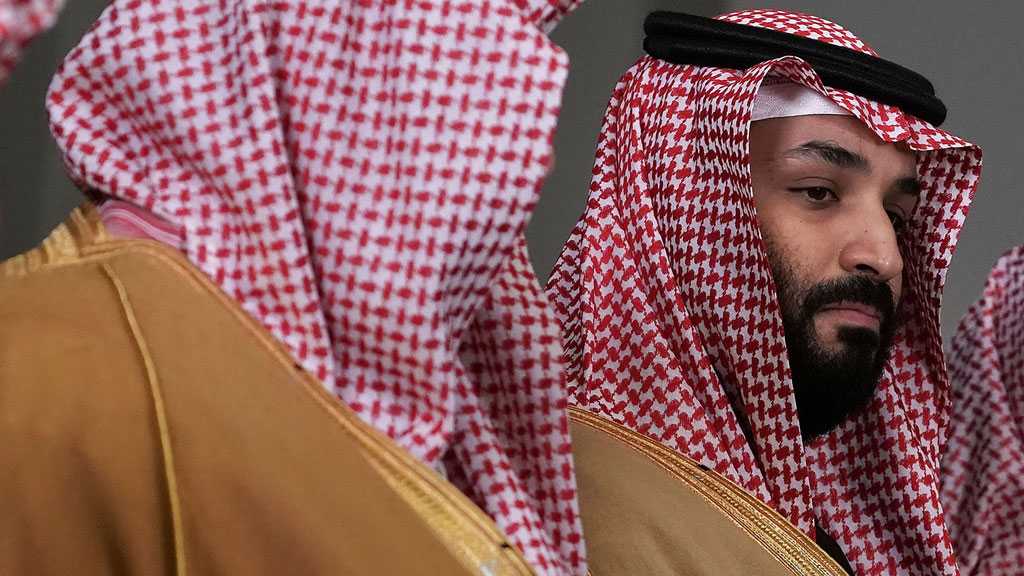
US Election: Mohammed Bin Salman Braces for The Loss of a Key Ally

US Election: Mohammed Bin Salman Braces for The Loss of a Key Ally

By Madawi Al-Rasheed – MEE

No doubt Saudi Crown Prince Mohammed bin Salman listened to US presidential candidate Joe Biden’s statement on the second anniversary of the murder of journalist Jamal Khashoggi with apprehension.

Biden’s statement this month was a strong condemnation of the murder by Saudi operatives of Khashoggi, who had been a US resident since 2017. Biden promised to withdraw US support for the war in Yemen launched by Saudi Arabia in 2015, and noted: “Today, I join many brave Saudi women and men, activists, journalists, and the international community in mourning Khashoggi’s death and echoing his call for people everywhere to exercise their universal rights in freedom.”

Such a statement by someone who may become the master of the White House has surely sent shock waves through Riyadh.

Shifting public opinion

In contrast, two years ago, US President Donald Trump uncritically adopted the Saudi narrative about the slain journalist as an “enemy of the state”. Trump shamelessly boasted about shielding the murderers, above all bin Salman, and protecting him from further denunciation by Congress. Trump sensed a major shift in public opinion, and above all in Congress, in favor of vigorous scrutiny of US authoritarian allies in the Middle East – above all, the Saudi regime.

Many Republican and Democratic congressmen condemned Saudi Arabia and its authoritarian ruler for committing crimes against their own citizens on foreign soil, and continuing a policy of zero tolerance towards activists and dissidents. Shielding bin Salman from further scrutiny and possible sanctions allowed the crown prince to enjoy two years of security and tranquility, which may not be readily available after 3 November, should Biden win the presidential election.

Yet, one must be cautious when anticipating great US policy shifts if a Democrat is elected to the White House. The previous record of Democratic leadership has been more in line with a long US tradition of supporting authoritarian proteges in the Middle East, above all in Saudi Arabia, despite being more likely to invoke US values and their contradiction with the realist policy of propping up the region’s dictators.

Barack Obama went further than any previous US president by withdrawing support for former Egyptian leader Hosni Mubarak, rather than openly and actively embracing the democratic forces that toppled him in 2011. By failing to unconditionally support a long-term US ally, Obama antagonized the Saudis, who interpreted his position on Egypt as abandoning a loyal partner.

The Saudis feared that the Arab uprisings would leave them exposed to serious political change, without the US superpower rushing to protect them against a dramatic fall. Saudi leaders knew they could not count on Obama to embrace them without demanding serious reforms. In a famous interview, Obama reminded Gulf leaders that their biggest problems were domestic and encouraged them to stop amplifying “external threats”, such as Iran’s regional influence, while silencing critical voices at home.

Sense of betrayal

The Saudi leadership was further annoyed by a historic deal between the US, several European countries and Iran, facilitated by Oman. The Saudis realized how far a US Democratic president could go towards marginalizing them, without openly denouncing their domestic and regional policies in the Middle East.   

That didn’t sit well with Saudi autocrats, who have always aimed to paint a picture of a kingdom besieged by hostile regional powers, while enjoying the bliss of harmony and the support of its domestic constituency. Obama publicly debunked this Saudi myth and negotiated with Iran, Saudi Arabia’s archenemy for decades.

The Saudis felt a sense of betrayal, which Trump quickly abated when he fully endorsed bin Salman – or, more accurately, the crown prince’s promises to invest in the US economy and to seriously consider normalizing relations with Israel, both high prices for US tolerance of bin Salman’s excesses at home and abroad.  

Should Biden win the US election, bin Salman will be on alert. Any word uttered by the White House that falls short of endorsing the young prince and reminding Congress of the centrality of the “historical partnership” between the US and Saudi Arabia will automatically be interpreted in Riyadh as a hostile stand.

Yet the rambling discourses of the Democrats about US values is no longer convincing, if not accompanied by real policy changes. Withdrawing support from autocrats is not enough. The region and its activists expect more than passive support from a country that boasts about its democracy and civil rights. They expect real and concrete measures that undermine the longevity of authoritarian rule, if the region and the rest of the world are to enjoy political change, economic prosperity and social harmony.

Loss of faith

The first step is to starve those autocrats of weapons used against their own people and their neighbors. Whether Democrats will reconsider the relentless US export of arms and training programs to Saudi Arabia and its neighbors remains to be seen. At the least, Biden could make the export of weapons to Saudi Arabia conditional on meeting international standards on human rights, and on serious political changes to allow Saudis to be represented in a national assembly. The Saudi people could do the rest.

Frankly, the Middle East, and for that matter the rest of the world, have lost faith in the US. Americans have yet to calculate the costs of having elected Trump and the ensuing reputational damage. Should they bring a Democrat to power next month, they will struggle to correct not only the short history of Trump’s failings, but also more than half a century of misguided US policy in the Middle East. 

From now until early November, bin Salman will no doubt have sleepless nights in anticipation of losing a good partner in Washington – one who allowed him to get away with murder.


River to Sea Uprooted Palestinian   
The views expressed in this article are the sole responsibility of the author and do not necessarily reflect those of the Blog!

Thursday, 8 October 2020

ألاعيب أبناء وأحفاد البنا!

د. محمد سيد أحمد

لم نكتب منذ فترة طويلة عن جماعة الإخوان المسلمين، على الرغم من أنّ غالبية مقالاتي منذ 25 يناير/ كانون الثاني 2011 وحتى 30 يونيو/ حزيران 2013 وما بعد ذلك بعام تقريباً لم تكن إلا عن الجماعة وخطورتها على المجتمع المصري، وكنت دائماً ما أحذر من ألاعيب أبناء وأحفاد البنا، وذلك من واقع خبرة علمية بفكر التنظيم وحركته التاريخية، واليوم أجد إلحاحاً من بعض الأصدقاء بضرورة العودة للكتابة مرة أخرى عن التنظيم وفكره وحركته بعد أن عاد للعمل من جديد ويحاول زعزعة الأمن والاستقرار بالداخل المصري، والقضاء على كلّ منجز تقوم به الدولة المصرية على طريق النهوض والتنمية، مستغلاً بعض الأخطاء من ناحية، وعدم القدرة على الفهم والتعامل مع ألاعيب الجماعة من ناحية أخرى.

ونعود إلى الخلف قليلاً ففي أعقاب 30 يونيو/ حزيران 2013 والإطاحة بالجماعة من سدة الحكم تحدّثنا عن الخيارات المتاحة أمام الجماعة باعتبارها إحدى القوى الاجتماعية والسياسية الفاعلة على الساحة المجتمعية المصرية – فهذه حقيقة علمية سواء قبلها البعض أو حاول إنكارها – ولعلّ محاولات إنكارها هي ما أوصلنا إلى هذه الحالة الراهنة التي كبرت فيها الجماعة وتوحّشت وكادت تبتلع الوطن بكامله، فأخطاء السلطة السياسية عبر ما يقرب من الخمسة عقود الماضية كانت سبباً في ما وصلنا إليه الآن من مواجهة شاملة مع هذه القوى الإرهابية، فعندما ظنّ الرئيس السادات أنه بإمكانه القيام بثورة مضادة لثورة 23 يوليو/ تموز 1952 يتخلّص على أثرها من خصومه السياسيين من الناصريين والشيوعيين فاستعان على الفور بخصمهم العنيد جماعة الإخوان المسلمين فأخرجهم من السجون والمعتقلات وأطلق سراحهم لمواجهة هؤلاء الخصوم، لكن هذه المواجهة انتهت باغتياله شخصياً بعد أن ظنّ أنهم فرغوا من مهمّتهم التي أوكلها لهم، ثم جاء الرئيس مبارك ليسير في نفس الطريق حيث قرّر منذ البداية استمالة الجماعة وعقد صفقات تحتية معها، تمكنت على أثرها من التغلغل داخل بنية المجتمع انتظاراً للفرصة التي تمكنها من الانقضاض على السلطة السياسية وانتزاعها، وساعدتها على ذلك سياسات مبارك المنسحبة من الأدوار الرئيسية للدولة وتخليها عن مسؤوليتها الاجتماعية والاقتصادية تجاه مواطنيها، مما خلق فراغاً تمكنت هذه الجماعة وحلفائها من ملئه خاصة في الأحياء والمناطق الأكثر فقراً في الريف والحضر.

وفي أعقاب الإطاحة بالجماعة من سدة الحكم طرحنا مجموعة من الخيارات المتاحة أمامها، من خلال قراءة علمية نقدية في أدبيات الجماعة الفكرية، وحركتها التنظيمية، وتجاربها التاريخية داخل المجتمع المصري، وتوصلنا إلى ثلاثة خيارات متاحة أمامها في اللحظة الراهنة وهي:

1

ـ إلى الأمام، والاعتذار عن الفشل وإعادة النظر في تجربتها والاندماج مرة أخرى في المجتمع بعد مصالحة يتمّ على أثرها معاقبة من أخطأ.

2

ـ إلى الخلف، وخوض مواجهة مفتوحة مع الجميع المجتمع والدولة والسلطة السياسية، وهذا خيار اللاعودة، فإما الانتصار باستخدام الإرهاب على الشعب والحكومة والدولة، أو الانتحار.

3

ـ في المكان، واتّباع مبدأ التقية والعودة مرة أخرى لعقد صفقات وتحالفات مرحلية ومؤقتة مع السلطة السياسية، كما كان يحدث في الماضي، وهي لعبة تجيدها الجماعة تاريخياً، بل هي جزء من عقيدتها حيث اتقاء شرّ السلطة السياسية حين تكون الجماعة في مرحلة استضعاف، وهو ما تمّ على مدار حكم مبارك، ثمّ انتهاز الفرصة للانقضاض عليه والإطاحة به والجلوس محله، وهي المرحلة التي تعرف بمرحلة الاستقواء والتمكين.

وكنا قد أكدنا أنّ كلّ الشواهد والأدلة والبراهين تشير إلى أنّ الجماعة تسير بالفعل في اتجاه اللاعودة أيّ الخيار الثاني إلى الخلف، فالجماعة قد حسمت أمرها وقرّرت خوض معركة إلى الخلف للنهاية، وذلك من خلال تحالفها مع باقي الجماعات الإرهابية التي خرجت من تحت عباءتها والتي تطلق على نفسها مسمّيات مختلفة – سلفية وجهادية وغيرها – حيث أعلنوا النزول ضدّ الشعب والدولة والسلطة السياسية في مواجهة شاملة سيقومون من خلالها باستدعاء كلّ الحيل التاريخية لقوى الإسلام السياسي التي استخدمت من أجل الوصول إلى السلطة والسيطرة على مقاليد الحكم باسم الله والدين، والله والدين منهم براء، لكن الجديد في الأمر هو استخدام الجماعة وأعوانها حيل جديدة حيث استخدمت المنصات الإعلامية في الخارج سواء في تركيا أو قطر، وشكلت كتائب إلكترونية على مواقع التواصل الاجتماعي تعمل على مدار الساعة لنشر الفتن والأكاذيب وتضخيم الأحداث الصغيرة، والدعوة الدائمة للخروج والتظاهر مستغلين بعض السياسات غير الرشيدة من السلطة السياسية سواء على المستوى الاجتماعي أو الاقتصادي أو السياسي.

لذلك يجب أن يعي الشعب المصري والسلطة السياسية معا أنّ المعركة الراهنة، هي الخيار الأخير أمام هذه الجماعة الإرهابية، وعلى الجميع أن يتوحّد تحت مظلة الوطن فالمعركة لا يمكن أن تحسم من خلال الأجهزة الأمنية فقط – جيش وشرطة – وإنما تحتاج لدعم شعبي ومواجهة مجتمعية شاملة على كافة المستويات الاجتماعية والاقتصادية والسياسية والثقافية والدينية والإعلامية، وليدرك الجميع أنّ هذه المعركة ستطول ولن تحسم في المنظور القريب، وما المعركة الدائرة اليوم من خلال تحريض المواطنين الغاضبين من بعض السياسات الاجتماعية والاقتصادية والسياسية إلا جولة من جولات الصراع بين الوطن وأعداء الوطن، لذلك لا بدّ أن تتحرك السلطة السياسية لنزع فتيل الغضب بمجموعة من السياسات المنحازة للفقراء والكادحين والمهمّشين، وإحداث إصلاح سياسي حقيقي ووقف العبث الذي تمّ في انتخابات مجلس الشيوخ، والذي يتمّ في انتخابات مجلس النواب، خاصة أنّ أبناء وأحفاد البنا ما زالوا يتلاعبون بالعقول وينفخون في النار، اللهم بلغت اللهم فاشهد.

River to Sea Uprooted Palestinian   
The views expressed in this article are the sole responsibility of the author and do not necessarily reflect those of the Blog!

Sunday, 7 October 2018

Kerry Reveals Egyptian, Saudi Ex-Leaders Pushed US to Attack Iran


Image result for mubarak and king abdullah

Kerry Reveals Egyptian, Saudi Ex-Leaders Pushed US to Attack Iran

October 6, 2018US Secretary of State John Kerry
Former US Secretary of State John Kerry expressed alarm over a possible war with Iran following the US’s exit from the 2015 nuclear deal with Tehran, formally known as the Joint Comprehensive Plan of Action (JCPOA).
By pulling out of the deal, US President Donald Trump has “made it more likely that there will be conflict in the region because there are people there who would love to have the United States of America bomb Iran,” Kerry emphasized in an address to the Council on Foreign Relations on Friday.
He also revealed that both Saudi Arabia’s late King Abdullah and Egypt’s ousted president Hosni Mubarak told him that the US should attack Iran.
According to Kerry, Israeli Prime Minister Benjamin Netanyahu also urged then-US President Barack Obama to give the go-ahead for bombing Iran’s nuclear facilities.
Earlier, the former US Secretary of State warned that Washington’s withdrawal from the Iran nuclear deal may undermine his country’s security and isolate the US from its European allies.
Last month, Kerry berated Trump for having described the JCPOA as the “worst deal ever”, adding that the US President tries to “make things up” on Iran.
He rejected Trump’s allegations that the JCPOA was ostensibly weak and harmful to the US as false, adding that they could disrupt “the possibilities of international nuclear policy.”
“Just saying that doesn’t make it that. This is the toughest agreement in terms of inspection, accountability — no country has had to do what Iran did in order to live up to this. But to just walk away?” Kerry said.
Source: Agencies

River to Sea Uprooted Palestinian   
The views expressed in this article are the sole responsibility of the author and do not necessarily reflect those of the Blog!

Wednesday, 21 February 2018

Why Gazan’s Troppled Mubarak’s Wall Late Jan 2008???


Finally Anis Naqash revealed the secret  behind  breaking Gaza Wall Mubarak’s Egypt
Image result for Anis Naqash
The goal was not to break the siege to get their needs from the other side
What was the goal?
Upon the advise of Hezbollah’s Great Leader Martyr Imad Mughniyeh, under the cover of Tens of thousands Gazans mobilized by Hamas to crossed the borders, Hamas moved  thousands of Syrian and Iranian missiles hidden behind  the wall.
“It is your golden opportunity” Mughniyeh told Hamas.
Listen to Anis 23:30 in the following Video


السيد حسن نصرالله (يسأل خالد مشعل) من ارسل الصواريخ الى غزة؟

نصر الله يوجه رسالة لحماس حول سوريا

2:40
2:00

 A new Surprise, Another slap on Pharoah’s Face: Gazan’s Cut through the Wall of Shame

PUMPED: Posted late Jan 2008

Image: Palestinians cross the Rafah border into Egypt.
Some 80% of imports into Gaza come through the tunnels, the UN says
By Jon Donnison
BBC News, Gaza

“Every problem has a solution. The Egyptian steel barrier was a problem but we found a solution,” says Mohammed, a grimy-faced Gazan tunnel digger who didn’t want to give his real name.
Mohammed, covered in dust and dirt, is in the process of digging a 750m (2,460ft) smuggling tunnel from Gaza into Egypt. He says he’s been digging it for 18 months.
As he hauls up a plastic container of sand with an electric winch from the metre-wide tunnel shaft, he says the new underground Egyptian barrier aimed at stopping smuggling is a “joke.”
“We just cut through it using high-powered oxygen fuelled blow torches,” he says.
The Egyptian government says it began constructing the barrier along the Gaza-Egypt border last year. When finished it is meant to be 11km-long (seven miles), stretching down 18m (59ft) underground.
According to Egypt it is made of bomb-proof, super-strength steel and is costing millions of dollars to build.
‘Embarrassing’
Mohammed smiles when he hears this.
“We pay around a $1,000 (£665) for a man with an oxygen-fuelled cutter to come and break through it. It takes up to three weeks to cut through but we get there in the end,” he says.
 If they [Egypt] opened the border, we wouldn’t need to dig tunnels. But until they do, we’ll keep digging, whatever they do to try and stop us
Mohammed, tunnel digger
Mohammed says the steel barrier is 5-10cm (2-4in) thick.
The BBC spoke to one man in Gaza employed to cut through the barrier. He said he could cut a metre-square hole through it in less than a day.
This news will be embarrassing for Egypt’s government.
Encouraged by the United States which gives millions of dollars in military aid to Egypt every year, it says it is trying to crack down on smuggling into Gaza.
The BBC asked the Egyptian government to comment on the fact that Gazans were already cutting through the barrier. The government has not yet responded.
Sheep and shampoo
The Palestinian territory has been under a tightened Israeli and Egyptian economic blockade since 2007 when the Hamas Islamist movement took over the territory.
The blockade was enforced to put pressure on Hamas and to stop weapons being smuggled in.
Lorries wait to load goods from the tent-covered smuggling tunnels in Rafah. Photo: April 2010
Little attempt is made to keep the tunnels secret
Egypt’s secular government is opposed to Hamas, which has historical ties to the Muslim Brotherhood, the main opposition movement in Egypt which is illegal but largely tolerated.
Many Gazans are angry with the Egyptian government, which – they say – is increasing their suffering.
The blockade has meant that Gaza is to a great extent dependent on the smuggling tunnels from Egypt. Millions of dollars worth of goods are smuggled in every month.
Everything from fridges to fans, sheep to shampoo comes through the tunnels. The BBC even obtained video footage this year of whole brand-new cars being dragged through tunnels from Egypt.
The UN estimates that as much as 80% of imports into Gaza come through the tunnels.
Big business
The tunnels are not at all hard to find. In the southern Gazan town of Rafah, right on the border, there are lines of them covered by white tents.
map
<>Little attempt is made to keep them secret. They are surrounded by huge mounds of sandy earth which have been dug out of the ground.
The air is thick with diesel fuel from the trucks that transport the goods across the Gaza strip.
The openness of the smuggling operation suggests that if Israel and Egypt really wanted to stop the tunnels they could easily do so.
Israel has at times bombed some of the tunnels, but has stopped short of totally shutting them down.
Aid agencies in Gaza say that if Israel or Egypt really forced the smuggling to stop, it would lead to an even more desperate humanitarian situation in Gaza which would be damaging to Israel’s and Egypt’s international reputations.
Diplomats in the region also believe that so much money is being made in Egypt from the trade through the tunnels that much of the smuggling is likely to continue.
But the head of operations in Gaza for the UN relief agency Unrwa, John Ging, says that ordinary people in Gaza are losing out.
“Everything is expensive because people are hostage to the dynamics of a black market.”
Mr Ging stressed that it was the Israeli-Egyptian blockade that was allowing that black market to thrive.
The UN does not use illegal goods and building materials smuggled in through from Egypt.
If the blockade remains in place it seems the tunnel industry will continue to thrive, underground steel barrier or not.
“If they opened the border, we wouldn’t need to dig tunnels,” says Mohammed peering into the shaft of his tunnel in Rafah. “But until they do, we’ll keep digging, whatever they do to try and stop us.”
“Every problem has a solution,” he smiles.

في مفاجأة من العيار الثقيل.. فلسطينيو غزة ينجحون في اختراق الجدار الفولاذي


عواصم: فجر حفارو الانفاق الغزاويين مفاجاة من العيار الثقيل، بكشفهم أنهم قد تمكنوا
من اختراق ما يعتقد انه الجدار الفولاذي المقاوم للقنابل الذي قيل ان السلطات المصرية مبنته للحد من عمليات التهريب على الحدود المصرية مع قطاع غزة.
وكانت السلطات المصرية قد بدأت العام الماضي في بناء جدار حاجز تحت الارض لمنع التهريب والتجارة غير الشرعية ببضائع تقدر بملايين الدولارات تدخل الى الاراضي الفلسطينية عبر الحدود المصرية مع قطاع غزة.
  ونقلت هيئة الاذاعة البريطانية “بي بي سيعن أحد حفارى الأنفاق فى قطاع غزة قوله: “أن لكل مشكلة حلا”، واضاف إن الغزاويين يستخدمون آلات (مشاعل) حرارية فائقة القوة لإحداث ثقوب فى الجدار الفولاذى، بينما قال آخر: “إن اختراق الجدار يمكن أن يستغرق ثلاثة أسابيع من العمل غير أنهم نجحوا فى ذلك فى نهاية المطاف”.
وزعمت الهيئة ان هذه أنباء محرجة للحكومة المصرية التى انفقت ملايين الدولارات لبناء هذا الحاجز وكانت قد قالت أخيرا إن العمل بالجدار الممتد لأحد عشر كيلومتر وبعمق نحو عشرين مترا تحت الأرض قد شارف على الانتهاء، وقالت الحكومة المصرية إنه مصنوع على ما يبدو من فولاذ فائق القوة لا يمكن اختراقه.
وتمثل عمليات تهريب البضائع عبر الأنفاق من مصر إلى قطاع غزة تجارة كبيرة تقدر بملايين الدولارات.. ومن بين تلك البضائع السيارات الجديدة التى يجرى تهريبها كل شهر.
وازدهرت تلك التجارة بعد فرض سلطات الاحتلال الاسرائيلي حصارها الاقتصادي على قطاع غزة، في محاولة للضغط على حركة حماس التي تتولى ادارة القطاع .
كانت تقارير صحفية كشفت في وقت سابق أن السلطات المصرية رفعت من وتيرة العمل في بناء “الجدار الفولاذي” على الحدود مع قطاع غزة لمنع عمليات التهريب عبر الأنفاق الأرضية ، حيث اقتربت أعمال البناء من منطقة صلاح الدين ذات الكثافة السكانية العالية والتي خضعت لعمليات مسح سكاني وحصر للمباني ، تمهيدا لإجلاء الأهالي من المساكن المتاخمة للشريط الحدودي وتعويضهم بأراضي بديلة .
ونقلت صحيفة “الشروق” المصرية المستقلة عن مصادر مطلعة القول إن الشركة المنفذة لأعمال الجدار أوشكت علي الانتهاء من عمليات حفر الخنادق وتثبيت الألواح الحديدية علي أعماق كبيرة ، كما تواصل 6 معدات عملاقة عمليات الحفر ويتواصل تدفق الستائر الحديدية علي مواقع العمل.
وأضافت المصادر ذاتها ” منازل منطقة صلاح الدين معرضة للخطر بسبب كثرة الأنفاق والتي تنذر بالانهيار في أي لحظة وهو ما يتطلب إعادة تخطيط المنطقة بالكامل”.
يذكر أن إسرائيل تمارس ضغوطا كبيرة على مصر منذ فترة طويلة لكي تتصدي للتهريب عبر هذه الانفاق تحت الأرض بين غزة وسيناء المصرية.وتقول ان الفلسطينيين يستخدمونها لتهريب الاسلحة والذخيرة الى جانب السلع التجارية التي يتم تهريبها الى غزة.
وكان ناشطون مصريون قد رفعوا دعوى على الدولة المصرية بسبب قرارها بناء الجدار على حدودها مع قطاع قائلين بأنه ينتهك التزامات مصر إزاء جيرانها العرب. وحدد القضاء الإداري المصري موعد جلسة النطق بالحكم في دعوى وقف بناء الجدار الفولاذي بين مصر وقطاع غزة يوم 29 يونيو/يونيو المقبل.
“جدار الموت”
 كان الكشف عن بناء السلطات المصرية لحدار حديدي على حدودها مع قطاع غزة قد أثار جدلا واسعا حيث اعتبره فلسطينيو غزة تديدا جديا لحصارهم المستمر منذ منتصف يونيو/حزيران عام 2007، بينما اعتبر مسئولون مصريون أن من حق بلادهم الحفاظ على أمنها ولديها مطلق الحرية في أن تفعل داخل أراضيها ما يؤمن سلامتها، ولا يمكن أن يزعم ولا يحق لعربي مهما كان، وباسم أي قضية مهما كانت أن يقول لمصر افعلي هذا أو لا تفعلي ذاك على أراضيك.
كانت تقارير صحفية ذكرت في وقت سابق أن مصر بدأت مؤخرا بناء جدار فولاذي بعمق من 20 إلى 30 مترا تحت الأرض، بطول عشرة كيلومترات تمثل الحدود مع غزة، في محاولة للقضاء على ظاهرة الأنفاق التي تُستخدم في تهريب البضائع من سيناء إلى القطاع المحاصَر.
وأدى الكشف عن بناء الجدار الفولاذي والذي وصفه الفلسطينيون بـ “جدار الموت”، إلى تصاعد ردود الأفعال العربية والدولية المنددة بالخطوة التي اتخذتها القيادة المصرية، وتمحورت ردود الأفعال حول استنكار هذه الخطوة التي اعتبر عددٌ كبيرٌ من المتابعين والمحللين أنها تأتي كخطوةٍ إضافيةٍ تهدف إلى تشديد الحصار على أكثر من مليون ونصف المليون فلسطيني مُحاصَرين في قطاع غزة منذ أكثر من ثلاثة أعوام متواصلة.
وفيما يخص مواصفات الجدار، ذكر موقع “الشبكة الفلسطينية الإخبارية” على الإنترنت، نقلا عن مصادر وصفها بالموثوقة، أن آلية للحفر يتراوح طولها بين 7 إلى 8 أمتار تقوم بعمل ثقوب فى الأرض بشكل لولبى، ومن ثم تقوم رافعة بإنزال ماسورة مثقبة باتجاه الجانب الفلسطينى بعمق ما بين 20 و30 متر.
وأضافت الشبكة فى تقرير مرفق برسم كروكى لقطاع من الجدار، أن العمل على الآليات الموجودة هناك يتولاه عمال مصريون فى أغلبهم يتبعون شركة “عثمان أحمد عثمان”، بالإضافة إلى وجود أجانب بسيارات جى أم سى فى المكان.
ووفقا للمصادر فإن ماسورة رئيسية ضخمة تمتد من البحر غربا بطول 10 كيلومترات باتجاه الشرق يتفرع منها مواسير فى باطن الأرض مثقبة باتجاه الجانب الفلسطينى من الحدود يفصل بين الماسورة والأخرى 30 أو 40 متر.
وأوضحت أنه سيتم ضخ المياه فى الماسورة الرئيسية من البحر مباشرة، ومن ثم إلى المواسير الفرعية فى باطن الأرض، مضيفة أنه بما أن المواسير مثقبة باتجاه الجانب الفلسطينى فإن المطلوب من هذه المواسير الفرعية هو إحداث تصدعات وانهيارات تؤثر على عمل الأنفاق على طول الحدود من خلال تسريب المياه.
ولفتت إلى أنه خلف شبكة المواسير هذه يتمدد فى باطن الأرض جدران فولاذية بعمق يتراوح بين 30ــ35 متر فى باطن الأرض، وعلاوة على وظيفة هذا الجدار المصمم لكبح جماح الأنفاق إلى جانب أنابيب المياه، فإنه يحافظ على تماسك التربة على الجانب المصرى، فى حين تكون الأضرار البيئية والانهيارات فى الجانب الفلسطينى، على حد قول هذه المصادر.
وكان وزير الخارجية المصري أحمد أبو الغيط، قد أكد في تصريحات سابقة له “أن مصر ليست علي استعداد لأن تتوقف عن حماية شعبها وحدودها، وأن أحداً لا يمكنه أن يدفع بلاده لأن تخشي أمراً يحمي أمنها القومي،
مشيرا إلى أن الأهداف التي دعت مصر إلي إنشاء الجدار المصري هي تحطيم جدار مماثل كانت مصر قد أقامته منذ سنوات علي حدودها مع إسرائيل عندما كانت تحتل قطاع غزة،
وأن فلسطينيين قاموا بتحطيمه في يناير 2008 وهو ما دفع مصر إلي إعادة إنشائه حماية للأراضي المصرية من الاعتداء عليها ومنع من وصفهم بـ «هؤلاء الذين يقتحمون ويتسربون إلي الأراضي المصرية”.
 إلا أن مصادر أمنية مصرية أكدت أن قيام القاهرة بعمليات إحكام الحدود مع قطاع غزة فى الوقت الحالى عبر بناء سياج حدودى تقنى محكم جاء لدواعى السيادة والأمن القومى المصرى، ولا يعنى أبدا تشديد الحصار على قطاع غزة مشيرا إلى أن معبر رفح يظل مفتوحا معظم الوقت.
وقالت المصادر إن تهريب السلاح عبر الأنفاق “هو اعتداء مباشر على سيادة الدولة المصرية وشرعيتها كدولة، ولا يمكن السماح باستمراره عبر شبكة الأنفاق المنتشرة على تلك الحدود”، مضيفا أن من يستخدم الأنفاق لتهريب السلاح من سيناء فى اتجاه الجانب الآخر يمكنه استخدامها للتهريب فى الاتجاه المعاكس ليس فقط لتهريب السلاح ولكن المخدرات والأفراد أيضا.
وشددت المصادر على أنه “من حق مصر أن تهتم بسيادتها على حدودها وأن تطور الجدار الفاصل بينها وبين قطاع غزة ومن حقها أن يكون الجدار قويا لا تسقطه بلدوزات تحركها قلة غير مسئولة على الجانب الآخر من الحدود كما حدث فى يناير 2008 ويكون نقطة ضعف يستخدمها أعداء السلام”.

River to Sea Uprooted Palestinian   
The views expressed in this article are the sole responsibility of the author and do not necessarily reflect those of the Blog!

Friday, 30 June 2017

Who Killed theTunisian singer Thekra?

Who dare to Say مين يجرا يقول

Her Last Song Tells

Singer killed because she made a song against Saudi Arabia kingdom and the political system in KSA

Thikra’s family accuses Jamal Mubarak of her murder

Family of the late Tunisian singer Thikra has exploded a bomb stating that they possess solid evidence proving that Jamal Mubarak, son of ousted Egyptian President Husni Mubarak, is involved in her murder.
Tawfiq Al Dali, Thikra’s brother, has made a call out to all those that have any information about Thikra’s murder to come forward. Forensic reports have shown that Ayman Al Suwaidi, Thikra’s husband and who is accused of killing her while being intoxicated, suffers from stomach problems and therefore was not drunk during the time the murder happened.
Thikra’s family doubts her husband shot her and then committed suicide, but rather strongly believes Jamal Mubarak had a strong hand in the murder of both. The family assured that it holds vital evidence that the former overthrown Tunisian and Egyptian governments fabricated evidence and placed the blame on her husband.
It is said that there was a relationship between Thikra and Jamal. Thikra’s family has called on all members of the press and lawyers from Tunisia and Egypt to help in uncovering all the fact. In addition, Thikra’s family has released phone numbers, emails, and created a page on the social network Facebook for people with information to contact them.
Related Videos

River to Sea Uprooted Palestinian   
The views expressed in this article are the sole responsibility of the author and do not necessarily reflect those of the Blog!

Tuesday, 26 May 2015

Five Eyes and Color Revolutions

Wayne MADSEN | 26.05.2015 | 00:00

A recent release of Edward Snowden-provided classified PowerPoint presentation from the National Security Agency (NSA) provides a rather detailed description of how the FIVE EYES signals intelligence alliance of the United States, Britain, Canada, Australia, and New Zealand has conspired with the promoters of social media-based revolutions, such as the «Arab Spring», to bring about the collapse of democratically-elected or otherwise stable governments. However, the PowerPoint slides were partially redacted in key areas by the dubious censors of First Look Media, financed by e-Bay founder and multi-billionaire Pierre Omidyar.


The PowerPoint slides illustrate how, in November 2011, the NSA; Canada’s Communications Security Establishment (CSE), now Communications Security Establishment Canada (CSEC), the Defense Signals Directorate (DSD) of Australia, now the Australian Signals Directorate (ASD); New Zealand’s Government Communications Security Bureau (GCSB); and Britain’s Government Communications Headquarters (GCHQ) developed a method for not only monitoring but taking control of cell phone and social media networks used for socio-political uprisings. The program, known as «Synergizing Network Analysis Tradecraft», was developed by the FIVE EYES’s Network Tradecraft Advancement Team or «NTAT».

The efforts of the NTAT were directed against single devices where «voice and data services interact». These devices include smart phones and other portable data and voice devices. By November 2011, the Arab Spring uprisings were in full swing, with the governments of Tunisia’s Zine El Abidine Ben Ali, Egypt’s Hosni Mubarak, and Libya’s Muammar Qaddafi having been overthrown, and anti-government rioting breaking out in Syria, Yemen, Oman, and Morocco. The FIVE EYES met in a workshop to discuss how a classified operation code-named IRRITANT HORN could be used in future «Arab Springs», only in «different countries». The signals intelligence experts formulated plans to use the lessons learned in the Arab Spring to target servers in «non-5 Eyes countries» for such exploitation as «man-in-the-middle» or MITM operations and the «harvesting» of data «at rest» and «in transit». A related mobile network exploitation operation was code-named CRAFTY SHACK.

The slides show that among the countries where mobile application servers were targeted by the FIVE EYES were France, Cuba, Senegal, Morocco, Switzerland, Bahamas, and Russia. The information targeted by the Western signals intelligence partners included «geolocation and network ownership information for each IP address» that consisted of «network owner name, carrier name, ASN (advanced service network), continent, country, region, city, latitude and longitude, and any other related details». Not of interest to FIVE EYES were such applications as Google, mobile banking, and iTunes.

It is noteworthy that according to one TOP SECRET/SI [Special Intelligence] PowerPoint slide, a FIVE EYES system code-named EONBLUE was used to target Blackberry users in Saudi Arabia. Out of all the countries where Arab Spring demonstrations began, it was Saudi Arabia that acted swiftly to put down its street protests by brutal force. The FIVE EYES interest in Saudi Arabia mobile communications during the IRRITANT HORN operations may indicate that there was a dual purpose to such surveillance. NSA and its partners, in an act of «offensive information warfare», may have steered protesters in Egypt, Libya, Syria, and other countries to anti-government uprisings through MITM operations while tipping off the authorities in Saudi Arabia about plans to stage anti-government demonstrations in that country.

Another FIVE EYES operation targeted Samsung, Nokia, and other mobile telecommunications users of the Warid-Congo mobile network in the Republic of Congo. CSE boasted in one PowerPoint slide that it had «a list of the most popular smartphones for Warid Congo customers and their international mobile subscriber identity (IMSI) numbers». IMSIs are assigned to every GSM user. Warid, which is owned by Sheikh Nahayan bin Mubarak Al Nahayan, the Minister of Culture, Youth, and Social Development of the United Arab Emirates and which is based in Abu Dhabi, also provides mobile services in Uganda, the Republic of Georgia, Ivory Coast, and Pakistan. 

The interest of the FIVE EYES in fomenting a social media-based uprising in the Republic of Congo is interesting. The country has been led since 1997 by the authoritarian president Denis Sassou-Nguesso who is considered firmly in the pro-French camp. The Congo Republic is a major oil-producer in the region and the Anglophone FIVE EYES alliance would certainly be interested in replacing the authoritarian president with one more aligned with the United States and Britain. The targeting of Congo provides more proof that the NSA military and civilian analysts, who spend long hours on watch, are devoting themselves and their careers more to the bottom lines of U.S. and British oil companies than to U.S. national security.

Just four months after the FIVE EYES meeting of the NTAT, a partly-social media mass protest did break out in the Talangai district of Brazzaville, the Congolese capital. A March 26, 2012 dispatch from the U.S. embassy in Brazzaville stated: «Protestors are discontent with the Government of the Republic of the Congo’s handling of indemnity payments to people who lost their homes in the March 4 explosions at the Regiment Blinde munitions depot. Embassy sources reported hearing gun shots at the site of the protest on Marien Ngouabi Avenue, near the Talangai Market. The protesters are expected to march to the Presidential Palace. U.S. citizens are advised to avoid the Talangai district and the area surrounding the Presidential Palace throughout the day». The embassy appeared to know the plans of the protesters, possibly with the help of intelligence provided by both IRRITANT HORN and CRAFTY SHACK. 

In January 2012, just two months after the NTAT meeting, anti-government protests broke out in Senegal, another country targeted by IRRITANT HORN/CRAFTY SHACK, after President Abdoulaye Wade, a supporter Muammar Qaddafi’s «United States of Africa», announced he would run for a third term. The then-State Department spokesperson, Victoria Nuland of «Euromaidan» infamy, urged the 85-year old Wade to pass power to «the next generation». Wade was defeated for re-election the month after the outbreak of violent riots in Dakar, the Senegalese capital. Soros’s OSI and the International Crisis Group, which is also heavily-bankrolled by Soros, provided significant support to both the Brazzaville and Dakar protests.

The PowerPoint slides also describe how a Chinese mobile web browser was discovered by a GCHQ analyst to «leak» IMSI; MSISDNs (Mobile Station International Subscriber Directory Numbers) that are linked to SIM cards; International Mobile Station Equipment Identities (IMEIs) unique to every mobile device and used for, among other things, tracking stolen or «jail broken» phones; and other device-specific information. 

Although partially redacted, the latest disclosure of NSA material confirms the nexus between FIVE EYES signals intelligence surveillance and active measures in support of the overthrow of governments in the Middle East and elsewhere. The information verifies a convergence between the «color revolution» activities of George Soros’s Open Society Institute (OSI) network and the U.S. National Endowment for Democracy (NED) and the surveillance activities of the FIVE EYES partners. 

There is also an obvious correlation between the U.S. Agency for International Development’s (USAID’s) «fake Twitter» operation in Cuba, known as «Zun Zuneo», and IRRITANT HORN. Zun Zuneo or «Proyecto ZZ», was aimed at forming «smart mobs» across Cuba to protest against the Cuban government and seek its overthrow in a «Cuban Spring». It is important to note that IRRITANT HORN targeted Cuba in its mobile and social media surveillance and MITM operations.

Zun Zuneo used two contractors in Costa Rica, Contractor Creative Associates International and Mobile Accord of Denver. The firms obtained 400,000 CubaCel mobile telephone numbers, which now appears to have come the FIVE EYES’s IRRITANT HORN program, and began sending Cubans Twitter-like text messages, purportedly originating in Spain. Zun Zuneo also involved a front company in the Cayman Islands, MovilChat, which used a Cayman Islands bank account to covertly fund the Zun Zuneo caper. USAID funding for Zun Zuneo was secretly diverted from an unknown USAID project in Pakistan. The bank account used by USAID and MovilChat was maintained at the Cayman Islands branch of the Bermuda-based Bank of N.T. Butterfield & Son Ltd. The Carlyle Group, along with the Canadian Imperial Bank of Commerce (CIBC), are significant shareholders of the bank.

USAID has used technology similar to Zun Zuneo to mobilize «smart mobs» in Moldova, the Philippines, and Ukraine. The May 1, 2014, anti-government mass protests in Cambodia also appears to have been prompted by a USAID/CIA «smart mob» Twitter-like operation. By honing their «network tradecraft» in the Arab countries and Cuba, the FIVE EYES were well-prepared to support the Maidan Square uprising in Kiev in early 2014. The IRRITANT HORN project reveals that there is not much space between the operations of Soros’s and Nuland’s «democracy manipulators» and the social media surveillance eavesdroppers of the FIVE EYES alliance.

River to Sea Uprooted Palestinian   
The views expressed in this article are the sole responsibility of the author and do not necessarily reflect those of the Blog!

Tuesday, 10 February 2015

Is History Repeating Itself in Egypt?

A handout picture released on February 1, 2015, by Egypt's Middle East News Agency (MENA) shows Egyptian President Abdel Fattah al-Sisi delivering a speech during a meeting with security forces commanders, representatives of political parties and other public figures in the capital Cairo. AFP/MENA
Published Tuesday, February 10, 2015
Is history repeating itself in Egypt today, or are the same mistakes being committed again? About four years ago, the opposition called for boycotting the second round of elections, because candidates of the now-dissolved National Democratic Party (NDP) won a suspicious landslide victory, gaining 95 percent of parliamentary seats, even in districts where NDP candidates had lost popular support to candidates from the opposition and independent parties.
Cairo — This scenario repeated itself yesterday as nominations began. The Supreme Committee for Election opened up to nominations for parliamentary elections (a 10-day process), and one Ahmed Ezz — “one of the main reasons for the January Revolution” — submitted his application through his lawyer.
The call for boycott came even before the first round this time, as many suspect that the expected outcome of this election may resemble the previous one.
The fraud witnessed during the 2010 election was committed and overseen by the same Ahmed Ezz, the NDP’s secretary-general at the time, from an operations room in the party headquarters near Tahrir Square and Abdel Munim Riad Square. The boycott of the second round of elections revealed the fragility of Hosni Mubarak’s regime, which had ruled the country for 30 years. In those days, a number of opposition parties, including the Wafd Party and the currently banned Muslim Brotherhood, led the boycott . The most important result of the boycott, the January 25 Revolution, followed a few months after, in 2011.
The Constitution Party established by Mohammed al-Baradei recently joined the list of parties boycotting the 2015 elections, which includes the Egyptian Popular Current (headed by former 2014 presidential candidate Hamdeen Sabahi), The Socialist People’s Alliance Party and the Strong Egypt Party (headed by former 2012 presidential candidate Abdel Moneim Aboul Fotouh). The reason for the boycott, according to these parties, is the government’s rejection of their repeated demand to amend the electoral law in order to “build a political system based on a multi-party system and transfer of power.”
Amr Badr, a member of the Socialist People’s Alliance Party and a boycott supporter, said “boycotting is the solution, it is the best option in light of a regime that does not believe in the political parties that are counting on the January 25 Revolution.” Badr believes the “revolutionary wave” is coming, but he cannot predict its timing: “The make-up of the next parliament (if the elections are held in this manner) will inflame public sentiments as the political and economic oligarchs — who corrupted Egypt’s political life and against whom the revolution erupted in the first place — return.”

[T]he election will “expose the nature of the regime and will determine if it is an extension of the Mubarak regime or if there is some kind of change.” — Hassan Nafaa, political science professor

The Constitution Party, which joined the boycott recently, justified its decision saying: “The current political climate does not encourage political parties to participate in public life. There is a strong tendency to narrow and confine the political sphere to people with special interests, influence and money, in addition to ongoing severe human rights violations.”
Ezz running in the elections suggests that the same scenario may be crudely repeated. And he wasn’t the only symbol of the Mubarak regime — imprisoned after the January 25 Revolution only to be later acquitted — to be involved in the nomination process. The list of candidates (until the deadline for submitting papers to the relevant courts) is headed by Ahmed Ezz and his wife Shahinaz al-Najjar; but also Hussein Megawer, president of the Egyptian Trade Union Federation under Mubarak; another NDP figure named Ragab Hilal Hamida; and also Hani Sorour who was accused of supplying tainted blood bags [to Egyptian hospitals] but acquitted after several years of adjudication.
Hassan Nafaa, a political science professor, commented on the current electoral scene saying the revolution continues and it is taking different forms. He believes the election will “expose the nature of the regime and will determine if it is an extension of the Mubarak regime or if there is some kind of change.”
Nafaa however argues that “the revolution will not be like the one in 2011, especially now that Egypt is entering a period that resembles the Mubarak era in terms of the behavior of security agencies as they tighten their control over events, the return of the network of economic and political interests through parliament, and the strengthening of the military institution, through the presidency of former Secretary of Defense Abdel Fattah al-Sisi.” He adds: “Liberal forces have begun to realize that the current regime is not their regime... The power of the ruling regime will be determined in the next six months and in light of its confrontation with the Muslim Brotherhood.”
This article is an edited translation from the Arabic Edition.
Related
River to Sea Uprooted Palestinian   
The views expressed in this article are the sole responsibility of the author and do not necessarily reflect those of the Blog!