Uprooted Palestinians are at the heart of the conflict in the M.E Palestinians uprooted by force of arms. Yet faced immense difficulties have survived, kept alive their history and culture, passed keys of family homes in occupied Palestine from one generation to the next.
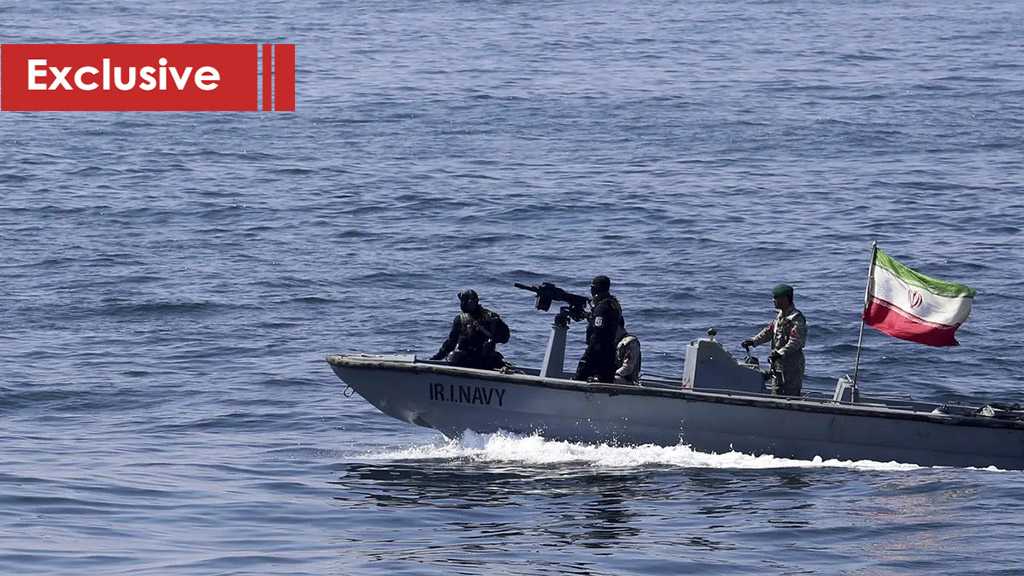
Beirut – The US military navy force has been dealt a devastating blow to its moral by the Iranian revolutionary guards.
A week ago, the Gulf has witnessed a very significant event when the US military carried an action of aggression and piracy attempting to take over an Iranian shipment of oil heading towards Venezuela.
The Iranian revolutionary guards were there to respond quickly and they raided the ship and directed it to the Iranian waters and thus sabotaging the US aggression and putting its military into shame and humiliation.
This is not the first time Iranian forces respond swiftly and efficiently to US aggression.
In fact, no recorded history has been noticed of any regional power standing to the Americans and preventing them from exercising their acts of piracy.
The Islamic Republic of Iran holds tight to a glorious history of confronting and opposing the Americans in the region though efficiently.
This poses a real question about the mounting Iranian military might and its readiness to challenge the Americans.
Iran has already done clear reactions against American forces whether in Syria, Iraq or in the high seas.
This adds credit to Tehran’s genuine position of opposing the US hegemony in the region and the world. The decision of sending oil shipments to Venezuela which has been going on for quite some time is an example about Iran’s intent to break the US siege against Caracas.
Iran has taken similar steps to ease the suffering and alleviate the crisis of people under US siege in both Syria and Lebanon.
Washington is causing a lot of damage to countries economics, imposing siege and sanctions on people, countries, entities, and even individuals. Those sanctions are not justified and they are not based on any legal grounds, hence Washington with its well-known arrogance feels no obligation to give any explanation or to produce any evidence to support its blockade or campaigns.
Here, it is important to highlight the necessity of fighting back Washington’s stern and tough oppressing measures by creating a world legal body that could hold Washington responsible for its crimes against humanity in this regard.
More important, that many governments, international organizations, human rights community, take the initiative and start breaking US siege in the affected and targeted countries. What happened to Iraq because of the US siege should not be allowed to happen again, and what is happening in Yemen nowadays should be stopped at once.
What Iran is doing is a real accomplishment, an achievement that amounts to be a victory against Washington. It is not a simple action to stand against the US and break Washington siege here or there. This is setting an example for other governments to do the same, and giving the hope to people around the world an excellent lesson that the US and its military and economic aggressions are not a fate that cannot be changed, but a challenge that could and should be properly addressed.
Iran gives the lesson again to the whole world, once you decide to confront and resist Washington’s hostilities you can, and you also can win against it, definitely.
Radwan Mortada The Iranian fuel tanker set to shortly deliver oil to Lebanon will break the US-imposed embargo on the country.
The chokehold on Lebanon has grown even tighter, thanks to the embargo imposed against it by the United States and its Arab allies in the Persian Gulf. This comes at the lowest point of Lebanon’s two-year-old economic crisis, a catastrophe the World Bank calls the worst the world has seen since 1850. The country’s sudden-but-deliberate fuel shortage, vital to essential daily activity and life-saving medical services, has accelerated this alarm. Today, bread is in shortage and hospitals are sending out distress calls, civilians are camping in front of petrol stations, and water has all but disappeared from supermarket shelves.
With general government inaction and the failure of Lebanon’s political parties to form a new government, Hezbollah has forged ahead with its plan to import fuel from Iran. A few weeks ago, Hezbollah Secretary General Sayyed Hassan Nasrallah had paved the way by saying that if the government does nothing to resolve the fuel crisis, “Hezbollah will make arrangements with Iran, buy gasoline and diesel vessels, bring them to Beirut Port, and let the government [if it can] prohibit their delivery to the Lebanese people.” In a later speech, he added: “The brothers in Hezbollah are currently in Iran to complete the gasoline and diesel deal, and we will deliver them soon, either by land or by sea.”
Last week, Nasrallah announced the news of imminent oil imports from Iran, warning the world not to interfere with the fuel tanker that set sail from the Iranian coast towards Lebanon.
A Lebanese expert in oil and gas governance in the MENA region, Laury Haytayan, estimates that it will take 15 days for the Iranian gasoline tanker departing from the southern Iranian port of Bandar Abbas to reach Lebanon. Haytayan says the ship will pass the Strait of Hormuz, then Bab al-Mandab, and sail through the Red Sea into the Suez Canal before heading to Lebanon. Likewise, a maritime expert speaking on condition of anonymity suggested another route the Iranian oil tanker could take: the Cape Route near South Africa, northwards and through the Strait of Gibraltar, crossing Cypriot and Greek shores to reach the Mediterranean coast. This route, he noted, would take the ship 45 days to arrive.
Lebanon’s Minister of Energy Raymond Ghajar says that he has not received a request to allow Iranian oil into the country, and notes that Nasrallah “chose his words correctly when he said that the ship sailed from Iran to the Mediterranean Sea, and not Lebanese territorial waters,” which opens the possibility that the ship will not dock in Lebanese ports. It is altogether possible, therefore, that the ship will head towards the Syrian coast to unload at the Baniyas refinery, and then be transported by land to Lebanon.
As soon as Nasrallah first announced his offer to provide fuel for Lebanon, former Prime Minister Saad Hariri and Lebanese Forces Party Executive Chairman Samir Geagea – both of whom are affiliated with Saudi Arabia – denounced the move, accusing the Hezbollah leader of pushing Lebanon into a war between two axes. Previously, neither of them had said a word about the suffering of Lebanese patients in hospitals or their humiliatingly long waits at gas stations. Moreover, neither took the initiative to appeal to their Saudi patrons to assist Lebanon. If anything, both were painfully aware that Saudi Arabia was covertly obstructing the formation of a Lebanese government.
An Iraqi source, who took part in the Iran–Saudi negotiations organized by Prime Minister Mustafa Kadhimi, revealed to The Cradle that when the Iranian delegate mentioned the issue of Lebanon during the negotiations, the Saudi delegate quickly interrupted: “Lebanon is not a priority for us. We don’t want to discuss Lebanon now.”
Hezbollah, however, has been clear in its message that the aim of importing Iranian oil is not to cause a clash, but simply to provide essential fuel for the Lebanese population. Before Nasrallah announced the first shipment, Hezbollah staff gathered information from hospitals and bakeries to work out their monthly fuel requirements. Zahrani power plant manager Ziad al-Zain tells The Cradle that Lebanon needs about 10 million liters of diesel a day for its electricity needs, and that the Zahrani plant accounts for 15 percent of gasoline consumption in the entire country.
Sources informed of Hezbollah’s internal discussions during the past few weeks reveal that the deliberations focused on whether to import the oil by sea or by land, and to investigate both options and consequences.
According to the sources, a specialized committee, supervised directly by Nasrallah, was set up to conduct research and identify a solution for the fuel crisis. Three recommendations were provided.
Initially, the committee proposed that the work should be carried out by the Lebanese government, with the government formulating the oil contracts. Hezbollah went so far as to negotiate the use of the Lebanese lira to pay for the imported oil, but the government did not respond to this proposal. The second recommendation was to pressure Central Bank Governor Riad Salameh to continue opening credit lines for fuel subsidies, especially as the financial crisis was just beginning to unfold.
The third recommendation was to work within the existing margins of the Ministry of Energy — for example, through the communications that led Lebanon’s General Security Director Abbas Ibrahim to contact Iraq for oil, before those talks also fizzled over internal legislative obstacles. Despite Iraq’s responsiveness to quickly provide Lebanon with fuel, it is the Lebanese side that has delayed the process. The hurdle, it seems, was in submitting the Iraq oil proposal to parliament’s Committee of Legislation and Consultation for consideration, where it quickly disappeared into a black hole.
Amin Nasser, director of the Iraqi Media Network in Lebanon and the Levant, who accompanied the Lebanese delegation to Iraq alongside Abbas Ibrahim and Energy Minister Ghajar, says the delays have been entirely caused by Lebanese internal political obstruction. Nasser, however, also disclosed that there was a decision to override the obstructions and issue a tender, and suggests that Iraqi oil will arrive in Lebanon on 3 September, although this has yet to be confirmed.
Another informed Iraqi source told The Cradle: “There were no obstacles on the Iraqi side, as Baghdad’s offer was made without conditions. However, there was one last-minute condition set by Iraq’s Minister of Finance, Dr. Abdul-Amir Allawi, head of the Iraqi negotiating team, related to the need to place tender announcements for companies interested in refining Iraqi oil through an official online platform linked to the Lebanese Ministry of Energy. And if a company is chosen, we must be informed of the name, address and details of this company, which will deal directly with the Iraq’s Oil Marketing Company, SOMO.”
The Iraqi source points out that subsequently, “no Lebanese or foreign companies were publicly announced through any official website or online platform linked to the Ministry of Energy, and no mechanisms were put in place to choose companies, nor tenders, nor who won them. The only thing mentioned was that there were five unidentified competing companies, which Iraq has no knowledge of, and were not placed on the platform.”
As for the Iraqi fuel arriving within the first few days of September, that flimsy expectation likely relates to Lebanese Minister Ghajar informing Iraq that he has completed administrative and technical procedures, including overland shipping, and that boat shipments were scheduled to sail in the next two days.
“So far, we have received no direct answers from the Lebanese side,” The Cradle’s Baghdad source says, adding that the Iraqi side remains silent so as not to exacerbate the Lebanese problem. “Iraq says we have offered oil unconditionally, and Lebanon must take action to clear its goods. In the case that it cannot do so, then we can help by shipping one million tons at the expense of the Iraqi government,” the source explains.
It was this kind of dead-end, accountability-lacking negotiations that prompted Hezbollah to knock on Iran’s door for fuel. According to sources close to the Lebanese resistance group, Hezbollah’s plan is to buy fuel from Iran with payment facilities and under contracts signed between the two parties. These sources say the first shipment of diesel oil will be a gift from the Iranian people to the Lebanese people. However, Iranian news reports have said that a group of Shia businessmen assumed the cost for the first oil tanker.
Within hours of Nasrallah’s bold 19 August speech, Lebanese President Michel Aoun received a phone call from Washington’s Beirut Ambassador Dorothy Shea, informing him of the US administration’s decision to help Lebanon receive Egyptian gas and electricity from Jordan via Syria. This Egyptian-Jordanian-Syrian proposal is not new. IMF Executive Director Mahmoud Mohieldin, in an earlier visit to Lebanon, assured officials that Jordan is able to obtain US approval to exempt Egyptian gas from the Caesar Act [a piece of US domestic legislation crafted to punish any party that does business with or through Syria], allowing its transfer through Jordan and Syria to Lebanon without being subject to US sanctions.
Hezbollah’s first reaction to the US ambassador’s “offer” was a public lashing by Hezbollah MP Hassan Fadlallah: “Instead of being ashamed of herself, and hiding the shame of her administration from [events] in Kabul airport to the siege of Beirut, the US ambassador is trying to justify American aggression against Lebanon, exposing, by her usual shamelessness, the responsibility her administration bears in the suffering of the Lebanese people when she admitted to her ability to bring funding from the World Bank to transfer electricity from Jordan via Syria, which is besieged by the American-imposed Caesar Act.”
Fadlallah also said that “preventing access to electricity via Syria is an American decision, which was only revised because of the fuel ship arriving from the Islamic Republic. This also means that when the United States decides to lift its hand from its preventative decisions, the pain of the Lebanese people could [easily] be alleviated.” He added that “the timing of the US ambassador’s announcement is an explicit condemnation of its own administration, which has been prohibiting any foreign assistance to the Lebanese people, including transferring their own money from Syrian banks, and providing Lebanon with life-saving products, a matter that only requires it to signal its approval. All the while, it has been protecting its corrupt allies and threatening to impose sanctions against those who compromise [American] influence within state institutions.”
Nasrallah announced in his 22 August speech that the fleet of Iranian fuel ships has effectively begun, and that a second Iranian ship will set sail toward Lebanon in a matter of days. The Hezbollah chief spoke about Lebanese businessmen who would pay for the fuel, revealing that they were ready for this sacrifice, even if they were placed on the US sanctions list. The aim behind this action, Nasrallah said, is to alleviate the suffering of the people, and that the fuel will be for all Lebanese and all residents of Lebanon. He did, however, prioritize hospitals, pharmaceutical factories, and bakeries.
As for US Ambassador Dorothy Shea and her “promises,” this was nothing more than “selling illusions” to the Lebanese people, Nasrallah parried. Her words, he said, “confirm that her country is responsible for preventing electricity and fuel from [entering] Lebanon, and that the Americans and Saudis have sought to ignite a civil war in Lebanon over the past years, but had clearly failed to do so.”
Sayyed Nasrallah also said that importing gas from Egypt and electricity from Jordan requires negotiations with Syria, something that the Lebanese state could have formally requested itself from the Syrian state had it not under an economic embargo imposed on it by the US.
The event took place at the initiative of Prime Minister of the Republic of India Narendra Modi. India holds the presidency of the UN Security Council in August 2021.
* * *
President of Russia Vladimir Putin: Mr Prime Minister, my dear friend, Mr Modi, ladies and gentlemen,
Let me thank you, Mr Prime Minister, for the fact that you, as someone who is currently holding the UN Security Council presidency, convened this Security Council meeting to discuss an important and sensitive topic, namely, modern challenges and threats in maritime security. Your initiative is in line with the constructive role that India has traditionally played in the international arena, thus contributing to the promotion of multifaceted, mutually beneficial and equitable cooperation.
The seas and oceans have always connected people and civilisations. Unfortunately, sea routes are fraught with many threats. That is why it is important that today we are reviewing substantive practical matters related to fighting “21st century piracy” meaning to establish a more effective counteraction to transnational crime and prevent the use of seas and oceans for criminal purposes.
As you, Mr Prime Minister, aptly mentioned in your remarks, for us to achieve meaningful success in this area, we must unite the efforts of all stakeholders, as well as international organisations and regional associations with the central coordinating role of the UN and the UN Security Council.
I have said it more than once and now, addressing the Security Council members, and I would like to reiterate that Russia stands for strict observance of the key norms and principles of international law enshrined in the UN Charter, such as respect for sovereignty, non-interference in internal affairs and resolution of disputes by way of dialogue.
I hope that the participants in our debates will agree that the UN principles are mandatory in the sphere of peaceful and responsible use of marine spaces, their natural resources, protection of the marine environment, and sustainable economic activity in the vast swathes of our planet covered by water.
As a leading maritime power, Russia is doing much to preserve and strengthen the international legal order as it applies to maritime security. Our country is strongly involved in activities covering the entire range of these issues both at the UN and as part of numerous regional formats, including the Contact Group on Piracy off the Coast of Somalia, the ASEAN Regional Forum and East Asian summits.
Russia is also interested in building productive cooperation with the Indian Ocean Rim Association and the Indian Ocean Commission.
And, of course, we are trying to help ensure security in the Persian Gulf zone and the Gulf of Guinea in the Atlantic, where cases of sea banditry with hostage taking have become more frequent.
The specific nature of the situation is that it is really difficult for some countries to defend themselves from international criminal syndicates, pirates and terrorists. This is why there is the matter of uniting the power potential of all the interested countries’ special services and corresponding troops under the auspices of the UN.
Russia is ready to further share its experience in antiterrorist operations as well as in preventing crime, and identifying and eliminating bandit groups, including at sea.
We believe it would be useful to regularly exchange insights and best practices in countering terrorism, armed robbery and criminal activities at sea.
In this context, it would be feasible to think about establishing a special structure within the UN that would directly address problems related to combatting maritime crime in various regions. At the same time, this body would rest on UN member states’ support and actively involve experts, representatives of civil society, researchers and even private businesses in its work. We hope that our partners would consider Russia’s proposal constructively.
In conclusion I would like to reaffirm that the Russian Federation is committed to the common task of countering crime at sea in all its forms. We are ready to further promote the development of equal international cooperation in this area.
I would like once again thank our Indian friends for this useful initiative to hold this meeting today and to wish India continued success in implementing its functions as president of the United Nations Security Council this month.
In his 1980 State of the Union address, which came in the wake of the oil shocks of 1973 and 1979, U.S. President Jimmy Carter described in grave terms the risks of losing access to Middle Eastern oil. “An attempt by any outside force to gain control of the Persian Gulf region will be regarded as an assault on the vital interests of the United States of America,” he said. “Such an assault will be repelled by any means necessary, including military force.” That pledge became known as the Carter Doctrine, and it has remained a defining feature of U.S. Middle East policy ever since.
At the time of Carter’s pronouncement, the United States relied heavily on oil imports to power its economy, and 29 percent of that oil came from the Persian Gulf. Even two decades later, little had changed: in 2001, the United States still imported 29 percent of its oil from the Gulf. But it’s not 1980 or 2001 anymore. Today, the United States produces as much oil as it gets from abroad, and only 13 percent comes from Gulf countries. The United States now imports more oil from Mexico than it does from Saudi Arabia.
Yet even as the driving rationale for the so-called Carter Doctrine has become obsolete, it continues to shape the United States’ approach to the Gulf—emblematic of a broader failure of U.S. policy to catch up with the broader changes to U.S. interests in the region since the 1980s. President Joe Biden should acknowledge new realities and reset the United States’ relationships in the Gulf in a way that promotes American values, keeps Washington out of unnecessary foreign entanglements, and prioritizes regional peace and stability.
Stay informed.
In-depth analysis delivered weekly.Sign Up
There are myriad reasons for strong relations between the United States and the countries of the Gulf Cooperation Council (GCC)—Bahrain, Kuwait, Oman, Qatar, Saudi Arabia, and the United Arab Emirates. The decisions by Bahrain and the UAE to establish formal ties to Israel are a clear sign of the positive influence these countries can exert. Kuwait and Oman play powerful roles in mediating regional conflicts. The United States’ counterterrorism partnerships with GCC countries, while frequently flawed, are still crucial, as these governments often have information on extremist networks that U.S. intelligence cannot glean on its own. And the United States is broadening its people-to-people ties with the region: today, tens of thousands of students from the Gulf study at U.S. colleges and universities. Accordingly, the United States must make clear to Gulf allies that its goal is not to pull away from the region but instead to create a more substantive and stable link between the United States and the GCC.
But it is past time to admit that there is a central design flaw in the United States’ current approach to the Gulf: the top two GCC priorities for the relationship—sustaining U.S. military assistance to fight regional proxy wars and maintaining U.S. silence on domestic political repression—will, in the long run, destroy the GCC countries themselves. The United States’ objective must be to replace this broken foundation with a new system that supports a peaceful Gulf replete with stable, diversified national economies and responsive governments—the kind of future that leaders such as Saudi Crown Prince Mohammed bin Salman staunchly claim the Gulf is seeking. A U.S.-Gulf relationship built on economic, diplomatic, and governance ties, rather than just brute security partnerships, will accrue to the benefit of both U.S. and Middle Eastern interests.
AVOIDING PROXY WARS
The first step is for the United States to disengage from the GCC’s proxy wars with Iran. The Iranian government is a U.S. adversary, but the festering series of hot and cold conflicts in the region—in Iraq, Lebanon, Syria, and Yemen—has simply served to strengthen Iran’s influence and create cataclysmic levels of human suffering. A pullback from U.S. intervention in places such as Syria and Yemen will, no doubt, cause immediate consternation in the Gulf. By now, however, the enormous costs of the false belief that the United States can indirectly steer the outcomes in Syria and Yemen are crystal clear. In both theaters, the United States’ tepid, halfway military involvement was never substantial enough to tip the balance and has served instead to extend the conflicts. Washington suffers from a hubristic confidence in its ability to accomplish political goals through military interventions. Instead, the most significant effect of recent U.S. Middle East adventurism has been to fuel perpetual wars that embolden extremist groups and allow anti-American sentiment to grow.
It is past time to admit that there is a central design flaw in the United States’ current approach to the Gulf.
Although the United States should retain its security partnerships with Gulf nations, the U.S. footprint should be smaller. Before the Gulf War, the United States was able to protect its interests in the region without massive military bases in Bahrain, Kuwait, Qatar, and Saudi Arabia and without billions in annual arms sales to these same nations. The foreign policy community in Washington acts as if this massive military presence is now mandatory to protect U.S. interests, even though it wasn’t prior to the creation of the post-9/11 security state. U.S. bases are costly, drawing focus away from increasingly important theaters such as Africa and Asia; they create pressure on the United States to ignore serious human rights abuses lest criticism puts the troop presence at risk; and they stand out as military targets and propaganda fodder for Iran, al Qaeda, and the Islamic State (or ISIS). As U.S. Defense Secretary Lloyd Austin undertakes a global review of the United States’ military posture, the Biden administration should seriously consider reducing its military basing in the region. Reconsidering the costs and benefits of basing the Fifth Fleet in Bahrain would be a good start, as the United States’ massive footprint is becoming more trouble than it is worth.
Finally, although the United States should continue to sell military equipment to its partners, Washington should ensure that it is selling truly defensive arms. Today, too many American weapons are used irresponsibly and in violation of international law. Others, such as the recently announced Reaper drone sale to the UAE, fuel a regional arms race that runs counter to U.S. security interests. As it pulls back on systems with more offensive capabilities, however, the United States should still be willing to provide more advanced defensive weapons, such as Terminal High-Altitude Area Defense (THAAD) missile technology, that fit the Gulf’s real security threats.
If Washington does these things, Saudi Arabia and the UAE will inevitably complain that the United States is abandoning them and empowering Iran. The Biden administration’s task will be to convince them that there is an alternative to a never-ending military contest with Tehran. A regional security dialogue that includes all parties can replace the arms race and proxy wars. This may sound like a utopian fantasy, but it is far from it. The green shoots of this dialogue have been showing for years, and able U.S. leadership, applying both vinegar and honey, can begin to create a structure for détente. And although the United States should not give the Emiratis or Saudis veto power over a bilateral nuclear agreement with Iran, a regional dialogue would tie the Gulf countries closer to the United States on Iran policy and likely give the GCC greater input on any future agreement Washington makes.
TESTING DE-ESCALATION
The Biden administration is best positioned to test the region’s readiness for this kind of de-escalation in Yemen. The pieces that have been missing—meaningful pressure and a credible interlocutor—are now moving into position as the Biden administration ends U.S. support for offensive operations and appoints a new special envoy to support the UN peace process. The United States is the only nation that can move the ball forward. If Washington can find a path toward peace in Yemen, where an inclusive post-Hadi Yemeni government coexists with Houthi leaders as the country rebuilds with international aid, it could be proof of concept for a broader dialogue.
De-escalation should be wildly appealing to the United States’ Gulf partners. Declining oil revenues mean these nations will soon need to make hard choices between investing in economic reforms and fighting wars in foreign countries. Given these persistent conflicts and the state control of local economies, attracting meaningful foreign investment to the region is largely a fantasy. For the United States, another benefit to decreased tensions between the Gulf and Iran is fewer incentives for Gulf interests to spread Wahhabi Islam throughout the Muslim world. This ultraconservative and intolerant brand of Islam often forms the building blocks of extremist ideology, and the Gulf-Iran feud fuels its export (alongside its revolutionary Shiite counterpart).
Biden has a chance to reset Washington’s partnerships with Gulf nations.
The United States must also drive a harder bargain with the Gulf states on questions of human rights. In the wake of Donald Trump’s attacks on American democracy, it will be even more important for Biden to match his talk of the rule of law and civil rights with actions at home and abroad. The United States has difficult work ahead to rebuild its global brand, but ending Washington’s hear-no-evil, see-no-evil approach in the Gulf will help.
Still, the U.S. conversation with the Gulf on human rights should be realistic. These countries will not become modern democracies overnight. If the Gulf really wants to attract international investment, however, it must address ongoing brutal crackdowns on political dissent and the lack of the rule of law. Serious outside private investment is unlikely as long as these nations torture political prisoners, maintain a draconian “guardian system” that restricts women’s ability to travel, and constantly harass dissidents abroad. Frankly, Gulf leaders should see expanding political rights as an existential issue. The United States must help these regimes understand that their long-standing social bargain of “no taxation, but no representation either” cannot last. As population growth outstrips oil revenues, royal families will soon no longer be able to afford that payoff. Once subsidies atrophy but repression remains, a disastrous storm of unrest will brew. Luckily, there are models of limited reform in the Gulf that can help the laggards inch along. Kuwaitis, for instance, elect a parliament that maintains some independence from the crown. Although this is far from modern participatory democracy, it provides some guideposts to which more repressive regimes can look.
NO COLD WAR REDUX
In pursuing this new course, some sky-will-fall adherents to the status quo will argue that if the Biden administration drives too hard a bargain, Gulf leaders will turn away from the United States and toward China or Russia. This argument is a red herring, one that plays on a misunderstanding of both the irreplaceability of military alignment with the United States and the willingness of China and Russia to get their hands dirty in Middle Eastern politics. This isn’t the Cold War: Russia has little to offer in the region, and as global oil usage continues to fall, Moscow will inevitably compete with Gulf countries for buyers. Although China will continue to look for economic opportunities in the region, it will be unwilling to play a real security role anytime in the near future. The Chinese navy isn’t going to come to the aid of a Gulf country under attack. If the Bahrainis, Emiratis, or Saudis threaten to turn to other powers, Washington can afford to call their bluff.
As a general matter, U.S. foreign policy has become dangerously anachronistic, an instrument tuned to play a song that the orchestra no longer performs. But U.S. policy is, perhaps, most inconsonant in the Gulf, where the United States’ interests have changed but its policy has not. Biden has a chance to reset Washington’s partnerships with Gulf nations. It will be difficult, painful, and arouse loud protest. But the resulting order will be mutually beneficial, advancing U.S. interests while moving Gulf states closer to the future they claim to aspire to. As they say, the most worthwhile endeavors are never easy.
السيناتور الأميركي كريس مورفي، يشدد في مقال له في مجلة “فورين أفيرز“، على أنّه لدى الرئيس الأميركي جو بايدن “فرصة لإعادة ضبط شراكات واشنطن مع دول الخليج”.
السيناتور الأميركي كريس مورفي يؤكد في مقال له في مجلة “فورين أفيرز“، أنّ السياسة الخارجيّة للولايات المتحدة “عفا الزمن عنها”، مبرزاً أنّ “السياسة الأميركيّة غير متسقة في الخليج، ولدى بايدن فرصة لإعادة ضبط شراكات واشنطن مع دول الخليج”. فيما يلي نص المقال:
في خطاب حالة الاتحاد الذي ألقاه في أعقاب أزمتي النفط عامي 1973 و1979، وصف الرئيس الأميركي جيمي كارتر بعبارات خطيرة مخاطر فقدان الوصول إلى نفط الشرق الأوسط. وقال إن “أيّ محاولة من قبل أيّ قوّة خارجيّة للسيطرة على منطقة الخليج، ستعتبر اعتداء على المصالح الحيويّة للولايات المتحدة الأميركيّة.. وسيتمّ صدّ مثل هذا الهجوم بأيّ وسيلة ضروريّة بما في ذلك القوّة العسكريّة”. أصبح هذا التعهد معروفاً باسم “مبدأ كارتر” وظلّ سمة مميّزة لسياسة الولايات المتحدة في الشرق الأوسط منذ ذلك الحين.
حين أدلى كارتر بهذا التصريح كانت الولايات المتحدة تعتمد بشكل كبير على واردات النفط لتزويد اقتصادها بالطاقة وكان 29% من هذا النفط يأتي من الخليج. حتى بعد عقدين من الزمن لم يتغيّر شيء يذكر: في عام 2001، كانت الولايات المتحدة لا تزال تستورد 29% من نفطها من الخليج. لكننا لم نعد في عام 1980 أو 2001 بعد الآن. واليوم تنتج الولايات المتحدة نفس القدر من النفط الذي تحصل عليه من الخارج وتستورد 13% فقط من دول الخليج. تستورد الولايات المتحدة الآن نفطاً من المكسيك أكثر مما تستورده من السعوديّة.
ومع ذلك بالرغم من أن الأساس المنطقي لما يسمى عقيدة كارتر قد عفا عليه الزمن، إلا أنه يستمر في تشكيل نهج الولايات المتحدة تجاه الخليج – وهو رمز لفشل أوسع لسياسة الولايات المتحدة المتمثلة بتغييرات أوسع للمصالح الأميركيّة في المنطقة منذ الثمانينيات. يجب على الرئيس جو بايدن الاعتراف بالوقائع الجديدة وإعادة ضبط علاقات الولايات المتحدة في الخليج بطريقة تعزز القيم الأميركيّة وتبقي واشنطن بعيدة عن التشابكات الخارجيّة غير الضروريّة وتعطي الأولويّة للسلام والاستقرار الإقليميين.
هناك عدد لا يحصى من الأسباب لإقامة علاقات قويّة بين الولايات المتحدة ودول مجلس التعاون الخليجي – البحرين والكويت وعمان وقطر والسعودية والإمارات. إن قرارات البحرين والإمارات لإقامة علاقات رسميّة مع “إسرائيل” هي علامة واضحة على التأثير الإيجابي الذي يمكن أن تمارسه هذه الدول. تلعب الكويت وعمان أدواراً قويّة في التوسط في النزاعات الإقليميّة. إن شراكات الولايات المتحدة في مكافحة الإرهاب مع دول مجلس التعاون الخليجي بالرغم من كونها معيبة في كثير من الأحيان، لا تزال مهمة حيث تمتلك هذه الحكومات غالباً معلومات عن الشبكات المتطرفة التي لا تستطيع الاستخبارات الأميركيّة جمعها بمفردها.
وتقوم الولايات المتحدة بتوسيع علاقاتها الشعبيّة مع المنطقة: اليوم هناك عشرات الآلاف من الطلاب من الخليج يدرسون في الكليات والجامعات الأميركيّة. وبناءً على ذلك يجب على الولايات المتحدة أن توضح لحلفائها الخليجيين أن هدفها ليس الانسحاب من المنطقة، ولكن بدلاً من ذلك إنشاء رابط أكثر موضوعية واستقراراً بين الولايات المتحدة ودول مجلس التعاون الخليجي.
لكن حان الوقت للاعتراف بوجود خلل مركزي في نهج الولايات المتحدة الحالي تجاه الخليج: أهم أولويتين لمجلس التعاون الخليجي في العلاقة – الحفاظ على المساعدة العسكرية الأميركية لخوض حروب إقليمية بالوكالة والحفاظ على الصمت الأميركي تجاه السياسات الداخلية لدوله. القمع – سيدمر على المدى الطويل دول مجلس التعاون الخليجي نفسها. ويجب أن يكون هدف الولايات المتحدة هو استبدال هذا الأساس المكسور بنظام جديد يدعم خليجاً مسالماً مليئاً باقتصاديات وطنيّة مستقرة ومتنوعة وحكومات متجاوبة – مستقبل من النوع الذي يدعي قادة مثل ولي العهد السعودي محمد بن سلمان بقوّة أن منطقة الخليج تسعى إليه. إن علاقة بين الولايات المتحدة والخليج مبنية على العلاقات الاقتصاديّة والدبلوماسيّة والحوكمة بدلاً من مجرد شراكات أمنيّة وحشيّة سوف تعود بالفائدة على مصالح الولايات المتحدة والشرق الأوسط.
تجنب حروب الوكالة
الخطوة الأولى هي أن تنفصل الولايات المتحدة عن حروب دول مجلس التعاون الخليجي بالوكالة مع إيران. الحكومة الإيرانيّة هي خصم للولايات المتحدة لكن سلسلة الصراعات الساخنة والباردة في المنطقة – في العراق ولبنان وسوريا واليمن – عملت ببساطة على تعزيز نفوذ إيران وخلق مستويات كارثية من المعاناة الإنسانية. لا شك أن الانسحاب من التدخل الأميركي في أماكن مثل سوريا واليمن سيسبب ذعراً فورياً في الخليج. ومع ذلك فإن التكاليف الهائلة للاعتقاد الخاطئ بأن الولايات المتحدة يمكنها توجيه النتائج بشكل غير مباشر في سوريا واليمن باتت واضحة تماماً.
في كلا المسرحين لم يكن التدخل العسكري الفاتر للولايات المتحدة جوهريّاً بما يكفي لقلب التوازن وخدم بدلاً من ذلك إطالة أمد النزاعات. تعاني واشنطن من ثقة متغطرسة في قدرتها على تحقيق أهداف سياسيّة من خلال التدخلات العسكريّة. بدلاً من ذلك كان التأثير الأكثر أهمية للمغامرات الأميركيّة الأخيرة في الشرق الأوسط هو تأجيج الحروب الدائمة التي تشجع الجماعات المتطرفة وتسمح للمشاعر المعادية لأميركا بالنمو.
على الرغم من أن الولايات المتحدة يجب أن تحتفظ بشراكاتها الأمنية مع دول الخليج إلا أن البصمة الأميركيّة يجب أن تكون أصغر. قبل حرب الخليج كانت الولايات المتحدة قادرة على حماية مصالحها في المنطقة من دون قواعد عسكريّة ضخمة في البحرين والكويت وقطر والسعودية ومن دون مليارات من مبيعات الأسلحة السنويّة للدول نفسها.
يتصرّف مجتمع السياسة الخارجيّة في واشنطن كما لو أن هذا الوجود العسكري الضخم أصبح الآن إلزامياً لحماية المصالح الأميركيّة، على الرغم من أنه لم يكن كذلك قبل إنشاء الدولة الأمنية بعد 11 سبتمبر. القواعد الأميركيّة مكلفة ما يجعل التركيز بعيداً عن المسارح ذات الأهمية المتزايدة مثل أفريقيا وآسيا؛ إنهم يمارسون الضغط على الولايات المتحدة لتجاهل الانتهاكات الجسيمة لحقوق الإنسان خشية أن تعرض هذه الانتقادات وجود القوات الأميركية للخطر؛ وهي تبرز كأهداف عسكريّة ومادة دعاية لإيران والقاعدة وداعش.
بينما يجري وزير الدفاع الأميركي لويد أوستن مراجعة عالميّة للوضع العسكري للولايات المتحدة يجب على إدارة بايدن التفكير بجديّة في تقليص قواعدها العسكريّة في المنطقة. إن إعادة النظر في تكاليف وفوائد تأسيس الأسطول الخامس في البحرين ستكون بداية جيدة حيث أصبح الدور الهائل للولايات المتحدة مقلقاً بالرغم من أن الأمر لا يستحق.
أخيرًا على الرغم من أن الولايات المتحدة يجب أن تستمر في بيع المعدات العسكريّة لشركائها، يجب على واشنطن التأكد من أنها تبيع أسلحة دفاعيّة حقيقيّة. اليوم يتمّ استخدام الكثير من الأسلحة الأميركيّة بشكل غير مسؤول وفي انتهاك للقانون الدولي. البعض الآخر مثل بيع طائرات “ريبر” بدون طيار التي تمّ الإعلان عنها مؤخراً للإمارات، يُغذي سباق تسلح إقليمياً يتعارض مع المصالح الأمنيّة الأميركية. مع تراجعها عن أنظمة ذات قدرات هجوميّة أكثر يجب أن تظل الولايات المتحدة على استعداد لتقديم أسلحة دفاعية أكثر تقدمًا مثل تكنولوجيا الصواريخ الدفاعية الطرفية عالية الارتفاع (ثاد) التي تناسب التهديدات الأمنيّة الحقيقيّة في الخليج.
إذا فعلت واشنطن هذه الامور فستشتكي السعودية والإمارات لا محالة من أن الولايات المتحدة تتخلى عنهما وتمكنان إيران. تتمثل مهمة إدارة بايدن في إقناعهما بوجود بديل للمنافسة العسكريّة التي لا تنتهي مع طهران. يمكن لحوار أمنيّ إقليميّ يشمل جميع الأطراف أن يحلّ محل سباق التسلح والحروب بالوكالة. قد يبدو هذا وكأنه محض خيال لكنه بعيد كل البعد عن ذلك.
كانت البراعم الخضراء لهذا الحوار تظهر منذ سنوات ويمكن للقيادة الأميركيّة أن تبدأ في إنشاء هيكل للانفراج. وعلى الرغم من أن الولايات المتحدة لا ينبغي أن تمنح الإماراتيين أو السعوديين حق النقض (الفيتو) على اتفاقية نوويّة ثنائيّة مع إيران، فإن الحوار الإقليمي من شأنه أن يربط دول الخليج بشكل أقرب إلى الولايات المتحدة بشأن السياسة الإيرانيّة ومن المرجح أن يعطي مجلس التعاون الخليجي مساهمة أكبر في أيّ اتفاق مستقبلي.
اختبار خفض التصعيد
إن إدارة بايدن في وضع أفضل لاختبار استعداد المنطقة لهذا النوع من التهدئة في اليمن. القطع المفقودة من ضغوط ذات مغزى ومحاور موثوق به تتحرك الآن إلى موقعها مع إنهاء إدارة بايدن دعم الولايات المتحدة للعمليّات الهجوميّة وتعيين مبعوث خاص جديد لدعم عملية السلام التابعة للأمم المتحدة. الولايات المتحدة هي الدولة الوحيدة التي يمكنها تحريك الكرة إلى الأمام. إذا تمكنت واشنطن من إيجاد طريق نحو السلام في اليمن حيث تتعايش حكومة يمنيّة شاملة مع قادة الحوثيين وتعيد البلاد بناءها بمساعدة دولية فإن ذلك سيكون على مفهوم حوار أوسع.
يجب أن يكون وقف التصعيد جذاباً بشدة لشركاء الولايات المتحدة في الخليج. انخفاض عائدات النفط يعني أن هذه الدول ستحتاج قريباً إلى اتخاذ خيارات صعبة بين الاستثمار في الإصلاحات الاقتصاديّة وخوض الحروب في البلدان الأجنبيّة. بالنظر إلى هذه الصراعات المستمرة وسيطرة الدولة على الاقتصادات المحليّة فإن جذب الاستثمار الأجنبي الهادف إلى المنطقة هو إلى حد كبير أمر خيالي.
بالنسبة للولايات المتحدة هناك فائدة أخرى لتقليل التوترات بين الخليج وإيران تتمثل في حوافز أقلّ للمصالح الخليجيّة لنشر الإسلام الوهابي في جميع أنحاء العالم الإسلامي. غالباً ما تشكل هذه العلامة التجاريّة المتشددة وغير المتسامحة للإسلام اللبنات الأساسيّة للإيديولوجيا المتطرفة، ويُغذي الخلاف الخليجي الإيراني تصديرها (إلى جانب نظيرتها الشيعية الثوريّة).
يجب على الولايات المتحدة أيضاً أن تقود صفقة أكثر صعوبة مع دول الخليج بشأن قضايا حقوق الإنسان. في أعقاب هجمات دونالد ترامب على الديمقراطيّة الأميركيّة سيكون من الأهم بالنسبة لبايدن أن يطابق حديثه عن سيادة القانون والحقوق المدنيّة بأفعال في الداخل والخارج. أمام الولايات المتحدة عمل صعب لإعادة بناء دورها العالمي لكن إنهاء نهج واشنطن الذي لا يسمع ولا يرى الشر في الخليج من شأنه أن يساعد.
ومع ذلك يجب أن تكون محادثة الولايات المتحدة مع دول الخليج حول حقوق الإنسان واقعيّة. لن تصبح هذه البلدان ديمقراطيات حديثة بين عشية وضحاها. ومع ذلك إذا كانت دول الخليج تريد حقاً جذب الاستثمار الدولي فعليها أن تتصدى للحملات القمعيّة الوحشيّة المستمرة ضد المعارضة السياسيّة وغياب سيادة القانون.
الاستثمار الخاص الخارجي الجاد غير محتمل طالما أن هذه الدول تعذب السجناء السياسيين وتحافظ على “نظام وصيّ” صارم يحد من قدرة المرأة على السفر ويضايق المعارضين في الخارج باستمرار. بصراحة يجب على قادة الخليج أن ينظروا إلى توسيع الحقوق السياسيّة على أنها قضيّة وجوديّة. يجب على الولايات المتحدة أن تساعد هذه الأنظمة على فهم أن الصفقة الاجتماعيّة القائمة منذ فترة طويلة المتمثلة في “غياب الضرائب والتمثيل السياسي” لا يمكن أن تستمر.
نظراً لأن النمو السكاني يفوق عائدات النفط فلن تتمكن العائلات المالكة قريباً من تحمّل هذا المردود. بمجرد ضمور الإعانات واستمرار القمع ستندلع عاصفة من الاضطرابات الكارثية. لحسن الحظ هناك نماذج للإصلاح المحدود في الخليج يمكن أن تساعد المتقاعسين في التقدم. ينتخب الكويتيون على سبيل المثال برلماناً يحافظ على بعض الاستقلالية عن العرش. على الرغم من أن هذا بعيد كل البعد عن الديمقراطيّة التشاركيّة الحديثة إلا أنه يقدم بعض النقاط الإرشاديّة التي يمكن أن تنظر إليها الأنظمة القمعيّة.
لا داعي للحرب الباردة
في متابعة هذا المسار الجديد سوف يجادل بعض أتباع الوضع الراهن بأنه إذا دفعت إدارة بايدن عن صفقة صعبة للغاية فسوف يبتعد قادة الخليج عن الولايات المتحدة ويذهبون أكثر باتجاه الصين أو روسيا. هذه الحجة مضللة وهي حجة تلعب على سوء فهم كل من عدم إمكانية الاستغناء عن الاصطفاف العسكري مع الولايات المتحدة واستعداد الصين وروسيا لتسخير أيديهما في سياسات الشرق الأوسط.
هذه ليست الحرب الباردة: ليس لدى روسيا الكثير لتقدمه في المنطقة ومع استمرار انخفاض استخدام النفط العالمي ستتنافس موسكو حتماً مع دول الخليج على المشترين. على الرغم من أن الصين ستواصل البحث عن فرص اقتصاديّة في المنطقة إلا أنها لن تكون راغبة في لعب دور أمني حقيقي في أي وقت في المستقبل القريب. البحريّة الصينيّة لن تقدم المساعدة لدولة خليجيّة تتعرض للهجوم. إذا هدد البحرينيون أو الإماراتيون أو السعوديون بالتحوّل إلى قوى أخرى، يمكن لواشنطن ألا تنطلي عليها خدعهم.
بشكل عام عفا الزمن عن السياسة الخارجيّة للولايات المتحدة بشكل خطير وهي أداة تمّ ضبطها لعزف أغنيّة لم تعد الأوركسترا تؤديها. لكن ربما تكون السياسة الأميركيّة غير متسقة في الخليج، حيث تغيّرت مصالح الولايات المتحدة ولكن سياستها لم تتغير. لدى بايدن فرصة لإعادة ضبط شراكات واشنطن مع دول الخليج. سيكون الأمر صعباً ومؤلماً ويثير احتجاجاً شديداً. لكن النظام الناتج سيكون مفيداً للطرفين حيث سيعزز المصالح الأميركيّة بينما يقرب دول الخليج من المستقبل التي تزعم أنها تطمح إليه. كما يقولون فإن أكثر المساعي الجديرة بالاهتمام ليست سهلة أبداً.
The second month of 2021 began with preparations by Iraq’s Popular Mobilization Units (PMU) for new round of hostilities.
Kata’ib Hezbollah received short and medium range rockets through Syria, according to the Syrian Observatory for Human Rights. Kata’ib Hezbollah is a key member of the PMU, actively participates in the fight against ISIS since the emergence of the group in Iraq, and is a vocal supporter of the current attempts to oust the US presence from Iraq.
At the same time, the PMU are subject to more and more frequent ISIS attacks in recent days. As the terrorists appear to be popping up all around. On January 31st, the PMU said they repelled an ISIS attack in the region of Jurf al-Sakhar in the province of Babil.
These apparent appearances by ISIS members coincide with reports by pro-Iranian sources blaming the US for airlifting them. On January 31st, in an interview with the al-Maloumeh news website, Sabah al-Akili claimed that the US military airlifts ISIS units into areas behind PMU positions in the Jurf al-Sakhar region.
So far, US President Joe Biden’s policy for the Middle East is incredibly unsurprising. Any potential withdrawals appear to be nothing more than a pipe dream. The first-ever African American Defense Secretary Lloyd Austin said that the Trump Administration’s decision to withdraw was being reconsidered. Not only that, but it is likely that the deployments need to be increased.
Attacks on US supply convoys have become commonplace, all of them being blamed on the PMU. However, responsibility for the most recent attack was assumed by the Qasim Al-Jabbarin group, which does not declare its affiliation with the PMU.
With the US still leading the way for NATO in the entire region, any exit also from Afghanistan becomes more fiction than reality. This will, in turn, lead to increased Taliban activity, since the peace deal is not being honored.
US troops remaining in Syria is also indisputable, judging by the deployments that have recently taken place.
The responses to these refusals to withdraw will lead to more frequent attacks and accusations from the Axis of Resistance. The answer from the Iran-led group will be not only against the US presence, but also against its allies in the face of Israel and Saudi Arabia. Yemen’s Houthis are responsible for dealing with Saudi Arabia.
Saudi Arabian fighter jets continue their attacks on reported Houthi targets, but mostly civilians. The ceasefire in al-Hudaydah is not being honored. Despite the Kingdom’s best efforts, the Houthis still have the upper hand in the conflict. On January 28th, at least 150 members of the Saudi-backed forces switched sides and went over to the Ansar Allah movement (the formal name of the Houthis). Additionally, drone attacks are more frequent. The Kingdom reported that it repelled several attacks, but such reports were not as common until recently.
That is when Iran deployed brand-new loitering munitions to the Houthis, and a new group made its appearance to target Riyadh’s ambitions on the Arab Peninsula.
Tensions in the Middle East continue deepening. The advent of reports of the airlifting of terrorists is something that’s been rare since the Obama-era. It appears that the region is once again subject to this known and proven method of “diplomatic intervention.”
وحدات الجيش الإيراني ترصد غواصة مجهولة الهوية حاولت الاقتراب من منطقة العمليات حيث كانت تجري مناورات في مياه بحر عمان وسواحل “كنارك”.
أفاد بيان لدائرة العلاقات العامة في الجيش الإيراني، بأن وحدات الجيش رصدت غواصة مجهولة الهوية حاولت الاقتراب من منطقة العمليات حيث كانت تجري مناورات في مياه بحر عمان وسواحل كنارك جنوب غرب إيران.
وذكر البيان أن طائرات الاستطلاع تحركت على الفور ووجهت نداءات تحذرية لحمل الغواصة على مغادرة المنطقة حيث أجبرت بالفعل على المغارة سريعاً ترافقها طائرات ومروحيات الجيش.
الجيش الإيراني: طائرات الاستطلاع تحركت على الفور ووجهت نداءات تحذرية
وكانت مواقع تابعة لحرس الثورة ذكرت أن الغواصة المجهولة قد تم رصدها وقبل أن تقترب من منطقة العمليات.
وتواصل القوة البحرية للجيش الإيراني مناورات “اقتدار – 99” في يومها الثاني والأخير على مساحة واسعة تمتد من سواحل مكران الإيرانية إلى بحر عمان وشمال المحيط الهندي.
وذكرت العلاقات العامة للجيش أن أنواعاً مختلفة من صواريخ كروز البحرية أطلقت، اليوم الخميس، من السواحل والسفن الحربية المشاركة في المناورات وأصابت أهدافها بدقة شمال المحيط الهندي.
من جهته قال المتحدث باسم مناورات “اقتدار – 99” حمزة علي كاوياني، إن “القوة البحرية للجيش تتمتع اليوم بقدرات عالية في مجال صواريخ كروز البحرية، وتمتلك طرازات متنوعة منها”، موضحاً أن “لهذه الصواريخ دور كبير في حسم المعارك”.
وأشار كاوياني إلى استخدام أسلحة ومنظومات في هذه المناورات “لايمكن الكشف عن تفاصيلها”، مؤكداً أن أي “اعتداء على الحدود الإيرانية البحرية سيواجه بهذه الأسلحة والصواريخ”.
وانطلقت مناورات “اقتدار 99” البحرية، صباح أمس الأربعاء، بمشاركة مختلف الوحدات البحرية. وكشفت البحرية الإيرانية عن واحدة من أضخم وأهم سفنها وهي “مكران”، خلال المناورة.
وقالت مصادر الميادين إن “السفينة مكران” الإيرانية تزن 121 ألف طن وهي جزء من مشروع إنشاء قاعدة بحرية في شمال المحيط الهندي.
البحرية الإيرانية تكشف أن الغواصة التي اقتربت من منطقة عمليات المناورات الإيرانية يوم الخميس الماضي كانت أميركية، مشيرة إلى أن القطع البحرية وجهت تحذيرات شديدة اللهجة للغواصة ما أجبرها على الابتعاد عن مكان العمليات.
البحرية الإيرانية أجرت مناورات في مياه بحر عمان وسواحل “كنارك” جنوب غرب إيران
كشف العميد البحري في الجيش الإيراني حمزة علي كاوياني أن الغواصة التي حاولت الاقتراب من منطقة عمليات المناورات يوم الخميس كانت أميركية.
وأشار كاوياني إلى أن الغواصات والسفن الإيرانية حاصرت بالكامل الغواصة الأميركية لحظة اقترابها من منطقة المناورات، وأجبرتها على التراجع.
وأوضح أن القطع البحرية كانت قد وجهت تحذيرات شديدة اللهجة إلى طاقم الغواصة، ما أجبرهم على الابتعاد عن مكان العمليات.
هذا ورصدت يوم الخميس الماضي وحدات الجيش الإيراني غواصة مجهولة الهوية حاولت الاقتراب من منطقة العمليات، حيث كانت تجري مناورات في مياه بحر عمان وسواحل “كنارك” جنوب غرب إيران، وأجبرتها على التراجع.
ونفذت القوة البحرية للجيش الإيراني مناورات “اقتدار – 99” في يومها الثاني والأخير على مساحة واسعة امتدت من سواحل مكران الإيرانية إلى بحر عمان وشمال المحيط الهندي، والتي انطلقت صباح الأربعاء، بمشاركة مختلف الوحدات البحرية.
وكشفت البحرية الإيرانية عن واحدة من أضخم وأهم سفنها وهي “مكران”، خلال المناورة، وتزن 121 ألف طن وهي جزء من مشروع إنشاء قاعدة بحرية في شمال المحيط الهندي.
وذكرت العلاقات العامة للجيش الإيراني أن أنواعاً مختلفة من صواريخ كروز البحرية أطلقت، من السواحل والسفن الحربية المشاركة في المناورات وأصابت أهدافها بدقة شمال المحيط الهندي.
وفي سياق متصل، أكد قائد القوة الجوفضائية في حرس الثورة الإيراني أمير علي حاجي زادة أن القوات الإيرانية قادرة على ضرب جميع القواعد الأميركية في المنطقة وتدميرها خلال لحظة واحدة. وقال إنه “رغم امتلاك الأميركيين للقوة إلا أن حرس الثورة تعلموا كيف يحاربونهم وبإمكانهم ضربهم وتدمير دفاعاتهم، وتوجيه ضربة شديدة لهم، عبر إطلاق 500 صاروخ في آن واحد بنحو لا يمكن تعويض خسارتهم”.
Nouvelles du front ukrainien, par Thierry Meyssan
-
Les États-Unis et la Russie veulent conclure la paix le plus vite possible
en Ukraine. Le problème n'est pas où l'on croit : il semble que les
straussiens ...
The man bankrupting America
-
“Go F*** Yourself, Scott: A Full Background Check on The Man Bankrupting
America, Human Skin Tag, Scott Bessent.“ (Blundell).In the same week,
different US...
Occult Utopia Of Jewish Golden Age
-
Occult Utopia Of Jewish Golden Age September 6 2026
___________________________________ More Vids! +BN Vids Archive! HERE!
________________________________...
And You Remain Impossible to Erase
-
There you are, the inspiring Imam, forever present in the conscience of the
honorable and the hearts of the loyal.
Father Dave Smith, Pray For (Mufti) Dr. Hassoun
-
Abducted by the terrorist regime in Syria in 2025, Sheikh Hassoun has been
sentenced to life in prison I spoke with Father Dave Smith, an Australian
Anglic...
Report on Beth Israel vigil 08-15-26
-
*Charlie Kirk and JFK*
John F. Kennedy was assassinated under questionable circumstances on
November 22, 1963, and Charlie Kirk fell on September 10 of la...
On The Road To International Anarchy
-
ON THE ROAD TO INTERNATIONAL ANARCHY— An Analysis (14 August 2026) by
Lawrence Davidson Part I — The Turn Toward […]
-
Hello all,
It is with great sadness that I share with you the passing of our beloved
sister, Mother, and Grandmother, the individual that you all knew ...
Best Horror Podcast
-
Best Horror Podcast Introduction: Horror podcasts […]
The post Best Horror Podcast appeared first on Copper Shock Horror Podcast.
Ikhras Endorses Muntadhar Al-Zaidi
-
“Oh parties of banditry and sectarianism and corruption, we have come and
our goal is to destroy you.” Ikhras formally endorses Muntadhar al-Zaidi,
Iraqi j...
Prince Charles: Foreign Jews behind bloodshed in ME
-
In May, 2017, British Crown Prince Charles declined an invitation from
Zionist entity’s president Reuven Rivlin‘s to attend the 100th anniversary
of the no...
Palestinian Women – One for All, All for One
-
Honouring All Palestinian Women by Honouring Three: Hanin Zoabi, Ahed
Tamimi, Samah Sabawi Vacy Vlazna “Palestinian women have always stood side
by side ...
US’s Saudi Oil Deal from Win-Win to Mega-Lose
-
By F. William Engdahl Who would’ve thought it would come to this? Certainly
not the Obama Administration, and their brilliant geo-political think-tank
neo-...
-
*Mordechai Vanunu wins human rights prize of Brazilian Press Association *
* http://www.alternativenews.org/english/index.php/features/updates/7038-mordechai...
Abdul Aziz Rantissi:
"My ultimate wish, my God, is to attain martyrdom,"...God granted him his wish on April 17, 2004, at the hands of Israeli assassins.