Uprooted Palestinians are at the heart of the conflict in the M.E Palestinians uprooted by force of arms. Yet faced immense difficulties have survived, kept alive their history and culture, passed keys of family homes in occupied Palestine from one generation to the next.
The Yemeni forces advanced on the southern gates of the central Marib city, pushing Saudi-backed militants loyal to former president Abd Rabbuh Mansur Hadi further back.
According to a report published on Friday by Lebanese al-Akhbar daily, Saudi forces and their mercenaries failed to stop Yemeni soldiers and their allies from making rapid advances on the southern flank of the provincial capital city.
Hadi loyalists have already withdrawn from most of their positions in the eastern and central parts of the Balaqin sub-district over the past two days, despite intense airstrikes carried by Saudi warplanes in their support.
The paper, citing local military and tribal sources, said Yemeni army troops and Popular Committees fighters have made major advances on the western outskirts of Falaj area after establishing control over all heights overlooking the region.
Sources close to pro-Hadi forces said their defeats appear to have been an inside job.
Pro-Hadi Marib governor general Sultan al-Arada expressed his disappointment over the unfolding developments in the province, confirming that the al-Balaq al-Awsat district and surrounding areas in Wadi al-Zannah region had been taken over by the opposite side.
On Thursday, Saudi warplanes conducted more than a dozen air raids against al-Jubah and Sirwah districts in Marib province.
The military aircraft also launched two airstrikes against the Yemeni capital city of Sanaa late on Thursday.
Saudi Arabia, backed by the US and other key Western powers, launched the war on Yemen in March 2015, with the goal of bringing Hadi’s government back to power and crushing the popular Ansarullah resistance movement.
Having failed to reach its professed goals, the war has left hundreds of thousands of Yemenis dead and displaced millions more. It has also destroyed Yemen’s infrastructure and spread famine and infectious diseases there.
Despite heavily-armed Saudi Arabia’s continuous bombardment of the impoverished country, Yemeni armed forces and the Popular Committees have grown steadily in strength against the Saudi invaders and left Riyadh and its allies bogged down in the country.
Marib, the ancient capital of Sheba, referred to in both the Bible and the Holy Quran as a wealthy and wise kingdom, once ruled across the entire southern Arabian peninsula.
Today, Marib has risen again, this time as the final stronghold of Yemen’s latest invaders, now in panicked retreat after a six-year battle that has depleted their coffers and exhausted their forces.
This war was announced from Washington on 26 March 2015 and led by Saudi Arabia in support of the overthrown government of Abdrabbuh Mansour Hadi, a regime that had already lost the capital city of Sanaa to Yemen’s Ansarallah (Houthis) movement a few months prior.
A coalition of 10 countries, including pack leaders Saudi Arabia and the UAE, was formed to force the return of his highly unpopular government. The name Operation Decisive Storm was chosen and the air strikes began.
Ansarallah were assessed as being weak and the operation was expected to last no more than a few weeks or months, at the most.
Instead, Ansarallah prevailed, forcing its Saudi and Emirati foes to insert ground troops into the expanding quagmire and divide their roles in Yemen.
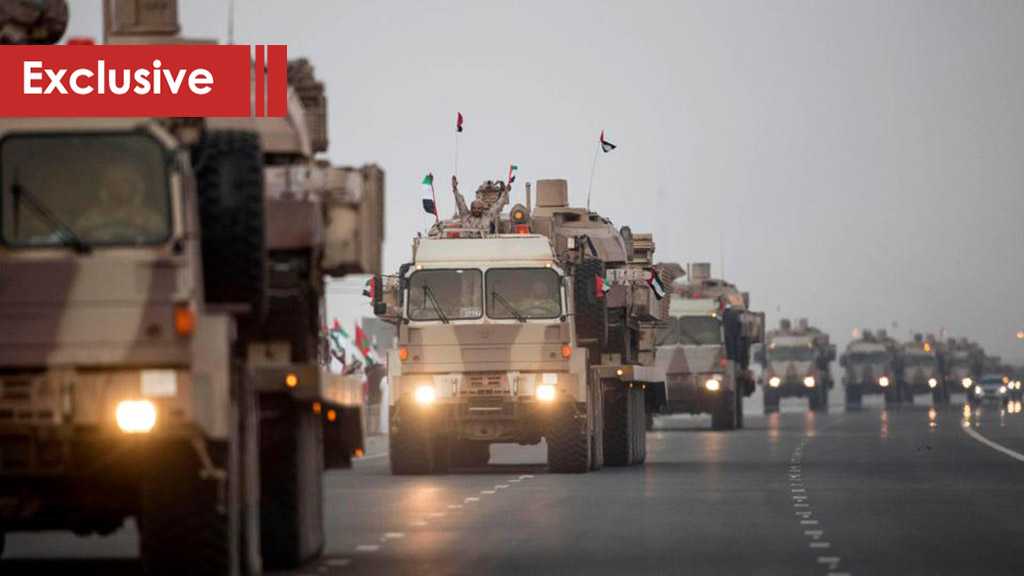
Today, the UAE is present mainly in the country’s south controlling its strategic ports and islands, while the Saudis remain in the north, along their extensive northern border with Yemen, in the east, where the province of Marib and its rich oil and gas fields are located, and in the west, in the coastal city of Hodeidah.
For Yemenis, the importance of Marib is not limited to its oil and gas fields, but also for its ancient culture, its inclusion in the holy Quran, and its significant historical sites and water engineering feats, such as the ancient Marib dam built around the 8th century BC. A new dam, the country’s largest, was later built near the cherished ruins of the old one.
Saudi Arabia acknowledged Marib’s importance by making it the stronghold for its war operations, building military bases and bribing local tribes to fight alongside the coalition. Most of Riyadh’s military and intelligence operations – excluding air strikes – were launched from Marib against the northern Houthi-controlled Sanaa city and province.
Ansarallah endured these onslaughts for three years, then flipped the war on its adversaries in 2018 by going on the offensive. Since then, the group has expanded its territorial gains significantly, destabilized Saudi Arabia’s own borders, and exponentially advanced its military tactics and capabilities in drone and missile technology.
These startling gains forced the coalition to the negotiating table in 2018 to sign the Hodeidah Agreement. The agreement was a boon for Ansarallah from a military perspective, first and foremost. Hodeidah and its Red Sea port are west of Sanaa, and the negotiated ceasefire would help Ansarallah turn its focus on only two fronts now, the east (Marib) and the south.
But the agreement also had humanitarian benefits for a country besieged by land, sea, and air by coalition forces since the war’s onset. With goods now entering the port, fresh access to medicine, fuel and food reduced the crisis in territories controlled by Ansarallah.
In 2019, Ansarallah marched eastward, increasing their defence operations inside Saudi Arabia, and targeting the capital city of Riyadh, airports, and Aramco facilities in retaliation for Saudi airstrikes. The UAE was also threatened when drone activity caused a brief closure of Dubai airport.
The UAE’s very existence depends on the security of Abu Dhabi and Dubai. Understanding that they were one ballistic missile away from an existential disaster, the Emiratis withdrew from Marib leaving the Saudis to their own devices, and headed south. The ten-nation coalition had now dwindled to two, neither of whom were fighting alongside the other.
For Sanaa, access to oil is a higher priority than access to ports, hence Ansarallah’s decision to first push eastward, where Marib lies. Although the reverse would have been easier – at 17,000 km², Marib requires a huge military presence, while Hodeidah port and its surrounding areas are less than 1,000 km² – the Yemeni rebels chose the harder, more dangerous fight first.
Today, the complete liberation of Marib is imminent. Of its 14 districts, 13 are now back in Yemeni hands, with only Marib city and the oil fields remaining, alongside one major Saudi military base (Sahen Jin).
Marib’s liberation will be an unprecedented victory for Ansarallah that will place Sanaa back firmly on the world map. Aside from the huge morale boost for the Houthi rebels, Ansarallah will gain control of Yemen’s vital water and oil resources and bring relief for the capital’s civilians. Despite the fact that areas controlled by the group enjoy more financial stability ($1 = 600 Yemeni Rials versus 1,480 Rials in areas outside their control) the war has impoverished Sanaa.
Marib’s liberation will also mean that Ansarallah will govern around 80 percent of the Yemeni population of 30 million, secure its eastern front, and make a move on Hodeidah where remaining coalition forces are based.
After the liberation of Hodeidah and Marib, Saudi Arabia will lose its boots on the ground in Yemen, but will it retreat and accept defeat?
Will Saudi Crown Prince Mohammed Bin Salman – also his country’s minister of defense – who spearheaded the war against Yemen, accept this fait accompli? Will Saudi Arabia continue bombing Yemen for another six years?
With so many unexpected victories under its belt, Ansarallah is now in a position to direct these Saudi decisions. Already this year, the Yemeni rebels have bombed Aramco and Saudi airports in retaliation for airstrikes in Sanaa. Riyadh clearly understands the correlation – bombing Sanaa means Aramco will get hit – and so although the war is still fiercely being played out, important deterrences have been established.
In September, during the approach toward Marib, Ansarallah leader Abdul-Malik al-Houthi said: “We will liberate the entirety of our country and recover all regions occupied by the Saudi-led aggression.”
After the fall of Marib, Saudi Arabia will never be the same. Having expended all its chips and a vast fortune on bringing the Houthis to heel, Riyadh’s influence in the Arab and Muslim world are set to decline.
Through proxies and large financial donations, the Saudis have historically managed Muslim communities and dictated the policies of entire states. But in an actual direct war, led by one of the world’s wealthiest nations against one of its poorest, the Saudis lost resoundingly.
After the fall of Marib, the UAE’s position is less clear, but it will ultimately face one of two choices: either surrender to Ansarallah’s demands or face reprisals inside Dubai and Abu Dhabi.
Yemen has vast mineral reserves of zinc, silver, nickel, gold, copper and cobalt as well as oil and gas fields, resources that the Saudis have not allowed successive Yemeni rulers to exploit, develop or monetize since 1934.
Yemen was then (arguably still is) considered a Saudi backwater, and Riyadh’s policy toward its southern neighbor was entirely driven by the kingdom’s founder, Abdul Aziz Al Saud, who declared in an infamous quote:
“the honor of Saudis is in the humiliation of Yemen, and their (Saudi) humiliation is in the glory of Yemen.”
These words had monumental significance: the guiding principle for all future Saudi monarchs would be to subjugate Yemen at all cost, or the price would be existential.
With Ansarallah in charge, reverberations will be felt across West Asia – not least because Yemenis still consider the Saudi provinces of Jizan and Najran to be part of Yemen.
Yemen is often referred to as the ‘birthplace of Arabs,’ with numerous tribes stretching across the Arabian peninsula to Iraq tracing their origins back to Yemen.
At the other end of the Arabian peninsula, Ansarallah will also be controlling the strait of Bab al Mandab which leads directly to the straits of Suez. This gives them geopolitical and geoeconomic clout over Egypt, historically the ‘mother’ of the Arab world, and a country which itself has launched a failed war against Yemen.
Ansarallah controlling access to the Suez Canal will be a nightmare for the Israelis – Tel Aviv and Zionism are the mortal enemy of the Houthis, and no ship heading for Israel will be allowed to cross this strait.
China and Iran will be big winners in the ensuing geopolitical shuffle. Iran will gain its first diehard ally in the Arabian Peninsula – one that has oil, produces its own weapons, and can defend itself without costing Tehran money, manpower or resources.
Yemen’s geography is of strategic importance to China too: its southwestern part faces the east coast of Africa, and with the Bab al Mandab strait, Yemen has more than 10 major ports on the Indian ocean, and through the Red Sea to the Mediterranean.
It is the closest West Asian nation to the Horn of Africa, where China has its only overseas military base in Djibouti, and where it has built roads and railways connecting the latter to Ethiopia.
With the US, UK and western countries in general having supported the aggression against the Yemeni people, Ansarallah is more likely to choose to align with China, Iran, and other unaligned nations.
Reports indicate that Saudi Arabia spent well over $300 billion on its war on Yemen. Six years later, it is on the verge of being soundly defeated, with only Marib blocking that path. Marib is the city that will soon dictate the terms that end this war, and perhaps the end of Saudi power projection as we know it.
The views expressed in this article do not necessarily reflect those of The Cradle.Author
Beirut – It seems that the field map is becoming clear in the governorates of northern Yemen. With the approaching fall of the strategic city of Marib in the hands of the Yemeni army and the popular committees, the other fronts in Hudaydah and Mokha began to fall apart, as if the Marib front has shaken the other fronts and decided the whole battle.
In a sudden turn in the course of the field, the Emirati-backed forces withdrew from the southern areas of Hudaydah that is led unilaterally by Haitham Taher in an unreasonable way with respect to the forces in Mokha city led by Tarek Saleh and backed by the United Arab Emirates [UAE] as well, which left the latter shocked, confused, and doubtful about the existence of an agreement and a prior coordination between Taher and close confidents of the fugitive president Abed Rabbu Mansour Hadi who is supported by Saudi Arabia.
Sources reported unannounced heated disagreements among the factions of the UAE-backed forces in the western coast of Yemen, in the aftermath of the sudden and wide withdrawals in Hudaydah areas, which represented a stab in the back of Saleh’s forces, leaving the armed factions affiliated with the southern transitional council shocked and confused. The sources added that the so-called “legitimacy of Hadi” is coming to an end.
The withdrawing forces, however, claimed that they have evacuated the fighting areas in Hudaydah in accordance with the Stockholm Agreement reached late 2018, which is supposed to take place in coordination and understanding with the United Nations mission; but it was not kept informed with the updates.
But other sources asserted that the Emirati forces had previously started a large-scale evacuation of its forces after receiving a series of military strikes from the Yemeni Ansarullah movement. Such strikes were based on accurate intelligence by the movement.
In addition, the Yemeni army and popular committees rushed to take control over these areas, and opened the main road that connects them with the capital Sanaa. Among these areas are the eastern and northeastern coastal city of Hudaydah, and areas to the south of the city on the outskirts of the Hudaydah International Airport, in addition to the Ad Durayhimi District, the coastal line of the “Beit Al-Fakih” District, At Tuhayta District, Al-Haima port to the south of Al-Khawkha District, areas in the Hays District and areas to the south of these two directorates of the Taizz Governorate.
On the other hand, Saudi Arabia evacuated most of its compounds in the last few weeks, especially in Al-Mahrah governorate, but a number of its troops is still at its center in Al-Ghaydah, along with a group of officers who still roam about 27 compounds where mercenaries forces of the southern separatists are present, and it has become rare to find any Emirati forces in many southern areas.
Regarding the Marib front, the Yemeni army and the popular committees have eased their attack on the city and headed to the south, achieving a progress that surpassed what it was like before, and succeeded, for the first time since years, to return to southern areas, even though a settlement with the local tribes there. But this operation allowed them to lay siege to all the southern and eastern crossings- the southern crossings that lead to Marib, and that made the Saudis and all the southern mercenaries in need for a long trip that takes them from Hadramout to the sieged city.
Accordingly, there is only one passage left, and if the Yemeni army and popular committees decide to go for an all-out confrontation to capture the city, this passage will be closed. The problem of Saudi Arabia here is that the support it received from the US did not help. Therefore, Marib has fallen and the greater is yet to come. Was the UAE Minister of State for Foreign Affairs Anwar Gargash right when he said that “the liberation of Hudaydah is the beginning of the end of the war”?
Yemeni journalist Ali al-Darwani confirmed to Al-Ahed News that nothing is being done confidentially regarding the Emirati withdrawal from the western coast that is at least more than 50 km long, but rather a relocation in case Marib fell, which will impose new fields on Ansarullah, first of which will be this coast where Taher’s forces consider themselves to be trapped between the jaws of the pincers, for this coast’s width reaches 5 km in some areas. He added that these forces opted to withdraw to the southern areas to strengthen their influence in order to defend Bab al-Mandeb strait which is a US-“Israeli” quest, fearing its fall in the special committees hands and thus taking control over the maritime navigation.
Al-Darwani also said that in case Marib fell, 50,000 to 100,000 fighters of the Islah party backed by the UAE and its allies like al-Qaeda and Salafists will flee to the southern regions, where they have authority. This large number will enhance their resilience in defending Bab al-Mandeb which might be a priority for the Yemeni army and the committees, and even for the Saudi-backed forces in Aden and the south, which fought the Islah Party in many areas.
The Yemeni journalist concluded that the Emirati withdrawal is a purely tactic withdrawal so that Abu Dhabi maintains its interests in the south, fearing Ansarullah first, and Saudi Arabia second.
Related Videos
After the withdrawal of the Saudi coalition… the opening of Al Dune Beach in Hodeidah
عندما نتحدّث عن الاستراتيجية الإماراتية حالياً في اليمن لا يمكن أن نفصلها عن استراتيجية روسيا في الكثير من مفاصلها، خصوصاً تلك التي تتعلق بصراع النفوذ مع السعودية أو في موضوع المنافذ البحرية التي يتحكم اليمن بها عبر شواطئه الطويلة.
لكن على عكس روسيا تعتبر الإمارات الحرب في اليمن مصيرية لوجودها ككيان ودولة بعد مغامرتها اليمنية واحتلالها لجزر ومدن في اليمن.
في العام 2019 حاولت الإمارات تخفيف وطأة أعمالها عبر الإعلان عن انسحاب قواتها من اليمن لكن على أرض الواقع ما زالت تلك القوات متواجدة.
هامش المناورة الإماراتي في اليمن أضيق من الهامش السعودي لذلك لجأت الإمارات الى تعزيز علاقاتها مع إيران التي شهدنا آخرها مشروع الممر الاستراتيجي للتجارة الإماراتية عبر الأراضي الإيرانية الى تركيا وأوروبا.
أيضاً عززت الإمارات العلاقة مع روسيا وطبعت مع سورية لإرضاء الروسي والإيراني.
عرضت الإمارات على روسيا إقامة قاعدة عسكرية في سقطرى او في عدن لكن الروس رفضوا.
في الواقع روسيا تريد قاعدة على باب المندب لكن تريدها من حكومة يمنية مستقرة ومتمكنة.
في تلك الفترة كانت إيران تعيد العلاقة بين أنصار الله وموسكو بعد سنتين قطيعة بسبب قتل علي صالح.
كانت روسيا الوسيط بين صالح والأنصار حيث استقبلت السفارة الروسية اجتماعات التنسيق بين الطرفين، وعند مقتل صالح غضبت موسكو وقطعت علاقاتها مع أنصار الله حتى العالم 2019 عندما نجحت إيران بإعادة حبل التواصل بين الطرفين.
تزامناً مع العرض الإماراتي كانت موسكو أنجزت اتفاقاً سرياً مع عمر البشير لإنشاء قاعدة عسكرية روسية في بور سودان على البحر الأحمر.
أسقطت أميركا عمر البشير بسبب هذا الاتفاق السري
وساهمت الإمارات بسقوطه حتى لا يفقدها التأثير على موسكو
في الواقع الاستراتيجية الإماراتية وسيناريوات هذه الاستراتيجية تقوم على أمرين:
1 – استرضاء إيران.
2 – استرضاء روسيا.
يظهر هذا في التقارب الإماراتي مع سورية القاسم المشترك الكبير بين موسكو وطهران.
كما ظهرت في الآونة الأخيرة استراتيجية تلبية مطالب أنصار الله الحوثيين كما شهدنا في انسحابات الساحل الغربي.
لا يمكن تصوّر هذا الانسحاب إلا ضمن سياسة استرضاء الحوثيين كون الساحل الغربي يشكل العمود الأساس لكلّ استراتيجية أبو ظبي على موانئ البحر الأحمر
ما حصل استسلام بكلّ المقاييس…
قبل يومين أعلنت قوات طارق صالح ذات الولاء الإماراتي المنسحبة الى شبوة أنها لن تشارك في معارك مأرب.
لا يمكن فصل هذا الإعلان عن استراتيجية تلبية مطالب صنعاء.
سوف نشهد في الفترة المقبلة تلبية مطالب وتراجعات في جبهات متعددة.
Yemen has warned Saudi Arabia of “serious consequences” following major escalation of deadly onslaught against Yemeni provinces, saying Riyadh and its allies conducted 65 airstrikes in the past 24 hours.
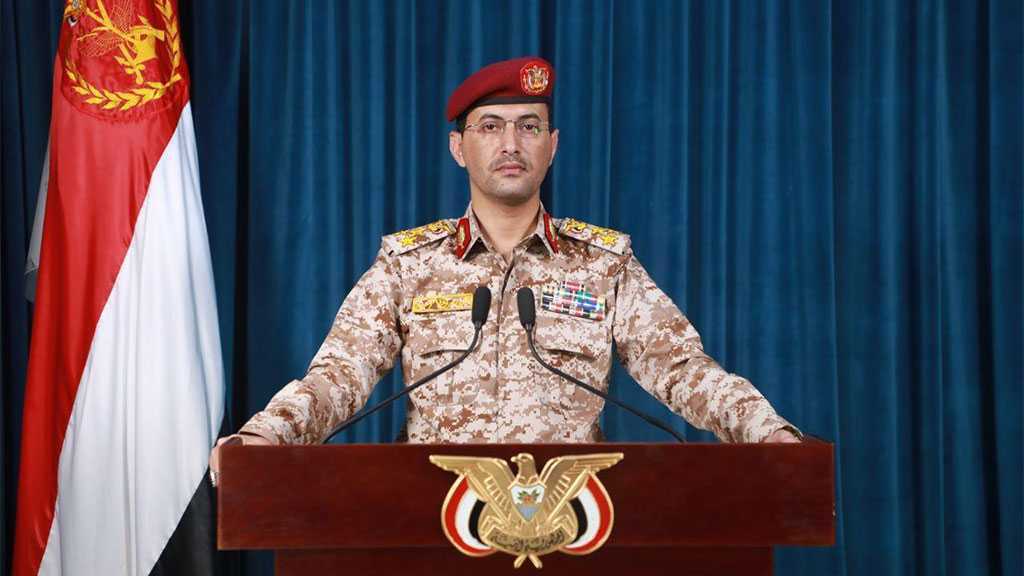
“In a major escalation, the forces of the Saudi-American aggression have launched more than 65 air raids over the past 24 hours across a number of governorates of the Republic,” spokesman of the Armed Forces Brigadier General Yahya Saree wrote in a tweet on Thursday night.
“This escalation will have serious consequences for the forces of aggression, they must bear the consequences,” he added.
The remarks came after the Saudi state TV reported that the Riyadh-led military campaign against Yemen had launched airstrikes on four provinces in Yemen.
Early on Thursday, Saudi Arabia conducted a massive operation against Sanaa, Dhamar, Saada, and al-Jawf provinces in response to what it called threats of drone and ballistic missile raids, according to the report.
The kingdom earlier said that it had destroyed an explosive-laden drone targeting the kingdom’s Abha international airport on Wednesday.
On Thursday, the Yemeni media reported that at least three civilians were injured by Saudi raids in Saada province, north of Yemen.
The Saudi army fire targeted the border district of Munabeh, which seriously wounded three citizens, a security source told Yemen Press Agency [YPA].
The attack came a day after the Saudi army’s raids left five civilians wounded, including an African immigrant, in the border districts of Munabeh and Baqim in Saada province.
Saudi warplanes also attacked the capital Sanaa, Taizz, Marib, and Hudaydah provinces on Thursday.
In Dhamar province, it launched a raid targeting a livestock farm in Mayfa’a Ans district, killing more than 200 sheep.
Enjoying the backing of key Western powers, Saudi Arabia has been leading the war on Yemen since March 2015 to reinstall the former Riyadh-backed regime of Abd Rabbuh Mansur Hadi.
However, Riyadh has failed to achieve any of its goals six years after launching the war and blockade against Yemen, leaving hundreds of thousands of Yemenis dead and spreading famine and infectious diseases there.
In recent months, Saudi Arabia has ramped up its attacks against densely-populated areas across Yemen.
Observers say the rise in attacks comes due to major advances made by the Yemeni forces in Marib province and other key areas that are being liberated from the control of Saudi mercenaries.
The kingdom is also being targeted by the Yemeni army and its allied popular forces continuously, with the Sanaa government saying that it will keep hitting targets deep inside Saudi Arabia as long as the war and siege continue.
Throughout the course of the war, the United States has supported and armed Saudi Arabia.
Despite his February promise to end “all American support for offensive operations in the war in Yemen, including relevant arms sales,” US President Joe Biden has recently approved $650 million worth of weapons sales to Saudi Arabia.
تخصص ورشات عمل العديد من مراكز الدراسات الأميركية أبحاثها للوضع في اليمن، في ضوء المستجدات التي لم يعد ممكناً إخفاؤها، والتي تتلخص بالتقارير المجمع عليها حول اعتبار سقوط مدينة مأرب بيد أنصار الله مسألة وقت، والتي اختصرها معاون وزير الخارجية الأميركي السابق ديفيد شنكر بقوله في إحدى ورشات العمل البحثية، إن استحواذ الأنصار على مأرب بات محسوماً، واصفاً ذلك بالسيناريو الأسوأ لواشنطن والرياض، وبخسارة الحرب على اليمن خسارة كاملة، والإجماع على مكانة مأرب يطال الجميع أميركيين وسعوديين ويمنيين، وعلى ضفاف ما يجري في مأرب برز المؤشر الثاني وهو تضعضع التحالف المناوئ للأنصار، وما ظهر على جبهة الحديدة كاف لإثبات ذلك، فإن كان ما جرى نتيجة صفقة فهو كارثة تشي بانهيار التحالف، وإن كان نتيجة سوء تنسيق بخلفية الخوف من تداعيات انهيار جبهة مأرب على القوات المنتشرة في الساحل بلا عمق يحميها، فتلك مصيبة، وفي الحالتين ستتواصل التداعيات، خصوصاً إذا أضيف للمشهد التمايز الإماراتي عن السعودية بخطوات يمنية يظهرها تمايز وضع الجنوب اليمني، وإقليمية كان آخرها التواصل العالي المستوى بين الإمارات وإيران وما نشر عن زيارة شخصية إماراتية كبيرة لطهران قريباً، فيما تبقى الإمارات بخلاف السعودية بمنأى عن استهداف الأنصار لمدنها وسفنها بصورة تثير شكوك السعودية بتفاهمات تحت الطاولة.
–
أغلب الباحثين الأميركيين يشبه الوضع في اليمن بالوضع في أفغانستان عشية اتخاذ قرار الانسحاب الأميركي، فوضع قوات منصور هادي ليست أفضل حالاً من قوات أشرف غني، وعزم وعناد واقتدار أنصار الله ليس أقل مما أظهرته حركة طالبان، وحجم الحصار المفروض على أفغانستان لم يكن دون مستوى الحصار على اليمن، والأميركيون يقولون إنهم وهم يختلفون على ظروف الانسحاب يتفقون على أنه كان خياراً مراً لكن لا بد منه، فالوضع بدا ميؤوساً منه، والبقاء لعشرين سنة أخرى لن يغير المشهد، إلا باستنزاف المزيد من الأموال وإزهاق المزيد من الأرواح، ويقول بعض هؤلاء الباحثين، ربما يكون وزير الإعلام اللبناني جورج قرداحي آخر من استخدم توصيف الحرب العبثية، بما يتضمنه التوصيف لحرب لا نصر فيها، لكن لا هزيمة، بينما صارت اليوم حرباً مضمونة الخسارة، ولم يعد لدى السعوديين ترف الوقت لاتخاذ القرار بالانسحاب، وتجاوز الأمر حدود الحديث عن كارثة إنسانية محققة، فقد أنتجت الحرب تحولاً استراتيجياً كبيراً.
–
السعوديون عبر وسائل إعلامهم يغيبون عن النقاش، لكن فلتات مواقف وردت على قناة العربية الحدث، كانت تدعو واشنطن للتساؤل عما يعنيه نشوء أفغانستان ثانية على البحر الأحمر تمسك بمضيق باب المندب، بدت رداً أو مناقشة للنصيحة الأميركية، من خلال المقارنة بين الموقع الاستراتيجي لكل من أفغانستان واليمن، حيث اليمن بقوته الصاعدة شريك مقبل في أمن الطاقة والملاحة الدولية، وباب المندب أحد أهم المضائق العالمية، الذي يزيد أهمية عن مضيق هرمز ومضيق جبل طارق، فهو وحده يربط أربعة بحار ومحيطات، هي البحر الأحمر والمحيط الهادئ والخليج والبحر الأبيض المتوسط، ويطرح السعوديون أسئلة ينتظرون أن يتلقفها الإسرائيليون حول الخلل الاستراتيجي في موازين القوى التي تترتب على التسليم بخسارة اليمن، الذي لا تخفي قيادته اصطفافها في محور المقاومة، وما أظهرته من مقدرات يجب أن يحسب له الحساب في كل ما يطال أمن «إسرائيل»، فيما يرد الأميركيون أنهم خسروا مع الخروج من أفغانستان التواجد من مسافة صفر مع كل من إيران والصين وروسيا، وتركوا الفرص مفتوحة لاحتوائها من التحالف الإيراني الصيني الروسي، بالإضافة لفرص تواصل أطراف هذا التحالف عبر اليابسة للمرة الأولى عبر الجغرافيا الأفغانية، لكن كل هذا كان لا بد من تقبله لاستحالة البقاء.
–
كيف سيتصرف الأميركيون والإسرائيليون، وكيف سيتفاعل السعوديون، يقول الأنصار إنهم جاهزون لكل احتمال، وأن بديل النصر هو النصر فقط، والخيار بين نصر لليمن لا يشعل المنطقة ونصر يأتي بعد اشتعالها، لكنه لن يكون محصوراً باليمن عندها.
فيديوات متعلقة
تدرييات ‘قاسية’ إستعدادا للحرب.. الوحدة السعودية الخاصة تسيطر على باص إيراني
يفيد مصدر أمني خاص جداً بانّ ثمة غرفة عمليات مشتركة لما يُعرف بالتحالف العربي لا تزال تأمل في إعاقة تقدّم أنصار الله باتجاه وسط مدينة مأرب، يشترك فيها بالإضافة إلى ضباط بريطانيين، ١٤ ضابط أركان “إسرائيلي” يشاركون جنباً الى جنب مع ضباط سعوديين في ما بات يسمّيه أنصار الله آخر معارك اليمن الكبرى…!
كما تفيد أنباء متداولة في الكواليس وفي صالونات السياسة الإقليمية أنّ حاكم أبو ظبي يتجه لخسارة مدوية لحرب الموانئ التي أوحى يوماً بأنه امتلك ناصيتها فيما هو آخذ في التقهقر نحو اليابسة الإيرانية، بخاصة بعد أن قطعت عليه تل أبيب خطوط إمداداته النفطية من إيلات إلى عسقلان أو أشدود (بحسب وزارة الطاقة الإسرائيلية التي طالبت بوقف مشروعه)!
هذا كما تفيد الأنباء بأنّ الزيارة المرتقبة في الساعات المقبلة لابن زايد إلى أنقرة إنما تأتي في هذا السياق، أي التنسيق مع غريمه الإخواني السابق أردوغان، لكيفية استخدام الأراضي الإيرانية للتجارة الدولية بدلاً من خط إيلات ـ عسقلان، وذلك في إطار المشروع الصيني العملاق: حزام واحد ـ طريق واحد.
وعودة التركي إلى “بيت الصديق” كما عبّر أحمد شاويش أوغلو في طهران مستحضراً بيت شعر شهيراً لأحد شعراء إيران القدامى، وهو بضيافة عبد اللهيان، فإنّ ثمة من فسّرها بهذا الاتجاه أيضاً.
أيّ تقهقر المشروع التركي في البحار بعد غزواته الفاشلة الثلاث في المتوسط والأحمر وبحر الخزر (ليبيا ـ اليمن ـ أذربايجان)، وتراجع وتيرة الصراع التركي- الإيراني لصالح اتفاقية طويلة الأمد بين البلدين يتمّ التحضير لتوقيعها بين أنقرة وطهران خلال زيارة مرتقبة لأردوغان إلى العاصمة الإيرانية قريباً.
كلّ ذلك يقول عارفون ومطلعون لما يحصل على حدود شبه الجزيرة العربية بين أنصار الله وأرباب الحرب الكونية على اليمن منذ 7 سنوات، والتي تبوء بالفشل وتتوه في صحراء الربع الخالي كما حصل لسابقتها الحرب الكونية على سورية وتكسّر نصالها على أبواب الشام.
لا يظنن أحد أبداً بأنّ زيارة الوزير التركي للبنان وهو الآتي إليه من طهران، والأخرى القطرية المشابهة المرتقبة، إنما تأتي في إطار مبادرات إنقاذ الرياض أو إنزالها من الشجرة كما يتصوّر البعض، أو حتى إصلاح ذات البين بينها وبين بيروت، أبداً بل هي للتقرّب من محور المقاومة المنتصر، وقبل ذلك وبعده فهي من ثمار ذلك الفشل الكبير للغزوات “الجهادية” المندحرة على أسوار مدننا، والتي يتمّ تتويج هزيمتها الكلية في هذه الساعات ضدّ حكم الرياض أيضاً وعلى يد أنصار اليمن الأحرار القابضين على الجمر طوال 7 سنين من الحرب والحصار.
أن هروب مرتزقة تحالف العدوان من الحديدة على عجل ومن دون ترتيب مسبق لا مع الرياض ولا مع الأمم المتحدة والذي سموه إعادة تموضع أو إعادة انتشار، إنما هو انكسار مرّ اضطروا له خوفاً من خسارة ما هو أخطر.
فالأنصار يُطهّرون الآن مدينة مأرب والوادي حيث مجمع صافر النفطي يتجهون لوصله بمجمع بلحاف للغاز في شبوة وعينهم على البحر جنوباً لقطع الطريق على مشروع نظام الرياض التاريخي الذي ظلّ يسعى لسنوات طويلة لتوظيف الأراضي اليمنية جسر عبور للوصول لإعادة رسم خطوط تصدير نفطه ملتفاً عن مضيق هرمز باتجاه بحر العرب.
كلّ هذا يحصل وسط إعادة رسم الخريطة الكونية كلها بين القوى العظمى التي خاضت حروب أنابيب الطاقة والمضائق والبحار خلال السنوات العشر الماضية، والتي يُقال إذا ما نجح أنصار الله في إكمال خطتهم الخاصة بتحرير اليمن كل اليمن، فإنهم ليس فقط سيأخذون لهم دور بارز في المعادلة الكونية الجديدة جيوسياسياً وجيواقتصادياً بل وجيواستراتيجياً أيضاً، أي بلغة أخرى سيقلبون الطاولة على الجميع.
وما ترونه اليوم من تدافع أو تدفق على دمشق لمصالحتها، سترون أضعافه على صنعاء، ما بعد انقراض القبيلة الحاكمة في الرياض عاصمة الوهابيين، وانتقال مركز ثقل الجزيرة العربية صوب الركن اليماني جنوباً.
وعندها فقط سترون كيف أن مرفأ بيروت سيستعيد عافيته فيما يأفل نجم ميناء حيفا وأشدود وعسقلان فعلاً.
وكذلك ستستعيد بغداد الرافدين دجلة والفرات من هيمنة قرار الغزاة المتعدّدي الجنسيات وكلاء الناتو ومخلبه الجنوبي الطوراني.
ويومها أيضاً سترون كيف أن مدن المقاومة والتصدي لمشاريع الهيمنة الغربية من جزائر الأطلس الكبير إلى تخوم جدار الصين العظيم تأخذ دورها الرائد في إعادة رسم جغرافيا آخر الزمان.
قاحلة أنت يا مدن الملح اليوم أكثر من أيّ وقت مضى بفضل الصبر الاستراتيجي لأنصار الله ومسيرتهم القرآنية التي وضع أسسها الشهيد القائد السيد حسين بدر الدين الحوثي.
وعامرة وعزيزة أنت اليوم يا مدن اليمن المنصور بالله بفضل قيادة القائد السيد عبد الملك بدر الدين الحوثي بحكمته وصبره ومعجزات رجاله الأنصار، وعقول كوادر اليمن المبدعة وما يقدّمونه من تضحيات من مأرب حتى باب المندب.
Voltaire, actualité internationale, n°191
-
Outre ce site internet gratuit, nous publions une lettre confidentielle en
PDF, Voltaire, actualité internationale. Chaque jeudi soir ou vendredi
matin, vo...
A Jewish One World Government
-
A Jewish One World Government October 21 2026
___________________________________ More Vids! +BN Vids Archive! HERE!
___________________________________ Su...
The United States At A Crossroad
-
The United States At A Crossroad—An Analysis (16 Sept 2026) by Lawrence
Davidson Part I—Texas vs Minnesota Back in mid-May […]
Report on Beth Israel vigil 09-12-26
-
*Eat-a-Cheeseburger Day Approaches*
This year, EAC Day appears on Monday, September 21st. The date coincides
with the Jewish holiday called Yom Kippur. Cl...
-
Hello all,
It is with great sadness that I share with you the passing of our beloved
sister, Mother, and Grandmother, the individual that you all knew ...
Best Horror Podcast
-
Best Horror Podcast Introduction: Horror podcasts […]
The post Best Horror Podcast appeared first on Copper Shock Horror Podcast.
Ikhras Endorses Muntadhar Al-Zaidi
-
“Oh parties of banditry and sectarianism and corruption, we have come and
our goal is to destroy you.” Ikhras formally endorses Muntadhar al-Zaidi,
Iraqi j...
Prince Charles: Foreign Jews behind bloodshed in ME
-
In May, 2017, British Crown Prince Charles declined an invitation from
Zionist entity’s president Reuven Rivlin‘s to attend the 100th anniversary
of the no...
Palestinian Women – One for All, All for One
-
Honouring All Palestinian Women by Honouring Three: Hanin Zoabi, Ahed
Tamimi, Samah Sabawi Vacy Vlazna “Palestinian women have always stood side
by side ...
US’s Saudi Oil Deal from Win-Win to Mega-Lose
-
By F. William Engdahl Who would’ve thought it would come to this? Certainly
not the Obama Administration, and their brilliant geo-political think-tank
neo-...
-
*Mordechai Vanunu wins human rights prize of Brazilian Press Association *
* http://www.alternativenews.org/english/index.php/features/updates/7038-mordechai...
Abdul Aziz Rantissi:
"My ultimate wish, my God, is to attain martyrdom,"...God granted him his wish on April 17, 2004, at the hands of Israeli assassins.