Uprooted Palestinians are at the heart of the conflict in the M.E Palestinians uprooted by force of arms. Yet faced immense difficulties have survived, kept alive their history and culture, passed keys of family homes in occupied Palestine from one generation to the next.
At least 16 people, including children, killed in Saudi-led strikes in Yemen’s southwestern province of Taiz, a report says, as Saudi Arabia keeps bombing the southern impoverished neighbor in defiance of international calls to end its bloody war.
The deadly aggression occurred on Friday evening, when Saudi-led warplanes targeted a gathering of civilians in Muqbana district of the province, Yemen’s Arabic-language al-Masirah television network reported.
It added that continued presence of the enemy warplanes in the skies of Muqbana and the possibility of other strikes prevented the paramedics to reach the crime scene to exhume the bodies of the victims and attending the wounded.
The airstrikes came as the Saudi-led forces and its mercenaries have escalated their aggression in the western coastal region of Yemen.
Saudi Arabia, backed by the US and other key Western powers, launched the war on Yemen in March 2015, with the goal of bringing the former Riyadh-backed regime back to power and crushing the popular Ansarullah resistance movement which has been running state affairs in the absence of an effective government in Yemen.
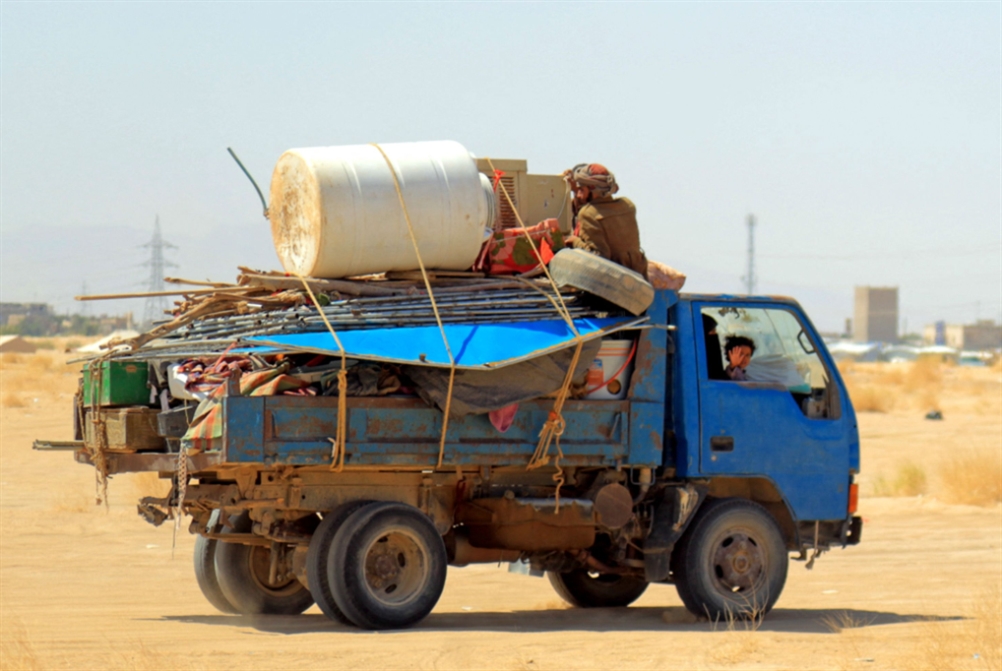
The war has stopped well shy of all of its goals, despite killing tens of thousands of Yemenis and displacing millions more. The war has also taken a heavy toll on the country’s infrastructure, destroying hospitals, schools, and factories.
An all-out blockade was also imposed on Yemen since the onset of the bloody war, pushing Yemen into the world’s worst humanitarian crisis, including by hampering access to aid.
Despite heavily-armed Saudi Arabia’s continuous bombardment of the impoverished country, Yemeni armed forces and the Popular Committees have grown steadily in strength against the Saudi invaders and left Riyadh and its allies bogged down in the country.
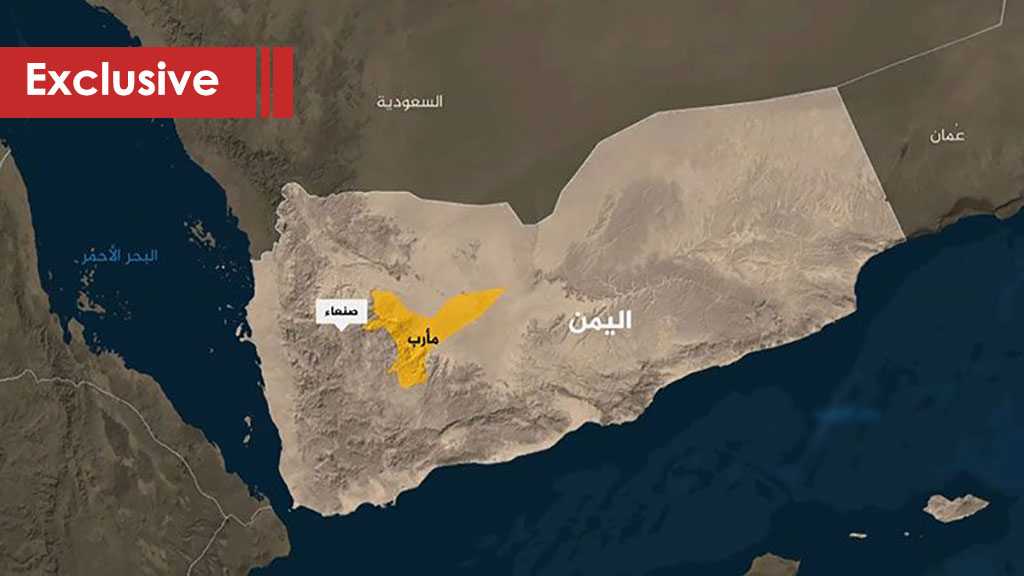
Marib, the ancient capital of Sheba, referred to in both the Bible and the Holy Quran as a wealthy and wise kingdom, once ruled across the entire southern Arabian peninsula.
Today, Marib has risen again, this time as the final stronghold of Yemen’s latest invaders, now in panicked retreat after a six-year battle that has depleted their coffers and exhausted their forces.
This war was announced from Washington on 26 March 2015 and led by Saudi Arabia in support of the overthrown government of Abdrabbuh Mansour Hadi, a regime that had already lost the capital city of Sanaa to Yemen’s Ansarallah (Houthis) movement a few months prior.
A coalition of 10 countries, including pack leaders Saudi Arabia and the UAE, was formed to force the return of his highly unpopular government. The name Operation Decisive Storm was chosen and the air strikes began.
Ansarallah were assessed as being weak and the operation was expected to last no more than a few weeks or months, at the most.
Instead, Ansarallah prevailed, forcing its Saudi and Emirati foes to insert ground troops into the expanding quagmire and divide their roles in Yemen.
Today, the UAE is present mainly in the country’s south controlling its strategic ports and islands, while the Saudis remain in the north, along their extensive northern border with Yemen, in the east, where the province of Marib and its rich oil and gas fields are located, and in the west, in the coastal city of Hodeidah.
For Yemenis, the importance of Marib is not limited to its oil and gas fields, but also for its ancient culture, its inclusion in the holy Quran, and its significant historical sites and water engineering feats, such as the ancient Marib dam built around the 8th century BC. A new dam, the country’s largest, was later built near the cherished ruins of the old one.
Saudi Arabia acknowledged Marib’s importance by making it the stronghold for its war operations, building military bases and bribing local tribes to fight alongside the coalition. Most of Riyadh’s military and intelligence operations – excluding air strikes – were launched from Marib against the northern Houthi-controlled Sanaa city and province.
Ansarallah endured these onslaughts for three years, then flipped the war on its adversaries in 2018 by going on the offensive. Since then, the group has expanded its territorial gains significantly, destabilized Saudi Arabia’s own borders, and exponentially advanced its military tactics and capabilities in drone and missile technology.
These startling gains forced the coalition to the negotiating table in 2018 to sign the Hodeidah Agreement. The agreement was a boon for Ansarallah from a military perspective, first and foremost. Hodeidah and its Red Sea port are west of Sanaa, and the negotiated ceasefire would help Ansarallah turn its focus on only two fronts now, the east (Marib) and the south.
But the agreement also had humanitarian benefits for a country besieged by land, sea, and air by coalition forces since the war’s onset. With goods now entering the port, fresh access to medicine, fuel and food reduced the crisis in territories controlled by Ansarallah.
In 2019, Ansarallah marched eastward, increasing their defence operations inside Saudi Arabia, and targeting the capital city of Riyadh, airports, and Aramco facilities in retaliation for Saudi airstrikes. The UAE was also threatened when drone activity caused a brief closure of Dubai airport.
The UAE’s very existence depends on the security of Abu Dhabi and Dubai. Understanding that they were one ballistic missile away from an existential disaster, the Emiratis withdrew from Marib leaving the Saudis to their own devices, and headed south. The ten-nation coalition had now dwindled to two, neither of whom were fighting alongside the other.
For Sanaa, access to oil is a higher priority than access to ports, hence Ansarallah’s decision to first push eastward, where Marib lies. Although the reverse would have been easier – at 17,000 km², Marib requires a huge military presence, while Hodeidah port and its surrounding areas are less than 1,000 km² – the Yemeni rebels chose the harder, more dangerous fight first.
Today, the complete liberation of Marib is imminent. Of its 14 districts, 13 are now back in Yemeni hands, with only Marib city and the oil fields remaining, alongside one major Saudi military base (Sahen Jin).
Marib’s liberation will be an unprecedented victory for Ansarallah that will place Sanaa back firmly on the world map. Aside from the huge morale boost for the Houthi rebels, Ansarallah will gain control of Yemen’s vital water and oil resources and bring relief for the capital’s civilians. Despite the fact that areas controlled by the group enjoy more financial stability ($1 = 600 Yemeni Rials versus 1,480 Rials in areas outside their control) the war has impoverished Sanaa.
Marib’s liberation will also mean that Ansarallah will govern around 80 percent of the Yemeni population of 30 million, secure its eastern front, and make a move on Hodeidah where remaining coalition forces are based.
After the liberation of Hodeidah and Marib, Saudi Arabia will lose its boots on the ground in Yemen, but will it retreat and accept defeat?
Will Saudi Crown Prince Mohammed Bin Salman – also his country’s minister of defense – who spearheaded the war against Yemen, accept this fait accompli? Will Saudi Arabia continue bombing Yemen for another six years?
With so many unexpected victories under its belt, Ansarallah is now in a position to direct these Saudi decisions. Already this year, the Yemeni rebels have bombed Aramco and Saudi airports in retaliation for airstrikes in Sanaa. Riyadh clearly understands the correlation – bombing Sanaa means Aramco will get hit – and so although the war is still fiercely being played out, important deterrences have been established.
In September, during the approach toward Marib, Ansarallah leader Abdul-Malik al-Houthi said: “We will liberate the entirety of our country and recover all regions occupied by the Saudi-led aggression.”
After the fall of Marib, Saudi Arabia will never be the same. Having expended all its chips and a vast fortune on bringing the Houthis to heel, Riyadh’s influence in the Arab and Muslim world are set to decline.
Through proxies and large financial donations, the Saudis have historically managed Muslim communities and dictated the policies of entire states. But in an actual direct war, led by one of the world’s wealthiest nations against one of its poorest, the Saudis lost resoundingly.
After the fall of Marib, the UAE’s position is less clear, but it will ultimately face one of two choices: either surrender to Ansarallah’s demands or face reprisals inside Dubai and Abu Dhabi.
Yemen has vast mineral reserves of zinc, silver, nickel, gold, copper and cobalt as well as oil and gas fields, resources that the Saudis have not allowed successive Yemeni rulers to exploit, develop or monetize since 1934.
Yemen was then (arguably still is) considered a Saudi backwater, and Riyadh’s policy toward its southern neighbor was entirely driven by the kingdom’s founder, Abdul Aziz Al Saud, who declared in an infamous quote:
“the honor of Saudis is in the humiliation of Yemen, and their (Saudi) humiliation is in the glory of Yemen.”
These words had monumental significance: the guiding principle for all future Saudi monarchs would be to subjugate Yemen at all cost, or the price would be existential.
With Ansarallah in charge, reverberations will be felt across West Asia – not least because Yemenis still consider the Saudi provinces of Jizan and Najran to be part of Yemen.
Yemen is often referred to as the ‘birthplace of Arabs,’ with numerous tribes stretching across the Arabian peninsula to Iraq tracing their origins back to Yemen.
At the other end of the Arabian peninsula, Ansarallah will also be controlling the strait of Bab al Mandab which leads directly to the straits of Suez. This gives them geopolitical and geoeconomic clout over Egypt, historically the ‘mother’ of the Arab world, and a country which itself has launched a failed war against Yemen.
Ansarallah controlling access to the Suez Canal will be a nightmare for the Israelis – Tel Aviv and Zionism are the mortal enemy of the Houthis, and no ship heading for Israel will be allowed to cross this strait.
China and Iran will be big winners in the ensuing geopolitical shuffle. Iran will gain its first diehard ally in the Arabian Peninsula – one that has oil, produces its own weapons, and can defend itself without costing Tehran money, manpower or resources.
Yemen’s geography is of strategic importance to China too: its southwestern part faces the east coast of Africa, and with the Bab al Mandab strait, Yemen has more than 10 major ports on the Indian ocean, and through the Red Sea to the Mediterranean.
It is the closest West Asian nation to the Horn of Africa, where China has its only overseas military base in Djibouti, and where it has built roads and railways connecting the latter to Ethiopia.
With the US, UK and western countries in general having supported the aggression against the Yemeni people, Ansarallah is more likely to choose to align with China, Iran, and other unaligned nations.
Reports indicate that Saudi Arabia spent well over $300 billion on its war on Yemen. Six years later, it is on the verge of being soundly defeated, with only Marib blocking that path. Marib is the city that will soon dictate the terms that end this war, and perhaps the end of Saudi power projection as we know it.
The views expressed in this article do not necessarily reflect those of The Cradle.Author
Beirut – Saudi Arabia that has ignited unfounded irrational crisis with Lebanon, continues to exercise its mounting pressure on the country to dictate its political will, avenge its humiliating defeat in Yemen, and invest in tension to yield electoral gains in the next parliamentary elections early next year.
Riyadh has used a feeble pretext to escalate the situation; a statement by the Lebanese minister of information that he pronounced prior to assuming his office depicting the war in Yemen as absurd and aimless.
Saudi Arabia launched a fierce campaign against Lebanon threatening to severe the relations; announced Lebanese ambassador to Riyadh persona non grata and summoned its ambassador to Lebanon back to Riyadh.
Not only that, Saudi Arabia dictated on other Gulf countries especially Bahrain, Kuwait and United Arab Emirates to follow its path and impose similar stern measures against Lebanon.
Digging into the reasons as why Riyadh is punishing Lebanon and the Lebanese, we could simply find the following:
First, Riyadh is outraged with the futility of its allies in Lebanon that yielded no gains whatsoever in their antagonistic relation with Hezbollah, Saudi Arabia had supplied them with all kinds of support and spent billions of dollars to fight the party through its allies, and the whole issue ended with Hezbollah accumulating gains and successes on every level.
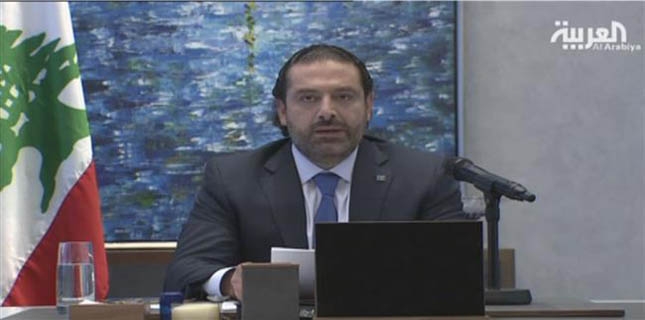
Riyadh has never treated Lebanon as a sovereign independent state, but as an another arena for its political influence where it could dictate its will as it likes. This was clearly dramatized when it imprisoned former Prime Minister Saad Hariri and forced him to resign back in 2017.
Second, Riyadh wants Lebanon to hold the brunt and responsibility of its humiliating defeat in Yemen, it accuses Hezbollah of helping Ansarullah and supplying them with military expertise.
Hezbollah has clearly announced its condemnation for the Saudi criminal war against the Yemenis, politically and morally and on media outlets supported their struggle against Riyadh aggression. After it has exhausted other places in Iraq and Syria, and not finding any other place to avenge its defeat and continued losses, Saudi Arabia is taking revenge on Lebanon using Hezbollah as a pretext to compensate its defeat in Yemen.
Third, Hezbollah is the target for a persistent campaign from the Western Powers headed by Washington and its proxy “Israel” and aided by retrogressive Arab countries headed by Saudi Arabia.
Now, after their failed military attempts to eradicate the Resistance in Lebanon, thanks to the Axis of Resistance that successfully sabotaged their aggressive conspiracies, those sinister tyrant powers have joined efforts to make use of the coming parliamentary elections to gain the majority, so it can carry out a comprehensive change in the political scene.
To sum up, Riyadh’s oppressive aggression against Lebanon is baseless and unjustifiable. It is surely doomed to fail as its precedents.
Riyadh is not only acting in an irrational way, more dangerously, it lacks a sober and wise foreign policy, no wonder it is making all these grave strategic mistakes.
From Lebanon to Yemen, the same shameful scenario is on play with the signature of a director who lacks any vision, Mohammad bin Salman!
Iran and Hezbollah media considerably managed to ‘defame’ Saudi Arabia regarding the issue of 2017 abduction of former Lebanese PM Saad Hariri, a leaked document revealed.
In an article published on Friday (November 5), Al-Akhbar Lebanese newspaper revealed a leaked document on a paper conducted by Saudi Royal Diwan’s “Decision Support Center”, which is tasked with “supporting decision-making and public policies” in the Kingdom.
The paper tackled how the Kingdom failed to deal with two major issues: abduction of Saad Hariri and the killing of Saudi journalist Jamal Kashoggi in 2018.
According to Al-Akhbar’s Hussein Ibrahim, the paper criticized the performance of the Kingdom on both political and media levels.
In the case of Saad Hariri abduction, the paper by the “Decision Support Center” attributed the Kingdom’s failure to “gaps in the Saudi Government’s communication with the internal institutions as well as the international sides.”
Even more, the paper blamed Saad Hariri for “being vague in his stances” towards those who didn’t believe that his resignation was a decision by himself, Al-Akhbar added.
“Hezbollah considerably managed to turn the case into a national one, while Hariri failed to turn the tables on Hezbollah,” the paper said as cited by the Lebanese daily.
Meanwhile, the paper acknowledged that the Kingdom’s foes had the upper hand on the level of information warfare, as it named media outlets belonging to Iran and Hezbollah.
The “Decision Support Center” also pointed to the weak coverage of the issue (Hariri abduction) by Saudi media outlets, adding that Riyadh was not well-prepared to politically deal with case, Al-Akhbar reported.
According to the paper, Riyadh’s handling of Hariri abduction issue left negative impact on the foreign media’s coverage. Among Hezbollah-affiliated media outlets which the paper said have negatively impacted the foreign media coverage, was Al-Manar.
The paper also named three journalists of Al-Manar: Marwa Haidar (an editor at Al-Manar English Website), Yusuf Fernandez and Zahraa Tawbe (editors at Al-Manar Spanish Website).
In a surprising move, Saad Hariri announced resignation from Riyadh on November 3, 2017, claiming he was doing so over assassination threats. It was revealed then, that Hariri was abducted by Saudi Crown Prince Mohammed Bin Salman, who forced him to resign in a bid to turn the tables on Hezbollah.
تمثّل جولة ليندركينغ محاولة أميركية متكرّرة لقطع الطريق على استعادة ما تبقّى من محافظة مأرب (أ ف ب )
حطّ المبعوث الأميركي إلى اليمن، تيم ليندركينغ، مجدّداً، في المنطقة، حاملاً مبادرة تستهدف، على ما يبدو، استدراك التطوّرات الميدانية المتسارعة في محيط مدينة مأرب، وهو ما أدلى به صراحة بحديثه عن «الحاجة الملحّة إلى خفض التصعيد» هناك. والظاهر أن ليندركينغ، الذي تُظلّل جولته نصائح خبراء أميركيين بالعمل على محاصرة الخسائر بدلاً من السعي خلف «معجزة» لن تَتحقّق، سيحاول إقناع السعودية بتلبية جانب من مطالب «أنصار الله» أملاً في دفْع الأخيرة إلى وقْف هجومها. لكن إلى أن يتمكّن المبعوث الأميركي من إنجاز مهمّته، تتسارع المفاوضات بين قبائل مأرب وقيادة صنعاء، وسط أنباء عن تحقيقها تقدّماً كبيراً، وهو ما قد يفوّت الفرصة الأخيرة على كلّ من الرياض وواشنطن وحلفائهما المحليين
على رغم توالي سقوط المواقع والحاميات في محيط مدينة مأرب بيد قوات صنعاء، إلّا أن الجانب السعودي لا يزال يضع رهانه على حرب استنزاف طويلة الأمد ضدّ الجيش اليمني و«اللجان الشعبية»، أملاً في منعهما من السيطرة على المدينة. ولذا، فهو يعاكس رغبة السكان في تسليم مناطقهم من دون قتال، ويحثّ القوات الموالية له على تعزيز خطّ الدفاع الأخير عن مركز المحافظة، عبر حفر الخنادق ونصْب المتاريس وزرع الألغام الأرضية. وعلى خطّ موازٍ لذلك، بدأت الولايات المتحدة تحرّكاً متجدّداً، بهدف قطع الطريق على قوّات صنعاء لاستعادة ما تبقّى من المحافظة. وفي هذا الإطار، تأتي زيارة المبعوث الأميركي تيم ليندركينغ، الجديدة إلى المنطقة، حيث يحمل في جعبته مبادرة يُرجّح أن تكون السعودية قد وافقت عليها، خصوصاً أن الأيام الماضية شهدت مشاورات مكثّفة بين ليندركينغ ومسؤولين آخرين في وزارة الخارجية الأميركية من جهة، وسفيرَي السعودية في اليمن وواشنطن (محمد آل جابر، وريما بنت بندر بن سلطان) من جهة أخرى.
وفيما ذكر الحساب الرسمي للخارجية الأميركية على «تويتر» أن مهمّة المبعوث الجديدة ستُركّز على مناقشة مسألة واردات الوقود عبر ميناء الحديدة، واستئناف الرحلات الجوية عبر مطار صنعاء، في إشارة واضحة إلى رفع الحصار، نصح العديد من الخبراء العسكريّين الأميركيّين حكومتهم بعدم تجاهل المعطيات الجديدة على الأرض، معتبرين أنه يمكن تلافي العواقب الخطيرة لاستمرار المعارك باتّفاق سلام يلبّي شروط حركة «أنصار الله» أو أكبر قدر ممكن منها. ومن بين هؤلاء الخبراء، المتخصّص في الاستراتيجيات العسكرية، آرون ميلير، الذي أوصى الإدارة الأميركية بالدفْع باتفاق سلام يوقف المعارك في مأرب لانعدام الخيارات البديلة، وفق ما سمّاه «تغيّر معطيات مسرح المعارك». واعترف ميلير بأن إيقاف تقدّم قوات صنعاء باتجاه المدينة «بات مستحيلاً من الناحية العسكرية، ونحتاج إلى معجزة حتى نوقف الهجوم»، معتبراً أن «أقصر الطرق لإيقافهم هو القبول باتفاق سلام يراعي شروطهم». ورأى ميلير أن استمرار المعارك «يصبّ في مصلحة المهاجمين وليس المدافعين، والضربات الجوية لطيران التحالف لم تَعُد في هذه المرحلة مجدية بسبب تغيّر التضاريس الميدانية بشكل متتالٍ والالتحام المباشر لمقاتلي قوات صنعاء والقوات الحكومية»، لافتاً إلى أن الجيش و«اللجان» «لديهما خطوط إمداد أفضل».
ينصح خبراء عسكريون الإدارة الأميركية بالدفْع باتفاق سلام يوقف المعارك لانعدام الخيارات البديلة
إلّا أنه من غير المعلوم حتى الآن مدى استعداد السعودية لقبول تسوية من هذا النوع. إذ طوال فترة الحرب، لم تستطع المملكة مغادرة الشروط الإلغائية ومنطق الغلبة والفوز. وعلى رغم فقدانها الكثير من الأوراق، إن لم يكن معظمها، على مرّ سنوات الحرب، سواءً لناحية الخريطة الميدانية أو المزاج العالمي، إلّا أن الرياض بقيت أسيرة المربّع الأوّل. وقد كانت التسوية الوحيدة التي قبلت بها «اتفاقية استوكهولم» بخصوص مدينة الحديدة عام 2018، والتي فرضتها الضغوط الدولية على ولي العهد، محمد بن سلمان، على إثر الضجة العالمية الناتجة من قتل الصحافي جمال خاشقجي. ومع أن قيادة صنعاء عادت وقدّمت، الصيف الماضي، مبادرة بشأن مأرب للوفد العُماني الذي زار العاصمة اليمنية آنذاك، إلّا أن الرياض لم تكلّف نفسها عناء الردّ على المبادرة. بل عمدت، بدلاً من ذلك، إلى إمداد الجبهة بالمزيد من الذخائر المتوسّطة والثقيلة، واتّخاذ إجراء احتياطي تمثّل في سحب السلاح النوعي خوفاً من وقوعه بيد قوات صنعاء، فضلاً عن تكثيف إصدار البيانات المفخّمة حول القدرة على تحقيق الانتصار. على أيّ حال، وإلى أن تُعرَف تفاصيل المبادرة الأميركية الجديدة، يستمرّ مسؤولو ما يسمّى «الشرعية»، وبعض الأحزاب المحسوبة على التحالف السعودي – الإماراتي، بدفْعٍ من الرياض، في التحريض على تأخير تسليم مدينة مأرب ومديرية الوادي لقوات صنعاء، خصوصاً بعدما انضمّت قبيلة عبيدة، ثاني أكبر قبيلة في المحافظة بعد قبيلة مراد والمتركّز تواجدها في الوادي، إلى طاولة المفاوضات، التي تتوالى الأنباء عن تحقيق تقدّم ملحوظ فيها منذ ليل أول من أمس. وفي هذا الإطار، يحاول مسؤولو حكومة هادي التقليل من أهمية تراجع قواتهم، مدّعين أن خيارات الجيش و«اللجان» محدودة، ما بين الاتّجاه عبر الصحراء نحو منطقة حقول الغاز والنفط شرق مأرب، حيث سيكونان فريسة لمقاتلات «التحالف»، وما بين تطويق مدينة مأرب من جهات ثلاث، وهو المرجّح بالنسبة إليهم. والظاهر أن هذه التصريحات تأتي ردّاً على البيان الذي أصدرته يوم الاثنين الماضي، الأحزاب المنخرطة في القتال إلى جانب السعودية، وعلى رأسها «الإصلاح»، والذي فُهِم على أنه اعتراف مسبق بالهزيمة، ورسالة إبراء ذمّة إلى كلّ من «التحالف» و«الشرعية»، علماً أن البيان المذكور حمّل مسؤولية الهزيمة لـ«سوء إدارة التحالف العربي للمعركة»، واتهم حكومة هادي بـ«الخذلان والفساد».
A Jewish-American group visited the Kingdom of Saudi Arabia recently to advance the normalization of ties between the kingdom and the ‘Israeli’ occupation regime, with a member of the group predicting a deal in the coming months or year.
The delegation, consisting of 20 Jewish-American leaders, met with senior Saudi officials, including at least six government ministers and top representatives of the Saudi royal house, according to Zionist media.
The visit came at the invitation of the Saudis and with the support of the Biden administration, after a visit to the UAE – the first Arab country that normalized its relations with the occupation regime in 2020 – in order to strengthen bilateral ties.
“The Saudis are preparing their citizens for normalization with ‘Israel’,” said Jewish-American businessman Phil Rosen, a member of the delegation, ‘Israeli’ Ynet news website reported.
Rosen also said he “would not be surprised if we see normalization between Saudi Arabia and the Tel Aviv occupation regime in the coming months or year.”
Under US-pushed normalization deals, a number of Arab countries, including the UAE, Bahrain, Sudan, and Morocco, have agreed to establish official diplomatic ties with the apartheid entity.
The normalization accords, however, have been denounced by Palestinians the people of the region as “treacherous”, and sparked protests in the countries that signed them.
In recent weeks, the Zionist regime has approved plans for more than 1,700 new illegal units in the East al-Quds settlements of Givat Hamatos and Pisgat Zeev.
In a statement on Wednesday, UN experts condemned the regime’s illegal expansion of settlements in the West Bank and East al-Quds as “the engine of the occupation” and hold the Zionist entity responsible for a wide range of rights violations against the Palestinian people.
The pace of the liberation operations of Marib is accelerating unexpectedly, suggesting that its conclusion is around the corner. This is what the battlefield says. Looking at previous military operations by the army and the popular committees, including the ones in Nasr Min Allah, Al-Bunyan Al-Marsous, and Amkan Minhom to the subsequent operations in Al-Bayda, Shabwa, and Marib, all the way to Rabi Al-Nasr 2, tell us the victories on the ground are understated. The armed forces hold back on declarations in order not to compromise military, security, and intelligence operations. This means that the announcement by Brigadier General Yehya Saree during Wednesday’s briefing by the armed forces downplays the extent the achievements on the ground. And the coming days will reveal the reality.
This is as far as the battlefield is concerned.
The situation is not much different when we examine the data and expectations, which expose convictions among the mercenaries of the aggression, of the inevitable liberation of Marib, or, according to them, the fall of Marib. It’s just a matter of announcing it officially, which reflects the collapse of the morale of the elements of the aggression and their acceptance of the expected fait accompli. Perhaps the defeat of the aggression in Fardt Nihm, then in Kovel and Mas, and more recently in Abdiya, Mahlia, Rahba, Jabal Murad, and Juba add insult to injury. They can be added to the many setbacks they’ve suffered and will be carrying on their backs to the city of Marib.
The string of defeats were reflected in statements and insinuations by the leaders of the mercenaries and their media mouthpieces, which began to talk about the danger of the fall of Marib for the rest of region. They are not just talking about Yemen’s occupied south, but rather about the Arabian Peninsula and the region as a whole.
These exaggerations are tempting Riyadh to throw more weight behind these battles even though it has spared no effort in providing military support, especially from the air, including hundreds of raids to prevent and curb military progress on the ground. But to no avail.
Nevertheless, the mercenaries issued a statement – attributed to the parties supporting it – mourning Marib in light of the recent victories by Yemen’s armed forces and holding the Saudi-led coalition and the regime it backs responsible for the defeat.
Marib is important to Yemen politically, militarily, and economically. Politically, it is an occupied part of the country and cannot in any way be left in the hands of the invaders and occupiers. It must be returned to the bosom of the homeland and complete national sovereignty must be imposed and restored.
Militarily, Marib has always been a focal point and a dagger in Yemen’s waist. The forces of aggression used it as a camp in which they collected elements of Al-Qaeda, Daesh, and other takfiris, as well as remnants of the Islah party, and a handful of mercenaries looking for Riyadh’s crumbs, including oil and gas. This dangerous outpost, which threatened all its neighboring areas – Al-Jawf in the north, Sanaa in the west, and al-Bayda in the south – should not remain a source of danger and a hotbed for the elements of Al-Qaeda and Daesh.
Economically, Riyadh has used Marib as a tool for its siege, cutting off oil, gas, and electricity supplies – the most vital services for all aspects of life for a large segment of the Yemeni people – to other areas. Liberating Marib will break part of the unjust siege and plans by the aggressors and their hopes to break the will of the people and bring them to their knees will be destroyed.
Speaking of the results, internally, thwarting the aggression and its plans, especially the partition plan, and taking one of the most important cards out of the equation, is considered an important achievement, which will bring the aggressors to the negotiating table without arrogance as well as political and humanitarian blackmail.
It will undermine their ability for political maneuvering and their dangerous gamble at the expense of the Yemeni people, their present, and their future.
The second result concerns the people of Marib who will return to their homes, and farms after being displaced for years. Meanwhile, calm and security will return to the country, the price of the riyal and the prices of essential goods and materials will decline, as these have recently been achieved in liberated districts in the south of the governorate. As for the people of Marib belonging to the other camp, Sayyed Abdul-Malik al-Houthi’s initiative still stands; they must seize it today because it is their only way out.
The third result is regional. It relates to [Mohammed] bin Salman and the loss of one of his most important cards, which he uses to bargain here and there, selling and buying from other people’s possessions. By doing so, he is losing what he imagined from a regional position – strength and reliance on his cross-border influence and powers. Now, he will appear to have lost all these cards and will stop fiddling with and engaging in unfair bargains.
What has been achieved to date clearly expresses that, by God’s grace, the Yemenis have overcome strategic obstacles to reach the position of imposing conditions on the enemy, with confidence and power, depending on the facts on the battlefield as well as historic and geographical facts. To God be the glory before and after.
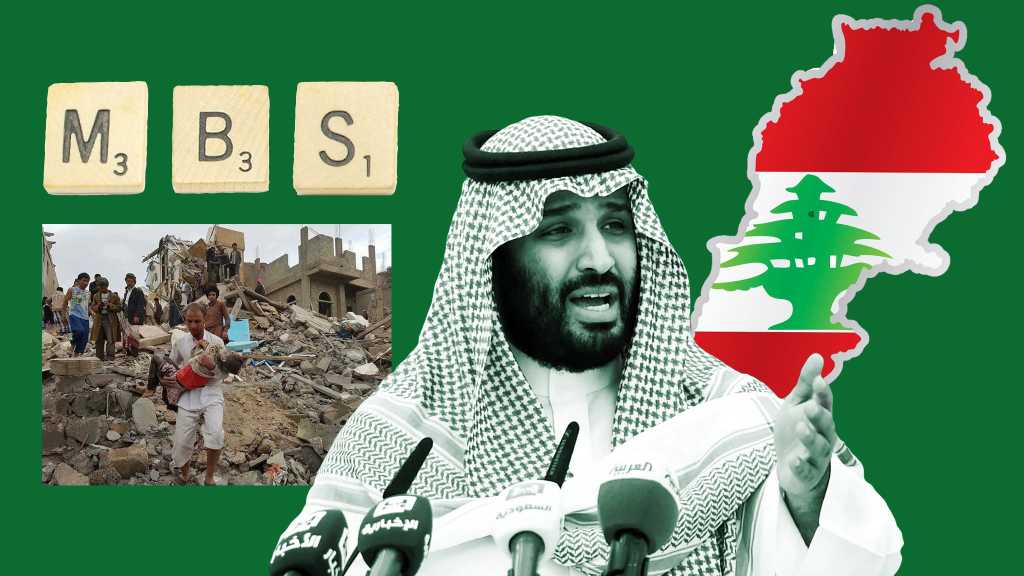
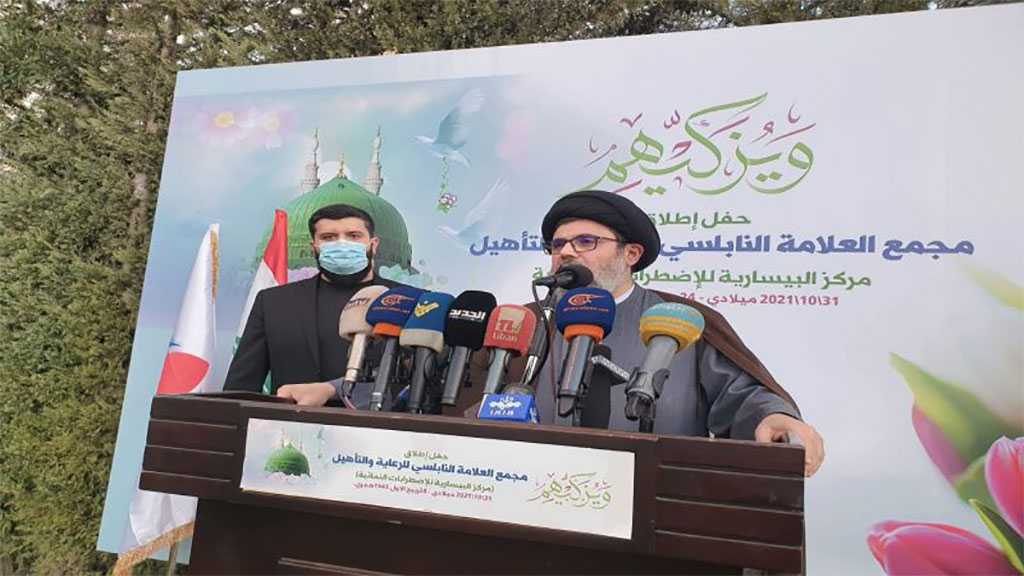
The Head of Hezbollah’s Executive Council, His Eminence Sayyed Hashem Safieddine said the diplomatic crisis between Lebanon and Saudi Arabia is rooted in Saudi Crown Prince Mohammed bin Salman [MBS]’s “fear” of the liberation of the Yemeni strategic city of Marib as Beirut supports Yemenis fighting the Saudi war.
Sayyed Safieddine noted in a statement that it is not “reasonable” to think that the diplomatic crisis is related to remarks made by the Lebanese information minister “it is rather greater than that.”
“What is happening in Saudi Arabia is a major thing, as the Saudis and the Gulf [countries] in general, who have followed the path of forming relations with ‘Israel’, cannot bear a voice from Lebanon and others who will criticize them in the future over the Saudi-‘Israeli’ relations, which will be made public in the coming days,” he added.
The senior Hezbollah official further underlined that the Saudi Crown Prince lives in a state of “dilemma and anxiety” and will have to face an excessive situation after the fall of Marib, emphasizing that MBS is fearful of losing all his illusions.
Sayyed Safieddine warned that all those who work to interrupt the Lebanese government, undermine the country’s stability, and mount US and Saudi sanctions to destroy Lebanon, highlighting Hezbollah’s sacrifices “in order not to lead our country to internal clashes, and for this, we [have striven to] resolve the economic and internal problems of the Lebanese people.”
His Eminence emphasized that those who are pushing to fabricate security, diplomatic and political crises in Lebanon are the ones that are working to sabotage the country.
He said that the future of Lebanon is not in the hands of the Saudis “but in the hands of God and thanks to those who sacrificed for the dignity of the country.”
Saudi Arabia will not tolerate any criticism in the future, especially after its relations with the ‘Israeli’ regime will be public in the coming days, the Hezbollah official added.
The Saudi-Lebanon row began after current Lebanese Information Minister George Kordahi said during a television program that was recorded before Kordahi became minister, but was aired last Monday, that the 2015-present Saudi Arabia-led war on Yemen was an act of aggression by Riyadh and the United Arab Emirates [UAE], the kingdom’s most significant ally in the military campaign.
Kordahi called the war “absurd,” saying it had to stop because he was opposed to wars between Arabs. The minister also said the Yemeni army forces and their allied fighters from the Popular Committees were “defending themselves … against an external aggression.”
The Saudi kingdom subsequently recalled its ambassador from Beirut and expelled the Lebanese envoy from the Saudi capital.
Voltaire, actualité internationale, n°190
-
Outre ce site internet gratuit, nous publions une lettre confidentielle en
PDF, Voltaire, actualité internationale. Chaque jeudi soir ou vendredi
matin, vo...
Rabbi Jeff and Grok
-
JAKEGTV, banned on JewTube and Jew-owned Instagram, seems to be back on
X:POV: You Try Watching The Flydubai Hijacking But The Anchors Keep
Noticing https:...
The Legendary Golem
-
The Legendary Golem October 3 2026 ___________________________________ More
Vids! +BN Vids Archive! HERE! ___________________________________ Support
The B...
The United States At A Crossroad
-
The United States At A Crossroad—An Analysis (16 Sept 2026) by Lawrence
Davidson Part I—Texas vs Minnesota Back in mid-May […]
Report on Beth Israel vigil 09-12-26
-
*Eat-a-Cheeseburger Day Approaches*
This year, EAC Day appears on Monday, September 21st. The date coincides
with the Jewish holiday called Yom Kippur. Cl...
-
Hello all,
It is with great sadness that I share with you the passing of our beloved
sister, Mother, and Grandmother, the individual that you all knew ...
Best Horror Podcast
-
Best Horror Podcast Introduction: Horror podcasts […]
The post Best Horror Podcast appeared first on Copper Shock Horror Podcast.
Ikhras Endorses Muntadhar Al-Zaidi
-
“Oh parties of banditry and sectarianism and corruption, we have come and
our goal is to destroy you.” Ikhras formally endorses Muntadhar al-Zaidi,
Iraqi j...
Prince Charles: Foreign Jews behind bloodshed in ME
-
In May, 2017, British Crown Prince Charles declined an invitation from
Zionist entity’s president Reuven Rivlin‘s to attend the 100th anniversary
of the no...
Palestinian Women – One for All, All for One
-
Honouring All Palestinian Women by Honouring Three: Hanin Zoabi, Ahed
Tamimi, Samah Sabawi Vacy Vlazna “Palestinian women have always stood side
by side ...
US’s Saudi Oil Deal from Win-Win to Mega-Lose
-
By F. William Engdahl Who would’ve thought it would come to this? Certainly
not the Obama Administration, and their brilliant geo-political think-tank
neo-...
-
*Mordechai Vanunu wins human rights prize of Brazilian Press Association *
* http://www.alternativenews.org/english/index.php/features/updates/7038-mordechai...
Abdul Aziz Rantissi:
"My ultimate wish, my God, is to attain martyrdom,"...God granted him his wish on April 17, 2004, at the hands of Israeli assassins.