BY
As disorder deepens in Iran amid widespread protests, fears are rising that the fall of Iran’s revolutionary Shiite Islamic Republic could lead to disaster in the region and the re-emergence of an even greater foe of the United States—the Islamic State militant group known as ISIS.
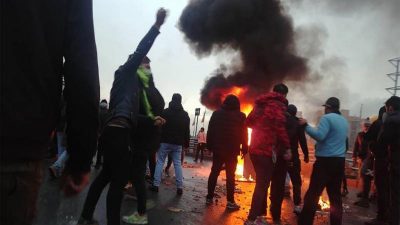
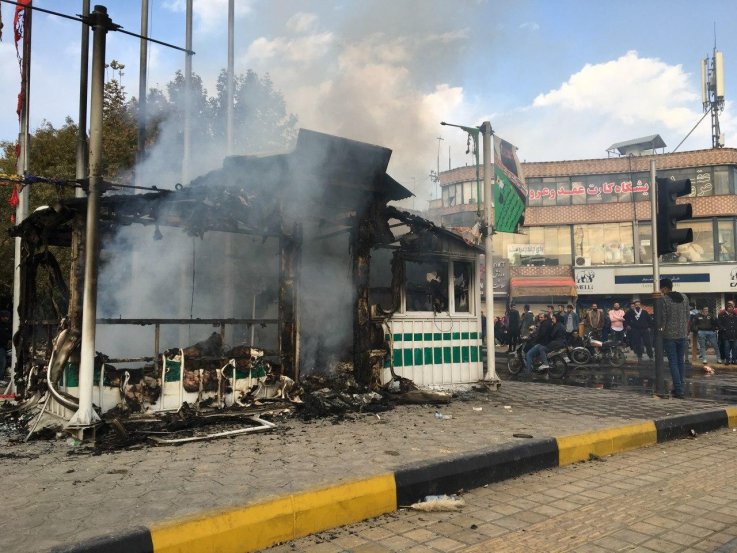
Violent protests sparked by a cut in gas subsidies continue to erupt across Iran, fueled further by a forceful crackdown on protesters from the government. The unrest, coupled with crippling U.S. sanctions and costly campaigns across the Middle East, has incensed those fighting for regime change from within the country, opening an opportunity for Iran’s enemies both at home and abroad to capitalize on this discord and vulnerability.
“Different groups hostile to the Iranian government, including ISIS, separatists or other ones, have and will take advantage of any unrest in the country,” Abas Aslani, a visiting scholar at the Istanbul-based Center for Middle East Strategic Studies and editor-in-chief of the Iran Front Page outlet, told Newsweek.
“They could find a way in this situation to bring more damage to the country,” he added. “This will not be limited to the groups, but also some foreign countries inside and outside the region will also use the opportunity for weakening or changing the regime in Iran and bring instability to the country.”
Iran has remained steadfast in the face of its foes foreign and domestic, and few expect the full demise of the government. But even those inside and outside Iran who support the rallies that continue day and night against the clerics running the nation fear the chaos alone could foster conditions for ISIS to breed.
“Any collapse or weakening of a state in the region is likely to fuel into more instability in the region,” Aslani told Newsweek. “This is also a concern of even opponents in Iran, in so that they are not sure in the case of the collapse of the current system in the country who will replace them and how the situation will be.”
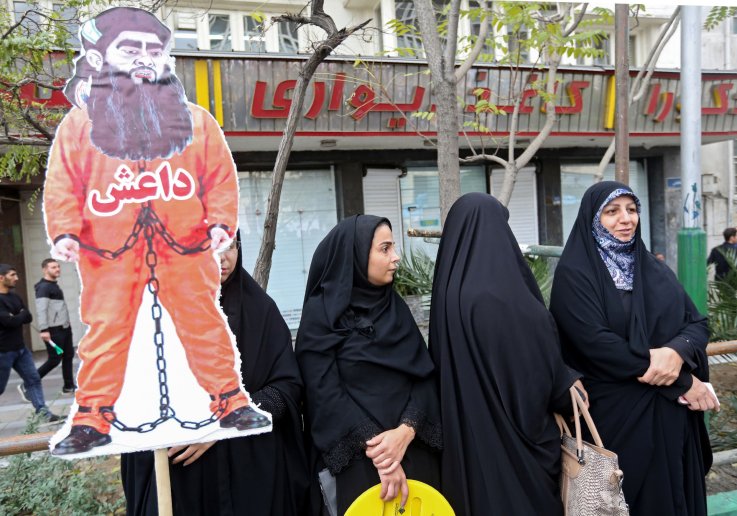
To Iran, the fight against ISIS has always been an existential one. Just as the Pentagon began coordinating its own involvement in June 2014, Iran had begun mobilizing mostly Shiite Muslim militias in both Iraq and Syria to beat back lightning gains made by the Sunni Muslim insurgents that reveled in the slaughter of those deemed to be outside of their ultraconservative ideology.
This proved vital in turning the tide against the jihadis, who have been largely defeated in recent years.
“Iran was critical in providing logistical and advisory support to Iraqi paramilitary forces who battled ISIS in Iraq, particularly during the early days of the campaign,” Rodger Shanahan, a research fellow at the Lowy Institute’s West Asia Program and former director of the Australian Army’s Land Warfare Studies Centre, told Newsweek.
As for Syria, where ISIS spread amid an ongoing civil war, Shanahan said Iran’s support for President Bashar al-Assad “also meant that it has contributed to the anti-ISIS campaign, although it is fair to say that that was by no means the aim of their support for Assad and the targeting of ISIS has been sporadic at best.”
In fighting ISIS abroad, Iran managed to help dismantle the jihadis and broaden the Islamic Republic’s own support network of partnered forces also hostile to Israel, Saudi Arabia and the U.S. Establishing this so-called Axis of Resistance proved a major strategic victory, but it came at a steep price.
These campaigns cost Iran capital, both human and financial, and strict U.S. sanctions have choked up Tehran’s access to disposable income. Although the Iranian government is believed to still have access to considerable wealth to run its operations, the dual effects of a U.S.-imposed trade siege and domestic mismanagement have made life more difficult for everyday Iranians unable to take advantage of the economic reforms promised by President Hassan Rouhani.
The Rouhani administration’s decision to cut fuel subsidies last month and ultimately transition to a welfare-based system had actually been in the works for some time and was supported by the International Monetary Fund. Still, the sudden shift was seismic for Iranians accustomed to cheap fuel and people have taken to the streets to protest in massive numbers.
The government’s reaction on the ground was swift and, against who officials claimed were rioters, deadly.
Amnesty International has estimated that more than 200 Iranians have been killed during the unrest and Brian Hook, the State Department’s special representative for Iran, placed the casualties at “many hundreds, perhaps over a thousand”—a figure far higher than other estimates provided by human rights monitors. No conclusive count exists and the Iranian government has disputed these numbers.
Those groups are “the biggest non-state threat to Iran today,” Ariane Tabatabai, an associate political scientist at the RAND Corporation and an adjunct senior research scholar at Columbia University’s School of International and Public Affairs, told Newsweek. The most volatile border areas are Sistan-Baluchistan, Khuzestan and Kurdistan. Watchers worry that any escalation of insurgencies in these parts could propel Iran toward the sectarian strife seen in Syria.
“That’s part of what’s deterring many Iranians from outright pushing for regime collapse: The lessons of Syria loom large,” she added.
Insurgencies were waged by separatist Arab, Baluch and Kurdish militias for decades before ISIS, Al-Qaeda or even the 1979 Islamic Revolution that overthrew the pro-West shah, who long-enjoyed the CIA maintaining his rule. The Islamic Republic has managed to keep these restive communities in line, but deadly attacks persist, such as a February bus bombing that killed up to 27 members of the Revolutionary Guard.
The operation was claimed by Jaish ul-Adl, which along with fellow Sunni Islamist group Ansar Al-Furqan, has taken advantage of previous periods of unrest in an attempt to undermine the Iranian government. ISIS, notorious for its ability to build bridges across continents, has actively sought to exploit these national struggles as it does in countries as far away as the Philippines.
The group’s reach within Iran remains fairly insignificant, Tabatabai added. She explained, however, that “ISIS has mostly focused its efforts in the areas with significant Kurdish and Arab minority populations—because these are populations that have been historically neglected if not repressed by the central authority.”
While eradicating adversarial forces and projecting its own influence abroad were integral motivations for Tehran’s entrance into the fight against ISIS, so was disrupting any potential nexus between the influential jihadi group and other opponents of Iran within the country itself. Shanahan told Newsweek that from the beginning, “Iran was concerned at the threat ISIS posed to Iranian territory, and the possibility of support for low-level insurgencies amongst Arab and Baluch Sunni groups inside Iran.”
Even with limited success in its infiltration, ISIS managed to strike at the heart of the Islamic Republic in June 2017 when several Sunni Kurdish militants aligned with the group staged twin attacks on the Iranian parliament and the shrine to the late Ayatollah Ruhollah Khomeini, killing 18 people.
An attack last September at a Revolutionary Guard parade in Ahvaz commemorating the Iran-Iraq War—during which Saddam Hussein, too, tried to foster Arab separatism in Khuzestan—killed two dozen people, half of them soldiers, and was claimed by both ISIS and Ahvazi Arab separatists.
In response, Iran launched Zulfiqar and Qiam missiles that flew hundreds of miles across Iraq and into the eastern Syrian province of Deir Ezzor, an ISIS stronghold at the time assaulted by two rival campaigns led by the Syrian government and the U.S.-backed, majority-Kurdish Syrian Democratic Forces. The unprecedented strike was seen not only as a message to ISIS, but as a testament of Iran’s missile prowess directed toward its top three national foes.
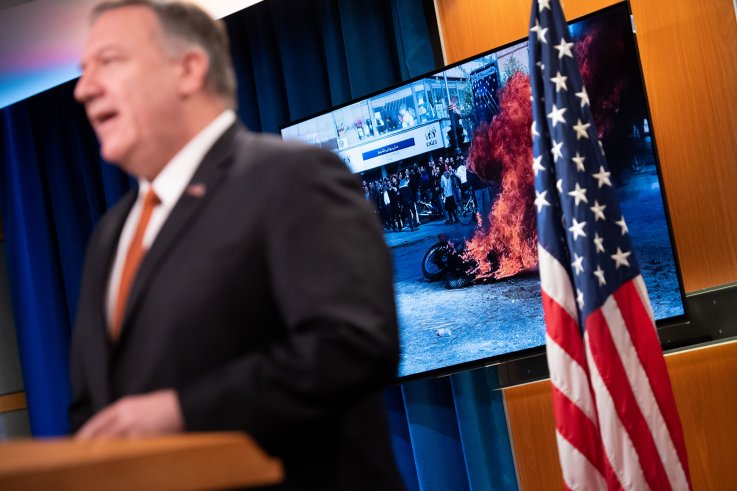
Iran has often blamed the U.S., Israel and Saudi Arabia for fomenting discord within the country in an attempt to overthrow a government they view as destabilizing to the region. No conclusive evidence of such a conspiracy regarding the current demonstrations has emerged, although top Washington figures—such as former national security adviser John Bolton, a devout war hawk—have openly courted opposition forces like Ahvazi Arab separatists and the People’s Mojahedin Organization of Iran, or Mujahedin-e-Khalq (MEK).
All three experts interviewed by Newsweek said they believed the collapse of the Iranian government was unlikely in the near future, despite the “maximum pressure” campaign by the U.S. against it. Even for Washington, this may not necessarily be a bad thing: It has repeatedly learned that an enemy government’s loss of control often had far-reaching repercussions in the form of mass refugee flows, the formation of new, more powerful enemies, and costly military interventions to fight them.
The fall of Iran—a nation whose population is higher than all three of those war-torn nations combined—would likely have even more devastating side effects and give ISIS and other underground forces new room to operate.
For now, the threat of ISIS appears to be under control. But worsening economic woes resulting from U.S. restrictions and political infighting among Iran’s own hard-liners and moderates ensure the militant group will continue to root for, if not actively seek out, Iran’s capitulation.
نيوزويك” تحذر: إذا سقطت إيران، سيصعد داعش مجدداً
توم أوكونور
من المرجح أن يكون لسقوط إيران آثار جانبية مدمرة أكثر، وهذا سيمنح داعش والقوات المتطرفة الأخرى مساحة جديدة للعمل.
 |
| “نيوزويك” تحذر: إذا سقطت إيران، سيصعد داعش مجدداً |
رأت مجلة “نيوزويك” الأميركية أنه مع تزايد الفوضى في إيران وسط احتجاجات واسعة النطاق، تتصاعد المخاوف من أن سقوط الجمهورية الإسلامية الشيعية الثورية في إيران يمكن أن يؤدي إلى كارثة في المنطقة وظهور عدو أكبر للولايات المتحدة هو تنظيم “داعش”.
وقالت المجلة إن الاحتجاجات العنيفة الناجمة عن خفض الدعم عن الوقود لا تزال تندلع في جميع أنحاء إيران، مما زاد من حدة القمع القوي للمتظاهرين من الحكومة. وأدت الاضطرابات، إلى جانب العقوبات الأميركية المشددة والحملات المكلفة في جميع أنحاء الشرق الأوسط، إلى إثارة غضب أولئك الذين يقاتلون من أجل تغيير النظام من داخل البلاد، مما أتاح الفرصة لأعداء إيران في الداخل والخارج للاستفادة من هذا الخلاف والضعف.
وقال عباس أصلاني ، باحث زائر في مركز الدراسات الاستراتيجية في الشرق الأوسط ومقره إسطنبول لـ”نيوزويك”: “هناك مجموعات مختلفة معادية للحكومة الإيرانية، بما في ذلك داعش والانفصاليون أو غيرها، وستستفيد من أي اضطرابات في البلاد”. وأضاف “يمكنهم إيجاد طريقة في هذا الموقف لإحداث مزيد من الضرر للبلاد. لن يقتصر هذا على المجموعات، ولكن أيضاً ستستغل بعض الدول الأجنبية داخل المنطقة وخارجها الفرصة لإضعاف النظام أو تغييره في إيران وجلب عدم الاستقرار إلى البلاد”.
ورأت المجلة الأميركية أن إيران بقيت صامدة في وجه خصومها الأجانب والمحليين، ويتوقع القليلون الزوال الكامل للحكومة. لكن حتى أولئك داخل وخارج إيران الذين يدعمون المسيرات التي تستمر ليلاً ونهاراً ضد رجال الدين الذين يديرون البلاد يخشون من أن الفوضى وحدها يمكن أن تعزز الظروف لنمو “داعش”.
وقال أصلاني لنيوزويك: “أي انهيار أو إضعاف دولة في المنطقة من المرجح أن يؤدي إلى مزيد من عدم الاستقرار في المنطقة. هذا مصدر قلق حتى للمعارضين في إيران، حتى أنهم غير متأكدين في حالة انهيار النظام الحالي في البلد من الذي سيحل محله وكيف سيكون الوضع”.
وأضافت “نيوزيويك” أنه بالنسبة لإيران، كانت المعركة ضد “داعش” دائماً وجودية. وكما بدأ البنتاغون في تنسيق مشاركته في حزيران / يونيو 2014، بدأت إيران في حشد الميليشيات التي يغلب على سكانها الشيعة في كل من العراق وسوريا للرد على المكاسب السريعة التي حققها المتمردون “الجهاديون السنة” الذين قاموا بذبح أولئك الذين يُعتبر أنهم خارج نطاقهم أيديولوجيتهم فائقة التشدد.
وقال رودجر شاناهان، وهو زميل باحث في برنامج غرب آسيا التابع لمعهد لوي ومدير سابق لمركز دراسات الحرب البرية في الجيش الأسترالي، قال لمجلة نيوزويك:
“ثبت أن هذا أمر حيوي في قلب المد ضد الجهاديين، الذين هُزموا إلى حد كبير في السنوات الأخيرة. لقد كان لإيران دور حاسم في تقديم الدعم اللوجستي والاستشاري للقوات شبه العسكرية العراقية التي حاربت داعش في العراق، خاصة خلال الأيام الأولى للحملة”.
أما بالنسبة لسوريا، حيث انتشر داعش وسط حرب أهلية متواصلة، قال شاناهان إن دعم إيران للرئيس بشار الأسد “عنى أيضاً أنها ساهم في الحملة ضد داعش، رغم أنه من الإنصاف القول إن هذا لم يكن بأي حال من الأحوال هدف دعمهم للأسد وكان استهداف داعش متقطعاً في أحسن الأحوال “.
وقالت “نيوزويك” إنه في قتال “داعش” في الخارج، تمكنت إيران من المساعدة في تفكيك الجهاديين وتوسيع شبكة دعم “الجمهورية الإسلامية” للقوات الشريكة المعادية لـ”إسرائيل” والسعودية والولايات المتحدة. وقد أثبت إنشاء ما يسمى محور المقاومة هذا انتصاراً استراتيجياً كبيراً، لكنه جاء بسعر عالٍ.
فقد كلفت هذه الحملات رأس المال الإيراني، البشري والمالي، وفرضت عقوبات أميركية صارمة على وصول طهران إلى عائداتها المتاحة. ورغم أنه يُعتقد أن الحكومة الإيرانية لا تزال لديها إمكانية الوصول إلى ثروة كبيرة لإدارة عملياتها، إلا أن الآثار المزدوجة المتمثلة في الحصار التجاري الذي تفرضه الولايات المتحدة وسوء الإدارة الداخلية جعلتا الحياة أكثر صعوبة بالنسبة للإيرانيين العاديين غير القادرين على الاستفادة من الإصلاحات الاقتصادية التي وعد بها الرئيس حسن روحاني.
وتنقل المجلة عن أريان طباطبائي، وهي عالمة سياسية مشاركة في مؤسسة راند وكبيرة الباحثين المشاركين في كلية الشؤون الدولية والعامة في جامعة كولومبيا، قولها إن هذه المجموعات المتمردة هي “أكبر تهديد من غير الدول لإيران اليوم”. فأكثر المناطق الحدودية اضطراباً هي سيستان – بلوشستان، وخوزستان وكردستان. ويشعر المراقبون بالقلق من أن أي تصعيد لحركات التمرد في هذه الأجزاء يمكن أن يدفع إيران نحو الصراع الطائفي الذي شوهد في سوريا. وأضافت “هذا جزء مما يردع الكثير من الإيرانيين عن الدفع الصريح من أجل انهيار النظام: دروس سوريا تلوح في الأفق”.
وقد شنت التمردات من قبل الميليشيات العربية الانفصالية والبلوشية والكردية لعقود من الزمن قبل ظهور تنظيمي داعش والقاعدة أو حتى قبل الثورة الإسلامية في إيران عام 1979 التي أطاحت بالشاه الموالي للغرب ، الذي كان يتمتع لفترة طويلة بدعم وكالة الاستخبارات المركزية الأميركية (سي آي إيه)، التي حافظت على حكمه. تمكنت “الجمهورية الإسلامية” من الحفاظ على هذه المجتمعات المضطربة في خطها، لكن الهجمات المميتة لا تزال قائمة، مثل تفجير حافلة في فبراير / شباط الماضي الذي أسفر عن مقتل ما يصل إلى 27 من أعضاء “حرس الثورة الإسلامية”.
وقد تم تبني هذه العملية من قبل “جيش العدل”، الذي استفاد مع زملائه من جماعة “أنصار الفرقان” الأصولية في فترات سابقة من الاضطرابات في محاولة لتقويض الحكومة الإيرانية. لقد سعى “داعش”، الذي اشتهر بقدرته على بناء الجسور عبر القارات، بنشاط إلى استغلال هذه الصراعات الوطنية كما يفعل في بلدان بعيدة مثل الفلبين.
ورأت طباطبائي أن وصول “داعش” داخل إيران لا يزال ضئيلاً إلى حد ما. وأوضحت، مع ذلك، أن “داعش ركز معظم جهوده في المناطق التي تضم عدداً كبيراً من الأقليات الكردية والعربية – لأن هؤلاء هم (على الأقل) السكان الذين تم إهمالهم تاريخياً، هذا إذا لم تقمعهم السلطة المركزية”.
وفي حين أن القضاء على قوات الخصوم وتوقع نفوذها في الخارج كانا بمثابة دافعين أساسيين لدخول طهران في الحرب ضد “داعش”، فقد كان ذلك يعطل أي صلة محتملة بين هذه الجماعة الجهادية المؤثرة والمعارضين الآخرين لإيران داخل الدولة نفسها. وقال شاناهان لـ”نيوزويك” إنه منذ البداية “كانت إيران قلقة من التهديد الذي يشكله تنظيم داعش على الأراضي الإيرانية، وإمكانية دعم التمردات المنخفضة المستوى بين الجماعات العربية والسنية البلوشية داخل إيران”.
وأضاف شاناهان: “لديهم دعم محدود داخل إيران لكنهم قد يسعون إلى استغلال تركيز الأجهزة الأمنية على الاحتجاجات للقيام ببعض الأعمال التكتيكية المحلية”، مشيراً إلى أن التظاهرات الحالية كانت “حول استياء الإيرانيين من النظام ككل، مع رفع دعم الوقود كحافز، ولا يتعلق الأمر بحقوق الأقليات”.
وعلى الرغم من النجاح المحدود في تسلله، تمكن “داعش” من ضرب قلب “الجمهورية الإسلامية الإيرانية” في حزيران / يونيو 2017 عندما قام العديد من المسلحين الأكراد الذين انضموا إلى الجماعة بهجمات مزدوجة على البرلمان الإيراني وضريح الراحل آية الله روح الله الخميني، مما أسفر عن مقتل 18 شخصاً. فقد أسفر هجوم في أيلول / سبتمبر الماضي على عرض لـ”حرس الثورة” في الأهواز في ذكرى إحياء ذكرى الحرب العراقية-الإيرانية – التي حاول خلالها صدام حسين كذلك تعزيز الانفصالية العربية في خوزستان – عن مقتل عشرين شخصاً، نصفهم من الجنود، وتبنى كل من “داعش” والانفصاليون العرب المسؤولية عنه.
ورداً على ذلك، أطلقت إيران صواريخ “ذو الفقار” التي طارت مئات الأميال عبر العراق إلى محافظة دير الزور في شرق سوريا، وهي كانت معقلاً لـ”داعش” في ذلك الوقت حيث تمت مهاجمتها من قبل حملتين متنافستين بقيادة الحكومة السورية و”قوات سوريا الديمقراطية” ذات الأغلبية الكردية المدعومة من الولايات المتحدة. لم ينظر إلى الضربة غير المسبوقة كرسالة إلى “داعش” فحسب، بل كدليل على براعة الصواريخ الإيرانية الموجهة نحو خصومها الوطنيين الثلاثة الذين يأتون في أول القائمة.
وكثيراً ما ألقت إيران باللوم على الولايات المتحدة و”إسرائيل” والسعودية لإثارة الفتنة داخل البلاد في محاولة للإطاحة بحكومة يتهمونها بأنها تزعزع الاستقرار في المنطقة. لم يظهر أي دليل قاطع على مثل هذه المؤامرة فيما يتعلق بالتظاهرات الحالية، على الرغم من أن شخصيات بارزة في واشنطن – مثل مستشار الأمن القومي السابق جون بولتون، أحد صقور الحرب المتدينين – قد جنّد قوات المعارضة علناً مثل الانفصاليين العرب الأهوازيين ومنظمة “مجاهدي خلق” الإيرانية.
حتى عام 2012، كانت منظمة “مجاهدي خلق” منظمة إرهابية معينة من قبل الولايات المتحدة، وهو ما يمثل الخطوط الواضحة التي حددت منذ فترة طويلة سياسات واشنطن في الشرق الأوسط. في قتال داعش، شاركت الولايات المتحدة مع وحدات حماية الشعب (YPG) ، وهي مجموعة كردية سورية يُنظر إليها على نطاق واسع على أنها مرتبطة بحزب العمال الكردستاني المحظور، وعلى الرغم من أن ترامب قد تبنى موقفاً متشدداً ضد إيران، فإن البنتاغون قد أُجبر على مواصلة التعاون غير المباشر على الأقل مع قوات “الحشد الشعبي” العراقية، وهي مظلة لميليشيات تضم “كتائب حزب الله” المحظورة، المدعومة من إيران، من بين مجموعات أخرى.
وقال الخبراء الثلاثة الذين قابلتهم “نيوزويك” إنهم يعتقدون أن انهيار الحكومة الإيرانية أمر غير مرجح في المستقبل القريب، على الرغم من “أقصى ضغط” التي قامت بها الولايات المتحدة ضدها. حتى بالنسبة لواشنطن، قد لا يكون هذا شيئاً ضرورياً: فقد علمت مراراً أن فقدان سيطرة حكومة العدو في كثير من الأحيان كانت له تداعيات بعيدة المدى في شكل تدفقات كبيرة للاجئين، وتشكيل أعداء جدد أكثر قوة، وتدخلات عسكرية مكلفة لمحاربتهم.
وختمت “نيوزويك” أن من المرجح أن تكون لسقوط إيران – وهي دولة يزيد عدد سكانها عن الدول الثلاث التي مزقتها الحرب مجتمعة – آثار جانبية مدمرة أكثر وسيمنح داعش والقوات السرية الأخرى مساحة جديدة للعمل.
ففي الوقت الحالي، يبدو أن تهديد تنظيم “داعش” تحت السيطرة. لكن تفاقم المشاكل الاقتصادية الناجمة عن القيود الأميركية والاقتتال السياسي بين المتشددين والمتطرفين في إيران سيشجع المجموعة المتشددة على السعي بنشاط لاستسلام إيران.
ترجمة: هيثم مزاحم – الميادين نت
إن الآراء المذكورة في هذه المقالة لا تعبّر بالضرورة عن رأي الميادين وإنما تعبّر عن رأي الصحيفة حصراً
River to Sea
 Uprooted Palestinian
The views expressed in this article are the sole responsibility of the author and do not necessarily reflect those of the Blog!