Uprooted Palestinians are at the heart of the conflict in the M.E Palestinians uprooted by force of arms. Yet faced immense difficulties have survived, kept alive their history and culture, passed keys of family homes in occupied Palestine from one generation to the next.
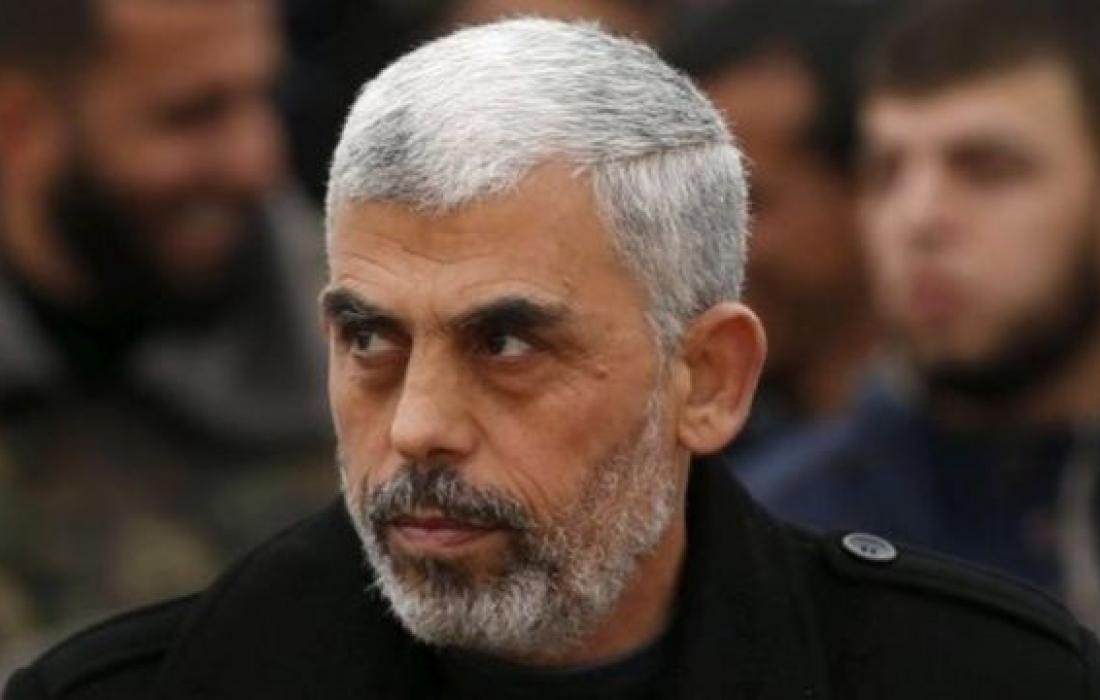
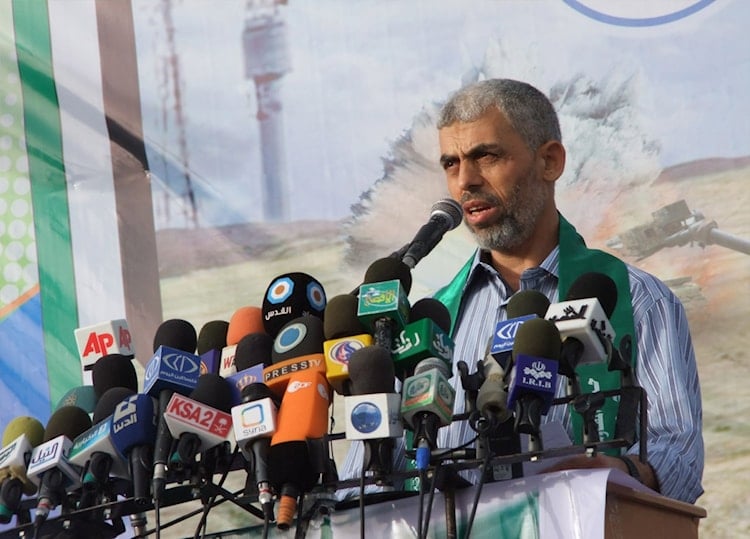
Hamas Chief in Gaza, Yahya Sinwar, indicated on Saturday that the Palestinian resistance used only 50% of its military power during Al-Quds Sword battle, highlighting the military readiness to face any Zionist aggression.
Addressing the academicians in Gaza, Sinwar stressed that if the confrontation erupts again, the entire Middle East will change, underlining that there are great surprises in this regard.
Sinwar pointed out that 130 missiles were fired by the Palestinian resistance at Tel Aviv, adding that the Zionist enemy could not destroy more than 3% of Gaza tunnels.
On the other hand, Sinwar said that the Palestinian resistance will reject any attempt to keep Gaza affected by the destruction caused by the Israeli war, adding that all who plan to support the Gazans or invest in the Strip are welcomed.
Sinwar, also, noted that the PLO must be reorganized in order to be joined by Hamas and the resistance factions, emphasizing that all the political concepts that were adopted by the PLO figures before Al-Quds Sword have become useless.
رئيس المكتب السياسي لحركة حماس في قطاع غزة يحيى السنوار يؤكد أنه “إذا تفجرّت المواجهة مع “إسرائيل” مجدداً، فإن شكل الشرق الأوسط سيكون مختلفاً عما هو عليه الآن”.
رئيس المكتب السياسي لحركة حماس في قطاع غزة يحيى السنوار (أرشيف)
أعلن رئيس المكتب السياسي لحركة حماس في قطاع غزة يحيى السنوار، أنه “إذا تفجرّت المواجهة مع “إسرائيل” مجدداً، فإن شكّل الشرق الأوسط سيكون مختلفاً عما هو عليه الآن، فالمقاومة قادرة على تحقيق الردع واستطاعت أن تصنع من المستحيل القوة المتراكمة”.
ولفت خلال لقاء مع الكتّاب والأكاديميين والأساتذة في جامعات بغزة، إلى أن”انتفاضة أهل الضفة الغربية والداخل شكلّت عامل ضغط أكبر من صواريخ المقاومة في العدوان على غزة، فيما الهرولة العربية للتطبيع والانقسام الفلسطيني والوضع الدولي شجعّت إسرائيل على عدوانها”.
وكشف السنوار أن “ما خفيّ كان أعظم، ففي في الرشقة الصاروخية الأخيرة التي أعددناها، كان القرار بإطلاق كافة الصواريخ القديمة”، موضحاً أن “العدو لن يستطيع فرض واقعه المزعوم في القدس والشيخ جرّاح مستغلاً حالة الانقسام والتطبيع”.
وتابع السنوار قائلاً: “مقاومتنا المحاصرة من العدو والأقربون، تستطيع أن تدك تل أبيب بـ130 صاروخاً برشقة واحدة، والرشقة الأخيرة بمعركة “سيف القــدس” كان القرار أن تدك بكل صواريخها القديمة، وما خفيّ أعظم”، مؤكدا أن “تل أبيب التي أصبحت قبلة الحكام العرب، حولناها إلى ممسحة وأوقفتها المقـاومة على رجل واحدة”.
وأشار السنوار إلى أن “الاحتلال لم يدمّر إلا كسوراً من أنفاق المقـاومة في قطاع غزة، وفشل في تحطيم “مترو حمـاس” لأننا نعشق هذه الأرض كما هي تعشقنا، كما فشل بتحطيم قدرات المقـاومة وفي تنفيذ خطته التي تقضي بقتل 10 آلاف مقاتل من المقاومة، ولم يدمروا أكثر من 3% من الأنفاق، مضيفا أنه “إستعملنا فقط نصف قوتنا”.
وشدد على أنه “لا يمكن أن نقبل دون انفراجة كبيرة يلمسها أهلنا في قطاع غزة، ونحن بعد أيار/مايو 2021 لسنا كما كنا قبله”، مؤكداً بسياق المناسبة أن “المعركة الأخيرة أثبتت أن المقاومة الفلسطينية تضم بين صفوفها عدداً كبيراً من حملة الشهادات العليا”.
انتخابياً، كشف السنوار عن ” تقديم كل تنازل ممكن وأبدينا مرونة عالية جداً من أجل الوصول لحالة تنهي شتاتنا وتنهي الانقسام، لكن الانتخابات ألغيت، وأي شخص يريد الإستثمار بقطاع غزة أو يقدم الدعم لغزة سنفتح له الباب ولن نأخذ أي شيء للمقاومة، والأيام القادمة ستكون اختباراً حقيقياً للاحتلال وللعالم وللسلطة لترجمة ما تم الاتفاق عليه”.
وأكمل: “أمامنا فرصة لإنهاء حالة الانقسام وترتيب البيت الفلسطيني ونقول كل ما كان يطرح قبل 21 أيار لم يعد صالحاً”، معتبراً أن “منظمة التحرير بدون حركة حمـاس وفصائل المقـاومة هي مجرد صالون سياسي، وأمامنا استحقاق فوري لترتيب المنظمة لتمثّل الجميع ولنضع استراتيجيتنا الوطنية لإدارة الصراع لتحقيق جزء من أهداف شعبنا”.
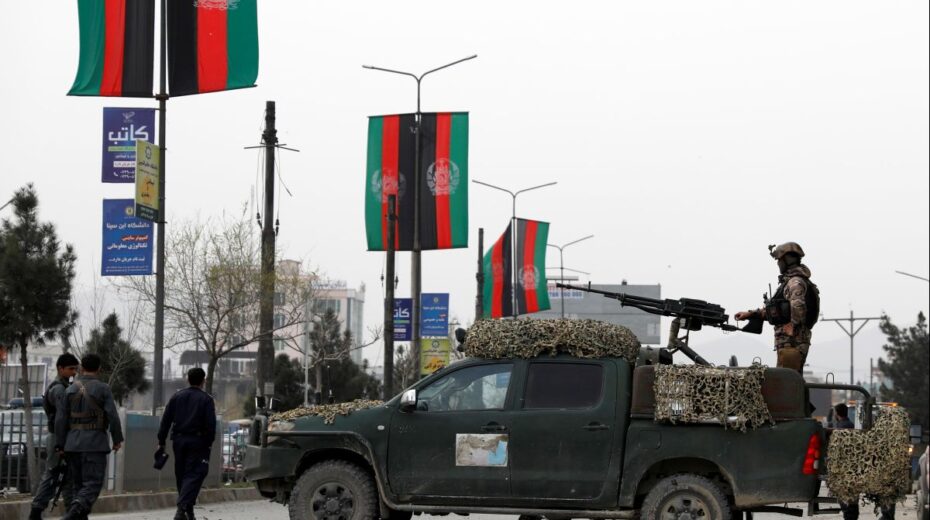
The Establishment Foreign Policy has long advocated a policy of staying in Afghanistan until a political reliable government is established there.
Possibly the best news to come out of the past week has been the announcement of a possibly Egyptian mediated cease fire between Israel and Gaza late last Thursday. The fighting killed 243 Palestinians, including 66 children, versus twelve Israelis including two children and also did major damage to schools, medical facilities and other infrastructure in Gaza. It is being widely presumed that Prime Minister Benjamin Netanyahu pulled the plug on the “Guardians of the Walls” offensive because of concerns that Israeli Army brutality was inflicting serious damage on the hitherto favorable perception of the Jewish state in the United States. As U.S. support of Israeli initiatives for both the money and political cover that Washington provides is essential to the Netanyahu long term plan to annex nearly all of the West Bank, it would have seemed prudent to take one’s foot off the pedal until the expected next round of fighting.
Though it has not been confirmed, it seems reasonable to assume that President Joe Biden might have offered a considerable sweetener to Netanyahu to nudge the Israeli leader towards the cease fire. It appears to have come in the form of an offer to help pay for and assist the reconstruction of Gaza with one apparent condition, that Hamas effectively completely disarm by getting rid of all its missiles. Presumably U.S. or United Nations inspectors would make sure the job were done right, would share what they learn about Gaza’s tunnel system with Israeli intelligence, and the IDF in turn would find it much easier going the next time it chooses to attack. As usual, the American taxpayer would be victimized to undo the damage in paying for a significant part of the multi-billion dollar reconstruction tab.
But in terms of benefiting actual American interests, there has also been the Biden Administration decision to lift the sanctions imposed by Donald Trump on the contractors who have been working on the Nord Stream 2 pipeline which will deliver Russian gas to Germany. The Trump Administration, driven by its gaggle of neocon advisers, had declared that the pipeline was a “national security threat” and initiated sanctions on all parties involved, including Russian Prime Minister Vladimir Putin, while also appointing a special envoy to put pressure on the German government to renege on the deal. The pipeline was and is good business for Moscow and also for Berlin since the Russian gas is cheaper than other available supplies. It will cost $11 billion to complete, is over 95% finished and will reportedly create at least 10,000 jobs.
It initially looked as if Biden would continue the Trump policy. As recently as mid-March Secretary of State Tony Blinken stated that it was a bad deal because “this pipeline is a Russian geopolitical project intended to divide Europe and weaken European energy security.” He said he would do “whatever he can to stop [its] completion” and also warned that companies working on the pipeline must cease work immediately or face more “harsh” U.S. sanctions. Most of the companies were and are Western European and nominally NATO allies of the U.S. and Nord Stream 2 and while it appeared likely that the project would be completed for good economic reasons, the German government was reportedly undecided, afraid to confront Biden.
Washington was angered, at least in part, because it wanted to sell more expensive American gas to the Germans. Biden surprisingly has decided to abandon the bad Trump policy, which, inter alia also has given fuel to European anti-U.S. sentiment while serving unnecessarily to increase tension with Russia. The move was welcomed both in Germany and in Russia. The German Foreign Minister noted that it was a sign that Washington is now willing to work with its “partners.” It is an all too rare “win” for American foreign policy.
Now for the bad news. President Joe Biden has recently received an unexpected gift in the form of a letter signed by 126 retired admirals and generals stating that he is not qualified to hold office because of his health and because the 2020 election process was flawed. It also raises a number of specific foreign and national security policy issues, including the threat from China, the border crisis and increased censorship. One might expect that the letter originated in a circle of disgruntled Trump supporters and could therefore be ignored, but many of signatories are not known to be Republican Party supporters. Given that, the agenda just might be more complicated and its timing suggests that it might be linked to the United States proceeding with its withdrawal from Afghanistan.
What might be referred to as the Establishment Foreign Policy as opposed to what sometimes goes on in the State Department and White House has long advocated a policy of staying in Afghanistan until the establishment of a stable and political reliable government in Kabul is completed. And to be sure there are many dissidents in Congress who see leaving Kabul as yet another avoidable defeat for the United States. Given all of that, several previous attempts by Donald Trump to withdraw the U.S. troops were successfully undermined by critics and eventually abandoned. Biden, however, appears to be sticking to his pledge to depart fully by September 11th and many tons of military equipment are currently being removed from the country.
This has produced multiple attacks on the intention to leave Afghanistan effectively in the hands of the Taliban. A humanitarian pitch has included stories on how women will suffer, being deprived of schooling and opportunity if and when the Taliban return to power. That claim is unfortunately true but the continued presence of a couple of thousand American soldiers at bases in a country as large and infrastructure deficient as Afghanistan will not reverse attitudes that are as much cultural and religious as political.
And the pressure on Biden to reverse the decision is growing. On May 25th, for example, the Center on National Security at Fordham Law in New York hosted a discussion panel looking into “Departure from Afghanistan: Envisioning a Responsible Withdrawal.” The panel’s conclusions were to say the least mixed and have already been used by critics of the Biden decision.
Pressure is also coming from Congress, even from lawmakers who would normally support the White House. “This has some eerie resemblances” [to Vietnam], Representative Gerald E. Connolly, a Virginia Democrat, said pointedly at a “heated” hearing last week at the House Foreign Affairs Committee. He recalled the unexpectedly rapid collapse of security in Saigon in 1975 as U.S. forces evacuated the last of the personnel from the American embassy, lifting employees from the roof of the building with helicopters. He added that “It seems the American game is to cut its losses and leave and hope for the best — not our problem. The problem is because of this engagement, just like Vietnam, we’re leaving behind hundreds of thousands of Afghans who relied on us, trusted us, for security.”
And if more resistance to the plan were needed, it came last week from George W. Bush, best noted for his disastrous invasions of both Afghanistan and Iraq. Bush had no end game to extricate the U.S. from either intervention and the results of the improvised policies that have continued now for nearly twenty years are clearly evident. Bush said in a Fox News interview “I’ve always warned that no U.S. presence in Afghanistan will create a vacuum, and into that vacuum is likely to come people who treat women as second class citizens… One of the great successes of the liberation of Afghanistan and the removal of al-Qaeda’s safe haven was that women and girls began to flourish in the country… We all benefit when women and girls are empowered to realize their full potential and become contributing members of society. And Laura and I will always stand behind them… I’m also deeply concerned about the sacrifices of our soldiers, and our intelligence community, will be forgotten…”
Bush also said that Iran is very dangerous for “world peace” because it is targeting Israel, revealing yet again that he, like the Bourbon kings of France, has not learned anything since leaving office. In any event, the comments by Bush, the pushback in Congress, the holding of academic conferences on leaving Afghanistan as well as the letter from retired senior military officers just might be part of the same plan to force Biden into extending the timetable or even revoking the orders for U.S. departure from Kabul. And it just might succeed. That would be very bad news indeed.
Published date: 20 May 2021 20:01 UTC | Last update: 10 mins 28 secs ago
A ceasefire between Israel and Hamas aimed at ending eleven days of intense bombing on the besieged Gaza Strip appeared to be holding early on Friday, despite cross-border attacks in the hours leading up to the truce.
Israeli Prime Minister Benjamin Netanyahu’s office said in a statement on Thursday that it had accepted Egypt’s proposal for a “mutual” ceasefire in the Gaza Strip, after several days of mounting international pressure.
The ceasefire, if it holds, would end the heaviest Israeli bombardment of the Gaza Strip since its 2014 offensive.
Palestinians in Gaza and the occupied territories took to the streets to celebrate at 2 am local time, (23:00 GMT Thursday), when the ceasefire came into effect.
Celebratory gunfire and fireworks could be heard while mosques used their loudspeakers to broadcast celebratory chants as the war-torn enclave hailed the apparent end to some of the worst violence in a decade.
The ceasefire comes amid heightened pressure from the US and the European Union.
In remarks delivered on Thursday evening, US President Joe Biden Biden commended both Egyptian President Abdel Fattah el-Sisi and Netanyahu for the truce, while reiterating that the US “fully supports Israel’s right to defend itself against indiscriminate rocket attacks from Hamas and other Gaza based terrorist groups”.
“These hostilities have resulted in the tragic deaths of so many civilians, including children, and I send my sincere condolences to all the families, Israeli and Palestinian, who have lost loved ones,” Biden said.
Biden added that the US was committed to providing humanitarian assistance and support for reconstruction efforts in Gaza, but would only work with the Palestinian Authority, not Hamas.Live: Hamas and Israel agree to Gaza ceasefire after intense violence
Despite efforts to broker a ceasefire, both parties continued exchanging blows late on Thursday – with Israeli strikes causing significant damage in the besieged Gaza Strip.
More than two million Palestinians are packed into Gaza, an area the size of the US city of Detroit. Under blockade by Israel since 2006, the area has been described as “the world’s largest open-air prison”.
Earlier, the White House said that it believed Israel would agree to a ceasefire because it had “achieved significant military objectives that they laid out to achieve, in relation to protecting their people and to responding to the thousands of rocket attacks from Hamas”.
“So that’s why in part that we feel they’re in a position to start winding their operation down,” said White House press secretary Jen Psaki during a regular briefing earlier in the day.
Sheikh Jarrah and al-Aqsa Mosque
Hamas began shooting rockets at Israel on the night between 9 and 10 May. The initial attacks, which caused no deaths or damage, were in response to Israel’s invasion of the al-Aqsa Mosque and its attempts to forcibly evict Palestinian families in East Jerusalem’s Sheikh Jarrah neighbourhood.
Tensions were already high as Israel had put severe limitations on Palestinians’ right to enter and pray at al-Aqsa Mosque during the holy month of Ramadan. Around the same time, Israel’s Supreme Court had ordered 40 Palestinians in Sheikh Jarrah, including 10 children, out of their homes, which were set to be taken over by Israeli settlers.
Protests erupted in Sheikh Jarrah over the decision, and within days, solidarity demonstrations spread across the rest of occupied East Jerusalem and the West Bank, as well as Gaza.
Israeli forces attacked a large solidarity protest at al-Aqsa Mosque that had followed a massive day of prayers, shooting tear gas and rubber-coated metal bullets into and around the mosque, which is considered the third holiest site in Islam.
Outrage quickly spread across Palestinian communities, and the Hamas movement gave Israel an ultimatum, demanding it withdraw its forces from al-Aqsa Mosque and halt its plans to force Palestinian families out of Sheikh Jarrah.
When Israel did not respond, Hamas shot its first missile. The next day, Israel responded with sophisticated air strikes and began taking out high rise buildings. Throughout its bombing campaign, a high level of civilian casualties, particularly children, have been documented.
While there were reports that the ceasefire had been conditional on Israel meeting Hamas’ original demands, Israeli journalist Barak Ravid has reported that no such conditions were agreed upon.
BREAKING: Senior Israeli official pushed back on Hamas claims: “The agreement is unconditional. There are no understandings or commitments regarding the al-Aqsa mosque or Sheikh Jarrah as part of the agreement. Those claims are totally false”
“The agreement is unconditional. There are no understandings or commitments regarding the al-Aqsa mosque or Sheikh Jarrah as part of the agreement. Those claims are totally false,” a senior Israeli official told Ravid.
Jerusalem to see ‘disguised calm’
Despite the ceasefire announcement, Palestinians in the occupied territories said they remained sceptical that tensions would ease in Jerusalem, particularly with residents of Sheikh Jarrah still at risk of imminent eviction.
Hamza Qattina, a lawyer from Jerusalem, said the ceasefire brought about a “disguised and temporary calm” in the disputed city.
“This mask will disappear shortly after the end of the war and the occupation will return to its violations,” he told Middle East Eye.
‘This mask will disappear shortly after the end of the war and the occupation will return to its violations’
– Hamza Qattina, lawyer
He added that Israeli courts had not annulled the decision to evict Palestinian residents from their homes.
“Instead, occupation forces have set up barricades around Sheikh Jarrah and besieged its people even more. They are trying to expel the families making the least noise possible,” he added.
Qattina said that he expected Israel to de-escalate tensions in Jerusalem for a few weeks, “so that everyone thinks they are not the ones causing tensions.”
‘New equation’
Hatem Abdel-Qader, a member of the Fatah Revolutionary Council and Council of Islamic Endowments, said that recent developments in Gaza created a new awareness regarding the Palestinian struggle and the dire situation Jerusalem.
“Jerusalem will remain the compass and heart of events regardless of whether the aggression on the Gaza Strip ends or continues,” he told MEE.
“The battle in Jerusalem is still ongoing and will continue until Israel ends the occupation. For Israel, Jerusalem is at the forefront of its attack on Palestinian national aspiration and it’s undergoing a fierce open war against all components of the city,” he told MEE.
‘Jerusalem will not calm down as long as Sheikh Jarrah is being targeted’
– Hatem Abdel-Qader, Fatah Revolutionary Council
“Therefore, the noble Aqsa Mosque will remain the hottest flashpoints and the other point will be Sheikh Jarrah. These won’t calm down as long as Israeli measures continue.
“I believe Jerusalem before the 28th of Ramadan is different from Jerusalem after this date,” Abdel-Qader said.
“There is a new awakening and a new equation established by the people of Jerusalem which is based on meeting Israeli oppression and aggression with steadfastness and resistance.”
This new equation, according to Abdel-Qader, is what compelled Israel to postpone, even if temporarily, the eviction notice for the residents of Sheikh Jarrah. He pointed out that Israel has realised the expulsions would constitute a “red line” for the residents of Jerusalem.
“Jerusalem will not calm down as long as Sheikh Jarrah is being targeted and there are attempts to evict Palestinians.”
Palestinian struggle bolstered
Meanwhile, researcher and political analyst Khalil Shaheen believes that the current moment across occupied Palestinian territories will strengthen the longstanding tradition of resistance in the Palestinian struggle against Israel.
Speaking to MEE, Shaheen said the struggle against the occupation has been taking a new turn since 2014, after the Israeli aggression on the Gaza Strip and the popular uprising that coincided with it in the West Bank. Then there was the Jerusalem popular uprising in 2017 against the installation of electronic gates by Israeli authorities on gates of al-Aqsa Mosque.Heavy Israeli crackdown on Palestinians in West Bank marking Nakba anniversaryRead More »
On the current wave of demonstrations, Shaheen said the West Bank is witnessing a new phase. The researcher said the wave has mostly been dominated by youth and popular initiatives that appear to be largely unorganised but are still able to accumulate efforts and make an impact.
Despite Shaheen’s optimism that the popular sentiment of resistance in the West Bank will continue, he fears the Palestinian Authority’s repressive policies will likely lead to more oppression and persecution.
“There is a big gap between the aspirations of the Palestinian street and the aspirations of the Palestinian Authority,” Shaheen said.
Shaheen said Palestinian President Mahmoud Abbas is eager for the fighting in Gaza to end so that he can focus efforts on going back to negotiations with Israel and reviving the peace process.
“There is a gap between the PA on one hand, which wants to recreate the same old policies, and a Palestinian youth on the other hand who want to forge a new path for themselves,” Shaheen said.
Published date: 20 May 2021 20:01 UTC | Last update: 10 mins 28 secs ago
A ceasefire between Israel and Hamas aimed at ending eleven days of intense bombing on the besieged Gaza Strip appeared to be holding early on Friday, despite cross-border attacks in the hours leading up to the truce.
Israeli Prime Minister Benjamin Netanyahu’s office said in a statement on Thursday that it had accepted Egypt’s proposal for a “mutual” ceasefire in the Gaza Strip, after several days of mounting international pressure.
The ceasefire, if it holds, would end the heaviest Israeli bombardment of the Gaza Strip since its 2014 offensive.
Palestinians in Gaza and the occupied territories took to the streets to celebrate at 2 am local time, (23:00 GMT Thursday), when the ceasefire came into effect.
Celebratory gunfire and fireworks could be heard while mosques used their loudspeakers to broadcast celebratory chants as the war-torn enclave hailed the apparent end to some of the worst violence in a decade.
The ceasefire comes amid heightened pressure from the US and the European Union.
In remarks delivered on Thursday evening, US President Joe Biden Biden commended both Egyptian President Abdel Fattah el-Sisi and Netanyahu for the truce, while reiterating that the US “fully supports Israel’s right to defend itself against indiscriminate rocket attacks from Hamas and other Gaza based terrorist groups”.
“These hostilities have resulted in the tragic deaths of so many civilians, including children, and I send my sincere condolences to all the families, Israeli and Palestinian, who have lost loved ones,” Biden said.
Biden added that the US was committed to providing humanitarian assistance and support for reconstruction efforts in Gaza, but would only work with the Palestinian Authority, not Hamas.Live: Hamas and Israel agree to Gaza ceasefire after intense violence
Despite efforts to broker a ceasefire, both parties continued exchanging blows late on Thursday – with Israeli strikes causing significant damage in the besieged Gaza Strip.
More than two million Palestinians are packed into Gaza, an area the size of the US city of Detroit. Under blockade by Israel since 2006, the area has been described as “the world’s largest open-air prison”.
Earlier, the White House said that it believed Israel would agree to a ceasefire because it had “achieved significant military objectives that they laid out to achieve, in relation to protecting their people and to responding to the thousands of rocket attacks from Hamas”.
“So that’s why in part that we feel they’re in a position to start winding their operation down,” said White House press secretary Jen Psaki during a regular briefing earlier in the day.
Sheikh Jarrah and al-Aqsa Mosque
Hamas began shooting rockets at Israel on the night between 9 and 10 May. The initial attacks, which caused no deaths or damage, were in response to Israel’s invasion of the al-Aqsa Mosque and its attempts to forcibly evict Palestinian families in East Jerusalem’s Sheikh Jarrah neighbourhood.
Tensions were already high as Israel had put severe limitations on Palestinians’ right to enter and pray at al-Aqsa Mosque during the holy month of Ramadan. Around the same time, Israel’s Supreme Court had ordered 40 Palestinians in Sheikh Jarrah, including 10 children, out of their homes, which were set to be taken over by Israeli settlers.
Protests erupted in Sheikh Jarrah over the decision, and within days, solidarity demonstrations spread across the rest of occupied East Jerusalem and the West Bank, as well as Gaza.
Israeli forces attacked a large solidarity protest at al-Aqsa Mosque that had followed a massive day of prayers, shooting tear gas and rubber-coated metal bullets into and around the mosque, which is considered the third holiest site in Islam.
Outrage quickly spread across Palestinian communities, and the Hamas movement gave Israel an ultimatum, demanding it withdraw its forces from al-Aqsa Mosque and halt its plans to force Palestinian families out of Sheikh Jarrah.
When Israel did not respond, Hamas shot its first missile. The next day, Israel responded with sophisticated air strikes and began taking out high rise buildings. Throughout its bombing campaign, a high level of civilian casualties, particularly children, have been documented.
While there were reports that the ceasefire had been conditional on Israel meeting Hamas’ original demands, Israeli journalist Barak Ravid has reported that no such conditions were agreed upon.
“The agreement is unconditional. There are no understandings or commitments regarding the al-Aqsa mosque or Sheikh Jarrah as part of the agreement. Those claims are totally false,” a senior Israeli official told Ravid.
Jerusalem to see ‘disguised calm’
Despite the ceasefire announcement, Palestinians in the occupied territories said they remained sceptical that tensions would ease in Jerusalem, particularly with residents of Sheikh Jarrah still at risk of imminent eviction.
Hamza Qattina, a lawyer from Jerusalem, said the ceasefire brought about a “disguised and temporary calm” in the disputed city.
“This mask will disappear shortly after the end of the war and the occupation will return to its violations,” he told Middle East Eye.
‘This mask will disappear shortly after the end of the war and the occupation will return to its violations’
– Hamza Qattina, lawyer
He added that Israeli courts had not annulled the decision to evict Palestinian residents from their homes.
“Instead, occupation forces have set up barricades around Sheikh Jarrah and besieged its people even more. They are trying to expel the families making the least noise possible,” he added.
Qattina said that he expected Israel to de-escalate tensions in Jerusalem for a few weeks, “so that everyone thinks they are not the ones causing tensions.”
‘New equation’
Hatem Abdel-Qader, a member of the Fatah Revolutionary Council and Council of Islamic Endowments, said that recent developments in Gaza created a new awareness regarding the Palestinian struggle and the dire situation Jerusalem.
“Jerusalem will remain the compass and heart of events regardless of whether the aggression on the Gaza Strip ends or continues,” he told MEE.
“The battle in Jerusalem is still ongoing and will continue until Israel ends the occupation. For Israel, Jerusalem is at the forefront of its attack on Palestinian national aspiration and it’s undergoing a fierce open war against all components of the city,” he told MEE.
‘Jerusalem will not calm down as long as Sheikh Jarrah is being targeted’
– Hatem Abdel-Qader, Fatah Revolutionary Council
“Therefore, the noble Aqsa Mosque will remain the hottest flashpoints and the other point will be Sheikh Jarrah. These won’t calm down as long as Israeli measures continue.
“I believe Jerusalem before the 28th of Ramadan is different from Jerusalem after this date,” Abdel-Qader said.
“There is a new awakening and a new equation established by the people of Jerusalem which is based on meeting Israeli oppression and aggression with steadfastness and resistance.”
This new equation, according to Abdel-Qader, is what compelled Israel to postpone, even if temporarily, the eviction notice for the residents of Sheikh Jarrah. He pointed out that Israel has realised the expulsions would constitute a “red line” for the residents of Jerusalem.
“Jerusalem will not calm down as long as Sheikh Jarrah is being targeted and there are attempts to evict Palestinians.”
Palestinian struggle bolstered
Meanwhile, researcher and political analyst Khalil Shaheen believes that the current moment across occupied Palestinian territories will strengthen the longstanding tradition of resistance in the Palestinian struggle against Israel.
Speaking to MEE, Shaheen said the struggle against the occupation has been taking a new turn since 2014, after the Israeli aggression on the Gaza Strip and the popular uprising that coincided with it in the West Bank. Then there was the Jerusalem popular uprising in 2017 against the installation of electronic gates by Israeli authorities on gates of al-Aqsa Mosque.Heavy Israeli crackdown on Palestinians in West Bank marking Nakba anniversaryRead More »
On the current wave of demonstrations, Shaheen said the West Bank is witnessing a new phase. The researcher said the wave has mostly been dominated by youth and popular initiatives that appear to be largely unorganised but are still able to accumulate efforts and make an impact.
Despite Shaheen’s optimism that the popular sentiment of resistance in the West Bank will continue, he fears the Palestinian Authority’s repressive policies will likely lead to more oppression and persecution.
“There is a big gap between the aspirations of the Palestinian street and the aspirations of the Palestinian Authority,” Shaheen said.
Shaheen said Palestinian President Mahmoud Abbas is eager for the fighting in Gaza to end so that he can focus efforts on going back to negotiations with Israel and reviving the peace process.
“There is a gap between the PA on one hand, which wants to recreate the same old policies, and a Palestinian youth on the other hand who want to forge a new path for themselves,” Shaheen said.
Representative of Hamas resistance movement in Lebanon Ahmad Abdu Hadi revealed that Hezbollah top commander Hajj Imad Mughniyeh and Commander of IRGC’s Quds Force General Qassem Suleimani had visited Gaza repeatedly and contributed to resistance actions against the Zionist entity in the coastal enclave.
“There are 360-kilometer underground tunnels in Gaza. The idea of these tunnels was introduced by two men: the first was Imad Mughniyeh, while the second was Qassem Suleimani,” Abdul Hadi said in a meeting with journalists on Wednesday.
Martyrs Suleimani and Mughniyeh went repeatedly to Gaza and contributed to the defensive plans by the resistance factions in the besieged strip, Abdul Hadi added.
“Thanks to Suelimani and Mughniyeh the resistance managed to have and produce Kornet rockets and anti-aircraft rockets as well as missiles equipped by three warheads that are capable to reach Tel Aviv.”
Mughniyeh was martyred in a Mossad car bomb attack in the Syrian capital, Damascus, in February 2008. Suleimani was
A senior Israeli official said that tunnels will play a major part in the next armed conflict on the Zionist entity’s northern and southern border.
Maj. Gen. Mickey Edelstein, who heads the military’s counter-tunnel warfare development efforts, described the tunnels as serious threat which the occupation military is gearing up to counter.
He said that some of the tactics already developed for underground warfare will soon become obsolete, as quoted by “Israel Hayom”.
“There is a need to change many of the basic assumptions. The enemy wants to force us to operate above and below ground at the same time, in order to exhaust us and lead to further attacks against civilians,” he told a symposium titled “Subterranean Challenges in War and Peace” on Sunday.
Edelstein said that with respect to urban warfare, buildings that have been cleared of fighters could still pose a risk due to tunnels.
“If in the past there was the question of whether we could counter the terror tunnels without entering them – we won’t have this privilege in the future. There is a 100% chance that we will face the challenge of the tunnels in Gaza and in Lebanon.”
He further noted that the threat posed by tunnels in the northern sector is “unequivocal”.
“Every village has tunnels,” he said, adding that the occupation military is sparing no effort to meet this challenge.
“Tunnel warfare reduced nearly all the advantaged you have when fighting above ground to almost zero, be it with respect to firepower, engaging the enemy, and the troops’ movement,” he explained.
“One of the problems is that we don’t have the intelligence capability to discern the location of each and every tunnel. No one unit can do handle locating a tunnel and neutralize it – we need an entire strategic lineup for that,” the Israeli general said.
Gaza’s Hamas leader Yahya Sinwar Monday gave Iran the greatest credit for supporting the Palestinian resistance and providing it with money, expertise and weaponry.
Sinwar stressed that the Palestinian resistance has developed anti-armored missiles, adding that it can fire missiles at Tel Aviv for six consecutive months.
Sinwar also reiterated that the Deal of the Century aims at eradicating the Palestinian cause, adding that the weekly Return Protests achieved many targets.
رئيس المكتب السياسي لحماس في غزة يقول إننا “لن نقدم أي تنازلات استراتيجية مقابل حل مشكلتنا الإنسانية بل سنرغم الاحتلال على كسر الحصار عن شعبنا”، ويشدد على الجهوزية للاحتكام إلى إرادة شعبنا عبر صناديق الاقتراع وشعبنا لم يخذلنا يوماً.
السنوار: حالة الاشتباك المستمرة مع العدو دفعت ببعض العرب الى الهرولة للتطبيع وانهاء قضيتنا
قال رئيس المكتب السياسي لحماس في غزة يحيى السنوار إن العدو صبّ نيرانه في المنطقة على الخلاف الطائفي ليتصارع أطرافها الذين انشغلوا عن القضية الفلسطينية، مضيفاً “واجهنا تحديات كبيرة في العامين الماضيين وعوائق تعترض قضيتنا وتهددها”. ولفت السنوار إلى أن العدو تحكمه سياسات يمينية متطرفة تصبّ الزيت على النيران في المنطقة وتغتنم الفرص لشطب القضية، موضحاً أن الصهاينة يتحكمون بالادارة الاميركية التي قال رئيسها من قمة الرياض ان القدس عاصمة اليهود ولم يعترض أحد.
كما اعتبر أن توجهات كبيرة بدأت لدى زعماء عرب في أواسط العام 2017 بالتطبيع مع “إسرائيل” وإجراء محادثات معها، مؤكداً أننات في المرحلة الماضية عملنا خلالها على 6 محاور من بينها العمل لطي الانقسام الداخلي.
كذلك كشف عن مباحثات مع حركة فتح والسلطة ومع الفصائل من أجل إنهاء الانقسام و”أدركنا أن ذلك يحتاج إلى وقت”،مضيفاً لقد “شكلّنا مع الفصائل وبرعاية مصرية لجاناً بهدف ازالة كل العوائق امام انجاز التفاهمات الداخلية”.
وتابع السنوار قائلاً “هناك قوى سوداء مجرمة لم ترد أن تطوى صفحة الانقسام وفي مقدمها جهاز الشاباك الاسرائيلي”.
وأسف السنوار لأن هذه القوى نجحت في إفشال مسعى طي الانقسام عبر أيد داخلية، مؤكداً أن التحقيقات بيّنت أن حادثة محاولة استهداف رامي الحمد لله في غزة كان وراءها الشاباك بأيد داخلية.
هذا ولفت السنوار إلى الموافقة “على مبادرة دفع المسيرة رغم ملاحظاتنا عليها وأبدينا استعدادنا لاجراء الانتخابات وتسهيلها”، مضيفاً “نجحنا في تشكيل غرفة العمليات المشتركة التي تضم 13 جناحاً مسلحاً وهي تمكنت من صد اعتداءات الاحتلال”.
العلاقات مع العرب
رئيس المكتب السياسي لحماس في غزة شدد على النجاح في توحيد الكلمة في وجه محاولات تمرير صفقة القرن، وعن العلاقات مع الخارج”.
وقال السينوار “سعينا إلى تفكيك أي إشكال بيننا وبين أي قطر عربي أو اسلامي وحققنا انجازاً في العلاقة مع مصر”، مضيفاً “نجحنا في وقف التحريض في الاعلام المصري ضد حماس والمقاومة الفلسطينية فنحن لا يمكننا ان نستغني عن مصر”.
كما طورت الحركة العلاقة مع قطر التي ضخت مبالغ مالية كبيرة في غزة وهي قاربت المليار دولار.
أما عن إيران فقال السنوار
“إن لها الفضل الأكبر بعد الله تعالى في بناء قوتنا ولولا دعمها لما وصلنا إلى ما وصلنا إليه”، حيث “قدمت لنا المال والسلاح والخبرات في حين خذلنا أخوان عرب عند تقديم العون”.
بالمقابل، وبحسب السنوار قال
“هناك دول عربية أوصدت أبوابها قالت إن عليكم التكلم مع الأميركيين اولاً”، مضيفاً “رغم سيل دمنا الهادر.. فتحت عواصم عربية أبوابها أمام الاحتلال وعُزف فيها النشيد الإسرائيلي”.
لدينا في قطاع غزة؟
وكشف السنوار في خطابه، أن
“في القطاع قوة عسكرية يعتد بها ويحسب لها العدو الف حساب ولدينا مئات الكيلومترات من الانفاق والمئات من غرف التحكم والسيطرة وفق الارض وتحتها ولدينا مئات وآلاف الكمائن.إلى جانب ألاف من المضادات من تصنيع غزة والآلاف المؤلفة من القذائف الصاروخية، والمئات من المضادات للدروع التي صنعها شباننا في غزة”.
واستدرك ليقول إن “آلاف العمليات ضد الاحتلال نفذّها ابطال الضفة الغربية في الاعوام الماضية”.
ووجه السنوار حديثه لقادة الاحتلال وتحديداً لرئيس الأركان بني غانتس قائلاً
“نحن في انتظاركم وسنجعلك يا غانتس تلعن اليوم الذي ولدت فيه”.
مسيرات العودة
هذا واعتبر السنوار أن “مسيرات العودة في غزة حققت أهدافاً كثيرة أبرزها إحياء حق العودة وإسقاط نظرية العدو بأن الصغار سينسون، مؤكداً أن حالة الاشتباك المستمرة مع العدو دفعت ببعض العرب إلى الهرولة للتطبيع وإنهاء قضيتنا”.
السنوار: لا بد من لقاء وطني يجتمع فيه قادة الفصائل
كما قال “لن نقدم أي تنازلات استراتيجية مقابل حل مشكلتنا الإنسانية بل سنرغم الاحتلال على كسر الحصار عن شعبنا”، مشدداً على أننا”كنا ولا زلنا جاهزين للاحتكام إلى ارادة شعبنا عبر صناديق الاقتراع وشعبنا لم يخذلنا يوما”.
كذلك، اعتبر أنه لا بد من لقاء وطني يجتمع فيه قادة الفصائل لإزالة أي اشكالية ممكن ان تنشأ في طريق إنجاح الانتخابات.
The Throne Of Saint Jewry
-
The Throne Of Saint Jewry November 12 2026
___________________________________ More Vids! +BN Vids Archive! HERE!
___________________________________ Suppo...
Cracks in the foundations of Pax Judaica
-
World Jewry is terrified of the Kushner revelations from Cole as they
attack the foundations of Pax Judaica. We already know the basic facts of
the corrupt...
Report on Beth Israel vigil 09-12-26
-
*Eat-a-Cheeseburger Day Approaches*
This year, EAC Day appears on Monday, September 21st. The date coincides
with the Jewish holiday called Yom Kippur. Cl...
-
Hello all,
It is with great sadness that I share with you the passing of our beloved
sister, Mother, and Grandmother, the individual that you all knew ...
Best Horror Podcast
-
Best Horror Podcast Introduction: Horror podcasts […]
The post Best Horror Podcast appeared first on Copper Shock Horror Podcast.
Ikhras Endorses Muntadhar Al-Zaidi
-
“Oh parties of banditry and sectarianism and corruption, we have come and
our goal is to destroy you.” Ikhras formally endorses Muntadhar al-Zaidi,
Iraqi j...
Prince Charles: Foreign Jews behind bloodshed in ME
-
In May, 2017, British Crown Prince Charles declined an invitation from
Zionist entity’s president Reuven Rivlin‘s to attend the 100th anniversary
of the no...
Palestinian Women – One for All, All for One
-
Honouring All Palestinian Women by Honouring Three: Hanin Zoabi, Ahed
Tamimi, Samah Sabawi Vacy Vlazna “Palestinian women have always stood side
by side ...
US’s Saudi Oil Deal from Win-Win to Mega-Lose
-
By F. William Engdahl Who would’ve thought it would come to this? Certainly
not the Obama Administration, and their brilliant geo-political think-tank
neo-...
-
*Mordechai Vanunu wins human rights prize of Brazilian Press Association *
* http://www.alternativenews.org/english/index.php/features/updates/7038-mordechai...
Abdul Aziz Rantissi:
"My ultimate wish, my God, is to attain martyrdom,"...God granted him his wish on April 17, 2004, at the hands of Israeli assassins.