Showing posts with label "Peace with Israel". Show all posts

Friday, 8 October 2021

المطلوب فلسطينياً في عام الانتظار

أكتوبر/ 7تشرين الأول 2021
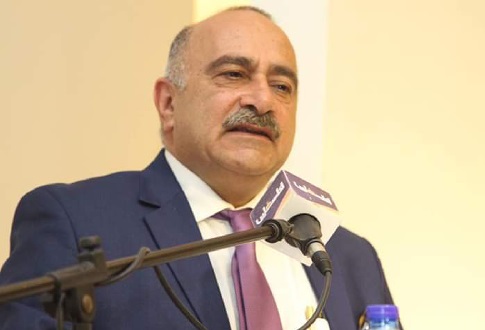
 سعادة مصطفى أرشيد*

جرى الاتصال الأول بين الرئيس الفلسطيني والرئيس الأميركي بعد سنة تقريباً من انتخاب الأخير، وكان ذلك أثناء معركة سيف القدس بين المقاومة في غزة والاحتلال، وكما كان بسبب تداعياتها والخشية الأميركية – «الإسرائيلية» من امتدادها شعبياً للضفة الغربية وللداخل الفلسطيني المحتل، فالشعب الفلسطيني كان قد أبدى حتى حينه، مقداراً عالياً ولافتاً من التوحد في الدفاع عن القدس، وذلك في المقدمات التي سبقت المواجهة العسكرية (سيف القدس)، والتي رفعت راية القدس واتخذتها عنواناً، الأمر الذي تجلى في مواجهات باب العمود، ثم حي الشيخ جراح وتهجير سكانه من الفلسطينيين وإسكان مستوطنين غاصبين غرباء في بيوتهم، وفي الدفاع عن المسجد الأقصى في مواجهة الجمعيات التلمودية والاستيطانية المتطرفة والمدعومة من جهات سياسية عليا في تل أبيب، ونذكر كيف زحف الفلسطينيون من سائر الضفة الغربية ومن أعالي الجليل إلى النقب، وفي أجواء القيظ والحر وصيام رمضان، واجتازوا كلّ العراقيل التي وضعت في طريقهم للوصول بأعدادهم الغفيرة للرباط في باحات الحرم القدسي .

في تلك المهاتفة اليتيمة، أسمع الرئيس الأميركي الرئيس أبو مازن كلاماً طيباً، طربت له الأوساط الفلسطينية، إذ أكد التزامه والتزام بلاده بموقف قال إنه (ثابت)، وهو ما تسعى إليه الإدارة الأميركية، يؤمن بحل الدولتين، ويرفض السياسات الاستيطانية في الضفة الغربية، كما يرفض أي تغيير في الوضع القائم في الحرم القدسي، ثم على رفض تهجير المقدسيين من منازلهم في القدس الشرقية المحتلة (في إشارة إلى حي الشيخ جراح)، كما أكد أن سياسة بلاده ترفض الإجراءات الأحادية من قبل أي طرف .

تفاءلت أوساط رام الله بذلك وعقدت الآمال العريضة على تلك المكالمة، وبناء عليها تم العمل على عقد قمة بين الرئيسين، وكان الموعد المفترض أن يكون اللقاء على هامش افتتاح أعمال الدورة الأخيرة للجمعية العمومية، لكن اعتذار البيت الأبيض حال دون ذلك، وأذاع حالة من الإحباط، بخاصة عندما رددت الصحافة أقوالاً نسبت لموظفين أميركان كبار، تقول إن ليس للرئيس الأميركي في هذه المرحلة ما يبحثه مع الرئيس أبو مازن، الأمر الذي تجلى في عدم سفر الرئيس إلى نيويورك والاكتفاء بإرسال كلمة مسجلة عبر فيها عن إحباطه، كما عن تساؤله حول جدية ما قاله الرئيس بايدن له، وعن شكوكه في المسار السياسي الذي سار فيه والذي لم يأت بنتيجة، هكذا قال أبو مازن .

طرح الرئيس في خطابة المسجل ما يبدو وكأنه يمنح العالم و»إسرائيل» فرصة أخيرة، ومهلة مقدارها سنة واحدة، وذلك للعودة إلى مسار عملية التفاوض الذي يؤتي نتائج تحقق إقامة الدولة الفلسطينية على حدود الرابع من حزيران 1967، وإلا فإنّ القيادة الفلسطينية ستكون مضطرة للذهاب باتجاه خيارات أخرى ستكون على طاولة رام الله وأجندتها، ومنها العودة للمطالبة وتنفيذ قرار التقسيم (181)، الأمر الذي يطرح سؤالاً استفهامياً كبيراً، إذ طالما أن «الإسرائيلي» ومن ورائه العالم، غير مستعدّ للقبول بكلّ هذه التنازلات فهل سيقبل بالعودة إلى قرار كان قد صدر قبل خمس وسبعين سنة؟ وإذا كان ذلك ممكناً، فلماذا لا نطرحه من اليوم، لا بل لماذا لم نطرح هذا الخيار من قبل؟

يحار الفلسطيني أمام ما تقدّم، إذ إنّ ميزان القوى الحالي هش وضعيف ومائل في غير مصلحته، وأن تعديل هذا الميزان لصالح الكفة الفلسطينية ورفع منسوب القوة، أمر ليس بالسهل ولكنه أيضاً غير مستحيل إن توافرت الإرادة السياسية أولاً، ومن ثم العمل الجادّ والمثابر ثانياً، بعيداً من منطق شراء الوقت وانتظار المعجزة، ومحاولة كل طرف من طرفي الانقسام التنصل من واجباته وتحميل الآخر مسؤولية إفشال الاتفاق، أو وضع شروط تعجيزية، فالموضوع من الأهمية والجدية بمكان يحتاج للاستعداد لخسارة مكاسب شخصية لحساب مصالح عليا، وهو الأمر الذي يبقى موضع شك في ظل بعض من التركيبة الحالية، التي ترى تناقضاً بين مكاسبها وبين المصلحة العليا .

يحتاج الفلسطيني إلى إبداء قدر من الجدية والمسؤولية، وإلى إعادة تعريف المشروع الوطني، وذلك بالشروع في إعادة بناء النظام السياسي الجديد، من خلال انتخابات سياسية، والعمل على إنهاء الانقسام، وفي ظن كاتب المقال أن هناك ظروفاً دولية وإقليمية مواتية لعمل جاد ينتهي بالنجاح – مرة أخرى إن توافرت الإرادة السياسية -، إذ إن لحظه فراغ جزئي يعيشها العالم، تنشغل بها الإدارة الأميركية وتحالفها الإنكليزي – الأسترالي في التموضع في جوار الصين، وتخرج من تحالفها قوى أطلسية – غربية، لطالما كانت في صفها، وتطلب – تأمر – الإدارة الأميركية من حلفائها ومحسوبيها تهدئة الأوضاع وتخفيض التوتر على مستويات عدة، الأمر الملاحظ في زيارة قائد الجيش السوري للأردن، ثم المكالمة الهاتفية بين الرئيس السوري والملك عبدالله، وفي تحسّن العلاقات المصرية – السورية ولقاء وزيري خارجية البلدين على هامش الجمعية العمومية، وكذلك في الغزل السعودي – الإيراني، وفي المبادرة اللبنانية ووصول ناقلات النفط الإيرانية من دون أن يعترضها أحد، وفي عدم ذهاب «الإسرائيلي» إلى جولة تصعيد في غزة واستبدال ذلك برفع مستويات القتل والاغتيال بالضفة الغربية إرضاء لجمهورهم المتطرف .

استعاض بايدن عن لقائه بأبي مازن، بإيفاد المبعوث الأميركي للشرق الأوسط هادي عمرو إلى المنطقة، حيث اجتمع بالرئيس أبو مازن والقيادة الفلسطينية الاثنين الماضي في رام الله، ووفق ما أوردته وكالة الأنباء الفلسطينية الرسمية (وفا) أن الرئيس أعاد على مسامع ضيفة مضمون خطابة المسجل، وذكره بحديث بايدن الهاتفي، وأكد استعداد السلطة الفلسطينية للذهاب إلى عملية سياسية قائمة على قرارات الشرعية الدولية، وعلى عقد مؤتمر تحت رعاية الأمم المتحدة والرباعية، فيما لم تورد وكالة الأنباء شيئاً عما قاله المبعوث الأميركي، أما ما لم يقله أبو مازن، أنّ كلام ليل بايدن سريعاً ما يمحوه نهاره، وأنه في حين يقول للفلسطينيين كلاماً طيباً ولسبب ظرفي مؤقت، فإنه يقول ويفعل من أجل عكسه لصالح «الإسرائيلي» الذي يتمتع بدعمة اللا محدود، كل ذلك يؤكد أن الفلسطيني الرسمي لم يغادر المربع الذي تموضع به منذ عام 1993 .

ــــــــــــــــــــــــــــــــــــــــــــــــــــــــــــــــــــــــــ

ياسي فلسطيني مقيم في الكفير – جنين – فلسطين المحتلة

River to Sea Uprooted Palestinian   
The views expressed in this article are the sole responsibility of the author and do not necessarily reflect those of the Blog!

Tuesday, 5 October 2021

PA President Abbas Meets Israeli MKs, Cabinet Ministers in Ramallah

 October 4, 2021

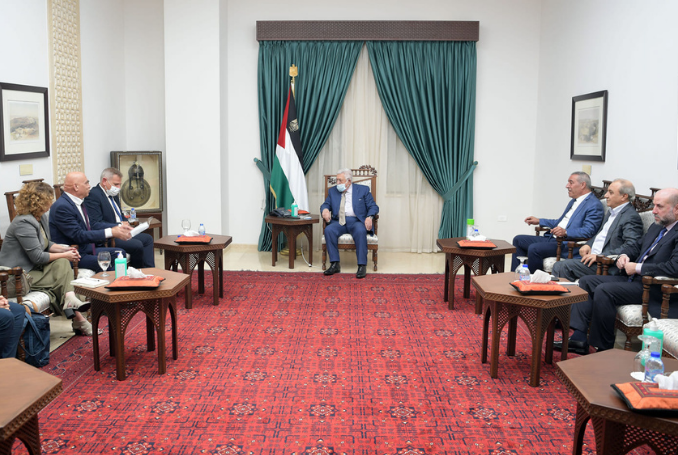
President Mahmoud Abbas Sunday receives three members of the Israeli Knesset from the Meretz party. (Photo: Mahmoud Abbas FB Page)

Palestinian Authority (PA) President Mahmoud Abbas Sunday received three members of the Israeli Knesset from the left-wing Meretz party, two of whom are cabinet ministers, the official Palestinian news agency WAFA reported.

Head of the Meretz party and Minister of Health Ministers, Nitzan Horowitz, Minister of Regional Cooperation Issawi Freij, and MK Michal Rozin discussed the peace process between the PA and the Israeli occupation with Abbas, WAFA noted.

Abbas stressed the importance of ending the occupation and establishing just and comprehensive peace in accordance with international resolutions. He also reiterated the importance of stopping settlement construction, military incursions, home demolitions, the displacement of people, and the return of the bodies of Palestinian martyrs killed by the occupation, according to WAFA.

“Israel must renew the peace process and contacts with the Palestinians… Israel can’t run away from the Palestinian issue. It is here and it is the heart of the matter,” Freij said.

Israeli Prime Minister Naftali Bennett expressed reservations about the meeting, the Jerusalem Post reported, but he did not stop it from taking place. His representatives declined to comment.

(MEMO, PC, Social Media)


River to Sea Uprooted Palestinian   
The views expressed in this article are the sole responsibility of the author and do not necessarily reflect those of the Blog!

Sunday, 19 September 2021

Nasrallah’s Timing

 September 18, 2021

Nasrallah’s Timing

By Ahmed Fouad

In the past, present, and future, timing is everything in both life and politics. When an actor is good at choosing the appropriate timing for his decision, success is all but guaranteed. This applies to the vast ocean of politics, and relates to every human act, even the most ordinary ones.

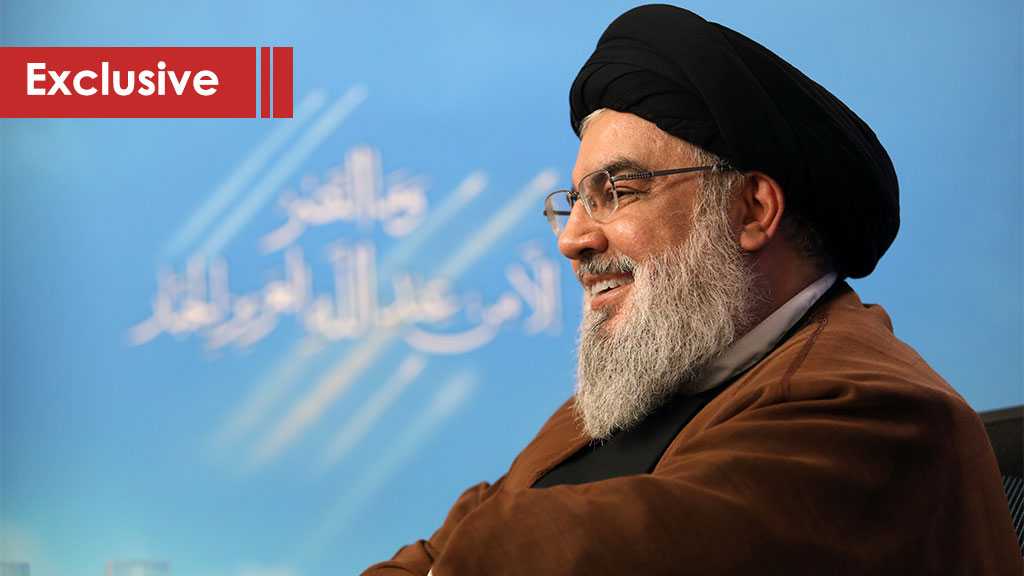
There is greatness in choosing the right timing to revolt against a far-reaching siege – a choice made and implemented by the master of the resistance and the Secretary-General of Hezbollah, His Eminence Sayyed Hassan Nasrallah.

It broke the cycle of the siege on Lebanon and Syria forever and threw all the plans of the United States and the Zionist entity to isolate the two countries in the dustbin of history. It was a divine timing; it came during one of the manifestations of the meeting between heaven and earth – Ashura, the memory of ideals and unique heroism throughout history.

Sayyed crowned the most pivotal event during the last decade with his resounding historical speech about the arrival of fuel tankers from the Islamic Republic of Iran to Lebanon via sister Syria. The arrival comes on a memory that also carries many noble meanings – the martyrdom anniversary of Sayyed Hadi. This sends a dual message to friends, close ones, and the enemies.

The first, and loudest, truth about the convoys breaking the siege on Lebanon is that they are coming from those who led the liberation of the land. They are repeating that, but this time, by liberating the ordinary citizen from neediness and crises and giving every Arab a sign for the only way to a solution. Hezbollah did not resort to the IMF, nor did it borrow from the West. Rather, it brought production and mobilization tools from the East. This is one.

As for the other, it was achieved by the long-term sacrifices of the Islamic Republic, Syria, and Hezbollah together, in a region already in crisis. Finally, you find an example of achievement and success, completely outside the American sphere, which opens the door to a further shattering of dependency on the US and loosening the American collar around the necks of everyone in the Arab region.

 The American equation that was presented to the rulers of Arab countries has existed since the mid-1970s. It is as follows: Sign a peace agreement with the Zionist entity, and American investments would guarantee you prosperity and growth; unlimited American support would provide you with all the leadership roles you desire.

This was the first thing that was said to Sadat, for example, about the milk and honey that were waiting for him as soon as he signs the Camp David Accords. When the game ended, Sadat took a piece of paper in exchange for giving away his entire country to the Americans and Zionists. Right before he was killed by the hero Khalid Al-Islambouli, he realized that he fell for the trick in a barren desert and all that he wished for was a mirage.

Only now, the solution came from outside in a fully cooperative manner that enhances the value of the local currencies of the three countries and deprives the American giant of its absolute ability to act, punish, and move; thus, breaking the prestige of the Zionist entity and the American power to the same degree.

In the end, the Iranian solution presented something greater than the spectacle of diesel and gasoline convoys and better than just meeting the needs of a country that was already suffocating. The Iranians did so by using a method chosen by Hezbollah in its jihad work since its glorious first day on the Arab land.

With all faith, Sayyed restored Ashura to our daily reality. It became an approach not an epitaph, a renewed victory over the enemy, blood that never goes to waste, and a firm commitment to the slogan “Zainab will not be taken captive twice.” Let everyone see the transfer of the party’s slogans from the arena of jihad against the enemy to the jihad of building, serving, and cutting the continuous and long chain of suffering against the citizens of Lebanon.

Perhaps one of the most important points in Sayyed’s remarks about the muted media coverage regarding the arrival of Iranian ships to Syria is to set a new rule that achieving the greatest possible success is linked to doing the least amount of talking possible.

The multiple speeches only reveal locations and goals. Therefore, a lot of words narrow the possibility of movement, freedom of action, and most importantly, the flexibility required in a troubled area, which is as effervescent as the hopes of the actors or those who are greedy.

Sayyed’s speech, which is actually historic and not descriptive, was not a dedication to celebration or joy in the achievement of an unparalleled glory for the entire Arab nation. Rather, it was a new promise to continue the opposite approach to the submissive Arab march during recent decades and to turn the page on the old, dull, and impotent policies. Sayyed painted his speech with a victorious, confident smile after succeeding in presenting a new integrated solution away from the poor imagination that drives all our miserable rulers.


River to Sea Uprooted Palestinian   
The views expressed in this article are the sole responsibility of the author and do not necessarily reflect those of the Blog!

Friday, 23 July 2021

Does Resisting “Israel” and the US Benefit People of the Region?

22 Jul 21

Source: Al Mayadeen

Nassim Mansour

To address this issue, we need to breakdown a few key concepts to understand the interests of both the people and the governments in the region.

Does Resisting
Does Resisting “Israel” and the US Benefit People of the Region?

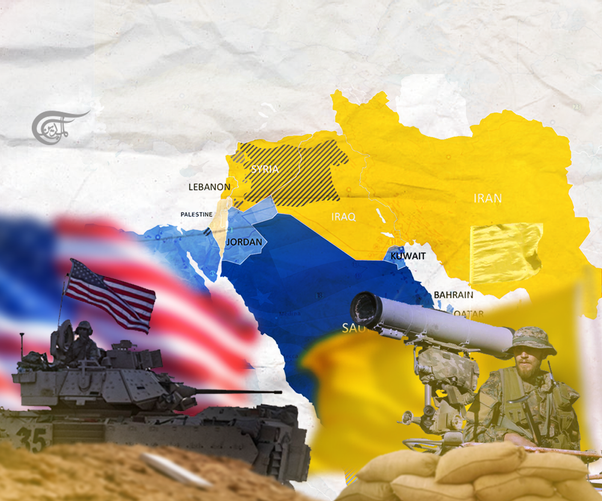
The answer to this question is the core focus in the ongoing media war between the Resistance Axis and the American-led Axis in the region.  All the countries that are within the Resistance Axis are facing dire economic difficulties, social divisions, and security issues (Palestine, Lebanon, Syria, Iraq, Iran, and Yemen). At a first glance, without digging too deep, one might ask that indeed, why not just make peace with “Israel” and the US and end all the chaos? Wouldn’t making peace end all the sanctions and economic pressure and make everyone’s lives easier? These are valid questions that young people in particular ask. To address this issue, we need to breakdown a few key concepts to understand the interests of both the people and the governments in the region.

Relationship between the West and the region

Let’s go back 100 years ago. The Ottoman empire that ruled the region for around 500 years was crumbling. This took place during the second industrial revolution in Europe. Cars, airplanes, ships, electricity, gas, oil, and communication systems were being created. The end of the Ottoman Empire led to the split of the region between France and Britain with the Sykes-Picot agreement. These events prevented various countries in the Middle East from engaging in the industrial revolution as their own independent nations. The owners of the technologies and the infrastructure builders were mainly France and Britain. They viewed the region as an investment for their own projects and a market for their industries. They built most of the region and became the main providers of various technological products. After World War 2, the Israeli entity was created by Western powers to be used as a foothold to project their power and protect their interests. Fast forward to the cold war, the leadership of the region was transferred from Britain and France to the United States of America. This was ratified in the 50’s with the creation of ARAMCO (Arabian-American Oil Company) and the Mutual Defense Assistance Agreement with Saudi Arabia, the Consortium Agreement of 1954 with Iran, which gives American, British, and French oil companies 40% ownership of the nationalized oil industry after overthrowing Mohammed Mosaddegh that nationalized the Britain-owned Anglo-Persian Oil Company, and other similar type of deals across the region. The US became the main weapons provider for the armies in the region, including “Israel”. This was in exchange for natural resources and compliance with American national security interests. Because of “Israel’s” usurper nature and its history of instigating friction, the USA had to make sure that “Israel” always had the upper hand over the rest of its regional allies. As a result, “Israel” became the policeman of the region. As Joe Biden has said before; “If there were not an Israel, we would have to invent one to make sure our interests were preserved”. By that time, the first world was engaging in the third industrial revolution (electronics, telecommunications, and computers).

Our region never took part in these industrial revolutions, as it relied on importing products and technologies from abroad rather than producing them. The capital required to import products and technologies coming from the sale of natural resources. With all this in mind, we can conclude that the relationship between the Middle East and the West is a relationship of “the buyer and supplier”. The West supplies technology, products, and armament while the region provides natural resources in return. This relationship exposes the region to extortion as it is unable to survive without foreign technology and products because it doesn’t have the industries or the knowledge. The Middle East region completely depends on the Americans and their allies to function. 

The Iranian revolution and independence

A major change came into the region with the Iranian Islamic revolution coming into play. Iran became the first country to break free from the “buyer and supplier” relationship by engaging in a local industrial revolution across many sectors, with the military sector being the most important one. Having an indigenous military industry is the key to true independence. It allows countries to truly rely on themselves for their security instead of relying on foreign powers that always impose conditions which limits sovereignty. 

Iran today creates its own vehicles, weapons, medicine, robots, satellites, food, energy, along with various other resources. Iran reverse-engineered what it could, sent students abroad to study technology and return to Iran with full knowledge and capability. The entire nation is engaged in being self-built. Iran is in the process of creating its own civilization, just like the US, China, and Russia are also doing. Any nation that breaks free from its client-status and elevates itself to self-sufficiency is seen as a threat to the United States’ dominance over markets across the globe. It is the reason why the US views China and Russia as enemies. 

The regional resistance

Regional resistance groups such as Hamas, Hezbollah and the Iraqi Popular Mobilization Forces were created by locals in response to the foreign Israeli and American invaders. Naturally, the only country that could supply them with weapons is Iran since its weapons are locally produced and not under the jurisdiction of the US like the rest of region. They also have the same interests as Iran, which is to break free from the American-Israeli hegemony. The initial stage in these resistance groups is always “The Armed-Struggle” which is necessary to their survival. 

The next stage of the resistance is working towards a revolutionary approach to gain independence from the foreign imposed buyer and supplier system. This quest for independence directly clashes with American security and economic interests in the region and the world. Given the buyer and supplier relationship between the US and the countries in the region, it automatically puts those countries in a collision course with Iran and any group or country that is seeking independence. Syria was one of the very few Arab countries that had local civilian industries – and they got intentionally dismantled by the NATO-backed mercenaries during the war; especially in Aleppo where thousands of factories were lost. 

The interest of the people

With the previous concepts in mind, we understand that the ultimate interest of any nation should be working towards as much self-sufficiency as its capability (utilizing the available resources it has, and working with other nations that are seeking the same goals). This is how nations contribute to humanity, share their cultures, and limit foreign powers from deciding their fate. 

Seeking these goals however comes at a great cost: the people must be ready to face sanctions and possible military actions. To limit the effect of sanctions, all the nations of the region that decide to take this path would have to fully co-operate with each other; to share resources and support each other. The region has enough natural and human resources to become independent from foreigners. A lot of sacrifices have to be made, but this is the key to long-term development, security, and prosperity. 

Role of the media

The media plays a large part in influencing and educating people about their own interests, which people are often unaware of. To achieve this revolution for independence, the people need to understand why they’re resisting “Israel” and the United States. Apart from the humanitarian and religious reasons, the ultimate goal of this resistance is to start the process of civilization and nation-building. The goal of the American hegemony is to prevent the rise of nations that will become future competitors in the international arena. There is still a big lack of awareness on such important subjects because the region is engulfed in religious, tribal, and ethnic wars. 

A lot of work needs to be done to raise awareness and to unite people towards these goals, which are way beyond religious, humanitarian, and justice considerations. These are goals that can unite the multi ethnic and multi religious region. It is definitely in the best interest of the people of the region to resist “Israel” and the United States. Although the revolution will take a long time, and although it comes at a great cost; if the revolution is achieved, the final outcome will be the rise of the Middle East and North Africa as global competitors.   The opinions mentioned in this article do not necessarily reflect the opinion of Al mayadeen, but rather express the opinion of its writer


River to Sea Uprooted Palestinian   
The views expressed in this article are the sole responsibility of the author and do not necessarily reflect those of the Blog!

Saturday, 10 July 2021

أحمد جبريل… المُقاتل العنيد

مقالة ماهر الطاهر

الجمعة 9 تموز 2021

أحمد جبريل... المُقاتل العنيد
آمن جبريل بعمق بمحمور المقاومة وبقدرته على تعديل موازين القوى في المنطقة (أ ف ب )

في يوم حزين، هو السابع من تموز 2021، رحل عن عالمنا القائد الفلسطيني الكبير، أحمد جبريل، «أبو جهاد»، أحد مؤسّسي الثورة الفلسطينية المعاصرة، و«منظمة التحرير الفلسطينية». وبرحيله، فقدت الحركة الوطنية الفلسطينية والشعب الفلسطيني، كما الأمّة العربية والإسلامية وأحرار العالم، مقاتلاً عنيداً لا يعرف اليأس والخنوع.

وجد جبريل نفسه مع عائلته وأهله لاجئاً في سوريا بعد نكبة عام 1948. ومنذ أواسط خمسينيات القرن الماضي، بدأ يفكّر بتأسيس حركة يكون هدفها تحرير فلسطين. فانخرط، لتلك الغاية، في الكلية العسكرية، ودرس في مصر وتخرّج ضابطاً همُّه أن يعود إلى وطنه ويردّ على الجريمة الكبرى، جريمة اقتلاع الشعب العربي الفلسطيني من أرضه وتشريده في كل أصقاع الأرض. وعلى مدى أكثر من 65 عاماً، ناضل «أبو جهاد» وكافح وخاض كل معارك الثورة الفلسطينية المعاصرة مقاتلاً شجاعاً حتى آخر لحظة من حياته.

تميَّزت تجربة القائد أحمد جبريل، على مدى العقود الستة الماضية، بإيمانه بمجموعةٍ من الثوابت والمبادئ التي لم يحِدْ عنها قيْد أنملة، على رغم كل التحوّلات والعواصف التي مرّت على المنطقة العربية والعالم؛ وأهمّ هذه الثوابت والمبادئ:

أولاً: آمن «أبو جهاد» بعمق، بأن الصراع مع المشروع الصهيوني هو صراع وجود بكل ما للكلمة من معنى؛ فرفض بشكل قاطع نهج التسويات والتنازلات والحلول السياسية التي تؤدّي إلى الاعتراف بالكيان الإسرائيلي. ولذلك، كان أحد مؤسّسي «جبهة الرفْض الفلسطينية» التي تمّ تشكيلها بعد «حرب أكتوبر» عام 1973، عندما تمّ طرْح مسألة التسوية السياسية ومؤتمر جنيف. إذ كان يرى أن الانخراط في التسويات السياسية، هدفه تكريس الوجود الصهيوني والكيان الإسرائيلي على أرض فلسطين، فبقي ثابتاً على مواقفه، على رغم كل ما شهدته الساحة الفلسطينية والعربية من تحولات في المفاهيم والمواقف.

تميَّزت تجربة جبريل بإيمانه بمجموعةٍ من الثوابت والمبادئ التي لم يحِدْ عنها


ثانياً: آمن بأن قضيّة فلسطين هي قضيّة عربية، ورفَض كل محاولات عزلها عن عمقها العربي، لإيمانه بأن تحرير فلسطين مهمّة عربية، وليست مهمّة فلسطينية فحسب، لأن الخطر الصهيوني لا يهدِّد الشعب الفلسطيني وحده، بل الأمّة العربية بأسرها.
كذلك، كان يرى أن للقضيّة الفلسطينية بُعدها الإسلامي، وخاصّة بعد انتصار الثورة الإسلامية في إيران، ووقوف طهران الكامل إلى جانب الشعب الفلسطيني، فضلاً عن تقديمها كلّ أشكال الدعم للثورة الفلسطينية والمقاومة الفلسطينية. كما كان يؤمن بالبُعد التحرّري العالمي للقضيّة الفلسطينية.

ثالثاً: آمن المناضل أحمد جبريل بعمق بمحور المقاومة وبقدرته على تعديل موازين القوى في المنطقة. ولذلك، ربطته علاقات وثيقة بهذا المحور: سوريا، الجمهورية الإسلامية الإيرانية، المقاومة اللبنانية بقيادة «حزب الله»، المقاومة العراقية، والمقاومة في اليمن. وكان يحظى باحترام وتقدير جميع أطراف هذا المحور.

رابعاً: كان الراحل الكبير «أبو جهاد» يؤمن بعمْق بالمقاومة المسلَّحة كخيار استراتيجي في مواجهة الكيان الصهيوني، وأنَّ ما أُخذ بالقوّة لا يستردّ بغير القوّة. وقد جاءت الأحداث والوقائع لتؤكد صحّة ما سبق، بعدما ثبُت فشل خيار ما سُمّي بعملية السلام المزيّفة، والتي كان هدفها الوحيد ضرب المشروع التحرّري للشعب الفلسطيني.

في الوقت الذي نتقدم فيه بأحرّ التعازي إلى شعبنا الفلسطيني وأمّتنا العربية والإسلامية وإلى رفاق الدرب في «الجبهة الشعبية لتحرير فلسطين – القيادة العامة»، وإلى الرفيق المناضل الدكتور طلال ناجي وأعضاء المكتب السياسي واللجنة المركزية، فنحن على ثقة بأن رفاق القائد الكبير أحمد جبريل في «القيادة العامة» سيواصلون درب الكفاح والنضال حتى تحرير كل ذرّة من تراب فلسطين. وفي الختام نتوجّه بأحرّ التعازي إلى عائلة وأبناء القائد «أبو جهاد»، الأخ أبو العمرين، والأخ بدر، وجميع أفراد عائلته.

* عضو المكتب السياسي
لـ«الجبهة الشعبية لتحرير فلسطين
»


River to Sea Uprooted Palestinian   
The views expressed in this article are the sole responsibility of the author and do not necessarily reflect those of the Blog!

Thursday, 1 July 2021

TV report on Muslim Brotherhood’s varying stances towards Israel

Description:

A TV report on the divergent political stances towards Israel of the Muslim Brotherhood’s various branches across the Arab and Islamic world.

Source: Al Mayadeen TV (You Tube)

Date: June 7, 2021

(Note: Please help us keep producing independent translations by contributing a small monthly amount here )

Transcript:

UAE’s foreign minister Abdullah Bin Zayed put the name of the Muslim Brotherhood next to (the names of) Hezbollah and Hamas in a striking statement in which he attacked both resistance groups.

The Muslim Brotherhood movement however, no longer has a unified (political) direction, as it has undergone radical shifts following the so-called Arab Spring, especially when branches of (the movement) came to power in Egypt, Tunisia and Morocco. (The movement( was also strongly present in the Syrian crisis. (During this time), the objective of the US and the West in general was to support the movement’s branches in order to develop a new policy that accepts Israel, then normalizes (relations) with it.

It is normal for the branches of the movement in different countries to have their differences. However, with its rise into positions of power and its need to deal with projects such as the “Deal of the Century” and the subsequent surrender (to Israel) agreements,  the movement has witnessed a deep divergence in attitudes and (political) positioning.

In Morocco, for example,  the Justice and Development Party faced a dilemma in relation to its convictions (on the one hand), and the needs of the government (on the other), but this did not prevent it from normalizing (relations) with Israel.

In Tunisia, the Renaissance movement (Ennahda) has stifled – on many occasions – the (parliamentary initiative) to criminalize any normalization with the Israeli occupation, despite Ennahda expressing its support for the Palestinian people and its opposition to normalization.

While in power, the Muslim Brotherhood in Egypt adhered to the Camp David Accords, (thereby) obliterating the history of the movement, However, after losing power, it rejected the American Deal of the Century and its implications.

The harm caused by the Syrian Muslim Brotherhood to the current fighting against the submissive (‘peace’) projects (with Israel), and the provocative stances of some of its leaders against the Palestinian resistance factions during the “Sword of al-Quds” battle also goes without saying.

Many labels have been used (by the movement) to justify abandoning (its) principles, such as rationality and keeping ‘in touch’ with the (changing) circumstances. In fact, Qatar and Turkey acted as the supporter and the model for some of the Brotherhood branches, in that Doha maintains strong relations with Tel-Aviv, while Ankara has official relations with the Israeli entity.

However, unlike the aberration and illusions of the aforementioned branches of the Muslim Brotherhood, other branches in Algeria and Jordan have taken honorable positions against normalization (with Israel) to the point where they called for direct confrontation against the ‘Deal of the Century’ and the Gulf normalization projects with Israel. 


Subscribe to our mailing list!

Related Posts:


River to Sea Uprooted Palestinian   
The views expressed in this article are the sole responsibility of the author and do not necessarily reflect those of the Blog!

Sunday, 30 May 2021

Lost in (Hebrew) Translation

lost in Hebrew Translation.jpg

by Gilad Atzmon

 Those who follow my work are probably familiar with the idea that there is no modern Hebrew word for peace (meaning harmony and reconciliation). The Hebrew Word Shalom (שלום) is interpreted in modern Hebrew as ‘security for the Jews.’ In Israel the reference to ‘shalom negotiation’ is construed as a premeditated set of conditions that guarantees ‘security’ for Jewish Israelis by means of: secure borders, disarmament of the Arabs, an American commitment to supplying arms to Israel, economic expansion and so on.   

It would be unreasonable to expect a culture that lacks a lucid notion of peace and reconciliation to lead the region towards harmony and human brotherhood. The truth of the matter is that even in the delusional heydays of the Oslo Accord, when some were foolish enough to believe that peace was about to prevail, the so-called peace enthusiasts amongst the Israeli decision makers (Shimon Peres & co) advocated the phantasy of a “New Middle East,’ a vision of a regional new order: an economic cooperation with the Jewish State at its very centre. The ‘dream’ of a ‘new Middle East’ entailed a coalition of so called ‘democratic states’ defying ‘Khomeinism’ by means of Western orientation and hard capitalism. Though the globalist agenda was clear to Shimon Peres, the one ingredient he managed to skip was the Palestinians and their prospects of returning to their land, orchards, fields, villages and cities.

Shalom in its contemporary Hebrew meaning, is a judeo-centric concept that is blind to otherness.

The recent conflict in occupied Palestine (especially the clashes in Israeli/Palestinian mixed cities) brings to light another crucial concept that has been lost in translation into modern Hebrew.

Often enough we hear from Israelis officials and Hasbara spokespersons about ‘Israeli/Arab coexistence.’ Yet, bizarrely enough, there is no Hebrew word for coexistence. While the English concept of coexistence refers to an harmonious and peaceful existence of two entities or more, the Hebrew word for coexistence is du ki-yum (דו קיום )Du ki-yum literally translates as twofold – existence, it refers to two entities that live side by side. Du ki-yum sustains the differentiation and particularity of its elements. In du ki-yum the elements stay apart, separated or even segregated. The notion of du ki-yum practically sustains the binary distinction between the ‘Jew’ and the ‘Goy.’ While coexistence is a synonym for harmony, togetherness and assimilation, du ki-yum, defies the possibility of human brotherhood. It points at success in ‘conflict management,’ presenting a prospect of living ‘alongside’ rather than ‘together’.

I guess that at this point no one will be surprised to find out that there is no word in Hebrew for harmony either. The first Israelis, who worked day and night to revive their biblical language and rename every possible Latin and Greek concept, didn’t bother to find a Hebrew word for harmony. When Israelis refer to harmony they deploy the Latin word harmonia (הרמוניה).

When we attempt to delve into the prospect of peace in the region, we may have to accept that a culture lacking notions of peace, harmony and coexistence may not be able to lead the region towards harmonious and peaceful coexistence. If peace ever prevails between the river and the sea, it is because Israel has surrendered to accepting its meaning.


River to Sea Uprooted Palestinian   
The views expressed in this article are the sole responsibility of the author and do not necessarily reflect those of the Blog!

Thursday, 6 May 2021

The forthcoming inevitable battle for Middle-East Peace

 May 05, 2021

The forthcoming inevitable battle for Middle-East Peace

by Ghassan Kadi for the Saker Blog

The alleged stray ground-to-air Syrian missile that landed near the nuclear reactor in Dimona Israel carried many messages; both overt and covert.

And, as if the fact that this missile managed to penetrate Israel’s formidable ‘Iron Dome’ was not embarrassing enough for Israel, the official Israeli report alleged that the missile was actually Iranian-made; not Russian as initially perceived by the world.

In other words, the Israeli report is saying that its ‘Iron Dome’ has been easily penetrated by a missile that is 1) not meant to hit ground targets, 2) had already spent its fuel and maneuverability and was literally on a free fall trajectory by gravitation and not propulsion, 3) yet it penetrated the allegedly most advance air defense system in the world, and 4) above all, it was made in Iran; a nation ‘crippled by sanctions and governed by ‘fundamentalist Mullas’.

Seriously, Israel has never before admitted a defense failure that is even close to such similar proportions.

Ironically, almost simultaneously, Iran revealed photos of an American aircraft carrier taken by a drone; not to forget mentioning that Iran also revealed that it has developed kamikaze drones ready to attack any target within their range in the Gulf.

But the Dimona incident alone cannot be seen in isolation of the recent Russian ‘diplomacy’ initiatives in the Middle East. I have deliberately put the word diplomacy under inverted comas, because that Russian version of diplomacy has a side that proves its worth in both traditional diplomatic ways as well as ones that are unorthodox.

Russia has thus far been very tight-lipped about its objectives in the Middle East. My own analysis of it has landed me in hot water with Russian friends and media allies, and I accept their stand. Perhaps they do not want me to ‘spoil the hidden agenda’, but my role as an analyst is not going to stop, and their views, directives, and concerns will not make me feel guilty for expressing my analyses and predictions.

In this portrayal of recent regional political events in the Middle east, I am relying on bits of pieces of information from here and there, but the analysis of it all is based on my own understanding of what makes sense in combining all what is currently taking place. My analysis does not represent the views of any blog, news agency or government. I have expressed similar views earlier, but events keep progressing, and in every step of the way, it seems that my initial prediction about the Russian initiative in the Middle East was accurate. So here is an updated summary of it all with a bit repetition of earlier material for the benefit of first-time readers.

Ever since Russia responded to Syria’s request to offer military aid, Russia responded with accepting the request under certain conditions; conditions that stipulate a Syrian-Israeli peace settlement agreement.

But this wasn’t all. Putin’s Russia is trying to reverse what Kissinger did to Russia some forty years ago when he catapulted the USSR out of Middle East politics and conned Egypt into accepting a unilateral peace deal with Israel in the so-called Camp David Accords.

Ever since then, Russia has been deprived of a role to play in the Middle East, none at all, until Putin sent troops into Syria and thereby changing the status quo not only in the Middle East, but also heralding the end of the single global superpower status of the post USSR USA.

The post-USSR world has seen Russia suffering from huge American-based NATO encroachments in Eastern Europe, and the current impasse in Ukraine is only one aspect of it. Former Warsaw Pact nations have gone full dipole away from Russia and in cahoots with their new-found Western ‘allies’. The Stalin era might have left a bitter taste in the palate of some East European countries, but this was a long time ago, and nations like Poland and Ukraine surely must understand and know who are their historic regional and global allies. With the era of Nazism and Fascism in the dust bin of history that Europe would like to forget, even Germany and France ought to realize that today’s Russia cannot be associated with Stalin’s-USSR any more than today’s Germany and France can be associated with Hitler and Petain.

And, if Poland wants to remained mentally entrenched in the Stalin era and forget about who liberated it from Nazi occupation, it should look further back in history and remember that the partition of Poland in the 19th Century was not only orchestrated by the Russian Czars, but also in collaboration with Prussia and Austria.

As discussed in the previous article, the current animosity of Eastern European nations towards Russia is not something that can be rationally explained and justified.

Back to the Middle East.

Only Russia can broker a peace deal in the Middle East, a deal that includes not only Syria and Israel, but also Iran, Saudi Arabia and Turkey.

The main sticking elements in any such deal are Israel and Turkey, and to a lesser extent Iran.

In the same previous article mentioned above, I predicted a win-win scenario that Russia will broker between Iran and Saudi Arabia; one that guarantees the mutual withdrawal of Iran from Syria and Saudi Arabia from Yemen. As a matter of fact, a few days ago Saudi Crown Prince MBS announced that he wants to have a good relationship with Iran. Is this a sign that this deal is closer than we think? Perhaps not, but I cannot think of any other reason.

Turkey will undoubtedly want a bite of the cherry, and I not sure how will Russia be able to diplomatically appease Erdogan without giving him too much more than what he has taken already. However, his recent stand on Ukraine has put him in deep hot water with Russia and in any future bargains, he will find that his Ukraine venture will be used against him. He has deliberately introduced a bargaining chip that can be used only against himself.

This leaves Israel; how to bring Israel to the negotiating table for a deal that is unlike all previous American-brokered deals.

All American-brokered deals have thus far been based on providing Israel with the lion’s share and the Arab party with very little; especially when it came to making deals with the Palestinian Authority. Furthermore, on top of the political and strategic gains that America delivered to Israel in all of those deals, America ensured that Israel continued to have military superiority and that Arabs would never be able to score a major military victory, even if united.

Despite the October 1973 (ie Yom Kippur War) and what followed it, all the way up to the July 2006 war with Hezbollah, and the humiliations that Israel suffered from all of those military engagements, Israel remains mentally entrenched in the euphoria of the huge Six-Day War win of June 1967 and what ensued afterwards, resulting in what can best be described as the invincible army complex.

Israel will not be prepared to sign a peace agreement with Syria while it believes that it continues to have this military superiority; the power to shape events in its favour. For Israel to change course and become more realistic, it needs either a new generation of political leaders who are more rational, or a reality check; a punishment if you wish.

This is why it is that, inasmuch as the corridors of negotiations are opening up and the tables are being prepared, so are the drums of war.

It is worthy to note here that major reconstructions have not begun in Syria yet. The underlying message here is that perhaps Syria is expecting more carnage, and that reconstruction will have to wait. Why reconstruct twice? In its current state of devastation, Syria has little to lose.

Israel, on the other hand, is in a very vulnerable situation, and the Dimona incident has exposed this gaping hole.

Syria has exercised great restraint in the face of the ongoing Israeli airstrikes. Even though an Israeli jet was downed a few years ago, by-and-large, Syria has remained non-respondent. We do not know exactly what is happening behind the scenes, but it seems that Israel is misreading Syria’s lack of response and seeing weakness, despite information from Russia that such is not the case. Israel will continue to act like the regional bully, refusing to sit at the negotiating table as an equal partner, unless it receives a significant hit.

This hit is not necessarily one that will cause much carnage in Israel such as civilian and military loss of life. Putin will not accept or allow such a level of devastation to be inflicted on Israel. After all, a significant fraction of Israel’s population is originally Russian. Putin, furthermore, is intent on convincing Israel that it is Russia, and not America, that can give Israel real peace with its Arab neighbours.

To this effect, Israel only needs to lose a few fighter-jets, ten, maybe twenty, finding itself unable to defend key military and strategic land targets in order for it to realize that the days of military superiority are gone.

The Dimona incident is a forewarning, but only if Israel wants to read in between the lines. Otherwise, there will be a war in the Middle East, a war that will be intended to be contained and limited to be a punch, a powerful punch, but not a knockout.

With this said, this is the Middle East, a very volatile region, with many volatile heads. A limited war aimed at showing who has muscle may end up spiraling out of control and into something very large. With experience of such unpredictability, Syria is presenting to Israel that a long war will bring more destruction upon Israel than it will on an already destroyed Syria.

What seems certain is that peace initiatives are on the table, but not all parties are yet convinced that they will attend such talks as equal partners before some arms are twisted and statures rattled.


River to Sea Uprooted Palestinian   
The views expressed in this article are the sole responsibility of the author and do not necessarily reflect those of the Blog!

Tuesday, 4 May 2021

انتفاضة «القدس» وحتميّة المقاومة

3/5/2021
See the source image
 د. جمال زهران

حادث جديد منذ عدة أيام… أهدانا الله إياه.. وهو انهيار جسر في الكيان الصهيوني وسط احتفالات يهوديّة للمغتصبين والمستوطنين، راح ضحيته (60) شخصاً، وإصابة أكثر من (400) آخرين، والمؤكد أنّ غطرسة القوة لدى العدو الصهيوني لن تجعله ينتبه إلى أخطائه، وهو ما نتمناه حتى ينهار هذا الكيان من الداخل، وهو أمر محتمل إلى حد كبير، كما انهار نظام الأبارتهايد في جنوب أفريقيا ورحل الرجل الأبيض الحاكم والمغتصب، بإرادة المقاومة لشعب الجنوب، والتفتيت الداخلي. فهناك قاعدة واضحة، وهي لا عمر لمغتصب وإن طال الزمان.

كما أن شهر رمضان المعظم الذي يأتي بالخيرات دائماً، مهما كانت الكوارث العالميّة، فقد هلَّ بخيره في أرض المقدس الشريفة، باندلاع انتفاضة شعبية فلسطينية ضد العدو الصهيونيّ الذي هدف من وراء منع المصلّين الفلسطينيين من الصلاة في ساحة المسجد الأقصى، إثارة هؤلاء، ووضع العقبات أمام إتمام الانتخابات الفلسطينية في مدينة القدس، حيث أصبحت تحت السيطرة الصهيونيّة وعاصمة دولة الكيان، حسب تقديرهم وإعلاناتهم المدعومة أميركياً. وبالتالي يمكن أن يعوق ذلك إتمام الانتخابات الفلسطينية، تحت شعار أن لا انتخابات فلسطينية من دون القدس، باعتبارها رمز السيادة للدولة الفلسطينيّة وشرعيتها.

وما حدث يوم السبت 24 نيسان/ أبريل الماضي، هو انتفاضة جديدة للشعب الفلسطينيّ في القدس، حيث إنه يوم تاريخي جديد، وفصل جديد من فصول المقاومة الفلسطينيّة ضد الاستعمار والاستيطان الصهيوني. فقد قدم المقدسيون، أجسادهم بصدور الشباب العارية، والذين ولدوا بعد اتفاق أوسلو الكسيح، لمجابهة العدو الصهيونيّ العنصري، لإجباره على التراجع عن منع الفلسطينيين من الصلاة في بيت المقدس، وحدث ذلك، أن تراجع هذا العدو كالعادة مع ازدياد درجة المقاومة.

ولا يمكن نسيان الصورة التي تبنّتها وسائل الإعلام في فيديو رائع، حيث الشرطيّة الصهيونيّة، وهي تمنع فتاة فلسطينية من دخول المسجد، بالقوة، وكانت معها والدتها. فمع إصرار الفتاة على دخول المسجد، وإصرار الشرطية الصهيونية على منعها باستخدام الأيدي والضرب والسحل، إلا أن الأم رفضت تعرّض ابنتها لهذا الاعتداء، وقامت بالاشتباك مع الشرطية الصهيونية، فتم ضربها وسحلها وإلقائها في الأرض بقوة وشدّة، حتى تجمّع الكثيرون، وتجمّع أفراد الشرطة الصهيونية، وأصبحت «معركة» كبيرة، كان على إثرها، نجاح الفتاة وأمها، في دخول المسجد الأقصى، لأداء الصلاة (العشاء والتراويح).

هكذا هي المقاومة اليومية بما تحمله من مجابهات بين المقدسيين وبين الصهاينة العنصريين. وانتصرت المقاومة في معركة جديدة لدخول المسجد الأقصى في رمضان، بإجبار العدو/ الصهيوني على التراجع بالمنع، والسماح للفلسطينيين بأداء صلواتهم في المسجد الأقصى الشريف.

تلك صفحة جديدة من صفحات الجيل الجديد الشاب، الذي يتشبّع بروح المقاومة ضدّ الصهاينة الأمر الذي يعني استمرار سريان المقاومة ضدّ الوجود الصهيوني في أرض فلسطين المحتلة، وتأكيد على فشل كلّ مشروعات السلام المزعوم/ والتسويات، الكسيحة، وأن الأمل كلّ الأمل، في هذا الجيل المشبع بفكر وروح المقاومة.

وقد عبّر الكاتب/ عريب الرنتاوي، في مقاله بجريدة «الدستور» الأردنيّة يوم 25 نيسان/ أبريل الماضي، بالقول: «إن القدس هي درّة المشروع الوطني الفلسطيني، وتاج المشروع القوميّ العروبي، وعنوان وحدة المسلمين، وقبلة المسيحيين الشرفاء والأحرار في العالم كله..». وأنا اتفق معه، وتلك هي الحقيقة التي لا يجب أن تغيب عن كل المناضلين الأحرار في العالم العربي، والعالم كله.

فتحرير فلسطين من النهر إلى البحر، وتحرير كلّ التراب الفلسطيني، وفي القلب القدس بطبيعة الحال، وطرد العدو الصهيوني الغاصب، وكسر إرادة المشروع الصهيو/أميركي، التآمري، هو المشروع الوطني الفلسطيني، والمشروع القومي العروبي بلا جدال. ولا يمكن بحال من الأحوال أن تتحرّر فلسطين كاملة، عبر الاتفاقيات الكسيحة والعميلة والتآمرية على القضية والشعب، مثل كامب ديفيد.. وادي عربة – أوسلو) فضلاً عن اتفاقيات التطبيع التي تتسم بالعمالة والحقارة والفجور من بعض الأنظمة العربية العميلة لأميركا وللصهيونية. فالمقاومة هي الحلّ، بلا جدال، وهي الآلية لتحرير فلسطين وتحرير بيت المقدس، كما سبق أن حرره صلاح الدين الأيوبي (جدّي الذي افتخر به مثالاً للمقاومة والصمود).. ومن بعده الزعيم جمال عبد الناصر الذي تظلّ كلماته المقاومة هادية لكلّ مناضل عربي حقيقي، حينما قال: (لا للتفاوض لا للاعتراف لا للصلح مع الكيان الصهيوني).

وأختم بالقول إن نهاية الكيان الصهيوني قد حانت، وأراها قريبة، واستشهد بقول الكاتب الصهيوني المعروف (آرى شبيث)، في صحيفة هآرتس الصهيونية: «لقد اخترنا نقطة اللاعودة.. ولم يعد بإمكان «إسرائيل» إنهاء الاحتلال، ووقف الاستيطان، وتحقيق السلام، كما لم يعُد بالإمكان إصلاح الصهيونيّة، وإنقاذ الديمقراطيين وتقسيم الناس في هذه الدولة. ولم يبق أمامنا إلا مغادرة البلاد.. والانتقال إلى سان فرانسيسكو – برلين – باريس – فقد فشلت صهيونيتنا».

وهذا ما أشرت إليه بالتحليل العلمي في كتابي (مناهج قياس قوة الدول.. ومستقبل الصراع العربي الإسرائيلي)، الصادر في أعقاب حرب تموز 2006، عن مركز دراسات الوحدة العربية، بيروت، عام 2007. فللشعب الفلسطيني كل التحية عموماً، وللمقدسيين كل التقدير والاحترام، فلا تحرير لفلسطين والقدس من دون استمرار المقاومة، وهو حادث بإذن الله..

ـــــــــــــــــــــــــــــــــــــــــــــــــــــــــــــــــــــــــــــــــــــــــــــــــ

*أستاذ العلوم السياسية والعلاقات الدولية، والأمين العام المساعد للتجمع العربي الإسلامي لدعم خيار المقاومة، ورئيس الجمعية العربية للعلوم السياسية.


River to Sea Uprooted Palestinian   
The views expressed in this article are the sole responsibility of the author and do not necessarily reflect those of the Blog!