Wednesday, 20 February 2013

Exclusive: The Final Hours of Imad Mughniyeh


The explosion was heard around 10:20 pm. Some people rushed to the location, including those Mughniyeh was seeing in the apartment.
 
Published Tuesday, February 19, 2013
 
An Al-Akhbar investigation into the 2008 assassination of Hezbollah commander Imad Mughniyeh in Damascus has turned up a detailed account of the operation.

(Photo: Wael Ladki)
Damascus – As soon as the July 2006 war ended, Hezbollah began the largest operation to date to restore its military organization and raise the level of its readiness and weaponry to face the possibility of new aggressions. Martyr Imad Mughniyeh was put in charge of developing and enhancing the military abilities of the Resistance in Lebanon.
 
This was in addition to his responsibility for implementing a decision made at the highest levels in Iran, Syria, and Lebanon to supply the Resistance in Lebanon with all the lessons and experiences of war, as well as oversee the creation of a bridge for logistical support, especially with the Gaza Strip.
Damascus was the main station for the task, which meant that Hajj Radwan had to intensify his travel to and from Syria.

At the time, Mughniyeh, much like many operatives in the Resistance, treated Syria as one of the safest places. There was a presumption, based on several facts, that Israel would not target Syria through direct operations. However, the history of assassination attempts against many resistance fighters in Hamas and other Palestinian factions demanded extra care from everyone, including leaders in the Lebanese Resistance.

Despite all of this, movement around Damascus was more flexible and less complicated on the level of implemented security precautions. Ultimately, the “implicit laxity” became an opening that allowed the Israeli enemy to assassinate Mughniyeh, who had been a constant target for surveillance and assassination attempts by Israeli and US intelligence services.


The Assassination Attempt

 
On the evening of 12 February 2008, Mughniyeh had just finished a meeting with some of the most senior Palestinian leaders in the Syrian capital of Damascus. They had discussed ways to develop the capacities of the Palestinian resistance inside Palestine, and Gaza in particular.
 
Around 10:15 pm, Mughniyeh left his apartment building in the Kfar Sousa neighborhood of Damascus. He came down alone and started to walk toward his car, which was parked in an area of about 800m2 that was used as a parking lot outside a cluster of buildings.

The explosion was heard around 10:20 pm. Some people rushed to the location, including those Mughniyeh was seeing in the apartment. It turned out that when Mughniyeh had stepped out of the building’s main gate, a 2006 silver Mitsubishi Pajero 4x4 parked nine meters away exploded, killing him alone, on the spot.

After several communications among its leadership, Hezbollah decided to immediately move Mughniyeh’s body to Beirut. His family was informed and his eulogy announced in preparation for a solemn funeral fit for a great martyr.

Despite prevailing tensions, a special unit travelled directly to the location of the explosions and began its investigations in parallel to those conducted by Syrian authorities. However, Hezbollah was absolutely certain that Israel was behind the crime.

In such a situation, the Resistance is used to examining all the crucial data, as the martyr himself would do, and its conclusions would often be correct. But the question remained: How did Israel manage to reach him?

Information Readiness


The investigations showed that Mughniyeh visited Syria often and chose Kfar Sousa as his place of residence and work. He spent more time there than in Lebanon.
Extensive investigations revealed the role of Israel and its direct responsibility for the assassination. They showed that the Mossad, which was under the leadership of Meir Dagan at the time, was responsible for the operation from A to Z. Direct planning inside and outside Syria took almost one month after a much longer period of indirect preparations, according to sources knowledgeable of the case.

The investigations also revealed that the Mossad had charged some of its local operatives with capturing extensive images of Kfar Sousa, detailing every street and focusing on the block where the assassination took place. The Kfar Sousa rectangle was kept under surveillance and they provided enemy intelligence services with a complete file to facilitate the operation.

One such piece of information was how to reach the rectangle, the roads leading to the area, and the route to be taken by the implementing group on their way out. This is in addition to a report showing that the courtyard where the explosion took place did not have any security or barriers in place. It was also devoid of any obvious surveillance cameras. The building itself only had two exits, one on the ground floor and one in the basement.

The investigations also showed that local Mossad agents reported the existence of a building under construction with some completed but unfurnished apartments. The enemy, as it turned out, carried out the operation from the structure since it looked onto the rectangle and the targeted building.

Logistical Preparations

The Mossad recruited a Syrian expat who visited his country often, and asked him to move to Damascus to provide logistics for the operation. The agent provided a villa to hide the vehicle and affix it with explosives, in addition to accommodations for the group that carried out the operation.

He rented the villa in an upscale suburb of Damascus (“Assad Villages”), located to the northwest of Kfar Sousa, and asked an ironsmith to separate the car entrance from the pedestrian entrance with an iron net on three sides, making it look like a cage and blocking the entry to the villa from that location.

A while later, the agent went back to Syria and bought a Mitsubishi Pajero 4x4, after knowing that several similar makes visited the targeted location often. In addition, Mughniyeh sometimes drove the same make. The execution team used a different model, Mitsubishi Lancer, due to its popularity in Syria in general.

The Day of Execution

The investigations indicated that the whole operation took around six weeks to implement. Some data, which the investigating team would not reveal, indicate that it began in early January and ended a few days following the assassination in mid-February 2008.

The Pajero, now parked in the villa, was equipped with explosives in its trunk door. It was later discovered that, in addition to the explosives, the bomb contained metal pellets that can cause extensive damage to the target instantaneously. The device was similar to several bombs used by Israel to assassinate resistance leaders in Lebanon and abroad.

The investigators and people close to the file are very secretive about the implementation team. But there are indicators that show that they were not Syrian citizens and that they had travelled in and out of the country to implement the operation.

In the early afternoon of 12 February 2008, one of the implementers drove the Pajero, equipped with explosives in its trunk door, and parked it outside the building frequented by Mughniyeh.

At dusk, the team of four individuals took the getaway Lancer and, after making sure that the construction workers had left the building under construction next to Mughniyeh’s building, three of them went upstairs to observe the parking lot, the target, and the vehicle with the explosives.

They chose an apartment on the sixth floor. One of them surveyed the area with binoculars, another was charged with detonating the explosives, and the third was for protection. The fourth waited in the getaway car parked at the back of the building close to the fence.

Right before 10:20 pm, Mughniyeh exited the building and, as soon as he reached the well-lit lot nine meters away from the Pajero, the bomb was detonated and he was killed instantly. The implementing team left the building and headed toward their getaway car.

They immediately drove toward the Mazzeh highway where they parked the car on the side of the road and left behind some items for distraction. The investigations showed that the implementing team faced a problem while escaping, which led them to leave the car and use another to escape to an unknown location.

This article is an edited translation from the Arabic Edition.


Mughniyeh’s Family Remembers their Enigmatic Son

Imad Mughniyeh went to his parents’ home. He was there for the family’s regular weekly reunion over lunch cooked by his mother Umm Imad and his wife Umm Mustafa. (Photo: Al-Akhbar)
 
Published Tuesday, February 19, 2013
 
On Sunday 10 February 2008, Imad Mughniyeh went to his parents’ home. He was there for the family’s regular weekly reunion over lunch cooked by his mother Umm Imad and his wife Umm Mustafa.

He had arrived unannounced the previous night, accompanied by his wife. But when they let themselves in, after waiting for a long time for someone to open the door, they found that Hajj Fayez and Hajjeh Umm Imad had gone to bed early. They left quietly, and returned the next day when everyone was waiting for them.

 There was nothing unusual about the gathering. The normal kind of conversations took place about news of family and relatives. As usual, some of the family members present tried to get Imad to talk about his work, and as always, he responded by smiling, saying nothing and returning to a different subject.
Nobody ever knew what Imad did or where he travelled, not even after the event. The family was accustomed to his absences. Sometimes he would disappear for long periods of time before suddenly showing up.
He gave no indication that Sunday that he was about to go away again. But the following day, Umm Mustafa told Umm Imad that he had left, apparently for Syria, and had said he would not be gone long. There was nothing surprising about that. The whole family had started noticing that Imad had become increasingly busy, and in attending the weekly get-togethers, he’d try to make up for his constant absence.
Everyone had heard that the Resistance was being rebuilt and restructured, but the family had no idea as to the nature of Imad’s role in that process.
On the night of 12 February, the news broke from Damascus about a mysterious explosion in Kfar Sousa. Umm Imad rose early the next morning to visit her daughter, who had been hospitalized after a medical emergency. Near the house, she came across “one of the young men,” his eyes swollen by tears. He went up to her and asked where she was going. He urged her to return home and wait for him to fetch a car so he could drive her to the hospital. Shortly afterwards, two Hezbollah officials, friends of Imad and the family, arrived.
The elderly parents immediately asked them what had happened. One official said Imad had been involved in an incident involving a car, and was now in hospital. The father at first thought Imad may have been killed in a traffic accident. But the mother got a more direct reply from the other official: Imad has been martyred.

Umm Imad let out a scream louder than any since she had had given birth. Hajj Fayez understood that Imad had been assassinated. He led his wife into a side room. There, they said prayers of thanks, and she decided to stop crying. She told herself: If the world sees me crying, that will make Imad’s killers happier. Hajj Fayez felt a sense of serenity, because Imad had departed in a manner befitting him, as a martyr in a struggle to which he had devoted his life.

Hunted for a quarter of a century, many tales and myths have been spun about Mughniyeh by Israeli and American intelligence. The majority of these were clearly byproducts of their failure to get a hold of him. Once they did, the Israelis celebrated their biggest coup ever against the Resistance in Lebanon. But the myth-making has extended to accounts of the assassination itself. Much of what has been said about 12 February 2008 is far from the truth.

The article below summarizes the findings of a probe conducted by a team from Al-Akhbar after a lengthy process of collecting and confirming details about the incident. Influential Syrians assisted in providing and facilitating access to information. The Resistance, however, maintained its policy of silence. Officials did, however, confirm to Al-Akhbar that the Hezbollah leadership has a full picture of all that happened.

The probe entailed obtaining photographs and documents related to the investigations, and at one stage simulating a re-enactment of the crime, the better to understand what happened on that sad night five years ago.

Continue here to read Al-Akhbar’s probe into Mughniyeh’s assassination.

This article is an edited translation from the Arabic Edition.


الليلة المظلمة: كيف اغتال الموساد عماد مغنية؟
‏الثلاثاء‏، 19‏ شباط‏، 2013
أوقات الشام

ظهر الأحد في العاشر من شباط عام 2008، وصل الحاج عماد مغنية إلى منزل أهله. كان الموعد شبه الدوري للقاء العائلة أسبوعياً على مائدة غداء تتولى إعداد أطباقها الحاجة أم عماد، والحاجة أم مصطفى زوجة الشهيد.
في الليلة السابقة، كان الحاج قد وصل فجأة إلى منزل الأهل، وكانت زوجته برفقته. دخلا بعدما انتظرا طويلاً ليفتح أحد الباب. واكتشفا أن الحاج فايز والحاجة أم عماد قد خلدا إلى النوم باكراً. غادرا بهدوء. وعادا في اليوم التالي حيث كان الجميع بالانتظار.

لم يكن هناك شيء لافت. أحاديث عامة عن العائلة والأولاد وأخبار الأهل. وكما في كل مرة، يحاول بعض الحاضرين من الأهل استدراج الرجل للحديث عن أعماله، كان جوابه هو ذاته: ابتسامة وصمت وعودة إلى حديث آخر.
 
أخبار الحاج عماد وأسفاره لم تكن معلومة أبداً حتى بعد حصولها. تعودت العائلة غيابه. مرات يسافر لوقت طويل قبل أن يطرق الباب فجأة. في تلك الليلة لم يشر الحاج إلى سفر قريب له. لكن في اليوم التالي، جرى حديث بين أم عماد وأم مصطفى. قالت الأخيرة إن الحاج سافر إلى سوريا على ما يبدو، وقال إنه لن يتأخر في العودة. وسارت الأمور على ما تعوّده الجميع. علماً بأنّ العائلة كلها صارت تنتبه إلى أن الحاج الشهيد صار أكثر انشغالاً من قبل، وهو حاول تكريس اللقاءات الأسبوعية لتعويض غيابه الدائم. وكان الكل يسمع عن مرحلة إعادة البناء للمقاومة على أسس جديدة. لكن العائلة لم تكن تعرف على الإطلاق طبيعة الدور الذي يقوم به الشهيد.
 
ليلة الثلاثاء في 12 شباط، سمع الجميع بالخبر الوارد في دمشق عن انفجار غامض في محلة كفرسوسة. الحاجة أم عماد استفاقت في اليوم التالي، وأعدت نفسها لزيارة ابنتها التي دخلت المستشفى في حالة طارئة. قرب المنزل صادفت «أحد الشباب»، كانت عيناه متورمتين من بكاء. توجه إليها وسألها إلى أين تذهب. ثم طلب منها العودة إلى المنزل بانتظار أن يحضر هو سيارة ويأخذها إلى المستشفى. وبعد قليل، وصل قياديان من الحزب، ومن أصدقاء الحاج وأصدقاء العائلة.
لم ينتظر الوالدان الوقت ليسألا عمّا يجري. قال الأول إن الحاج أُصيب في حادث سيارة، وهو الآن في المستشفى. لم ترق الرواية الوالدين. أبو عماد صمت، وفكر في أن يكون عماد قد مات بحادث سير، كاد يموت حنقاً لو أن الخبر صحيح. لكن المسؤول الآخر أجاب عن سؤال مباشرة للوالدة قائلاً: لقد استُشهد الحاج.
صرخت أم عماد بأعلى صوت لها منذ ولادتها. أما الحاج فايز، فقد فهم أن الحاج استُشهد اغتيالاً، فتوجه كما الحاجة أم عماد إلى غرفة داخلية. أديا صلوات فيها شكر، بينما قررت هي وقف البكاء. قالت في نفسها: إذا شاهدني العالم وأنا أبكي، فإن قتلة عماد سيفرحون أكثر. أما الحاج فايز، فجلس مرتاحاً؛ لأن عماد رحل بالطريقة التي تليق به، شهيداً في المعركة التي أمضى حياته في قلبها.

ربع قرن من المطاردة. روايات وأساطير نسجتها الاستخبارات الإسرائيلية والأميركية عن عماد مغنية. القسم الأكبر كان واضحاً أنه نتيجة الفشل في الوصول إلى الرجل. ولما حصل الأمر، احتفى الإسرائيليون بإنجازهم الأكبر ضد المقاومة في لبنان. لكن الخيال استمر حتى في ما يتعلق بعملية الاغتيال نفسها. لكن الحقائق غير كل ما قيل من 12 شباط 2008.
 
في ما يأتي خلاصة تحقيق ميداني واستقصائي، انشغل فريق من «الأخبار» لفترة طويلة قبل إعداد هذه المادة والتأكد من صحة المعلومات التي جمعت، والتي ساعد سوريون نافذون في جمعها وتسهيل الحصول عليها. أما المقاومة، فقد واصلت التزام سياسة الصمت، وإن كان مسؤولون فيها قد أكدوا لـ«الأخبار» أن لدى قيادة حزب الله الصورة الكاملة عن كل ما جرى.
 
تطلّب التحقيق في مرحلة، جمع صور ووثائق تتعلق بالتحقيقات، وتطلّب في مرحلة معينة العمل على محاكاة لإعادة تمثيل الجريمة، ما أمكن الوصول إلى شروحات مصورة قد تساعد على فهم ما حصل في تلك الليلة الحزينة قبل 5 سنوات.


الليلة المظلمة: كيف اغتال الموساد عمـاد مغنية؟


صورة بانوراميّة لمسرح الجريمة، في محلة كفرسوسة، حيث يظهر المبنى الذي كان الشهيد مغنيّة فيه، ونقطة وصوله عندما حصل الانفجار، وإلى اليسار يبدو المبنى الذي استخدمه المنفّذون
للصورة المكبرة انقر هنا
■ سوري مغترب اشترى السيارات ووفّر الشقة للتجهيز والتفخيخ ■ عملاء محليون استطلعوا المكان و 4 اجانب نفذوا الاغتيال ■ شهر ونصف من الاعداد والعبوة مطابقة للعبوات الاسرائيلية
دمشق ـــ الأخبار

لم تكد حرب تموز 2006 تنتهي، حتى انطلق حزب الله في أكبر عملية لإعادة ترميم بنيته العسكرية ورفع مستوى التسليح والتجهيز لمواجهة احتمال تجدد العدوان. وقد تولى الشهيد عماد مغنية مهمة تطوير وتعزيز القدرات القتالية والعسكرية للمقاومة في لبنان، كما تولى تنفيذ قرار اتخذ على أعلى المستويات في إيران وسوريا ولبنان برفد المقاومة في فلسطين بكل الخبرات ودروس الحرب، وتأمين جسر تواصل بشري ودعم لوجستي، وخصوصاً الى قطاع غزة. وكانت دمشق هي المحطة الرئيسية لمتابعة المهمة، ما اقتضى من الحاج رضوان تكثيف زياراته وتنقلاته من سوريا وإليها.


في تلك الفترة كان الحاج عماد، كما كثر من العاملين في حقل المقاومة، يتعامل مع سوريا كواحدة من الساحات الأكثر أمناً. وكان هناك تقدير، يستند الى معطيات كثيرة، أن إسرائيل لا تستهدف دمشق بقوة كمسرح للعمل التنفيذي المباشر، علماً بأن الاغتيالات التي تعرض لها مقاومون من حماس وفصائل فلسطينية أوجبت على الجميع الحذر، بما في ذلك قيادات المقاومة اللبنانية. ورغم ذلك، فإن التحرك في دمشق كان أكثر مرونة وأقل تعقيداً على مستوى الإجراءات الأمنية المتخذة. هذا «الارتخاء الضمني»، تحول إلى الثغرة التي استفاد منها العدو الإسرائيلي لتنفيذ عملية اغتيال الحاج عماد، وهو الذي شكلت متابعته ومحاولات استهدافه هدفاً دائماً لأجهزة الاستخبارات الإسرائيلية والأميركية.
عملية الاغتيال
مساء 12/2/2008، كان الحاج عماد في سوريا. أنهى للتو اجتماعات مع أرفع القيادات الفلسطينية المقيمة في دمشق. كان البحث مخصصاً لدراسة سبل تطوير قدرات المقاومة الفلسطينية داخل فلسطين وغزة على وجه الخصوص. بعد العاشرة ليلاً بنحو ربع ساعة، غادر الحاج عماد شقة في أحد مباني حي كفرسوسة. نزل منفرداً وتوجه سيراً على الأقدام نحو سيارته التي كان قد ركنها في باحة واسعة مساحتها تبلغ حوالى 800 متر مربع تقع قبالة مجموعة من الأبنية، وتستخدم موقفاً للسيارات. عند الساعة العاشرة والثلث، دوى انفجار. هرع البعض الى المكان، بمن فيهم من كان الحاج برفقتهم في تلك الشقة، ليتبيّن أنه استشهد على الفور.
عندما وصل الحاج عماد مغنية إلى خارج بوابة المبنى، وعلى بعد 9 أمتار تقريباً من سيارة من نوع جيب ميتسوبيشي «باجيرو» رصاصية اللون موديل 2006، كانت مركونة عند أقرب نقطة من بوابة المبنى، وقع الانفجار الذي أدى إلى استشهاده بمفرده على الفور.

شُغل حزب الله في التواصل بين قياداته، واتخذ قرار نقل جثمان الشهيد الى بيروت فوراً، وبوشر الاستعداد لإعلام العائلة أولاً، ثم إعداد بيان النعي، والإعداد لجنازة مهيبة تليق بالشهيد الكبير. ومع أن التوتر كان يسود الجميع، إلا أن فرقة متخصصة انتلقت فوراً الى المكان، وباشرت التحقيقات، بالتزامن مع تحقيقات قامت بها السلطات السورية. لم يكن لدى قيادة حزب الله أدنى شك في أن إسرائيل هي من يقف خلف الجريمة. وفي مثل هذه الحالات، تقرأ المقاومة، كما كان يفعل الشهيد نفسه، المعطيات الأساسية، ويكون الاستنتاج في غالب الاحيان صائباً. لكن السؤال ظل: كيف وصلت إسرائيل إليه؟
الاستعداد المعلوماتي
أظهرت التحقيقات أن الشهيد مغنية كان كثير التردد إلى سوريا، وأنه اتخذ من كفر سوسة فيها مكاناً لعمله وإقامته. وكان يحضر هناك أكثر مما يحضر في لبنان.

وأظهرت التحقيقات المكثفة ضلوع العدو الإسرائيلي ومسؤوليته المباشرة عن عملية الاغتيال، كما بينت التحقيقات أن جهاز الموساد الذي كان برئاسة مئير داغان في حينه هو الذي تولى العملية بكل مراحلها. الإعداد المباشر لتنفيذ العملية استغرق أشهراً داخل سوريا وخارجها. أما التحضيرات غير المباشرة، فيرجّح المطلعون على الملف أنها استمرت فترة أطول من ذلك بكثير.
كذلك أظهرت التحقيقات أن الموساد كلّف بعض عملائه المحليين بتصوير منطقة كفرسوسة تصويراً دقيقاً وتفصيلياً، مع شرح لكافة الشوارع فيها، والتركيز على المربع الذي تمت فيه عملية الاغتيال. جرت عملية رصد واستطلاع مربع كفرسوسة، وإعداد ملف كامل، وتزويد استخبارات العدو بالمعلومات التي سهّلت لها العملية. ومن هذه المعلومات طريقة الوصول إلى المربع والخروج منه، وكذلك الطرقات المؤدية إليه أو تلك التي تحتاج إليها المجموعة المنفذة للهرب، إضافة الى تقرير يشير الى أنّ الباحة التي وقع فيها الانفجار لا تخضع لحراسة أمنية، وليس فيها عوائق تمنع دخول أحد، وأنها مفتوحة بحيث يمكن أي زائر الوصول الى هناك. كذلك فإن الباحة تخلو من كاميرات مراقبة ظاهرة في المحلة، وأنّ حركة الدخول إلى المبنى المستهدف والخروج منه محكومة بمخرجين أو مدخلين، من الجهة نفسها، أحدهما سفلي والآخر أرضي.

ودلّت التحقيقات أيضاً على أن عملاء الموساد المحليين قدموا معلومات عن وجود مبنى قيد الإنشاء يحوي شققاً فارغة غير مكتملة، ليتبين لاحقاً أن العدو استفاد من هذا المبنى لتموضع الفريق الذي تولى تنفيذ العملية، لما له من إشراف وإطلالة على المربع والمبنى المستهدف.
الإعداد اللوجستي
استفادت استخبارات العدو من عميل سوري لها، وهو مقيم أصلاً في الخارج، لكنه يتردد إلى سوريا. وطلبت إليه الانتقال الى دمشق لأجل تأمين المستلزمات اللوجستية للعملية. فراح يعمل على تأمينها ومنها:
1 ــ تأمين فيلا لإيواء سيارة التنفيذ.
2 ــ تفخيخ سيارة التنفيذ.
3 ــ مبيت مجموعة التنفيذ.
وبالفعل، فقد استأجر العميل فيلا في إحدى نواحي دمشق الراقية (قرى الأسد) واستقدم حداداً إفرنجياً وطلب منه فصل مدخل الفيلّا المعتمد للسيارات عن مدخل المشاة بواسطة شبك من الحديد من جهات ثلاث، بحيث بدا كأنه قفص، ولم يعد بالمقدور الدخول إلى الفيلا من هذا المدخل.

بعد فترة عاد العميل الى سوريا واشترى سيارة جيب «ميتسوبيشي باجيرو». ويتضح أنه تم اختيار سيارة «ميتسوبيشي باجيرو» لزرع العبوة المعدّة للتفجير، نظراً لكون عدد من السيارات المشابهة كانت تتردد إلى محلة الاستهداف وتركن حول المكان الذي انفجرت فيه السيارة، ونظراً إلى كون الشهيد كان يستخدم أحياناً سيارة من النوع نفسه. كذلك تم اختيار سيارة أخرى من النوع نفسه ومن بطراز مغاير «ميتسوبيشي لانسر» للفريق التنفيذي، اعتماداً أيضاً على كثرة استخدام هذا الطراز من السيارات في سوريا عموماً. وبعد شرائه، نقل العميل الجيب إلى الفيلا التي استأجرها حيث ركنه في القفص الحديدي، وغطاه بـ«شادر». ثم اشترى لاحقاً سيارة الـ«ميتسوبيشي لانسر»، والتي استخدمت لاحقاً لفرار المجموعة المنفذة.
يوم التنفيذ
تظهر التحقيقات والمعلومات المجمّعة من مصادر مختلفة أن عملية التنفيذ استغرقت حوالى ستة أسابيع، وتبين بعض المعطيات التي يتحفظ المحققون عليها أن هذه المرحلة امتدت من بداية أول شهر كانون الثاني وانتهت بعد يوم أو أكثر على عملية الاغتيال منتصف شهر شباط 2008.

في الأسبوع الأول من شباط، تم تجهيز جيب «الميتسوبيشي باجيرو» المركون في الفيلا بالعبوة، حيث جرى زرعها في بابه الخلفي. وتبين أن العبوة تحوي الى جانب المادة الشديدة الانفجار كرات حديدية من النوع الذي يصيب الهدف بأضرار كبيرة بصورة فورية. وجاء نوع العبوة مطابقاً لعبوات مشابهة استخدمها العدو في عملية اغتيال لكوادر من المقاومة في لبنان وخارجه.

يتكتّم المحققون والمطّلعون على ملف التحقيقات بشدة حول هوية الفريق المنفذ، لكن الإشارات والمعطيات الظاهرة تشير الى أنهم ليسوا من المواطنين السوريين، وأنهم دخلوا الى سوريا في وقت سابق على التنفيذ بطريقة معينة كتلك التي استعملوها لمغادرة سوريا بعد تنفيذ الجريمة.

عصر 12/02/2008، انطلق أحد المنفّذين بجيب «الباجيرو» المعدّ للتفجير، وركنه في الباحة أسفل المبنى الذي يتردد إليه الشهيد، وذلك قبل التفجير بساعات.

غروب ذلك اليوم، انطلق الفريق التنفيذي بسيارة «الميتسوبيشي لانسر» (سيارة الإخلاء) وكان مؤلفاً من أربعة أشخاص. وبعدما تثبّت هؤلاء من انصراف العمال من المبنى «قيد الإنشاء» المشرف على الشقّة التي كان الشهيد مغنية يتردد اليها في منطقة كفرسوسة، صعد ثلاثة من فريق التنفيذ الى المبنى المطلّ على الباحة والهدف والسيارة المفخخة، واستقروا في شقة تقع في الطابق السادس منه، حيث اقتسموا الأدوار ما بين راصد بالمنظار ومفجر وثالث للحماية. أما المنفذ الرابع، فقد بقي في السيارة ينتظر فريق التنفيذ، وركَن سيارة الإخلاء في الباحة الخلفية للمبنى الذي اتخذوه للتموضع وألصقوها بالسور وبقي السائق بداخلها.

الساعة العاشرة والثلث تقريباً، خرج الشهيد عماد مغنية من المبنى. وما إن وصل إلى رصيف الباحة المضاء، وعلى بعد نحو تسعة أمتار تقريباً من جيب الباجيرو، فجّر الجناة العبوة الناسفة، ما أدى إلى استشهاد الحاج عماد على الفور، ثم نزل المنفذون من المبنى باتجاه السيارة التي كانت تنتظرهم.

استقل الجناة سيارة الإخلاء على عجل نحو أوتوستراد المزّة، حيث تم ترك السيارة على جانب الطريق وترجّلوا منها مخلّفين وراءهم بداخلها بعض الأغراض التضليلية. وتبيّن من أعمال التعقب أن المنفذين واجهوا مشكلة أثناء الانسحاب، ما دفعهم الى ترك السيارة على الطريق واللجوء الى سيارة أخرى للابتعاد بها الى مكان مجهول.

نشاط الموساد في سوريا
منذ عام 2009، بدأ لبنان بتزويد الاستخبارات السورية بمعلومات عن سوريين مشتبه في تعاملهم مع الاستخبارات الإسرائيلية. وكانت الأجهزة الأمنية اللبنانية، رسمية وحزبية، تحصل على معلومات من إفادات العملاء الموقوفين في لبنان بشأن مشتبه فيهم سوريين، جرى نقل معلومات عنهم إلى الاستخبارات الإسرائيلية كمرشحين محتملين للتجنيد.

المحرّكون الأمنيون التابعون للاستخبارات الإسرائيلية في لبنان كانوا يعملون على تجنيد أشخاص، وعلى ترشيح أشخاص للتجنيد. وزادت إسرائيل من اعتمادها على عملائها الموثوقين في لبنان، والذين تربطهم صلات جيدة بسوريا، سواء على المستوى الشخصي أو العملي أو الأمني، بهدف تجنيد سوريين.

المفتاح الثاني للتعاون اللبناني ــ السوري في مجال مكافحة التجسس الإسرائيلي، يستند إلى الاتصالات الهاتفية. فالاستخبارات الإسرائيلية تستخدم عادة أرقاماً هاتفية للاتصال بعملائها في لبنان. وهذه الأرقام هي إما أوروبية أو شرق آسيوية، وإما لبنانية يجري تشغيلها داخل الأراضي الفلسطينية المحتلة، في المناطق التي تحظى بتغطية من شبكة الهاتف الخلوي اللبنانية. وبعد انكشاف طريقة العمل هذه، كان الإسرائيليون يتوقفون تباعاً عن استخدام هذه الأرقام. وقد سلّمت الأجهزة الأمنية اللبنانية نظيرتها السورية لائحة مفصّلة تتضمن كافة هذه الأرقام، للتثبّت ممّا إذا كان يجري استخدامها للاتصال بعملاء داخل سوريا.
 
River to Sea Uprooted Palestinian  
The views expressed in this article are the sole responsibility of the author and do not necessarily reflect those of this Blog!

Tuesday, 19 February 2013

Israeli Sniper Posts Photo of Palestinian Child in Crosshairs


Bet this is one they won’t be talking about at the AIPAC conference. What kind of psychopathic killer would think a photo like this is “cool” and want to post it on the Internet?

***


Sniper Posts Pic of Child in Crosshairs

By Alexander Marquardt | ABC News

JERUSALEM - A photo posted online by an Israeli soldier showing a child in the crosshairs of a rifle scope has created a firestorm on the internet, drawing widespread criticism.

The photo was reportedly posted on Jan. 25 by Mor Ostrovski, 20, a member of an Israeli sniper unit. It shows crosshairs zeroed in on the back of the head of what appears to be a Palestinian boy in a village. The photo has since been taken down and Ostrovski's account has been deactivated.

"There are no other images to suggest that the photographer actually fired at the person in the image in this case," wrote Palestinian activist Ali Abuminah who runs the site Electronic Intifada and drew much of the attention to the photo. "The image is simply tasteless and dehumanizing. It embodies the idea that Palestinian children are targets."

Before the account was taken down, Abuminah posted other photos from Ostrovski's account that showed him in his olive green uniform holding a variety of weapons, including a sniper rifle.

Eytan Buchman, a spokesman for the Israel Defense Forces, told ABC News that Ostrovski told his commander on Saturday that he had not taken the photo himself but that he'd taken it off the internet. No disciplinary action will be taken.

"The picture in question does not coincide with IDF's values or code of ethics," the spokesman added in an e-mailed statement.

The uproar over the photo follows another posted by an Israeli infantryman on Facebook around a week ago. In it, he mocked the four Palestinian prisoners he was guarding by posing bound and blindfolded next to them. He was sentenced to 14 days detention after the brigade's commanders discovered the photo and ordered it taken down.

"Before the investigation began, it was discovered that the soldier was already judged by his commanders," Buchman said in a statement. "Since the documented offense isn't criminal and since the legal procedure conducted by the soldier's commanding officer was found appropriate, a disciplinary action was decided to be sufficient."

The IDF is active on social networking, disseminating statements on Twitter and Facebook and photos on Flickr and Instagram. But individual soldiers using social media have a history of getting the Israeli military into trouble.

In November, the head of the IDF spokesperson's social media unit landed in hot water after he posted a photo on Facebook with mud on his face, captioned "Obama style." In 2010, a reservist named Eden Abergil sparked outrage after posting pictures with blindfolded Palestinian prisoners. She told Israeli Army radio she didn't understood what she did wrong, but the IDF called the photos "shameful behavior."

See also my post on Sacha Dratwa, the Israeli Army’s “social media guru” who posted the photo (referred to above) of himself in brown face next to the words “Obama style”
 

 River to Sea Uprooted Palestinian   The views expressed in this article are the sole responsibility of the author and do not necessarily reflect those of this Blog!

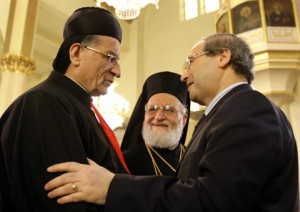
Assad Tells Lebanese Visitors: We Meet Loyalty with Loyalty

Nabil Haitham - As-Safir Newspaper

Translated by Sara Taha Moughnieh


Assad
Who meets Syrian President Bashar Al-Assad these days, feels through his conversation with his Lebanese visitors that he is more than ever convinced that the “world war” waged on Syria for 23 months now “has failed”.

Maybe, the cause of this Syrian conviction “is not just the failure of attempts to target the Syrian army, the achievements it attained, its continued control, and the public support, which the “Public National Army” forms its main pillar. It is rather the devastation prevailing the other groups, that are trying to compensate by elevating media campaigns, fabricating false victories, and setting new dates for the regime fall (the last date set was the coming June). This comes, as the retreat in the American stance is no longer a secret, so is the Arab and Turkish confusion, and the armed groups’ loss of control.

Al-Assad’s visitors hear the following: “Where have we been, and where are we now… We are certain that tomorrow is ours. We don’t take, ask, or beg for our strength from anyone. Syria has the will of victory over conspiracy. Even though we are certain of our definiteness in triumphing, and we are confident of the political and military achievements, this doesn’t mean that everything is over, as we still have plenty of work in politics and in confronting the terrorist and Takfiri groups.”

Al-Assad tackles the field of reforms and says, “here, there is wrong that should be corrected. There are corrupters, but they are not “everyone”. In contrast there are capacities, nobles, and loyal ones, and they are the base and majority of Syrians. Could anyone explain how the Syrian diplomatic body around the world stayed coherent for two years, despite seductions the ambassadors, consuls, and employees from all levels were exposed to? Millions of dollars were offered to them, but they rejected them and were satisfied with what they had, and this is the biggest evidence on the true Syrian patriotism.”

When visitors of Damascus ask about the chances of a political settlement, the answer is that others “are rushing towards terms like “settlement” to restore their dignity. For Syria, a political process is not a “settlement”, a dialogue should rather take place, and Syria extends its hand to all Syrian elements concerned about Syria, its people, unity, and the regaining of its elements of power.”

Moreover, if this crisis is occupying the Syrian leadership, Palestine is still the compass. Here, Assad says: “Palestine is our cause, and it will stay so, and let some Arabs and even Palestinians abandon it. Syria will stay firm in its stance and position. It did not vie in generosity with its stance, but was rather taking actions based on principles, even if this coasted it a very high price, it is still adherent to its choices.”

Damascus visitors also sense that Lebanon occupies an advanced position in the Syrian leadership’s agenda, as they come out with the following impressions:

First, Syria had never wanted to be stabbed from its Lebanese sides, and from those who once considered it their safeguard. The size of the moral pain Syria is suffering from the Lebanese side almost exceeds the size of pain and harm it got from Turkey.

Second, Maronite Patriarch Bechara Boutros Al-Rahi’s visit to Syria left a good influence in Assad; especially that it addressed the Syrian sentiment in one of the toughest stages. Hence, this initiative by “the brave Patriarch who forms an element of national balance in Lebanon” deserved Syria’s high appreciation.

Third, what brings regret, is that the Syrian crisis “let the hurt Syrian country know the friend from the enemy, whether in Lebanon or elsewhere, just like it revealed that the Lebanese who took advantage of Syria all these years and its worst enemies. In contrast, it appeared that there are other factions that did not take advantage of Syria in the past, yet they proved through this crisis that they are concerned with Syria and the Syrian people’s blood.”

Fourth, Syria meets loyalty with loyalty, and it highly appreciates everyone who is concerned about it, in Lebanon, and had stood in solidarity with its distress.

Fifth, Syria was not surprised with the transformation of some “positions” and Lebanese figures. In contrast, it understands the circumstances around all its allies and friends in Lebanon, “and the reasons behind some parts’ silence are clear for us. However, we don’t want to embarrass any Lebanese part, neither with a stance, nor with anything else. These are only supposed to stand in the right position, no more, no less.”


Disclaimer:
Al-Manar is not responsible for the content of the article. All opinions expressed are those of the writer's not Al-Manar’s or its staff.
Source: Newspapers
19-02-2013 - 16:01 Last updated 19-02-2013 - 16:01

------

Al-Assad: Future Ours, Syria Victorious Militarily, Politically

صور الأسد تسبق جنبلاط إلى الشوف
 
 Palestine was and will remain our cause, that we won't abandon regards of who abandons us from Arabs and Palestinians,"
 
Local Editor

The visitors of Syrian President Bashar al-Assad reported his assurance of his country's inevitable political and military victory in facing the campaign on it.
In remarks to as-Safir Lebanese daily, al-Assad's visitor's mentioned that the Syrian government is open to dialogue for all Syrian components.

As the daily reflected al-Assad's assurance to the current situation, it quoted him as saying: "We are confident that tomorrow is ours. We don't derive or request our strength from anyone."

"Syria has the will to triumph over the plot. We are sure of our inevitable victory, and assured to what has been achieved politically and militarily. That does not mean that everything is over, we still have a great job in politics, as well as in the confrontation with terrorist and Takfiri groups," the head of the Syrian state emphasized.

On the issue of reform, President al-Assad said: "There are mistaken and corrupting people, but these are not the governing scene."

"There are efficient, honest, and sincere people that form the basis and the overwhelming majority of Syrians," he viewed, and noted that "Can they explain how the Syrian diplomat body remained over two years of crisis cohesive all over the globe, despite all temptations and offers that the consuls, staff, and diplomats received."

In this context, al-Assad revealed that "They were refused millions of dollars. This is the biggest proof of the real Syrian nationality."

Regarding the political settlement, the Syrian President indicated that "others run to achieve names such as "settlement" to achieve a minimum amount of saving dignity."

"As for Syria, it doesn't call the political process as a "settlement"," he stressed, and noted that "dialogue must be launched particularly that we are open to contact all Syrian components, who are keen on Syria, its people, and unity as well as to restore all the elements of strength."

However, al-Assad assured that "despite our concern with the current crisis, Palestine remains the compass."

"Palestine was and will remain our cause, that we won't abandon regards of who abandons us from Arabs and Palestinians," he stressed.

Meanwhile, he affirmed that "Syria will remain firm on its position, location, ...and choices."


Source: as-Safir daily, Translated and Edited by moqawama.org

«واثقون من تجاوز الأزمة ونتفهم ظروف الحلفاء والأصدقاء»

الأسـد لـزواره اللبنـانييـن: نقـابل الوفـاء بالوفـاء


ان من يلتقي الرئيس السوري بشار الأسد في هذه الأيام، يشعر من خلال حديثه مع زواره اللبنانيين أنه أكثر قناعة من أي وقت مضى بأنّ «الحرب العالمية» التي تشن على سوريا منذ ثلاثة وعشرين شهرا «قد سقطت».
 
ولعل مبعث الاطمئنان السوري «ليس فقط فشل محاولات استهداف الجيش السوري ولا الإنجازات التي يحققها ولا استمرار إمساكه بزمام المبادرة، ولا الحاضنة الشعبية التي يشكل «الجيش الشعبي الوطني» إحدى أبرز دعائمها، بل هو واقع الإحباط المخيم على الآخرين الذين يحاولون التعويض بتصعيد الحملات الإعلامية واختلاق الانتصارات الوهمية وتحديد مواعيد جديدة لسقوط النظام (آخر موعد هو حزيران المقبل)، في وقت لم يعد خافيا فيه تراجع الموقف الأميركي، وكذلك الإرباك العربي والتركي، فضلا عن أن المجموعات المسلحة نفسها قد فقدت زمام المبادرة».
 
يسمع زوار الأسد الكلام الآتي: «أين كنا وأين أصبحنا، ونحن على يقين بأن الغد لنا. قوتنا لا نأخذها أو نستمدها أو نطلبها أو نستجديها من أحد. سوريا تمتلك إرادة الانتصار على المؤامرة. ونحن وإن كنا متيقنين من حتمية انتصارنا، ومطمئنين لما يتحقق سياسيا وعسكريا، فإن ذلك لا يعني أن كل الأمور قد انتهت، فلا يزال أمامنا شغل كبير في السياسة، كما في مواجهة المجموعات الإرهابية والتكفيرية».
 
يتطرق الأسد الى المجال الإصلاحي، ويقول: «هنا الخطأ موجود ويجب أن يصحح. هناك مخطئون ومفسدون، انما هؤلاء ليسوا «الجميع» بل في المقابل، هناك كفاءات وشرفاء ومخلصون وهم الأساس ويشكلون الغالبية الساحقة من السوريين. هل يستطيع أحد أن يفسر كيف أن الجسم الديبلوماسي السوري ظل على مدى سنتين متماسكا على صعيد الكرة الأرضية كلها برغم الإغراءات التي تعرض لها السفراء والقناصل والموظفون من مختلف الدرجات. لقد عرضت ملايين الدولارات عليهم ورفضوها وارتضوا بالقليل وهذا أكبر دليل على الوطنية السورية الحقيقية».
 
عندما يسأل زوار دمشق عن حظوظ التسوية السياسية، يأتي الجواب أن الآخرين «يركضون نحو مسميات مثل «تسوية» تؤمن لهم شيئا من حفظ ماء الوجه. بالنسبة الى سوريا، لا تسمي العملية السياسية بأنها «تسوية»، هناك حوار ينبغي أن يحصل، وسوريا تمد يدها لكل المكونات السورية الحريصة على سوريا وشعبها ووحدتها واستعادة كل عناصر قوتها».
 
واذا كانت الأزمة تشكل الشغل الشاغل للقيادة السورية، فإن فلسطين ما زالت هي البوصلة. هنا يقول الأسد: «فلسطين قضيتنا، وستبقى كذلك، وليتخلّ عنها من يريد من العرب أو حتى من أهل فلسطين. سوريا ستبقى ثابتة على موقفها وفي موقعها، وهي لم تكارم أحدا بموقفها هذا بل كانت تتصرف انطلاقا من موقف مبدئي ولو أنه كلفها الكثير الكثير وهي ما زالت متمسكة بخياراتها».
ويلمس زوار دمشق أن لبنان يحتل موقعا متقدما في «أجندة» القيادة السورية، ويخرج هؤلاء بانطباعات يمكن سرد أبرزها على الشكل الآتي:
 
اولا، ان سوريا ما كانت تتمنى يوماً أن تطعن في خاصرتها اللبنانية، ومن قبل من كانوا يوماً يضربون بسيفها ويتظللون بها، وحجم الوجع المعنوي الذي تعانيه سوريا من الخاصرة اللبنانية، يكاد يفوق حجم الوجع والأذية الذي يصل اليها من البوابة التركية.
 
ثانيا، ان زيارة البطريرك الماروني بشارة الراعي الى سوريا تركت أثرا طيبا كبيرا لدى الأسد. خاصة أنها خاطبت الوجدان السوري في أحلك المراحل وأصعبها، وبالتالي استحقت هذه المبادرة الصادرة عن «البطريرك الشجاع الذي يشكل عنصر توازن وطنيا في لبنان»، قدراً عالياً من التقدير السوري.
 
ثالثا، ان ما يدفع الى الأسف، هو ان اندلاع الأزمة في سوريا، «أتاح للدولة السورية الجريحة أن تعرف من هو الصديق ومن هو العدو، سواء في لبنان أو غير لبنان، مثلما كشف لنا أن من كانوا مستفيدين من سوريا في لبنان طيلة السنوات الماضية هم أسوأ أعدائها الآن. وفي المقابل، تبين لنا أن هناك فئات اخرى لم تستفد من سوريا في الماضي، ومع ذلك أثبتت خلال هذه الأزمة انها الأكثر حرصا على سوريا ودماء السوريين».
 
رابعا، ان سوريا تقابل الوفاء بالوفاء، وتقدر عاليا كل من التفت اليها، من لبنان، بموقف تضامني مع محنتها.
 
خامسا، ان سوريا لم تفاجأ بالكثير من التحوّلات التي شابت الكثير من «المواقع» والشخصيات اللبنانية. وفي المقابل، تتفهم ظروف كل حلفائها وأصدقائها في لبنان، «كما ان دوافع من آثر التزام الصمت واضحة ومعلومة بالنسبة إلينا، إلا أننا لا نريد أن نحرج أي طرف لبناني لا بموقف ولا بأي عمل آخر. حقنا على هؤلاء أن يقفوا في الموقع الصح لا أكثر ولا أقل».
 
 
River to Sea Uprooted Palestinian
The views expressed in this article are the sole responsibility of the author and do not necessarily reflect those of this Blog!

Who Not to Vote For


AIPAC has released its “confirmed speakers” for its upcoming conference, March 3-5 in Washington. Whether you live in the United States or Canada, these are people you might want to strongly consider voting against should you ever get an opportunity to do so. (Yes, some of them do not currently hold elected office, but just in case they should ever decide to seek it.) In addition to those featured in the image above, this man also will address the conference:


Abrams was involved in the Iran-Contra affair, having had multiple felony counts prepared against him at one point. He ended up pleading guilty to withholding information from Congress, though was pardoned by George H.W. Bush just before the latter left office. As assistant secretary of state in the 1980s, Abrams also played a shady role in US efforts to overthrow the Sandinista government in Nicaragua, and, perhaps most notoriously, in the wake of the massacre of hundreds of people by Salvadoran government forces in 1981 in the village of El Mozote, he went before a Senate committee and insisted that reports of the incident—one of the most heinous war crimes of the 1980s—were “not credible.” Why Abrams retains even a shred of respectability today I can only think is attributable to the total collapse of integrity and morality in the US government and in American society in general. Ah, but he does seem to be quite beloved by the Israeli lobby, does he not?

In addition to Abrams and the rest of the crew above, the following distinguished guests will also be appearing at the conference (complete list at
AIPAC website ).

Ambassadors:


  • Ambassador Yehuda Avner, Former Advisor to Israel's Prime Ministers; Former Israeli Ambassador to Australia and the United Kingdom
  • Ambassador Dan Benjamin, Norman E. McCullogh Director, John Sloan Dickey Center for Understanding, Dartmouth College
  • Ambassador Barukh Binah Deputy Head of Mission, Embassy of Israel to the United States
  • Ambassador Dan Gilerman
  • Ambassador Marc Ginsberg, Former U.S. Ambassador to Morocco
  • Ambassador Brad Gordon, Director, Policy and Government Affairs, AIPAC
  • Ambassador Liora Herzl, Deputy Director General - North American Division, Ministry of Foreign Affairs
  • Ambassador Fred Hof, Senior Fellow, The Atlantic Council; Former Special Representative on Syria, United States Department of State
  • Ambassador Jeremy Issacharoff, Deputy Director General for Strategic Affairs, Israeli Ministry of Foreign Affairs
  • Ambassador Michael Oren*, Ambassador of Israel to the United States
  • Ambassador Ron Prosor, Permanent Representative of Israel to the United Nations
  • Ambassador Nirupama Rao*, Ambassador of India to the United States
  • Ambassador Dennis Ross, Counselor, The Washington Institute For Near East Policy; Former National Security Council Senior Director for the Central Region
  • Ambassador Kristen Silverberg, President, United Against Nuclear Iran; Former United States Ambassador to the European Union
  • Ambassador Elin Suleymanov, Ambassador of the Republic of Azerbaijan to the United States
  • Ambassador Daniel Taub, Ambassador Extraordinary and Plenipotentiary, State of Israel to the Court of St. James
  • Ambassador Zvi Vapni, Director of Congressional Affairs Department - North American Division, Ministry of Foreign Affairs

Members of Congress:


  • The Honorable Shelley Berkley, Former Member, United States House of Representatives
  • The Honorable Susan Brooks, Member, Committee on Homeland Security, United States House of Representatives
  • The Honorable Eric Cantor (R-VA), Majority Leader, United States House of Representatives
  • The Honorable Susan Collins (R-ME), Member, Select Committee on Intelligence, United States Senate
  • The Honorable Chris Coons (D-DE), Chairman, Foreign Relations Subcommittee on African Affairs, United States Senate
  • The Honorable John Cornyn (R-TX), Republican Whip, United States Senate
  • The Honorable Tom Cotton (R-AR), Member, United States House of Representatives
  • The Honorable Joseph Crowley (D-NY), Vice Chair, Democratic Caucus; Member, Foreign Affairs Committee, United States House of Representatives
  • The Honorable Ted Cruz (R-TX), Member, Committee on Armed Services, United States Senate
  • The Honorable Ted Deutch (D-FL), Ranking Member, Foreign Affairs Subcommittee on Middle East and South Asia, United States House of Representatives
  • The Honorable Jeff Duncan (R-SC), Member, Foreign Affairs Committee, United States House of Representatives
  • The Honorable Eliot Engel (D-NY), Ranking Member, Foreign Affairs Committee, United States House of Representatives
  • The Honorable Al Franken (D-MN), Member, United States Senate
  • The Honorable Marcia Fudge (D-OH), Chairwoman, Congressional Black Caucus, United States House of Representatives
  • The Honorable Kirsten Gillibrand (D-NY), Member, Committee on Armed Services, United States Senate
  • The Honorable Lindsay Graham (R-SC), Ranking Member, Appropriations Subcommittee on the Department of State, Foreign Operations and Related Programs, United States Senate
  • The Honorable Kay Hagan (D-NC)*, Chair, Armed Services Subcommittee on Emerging Threats and Capabilities, United States Senate
  • The Honorable Alcee Hastings (D-FL)*, Member, United States House of Representatives
  • The Honorable Steny Hoyer (D-MD), Democratic Whip, United States House of Representatives
  • The Honorable Hakeem Jeffries (D-NY)*, Member, United States House of Representatives
  • The Honorable Ileana Ros-Lehtinen (R-FL), Chairman, Foreign Affairs Subcommittee on Middle East and South Asia, United States House of Representatives
  • The Honorable Derek Kilmer, Member, Committee on Armed Services, United States House of Representatives
  • The Honorable Peter King (R-NY), Chairman, Homeland Security Subcommittee on Counterterrorism and Intelligence, United States House of Representatives
  • The Honorable Mary Landrieu (D-LA), Chairman, Appropriations Subcommittee on Homeland Security, United States Senate
  • The Honorable John McCain*, Ranking Member, Committee on Armed Services, United States Senate
  • The Honorable Michael McCaul (R-TX), Chairman, Committee on Homeland Security, United States House of Representatives
  • The Honorable Cathy McMorris Rodgers (R-WA)*, Republican Conference Chairman, United States House of Representatives
  • The Honorable Robert Menendez (D-NJ)*, Chairman, Foreign Relations Committee, United States Senate
  • The Honorable Ed Royce (R-CA), Chairman, Foreign Affairs Committee, United States House of Representatives
  • The Honorable Brad Sherman (D-CA), Ranking Member, Foreign Affairs Subcommittee on Terrorism, Nonproliferation and Trade, United States House of Representatives


River to Sea Uprooted Palestinian  
The views expressed in this article are the sole responsibility of the author and do not necessarily reflect those of this Blog!

Egypt's Muslim Brotherhood and the Iranian model: Egypt and the Greater Middle East triangle


‏الثلاثاء‏، 19‏ شباط‏، 2013


أوقات الشام

مصطفى اللباد

ازداد الحديث في الدوائر الأكاديمية والصحافية بعد انتصار الثورة المصرية عام 2011 عن تبلور مثلث جديد في الشرق الأوسط يضم مصر وتركيا وإيران، نظراً للروابط التاريخية التي تجمع بين الأطراف الثلاثة، وما يملكه كل منها من مقومات الدولة المركزية والدور التاريخي في الشرق الأوسط.

وهنا يختلف الشرق الأوسط الكبير عن مفهوم المحافظين الجدد، من حيث إنه يركن أمن وتجانس الشرق الأوسط إلى تعاون بين ثلاث دول مركزية في المنطقة هي مصر وإيران وتركيا، تتعاون في ما بينها لتحقيق مصالح والدفاع عن أمن هذه المنطقة من العالم. وبقدر ما ألهب هذا المثلث حماسة بعض المفكرين والفلاسفة الشرق أوسطيين في الدول الثلاث والمنطقة طيلة العقود الماضية، بقدر ما تقول التجربة التاريخية إن الأضلاع الثلاثة لم تكتمل في أي حقبة زمنية مضت.

وإذا عدنا إلى الوراء خمسة قرون، لرأينا مثلاً تحالف قانصوه الغوري حاكم مصر مع إيران عام 1513 لمواجهة خطر تركيا العثمانية، وأمكننا تعيين التقارب التركي - الإيراني تحت المظلة الغربية وفي مواجهة حركة التحرر العربية التي قادتها مصر في الخمسينيات والستينيات من القرن الماضي، ولاحظنا التحالف الذي يتبلور الآن بين مصر وتركيا في مواجهة إيران بعد «الربيع العربي»، على الرغم من التحسن النسبي في العلاقات راهناً بين القاهرة وطهران. باختصار، لم يعرف الشرق الأوسط في القرون الخمسة الأخيرة تفاعلاً بين الأطراف الثلاثة، فمن ناحية سيشكل هذا المثلث خطراً على التوازن العالمي وليس الإقليمي فقط، ومن ناحية أخرى يقول تاريخ العلاقات بين الدول الثلاث - على المستوى الثنائي - انه عرف حالات من المد والجزر وفقاً للحسابات الوطنية، وليس حسابات القيمة المتعلقة بضرورة قيام هذا المثلث.

وبالتوازي مع ذلك، يشهد الشرق الأوسط تراجعاً في النفوذ الاميركي منذ سنوات قليلة، وتدل المؤشرات على أن هذا التراجع سيستمر، فيما يتحول الاهتمام الأميركي أكثر فأكثر من الاهتمام بالشرق الأوسط إلى التركيز على آسيا بغرض مواجهة الصين. لذلك سيترك التراجع الأميركي في المنطقة فراغاً خلفه ستسعى قوة إقليمية صاعدة مثل إيران وتركيا إلى شغله. وإذ يتنافس الغريمان الإيراني والتركي في طول المنطقة وعرضها، من العراق إلى سوريا وصولاً إلى لبنان وحتى غزة، يظهر أن استمالة مصر الإخوانية أمست إحدى أدوات التنافس التركي - الإيراني في الشرق الأوسط. على ذلك المنوال ستميل الكفة الإقليمية لمصلحة ذلك الطرف (إيران أو تركيا) الذي سيفلح في نسج شبكة من العلاقات مع القاهرة، بحيث تصطف معه في مواجهة الضلع الثالث.

وتزعم هذه الورقة أنه إذا استمر غياب الأجندة الوطنية المصرية كما ظهر في الشهور الأخيرة، واستطال الافتقار إلى الخيال السياسي لدى السلطة الحاكمة في القاهرة الآن، فستتحول مصر من لاعب وند - كما يفترض أن تكون وفقاً لنظرية المثلث ذاتها - إلى ساحة للصراع التركي - الإيراني على مرتبة القيادة الإقليمية، وليس ضلعاً في مثلث يضم القوتين الإقليميتين الكبيرتين. تنشغل هذه الورقة بمقارنة النماذج التي تمثلها كل من إيران وتركيا مع النموذج المصري الإخواني، بغرض إيضاح الفروقات بين النماذج وتأصيلها، بما يسمح باستشراف مستقبل التحالف المصري الإقليمي الجديد مع إيران أم مع تركيا؟

التجربة الإخوانية والتجربة الإيرانية

على الرغم من تشابه بعض جوانب التجربتين الإخوانية والإيرانية قشرياً وظاهرياً، إلا أن المقارنة تبدو مع ذلك غير واردة موضوعياً لوجود سبعة اختلافات أساسية بين طرفي المقايسة.
 
أولاً صحيح أن ثورة ايران لم يقم بها التيار الإسلامي وحده، مثلها في ذلك مثل الثورة المصرية. إلا أن الإمام الخميني كان مرجعية الثائرين في إيران من التيار الإسلامي وخارجه، واستمر ذلك الأمر حتى سقوط الشاه على الأقل قبل أن تبدأ الخلافات وتتفاقم في العام الأول لانتصار الثورة الإيرانية.
 
أما في الحالة المصرية، فلم يكن أي رمز من رموز «الإخوان المسلمين» ملهماً للثورة المصرية أو مرشداً روحياً لها في ميدان التحرير، خلال الثمانية عشر يوما المجيدة الممتدة من 25 يناير/كانون الثاني وحتى 11 فبراير/شباط 2011

. وعندما انتصرت الثورة في ايران كان لدى السيد الخميني القوة المعنوية في تعيين حكومة المهندس مهدي بازركان، ممثل التيار القومي الليبرالي بقرار مباشر منه، وذلك من دون انتخابات أو استفتاء حتى. أما في الحالة المصرية فقد شارك «الإخوان المسلمون» في الثورة بعد تيقنهم من انتصارها بصمود المتظاهرين في ميادين البلاد وكسرهم لأداة النظام الأمنية، وليس قبل ذلك بأية حال.
 
ثانياً، حكمت التفاهمات والصفقات بين «الإخوان المسلمين» و«المجلس العسكري» العلاقة بين الطرفين طيلة الفترة الانتقالية على خلاف ما نادت به القوى الشبابية والثورية، فكان أن تم تصميم قانون جديد للانتخابات من طرف «المجلس العسكري» يفتح الباب واسعاً أمام صعود التيار الإسلامي إلى السلطة عبر حيازة غالبية مقاعد برلمان 2011، مقابل ضمانات تتعلق بأدوار المؤسسة العسكرية ومكتسباتها الاقتصادية، وما زالت سارية حتى الآن

. على الناحية المقابلة، فقد أجهز السيد الخميني في إيران على قادة المؤسسة العسكرية الإيرانية بالإعدام والتصفية؛ وإلى الآن لم ينس النظام الإسلامي أن الجيش الإيراني والى الشاه، فأسس الحرس الثوري الايراني، وهو جيش مؤدلج على غرار الجيش الأحمر السوفياتي ولكن بحمولة فكرية إسلامية.

ثالثاً، رسخت القيادة الإيرانية بدماء الشهداء نظاماً جديداً تماماً، يقطع مع نظام الشاه المخلوع من الجذور ويقصي رموز تجربته وكل من انتمى إليها، أما في حالة «الإخوان المسلمين» فتبدو النتيجة مختلفة كلياً، حيث إن رؤساء الوزراء الأربعة الذين توالوا على رئاسة الحكومة منذ تنحي مبارك عام 2011 وحتى كتابة السطور في العام 2013 ينتمون جميعاً إلى عصر مبارك (أحمد شفيق وزير الطيران وآخر رئيس وزراء في عصر مبارك، وعصام شرف وزير النقل في عصر مبارك، وكمال الجنزوري رئيس وزراء من عصر مبارك، ورئيس الوزراء الحالي هشام قنديل كان مديراً لمكتب وزير ري مبارك).

رابعاً، التزم «الإخوان المسلمون» بتفاهمات إقليمية مسبقة مع تركيا وقطر حول الأدوار والمهمات، وذلك على العكس من الحالة الإيرانية التي لم تعرف أي نوع من أنواع التفاهمات الإقليمية.
 
خامساً، تباين خريطة الطريق حتى استلام السلطة يؤشر لنوعية السلطة الجديدة، ففي الحالة الإيرانية حسم السيد الخميني الموضوع باستفتاء واحد يرسخ للدستور الإيراني الذي نص على «ولاية الفقيه»، فيما تعرجت مسالك الدستور المصري الإسلامي، حيث تم تعديل دستور 1971 في البداية، ثم قام «الإخوان المسلمون» بمناورات سياسية للوصول إلى لجنة تأسيسية ذات غالبية من لون واحد، ثم وعد الدكتور مرسي بإعادة تشكيل اللجنة التأسيسية إبان الجولة الثانية من انتخابات الرئاسة لتضم كل الطيف السياسي المصري ولم يف بوعده، وفي النهاية صدر دستور ملتبس يحتمل تآويلات شتى.
إذ ان الدستور المصري قد يؤسس لـ«ولاية فقيه» سنية لاحقاً، لأنه يفسح مجالاً لمؤسسات غير منتخبة ليكون لها حق نقض القرارات التشريعية كما هو الحال في المادة الرابعة، ولأنه أعاد تعريف المادة الثانية (الشريعة الإسلامية) في نهاية الدستور بمادة جديدة؛ بما يفتح أبواباً ظاهرة وغير ظاهرة للخلافات لاحقاً. سادساً حاولت إدارة جيمي كارتر بكل ما أوتيت دفع الجيش الإيراني إلى القيام بانقلاب لوأد الثورة الإيرانية، فلما لم تفلح أرسلت حملتها العسكرية الفاشلة لتحرير الرهائن الأميركيين، ومن مفارقات الأقدار أن يكون جيمي كارتر ذاته هو المبعوث الأميركي للإشراف على انتخابات الرئاسة المصرية التي أوصلت الجماعة وممثلها الدكتور مرسي إلى الرئاسة، وخرج تقريره مسانداً لنتيجة الانتخاب. ولا تغيب عن الأذهان صورته صيف العام الماضي وهو يسلم تقريره إلى الدكتور مرسي مقبلاً مرشد الجماعة محمد بديع في مشهد لا يخلو من دلالات.
 
سابعاً، أرهقت الثورة الإيرانية منذ العام 1979 الإدارات الأميركية المتعاقبة في ترويضها، وحتى التقاطع في المصالح الذي ظهر في العقد الأخير بين طهران وواشنطن، سواء في أفغانستان أو العراق، لم يكن نتيجة تفاهمات سابقة، بقدر ما كان استثماراً إيرانياً لخطايا إدارة بوش الابن، وهو ما أجبر الطرفين قسراً على تقنين مصالحهما على الأرض.
 
بالمقابل، يبدو صعود جماعة «الإخوان المسلمين» إلى مقاعد السلطة في مصر وتونس في أعقاب «الربيع العربي» ناتجاً من تفاعل مجموعة من العوامل يتقدمها ذلك التفاهم المسبق بين الجماعة وإدارة أوباما. وفيما يهرع صندوق النقد الدولي للتفاوض مع إدارة الدكتور مرسي حول تقديم القروض، تتفنن المؤسسات المالية العالمية في هندسة وإخراج عقوبات اقتصادية ومالية على إيران لإضعاف موقعها التفاوضي في مفاوضاتها المرتقبة مع واشنطن حول ملفها النووي. ويعني ذلك أن الأدوار المفترض للجماعة أن تقوم بها تقع حصراً داخل دائرة المصالح الأميركية في المنطقة، على العكس من الحالة الإيرانية التي لا تعرف حصرية كهذه. 
اعتبارات إيران الأربعة


يجسد إعلان سبعة عشر مفكراً وعالماً إيرانياً عن مناشدة الرئيس المصري محمد مرسي قبل أيام تبني «النموذج الإيراني» في الحكم، مستعرضين المنجزات العلمية والحضارية لإيران الثورية، تفكيرا إيرانيا عاما حيال مصر وضرورة الانفتاح عليها. وإذ أثارت هذه المناشدة قوى مصرية وإقليمية خشيت من انتقال مصر إلى التحالف مع إيران، تقول القراءة الهادئة لما يجري على ضوء الفروقات التاريخية والبنيوية بين التجربتين ان كل الأطراف تعي أن حدوث تحالف كهذا يبدو مفارقاً للواقع الموضوعي. فلا التجربتان يمكن مقارنتهما كما ظهر في هذا القسم من الورقة، ولا المعارضة المصرية تعتقد بإمكانية حدوث ذلك فعلا، ولكنها تهول على العلاقات المصرية - الإيرانية الناشئة لأغراض محلية. وبالمقابل لا يبدو - بحكم مهارات المداورة والمناورة والدهاء الإيرانية - أن طهران ذاتها غافلة عن هذه الفروقات التي تمنع موضوعياً قيام تحالف مصري - إيراني كما يتردد، وإنما لها مآرب أخرى من تفضيل «الإخوان المسلمين» كشريك سياسي لها في مصر. تتمثل هذه المآرب في أربعة اعتبارات:

أولاً يمكن لطهران تلطيف الاحتقان السني - الشيعي عبر العلاقات مع أكبر جماعة سنية سياسية منظمة، أي «الإخوان المسلمين».


ثانياً التقارب مع مصر الإخوانية يعرقل قيام تحالف مصري - تركي يصب في طاحونة خصوم إيران، ثالثاً التقارب مع مصر يمنع منافسي إيران الخليجيين من حشد مصر في مجهودهم السياسي والإعلامي لحصار إيران إقليمياً، ورابعاً تعتقد طهران أن «الإخوان المسلمين» أقرب إلى أفكارها من المؤسسة العسكرية المصرية أو الأحزاب الليبرالية واليسارية. لذلك ستستمر إيران في التودد إلى «الإخوان المسلمين» وكأنها لا تعلم شيئاً عن تفاهماتهم المسبقة ما دام ذلك يحقق منافع وقتية لها، ولا مانع لديها من الحديث الديبلوماسي عن حل إيراني - مصري - تركي مشترك للأزمة السورية، ولا غضاضة من اجترار مثلث الشرق الأوسط أو حتى رغبتها في تقاسم اكتشافاتها العلمية مع الإخوان المصريين.

تسير السياسة الإيرانية حكماً في طريق التقارب مع «الإخوان المسلمين» رغم علمها بالفروقات الكبيرة معهم، لأنها لا تملك خياراً أفضل في الواقع المصري الراهن. تبدو إيران بالمعنى الجيو-سياسي خاسرة من «الربيع العربي» الذي نعتته في بداياته بـ«الربيع الإسلامي»، لكنها تحاول راهناً تأجيل الخسارة أو التقليل منها؛ على الأقل حتى الانتهاء من مفاوضاتها مع الغرب حول ملفها النووي وأدوارها الإقليمية المقبلة.
 
River to Sea Uprooted Palestinian  
The views expressed in this article are the sole responsibility of the author and do not necessarily reflect those of this Blog!

NATO expert: ‘Israel is affraid to attack Hizballah’


90ae[1]Dr. Jean-Loup Samaan is a researcher-lecturer of Israel-Hizballah conflict at the NATO Defence College in Rome and former policy adviser for the French Ministry of Defense and a visiting scholar for the RAND, an Israeli advocacy group. In an article, published in Jewish Al-Monitor on February 12, 2013, Samaan claimed that Hizballah’s stockpile of 40,000-80,000 rockets is the “deterrence” which is forcing Israel not to attack Hizballah as it did in Summer 2006, when Hizballah had less than 15,000 rockets. Samaan also claimed that Hizballah has since acquired 4,000 short-to mid-range Iranian missiles through Syria plus Syrian Scud-D ballistic missiles (purchased from Russia three decades ago).

“Both sides understands that a next round would be devastating and that, in the case of Israel, the threat of Hizballah’s missiles cannot be wholly eliminated, the solution has been to bargain detterence, meaning to deter the other party from attacking its homeland by pledging full-scale retaliation,” wrote Jean-Loup Samaan.

What Jean-Loup Samaan was affraid to say – that total devastation of the entire infrastructure and mass-killing of civilian population of the countries Israel has attacked (Gaza, Lebanon, Sudan and Syria), came from the teachings of Jewish Talmud. Samaan also lied that Hizballah used suicide bombers against Israelis. He did not back-up his claim. One cannot expect some Zionist propagandist to acknowledge that it were Israeli suicide bombers who killed former Lebanese prime minister Rafik Hariri in February 2005. Ronen Bergman, a Zionist investigative journalist and author is on record for admitting that Hizballah leader, Sayyed Moussawi, was assassinated by Israelis. Israeli Mossad also assassinated Hizballah leader Imad Moughnieh. But Mossad agents have failed to assassinate Sheikh Nasrallah.

The Jewish army attacked and occupied South Lebanon in the 19880s, even before the establishment of armed Hizballah resistance militia. The Jewish army has fought four major wars with Lebanon and have been violating Lebanese airspace on daily basis since its defeat in 2006.

However, Samaan is not the only expert who believes Israel will think twice before attacking Hizballah. On December 16, 2010, Israeli English daily Ha’aretz had quoted Israel Occupation Force (IOF) Gen. Giora Eiland, former national security adviser to former prime ministers Ariel Sharon and Ehud Olmert, saying on Army Radio: “Israel does not know how to beat Hezbollah”.

Jeffrey Feltman (a Zionist Jew), former top State Department official and currently Ban Ki-moon’s ME hitman at United Nations, told Maura Connelly, US ambassador in Beirut, that since Israel failed to destroy Hizballah in 2006, he was planning to pin Hariri murder on Hizballah officials and get it disarmed via United Nations’ R-1757.

Both Ehud Olmert and Benjamin Netanyahu have threatened Hizballah and Lebanese government that in the next war, Lebanese would not find Israelis as “civilized” as they’re during the 34-day war of 2006. During that war, Jewish army killed 1,400 Lebanese civilians including 49 Hizballah fighters while inflicting over $10 billion infrastructure damage. The Jewish army , in return, admitted losing 137 of its Jewish soldiers. Alastair Crooke and Mark Perry, claimed in an article published by Asia Times (October 12, 2006) that Israel was totally defeated by Hizballah.

Under international law, Lebanon has the right to attack Israel which is still occupying 25 square kilimeters of Lebanese territory, known as Shebaa Farms, since June 1967.

Three days ago, Hizballah leader, Sheikh Hassan Nasrallah, in his peech during the annual commemoration for the Resistance’s leaders, warned the Zionist regime that despite the bloody anti-resistance war in Syria - if Israel attacked Lebanon, Hizballah rockets and missile would be hitting Israel’s military and power lifelines all the way to Tel Aviv.

“In all calmness I warn the Israeli that the resistance in Lebanon will not tolerate any violations on Lebanese territory. They have an electrical plant in northern Palestine, with just a few missiles we could plunge Israel into darkness. The Israeli themselves have admitted it would take 6 months to make this plant operational again,” warned Nasrallah. His televised speech can be read here.

Jean-Loup Samaan, who is author of the NATO document ‘The day after Iran goes nuclear’ – during a lecture at Israel’s Bar-IIan University in February 2012, had advised NATO to strengthen its ties with Iran’s neighboring countries to counter Iran’s rising influence in the region. In November 2012, Samaan also attended the Herzilya Defence Conference in Israel.
 
River to Sea Uprooted Palestinian  
The views expressed in this article are the sole responsibility of the author and do not necessarily reflect those of this Blog!