Friday, 26 August 2016

Russia urges ‘caution’ on UN’s Syria chemical weapons report, will talk to US

Published time: 25 Aug, 2016 16:17
Residents flee after an attack on the eastern Damascus suburb of Ghouta, Syria August 20, 2016. © Bassam Khabieh / Reuters

Russia’s UN envoy has called on the international community not to draw “hasty conclusions” from a year-long UN investigation that blames the Syrian government for carrying out two chemical weapons attacks in the past two years, and Islamic State for one.
“We shouldn’t come to hasty conclusions. We need to step very carefully here,” Vitaly Churkin told the Russian media in New York, saying Russia needs more time to study the 95-page report.
The UN Security Council-backed investigation was conducted by the Organization for the Prohibition of Chemical Weapons (OPCW) and the UN’s Joint Investigative Mechanism, a body known as JIM that investigated nine separate chemical weapons attacks that had been previously verified by the OPCW.
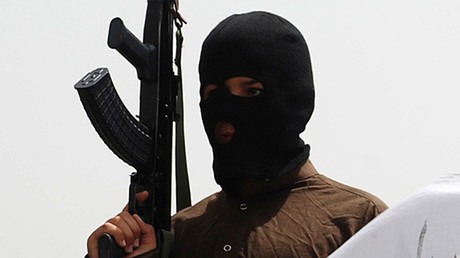
© Stringer

All incidents occurred after 2013, when Syria handed over its chemical weapons arsenal to international monitors. In six instances, JIM was not able to definitively apportion blame, in two cases, in Idlib in 2014 and 2015, the report said that government forces had used chlorine gas – which was not removed in 2013 due to its civilian uses, but is forbidden on the battlefield. In one case, Islamic State appeared to have used mustard gas in Marea in August of 2015.
Churkin said that the findings were notable, as “usually all blame gets assigned to the Syrian government.”
He also said that Russia will discuss the findings with the US at the next United Nations session in September.
“JIM was jointly set up by Russia and the US. It was a very complex process, and I have already spoken to [United States UN envoy] Samantha Power, who is currently on vacation. We agreed that as soon as she gets back, we will sit down and decide what we can do on the basis of this report.”
Samantha Power (R), the American ambassador to the United Nations talks to Russia's ambassador to the United Nations, Vitaly Churkin. File photo. © Andrew Kelly
Samantha Power (R), the American ambassador to the United Nations talks to Russia’s ambassador to the United Nations, Vitaly Churkin. File photo. © Andrew Kelly / Reuters

‘Look in the mirror,’ Moscow tells Washington

In a related statement, Russia has bristled at a US call for it to step in and prevent the future use of chemical weapons.
“We condemn in the strongest possible terms the Assad regime’s use of chlorine [gas] against its own people,” said a statement released on Wednesday evening by Ned Price, Spokesperson for the National Security Council.
“The United States will work with our international partners to seek accountability through appropriate diplomatic mechanisms, including through the United Nations Security Council and the OPCW. We urge all UN member states and parties to the Chemical Weapons Convention, including Russia and Iran, to participate in this effort.”
Read more
An Islamist Syrian rebel group Jabhat al-Nusra fighter. © Hamid Khatib
In response, Russian Foreign Minister Sergey Lavrov said that the US“should concentrate on its own problems” before making any international appeals.
“They should take a look in the mirror, and do what they promised to do back in January: to separate the ‘loyal’ opposition from the terrorists. They are currently unable or unwilling to do so,” Lavrov said in a statement published on his ministry’s website.
Former CIA officer Philip Giraldi also urged refraining from harsh statements and waiting for the full report, which is to be released next week.

Related Articles

River to Sea Uprooted Palestinian   
The views expressed in this article are the sole responsibility of the author and do not necessarily reflect those of the Blog!

Turkey Invades Northern Syria — Truth of Turkish "Coup" Revealed?

August 25, 2016 (The New Atlas) – Syria’s conflict has escalated into dangerous new territory as Turkish military forces cross the Turkish-Syrian border in an attempt to annex the Syrian city of Jarabulus. The operation includes not only Turkish military forces, but also throngs of Western-backed militants who will likely be handed control of the city before expanding operations deeper into Syria against Syrian government forces.

With the beginning of the operation, aimed allegedly at seizing the city from militants of the so-called Islamic State as well as preventing the city from falling into the hands of advancing US-backed Kurdish forces, Ankara’s move has made several things clear about the current geopolitical dimensions of the ongoing regional conflict.
The “US-Backed” July Coup Was Likely Staged 
First, with US warplanes providing close air support  for Turkish operations, claims by Ankara that the US was behind an attempted coup in July appear to have been fabrications and the coup itself likely staged.
US Vice President Joseph Biden made an official visit to Turkey just this week in what was the highest level visit by a US representative since the attempted coup in July. Vice President Biden discussed bilateral relations and joint US-Turkish military cooperation.
Reuters in its report, “With Biden visit, U.S. seeks balance with truculent Turkey,” would claim:
Biden, who visited Latvia on Tuesday, will look to show support with Turkey, while raising concern about the extent of the crackdown, according to officials. Turkey will press its case for Gulen’s extradition.

“The vice president will also reaffirm that the United States is doing everything we can to support Turkey’s ongoing efforts to hold accountable those responsible for the coup attempt while ensuring the rule of law is respected during the process,” a senior Obama administration official told reporters, briefing ahead of Biden’s visit on condition of anonymity.
It is difficult to believe that Fethullah Gülen could have orchestrated a violent military coup while residing in the United States without the explicit approval and support of the United States government. Thus, for the US to “hold accountable those responsible for the coup attempt” would require the identification and detainment of those Americans who were involved.
Regarding US joint operations with Turkey specifically, the BBC in its article, “Syria Jarablus: Turkish tanks roll into northern Syria,” would report:
An unnamed senior US official in Washington told BBC News before the start of the Turkish operation that it was “partly to create a buffer against the possibility of the Kurds moving forward”.

“We are working with them on that potential operation: our advisers are communicating with them on the Jarablus plan.

“We’ll give close air support if there’s an operation.”
It would be likewise difficult to believe that Turkey truly suspected the US of an attempted decapitation of the nation’s senior leadership in a violent, abortive coup just last month, only to be conducting joint operations with the US inside Syria with US military forces still based within Turkish territory.
What is much more likely is that the coup was staged to feign a US-Turkish fallout, draw in Russia and allow Turkey to make sweeping purges of any elements within the Turkish armed forces that might oppose a cross-border foray into Syria, a foray that is now unfolding.
Anthony Cartalucci, a Bangkok-based geopolitical analyst would note in a July 18 piece titled, “Turkey’s Failed Coup: “A Gift from God” or from Washington?,” that:
…the coup was staged – not against Turkey – but in part by it, with the help of not only the United States, but also Gulen’s political faction. It will represent a 21st century “Reichstag fire” leading to a 21st century “Hitlerian purge,” removing the last remaining obstacles to President Erdogan and the corrosive institutions he has constructed in their collective bid to seize absolute power over Turkey. 

And quite to the contrary of those changes one would expect Turkey to make if truly the US engineered this coup to oust, not abet Erdogan, Turkey is very likely to double down on hostility toward neighboring Syria and its allies.
With Turkey now moving into northern Syria, backing militant forces that will go on to fight Syrian forces and prolong the conflict from a new forward base of operations inside Syria and with NATO protection, this is precisely what has now happened.

Building Long-Desired Militant Safe-Havens 
The crossing of Syria’s border constitutes the fulfilment of longstanding plans predating both the Kurdish offensive and the rise of the Islamic State.
The plans laid by Washington and its regional allies seek to establish a buffer zone or “safe-haven” within Syrian territory unassailable by Syrian forces from which Western-backed militants can launch operations deeper into Syrian territory. Currently, these operations are launched from Turkish territory itself.
With militants being incrementally pushed out of Aleppo and Syrian forces making advances everywhere west of the Euphrates River, it appears that the US is attempting to use Kurdish forces to annex eastern Syria while Turkey’s latest move is aimed at finally creating a long-desired northern safe-haven in order to prevent a full collapse of fighting within the country.
British special forces, meanwhile, are reportedly in southern Syrian attempting to carve out a similar haven for militants along Jordan and Iraq’s borders with Syria.
The participation of US airpower in the ongoing operation also makes clear the lack of strategic and political depth of US loyalty to its supposed Kurdish allies, a betrayal in motion even as Kurdish forces are being marshalled and directed against Syrian forces by the US in eastern Syria.
Plans for such safe-havens were disclosed as early as 2012, with US policymakers in a Brookings Institution paper titled, “Assessing Options for Regime Change,” stating (our emphasis):
An alternative is for diplomatic efforts to focus first on how to end the violence and how to gain humanitarian access, as is being done under [Former UN Secretary General Kofi Annan’s] leadership. This may lead to the creation of safe-havens and humanitarian corridors, which would have to be backed by limited military power. This would, of course, fall short of U.S. goals for Syria and could preserve Asad in power. From that starting point, however, it is possible that a broad coalition with the appropriate international mandate could add further coercive action to its efforts.
This is now precisely what is being created, starting in Jarabulus, and likely to extend westward toward Azaz, directly north of the contested Syrian city of Aleppo. Since 2012, various pretexts have been invented, abandoned and then revisited in order to justify a cross-border operation like the one now unfolding.
Creating a Pretext — Staged Terror Attack Was an Option 
This included Ankara itself plotting attacks on its own territory to look like cross-border terrorism that could be used as impetus for the creation of a Turkish-controlled Jarabulus-Azaz corridor.
The International Business Times in a 2014 article titled, “Turkey YouTube Ban: Full Transcript of Leaked Syria ‘War’ Conversation Between Erdogan Officials,” would reveal the details of a transcript in which Turkish leadership contemplated staging just such an attack:
Ahmet Davutoğlu: “Prime Minister said that in current conjuncture, this attack (on Suleiman Shah Tomb) must be seen as an opportunity for us.”
Hakan Fidan: “I’ll send 4 men from Syria, if that’s what it takes. I’ll make up a cause of war by ordering a missile attack on Turkey; we can also prepare an attack on Suleiman Shah Tomb if necessary.”
Feridun Sinirlioğlu: “Our national security has become a common, cheap domestic policy outfit.”
Yaşar Güler: “It’s a direct cause of war. I mean, what’re going to do is a direct cause of war.”
It may just be a coincidence that a similar provocation unfolded just ahead of the current Turkish cross-border operation. The New York Times in its article, “Wedding Bombing is the Latest in a Series of Deadly Terror Attacks in Turkey,” would detail the provocation now being cited for Turkey’s current operation:
A bombing on Saturday night at a Kurdish wedding in Gaziantep, a Turkish town near the Syrian border, was one of the deadliest in a string of terrorist attacks that have struck Turkey. Since June 2015, Kurdish and Islamic State militants have staged at least 15 major attacks across Turkey, killing more than 330 people.
Thus, Turkey’s government and a complicit Western media have helped place the blame equally on both the Islamic State and Kurdish militants ahead of the now ongoing cross-border operation.
The above mentioned BBC article would also note:
Turkey has vowed to “completely cleanse” IS from its border region, blaming the group for a bomb attack on a wedding that killed at least 54 people in Gaziantep on Saturday.
In the aftermath of the July coup, many were hopeful Turkey would realign itself geopolitically and play a more constructive and stabilising role in the region.
Instead, while citing the threat of the Islamic State and Kurdish forces along its border, a threat that its own collusion with US and Persian Gulf States since 2011 helped create, Turkey has decisively helped move forward a crucial part of US plans to dismember Syria and move its campaign of North African and Middle Eastern destabilisation onward and outward.
The response by Syria and its allies in the wake of Turkey’s cross-border foray has so far been muted. What, if any actions could be taken to prevent the US and its allies from achieving their plans remain to be seen.
While the toppling of the government in Damascus looks unlikely at the moment, the Balkanisation of Syria was a secondary objective always only ever considered by US policymakers as a mere stop gap until eventually toppling Damascus as well. Conceding eastern and parts of northern Syria to US-led aggression will only buy time.
The New Atlas is a media platform providing geopolitical analysis and op-eds. Follow us on Facebook and Twitter.
River to Sea Uprooted Palestinian   
The views expressed in this article are the sole responsibility of the author and do not necessarily reflect those of the Blog!

Is China in Syria & Russia in Yemen ? الصين في سورية وروسيا في اليمن؟

Written by Nasser Kandil,

The last moments of the Russian –American negotiation revolve around the understanding which supposed that its first outcome is a stormy war in which the two allies which are led by each of Washington and Moscow participate against ISIS and Al Nusra front in Syria and Iraq. The acceleration in presenting papers on the negotiating tables through public messages from every direction and then withdrawing them, and then the alternation in putting new papers and then withdrawing them can be understood. This is the feature of such of these negotiating moments. This does not mean that everything we see and hear these days is deliberated and hollywood, but it is an expression of steps that could be expanded towards higher open ceilings in case the failure of the negotiation, or lower ceilings towards the minimum level in case reaching to an understanding. From  within this context it seems that the Russian positioning on Iranian bases is a vivid example, where there is no day passed regarding the Russian Iranian media debate about how can present and employ the usage of Hamadan the Iranian base by Russia in serving their processes in Syria, till the Russian Iranian declarations returned, and the compatibility through the Iranian affirmation that the Russian usage was by an Iranian demand, and the Russian affirmation that the goal has been achieved from this usage and this could be repeated in need. Therefore the message reached to the Americans, its content is that the cooperation which will emerge from the American evasion from the understanding in waging the war on ISIS and Al Nusra will not be restricted in it, but it will surpass it towards forming new military alliance which Russia and Iran are its nucleus.
The Americans know, as the closer sources from Pentagon in Washington say that freezing escalated effects of the Russian Iranian cooperation militarily outside the necessities of the war in Syria has been settled in exchange of American announcement of withdrawing the larger majority of the US military advisors from Yemen. The barter here is clear that it is in favor of Iran and not at its expense, so this makes the Russian Iranian debate a kind of absorbing the internal backgrounds but under the control and maybe the employment. As the Americans know that their sticking to be with the Saudi war on Yemen and claiming the inability to reach to a just political solution there, as well as the overlooking of the Saudi positioning with Al Nusra front in Syria have arranged Russian position in the Security Council that causes the failure of the draft resolution or the statement which was requested by the Americans and the Russians to behold Ansar Allah and the Popular Conference the responsibility of the failure of the political solution according to Kuwait’s negotiations on one hand, on the other hand, they have arranged the acceleration in forming political council for the rule that imposes popular legitimacy of clear superiority to the government of Mansour Hadi which is supported by Saudi Arabia. This council which agreed by the former President Ali Abdulla Saleh has the ability to grant military facilities to Russia in this sensitive region through activating previous agreements between Moscow and Sanaa, which the Americans have interfered to stop their execution at that time, and that the failure in reaching to an understanding in Yemen and Syria will lead to repercussions of that kind, which today seem as loud screams.
In Hasaka the Kurdish formation which is supported by America escalates militarily, and suddenly Washington emerges from behind showing its seriousness in protecting the elements of its own units on the Syrian territories and then in defending its allied forces. Moscow presented the endeavor of the truce; its implications were applied in the time when the Turkish forces were supporting other Syrian factions to advance to the bordered areas under the control of ISIS. It is clear that it is a competitive and confrontational game with the Kurdish groups supported by Washington, where Syria is mastering the chess game, so it was careful in entering the American ambush which will lead to a confrontation with it instead of a clash with Turkey, it will give Washington the legitimate opportunity of imposing its presence on the Syrian territories in addition to drawing maps and the borders of protection, and their range which this presence is granted. Thus Syria accepted the truce which it would not accept it in different conditions. Moreover a negotiating paper about the American presence is withdrawn from the table where a battle in which the American and the Turkish stand behind two fighting teams between Jarablos and Manbej is driven to the interface, so the Russians immediately present a proposal of joining Syria to the understandings dedicated to the security of the  air flights of the warplanes which includes Washington and Moscow as long as Washington is talking about the danger of conflict between its flights and the Syrian flight, opening the way for restricting the legitimacy in the role of the US air force as a part of the war on terrorism in exchange of bringing the Americans to a coordination where the Syrians are a part of it.
“Xinhua” the Chinese agency said that the Chinese military official  the Admiral “Guan Youfei “ the Director of the International Cooperation Department in the Chinese Central Military Commission has visited Damascus last Sunday and has promised of presenting military and humanitarian  aids to the Syrian government, including expanding the program of training the Syrian army. The Chinese official agency continued that the provision of these aids is a new step which Beijing undertakes in order to enhance its role in the Middle East. The agency has reported the speech of the admiral during his visit to Damascus that Beijing supports the struggle of Syria defending on its independence and it wants more fixed military relations with Syria. He continued saying: “The Chinese and the Syrian armies are related traditionally with friendly relations, the Chinese army wants to continue enhancing the exchange and the cooperation with the Syrian army”. The circulation of the news of sending Chinese military experts to Syria and supporting Damascus in training its military forces, as well as the visit of the Chinese military delegation to Damascus have led to the intensification of the wrath of the US analysts. The US “Fiscal News” site wrote that the increase of the humanitarian aids to the Syrian people and training the Syrian military forces has been turned into new trouble and problem to the Americans. The US site added “ China has decided to take a bigger role in Syria and the announcement of this Chinese step comes after only one day of the Russian announcement of bombing the sites of ISIS in Syria by the Russian aircrafts launching from one of the airports of Iran. These two events have formed together a big problem to the administration of Obama in the White House because the data says that Russia, China, and Iran which stand against America at the international level have been united against a regional player entitled the terrorist ISIS. In this context the US concern increased with the speech of the Head of the Defense committee in the Russian Duma council; the Russian Vladimir Komodo who said that the Chinese military intervention in Syria is the first step towards the formation of a military political alliance with the participation of countries which are not ally to NATO. It is the time for the formation of this new alliance”.
The dimensions of the accelerated messages have been clarified. China has started its participation and it knows that its security is threatened by the size of the involvement of Alaegoro groups in ISIS and Al Nusra, these groups came from the western of China in Jing Jiang province, hundreds of them have participated in the battles of Aleppo, as it knows that the American withdrawal from Afghanistan in the end of the year will open the Russian Chinese and Iranian wild borders, and will allow China across Iran, Iraq, and Syria to connect with the Mediterranean Sea. China is concerned to have this opportunity to achieve this historic dream by doing what is necessary to protect Syria and its independence. The Chinese have started serious steps towards this direction, which the Americans know well, but they know that the failure of the efforts of the understandings will make the size of the Chinese dashing bigger. The implications of this matter expand to the eastern of Asia and what is going on in the Sea of China. Washington continues the provocation. Nothing tempts China to maintain the estrangement of the military movements especially because the Chinese investments allocated to the silk road including roads, railways, oil and gas pipelines from Shanghai to Banias are more than hundred billion dollars, so they deserve moving in order to protect its political and military conditions, but this Chinese movement and maybe the Indian one after, has minimum limit and higher ceiling, so what will determine which will be adopted at the end is the degree of the American response in these sensitive moments of the negotiation.
The region is entering as the chess game the stage of the decisive shifts, where the initiative is at the hands of the resistance and who is with it in Moscow and what is beyond Moscow and beyond beyond Moscow as in the war of July, it is ready for a confrontation in Haifa and what is beyond Haifa and beyond beyond Haifa, so Washington has to master the choice of its shifts and the shifts of its allies before the crucial moment comes where there is “checkmate”.
Translated by Lina Shehadeh,

الصين في سورية وروسيا في اليمن؟

ناصر قنديل– تدور اللحظات الأخيرة من التفاوض الروسي الأميركي على التفاهم الذي يفترض أن تكون أولى ترجماته حرباً عاصفة يشترك فيها الحلفان اللذان تقودهما كلّ من واشنطن وموسكو ضدّ تنظيم داعش وجبهة النصرة في سورية والعراق، ويمكن فهم التسارع في طرح أوراق على طاولات التفاوض برسائل علنية تتدافع من كلّ اتجاه، وفهم سحبها، والتناوب في وضع أوراق جديدة وسحبها، من هذه الزاوية. فهذه سمة مثل هذه اللحظات التفاوضية، وهذا لا يعني أنّ كلّ شيء نراه ونسمعه هذه الأيام ممسرح وهوليودي، لكنه تعبير عن خطوات قابلة للتوسع نحو سقوف أعلى ومفتوحة مع فشل التفاوض، وقابل للخفض نحو الحدّ الأدنى في حال التوصل للتفاهم. من ضمن هذا السياق يبدو التموضع الروسي في قواعد إيرانية مثالاً حياً، حيث لم يمرّ يوم على السجال الإعلامي الإيراني الروسي حول كيفية تقديم وتوظيف استخدام روسيا لقاعدة همذان الإيرانية في تخديم عملياتهم في سورية، حتى عادت التصريحات الروسية الإيرانية إلى الحرارة والتوافق في تأكيد إيراني على أنّ الاستخدام الروسي تمّ بطلب إيراني، وتأكيد روسي أنّ الهدف قد تحقق من هذا الاستخدام وستتمّ العودة إلى تكراره عند الحاجة، لكن الرسالة وصلت للأميركيين، ومضمونها أنّ التعاون الذي سينشأ عن التهرّب الأميركي من التفاهم في خوض الحرب على داعش والنصرة، لن يكون محصوراً بها وسيتخطاها نحو تشكيل حلف عسكري جديد، تشكل روسيا وإيران نواته.

– يعرف الأميركيون، كما تقول مصادر في البنتاغون بمواقع قريبة منه في واشنطن، أنّ تجميد مفاعيل تصعيدية للتعاون الروسي الإيراني عسكرياً خارج ضرورات الحرب في سورية، تمّ مقابل إعلان أميركي عن سحب النسبة الأكبر من المستشارين العسكريين الأميركيين في اليمن، والمقايضة هنا واضحة أنها لحساب إيران وليست على حسابها، ما يجعل السجال الروسي الإيراني نوعاً من امتصاص لمناخات داخلية، لكن تحت السيطرة وربما التوظيف. كما يعرف الأميركيون أنّ تمسكهم بالتخندق في الحرب السعودية على اليمن، وادّعاء العجز عن الدفع نحو حلّ سياسي منصف هناك، والتغاضي عن التموضع السعودي إلى جانب جبهة النصرة في سورية، رتبا موقفاً روسياً في مجلس الأمن أسقط مشروع القرار أو البيان الذي طلبه الأميركيون والروس لتحميل انصار الله والمؤتمر الشعبي مسؤولية إفشال الحلّ السياسي وفقاً لمفاوضات الكويت، من جهة، ومن جهة مقابلة رتبا التسريع بتشكيل مجلس سياسي للحكم، يتصرف لفرض شرعية شعبية واضحة التفوّق على حكومة منصور هادي المدعومة من السعودية، وأنّ بيد هذا المجلس ما لوّح به الرئيس السابق علي عبد الله صالح القدرة على منح تسهيلات عسكرية لروسيا في هذه المنطقة الحساسة عبر تفعيل اتفاقات سابقة بين موسكو وصنعاء، تدخّل الأميركيون يومها لوقف تنفيذها، وأنّ الفشل في التوصل لتفاهم على مجمل الخريطة في اليمن وسورية سيرتب تداعيات من هذا النوع، تبدو اليوم مجرد صرخات بصوت مرتفع.

– في الحسكة يقوم التشكيل الكردي المدعوم أميركياً بالتصعيد عسكرياً وفجأة تخرج واشنطن من ورائه، وتلوّح بجدّيتها في حماية عناصر وحداتها الخاصة على الأراضي السورية، ومن ثمّ في الدفاع عن القوات الحليفة لها، تتقدّم موسكو بمسعى لهدنة، ويتمّ تفجير مفاعيلها، في توقيت كانت القوات التركية تدعم فصائل سورية أخرى للتقدّم إلى مناطق حدودية يسيطر عليها داعش، والواضح أنها لعبة تنافسية وتصادمية مع الجماعات الكردية المدعومة من واشنطن، تتقن سورية لعبة الشطرنج، فتتمهّل في دخول الكمين الأميركي الذي سيدفع المواجهة معها إلى المواجهة، بدلاً من التصادم مع تركيا، ويمنح واشنطن فرصة طرح وجودها في الأراضي السورية للتشريع، ورسم خرائط وحدود الحماية ومداها الذي يحظى به هذا الوجود، فترتضي سورية هدنة لم تكن لترضاها في ظروف مختلفة وتسحب عن الطاولة ورقة تفاوضية حول الوجود الأميركي وتدفع إلى الواجهة معركة يقف فيها الأميركي والتركي وراء فريقين متقاتلتين بين جرابلس ومنبج، فيتقدّم الروس فوراً بمقترح ضمّ سورية إلى التفاهمات الخاصة بأمن التحليقات الجوية للطيران الحربي الذي يضمّ واشنطن وموسكو، طالما أنّ واشنطن تتحدث عن خطورة تضارب التحليقات بين طيرانها والطيران السوري، فاتحة المجال لحصر الشرعية بدور سلاح الجو الأميركي كجزء من الحرب على الإرهاب، مقابل جلب الأميركيين إلى تنسيق يكون السوريون طرفاً فيه.

– قالت وكالة «شينخوا» الصينية إنّ مسؤولاً عسكرياً صينياً وهو الأميرال «غوان يوفي» مدير قسم التعاون الدولي في اللجنة العسكرية المركزية الصينية زار دمشق يوم الأحد الماضي ووعد بتقديم مساعدات عسكرية وإنسانية للحكومة السورية، بما في ذلك توسيع برنامج تدريب الجيش السوري، وتابعت الوكالة الصينية الرسمية أنّ تقديم هذه المساعدات يُعدّ خطوة جديدة تقدم عليها بكين تعزيزاً لدورها في الشرق الأوسط، ونقلت الوكالة عن الأميرال قوله خلال زيارة لدمشق، إنّ بكين تدعم نضال سورية في الدفاع عن استقلالها وتريد علاقات عسكرية أوثق مع سورية. وأردف قائلاً: «يرتبط جيشا الصين وسورية تقليدياً بعلاقات ودّية، ويريد الجيش الصيني مواصلة تعزيز التبادل والتعاون مع الجيش السوري». وقد أدّى انتشار نبأ إرسال خبراء عسكريين صينيين إلى سورية ودعم دمشق في تدريب قواتها العسكرية والزيارة التي قام بها الوفد العسكري الصيني الى دمشق إلى اشتداد غضب المحللين الأميركيين، وكتب موقع «فيسكال نيوز» الأميركي أنّ زيادة المساعدات الإنسانية الى الشعب السوري وتدريب القوات العسكرية السورية قد تحوّل الى ورطة ومشكلة جديدة للأميركيين. وأضاف الموقع الأميركي «أنّ الصين قرّرت الآن القيام بدور أكبر في سورية والإعلان عن هذه الخطوة الصينية يأتي بعد مضيّ يوم واحد فقط على الإعلان الروسي عن قيام الطائرات الروسية بقصف مواقع داعش في سورية انطلاقاً من أحد مطارات ايران، إنّ هذين الحدثين قد شكّلا معاً مشكلة كبيرة لإدارة أوباما في البيت الأبيض، لأنّ المعطيات تقول إنّ روسيا والصين وإيران الذين يقفون في وجه أميركا على الصعيد الدولي قد توحّدوا ضدّ لاعب إقليمي، وهو تنظيم داعش الإرهابي. وفي هذا السياق زاد القلق الأميركي مع كلام رئيس اللجنة الدفاعية في مجلس الدوما الروسي فلاديمير كومودو الذي قال «إنّ التدخل العسكري الصيني في سورية هو الخطوة الأولى نحو تشكيل حلف سياسي عسكري بمشاركة دول ليست حليفة للناتو، لقد حان وقت تشكيل هذا الحلف الجديد».

– تتّضح أبعاد الرسائل المتسارعة، فالصين بدأت مساهمتها، وهي تعلم أنّ أمنها مهدّد من حجم تورّط جماعات الإيغور والتي تأتي من غرب الصين في إقليم جينغ جيانغ في تنظيمي داعش والنصرة والذين ظهرت مشاركة مئات منهم في معارك حلب، كما تعلم أنّ الانسحاب الأميركي من أفغانستان نهاية العام سيفتح الحدود البرية الروسية والصينية والإيرانية، وسيسمح عبر إيران والعراق وسورية بوصول الصين إلى البحر المتوسط، وأنّ الصين معنية للحصول على هذه الفرصة لتحقيق هذا الحلم التاريخي ببذل ما يلزم لحماية سورية واستقلالها، وقد بدأ الصينيون خطوات جدية بهذا الاتجاه، يعرفها الأميركيون جيداً، لكنهم يعرفون أنّ فشل مساعي التفاهمات سيجعل حجم الاندفاع الصيني أكبر، وهذا شأن تمتدّ مفاعيله لتوترات شرق آسيا وما يجري في بحر الصين. فواشنطن تواصل الاستفزاز، وليس ما يغري الصين بالحفاظ على برود التحركات العسكرية، خصوصاً أنّ الاستثمارات الصينية المرصودة لطريق الحرير وما فيه من طرق وسكك حديد وأنابيب نفط وغاز، من شنغهاي إلى بانياس السورية، تزيد عن المئة مليار دولار وتستحق التحرك لحماية شروطها السياسية والعسكرية لكن لهذا الحراك الصيني، وربما الهندي من بعده حدّ أدنى وسقف أعلى، وما ستقرّره أيّ منهما يعتمد في النهاية، هي درجة التجاوب الأميركي في هذه اللحظات الحساسة من التفاوض.

– المنطقة تدخل كلعبة شطرنج كبيرة مرحلة النقلات الحاسمة، حيث المبادرة بيد محور المقاومة، ومَن معه في موسكو وما بعد موسكو وما بعد بعد موسكو، كما كان في حرب تموز مستعداً لمواجهة نحو حيفا وما بعد حيفا وما بعد بعد حيفا، وعلى واشنطن أن تحسن اختيار نقلاتها ومعها نقلات حلفائها، قبل أن تدنو لحظة حاسمة فيها «كش ملك»…


River to Sea Uprooted Palestinian   
The views expressed in this article are the sole responsibility of the author and do not necessarily reflect those of the Blog!

Kurdish deadly sin … The door is open for returning back

Written by Nasser Kandil,
When we talk about the Kurdish situation in Syria we do not talk about the comprehensive Kurdish issue as some of the Western researchers or Kurdish politicians want, because any follower of the historic compositions of the demographic population in the countries of the Middle East can distinguish between the state of the Kurds in Iraq and Turkey and their state in Iran and Syria.
The denial of the presence of Kurdish issue in Syria as the size of the national issue which justifies the talk about federalism and confederation, or separation does not mean its denial absolutely, especially in respect of the Kurds of Iraq and Turkey, moreover, the justification of the right of search does not mean the advocating of the conclusion, which means the federalism, confederation, or the separation in particular.
So from the position of the concern of the Kurds’ interest in the region, as the concern of the cohesion of its entities against the western projects which were and still try to temper in the structure of its compositions, and try to create contact lines between them to resort to in order to make strives, claiming supporting some of them once and the other once, the participatory democracy country is still the solution through the identity of the dual nationalism for each of Iraq and Turkey, and the Iraqi joining to the Arab group in addition to the old Iraqi position are not disabled by the admission of the duality of nationalism in the country which its majority is from the Arabs and because the original identity of Iraq was and still Arab. But although it is Arab but it admits of the privacy of its composition which based on respecting the partnership with the Kurdish component and its private culture, as well as the political economic and developmental rights of  its sons which are equal to every Arab citizen.
In Turkey the aspect of the duality of the nationalism does not disable the centralization of the country or its partnership. Furthermore the admission of the national Kurdish rights or the rights of the full citizenship do not do badly to the Turks, because these rights allow an integration in the democratic partisan Turkish life and bear the arrival of any Kurdish political to the presidency of the country or the government or the parliament as in Iraq, but not on the basis of sharing the powers, but on the basis of the full rights of the citizenship and participatory base.
Surely it is a Kurdish issue in Iraq and Turkey, because there is separated historic geography of the Kurdish nationalism, despite all the history of the Kurdish partnership in the fate of the region including the spirit of integration and sharing, which based originally on the Kurdish historic awareness of the historic interest of the Kurdish group which based on the size of troubles, difficulties and the complexities of the living of the Kurdish independent state, without watery outlet, and under the wars of division of the countries of the region, in addition to bringing the enmities from the Arabs, Turks and the Iranians, under the intergradations of interests, housing, and the geographical spread in the depth of these entities. While in Syria and Iran there is not a Kurdish issue of such a kind, because the geography in which the Kurds live is not a part of geography in which the Kurds lived throughout the history. It is the geography of the Kurdish immigrants to the areas of warmth and fertility, to the shelters of persecution especially from Turkey.
All those who traced the origins of the Kurdish families in Syria, will see their recent history of immigration and their belonging to origins that descended from the Turkish Kurdish families in a way that makes them closer to the situation of Armenians in Syria and Iran, despite the confusion of the presence of some of their deployment near the geography of the Kurdish presence in Turkey and Iraq. It is a normal thing within the neighboring of the geography of origin and the geography of displacement, as it is normal today the concentration of the Syrian immigrants to Lebanon in Bekaa and the immigrants to southern of Turkey and to the northern of Jordan.
This does not mean that the Kurds who have Kurdish identity in Syria have not rights that are added to the right of citizenship or the same for the Armenians, but the origin is the that they are Syrian Kurds and not Kurdish Syrians otherwise they became Kurdish Turks in Syria.
The Syrian Kurds are required to publicize their sticking to the Syrian Arab identity and their happy acceptance of being affiliated under its banner, within the state of the civil citizenship which grants them all the rights of the citizenship in addition to cultural rights that keep their privacy as a group.
The Kurds in Syria have succeeded from escaping from the dominance of the leadership of Massoud Barazani, but they have not succeeded in avoiding the traps which the West has laid for them by the temptations of adoption and support in order to fall in the trap of turning into American militia even they want or no. Despite all the sponsoring which they have received from Russia and from the understanding which Moscow presented for their rights and for playing the role of mediation to enlist them in the negotiations’ delegations in Geneva, and despite what Washington has done against them when ISIS attacked Ain Al Arab, and when it prevented them from the military support until they accepted to swear allegiance to Barazani as a leader for the Kurds in Syria.
This was the original sin; this does not mean that the successive Syrian governments before the crisis and the war have done what is necessary to them. The issue of the nationality which the Syrian President has promised repeatedly of solving its dilemma for them has met the procrastination and the prevarication of many Syrian leadership institutions till the eruption of the crisis. So this accompanied with the abandonment and marginalization have contributed in supporting the anti Syrian forces with angry sect that is easy to be manipulated in its feelings and its positions, as the case of the rural areas which were deprived of the necessary support of fuels for the bombers of water in the phase of drying, so its people left the agriculture and the countryside, and from which the slum cities have constituted on which the riots based, but neither this nor that allows giving the sufferings of the oppressed to the enemy which non of Syrian compass misses the recognition, that it is America, its policies, and its machination.
The Americans have succeeded in tempting the tendencies of some of the Kurdish leaderships to establish Kurdish entity on a part of the Syrian geography, after the Americans failed in having control over all Syria, the situation of this entity is as the emirate of Al Nusra front in the northern of Syria and a security belt on Golan borders that protects the occupation of the cobweb army in order to prevent the transition of the deterrence equations which the resistance formed in the southern of Lebanon to the Southern of Syria. There were Syrian Kurdish leaderships which emerged talking about approaching the dream, they know that the having Kurdish related geography means ethnic cleansings or an announcement of Kurdish entity in geography most of which is Arab which means an occupation, as the situation of announcing compulsory federalism from one part without accepting the partner which represents the majority and which the federalism cannot be settled without a compromise with it  This makes the dream subject to the size of the American support on one hand, and this has increased the degree of the dependence to Washington and its ability to use the Kurdish militias voluntarily, and this has ignited the Syrian nationalism toward this dangerous deviation on the other hand. The management of the relationship with it remained subject to the ebb and flow by measuring the steps which it requires, the presence of the Kurdish militias in the battles against ISIS, or their incursion in the Arab background to practice the power or the ethnic cleansing. It is not a secret that the Turkish concern about the emergence of Kurdish entity on the borders after the failure in overthrowing Syria has become the winning card of Syria to impose the Turkish turn that directs the importance of the most important country in the war on Syria from one bank to another, and that Syria accompanied with Russia and Iran are aware that the needed is the return of the Syrian Kurds to their normal position as partners in the war on terrorism and in building new Syria that is ruled by the citizenship, and where the Kurds obtain their rights which achieve their citizenship but in return they have to do their tasks which it dedicated in order to have accordingly the rights of privacy.
What is going on in Hasaka is an opportunity for a dialogue that is based on the force which prevents the separation game, but opens the door of the partnership on the basis of that the sin is prevented by force, and that the partnership is a door that is opened by the rapprochement.
Translated by Lina Shehadeh,

خطيئة كردية قاتلة… وباب العودة مفتوح

ناصر قنديل

– عندما نتحدّث عن الحالة الكردية في سورية، فنحن لا نتحدث عن مسألة كردية شاملة، كما يرغب بعض الباحثين الغربيين أو السياسيين الأكراد، لأنّ أيّ متابع للتكوينات التاريخية لديمغرافيا السكان في بلدان الشرق الأوسط، يستطيع أن يميّز بين حال الأكراد في العراق وتركيا وحالهم في إيران وسورية، فنفي وجود مسألة كردية في سورية بمعنى حجم القضية القومية التي تبرّر الحديث عن فدرالية وكونفدرالية أو انفصال، لا يعني نفيها بالمطلق، وخصوصاً في ما يخص أكراد العراق وتركيا. وتبرير الحق بالبحث لا يعني تأييد الخلاصة، أيّ الفدرالية والكونفدرالية وخصوصاً الانفصال. ومن موقع الحرص على مصلحة أكراد المنطقة، كما الحرص على تماسك كياناتها بوجه مشاريع غربية كانت ولا تزال تسعى للعبث بنسيج مكوّناتها، وتحاول خلق خطوط تماس بينها تتموضع عليها للفتن، وادّعاء دعم بعضها تارة والبعض الآخر طوراً، فالدولة الديمقراطية التشاركية تبقى الحلّ، بهوية ثنائية القومية لكلّ من العراق وتركيا، والانضمام العراقي للجماعة العربية وموقع العراق العروبي العريق، لا يعطله الاعتراف بثنائية القومية في الدولة، ذات الغلبة العربية، وكون هوية العراق الأصلية كانت وستبقى عربية، لكنها عربية تعترف بخصوصية تكوينها القائم على احترام الشراكة مع المكوّن الكردي وحقوقه الثقافية الخصوصية، وحقوق أبنائه السياسية والاقتصادية والتنموية الموازية لكلّ مواطن عربي، وكذلك في تركيا لا يعطل الطابع الثنائي القومية للدولة مركزيتها، ولا تشاركيتها، ولا يسيء للأتراك أبداً الاعتراف بحقوق كردية قومية، ولا بحقوق مواطنة كاملة، تتيح اندماجاً في حياة حزبية تركية ديمقراطية، وتتحمّل وصول أيّ سياسي كردي لرئاسة الدولة أو الحكومة أو البرلمان، كما في العراق، ولكن ليس على قاعدة تقاسم صلاحيات على هذا الأساس، بل على قاعدة حقوق المواطنة والتشاركية الكاملة.

– في العراق وتركيا مسألة كردية بالتأكيد، فهناك جغرافيا تاريخية منفصلة للقومية الكردية، رغم كلّ تاريخ التشارك الكردي في مصير المنطقة من ضمن روح الاندماج والتشارك، القائم أصلاً على إدراك تاريخي كردي للمصلحة التاريخية للجماعة الكردية تأسيساً على حجم متاعب ومصاعب وتعقيدات عيش دولة كردية مستقلة، بلا منفذ مائي، وبحروب تقسيمية لدول المنطقة واستجرار العداوات معها من عرب وترك وإيرانيين. وفي ظلّ تشابكات في المصالح والسكن والانتشار الجغرافي في عمق هذه الكيانات. أما في سورية وإيران فلا مسألة كردية من هذا النوع، فالجغرافيا التي يقيم فيها الأكراد ليست جزءاً من جغرافيا سكنها الأكراد عبر التاريخ، بل هي جغرافيا النزوح الكردي إلى مناطق الدفء والخصب، وإلى ملاذات من الاضطهاد، خصوصاً من تركيا، وكلّ الذين تتبّعوا الأنساب للعائلات الكردية في سورية تبيّن لهم تاريخ هجرتها الحديث، وانتسابها إلى أصول تتحدّر من عائلات كردية تركية، بصورة تجعلهم أقرب إلى حال الأرمن في سورية وإيران، رغم التباس قرب بعض مناطق انتشارهم من جغرافيا الانتشار الكردي في تركيا والعراق. وهو أمر طبيعي في ظلّ تجاور جغرافيا الأصل وجغرافيا النزوح كما هو طبيعي اليوم تمركز النازحين السوريين إلى لبنان في البقاع والنازحين إلى تركيا في جنوبها، وإلى الأردن في شماله. وهذا لا يعني أن ليس للأكراد بهويتهم الكردية في سورية حقوق تُضاف إلى حق المواطنة، أو ليس للأرمن مثلها، لكن الأصل هو التسليم بأنهم سوريون أكراد وليسوا أكراداً سوريين، وإلا صاروا أكراداً أتراكاً في سورية، والسوريون الأكراد مطالبون بإشهار تمسكهم بالهوية السورية العربية، وقبولهم الرضائي الفرح بالانضواء تحت لوائها، ضمن دولة المواطنة المدنية التي تمنحهم كامل حقوق المواطنة، ومعها حقوقاً ثقافية تحفظ خصوصيتهم كجماعة.

– نجح الأكراد في سورية بالتملّص من هيمنة زعامة مسعود البرزاني، لكنهم لم ينجحوا في تفادي الأشراك التي نصبها لهم الغرب بإغراءات التبنّي والدعم، ليقعوا في فخ التحوّل إلى ميليشيا أميركية شاؤوا أم أبوا، رغم كلّ الاحتضان الذي لقوه من روسيا والتفهّم الذي قدّمته موسكو لحقوقهم وللعب دور الوساطة لإدراجهم في وفود المفاوضات في جنيف، ورغم ما فعلته واشنطن من كيد بحقهم يوم هاجم داعش عين العرب ومنعت عنهم المساعدة العسكرية حتى قبلوا مبايعة البرزاني زعيماً للأكراد في سورية، وكانت هنا الخطيئة الأصلية، دون أن يعني هذا أنّ الحكومات السورية المتعاقبة قبل الأزمة والحرب قد قامت بما يلزم تجاههم، فقضية الجنسية التي وجّه الرئيس السوري مراراً بحلّ معضلاتها لهم، لقيت المماطلة والمراوغة من كثير من المؤسسات القيادية السورية حتى انفجار الأزمة، وساهم ذلك ومعه الإهمال والتهميش برفد القوى المعادية لسورية بشريحة غاضبة يسهل التلاعب بمشاعرها ومواقفها، كما هو حال الأرياف التي حرمت من دعم الوقود اللازم لمضخات المياه في زمن الجفاف، فنزحت من الزراعة والريف وتشكلت منها عشوائيات المدن التي تأسّست حالات الشغب عليها. لكن لا هذه ولا تلك تبيحان بيع مظلومية المقهورين للعدو الذي لا تتوه بوصلة سوري عن إدراك أنه أميركا وسياساتها وكيدها.

– نجح الأميركيون في دغدغة نزوع بعض القيادات الكردية لإقامة كيان كردي على جزء من الجغرافيا السورية، بعدما فشل الأميركيون في السيطرة على كلّ سورية، يكون حالها كحال إمارة لجبهة النصرة في شمال سورية، وحزام أمني لها على حدود الجولان يحمي احتلال جيش بيت العنكبوت، منعاً لانتقال معادلات الردع التي أنشأتها المقاومة في جنوب لبنان إلى جنوب سورية. وخرجت قيادات كردية سورية تتحدّث عن اقتراب الحلم، وهي تعلم أنّ تسلم جغرافيا متصلة كردية، يعني تطهيراً عرقياً، أو إعلان كيان كردي في جغرافيا أغلبيتها عربية يعني احتلالاً. ومثلها حال إعلان فدرالية قسرية، من طرف واحد، دون قبول الشريك الذي يمثل الأكثرية، والذي لا تقوم فدرالية بلا التراضي معه، ما جعل الحلم أسيراً لحجم الدعم الأميركي من جهة، وما زاد درجة التبعية لواشنطن وقدرتها على استخدام الميليشيات الكردية بطواعية، وما استنفر وطنية سورية مقابل هذا الانحراف الخطير من جهة مقابلة، بقيت إدارة العلاقة معه تخضع للمدّ والجزر بقياس الخطوات التي يستدعيها، وقوف الميليشيا الكردية في معارك ضدّ داعش، أو توغلها في البيئة العربية لممارسة السلطة أو التطهير العرقي. وليس خافياً أنّ القلق التركي من نشوء كيان كردي على الحدود بعد الفشل في إسقاط سورية، صار ورقة سورية الرابحة لفرض استدارة تركية تنقل ثقل الدولة الأهمّ في الحرب على سورية من ضفة إلى ضفة، وأنّ سورية ومعها روسيا وإيران، على يقين بأنّ المطلوب هو عودة أكراد سورية إلى مكانهم الطبيعي كشركاء في الحرب على الإرهاب وفي بناء سورية جديدة، تحكمها المواطنة وينال فيها أكرادها حقوقهم التي تحقق مواطنتهم، لكنهم يقومون بالواجبات التي تمليها، لينالوا بناء عليها حقوق الخصوصية.

– ما يجري في الحسكة فرصة لحوار مؤسّس على القوة التي تمنع لعبة الانفصال وتفتح باب الشراكة، على قاعدة أنّ الخطيئة تُمنع بالقوة والشراكة باب يُفتح بالتراضي.

Related video

Related Posts


River to Sea Uprooted Palestinian   
The views expressed in this article are the sole responsibility of the author and do not necessarily reflect those of the Blog!

South China Sea: The Cambodia Connection

August 25, 2016 (New Eastern Outlook) – Cambodia’s Prime Minister Hun Sen, recently condemned US policy for destabilising the Middle East. The Phnom Penh Post in an article titled, “US policy destabilised Middle East, says Hun Sen,” would report that:
Prime Minister Hun Sen yesterday lauded his own government’s efforts of bringing “peace” to Cambodia without “foreign interference” while calling out the US for destabilising the Middle East, where he said American policy had given rise to destructive “colour revolutions”.
The Post also reported that:
“Please look at the Middle East after there was inteference by foreigners to create colour revolutions such as in Libya, Syria, Yemen, Egypt and Iraq, where Sadam Hussein was toppled by the US,” the premier said. 

“Have those countries received any achievement under the terms of democracy and human rights? From day to day, thousands of people have been killed. This is the result of doing wrong politics, and America is wrong.”
Cambodia has been under the rule of Prime Minister Hun Sen since 1998. To describe the nation as a “dictatorship” would be fairly accurate. However, unlike the simplistic narratives spun across Western and Eastern media alike, Hun Sen’s rule has been marked by several turn-arounds, at least in regards to foreign policy.

From American Friend to American Foe

It was in 2006 that neighbouring Thailand underwent a military coup, ousting then US-backed Prime Minister Thaksin Shinawatra. From 2006 onward, Shinawatra, with significant Western support, attempted to manoeuvre himself back into power, both directly and through a series of proxy political leaders including his brother-in-law and his own sister, Yingluck Shinawatra. The latter would finally be removed from power by a second military coup in 2014.
Throughout Shinawatra’s attempt to return to power, Cambodia served as a base of operations for US-sponsored lobbyists, media operations, Shinawatra’s own political party-in-exile as well as armed terrorists used on multiple occasions to attack Shinawatra’s political opponents inside Thailand.
Relations deteriorated between Thailand and Cambodia so acutely that at one point along the border, with the Preah Vihear Temple conflict serving as a pretext, limited armed exchanges took place leaving soldiers and paramilitary members dead and injured on both sides.
However, gradually, and particularly after the 2014 Thai coup that ousted Shinawatra’s sister from power, Cambodia’s foreign policy vis-a-vis Thailand changed dramatically. Prisoners taken during the temple conflict by Cambodia were released back to Thailand, and a general rapprochement took place.
Simultaneously, relations between Cambodia and China continued to grow, with Phnom Penh showing an increasingly more decisive preference for Beijing over Washington, particularly in regards to the South China Sea conflict. In exchange, Cambodia has received incrementally increasing military support from China, including weapon deals and joint-training exercises.
And at the same time of both of these developments, increasing activity among US-backed nongovernmental organisations (NGOs) in Cambodia and US-backed opposition parties began to rally against Prime Minister Hun Sen.
Prime Minister Hun Sen’s comments then, regarding US interference, division and destruction across North Africa and the Middle East, is in direct reference to what he sees as now unfolding in his own country.
Having played a role in aiding and abetting destabilisation efforts in neighbouring Thailand, Prime Minister Hun Sen likely “knows” a colour revolution when he sees one. Like in neighbouring Thailand, Cambodia too has a wide variety of US State Department funded opposition parties and NGOs in place, ready at a moment’s notice to utilise “soft power” against Phnom Penh if ever it drifts too far apart from US interests.
It is clear that the “honeymoon” so to speak, is over between Washington and Phnom Penh, with the latter clearly perceiving the regional lay shifting in favour of Beijing, but fully realising the consequences of shifting with it in regards to Washington’s penchant for toppling governments that no longer serve US interests.
South China Sea: Hun Sen’s Deadly Sin
Prime Minister Hun Sen’s reluctance to venture any deeper into US-backed attempts to destabilise neighbouring Thailand may be one part of why Cambodia is now under pressure. The other is clearly Cambodia’s outspoken support of China in the Washington-Beijing row in the South China Sea.
While other nations within the ASEAN bloc (Association of Southeast Asian Nations) have attempted to remain neutral, with only The Philippines and Vietnam siding more overtly with the US, Cambodia has served as a more overt supporter of the Chinese position.
TIME Magazine lamented in its article, “After Days of Deadlock, ASEAN Releases Statement on South China Sea Dispute,” that:
China has decried the ruling as a farce, and vowed to ignore the court’s decree that Beijing’s so-called nine-dash line, which claims around 90% of the South China Sea, has no legal basis. The Philippines originally wanted the ASEAN communiqué to cite the Hague ruling, but Cambodia objected, leading to days of deadlocked negotiations. In the end, Manila dropped its demands and a joint statement was published Monday.
Not only does this bode ill for America’s attempt to transform The Philippines into a vector of US foreign policy vis-a-vis Beijing, Cambodia’s role in blunting the ASEAN statement and in turn, blunting the impact of the US-orchestrated “ruling” sets an example of disobedience to Washington other nations in the regions are likely taking note of. It is also likely an example Washington would like to prevent from being set again.
It is a good time for policymakers and the public alike throughout ASEAN to examine the various financial and political ties the US State Department maintains with various groups inside Cambodia in order to properly frame the likely uptick in political conflict Prime Minister Hun Sen seems to be anticipating.
While it might be tempting for Cambodia’s neighbours to cynically take advantage of an old adversary’s plight, what Cambodia has now apparently found out, is what’s good for destabilising Thailand, is also good for destabilising Cambodia.
The real path forward for Southeast Asia and Asia as a region, is one of concerted balance against any coercive power, whether it resides in Beijing or Washington, A multipolar regional order that respects national sovereignty but also recognises the necessity of regional harmony may be difficult to achieve, but is essential for moving beyond costly regional rivalries and surviving much larger geopolitical contests of power.
Joseph Thomas is chief editor of Thailand-based geopolitical journal, The New Atlas and contributor to the online magazine “New Eastern Outlook”.

River to Sea Uprooted Palestinian   
The views expressed in this article are the sole responsibility of the author and do not necessarily reflect those of the Blog!

Putin on Obama’s regime which routinely is ignoring international law and international protocols


While the US is pointing fingers at all kinds of ‘violations’ on behalf of other countries, it is one of few countries in the world (besides perhaps, their most devoted vassals) that routinely ignore international law and international protocols, while accusing their opponent of exactly that.
(Translated by Inessa Sinchougova)


River to Sea Uprooted Palestinian   
The views expressed in this article are the sole responsibility of the author and do not necessarily reflect those of the Blog!