Monday, 24 June 2019

Iran goes for “maximum counter-pressure”

June 22, 2019
Iran goes for “maximum counter-pressure”
By Pepe Escobar – with permission and cross-posted with Strategic Culture Foundation
Sooner or later the US “maximum pressure” on Iran would inevitably be met by “maximum counter-pressure”.  Sparks are ominously bound to fly.
For the past few days, intelligence circles across Eurasia had been prodding Tehran to consider a quite straightforward scenario. There would be no need to shut down the Strait of Hormuz if Quds Force commander, General Qasem Soleimani, the ultimate Pentagon bête noire, explained in detail, on global media, that Washington simply does not have the military capacity to keep the Strait open.
As I previously reported, shutting down the Strait of Hormuz would destroy the American economy by detonating the $1.2 quadrillion derivatives market; and that would collapse the world banking system, crushing the world’s $80 trillion GDP and causing an unprecedented depression.
Soleimani should also state bluntly that Iran may in fact shut down the Strait of Hormuz if the nation is prevented from exporting essential two million barrels of oil a day, mostly to Asia. Exports, which before illegal US sanctions and de facto blockade would normally reach 2.5 million barrels a day, now may be down to only 400,000.
Soleimani’s intervention would align with consistent signs already coming from the IRGC. The Persian Gulf is being described as an imminent “shooting gallery.” Brigadier General Hossein Salami stressed that Iran’s ballistic missiles are capable of hitting “carriers in the sea” with pinpoint precision. The whole northern border of the Persian Gulf, on Iranian territory, is lined up with anti-ship missiles – as I confirmed with IRGC-related sources.
We’ll let you know when it’s closed
Then, it happened.
Chairman of the Chiefs of Staff of the Iranian Armed Forces, Major General Mohammad Baqeri, went straight to the point; “If the Islamic Republic of Iran were determined to prevent export of oil from the Persian Gulf, that determination would be realized in full and announced in public, in view of the power of the country and its Armed Forces.”
The facts are stark. Tehran simply won’t accept all-out economic war lying down – prevented to export the oil that protects its economic survival. The Strait of Hormuz question has been officially addressed. Now it’s time for the derivatives.
Presenting detailed derivatives analysis plus military analysis to global media would force the media pack, mostly Western, to go to Warren Buffett to see if it is true. And it is true. Soleimani, according to this scenario, should say as much and recommend that the media go talk to Warren Buffett.
The extent of a possible derivatives crisis is an uber-taboo theme for the Washington consensus institutions. According to one of my American banking sources, the most accurate figure – $1.2 quadrillion – comes from a Swiss banker, off the record. He should know; the Bank of International Settlements (BIS) – the central bank of central banks – is in Basle.
The key point is it doesn’t matter how the Strait of Hormuz is blocked.
It could be a false flag. Or it could be because the Iranian government feels it’s going to be attacked and then sinks a cargo ship or two. What matters is the final result; any blocking of the energy flow will lead the price of oil to reach $200 a barrel, $500 or even, according to some Goldman Sachs projections, $1,000.
Another US banking source explains; “The key in the analysis is what is called notional. They are so far out of the money that they are said to mean nothing. But in a crisis the notional can become real.  For example, if I buy a call for a million barrels of oil at $300 a barrel, my cost will not be very great as it is thought to be inconceivable that the price will go that high.  That is notional.  But if the Strait is closed, that can become a stupendous figure.”
BIS will only commit, officially, to indicate the total notional amount outstanding for contracts in derivatives markers is an estimated $542.4 trillion. But this is just an estimate.
The banking source adds, “Even here it is the notional that has meaning.  Huge amounts are interest rate derivatives. Most are notional but if oil goes to a thousand dollars a barrel, then this will affect interest rates if 45% of the world’s GDP is oil. This is what is called in business a contingent liability.”
Goldman Sachs has projected a feasible, possible $1,000 a barrel a few weeks after the Strait of Hormuz being shut down. This figure, times 100 million barrels of oil produced per day, leads us to 45% of the $80 trillion global GDP. It’s self-evident the world economy would collapse based on just that alone.
War dogs barking mad
As much as 30% of the world’s oil supply transits the Persian Gulf and the Strait of Hormuz. Wily Persian Gulf traders – who know better – are virtually unanimous; if Tehran was really responsible for the Gulf of Oman tanker incident, oil prices would be going through the roof by now. They aren’t.
Iran’s territorial waters in the Strait of Hormuz amount to 12 nautical miles (22 km). Since 1959, Iran recognizes only non-military naval transit.
Since 1972, Oman’s territorial waters in the Strait of Hormuz also amount to 12 nautical miles. At its narrowest, the width of the Strait is 21 nautical miles (39 km). That means, crucially, that half of the Strait of Hormuz is in Iranian territorial waters, and the other half in Oman’s. There are no “international waters”.
And that adds to Tehran now openly saying that Iran may decide to close the Strait of Hormuz publicly – and not by stealth.
Iran’s indirect, asymmetric warfare response to any US adventure will be very painful. Prof. Mohammad Marandi of the University of Tehran once again reconfirmed,
“even a limited strike will be met by a major and disproportionate response.”
And that means gloves off, big time; anything from really blowing up tankers to, in Marandi’s words,
“Saudi and UAE oil facilities in flames”.
Hezbollah will launch tens of thousands of missiles against Israel. As Hezbollah’s secretary-general Hasan Nasrallah has been stressing in his speeches,
“war on Iran will not remain within that country’s borders, rather it will mean that the entire [Middle East] region will be set ablaze. All of the American forces and interests in the region will be wiped out, and with them the conspirators, first among them Israel and the Saudi ruling family.”
It’s quite enlightening to pay close attention to what this Israel intel op is saying. The dogs of war though are barking mad.
Earlier this week, US Secretary of State Mike Pompeo jetted to CENTCOM in Tampa to discuss “regional security concerns and ongoing operations” with – skeptical – generals, a euphemism for “maxim pressure” eventually leading to war on Iran.
Iranian diplomacy, discreetly, has already informed the EU – and the Swiss – about their ability to crash the entire world economy. But still that was not enough to remove US sanctions.

River to Sea Uprooted Palestinian   
The views expressed in this article are the sole responsibility of the author and do not necessarily reflect those of the Blog!

Sunday, 23 June 2019

إن وقعت الحرب


عامر محسن

 السبت 22 حزيران 2019

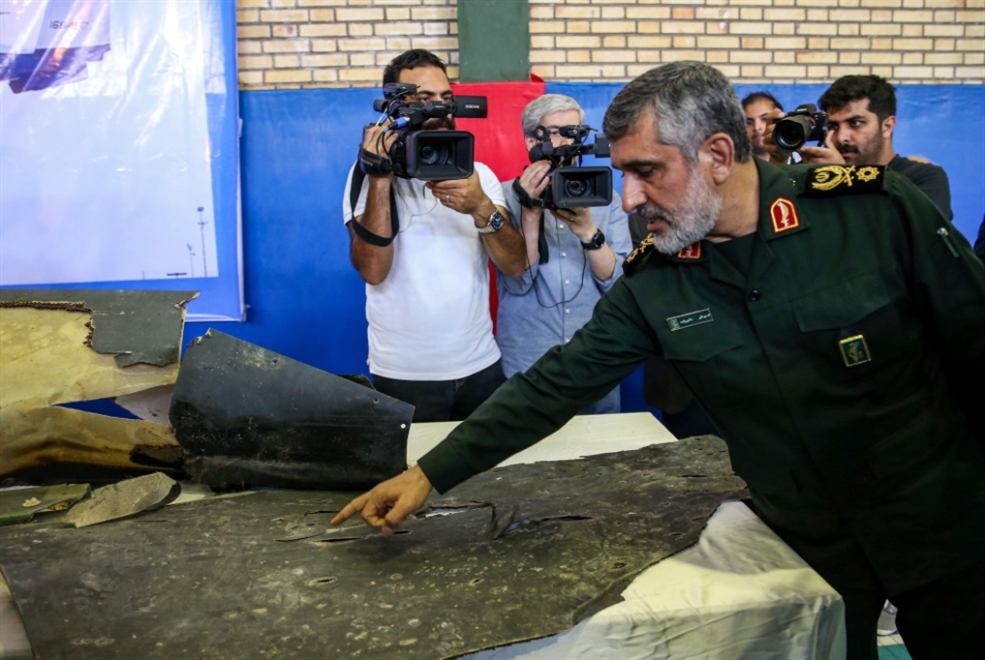
إن وقعت الحربالطائرة الأميركية ليست من أفضل طائرات الاستطلاع في ترسانة واشنطن فحسب، بل هي كانت نموذجاً اختبارياً في مهمة سرية، واستُقدِمَت منذ أيام (أ ف ب )

من الغريب أن الأميركيين ــــ باحثين وعسكريين ومؤسسات دولة ــــ يرسمون، منذ سنوات طويلة، احتمالات للحرب مع إيران، وسيناريوات عن شكلها وكلفتها، فيما الكلام عنها في بلادنا يظلّ على مستوى العموميات (أي بين من يتمنّى الحرب ويراهن عليها، ومن يهدد ويتوعّد ويحسم الأمور مسبقاً… إلخ). هذا، على الرغم من أن بلادنا ستكون هي موقع الانفجار، وأن الأضرار فيها لن تقتصر على هوجة الحرب وحدها ــــ التي من الممكن أن تكون طويلة أو قصيرة، محدودة أو ممتدّة في الإقليم ــــ بل إن حرباً في الخليج، بحسب أكثر المحللين، ستكون فاتحةً لعهد جديد من الاشتباك المستمرّ قد يدوم لسنوات قادمة.

إن الصعوبة في تخيّل تفاصيل الحرب القادمة هي التي تجعل الحرب مسألة نظرية بالنسبة إلى الكثيرين، رهاناً يسهل ركوبه. وهناك ميل إنساني عام إلى أن لا تفكر كثيراً في الأمور التي لا تقع تحت سيطرتك (البعض يزعم أنها ستدور على شاكلة حروب ماضية، وهذا الخطأ الأول الذي يمكن أن ترتكبه في هذا الإطار). هذه المشكلة المعرفية هي التي تجعل الكثير من العرب، مثلاً، يتحمّسون للحرب من غير أن يدركوا أنها، إن وقعت، سيكونون هم ـــ كيفما دارت الأمور ـــ أول ضحاياها وأكبرهم.


النظرية الأميركية


حتى نفهم سياق المواجهة ـــ عسكرياً ــــ في الخليج، يجب أن نعود قليلاً إلى أساسيات «طريقة الحرب الأميركية» كما تشكّلت بعد تجربة فييتنام. في تقرير من عام 2011 لـ«مركز تقدير الاستراتيجيا والميزانية» عن احتمالات الحرب مع إيران (وهو من المراكز البحثية المرموقة التي تتشابك مع وزارات الدفاع في أكثر من بلد غربي)، يلخّص المؤلّفون عقيدة «الحرب الاستعمارية الحديثة» كما تراها واشنطن. بعد فييتنام، تقرّر أن التركيز على حرب في المسرح الأوروبي لا يجب أن يظلّ الهمّ الحصري للمخططين الأميركيين، بل يجب بناء إمكانية للتدخّل بفعالية في أيّ مكان في العالم، حتى لا يتوهّم خصوم أميركا أن في وسعهم تحدّيها وتغيير الأوضاع في أماكن قصيّة أو مناطق ثانوية، مراهنين على أن واشنطن لن تتحمّل عناء تحريك جيشها للتدخل هناك. الحلّ، يقول التقرير، كان في بناء شبكة من القواعد العسكرية (جوية وبحرية) حول العالم، تشكّل «منصّة قفز» آمنة ضدّ أيّ عدو في أيّ مكان. بتعابير المؤلفين، إن «(الاستراتيجية العسكرية الأميركية بعد فييتنام) تقوم على افتراض أن القوات الأميركية ستتمكّن من الانتشار بسرعة، والعمل في حالة من شبه المناعة انطلاقاً من قواعد قريبة من العدو الإقليمي». ثمّ يضيفون أن هذه المعادلة قد نجحت في الردع خلال الحرب الباردة، ونجحت كذلك في الحروب التي تلتها ضدّ العراق وغيره.

بمعنى آخر، إن الخطة الأميركية تشبه إلى حدّ بعيد المنهج الإسرائيلي في حروبه ضدّ دول الطوق: تستخدم قواعدك الخلفية لفرض سيطرة جوية فوق سماء الخصم، ثم تدمر ـــ من الجو ــــ قدراته الهجومية وعقد اتصالاته وقطعاته العسكرية… إلخ. وإن دخل جيشك المعركة برّاً، فهو يدخل تحت حماية هذه المظلّة الجوية التي لا تغيب عن السماء، ويخترق خطوط عدو مضعضع، دُمّرت بالفعل أكثر وحداته. في وسعك أن تلكم عدوّك باستمرار فيما هو لا يطالك بقبضته. وهذه العملية، بأكملها، تقوم على أنك تملك قواعد متقدمة آمنة، قريبة من مسرح العمليات، تخرج منها طائراتك وينطلق منها جنودك للغزو.


من شبه المستحيل أن تمنع خصماً لديه بعض الذكاء من أن يطلق صواريخه باستمرار

الصعوبة في حرب أميركية ضدّ إيران لا تتعلّق بميزان القوى وأعداد الطائرات، فهذه محسومة سلفاً وبفارق كبير، بل هي في إمكانية تطبيق «النمط الأميركي من الحرب» في يومنا هذا، وفي مسرح الخليج العربي. السلاح في ذاته ليس مهماً، إلا لأنه يعطيك قدرة ما، فلا فرق كبيراً بين أن تمتلك ألف طائرة أو ثلاثة آلاف طائرة في وجه خصم بحجم إيران، إن لم تتمكّن من الوصول إلى العمق الإيراني. الصواريخ الإيرانية، على المقلب الآخر، لا قيمة لها إلا بفضل جغرافيا الخليج والمسافات التي تفصل بين دوله. صاروخ تكتيكي صغير مثل «الفاتح» ومشتقاته، على سبيل المثال (يراوح مداه بين 300-750 كيلومتر، وألف كيلومتر لنسخته الأحدث، «دزفول») لن تكون له أهمية كبرى في دولة مثل روسيا. لكنه، من الحدود الإيرانية، يطال أكثر القواعد الأميركية التي تشكّل «طوق الحرب» ضدّ إيران، من «العُديد» في قطر، إلى «بَغرام» في أفغانستان.

العنصر الذي منع، حتى اليوم، حرباً ضدّ إيران هو أنها ستكون (على عكس الحملات السابقة) معركةً يوجّه الطرف الآخر فيها اللكمات أيضاً، وقد لا تكون القواعد الأمامية التي تنطلق منها الحرب آمنة أو حتى قابلة للاستخدام، ولن تتمكّن أميركا من خوض حرب جوية ضد الخصم من دون اعتبار للزمن والخسائر. بحسب التقرير المذكور أعلاه، فإنه في غياب القواعد الجوية في الخليج وإمكانية التزويد بالوقود فوق مياهه، لن تقدر أغلب مقاتلات سلاح الجو الأميركي على اختراق العمق الإيراني، ولن تطال ــــ مع التزويد بالوقود في الجو ــــ إلا أجزاءً صغيرة في الزاوية الشمالية الغربية والجنوبية الشرقية من إيران. هذه، بالمناسبة، هي القواعد الطبيعية للحرب منذ بدء التاريخ. فكرة أن تضمّ رأسك وتتلقّى الضربات وتعتمد حصراً على الدفاع هي استراتيجية قد تنفع في ألعاب الكمبيوتر (إن كنت تلعب على مستوى صعوبة منخفض)، ولكن، في العالم الحقيقي، من يكتفي بالدّفاع ويُحاصَر سيُهزم دوماً في آخر المطاف.

ما يسهّل، إذاً، حرباً ضدّ إيران هو رهان أميركي على أن سلاح الجوّ سيتمكّن من تعطيل القدرة الصاروخية الإيرانية خلال وقت وجيز، أو أن هذه الصواريخ ستكون غير فعالة وخسائرها محتملة، أو أن واشنطن ستقدر على ردع طهران، بالتهديد بمزيد من القوة، عن استخدام هذه القدرة من الأساس.

الصاروخ وحاملة الطائرات

بالنسبة إلى الافتراض الأول: ثمة درس أساسي من حروب العراق ولبنان وغزة، وخلاصةٌ فهمها الإيرانيون جيداً، هي أنّ من شبه المستحيل أن تمنع خصماً لديه بعض الذكاء من أن يطلق صواريخه باستمرار، حتى مع وجود سيطرة جوية معادية. الطيران العراقي خرج من المعركة منذ اللحظات الأولى، لكن صواريخ الـ«سكود» ظلّت تنطلق حتى آخر أيام الحرب، وقد نجت منها أكثر قاذفات الصواريخ المتحركة (هذا في بلد أكثره صحارى منبسطة، من الصعب الاختباء فيها أو التحصن، وهي تخضع لمراقبة مستمرة من أضخم قوة جوية في العالم). لبنان مثّل إثبات قدرة إضافياً: مع سيطرة جوية كاملة للعدو، وطيرانه لا يتعرّض للمضايقة حتى، لم تتمكّن إسرائيل من إيقاف ـــ أو إبطاء ـــ دفق الصواريخ طوال أيام الحرب، وذلك في جبهة متناهية الصغر، طولها ستون كيلومتراً وعرضها أقلّ من ثلاثين. وفي غزة، حصل الأمر نفسه، مع أنها أقل مساحة، وليس فيها جبال ووديان وغطاء نباتي. والحرب الجوية الكاسحة، في الوقت نفسه، لم تتمكّن من سلب مقاوم ــــ مستعد ومتحصن ويمتلك روحية ــــ فعاليته في القتال خلال المواجهة البرية.

من جهة أخرى، إن أنظمة الدفاع الصاروخي المضادّة قد أثبتت أيضاً أنه لا يمكن الاعتماد عليها، وبخاصّةٍ في وجه خصمٍ يمتلك ترسانةً صاروخية كبيرة وبراعة في استخدام قدراته. عدا عن المصاعب الجوهرية التي تكتنف عملية اعتراض الصواريخ البالستيّة (كما يقول المعلّق الأميركي غاري بريكر، بأسلوبه الساخر، من الأسهل بكثير أن تصنع مسدساً يطلق رصاصة من أن تصنع رصاصةً تصيب الرصاصة الأولى وهي في الهواء) فإنّ المهاجم هنا يمتلك دوماً أفضلية: على المدافع أن ينشر بطارياته المضادّة حول كلّ الأهداف المهمّة لديه، فيما المهاجم يقدر على تركيز كامل قوته الصاروخية (أو «الرشقة» التي يستطيع إطلاقها بشكل شبه متزامن) ضدّ جزء واحد من هذه المنظومة. والصواريخ الإيرانية التي يمكن أن تطال الخليج يجري إنتاجها منذ زمن طويل (عشر سنوات أو أكثر)، وهناك بالتأكيد مخزون كبير منها.

حين تتحوّل الصواريخ الباليستية إلى صواريخ موجّهة دقيقة، فإن ذلك يغير كل شيء (أ ف ب )

هذه ليست أسلحة متقدمة أو مبهرة تكنولوجياً، ولكنها الوسيلة «الأكثر اقتصادية» لتحقيق الهدف هنا. سأعطي مثالاً واحداً من عائلة الصواريخ الإيرانية، وهو صاروخ (اختُبر عملياً في الميدان خلال السنوات الماضية) اسمه «قيام»، يلخّص قصة أكثر الأسلحة التي تصنعها إيران. «قيام»، فعلياً، هو تطويرٌ لصاروخ «سكود» القديم الذي يعود إلى الستينيات (وله علاقة بالـ«في-2» الألماني). ولكنك لن تعرف ذلك لو نظرت إلى الصاروخ الإيراني. أفضل طريقة لتوصيف «قيام»، أنه أرقى درجة يمكن أن توصل إليها الـ«سكود» من دون أن تغيّر تصميمه جذرياً أو تستبدل محرّكه: تأخذ الصاروخ السوفياتي القديم، تزيل زعانفه وتستبدل بها نظاماً حديثاً للتوجيه بالنفاثات، فيصبح تخزينه وإطلاقه أسهل، وتزداد سرعته ومداه. تستبدل هيكله الحديدي بالألمنيوم وألياف الكاربون، فيقلّ وزنه ويزداد مداه. تجعل رأسه الحربي ينفصل عن جسد الصاروخ بعد نفاد الوقود، فيصبح أكثر دقة بمراحل واعتراضه أصعب بكثير، ويمكنك أن تضع عليه رأساً يوجّه نفسه إلى الهدف حتى اللحظة الأخيرة ويصيبه بدقة نقطوية… إلخ. وأنت تملك أصلاً خطوط الإنتاج، وتصنع أجزاء الصاروخ منذ أمد بعيد، ويمكنك أن تنتجه بأعداد كبيرة وبكلفة زهيدة للغاية؛ فلا مواد نادرة، ولا تكنولوجيا فائقة تحتاج إلى الاستيراد هنا. وهكذا يصبح لديك صاروخٌ يقدر على وضع أكثر من 750 كيلوغراماً من المتفجّرات فوق أيّ نقطة بين الرياض وكابول.

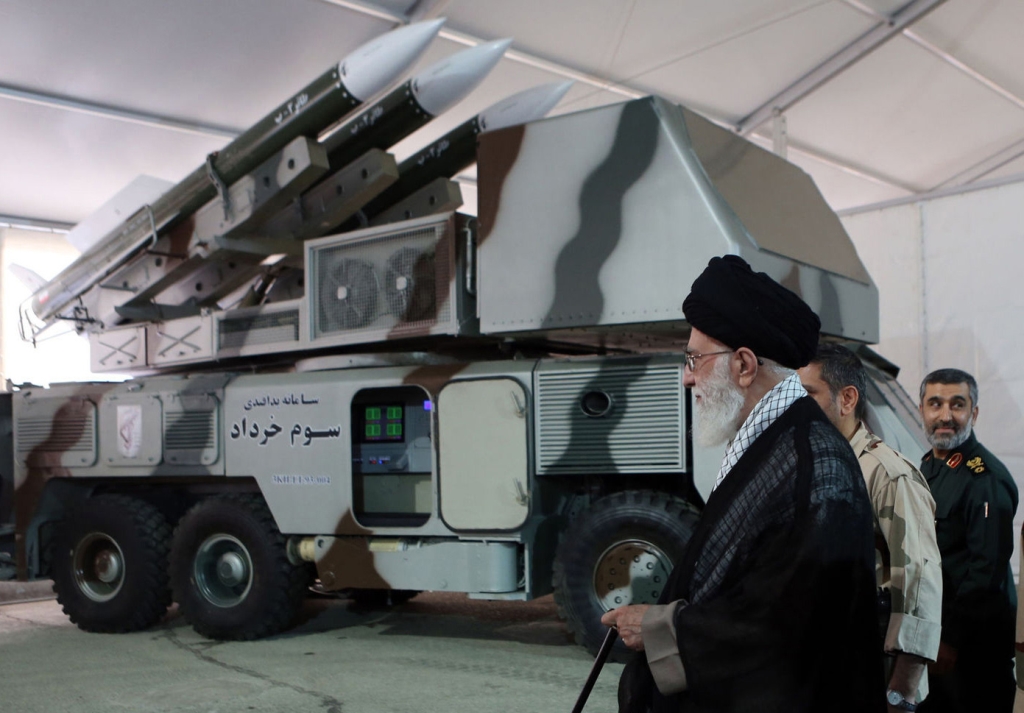
بالمثل، فإن نظام الدفاع الجوي الايراني الذي أسقط طائرة الاستطلاع الأميركية يوم الخميس، هو خليطٌ بين تكنولوجيا روسية وغير روسية جديدة وقديمة (تعود أصولها إلى «سام-6» العتيق)، ولكنه في المحصلة نظامٌ برادار حديث ومدى فائق (أكثر من 100 كيلومتر)، ومتحرك وسهل الاختباء، وقد أثبت نفسه للتوّ في مواجهة طائرة مصمّمة خصيصاً للحرب الإلكترونية والتقاط بثّ الرادارات ومنعها من التصويب عليها. لا أحد يمكن أن يعرف الكلفة الدقيقة لبرامج مثل «قيام» أو «الثالث من خُرداد» (الذي أسقط الطائرة الأميركية)، وثمن كلّ وحدة يجري إنتاجها، ولكنه بالتأكيد «مسخرة» أمام ثمن بطاريات الـ«ثاد» والـ«باتريوت» وغيرها من الأسلحة الأميركية التي تشتريها دول الخليج. على الهامش: بعد إسقاط الطائرة الأميركية (وهي بالمناسبة ليست من أفضل طائرات الاستطلاع في ترسانة واشنطن فحسب، بل هي كانت نموذجاً اختبارياً في مهمة سرية، واستُقدِمَت منذ أيام من قاعدتها في أميركا)، خرجت أخبار لم تتأكد عن أن الصاروخ الإيراني المسؤول عن الإسقاط هو من طراز «صيّاد-2». وهذا ما يخلق مفارقة تاريخية طريفة: «صيّاد» مبني على «ستاندارد» الأميركي الذي سلّمته واشنطن للبحرية الإيرانية في زمن الشاه، ثم نُسِخ وحُدِّث وبُنِيَت نسخات متعددة منه. تخيّل أن يمرّ صاروخ أميركي بعدّة أجيال من التطوير ليُسقط «حفيده»، فخر الصناعة الأميركية، بعد أكثر من أربعين عاماً.

أن تركض صوب الهلاك

العنصر الأخير الذي يكمل المعادلة هنا هو انتشار أنظمة التوجيه الدقيقة بين «الدول الفقيرة». في تقرير «مركز تقدير الاستراتيجيا والموازنة» اقتباسٌ لنائب سابق لوزير الدفاع الأميركي يلخّص هذه النقطة. «قدرة الضرب بدقة»، يقول ويليام لين الذي عمل مع بيل كلينتون، ظلّت «احتكاراً» للجيش الأميركي وحلفائه منذ حرب الخليج عام 1991 حتى أيامنا هذه، ولكنه احتكار على وشك أن يُكسر (وهذا قد حصل بالفعل في حالة الصين وروسيا وإيران. لين قال كلامه هذا عام 2011). أنظمة التوجيه والاستطلاع ومعداتها (لايزر، كاميرات، الحواسيب، وحتى أجزاء الرادار) أصبحت أصغر حجماً وأقلّ كلفة من الماضي، ولم يعد الحصول عليها أو إنتاجها صعباً أو مكلفاً. حين تتحوّل الصواريخ الباليستية إلى صواريخ موجّهة دقيقة، فإن ذلك يغير كل شيء، ولا يقلّ في تأثيره عن دخول الأسلحة الدقيقة إلى الترسانة الجوية الأميركية وولادة عقيدة الحرب الجوية التي تحطّم العدو عن بعد. بدلاً من عدة غارات لضرب هدف، أصبحت الغارة الواحدة تضرب أربعة أهداف. وبدلاً من التصويب على «المحيط العام» للهدف، أصبح في وسعك اختيار أيّ جزء من المبنى سيصيبه الصاروخ. حين تقرأ عن «حرب الناقلات» خلال الثمانينيات، تكتشف كم كان من الصعب أيامها أن ترصد السفن (المدنية) في الأساس وأن تلاحق مسارها، وأن توصل المعلومة في الوقت المناسب، فضلاً عن أن تصيبها بصاروخ. اليوم، مع الرادارات الحديثة ووسائط الاستطلاع الكثيفة، أصبحت كلّ سفينة في «بحيرة» الخليج هدفاً مكشوفاً في أي وقت (والهضبة الإيرانية، مقابل الخليج، هي عبارة عن «حاملة طائرات كبيرة» لا يمكن إغراقها، يمكن أن تطلق منها الصواريخ المضادة للسفن من على الشواطئ والتلال والطرقات العامة). من هنا، تقصّدت طهران في بيانها عن إسقاط الطائرة الأميركية المُسيّرة أن تذكّر بالموعد الدقيق لإقلاعها، وأن ترسم كامل مسارها، في إشارة إلى أنها تلتقط الطائرات الأميركية على الرادار، ما إن ترتفع عن مدارجها.


العنصر الذي يمنع حرباً ضدّ إيران، أنها ستكون معركةً يوجّه الطرف الآخر فيها اللكمات أيضاً

ولكن، كل هذه التقارير تتكلم عن تأثير الصواريخ المحتمل على القواعد الأميركية، أو البحرية في الخليج، أو على حركة النفط وتجارته، ولكن لا أحد تقريباً يهتمّ بما سيحصل للبلاد التي تحتضن هذه القواعد الأميركية والتي ستدخل معها، حكماً، وتكون طرفاً في أي حرب أميركية ضدّ إيران. ماذا يعني بالنسبة إلى دول الخليج أن تصبح كامل المنطقة المحاذية لها، وبقطر 600 كيلومتر، منطقة نار وقصف؟ يقول غاري بريكر، في حلقة إذاعية من عام 2018، إن حرباً بين إيران والسعودية ستعني «نهاية السعودية» (ويضيف أن ذلك لن يحصل لأن أميركا ستتدخل، ثم يضيف أن الحرب الأميركية مع إيران مرشّحة لأن تصبح نووية، خاصة إن تلقّت واشنطن ضربة قاسية، أو خسرت قطعاً بحرية مهمة). لكن هذا التقييم ليس من فراغ: السعودية والإمارات وقطر والكويت والبحرين هي دولٌ تعتاش على تحلية المياه حتى يشرب أهلها، وعلى استيراد كل شيء ونقله، من النفط إلى الطعام. ومحطات الكهرباء، قرب محطات التحلية، أكثرها على ساحل الخليج (وأنت لا تحتاج إلى ضرب معمل التوليد نفسه حتى، بل يكفي ضرب محطات تحويل وتوزيع هشّة، حتى لا يعود في الإمكان استخدام الطاقة التي تنتجها المعامل). يخبرني صديقٌ عاش في دبي أمداً طويلاً عن انقطاع للتيار حدث فيما المدينة في بداية توسعها (والكثير من المصالح ليست لديها مولدات احتياطية). دعك من انقطاع المياه والتكييف: الهواتف توقفت عن العمل، لا إنترنت، إشارات المرور تعطّلت، الناس لا يعرفون حتى ما يجري. لولا أن حكام دول الخليج وإعلامه يبدون حماسةً للحرب مع إيران ويشجّعون عليها، لقلت إنهم مساكين، مجبرون على مواجهة هذه المخاطر الكالحة، وإن هذا هو ثمن الاستعمار والتبعية. بصرف النظر عن أي شيء آخر، إنّ من يكون اقتصاده ومجتمعه بهذه المواصفات، لا يدعو عادة إلى الحرب المدمّرة ويستجلبها (إلا أن يملك سلاحاً سرياً ــــ أو سحرياً ــــ لا نعرف عنه).


خاتمة: عن تقلّب الأيام


لدي مشكلة مع التحليلات التي تجزم باستمرار بـ«أفول الإمبراطورية الأميركية»، وأنها تعيش سنواتها الأخيرة. لا أجد هذا الكلام صحيحاً أو مفيداً. حتى إن كان هدفك أن تشجّع الناس وترفع معنوياتهم، فأنت من المفروض أن تحثّهم على العمل وأن الظفر في المتناول، لا أن عدوّهم على وشك السقوط من تلقاء نفسه (بماذا نفعتنا التحليلات المكرورة، منذ عقود، عن «الضعف الداخلي» الكامن في إسرائيل، وأن الصهاينة على وشك أن يقتتلوا طائفياً وعرقياً، وأن يهزموا أنفسهم بأنفسهم؟). من جهة أخرى، كما يقول أسعد أبو خليل، إن أفول الإمبراطوريات عملية تاريخية طويلة، قد تستمر قرناً مثلاً، والإمبراطورية تقدر على التدمير وهي في مسارها التنازلي، تماماً كقدرتها وهي في عزّها (بتعابير أخرى، حين تقول إن الإمبراطورية على وشك التفكّك، هل تقصد السنة القادمة أم بعد أربعين عاماً؟ فالأمر يختلف كثيراً). ولكن، إن كان التاريخ يعمل على شاكلة تبدّل بطيء للموازين ولتوزع القوة، فإن ما نشهده في إقليمنا منذ سنوات (من لبنان إلى اليمن)، وما قد تشهده الحرب القادمة من تبادل للقصف والإيجاع، هو بمثابة «ترجمة عملية» لهذا التبدّل في الأحوال. نحن لسنا في زمن التصدّع في الثمانينيات، ولا في سنوات التسعينيات الصعبة، والغد سيكون أفضل من اليوم.

إن قامت حربٌ، فالضحية الأولى والأهمّ لها هم الأبرياء الذين سيسقطون على ضفّتَي الخليج، وهي ستكون من غير شكّ مواجهة فظيعة وصعبة، لن نخرج منها كما دخلناها. هنا قصة من الماضي القريب تدلّ على أنك قادر، حتى في زمن الهزيمة، على زرع بذور النصر. القصة هي من المواجهة الأولى بين إيران وأميركا على مياه الخليج، عام 1988، حين دمّرت أميركا البحرية الإيرانية وهي في أوج حربها ضدّ العراق (وأصبحت دروس تلك المواجهة أساساً لبناء عقيدة القتال الإيرانية اليوم). في بداية العملية («عملية فرس النبي»)، قرّرت أميركا أن تضرب منصتَي نفط كان الحرس الثوري الإيراني يستخدمهما للاستطلاع واستهداف الناقلات والسفن التي تعبر هرمز (يؤكد تفاصيل القصة الكاتب الفرنسي، بيار رازو، في كتابه عن الحرب العراقية الإيرانية ــــ منشورات هارفرد، 2015). وصلت قوة أميركية كبيرة، ضمنها مدمرات وسفن إبرار وحوامات، إلى المنصّة الأولى، وطلبت من الجنود إخلاءها خلال عشرين دقيقة قبل أن تُقصَف، فخرج الجنود على زوارق قبل تدمير المنصة عن بعد، ومن ثم إبرار (إنزال) جنود أميركيين عليها. انتقل الهجوم بعدها إلى المنصّة الثانية (كان اسمها «ناصر»)، وهنا أيضاً امتثل الإيرانيون للتحذير وتخلّوا عن المنصّة. قصفت السفن الأميركية الهيكل المعدني بعد ذلك لأكثر من ساعة، ولكن حين اقترب مشاة البحرية الأميركيون من المنصة ليعتلوها، بعد أن اطمأنوا إلى خلوّها، فاجأتهم نيران كثيفة تنطلق منها. تبيّن أن عدداً من الجنود الإيرانيين، بين العشرة والعشرين، قرروا أن يظلّوا مختبئين بعد أن يرحل رفاقهم لينصبوا كميناً للقوة الأميركية، وهم يعرفون أن أكثرهم قد يموت أصلاً خلال القصف التمهيدي قبل أن تتاح له الفرصة لإطلاق رصاصة. استدعى الِأميركيون هنا الحوامات الهجومية، التي مشّطت المنصّة لساعة أخرى بالرشاشات الثقيلة والصواريخ. الفكرة هنا هي ما دار في خلد هؤلاء المتطوّعين وقتها. هم كانوا يعلمون، بلا ريب، أنهم يختارون الموت، وأن مركزهم في عرض البحر ساقط لا محالة. المسألة هي أنهم، مع معرفتهم بالنتيجة النهائية، رفضوا أن يسجّل التاريخ أنهم قد انسحبوا من موقعهم من غير أن يدفع الأميركيون أي ثمن، وقد كان لهم ذلك؛ إذ لم تخمد المعركة قبل أن يُسقطوا إحدى الحوامات التي قتلتهم، ولم يأخذ العدو شيئاً بالمجان.


River to Sea Uprooted Palestinian   
The views expressed in this article are the sole responsibility of the author and do not necessarily reflect those of the Blog!

US exceptionalism: Exploiting certain Syrians, ignoring others


June 21, 2019 “Information Clearing House” –  Syria and Russia have been evacuating civilians from yet another region starved by its Western-backed terrorists. But Western corporate media ignore this and instead continue spinning nightmarish war propaganda on Syria.
Predictably, copy-paste Syrian reports emanate from Western governments and corporate media feign concern for civilians in Idlib while negating to mention that the Idlib governorate is an Al-Qaeda hotbed.
Back in Syria again, over the ‘Eid holidays, I spoke with residents about life in Damascus now, and highlighted the peace which exists – having been absent for many years prior when terrorists’ mortars rained down on the city.
But I was also interested in highlighting another issue: the evacuation of southeastern Syria’s Rukban Camp which has been under way for months; civilians have been plucked from starvation and intolerable conditions, and delivered to safety with access to food and medical care.
In February, Russia and Syria set up humanitarian corridors to start evacuating civilians to safe areas where they could receive medical treatment and resettle in their home areas or elsewhere.
In June, 2019, I travelled to a point where I could interview evacuees of the Rukban, the unbearable camp near the US-occupied Al-Tanf base.

United States of hypocrisy occupies & places blame on others

Rukban also lies on the border with Jordan. Over the years, it has become a hell on earth, with residents starving due to a lack of accessible food. In November 2018, there were around 50,000 refugees in the camp.
Most Western reporting on the situation in Rukban has blamed Syria and Russia for the scarcity of food in the camp. Surprisingly, a June 2018 article by US think tank the Century Foundation highlighted US control over the camp and surrounding areas.
“The Tanf–Rukban zone is patrolled by Coalition forces and their chosen Syrian partner, Maghawir al-Thawra… Also present are the remnants of a formerly Pentagon-backed group called the Qaryatein Martyr Battalions and three factions formerly linked to the CIA’s covert war in Syria: the Army of the Eastern Lions, the Martyr Ahmed al-Abdo Forces, and the Shaam Liberation Army.”
The US stymied aid to Rukban, and was then only willing to provide security for aid convoys to a point 10 kilometres (6.2 miles) away from the camp, according to the UN’s own Emergency Relief Coordinator, Mark Lowcock.
So, by US administration logic, convoys should have dropped their Rukban-specific aid in areas controlled by terrorist groups and just hoped for the best.
Even if the US intentions were good, experience has shown that when terrorist groups occupying an area have access to aid, they keep it for themselves, civilians don’t see it unless they pay a high price.When eastern areas of Aleppo were liberated in December 2016, even Reuters had to report that civilians blamed so-called ‘rebels’ for hoarding food they desperately needed.
When Madaya, heavily propagandized about in early 2016, was restored to safety in 2017, I travelled there and spoke to residents who again solely blamed terrorists for their starvation. Same in eastern Ghouta, where residentsspoke of starvation and executions, by terrorists.
Russian Foreign Minister Sergey Lavrov noted that if Americans at al-Tanf could get supplies from Iraq and Jordan, they could have also brought in humanitarian aid for Rukban civilians, were they actually so concerned.
Unsurprisingly, in Syria’s and Russia’s eyes, the US is holding civilians in Rukban hostage. This became more apparent when America refused to shut down the camp, quite clearly preferring to have a raison d’être for continuing their illegal occupation of southeastern Syria.
Even the Middle East director for the UN High Commissioner for Refugees (UNHCR), Amin Awad, said that civilians in Rukban were being held against their will, as “human shields”“deprived of basic services,”according to Sputnik News.
Awad pointed the finger at traders in the camp bearing responsibility for the suffering of civilians in Rukban, but civilians I spoke to also included America in their blame.

Rukban’s displaced speak out

On a stretch of road between the Rukban camp and the Homs refugee centre they were headed to on June 12, I met some of the roughly 900 Syrians evacuated that day on 18 buses. Another convoy of trucks carried their tattered personal belongings.
I approached many with questions about life in the camp, moving from bus to bus to speak with them.
An old woman sitting on the floor of one bus said she’d been in the camp for four years, that everything was expensive and they were hungry all the time. She gave the example of being charged 1,000 Syrian pounds (around US$2) for five potatoes.
Mahmoud Saleh, a young man from Homs governorate, told me he’d fled home five years ago. When I asked who was in control in Rukban, he replied without hesitation: “The Americans.”
An older man from Palmyra, four years in the camp, spoke of “armed gangs,” paid in US dollars, being the only ones able to eat properly.
“The armed gangs were living while the rest of the people were dead. Those who wanted fruit had to pay in US dollars. The armed groups were the only ones who could do so.”
I asked about access to medical care.
“Medical services! There is no medicine at all.” He pointed to a young woman behind him who he said had lost two babies because she couldn’t get a C-section.
In another bus, a shepherd who had spent three years in Rukban blamed “terrorists” for not being able to leave. He also blamed the US. “Those controlling Tanf wouldn’t let us leave, the Americans wouldn’t let us leave.”
Many others who I spoke to said they had wanted to leave before but believed the fearmongering from terrorists who told them they would be “slaughtered by the regime,” a claim floated in corporate media when Aleppo was being liberated.
The Russian Reconciliation Centre reports that some Rukban residents had to pay as much as US$1000 to “militants controlled by the US side” in order to leave.
As of June 13, Russia’s Ministry of Defence reports that 14,347 people, mostly children and women, have been evacuated from Rukban since February 23.

International media & their dubious sources

As evacuations of civilians from Rukban have unfolded, any Western corporate media that bothers to report on them has spun them as ‘forced displacement’ to ‘regime areas’ where civilians will be ‘imprisoned and tortured.’
Yeah, Syria and Russia are simply hell-bent on finding any way to torture Syrian civilians, to the extent that they will waste considerable amounts of money and time to so, or at least, that’s what corporate media would have you believe.
And just as Western corporate media relied on the words of “media activists” and “unnamed sources” in their warpropaganda prior to and during the liberation of eastern Aleppo and eastern Ghouta, hostile media are again relyingon such sources for reporting on Rukban.
Canada’s Globe and Mail went as far as to cite the utterly non-credible, Qatar-based, Syrian Network for Human Rights in a recent article claiming that thousands of Syrians who have returned home have been arrested.
As journalist Max Blumenthal humorously pointed out in his investigation into this Qatar-influenced body, “citing the Syrian Network for Human Rights as an independent and credible source is the journalistic equivalent of sourcing statistics on head trauma to a research front created by the National Football League, or turning to tobacco industry lobbyists for information on the connection between smoking and lung cancer.”
Contrasting the claims, Syrian authorities have stated that UN representatives have permission to visit the refugee centres. The Russian Reconciliation Centre stated that UN bodies, including the UNHCR, visited the shelters.
As of June 16, the Russian Reconciliation Centre reports that “1,299,977 IDPs have returned back to their homes”in Syria since September 30, 2015, and that since July 2018, “175 medical and 863 educational organizations have been recovered.”
Those are some odd statistics given that Western media and politicians would have us believe that the Syrian and Russian governments are terrorizing civilians and gleefully destroying infrastructure in Syria.
Or perhaps what Western media, governments, and lobby groups are spouting is just more, unoriginal, war propaganda.
Eva Bartlett is a Canadian independent journalist and activist. She has spent years on the ground covering conflict zones in the Middle East, especially in Syria and Palestine (where she lived for nearly four years).
This article was originally published by “RT” –

River to Sea Uprooted Palestinian   
The views expressed in this article are the sole responsibility of the author and do not necessarily reflect those of the Blog!
Yemeni Forces Take Military Base in Saudi Arabia


Yemeni Forces Take Military Base in Saudi Arabia
TEHRAN (FNA)- The Yemeni Army and Ansarullah Popular Forces captured a military base in Jizan province Southwest of Saudi Arabia.
The Anasrallah Resistance Movement announced last night that its Popular Forces in a joint military operation with the Yemeni Army seized control over a military base of the Saudi-led coalition against the poor country in Saudi Arabia’s Southwestern province of Jizan.
In another development on Friday, the forces of the Saudi-Emirati coalition who intended to cross the border into Yemen through the Saudi province of Najran were ambushed and repelled. The ambush inflicted heavy casualties on Saudi-Emirati forces with scores of deaths and injuries.
Arabic-language al-Masirah television network reported that the Saudi-Emirati forces were supported by the coalition’s jet fighters but Yemeni artillery units and snipers overpowered the aggressors.
Saudi Arabia has been striking Yemen since March 2015 to restore power to fugitive president Mansour Hadi, a close ally of Riyadh. The Saudi-led aggression has so far killed more than 20,000 Yemenis, including hundreds of women and children. Despite Riyadh’s claims that it is bombing the positions of the Ansarullah fighters, Saudi bombers are flattening residential areas and civilian infrastructures.
Yemen is the world’s largest humanitarian crisis with more than 22 million people in need and is seeing a spike in needs, fueled by ongoing conflict, a collapsing economy and diminished social services and livelihoods. The blockade on Yemen has smothered humanitarian deliveries of food and medicine to the import-dependent state.
The UN has repeatedly criticized the Saudi-UAE-led military coalition’s bombing campaign and placed it on a blacklist of child rights violators last year.
A UN panel has also compiled a detailed report of civilian casualties caused by the Saudi military and its allies during their war against Yemen, saying the Riyadh-led coalition has used precision-guided munitions in its raids on civilian targets.
Related Videos

River to Sea Uprooted Palestinian   
The views expressed in this article are the sole responsibility of the author and do not necessarily reflect those of the Blog!
Saturday, 22 June 2019

SAUDI-LED COALITION CONFIRMS HOUTHIS USED CRUISE MISSILE IN ABHA AIRPORT ATTACK (PHOTOS)


On June 21, the Saudi-led coalition showcased remains of the projectile the Houthis used in the recent attack on Abha International Airport. The remains, which were inspected by U.S. envoy on Iran, Brian Hook, proved that the projectile was a cruise missile.
Saudi newspaper, Sabq, released photos showing remains of the missile’s fins and fuselage. The characteristics of the fuselage and the fins appear to be similar to that of the Soviet Kh-55 cruise missile.
Saudi-led Coalition Confirms Houthis Used Cruise Missile In Abha Airport Attack (Photos)
Click to see full-size image. Source: sabq.org
Saudi-led Coalition Confirms Houthis Used Cruise Missile In Abha Airport Attack (Photos)
Click to see full-size image. Source: sabq.org
One of the photos shows the remains of the missile’s engine, which was identified as the TJ-100. The turbojet engine, that’s is produced by Czech’s PBS Velká Bíteš, is not used in any known missile.
Saudi-led Coalition Confirms Houthis Used Cruise Missile In Abha Airport Attack (Photos)
Click to see full-size image. Source: sabq.org
While the cruise missile was designed after the Kh-55, it remains unclear if it was indeed developed and manufactured by the Houthis themselves.
In 2017, the Houthis launched what is suspected to be an Iranian Soumar cruise missile, a copy of the Kh-55, at the Barakah nuclear power plant in the UAE. This may explain how the Yemeni group and its backers got familiar with the missile’s design.
Saudi-led Coalition Confirms Houthis Used Cruise Missile In Abha Airport Attack (Photos)
Iranian Soumar missile, a copy of Kh-55. Click to see full-size image.
The Houthis’ new mysterious cruise missile proved to be effective when it hit the arrival terminal in Abha International Airport on June 12 with high-accuracy. The same type of cruise missiles was likely used in the June 19 attack on the al-Shuqaiq Water Desalination and Power Plant in southwestern Saudi Arabia.
More on this topic:

River to Sea Uprooted Palestinian   
The views expressed in this article are the sole responsibility of the author and do not necessarily reflect those of the Blog!

Bias, Lies and Videotape: Doubts Dog ‘Confirmed’ Syria Chemical Attacks

Disturbing new evidence suggests 2018 incident might’ve been staged, putting everything else, including U.S. retaliation, into question.


Global Research, June 21, 2019
Thanks to an explosive internal memo, there is no reason to believe the claims put forward by the Syrian opposition that President Bashar al-Assad’s government used chemical weapons against innocent civilians in Douma back in April. This is a scenario I have questioned from the beginning.
It also calls into question all the other conclusions and reports by the Organization for the Prohibition of Chemical Weapons (OPCW), which was assigned in 2014 “to establish facts surrounding allegations of the use of toxic chemicals, reportedly chlorine, for hostile purposes in the Syrian Arab Republic.”
As you recall, the Trump administration initiated a coordinated bombing of Syrian government facilities with the UK and France within days of the Douma incident and before a full investigation of the scene could be completed, charging Assad with the “barbaric act” of using “banned chemical weapons” to kill dozens of people on the scene. Bomb first, ask questions later.
The OPCW began their investigation days after the strikes. The group drew on witness testimonies, environmental and biomedical sample analysis results, and additional digital information from witnesses (i.e. video and still photography), as well as toxicological and ballistic analyses. In July 2018, the OPCW released an interim report on Douma that said “no organophosphorus nerve agents or their degradation products were detected, either in the environmental samples or in plasma samples from the alleged casualties,” but that chlorine, which is not a banned chemical weapon, was detected there.
The report cited ballistic tests that indicated that the canisters found at two locations on the scene were dropped from the air (witnesses blamed Assad’s forces), but investigations were ongoing. The final report in March reiterated the ballistics data, and the conclusions were just as underwhelming, saying that all of the evidence gathered there provides “reasonable grounds that the use of a toxic chemical as a weapon took place,” due in part to traces of chlorine and explosives at the impact sites.
Now, the leaked internal report apparently suppressed by the OPCW says there is a “high probability” that a pair of chlorine gas cylinders that had been claimed as the source of the toxic chemical had been planted there by hand and not dropped by aircraft. This was based on extensive engineering assessments and computer modeling as well as all of the evidence previously afforded to the OPCW.
What does this mean? To my mind, the canisters were planted by the opposition in an effort to frame the Syrian government.
The OPCW has confirmed with the validity of this shocking document and has offered statements to reporters, including Peter Hitchens, who published the organization’s response to him on May 16.
The ramifications of this turn of events extend far beyond simply disproving the allegations concerning the events in April 2018. The credibility of the OPCW itself and every report and conclusion it has released concerning allegations of chemical weapons use by the Syrian government are now suspect. The extent to which the OPCW has, almost exclusively, relied upon the same Syrian opposition sources who are now suspected of fabricating the Douma events raises serious questions about both the methodology and motivation of an organization that had been awarded the Nobel Peace Prize in 2013 for “its extensive efforts to eliminate chemical weapons.”
In a response to Agence France-Presse (AFP), OPCW director general Fernando Ariasacknowledged there is an internal probe into the memo leak but that he continues to “stand by the impartial and professional conclusions” of the group’s original report. He played down the role of the memo’s author, Ian Henderson, and said his alternative hypotheses were not included in the final OPCW report because they “pointed at possible attribution” and were therefore outside the scope of the OPCW’s fact finding mission in Syria.
Self-produced videos and witness statements provided by the pro-opposition Violations Documentation Center, Syrian Civil Defense (also known as the White Helmets), and the Syrian American Medical Society (SAMS), a non-profit organization that operates hospitals in opposition-controlled Syria, represented the heart and soul of the case against the Syrian government regarding the events in Douma. To my mind, the internal memo now suggests that these actors were engaging in a systemic effort to disseminate disinformation that would facilitate Western military intervention with the goal of removing Syrian President Bashar al-Assad from power.
This theory has been advanced by pro-Assad forces and their Russian partners for some time. But independent reporting on the ground since the Douma incident has sussed out many of the same concerns. From James Harkin, director of the Center for Investigative Journalism and a fellow at Harvard University’s Shorenstein Center, who traveled to the site of the attacks and reported for The Intercept in February of this year:
The imperative to grab the fleeting attention of an international audience certainly seems to have influenced the presentation of the evidence. In the videos and photos that appeared that evening, most analysts and observers agree that there were some signs that the bodies and gas canisters had been moved or tampered with after the event for maximum impact. The Syrian media activists who’d arrived at the apartment block with the dead people weren’t the first to arrive on the scene; they’d heard about the deaths from White Helmet workers and doctors at the hospital.
The relationship between the OPCW and the Syrian opposition can be traced back to 2013. That was when the OPCW was given the responsibility of eliminating Syria’s declared arsenal of chemical weapons; this task was largely completed by 2014. However, the Syrian opposition began making persistent allegations of chemical weapon attacks by the Syrian government in which chlorine, a substance not covered by Syria’s obligation to be disarmed of chemical weapons, was used. In response, the OPCW established the Fact Finding Mission (FFM) in 2014 “to establish facts surrounding allegations of the use of toxic chemicals, reportedly chlorine, for hostile purposes in the Syrian Arab Republic.”
The priority of effort for the FFM early on was to investigate allegations of the use of chlorine as a weapon. Since, according to its May 2014 summary, “all reported incidents took place at locations that the Syrian Government considers to be outside its effective control,” the FFM determined that the success of its mission was contingent upon “identification of key actors, such as local authorities and/or representatives of armed opposition groups in charge of the territories in which these locations are situated; the establishment of contacts with these groups in an atmosphere of mutual trust and confidence that allows the mandate and objectives of the FFM to be communicated.”
So from its very inception, the FFM had to rely on the anti-Assad opposition and its supporters for nearly everything. The document that governed the conduct of the FFM’s work in Syria was premised on the fact that the mission would be dependent in part upon “opposition representatives” to coordinate, along with the United Nations, the “security, logistical and operational aspects of the OPCW FFM,” including liaising “for the purposes of making available persons for interviews.”
One could sense the bias resulting from such an arrangement when, acting on information provided to it by the opposition regarding an “alleged attack with chlorine” on the towns of Kafr Zeyta and Al-Lataminah, the FFM changed its original plans to investigate an alleged chlorine attack on the town of Harasta. This decision, the FFM reported, “was welcomed by the opposition.” When the FFM attempted to inspect Kafr Zeyta, however, it was attacked by opposition forces, with one of its vehicles destroyed by a roadside bomb, one inspector wounded, and several inspectors detained by opposition fighters.
The inability to go to Kafr Zeyta precluded the group from “presenting definitive conclusions,” according to the report. But that did not stop the FFM from saying that the information given to them from these opposition sources, “including treating physicians with whom the FFM was able to establish contact,” and public domain material, “lends credence to the view that toxic chemicals, most likely pulmonary irritating agents such as chlorine, have been used in a systematic manner in a number of attacks” against Kafr Zeyta.
So the conclusion/non-conclusion was based not on any onsite investigation, but rather videos produced by the opposition and subsequently released via social media and interviews also likely set up by opposition groups (White Helmets, SAMS, etc.), which we know, according to their own documents, served as the key liaisons for the FFM on the ground.
All of this is worrisome. It is unclear at this point how many Syrian chemical attacks have been truly confirmed since the start of the war. In February of this year, the Global Policy Institute released a report saying there were 336 such reports, but they were broken down into “confirmed,” “credibly substantiated,” and “comprehensively confirmed.” Out of the total, 111 were given the rigorous “comprehensively confirmed” tag, which, according to the group, meant the incidents were “were investigated and confirmed by competent international bodies or backed up by at least three highly reliable independent sources of evidence.”
They do not go into further detail about those bodies and sources, but are sure to thank the White Helmets and their “implementing partner” Mayday Rescue and Violations Documentation Center, among other groups, as “friends and partners” in the study. So it becomes clear, looking at the Kafr Zeytan inspection and beyond, that the same opposition sources that are informing the now-dubious OPCW reports are also delivering data and “assistance” to outside groups reaching international audiences, too.
The role of the OPCW in sustaining the claims made by the obviously biased Syrian opposition sources cannot be understated—by confirming the allegations of chemical weapons use in Douma, the OPCW lent credibility to claims that otherwise should not—and indeed would not—have been granted, and in doing so violated the very operating procedures that had been put in place by the OPCW to protect the credibility of the organization and its findings.
There is an old prosecutorial rule—one lie, all lies—that comes into play in this case. With the leaked internal report out there, suggesting that the sources in the Douma investigation were agenda-driven and dishonest, all information ever provided to the OPCW by the White Helmets, SAMS, and other Syrian opposition groups must now, in my mind, be viewed as tainted and therefore unusable.
*
Note to readers: please click the share buttons above or below. Forward this article to your email lists. Crosspost on your blog site, internet forums. etc.
Scott Ritter is a former Marine Corps intelligence officer who served in the former Soviet Union implementing arms control treaties, in the Persian Gulf during Operation Desert Storm, and in Iraq overseeing the disarmament of WMD. He is a frequent contributor to Global Research
Featured image is from Mikhail Semenov /Shutterstock

River to Sea Uprooted Palestinian   
The views expressed in this article are the sole responsibility of the author and do not necessarily reflect those of the Blog!