Uprooted Palestinians are at the heart of the conflict in the M.E Palestinians uprooted by force of arms. Yet faced immense difficulties have survived, kept alive their history and culture, passed keys of family homes in occupied Palestine from one generation to the next.
On November 26, Kurdish rebels from the so-called Afrin Liberation Forces announced that their forces had eliminated 5 Turkish-backed militants and injured 6 others in an attack near Tuweys in northern Aleppo. The killed and injured militants were reportedly belonging to the al-Waqqas Brigade, which is involved in Turkey’s Operation Peace Spring as a part of the Syrian National Army.
On November 27, Kurdish rebels launched at least 6 rockets at the Turkish-occupied town of Azaz. The shelling reportedly hit a prison run by Turkish proxies injuring at least 3 people.
On November 27 and 28, clashes between the Kurdish-dominated Syrian Democratic Forces and Turkish-led forces were ongoing near the village of Abduki in northern Raqqa. According to pro-Kurdish sources, the Syrian National Army advanced on their positions backed up by the Turkish Army. However, the attack was repelled.
Additionally, 2 Turkish soldiers were killed in a mortar attack that targeted their position in the vicinity of the town of Akcakale on the Syrian border, according to the Turkish Defense Ministry.
19 people were killed and 45 others were injured in a car bomb explosion in the Turkish-occupied town of Tell Halaf on November 26. The explosion took place at the town’s main market, which was crowded by civilians and Turkish-backed militants. Turkish sources immediately accused Kurdish armed groups of being behind the attack.
On November 26, unidentified warplanes carried out a series of airstrikes on oil tankers and facilities belonging to Turkish-backed militant groups north and northeast of Al-Bab, and near Jarabulus. On November 27, the Syrian army took responsibility for the attack and announced that it will take measures to put an end to oil smuggling from the eastern bank of the Euphrates to Turkey. Oil looted by US forces at the Syrian oil fields are being smuggled with help of the SDF/YPG leadership to Turkey through northern Aleppo and Iraq’s Kurdistan Region. It is unlikely that Damascus even with help from Iran and Russia will be able to kill this business in the near future. Nonetheless, efforts in this field could create some obstacles for the sides involved.
كلّ تفصيل إضافي نسمعه عن سلوك أهل السلطة في الملفّ الحكومي يؤكّد، مرة جديدة، أن هؤلاء ليسوا في وارد التنازل الجدّي، بل يفكّرون في شكليات يعتقدون بأنها تناسب ذوق الجمهور. البحث عن رئيس جديد للحكومة، أو عن وزراء، يجري على قاعدة الإبقاء على جوهر المقاربات والسياسات نفسها، مع البحث عن طريقة لاستهبال الناس والاعتقاد بأن تغييراً في أسماء وزراء والإتيان بحزبيين مقنّعين بدل آخرين مكشوفي الوجوه، من شأنه إقناع الشارع بوقف غضبه، علماً بأنه يمكن للسلطة أن تقول كلاماً واضحاً حول ضرورة التمثيل السياسي في أي حكومة، على أن تبحث في برنامج العمل وفي الأهداف، وهو ما لا يجري مطلقاً.
أكثر من ذلك، يبدو من النقاش أن القوى الرئيسية لا تزال تتصرّف على أن ما حصل في الشارع لا يُلزمها بتغييرات كبيرة. لذلك، يتردد في مداولات تشكيل الحكومة كلام عن تمسك التيار الوطني الحر بحقائب معينة، وحتى بوزراء حاليين. والحال نفسها بالنسبة إلى الرئيس نبيه بري والنائب السابق وليد جنبلاط، فيما تعتبر القوات اللبنانية أنها حققت نجاحات حيث انتشر وزراء التكنوقراط، وتريد مزيداً من هذا الصنف. أما حزب الله فلا يظهر حماسة للضرب على الطاولة وإلزام اللاعبين حوله بضرورة مغادرة هذه العقلية، بل يبدو مهتماً بتقليص مسافة الخلافات بين القوى المفترض بها تشكيل الحكومة ولو على حساب البرامج، علماً بأن الرئيس سعد الحريري الذي يعلن عزوفه عن ترؤس الحكومة الجديدة، يتصرف على أنه الرئيس الفعلي للحكومة ولو من خلف الستار، ويتشاطر في طرح أفكار على المرشحين الآخرين تمثل طموحاته، إلا إذا كان الحريري ــــ كما يعتقد البعض ــــ في حالة أسر، وسجيناً بقرار أميركي ــــ سعودي، لكن في بيروت لا في السعودية.
مطالب الحريري تتركز على سبل عدم إحداث أي تغيير. ففي توصياته للمرشحين أنه لا يمكن الموافقة على إقالة حاكم مصرف لبنان رياض سلامة أو قائد الجيش العماد جوزيف عون ومدير المخابرات العميد طوني منصور أو قيادة قوى الأمن الداخلي، ورؤساء بعض المؤسسات العامة مثل مجلس الإنماء والإعمار والميدل إيست وغيرها. فيما يشدّد في المقابل على ضرورة إبعاد ممثلي حزب الله والتيار الوطني الحر وحركة أمل عن وزارات أساسية، ولا ينسى تشجيع المرشحين لخلافته على انتزاع تعهّد بإجراء انتخابات نيابية مبكرة خلال ستة أشهر.
كل هذا ــــ وتفاصيل أخرى أكثر مأسوية تتعلّق بمقاربة الأزمة المالية والنقدية ــــ يدل بصورة مباشرة على أن من في السلطة ليس في وارد التغيير. فهذه السلطة لو كانت مهتمة أصلاً بمنع الانهيار، لكانت عدّلت في سياسات المحاصصة التي اعتمدتها منذ توقف الحرب الأهلية. وبالتالي، من المفترض باللبنانيين عموماً، وقوى الحراك الوطنية الساعية الى تغييرات جوهرية، لا الى احتلال مقاعد في السلطة، ألّا يراهنوا على تغييرات جوهرية مقبلة. ما يعني أن أي حكومة ستتشكّل لن تلبّي الحد الأدنى من الطموحات. لكن السؤال الذي سيطرح أمام الحراك هو: كيف نواصل الضغط من أجل التغيير الجدي؟ وكيف نجذب قوى اجتماعية وشعبية أكبر نحو الحراك لخلق نمو متين في جسم الحراك، لا البقاء في دائرة النفخ الجارية الآن؟ إذا كان كبار البلاد في السلطة على هذه الحال، فكيف يتصرف بقية «الكبار» من أهل البلاد، أي كبار السلطة المالية والنقدية بكل أركانها، وكبار المؤسسات الدينية الغنية، وكبار القوم من الأغنياء والمتمولين؟
التبسيط يساعد كثيراً في فهم الغاية من العمل المطلوب. والتبسيط يقول إن لبنان يواجه مشكلات كبيرة؛ أبرزها، اليوم، الملف المالي والنقدي. والمشكلة هنا أيضاً بسيطة لناحية التوصيف: هناك عجز مالي كبير في الموازنة العامة للدولة، وهناك دين كبير جداً على الدولة، ودين كبير على المواطنين للمصارف، وعجز كبير في الميزان التجاري، وعجز أكبر في ميزان المدفوعات. وهناك نقص في سيولة المصارف بالعملات الأجنبية، وشكوك حول قدرة القطاع المصرفي على ضمان ودائع المواطنين، وتراجع سريع في قيمة الليرة اللبنانية أمام الدولار الأميركي، ونقص تدريجي في قدرة الناس على الإنفاق العادي، وتراجع في القوة الشرائية لمداخيلهم، وهذا يؤدي الى تراجع في الاقتصاد وفي عمل القطاعات كافة، ويقود الى تقليص المداخيل وتراجع القدرة على توفير وظائف، ومن ثم إغلاق لمؤسسات وزيادة نسبة البطالة… الخ!
هذا أمر ليس بسيطاً على الإطلاق. لكن علاجه، في هذه اللحظة، يتطلب من كبار السلطة الموازية، المالية والاقتصادية والدينية، المبادرة الى تحمل المسؤولية. والمبادرة تستوجب منهم التنازل عن جزء مما جمعوه خلال ثلاثين سنة وأكثر من أموال وقدرات وأملاك بسبب سياسات الحكومات المتعاقبة. وهذا التنازل إما أن يحصل طوعاً، وإما أنه سيحصل عملياً بسبب الأزمة!
ببساطة أكبر، يجب أن يتخلى كبار المودعين، الذين نمت ودائعهم جراء السياسات النقدية وبرامج الفوائد، عن جزء حقيقي ووازن من هذه الثروات لتقليص حجم الدين العام على الدولة. وببساطة أكبر، أيضاً، يجب إلزام كبار المالكين بدفع بدلات ضريبية على ما يملكون أو ما تملّكوه، سواء بفعل أعمال المضاربة العقارية أو بفعل تراكم الثروات غير الواضحة المصدر، من أجل تغذية الخزينة بما يقلّص قيمة العجز.
ببساطة أكبر، يجب على الشركات الكبيرة، مالية أو تجارية أو خلافه، أن تقلص حجم أرباحها بما يقلّص كلفة الاستهلاك العام على الناس، وبالتالي، على هذه الشركات أن تقبل بتعديلات جوهرية في طريقة عملها، وهو أمر سينعكس حكماً على واقع أصحابها ومالكيها، ببساطة أكبر، يجب على المرجعيات والمؤسسات الدينية (أوقاف وخلافه) أن تدرك أن ما تملك باسم الله يجب أن يعود إلى الناس. وعودته الى الناس ليس وفق هوى هذه المرجعيات، حتى لو قررت أن تمنحه لرعاياها دون غيرهم. هذه المرجعيات تملك ثروة عقارية ومالية كبيرة، واستثمارات مالية وتجارية كبرى، وجيشاً من العاطلين عن العمل يجري تمويه توصيفهم بدور الراعي والمبشّر والمبلّغ. وإذا كان هناك من مدخل لتعديل الواقع الاجتماعي للناس، فإن لهذه المرجعيات دورها الأساسي الإلزامي، وهو أمر لا يتمّ من دون تعديلات في القوانين الراعية لعمل هذه المرجعيات التي تتصرّف عملياً على أنها فوق القانون وفوق المؤسسات والسلطات.
مطالب الحريري: الابقاء على سلامة وجوزيف عون ورؤساء الأجهزة والمؤسسات العامة التابعين له
ببساطة أكبر، يجب على السلطة، أيّ سلطة حكيمة، أن تبادر الى التعامل مع ملف الدَّين العام بطريقة مختلفة، وأن تبادر الى خطوات سلبية باتجاه دائنين، سواء كانوا أفراداً أو مؤسسات أو حكومات، تقوم على أساس وقف خدمة هذا الدين، والتفاوض لتقليص المتوجبات مهما كانت الكلفة، علماً بأن البعض يتحدث كثيراً عن مصادرة أملاك الدولة خارجياً وملاحقتها قضائياً داخلياً.
وببساطة أكبر، من المفيد تذكير أصحاب المصارف وكبار المساهمين، وحتى كبار المودعين الذين يتحوّلون مع الوقت الى مساهمين ولو من دون عضوية، المبادرة من تلقاء أنفسهم الى مساعدة الناس على تحمل كلفة الأزمة، وأن يتم شطب الكثير من الديون، وخصوصاً المتعلقة بالتعليم والسكن الصغير والطبابة والمشاريع الإنتاجية الصغيرة الحجم، وهو شطب يجب أن يفهم من قبل أصحاب المصارف وكبار المساهمين وكبار المودعين على أنه خطوة تضامنية عادلة، لا مقابل لها سوى استعادة الاستقرار العام ومنع الانهيار الذي سيصيب عائلات كثيرة لو ألزمت على سداد هذه الديون مع تراجع المداخيل وتراجع القدرة الشرائية لمداخيلهم.
نحن أمام مشكلات متنوعة، والكل يعرف أن من الواجب إعادة النظر في واقع القطاع العام. ولكن، كل آلية لـ«تطهير» القطاع العام ومؤسساته، من الفاسدين أو العاطلين، أو الذين وظّفتهم مرجعيات ولا يحترمون واجبهم في العمل، يجب أن تأخذ في الحسبان أن تعاظم جيش العاطلين عن العمل سيتحوّل عبئاً على البلد كله، وليس على فئة دون غيرها. لكن اللبنانيين، الذين يعانون من شراهة القطاع الخاص، لن يتعايشوا طويلاً مع كسل قسم من القطاع العام وغياب الجدوى منه.
مرة جديدة، الأزمة لن تحلّ بحكومة كالتي يجري العمل على تشكيلها، ولن تحل بفوضى الشعارات عند لصوص الحراك من جماعة أميركا والقوى السلطوية. الحلّ لن يكون من دون مشاركة الجميع في تحمل مسؤولية كبيرة وصعبة ستفرض سلوكاً جديداً على الناس، قد يدفعهم الى اكتئاب وإحباط، لكنه السلوك المتناسب مع واقعهم الحقيقي، وليس مع واقعهم الافتراضي.
Air Defenses of the Army and Popular Committees downed on Friday morning a hostile Apache helicopter, run by the US-Saudi aggression, across from Asir.
“Yemeni air defenses have been able, thanks to God, to shoot down a Saudi Apache aircraft with a new surface-to-air missile, which we will reveal later,” Armed forces spokesman Brigadier-General Yahya Sare’e said in a brief statement.
He explained that the helicopter was shot down this morning in Majaza area across from Asir while carrying out hostilities. “it completely burned and the crew of two Saudis were killed,” he added.
“The operation is documented by sound and image lens of the Military Media Documentation Unit.”
“Yemeni Armed Forces confirm that approaching the airspace of Yemen is prohibited and will not be a place for a picnic for anyone and that it will address all attempts by enemies until it reaches full protection of Yemeni airspace,” he added.
The shootings come three months after the Yemeni Armed Forces unveiled two types of air defense systems, Fater1 and Thaqib1, which entered the battle in 2017 and managed to confront warplanes of aggression.
Related Videos
Related News
Yemeni Air Forces Shoot down a Saudi Apache, Two Killed More..
Former US Secretary of State Henry Kissinger made prudent remarks recently when he said the United States is no longer a uni-power and that it must recognize the reality of China as an equal rival.
The furor over a new law passed by the US this week regarding Hong Kong and undermining Beijing’s authority underlines Kissinger’s warning.
If the US cannot find some modus vivendi with China, then the outcome could be a catastrophic conflict worst than any previous world war, he admonished.
Speaking publicly in New York on November 14, the veteran diplomat urged the US and China to resolve their ongoing economic tensions cooperatively and mutually, adding: “It is no longer possible to think that one side can dominate the other.”
A key remark made by Kissinger was the following: “So those countries that used to be exceptional and used to be unique, have to get used to the fact that they have a rival.”
In other words, he is negating the erroneous consensus held in Washington which asserts that the US is somehow “exceptional”, a “uni-power” and the “indispensable nation”. This consensus has grown since the early 1990s after the collapse of the Soviet Union, when the US viewed itself as the sole super-power. That morphed into a more virulent ideology of “full-spectrum dominance”. Thence, the past three decades of unrelenting US criminal wars and regime-change operations across the planet, throwing the whole world into chaos.
Kissinger’s frank assessment is a breath of fresh air amid the stale and impossibly arrogant self-regard held by too many American politicians who view their nation as an unparalleled power which brooks no other.
The seasoned statesman, who is 96-years-old and retains an admirable acumen for international politics, ended his remarks on an optimistic note by saying: “I am confident the leaders on both sides [US and China] will realize the future of the world depends on the two sides working out solutions and managing the inevitable difficulties.”
Aptly, Kissinger’s caution about danger of conflict was reiterated separately by veteran journalist John Pilger, who warned in an exclusive interview for Strategic Culture Foundation this week that, presumed “American exceptionalism is driving the world to war.”
Henry Kissinger is indeed a controversial figure. Many US scholars regard him as one of the most outstanding Secretaries of State during the post-Second World War period. He served in the Nixon and Ford administrations during the 1970s and went on to write tomes about geopolitics and international relations. Against that, his reputation was badly tarnished by the US war in Vietnam and the horrendous civilian death toll from relentless aerial bombing across Indochina, believed to have been countenanced by Kissinger.
Kissinger has also been accused of supporting the military coup in Chile in 1973 against elected President Allende, and for backing the dirty war by Argentina’s fascist generals during the 1970s against workers and leftists.
To his credit, however, Kissinger was and is a practitioner of “realpolitik” which views international relations through a pragmatic lens. Another realpolitik US state planner was the late Zbigniew Brzezinski, who died in 2017 at the age of 89. Both advocated a policy of detente with the Soviet Union and China.
President Richard Nixon’s groundbreaking visit to China in 1972 is credited to the advice given by Kissinger who was then National Security Advisor to the White House.
That same year, the US and the Soviet Union signed the Anti-Ballistic Missile (ABM) treaty, also under the guidance of Kissinger on the American side. The US would later withdrew from the treaty in 2002, a move which has presaged a long deterioration in bilateral relations between the US and Russia to the present day.
For all their faults, at least people like Kissinger and Brzezinski were motivated by practical goal-orientated policy. They were willing to engage with adversaries to find some modus vivendi. Such an attitude is too often missing in recent Washington administrations which seem to be guided by an ideology of unipolar dominance by the US over the rest of the world. The current Washington consensus is one of hyper-ideological unrealism and hubris, which leads to a zero-sum mentality of antagonism towards China and Russia.
At times, President Donald Trump appears to subscribe to realpolitik pragmatism. At other times, he swings to the hyper-ideological mentality as expressed by his Vice President Mike Pence, as well as Secretary of State Mike Pompeo and Secretary of Defense Mike Esper. The latter has labeled China as the US’s “greatest long-term threat”.
This week President Trump signed into law “The Human Rights and Democracy Bill”, which will impose sanctions on China over alleged repression in its Hong Kong territory. Beijing has reacted furiously to the legislation, condemning it as a violation of its sovereignty.
This is exactly the kind of baleful move that Kissinger warned against in order to avoid a further poisoning in bilateral relations already tense from the past 16 months of US-China trade war.
One discerns the difference between Kissinger and more recent US politicians: the former has copious historical knowledge and appreciation of other cultures. His shrewd, wily, maybe even Machiavellian streak, informs Kissinger to acknowledge and respect other powers in a complex world. That is contrasted with the puritanical banality and ignorance manifest in Trump’s administration and in the Congress.
Greeting Kissinger last Friday, November 22, during a visit to Beijing, President Xi Jinping thanked him for his historic contribution in normalizing US-China relations during 1970s.
“At present, Sino-US relations are at a critical juncture facing some difficulties and challenges,” said Xi, calling on the two countries to deepen communication on strategic issues. It was an echo of the realpolitik views Kissinger had enunciated the week before.
While sharing a public stage with Kissinger, the Chinese leader added: “The two sides should proceed from the fundamental interests of the two peoples and the people of the world, respect each other, seek common ground while reserving differences, pursue win-win results in cooperation, and promote bilateral ties to develop in the right direction.”
Likewise, China and Russia have continually urged for a multipolar world order for cooperation and partnership in development. But the present and recent US governments refuse to contemplate any other order other than a presumed unipolar dominance. Hence the ongoing US trade strife with China and Washington’s relentless demonization of Russia.
This “exceptional” ideological mantra of the US is leading to more tensions, and ultimately is a path to the abyss.
Henry Kissinger gets it. It’s a pity America’s present crop of politicians and thinkers are so impoverished in their intellect.
The views of individual contributors do not necessarily represent those of the Strategic Culture Foundation.
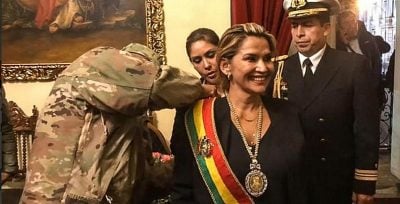
Bolivia announced that it will restore diplomatic ties with Israel, two days after the South American country’s new interim government appointed its first ambassador to the United States since 2008.
The new government’s foreign policy shake-up comes after former president Evo Morales was ousted on 10 November.
Speaking to international media on Thursday, Foreign Minister Karen Longaric said Bolivia plans “to restore relations with Israel”, Haaretz newspaper reported.
Morales cut diplomatic ties with Tel Aviv in 2009 over Israel’s war on Gaza, which killed at least 1,383 Palestinians, including 333 children.
At the time, Morales said he would ask the International Criminal Court (ICC) to bring genocide charges against top Israeli officials.
Following his resignation last month under pressure from the military following his contested re-election, Morales has taken exile in Mexico.
On Thursday, Longaric said she planned to re-establish diplomatic ties with Israel “out of respect for the sovereignty of the state”, Haaretz reported.
She said she hoped “that relations could lead to positive aspects for both sides and contribute to Bolivian tourism”.
Israel’s foreign ministry welcomed the move.
“This will contribute to the strengthening of the State of Israel’s foreign relations and its standing in the world,” Israeli Minister of Foreign Affairs Israel Katz said in a statement.
“The departure of President Morales, who was hostile to Israel, and his replacement by a government friendly to Israel, allows the fruition of the process.”
Bolivia’s foreign policy change comes after the country’s self-appointed interim president, Jeanine Anez, was accused of cracking down on human rights in the country.
Last week, Human Rights Watch said Anez’s government had adopted “alarming measures that run counter to fundamental human rights standards”. More than 30 have died in protests against the new government.
Several countries in Central and South America have adopted more pro-Israel positions in recent years, as well, putting them in line with US President Donald Trump‘s policies.
In August, Honduras recognised Jerusalem as the capital of Israel and said it intended to open a diplomatic office there.
In May 2018, Guatemala opened a new embassy in Jerusalem, just two days after the American embassy was inaugurated in the holy city, a widely criticised move that infuriated Palestinians.
The Trump administration, which has taken a staunchly pro-Israel line, recognised Jerusalem as the Israeli capital in December 2017 and urged other countries to do the same.
*
Note to readers: please click the share buttons above or below. Forward this article to your email lists. Crosspost on your blog site, internet forums. etc.
Featured image: Jeanine Anez receiving the presidential sash from a representative of the Bolivian military (photo: EFE).
Europe is concerned about the Lebanese political crisis and its potential spillover consequences in case of a civil confrontation. Even if the European states do not have differing strategic objectives in Lebanon from the US, a civil war will affect Europe directly, as refugees will be flocking from the neighbouring continent.
Reaching an agreement over a new government to prevent further unrest is proving difficult. Sources in Beirut believe it may take several months to form a new government, as was the case in forming the last government. Some wonder if it might not be better to wait for the results of the US elections before forming a new government. Or perhaps a new government will only emerge after a major security event, like the assassination of the late Prime Minister Rafic Hariri which triggered a political tsunami in the country. All indications on the ground point to the prospect of a civilian confrontation arising from the absence of a robust central government that can take in hand the security of the country. Can Lebanon avoid a civil confrontation?
The closure of the main roads and the “deliberate” incompetence and inaction of the security forces – due to US requests to tolerate the closure of main axes linking Lebanon with the capital – is no longer a surprising behaviour.
The main roads now closed have been carefully selected: closed are the roads linking the south of Lebanon to Beirut and linking Baalbek and the road to Damascus with the capital Beirut. These areas are mainly inhabited and used by Shia. The roads are being blocked mainly in certain sectarian areas controlled by Sunni supporters of the caretaker Sunni Prime Minister Saad Hariri and his Druse ally Walid Joumblat. The closure of other roads in the Christian dominated Dbayeh by the pro-US Christian leader Samir Geagea, leader of the “Lebanese Forces”, and in Tripoli seem to be kind of diversions of attention from the main goal: challenging Hezbollah.
Sources in Beirut believe the objective is to exasperate the Shia who represent the society that protects Hezbollah. The goal is to force the organisation into the streets. Hezbollah is aware of this and is trying to avoid responding to provocations. The closure of these roads is an invitation to Hezbollah to take the situation in hand and direct its weapon against other Lebanese citizens, as indeed happened on the 5th of May 2008.
In 2008, Druse minister Marwan Hamadé – directed by Walid Joumblat – and pro-US Prime Minister Fouad Siniora asked Hezbollah to cut its fibreoptic private communication system linking all corners of the country. Israel never ceased to monitor the Hezbollah cable that, due to its high-security system and regular control, had managed to neutralise all Israeli tapping devices attached to it by Israeli Special forces during their infiltration to Lebanon for this exact purpose. An effort was made by the Lebanese government in May 2008 to cut the cable to break through Hezbollah’s high-security system, the key to its command and control in time of peace and especially in time of war. This insistent attempt – despite repeated warnings – provoked two days later a demonstration of force by Hezbollah occupying the entire capital in a few hours with no serious victims. Lebanese pro-US armed mercenaries who gathered and hid in Beirut to trigger a civil war on this day, anticipating Hezbollah’s possible reaction, were neutralised in no time despite hundreds of millions of dollars spent on their supposed readiness for war against Hezbollah in the streets of Beirut.
Today, the goal is to see Hezbollah controlling the streets and arming anti-government Syrians and Lebanese. The goal is to take the Lebanon issue to the United Nations so as to justify a foreign intervention. The aim is not to see Hezbollah defeated by the initial clashes; the firepower, training and military organisation of Hezbollah cannot be defeated by enthusiastic mercenaries and locals. The aim is to deprive Hezbollah of its legitimacy and pay a heavy price for its “unforgivable” victories in Syria and Iraq and its support to the Palestinians and the Yemeni.
Lebanon’s financial problems are not the primary issue. In Congressional testimony, the former US Under Secretary of State and Ambassador to Lebanon, Jeffery Feltman, told the US Congress that “Lebanon’s entire external debt (around $35 billion) is in line with the estimates of what Saudi Arabia is bleeding every year in pursuing a war in Yemen ($25-$40 billion).”
Regional and international financial support to Lebanon will be injected with one purpose: to trigger a civil war in the hope of defeating Hezbollah in the long term. This might also save Israel from a severe political crisis by provoking a war against Lebanon rather than an internal conflict among Israelis, as seems possible after two failed attempts to form a government.
Most Lebanese are aware of the sensitive and critical situation in the country. Most fear a civil war, particularly in view of the behaviour of the Lebanese Army and other security forces who are now standing idle and yet refusing to keep all roads open. These actions by the security forces are greatly contributing to the possibility of an internal conflict.
Sincere protestors with only a domestic agenda have managed to achieve miracles by crossing all sectarian boundaries and carrying one flag: an end to corruption and associated poverty and the return of stolen capital to Lebanon. Protestors are asking the judiciary system to assume its responsibility and for the country to head towards a secular ruling system. But sectarian elements and foreign intervention are managing to divert attention from the real national demands that have been overwhelming the Lebanese since decades.
The foreign intervention is not relying on the justified demands of protestors in its confrontation with Hezbollah. It is relying on sectarian Lebanese who want to contribute to the fall of Hezbollah from the inside. This is not surprising because Lebanon is a platform where the US, EU, and Saudis are strongly present and active against the Axis of Resistance led by Iran. The Iranian Revolutionary Guard Corps (IRGC) commander Hussein Salame warned in his most recent speech that these countries risk “crossing the line”.
Since the “Islamic Revolution” in 1979 Iran has not initiated a military or preventive war on its neighbours, but has limited its action to defending itself and in building its “Axis of Resistance”. Recently, Iran proposed – to no avail – a HOPE (Hormuz Peace Endeavor) to its neighbours, seeking a commitment to the security of the Middle East separately from any US intervention.
Iran defeated the mainstream international community when it helped prevent the fall of the government in Damascus after years of war. It has effectively supported Hezbollah and the Palestinians against Israel, favoured ally of the US; Iran stood next to Iraq and prevented a hostile government reaching power; Iran has also supported the defence of Yemen against Saudi Arabia’s useless and destructive war. Iran’s enemies are numerous and have not given up. They tried but failed to achieve their objectives in 2006 in Lebanon, in 2011 in Syria, in 2014 in Iraq and in 2015 in Yemen. Today a new approach is being implemented to defeat Iran’s allies: the weaponization of domestic unrests, motivated by legitimate anti-corruption demands for reform, at the cost of “incinerating” entire countries, i.e. Lebanon and Iraq.
Protestors have failed to offer a feasible plan themselves and caretaker Prime Minister Hariri is trying to punch above his parliamentary weight by seeking to remove political opponents who control more than half of the parliament. Lebanon has reached a crossroads where an exchange of fire is no longer excluded. The conflict has already claimed lives. Thanks to manipulation, Lebanon seems to be headed towards self-destruction.
Proofread by: C.G.B and Maurice Brasher
This article is translated free to many languages by volunteers so readers can enjoy the content. It shall not be masked by Paywall. I’d like to thank my followers and readers for the confidence and support. If you like it, please don’t feel embarrassed to contribute and help fund it for as little as 1 Euro. Your contribution, however small, will help ensure its continuity. Thank you.
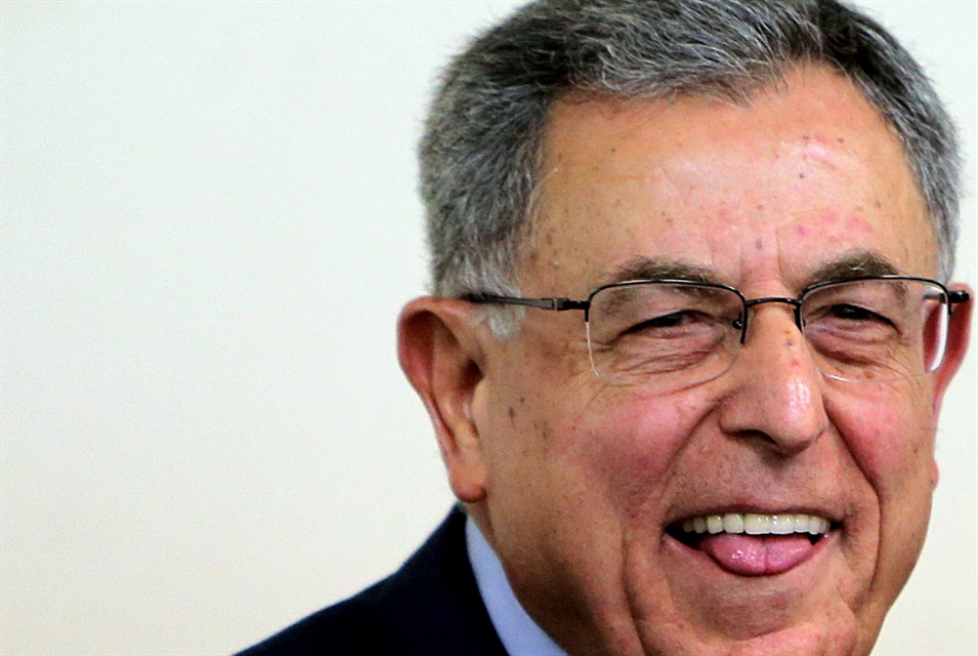
مزاريبُ الهدر والسرقة كثيرة في لبنان، إلّا أنّ أعظمها فساداً ثلاثة: إدارةُ خدمة ديون الدولة اللبنانية، تلزيم الصفقات لمتعهّدي الدولة المعروفين وإدارة الحسابات المالية في وزارة المالية. بالمليارات، قد يكون الهدر الناتج عن الملف الأخير هو الأقل نسبة، إلا أنّ الثابت أنّه أضاع على خزينة الدولة اللبنانية أموالاً طائلة، ومنها ثلاثة مليارات دولار على الأقل هبات لم تدخل إلى الخزينة. في هذا الملف، يحضر بقوّة اسم فؤاد السنيورة، رئيس الحكومة ووزير المالية الأسبق
اختفت ثلاثة مليارات ومئة مليون دولار من «جَيب» الدولة اللبنانية. هذه المليارات الثلاثة التي وصلت على شكل هبات، كانت قد مُنِحت للدولة اللبنانية بين عامي 2005 و2007. ومن ضمنها، كانت مساعدات «حرب تموز» التي تُعادل ثُلث المبلغ تقريباً. غير أنّ ما أثار الشبهة أنّ هذه المبالغ وُضِعت في حسابٍ خاص، مستقل عن حساب خزينة الدولة، يُحرَّك حصراً بقرار من رئيس الحكومة، عوضاً من وضعها في خزينة الدولة. أما الذريعة التي بُررت فيها هذه «الفِعلة» فهي «رغبة الواهب».
لم يكتف رئيس الحكومة الأسبق فؤاد السنيورة بذلك، بل لم يسمح لأحد بأن يطّلع على كيفية صرف هذه المبالغ. حتى المدراء المعنيون في وزارة المالية لم يُسمح لهم بالاطّلاع على كيفية صرف أموال الهبات. وبناءً على ذلك، وتبعاً للشبهات التي أُثيرت بشأن مصير المليارات الثلاثة، تقدّم النائب حسن فضل الله بإخبار لدى النائب العام المالي القاضي علي ابراهيم الذي رغم أنّه بدأ بتحقيقاته القضائية منذ تسعة أشهر، إلا أنّه لم يتوصّل إلى أي نتيجة تُذكر بعد. ولم يُعرف إذا كان القاضي ابراهيم قد طلب أصلاً من مصرف لبنان رفع السرية المصرفية عن حساب الهيئة العليا للإغاثة لكشف مسار الأموال ومصيرها. طريقة صرف تلك الأموال لم تثر الشبهة محلياً فقط. حتى السعودية أرسلت في الأعوام التي تلت موفداً لمعرفة مصير 500 مليون دولار كانت قد تبرّعت بها، ووجهة صرفها.
المدير العام لوزارة المالية، ألان بيفاني، وضع تقريراً مفصّلاً من نحو 300 صفحة، مدعّماً بآلاف الصفحات من المستندات، يخلُص فيها، في ملف الهبات، إلى وجود 3 مليارات و100 مليون دولار لم يُعرف مصيرها لكونها لم تدخل حسب الأصول إلى حسابات المالية العامة. وبحسب المتابعين لهذا الملف، رغم مرور 12 عاماً على تسلّم الهبات، لم يُعرف كيف صُرفت هذه الأموال أو أين ذهبت أو من استفاد منها، وسط تداول معلومات عن صرف جزء منها لغير المستحقّين عبر دفعها على هيئة مال سياسي خلال الانتخابات النيابية. في هذا الملف، اطّلعت «الأخبار» على مستندات جديدة على شكل تقارير مرفوعة إلى وزير المال أحيلت على القضاء، تبيّن حجم الهبات التي قبِلتها الحكومة اللبنانية آنذاك. ففي أحد المستندات، يُذكر أنه قد تبين أنّ «الواردات الإضافية المقدّرة من الهبات بلغت ٢٨١،٤٣٣،٨٦٠ ليرة لبنانية، علماً أنّ المحصّل منها يبلغ ١٥،٠٧٥،٠٠٠ ليرة لبنانية. غير أنّ كاتب التقرير يُشير في المستند المذكور إلى أنّ «التدقيق في المستنذات ذات الصلة بالهبات أظهر بأنّ الهبات التي قُبلت بمراسيم أو قرارات صادرة عن مجلس الوزراء بلغت قيمتها ١٢٧،١٨٢،٥٦٧،١٠٦ ليرة لبنانية، وذلك وفقاً لكتاب رئيس المحاسبة في وزارة المحاسبة المالية خليل يوسف المسجّل في تشرين الأول عام ٢٠٠٩. هذا يُظهر حجم التلاعب أو ما يمكن أن يُصطلح على تسميته بالفوضى المنظّمة لتضييع حقيقة حجم الهبات التي لم تُدوّن على أنّها واردات إلى الخزينة العامة.
كذلك تُشير المستندات إلى أنّ الهبات المحقّقة لا تتضمن قيمة الهبات النقدية التي تمّ قبولها فعلياً بموجب مراسيم أو قرارات صادرة عن مجلس الوزراء، إذ «لم تقم مديرية الخزينة بإيداعنا بيانات الواردات المحققة وتحصيلاتها». ويظهر من المستند أنّ هذا الملف أثير مراراً خلال الاجتماعات التي كانت تُعقد في مديرية المالية العامة، فضلاً عن أنّه قد أُرسلت عدة طلبات متكررة بشأن الإفادة عن مصير الهبات النقدية التالية: ٤٥٠،٩٣٣،٨٦٠ ليرة لبنانية وهبة بقيمة ٧١،١٥٤،٠٥١ يورو، وهبة بقيمة ٦،٧٩٣،٨١٤ ملايين دولار أميركي، وهبة بقيمة٤٠،٠٠٠،٠٠٠ يوان صيني.
هل تُرفَع السريّة المصرفية عن حسابات الهيئة العليا للإغاثة؟
الخطير في المسألة أنّ التقاير التي أُنجزت بشأن المخالفات المتعلّقة بكيفية صرف أموال الهبات سرّاً تخلُص إلى أنّ الهبات صُرفت ودُفعت خارج إطار القانون ودون أي إمكانية لإجراء الرقابة عليها، لافتة إلى أنّ مجلس الوزراء استمرّ في اعتماد هذا النهج المخالف للقانون، بذريعة أنّ الجهة المانحة تُريد ذلك. وإذ ينطلق أحد التقارير من فرضية الرضوخ لشروط الجهة المانحة، فإنه يخلص إلى أنّ هذه الشروط لا تبرّر عدم قيد أموال هذه الهبات في الواردات والنفقات. ولهذه الغاية جرى اقتراح مشروع تعميم صدر عن رئيس مجلس الوزراء عام ٢٠١١ يفرض التقيّد بأحكام القانون لجهة قيد الهبات كإيرادات. وقد اعتُمد ذلك بموافقة الجهات المانحة.
وفي الختام، واستناداً إلى المواد ٥١ و٥٢و ٥٣ من قانون المحاسبة العمومية والمادتين ٢٤٢ و٢٤٣ معدّلة وفقاً للقانون ٦٦/٥٥، يتبين أنّه كان يجب أن تسجّل وزارة المالية القيود في وارداتها. وفي حال كانت الهبة محصورة لنفقة معيّنة، وجب ذكر تنسيبها كإيراد ونفقة في مرسوم القبول. كما يُشار في التقرير إلى أنّ مجلس الوزراء أصدر القليل من المراسيم والقرارات التي تتعلّق بقبول الهبات النقدية مع تحديد التنسيب للواردات والنفقات، لكن وزارة المالية أوردت قيم هذه الهبات في خانة التحقّقات، إلا أنّها أغفلت قيدها في خانة التحصيل، علماً أنّه تمّ صرفها خلال تنفيذ الموازنة على التناسيب المقرّرة لها. أما مئات المراسيم والقرارات التي صدرت من دون تنسيب، فقد أدت إلى إغفال قيود جميع الهبات النقدية العائدة إليها، فكيف يُدقق بعد ذلك بطريقة صرفها؟ لا سيما أنّه بعد مراجعة حساب الصندوق ومصرف لبنان لدى مديرية الخزينة، تبين أنّه لا توجد قيود لهذه الواردات المحصّلة، بحسب إفادة مديرية المحاسبة العامة. أما في مسألة فتح حساب خاص للهبة مستقل عن حساب الخزينة، فالسرية المصرفية كفيلة بإخفاء كيفية صرف الهبة.
This is probably the best televised expose of corruption in Israel. At the moment Israel’s longest-serving leader is indicted for bribery, fraud and breach of trust. Netanyahu becomes first sitting prime minister in Israel’s history to be charged with bribery. This episode goes into detail on bribery charges against Israeli officials.
My battle for truth and freedom involves some expensive legal and security services. I hope that you will consider committing to a monthly donation in whatever amount you can give. Regular contributions will enable me to avoid being pushed against a wall and to stay on top of the endless harassment by Zionist operators attempting to silence me and others.
Syrian President Dr. Bashar al Assad explained that France needs to return to International Law, in Paris Match interview.
Syrian President Bashar al Assad received Régis Le Sommier in Damascus, for one of those rare interviews given to western journalists whose countries engage in war crimes against Syria. Le Sommier, co-editor of the Paris Match weekly, immediately reminded Dr. Assad of their meeting in November 2014. He did, however, show some decency by not mentioning his book, Assad, based on the earlier interview, and about which Paris Match once remarked, How can a journalist face up to a tyrant? Exclude him from his scope of investigation? Or approach him, try to grasp his mechanics? The question arises regularly at the whim of the dictators who parade at the head of certain states.
It is fascinating to view the derivative outcomes of these “rare” interviews. Le Sommier created a book, published in 2018. In May 2013, Marcelo Cantelmi used his ‘rare interview’ to launch a scathing attack on Syria and its President al Assad, before releasing dribbles of the interview, over a few days. In January 2015, Foreign Affairs managing editor, Jonathan Tepperman, used his rare interview to also launch a series of anti-Syria propaganda reports — including his complaints that the presidential palace was not bullet-ridden, and rat-infested — via his report on the interview and his being interviewed about the interview…weeks before the actual interview was published.
Le Sommier was discreet enough not to mention Paris Match‘s sweet report on Belgian Michel, armed terrorist in Syria, who returned home to a more simple life as a baker’s assistant. It is possible that Belgian Michel would be a household deity in the western world, had it not been for those annoying terrorist attacks in Paris, mere weeks after that interview.
Shortly before the attacks in France, Paris Match ran a lovely report on Belgian Michel’s life after returning from ”fighting’ in the SAR
On 27 November, Paris Match published its “exclusive” interview, except the fine print noted it was only exclusive “excerpts.” The bottom of the excerpted interview contains a clear warning, Toute reproduction interdite.
These excerpts shockingly missed significant points made by President Assad: France needs to turn to the standards of International Law; Erdogan is immorally threatening blackmail against Europe; terrorists against the Syrian state are subject to Syrian law.
It is a breach of International Law for one or more countries to arm an insurrection against another country. It is a breach of International Law to engage in military aggression against any country, except in self-defense. It is a breach of International Law for any country to deploy its military into another country, without that country’s explicit invitation.
President Assad tutors Le Sommier in International Law, 20 November 2019.
The bottom of the Paris Match excerpts contains a clear warning, Toute reproduction interdite. One might wonder if this prohibition is a Kafkaesque authorization for other media to engage in monkey dung flinging journalism, as one of the UK tabloids immediately did.
Daily Mail flung its dung in one of the most outrageous headlines since the NATO Spring was dumped into Syria: Jihadis face execution without trial in Syrian jails as Assad says foreign ISIS members will be hanged.Nowhere in the Paris Match interview does Dr. Assad say such a thing. He says, We have courts specialized in terrorism and they will be prosecuted.
Daily Mail continues to fling more dung, hitting peak colonialism in wailing about the Brit terrorist John Letts being stuck in an overcrowded jail — poor baby, let us wail for him and ignore the UK’s part in dumping their human garbage into Syria, shall we?
English terrorist, John Letts, at Syria’s Tabqa Dam.
Continuing with its coprophilia journalism, Daily Mail reached back in, and flung even more, this time in the form of the Saydnaya overcrowded, “torture” jail, as Syria is that paradoxical Utopia where there are no actual criminals, but the prisons are overflowing, nonetheless.
The Saydnaya Prison building.
The following is the transcript of the Paris Match Le Sommier interview with Syria’s President Bashar al Assad:
Question 1: Good morning. I met you five years ago, specifically in November 2014. At that time, your government controlled only a third of the country. Today, your army has returned to the border regions with Turkey. Do you feel that you have won the war?
President Assad: Let’s be precise, it is not my war to win or lose. The narrative pushed by the West is: the war of the President who wants to remain in office; while in fact, it is a national war – the Syrians’ war against terrorism.
You are correct in your statement that we have made significant progress in this war, since we last met, but that doesn’t mean that we have won. We will win when terrorism is eliminated. It is still present in certain areas in the north, and what is more dangerous is that support for this terrorism still continues from Turkey, and from Western countries – whether it’s the United States, Britain, or France. That’s why it is too early to talk about victory.
Question 2: Do you really think that France continues to support terrorism?
President Assad: Definitely; in previous periods, they were supplying weapons. This may have changed in the previous months, or last year, but let’s put things into perspective: when French forces come to Syria without an invitation from the legitimate government, this is occupation. There’s no real difference between supporting terrorism and providing military forces to occupy a country. It is the same context, but with different titles.
Intervention: But the French came to support the Kurds who were fighting ISIS. That was their mission.
President Assad: But, can we send Syrian forces to fight terrorism in France, without the request of the French government?! Globally, states are governed by international law, not by their intentions. It is not enough to have the desire to fight terrorism; there are international rules for fighting terrorism, and of course, here, I am presuming that there are good intentions. However, we do not believe that there are good intentions. The Syrian government is fighting ISIS, why wasn’t it supported? And why does the French government fight ISIS and yet support al-Nusra, when in fact they are both terrorist organisations?!
Question 3: Perhaps you are referring to the period when Hollande was President of the Republic. Actually, the French Foreign Minister, Fabius, himself said at a certain point that you do not deserve to remain alive. What is the position now with Emmanuel Macron? Have you felt a change in the French position?
President Assad: In form yes, in substance no. When there is occupation, it is one form of terrorism.; we need to acknowledge this fact. We need to talk about change in substance not in form. We are not interested in statements, but with action on the ground.
Question 4: How do you want change to happen on the ground?
President Assad: Simply, by going back to international law. We do not ask the French government for anything; we do not ask for political, economic, or security assistance. We don’t need them, and we are capable of managing our own affairs in Syria. But we want them to return to the international order, which doesn’t exist at the moment.
Today, there is international chaos. We don’t want them to support the President, this is of no concern to me; it doesn’t concern us if they say he is good or bad, this is also a Syrian matter. But what we do demand is that they stop supporting everything that could cause more bloodshed, killing, and suffering in Syria.
Question 5: France faces a real problem related to the Jihadists in Syria. Do you have Jihadists in your prisons?
President Assad: Regardless of nationalities, this is a matter for the competent authorities who have the statistics. But in any case, if there are Jihadists, they are subject to Syrian laws.
Intervention: But you should know if there are French nationals in your prisons?
President Assad: I don’t have any statistics. For us, terrorists are terrorists, whether they were French or Syrian.
Question 6: If you signed an agreement with the Kurdish “People’s Protection Units,” and the army entered that region and restored all this land, you’ll find that there are prisons, and in these prisons, there are 400 French Jihadists. What are you going to do with them?
President Assad: Every terrorist in the areas controlled by the Syrian state will be subject to Syrian law, and Syrian law is clear concerning terrorism. We have courts specialized in terrorism and they will be prosecuted.
Intervention: So, you don’t intend to repatriate them to Europe as Recep Tayyip Erdogan has done, for instance?
President Assad: Erdogan is trying to blackmail Europe. A self-respecting man doesn’t talk like this. There are institutions and there are laws. Extraditing terrorists or any convicted person to another state is subject to bilateral agreements between countries; but to release people from prison knowing that they are terrorists and sending them to other countries to kill civilians – this is an immoral act.
Question 7: Going back to the ongoing conflict, eight years of war, the country devastated, whole cities destroyed, half the population are displaced or refugees, and hundreds of thousands of deaths. Do you acknowledge that you wouldn’t have won this conflict or this war without Russian or Iranian support?
President Assad: War is tough and not easy, and we are not a superpower. We have been fighting against the wealthiest and most powerful countries in the world. Logically, there is no doubt that the support of our friends has reduced losses and helped us regain our territories.
If we are to ask, whether Syria would have, without this support, gone towards partition or full defeat? This is a hypothetical question now, because sometimes it is difficult to predict the result of a tennis match involving two players, let alone a war with tens of players and hundreds of thousands of fighters!
Question 8: Have you thought, for a single moment during this war, of leaving, going into exile, for instance?
President Assad: In fact I haven’t, for a simple reason: the option neither existed nor was it considered, it was only suggested by Western officials. As far as I’m concerned, it doesn’t exist and it doesn’t concern me. I would not consider this option unless it was suggested by the Syrian people, and when I say the Syrian people, I mean the majority. I do not mean a terrorist minority, nor a minority hatched up by foreign intelligence services, nor a minority of those who demonstrated because they were paid to do so by Qatar. This option was never suggested by the majority and that’s why I remained.
Question 9: But militarily, al-Nusra Front reached places only a few kilometers from your residence in 2013, to al-Abbasiyeen neighborhood, al-Abbasiyeen Square.
President Assad: That’s true. Damascus remained almost besieged for years, sometimes completely, sometimes partially; shells were falling on us on a daily basis. This in itself was a greater motive for me to remain and defend my country, not to flee. I am doing my constitutional duty in defending the people against terrorism.
Question 10: Now, let’s talk about reconstruction. It is said that reconstruction will cost 300 or 400 billion Dollars. Do you have a plan to get the people out of this conundrum, despite the embargo and the sanctions imposed on you which actually harm the people and increase their suffering?
President Assad: This is absolutely true. Nevertheless, some of our industries have expanded, not the other way around. The pharmaceutical sector, for instance, has expanded. As to rebuilding what has been destroyed, you can visit Aleppo, which had suffered large-scale destruction at the hands of terrorists, and year-on-year, you can see a difference and that the state is rebuilding the city together with its population.
Intervention: But the Syrian Pound is in very bad shape, at an all-time low, and you need to find foreign investment. Does China, for instance, and other countries want to invest?
President Assad: Most recently, in the past six months, some companies have started to come to invest in Syria. Of course, foreign investment remains slow in these circumstances, but there are ways to circumvent the sanctions, and we have started to engage with these companies, and they will come soon to invest. But this doesn’t mean that the investment and reconstruction process is going to be quick, I am realistic about this.
Intervention: What are your estimates, how many years?
President Assad: This depends on how many years the embargo will continue, and the methods it will use. It also depends on Syrians returning from other countries, which they are starting to do so gradually. It’s difficult to give an answer to this question, but of course, it is a process that will be on-going for years.
Question 11: How many Syrians have returned to Syria?
President Assad: Over a million Syrians in less than a year, and the process is accelerating, particularly after Damascus and the southern region and its environs were liberated. Of course, the return of Syrians is also related to rebuilding the infrastructure and the availability of other services, like electricity, schools, and hospitals; regrettably, these three sectors have been the worst-affected by the embargo. Furthermore, there is Western pressure for refugees not to return to Syria, for them, this is a humanitarian card which can be used to achieve political objectives.
Question 12: A large number of immigrants left the country because they opposed you, and because they suffered from the atrocities of the army. How can you invite them back? How do you encourage them to come back? Would they be covered by a general amnesty, for instance?
President Assad: First, most of them are supporters of the state and not the opposite. The evidence of this was the presidential elections which they took part in 2014 and voted for the President. The largest number immigrated because of the war itself and its economic consequences, so there is no problem with their return; these people can return normally and without an amnesty. Others are dissidents who have not committed any crimes and there is no warrant for them, the fact that they oppose me is not an issue, since we have dissidents within Syria and we are constantly engaging with them.
With regards to the amnesty, we have granted amnesties more than once, most recently a few months ago, because some people fear returning without an amnesty and believe that they will be arrested; although only those who carried weapons are arrested, and even those have been pardoned.
President Assad and reporter Le Sommier were in the same room, on the same planet, despite what some monkey dung flinging journals might infer.
Question 13: Last year, when al-Ghouta returned to government control, I went there and met some young rebels who carried weapons. The Syrian officers were asking them to hand in their weapons and that they will not be harmed. Their response was: you want us to give up our weapons because you want us to join the army, and we don’t want to. They left to Idleb. What’s your take on that?
President Assad: In actual fact, some of those who went to Idleb left their families with us (government-controlled areas) and we are taking care of them; if they were afraid, they would not leave their families. This is the first point, the second, is that there are some militants who went to Idleb but later returned to our side. They asked and we allowed them to return. They received an amnesty, because the majority of them were told that the army will kill you. This happened of course when they were isolated from the state for seven years, but when the army went into al-Ghouta, normalcy was restored, and people now live a normal life. We must realise that some of them were fighting not because they were extremists, but they had no other choice: either to fight with the terrorists or to be killed. They are returning to us gradually after the felt reassured.
Question 14: Today, there are numerous demonstrations in Iran, and the same in Lebanon and Iraq. And all those demonstrators are asking for dignity and for wealth not to be concentrated in the hands of the few in their country. Wasn’t that the case of the demonstrators who went out at the beginning of the Syrian crisis?
President Assad: If we want to talk about the banners that were being pushed – like dignity, freedom, and others, they can be beautiful masks but what lies behind them is ugly. Let me give you some examples: Bush killed a million and a half Iraqis under the pretext of democracy; Sarkozy contributed to killing hundreds of thousands of Libyans under the pretext of freedom for the Libyan people; and today, France, Britain, and America are violating international law under the pretext of supporting the Kurds, who are a part of the Syrian population, not an independent group. In Syria in 2011, these very same banners – dignity and freedom – were used to kill policemen and civilians, and sabotage public property. Therefore, we should be more concerned with the facts on the ground and what’s actually happening than with headlines.
Intervention: But in the beginning, there was a popular uprising, and real demands. There was no existence of Al Qaeda. Why did you use violence at the beginning?
President Assad: Let’s talk numbers: the largest number of demonstrators in Syria was 170,000. For arguments sake, let’s assume this number is inaccurate and so let’s multiply it several times over to reach a million demonstrators; the Syrian population is over 23 million, so these figures are not representative of anything. So, in terms of size it is not a popular uprising. Second, a popular uprising does not occur when people are paid by Qatar to demonstrate. Third, I wouldn’t have been able to remain, with the government, in power for nine years in the face of a popular uprising. No one can withstand a popular uprising, and an example here is the Shah of Iran – despite all attempts and Western support, they could not keep him in power. So, calling it a popular uprising is wrong or at least unrealistic.
Question 15: At the beginning of the war in 2011, you released prisoners from Sednaya. You are accused of doing that in order to inject Jihadist poison in the ranks of the opposition. How do you respond?
President Assad: Every few years, we grant an amnesty to prisoners in Syria. This was a general policy before the war. When an amnesty is issued, there are some categories which are excluded like espionage, drug trafficking and others. However, in the law we did not have a category called extremists and so the amnesty includes everyone.
In 2011 specifically, there were convicts who were released because they had served their sentences and not because of an amnesty. What do we gain if we release extremists or terrorists in order to kill officers of the Syrian Army and civilians?! The Western narrative said that we did so in order to demonize the peaceful demonstrations; but in fact, they demonized themselves because in the early weeks, they posted videos – which can be found on the internet – where they killed policemen, attacked and slaughtered civilians. This is actually what happened concerning the release of prisoners.
Question 16: I talked a short while ago about Sednaya, but you have other prisons and detention centers. A colleague of mine named Manon Loizeau who made documentaries about rape cases in your prisons. What do you say to that?
President Assad: There is a difference between policy being implemented and individual action. Harassment or rape are not prevalent in Syrian society; but if there are such cases, they are punished by law. These are individual cases.
We condemn any such policy anywhere in the world because it is immoral; it also undermines stability in Syria. You cannot talk about stability and a peaceful relationship among the population if there was killing, torture, or any other kind of abuse.
Intervention: Those documentaries were filmed with Syrian witnesses, and these incidents happened to them. They were not talking about things happening in their society because they were ashamed of them. But they were witnesses who suffered from these practices?
President Assad: No. You are talking about a story. A story is one thing and documented proof is another. Everything that was presented was unsubstantiated, the photos were not verified. Who are those witnesses? They were hidden and not named. In most of these cases, Qatar financed these reports, and adopting them would need a professional investigation. If we were to put morality aside, logically, we do not have an interest in such acts.
This is against our interests, so why should we do it?! What do we achieve through torture?! What is the result – revenge?! If you go to the areas which were under the control of the opposition and then were retaken by the state, you will see the opposite. We are not schizophrenic: tolerant in one place and torturing people in another. These are mere political allegations.
Intervention: Once again, I stress, i.e. there is an emphasis on this point, but these witnesses were not funded by Qatar. They were witnesses who were met in refugee camps in Turkey and Jordan. And they suffered. And the person who documented these testimonies is a very trusted journalist.
President Assad: There is no such thing as trust in these cases. There are mechanisms and there are verified facts, there is no room for stories. Who verified the witnesses’ stories? Who verified that those witnesses had actually suffered to start with? I can discuss this story with you when I have the facts in front of me, but I can’t discuss rumors or stories. When facts exist, those who commit any crime are prosecuted by Syrian law, this is the norm.
Question 17: Donald Trump mentioned Syria when he extended thanks upon the death of Abu Bakr al-Baghdadi. Did you give the Americans information, and did you know the whereabouts of al-Baghdadi?
President Assad: I always laugh when this question is raised, because the more important question which should be asked is: was al-Baghdadi really killed or not? And did this “fantastic play” staged by the Americans take place in reality?
President Assad: Yes, of course. But ISIS was created by America; ISIS is part of the play and they taught al-Baghdadi how to act when he was in American prisons in Iraq. That’s why I’m saying did this big play actually take place? We don’t know. It doesn’t mean that he wasn’t killed, but if he was, it wasn’t because he was a terrorist. They were able to strike ISIS when it was taking oil from Syria to Iraq, but they didn’t; and when ISIS attacked the Syrian Army in Deir Ezzor, the Americans bombed the Syrian Army instead of ISIS. So, no, we did not cooperate with the Americans over anything. You cannot cooperate in the fight against terrorism with those who are supporting terrorism.
President Assad: It’s one of Trump’s cute jokes. It’s a joke.
Question 18: In our meeting in 2013, you assured me that the Syrian Army never used chemical weapons in al-Ghouta. But after that came the case of Khan Sheikhoun, and then Douma. Why is the evidence mounting up suggesting that the Syrian Army used chemical weapons?
President Assad: To date, there isn’t a single shred of evidence; the use of these weapons would have caused the deaths of hundreds or thousands of people and this did not happen.
As to this build-up: firstly, it was because the Syrian Army was advancing in the fight against terrorism and they were looking for a pretext to strike at it, and that’s what happened. This narrative was used in two situations: either because we had made a significant advance, and it was an attempt to threaten us in the hope we’d stop, or because we were preparing for a large operation, and so it was an attempt to threaten us before the start of the operation.
Second: we were advancing and making good progress, so why would we need chemical weapons? That is the question. More importantly, every place we enter, there are civilians whose lives return to normal. How could they remain there while we were using chemical weapons?! In fact, the lies in Western media and in Western politics have no limits on this subject.
Hiking
-
“Iran War: Iran Hits US Base in Jordan After US-Saudi Strike on Iraqi
Militia“ (Smith).“How Does a Refinery Built to Process Sour Crude Differ
From a Refin...
Report on Beth Israel vigil 07-04-26
-
*1A Rights under combined attack from local government plus media*
Ann Arbor City Council is at it again. Right before the long 4th of July
weekend, they ...
Tehran As Imam Khamenei Leaves It
-
What the architect of modern Iran left behind will remain in the nation’s
political capital, accompanying generations of Iranians to come.
-
Hello all,
It is with great sadness that I share with you the passing of our beloved
sister, Mother, and Grandmother, the individual that you all knew ...
Best Horror Podcast
-
Best Horror Podcast Introduction: Horror podcasts […]
The post Best Horror Podcast appeared first on Copper Shock Horror Podcast.
Ikhras Endorses Muntadhar Al-Zaidi
-
“Oh parties of banditry and sectarianism and corruption, we have come and
our goal is to destroy you.” Ikhras formally endorses Muntadhar al-Zaidi,
Iraqi j...
Prince Charles: Foreign Jews behind bloodshed in ME
-
In May, 2017, British Crown Prince Charles declined an invitation from
Zionist entity’s president Reuven Rivlin‘s to attend the 100th anniversary
of the no...
Palestinian Women – One for All, All for One
-
Honouring All Palestinian Women by Honouring Three: Hanin Zoabi, Ahed
Tamimi, Samah Sabawi Vacy Vlazna “Palestinian women have always stood side
by side ...
US’s Saudi Oil Deal from Win-Win to Mega-Lose
-
By F. William Engdahl Who would’ve thought it would come to this? Certainly
not the Obama Administration, and their brilliant geo-political think-tank
neo-...
-
*Mordechai Vanunu wins human rights prize of Brazilian Press Association *
* http://www.alternativenews.org/english/index.php/features/updates/7038-mordechai...
Abdul Aziz Rantissi:
"My ultimate wish, my God, is to attain martyrdom,"...God granted him his wish on April 17, 2004, at the hands of Israeli assassins.
 Uprooted Palestinian