Uprooted Palestinians are at the heart of the conflict in the M.E Palestinians uprooted by force of arms. Yet faced immense difficulties have survived, kept alive their history and culture, passed keys of family homes in occupied Palestine from one generation to the next.
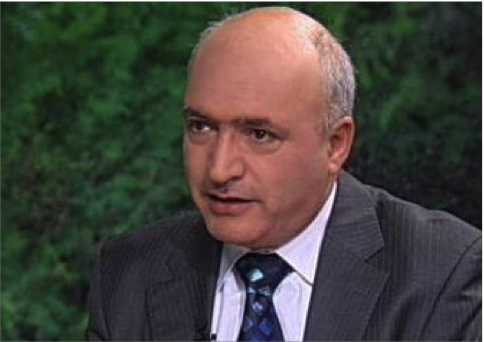
Lebanese writer and researcher of Islamic Studies, Sayed Abbas Noureddine, gives two reasons why he thinks the ‘West can continue oppressing other nations without any empathy or remorse’.
Source: Islamona (YouTube) Date: Mar 7, 2020
Transcript:
In the name of God, the most gracious, the most merciful. A close look at the Western psyche, the Western man’s personality, and the way he deals with matters related to us, indicates that in the foreseeable future, Western man will continue to provide the necessary fuel for his governments and regimes to continue oppressing, attacking and persecuting us.However, the problem in this context is not that the Western man is an inherently hostile being who intentionally seeks to oppress i.e. that he knows we are innocent, he knows what he is doing is wrong, yet he continues to carry it out. That is not the case. However, there are two main elements being worked on in general – of course we’re talking in general here – to keep Western man and Western societies as providers of the fuel and resources (that their rulers seek).Thus, (Western states) are able to continue developing their weapons, to continue putting forward armies and soldiers dedicated to entering our regions to fight and kill us.
See how (common it is) for professional (Western) soldiers to kill (innocent) people in cold blood. Many Westerners, when they hear that dozens or even hundreds of us have been killed, feel nothing towards this, neither remorse nor empathy. Why? Because they believe perhaps that we deserve death, or that we form a threat to civilization, or that we are simply evil.
Here, there are two elements which crystallized in the mind and personality of the Western man, leading him to continue to provide the fuel for these ominous policies (by Western governments). The first element is that Western man views his government through the lens of economic well-being and comfort. That is, the extent to which his government provides (him/her with) services and privileges in terms of livelihood.
In short, the issue of livelihood and economic prosperity is a central issue for the Western man in terms of evaluating his government’s (legitimacy/performance). For instance, if Trump launches wars in which millions are killed, the Western man will remain largely silent before such a scene, as long as Trump (manages through such wars) to reduce the unemployment rate in (America) for instance. By merely bringing about some economic improvements, Trump secured a great percentage of votes or support (from Americans). In other words, he gained a widely popular base within American society. This scene also takes place in say Britain, France or Germany.
The red line for Westerners vis-à-vis their governments is (precisely) this issue of (economic) wellbeing and prosperity. Therefore, you can see that Western governments work on the economic dimension whenever they intend to carry out any sinister or ominous foreign actions or policies against any world nation.
The second element regarding the Western psyche was intensively worked upon for hundreds of years, especially during the last century, by (Western) societies, institutions, media, and various forces within their culture, and that is the ‘demonization of the Other’. Meaning that according to them, we cannot be imagined as ‘good’. As far as they’re concerned, we are ‘evil’ (beings) or devils that must be killed or exterminated, or preferably, that we ought not to exist on the face of this planet. This ‘demonization of the Other’ process was worked upon intensively.
Therefore, when a Westerner feels empathy for a whale stuck between icebergs, but very rarely empathizes, if at all, with the Palestinian people, who are slaughtered, killed and subjected to all this oppression – this is because the Westerner is unable to extract these demonized images from his mind and imagination, images which (Western) media, educational institutions and (various Western) literature worked intensively on for centuries. Due to this culture, the Western man is unable to accept or view us as normal human beings, or as real people, or at least as people who deserve to live or have dignity.
Unfortunately, in this regard, we have major shortcomings that we must work on, not for the sake of the Western man, but for the sake of completing the (moral) argument against this (Western) world. If we do this, God willing the great Divine support will arrive (to change this situation).
During a television political talk show, senior Lebanese political analyst Anees Naqqash commented on the significance of Iranian Foreign Minister Mohammad Javad Zarif’s visit to Russia on the 21st of July, 2020, to reportedly discuss the extension of a decades-long strategic agreement between Tehran and Moscow by a further 20 years.
Zarif’s visit occurred around about the same time that reports emerged regarding the imminent signing of a 25-year comprehensive strategic partnership between Iran and China.
Naqqash discussed both agreements, and said they and similar treaties involving additional states indicate the emergence of a global alliance led by Iran, Russia and China that will challenge American hegemony and in fact transform the global balance of power.
After the war of rumours – so to speak – that targeted the relationship between Moscow and Damascus, and how this relates to Tehran, this visit (Zarif’s visit to Russia) was highly important. In a letter to Putin, Zarif (Iran’s foreign minister) said: “we held detailed discussions with Lavrov (Russia’s foreign minister) regarding bilateral cooperation and regional and international coordination, and extending the cooperation agreement between Moscow and Tehran’. (Zarif was referring to) the agreement that was signed (between Moscow and Tehran) in the 1990s. At the time, there was a shift in the world order. Today, it seems like we are witnessing a similar scene as the global influence of the United States is no longer the same. What conclusions can we draw from this situation?
Naqqash:
You have mentioned the rumours. A while ago, media campaigns were launched against us over two issues: (1) the Iranian presence in Syria, and (2) Russian-Syrian relations. However, the latest events and facts have come to refute all these rumours, that is, the recent Iranian-Syrian agreement, the recent positions defended by Russia and confirmed by Syria, and the Iranian-Russian meeting today. It has been proven that, contrary to the rumours, relations between these countries are becoming stronger. Today he (Zarif) confirms that this is his most important visit (to Russia). Why is this his most important visit? Not only because of the subjects that were discussed during the meeting, but because of the solid foundation that this meeting is built on.
That is to say: we (Iran and Russia) are allies. We trust each other. We know our capabilities and our interests. First, we are in total agreement that the United States should be deterred for its lack of respect for international law. It must obey international law. It must respect the sovereignty of states. It should no longer compromise the security of states and try to divide them, nor overthrow regimes. The agreement between Russia and Iran is strong and can clearly be seen by (their cooperation) in Syria.
Second, they – Iran, Russia, China and other countries – are all being subjected to (US) economic sanctions; and these sanctions are escalating. It has become clear, as the Chinese foreign minister has said more than once, that “the United States seems to have lost its mind.” This is the reality we have to face. Our opponent has lost its bearings and its mind. So what can we do to maintain international security, protect our interests and defend regional systems? We ought to build a regional and international alliance that would form the club that Mr. Zarif talked about. This political club will guarantee not only strategic agreements between these countries, but also form joint cultural and economic action through which US sanctions will collapse.
This club will lay a solid foundation for something more important, something we have talked about on this episode of your show, i.e. “what will happen to the US”. When there is a certain balance of power in the world, and the internal security and future of a great power such as the United States is at risk, the world must be prepared. It must create alternative systems to protect its people during this great collapse. Otherwise, if we do not prepare ourselves for this collapse – there will be (terrible) surprises (in the future). We may be very happy that the US has been torn apart and is being ravished by a civil war, or that it lost its power in (our) region; but what about international security? Therefore, this club will have a fundamental role in shaping the future of the world and creating (a new) international balance.
Host:
This is important. I wish to ask (the other guest, Russian political analyst) Matuzov about it, about the attributes these countries should have to form an effective club that would stand against the US. However, the time chosen to sign the agreement is also important, especially after the war of rumours. This agreement reinforced the foundations of the (old) strategic cooperation between Russia and Iran. 20 years (the duration of the new agreement) is not a short period of time…
Naqqash:
This coincides with the Chinese-Iranian agreement as well. These two agreements complement each other: a major 25-year agreement (with China) and a 20-year agreement (with Russia). The United States was hoping to extend the arms embargo against Iran, in two or three months. However, this agreement came to cut (this embargo) short and say “It’s already done. We renewed the agreement and we will continue with it.”
——-
Host:
These three countries have attributes that fit together like a puzzle to form a club that would be at the forefront of the (global) confrontation (with the US). They possess (certain) attributes. They have a common threat – i.e. the United States of America. However, we are talking about a strategic club, front or alliance, not a tactical alliance (usually shorter-term). Right?
Naqqash:
One hundred percent. This alliance is much more than a strategic issue. Let me give you (more) information about what is going on between China and Iran. It is true that the agreement has not yet been concluded and has not reached the Iranian Parliament. However, the plans and information regarding most of the projects that were being negotiated are available today. Some Chinese companies are now moving to Iran to prepare for these constructions (projects). Once the signature is done, the construction will begin.
As for (the agreement) between Russia and Iran, trains are traveling via the (Iranian) Chabahar Port route to the Russian border. They are connected to the Russian railway systems and they even reach Afghanistan.
This is a major shift in geopolitics, transportation, etc. Agreements regarding the Iranian nuclear reactors are also very important – if they are concluded.
The paradigm shift will be after November when the embargo on the sale and purchase of weapons from Iran ends. Iran will be able to export the weapons it manufactures, and to buy anything from Russia and China, which would come as a severe blow to the US. This is what Israel and other countries fear. They fear the increase of Iran’s military capability that was demonstrated when it shot down the (US advanced spy) plane and struck the (American) Ain Al-Assad Base (in Iraq).
However, there will be coordination (once the agreements are concluded). There are agreements surrounding security cooperation between these countries. Therefore, we are heading towards a global alliance that will use a payment system other than SWIFT; that will replace the dollar currency (with another currency in transactions and trade); and even change the overall strategic military balance of the world.
Host:
Judging by the current regional scene, what do you mean when you talk about the overall military balance? Some of the countries that we are discussing in relation to forming a (global) front are now taking part in hotly contested files. Please explain further…
Naqqash:
The battle in Syria is fierce. Today, Russia and Iran are fighting side-by-side against terrorism in Syria. When we say against “terrorism”, we mean against the project conceived by the Gulf and the West. This terrorism did not come out of the blue. It is a plot by the West and the Gulf. Hence, foiling this plot is thwarting a major conspiracy that did not only target Syria. President Putin said in more than four speeches at international conferences: ‘We went to Syria to defeat terrorism, because if terrorism prevailed in Syria, it would have reached our country’. (Putin) was taking a pre-emptive measure to safeguard Russia’s national security.
4,000 Uyghurs came with their women and children to fight in Syria. They came all the way from China. What are they doing in Syria? The defeat (of Uyghurs) in Syria is also to prevent the scourge of terrorism in China. They, Russia and China, realized that this battle is integral to ensure their national security. These are not theoretical battles. Bullets are being fired and battles are raging. China has not yet participated in armed engagement, but its role in the economic field may be equally important, as it complements and protects military victories.
The Patriarch Bishara al-Rahi’s statement that Hizbullah accused him of agency and treachery is most regrettable. Everyone assures that any attempt to learn Hizbullah’s response to the Patriarch’s call for neutrality was met with “No comment.” In her refrain from declaring her opposing perspective to the Patriarch’s stance, Al Mukawama aimed at preventing an interpretation of its position through lenses of sectarian defensiveness, giving lurkers the opportunity of fanning flames, resulting in exchanges of volleys of accusations of agency and treachery.
The invitation is open for the Patriarch to rise above allegations of treachery against him from a Party and a Mukawama, which have a full awareness and appreciation of sensitivities in Lebanon, and who prioritize a diligence about not taking positions, in order to ensure communication respectful of honorifics, including the Bkirki Honorific, and to preserve national unity.
To say that an understanding exists between the Speaker of Parliament Nabih Berri and
Al-Sayyed Hassan Nasrullah, to refrain from comments on the Patriarch’s call for neutrality, personally or through their respective party platforms, would not be revealing a secret. In addition, they have both expressed their displeasure towards individual voices and religious, political, and publicity sites which went against their chosen direction.
In view of such diligence and approbation, they would have rightfully expected from Bkirki a reciprocal approach through an invitation for a discussion of her position with all the Lebanese entities, in an effort to promote agreement and harmony, before her declaration. What is occurring today instead, is that the Patriarch’s call transformed into a mudslinging campaign against Al Mukawama and her arms, unjustly relegating to her the responsibilities for and the dire consequences of the multitude of crises Lebanon has been facing.
This declaration provided an opportunity for its exploitation by those lying in wait, through a discourse insinuating that the injurious and demonizing campaign targeting Al Mukawama has gained a solid base through Bkirki’s leadership. The duo’s silence was the utmost they could offer amidst all that, as an expression of care and respect, awaiting reciprocity from the Bkirki Seat, to provide the opportunity for communication about disagreements behind closed doors.
The Patriarch’s call and his speech on the occasion of Lebanon’s Centennial is being presented as a reading about Lebanon’s future and a project for a new contract benefitting from past experiences and present dangers. He refers to a fear that what is meant by a new contract is an invitation to trilateral power sharing, i.e. power sharing on an almost equal basis between Christians, Shias, and Sunnis, rather than current power sharing divided equally between Muslims and Christians in Lebanon. Such expressed fear sounds strange in view of Speaker Berri’s refusal decades ago of a trilateral power sharing proposal, and Hizbullah’s refusal of more generous sectarian power-sharing offers as a trade-off for its power which constitutes a major security threat to the Israeli Occupation.
Both parties confirmed and continue to confirm their insistence on the preservation of the position and role of Christians in Lebanon and the region as a fundamental constituency in the Orient, independent of the actual number of Christians in it. They have repeatedly emphasized the necessity of reassuring this constituent and ensuring all elements of stability for its continued existence. Their belief is that the Orient’s Christians confer an added value to the Orient, and the loss or weakening of this constituent will rob the Orient of its distinctive characteristics.
These two parties who are implied in the “trilateral” accusation have been clear in attaching to every call for the end of sectarianism, another call for a positive Christian partnership which is reassuring to them, on one hand, and provides existential reassurances for Christians, on the other. A discussion is needed among the Lebanese about a new contract on the basic principles held by the duo encapsulated in progress towards a democratic state, unfettered by the federalism of sectarian protectorates, and ensuring guarantees against the transformation of democracy into a tool in the hands of a sectarian majority, shaking the equilibrium between sects or posing an existential threat to them.
The passage of one hundred years on the establishment of the political Lebanon, in the shade of which we stand today, makes it worthwhile to go back to the writings of two great Lebanese Christian thinkers who have had a strong influence on the conceptualization of Lebanon as an entity, and of Lebanese nationalism, and with whom every Christian political speaker affiliates or aligns his or her position with what had been attributed to them. The reference, of course, is to Charles Malek and Michel Chiha, who have drawn the picture for the Lebanese entity and the principles for its political and economic growth, and unequivocally warned of what they considered to be an imminent threat to its being, namely the earth shaking event of the creation of the Occupation State in 1948.
Both Malek and Chiha were terrified for the fate of the Lebanese entity, and called for the Lebanese to be vigilant about a future in an environment of increasing difficulties. They agreed, each from his own perspective, about the dangers associated with that cataclysmic event which made Lebanon a constant target for Zionist expansion, and at risk of structural damage to the culture of coexistence on which it is based. They agreed that this event created nurturing climates for religious prejudices and extremism, which in turn were expected to launch eras of threat to peace between the Lebanese, and geographic locations posing such threats, in the form of consecutive waves.
They stated that the Jewish State, which they described as racist and reliant on the potency of money and power, will constitute an existential threat to a Lebanon weak and helpless by comparison. They believed that the newly formed entity will pump waves of Palestinian refugees, and as their hopes of return to their homeland became increasingly out of reach, would place at risk the sectarian equilibrium in Lebanon.
Charles Malek, from his position in the United Nations, sent a report in 1949 to Lebanon’s President and Prime Minister in which he went further, pointing out the approach of a Jewish epoch to the area, that Palestine was the mirror for conditions in the Middle East, that the scant influence of the Arabs will result in an increasing “Jewish” influence, and warned against betting on international positions because the West, headed by the Americans, will side with the “Jews.” He stated: “ In every principal conflict between Israeli and Arab interests, America will support Israeli interests. I warn strongly against falling blindly into the trap of seductive American construction projects before their full scrutiny and the scrutiny of Jewish connections to them.” He proposed a countermeasure based on the building up of Arab armies, an Arab renaissance, and a liberation movement led by Lebanon and Syria. He wagered on a role supportive to the Palestinian cause, and aid to Lebanon and the area in the face of the “Jewish” threat, by the Worldwide Catholic Church, led by the Christian Church in the Orient, with Lebanon being its more important base.
Both Malek and Chiha believed, in the first place, that the triad of threats, expansionist, structural, and economic, posed by the Occupation, along with the Palestinian refugee issue, should form an axis for Lebanese policies internally, at the Arab level, and internationally. Secondly, they pointed to the losing bet on the effectiveness of international interventions without possession of a considerable interest potential and adequate power to enable participation in the big equations, implying that begging for protection from a position of weakness will inevitably result in disappointment. Thirdly, they bet on the leading role of the Church in escalating and reinforcing power resources internally, and moving outward from that position of political, economic, and military strength, to rouse the Worldwide Church, in the hopes of creating a balance protective of Lebanon. Can anyone say today that the threats no longer exist, or that the effectiveness of the Arab position has increased, or that the laws governing the movement in international relations have changed?
Al Mukawama, capable and competent, liberated and deterred, and became a source of anxiety for the Occupation in regard to its security and existence. She became one of the manifestations of what Chiha and Malek asked of the Lebanese. Sage and prudent,
Al Mukawama is the missing link which Bkirki should feel happy to meet halfway, for a complementarity in roles, translated into what should be done for Lebanon’s protection, with differentiation and variation lending strength to positions rather than being problematic. What has come forth instead from Bkirki’s positions only weakens power sources, aborts opportunities for complementarity between politics and power, and whets the appetite of those in wait for the possibility of weakening or isolating Al Mukawama. It fails to attempt seeking guarantees for Lebanon and the Lebanese using the pacification of Al Mukawama as leverage.
The neutrality initiative, even in its “active” form, fails to tell how it will solve the refugee issue in a time of Arab abandonment; how it will protect Lebanon’s economic role in the era of “normalization;” how it will protect Lebanon from the threat of aggression in the times of disintegration of Arab armies; and who will benefit from the weakening of Al Mukawama and from targeting her morale and reputation except lurking Takfeeri Extremism, lying in wait for Lebanon, the Orient, Christians, along with all the other constituents in the area?
Renewal of the Greater Lebanon starts with a dialogue between the Lebanese to form understandings which address points of defect and invest in power sources. Bkirki is the first invitee to openness towards Al Mukawama and investment in her sources of power, after Bkirki has clearly seen France coming to acknowledge Al Mukawama as a reality unsusceptible to marginalization or weakening. In making such acknowledgement, France was speaking for herself and on behalf of her allies, whom Bkirki considers as friends and fears Lebanon’s loss of their support.
The French movement confirms that the attention of those friends to Lebanon and lending their aid has come only as a result of the Al Mukawama raising their anxiety about “Israel’s” security and existence. Any reassurance to decrease such anxiety embedded in the calls for neutrality will only mean that such attention will shift, and any helping hand will be withdrawn and washed from anything related to Lebanon. Perhaps this is the most prominent conclusion Chiha and Malek came to 70 years ago.
ثوابت يجب عدم نسيانها وأوهام ممنوع السماح بمرورها وتغلغلها في نفوس الناس وعقولهم في النظر للحركة الفرنسيّة التي يقودها الرئيس امانويل ماكرون، حيث يتمّ تمرير كل شيء تحت ضغط الكارثة التي يعيشها اللبنانيون، أولها التوهّم أن فرنسا أم حنون جاءت لتساعد وتسهم في رفع المعاناة عن كاهل اللبنانيين، وثانيها أن إدراك أن السياسة باعتبارها لغة مصالح لا يعني الرفض المطلق لسياسات الآخرين ومصالحهم إذا لم تتعارض مع سياساتنا ومصالحنا، وثالثها أن ما لا يتعارض مع سياساتنا ومصالحنا ويؤسس لنقاط تقاطع لا تجوز إدارته بتساهل واسترخاء لأن المصالح تتراكم وتتغيّر والأطماع لا يردعها إلا حضور الحذر واستحضار القدرة وتحصين القوة. والمشهد اللبناني المقزّز في درجة التهافت أمام الرئيس الفرنسي، وتغيّر المواقف وتبدل الثوابت وتقديم أوراق الاعتماد، أظهر خصال انحطاط ليست حكراً على ما يحلو للبعض وصفه بطبقة سياسية فاسدة، فقد نخر سوس التهافت والانحطاط، صفوف الذين سمّوا أنفسهم ثواراً، والذين قدّموا أنفسهم بدائل، والنخب والكتاب والفنانين، ومن له مصلحة ومن ليس له مصلحة، إلا قلة رفيعة الشأن كبيرة النفس شامخة الأنف، لا عارضت علناً وقدمت الولاء سراً، ولا قاطعت، ولا سوّقت، ولا تهافتت، حالها كحال فيروز التي بقيت تشبه أرز لبنان يحتاجها ماكرون ولا تحتاجه، وتقاطع المصالح يعني لها النديّة، وليس الذل والاسترهان، ولا الزحف والبكاء، والبكاء السياسي والإعلامي، ليس بكاء وجع الناس المفهوم، وبقيت هذه القلة تحفظ سرّ المقام والدور والمسؤوليّة، فشارك بعضها بجدية ومسؤولية واحترام وندية، ولكنه لم يمنع نفسه من متعة التفرج على “الزحفطة” السياسية والإعلامية والاقتصادية و”الثورية” و”المدنية” وغير المدنية”، ولم يكن بعضها موجوداً فتابع عن بُعد وهو يجمع السخرية والألم من درجة هبوط وانحطاط مشهد، هو بالنهاية مشهد وطن لا يفرح محبّوه برؤيته على هذه الحال.
–
توضح زيارة امانويل ماكرون للعراق وتصريحات وزير الخارجية الأميركية مايك بومبيو، أن الحركة الفرنسيّة محميّة أميركياً، ولا تحظى فقط بالتغطية، بل هي جزء من سياسة أميركية بالوكالة، حيث تحتفظ واشنطن بالخطاب الدعائي ضد إيران والمقاومة، وتتولى فرنسا تبريد جبهات المشرق الملتهبة، بينما تتفرّغ واشنطن لتزخيم حفلات التطبيع العربي “الإسرائيلي” في الخليج، فماكرون المتحمّس لمرفأ بيروت بدا متحمساً لمشروع مترو بغداد، بينما كان الأردن والعراق ومصر يبشرون بمشروع “الشام الجديد” الذي يلاقي نتائج التطبيع الإماراتيّ الإسرائيليّ، بربط العراق عبر الأردن الذي يقيم معاهدة سلام مع كيان الاحتلال، بمرفأ حيفا، أسوة بالإمارات، في زمن خروج مرفأ بيروت من الخدمة، ولا يُخفى أن المشروع الذي قام أصلاً وفقاً لدراسة للبنك الدولي على ضم سورية ولبنان وفلسطين على المشروع قد اعتبر تركيا جزءاً منه، وقد أسقطت سورية ولبنان وفلسطين، واستبعدت تركيا حكماً، وفي زمن التغوّل التركي ورعاية أنقرة للإرهاب وتطبيعها مع الكيان لا اسف على الاستبعاد، وبمثل ما رحبت بالشام الجديد واشنطن وتل أبيب، هرول الرئيس الفرنسي مرحباً باستبعاد تركيا، على قاعدة تناغم مصري فرنسي سيظهر أكثر وأكثر، من ليبيا إلى لبنان، وصولاً للعراق، بحيث تقوم فرنسا بالإمساك بلبنان عن السقوط و”خربطة الحسابات” بانتظار، تبلور المشروع الذي يريد ضم سورية ولبنان معاً في فترة لاحقة، بعد إضعاف قدرتهما التفاوضيّة وعزلهما عن العراق، والمقصود بالقدرة التفاوضيّة حكماً قوى المقاومة وتهديدها لأمن الكيان، وهذا هو معنى التذكير الأميركي بأن المشكلة هي في حزب الله وصواريخه الدقيقة، كما يؤكد بومبيو.
–
لا مشكلة لدى قوى المقاومة بالمرحلة الانتقالية التي يتمّ خلالها انتشال لبنان من قعر السقوط، ليس حباً ولا منّة ولا مكرمة من أحد، بل خشية انفجار كبير يحول التهديد الإفتراضي للكيان إلى تهديد واقعي، ويأتي بالصين على سكة حديد بغداد دمشق بيروت، هي السكة التي يريدها ماكرون لفرنسا، لكن بعد التفاوض، بحيث تحفظ حدود سايكس بيكو، لكن يتغيّر مضمون التفويض بنقل الوكالة في حوض المتوسط إلى فرنسا، التي منعت من العراق والأردن قبل قرن، لحساب بريطانيا، المتفرّجة اليوم إلى حين. وهذا يكفي للقول إنه بعد فشل الرهان “الإسرائيلي” على نظرية معركة بين حربين كادت تفجّر حرباً، جاءت فرنسا بمشروع تسوية بين حربين، عساها تجعل الحرب الثانية اقتصادية، هدفها إبعاد الصين عن المتوسط، وإبعاد صواريخ المقاومة الدقيقة عن رقبة الإسرائيليين، والمقاومة المدركة للتحديات والاستحقاقات، تعرف ما بين أيديها كما تتقن ذكاء التوقيت.
–
لا شام جديد بدون الشام الأصلي والقديم، حقيقة يجب أن ينتبه لها ماكرون قبل أن يرتكب الأخطاء القاتلة، فلا ينسى أن التذاكي لا يحل المشكلات الأصلية، وأن روسيا لا تكتفي بالكلمات طويلاً، وأن بريطانيا لا تطيل النوم بعد الظهر.
The Palestinian Prisoners’ Society (PPS) has reported, on Wednesday evening, that a detainee died in Ofer Israeli prison, and added that the only information the Israeli authorities are giving so far indicates he died from a heart attack.
The PPS issued a statement mourning the detainee, identified as Daoud Tal’at Khatib, 45, from Bethlehem, south of occupied Jerusalem in the West Bank, and added that the detainee was abducted by the soldiers in April 2002, and was sentenced to 18 years and eight months in prison. He was only a few months away from being released.
The PPS added that Israel is claiming he died from a heart attack, but without any further information, and added that the detainee, throughout the years of imprisonment, has faced numerous health complications, including a heart attack a few years ago, in addition to undergoing an open-heart surgery.
The one statement given by Israel alleged that the detainee “fainted while in his room in Ofer Prison, and that guards tried to revive him, but he passed away.”
The PPS added that Israel rejected various appeals for Daoud’s release on humanitarian grounds so that he can receive the needed treatment at specialized medical centers.
It is worth mentioning that both of his parents died while he was in prison. The deceased detainee was held at the Negev Desert Detention camp.
His death brings the number of detainees who died in Israeli prison since 1967 to 225, including dozens who were tortured to death and others who were shot while in prison.
The PPS called on international human rights groups and legal organizations to practice pressure on Israel to improve the continuously declining living conditions of the detainees, and to release all ailing prisoners, especially amidst the current coronavirus pandemic, and added that Israel’s prison system where the Palestinians are held lacks basic requirements as the prisons have chronic sanitization issues, bad air ventilation, in addition to awful smells, infestations of bugs and cockroaches among other things.
It added that Ofer Prison, where the detainee died, has recently witnesses a sharp increase in Covid-19 infections among the detainees.
Israeli occupation forces (IOF) continued to commit crimes and multi-faceted violations against Palestinian civilians and their properties, including raids into Palestinian cities that are characterized with excessive use of force, assault, abuse and attacks on civilians. This week, IOF wounded 6 Palestinian civilians, including a child in excessive use of force during raids into Palestinian cities and suppression of peaceful protests in the West Bank. IOF also continued its policy of demolishing and destroying Palestinian houses and facilities for its settlement expansion schemes.
End of this week, Dawoud Tal’at al-Khatib (48) died inside Ofer Prison due to a heart attack, only four months before his release date. Al-Khatib, from Bethlehem, had been imprisoned by Israel for the past 18 years, and had suffered extremely difficult health conditions during his years in prison, the latest of which was a heart attack in 2017. The determination to continue his detention aggravated his critical health condition, finally dying of a heart attack on 02 September 2020.
The curfew continues in the Gaza Strip for the second week in a row to limit the spread of coronavirus after cases were discovered outside quarantine centers. PCHR fears a catastrophic deterioration in living conditions if the curfew is maintained for a lengthy period without a protection mechanism for the poor, unemployed and limited-income families, as well as daily workers who have lost their sources of income due to the state of emergency and curfew. PCHR warns of the catastrophic implications of coronavirus spread in the Gaza Strip, especially with its already-exhausted health care system due to 14 years of illegal and inhumane blockade and collective punishment policies imposed by IOF on the Gaza Strip.
This week, PCHR documented 151 violations of international human rights law and international humanitarian law (IHL) by IOF and settlers in the oPt. It should be noted that the limitations due to the corona virus pandemic, has limited PCHR’s fieldworkers mobility and ability to conduct field documentation; therefore, the information contained in this report are only part of the continued IOF violations.
IOF shooting and violation of right to bodily integrity: IOF wounded 6 civilians, including a child in IOF excessive use of force in the West Bank: 2 civilians, including a child, wounded in Jenin; 1 injury during clashes in Hebron; 2 in IOF suppression of Kufur Qaddoum protest in Qalqilia; and an injury in Bethlehem. IOF assaulted an elderly Palestinian in Tulkarem, dragged on the ground and severely beaten and humiliated in an incident that was documented by media and journalists.wIsraeli Human Rights Violations in the Occupied Palestinian Territory
In the Gaza Strip, IOF opened fire 5 times at agricultural lands eastern Khan Younis and Rafah, southern Gaza Strip.
IOF incursions and arrests of Palestinian civilians: IOF carried out 70 incursions into the West Bank, including occupied East Jerusalem. Those incursions included raids of civilian houses and shootings, enticing fear among civilians, and attacking many of them. During this week’s incursions, 38 Palestinians were arrested, including 6 children and a journalist. In Gaza, IOF conducted a limited incursion into eastern Rafah, southern Gaza Strip.
Settlement expansion activities and settlers’ attacks: IOF continued its settlement expansion operations in the West Bank, including occupied East Jerusalem, PCHR documented 7 violations, including:
Settler-attacks: PCHR documented arson attack on a vehicle and anti-Arab vandalization in Nablus.
Israeli closure policy and restrictions on freedom of movement: On Monday, 31 August 2020, Israeli authorities declared the re-opening of Karem Abu Salem Crossing, allowing the re-entry of fuel and construction material into the Gaza Strip.
Israeli authorities also decided to re-expand the fishing area as it was before the recent punitive measures imposed on the Gaza Strip. This came after an understanding had been reached to contain the Israeli escalation in the Gaza Strip, which began on 10 August. During which, Israel imposed punitive measures on Gaza, in alleged response to the launch of incendiary balloons towards Israeli settlements adjacent to the Gaza Strip.
The Gaza Strip still suffers the worst closure in the history of the Israeli occupation of the oPt as it has entered the 14th consecutive year, without any improvement to the movement of persons and goods, humanitarian conditions and bearing catastrophic consequences on all aspects of life.
For the second consecutive week, curfew is still imposed on the Gaza Strip to contain the outbreak of coronavirus, especially after coronavirus cases were confirmed outside the quarantine centers in the Gaza Strip. As a result, the suffering of Gaza Strip population has increased, PCHR fears a catastrophic deterioration in living conditions if the curfew is maintained for a lengthy period without a protection mechanism for the poor, unemployed and limited-income families, as well as daily workers who have lost their sources of income due to the state of emergency and curfew.
Meanwhile, IOF continued to divide the West Bank into separate cantons with key roads blocked by the Israeli occupation since the Second Intifada and with temporary and permanent checkpoints, where civilian movement is restricted, and they are subject to arrest.
I. Shooting and Other Violations of the Right to Life and Bodily Integrity
At approximately 02:00 on Thursday, 27 August 2020, IOF reinforced with several military vehicles stormed al-Fawar refugee camp, south of Hebron. They patrolled the camp streets and stationed in the southern area while soldiers deployed between civilians’ houses in the center of the camp. A number of soldiers raided and searched a 3-storey house that includes 5 apartments for Abu Hashhash family. The soldiers Iyad Mahmoud Ahmed Abu Hashhash (40)’s apartment and attacked him by severely beating him and arrested him. The soldiers also attacked Iyad’s brother Yaqoub (35) and heavily beaten hit his nose, causing its fracture, after they raided his apartment. The soldiers handcuffed Yaqoub and took him to his brother’s apartment and began beating both brothers with their hands, feet and their rifles’ butts. As a result, Iyad and Yaqoub fainted. After IOF’s withdrawal of the house, taking Iyad with them, Yaqoub was transferred to al-Ahli Hospital where received medical treatments as doctors selected an appointment for his nose surgery. When Yaqoub returned home, he found out that Israeli soldiers stole NIS 5,800 that were in his bedroom. It should be noted that Israeli soldiers raided the house a month ago and attacked Yaqoub and broke his nose as he previously underwent a surgery for his nose.
At approximately 23:30 on Thursday, 27 August 2020, Israeli soldiers stationed along the border fence, east of al-Shoka village, east of Rafah, opened fire at agricultural lands. No casualties were reported.
At approximately 13:30 on Friday, 28 August 2020, a number of Palestinian young men gathered at Bab al-Zawiyah area in the center of Hebron and threw stones at Israeli soldiers stationed at a military checkpoint established at al-Shuhada’a closed street. A number of Israeli soldiers fired sound bombs at the stone-throwers. The young men dispersed in Beir al-Sabe’a and Wadi al-Tuffah areas and returned to the checkpoint and threw stones at Israeli soldiers stationed behind cement cubes and threw stones at them again. The soldiers fired live bullets at them. As a result, an 18-year-old young man was shot with a live bullet in his left knee. The soldiers chased him and arrested him, taking him to the checkpoint. At approximately19:30, a military ambulance arrived at the area and transferred the wounded civilian to the Governmental Hospital in Hebron. His injury was classified as moderate.
At approximately 13:00 on Saturday, 29 August 2020, IOF stationed at the northern entrance established at lands of Kufur Qaddoum village, north of Qalqilia, suppressed a protest in which dozens of Palestinian civilians participated. IOF chased the young men who gathered in the area. Clashed with them, and fired rubber bullets, sound bombs and tear gas canisters at them. As a result, 2 civilians were shot with 2 live bullets in their lower extremities.
At approximately 01:00 on Sunday, 03 August 2020, IOF reinforced with several military vehicles stormed al-Aroub refugee camp, north of Hebron and stationed near the UNRWA distribution center. The soldiers patrolled between neighborhoods and threw many leaflets threatening the camp’s residents due to the so-called “violence and riots and continued throwing of stones.” In the meantime, dozens of young men gathered and threw stones at IOF’s infantry units while the latter indiscriminately fired sound bombs and tear gas canisters at stone-throwers and between houses. As a result, a number of stone-throwers suffocated due to tear gas inhalation. Clashes between IOF and young men continued until 02:30 when IOF fired a barrage of live bullets in the air to withdraw from the camp. Neither arrests nor house raids were reported.
At approximately 02:15 on the same Sunday, IOF stormed Hebron and stationed on al-Malek Faisal street and deployed between houses. They raided and searched Carpentry and furniture factory owned by Taha Abu Suneinah family after opening the door with special tools. In the meantime, a number of Palestinian young men gathered and threw stones and empty bottles at IOF while the latter indiscriminately fired sound bombs and tear gas canisters. Asa result, a sound bomb fell in the Internal Medicine Department’s room in Aaliyah Governmental Hospital, which adjacent to the incidents area. Patients, as a result of that, patients, who are infected with Covid-19 About 25 patients also suffocated and they were taken to other departments in the hospital. At approximately 04:00 on the same day, IOF withdrew from the area. No arrests were reported.
At approximately 20:30 on Monday, 31 August 2020, IOF signed to guard the annexation wall in the northeast of Faqqua village, northeast of Jenin, opened fire at Mahmoud Taleb Mahmoud Shaheen (18), while he was returning home, which is 200 meters away from the above-mentioned wall. As a result, Shaheen was shot with a live bullet in his right leg and he was transferred to Dr. Khalil Suleiman Hospital in Jenin for medical treatment.
At approximately 03:50 on Tuesday, 01 September 2020, IOF stormed al-Saf and al-Mahd streets in the center of Bethlehem. They raided and searched a number of houses and arrested Shadi Mohammed al-Harimi (31) and Touni Asa’ad Qatan (27). In the meantime, a number of Palestinian young men gathered near al-Mahd Square and threw stones and Molotov Cocktails at IOF stationed in the area while the latter immediately fired rubber bullets, sound bombs and tear gas canisters at them. As a result, a number of young men suffocated due to tear gas inhalation.
At approximately 13:00, IOF stationed at lands of Shufah and Jbarah villages, southeast of Tulkarem, suppressed a protest in which dozens of civilians participated. IOF chased the young men who gathered in the area, clashed with them, and fired live and rubber bullets, sound bombs and tear gas canisters at them. IOF attacked Khairi Hanoun (64), from Anabta village, east of Tulkarem, by beating him on his feet. They detained him and released him after an hour and half. IOF further attacked many journalists, who were covering the protests, including: Fadi Yaseen, photographer of Palestine TV. Many civilians, in addition, suffocated due to tear gas inhalation.
At approximately 00:20 on Wednesday, 02 September 2020, IOF stationed along the border fence, east of Khan Younis, fired live bullets and tear gas canisters at agricultural lands, east of al-Qararah village, adjacent to the border fence.
At approximately 04:00, on the same Wednesday, IOF stationed at a military watchtower established in Rachel’s Tomb area, adjacent to Bilal Ben Rabah Mosque, north of Bethlehem, opened fire at a 32-year-old civilian while walking in the area. As a result, he was shot with a live bullet in his foot. He was transferred to Beit Jala Hospital for medical treatment.
At approximately 04:15, IOF stormed Ash-Shuhada village, southeast of Jenin, north of the West Bank. IOF surrounded a house owned by Ihab Hatem Husein Darwish Asous (27). In the meantime, a number of Palestinian civilians gathered and threw stones at IOF while the latter responded with live bullets, sound bombs and tear gas canisters. As a result, a 16-year-old child was shot with 2 live bullets. He was transferred to Dr. Khalil Suleiman Governmental Hospital for medical treatment. IOF arrested civilian Asous before they withdrew from the village.
At approximately 08:30 on the same Wednesday, IOF stationed along the border fence, east of Khan Younis, fired live bullets at agricultural lands, east of Khuza’a village, adjacent to the border fence. No casualties were reported.
II. Incursions and Arrests:
Thursday, 27 August 2020:
At approximately 01:00, IOF moved into Biddu village, northwest of the occupied East Jerusalem. They raided and searched Ayyoub Mohammed al-Khadour’s (28) house and arrested him. It should be noted that al-Khadour was a former prisoner in the Israeli prisons.
At approximately 02:00, IOF moved into Qutna village, northwest of the occupied East Jerusalem. They raided and searched Mos’ab Saleem Shamasna’s (23) house and arrested him.
At approximately 02:30, IOF moved into Jabal Hindaza village, east of Bethlehem. They raided and searched Na’eem Mousa Abu ‘Ahour’s (18) house and arrested him. It should be noted that Abu ‘Ahour was wounded with a live bullet to his leg while present around al-Quds power station near Bilal Bin Rabah Mosque, on the northern entrance of Bethlehem.
Around the same time, IOF moved into al-‘Arqa village, southwest of Jenin. They raided and searched Nael Mohammed Yehya’s (24) house and arrested him.
At approximately 03:10, IOF moved into Rujeib village, southeast of Nablus, north of the West Bank. They raided and searched Khalil Abdul Khaleq Mohammed Dwaikat’s house, who stabbed an Israeli soldier in Bitah Tikva in Israel on 26 August 2020, to take the measures of the house before the demolition. It should be noted that the Israeli authorities uses the demolition as a collective punishment policy against the Palestinian families.
At approximately 03:30, IOF moved into al-‘Abayat village, east of Bethlehem. They raided and searched Omar Khaled Ayyad’s (17) house and arrested him.
At approximately 03:30, IOF moved into Qarawat Bani Zeid village, northwest of Ramallah. They raided and searched Amer Bassam Sneif’s (31) house and arrested him. Later, IOF released him.
At approximately 03:50, IOF moved into Beit Loqya village, southwest of Ramallah. They raided and searched Najeeb Ahmed Najeeb Mafarja’s (35) house and arrested him.
At approximately 06:30, IOF moved into Jin Safout village, east of Qalqilia. They raided and searched Karam Khamees Shobaki’s (22) house and arrested him.
At approximately 07:00, IOF reinforced with several military vehicles and bulldozers moved 100-meters in al-Shwaika village, east of Rafah, south of the Gaza Strip. They launched from al-Motabaq Gate adjacent to the border fence between the Gaza Strip and Israel. They combed and leveled lands and redeployed again at approximately 11:00.
At approximately 14:00, IOF arrested Ghassan Alian (55), from Bitir, west of Bethlehem, after referring to the Israeli Intelligence Services in “Gush Etzion” settlement, south of the city.
IOF carried out (6) incursions in Beit Ammer, Hadab al-Fawwar, Sa’eer villages in Hebron; Faqoua’, southeast of Jenin; Tayaseer, east of Tubas; Karf Ein, northwest of Ramallah. No arrests were reported.
Friday, 28 August 2020:
At approximately 02:00, IOF reinforced with several military vehicles moved into al-‘Aroub refugee camp, north of Hebron. They raided and searched Bara’ Abdul Hai Jawabra’s (19) house and arrested him.
At approximately 03:50, IOF moved into Azun village, east of Qalqilia. They raided and searched Karam Fares Shbaita’s (18) house and arrested him.
At approximately 22:30, IOF arrested 3 civilians while present in al-Wad street in the occupied East Jerusalem’s Old City, after severely beaten them. IOF took them to al-Qishla investigation center in the Old City. The arrestees are: Khaled al-Sokhn (23), Abdullah al-Julani (28), and Mohammed Zein (21).
IOF carried out (6) incursions in Hebron, al-Fawwar refugee camp, and Yatta in Hebron governorate; Yamoun, west of Jenin; Kufur Qaddoum and Hibla, east of Qalqilia. No arrests were reported.
Saturday, 29 August 2020:
At approximately 16:00, IOF moved into al-Bostan street in Obaid neighborhood, west of al-‘Isawiya, northeast of the occupied East Jerusalem. They raided and searched Mo’tasem Hamza Obaid’s (17) house and arrested him. It should be noted that Obaid was arrested 10 days prior and released on house arrest for two weeks.
IOF carried out (4) incursions in al-Samoua’, Hebron, Beit Ammer, and al-Mowreq villages in Hebron governorate. No arrests were reported.
Sunday, 30 August 2020:
At approximately 01:00, IOF moved into Nahaleen village, west of Bethlehem. They raided and searched several houses and arrested Mahmoud Maher Shakarna (17) and handed Hamdan Yousef Fannoun (32) a summons to refer to the Israeli Intelligence Services in Gush Etzion settlement, south of the city.
At approximately 02:30, IOF moved into al-Shwaika suburb, east of Tulkarem. They raided and searched two houses belonging to Sameer Abdul Qader Mohammed Omar (47), and Sameh Adnan Mohammed Obaid (31), and arrested them.
At approximately 07:00, IOF set an ambush near Haddad Resort, east of Jenin, north of the West Bank, arrested Yaser Waleed Khuzeima (30), from Qabatya, southeast of Jenin, after stopping and searching his car. IOF took him to an unknown destination and left his car. It should be noted that Khuzeima is a former prisoner in the Israeli prisons.
At approximately 15:00, IOF stopped a bus and forced (4) children to get out of it in order to arrest them, in the central Jerusalem, and took them to “al-Bareed” police station in Salah al-Dein street. The arrestees are: Ahmed Dari (17), his sister Noumi (16), Yasmine Qaisiya (16), and Sajeda Abu Roumi (16).
Eyewitnesses said that IOF stopped and searched a bus in Nablus street, and checked their ID cards, and forced some of them to get out of the bus claiming that they were not wearing their masks properly. They added that IOF beaten an pushed some of them and arrested (4) students returning from their schools to their houses in al-‘Isawiya. As a result, Qaisiya and Abu Roumi were released on bail, Dari was released after several hours on condition that to be under the house arrest for two days, and banning her entry to Damascus Gate “Bab al-‘Amoud” for 10 days.
IOF carried out an incursion in Sabastya, northwest of Nablus. No arrests were reported.
Monday, 31 August 2020:
At approximately 02:00, Israeli infantry unit moved into Hebron’s Old City. They raided and searched Saif al-Dein Mahmoud al-Ja’bari’s (22) house and arrested him.
At approximately 02:30, IOF moved into Nablus, north of the West Bank. They raided and searched Mohammed Hilal al-Titi’s (22) house and arrested him.
At approximately 04:00, IOF moved into Anata village, northeast of the occupied East Jerusalem. They raided and searched Mohammed Mahmoud al-Rifai’s (21) house and arrested him.
At approximately 08:00, IOF arrested Khalaf Hussain Obaidallah (26), while present at Kisan village’s entrance, southeast of Bethlehem. IOF took him to an unknown destination.
At approximately 19:00, IOF moved into Bab Hatta village, one of the occupied East Jerusalem’s neighborhoods. They raided and searched Ameer Farid al-Basti’s (23) house and arrested him.
At approximately 19:45, a group of Mista‘arvim (Israeli Special Unit disguised as Palestinian civilians) arrested Nizar Issa Obaid (22), from Kufur Qaddoum, east of Qalqilia, while working in al-Natour petrol station in Tulkarem. According to a surveillances camera that documented the incident, a vehicle with a Palestinian registration plate came to the police station, when Obaid came to refill their vehicle, two men got out of the car and arrested him.
At approximately 23:00. The Israeli Intelligence Services summonsed 3 members of Fatah Movement in Silwan, south of the occupied East Jerusalem’s Old City, for investigation in al-Bareed police station in Salah al-Dein street. Shadi al-Mtawr, Fatah Movement secretary in Jerusalem, said that the Israeli Intelligence Services summonsed Fawzi Sha’ban, Mohammed Abu Sowi, and Ahmed al-‘Abbasi, to investigate them about their presence in a meeting about the demolition of houses in Silwan. IOF released them after several hours on bail (3,000 NIS/each) and with a 3-month ban from attending al-Bostan neighborhood’s sit in in Silwan for 3 months.
IOF carried out (4) incursions in Ethna, Surif, and Karma villages in Hebron governorate; and Tulkarem. No arrests were reported.
Tuesday, 01 September 2020:
At approximately 01:00, IOF moved into Hebron, and stationed at al-Salam street. They raided and searched Ma’moun Hussain al-Natsha’s (25) house and arrested him.
IOF carried out (2) incursions in Dura and al-Samoua’ in Hebron governorate. No arrests were reported.
Wednesday, 02 September 2020:
At approximately 02:00, IOF moved into Yatta, south of Hebron, and stationed in Roq’a area. They raided and searched Shadi Bader al-‘Amour’s (30) house and arrested him.
At approximately 05:00, IOF moved into al-Fridis village, east of Bethlehem. They raided and searched Jom’a Abu Moheimed’s (29) house and arrested him.
At approximately 18:00, IOF moved into al-‘Isawiya, northeast of the occupied East Jerusalem. They raided and searched the house of the Photojournalist, Mohammed Qarout Edkaik’s (27) house, arrested him, and confiscated his equipment, cameras, and many of his files and personal papers.Samer Edakaik, Mohammed’s brother, said to PCHR’s fieldworker that IOF stormed, searched, and confiscated several cameras, wireless device, personal papers, and a laptop belonging to Mohammed. He confirmed that IOF handcuffed his brother and took him to “al-Bareed” police station in Salah al-Dein street.It should be noted that Edkaik is a photojournalist in al-Jazeera channel and many other news agencies, and he is a social media activist, who has thousands of followers.
IOF carried out (4) incursions in Hebron, Ethna, Beit Owa, and Deir Samit villages in Hebron governorate. No arrests were reported.
III. Settlement Expansion and Settler Violence in the West Bank:
a. Demolition and Confiscation of Civilian Property
At approximately 09:00 on Thursday, 27 August 2020, IOF backed by military construction vehicles and accompanied with Israeli Civil Administration officers moved into ‘Arraba village, southwest of Jenin. The military construction vehicles demolished Rami Ahmed Abu Mashaikh’s under-construction bakery, which was built on an area of 170 square meters 3 months ago. It should be noted that 12 days ago, IOF notified to stop working in the bakery as a prelude to demolish it, under the pretext of illegal construction in Area C. Also, IOF notified Mostafa ‘Ali Hammad to demolish his carpenter shop for similar reason.
On Sunday, 30 August 2020, Khaled Mahmoud Mohammed Basheer implemented Israeli Municipality decision and self-demolished his house in Jabal al-Mokkaber village, southeast of occupied East Jerusalem, under the pretext of non-licensing. Basheer said that 3 months ago, he built for his son a 50-square-meter house comprised of a room, a kitchen and a bathroom. Basheer clarified that the Israeli municipality staff along with the Ministry of Interior raided his house 2 weeks ago and handed him a demolition notice. Basheer added that he was forced to self-demolish his house to avoid paying demolition costs estimated at NIS 100,000 for the municipality staff. He also said that in 2014, the municipality staff demolished his son Mahmoud’s house in al-Sal’ah neighborhood in Jabal al-Mokkaber village and imposed a fine of NIS 80,000 of him under the pretext of non-licensing.
On Monday, 31 August 2020, ‘Odai and ‘Abed al-Salam al-Razem implemented Israeli Municipality decision and self-demolished their houses in al-Ashqariyia neighborhood in Beit Hanina village, north of occupied East Jerusalem’s Old City, under the pretext of non-licensing. ‘Abed al-Salam al-Razem said that his family comprised of 6 persons and his brother’s family comprised of 3 persons are living in their 65-square-meter house from 8 years. He clarified that 5 years ago, the municipality staff raided their houses and notified his brother to demolish the houses, in addition to imposing a fine of NIS 40,000 on them. ‘Abed al-Salam added that during the past years, he and his brother attempted to license the houses, but in vain. He also said that the Israeli court issued the final demolition decision against their houses a month ago, and if they would not implement it, the municipality staff will do so and force them to pay the demolition costs estimated at NIS 125,000.
At approximately 06:30 on Tuesday, 01 September 2020, IOF backed by military construction vehicles moved into Tuqu village, southeast of Bethlehem, where they ordered Mohammed Fahed Shawareeh to stop construction work in his house and confiscated the construction material. Mayor of Tuqu village, Tayseer Abu Mefreh, said that IOF seized construction materials from Shawareeh’s under-construction house. He added that Shawareeh was handed a cease-construction notice a week ago, under the pretext of non-licensing.
At approximately 10:00 on Wednesday, 02 September 2020, IOF backed by military construction vehicles and accompanied with Israeli Civil Administration officers moved into al-Masafer area in Yatta, south of Hebron. IOF were deployed between Palestinians’ houses while military construction vehicles demolished 2 tin-plate-houses, under the pretext of non-licensing.
The demolitions were as follows:
Mahmoud ‘Isaa Rab’i: House made of tin plates and bricks, with 16 inhabitants;
Mahmoud ‘Isaa Rab’i: Barracks made of tin plates and bricks, for livestock;
Fadel ‘Isaa Rab’i: House made of tin plates and bricks, with 15 unhabitants.
It should be noted that on 23 February 2012, Israeli authorities distributed 2 cease-construction notices to the two house and barrack.
At approximately 10:00, IOF backed by military construction vehicles and accompanied with Israeli Civil Administration officers moved into Beren village in eastern Hebron. IOF were deployed between Palestinians’ houses while military construction vehicles demolished Faraj Mohammed Ghaith’s 40-square-meter room built of bricks, under the pretext of non-licensing.
At approximately 13:00, IOF backed by military construction vehicles and accompanied with Israeli Civil Administration officers moved into Deir Dibwan village, east of Ramallah. IOF brought special Israeli workers to dismantle and confiscate 3 residential tents, under the pretext of non-licensing in Area C.
The residential tents belong to:
Suliman Mostafa Ka’abnah: dismantling and confiscating a residential tent sheltering his family comprised of 7 persons.
‘Oda ‘Awwad Ka’abnah: dismantling and confiscating a residential tent sheltering 8 persons.
Suliman Salem Ka’abnah: dismantling and confiscating a residential tent sheltering 8 persons.
It should be noted that IOF demolished properties belonging to the mentioned civilians for the 2nd time and without a prior warning, noting that these properties were previously demolished on 25 August 2020.
b. Israeli Settler Violence
At approximately 02:30 on Friday, 28 August 2020, Israeli settlers, from “Price Tag” group, attacked the southern side of Asira al-Qibliya village, southeast of Nablus. The settlers set Wael Mousa ‘Asayrah’s vehicle ablaze and vandalized his house walls with racist slogans.
Israeli settlers set fire to Palestinian-owned vehicle near Nablus
The Legendary Golem
-
The Legendary Golem October 3 2026 ___________________________________ More
Vids! +BN Vids Archive! HERE! ___________________________________ Support
The B...
The United States At A Crossroad
-
The United States At A Crossroad—An Analysis (16 Sept 2026) by Lawrence
Davidson Part I—Texas vs Minnesota Back in mid-May […]
Report on Beth Israel vigil 09-12-26
-
*Eat-a-Cheeseburger Day Approaches*
This year, EAC Day appears on Monday, September 21st. The date coincides
with the Jewish holiday called Yom Kippur. Cl...
-
Hello all,
It is with great sadness that I share with you the passing of our beloved
sister, Mother, and Grandmother, the individual that you all knew ...
Best Horror Podcast
-
Best Horror Podcast Introduction: Horror podcasts […]
The post Best Horror Podcast appeared first on Copper Shock Horror Podcast.
Ikhras Endorses Muntadhar Al-Zaidi
-
“Oh parties of banditry and sectarianism and corruption, we have come and
our goal is to destroy you.” Ikhras formally endorses Muntadhar al-Zaidi,
Iraqi j...
Prince Charles: Foreign Jews behind bloodshed in ME
-
In May, 2017, British Crown Prince Charles declined an invitation from
Zionist entity’s president Reuven Rivlin‘s to attend the 100th anniversary
of the no...
Palestinian Women – One for All, All for One
-
Honouring All Palestinian Women by Honouring Three: Hanin Zoabi, Ahed
Tamimi, Samah Sabawi Vacy Vlazna “Palestinian women have always stood side
by side ...
US’s Saudi Oil Deal from Win-Win to Mega-Lose
-
By F. William Engdahl Who would’ve thought it would come to this? Certainly
not the Obama Administration, and their brilliant geo-political think-tank
neo-...
-
*Mordechai Vanunu wins human rights prize of Brazilian Press Association *
* http://www.alternativenews.org/english/index.php/features/updates/7038-mordechai...
Abdul Aziz Rantissi:
"My ultimate wish, my God, is to attain martyrdom,"...God granted him his wish on April 17, 2004, at the hands of Israeli assassins.