Uprooted Palestinians are at the heart of the conflict in the M.E Palestinians uprooted by force of arms. Yet faced immense difficulties have survived, kept alive their history and culture, passed keys of family homes in occupied Palestine from one generation to the next.
Some of the Lebanese intentionally skip the root causes and the nature of the crises in their country, and that it is not only a mere confrontation with, or a struggle against, the ‘Israeli’ occupation, aggression and threat, but it extends beyond that to become a complicated and multifaceted issue, and here comes the sinister role of the West, namely the USA.
It is worth mentioning, that when we say that, we do not mean the American people, but their administration, and the warmongering military industrial complex!
Many of the Lebanese, even consider Washington a friend of the country without providing any evidence that supports their argument, forgetting its fixed alignment and continuous support to their enemy!
Now if we make a very simple research we can easily spot the truth, the US administration has always been the number one military supplier and political sponsor of the ‘Israeli’ enemy.
Without the Western support, firstly and mainly Britain and France in the forties till the sixties, and the American support that followed after that and continued till now, ‘Israel’ would not have continued to exist, not only that, but the Arabs and the Arab world would have been saved from many of the miseries, massacres, destruction and havoc that the Western-backed ‘Israeli’ occupation has caused in many of its parts, starting with Palestine, extending to Syria, Egypt, Jordan and reaching to Lebanon. This comes on the direct level; but if we intend to enlist what conspiracies and aggressions the ‘Israelis’ planned and how much they indirectly caused destruction in the Arab world we need volumes to do that.
Coming back to Lebanon, the ‘Israeli’ occupation would not have been able to inflict all the damage it did without the US support.
Almost all of the invasions, major incursions, the ‘Israelis’ carried out in Lebanon, not only were given the green light from Washington but worse, they were supported with American military supplies and a veto power cover in the security council to spare ‘Israel’ any condemnation by the so-called international community.
Now Lebanon is in a major crisis, a structural one that poses an existential threat to the county and the people. What did Washington do and what is doing to help? Nothing is not the answer.
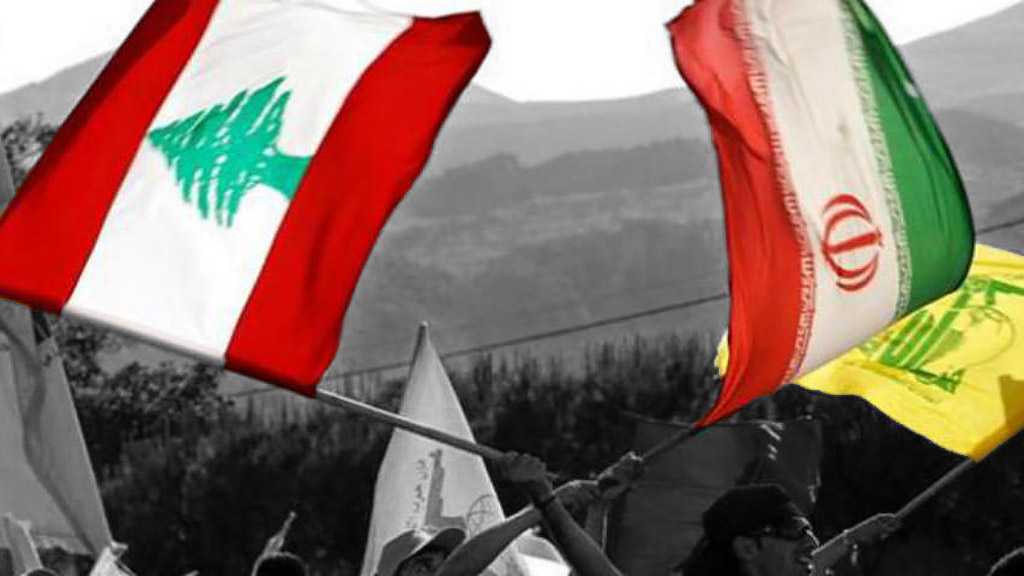
We would have loved that Washington does nothing and leave us as Lebanese alone to manage our affairs. Contrary, The US keeps meddling and negatively interfering. It is exercising its power and influence to block any possibility of help and rescue offers coming from other countries. Lebanon is not allowed by Americans to accept the generous offer by the Iranians that Iranian Foreign Minister Hossein Amir Abdollahian has submitted this week to build and hand to Lebanon two power plants with a 2000 Megawatt capacity in Beirut and the South. The Iranians also offered to rebuild the destroyed Beirut Port. The real value of this very generous offer is the flexibility of the Iranians to accept any sort of payment whether through different loans or even by the Lebanese pound. This offer deeply reflects the genuine and sincere relation Iran has for Lebanon and its people.
Now the question that presents itself, would the Lebanese officials take a bold step and accept this offer or would they as the habit bow down to the American veto, and if they fell short to respect and maintain their country’s sovereignty would they demand from Washington to give the equal alternative.
This is a very simple exercise and experiment to both Lebanon and USA. The result would be very telling about who is blocking Lebanon from salvation and a way to know genuinely who are Lebanon and the Lebanese people’s real friends and who are their enemies.
In the past, present, and future, timing is everything in both life and politics. When an actor is good at choosing the appropriate timing for his decision, success is all but guaranteed. This applies to the vast ocean of politics, and relates to every human act, even the most ordinary ones.
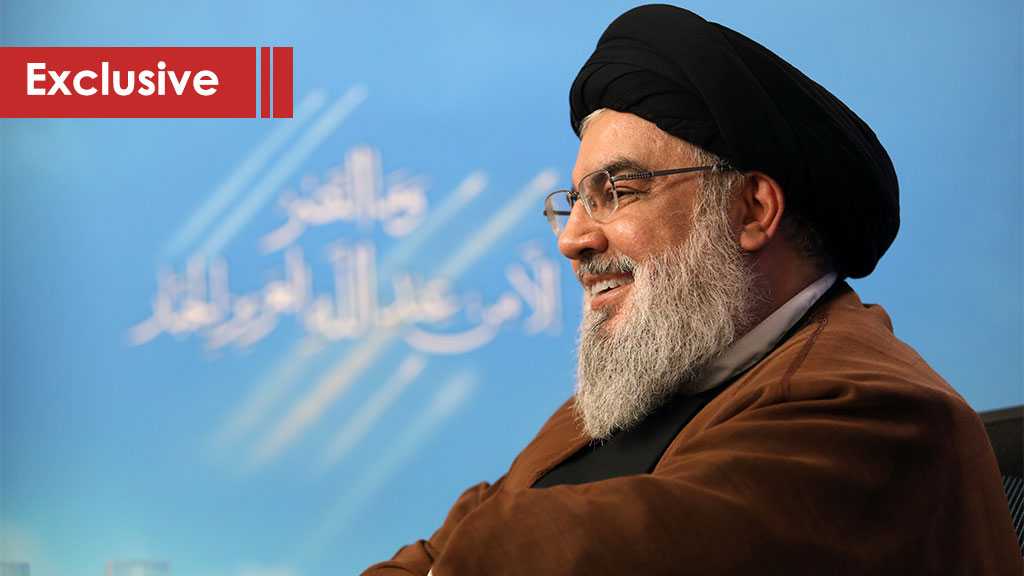
There is greatness in choosing the right timing to revolt against a far-reaching siege – a choice made and implemented by the master of the resistance and the Secretary-General of Hezbollah, His Eminence Sayyed Hassan Nasrallah.
It broke the cycle of the siege on Lebanon and Syria forever and threw all the plans of the United States and the Zionist entity to isolate the two countries in the dustbin of history. It was a divine timing; it came during one of the manifestations of the meeting between heaven and earth – Ashura, the memory of ideals and unique heroism throughout history.
Sayyed crowned the most pivotal event during the last decade with his resounding historical speech about the arrival of fuel tankers from the Islamic Republic of Iran to Lebanon via sister Syria. The arrival comes on a memory that also carries many noble meanings – the martyrdom anniversary of Sayyed Hadi. This sends a dual message to friends, close ones, and the enemies.
The first, and loudest, truth about the convoys breaking the siege on Lebanon is that they are coming from those who led the liberation of the land. They are repeating that, but this time, by liberating the ordinary citizen from neediness and crises and giving every Arab a sign for the only way to a solution. Hezbollah did not resort to the IMF, nor did it borrow from the West. Rather, it brought production and mobilization tools from the East. This is one.
As for the other, it was achieved by the long-term sacrifices of the Islamic Republic, Syria, and Hezbollah together, in a region already in crisis. Finally, you find an example of achievement and success, completely outside the American sphere, which opens the door to a further shattering of dependency on the US and loosening the American collar around the necks of everyone in the Arab region.
The American equation that was presented to the rulers of Arab countries has existed since the mid-1970s. It is as follows: Sign a peace agreement with the Zionist entity, and American investments would guarantee you prosperity and growth; unlimited American support would provide you with all the leadership roles you desire.
This was the first thing that was said to Sadat, for example, about the milk and honey that were waiting for him as soon as he signs the Camp David Accords. When the game ended, Sadat took a piece of paper in exchange for giving away his entire country to the Americans and Zionists. Right before he was killed by the hero Khalid Al-Islambouli, he realized that he fell for the trick in a barren desert and all that he wished for was a mirage.
Only now, the solution came from outside in a fully cooperative manner that enhances the value of the local currencies of the three countries and deprives the American giant of its absolute ability to act, punish, and move; thus, breaking the prestige of the Zionist entity and the American power to the same degree.
In the end, the Iranian solution presented something greater than the spectacle of diesel and gasoline convoys and better than just meeting the needs of a country that was already suffocating. The Iranians did so by using a method chosen by Hezbollah in its jihad work since its glorious first day on the Arab land.
With all faith, Sayyed restored Ashura to our daily reality. It became an approach not an epitaph, a renewed victory over the enemy, blood that never goes to waste, and a firm commitment to the slogan “Zainab will not be taken captive twice.” Let everyone see the transfer of the party’s slogans from the arena of jihad against the enemy to the jihad of building, serving, and cutting the continuous and long chain of suffering against the citizens of Lebanon.
Perhaps one of the most important points in Sayyed’s remarks about the muted media coverage regarding the arrival of Iranian ships to Syria is to set a new rule that achieving the greatest possible success is linked to doing the least amount of talking possible.
The multiple speeches only reveal locations and goals. Therefore, a lot of words narrow the possibility of movement, freedom of action, and most importantly, the flexibility required in a troubled area, which is as effervescent as the hopes of the actors or those who are greedy.
Sayyed’s speech, which is actually historic and not descriptive, was not a dedication to celebration or joy in the achievement of an unparalleled glory for the entire Arab nation. Rather, it was a new promise to continue the opposite approach to the submissive Arab march during recent decades and to turn the page on the old, dull, and impotent policies. Sayyed painted his speech with a victorious, confident smile after succeeding in presenting a new integrated solution away from the poor imagination that drives all our miserable rulers.
وصل الأميركيون بعد عشرين عاماً إلى قناعة في أفغانستان أن إلحاق الهزيمة بحركة طالبان مستحيل، طالما بقي الأميركيون قوة احتلال في أفغانستان، وبقيت الحكومة التي يرعونها وينفقون عليها المليارات مجرد حكومة عميلة غارقة في الفساد، وأن الإصرار على هزيمة طالبان سيعني منحها فرصة الانتصار الكامل لأنها تستثمر على صفتها المتنامية كقوة مقاومة للاحتلال والحكومة العميلة التي نصبها على أفغانستان، وأن الخسارة الواقعية التي يمكنهم إلحاقها بطالبان تتوقف على أن يتقبلوا هزيمتهم أمامها، وتجرع مرارة كأس الانسحاب من دون شروط، فتنال طالبان هدف الوصول الى الحكم، وتنأى واشنطن بنفسها عن الخسارة الأكبر، وتتقبل التعامل عن بعد مع أفغانستان وهي ترى كيف ستنفتح عليها الصين وروسيا وإيران، وكيف تتبلور صورة جديدة لشمال شرقي آسيا، لم تكن واشنطن ترغب برؤيتها لكنها أقل الخسائر.
–
في التعامل مع حزب الله تبدو الصورة أشد تعقيداً، لارتباط موازين قوة حزب الله بأمن كيان الاحتلال الذي يحتل مكانة أولى في السياسات الأميركية تجاه المنطقة، لكن ذلك لا يخفي الارتباك الأميركي أمام كيفية التعامل مع حزب الله، بعدما صارت الحرب شبه مستحيلة، في ظل قناعة أميركية «إسرائيلية» بأنّ ما لدى حزب الله كاف، في حال اندلاع حرب، لتشكيل تهديد وجودي على كيان الاحتلال، وبذلك تحوّل الرهان على اتباع سياسة تدفع بلبنان نحو الانهيار عبر إيقاف تجاوب الصناديق المالية الدولية التي تحركها القرارات الأميركية مع طلبات التمويل اللبنانية، بعدما أدمن النظام المالي اللبناني عليها وصار مهدّداً بالسقوط بمجرد توقفها، وعبر إيقاف كلّ طريق تمويل جانبي كانت تؤمنه دول الخليج، بما في ذلك حركة السياح الخليجيين والودائع الخليجية نحو لبنان، وكان الرهان أن يقود الانهيار إلى القول لحزب الله إن لبنان سيسقط على رأسه، وإن سلاحه سيفقد قيمته، وإنّ التسليم بجعل هذا السلاح ودوائر تأثيره في موازين القوى مع كيان الاحتلال، موضوعاً للتفاوض هو أقلّ الخسائر لتجنب السقوط الكبير.
–
قالت التجربة الواقعية إن هذا الطريق تحوّل بالنسبة لحزب الله من تحد إلى فرصة من بوابة سفن المحروقات الإيرانية، وهي فرصة مزدوجة، فمن جهة تقول هذه السفن كما قرأ «الإسرائيليون» إنّ حزب الله يتميّز عن الآخرين في الداخل والخارج بأنه لا يكتفي بالأقوال، بل يملك أفعالاً تخفف المعاناة ولو لم تشكل حلاً كاملاً للأزمة، ومن جهة موازية تقول مسيرة السفن إنّ مدى الردع الذي بناه حزب الله على البر يتحوّل على مدى بحري واسع ممتد من موانئ إيران عبر المضائق والبحار إلى الساحل اللبناني، لأنّ أيّ اعتراض لمسار السفن عسكرياً سيؤدي إلى الحرب التي يسعى الأميركي و»الإسرائيلي» إلى تفاديها، وبات واضحاً أن المزيد سينتج المزيد المعاكس، وأن الإصرار على جعل حزب الله يخسر ينتج العكس ويجعله يربح أكثر، كما هو توصيف تجربة ما بعد القرار 1701، الذي بدلاً من أن ينتهي بتقييد قوة حزب الله، نجح حزب الله بمضاعفة قوته في ظل هذا القرار، وحال الرهان على الحرب على سورية وتأثيرها في قوة حزب الله في المنطقة، بحيث تحولت هذه الحرب إلى مصدر لتنامي قوة حزب الله الإقليمية بعدما كان الرهان على جعلها مصدراً لاستنزافه وتشتيت قواه، ولم يعد خافياً أن النقاش الأميركي حول لبنان قد بدأ، وعلامات البداية بما قالته السفيرة الأميركية في بيروت عن نوايا وتوجهات لإعادة النظر بمنظومة العقوبات التي يفرضها قانون قيصر على العلاقات اللبنانية- السورية، لتسهيل استجرار الغاز المصري والكهرباء الأردنية، من جهة، ومن جهة مقابلة ما قاله السيناتور الأميركي كريس ميرفي، والذي يشغل رئيس اللجنة الفرعية للعلاقات الخارجية في مجلس الشيوخ، قبيل زيارة وفد من الكونغرس برئاسته إلى بيروت، “أن الولايات المتحدة يجب أن تخفض أولوية الردع الإيراني وتحث المملكة العربية السعودية على «التصالح» مع نفوذ حزب الله في لبنان”. وهذا النوع من السياسات يعني صرف النظر عن الرهان السابق على إسقاط لبنان أملاً بأن يسقط على رأس حزب الله، تسليم بالقلق من أنّ لبنان يتجه بسبب هذه السياسات للسقوط في حضن حزب الله، كما قال “الإسرائيليون”.
–
تستشعر أميركا أنها تدخل مرحلة جديدة في العالم، ليست فيها فرضيات الربح، بل المفاضلة بين خسارة أعلى وخسارة أدنى، وأن مقابلها أعداء وخصوم دخلوا مرحلة تصبح فيها كل سياسة أميركية تجاههم هي فرصة ربح، وعليها أن تختار بين منحهم فرصة الربح الأعلى أو الربح الأدنى، وبعدما كانت معادلة رابح رابح تعني في الماضي الربح المتبادل لطرفي الصراع عبر التسويات، صارت معادلة رابح رابح تصح في حال خصوم واشنطن، الذين سيربحون مهما كانت عليه الحال في السياسات الأميركية، وفي حالة حزب الله تبدو الأمور شديدة الوضوح، ويبدو أن أفضل فرص إلحاق «الخسارة» بحزب الله هي بتركه يربح من دون مواجهة، فإذا كانت النظرية التي تفسر طلب الاستقالة من الرئيس السابق سعد الحريري قبل سنتين، هي ترك حزب الله يواجه الأزمة وجهاً لوجه، ليدق الباب متوسلاً طلباً للتفاوض، تبدو النظرية السائدة أميركياً اليوم هي تسريع قيام حكومة يبذل حزب الله جهوده لولادتها وتركه يربح بولادتها، بما تعني من زوال لمرحلة الضغوط الشديدة على لبنان، أملاً بأن تحول دون إطلاق يد حزب الله في تقديم نموذج مختلف يظهر للبنانيين إمكانية تقديم حلول، قد تكون الاستثمارات الصينية وجهتها النهائية.
The relationship between Iran and Saudi Arabia has always been eye-catching for regional observers.
For decades observers have seen the Middle East through the prism of a Saudi-Iranian cold war. During the eight-year Iran-Iraq war, Gulf States particularly Saudi Arabia and Kuwait, lent more than $37bn to Saddam Hussein’s war effort.
According to a report by The Economist, this binary view of a “proxy war” has outlived its usefulness—because the Saudis lost. They failed to build a deep well of support in other Arab countries, settling for ineffective chequebook diplomacy with fickle politicians and warlords. Iran is undeniably the strongest foreign actor in Lebanon, Syria and Iraq.
The Saudis still fight a rearguard action in Yemen, but their six-year war against the Yemeni Ansarullah revolutionaries, has been all in vain. Diplomats from the Gulf curtly describe several Arab states as “outside the Arab fold”, The Economist report explained.
It was a victory for Iran, not to mention, for the Axis of Resistance – which according to many includes resistance factions in Lebanon, Syria, Iran and Yemen.
Lebanon, a small Middle Eastern country, has been an important outlet to Mediterranean for many Arab countries, notably Saudi Arabia. It is also home to the Lebanese resistance movement Hezbollah.
In the past year, the country has been plagued with a suffocating economic crisis. Life in Lebanon is defined by petrol queues, lengthy blackouts and growing hunger. Lebanon’s bankruptcy stems from decades of misrule by the political class.
Hezbollah, founded in the 1980s, resisted the “Israeli” entity for its occupation of south Lebanon. Many Lebanese, regardless of sect or political persuasion, saw this as a legitimate struggle. The group’s popularity soared after the “Israeli” withdrawal in 2000, and stayed high even after war with the entity in 2006, which began with the capture of two “Israeli” soldiers. Arabs of all stripes cheered it for giving the “Israeli” entity a bloody nose, a feat no Arab state had managed in decades.
The Lebanese Resistance movement has not only protected Lebanon militarily, but it has attended to the medical and social needs of the all Lebanese.
Today, with the worsening of the economic situation in Lebanon, Hezbollah and its allies promoted the notion of a resistance economy in Lebanon. In April, Hezbollah trumpeted the Sajjad card, a ration-card scheme named after the 4th Shia Imam Ali ibn Hussein Zein al-Abidin [AS] that offers discounts to participants.
However, the indignities that define life in Lebanon have not spared anyone. Pharmacy shelves are bare: expats visiting for the summer stuff their suitcases with medicines, not only prescription pills but even basics like paracetamol that are unavailable in the country. Petrol stations, if not closed, have hours-long queues that snake for blocks.
The situation has been getting even worse no thanks to the Western siege, which Hezbollah Secretary General His Eminence Sayyed Hassan Nasrallah has repeated in various speeches.
To the West, the “Israelis” and the locals, Sayyed Nasrallah offers more than empty words. In a televised speech during the 2006 “Israeli” aggression on Lebanon, the Resistance Leader told his viewers to look out to sea. Moments later a missile slammed into an “Israeli” destroyer off the coast, damaging the vessel and killing four sailors.
Sayyed Nasrallah supported peaceful anti-government demonstrations in 2019 and endorsed economic and political reform. However, His Eminence cautioned protesters from being infiltrated by a fifth column on the payroll of foreign embassies.
As for the economic crisis, Sayyed Nasrallah urged the Lebanese to bypass the Western siege and look east to Asian powers such as China, which stand ready to pour billions into Arab economies despite howls of outrage from the Americans.
Hezbollah remains the “Israeli” entity’s strongest Arab foe. Generals in Tel Aviv acknowledge that another war with the group would be painful. Aside from a few brief border skirmishes, however, it has not fought the entity in 15 years.
The Resistance Leader at various occasions reiterated the unconditioned Iranian support to the Hezbollah, Lebanon and the Lebanese. Most recently, His Eminence thanked Iran for its willingness to aid Lebanon with its oil and gas crisis. Sayyed Nasrallah further welcomed UNCONDITIONED aid from any country provided that it would ask nothing in return from Lebanon.
The first Iranian ship carrying fuel sailed last Thursday. It has been followed by a second ship days after… more ships are expected to come.
“A second ship will set sail in the next few days, and it will be followed by others,” Sayyed Nasrallah said. “We will continue this process as long as Lebanon needs it,” His Eminence said. “The aim is to help all Lebanese, [not just] Hezbollah supporters or the Shia.”
Hezbollah cannot provide and has no intention of replacing the services provided by the state.
Lebanon is under unprecedented economic and social pressure, paying the price for Hezbollah’s military capability that causes a threat to “Israel”. The options offered by those (US, EU and “Israel”) effectively participating in cornering Lebanon -notwithstanding decades of domestic corruption and mismanagement – are limited to two: either disarm Hezbollah or push Lebanon toward a failed state and civil war. However, the “Axis of the Resistance” has other options: Iran has responded to the request of Hezbollah Secretary-General Sayed Hassan Nasrallah by regularly sending to Lebanon food supplies and medicine. It is now sending oil tankers, which are expected to reach the country in the coming weeks via the Syrian port of Tartous. Iran is rushing to support one of its strongest allies in the “Axis of the Resistance”, Hezbollah, which is suffering severe domestic pressure, as are the entire Resistance Axis members in their respective countries. Hezbollah’s supporters of all persuasions are affected by the acute socio-economic crisis. But will Hezbollah succeed in overcoming the inevitable result of the current long-term crisis? How serious are the challenges?
In one of his private meetings, Sayed Nasrallah said: “Israel considered that Hezbollah’s military capability constituted a “vexing danger” at the first years of its existence. The level of danger moved up to “challenge” in 2000 when “Israel” withdrew from Lebanon, to the “serious menace” level after the 2006 war, and to “existential danger” after the wars in Syria and Iraq.”
In line with what the Secretary-General of Hezbollah believes, it is common knowledge that “Israel” possesses nuclear weapons. Therefore, no other power in the Middle East can be considered an “existential threat” to “Israel”. However, according to the Israeli military leadership, Hezbollah possesses accurate missiles carrying hundreds of kilograms of explosives each. Thus, Hezbollah needs only ten missiles – not hundreds – to hit 6 electric stations and 4 water desalination plants over the entire geography to render life impossible for a vast number of Israelis. The Israeli leadership stated that there is no need to count the precision missiles that could hit any oil platform, ship or harbour and destroy any airport control tower in any future war.
Consequently, there will be not many Israelis willing to stay, and it is conceivable to believe that a considerable number of Israelis would leave. This scenario constitutes an existential threat to “Israel”, indeed. In this case, as the military command says, “Israel” will never be able to coexist with such an existential threat looming over its head generated from the other side of the Lebanese border. Hezbollah possesses hundreds of precision missiles spread over a wide area in Lebanon, Syria, and mainly along the fortified eastern mountainside that offer ideal protection for these missiles. So what are “Israel’s” options?
Following the failure to subdue Hezbollah in 2006 in the 3rd war, the victory of the “Axis of Resistance” in the Syrian conflict, the prevention of the division of Iraq and the fall of Yemen under Saudi Arabia’s control, the area of influence of the Resistance Axis expanded, as well as its theatre of operations. Consequently, the danger to “Israel”, to the US’s goals and hegemony in West Asia, significantly increased.
The nuclear dossier is not that far away from the threat the “Axis of the Resistance” is confronted with. By increasing its nuclear capability, Iran forced President Joe Biden to put the nuclear negotiation at the top of its agenda during (former) President Hassan Rouhani’s mandate. Whatever has been said about the possibility of future progress in the nuclear talks in Vienna, lifting sanctions on Iran – while Iraq is labouring under heavy financial debt, Syria is subjected to a severe economic blockade, and Lebanon faces a becoming degraded state -seems unrealistic to the US.
To the west and “Israel”, releasing Iran’s frozen funds – which exceed $110 billion – at a time of maximum financial pressure and heavy sanctions, is not logical. Moreover, allowing Iran to sell and export its oil and lifting the maximum pressure means that all the previous US efforts to curb Iran’s will and progress are due to fail just when the results of these sanctions are turning in favour of the US in Iraq, Syria and Lebanon.
Consequently, maintaining economic pressure on the “Axis of Resistance” has become a US necessity and strategy. With this in mind, the US failed to comply with the nuclear agreement, to improve the leverage of the US negotiator and impose its conditions over Iran to include, above all, its relationship with its allies and the maintenance of hundreds of sanctions in place.
With the arrival of President Ibrahim Raisi to power and his plans to give little time for the nuclear negotiation, the US sees itself faced with two very bitter choices: either allowing Iran to become a nuclear power or removing all sanctions so as to persuade Iran to delay its entire nuclear capability. Both decisions are impossible choices and inconvenient for the US administration. Thus, the US needs to hit Iran’s allies without negotiating with Tehran, because it refuses to include it – as well as Iran’s missile program – in any nuclear talks.
Suppose the maximum pressure on Lebanon fails to weaken Hezbollah. In that case, Washington needs to evaluate future steps to choose between the nuclear threat or the “Axis of the Resistance” threat to “Israel”. And if the US opts for the 2015 nuclear agreement –which is unlikely – then “the Axis of Resistance” will experience a strong revival, recovering from the extreme US pressure. Whatever America’s choice is, it has become more than evident that Iran will eventually become a nuclear power and offer more than adequate support to its allies to keep them strong enough to face whatever challenges.
In Lebanon, Hezbollah cannot provide and has no intention of replacing the services provided by the state. Nevertheless, it is involved in the food supply through “al-Sajjad” cards delivered to families needing to buy food at a sharply reduced price, which raised the number from 150 000 to 200 000. It is supporting thousands of families who have reached the level of extreme poverty. Moreover, Hezbollah brought medication from Iran (more than 500 types) to cover some of the country’s needs when pharmacies are closing their doors and lacking essential medical supplies.
Furthermore, in the coming weeks, Iran, Syria, and Hezbollah have agreed on delivering Iranian oil to Lebanon. Hezbollah will receive the gasoline from the supply to its forces and for covering its daily movements. Hospitals are at the top of the list of those expected to receive the Iranian oil distributed by Hezbollah to prevent their shutting down. Many hospitals closed more than half of their departments. Other medical facilities transferred their patients to hospitals that still have fuel to generate electricity for the next few days. In various parts of Lebanon, hospitals are asking many patients to leave due to the lack of diesel fuel for electricity. The American University of Beirut Medical Centre stopped ventilators and other lifesaving medical devices for the lack of fuel oil.
Also, Hezbollah is expected to deliver Iranian oil to the owners of tens of thousands of private electric generators. The lack of electricity in the country boosted the presence of thousands of privately-owned generators who, for decades, offer their paid services to compensate for the lack of electricity. These are expected to benefit from the oil delivered by Hezbollah to secure electric power supply for people. The shortage of diesel fuel for the owners of generators reached a critical degree in the current hot summer, raising the level of discontent among the population.
Also, diesel fuel will be provided to some municipalities to secure waste removal from the streets for fear of the spread of disease. Al-Amanah Company is also expected to distribute the Iranian oil and diesel to dozens of stations approved by it and other local gasoline stations spread throughout the Lebanese territory.
But Hezbollah will not satisfy everyone in the country and is not able to prevent internal deterioration within the Shia society (-the majority of Shia stand with Hezbollah, but there are others in the Amal movement under the control of Speaker Nabih Berri and not Hezbollah) in the first place and among its allies in the second place. The social decline is at a peak, and Iran’s support is insufficient unless Iran fully achieves its own recovery – if sanctions are fully lifted – and its domestic economy recovers. As far as it concerns Iran, the consent to its allies is mandatory because the “Axis of the Resistance” is united and all share the same vocation.
However, it is not in Iran’s capability to take on the entire burden of Syria and Lebanon’s economy. Iran supported Syria financially throughout the decade of war but is in no position to finance all the needs of the state. Also, Hezbollah started as a popular resistance force against the Israeli occupation, intending to impose deterrence and protect the state from Israeli violations and ambitions. It has been heavily involved in social support to the deprived Shia sect and managed to cover many infrastructure and service holes left by the incapability of the state. But the challenge faced in the last couple of years is beyond Hezbollah’s competencies and probably beyond the means of the state itself.
It should be borne in mind, though, that the flow of the Iranian oil into Lebanon carries with it several potential risks:
First: The risk of an Israeli strike on the supply lines. This will require Hezbollah to strike back “Israel” to maintain the balance of terror and deterrence equation. The tension in the military situation between “Israel” and Hezbollah will reach its climax without going to an all-out war because “Israel” prefers “campaigns between wars” to control the damage that may result from the confrontation. However, if “Israel” strikes the Iranian oil tankers or other countries try to stop the oil from reaching Lebanon, Iran would reply and it is not expected to stop sending its tankers to Lebanon.
Second: The supply route passes through areas not controlled by Hezbollah. What will the other anti-Hezbollah groups do? Will Hezbollah find a solution to convince the (hostile) Druze, Sunni and Christians spread along its supply road to avoid intercepting its trucks, or would it be forced to face groups and be dragged into an internal battle? How will Hezbollah guarantee the cohesion of its areas from the Beqaa to the southern suburbs of Beirut and even to the South of Lebanon so that its environment would be safe from the sectarian incitement the US manipulates and drags the country toward it?
There is no doubt that Lebanon is heading toward the dissolution of the state in a fast-paced manner. This will lead to the security forces’ weakness in general and push each sect or party to provide the necessary support to the membership of its society. Lebanon is expected to live again in the 1980s era when social services were reduced, waste spread in the streets, health and education levels declined, security forces were inefficient and hopeless, and warlords were emerging out of it.
From a specific aspect, the US-Israeli blockade is relatively in the interests of Hezbollah because it receives its financial support in foreign currency. Hezbollah is a regular and coherent organisation, and it will increase its revenue from the sharp devaluation of the local currency, the selling of medicine, oil and food. Hezbollah is expected to sell gasoline and diesel at prices relatively lower than the market price. Furthermore, it is also expected to allow other areas in Lebanon to have access to all the reached products. That will permit Hezbollah to expose greedy Lebanese merchants who monopolise and stockpile medicines and gasoline to starve the market and increase prices. These Lebanese merchants will be forced to sell their goods if these are no longer a rarity in the market. The goods are currently sold on the black market at prices unaffordable to the majority of the inhabitants.
What Lebanon is suffering from is the result of decades of corruption conducted by the US friends who held the political power in the country. The downgrading of Lebanon is primarily due to the US and Israeli interventions and influence in this country: It has lost the name “Switzerland of the East” forever. The disadvantage for Hezbollah will be the security chaos, the fragmentation of the security forces and their inability to impose their authority, and the spread of poverty to hit all walks of life. It is also expected to see the country suffer different sabotage acts, bribes, further corruption- and to become a fertile platform for the Israeli intelligence to operate in. A possible and potential scenario will force Hezbollah to “clean up” the roads to ensure the continuity of its supplies, link all Shia areas together and impose “self-security” to reduce their vulnerability.
Time’s arrow cannot be reversed, and Lebanon will not return to what it was before, not for the next ten years at least. There is a possibility to create Lebanese cantons with different warlords without engaging in a civil war. Each Lebanese party would end up arming its group to support its people and area, not to engage in a battle with other parties, but to defend itself.
The collapse is the master of the situation. The US has prevented Lebanon from benefiting from Chinese and Russian offers to rebuild the country and stop it from deteriorating further. Moreover, the US forbad Europe and the oil-rich Middle Eastern countries from helping Lebanon in this crisis as they used to in the past. After all, Lebanon needs 3 to 4 billion dollars to stand on its feet and regain some of its strength after halting subsidies on various items that gobble up its cash resources.
But the challenge remains for the “Axis of Resistance” members, struggling to survive and resist the US hegemony and confront the US projects to dominate West Asia. Unless the “Axis of Resistance” members take the initiative and move from a defensive to an offensive position and impose new equations that prevent starvation of the population, this pressure will remain and even increase with time. However, supposing the US pressure is maintained, and the “Axis of the Resistance” adopts only survival mode: In that case, Lebanon’s people and the country’s stability will pay an increasingly heavy price, both now and in the years to come.
مع الكلام المنسوب للأمين العام لحزب الله السيد حسن نصرالله في سياق التحضير لخطب مناسبة عاشوراء وما تضمّنه عن عزم على جلب المازوت والبنزين والدواء من إيران الى لبنان يعكس حقيقتين، الأولى انّ الآمال بسرعة ولادة حكومة جديدة تتراجع، بعدما ربط حزب الله بلسان السيد نصرالله إجراءات الحزب العملية باليأس من تحمّل الدولة لمسؤولياتها، وبوابة هذه المسؤوليات هي الحكومة، والثانية انّ بين جميع القوى اللبنانية التي تستثمر سياسياً في الأزمة بتعبئة طائفية بحسابات انتخابية دون ان تقدّم لا رؤية للحلول ولا أن تلتزم بخطوات عملية تخفف من وطأة الأزمات، يخرج الفصيل الرئيسي في حركات المقاومة الذي يمثله حزب الله، ليثبت انّ خيار المقاومة ليس طريقاً لمواجهة العدوان والدفاع عن الاستقلال، بل هو أيضاً الخيار الأكثر جدية في الالتفات لهموم الناس والسعي لمواجهتها.
خلال سنوات ماضية عرفت المقاومة مرحلة أولى كانت تنأى فيها خلالها عن مقاربة الملفات السياسية، ومسألة إدارة الحكم والسياسات، وترمي ثقلها لحصرية موقعها في مواجهة خطر الاحتلال والعدوان، وبقيت على هذه الحال حتى حرب تموز 2006، ولو لم تفعل ذلك لما تحقق التحرير عام 2000 ولا النصر في 2006، لكن المقاومة منذ ذلك التاريخ وهي جزء عضوي في المشهد السياسي اللبناني، خصوصا بعد خروج القوات السورية من لبنان، وقد شكلت منذ ذلك التاريخ محوراً مركزياً لتحالفات عابرة للطوائف نجحت في إجهاض المشاريع السياسية التي دبّرت لنقل لبنان بقعل الفراغ الناجم عن عودة القوات السورية الى بلادها بداية، والحرب التي استنزفت سورية لاحقاً، وبينهما المناخات الناجمة عن اغتيال الرئيس رفيق الحريري، والتي تمّ توظيفها لفرض المشروع الغربي الخليجي على لبنان، ويخطئ من يقيس الأمور بقياس السؤال هل نجحت المقاومة ببناء النظام الجديد أم لا، بينما السؤال هو هل نجحت المقاومة بصد المشروع الغربي الخليجي لبناء سلطة تابعة في لبنان أم لا؟
بنتيجة الفشل الغربي الخليجي، وصمود المقاومة وتحالفاتها، وتهيّب خصومها المحليين تلبية الطلبات الانتحارية للغرب والخليج، قرّر الغرب والخليج قلب الطاولة على رؤوس اللبنانيين جميعاً حلفاء وخصوم، أملا بالنيل من المقاومة، ومن لبنان، وشكل الحصار المالي وحرمان اللبنانيين من أبسط مقومات العيش الطريق لتأليب اللبنانيين على مقاومتهم، والمرحلة التي تستعدّ المقاومة لدخولها هي التصدي لمهمة عنوانها إحباط حرب التجويع، وفي هذه اللحظة المفصلية على الغرب والخليج الاختيار بين مواصلة الضغط وفتح الباب لتحوّلات ستقودها المقاومة نحو تغييرات هيكلية اقتصادياً، تضع الغرب والخليج خارج لبنان سياسياً، وتوفير مقومات صمود اقتصادي واجتماعي، او التراجع عن الحصار منعاً لوقوع لبنان في حضن الخيار المقاوم بدلاً من وقوعه على رأسها كما كان مدبّراً.
نصر الله عن كمين خلدة: لا نذهب إلى حيث يريد العدوّ
منذ نحو شهرين، أعلن الأمين العام لحزب الله السيد حسن نصر الله استعداد الحزب للمساهمة في حل أزمة المحروقات التي يشهدها لبنان. وبينما كانت طوابير الذل أمام «محطات البنزين» من شمال لبنان إلى جنوبه، هي الصورة الغالبة وحديث الناس ومعاناة جزء كبير من السكان، ذكّر السيد نصر الله في كلمة له بـ«العروض الإيرانية واستعداد الجمهورية الإسلامية لبيع المواد النفطية للبنان، بالعملة اللبنانية». يومها وعد بأن «حزب الله لن يقف متفرجاً، وأنه في حال بقاء الدولة ساكنة، فإن الحزب سيأتي ببواخر البنزين والمازوت من إيران». ومنذ ذلك الوقت استغلّت جهات عدة هذا الكلام للتصويب على حزب الله، متهمة إياه بأنه لم يفِ بوعوده وبأن إيران غير قادرة على تأمين حاجة لبنان، لكن يبدو أن هذا الوعد سيُترجم على أرض الواقع قريباً، وذلك وفق ما نُقِل عن السيد نصر الله الذي أشار في اللقاء السنوي مع المبلّغين وقارئي العزاء، عشية بدء شهر محرم أمس، الى أن «مجموعة من الإخوة في حزب الله موجودون في إيران حالياً لاستكمال بحث موضوع البنزين والمازوت»، مؤكداً «أننا سنأتي به عمّا قريب وسندخله سواء براً أو بحراً». ولم يكُن ملف المحروقات هو الوحيد الذي تعهّد نصر الله بالمساهمة في حلّه، فقد أكد أيضاً أن أزمة الدواء تدخل ضمن أولويات الحزب، لافتاً إلى أن «الحزب سيأتي بالدواء الإيراني إلى السوق اللبنانية»، ورداً على الحملات التحريضية التي انطلقت منذ أسابيع ضد استقدام الأدوية الإيرانية قال «يبلطوا البحر، واللي بيقولوا عن الأدوية الإيراينة سمّ، ما ياخدوا منها». وتعليقاً على الأحداث الأخيرة في الجية وخلدة وارتفاع منسوب التحريض الطائفي والمذهبي في البلاد، أشار السيد نصر الله إلى أن «حزب الله لن ينجر إلى حرب أهلية، ونعلم ما يجب أن نفعله».
وتحدّث السيد نصر الله عن ثلاثة عناوين يجري العمل عليها في مواجهة حزب الله، وهي: (1) تشويه صورة حزب الله وضرب النموذج، (2) جر حزب الله الى حرب داخلية… مشيراً إلى أن ذلك «مبني على معطيات بدأت من حجز الحريري الذي كان الهدف منه إشعال الحرب الأهلية، ولكن موقف القوى السياسية في لبنان، ومنها حزب الله، فاجأ السعودية ودفعها إلى تغيير مسار عملها». أما بالنسبة الى جريمة قتل علي شبلي في الجية يوم السبت الفائت، فقال نصر الله: «نحنا ما عندنا دم بروح على الأرض، ولكن لا نذهب الى حيث يريد العدو. فنزول الحزب الى الأرض كان سيعني قراراً بحرب داخلية، وهناك من يسعى إلى جلب السلاح لقتالنا»، مُثنياً على «وعي الشارع المؤيد للمقاومة في ما حصل من أحداث في الأيام الأخيرة».
نصر الله عن كمين خلدة: لا نذهب إلى حيث يريد العدوّ
والعنوان الثالث هو الحرب الاقتصادية التي اعتبر بأنها «ليست صدفة، وعلينا أن نصبر وأن نكون جديين في العمل». وأشار إلى أن «قرار استيراد المواد من إيران اتخذ، وبدأ العمل على ذلك وكلها قرارات صعبة تحتاج الى وقت. والمواد النفطية هي من الحاجات التي لا يمكن الاستغناء عنها، وتحديداً المازوت الذي لا يمكن ترك البلد من دون تأمينه».
حكومياً، وبعدما حملت زيارة الرئيس المكلف نجيب ميقاتي لرئيس الجمهورية ميشال عون قبل يومين أولى إشارات دخول مسار تأليف الحكومة في أزمة على خلفية تمسك ميقاتي بالإبقاء على التوزيعة الطائفية نفسها للحقائب السيادية الأربع، ورغبته في أن تكون وزارة الداخلية بيد وزير من الطائفة السنية، لم يطرأ أي جديد في اليومين الماضيين، بينما الجميع ينتظر ما ستؤول إليه الأمور يوم غد الخميس، حين سيزور ميقاتي بعبدا للمرة الخامسة استكمالاً للمداولات. مصادر مطلعة قالت إن «جو الرئيس عون تجاه ميقاتي سلبي جداً، فيما الأخير عبّر عن وجود صعوبات خلال تواصله مع الجهات السياسية، لكنه أكد أنه لا يريد استعجال النتائج».
في المقابل، أوضحت مصادر متابعة لمسار تشكيل الحكومة أن «طرح مسألة اعتماد المداورة الشاملة في توزيع الحقائب الوزارية لا يستجيب للمبادرة الفرنسية التي وافقت عليها جميع الأطراف فحسب، بل يهدف كذلك الى عدم تكريس أعراف جديدة مخالفة للدستور». ودعت المصادر الى العودة الى «مبدأ المداورة في توزيع الحقائب الوزارية كافة إحقاقاً للعدالة والمساواة بين اللبنانيين وحفاظاً على الشراكة الوطنية التي هي عماد الوحدة والعيش المشترك، ما يسهل عملية تشكيل الحكومة العتيدة لمواجهة الظروف الدقيقة التي يمر بها الوطن».
وفيما تتجه الأنظار إلى «يوم الغضب» في الذكرى السنوية الأولى لتفجير مرفأ بيروت وما ستؤول إليه الأوضاع الأمنية، أعلنت الرئاسة الفرنسية أن المؤتمر الدولي الذي تنظمه باريس والأمم المتحدة دعماً للبنان يهدف إلى جمع 350 مليون دولار للاستجابة لحاجات السكان مع تدهور الوضع في البلاد. وستتخلّل المؤتمر كلمات لكل من: الرئيس ميشال عون، الرئيس الفرنسي إيمانويل ماكرون، الأمين العام للأمم المتحدة أنطونيو غوتيريش والرئيس الأميركي جو بايدن، بالإضافة إلى الرؤساء: المصري، اليوناني والعراقي، والملك الأردني، والمديرة العامة لصندوق النقد الدولي والمدير العام لمنظمة الصحة العالمية، ورئيس وزراء كندا، ورئيس الاتحاد الأوروبي ورئيس وزراء الكويت.
كما يشارك في المؤتمر وزراء خارجية: ألمانيا، النمسا، هولندا، قبرص، بريطانيا، إيطاليا، بلجيكا، فنلندا، كرواتيا، إسبانيا، قطر وسويسرا. فيما ستنضمّ المملكة العربية السعودية، الإمارات، الصين والجامعة العربية عبر ممثلين لها.
ليس في العالم بلد يكرهه بعض أبنائه ويتمنون الشر له ويجهدون لتسخيف كل إشارة خير لتعميم اليأس، كحال لبنان.
يلفت نظر المتابع للمواقف الإعلامية والسياسية وجود حلف إعلامي حزبي يضم ناشطين في جمعيات تسمّي نفسها بالثورية، مهمته شيطنة كل مبادرة أو خطوة تتصل بمعالجة وجه من وجوه الأزمة الضاغطة على اللبنانيين.
لم تكن مبادرة السيد حسن نصرالله بالدعوة لاستيراد البنزين والمازوت من إيران بالليرة اللبنانيّة الهدف الوحيد الذي تم التصويب عليه من هذا الثلاثيّ، كي نقول إن الخصومة السياسية هي السبب، علماً أن أي لبناني يفترض أن ينظر لكل مبادرة يمكن أن تسهم في حلحلة معاناة اللبنانيين بإيجابية ويناقشها بانفتاح وعقلانية بعيداً عن الكيد والشيطنة لمجرد ان المبادر هو خصم سياسيّ.
عندما عرضت شركات صينية استثمارات في لبنان بمليارات الدولارات، خرج هذا الثلاثي يشكك في مبدأ وجود هذه الشركات، بالرغم من أن لهذه الشركات ممثلين ظهروا على وسائل الإعلام وخبراء شاركوا في اجتماعاتها مع المسؤولين الرسميين، وذلك فقط للقول إن الطريق مسدود أمام أية حلول إلا بالسياق الذي ترسمه السفارات الغربية والخليجية، والتشكيك بالشركات الصينية ومؤهلاتها وقدراتها التمويليّة مثير للسخرية، خصوصاً في مجال المرافئ وتجهيزها وتشغيلها، فالمعدات والشركات الصينية تشغّل كبريات موانئ العالم من دبي الى بوسطن وصولاً الى امستردام.
عندما جاء وفد رسمي روسي يرافق شركات روسية وجال بمشاركة السفير الروسي على عدد من المسؤولين عارضاً مشاريع استثمار في المرفأ والكهرباء ومصافي النفط كرر الثلاثي المعزوفة التشكيكية ذاتها، وقامت قنوات تلفزيونية تنتسب لهذا الثلاثي بالحديث عن أن الشركات الروسية وهمية، بصورة تثير الضحك، فهل يعقل أن السفير الروسي ووزارة خارجية دولة عظمى كروسيا سترسل شركة وهمية الى أي بلد في العالم وبأي هدف، بينما ذهبت قناة تلفزيونية أخرى الى فبركة تقرير يربط بين الشركة وباخرة النترات التي تفجّرت في مرفأ بيروت.
بعد توقيع لبنان على عقد مبادلة النفط بالخدمات بالليرة اللبنانية مع العراق نشطت قوى الثلاثي الشيطاني، ولم يرق لها الأمر فخرج بعضها يتساءل عن ماهية الخدمات التي سيقدّمها لبنان بهدف القول إن العقد لن ينفذ، بينما المنطق أن يتعاضد اللبنانيون لإنجاح هذا العقد الذي يوفر على لبنان نزيف 500 مليون دولار، وبعض آخر وضع أسئلة حول كيفية مبادلة النفط بالفيول وصولاً لتشكيك لا يهدف لتحصين الخطوة بل للطعن بها، وبعض ثالث لم يتورّع عن تصوير العقد بأنه بيع نفايات عراقيّة نفطيّة للبنان بهدف التخلص منها.
ليس في العالم بلد يكرهه بعض أبنائه ويتمنون الشر له ويجهدون لتسخيف كل إشارة خير لتعميم اليأس، كحال لبنان.
The President of the People’s Movement Najah Wakim accuses the US of encouraging rampant corruption and sponsoring its symbols in Lebanon.
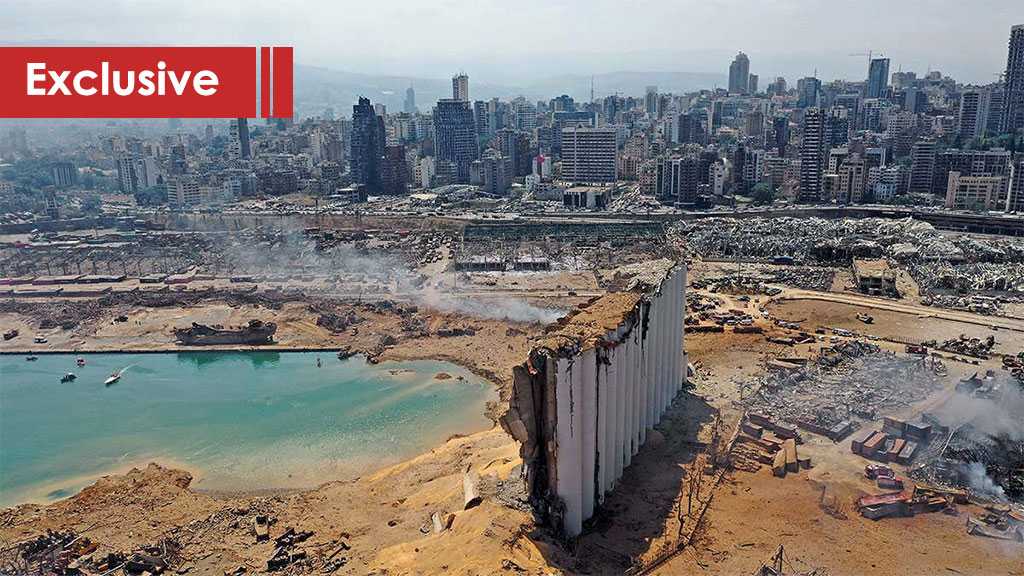
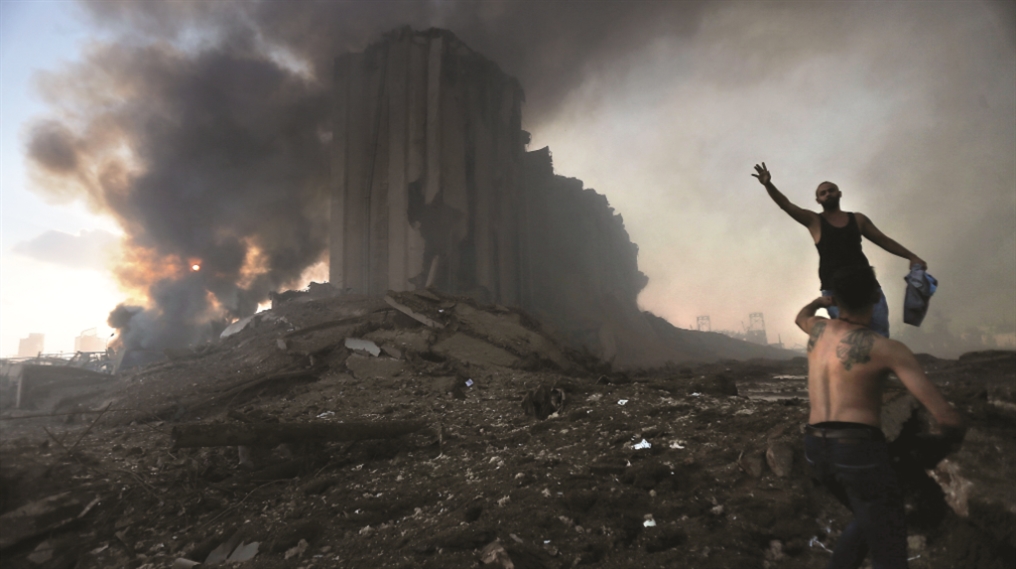
On Monday, the President of the People’s Movement Najah Wakim accused the US of “preventing reaching a firm conclusion on the investigation into the Beirut port explosion.”
In an interview for Al Mayadeen, Wakim stated that “The decision to blast Beirut port was American, and the executor might be Israel.”
Wakim asked, “Who has an interest in disrupting transit, one of Lebanon’s most important resources?”
“Washington opens new lines of communication between Israel and certain Arab countries, yet it prevents Lebanon from opening its borders with Syria,” Wakim added.
In the same context, Wakim denounced the US for “encouraging rampant corruption and sponsoring its symbols in Lebanon,” adding that, “US instructions led Lebanon to bankruptcy.”
“The economic policies, which have been implemented in Lebanon since 1992, are American and were executed by Washington’s tools,” he added.
Wakim stated that “The Russian delegation that visited Lebanon was covered by the Russian state and the visit was not only limited to the economic aspect.”
“Lebanon is not on Washington’s map of the Middle East,” Wakim explained, “while there is a Russian-Chinese interest in Lebanon’s being.”
“There is an interest for Russia not to fragment Lebanon,” he added.
Wakim also considered that the US was dragging Lebanon into civil war last year, stressing that “Russia prevented it from happening.”
Simultaneously, he noted that “Washington’s plan in Syria was to overthrow the state,” and, “What the US failed to apply in Syria, it tried to apply in Lebanon.”
Wakim went on to say that “Maronite Patriarch Bechara Boutros al-Rahi is at the forefront of the confederalism project.”
On the designation of Najib Mikati, the President of the People’s Movement asked, “Who is the foreign party who gave guarantees to Mikati? What exactly are these guarantees?”
“There is no possibility for a solution in Lebanon in the presence of this political class,” Wakim added.
“Most likely, there will be no government in Lebanon,” he stressed.
“The local media propaganda pointed at the resistance conforms to the Israeli mindset,” Wakim concluded.
The Baalroom
-
There's definitely more to this Baalroom than Zion Don is telling us. Like
the triumphal arch, it must have some significance in Jewish 'end of times'
prop...
The Jewish Spirit Of Antichrist
-
The Jewish Spirit Of Antichrist April 19 2026
___________________________________ More Vids! +BN Vids Archive! HERE!
___________________________________ Su...
Prisoners of Context Part 2
-
Prisoners of Context Part Two—An Analysis (24 March 2026) by Lawrence
Davidson Part I — Background Back in December 2023, […]
Report on Beth Israel vigil 02-21-26
-
*Vigils continue, non-stop*
Just because we don’t get Vigil Reports out at the same rate as years'
past, we remind readers that we show up every Saturday ...
-
Hello all,
It is with great sadness that I share with you the passing of our beloved
sister, Mother, and Grandmother, the individual that you all knew ...
Interest Rates Over Time [INFOGRAPHIC]
-
Some Highlights: With interest rates hovering at near historic lows, now is
a great time to look back at where they’ve been, and how much they’ve
changed...
Ikhras Endorses Muntadhar Al-Zaidi
-
“Oh parties of banditry and sectarianism and corruption, we have come and
our goal is to destroy you.” Ikhras formally endorses Muntadhar al-Zaidi,
Iraqi j...
Prince Charles: Foreign Jews behind bloodshed in ME
-
In May, 2017, British Crown Prince Charles declined an invitation from
Zionist entity’s president Reuven Rivlin‘s to attend the 100th anniversary
of the no...
Palestinian Women – One for All, All for One
-
Honouring All Palestinian Women by Honouring Three: Hanin Zoabi, Ahed
Tamimi, Samah Sabawi Vacy Vlazna “Palestinian women have always stood side
by side ...
US’s Saudi Oil Deal from Win-Win to Mega-Lose
-
By F. William Engdahl Who would’ve thought it would come to this? Certainly
not the Obama Administration, and their brilliant geo-political think-tank
neo-...
-
*Mordechai Vanunu wins human rights prize of Brazilian Press Association *
* http://www.alternativenews.org/english/index.php/features/updates/7038-mordechai...
Abdul Aziz Rantissi:
"My ultimate wish, my God, is to attain martyrdom,"...God granted him his wish on April 17, 2004, at the hands of Israeli assassins.