Uprooted Palestinians are at the heart of the conflict in the M.E Palestinians uprooted by force of arms. Yet faced immense difficulties have survived, kept alive their history and culture, passed keys of family homes in occupied Palestine from one generation to the next.
يقول متابعون للاتصالات إن الاستقالة ستشكّل إرباكاً للسعودية لجهة التعامل معها (هيثم الموسوي)
مع تقديم وزير الإعلام جورج قرداحي استقالته من الحكومة، لا يمكن إغفال عدد من التطورات. قد لا تؤتي هدية لبنان إلى المملكة العربية السعودية أُكلها، لكنها في الداخل قد تؤمّن انطلاق مسار سياسي جديدالمبادرة الخاصة جدّاً التي قام بها وزير الإعلام جورج قرداحي، بالاستقالة من الحكومة لفتح الباب أمام معالجة للأزمة مع السعودية ودول خليجية، تنتظر أن يلاقيها الطرف الآخر، وسط تباين في التقديرات حول ما يمكن أن تقوم به الرياض ردّاً على هذه الخطوة، ووسط مخاوف من استمرار موقفها من دون أيّ تصعيد في الخطوات الإجرائية، مقابل أن تتراجع دول خليجية أخرى عن إجراءات اتخذتها بتجميد العلاقات مع لبنان.
لكن الأمر ظلّ يلقي بظلاله على غياب الاستراتيجية اللبنانية الموحّدة حيال ملفات حساسة أبسط من الاستراتيجية الدفاعية التي يطالب بها خصوم المقاومة. إذ إن «الانهيار» أصاب مواقع رئيسية في البلاد حيال المطالب السعودية والاستجابة الضمنية للضغوط التي جاءت من الأوروبيين أيضاً، علماً بأن الجميع يعرفون أن القدرة على إدخال تحوّلات كبيرة في الموقف السعودي من لبنان ليست في متناول اليد الآن، بل إن الرياض تبدو مستمرة في التصعيد ريثما تتمكّن من تحقيق توازن على أكثر من صعيد.
ومع ذلك، فإن الخروج «الطوْعي» لوزير الإعلام من الحكومة خلط الأوراق من جديد. تكاتف فرنسا مع رئيس الحكومة نجيب ميقاتي ترافق مع «قبّة باط» سياسية داخلية جاءت من معظم القوى والمرجعيات. وبينما حاول البعض رمي الكرة في ملعب حزب الله، فإن الجميع يعرفون حقيقة موقف الحزب الذي بقي مصرّاً على احترام قرار قرداحي، مع الاستعداد للوقوف إلى جانبه لو قرّر المضيّ في المعركة. لكنّ الآخرين، جميعاً وبلا أيّ استثناء، كانوا في مكان آخر، وعملوا، كل من جانبه، على ممارسة أشكال مختلفة من الضغط على قرداحي لأجل تنفيذ الاستقالة. ومع ذلك، يتصرّف الجميع على أن الاستقالة أمّنت انطلاق مسار جديد في البلد. استعان ميقاتي بـ«الصديق» الفرنسي على الداخِل، ونجح الرئيس إيمانويل ماكرون في انتزاع «هدية» يدخُل بها على مُضيفه في الرياض.
السؤال عن السبب الذي دفَع القوى السياسية إلى ترك قرداحي «على هواه» يتراجع أمام الاستفسار عن «الثمرة» التي سيجنيها لبنان، وخاصّة أن «المطلوب رضاه» لا «مسامح ولا كريم»، فهل حصل لبنان على ضمانات بأن تدفع هذه الخطوة السعودية إلى أن تُعيد النظر بتصعيدها؟
الإجابة عن هذا السؤال قد تكون في ما قاله قرداحي في مؤتمره الصحافي، ولعلّه المختصر الأهم: «نحن اليوم أمام تطوّرات جديدة، والرئيس الفرنسي ذاهب إلى السعودية بزيارة رسميّة، وفهمت من رئيس الحكومة أنّ الفرنسيّين يرغبون في أن تكون هناك استقالة لي تسبق زيارة ماكرون، وتساعد ربّما على فتح حوار مع المسؤولين السعوديّين حول لبنان»، أي أنها «يُمكن أن تصيب أو تخيب»، علماً بأن ما علّقت به قناة «العربية» السعودية كانَ علامة أولى، قائلة: «في خبر عاجل، غير مهمّ للغاية، وزير الإعلام اللبناني يُقدّم استقالته من الحكومة».
بمعزل عن ذلك، يقول متابعون للاتصالات إن الاستقالة، لا شك، ستشكّل إرباكاً للسعودية لجهة التعامل معها؛ إذا قبلت الرياض الهدية وتراجعت عن إجراءات التصعيد، فسيظهر بأن حجم ردة فعلها على تصريح وزير لا يتناسب وحجمها كدولة. أمّا في حال رفضت المبادرة اللبنانية تجاهها، فيتأكد حينها بأن للمملكة أجندة للانتقام من لبنان، وسيحرِج ذلك أصحاب حملة التهويل على وزير الإعلام والذين سعوا طوال الفترة الماضية إلى تحميله المسؤولية.
أمّا داخلياً، فإن الجميع يسعون في استثمار الخطوة، كل من وجهة نظره. رئيس الحكومة، الذي يتعرّض للضغط الفرنسي ويواجه الكراهية السعودية، يريد «فك العزلة» التي تواجه حكومته، وقد يسعى إلى استثمار الأمر من أجل إعادة تفعيل الحكومة، ولو أنه يحتاج إلى تسويات أخرى ذات طبيعة سياسية وأكثر تعقيداً ربطاً بمطالب الثنائي الشيعي وتيار المردة بما خص التحقيق في ملف المرفأ.
كذلك، ظهر أن سليمان فرنجية، نفسه، والمحطين به، ولا سيما نجله النائب طوني، يتصرّفون على قاعدة أنه «همّ وأزيح» ربطاً بالمسائل المتعلّقة بواقعهم الانتحابي، من جهة، وحتى بملف الانتخابات الرئاسية، من جهة ثانية، علماً بأن معركة انطلقت حول فرنجية الآن على من يخلف قرداحي، إذ يطمح مسؤولون في التيار نفسه إلى تولّي المهمّة بدلاً من اللجوء إلى صديق كما حصل مع قرداحي.
وتلفت مصادر مطّلعة إلى ضرورة مراقبة ما إذا كانت استقالة قرداحي مجرّدة عن التطورات التي تخصّ ملفات أخرى. وتوقفت المصادر عند تصريح ميقاتي لوكالة «أنباء الشرق الأوسط» في لبنان حول «إصرار الثنائي الشيعي على الفصل بين التحقيق القضائي بانفجار ميناء بيروت والتحقيق مع الرؤساء والوزراء»، وقول ميقاتي: «لدينا في الدستور المجلس الأعلى، وهو محكمة كاملة متكاملة مؤلفة من 8 قضاة من أعلى رتب قضائية، إضافة إلى 8 نواب»، في إشارة ضمنية إلى احتمال اللجوء إلى تسوية تقضي بفصل ملفات التحقيق الموجودة بين يدي المحقق العدلي في قضية انفجار مرفأ بيروت طارق البيطار، من دون الاضطرار إلى عزله أو تنحيته، علماً بأن ميقاتي كان دائم التأكيد على «عدم التدخّل في القضاء»، لكنه أعطى إشارة على استعداده للتراجع خطوة، إذ لفت إلى أن «ما يقوم به القضاء من دمج محاكمة الرؤساء والوزراء مع التحقيق القضائي أثار تباينات»، مؤكداً أن «الفصل بين التحقيقين ضروري حيث إن للعسكريين محكمة عسكرية وللقضاء هناك تفتيش قضائي، وأيضاً أوجد الدستور هذه المنظومة لمحاكمة الرؤساء والوزراء». وتساءلت المصادر عمّا إذا كان ميقاتي «يقول ذلك من عنديّاته، أو أنه استحصل على تراجع فرنسي عن الدعم المطلق لرئيس القضاء الأعلى القاضي سهيل عبود، والقاضي البيطار»، مشيرة إلى أن الأيام المقبلة ستؤكّد ذلك في حال «سجّل عبود خطوة لافتة وخرج حلّ ملف البيطار من القضاء بفتوى دستورية للفصل بين التحقيق وإعطاء صلاحية محاسبة الرؤساء والوزراء لمجلس النواب».
وكان رئيس الجمهورية العماد ميشال عون قد شكر قرداحي على مبادرته، مجدّداً التأكيد على حرص لبنان على إقامة أفضل العلاقات مع الدول العربية الشقيقة عموماً، ودول الخليج خصوصاً، متمنياً أن تضع الاستقالة حدّاً للخلل الذي اعترى العلاقات اللبنانية ــــ الخليجية. أمّا ميقاتي، فعلّق عليها بالتأكيد أنها «أتت ضرورية بعد الأزمة التي نشأت مع السعودية وعدد من دول مجلس التعاون الخليجي، ومن شأنها أن تفتح باباً لمعالجة إشكالية العلاقة مع الأشقاء في السعودية بعد تراكمات وتباينات حصلت في السنوات الماضية».
A top official of the Lebanese resistance movement Hezbollah calls on Riyadh to stop meddling in the country’s internal affairs amid a Lebanon-Saudi rift over comments on the Yemen war.
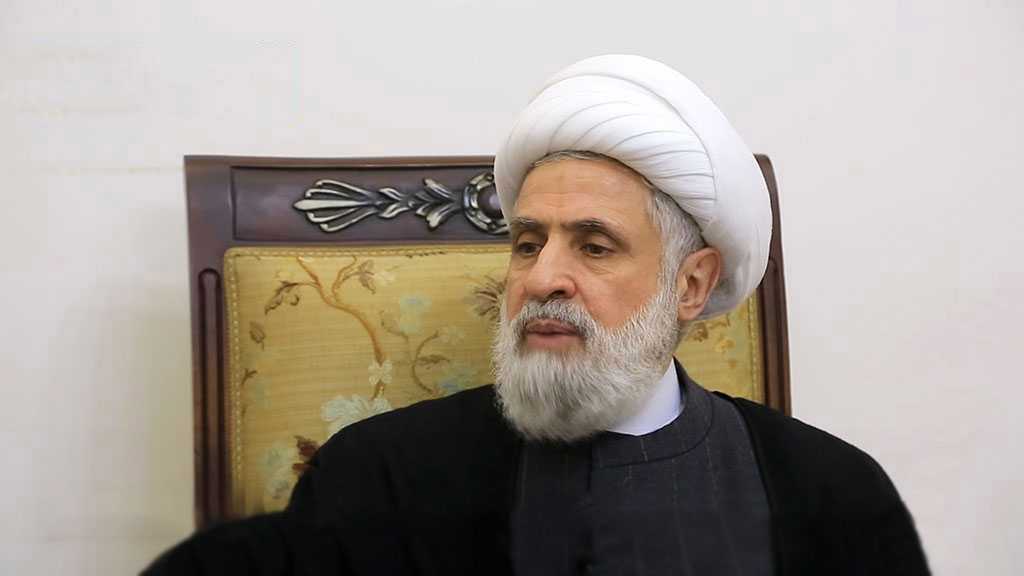
“Lebanon is an independent country that does not accept subordination to anyone,” al-Manar television network cited Hezbollah Deputy Secretary General Sheikh Naim Qassem as saying at a graduation ceremony on Wednesday.
Referring to the current dispute with Saudi Arabia, the senior Hezbollah official stressed that it was Riyadh that started the problem with Beirut.
“We don’t have any demand from it [Saudi Arabia] but to stop interfering in our [Lebanon’s] internal affairs,” he stressed.
Sheikh Qassem on Sunday had said the real target of the Saudi diplomatic aggression on Lebanon “has been always Hezbollah as well as its military power.”
Tensions rose between Riyadh and Beirut following critical comments made by Lebanese Information Minister George Kordahi regarding the Saudi-led war against Yemen.
On October 29, Saudi Arabia gave the Lebanese ambassador 48 hours to leave the country over Kordahi’s remarks. The kingdom also imposed a ban on all imports from Lebanon.
The measures were taken days after an interview with Kordahi was aired by an online show affiliated with Qatar’s al-Jazeera television network.
During the interview, Kordahi called the Saudi-led Yemen war futile, and said that Yemeni army forces and their allied fighters from Popular Committees are defending themselves.
The interview was recorded before Kordahi was appointed as minister, but it aired on October 25.
Saudi Arabia and some of its regional allies, backed by the US and other Western powers, have been waging a devastating war on Yemen since March 2015 to reinstall Yemen’s former president Abd Rabbuh Mansur Hadi, a staunch ally of Riyadh.
The Saudi war, which Riyadh had claimed would last only a few weeks, but is still ongoing, has failed to achieve its goals. It has pushed Yemen to the brink of famine, killed tens of thousands of innocent people, and destroyed the impoverished state’s infrastructure.
Elsewhere in his Wednesday remarks, Sheikh Qassem pointed to a last month’s deadly shootout in Beirut and noted that the resistance movement dealt wisely with the massacre which was committed by the Lebanese Forces [LF] political party in Beirut in mid-October.
At least seven people were martyred and 60 others injured in the attack on October 14, during which Hezbollah supporters were shot from rooftops while they were gathering to peacefully protest against a judge investigating last year’s Beirut Port explosion as they accused him of bias.
In a statement, Hezbollah and its ally Amal Movement said armed groups affiliated with the LF party, a former militia group during the 1975-1990 civil war, fired at the protesters from rooftops, aiming at their heads, in an attempt to drag Lebanon into new sectarian strife.
“Hezbollah and Amal movement spared the country from going into the unknown,” Sheikh Qassem stressed, calling for a “fair, impartial and transparent judiciary.”
حسناً فعل وزير الخارجية السعودي فيصل بن فرحان بالكشف عن الأسباب الحقيقية للخطوة السعودية التصعيدية ضد لبنان، لنقل النقاش من المكان السخيف الذي وضعه البعض فيه في الأيام الأولى إلى السياسة، أي حيث هو فعلاً، وحيث يجب أن يكون، فالقضية ليست قضية تصريح وزير الإعلام، بل قضية موقف الدولة ومؤسساتها من حزب الله، باعتبار أنه وفقاً للوزير السعودي، يكفي أن لا تقوم الدولة بإعلان الحرب على حزب الله ليستنتج بأن حزب الله يهيمن على الدولة، ومفهوم ألا يستطيع الوزير أن يتخيل للبنان مصلحة بحجم استرضاء السعودية، وصندوق مالها، وهو في أزمة خطيرة، وعلى شفا انهيار شامل، والثمن لفتح صندوق المال أمامه هو مواجهة حزب الله، فماذا تنتظرون إن لم يكن حزب الله مهميناً عليكم، هكذا ببساطة هي النظرية السعودية، وهي بجوهرها تقول إنه ما دامت الدولة اللبنانية تتلكأ في القيام بالمهمة فقد قررت السعودية معاقبة لبنان وصولاً لإسقاطه، حتى يرضخ ويلبي الطلب.
–
ليس موضوعنا مناقشة تهافت نظرية هيمنة حزب الله على دولة، صاحب القرار المالي فيها حاكم المصرف المركزي صديق الرياض وواشنطن وصاحب القرار الأمني فيها مدير عام قوى الأمن الداخلي وفرع المعلومات، وصاحب القرار العسكري فيها قائد الجيش، وكلهم أصدقاء للرياض وواشنطن، وحزب الله يخوض مواجهة مع مسار قضائي ويعجز قضائياً وحكومياً، حيث يفترض أنه الحاكم، ووفقاً لوصف رئيس حزب القوات اللبنانية، أن حزب الله وصل إلى طريق مسدود قضائياً وحكومياً، ونعم الهيمنة إذا كانت كذلك، لكن بعيداً من هذا التهافت، السؤال هو هل أن المواجهة مع حزب الله هي أمر جديد يحدث الآن من دون تاريخ ومن دون ذاكرة، حتى ندخل في تحليل الفرضيات ونتساءل عن المسارات؟
–
في اجتماع وزراء المالية لدول قمة العشرين، في كانون الثاني 2020 وقف وزير المالية الفرنسية برونو لومير كاشفاً أن ما يتعرض له لبنان هو خطر انهيار مالي اقتصادي، داعياً إلى عدم استسهال دفع لبنان نحو السقوط لأن النتائج ستكون أشد قسوة من مساعدة لبنان على التعافي، مطالباً واشنطن والرياض بفك الارتباط بين مساعي مساعدة لبنان على التعافي، ومعاركهما مع طهران وحزب الله، وأسقط بيد فرنسا يومها وانضمت صاغرة إلى الصف الأميركي السعودي في الدفاع عن سياسة الإسقاط، تحت شعار، فليسقط لبنان على رأس حزب الله، وعندما وقع انفجار مرفأ بيروت أعادت فرنسا الكرة بمبادرة الرئيس إيمانويل ماكرون، لإقناع شريكيها السعودي والأميركي بنظرية فك الاشتباك وفشلت على مدار سنة ونيف، حتى اختبر الأميركي منهج التصعيد ومحاذيره ومخاطره، عندما أطلق حزب الله مسار سفن كسر الحصار، واستدار الأميركي تفادياً للتصعيد، وقرر الإفراج عن فرص لبنان بتشكيل الحكومة، وقرر الانتقال إلى منافسة حزب الله في تخفيف حدة الأزمة، فاستثنى استجرار الغاز المصري والكهرباء الأردنية عبر سورية من عقوبات قانون قيصر، وبقيت السعودية وحدها ترفض فك الاشتباك، تواكب النصف الثاني من السياسة الأميركية القائم على محاصرة حزب الله تحت سقف عدم الدفع بالأمور نحو الانفجار، كحال المسار القضائي للقاضي بيطار، والاشتغال لتحضير صيغ مناسبة للتأثير في مسار الانتخابات المقبلة، لكنها تستثمر على ما تعتقد أنه تعبير عن خيار المواجهة المفتوحة، وهذا هو مكان الرهان على حزب القوات اللبنانية، الذي فشل في تقديم ما كان يتوقعه منه السعوديون قبل أن يقرروا الدخول مباشرة على الخط، والسؤال هنا، أي ثقب أسود في ذاكرة الحاسوب السعودي لتراهن على أن تحقق منفردة ما عجزت عن تحقيقه وهي شريك في حلف تقوده واشنطن ويضم باريس معهما، وكيف ستتمكن من المضي بمواجهتها من دون أن تصطدم بالسقوف الأميركية الفرنسية للحفاظ على الحكومة وعلى الاستقرار من خلالها، بعدما كانت طليقة اليدين في الماضي ومعها كل زخم الشراكات الكبرى وفشلت؟
–
بعد عام 2006 وحرب تموز، التي لم تخف السعودية تغطيتها بشعار، مغامرون سيدفعون ثمن مغامرتهم، في توصيفها لحزب الله، لم تسلم السعودية بأن خسارة الحرب نهاية المطاف، فدفعت بالتناقضات اللبنانية التي كانت تتحكم بإدارتها عبر سيطرتها على حكومة الرئيس فؤاد السنيورة، نحو خطوات متسارعة للمواجهة، بدأت بتفجير الحكومة، مع إحراج وزراء ثنائي حركة أمل وحزب الله لإخراجهم، ثم استصدار قرارات عن الحكومة تترجم ما تريده السعودية من حكومة الرئيس نجيب ميقاتي اليوم، وهي تنسى أن هذا حصل سابقاً، واستجابت حكومة السنيورة التي قررت تفكيك شبكة الاتصالات العائدة للمقاومة في 5 أيار 2008، واتصل الملك السعودي بالحكومة متحدثاً مع أعضائها فرداً فرداً شاحذاً هممهم للمواجهة مؤكداً دعم السعودية لهم، وكانت أميركا والغرب كله مع الموقف السعودي، ويومها كانت العلاقات السعودية -السورية مقطوعة بالمناسبة، على خلفية الغضب السعودي من معادلة الرئيس السوري بشار الأسد في توصيف مواقف الحكام العرب من الحرب بأشباه الرجال، ولم تكن هناك حرب تغرق فيها السعودية كحرب اليمن اليوم، وتورطت أحزاب بتمويل سعودي لتنظيم مواجهة مسلحة مع حزب الله، فماذا كانت النتيجة، الفشل ثم الفشل، والانتقال لأول مرة إلى الدوحة بدلاً من الطائف أو الرياض لتحقيق المصالحة، واضطرار السعودية بعدها لمصالحة سورية، وإرسال الرئيس سعد الحريري إليها، ليعتذر عن اتهامها بقتل والده، فأي ثقب أسود في ذاكرة الحاسوب السعودي لتراهن أن دعوتها اليوم ستلقى أذناً تسمعها، ولسان حال الحكومة من جرب المجرب كان عقله مخرب، وقد تمت التجربة في ظروف أفضل بكثير وانتهت بالفشل الذريع، فكيف لعاقل أن يتوقع لها النجاح في ظروف زادت سوءاً وتعقيداً؟
–
الثقوب السوداء كثيرة، لكن ثمة ثقوباً بدأت تصيب الحملة السعودية، فسقف أميركي لحماية الاستقرار من جنون قد يتسبب بنتائج كارثية، كانت إشاراتها الأولى كافية لاستدارة الأميركي إلى منتصف الطريق، والأميركي يقول اليوم إنه لن يتدخل بالخلاف واضعاً الحكومتين اللبنانية والسعودية على مسافة واحدة، مؤكداً تمسكه بالاستقرار وبالحكومة اللبنانية بخطوط حمراء أمام المغامرة السعودية، فتبدأ وساطة قطرية، وأخرى فرنسية، وقد تورط السعوديون في مغامرة رسمها لهم بوم شؤم، والمثل يقول الحق البوم يدلك على الخراب!
Head of Lebanese Forces militia Samir Geagea was summoned by Lebanon’s military court for questioning over the deadly ambush which killed seven civilians earlier last week in Tayouneh.
Both Reuters news agency and local media reported the move late Thursday, noting that it was based on confessions made by militants who were arrested on the day of the deadly shooting.
“The government commissioner to the military court Judge Fadi Akiki gave a signal to listen to the testimony of the head of the Lebanese Forces Party, Samir Geagea, in the Tayouneh file,” Reuters news agency quoted informed sources as saying.
“Confessions made by the detainees in this file… Judge Akiki’s reference requires that Geagea be heard before him in the military court,” the sources added.
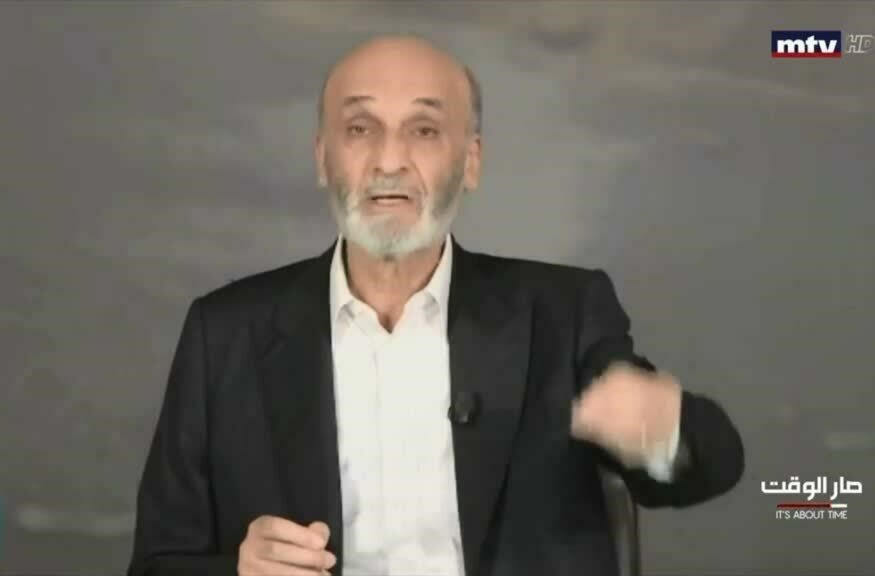
Commenting on the summoning, Geagea said he has not yet received a request to listen to his statement, but noted that if this happens he will not appear before the Military Court if Hezbollah Secretary General Sayyed Hasan Nasrallah is not also summoned.
“The commissioner should listen first to Sayyed Nasrallah,” he said in an interview with MTV local channel.
The head of the notorious militia who committed massacres during the 15-year civil war claimed that his party “has a license,” while Hezbollah has not, without referring to the deadly shooting in this regard.
On October 14, seven Lebanese civilians were martyred as Lebanese Forces (LF) militants and snipers opened fire at peaceful demonstrators protesting against politicization of investigation into last year’s powerful Beirut Port blast.
Among the victims were a passerby and a woman who were shot in their heads by (LF) snipers.
Sayyed Hasan Nasrallah lashed out at the LF, saying that its project is to ignite a civil war in the country. In a speech on Monday (October 18), Sayyed Nasrallah hit back at Geagea threat that the LF has 15,000 militants, warning him against miscalculation with the powerful Lebanese Resistance movement.
Security sources told Al-Manar TV that 25 suspects have been arrested for Tayouneh crime, adding that their confessions led to the identification of the culprits in the attack on the protesters and the locations in the scene surrounding.
The confessions also revealed that some of the culprits were holding guns and hiding inside cars in the neighborhoods close to the protest, according to Al-Manar sources.
The security sources added that a considerable number of the culprits have got out of sight.
The sources noted that political interventions led to procrastination of the issuance of subpoena against the head of the “Lebanese Forces” militia, Samir Geagea in order to identify the legal authority which will hear his testimony.
Seven martyrs and around 30 injured were reported during the armed attack carried out by the “Lebanese Forces” militiamen on the peaceful protestors in Tayouneh area on Thursday, October 14. The protesters were demonstrating against the politicized decisions of Al-Bitar.
The attack bore all the hallmarks of a US-backed intervention, and it doesn’t take much digging to find the links between the murky hand of Washington and the dark forces behind the bloodshed on the streets and a cover-up by a compliant western media.
Last week’s killing of seven people in the Lebanese capital Beirut, widely believed to be carried out by a far-right Christian fascist militia, is a worrying sign that the US wants to provoke a new civil war to destabilize the country in a change in its Middle East strategy.
The attack bore all the hallmarks of a US-backed intervention, and it doesn’t take much digging to find the links between the murky hand of Washington and the dark forces behind the bloodshed on the streets and a cover-up by a compliant western media.
Supporters of the Shi’ite Amal and Hezbollah movements were fired upon as they made their way to the Palace of Justice for a peaceful demonstration against what they perceive as the politicization of a probe into last year’s devastating port explosion.
The judge heading up the investigations, Tarek Bitar, is being directed by the US Embassy they claim, accusing him of unfairly and disproportionately targeting their allies while ignoring those close to Washington.
They may have a point. But the debate over the fairness and transparency of the judicial report is a side issue to the events that took place in the Tayouneh district of Beirut last week.
A peaceful march that had been approved by the authorities was fired upon by snipers placed on buildings along its route. It was an ambush by US-backed fascists who are hell-bent on plunging Lebanon into chaos.
None of the seven people killed in the protest were armed. Among the dead was Meryem Farhat, a mother shot through the head as she was getting ready to collect her child from kindergarten. Delivery driver Ali Ibrahim was also killed by sniper fire.
Not that you would know any of this judging by how the incident was reported by the western press. Readers would be forgiven for thinking that it was a Hezbollah march that turned violent, with the movement seemingly responsible for the deaths of its own supporters.
Liberal British mouthpiece The Guardian explained to its readers: “The trigger for the clashes in neighborhoods near the justice courts, which left dozens more injured, was a protest by members of Amal and Hezbollah, two predominantly Shia political parties, against a judicial probe into the massive blast in the port last year.”
“…eyewitnesses said they heard at least two explosions near the site where a protest was supposed to be held by Iran-backed Shia militia Hezbollah against a judge who is investigating last year’s devastating blast at Beirut’s port. Thursday’s shootings mark the deadliest civil violence in Beirut since 2008,” reported the part Saudi-owned Independent.
It concluded in carefully chosen language: “The heavily armed Hezbollah has accused Mr. Bitar of conducting a politicized probe.”
The Independent failed to mention the Lebanese Forces at all. Instead, it opted to make vague references to ‘unidentified gunmen.’ The Guardian mentioned their name once, but only to say that Hezbollah ‘claimed’ to have been shot at by the Christian militia.
The rest of the article followed a similar pattern to that of TheIndependent, containing snippets such as ‘chants of “Shia, Shia, Shia’ were heard on the streets.
“Large numbers of men brandishing weapons took to the streets throughout the day, and gun trucks flying Hezbollah and Amal flags paraded through the Bekaa Valley in a show of strength not seen since Hezbollah overran west Beirut in May 2008…” it added, failing to mention that Bekaa is nowhere near the Lebanese capital. This was the crowning glory of The Guardian hatchet job, evoking images of violent Muslims seeking to overthrow Lebanon, no doubt to impose an Islamist caliphate.
France 24 went with: “Last week, Hezbollah led a protest to demand his dismissal. It sparked a gun battle in the heart of Beirut that left seven people dead and reignited fears of new sectarian violence.”
It continued with a paragraph about “hostage diplomacy and what it means for those imprisoned by Tehran” in an exceptionally tenuous attempt to link the shootings to Iran.
That they let the Lebanese Forces, a US-backed right-wing militia led by a war criminal, off the hook is no mere accident.
Nor is the reporting down to lazy journalism. This would be to deny the role of the media as a propaganda tool used and manipulated by western imperialism to manufacture a consensus among the public.
That is that Hezbollah and Amal are the bad guys and it is up to the west, always the good guys in any situation, to step in and save the people of Lebanon from their evil clutches.
The use of descriptions such as ‘Iran-backed Shia militia Hezbollah’ is a not particularly subtle, but deliberate attempt to paint the movement – which is a legitimate political force with representatives in the Lebanese parliament – as a foreign-controlled entity.
The irony of this is, that it is, in fact, the very group responsible for the attack that is in hock to external forces, namely the US, “Israel” and Saudi Arabia who see the Lebanese Forces as its proxy inside the country.
It is perhaps best known in the west for its role in the brutal massacre of thousands of Palestinian men, women, and children on behalf of “Israel” at the Sabra and Chatila camps during the Lebanese civil war.
I visited the camps and met survivors of the three-day pogrom in Beirut earlier this year and they described how the Christian militia raped and executed more than three thousand defenseless people, as the camps were surrounded by Israeli soldiers.
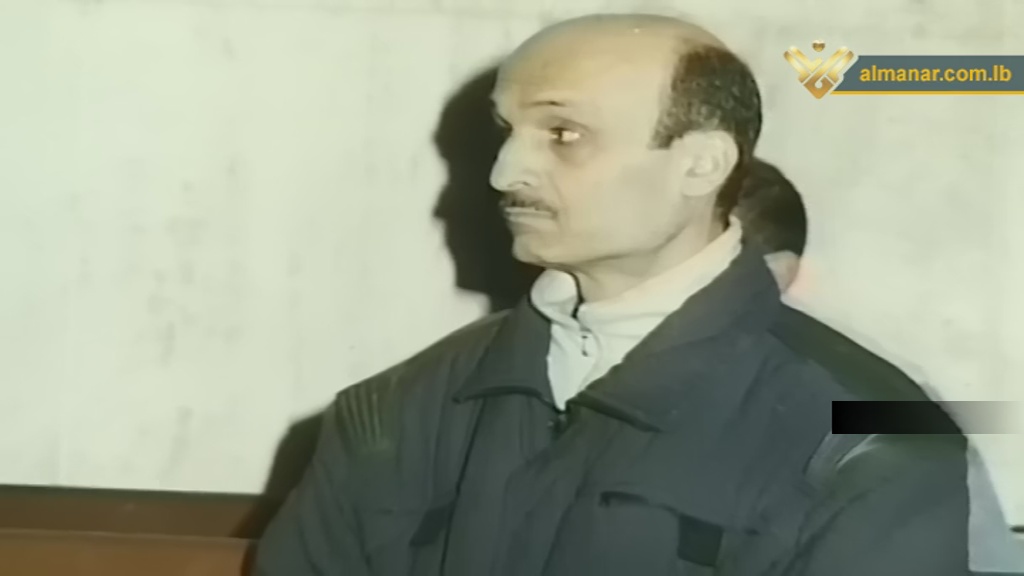
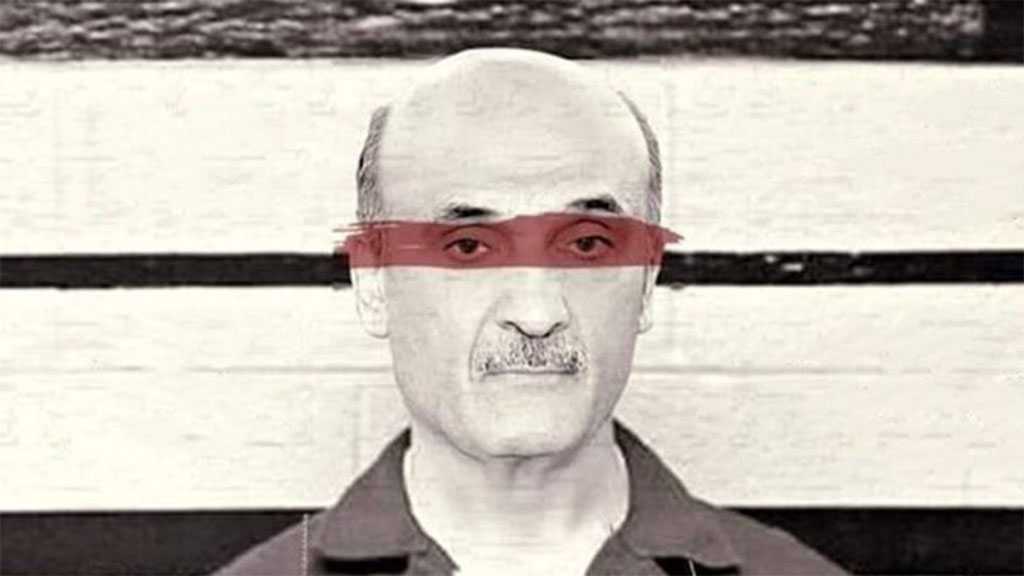
The leader of the Lebanese Forces, Samir Geagea, has been convicted of war crimes, sentenced to life in prison for ordering four political assassinations, including that of former prime minister Rashid Karami in 1988.
For many, he will always be associated with the massacre of scores of people, including the bombing of Sayidat al-Najat church in Jounieh killing 10 people and wounding 54, with Christians also targeted by the bloodthirsty Geagea.
But he was released under an amnesty in 2005 following Lebanon’s so-called Cedar Revolution which took place after the assassination of prime minister Rafik Hariri, the perpetrators of which have never been brought to justice.
Geagea’s propulsion into the limelight once more comes with the US suffering a series of defeats across the Middle East, including its humiliating withdrawal from Afghanistan and its failure to dislodge Syrian President Bashar al-Assad.
His reelection in May has led many Arab and European nations to restore diplomatic relations with Damascus, with border crossings reopening along with the return of ambassadors and consulates as they recognize political reality.
But Assad could not have held on to power without the explicit support of the Syrian people. No leader could have withstood the pressure exerted on him without it.
Not only has he defeated Washington’s regime-change operations – he has come out the other side stronger, having faced down five US presidents; Bill Clinton, George W Bush, Barack Obama, Donald Trump, and now Joe Biden.
The US now appears to be strengthening its relations with Kurds in the north of the country once more where its soldiers are based as an occupying force. The Biden administration recently announced there would be no troop withdrawal, reassuring Kurdish officials after the debacle in Afghanistan.
Despite Assad’s plans for decentralization announced in April, the Kurdish administration there is pursuing a policy that seeks political recognition from the US. It is a move that has alienated many of its supporters and undermines its dismissal of claims it acts as a “proxy force” in the region.
Having lost the military and now the political war on Syria, it seems logical that the US would change its strategy to foment further instability in Lebanon, with a return to civil war only serving to benefit Washington and Tel Aviv as they hope for the sectarian division of the country.
The hands of the US were all over the Tayouneh attack, which came straight out of the Washington/CIA copybook, mirroring its interventions and use of proxy forces to oust governments or prop up its client states in Latin America and across the world.
Geagea’s militia – many of whom have been trained by “Israel” – would be an obvious choice for the US given his previous overtures to Washington, confirmed in a 2008 Wikileaks cable.
He claimed that the Lebanese Forces had as many as 10,000 well-trained soldiers, telling the US embassy: “We can fight against Hezbollah. We just need your support to get arms for these fighters.”
But, speaking in a public address on Monday, Hezbollah leader Sayyed Hassan Nasrallah explained that the Shi’ite movement commands a 100,000 fighters-strong military structure, dwarfing that of the Lebanese Forces. The difference between the two, he pointed out, is that Hezbollah’s forces protect the Lebanese people.
It may be enough to concentrate the minds of the more pragmatic US officials, but the links between Washington and the Lebanese Forces run much deeper than that of Geagea who, despite his delusions of grandeur, remains a marginal figure and is unlikely to be trusted with a leading political role.
Walid Phares, a former leading light in the Lebanese Forces, now acts as a national security advisor and consultant on Middle Eastern politics in the US. Fleeing the country in 1990, he went on to advise the presidential election campaigns of Mitt Romney and then Donald Trump.
During the Lebanese Civil War, Phares told Christian militiamen that they were the vanguard of a war between the West and Islam. He justified the fight against Muslims by saying “we must have our own country, our own state, our own entity, and we have to be separate.”
Despite his peddling of far-right, Islamophobic conspiracy theories, he has rebranded himself as an academic and has testified to international bodies including the European Parliament and UN Security Council on international security matters and the Middle East.
He does not appear to have held any official government post, but his closeness to a former president and his movement in elite circles is clearly a cause for alarm.
The links do not end there. Soon after the shootings, journalist Hosein Mortada claimed to have identified one of the snipers as Shukri Abu Saab – who he said works as a security official at the US embassy.
Perhaps unsurprisingly there has been a blanket media silence over the revelations, while the embassy itself has not responded to the allegations, raising suspicions further.
US ambassador Dorothy Shea has long been accused of using the embassy as an outpost for the imperialist carve-up of Lebanon and opening the country up to the mercy of the World Bank and the IMF.
It may be passed off as a mere coincidence that under secretary of state Victoria Nuland was in the Lebanese capital at the time the ambush took place, pledging an additional $67 million to the country’s armed forces as she demanded economic reform and the need to hold elections as a prerequisite for continued US support.
It also may be a mere coincidence that the Lebanese army changed its narrative of events soon after the US cash boost to appear to blame Hezbollah for its own supporters being shot at. This is despite footage circulating that appears to show a Lebanese soldier shooting at protesters.
But the attempts to destabilize Lebanon came soon after the formation of a new government, ending 13-months of political deadlock, along with the US failure to disarm Hezbollah despite sanctions and other external pressure.
The US is also angered after Hezbollah smashed sanctions imposed by Washington on Iran and Syria, by importing oil to alleviate Lebanon’s fuel crisis. This slap in the face for imperialism was a humiliating defeat, breaking the siege of Lebanon with ease and at the same time rendering the restrictive measures meaningless.
It also exposed the declining power of the US on a global stage, with the dollar at risk of losing its position as the world currency and with it Washington’s ability to control global financial markets.
Solidarity among nations has proved vital in defeating the US, and it is solidarity among the Lebanese people that will help the country rise up once more and consign the likes of Geagea and the Lebanese Forces along with all those who seek to destroy Lebanon to the dustbin of history.
Lebanon’s military court summoned Thursday the Leader of the Lebanese Forces [LF] political party Samir Geagea, over the slaughtering of seven civilians in Beirut last week.
Lebanese media outlets on Thursday reported that the court summoned Geagea to hear his testimony on the October 14 violence in light of the confessions of those detained over the massacre that was committed in Tayyouneh area, a region close to Beirut’s southern suburb.
At least seven people were martyred and 60 others injured in an attack on October 14, during which Hezbollah and Amal Movement supporters were shot from rooftops while they were gathering to peacefully protest against a judge investigating last year’s Beirut Port explosion as they accused him of bias.
In a statement, Hezbollah and Amal Movement said armed groups affiliated with the LF party, a former militia group during the 1975-1990 civil war, fired at the protesters from rooftops, aiming at their heads, in an attempt to drag Lebanon into new sectarian strife.
Meanwhile, Hezbollah Secretary General His Eminence Sayyed Hassan Nasrallah on Monday said that “the Lebanese Forces’ true agenda for Lebanon is civil war.”
He further added: “The biggest existential threat to the Christians in Lebanon and the security of the Christian community is the Lebanese Forces party.”
Related Videos
The Ambush of Tayuna and the Leb-forces’ quest for civil war – politicizing the investigation into the explosion of the port of Beirut
The Massacre of Tayuna A detailed event and a dangerous crossroads/ Dr. Wasim Bazzi
Salem Zahran/Latest Political Developments in Lebanon
In light of the recent massacre of seven protesters and the wounding of dozens of others in a highly sensitive district of Beirut, senior political analyst Nasser Qandil argues that the US and Israel are seeking to drag Hezbollah into a new Lebanese civil war that would rob the movement from engaging in a decisive war with Israel while in its military prime.
Days ago, on the 14th of October, at least seven people were killed and 60 others injured after unknown gunmen attacked Hezbollah and Amal supporters as they passed through Beirut’s sensitive Tayyouneh district as part of an organised peaceful protest.
In a joint statement, Hezbollah and Amal said armed groups belonging to Samir Geagea’s Christian Lebanese Forces (LF) Party fired at the protesters from rooftops, aiming at their heads, in an attempt to drag Lebanon into a sectarian civil war.
The Tayyouneh district is historically an area of political and sectarian sensitivity, as a key site in the outbreak and development of Lebanon’s Civil War (1975-1990).
(Note: Please help us keep producing independent translations by contributing a small monthly amount here )
Transcript:
Nasser Qandil, Senior Lebanese Political Analyst:
I hear those that (say) ‘they believe Lebanon is a priority (for the US to target)’. Indeed (it is), from the very first day that a resistance (movement in Lebanon) was born, (a resistance) that defeated and humiliated Israel, Lebanon became an American priority, because Israel was – and will always remain – an American priority. (It is only if) the resistance (in Lebanon) is defeated, only then will Lebanon no longer be an American priority.
Back in 2007, I saw an image of (former PM) President Fouad Saniora with (former) President George W. Bush on the White House lawn, and the news said that the Prime Minister of Japan was (meanwhile) waiting in the hotel; Lebanon is not more important than Japan (for the US), and (former) President Fouad Saniora is not more important than the Prime Minister of Japan either, but the resistance (in Lebanon) is indeed more important than the US interests in Japan, because it threatens Israel’s security and poses an existential threat to Israel’s future. (Therefore,) as long as this reality (i.e. resistance being an existential threat to Israel) increases and grows, and the American concern about it grows (in light of the) idea of (a US) withdrawal from the (Middle East) region, (the US worries) how (it) will leave Israel (behind with the threat of) this reality. Consequently, (US) activity for creating security belts for Israel is accelerating.
(Yet) from whom (does the US want to protect Israel)? Iran will not start a war (against Israel) – let’s say things as they are – Syria will not start a war (on the level of) states. The spearhead that can turn any confrontation in (this) region (between it and) Israel into a war –
Host:
– (is) the resistance in Lebanon (Hezbollah) –
Qandil:
– is the resistance in Lebanon, which the Israelis say (about it) – and that’s not me saying it – the Israelis say, and the Americans (themselves) say that the surplus power that Hezbollah now has at the level of the expertise of its fighters (gained) from the Syrian war, (these fighters) who are more than 50,000 and that possess contemporary (and advanced) combat experience, and (at the level of) the kinds of weapons that it has, (this powerful position of Hezbollah) may not be seen again. (They believe that) five years later, Hezbollah may not have this readiness (for war) which they have today –
Host:
– Why (is that)?
Qandil:
Because five years later, the resistance (in Lebanon) might not possess weapons more advanced than the precision-guided missiles (it currently has), while the Americans and Israelis might possess a more developed (weapon by then), at least this (current favourable position for Hezbollah) is not guaranteed (in the future), (while) now it is guaranteed that (Hezbollah) is the superior (force today), and (their weapons) are the more powerful/effective weapons. (Hezbollah’s) elite fighters that have just came out of a war still have the same vitality, readiness, and (required) experience to enter a new war. Five years later (however, according to US calculations), this (elite force) would be out of the battlefield, and a new generation that does not have the experience of the (previous elite) would be on (front lines instead) –
Host:
– For this reason, they are working on suppressing this (generation of elites) and producing a new generation; the fifth-generation (perhaps)?
Qandil:
No, they consider – the Israelis consider – that Hezbollah is ready for a war (against them) now, for that, we must pass up (Hezbollah’s) opportunity of dragging us into a war which they have the legitimacy (to start). They believe that Hezbollah is on full readiness (to start) a war. I’m not adopting (these views), I’m describing the American-Israeli view; they say that the issue of (intercepting) the fuel ships (coming from Iran to Lebanon) gives Hezbollah the legitimacy to start a war if we intercept them –
Host:
– (This would) justify (starting a war against Israel).
Qandil:
– (Hezbollah) would obtain the legitimacy (to start a war) but they –
Host:
– The (Israelis) don’t want to go to a war against (Hezbollah) because (Hezbollah) enjoys full readiness –
Qandil:
– Yes, (that’s the point), in their opinion (Hezbollah) is now (fully ready for a war) –
Host:
– five years later, will (Hezbollah) no longer be ready for a war (against Israel)?
Qandil:
That’s (the US and Israel’s) reading of the matter, that they must avoid (going to a war against Hezbollah) during the (next) five years –
Host:
– So, for the next five years, the (preferred US-Israeli war is the war –
Qandil:
– a Lebanese civil war –
Host:
– that (seems to be) brewing today. They would distract (Hezbollah) with internal (affairs and issues) –
Qandil:
– Exactly!
Host:
– They’re betting (their hopes on Hezbollah’s loss of) this readiness five years later –
Qandil:
– Exactly! (Hezbollah, according to their perception,) will be drained and have lost the moral high ground (that it enjoys today), and that’s a very significant matter; Hezbollah (is) a pure force (i.e. committed to morals/ethics etc) no matter how hard they try to slander it –
Host:
– The balance of power will change too.
Qandil:
– (but) when (Hezbollah) takes part in the civil war ‘game’, it’ll no longer be the same (party) it was, it will turn into a local militia (fighting) with (other) local militias. Even the majesty of (Hezbollah’s) power will erode by (its very participation in) the civil war, as it is different from wars that we’re familiar with, (such as) wars against Israel and other (enemies threatening Lebanon). Consequently, (dragging Hezbollah into a civil war) is necessary for the erosion of its moral and material strength. Therefore, the American-Israeli decision, after their failure in turning the October 17 (2019 protests) into a revolution against Hezbollah (under the false pretext that it is the party) responsible for the (Lebanese) economic crisis and the prohibition of cash flow into Lebanon – after this failure – the alternative (plan) is (exploiting) the (Beirut) Port (explosion) investigation case and triggering the Christian street with militia formations to lure Hezbollah into a civil war –
Host:
– And (Hezbollah) will not be tempted (by this incitement).
Qandil:
Until now…
Host:
Those are dangerous words! What (do you mean by) ‘until now’?
Qandil:
Let me explain to you –
Host:
Why (would they be lured into a civil war)?
Qandil:
(In) my opinion, there is always a limit to which leaderships can control the (rage) of the public, and those who know the history of wars would understand this idea; we are currently before – there are opinions that have begun to emerge among the Shias –
Host:
– ‘Why didn’t we continue (the fight in Tayyouneh), we would’ve beat them up…’
Qandil:
(Yes, and talk such as) ‘we always adopt stances of chivalry, we get slaughtered and killed, and you (leaderships) tell us (to be) patient and endure (the harm that is targeting us); they did (the same) to us in Khaldeh, and Badaro as well, and tomorrow they’ll (attack us for the) third and fourth time’ –
Host:
– And (they attacked Shias) in…I forgot what’s the name of the town, near the Lebanese borders…
Qandil:
Yes, in southern (Lebanon), in Chouaya.
Host:
Yes, (I meant) Chouaya.
Qandil:
If we reach a moment where – God forbid – the focal point that is supposed to deal with (a certain attack) is one of the (Shia) tribes (in Lebanon), and the Amal and Hezbollah leaderships fail to control them, and (if the events take place) in an area in which control is not organized (by certain political leaderships); an area in which, if a tribe was attacked, and the people respond (to the attack) – I’m giving scenarios (as an example) –
Host:
– So, the scheme to create a civil will remain (a major threat today) –
Qandil:
In 1975, Imam Musa al-Sadr (may God reveal his whereabouts), why did he go to the town of al-Qaa? Because the problem was made up there (in al-Qaa) such that the people of the (Shia) tribes would attack al-Qaa; a problem was made up (to drag Shia) tribes ( in a war against Christians), so (Imam al-Sadr) had to go and sit in the church and say ‘I would defend this church with my ‘amāmah (turban) and jubbah (gown)’, because he felt that the target (of the made up events) was to trigger a response (from Shia tribes in that region).
Okay, so Mr (Nabih) Berri would do it once (i.e. call people to control their rage and follow the orders of the leadership), his eminence Sayyed (Hassan Nasrallah) would do it too, (but) if the scheme (of dragging Lebanese people into a civil war) is ongoing, if there’s no general national climate that would react to this threat (with wisdom) and (take the necessary) steps at that level, if (we keep acting upon) the prevailing mentality in security, judiciary, and political (affairs in Lebanon) that is the mentality of ‘Abu Melhem’ (i.e. a TV character that’s referred to in Lebanese culture to denote a person who proposes reconciliation and peaceful solutions in all dispute) to (resolve issues) with courtesy, using (words like) ‘disputes’ (to describe severe problems), and (calling for) controlling a situation (whenever an issue arises) –
Host:
– (falling into a civil war) would be inevitable (in that case)? –
Qandil:
(We) will then be in (grave) danger (of falling into a civil war) – in my opinion – we will be in (grave) danger.
Voltaire, actualité internationale, n°186
-
Outre ce site internet gratuit, nous publions une lettre confidentielle en
PDF, Voltaire, actualité internationale. Chaque jeudi soir ou vendredi
matin, vo...
The man bankrupting America
-
“Go F*** Yourself, Scott: A Full Background Check on The Man Bankrupting
America, Human Skin Tag, Scott Bessent.“ (Blundell).In the same week,
different US...
Occult Utopia Of Jewish Golden Age
-
Occult Utopia Of Jewish Golden Age September 6 2026
___________________________________ More Vids! +BN Vids Archive! HERE!
________________________________...
And You Remain Impossible to Erase
-
There you are, the inspiring Imam, forever present in the conscience of the
honorable and the hearts of the loyal.
Father Dave Smith, Pray For (Mufti) Dr. Hassoun
-
Abducted by the terrorist regime in Syria in 2025, Sheikh Hassoun has been
sentenced to life in prison I spoke with Father Dave Smith, an Australian
Anglic...
Report on Beth Israel vigil 08-15-26
-
*Charlie Kirk and JFK*
John F. Kennedy was assassinated under questionable circumstances on
November 22, 1963, and Charlie Kirk fell on September 10 of la...
On The Road To International Anarchy
-
ON THE ROAD TO INTERNATIONAL ANARCHY— An Analysis (14 August 2026) by
Lawrence Davidson Part I — The Turn Toward […]
-
Hello all,
It is with great sadness that I share with you the passing of our beloved
sister, Mother, and Grandmother, the individual that you all knew ...
Best Horror Podcast
-
Best Horror Podcast Introduction: Horror podcasts […]
The post Best Horror Podcast appeared first on Copper Shock Horror Podcast.
Ikhras Endorses Muntadhar Al-Zaidi
-
“Oh parties of banditry and sectarianism and corruption, we have come and
our goal is to destroy you.” Ikhras formally endorses Muntadhar al-Zaidi,
Iraqi j...
Prince Charles: Foreign Jews behind bloodshed in ME
-
In May, 2017, British Crown Prince Charles declined an invitation from
Zionist entity’s president Reuven Rivlin‘s to attend the 100th anniversary
of the no...
Palestinian Women – One for All, All for One
-
Honouring All Palestinian Women by Honouring Three: Hanin Zoabi, Ahed
Tamimi, Samah Sabawi Vacy Vlazna “Palestinian women have always stood side
by side ...
US’s Saudi Oil Deal from Win-Win to Mega-Lose
-
By F. William Engdahl Who would’ve thought it would come to this? Certainly
not the Obama Administration, and their brilliant geo-political think-tank
neo-...
-
*Mordechai Vanunu wins human rights prize of Brazilian Press Association *
* http://www.alternativenews.org/english/index.php/features/updates/7038-mordechai...
Abdul Aziz Rantissi:
"My ultimate wish, my God, is to attain martyrdom,"...God granted him his wish on April 17, 2004, at the hands of Israeli assassins.