Uprooted Palestinians are at the heart of the conflict in the M.E Palestinians uprooted by force of arms. Yet faced immense difficulties have survived, kept alive their history and culture, passed keys of family homes in occupied Palestine from one generation to the next.
The assassination of Iran’s chief nuclear scientist, Mohsen Fakhrizadeh, won’t hinder Tehran’s path to progress, scientific development, or retribution against the killers. Fakhrizadeh, who delievred an advanced scientific service to the Iranian people, was gunned down in a cowardly operation by agents of the Zionist entity and the tide of global arrogance.
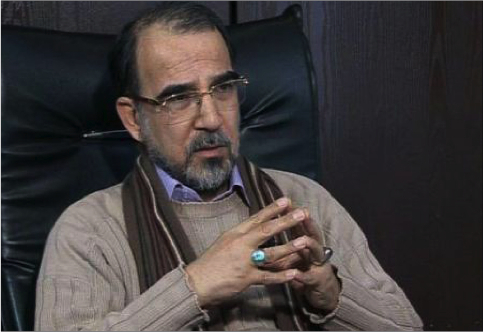
To discuss the repercussions and dimensions of this crime, Al-Ahed News sat down with a member of the Assembly of Experts for Leadership, Ayatollah Sheikh Abbas al-Kaabi.
“The Zionist-American front suffered major strategic defeats in confronting the axis of Islamic resistance, and at the helm of this axis is the Islamic Republic. It’s clear that the Zionist-American front is heading towards its demise, while the Islamic Republic is growing in strength day after day,” Sheikh Kaabi noted.
He went on to explain that the assasination is an act of weakness.
“The enemy is living in a state of fear, panic, and abject failure in confronting the axis of Islamic resistance on all military, political, economic, and security fronts. The only way they could compensate for this excruciating failure is through assassinations, treachery, and international terrorism. The assassination of martyr Fakhrizadeh is a violation of all international and humanitarian laws, and this is not the first martyrdom nor the last – getting killed has become a habit for us and our honor is in martyrdom. Martyrdom is the reward for striving in the path of God.”
Ayatollah Sheikh Kaabi underscored that “martyr Mohsen Fakhrizadeh has achieved his goal, and his path in terms of progress and scientific development will continue. There is no doubt that there are hundreds like martyr Fakhrizadeh, including his colleagues and students who will continue in his path, God willing, and the terrorists will get their punishment.”
According to the Assembly member, Iran is “in a state of soft war and a war of wills with the Zionist entity – {And who is truer to his covenant than Allah? So rejoice in your transaction which you have contracted. And it is that which is the great attainment.} The nature of the war is according to the following verse: {If you should be suffering – so are they suffering as you are suffering.} While the fighting is according to the verse: {So they kill and are killed. [It is] a true promise [binding] upon Him in the Torah.}”
“Of course, America and ‘Israel’ are specialists in treachery. The Islamic Republic and the path of resistance are focused on battles of a humanitarian nature, taking into account conscience, honor, morals, and the law during fighting.”
Sheikh Kaabi said he believes that “by assassinating this great martyr, they assassinated science, knowledge, and development. They proved that they are, in fact, fighting the path of science, development, and progress and are against humanity. This martyr was about to produce a special vaccine for the coronavirus, as the Islamic Republic’s path is that of employing science and faith, rationality and revolutionary, resistance and development. This martyr, who is a symbol in the fields of science, defense, and nuclear energy, represents the mujahideen scholars and believers that are striving in the path of God and who are able to develop the country in terms of science and technology. We will remain on the path of scientific and technical development. I congratulate the martyr for this martyrdom and happiness.”
Ayatollah Kaabi concluded by stating that “America and ‘Israel’ have formed an assassination network. This network consists of a security, military, espionage, and infiltration arm, and it’s working with the support of the Mossad and the CIA, and the agent states in the region. Following up on security to find the criminals is in full swing, and the powerful and capable security services in the Islamic Republic will arrest the terrorists to face justice. They will receive their punishment – {And those who have wronged are going to know to what [kind of] return they will be returned.} and {Indeed, your Lord is in observation.}”
منذ أن بدأ البرنامج النووي الإيراني يتطوّر بسرعة مع إعادة انتخاب أحمدي نجاد لولاية ثانية عام 2010، وارتفاع عدد أجهزة الطرد المركزي الى آلاف عدة، بعد أن كان العدد يقتصر على أجهزة قليلة، وبعد أن امتلكت إيران المعرفة العلمية لدورة الوقود النووي بالكامل، رفعت نسبة تخصيب اليورانيوم في أجهزة الطرد المركزي من 3,5 بالمئة إلى 20 في المئة. هذه النسبة أثارت حفيظة واشنطن وتل أبيب والاتحاد الأوروبي، متهمين إيران بسعيها لامتلاك سلاح نووي.
أمام هذا الواقع، بات العلماء الإيرانيون العاملون في البرنامج النووي، هدفاً لعمليات اغتيالات واسعة النطاق، مدروسة ومركزة، قامت بها الأجهزة «الإسرائيلية»، بالتنسيق مع أجهزة مخابرات أجنبية وعملاء محليين، طالت المؤسسة الأمنية الإيرانية بالصميم، ووضعت على لائحة الاغتيالات، حياة عشرات العلماء الإيرانيين العاملين في البرنامج النووي الإيراني.
في 12 كانون الثاني 2010 اغتيل أستاذ الفيزياء النووية في جامعة طهران مسعود محمدي، بانفجار دراجة نارية مفخخة في شمال طهران، حيث وُضعت الدراجة بالقرب من سيارته، وتمّ تفجيرها عن بُعد أثناء وجود محمدي داخلها. ألقي القبض على الفاعل وهو ماجد جمالي فاشي، الذي اعترف بعد التحقيق معه بأنّ العملية تمّت بموجب أوامر صدرت من «الموساد» وتحت إشرافه، وبعد أن كانت «إسرائيل» تقوم بحملة شرسة لعرقلة برنامج إيران النووي، من خلال هجمات إلكترونية على منشأة نطنز وبو شهر وغيرها من المواقع النووية الإيرانية.
فاشي الذي اعترف بتلقيه مبلغاً كبيراً من المال لتنفيذ سلسلة عمليات هجومية، مستعيناً بعملاء الموساد في الداخل الإيراني، جرى تدريبه في أذربيجان، وتزويده بالتعليمات اللازمة حول عمليات الاستطلاع وكيفية تنفيذ عمليات الاغتيالات وهو على متن دراجة نارية.
كانت العمليات الإرهابية التي استهدفت علماء وشخصيات مرتبطة بالبرنامج النووي الإيراني، ترمي الى إحباط العلماء الإيرانيين، وزرع الخوف في نفوسهم، وحملهم على عدم الانخراط في البرنامج النووي الإيراني. أما ماجد جمالي فاشي فقد نفذ به حكم الإعدام في شهر آذار 2010.
تواصلت في ما بعد عمليات الاغتيال للعلماء الإيرانيين الذين عملوا لصالح مركز بحوث الفيرياء، حيث كان «الموساد» يريد الوصول الى المسؤول الأول في المركز، وهو العالم محسن فخري زاده الذي اغتيل أمس.
في20 تشرين الثاني 2010، وبينما كان العالمان النوويان فريدون عباسي دافاني ومجيد شهرياري يتوجهان الى عملهما، قام إرهابيون مقنّعون على دراجات نارية بالانطلاق بعمليتين منفصلتين نحو سيارة كلّ من العالمين، بإلصاق قنبلة في أسفل كلّ سيارة. أحسّ عباسي بخبطة سمعها في أسفل السيارة، فغادرها على الفور مع زوجته، وما هي إلا لحظات لتنفجر السيارة، ويُصاب عباسي وزوجته بجراح، أما مجيد شهرياري فقد لقي حتفه في الانفجار. فريدون عباسي أصبح في ما بعد نائباً لرئيس الجمهورية، ورئيساً لهيئة الطاقة الذرية، وأشرف على توسيع البرنامج النووي في إنتاج الوقود في المواقع الذرية الإيرانية.
في 23 تموز 2011، نفذ مسلحون يستقلون دراجة نارية، عملية اغتيال العالم النووي داريوش رضائي نجاد، بإطلاق خمس رصاصات عليه أمام منزله في طهران أصابت منه مقتلاً.
في 11 كانون الثاني 2012، ألصق عملاء قنبلة مغناطيسية في سيارة العالم النووي مصطفى أحمدي روشن، وفي 3 كانون الثاني 2015، أعلنت السلطات الإيرانية عن إحباطها لعملية اغتيال كانت تستهدف عالماً نووياً آخر.
آخر سلسلة عمليات الاغتيالات، جاءت أمس لتطال العالم محسن فخري زاده، وهو الذي كان هدف «إسرائيل» الأول منذ عشر سنوات. لكن السؤال الذي يُطرح: ما هي الإجراءات التي تتخذ في حماية علماء، هم النخبة في البرنامج النووي الإيراني؟! هؤلاء العلماء ليسوا كغيرهم من الأفراد، إذ يجب أن تتوفر الحماية الأمنية لهم على مدار الساعة. فحمايتهم هي حماية للأمن القومي الإيراني، ولا يمكن بأيّ حال من الأحوال تبرير ما حصل. فالعدو الإسرائيلي ومعه عملاؤه في الداخل والخارج يرصدون العلماء النوويين الإيرانيين للاقتصاص منهم في ايّ وقت، حيث يعرف المسؤولون الإيرانيون جيداً هذا الأمر. لكن المسؤولية في نهاية الأمر على مَن تقع؟! المسؤولية تقع على مَن يجب أن يوفر الحماية الكاملة لهم، من دون التفريط لحظة بحياتهم، وجعلهم هدفاً سهلاً للوصول إليهم وتصفيتهم.
مستقبل إيران ومنعتها وقوّتها وصمودها بعلمائها. لذلك على القيادة الأمنية الإيرانية ان تضع حداً لموجة الاغتيالات، واتخاذ الإجراءات الصارمة الكفيلة في الحفاظ على حياة أفراد هذه النخبة من العلماء، أسوة بما تفعله الدول التي تحمي سلامة علمائها وأدمغة نخبها.
هؤلاء العلماء هم أساس نهضة إيران وتطوّرها العلمي، والعسكري، والاقتصادي، والمعرفي، والتكنولوجي، لذلك لا يمكن التفريط بهم أو التهاون مع ما تقترفه دولة العدوان «الإسرائيلية»، مع عملائها في منظمة «مجاهدي خلق» الإرهابية ضدّ أمن إيران وعلمائها.
انّ اغتيال محسن زاده يزيد من حدة المواجهة مع «إسرائيل» وحلفائها، ويشرع الأبواب على رياح ساخنة يريدها العدو، عله يستدرج طهران الى مواقع خطرة تصبّ في صالحه.
صحيح أنّ الضربة مؤلمة لإيران وأمنها القومي، وللعلماء النوويين الإيرانيين، من تلامذة وزملاء الشهيد محسن زاده، إلا أنّ ذلك لن يحبط عزيمة إيران للاستمرار في رسالتها ونهجها وبرنامجها، بل سيدفعها لتكون أكثر عزماً وصلابة للتصدي للعدو والاقتصاص منه العدو في الوقت المناسب.
The vaunted “17 intelligence agencies” that comprise the U.S. intel community will be sharing a network of private-sector cloud computing service providers which includes Microsoft, Google, Oracle, IBM, and Amazon Web Services (AWS) as part of a 15-year contract said to be worth tens of billions of dollars.
AWS currently holds the sole contract to provide cloud computing services to a number of intelligence agencies, including the FBI and the NSA. That contract is set to expire in 2023 and this new award – managed by the CIA – will further weaken Amazon’s once privileged position in the federal money sweepstakes, which had already taken a hard hit when Microsoft was unexpectedly chosen over Bezos’ company for the Department of Defense’s own cloud services contract for the Joint Enterprise Defense Infrastructure (JEDI) program.
The Central Intelligence Agency will take full advantage of its access to money without oversight to disburse the government funds at the agency’s discretion. Although speculated to rise into the tens of billions, the CIA has no plans to disclose the real value of the C2E contracts. The Commercial Cloud Enterprise (C2E) procurement program was unveiled in February by the premier U.S. spy agency in a bid to establish a cloud computing service platform for the country’s intelligence agencies separate from JEDI, which remains enmeshed in a protracted legal contest with AWS and is two years behind implementation.
The five tech giants will compete with each other for “task orders” that come in from the multitude of intelligence agencies throughout the country and will span every security clearance level up to and including top secret clearance. The contract calls for the building of infrastructure and all other basic cloud services, as well as professional services and public-facing services.
The more things change…
Many seem surprised by the multi-contractor, ad hoc nature of the C2E awards because it “appears not to settle on a particular cloud provider” and while these dynamics do stray from the relatively recent trend of sole-contract awards and tacit monopolies many corporations have enjoyed through similar public-private partnerships, this particular practice of pitting contractors against each other for services requisitioned by the government is not new.
In fact, such practices are an intrinsic part of the military industrial complex and its historical origins at the height of the British empire. The start of the Glorious Revolution in 1688 marked the beginning of 125 years of constant war for the global superpower of the day and the slow but inexorable rise of an industry of war made up exclusively of freelancers who would make the guns, rifles, and bullets their bloodthirsty Queen required.
As the empire grew, the processes for the production of weapons underwent a dramatic change from artisanal modes to full-fledged factory-style production; all spurred by the biggest army and navy in the world, which was pillaging and extracting resources to fuel the burgeoning enterprise of capitalism.
Workers at the Royal Ordnance Factory in Liverpool, England inspect the finished Sten guns. Photo | Imperial War Musuem
This period also fine-tuned the relationship between the state and independent contractors, with the former establishing laws governing them in order to leverage their overwhelming advantage. Other strategies were also employed to both suppress the price the Crown paid for materiel and to make sure that no single contractor held too big a stake in the supply chain.
In her book “Empire of Guns,” Priya Satia details this entire process and destroys the myth that the Industrial Revolution was the result of a cotton-picking machine when even a cursory look at the history shows that it was guns and a state engaged in perpetual war that laid the foundations of our current economic paradigm.
Now, we stand on the threshold of the so-called “Fourth Industrial Revolution” in a world that has perfected weapons of war to atomic levels. New ‘cyberweapons’ are being forged and it is only fitting that the war industry, led today by the United States, would return to its origins to maintain its own monopoly on human suffering and devastation in the name of profit.
Return to the roots
The public-private partnership has been another significant trend that also mirrors a ubiquitous trend in Victorian England. But, in today’s world, a parallel legal system has grown alongside the state’s war industry and is also now at the disposal of the corporations who wish to dispute any deal, leading to considerable delays in the execution of contracts.
Cases like the JEDI suit affect the military readiness goals of the national security state if it cannot move forward with a particular initiative due to litigation. Another recent case is holding up the Cybersecurity Infrastructure and Security Agency’s (CISA) efforts to centralize inflow and outflow of data regarding cyber-threats.
In October, the Government Services Agency (GSA), awarded a $13 Million-dollar contract to a company called EnDyna to “create a centralized database that agencies can use to report, discover and take actions against cyber threat information.” A much larger competitor, HackerOne, filed a protest questioning the award on grounds of failure to meet eligibility requirements and the smaller company’s competence to carry out the work.
Technicalities like these can hold up a project in court for years, so it makes perfect sense for the state-run war industry to return to its roots and apply the tried and true principles of divide and conquer against the people making their guns, whether real or virtual. By taking the first few spots on the Big Tech pecking order and putting them in a room to duke it out for a government contract, the war establishment is recognizing the growing power of these firms and is unleashing the CIA to curb it and diminish threats to the supply chain of the twenty-first century’s permanent war economy.
In 2020, there have been several notable developments, that all seem to have been happening along Russia’s borders and in key regions developments in which influencing the Russian position on the international scene.
These include:
Ukraine’s refusal to seek peace in its East with the Donetsk and Luhansk People’s Republics, and various questionable policies.
Western-backed protests against Belarusian President Alexander Lukashenko, with a ‘school teacher-turned-politician’ challenging him with an insignificant share of the vote in the presidential election. She received wide support from the West, especially from heavily US-aligned states such as Poland and the Baltics.
The Syrian Democratic Forces (SDF) and other groups in Syria are being supported openly, and not so openly, by the United States and sabotage the further diplomatic settlement of the conflict in Syria.
The situation in Central Asia is rather exacerbated, with an evident increase in ISIS activity in Afghanistan, alongside various terrorist elements appearing near its borders with Collective Security Treaty Organization (CSTO) countries. The Russian Security Service – FSB – is hard at work in countering various ISIS and other terror cells on the territory of the Russian Federation, and reports such as these are frequent, meaning that there appears to be a network that is successful in either moving terrorist elements into the country, or recruiting them there.
There also was the Armenian-Azerbaijan War in Nagorno-Karabakh, which Russia didn’t directly involve itself in, since the fight was for the self-proclaimed independent republic of Artsakh, and Armenia never officially asked for assistance. Regardless, with the Peace Deal it brokered on November 10th, there have been numerous voices in Armenia blaming Russia for the defeat. And that is even though it essentially saved it from an even bigger fiasco and loss of territory. At the same time, despite being the victor, Azerbaijan simply received what it was promised with the Minsk agreements, with the addition of Shusha. There are protests against Russia in Azerbaijan, a country in which any non-government sanctioned protest is snuffed, violently. There are calls that Russia stole the “glorious victory”, while in Armenia there are calls to renew hostilities, while the Russian peacekeepers are there and somehow force their hand in the fight.
Turkey deployed thousands of Syrian militants to South Caucasus, and there are claims that it is even reportedly attempting to relocate families from Syria’s Afrin and other areas to the parts of Karabakh that were given to Azerbaijan. This is likely to also provide a fresh extremist presence in the region.
Turkey, once again, appeared to be shifting its gaze towards Crimea, but also cooperate with Ukraine in terms of selling UAVs to it and other military equipment.
All of these developments, somehow, almost entirely coincide with a report which the RAND Corporation released back in 2019.
The report is called “Extending Russia” with the subtitle “Competing from Advantageous Ground.” A short description of the report reads the following:
“The steps we posit would not have either defense or deterrence as their prime purpose, although they might contribute to both. Rather, these steps are conceived of as measures that would lead Russia to compete in domains or regions where the United States has a competitive advantage, causing Russia to overextend itself militarily or economically or causing the regime to lose domestic and/or international prestige and influence. This report deliberately covers a wide range of military, economic, and political policy options. Its recommendations are directly relevant to everything from military modernization and force posture to economic sanctions and diplomacy; consequently, it speaks to all the military services, other parts of U.S. government that have a hand in foreign policy, and the broader foreign and defense policy audience.”
Notably, the report suggests that the following “Geopolitical measures” need to be employed in order to counter Russia’s spreading influence and capabilities to provide an adequate answer to an extraordinary situation.
This chapter describes six possible U.S. moves in the current geopolitical competition:
providing lethal arms to Ukraine,
resuming support to the Syrian rebels,
promoting regime change in Belarus,
exploiting Armenian and Azeri tensions,
intensifying attention to Central Asia,
isolating Transnistria (a Russian-occupied enclave within Moldova).
There are several other possible geopolitical moves discussed in other RAND research but not directly evaluated here—including intensifying NATO’s relationship with Sweden and Finland, pressuring Russia’s position in the Arctic, and checking Russia’s attempts to secure its influence in Asia.
Ukraine
Between 2014 and 2016, the US provided $600 million in security assistance to Ukraine. These funds have been used to train Ukrainian military forces and provided nonlethal military equipment, including counterartillery and countermortar radars, secure communications, logistics systems, tactical unmanned reconnaissance aircraft, and medical equipment.
According to RAND, the US could increase its military assistance to Ukraine, or increase its calls to allow Kiev into NATO.
“Expanding U.S. assistance to Ukraine, including lethal military assistance, would likely increase the costs to Russia, in both blood and treasure, of holding the Donbass region. More Russian aid to the
separatists and an additional Russian troop presence would likely be required, leading to larger expenditures, equipment losses, and Russian casualties. The latter could become quite controversial at home, as it did when the Soviets invaded Afghanistan.”
Eastern Ukraine is already a significant drain on Russian resources, exacerbated by the accompanying Western sanctions. Increasing U.S. military aid would certainly drive up the Russian costs, but doing so could also increase the loss of Ukrainian lives and territory or result in a disadvantageous peace settlement. This would generally be seen as a serious setback for U.S. policy.
What’s going on in reality? There appears to be no conclusive peace settlement in Ukraine, and anti-Russian policy continues moving forward full speed. The Kiev regime, at large controlled from Washington, is intentionally sabotaging attempts to de-escalate the situation and publicly preparing for a new military operation in eastern Ukraine. Recently, pro-Kiev sources started laying great hopes on the Turkish military aid. For sure, the US is also involved. In August 2020, incoming US President Joe Biden promised to provide Ukraine with even more lethal weapons. In late 2019, the Trump administration also approved several sales of “defensive lethal weapons” to Ukraine.
As such this part of RAND’s suggestion appears to be moving, more or less, according to plan.
Syria
“In 2015, Russia’s intervention in Syria cost an estimated $2.4 million to $4 million a day, according to the Moscow Times and IHS Janes’ estimates. 34 Given the size of Russia’s defense budget ($50 billion that year), the sum might not be significant in and of itself.”
Increased U.S. support to the so-called ‘moderate’ Syrian opposition could perpetuate and intensify a civil war that had begun to wind down, thereby imposing attritional costs on both Russia and Iran.
RAND believes that such support should also reduce the “moderate opposition’s” reliance on the better-armed, more extremist groups and ultimately might improve the willingness and ability of moderate opposition forces to combat the “more extremist elements.” Now, first of all RAND doesn’t even deny that the most of “moderate opposition” is made up of extremists, who are fighting against even more extreme elements.
At the same time, the reality of the situation is this: the US, with all its claims of complete withdrawal from Syria, simply employed the SDF separatist leadership as a tool of sabotaging the peace settlement in Syria, while Washington is looting Syria’s oil fields. US companies exploit Syrian oil resources. Some of the money is used to bankroll the SDF.
The Russian side has repeatedly also claimed that ISIS and ISIS-affiliated fighters were being trained and received improved weaponry in the US-controlled areas of Syria.
Unlike Ukraine, the United States does not have a single actor to aid in the fight in Syria but rather faces a plethora of groups—often with murky affiliations—increasing the chances of weapons falling into the wrong hands.
“Supporting the rebels could run counter to the most prominent objective of the Trump administration’s Middle East foreign policy—fighting radical Islamist terrorism.”
In the highly unlikely event of total success—if Russia were to abandon the Assad government and the opposition were to somehow ‘defeat’ Damascus—the result would be a major geopolitical setback for Moscow but also a major contraction in its foreign commitments and associated expenditures, not to mention a huge responsibility for the United States and its allies to assume.
At the same time, it appears that supporting the “moderate rebels” isn’t proving effective enough and Israel is picking up the slack with targeting various Syrian and alleged Iranian positions in the areas under Damascus’ control.
Essentially, there were some attempts, but none of them are any significant, since the fight in Syria appears to be too far gone.
Likewise, according to RAND, this course of action might have been viable a few years ago, when the armed opposition was stronger and less radicalized. Under current circumstances, the most that expanded U.S. aid could likely do would be to perpetuate a conflict that has already destabilized an entire region. Russia might be forced to pay a bit more for its Syrian commitment but only at the cost of continued regional turbulence, societal radicalization, and increased civilian casualties and displaced personnel.
Belarus
Belarus is Russia’s neighbour and important ally. It provides a buffer between Russia and major NATO countries and is the initial link in Russia’s ground lines of communication between the mainland and Kaliningrad— the Russian enclave entirely encircled by Lithuania and Poland. Already host to Russian forces, Belarus features prominently in many notional conflicts among the United States, NATO, and Russia.
In a zero-sum world, denying Russia its one and only true ally would be a clear geopolitical and ideological gain for the West. It would bring an end to “Europe’s last dictatorship,” a long-standing U.S. policy goal.
“Starting revolutions is not easy, and the United States lending public support to opposition movements does not guarantee that they will be successful. In 2007, Gallup found that 60 percent of Belarusian respondents believed democracy was important and 47 percent believed it was “somewhat” or “very” important for Belarus to have an active opposition party.”
RAND considered regime change in Belarus as one of the most significant escalations, but the attempts have all but failed, and with Russia actually not having to lift a finger.
Even despite Lukashenko attempt to get some concessions from Russia prior to the protests in the country.
“Promoting regime change in Belarus is one of the most escalatory options considered in this report. Such an effort probably would not succeed and could provoke a strong Russian response, including the possibility of military action. Such a reaction might extend Russia by requiring the nation to commit resources to preserve its grasp over Belarus, thereby provoking the United States and its European allies to respond with harsher sanctions, but the result would be a general deterioration of the security environment in Europe and a setback for U.S. policy.”
Currently, protests in Belarus are still on-going, but they’ve barely achieved any real progress in the regime change agenda. However, the Western/NATO interference in the internal situation in Belarus is an undeniable fact.
Lukashenko may be making some interesting claims regarding Russia, or attempting to play tough in order to get a discount from Moscow on natural gas, or some other commodity, but at the same time is wise enough to continue actively communicating with Russian President Vladimir Putin and remain a formal ally.
Nagorno-Karabah: Armenia and Azerbaijan
The RAND analysis begins with reminding that in 2008, the Georgian-Russian relations with damaged severely, after a few days of war and the resulting South Ossetia and Abkhazia as separate countries.
Russia also plays a key role with Azerbaijan and Armenia, particularly over the disputed territory of Nagorno-Karabakh. Ethnically Armenian but geographically located within Azerbaijan, Nagorno- Karabakh’s bid to join the Armenia Soviet Socialist Republic during the latter years of the Soviet Union was denied by the Soviet Politburo because of the risk of encouraging secessionist movements elsewhere.
According to RAND, the United States could extend Russia in the Caucasus in two ways. First, the United States could push for a closer NATO relationship with Georgia and Azerbaijan, likely leading Russia to strengthen its military presence in South Ossetia, Abkhazia, Armenia, and southern Russia.
Alternatively, the United States could try to induce Armenia to break with Russia.
“Increased U.S. involvement in the region could produce additional economic benefits as well. The Caspian Sea remains a key producer of both oil and natural gas. Indeed, the U.S. Department of Energy estimates that there are “48 billion barrels of oil and 292 trillion cubic feet of natural gas in proved and probable reserves in the Caspian basins. Almost 75 percent of oil reserves and 67 percent of natural gas reserves are located within 100 miles of the coast.”
According to the analysis, resolving Nagorno-Karabakh is likely a prerequisite to Armenia breaking with Russia, but it is unclear precisely how the United States or NATO could resolve the decades-old conflict without privileging one side and antagonizing the other. NATO has encouraged both parties to resolve the conflict through the Minsk Group—led by the Russians.
Currently, the situation in Nagorno-Karabakh and the six-week war that started on September 27th, 2020 was due to several factors.
Notably, Armenian Prime Minister Nikol Pashinyan, as an avid supporter of the West worked to the benefit of what RAND describes and distanced Armenia from Russia with questionable policy.
In turn, Turkey, in support of Azerbaijan saw a chance, prepared and began to largely pull the strings on Baku’s offensive on the region.
Still, Russia managed to somehow salvage the situation for Yerevan, by brokering a peace deal which saw Azerbaijan get what it was supposed to be given under the Minsk Agreements, with the addition of Shusha.
Pashinyan, however, continued blaming Russia, the Armenian population, foreign countries and such for the failure and the gross mismanagement of Armenia’s forces in the war.
Azerbaijan’s president Ilham Aliyev presents the war as “gloriously won” but there are some elements which are protesting and claiming that Moscow actually robbed Baku of its “glorious victory.”
There are anti-Russian protests, in a country in which all non-government approved protests are violently stopped.
The US made some claims for peace and so on, as did many Western countries, with France even attempting to somehow mediate the conflict, but only barely.
Paris attempted to prove itself as a valuable ally to Armenia, but in the end, it simply said “we are with you, our Armenian brothers” and all they provided were empty words.
In Armenia, in order for Pashinyan and the pro-Western leadership to remain, political arrests of the opposition began. As such, support for Russia still remains rather low, and it is playing to the measure that RAND outlined in April 2019. In the current conditions, pro-Western forces in the region would continue their efforts to destabilize the region creating chaos near the Russian border and setting conditions for the NATO expansion there.
Central Asia
Russia is part of two economic ventures related to Central Asia: the Eurasian Economic Union and the Belt and Road Initiative. Russia has benefited from both, although in the case of the former, partners might have been harmed economically. There might be steps the United States and allies could take to reduce Russia’s benefits from both of these.
Engaging more with Central Asia could have modest benefits. Expanding Central Asian connectivity to the rest of the world could reduce that area’s trade with Russia. It must be noted, however, that economic growth within these countries would likely have the opposite effect and increase their trade with Russia because economic size and trade are correlated.
Now, little of this has succeeded in the year. Notably, and not in the vein which RAND describes is that militant activity in Afghanistan, as well as along its borders with the CSTO countries has increased, which Russia sees as a threat.
There are frequent reports of the FSB arresting various terrorist elements that either came from Central Asian republics or were recruited from groups from there. There is little evidence that the US has anything to do with that, but there are some reports that unknown black hawks have been extracting militants from all around, and they’ve resurfaced in northern Afghanistan, after a while.
The US efforts to counter China’s Belt and Road Initiative, and is attempting to counter various projects in the Eurasian Economic Union, which Russia is part of such as the Nord Stream 2, but they are unrelated to Central Asia. In conclusion, regarding this, RAND appears to be a bit far from what’s been carried out, or if such measures are being implemented – they’re not being effective.
Moldova
Transnistria is a Russian-speaking enclave within Moldova that currently hosts a Russian peacekeeping force and army base.
Officially, Russian policy toward Transnistria is ambiguous. Russia’s Foreign Policy Concept includes only a single, rather inarticulate statement:
Russia strongly advocates a political and diplomatic settlement of conflicts in the post-Soviet space, specifically, Russia works within the existing multilateral negotiating mechanism to find an inclusive solution to the Transnistrian issue, respecting the sovereignty, territorial integrity and neutral status of the Republic of Moldova in determining the special status of Transnistria.
The United States could encourage Transnistria’s youth (who, according to some journalistic accounts, might be more pro-West than their elders) to push their pseudo-state to leave the Russian orbit.
Moldovan cooperation in an effort to expel the Russians would not be easy to secure. In an interview with Radio Free Europe/Radio Liberty, Moldova’s pro-Russian President Igor Dodon stated, “A NATO office in Chisinau [Moldova’s capital], in a neutral country, is a provocation. I do not want this. I want neither NATO nor this Russia-led [military] alliance as far as armed forces are concerned.”
There’s been very limited movement throughout 2020, but it is likely that activities have been more focused on Belarus, Ukraine and Nagorno-Karabakh, and Moldova has been left for sometime in the near (or far future). The pro-Western presidential candidate, Maia Sandu, won the 2020 election in Moldova, and she’s already promoting the ideal of the need of the withdrawal of the Russian peacekeeping force from Transnistria. This move sets conditions for the increase of instability.
RAND’s General Recommendations
Extending Russia through geopolitical competition is a fundamentally difficult and dangerous proposition. One might bait Russia into extending its foreign commitments, but only at the risk of serious setbacks to local U.S. partners. Even if such efforts succeeded in generating Russian withdrawals, the result would be the opposite of an extension.
Any geopolitical moves to extend Russia would also need to consider other options that (for reasons of length and resources) were not considered here in depth—namely, intensifying NATO’s cooperation with Sweden and Finland, pressuring Russia’s claims in the Arctic, and checking its influence in the Arctic.
Many of these are not exactly spot on, and whether they’re entirely connected to what’s going on comes down to conspiracy theories. However, it is fact that within a year and a half of the publishing, many of these recommendations have been implemented.
There has been a regime change attempt in Belarus, which is still on-going. Armenia and Azerbaijan went to warn for Nagorno-Karabakh, and Russia had to mediate, deploy peacekeepers and further resources, as well as is being accused of both sides for either losing the war for Armenia, or stealing away a bigger victory for Azerbaijan.
Militants are being delivered to South Caucasus, and even families are being relocated there from Syria.
The US and the “moderate rebels” in Syria are still operating, albeit not as actively as before, but Israel is there to provide assistance by bombing Syrian and alleged Iranian targets.
Attempts to spread chaos in Central Asia are apparent, and the FSB continues arresting various extremist elements, but there are likely more who are roaming around and entering the country through various channels.
It is unknown what will happen in Moldova, as of yet, but the trend is alredy seen.
Another thing that could be added is cooperating with Ecumenical Patriarch Bartholomew of Constantinople, assisting in the forming of the autonomous Orthodox Church of Ukraine, making pushes to repeat that questionable “success” in other countries such as Montenegro, and more.
Regardless, pressure on Moscow is being exerted from quite a few directions, at the same time, and it is unlikely that under US President Joe Biden this will end. After all, his chosen aides all plan to improve relations with allies, while countering Russia’s spreading influence. Namely in Ukraine, since Biden appears to have a soft spot for the country from which he and his son allegedly funneled billions. Ukraine, and Eastern Ukraine, could also be the best direction from which to target Russia.
Things are still developing on many fronts, and the pieces are yet to fall squarely on the board.
The next US administration is taking shape with President-elect Joe Biden naming his picks to top cabinet posts and national security. It heralds a return to “normal” US imperialism and militarism. That is something to dread not celebrate, as American and European media would have us believe.
Biden said his administration will “reclaim America’s seat at the top of the table”.
US media are also straining with Orwellian euphemisms. CNN says under Team Biden, the US will “reclaim its squandered leadership role”. While the Washington Post said the new Biden administration hails the “return to competent government”.
Other commentators say it is a “return to normalcy”. Former US Assistant Secretary of State PJ Crowley is quoted by the BBC as saying of Biden’s picks: “They have a consistent world view. They are strong believers in American leadership and international alliances”.
Well, what is “normal” and “competent” about wars, death and destruction?
Biden’s cabinet is a rehash of holdovers from the Obama administrations. Several of the people he has nominated or who are tipped to fill vacancies are advocates of warmongering.
The next US Secretary of State – if vetted by the Senate – is Antony Blinken. As part of the previous Obama administration, Blinken was a major proponent of US military intervention in Libya, Syria and Yemen. He also pushes a hard line towards Russia and China.
All the recent media swooning about Blinken being a professional diplomat and fluent in French belie the true, ugly face of American war policy which he instrumented. We only have to look at the misery of starving children in Yemen to realise the horror and criminality of US militarism which the likes of Blinken are responsible for.
Not yet confirmed by Biden for cabinet posts are Obama-era warmongers Susan Rice, Samantha Power and Michèle Flournoy. The latter is hotly tipped to head the Pentagon as Secretary of Defence.
International human rights lawyer Christopher Black dismissively describes the Biden team as “cruise missile liberals”. Meaning they are adept at using righteous rhetoric to justify war.
Flournoy wrote in Foreign Affairs magazine in June that the US military must build up “deterrence” against China by being able to “credibly threaten to sink all of China’s military vessels, submarines, and merchant ships in the South China Sea within 72 hours”.
Blinken and Flournoy co-founded a shadowy political strategy business called WestExec Advisors which connects weapons manufacturers with the Pentagon. Talk about conflict of interest! Or maybe that should be a confluence of interest. These people have a vested interest in promoting conflict and war for profit.
During Trump’s four years in the White House, the chaos in US foreign policy was such that American imperial interests were often frustrated. Not that Trump was a peacemaker. His aggression towards China, Iran and Venezuela and Russia (if you count the Nord Stream-2 sanctions), was apparent. But his erratic egoism and cronyism got in the way of the “vital interests” of the US foreign policy establishment and the military-industrial complex.
That’s why Biden was so heavily backed during his election campaign by former Pentagon and intelligence chiefs, as well as by Wall Street and the military-industrial complex. He’s their man to get back to business-as-usual. And the team he is forming is meant to deliver Washington to the “top table” of exerting hegemonic ambitions.
That means solidifying the NATO alliance and cohering European allies behind US policy of confronting China and Russia – a move which the European vassal politicians seem to be cooing over.
Trump’s feckless leadership was infuriating and exhausting. He was a destabilising figure in international relations. But so too are all US presidents. They will use massive violence and lawlessness to achieve whatever the “vital interests” demand. Supposed “business genius” Trump was just incompetent and inefficient as the so-called leader of the US-led “free world”.
A Biden administration will bring “competence” back to US imperialism with the deployment of professional warmongers. Absurdly, the brainwashing of US and European media present this dreadful prospect as something to be welcomed.
Recent attempted infringements of Russia’s airspace and maritime borders by NATO are very dangerous instances of de-facto brinksmanship intended to provoke the Eurasian Great Power into reacting in a way that could then be manipulated as the “plausible pretext” for imposing further pressure upon it.
It seems like almost every week that Russian media reports on NATO’s attempted infringement of Russian airspace and maritime borders, but two ultra-dangerous developments occurred over the past week which signify that this trend will intensify. The Russian Navy threatened to ram the USS John McCain after it aggressively passed into the country’s territorial waters near Peter the Great Bay off Vladivostok, after which it thankfully reversed its course. The second incident involved the US launching rockets into the Black Sea from Romania that are capable of reaching Crimea in a wartime scenario. These two events deserve to be discussed more in detail because of their significance to NATO’s grand strategy.
The transatlantic alliance intends to provoke the Eurasian Great Power into reacting in a way that could then be manipulated as the “plausible pretext” for imposing further pressure upon it. It amounts to de-facto brinksmanship and is therefore incredibly dangerous since both parties are nuclear powers. Furthermore, it’s the definition of unprovoked aggression since Russia doesn’t partake in symmetrical provocations against NATO. If anything, every time that it’s been dishonestly accused of such was just the country carrying out military exercises within its own borders which just so happen to abut several NATO states after the bloc extended its frontiers eastward following the end of the Old Cold War.
It’s the eastern expansion of NATO and the alliance’s recent activities in the Arctic Ocean that represent the greatest threat to peace between the two. On the eastern front, the US is once again provoking Russia in order to craft the false impression among the Japanese that Moscow is a military threat to their interests. Washington is greatly perturbed by their past couple years of technically fruitless but nevertheless highly symbolic talks over signing a peace treaty to end the Second World War and resolve what Tokyo subjectively regards as the “Northern Territories Dispute”. Moscow’s reclamation of control over the Kuril Islands following that conflict was agreed to by the Allies, but then America went back on its word in order to divide and rule the two.
Their mutual intent to enter into a rapprochement with one another could in theory occur in parallel with a similar rapprochement between Japan and China, which might altogether reduce Tokyo’s need to retain as robust of an American military presence on its islands. That in turn would weaken the US’ military posturing and therefore reduce the viability of its grand strategic designs to “contain” both multipolar countries in that theater. As regards the Arctic and Eastern European fronts, these are also part of the same “containment” policy, albeit aimed most directly against Russia and only tangentially against China’s “Polar Silk Road”.
It’s understandable that the US will continue to compete with these two rival Great Powers, but such competition must be responsibly regulated in order to avoid the unintended scenario of a war by miscalculation. It’s for that reason why the world should be alarmed by American brinksmanship against them, especially the latest developments with respect to Russia that were earlier described. All that it takes is one wrong move for everything to spiral out of control and beyond the point of no return. Regrettably, while Biden might ease some pressure on China, he’ll likely compensate by doubling down against Russia.
Trump should also take responsibility for this as well since it’s occurring during his presidency after all, even if it might possibly be in its final months if he isn’t able to thwart the Democrats’ illegal seizure of power following their large-scale defrauding of this month’s elections. He capitulated to hostile “deep state” pressure early on into this term perhaps out of the mistaken belief that “compromising” with his enemies in the permanent military, intelligence, and diplomatic bureaucracies would result in them easing their pressure upon him on other fronts, but this gamble obviously failed since it only emboldened them to pressure him even more.
It’s unfortunate that Trump was never able to actualize his intended rapprochement with Russia for the aforementioned reasons, but he could have rebelliously defied the “deep state” after this month’s fraudulent elections by reversing his currently aggressive policy against Moscow if he truly had the political will to do so. He doesn’t, though, and this might nowadays be due more to his support of the military-industrial complex than any “deep state” pressure like it initially was. After all, war is a very profitable business, and artificially amplifying the so-called “Russia threat” by provoking Moscow into various responses could pay off handsomely.
It’s therefore extremely unlikely that this dangerous trend will change anytime in the coming future. To the contrary, it’ll likely only intensify and get much worse under a possible Biden Administration. Nevertheless, Russia doesn’t lack the resolve to defend its legitimate interests and will always do what’s needed in this respect, albeit responsibly (so long as it’s realistic to react in such a way) in order to avoid falling into the Americans’ trap. The ones who should be the most worried, then, are the US’ NATO and other “allied” vassals who stand to lose the most by getting caught in any potential crossfire for facilitating American aggression.
“… فإذا نزلتم بعدو أو نزل بكم، فليكن معسكركم في قبل الاشراف، أو سفاح الجبال، أو أثناء الأنهار… واجعلوا لكم رقباء في صياصي الجبال، ومناكب الهضاب… واعلموا أنّ مقدّمة القوم عيونهم، وعيون المقدمة طلائعهم، وإياكم والتفرّق، فإذا نزلتم فأنزلوا جميعاً، وإذا ارتحلتم فارتحلوا جميعاً، وإذا غشيكم الليل فاجعلوا الرماح كفّة، ولا تذوقوا النوم إلا غراراً…”.
هي حرب الاغتيالات الجبانة إذن بديلاً عن حرب المواجهة الميدانية كما توقعناها وحذرنا منها…!
ولا بدّ لنا ان نحزم أمرنا ونستعدّ لها على كلّ المستويات وبكلّ ما أوتينا من قوة وحيلة.
نعم لقد أوذينا كثيراً في استشهاد عالم الفيزياء الأول في إيران البروفيسور محسن فخري زاده.
وبالمناسبة فهو صاحب إنجازات علمية مهمة جداً آخرها كما أعلنت الجهات الإيرانية كلّ الإنجازات المتعلقة بمواجهة وباء كورونا.
هو أيضاً رجل منظومة الدفاع الإيرانية المقتدرة ومساعد وزير الدفاع لشؤون البحث والتحقيق العلمي.
لكنه قطعاً هو ليس عبد القدير خان (إيران) صاحب القنبلة الباكستانية، كما يحاول العدو الصهيوني الإيحاء بذلك كذباً وزوراً بهدف اتهام إيران بالتسلح النووي..!
هل تتذكّرون عشرات الاغتيالات لعلماء عرب ومسلمين بينهم سوريون ومصريون وعراقيون وآخرهم عالم الفيزياء الفلسطيني فادي البطش!؟
هم يضربون في العلم والعلماء ولا عزاء لنا إلا الحكمة والحزم وشجاعة الإقدام في اللحظة التي تختار قيادتنا.
هو نال كلّ ما يريد في الدنيا والآخرة؛ هنيئاً له. ونحن خسرناه وهي ضربة مؤلمة لا ننكرها، لكن انْ فكّر أحد، أيّ أحد، بأنّ أيّ مشروع علمي قد توقف او سيتوقف في إيران باغتيال عالم هنا او هناك فهو واهم.
فكلّ بقعة من إيران مختبر للعلوم ومنظومة للدفاع.
عن الانتقام والردّ والإجراءات العقابية نترك الكلام لأصحاب العلاقة والمعنيين وفي مقدّمهم إمام المقاومة وسيدها الخراساني العظيم الإمام السيد علي الخامنئي ربان هذه السفينة، والذي يعرف تماماً كيف يدافع عن أبنائه ويحفظ لهم كراماتهم.
لكن الدرس البليغ الذي نستخلصه ولا بدّ أن نسجله هنا هو:
1
ـ أميركا كما ربيبتها الاسرائيلية عدو واحد لا يقبل القسمة على اثنين. وهما من خططا وأشرفا على عملية الاغتيال الجبانة هذه كما في عمليات اغتيال العلماء النوويين السابقة.
2
ـ الحوار والمفاوضات مع هذا العدو المتوحش حول المبادئ والسياسات العامة والإنجازات بكلّ مستوياتها سمّ قاتل. ومَن لم يتعلم الدرس بأنّ هؤلاء غير موثوقين كما يقول السيد القائد: إما أنه لا يعرف ألف باء السياسة أو لا يعرف ألف باء الغيرة والحياء.
3
ـ منذ الإنزال الاسرائيلي في أبو ظبي والذي سمّيناه بالإنزال خلف خطوط التاريخ والجغرافيا، قلنا إنها حالة إعلان حرب “إسرائيلية” استخبارية ضدّ إيران وليست مجرد تطبيع…!
وحسب اعتقادنا فإنّ التحقيقات حول الاغتيال اليوم ستؤكد ما نعتقده بانّ ابن سلمان ورهطه في بقايا قراصنة الساحل متورّطون في هذا العمل الإجرامي الجبان وغيره.
وذلك من خلال تدريب وتجهيز صغار العملاء من منظمة منافقي خلق ومثلهم من بائعي الضمير والوجدان ومرتزقة البترودولار.
4
ـ بالوثائق والمعلومات فإنّ كلّ أجهزة الأمم المتحدة من الصحة العالمية الى الطاقة الذرية، انما هي حسب العقيدة الأميركية أجهزة تابعة للجيش الأميركي.
تفصيل ذلك وماذا ينبغي علينا فعله أمر موكول لأصحاب الشأن وكل ذي عقل حصيف.
المعركة مفتوحة ولم تنته بعد، وبرنامج اغتيالاتهم لن يتوقف عند هذا الحدّ، وساحة عملهم ليست إيران فقط.
كلّ ساحات محور المقاومة مسرح متاح لعملياتهم.
قلنا ذلك من قبل، نعيد ونكرّره هنا… العدو يعمل ليل نهار محاولاً إيقاف دورتنا العلمية والدفاعية. وقياداتنا تعرف ذلك تماماً وهي على قدر الموقف. أُسود لا تهاب أحداً الا الله وثقتنا بها عالية جداً، والأمر لله من قبل ومن بعد.
The Throne Of Saint Jewry
-
The Throne Of Saint Jewry November 12 2026
___________________________________ More Vids! +BN Vids Archive! HERE!
___________________________________ Suppo...
Cracks in the foundations of Pax Judaica
-
World Jewry is terrified of the Kushner revelations from Cole as they
attack the foundations of Pax Judaica. We already know the basic facts of
the corrupt...
Report on Beth Israel vigil 09-12-26
-
*Eat-a-Cheeseburger Day Approaches*
This year, EAC Day appears on Monday, September 21st. The date coincides
with the Jewish holiday called Yom Kippur. Cl...
-
Hello all,
It is with great sadness that I share with you the passing of our beloved
sister, Mother, and Grandmother, the individual that you all knew ...
Best Horror Podcast
-
Best Horror Podcast Introduction: Horror podcasts […]
The post Best Horror Podcast appeared first on Copper Shock Horror Podcast.
Ikhras Endorses Muntadhar Al-Zaidi
-
“Oh parties of banditry and sectarianism and corruption, we have come and
our goal is to destroy you.” Ikhras formally endorses Muntadhar al-Zaidi,
Iraqi j...
Prince Charles: Foreign Jews behind bloodshed in ME
-
In May, 2017, British Crown Prince Charles declined an invitation from
Zionist entity’s president Reuven Rivlin‘s to attend the 100th anniversary
of the no...
Palestinian Women – One for All, All for One
-
Honouring All Palestinian Women by Honouring Three: Hanin Zoabi, Ahed
Tamimi, Samah Sabawi Vacy Vlazna “Palestinian women have always stood side
by side ...
US’s Saudi Oil Deal from Win-Win to Mega-Lose
-
By F. William Engdahl Who would’ve thought it would come to this? Certainly
not the Obama Administration, and their brilliant geo-political think-tank
neo-...
-
*Mordechai Vanunu wins human rights prize of Brazilian Press Association *
* http://www.alternativenews.org/english/index.php/features/updates/7038-mordechai...
Abdul Aziz Rantissi:
"My ultimate wish, my God, is to attain martyrdom,"...God granted him his wish on April 17, 2004, at the hands of Israeli assassins.