Saturday, 26 June 2021

Geopolitics, Profit, and Poppies: How the CIA Turned Afghanistan into a Failed Narco-State

June 25th, 2021 

By Alan Macleod

CIA Afghanistan Drug trade Feature photo
The war in Afghanistan has looked a lot like the war on drugs in Latin America and previous colonial campaigns in Asia, with a rapid militarization of the area and the empowerment of pliant local elites.

AFGHANISTAN — The COVID-19 pandemic has been a death knell to so many industries in Afghanistan. Charities and aid agencies have even warned that the economic dislocation could spark widespread famine. But one sector is still booming: the illicit opium trade. Last year saw Afghan opium poppy cultivation grow by over a third while counter-narcotics operations dropped off a cliff. The country is said to be the source of over 90% of all the world’s illicit opium, from which heroin and other opioids are made. More land is under cultivation for opium in Afghanistan than is used for coca production across all of Latin America, with the creation of the drug said to directly employ around half a million people.

This is a far cry from the 1970s, when poppy production was minimal, and largely for domestic consumption. But this changed in 1979 when the CIA launched Operation Cyclone, the widespread funding of Afghan Mujahideen militias in an attempt to bleed dry the then-recent Soviet invasion. Over the next decade, the CIA worked closely with its Pakistani counterpart, the ISI, to funnel $2 billion worth of arms and assistance to these groups, including the now infamous Osama Bin Laden and other warlords known for such atrocities as throwing acid in the faces of unveiled women.

“From statements by U.S. Ambassador [to Iran] Richard Helms, there was little heroin production in Central Asia by the mid 1970s,” Professor Alfred McCoy, author of “The Politics of Heroin: CIA Complicity in the Global Drug Trade,” told MintPress. But with the start of the CIA secret war, opium production along the Afghanistan-Pakistan border surged and refineries soon dotted the landscape. Trucks loaded with U.S. taxpayer-funded weapons would travel from Pakistan into its neighbor to the west, returning filled to the brim with opium for the new refineries, their deadly product ending up on streets worldwide. With the influx of Afghan opium in the 1980s — Jeffrey St. Clair, co-author of “Whiteout: The CIA, Drugs and the Press,” alleges — heroin addiction more than doubled in the United States.

“In order to finance the resistance for a protracted period, the Mujahideen had to come up with a livelihood beyond the weapons that the CIA was providing,” McCoy said, noting that the weapons issued could not feed the fighters’ families, nor reimburse them for lost labor:

So what the resistance fighters did was they turned to opium. Afghanistan had about 100 tons of opium produced every year in the 1970s. By 1989-1990, at the end of that 10-year CIA operation, that minimal amount of opium — 100 tons per annum — had turned into a major amount, 2,000 tons a year, and was already about 75% of the world’s illicit opium trade.”

The CIA achieved its goal of giving the U.S.S.R. its Vietnam, the Soviets failing to quash the Mujahideen rebellion by the time they finally pulled out in 1989. But American money and weapons also turned Afghanistan into a dangerously unstable place full of warring factions that used opium to fund their battles for internal supremacy. By 1999, annual production had risen to 4,600 tons. The Taliban eventually emerged as the dominant force in the country and attempted to gain international legitimacy by stamping out the trade.

In this, they were remarkably successful. A 2000 ban on opium cultivation by the Taliban-led government led to an almost overnight drop to just 185 tons harvested the following year, as frightened farmers chose not to risk attracting their wrath.

The Taliban had hoped that the eradication program would win favor in Washington and entice the United States to provide humanitarian aid. But unfortunately, history had other ideas. On September 11, 2001, the U.S. experienced a massive case of blowback, as Bin Laden’s forces launched attacks on New York and Washington. The U.S. ignored the Taliban’s offer to hand him over to a third party, instead opting to invade the country. Less than a month after the planes hit the World Trade Center, U.S. troops were patrolling the fields of Afghanistan.

The world’s first true narco-state

The effect of the occupation was to expand drug production to unprecedented new proportions, Afghanistan becoming, in Professor McCoy’s estimation, the world’s first true narco-state. McCoy notes that by 2008, opium was responsible for well over half of the country’s gross domestic product. By comparison, even in Colombia’s darkest days, cocaine accounted for only 3% of its GDP.

Today, the United Nations estimates that around 6,300 tons of opium (and rising) is produced yearly, with 224,000 hectares — an area almost the size of Rhode Island — planted with poppy fields.
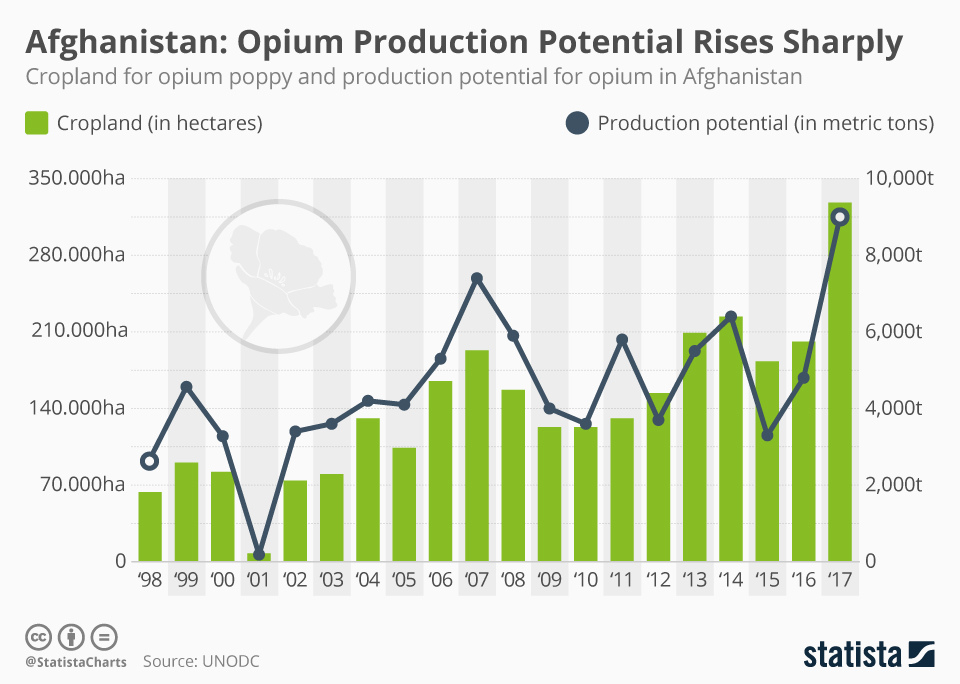
Afhganistan Opium production graph
Source | Dyfed Loesche | Statista

But even while it was financing a widespread and deadly aerial spraying campaign in Colombia, the United States refused to countenance the same policy in Afghanistan. “We cannot be in a situation where we remove the only source of income of people who live in the second poorest country in the world without being able to provide them with an alternative,” said NATO spokesman James Appathurai.

Not everyone agreed, however, that a passionate commitment to defending the quality of life of the poorest was the actual reason for rejecting the policy. Matthew Hoh, a former captain in the U.S. Marine Corps is one skeptic. Hoh told MintPress that airborne fumigation was not carried out because it would be outside the control of Afghan government officials, who were deeply implicated in the drug trade, owning poppy fields and production plants themselves. “They were afraid that, if they went to aerial eradication, the U.S. pilots would just eradicate willy nilly and a lot of their own poppy fields would be hit.” In 2009, Hoh resigned in protest from his position at the State Department in Zabul Province over the government’s continued occupation of Afghanistan. He told MintPress:

NATO forces were more or less guarding poppy fields and poppy production, under the guise of counterinsurgency. The logic was ‘we don’t want to take away the livelihoods of the people.’ But really, what we were doing at that point was protecting the wealth of our friends in power in Afghanistan. “

According to Hoh, there was widespread disillusionment within the military among service members who had to risk their lives on a day to day basis. “What are we doing here? This is bullshit,” was a common sentiment among the rank and file.
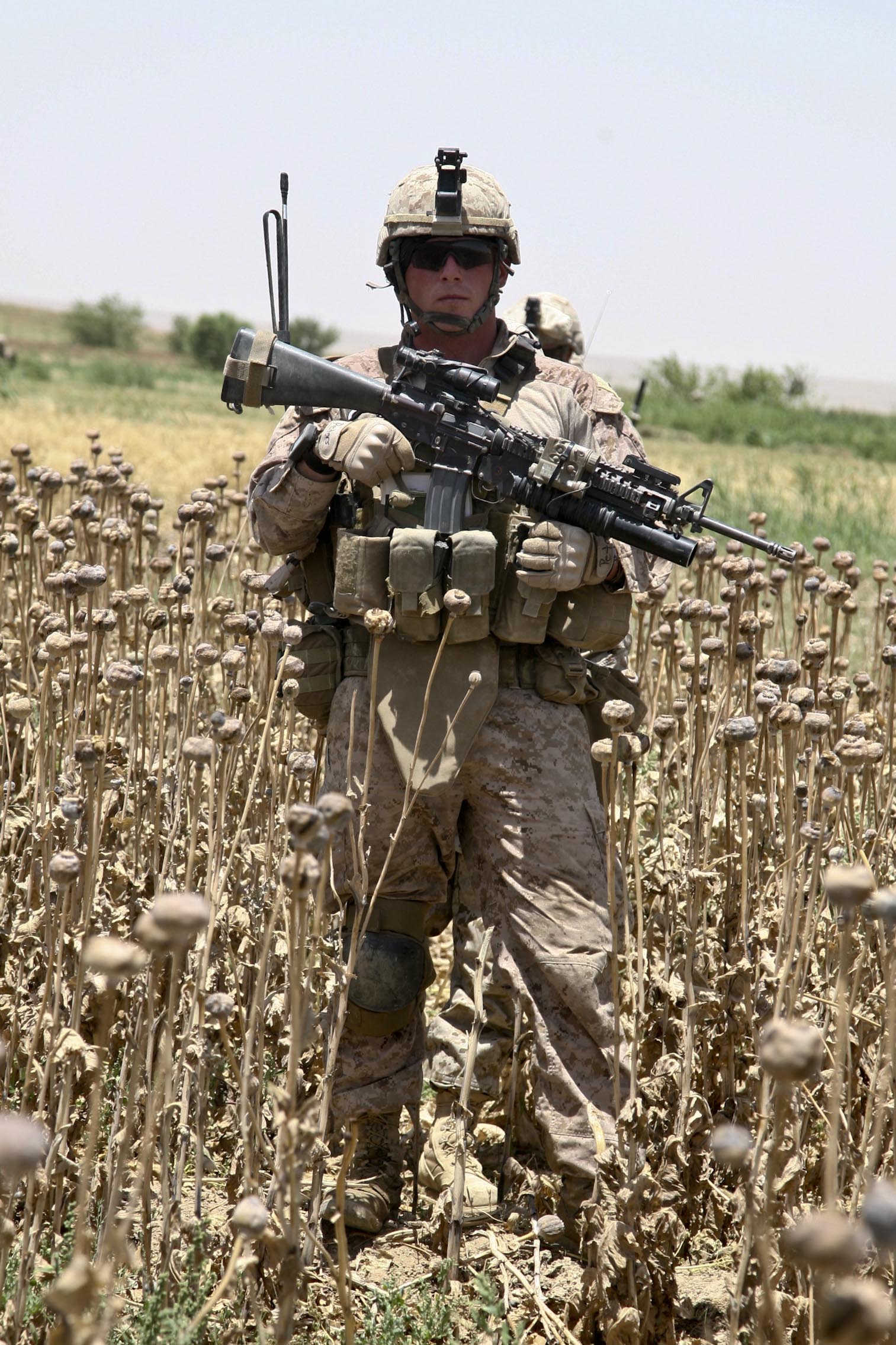
U.S. Marine Corps Cpl. James K. Peters stands in an opium poppy field while performing a foot patrol at Sangin, Afghanistan, May 19, 2011. (U.S. Marine Corps photo by Cpl. Jeremy C. Harris/Released)
A US Marine stands in a poppy field during a foot patrol at Sangin, Afghanistan. Photo | DVIDS

The heroin trade implicated virtually everyone in power, including Afghan President Hamid Karzai’s brother Ahmed Wali, among the biggest and most notorious drug kingpins in the south of the country, a man widely understood to be in the pay of the CIA.

U.S. attempts to stymie the opium trade, such as the policy of paying domestic militias to destroy poppy fields, often backfired. Locals came up with ways of profiting, such as refraining from planting in one area, collecting large sums of money from occupying forces, and using that cash to plant elsewhere — effectively getting paid both to plant and not to plant. Even worse, local warlords and drug bosses would destroy their rivals’ crops and collect money from the U.S. for doing so, leaving themselves both enriched and in a stronger position than before, having gained NATO forces’ favor.

One notable example of this is local strongman Gul Agha Sherzai, who eradicated his competitors’ crops in Nangarhar Province (while quietly leaving his own in Kandahar Province untouched). But all the U.S. saw was a local politician seemingly committed to stamping out an illegal drug trade. They therefore showered him with money and other privileges. “We literally gave the guy $10 million in cash for rubbing out his competition,” Hoh said. “If you were going to write a movie about this, they’d say ‘This is too far fetched. No one is going to believe this. Nothing is this insane or stupid.’ But that is the way it is.”

McCoy noted that the Taliban was one of the prime beneficiaries of the drug trade, and used it to increase their power and vanquish the U.S.:

That booming opium production, and the U.S. failure to curb it, provided the bulk of the financing for Taliban, who captured a significant but unknown share of the local profits from the drug traffic, which they used to fund guerrilla operations over the past 20 years, becoming a determinative factor in the U.S. defeat in Afghanistan.”

‘The needle and the damage done’

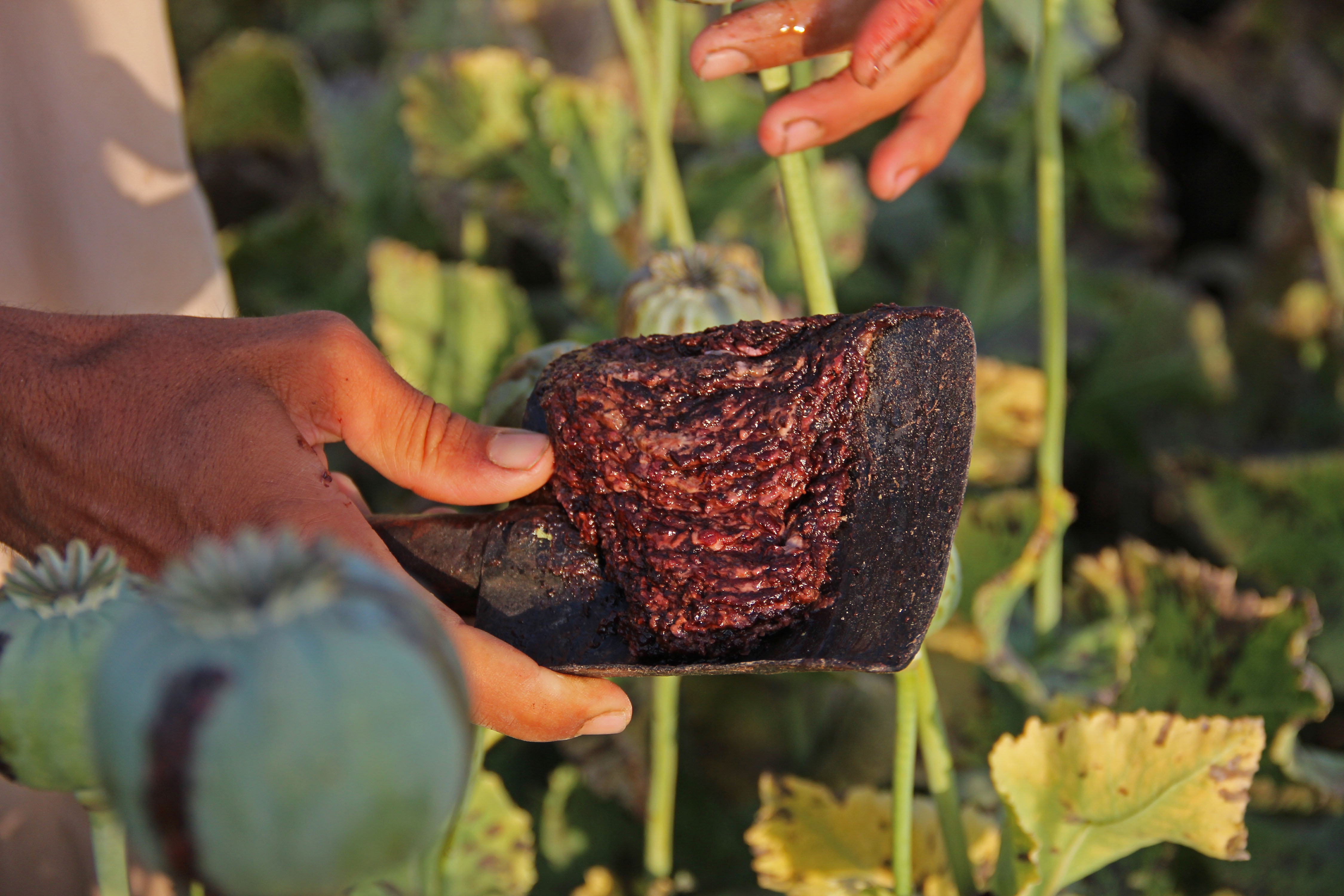
It is not particularly difficult to grow opium. Opium poppies flourish in warm and dry conditions, away from the damp and the wind. Consequently, they have found a fertile home across much of central and western Asia. The plant has flourished in Afghanistan, particularly in southern provinces like Helmand, close to the tripoint where Afghanistan meets Pakistan and Iran. Much of the irrigation system in Helmand was underwritten by USAID, an organization that acts as the CIA’s public-facing front. In full bloom, the poppy fields look spectacular, with beautiful flowers of vibrant pink, red or white. Underneath the flowers, one can find a large seed pod. Farmers harvest these, draining them of a sap which dries into a resin. This is often transported out of the country through the so-called “Southern Route” via Pakistan or Iran. But, as with any pipeline, much of the product is spilled along the way, causing an epidemic of addiction across the region.

The effect on the Afghan population has been nothing short of a disaster. Between 2005 and 2015, the number of adult drug users jumped from 900,000 to 2.4 million, according to the United Nations, which estimates that almost one in three households are directly affected by addiction. While Afghanistan also produces copious amounts of marijuana and methamphetamine, opioids are the drug of choice for most, with around 9% of the adult population (and a growing number of children) addicted to them. Added to this has been a spike in HIV cases, as users share needles, Professor Julien Mercille, author of “Cruel Harvest: U.S. Intervention in the Afghan Drug Trade,” told MintPress.

Only contributing further to the despair has been 20 years of war and U.S. occupation. The number of Afghans living in poverty rose from 9.1 million in 2007 to 19.3 million in 2016. A recent poll conducted by Gallup found that Afghans are the saddest people on Earth, with nearly nine in ten respondents “suffering” and zero percent of the population “thriving,” in their own words. When asked to rate their lives out of a score of ten, Afghans gave an average answer of 2.7, a record low for any country studied. Worse still, when asked to predict the quality of their life in five years, the mean answer was even lower: 2.3.

The effects of the CIA operation to bleed the Soviets dry in Afghanistan have also produced a humanitarian crisis in neighboring Pakistan. As McCoy noted, in the late 1970s, Pakistan had barely any heroin addicts. But by 1985, Pakistani government statistics reported over 1.2 million, turning the two nations into “the global epicenter of the drugs trade” almost overnight.

The problem has only grown since. A 2013 U.N. report estimated that almost 7 million Pakistanis use drugs, with 4.25 million requiring urgent treatment for dependency issues. Nearly 2.5 million of these people were abusing heroin or other opioids. Around 700 people die every day from overdoses. The highest rate of dependency is, unsurprisingly, in provinces on the Afghan border where heroin is manufactured. The same U.N. study notes that 11% of people in the northwestern province of Khyber Pakhtunkhwa use illicit substances — primarily heroin.

The drug crisis, of course, is also a medical crisis, with overstretched public hospitals filled with drugs-related maladies. The social stigma of addiction has ripped families apart while the money and power illicit drugs have brought has turned many towns into hotspots of violence.

Iran has a similar number of opioid users, generally estimated at between two and three million. In towns close to the Afghan/Pakistani border, a gram of opium can be bought with loose change — between a quarter and fifty cents. Thus, despite the extremely harsh penalties for drug possession and distribution on the official books, the country has the highest addiction rate in the world

On a micro level, addiction tears apart families and ruins lives. On an international scale, however, the opium boom has placed an entire region under significant strain. Therefore, one consequence of U.S. policy in the Middle East — from supporting jihadists to occupying nations — has been to unleash a worldwide opium addiction that has made a few people fantastically wealthy and destroyed the lives of tens of millions.

Domestic despair

The boom in production has also led to a worldwide disaster. In the past decade, opioid-related deaths increased by 71% globally, according to the United Nations. Much of the product grown by Afghan warlords ends up on Western streets. “I don’t see how it can be a coincidence that you have that explosive growth in poppy production in Afghanistan and then you have the worldwide opioid epidemic,” Hoh stated, a connection that raises the question of whether users in Berlin, Boston, or Brazil should be seen as victims of the war in Afghanistan as much as fallen soldiers are. If so, the numbers would be staggering. Nearly 841,000 Americans have died of a drug overdose since the war in Afghanistan began, including more than 70,000 in 2019 alone. The majority of these have involved opioids.

Officially, the DEA claims that essentially all illicit opioids entering the U.S. are grown in Latin America. Hoh, however, finds this unconvincing. “When you look at their own information and their reports on the illicit opioid production hectarage in Mexico and South America, it is clear that there is not enough production in the Western hemisphere to meet the demand for illicit opiates in the U.S.,” he told MintPress.

A dirty history

The U.S. government has a long history of directly involving itself with the worldwide narcotics trade. In Colombia, it worked with President Alvaro Uribe on a nationwide drug war, even as internal U.S. documents identified Uribe as one of the nation’s most important drug traffickers, an employee of the infamous Medellin Cartel and a “close personal friend” of drugs kingpin Pablo Escobar. Profits from drug-running funded Uribe’s election runs in 2002 and 2006.

General Manuel Noriega was also a key ally of the U.S. For many years, the Panamanian was on the CIA payroll — despite Washington knowing he was involved in drug trafficking since at least 1972. When he became de facto dictator of Panama in 1984, little changed. But the director of the Drug Enforcement Agency initially praised him for his “vigorous anti-drug trafficking policy.” Eventually, however, the U.S. decided to invade the country and capture Noriega, sentencing him to 40 years in federal prison for drug crimes largely committed while he was still in the CIA’s pay.

At the same time as this was going on, investigative journalist Gary Webb exposed how the CIA helped fund its dirty war against Nicaragua’s leftist government through sales of crack cocaine to black neighborhoods across the United States, linking far-right paramilitary armies with U.S. drug kingpins like Rick Ross.
Afghanistan Opium CIA
An Afghan farmer collects raw opium from poppy plants in his field in Chaparhar, Afghanistan. Nisar Ahmad | AP

To this day, the U.S. government continues to support Honduran strongman Juan Orlando Hernandez, despite the president’s well-established connections to the cocaine trade. Earlier this year, a U.S. court sentenced Hernandez’s brother Tony to life in prison for international drug smuggling, while Juan himself was an unindicted co-conspirator in the case. Nevertheless, President Hernandez has proven himself effective at suppressing the anti-imperialist Left inside his country and cementing the U.S.-backed 2009 military coup, one reason he is unlikely to face charges in the near future.

Using the illegal drug trade and the profits from it to fund imperial objectives has been a constant of great empires going back centuries. For instance, in the 1940s and 1950s, the French Empire utilized opium crops in the so-called “Golden Triangle” region of Indochina in order to help beat back a growing Vietnamese independence movement. Going further back, the British used its opium machine to subdue and economically conquer much of China. Britain’s insatiable thirst for Chinese tea was beginning to bankrupt the country, as the Chinese would accept only gold or silver as payment. It therefore used the power of its navy to force China to cede Hong Kong, from which Britain began flooding China with opium it grew in its possessions in South Asia.

The humanitarian impact of the Opium War was staggering. By 1880, the British were inundating China with over 6,500 tons of opium every year — equivalent to many billions of doses, causing massive social and economic dislocation as China struggled to cope with a crippling, empire-wide addiction. Today, many Chinese still refer to the era as “the century of humiliation.” In India and Pakistan, too, the effect was no less dramatic, as colonists forced farmers into planting inedible poppy fields (and, later, tea) rather than subsistence crops, causing waves of huge famines, the frequency of which had never been seen before.

Millions of losers

The story is much more nuanced than some “CIA controls the world’s drugs” conspiracy theories make out. There are no U.S. soldiers loading up Afghan carts with opium. However, many commanders are knowingly enabling warlords who do. “The U.S. military and CIA bear a large responsibility for the opium production boom in Afghanistan,” Professor Mercille said, explaining:

Post-9/11, they basically allied themselves with a lot of Afghan strongmen and warlords who happened to be involved in some way in drug production and trafficking. Those individuals were acting as local allies for the U.S. and NATO, and therefore were largely protected from retribution or arrest for drug trafficking because they were U.S. allies.”

From the ground, the war in Afghanistan has looked a lot like the war on drugs in Latin America and previous colonial campaigns in Asia, with a rapid militarization of the area and the empowerment of pliant local elites, which immediately begin to embezzle the massive profits that quietly disappear into black holes. All the while, millions of people pay the price, suffering inside a militarized death zone and turning to drugs as a coping mechanism. In the story of the opium boom, there are few winners, but there are millions of losers.


River to Sea Uprooted Palestinian   
The views expressed in this article are the sole responsibility of the author and do not necessarily reflect those of the Blog!

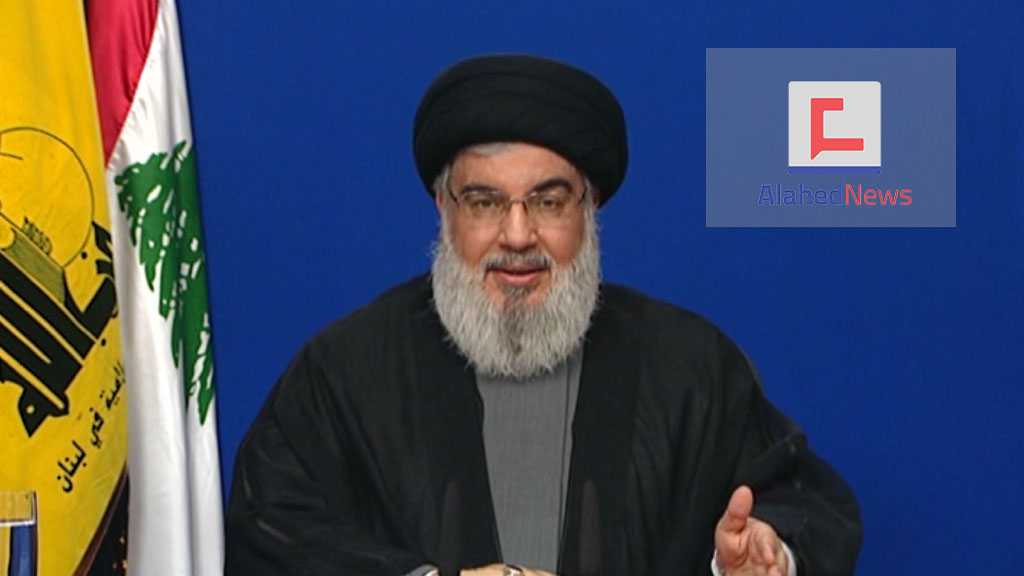
السيد نصرالله يقطع نصف الطريق بنجاح

 25/06/2021

Sayyed Nasrallah Vows to Keep Serving the Lebanese People on Every Level: Iranian Fuel Promise Still Valid
 ناصر قنديل

خاض الأمين العام لحزب الله ملفات عديدة في كلمته أمس، وقد خرج منها بحصيلة لا يُستهان بها، فقد نجح بقطع نصف الطريق على خصومه في الملفات التي ناقشها سجالياً، كملف تسليح الجيش اللبناني وملف المثالثة المفترضة في بعض الطروحات المتداولة كفزاعة سياسية حول علاقات الطوائف، وبالمقابل نجح بقطع نصف الطريق نحو خط النهاية في إنجاز الهدف، في الملفات التي تناولها من باب الإشارة لما يقوم به حزب الله أو سيقوم به، كحال المسعى المتجدّد لتنشيط المسار الحكوميّ، أو ملف استيراد المحروقات من إيران بالليرة اللبنانية.

في البعد السجالي حول الجيش اللبناني والحديث الأميركيّ عن الرهان على تقويته بوجه حزب الله أصاب السيد نصرالله بالتساؤل عما إذا كان الأميركي حريصاً على الجيش عندما يحرّضه على فريق كبير من اللبنانيين ويحرّض هذا الفريق وبيئته على الجيش ويثير شكوكه حول دور الجيش، بينما في موضوع التسليح الذي يُراد من حزب الله أن يخشاه، فالسيد يؤكد انه أول المؤيدين والساعين لتقوية الجيش وتعزيز مقدراته وسلاحه وأن الأميركي هو العقبة أمام هذا التعزيز. وبالطبع يعرف كل متابع كيف ان دولة في حلف الأطلسي مثل تركيا تلجأ لصواريخ دفاع جويّ روسية، ويمنع الجيش اللبناني من أن يشتري أي سلاح نوعيّ يمكّنه من التصدي للاعتداءات الإسرائيلية المتمادية على سيادته وأجوائه.

في البعد السجالي المتفرّع عن كلام رئيس التيار الوطني الحر النائب جبران باسيل حول الاستعانة بالسيد نصرالله كصديق، أصاب السيد هدفه بالتساؤل عما إذا كانت الاستعانة بغير الصديق وغير اللبناني مقبولة، بينما الاستعانة باللبناني الصديق مذمومة، مضيفاً أن فزاعة المثالثة مبنية على كذبة. فالصيغة المقترحة للحكومة ليس فيها الا ثمانية واحدة، هي حصة رئيس الجمهورية والتيار الوطني الحر كسقف يحول دون امتلاكهما الثلث المعطل، أما الباقي فحصص مختلفة لتشكيلات طائفية وسياسية متعددة لا يمكن احتسابها الا تلفيقاً ضمن معادلات ثمانيات رديفة بنيّة تصويرها تعبيراً عن لعبة مثالثة تجعل التمثيل السياسي من الحصة المسيحيّة لقوى كالمردة والقوميين مجرد امتداد شيعيّ، وقوى وازنة درزياً امتداداً للحصة السنية، ولذلك كل حديث المثالثة مفتعل، ولا حاجة لمناقشته.

في الحديث عن قضيّة المحروقات ساجل السيد نصرالله الذين لا يرحمون اللبنانيين ولا يريدون أن تنزل رحمة الله عليهم، فاعتراضهم على شراء المحروقات من إيران بالليرة اللبنانية، يترجم بقيامهم بتأمين بديل أفضل، فليقوموا بذلك وسنكون أول المباركين، ولديهم أصدقاء لا تطالهم العقوبات، فليذهبوا إليهم كما ذهبنا الى أصدقائنا، وعندها نقبل ملاحظاتهم، أما أن يكون بديلهم الوحيد ترك اللبنانيين نهشاً لطوابير الذل والأسعار الملتهبة فذلك سقوط أخلاقي وتعبير عن انعدام روح المسؤولية واحتكام للحقد لا للسياسة. وتبقى المهزلة في ما قاله رئيس حزب القوات اللبنانية عن أنه ليس لدى إيران بنزين لتبيعه للبنان بينما منظمة أوبك تعتبرها الدولة الأولى في إنتاج البنزين وفائض إنتاجها عن استهلاكها يعادل استهلاك لبنان عشرين مرة.

في جوهر مشكلة الحكومة، قطع السيد نصرالله نصف الطريق أيضاً، فهو تلقف بنيّة حسنة ما قاله باسيل بنية حسنة أيضاً. وأعلن ان المتابعة قائمة والاستعداد مستمر، والهدف هو المساعدة على الجبهات المعنية بتشكيل الحكومة لحل منصف قاعدته مبادرة رئيس مجلس النواب نبيه بري. وما قاله السيد نصرالله منح اللبنانيين الأمل بأن الأمور ليست في طريق مسدود، حتى لو لم يكن الحل غداً، فإن المساعي مستمرة ولا مكان لليأس فيها، ووجود قوة قادرة على الحفاظ على ثقة المعنيين الأساسيين بالملف الحكومي بمثل ما هو حزب الله والسيد نصرالله اليوم يعطي اللبنانيين بعض الأمل أمام السواد الذي يُحيط بهم، ويفتح كوة في الجدار لبصيص ضوء في نهاية النفق، لأن عتبة كل مساهمة جدّية في الخروج من النفق تبدأ بولادة حكومة، والنهوض عبرها بدور الدولة ومؤسساتها.

في الشأن الاقتصادي والاجتماعي كما في الشأن الحكومي، كان السيد نصرالله صادقاً وشفافاً مع اللبنانيين فصارحهم بأن الآتي أشدّ قسوة، وأننا في طريق رفع الدعم ولو بعد حين، لكنه من موقع الإدراك لأهمية تخفيف الضغط عن طلب الدولار من السوق متمسك بمبادرته باستيراد المحروقات بالليرة اللبنانيّة، حيث تشكل فاتورة المحروقات نصف فاتورة الاستيراد، التي سيجري تمويلها بمزيد من الطلب على الدولار عندما يتوقف مصرف لبنان عن تأمين دولارات الاستيراد، ولأن إيران كدولة صديقة وافقت على بيعنا المحروقات، فنحن ماضون في سعينا مبشراً بأن كل الترتيبات اللوجستية والإدارية أنجزت وعندما تدق الساعة ويتخذ القرار، لن نحتاج الا لإطلاق الحركة للتنفيذ.

في زمن يعمّ فيه السواد، جاء كلام السيد نصرالله بكل ما فيه واقعياً يلامس وجع الناس، كما في كلامه على قطع الطرقات، ودعوته للقيادات لقدر من المقاربة الأخلاقيّة لمسؤولياتهم تجاه من يمنحهم ثقته من الناس، وهم يرون الذل والهوان والوجع والألم، في عيون المواطنين ولا يحرّكون ساكناً، ولا يقدمون على ما يجب فعله بالحد الأدنى لتخفيف المعاناة، ولعل بعض ما تمّ وما سيتمّ يأتي على إيقاع محاولة تفادي الخيارات التي بشّر بها السيد نصرالله، التي ستحلّ ساعتها مهما استأخروها.

نصف الطريق نعم، لكنه نصف صع1ب، وقطعه يسهّل قطع النصف الثاني.


River to Sea Uprooted Palestinian   
The views expressed in this article are the sole responsibility of the author and do not necessarily reflect those of the Blog!

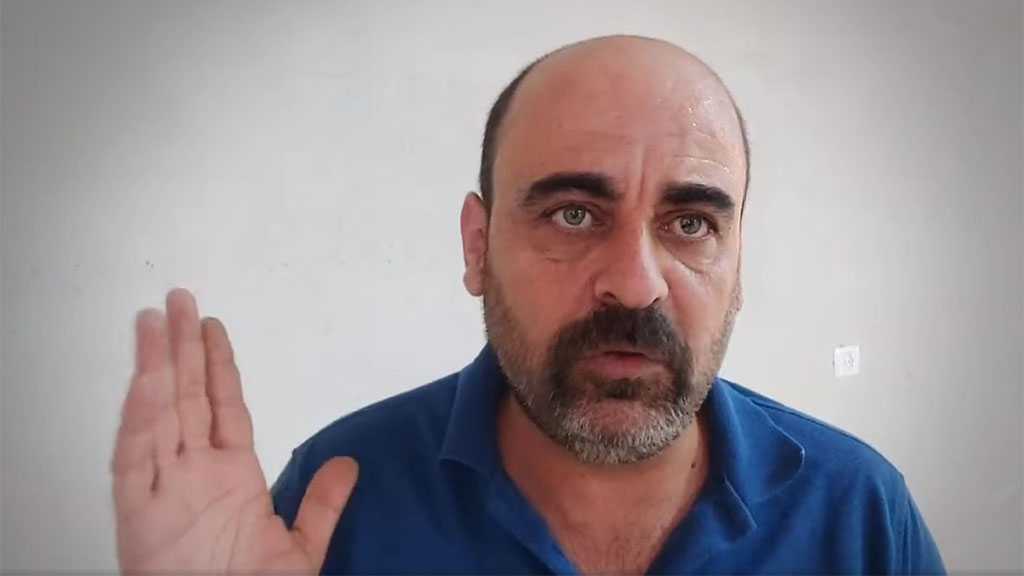
نزار بنات شهيدٌ اغتاله الموساد بيد السلطة الفلسطينيّة


See the source image

24/06/2021

 ناصر قنديل

– خلال أكثر من عشر سنوات وأنا على اتصال وثيق بعشرات الناشطين المميّزين في الأراضي الفلسطينية المحتلة، وأتابع عن كثب نشاط عشرات آخرين، وكان الراحل الدكتور عبد الستار قاسم أحد هؤلاء المميّزين، ومثله كان نزار بنات، ولم يكن خافياً أن أغلب هؤلاء النشطاء والقادة ملاحق من أجهزة السلطة الفلسطينية، وقد تعرّض للاعتقال والاعتداء على أيدي هذه الأجهزة مراراً، ولم تكن هذه الأجهزة تخفي اعتبار هؤلاء النشطاء سبباً لصداع في علاقاتها مع أجهزة كيان الاحتلال، التي كانت تهتم بمتابعة حثيثة لهؤلاء النشطاء، وفي التحقيقات مع هؤلاء القادة والنشطاء وخلال الاعتقالات لم تكن توجّه لهم تهماً تتصل بشؤون تتصل بغير تسببهم بغضب الاحتلال، وتسببهم بإضعاف هيبة الأجهزة الأمنية التي كانت تتولى التنسيق مع أجهزة الاحتلال.

– نزار بنات صاحب موقف، يكفي لمن لا يعرفه استعراض نصين له مسجّلين على فيديوات باتا في التداول بعد استشهاده، واحد يتحدث فيه عن الذين يحرّضون على ايران وحزب الله بلغة مذهبية، بمناسبة استشهاد القائدين قاسم سليماني وأبي مهدي المهندس، فيستعرض عظمة ما قامت به إيران خلال أربعة عقود وما أنجزه حزب الله، في مواجهة الهيمنة الأميركية والمشروع الصهيوني، مقابل الأموال العربية والخليجية خصوصاً، التي أنفقت لتخريب سورية وتدميرها وآلاف المقاتلين الذين تم تطويعهم للقتال وأطنان الأسلحة التي أرسلت إليها، فيما يُحرَم الفلسطينيون من جمع التبرعات في دول الخليج ويلاحق كل من يدعو لدعم المقاومة في فلسطين، قبل أن تتوّج هذه المسيرة بالتطبيع. ويسخر بنات من الذين يتحدثون عن هلال شيعي يصفه بهلال المقاومة الذي سيشكل الطوق لنصرة فلسطين، سائلاً جبهة النصرة التي كانت على حدود فلسطين عند احتلالها مناطق جنوب سورية عما فعلته غير التنسيق مع الاحتلال؟

– في إطلالة ثانية يتحدث بنات عن انتفاضة بلدة بيتا القريبة من القدس التي تواجه خطر الإخلاء لحساب المستوطنين، مستعيداً تاريخ البلدة في الانتفاضة الأولى، وأهميّة الدور الذي لعبته في تثبيت الإنتفاضة وإبداعات شبابها في مواجهة الاحتلال، محذراً من العبث بحركتها الراهنة لتضييعها على طريقة ما تمّ في مدينة الخليل، حيث نجحت بعض البؤر الاستيطانيّة في الالتفاف على حركات الاحتجاج وكسرها بمعونة السلطة وأجهزتها، ويدعو الناشطين إلى تطوير حركتهم بالتنبه إلى مكائد الاحتلال التي قد تأتي بالتنسيق مع السلطة وأجهزتها، واضعاً مصير المواجهة هناك في مرتبة من الأهمية يكشف أسبابها بما مثلته البلدة في ذاكرة الاحتلال، وكأنه يكشف بذلك أنه بهذا الانتباه والتنبيه قد سرّع قرار تصفيته الجسديّة بقرار من الموساد كلّفت أجهزة السلطة بتنفيذه.

– كلام وزارة العدل في السلطة عن تنفيذ اعتقال بنات بقرار من النائب العام يجعلنا نتخيل أن الحديث يتم عن مجرم وسارق، وكان مَن يتولى التنسيق مع أمن الاحتلال لا يتضمن النيابات العامة، وهل تستطيع السلطة أن تنكر أن كل المقاومين الذين سلمتهم للاحتلال أو الذين أوقفتهم بطلب منه، لم تتمّ ملاحقتهم بأمر من نيابة عامة مكرّسة للاستجابة لطلبات الاحتلال وفقاً لقواعد التنسيق الأمني، أما الحديث عن التحقيق ودعوة النشطاء لقول ما يريدون أمام لجنة التحقيق، فمهزلة المهازل، لأنه محاولة لتصوير القتل المتعمد وكأنه خلل تقني في عملية توقيف قانونية عادية، وعائلة الشهيد تؤكد أن قوة من عشرات العناصر اقتحمت منزل الشهيد وفجّرت الأبواب والشبابيك، ثم سحلت الشهيد تحت ضربات العصي والأدوات الحادة قبل أن تسحبه جثة هامدة الى سياراتها وتذهب به الى براد مستشفى الخليل وهي تبلغ أهله أنه بخير وقيد التحقيق.

– المنادون بتحقيق مستقل يسخرون من عقولنا، فالجواب الوحيد هو توجيه الاتهام لقيادة السلطة باغتيال المناضلين والنشطاء، حتى يتم إعلان وقف التنسيق الأمني وإحالة الذين شاركوا فيه طوال السنوات الماضية من كبار ضباط الأجهزة الى التحقيق لمعرفة من تمّ تجنيده منهم للعمل مع أجهزة الاحتلال ومخابراته، وقد صار معلوماً حجم الاختراقات التي تنخر جسم هذه الأجهزة لحساب مخابرات الاحتلال.


River to Sea Uprooted Palestinian   
The views expressed in this article are the sole responsibility of the author and do not necessarily reflect those of the Blog!

Palestinian Activist Nizar Banat Assassinated After Raid on His Home by PA Officers

 24/06/2021

Palestinian Activist Nizar Banat Assassinated After Raid on His Home by PA Officers

By Staff, Agencies

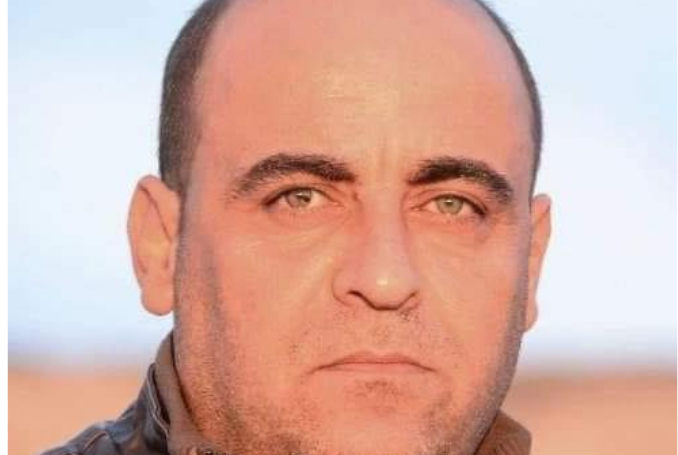
Nizar Banat, a leading Palestinian activist and critic of the Palestinian Authority [PA], has died after a raid by PA security forces on his home in Dura in the al-Khalil area early on Thursday.

In a statement, the Governor of al-Khalil Jibreen al-Bakri claimed “during the arrest his health deteriorated,” however Banat’s family said he had been subjected to a beating while being detained.

The arrest took place as the PA stepped up its security crackdown on political opponents and social media users in the occupied West Bank.

Banat was well known for his criticism of the PA leadership and had been arrested several times in the past by Palestinian Authority security forces.

The Middle East Eye cited Muhannad Karajah, from Lawyers for Justice, as saying that Banat had phoned him on Wednesday and told him that he was being subjected to threats by the PA’s intelligence service, who had demanded that he stop his criticism of the authority.

Banat has for months been posting videos on Facebook on which he lambasted PA President Mahmoud Abbas and other senior PA and Fatah officials.

Ammar, a cousin of Banat and a spokesman for the family, told MEE that about 25 officers and a member of the Preventive Security and General Intelligence, stormed the house around 3.30am in the morning after detonating its doors.

He said the officers stormed the room in which Nizar was sleeping and immediately began to attack him by spraying him with gas in his mouth and nose.

The cousin said they beat Banat severely with iron and wooden batons.

He added that Nizar had been in a fainting state, so they dragged him, stripped him of his clothes, and transported him away in military vehicles.

The death has been met with anger on the streets and criticism from human rights organizations and Palestinian factions who have called for an independent investigation.

In a statement, the Popular Front for the Liberation of Palestine [PFLP] held the PA responsible for Banat’s death.

“The arrest and then the assassination of Nizar again raises questions on the nature of the role and function of the PA and its security services, and its violation of the democratic rights of citizens through the policy of silence, prosecution, arrest and murder,” said the PFLP

Additionally, Sami Abu Zuhri, a member of Hamas’ political bureau, said: “We consider that [PA] Prime Minister Mohammad Shtayyeh bears the primary responsibility for the murder of activist and parliamentary candidate Nizar Banat, and we call for the killers to be prosecuted.”


Related Articles


River to Sea Uprooted Palestinian   
The views expressed in this article are the sole responsibility of the author and do not necessarily reflect those of the Blog!

Palestinians protest death of activist Nizar Banat in PA police custody

 Death of prominent critic of the Palestinian Authority has unleashed anger at President Mahmoud Abbas

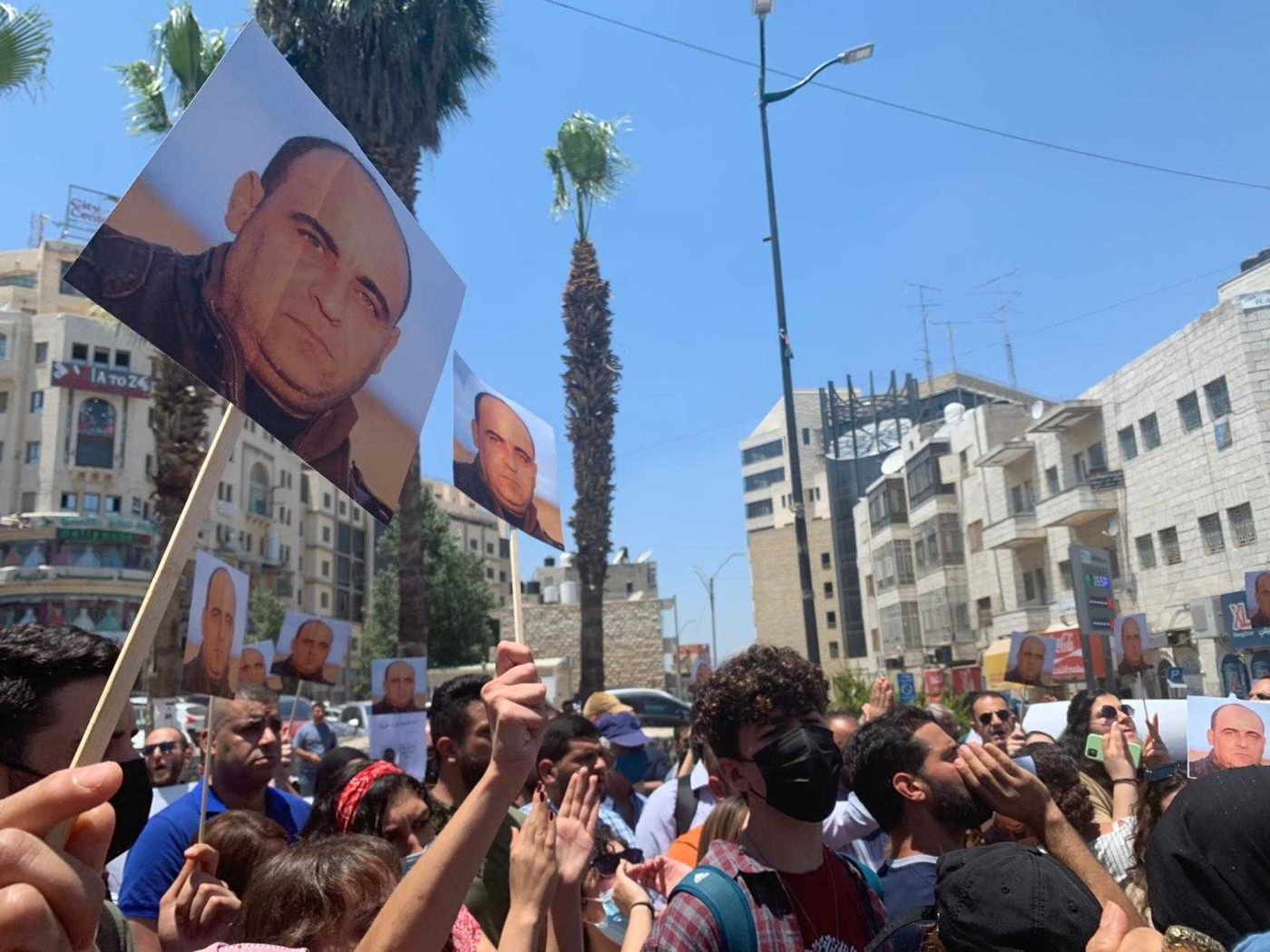
Protesters hold photos of Nizar Banat, who died in the custody of Palestinian Authority security forces, during a demonstration in the occupied West Bank city of Ramallah on 24 June 2021 (MEE/Shatha Hammad)

By Shatha Hammad in Ramallah, occupied West BankPublished date: 24 June 2021 11:40 UTC | Last update: 8 hours 33 mins ago

Protesters took to the streets in the occupied West Bank on Thursday, facing police repression following the death of prominent critic of the Palestinian Authority (PA) Nizar Banat overnight while in the custody of PA forces.

In Ramallah, the administrative centre of the PA, thousands of demonstrators chanted: “In soul, in blood, we defend you Nizar.”

Many other slogans took direct aim at the PA and President Mahmoud Abbas, with chants including: “The people want the downfall of the regime,” and “Leave, leave Abbas.”

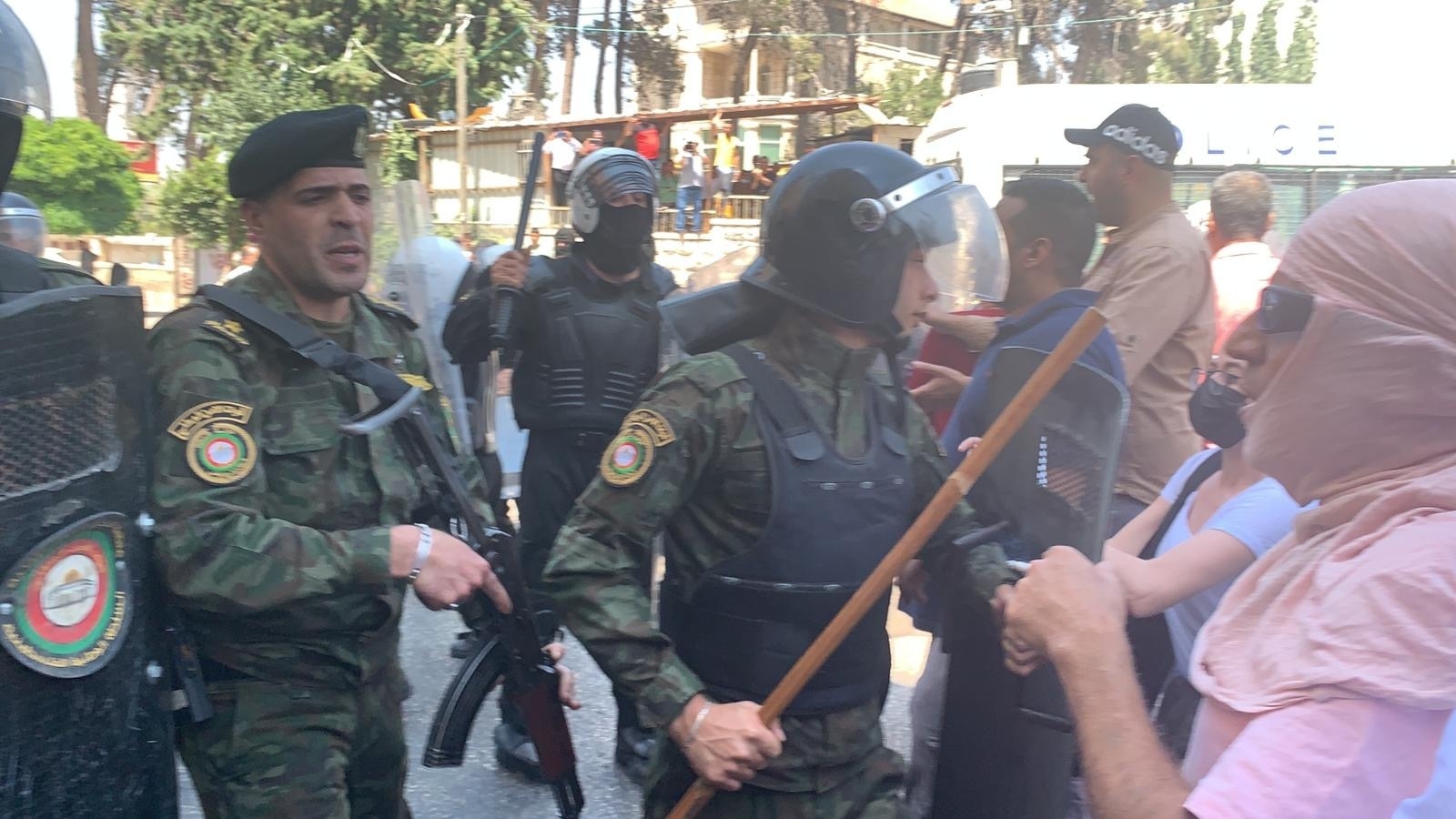
PA forces hit demonstrators with batons and fired tear gas and stun grenades in Ramallah.


A member of Palestinian Authority forces wields a baton during the demonstration in memory of Nizar Banat in Ramallah on 24 June 2021 (MEE/Shatha Hammad)

Banat was arrested by at least 25 officers, who raided his home in the town of Dura in the southern West Bank governorate of Hebron, at 3.30am on Thursday. He was declared dead shortly afterward.

Preliminary autopsy results showed that Banat was severely beaten with several bruises and fractures showing all over his body, Samir Zaarour, a doctor who oversaw the autopsy, said on Thursday.

The Ramallah-based Independent Commission for Human Rights revealed the autopsy results at a news conference in Ramallah on Thursday.

Zaarour said Banat had injuries in the head, neck, shoulders as well as broken ribs and internal bleeding in the lungs – signs indicative of an unnatural death – stressing that the victim did not suffer from any serious medical condition that would otherwise lead to his death.

Full autopsy and toxicology reports, expected to be available within 10 days, will definitively determine the cause of death.

‘Dangerous precedent’

Ammar Al-Dwaik, the general director of the commission, described the death of Banat a “dangerous precedent” against a political dissident, calling for a criminal investigation into the incident that would refer the perpetrators of the killing to trial.

Banat was well known for his criticism of the PA leadership and had been arrested several times in the past by Palestinian security forces. He was also a candidate on the Freedom and Dignity electoral list for the Palestinian Authority parliamentary elections, which had initially been scheduled for 22 May, but were postponed by the PA.

Human rights organisations and Palestinian factions have called for an independent investigation into the circumstances surrounding Banat’s death – which, according to Mohannad Karajah, a member of the Palestinian Lawyers for Justice group, amounted to an “assassination”.

PA officials announced on Thursday afternoon that Prime Minister Mohammad Shtayyeh had ordered an investigation committee – led by Minister of Justice Mohammad Shalaldeh and including a physician appointed by the Banat family, a human rights official, and a security official – into Banat’s death.

But Omar Assaf, a member of Democratic Front for the Liberation of Palestine (DFLP) political bureau, dismissed outright the credibility of an investigation led by the PA.

“There needs to be a popular investigation committee established, not an official committee, because a popular committee will uncover the truth,” he told Middle East Eye.

He referred to the case of Majd al-Barghouthi, who died in PA custody in 2008, only for an official investigation to clear security forces of wrongdoing.

“In the case of Majd al-Barghouthi, they concluded that he was a chain smoker, when he had never smoked once in his life,” Assaf said. “These are the official investigation committees.”

‘Palestinian law protects the occupation’

Speaking at the demonstration in Ramallah, Assaf added: “This is a continuation of the Dayton [Mission] creed, which was adopted by the PA and its security apparatus, that the people are the enemy of the state. There must be the dismissal of heads of the security branches, and the criminals responsible for killing Nizar Banat should be brought to court.”

The PA was established in the wake of the 1993 Oslo Accords, and initially intended to be an interim governing body until the establishment of a fully-fledged Palestinian state.

But with a two-state solution never materialising, the PA – which exerts only limited control over Areas A and B, which make up around 40 percent of the West Bank – has long been accused by many Palestinians of being an extension of the Israeli occupation.

The PA’s security coordination with Israel is a principal target of anger. The policy, through which PA forces are in regular contact with Israeli forces, has meant PA police may withdraw from areas ahead of an Israeli army raid, or arrest Palestinians wanted by Israel.

“Palestinian law protects the occupation, but we want it to protect the Palestinian people,” Maher al-Akhras, a leader of the Islamic Jihad movement in the West Bank, told MEE from the Ramallah protest.Abbas critic Nizar Banat dies after raid on his home by PA forces

Akhras, who was released from Israeli prison in November following a 103-day hunger strike against his administrative detention, drew a parallel between Banat’s death and the killing of another prominent Palestinian activist, Basel al-Araj, in March 2017.

Araj had been one of six activists imprisoned and tortured by the PA for six months in 2016. Most of them were arrested by Israeli forces shortly after their release by the PA, while Araj went into hiding for months, only to later be killed in a standoff with Israeli forces. The PA had been widely denounced at the time as complicit in Araj’s death due to its security coordination.

The PA has also been criticised for its crackdown on political opposition and social media users in the West Bank through draconian legislation on social media posts. Abbas, meanwhile, has been in power since 2005. Though his term as president officially ended in 2009, the PA has not held presidential elections in 16 years.

In addition to legislative elections, a presidential vote initially scheduled for 31 July was postponed in April, with the voting rights of Palestinians living in occupied East Jerusalem cited as a reason. Critics of Abbas have accused the president of using Jerusalem’s right to vote as an excuse to avoid the election due to the popularity of Hamas, the main rival party to his own Fatah movement.

The US State Department said on Thursday that Washington was “disturbed” by Banat’s death.

“We urge the Palestinian Authority to conduct a thorough and transparent investigation and to ensure full accountability in this case,” spokesperson Ned Price said in a statement. 

“We have serious concerns about Palestinian Authority restrictions on the exercise of freedom of expression by Palestinians and harassment of civil society activists and organizations.”

Related


River to Sea Uprooted Palestinian   
The views expressed in this article are the sole responsibility of the author and do not necessarily reflect those of the Blog!

Prominent Palestinian Activist Nizar Banat Dies during Arrest by PA Forces

June 24, 2021


Palestinian prominent activist Nizar Banat. (Photo: via Social Media)

A prominent Palestinian political activist and outspoken critic of the Palestinian Authority died during his arrest by PA forces early Thursday.

In a brief statement, the Hebron governorate said that Banat’s “health deteriorated” when a force of the security services went to arrest him early Thursday. It added that he was taken to a hospital where he was later announced dead.

The Palestinian Authority has deliberately targeted and killed Nizar Banat in Hebron.
Nizar spoke up about repression and failed policies which keep Palestinians silent, chained.
Today, the PA proved that it doesn’t intend on keeping Palestinians safe and free. #nizar_banat pic.twitter.com/YPmVIGMSIr

— مريم البرغوثي (@MariamBarghouti) June 24, 2021

Nizar’s cousin, Mohammad Banat, told Quds News Network that around 25 Palestinian security forces stormed the home where Nizar was staying, blowing out doors and windows.

He added that they beat Nizar with an iron bar and sprayed pepper spray in his eyes before undressing him and dragging him away to a vehicle.

Mohammad and another cousin were present during the arrest.

(Quds News, PC, Social Media)


River to Sea Uprooted Palestinian   
The views expressed in this article are the sole responsibility of the author and do not necessarily reflect those of the Blog!