Showing posts with label Aden. Show all posts

Saturday, 14 August 2021

Manipulating Dollar-Riyal Exchange Rate, Saudis and US Double Cost of Yemen’s Staple Goods

August 13th, 2021

Yemen Dollar Feature photo

By Ahmed Abdulkareem

Source

Thousands of Yemenis held rallies in cities across the country demanding hunger not be used as a weapon by Saudi Arabia and the United States in order to bring locals to their knees.

ADEN, YEMEN — “The prices are skyrocketing. We can’t feed our children. They are starving,” Saher Abdu Salem, a government employee and a mother of five, said as she participated in a protest in Aden against Saudi Arabia and the government of ousted Yemeni President Abdul-Mansour al-Hadi. The protests took place at the Aden port this week in the wake of a recent decision by the Saudi-backed government in Aden to raise the U.S. dollar exchange rate for major life-saving goods. Now Saher and her husband are struggling to feed their family in the coastal city where the price of the staple ‘rooti’ loaf of bread has soared 250% in a month, its portion halved in size. “When the U.S. State Department expresses its concern over us, this means that it will deal a new blow to our hungry stomachs,” she said.

In this recent development, the oil-rich kingdom has raised the U.S. dollar exchange rate used to calculate customs duties on essential goods that enter Yemen, a country grappling with what the United Nations says is the world’s largest humanitarian crisis, with millions facing famine. The decision, which has been adopted by the ousted president’s government, has quickly been put into effect and has doubled customs tariffs for major goods and products that enter from the ports controlled by the Saudi-led Coalition.

In the wake of the Saudi decision, the price of essential goods has been doubled, particularly in Aden, Hadramout, al-Mahrah and all southern provinces occupied by the Saudi-led Coalition. In Aden, prices of oil, sauces, vegetables and fruits have more than tripled. The hike in duties from 250 to 110 Yemeni Riyals to the dollar applies to basic commodities such as flour, sugar, cooking oil, rice, milk, fuel and medicine.

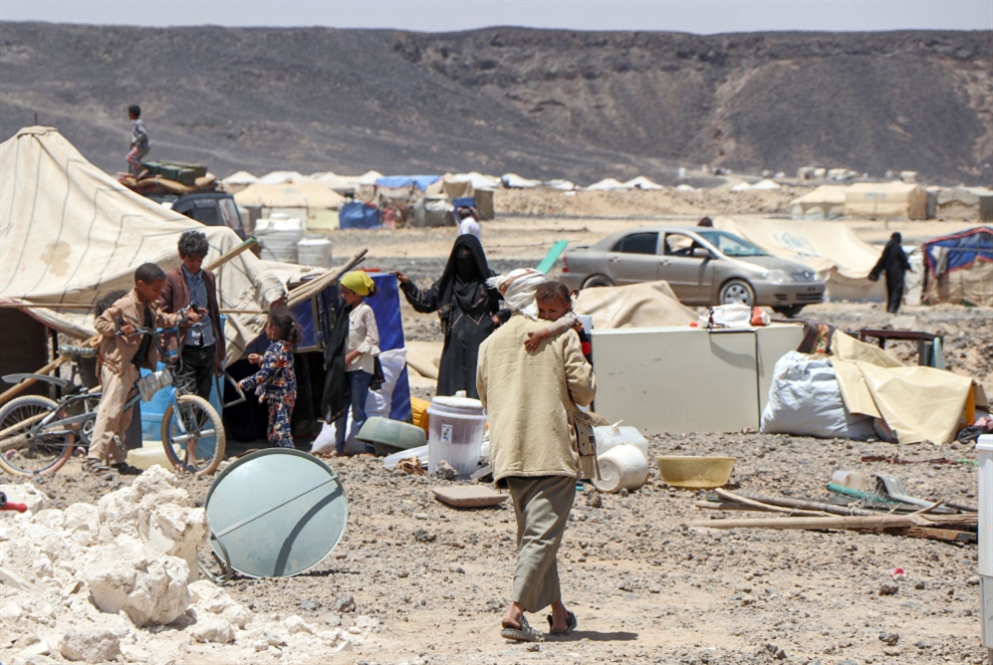
According to the United Nations and local humanitarian bodies working on the ground, the move has already aggravated the humanitarian crisis in the war-torn country where more than 80% of the population is reliant on imports. On Wednesday, a report issued by the United Nations Office for the Coordination of Humanitarian Affairs in Yemen said that the Yemeni riyal in “the areas of the internationally recognized Yemeni government” (referring to the Saudi-backed government of al-Hadi) has lost more than 36% of its value within a year, causing prices to rise. Moreover, the move has spread fear among Yemeni families who are struggling against floods, COVID-19 and other diseases.

The World Bank has said that about 70% of Yemenis are at risk of starvation at a time when the country’s gross domestic product (GDP) has been halved since 2015, when the war began. The World Bank added, in the report published on its website, that “food prices have also risen due to the suspension of commercial imports and the resulting shortage of supplies, and the depreciation of the Yemeni riyal, which currently barely exceeds a third of its 2015 value.”

Refusing to acquiesce

Thousands of Yemenis held rallies in cities across the country demanding hunger not be used as a weapon by Saudi Arabia and the United States in order to bring locals to their knees. In the Saudi-controlled south and east of Yemen — where separate protests have broken out recently over frequent power cuts and the deterioration of health services, in light of the spread of COVID-19 and non-payment of wages — hundreds took the street in Aden, Abyan and Taiz, and al-Shehr ports located in al-Mahrah.

Meanwhile, many traders, importers, and related workers refused to acquiesce in the Saudi decision and instead went on strike. “This decision is a disaster for all Yemenis, and we have been on strike since Eid al-Adha,” Wael Gabr, a merchant who went on strike along with dozens of his peers at the al-Shahr port in al-Mahra, said. The Chamber of Commerce and Industry, based in Aden, also rejected the decision and warned of its repercussions.

Food prices have spiked sharply in the southern governorates since June 2020 thanks to Saudi mismanagement, according to the World Bank, which reported that the national average cost of a Minimum Food Basket (MFB) rose to YR 41,950 (about $63) in June, 4% above the MFB in May, driven by the large depreciation of the rial. The MFB cost increased, month to month, by 18% in Aden, 13% in Lahji and 11% in Dhalee, impacting southern households. In sharp contrast, the MFB cost declined markedly by 7% in Sana`a and remained stable in most other northern governorates, despite acute fuel shortages.

“We hold America responsible”

In Sana`a, where the Ansar Allah-led government has been able to maintain a stable exchange rate, thousands of people took the street on Sunday in Bab al-Yemen southeast of the city. There, protesters voiced slogans and chants against both Riyadh and Washington, expressing deep dissent over the recent rising rate of customs tariffs imposed by Saudi Arabia. “Nothing happens without the knowledge or consent of the United States,” Gabriel Ahmed said, as he joined with others chanting the slogan “Who is behind the decision…? America! America!”


A statement read by protest organizers proclaimed:

We consider raising the price of the customs dollar a pre-planned American decision by President Biden`s administration itself and implemented by the puppet tools in Aden. And we hold America responsible for exposing civilians in all Yemeni governorates to starvation, and we hold it responsible for using the siege of starvation as a weapon of war against the Yemeni people.”

In a speech to the protesters, Mohammed Ali al-Houthi, a high-ranking leader in the movement, said that the U.S. is constantly trying to depreciate Yemen’s rial against the American dollar in a move similar to its efforts in Syria, Palestinians and Lebanon: “It is the U.S. that has put a blockade against our country and killed our people. Saudi Arabia and the UAE are nothing more than tools for implementing U.S. schemes and agendas.”

This step — which came as part of the maximum pressure campaign exercised by Saudi Arabia and supported by the Biden administration, to bring the Yemenis to their knees — coincides with another step no less dangerous than rising tariffs. In July, Saudi Arabia began a new campaign to purge the kingdom — particularly its southern governorates of Asir, Jizan, and Najran — of Yemeni nationals, including workers and academics, in a move that will not only exacerbate Yemen’s humanitarian crisis, social instability and armed conflict for years to come, but also undermine whatever possibility remains of the Yemeni Republic emerging from this war intact, according to a recent report from Sana`a Center for Studies.

However, Yemenis are not giving up. Ansar Allah, which has led the resistance against the Saudi-led war, announced that they will continue to fight the Saudi Coalition, despite the economic pressures, until Saudi Arabia and its allies end the war, lift the blockade, and leave the country. Abdulmalik al-Houthi, the leader of Ansar Allah, said on Monday, “When Washington and its allies speak of peace, they mean others must surrender to their demands.” He concluded, “We are ready for peace, not surrender, and we will resist by all available means.”


River to Sea Uprooted Palestinian   
The views expressed in this article are the sole responsibility of the author and do not necessarily reflect those of the Blog!

Friday, 16 July 2021

Yemeni Resistance Kills 350 Terrorists, Saudi Mercenaries in Al-Bayda Operation, SAUDI-LED COALITION ATTEMPTS TO RETAKE BAYDHA FROM HOUTHIS

 Yemeni Resistance Kills 350 Terrorists, Saudi Mercenaries in Al-Bayda Operation

Yemeni Resistance Kills 350 Terrorists, Saudi Mercenaries in Al-Bayda Operation

By Staff, Agencies

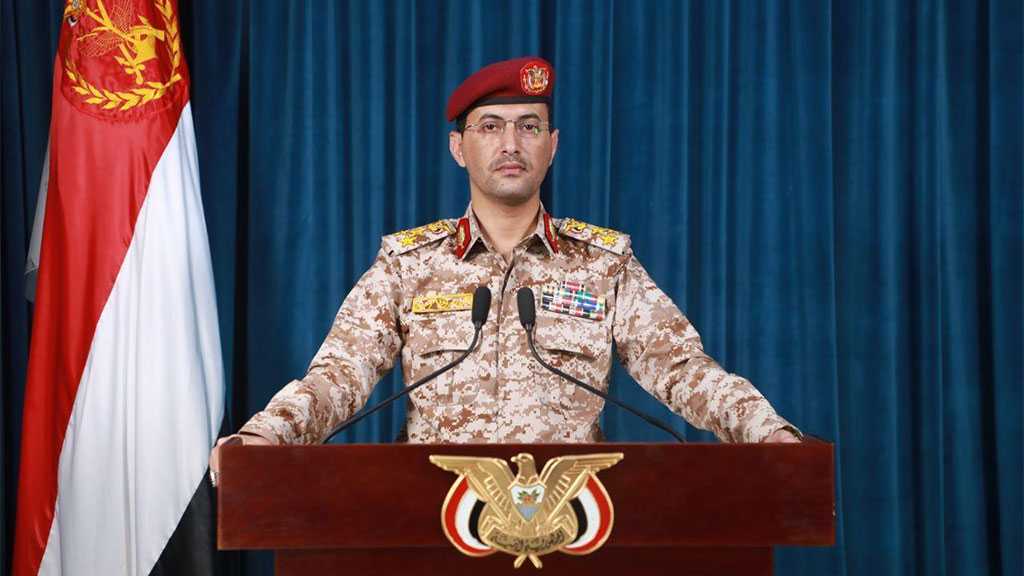
Spokesman for Yemen’s Armed Forces, Brigadier General Yehya Saree, announced on Thursday that the Yemeni army troops and allied fighters from Popular Committees managed to deal a severe blow to Takfiri militants and Saudi mercenaries during the recent large-scale military operation in the central province of al-Bayda, killing hundreds of them in the process.

Speaking at a press conference in the capital Sanaa, Saree stated that Yemeni armed forces notched up glorious victories during Operation “Manifest Victory”, and killed 350 Takfiri terrorists, including members of Daesh [Arabic for ‘ISIS/ISIL’] and al-Qaeda in the Arabian Peninsula [AQAP] terror outfits. Scores of them fled as well.

“Takfiri groups sought to assert control over several districts in al-Bayda province. The resurgence of Takfiri outfits was in fact part of US plans to target Yemen, and plunge it into the hands of mercenaries and extremists,” he pointed out.

Saree added, “The large amount of weapons that Yemeni army troops, Popular Committees fighters and security forces recovered from Takfiri terrorists shows the extent of support provided by the [Saudi-led] coalition of aggression to Saudi-paid militants.”

The senior Yemeni military official went on to say that the invading Saudi-led alliance supplied the militants with weapons, and allowed dozens of foreign Takfiris to sneak into Yemen.

“This battle once again exposed the true nature of Takfiri Daesh and al-Qaeda elements, and their affiliation to the United States. Relevant parties in Yemen are properly informed of the activities of these Takfiri elements in various regions, including the city of Marib and elsewhere,” Saree highlighted.

The spokesman for Yemen’s armed forces highlighted that Takfiris have committed numerous crimes against residents of al-Bayda province, prompting Yemeni security forces and armed forces to act quickly.

“Different Yemeni army units, supported by local residents of al-Bayda and … tribal fighters, launched a large-scale operation in the area. During the major offensive, Yemeni missile units carried out nine attacks with [domestically-developed ballistic] Badr and Sair missiles. Drone and missile units launched a total of 66 retaliatory attacks. Separately, Saudi-led fighter jets carried out more than 161 airstrikes in support of Takfiri groups operating in the region,” Saree said.

Saudi Arabia, backed by the US and regional allies, launched the devastating war on Yemen in March 2015, with the goal of bringing the government of former Yemeni president Abd Rabbuh Mansur Hadi back to power and crushing the popular Ansarullah resistance movement.

Yemeni armed forces and allied Popular Committees have, however, gone from strength to strength against the Saudi-led invaders, and left Riyadh and its allies bogged down in the country.

The Saudi war has left hundreds of thousands of Yemenis dead, and displaced millions more. The war has also destroyed Yemen’s infrastructure and spread famine and infectious diseases across the Arab country.


SAUDI-LED COALITION ATTEMPTS TO RETAKE BAYDHA FROM HOUTHIS


Image result for SAUDI-LED COALITION ATTEMPTS TO RETAKE BAYDHA FROM HOUTHIS

 15.07.2021 

The battle in central Yemen remains as volatile as ever, with Saudi-led coalition and Ansar Allah clashing for Marib city, but also for Baydha.

In Baydha, the Houthis (as Ansar Allah movement is known) are on the defensive, as the Saudi-led coalition began an offensive to recapture the area earlier in July.

Fighting raged between Yemen’s government forces and Houthi rebels, killing 320 fighters from both sides in the central province on July 12th and 13th.

Fighting in Bayda came as the Houthis attempted to break through government defenses in the strategic city of Marib, also located in central Yemen. The rebels have been trying to capture it from the Saudi-led coalition since February.

The government has been sending reinforcements to Bayda since losing to the Houthis some of the districts.

The Houthis, alongside defending from the Saudi-led coalition are also reportedly fighting ISIS and Al-Qaeda elements from Baydha, announcing recently the clearing of terrorists in Al-Soma’a and Al-Zahir.

Houthi spokesman Yahya Saree claimed that the group would stop the Saudi-led coalition’s advance in Baydha and push them back in “three days” from July 13th.

This comes as Ansar Allah have stopped their almost daily drone and rocket attacks on various positions in Saudi Arabia.

Still, on July 14, a series of explosions rocked the outskirts of the central Saudi city of al-Kharaj to the south of the Kingdom’s capital Riyadh.

Local activists shared videos on social media showing large explosions near al-Kharaj, where ammunition depots and military bases are known to be located.

A spokesman for the Saudi Ministry of Defense, Brigadier General Turki al-Malki, claimed in a brief statement that an “accident” was behind the explosions.

Despite the statement, some sources suppose that the al-Kharaj explosions were the result of an attack by the Houthis. The group is yet to make any claims in regard to the explosions.

Saudi Arabia continues its daily airstrikes, in addition to hundreds of ceasefire violations in al-Hudaydah, despite claiming that it has stopped. It only hasn’t targeted the capital Sana’a for a while.

Meanwhile, any form of peace appears out of reach. The Yemen puppet government in Aden urged the Saudi-backed coalition to shift its way of dealing with the Iranian-backed Houthi militias’ inflexibility in peace efforts.

Still, the government speaks against the Houthis and says that they need to back down, as well. Apart from condemning the Houthis for their aggressions, the Yemen government praised the Saudi-led Arab Coalition for backing pro-government forces in their fight against the militias and their efforts to restore security, peace and stability to Yemen.


Yemeni army and tribes liberate al Baydha, as 300 US troops invade Aden, south Yemen


Jul 14, 2021


MORE ON THIS TOPIC:


River to Sea Uprooted Palestinian   
The views expressed in this article are the sole responsibility of the author and do not necessarily reflect those of the Blog!

Saturday, 3 April 2021

«القاعدة» الوكيل «الرسمي» للسعودية: مسانَدة تركية لـ«الاخوان» في مأرب Al Qaeda, the “official” agent of Saudi Arabia: Turkish support for the “Brotherhood” in Marib

**Please scroll down for the English Machine translation **

«القاعدة» الوكيل «الرسمي» للسعودية: مسانَدة تركية لـ«الاخوان» في مأرب


الأخبار

اليمن رشيد الحداد الجمعة 2 نيسان 2021

«القاعدة» الوكيل «الرسمي» للسعودية: مسانَدة تركية لـ«الاخوان» في مأرب
تصاعد الدور التركي في اليمن بعد تحسُّن العلاقات بين أنقرة والرياض (أ ف ب )

صنعاء | بات تنظيم «القاعدة»، بشكل لا لبس فيه، وكيل عمليات التحشيد السعودية لصالح جبهات القتال في محيط مدينة مأرب. إذ تكشف معلومات استخباراتية حصلت عليها “الأخبار” أنه أُوكلت إلى التنظيم، أخيراً، مهمّة تأمين سواحل محافظة أبين، بهدف استقبال مقاتلين من خارج اليمن، وإيوائهم، ومن ثمّ نقلهم عبر معقله المتبقّي له في محافظة البيضاء إلى محافظة مأرب. مخطّط تلعب فيه تركيا، بصورة غير معلَنة، دور المسانِد الخلفي، عبر تسهيل وصول أولئك المقاتلين وأسلحتهم، في ما يبدو أنه خطوة إضافية على طريق «إصلاح» العلاقات مع السعودية، من جهة؛ ومن جهة أخرى، تدعيم جهود بقاء الحلفاء «الإصلاحيين» الذين يوشكون على خسارة أهمّ معاقلهم في شمالي اليمن

لم يعد تدخُّل تركيا في الصراع الدائر في اليمن في دائرة التكهُّنات؛ إذ إن الكثير من المؤشّرات على الأرض تُجلّي تعاظُم الدور التركي المسانِد لميليشيات حزب «الإصلاح» (إخوان مسلمون). دخَلت أنقرة إلى هذا البلد منذ ثلاث سنوات تحت لافتة «العمل الإنساني» الذي لم يتجاوز خريطة سيطرة «الإصلاح» في محافظات تعز ومأرب وشبوة، حيث قدّمت الكثير من الخدمات اللوجيستية لميليشيات الحزب بطريقة غير مباشرة، قبل أن يتطوَّر هذا الدور إلى تأسيس ذراع عسكرية موالية لها مُتمثّلة في ميليشيات «الحشد الشعبي»، بتمويل قطَري، غربيّ محافظة تعز، قبل نحو عام، بعد فشلها في تأسيس ذراع مماثلة في محافظة شبوة (شرق) عقب سقوط المحافظة تحت سيطرة «الإصلاح» في آب/ أغسطس 2019. كذلك، تولّت تدريب العشرات من قيادات الحزب في قواعد عسكرية تركية خارج اليمن، فيما لا يزال دورها الاستخباري ملحوظاً في شبوة، التي تُعدّ لتكون معقلاً بديلاً لـ»الإصلاح» في حال سقوط مأرب. تحت أكثر من ذريعة، تَمكّن الحزب، خلال الأشهر الماضية، من تأمين مساحات ساحلية واسعة في مديرية رضوم الواقعة على سواحل بحر العرب، بتعاون لوجيستي تركي، بالتزامن مع قيامه بتأسيس معسكر دفاع ساحلي من دون أيّ توجيهات من وزارة الدفاع في حكومة الرئيس المنتهية ولايته، عبد ربه منصور هادي، في أحد أهمّ ممرّات التهريب البحري التي يستخدمها الحزب منذ عقود في تهريب المشتقّات النفطية والسلاح من الخارج. وعلى رغم رفض حكومة هادي التحرُّكات «الإخوانية» في سواحل شبوة، وكذلك تصاعُد اتّهامات القوى الموالية للإمارات لـ»الإصلاح» بتلقّيه شحنات سلاح تركية عبر ميناء قنا الواقع تحت سيطرته، ومطالَبتها التحالف السعودي – الإماراتي بتنفيذ «اتفاق الرياض» الذي يقضي بإخراج ميليشيات «الإصلاح» من شبوة وأبين ووادي حضرموت، عَزّز الحزب وجوده العسكري في سواحل شبوة منتصف الشهر الماضي، استعداداً لمواجهة أيّ هجوم محتمَل من الميليشيات الموالية للإمارات.

المخطّط الجديد بدأ منذ أسبوعين بالتعاوُن مع «الإصلاح» وبإشراف مباشر من الجانب السعودي


تأمين سواحل شبوة من قِبَل «الإصلاح» خلال الأشهر الماضية، جاء بتنسيق مع تركيا، لتأمين وصول السفن التجارية التركية التي غالباً ما تُستخدَم لحمل شحنات سلاح تركية، كالقنّاصات والأسلحة المتوسّطة، التي تستخدمها ميليشيات الحزب في جبهات القتال في تعز ومأرب. لكن الدور التركي تصاعَد، خصوصاً، بعد تحسُّن العلاقات بين أنقرة والرياض الشهر الماضي، وإعلان التنظيمات الإرهابية الموالية لتركيا في سوريا التعبئة والاستنفار للقتال في اليمن «دفاعاً» عن مدينة مأرب، التي تُعدّ آخر معاقل «الإصلاح» في شمال البلاد، لينتقل المخطّط إلى محافظة أبين الواقعة غرب مدينة عدن، حيث أُوكلت مهمّة عملية تأمين وصول السفن ونقل العناصر الإرهابيين المُتوقَّع وصولهم من سوريا عبر تركيا، وبتنسيق سعودي، إلى تنظيم «القاعدة». وتؤكّد معلومات استخبارية، حصلت عليها «الأخبار»، وجود تحرُّكات نشطة للتنظيم، بدعم وتمويل سعوديَّين، في عدد من مديريات محافظة أبين القريبة من الساحل. وتكشف المعلومات أن قيادة التحالف السعودي – الإماراتي في مدينة عدن كَلّفت أمير تنظيم «القاعدة» في أبين بتأمين وصول سفن مجهولة

ستحمل مقاتلين قادمين من سوريا ودول أخرى مع أسلحتهم، وتأمين الطريق الساحلي الواقع بين محافظتَي شبوة وأبين، وإيواء أولئك المقاتلين، ومن ثمّ إيصالهم إلى جبهات مأرب.

المخطّط الجديد، الذي شارف تنظيم «القاعدة» على إنهاء تنفيذه في محافظة أبين بقيادة أمير التنظيم في المحافظة المدعو سالم الشنعاء، بدأ منذ أسبوعين بالتعاوُن مع ميليشيات «الإصلاح» في المحافظة، وبإشراف مباشر من الجانب السعودي؛ إذ نفّذ عناصر «القاعدة»، الأسبوع الماضي، عملية إعادة انتشار في مناطق واسعة قريبة من الساحل. وتفيد مصادر مطّلعة بأن التنظيم كثّف وجود عناصره في معسكر الخيالة التابع له في المحفد، وفي وادي حمراء ومناطق يحمس وخبر المراقشة الواقعة بين الوضيع وساحل أحور، والتي تتّسم بتضاريس مُعقّدة وجبال شاهقة، إضافة إلى منطقة موجان في مديرية الوضيع. وتؤكّد المصادر أن عناصر «القاعدة» يتحرّكون بشكل علَني، ويسلُكون الطرق الرئيسة، سواءً باتّجاه معسكرات تابعة لـ»الإصلاح» كمعسكر عكد، أم من معسكرات حكومة هادي إلى جبال مودية والمحفد ولودر والصومعة التي تُعدّ آخر معاقل «القاعدة» في محافظة البيضاء، بعد سقوط منطقة يكلا في مديرية ولد ربيع في المحافظة نفسها تحت سيطرة الجيش و»اللجان الشعبية» مطلع آب/ أغسطس الماضي.
وفي خلال الأسبوع الفائت، وفي إطار تنفيذ «القاعدة» المهمّة الموكَلة إليه بضمان وصول الأسلحة والمقاتلين إلى الصومعة ومن ثمّ إلى مأرب، أقدَم التنظيم على شنّ عدد من الهجمات ضدّ نقاط تابعة لميليشيات «المجلس الانتقالي الجنوبي» الموالي للإمارات في محافظة أبين، على خلفية رفْض تلك الميليشيات إخلاء نقاطها. ووفقاً لمصادر محلّية، فإن المواقع المستهدَفة في مديريتَي أحور والوضيع ذات أهمية استراتيجية؛ إذ يستخدم «القاعدة» طرقاً تربط بين أحور والمحفد ومودية ولودر والساحل، تجتمع كلّها شرق مديرية الوضيع. وتوضح المصادر أن استهداف نقطة الريدة في الوضيع جاء بعد أن قَدّمت ميليشيات «الإصلاح» عروضاً وإغراءات مالية لعناصر «الانتقالي» للانسحاب، وهو ما تمّ رفضه.

وأثارت تحرُّكات «القاعدة» في سواحل أبين ومديريات أحور والوضيع ومودية مخاوف «الانتقالي»، الذي وَجّه، مطلع الأسبوع الحالي، الميليشيات التابعة له كافّة برفْع درجة الاستعداد القتالي والتأهُّب الأمني استعداداً لأيّ طارئ، مُحذّراً من مخاطر تلك التحرُّكات التي وصفها بـ»المشبوهة»، ومتّهماً، خلال اجتماع أمني عقَده في مدينة عدن، السبت الماضي، «الإصلاح» بالوقوف وراء تسهيل نشاط التنظيمات الإرهابية للسيطرة على مواقع ومساحات وصَفها بـ»الحسّاسة» على امتداد محافظتَي أبين وشبوة ووادي حضرموت. لكن «الانتقالي» سلّم، الأربعاء، تحت ضغوط سعودية، مهامّ الأمن في مدينة أحور إلى قوات موالية لهادي، بعد مقتل 14 عنصراً من قوّاته، الأسبوع الفائت، على يد «القاعدة»، وهو ما أثار سخطاً في صفوف أنصاره الذين اتّهموا المجلس بخيانة دماء قتلاه، وتنفيذ أوامر الجانب السعودي لصالح التنظيمات الإرهابية.


قرار بايدن سحْب «الباتريوت» مرتبط بالهجمات اليمنية؟


كشف مصدر يمني، لـ«الأخبار»، أن الهجمات التي شنَّتها القوات اليمنية على أهداف في العمق السعودي، لمناسبة دخول الحرب عامها السابع، طاولت، وعلى وجه غير مسبوق، قواعد تحوي منصّات إطلاق «باتريوت» أميركية. وتسبَّب الهجوم بغضب وإرباك أميركيَّين. كما رُصد أن الصواريخ والطائرات المسيّرة التي أُطلقت من اليمن في اتجاه الأهداف السعودية، في الأيام التي تلت الهجوم، وصلت إلى أهداف في الرياض والعمق السعودي بلا عمليات اعتراض. ولا يستبعد التقدير اليمني أن يكون قرار الرئيس الأميركي، جو بايدن، سحب منصّات «باتريوت» وقوّات وعتاد من السعودية والخليج متعلّقاً بنجاح هذه الهجمات في تعطيل المنصّات، لما قد يُسبّبه من إحراج لسمعة السلاح الأميركي. وكانت صحيفة «وول ستريت جورنال» قد نقلت عن مسؤولين أميركيين قولهم إن بايدن أصدر أمراً لـ»البنتاغون» ببدء إزالة بعض القدرات العسكرية والقوات من منطقة الخليج، في خطوة أولى لإعادة تنظيم الحضور العسكري للولايات المتحدة في العالم، بعيداً من الشرق الأوسط. وعلى إثره، أُزيل ما لا يقلّ عن ثلاث بطاريات صواريخ من نوع «باتريوت» من المنطقة المذكورة، ومن ضمنها واحدة من قاعدة الأمير سلطان الجوية في السعودية.
(الأخبار)

Wednesday, 29 April 2020

The Restoration of Self-Rule in South Yemen Is the Next Step Towards Independence

By Andrew Korybko
Global Research, April 27, 2020


South Yemen’s Southern Transitional Council declared self-rule over the vast regions of the country that they claim as their own in response to the Saudi-backed Hadi government’s repeated violations of last year’s Riyadh Agreement that was aimed at de-escalating tensions between the nominally allied sides, thus representing the next step towards independence and one which couldn’t have been made at a more strategically opportune moment.
Self-Rule As A Stepping Stone Towards Independence
Yemen is once again making headlines across the world after the Southern Transitional Council (STC) declared self-rule over the vast regions of the country that they claim as their own per their quest to restore sovereignty to the Old Cold War-era state of South Yemen. The separatist group stopped short of outright declaring independence, but few are under any illusions that this step isn’t a means towards that eventual end. That scenario could have been avoided, however, had the Saudi-backed Hadi government not repeatedly violated last year’s Riyadh Agreement that was aimed at de-escalating tensions between the nominally allied sides following the STC’s liberation of Aden over the summer, which the author analyzed at the time in his piece about how “South Yemen Is Already Functionally Independent Even If It’s Not Recognized As Such“. The accord was supposed to have been a de-facto power-sharing agreement that would have seen the separatists incorporated into the state’s official framework in order to satisfy most of their political demands for fairer representation of their home region that’s been subjugated by the North since the South’s defeat during the brief 1994 civil war.
Rubbishing The Riyadh Agreement
Hadi — and by extrapolation, his Saudi backers — had other plans, however, which were likely motivated by the desire to eliminate his only credible rivals under the cover of the Riyadh Agreement, naively hoping that they’d let their guard down during this time so that the government could take maximum advantage of the fragile peace. That was a terrible miscalculation in hindsight since it rested on the assumptions that Saudi Arabia would fully support Hadi’s forces no matter the circumstances and that his representatives are popular enough to replace the STC in the aftermath of their planned power struggle, both of which couldn’t have been more wrong. The STC is extremely popular among native Southerners and regarded by them as a government-in-waiting whose legitimacy is absolute, unlike the questionable domestic legitimacy of Hadi’s internationally recognized authorities. The only conceivable scenario in which Hadi’s Saudi-backed forces could retain control over South Yemen would be through the imposition of a brutal dictatorship that rules through state terror, which is unsustainable for both practical and cost-related (financial, military, and humanitarian) reasons.
Perfect Timing
The very fact that it was attempted in spite of the obviousness of its inevitable failure speaks to just how desperate Hadi and his patrons have become. They received their comeuppance over the weekend after the STC declared self-rule and immediately began reasserting its authority over Aden, which couldn’t have come at a more strategically opportune moment. Saudi Arabia is mired in uncertainty over its future following the disastrous oil price war that it launched against Russia in early March and which runs the risk of bankrupting the Kingdom. In fact, the Saudi Finance Minister recently announced that his country might take on close to $60 billion in debt by the end of the year in order to cover budget shortfalls from this crisis, which is a far cry from its formerly comfortable position of posting yearly surpluses. Under these conditions, Crown Prince Mohammed Bin Salman (MBS) might understandably think twice about getting further caught in the quagmire of “mission creep” in Yemen by expanding his military campaign there to fully support Hadi’s forces against the STC, especially considering just how badly he’s already failed in this respect and also in terms of his original mission of dislodging the Ansarullah (“Houthis”) from North Yemen despite half a decade of trying.
MBZ & MBS, Mentor & Mentee
Another factor for observers to keep in mind is that MBS is mentored by Abu Dhabi Crown Prince Mohammed Bin Zayed (MBZ), his coalition ally in Yemen whose country also sponsors the STC. This adds an interesting angle to the context in which the STC’s self-rule declaration was made. It can’t be known for certain, but it’s highly likely that the group coordinated this move with the UAE, which strongly suggests that MBZ is taking advantage of MBS’ domestic difficulties in order to assert his smaller country as the real “big brother” in their bilateral relationship just like the role that he already fulfills for MBS on a personal level. Should MBZ be successful with this strategic coup by convincing his mentee that it’s better for him to order Hadi to immediately begin Yemen’s federal bifurcation instead of bearing the tremendous costs associated with militantly opposing the STC (provided of course that the group has firm security guarantees from the UAE in the event of a Saudi-backed counterattack), then the UAE would have in effect replaced Saudi Arabia as the most powerful Arab nation in the world.
Concluding Thoughts
It’ll of course remain to be seen exactly how Saudi Arabia reacts to the latest developments in South Yemen, but there are convincing reasons to predict that it’ll eschew a costly proxy war with the UAE in favor of working to promote a so-called “political solution” instead, which would have to result in the federal bifurcation of the country along North-South lines instead of just rehashing the Riyadh Agreement if it’s to stand any chance of being accepted by the STC. The separatists crossed the Rubicon over the weekend but wouldn’t have done so had their Emirati patrons opposed their dramatic move to declare self-rule over the regions of the country that they claim as their own, so it should be assumed that MBZ is in support of their declaration despite it obviously being disadvantageous to his Saudi mentee’s geostrategic interests. MBS is therefore in a bind since both options available to him inevitably result in losing some degree of “face”, so he’s basically forced to choose between the “lesser of two evils”, which in this case is submitting to the new on-the-ground political reality created by the STC despite it greatly undermining the reason why he launched his war in the first place instead of fighting the Emirati-backed group and risking an irreconcilable rift with his mentor.
*
Note to readers: please click the share buttons above or below. Forward this article to your email lists. Crosspost on your blog site, internet forums. etc.
This article was originally published on OneWorld.
Andrew Korybko is an American Moscow-based political analyst specializing in the relationship between the US strategy in Afro-Eurasia, China’s One Belt One Road global vision of New Silk Road connectivity, and Hybrid Warfare. He is a frequent contributor to Global Research.
Featured image is from OneWorldHadi’s Fall, Rise of South Yemen, End of the War?The original source of this article is Global ResearchCopyright © Andrew Korybko, Global Research, 2020

River to Sea Uprooted Palestinian   
The views expressed in this article are the sole responsibility of the author and do not necessarily reflect those of the Blog!

Thursday, 9 April 2020

Middle East Institute: After Five Years, Has the Arab Coalition Achieved its Objectives in Yemen?

2020-04-08


Five years on, however, the objectives of Operation Decisive Storm are far from realized, the situation on the ground is as volatile as ever and cost of war continues to rise for the kingdom. In June 2017, the termination of Qatar’s participation in the coalition marked the beginning of a decline in the coalition’s soft power, namely, its ability to shape the global discourse on the war in Yemen.
the UAE’s phased withdrawal strategy and subsequent Sudanese military drawdown substantially reduced the coalition’s power and international legitimacy. Such structural changes suggest that the coalition will likely continue to fade going forward, falling even further short of achieving its publicly stated objectives.
In this protracted war, many ironies have emerged, suggesting a loss of strategic direction within the coalition.
First, not only has the coalition failed in its initial goal of restoring the Yemeni regime in Sanaa, but it now struggles to reinstate its authority in the interim capital, Aden.
Second, the failing of Stockholm and Riyadh agreements to put adequate military pressure to negotiate a nationwide peace agreement.
Third, it now appears the battle is being fought within the so-called Coalition to Restore Legitimacy in Yemen.
In contrast to the coalition’s lack of strategy, Ansarullah has strategically increased the cost of war for the kingdom by bringing the battle to Saudi territory.
Ansarullah assembled and modified ballistic missiles, remote-controlled explosive boats, and drones. attacking vital Saudi infrastructure, including oil facilities like the Saudi Aramco site in Yanbu, and airports in Abha, Jazan, and Najran. A clear sign of a strategy gone awry to the point that Riyadh now demands the Houthis dismantle their ballistic missile and drone program.
What next: Yet another year of war?
After five years of indecisive warfare, the coalition’s publicly declared objectives remain unrealized. The lack of strategic thinking, planning, and management has hampered any military campaign that could have compelled the Houthis to negotiate peace and reinstated a functioning, uncontested government in liberated territories.
As the prospects of an end to the military conflict remain dim amid worsening intra-coalition tensions, the significance of any politically negotiated settlement soars.
Related Videos


Related Articles

River to Sea Uprooted Palestinian   
The views expressed in this article are the sole responsibility of the author and do not necessarily reflect those of the Blog!

Thursday, 3 October 2019

October 2, 2019: Houthis Deliver Devastating Blow To Saudi Arabia


02.10.2019
In late September, Yemen’s Houthis carried out a large-scale operation against Saudi-led forces on the border with the southern Saudi province of Narjan. According to a spokesperson for the Armed Forces of the Houthi Government, the Houthis fully defeated at least 3 brigades of Saudi-backed forces. The Yemeni force killed 500 personnel, injured 2,000 others, destroyed 15 vehicles and seized a large number of weapons and military equipment.
Brig. Gen. Yahya Sari noted that the operation involved a coordinated effort of ground, missile, and air forces. They conducted at least 21 missile and drone strikes on positions of Saudi-led forces. As a result of the operation, the Houthis captured 350km2 from Saudi-led forces.
Brig. Gen. Sari said that aircraft of the Saudi-led coalition conducted at least 300 indiscriminate airstrikes in a desperate attempt to stop the Houthis’ advance. These strikes killed at least 200 coalition-backed personnel, according to the Houthis.
The Saudi-led coalition and mainstream media are now attempting to downplay recent military developments. However, videos and photos from the ground demonstrate that Saudi-led forces in fact suffered a devastating defeat in the area.
The Houthi advance on the Yemeni-Saudi border became a second major blow to Saudi Arabia in September. After almost 5 years of the Saudi invasion of Yemen, the Kingdom found itself in a no win situation.
At the same time, the Saudi-led coalition itself is steadily crumbling because of internal contradictions. The port city of Aden remains in the center of tensions between Saudi-backed and UAE-backed forces. Local sources say that the withdrawal of the best detachments of UAE-backed forces from frontlines in central and northern Yemen may be one of the reasons behind the success of the Houthi operation in the border area.
Related News

River to Sea Uprooted Palestinian   
The views expressed in this article are the sole responsibility of the author and do not necessarily reflect those of the Blog!