Uprooted Palestinians are at the heart of the conflict in the M.E Palestinians uprooted by force of arms. Yet faced immense difficulties have survived, kept alive their history and culture, passed keys of family homes in occupied Palestine from one generation to the next.
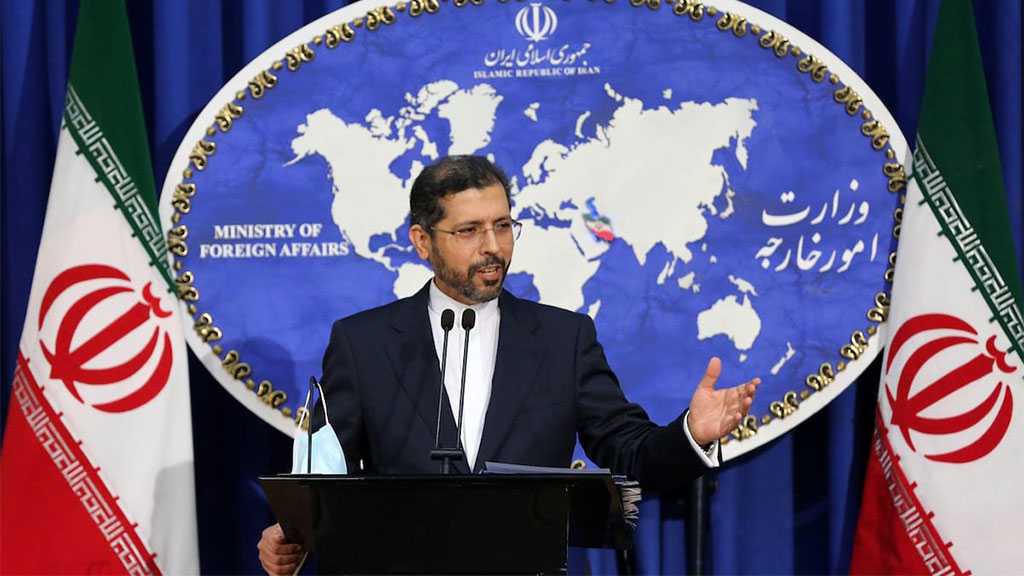
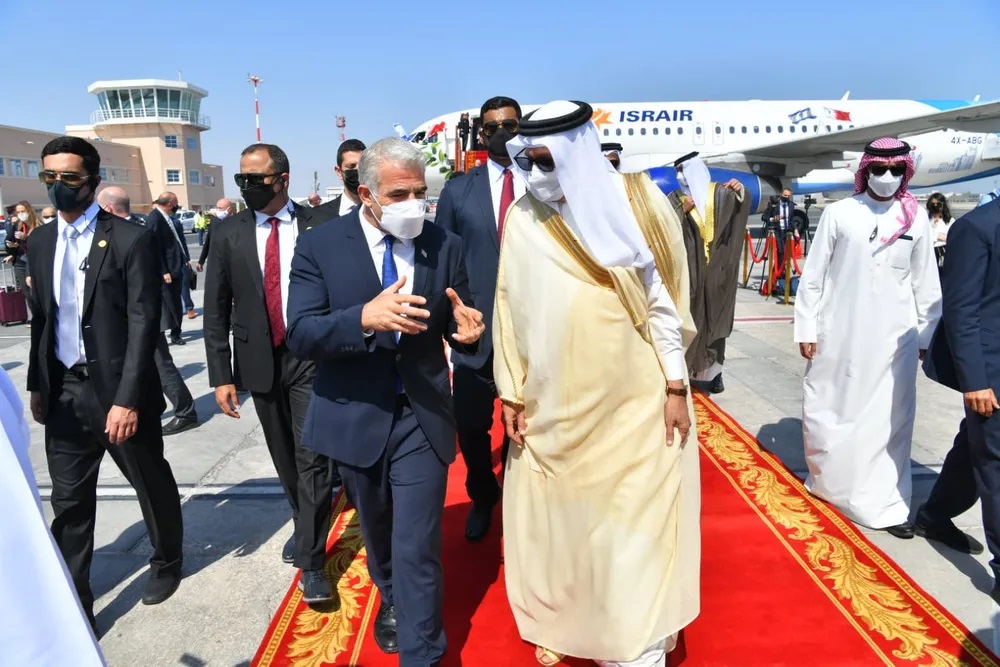
Iran slammed Bahrain’s “despicable” welcoming of Zionist foreign minister Yair Lapid to Manama, considering it at odds with the will of the Bahraini people, stressing that the visit left an “unremovable stain” on the reputation of the tiny Gulf country’s rulers.
In a statement on Friday, Iranian Foreign Ministry Spokesman Saeed Khatibzadeh denounced the move, saying any scheme to bolster the ‘Israeli’ regime’s “destructive presence” in the region will escalate regional tensions and instability.
Lapid arrived in Bahrain on Thursday to open the Zionist occupation entity’s embassy in Manama and sign cooperation deals with the Arab country.
He met Bahraini King Hamad bin Isa Al Khalifa and Crown Prince and Prime Minister Salman bin Hamad Al Khalifa.
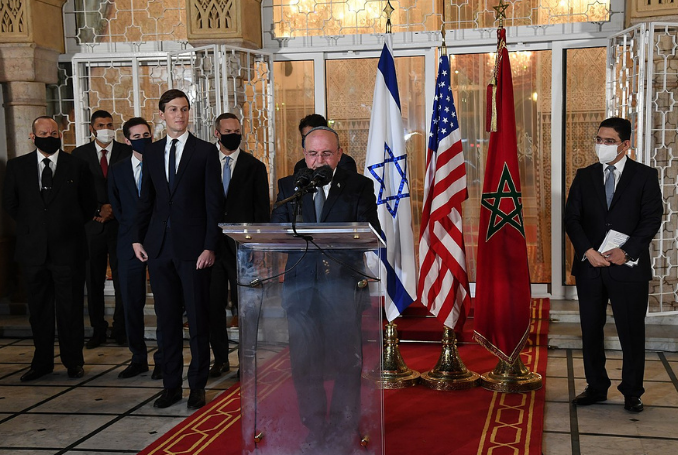
Lapid’s visit to Bahrain is aimed at advancing the US-pushed normalization deals between the Zionist entity and a number of Arab countries, including the UAE, Bahrain, Sudan and Morocco.
Khatibzadeh lamented Bahrain’s ignoring of the Zionist regime’s daily atrocities against the oppressed yet resistant people of Palestine.
“Such actions will not give a boost to the legitimacy of the Zionist regime and will not affect the ideal of liberating al-Quds al-Sharif as the first qibla of the world’s Muslims,” he said.
Khatibzadeh also emphasized that Bahraini rulers will not be able to remove the mark of disgrace.
“The people of the region will continue to oppose the process of normalization of relations with the Zionist regime,” he added.
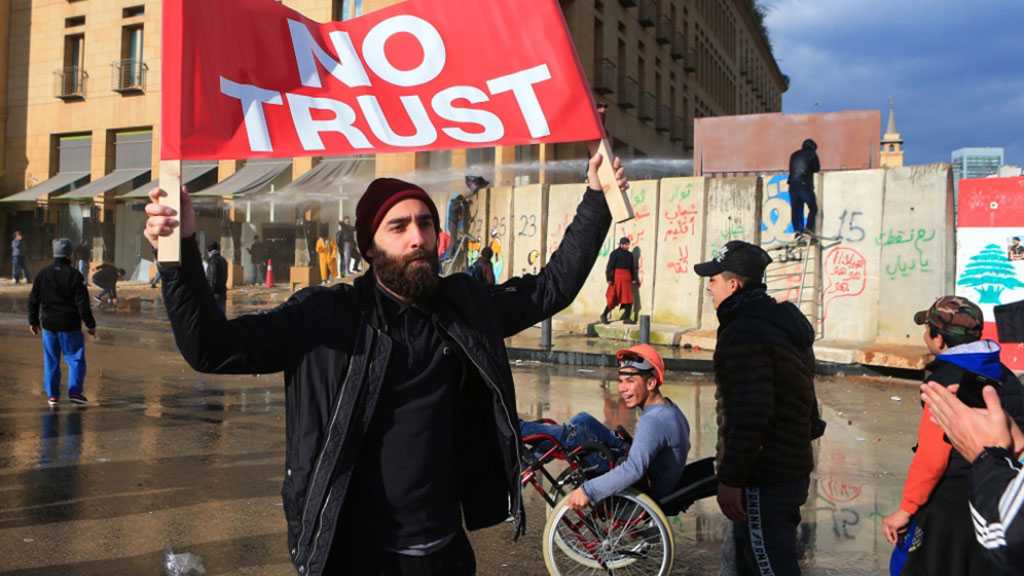
On Thursday night, Bahraini people staged protests against Lapid’s visit, holding placards condemning normalization with the ‘Israeli’ entity.
The protesters shouted “Down with ‘Israel’” and “Get out of Bahrain” to protest the normalization of ties with Tel Aviv, local media reported.
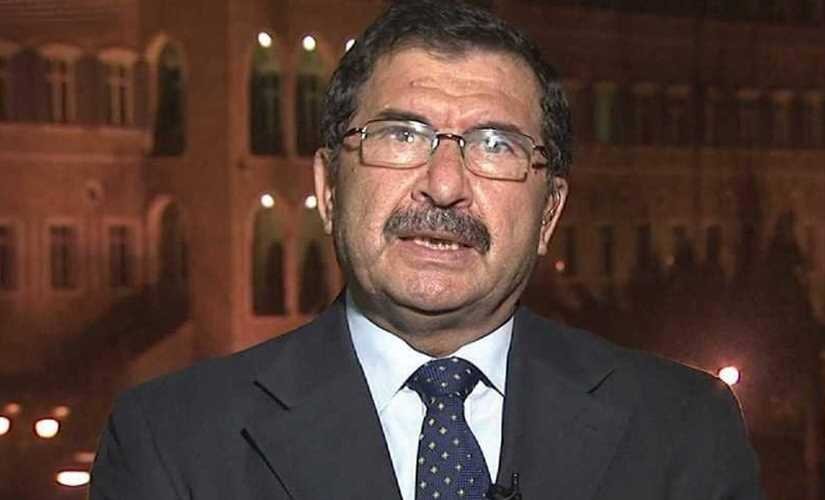
TEHRAN – A senior Lebanese political analyst says that Iran adheres to the Palestinian cause while many Arab countries have neglected Palestine in order to satisfy the colonialists and the Zionist regime and their American master.
Amin Hoteit says Iran has adopted such a policy toward Palestine because it is an independent and sovereign state.
“There is a big difference between a sovereign, independent ruler who safeguards the interests of his nation and a subordinate ruler who guards the interests of foreigners,” Hoteit tells the Tehran Times.
“Iran adheres to Palestinian cause while many Arabs neglect Palestine in order to satisfy the colonialists and the Zionist regime, and their American master,” the Lebanese analyst notes.
After 11 days of Israeli bombing, Gaza remains strong. The Israeli regime was forced to agree to a ceasefire in the Gaza Strip. Resistance forces in Gaza forced Israeli settlers to seek shelters by firing hundreds of missiles at different parts of occupied territories. Following is the text of the interview:
Q: What is the status of Palestine in the Arab and Islamic world?
A: Palestine is part of the Arab and Islamic lands, and within this framework, we say that the Islamic world should be coherent and united in the face of Israel as God says in Quran: “Indeed this, your religion, is one religion, one and I am your Lord, so worship Me.” (Al-Anbya – Verse: 92)
On the one hand, according to Islamic logic, the attack on Palestine means an attack on the Islamic Ummah.
On the other hand, Palestine contains the most important sanctities of Muslims, including Jerusalem, which hosts Muslim’s first Qiblah and the Al-Aqsa Mosque; and there are other religious symbols related to Islam and Christianity.
Third, the Palestinian people are part of the Arab people and the Islamic Ummah, and attacking that part means attacking the whole. For all of this, Palestine, in its three dimensions -the land, the people, and the holy sites-has a fundamental position for the Arab and Islamic world.
Q: Why does Iran, after the Islamic Revolution, has kept insisting on liberating the Palestinian lands?
A: What distinguishes Iran from other Arab countries is that first it is an independent, sovereign state whose rule stems from the will of the people and was established on the basis of an Islamic revolution that seeks to achieve the nations’ rights and resist the usurpers.
Therefore, Iran is working for the sake of Islam, the people, and the Islamic Ummah. This feature does not exist in most Arab regimes, wherein the ruler is appointed by foreigners.
In Arab states, a ruler comes and goes by an external decision, and policies and governments are determined by powers outside the countries. Therefore, at a time when we find that Iran is a country in which the rule emanates from the people and takes care of the interests of the people and nations, most of Arab rulers are guardians of the interests of foreign powers.
There is a big difference between a sovereign, independent ruler who safeguards his nation’s interests and a subordinate ruler who guards the interests of foreigners. For this reason, Iran adheres to the Palestinian cause while many Arabs neglect Palestine in order to satisfy the colonialists and the Zionist regime and their American master.
Q: How do you see the stances of Arab states towards the Palestinian issue? How do you assess normalization of ties with Israel?
A: Unfortunately, some Arabs are heading towards overt surrender to the Israeli enemy.
Under the slogan of normalization of ties with Israel and the forged Abraham Accords, these regimes accepted to be slaves of Israel and servants of American interests, providing it with resources and reassurance. This approach should be stopped.
We call on Arab people to move against this approach adopted by their governments. They need to retreat from this treacherous behavior.
Normalization of ties with Israel, in our opinion, is a betrayal of the Ummah and a betrayal of the Palestinian cause. It violates their rights and legitimacy. That is why we find that today there are sides and groups in the Arab and Islamic world that condemn normalization of ties with the Zionist regime and call for an end to it and a return to the idea of Palestine from the river to the sea.
Q: Is it possible to bet on the American-European role in resolving the Palestinian-Israeli conflict?
A: The Palestinian tragedy is a result and product of European-American conspiracy.
The Europeans continue to insult Palestine and the Palestinian people since they adopted the Sykes–Picot Agreement in Britain and France, which was followed by the Balfour Declaration.
Then, they decided to partition Palestine in the United Nations, which was ruled by Europeans and Westerners.
They are insulting the Arab world and the Islamic Ummah by aggression against Palestine.
Whoever harmed Palestine cannot heal its wounds, and therefore we are not betting on a real European stance or on a just and fair American position in order to restore rights to their owners.
The only bet is on the peoples, on the will of the Muslim nations, and on the governments that line up in support of the resistance axis, which constitutes a milestone in the modern era.
Resistance forces have succeeded to withstand colonial domination in the region and now are drawing a scheme of liberating Palestine in the people’s minds.
Q: How could Israel preoccupy Islamic countries with internal disputes and divert attention from the Zionist threats?
A: Israel is afraid of the unity of the Arab-Islamic world because if the Arabs and the Muslims get united, what Imam Khomeini said about the Zionist regime’s demise will be realized.
To divide the Islamic world and preventing Muslim unity, Israel is working to undermine the Arab-Islamic frontier. Unfortunately, it finds those who listen to it and engage in its projects.
The comprehensive war that targeted Syria, and the great strife that has been called the Arab Spring, are not but a case of conspiracy plotted by the Zionists and Europeans to disperse and divide Muslims so that they do not unite to liberate Palestine.
Quds Day rallies were cancelled for a second year in a row due to the Covid-19 pandemic, but that cannot cancel the Day and its significance. Quds Day is the annual commemoration of the plight of Palestine. It is held on the last Friday of the Muslim fasting month of Ramadhan, which is May the 7th this year.
This critical essay deconstructs the political narrative surrounding the naturalization agreements that have occurred between some Arab countries and Israel formally known as the Abrahamic Accords or Jared Kushner’s plan for peace in the Middle East. It offers unique perspectives and analysis of these accords and their true geopolitical intentions. Primarily, it argues how the peace promised by these newly established ties remains just a myth as it explores the true objectives behind them. Interestingly enough, it also highlights the true goals behind the U.S’ mediations in these Accords.
The Palestinian-Israeli conflict is one of the hottest yet unresolved political issues of today. Whereas this conflict is not heading towards any resolutions soon, the recent naturalization agreements that have occurred between some Arab regimes and the apartheid state of Israel may mark a future shift in Middle East’s political scene.
Earlier to these agreements, boycotting Israel was these Arab nations’ approach to show support for Palestinians and their claims. Before 2020, only two bordering countries have had diplomatic ties with Israel; that is, Egypt and Jordan. This number has risen to six as the United Arab Emirates (UAE), Bahrain, Sudan and Morocco have set full diplomatic and economic relations with Israel as part of Jared Kushner’s plan for peace in the Middle East known formally as the Abrahamic Accords.
Celebrating the first occurrence of the Abrahamic Accords, Trump hosted a signing ceremony in the White House and had the following rash statement to announce: “We’re here this afternoon to change the course of history. After decades of division and conflict, we mark the dawn of a new Middle East.” By this politically immature statement, Trump seemed as if he had finally found a solution to the conflict in the region.
As for peace in the region is concerned, Jared Kushner’s peace plans do not make any sense. Apart from Sudan, none of the countries involved with these accords are in conflict with Israel. On the opposite, Morocco and so the Gulf States have retained very healthy diplomatic relations with Israel, even if they were undeclared publicly. For instance, Morocco has had a fair share of intelligence-sharing with Israel since the mid-sixties. On top of that, the two countries had liaison offices in Tel Aviv and Rabat from Sept. 1, 1994, to Oct. 23, 2000. Not to mention Morocco’s contribution in populating Israel by handing over its Jewish population to the newly established Jewish state during the reign of the Moroccan king Hassan II.
Granted, Israel supports the totalitarian regimes of the region mainly because these totalitarianisms do not demand accountability for its human rights and international law violations. Hence, most Arab dictatorships have been dealing with Israel on political and security levels; especially after the outbreak of the Arab spring where these regimes had to obtain the latest spying and security tech to topple every dissident in their population who desires regime change. Whereas the case of the Washington Post’s correspondent Jamal Khashoggi remains the most covered case, Amnesty International has reported that Moroccan journalist Omar Radi’s phone has also been infected with the Israeli Pegasus spyware.
The Myth of Peace: Deception, Expansion and Dispossession.
Each time an Arab country initiates full diplomatic relations with Israel, its local propaganda machine makes it look as a major historical event that has occurred in the country. Some media outlets have gone far with this. For example, they take the religious tolerance preached in the Muslim faith as a pretext for setting these normalization agreements with this ‘Jewish’ nation. Other media platforms, however, have beautified the image of Israel’s apartheid regime via elaborate historical descriptions of Jewish culture and heritage. This is not wrong at all, but what is wrong is to evoke this history only at this particular event ignoring Israel’s present violations of International Law and Human rights and most of all occupation of Palestinian lands. This is why it is easy to deconstruct the naturalization narrative and prove that it is just a myth.
First of all, the context of these agreements was preceded and controlled by the 2020 US elections. Trump’s administration had tried to convince the American public that it will be the first administration that ends the conflict in the Middle East and thus planning on gaining a potential leverage in the election race. But despite the occurrence of the Abrahamic Accords last year and even Trump’s administration’s decision to recognize Jerusalem as Israel’s capital on December 6, 2017, it still was not enough to win Trump the approval of the devastated American public. This is mainly because Americans wanted Trump out of the White House at any cost; even if it meant choosing the lesser evil of the two candidates in the elections.
Meanwhile, these events come as a perfect opportunity to boost the reputation of the Likud party and more specifically the reputation of Israel’s Prime Minister Benjamin Netanyahu whose image has been stained by his corruption and monopoly of the Israeli political scene. Unlike Trump, the chances of him getting replaced in the upcoming Israeli elections are relatively low because of his firm grip on power and the lack of his equal in the Israeli political arena. Furthermore, with the massive press coverage that comes with such events, Netanyahu, similarly to Trump, wanted the spotlights on him to distract the public from his administration’s terrible handling of Covid-19 and thus gaining significant leverage in the elections.
Second, the biggest gain for Israel from these new ties with the Arab States and Morocco is that it reinforces its political influence in the Middle East. Not only this, but unlocking Israel’s geo-political isolation in the region as well. And since this newly granted influence to Israel is an approved one, it gives it freedom to expand and occupy more without any opposition. Of course, if Israel is gaining a legitimate influence in the region, this means that Palestine’s position will exacerbate. And thus the Palestinian cause will no longer have the leverage it has on the Middle Eastern political scene.
Furthermore, Israel’s decision to create ties with the Gulf countries in specific is not arbitrary. This move was motivated by economic reasons. As it is known, the Khaleeji people are the biggest consumers in the region. Hence the khaleeji market becomes a perfect destination for Israeli goods. Israeli products, foods in specific, can even replace other products coming from other countries because of the close distance and the low shipping costs. Additionally, Sudan may not offer much as markets are concerned, but it is definitely a great source of agricultural imports for Israel. Being the mediator between Israel and its “new” allies, the US benefits from these agreements as well since it is Israel’s biggest ally. After all, any ongoing political conflict between Israel and any of the Middle Eastern countries is primarily endangering US’ political and economic interests in the region. In other words, the mediation of the US in these so-called Peace agreements is not out of a sort of altruism because the US is only after its share of the pie.
Third, to say that these newly established ties will bring “peace” to the region is ludicrous and rash but not totally wrong. But for whom this peace is served; for Palestine, for the Arab States, or for Israel? To give a rather simple and short answer, it is apt to say it remains just a myth for the Palestinians in specific, but it means more security and power for the Israeli side in particular. To put it differently, with Israel having full diplomatic ties with these Arab countries and Morocco, it becomes easy for it to carry its annexation plans and dispossession of Palestinian lands without being held accountable. And the Palestinians are likely to be displaced gradually and implicitly to one of these countries. Apparently, Morocco and the rich Gulf states are the biggest fish that Israel could ever come to terms with. Since they provide financial comfort and political stability, some Palestinians may choose these destinations over their currently Israeli-occupied and war-inflected homes.
However, it is worth mentioning that the Emiratis as well as the Saudis despise the Palestinians. Hence, the Palestinians will never accept the reality of being displaced to one of these two countries. Meanwhile, this does not apply to either Kuwait or Oman in which do not have a strong political influence in the region. Apart from Morocco, they maybe the desired destination Israel is looking for to displace the Palestinians to after annexing their lands. Whether the two countries agree to normalize relations with Israel in the future or not, it does not really matter as long they are subservient to UAE and Saudi Arabia. Apparently, the Palestinians are likely to resist as they usually do.
Concurrently, Israel is likely to pressure them to accept this bitter reality as it has been doing for the last decades. Hence, Israel will possibly seek not only to increase its siege and pressure on the borders and checkpoints, but it may also instigate a war with Hamas as a pretext for a military escalation. Hamas, on the other hand, will be, as always, scapegoated for the whole thing especially that it is classified as a terrorist organization. Therefore, the peace that Israel is seeking is a peace with the Palestinians out of Palestine.
However, Israel is not the only benefactor from these agreements. Clearly, the Gulf States have paid for US military protection by signing these accords. But UAE in specific have had further arms deals and gained even more political protection against the Iranian influence in the Arab peninsula. Nonetheless, when a country signs a peace deal, it does not instantly demand acquirement of advanced F-35 stealth Jet, which is what this Gulf State did, because the two are paradoxical. Therefore, in opposition to the classic definitions of peace treaties, the brokered peace from these agreements is a purchased one like many peace agreements that have been signed before it in the region. After all, Sudan agreed to normalize relations with Israel so it is de-listed from the state-sponsors of terror, the Gulf States signed them as a payment for US military protection and Morocco got support for its sovereignty over Western Sahara.
Therefore, as all the purchased peace agreements the Middle East has witnessed over modern history- whether it is peace for land, peace in exchange of monopoly or what have you- this one is also doomed to be broken by conflict since it is not based on a balanced compromise where two equal parties meet in the middle. Rather, it is a political move towards accumulation of power where the main side of this conflict, meaning the Palestinians, is not even included in these agreements.
The US, Morocco, and Israel: AGeopolitical Chess Game over Africa
The fact that Israel has pursued diplomatic relations with Morocco- a country so far away from the Middle East’s political discourse- is by no means for peace as it is claimed by any of the Accords’ orchestrators. The moment it was announced that Morocco was to resume relations with Israel, Moroccan propaganda machines overshadowed the controversies that come with this event by preaching to the public about the Moroccan Jewish heritage and the coexistence of the Abrahamic religions in this homogeneous sphere. This normalization was depicted as a win-win situation for Morocco especially that Trump has rewarded Morocco’s approval of its resumption of relations with the apartheid regime by signing a presidential proclamation that recognizes Morocco’s sovereignty over Western Sahara.
The celebrations following this recognition covered up totally for the naturalization. This proclamation has even become an independent narrative of its own. The official discourse in Moroccan media has asserted that this recognition is the fruit of long-lasting diplomatic ties between Morocco and the US and not as a part of the Abrahamic Accords. Moreover, many factors influence politics, but altruism is not one of them. Taking the fact that Morocco was the first country to recognize the independence of the US in 1777, and the two countries long diplomatic relations, it stands as a surprise that it took so much time for the US to recognize Morocco’s sovereignty over Western Sahara or at least support its claim diplomatically.
Meanwhile, political terminology is important here because Moroccan media had it intentionally mixed up to alleviate the Moroccan public’s rage. Trump’s presidential proclamation does not recognize the Western Sahara region as a Moroccan entity as they have claimed, but it only recognizes Moroccan sovereignty over it. These are two different things, because Morocco has already been practicing sovereignty over the region although with some difficulties mainly caused by intense altercations with the Algerian-backed Polisario Front. The only thing that Morocco has needed is legitimacy and this proclamation happens to be it. Obviously, this is a simple treat from the US for Morocco’s acceptance of the resumption of relations with Israel.
Nevertheless, the majority of the Moroccan public welcomed Trump’s move, but they abhorred Morocco’s establishment of ties with Israel. Nasser Bourita, the Moroccan Minister of Foreign Affairs, has refused to call this an act of “naturalization” of relations. For him, normalization is a Middle Eastern term that does not apply to Morocco which is not a neighboring country to Israel. Indeed, Morocco’s North African location and its large indigenous Amazigh population make it hard to proclaim the country as purely Arab.
Bourita has preferred using the term “resumption” of relations instead. As mentioned earlier, Morocco and Israel had Liaison offices in Tel Aviv and Rabat before Morocco had to close their office in response to Israeli repression of the second Palestinian Intifada in 2000. Not to mention, there is a number of almost 800.000 Jews of Moroccan decent living in Israel right now.
Obviously, Israel remains the biggest benefactor from these naturalization agreements. However, the US did not take part in them without purpose. The existence of Israel in the Middle East protects American interests in the region. That is why Zionist lobbies in the US always do their best to empower this regime. And this is what AIPAC is doing and what Christians United for Israel and other Zionist lobbies are doing. As a result, this support for the apartheid regime enables the US to retain its firm grip on Middle East’s political and economic affairs. These are all facts now. But the case of Morocco is still a uniquely dubious one. Pressing Morocco – a country so far away from The Middle East’s frenzy and even terminology to sign these deals seems confusing to say the least; especially that Morocco is not a rich country like the Gulf States.
However, ever since Morocco’s rejoining the African Union in 2017, many countries and the US particularly have started to look for ways to intensify their relations with this African country more than before. To illustrate, Morocco’s main weapon supplies come from the US. Granted, the influence of the US embassy in Rabat has surpassed diplomatic lines to influencing Moroccan cultural context and even influencing Moroccan academia via its grants and many programs and English learning courses. This soft pressure changes the structure of Moroccan society with time. As of now, although French is the official second language in Morocco, the majority of Moroccan youth, many of whom have benefited from US grants and programs, speak English. This is not bad at all, but again, politics is the game of interests and not altruisms. Implemented in these courses and grants are soft ideologies that create sympathy and acceptance of US values and democracy in the Moroccan community. In the long run, acceptance of the US image rises even if its intentions in the region are not necessarily benevolent.
To connect this to the question at hand, Morocco remains the US’ key holder to the African Union and African countries. This strategic move to invest in Morocco politically and economically and then support its sovereignty over its full territorial land comes as the price for infiltrating a fertile network of rising African economies. Hence, these countries become perfect investment destinations for the US. And although China is the biggest player in Africa as economy is involved, not counting the previous colonial powers of Africa, the US is doing the best it can to take this role in the near future. After its degrading failure to do so under pretexts of humanitarian aid and war on terror, the UShas finally chosen this diplomatic direction to overtake Russian and Chinese influences in Africa. It is hence a perfectly played chess game over geopolitical expansion and power. Peace and human rights preached in these agreements however, are turned into industries that are used to further their dominance and hegemony.
Additionally, what makes Morocco exceptional is its officials’ diplomatic maturity and its political stability in comparison to the Middle East and other African countries. Also, Morocco’s ability to repay its debts boosts foreign investors’ confidence to embark on the Moroccan market. Not to mention, Morocco itself needs this kind of political and economic partnership and support as it seeks to take the lead as an African power. However, this pursuit remains far-fetched without having full sovereignty over its lands or without having strong allies.
Meanwhile, Moroccan King Mohamed VI has confirmed that Morocco’s position on Palestine remains unchanged. He has also affirmed that he places his country’s territorial issue and the Palestinian cause at the same level, and that the kingdom will use its new position to push for a conflict resolution in the region. Thus, Morocco is playing it as safe as it could as it is placing itself neither with the current, nor against it.
All in all, Morocco and the Arab regimes’ decision to normalize relations with Israel is not promising of any lasting peace between Palestine and Israel simply because Israel’s occupation of the Palestinian territories will gain significant legitimacy from the establishment of these diplomatic ties. Especially that these Arab States are not democratic themselves so they can account it for its infringement of international law and human rights. Granted, since the Palestinian question, the right of self-determination and the right of return are not included in the official discourse of these peace agreements, a resolution for the Palestinian- Israeli conflict remains just a myth that appears to be tangible with propaganda and exclusionary media narratives.
– Mohamed El Metmari is an independent writer and researcher affiliated with the faculty of Letters and Humanities of Abdelmalek Essaadi University, Martil, Morocco. He is an Open Hands Initiative’s Conflict Resolution alumnus. Currently, he is conducting a Master’s thesis centered on the Palestinian-Israeli conflict. His articles have appeared on Aljazeera Arabic, SasaPost, and Countercurrents. He contributed this essay to The Palestine Chronicle.
In light of the Gulf-“Israeli” normalization agreements, pressure is mounting on Lebanon to fall in line. The Kingdom of Saudi Arabia is currently content with just being a spectator, while the United States is activating its plan to implement a theory shared by Washington and Riyadh: “Let the country collapse so that we rebuild it without Hezbollah.”
Lebanon has taken a huge leap into a zone similar to the Bermuda Triangle, almost as if its demise had become inevitable. The push for that is strongest among those who insist on removing Hezbollah from the entire political scene – either make a lot of concessions, or face the flood. The American war against the resistance, which involves the use of deadlier tools than those employed in Afghanistan in 2001, Iraq in 2003, and Lebanon in 2006, is continuing in accordance with the aforementioned theory: “Let the country collapse so we can rebuild it without Hezbollah”.
Saudi Arabia strongly believes in this theory even though it has not been put into practice yet. However, it can be set in motion as a financial reserve when the opportunity presents itself.
Until then, work to sow chaos resumes: activating the activities of NGOs and movements with a specific agenda, imposing new sanctions on Lebanese figures, and the prevailing absence of security. All of which will open up the internal arena to a range of possibilities.
A year and two months ago, the objective was to expose the corrupt political class, but now it is time to overthrow it, regardless of the existence of an alternative, or so the information indicates.
The difference between these two periods of time is that in the fall of 2019, there were no Emirates-“Israeli” relations, Bahraini-“Israeli” relations, Saudi-“Israeli” relations. In other words, today “Israel” is present in every Arab country except Lebanon, which means that the latter isn’t permitted to deviate from this path – forcing it to join their ranks is not built on a void. For there is no longer any ambiguity that the corruption of the ruling system and the absence of any serious effort to search for a solution to address the collapse are helping the outside world implement its plan.
Anyone who reads the graph of the country’s movement at all levels will realize that it is heading towards a more painful stage, in light of the downfall scenario that threatens all institutions that are no longer able to contain its dangerous repercussions. In parallel, Washington is activating its policy to destroy Lebanon, in cooperation with local actors entrusted with this task, in addition to a set of basic pillars for its project run by the US administration from abroad and the US embassy in Beirut. The coming stages will unfold as follows:
The first pillar: Reactivating civil society associations, some of which operate according to the Western agenda. And this is done through the implementation of the activities of some groups that try to exploit any righteous movement and divert it to another path. According to some sources, certain movements could cause security incidents that might further exacerbate the situation.
For example, the surprise encounters involving young people who confronted officials and figures in public places may develop into security problems if they move onto private residences. Then, who guarantees, for example, that there will be no casualties should a fight between these youths and the security team of any official take place?
The second pillar: The infiltration of these organizations into certain areas under the guise of aid, specifically Christian ones, and spreading the impression that there is no way to guarantee social security except through the West, with the aim of replacing major parties in these areas, specifically the Free Patriotic Movement.
The third pillar: Putting more Lebanese figures on the sanctions list, in addition to state institutions or even banks, to further destabilize the economic and financial situation and work to sow doubt in these institutions and encourage financial transactions on the black market.
The fourth pillar: undermining security by awakening sleeper cells and sowing sedition. This is no longer a secret, as many political and security forces now talk about reports confirming the existence of serious security threats.
Even though Saudi movements in Lebanon appear to be faint so far, available information suggests that the kingdom is sharing its theory with Washington. However, it will not intervene directly right now, but rather wait for the country’s complete collapse based on the conviction that “this collapse will only negatively affect Hezbollah, weaken it, and force it to back down. Thus, it will be possible to rebuild the state in Lebanon through an American agenda and Saudi funding.”
في ضوء التطبيع الخليجي – الإسرائيلي يزداد الضغط على لبنان للانضمام إلى الركب. المملكة العربية السعودية تكتفي حالياً بدور المتفرّج، فيما الولايات المتحدة تفعّل خطتها لتنفيذ نظرية تتشاطرها واشنطن والرياض: «دعوا البلد ينهار حتى نعيد بناءه من دون حزب الله»
دخلَ لبنان، جدياً، منطقة شبيهة بـ «مُثلّث برمودا»، وكأنّ سقوطه صار قدراً. الدفع إلى ذلك، على أشدّه عند من يشترط إخراج حزب الله من كل المشهد السياسي مع كثير من التنازلات… وإلا الطوفان. الحرب الأميركية ضد المقاومة، بأدوات أكثر فتكاً مما تعرّضت له أفغانستان (2001)، والعراق (2003)، ولبنان(2006)، مستمرة وفق نظرية «دعوا البلد ينهار حتى نعيد بناءه من دون حزب الله». نظرية «تبصم» عليها الرياض بـ «العشرة»، رغمَ انكفائها حالياً، لكنها جاهزة للتفاعل متى سنحت الفرصة، باعتبارها الاحتياطي المالي. حتى ذلِك الحين، يُستأنَف العمل لاستكمال زرع الفوضى عبرَ: تفعيل نشاط منظمات المجتمع المدني والتحركات التي تنطلِق بأجندة محدّدة، فرض عقوبات جديدة على شخصيات لبنانية، وطغيان الأمن المفقود، مما يجعل الساحة الداخلية مفتوحة على أي احتمال. قبلَ عام وشهرين من اليوم، كانَ العنوان تعرية الطبقة السياسية الفاسدة، أما حالياً فقد حانَ وقت إسقاطها، بمعزل عن وجود بديل، هكذا تقول المعلومات. الفارق بين الزمنين، أنه في خريف 2019، لم تكُن هناك إمارات وإسرائيل، بحرين وإسرائيل، سعودية وإسرائيل، أي أن إسرائيل اليوم موجودة في كل دولة عربية إلا لبنان، بمعنى، أن الأخير لا يُمكن أن يكون شاذاً عن هذا المسار، وإجباره على الانضمام إلى الركب ليسَ مبنياً على فراغ. إذ لم يعُد ثمة لبس في أن فساد المنظومة الحاكمة وغياب أي مسعى جدّي للبحث عن معالجة الانهيار يساعدان الخارج في تنفيذ خطته.
من يقرأ الخط البياني لحركة البلاد على كل الأصعدة، يكتشِف أنها تتجه نحوَ مرحلة أكثر إيلاماً، في ظل سيناريو السقوط الذي يتهدّد كل المؤسسات التي لم تعُد قادرة على احتواء ارتداداته الخطيرة. في موازاة ذلك، تُفعّل واشنطن سياستها لتدمير لبنان، بالتعاون مع فاعلين محليين أُوكلِت إليهم هذه المهمة، بالإضافة إلى مجموعة ركائز أساسية لمشروعها تديرها الإدارة الأميركية من الخارج والسفارة الأميركية في بيروت، وستبدأ بالظهور تباعاً في المرحلة المقبلة، وذلك على النحو التالي:
الركيزة الأولى: إعادة تحريك جمعيات المجتمع المدني، التي يعمل بعضها وفق الأجندة الغربية. وذلك، من خلال تنفيذ نشاطات لبعض المجموعات التي تحاول استثمار أي تحرّك محقّ، وحرفه إلى غير مساره. وهنا، تقول بعض المصادر إن من شأن بعض التحركات أن يؤدّي إلى وقوع حوادث أمنية تفجّر الأوضاع. فعلى سبيل المثال، «الكبسات» المفاجئة التي ينفذها بعض الشباب ضد مسؤولين وشخصيات في أماكن عامة، قد تتطور إلى إشكالات أمنية في حال انتقلت إلى المنازل، وحينها من يضمن مثلاً عدم وقوع ضحايا فيما لو وقع تضارب بين هؤلاء الشباب والفريق الأمني لأيّ مسؤول؟
الركيزة الثانية: تغلغل هذه المنظمات في المناطق تحتَ ستار المساعدات، تحديداً في المناطق المسيحية، وإشاعة الانطباع بأن لا سبيل لضمان الأمن الاجتماعي إلا من خلال الغرب، وذلك بهدف الحلول مكان الأحزاب التي لها ثقل في هذه المناطق، تحديداً التيار الوطني الحر.
الركيزة الثالثة: وضع مزيد من الشخصيات اللبنانية على لائحة العقوبات، بالإضافة إلى مؤسسات في الدولة أو حتى مصارف، لزعزعة الوضع الاقتصادي والمالي أكثر فأكثر، والعمل على بثّ الشك في هذه المؤسسات وتشجيع الحركة المالية في السوق السوداء.
إسرائيل اليوم موجودة في كل دولة عربية إلا لبنان
الركيزة الرابعة: ضرب البعد الأمني في العمق، من خلال تحريك لخلايا نائمة وافتعال فتن. وهو ما لم يعُد سراً، إذ أن الكثير من القوى السياسية والأمنية باتت تتحدث عن تقارير تؤكد وجود تهديدات أمنية جدية.
وإذ تبدو الحركة السعودية في لبنان حتى الآن خافتة، إلا أن المعلومات تؤكّد بأن المملكة تشاطر واشنطن نظريتها، لكنها لن تتدخل الآن مباشرة، بل ستنتظر انهيار البلاد بالكامل، وفقَ قناعة تامة بأن «هذا الانهيار سيؤثر سلباً على حزب الله فقط، وأن ذلك سيُضعفه وسيجعله يتراجع. وبالتالي سيكون بالإمكان إعادة بناء الدولة في لبنان بأجندة أميركية وتمويل سعودي»!
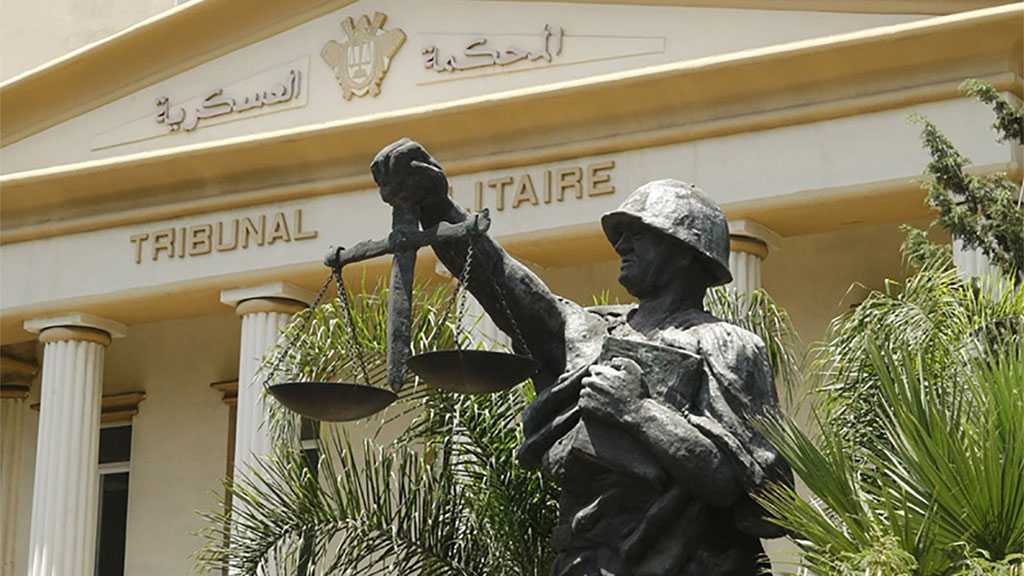
The Lebanese Military Tribunal sentenced Kinda al-Khatib to three years of prison with hard labor for collaborating with the ‘Israeli’ enemy.
The Military Tribunal’s ruling stripped Khatib of her civil rights after she was convicted for collaborating with the Zionist regime, entering enemy territory, working with ‘Israeli’ spies and providing them with security information.
Khatib, who is in her 20s, was arrested and charged back in June and indicted in September by Military Investigative Judge Najat Abu Shakra.
The charges against her also included her facilitation of the collaboration of another Lebanese with the ‘Israeli’ enemy, Charbel Hajj, who was also charged with the same crimes, by helping him appear on a Zionist channel through her contacts with an ‘Israeli’ journalist.
Hajj was also sentenced Monday to 10 years of hard labor in absentia.
According to a report by Al-Akhbar newspaper, the indictment noted Khatib’s desire to open the border between the occupied territories and Lebanon, which she had publicized on her social media accounts. The indictment also said that Khatib had offered advice on how the Zionist regime could improve its image among the Lebanese.
The daily reported that Khatib had conducted an audio interview with an ‘Israeli’ television channel, and helped ‘Israeli’ journalist Roy Qays to conduct an interview with a US-based Lebanese individual.
The indictment further accused Khatib of having provided security information about Lebanon to a Kuwaiti intelligence officer named Yasser Kandari, who she met in the Dead Sea area.
يخلط كثير من أنصار التطبيع مع العدو الصهيوني بين الاتفاقيّات المزعومة التي وقعها بعض المسؤولين السياسيّين في لحظة تاريخيّة ما، وبين التطبيع في العلاقات مع العدو، وهناك من يتطرّف في تصوره ويعتبر معارضي عملية التطبيع خارجين عن الثوابت الوطنية، بل طالب الأكثر تطرفاً منهم السلطة السياسية بضرورة محاكمة معارضي التطبيع، باعتبارهم مرتكبي جرائم وخارجين على القانون، في تصور خاطئ منهم بأن الاتفاقيات المبرمة مع العدو قد أصبحت ملزمة للشعب بحكم التصديق عليها من قبل المجلس النيابي، والذين يخلطون الأوراق لا يستطيعون التفرقة بين الاتفاقيّات السياسية التي يعقدها المسؤولون السياسيون وبين عملية تطبيع العلاقات التي هي بالأساس ذات طابع شعبي بعيدة كل البعد عن الاتفاقيات السياسية وهذه العلاقات الإنسانية التطبيعية لا يمكن لمخلوق أن يلزم الشعوب في علاقاتها وممارساتها اليومية بتطبيقها.
فملابسات توقيع الاتفاقيات السياسيّة تؤكد دائماً أنها وجهات نظر المسؤولين السياسيين الذين يوقعونها والتي يصرّون عليها بغض النظر عن موقف شعوبهم منها، وعلى الرغم من أن الدساتير قد تنصّ على ضرورة الاستفتاء على مثل هذه الاتفاقيات أو موافقة المجلس النيابي عليها باعتباره ممثلاً ووكيلاً عن الشعب فإن إرادة مَن في السلطة غالباً ما تفرض في هذه الحالة، لكن تظل الاتفاقية ملزمة فقط لمؤسسات الدولة السياسية، أما عملية التطبيع والتي تشكل أحد بنود اتفاقيات السلام المزعومة مع العدو فترتبط بقرار الشعب نفسه، لذلك فهي ليست ملزمة للشعوب، فالعقل الجمعي الشعبي المصري والعربي قد استقر على أن العدو الصهيونيّ هو العدو الأول لأمتنا العربية ولا يمكن أن نقبل التطبيع معه رغم عقد اتفاقيات رسمية من قبل السلطة السياسية.
وتُعدّ اتفاقية كامب ديفيد التي وقعها الرئيس السادات عام 1979 مع العدو الصهيوني خير شاهد وخير دليل، ففي أعقاب نصر أكتوبر 1973 ويمكن قبله بدأ الرئيس السادات في التفكير والتشاور والتفاوض مع الأميركان والصهاينة للترتيب لإنهاء حالة العداء مع العدو الصهيوني على المستوى الرسمي، وجاءت أولى الخطوات العملية بالإعلان المذهل للرئيس السادات أمام البرلمان المصري في عام 1977 بعزمه على الذهاب إلى القدس والتحدث أمام الكنيست، وبعد خطابه بأيام قليلة تلقى الدعوة من حكومة العدو الصهيوني مرحبة بحرارة بالزيارة التي تمّت في 9 نوفمبر 1977 وفي أعقابها بدأت محادثات السلام المزعومة التي انتهت بتوقيع اتفاقية كامب ديفيد بين الرئيس السادات ورئيس وزراء العدو الصهيوني مناحيم بيغن في 17 سبتمبر 1978 بعد مفاوضات سرية استمرت 12 يوماً برعاية الرئيس الأميركي جيمي كارتر، وفي 26 مارس 1979 تم التوقيع على معاهدة السلام المصرية الاسرائيلية في واشنطن عاصمة الولايات المتحدة الأميركية.
وأثارت اتفاقية السلام المزعومة ردود فعل معارضة في مصر ومعظم الدول العربية سواء على المستوى الرسمي أو الشعبي، ففي مصر استقال وزير الخارجية محمد إبراهيم كامل لمعارضته الاتفاقية وأطلق عليها «مذبحة التنازلات» وكتب في كتابه «السلام الضائع في اتفاقيات كامب ديفيد» الذي نشر في مطلع الثمانينيات أن «ما قبل به السادات بعيد جداً عن السلام العادل»، وعلى الصعيد العربي عقد مؤتمر قمة رفضت فيها الاتفاقية واتخذت جامعة الدول العربية قراراً بنقل مقرها من القاهرة إلى تونس احتجاجاً على الاتفاقية المزعومة، وعلى المستوى الشعبي خرجت التظاهرات الرافضة في كل العواصم العربية بما فيها العاصمة المصرية، ورغم حالة الرفض الرسمي والشعبي استمر الرئيس السادات في طريق استكمال إجراءات الاتفاقية بما يتوافق مع الدستور المصري، حيث عرض الاتفاقية على البرلمان بعد 15 يوماً من توقيعها، وتصدّى للمعاهدة 16 نائباً فقط وعلى الرغم من موافقة الأغلبية إلا أن صوت المعارضة كان مدوياً ومدعوماً شعبياً فاضطر في اليوم التالي لجلسة البرلمان 11 أبريل 1979 إعلان حل مجلس الشعب، وطرح المعاهدة للاستفتاء الشعبي طبقاً لنصوص الدستور، كما طرح حل المجلس للاستفتاء أيضاً، وجاءت النتيجة موافقة بالإجماع، وتمت دعوة الناخبين لانتخابات جديدة في يونيو 1979.
وعلى الرغم من تمرير الرئيس السادات للاتفاقية السياسية على المستوى الرسمي إلا أنه لم يتمكن من تمرير بند التطبيع لأنه يتعلق بالعقل والضمير الشعبي، لذلك لم تحاول السلطة السياسية في مصر على مدار ما يزيد عن الأربعة عقود كاملة فرض بند التطبيع على الشعب المصري، لإدراكها أن التطبيع ليس قراراً سياسياً كالاتفاقية المزعومة. فالاتفاق السياسي لا يمكن أن يغير كراهية الشعب للعدو الصهيوني الملوثة أياديه بدماء شهداء الوطن، والمغتصب للأرض العربية والتي تقر الاتفاقيات المزعومة باستمراره في احتلالها، فالشعب يؤمن بأن معركته مع العدو معركة وجود وليس حدود كما يفهمها القادة السياسيون الذين يوقعون الاتفاقيات، وما عرضناه بالنسبة لكامب ديفيد هو نفسه ما يمكن عرضه وقوله بالنسبة لاتفاقية أوسلو ووادي عربة.
وعندما حاول العدو الصهيوني قبل أيام اختبار التطبيع مجدداً مع الشعب المصري عبر ممثل شهير يمتلك قاعدة جماهيريّة عريضة بين الشباب المصري معتقدين أن هؤلاء الشباب الذين ولدوا بعد كامب ديفيد قد يسهل اصطيادهم لفخ التطبيع، وجدوا أنفسهم في مآزق شديد ولمسوا بأنفسهم حجم الكراهية والرفض الشعبي عبر مواقع التواصل الاجتماعي التي اخترعوها كوسيلة للتجسس وقياس الرأي العام داخل مجتمعاتنا، ولعل العبارة التي أطلقها الممثل يلوم فيها جمهوره على خذلانه خير رسالة للعدو الصهيوني أن محاولاتهم لن تؤتي بثمارها.
وهنا نعود لأنصار التطبيع محدودي العدد والقدرات العقلية داخل المجتمع المصري والعربي ونقول لهم كفى تزييفاً للوعي وخلطاً للأوراق. فالاتفاقيات المزعومة ملزمة لمؤسسات الدولة السياسية، أما التطبيع فهو قرار شعبي بامتياز، وأي مسؤول سياسي حتى ولو كان رئيس الدولة قد يلتزم بالاتفاقيات الموقعة مع العدو ما دام في موقعه السياسي، لكن حين يتحدث بوصفه مواطناً عادياً فسوف يرفض أي لقاء ولن يقبل بالتقاط صورة واحدة مع أحد أبناء العدو الصهيوني، اللهم بلغت اللهم فاشهد.
تتشكّل خريطة جيوسياسية جديدة وتعيد رسم المشهد الشرق الأوسطي (أ ف ب )
كتب الأمير تركي الفيصل، رئيس الاستخبارات العامة السعودية سابقاً والسفير السعودي السابق في لندن وواشنطن، رسالة في 7 تموز/ يوليو 2014، موجّهة إلى “مؤتمر إسرائيل للسلام” في تل أبيب، جاء فيها: “تخيّلوا أني أستطيع ركوب الطائرة من الرياض وأطير مباشرة إلى القدس.. يا لها من لذة ألّا أدعو الفلسطينيين فقط، بل الإسرائيليين الذين سألقاهم أيضاً، ليأتوا لزيارتي في الرياض، حيث يستطيعون التجوّل في بيت آبائي في الدرعية التي تشبه معاناتها التي نالتها من قهر إبراهيم باشا معاناة القدس على يد نبوخذ نصر والرومان”.
لم تكن تلك من تنبّؤات نوستراداموس، بل هو قرار مضمر منذ عقود، وضعه بن غوريون، أحد مؤسّسي الكيان، نصب أهدافه قائلاً: “إن المصالحة التاريخية بين اليهود والعرب لن تتمّ إلا على يد آل سعود”. في المقابل، آمن الملوك السعوديون بأن شرط وجود كيانهم واستقراره ليس في تعزيز ثقة الشعب، وإنما في بناء تحالف مع الدولة العبرية برعاية أميركية.
زيارة رئيس الوزراء الإسرائيلي، بنيامين نتنياهو، لجدّة، ومدينة “نيوم” السياحية على وجه التحديد، يوم الأحد الماضي، ولقاؤه ولي العهد السعودي، محمد بن سلمان، سوف تبقى شأناً إعلامياً إسرائيلياً لبعض الوقت، قبل أن تتلقّفه وسائل الإعلام الغربية والأميركية، مع تمنّع سعودي خجول قبل أن يصبح واقعاً، ويتولّى الإعلام السعودي نفسه الدفاع عنه والتطبيل له. وهكذا هي قصة التطبيع السعودي ــــ الإسرائيلي، يبدأ بتسريب خبر في الإعلام العبري، ثمّ يكتسب صدقية بنسبة الخبر إلى مسؤول إسرائيلي يكشف عن هويته لاحقاً، ثم ينتشر فيصبح واقعاً لا يقاوَم. ما يلفت في خبر الزيارة ليس أصل حصولها، بل ردّ الفعل عليها؛ إذ إنها كانت واردة على الدوام، في ظلّ التسريبات المتلاحقة منذ شهور حول قرب توقيع “اتفاقية سلام” بين الرياض وتل أبيب، والمصمّمة لغرض تأهيل الأجواء لبلوغ التطبيع حيّز الإعلان. السؤال هنا: هل الهرولة السعودية نحو التطبيع تأتي وفق حسابات محلية، كما هي الحال بالنسبة إلى نتنياهو المأزوم داخلياً، أم هي مؤسَّسة على حسابات وطنية وقومية ودينية؟ الجواب كلا، ببساطة لأن شعب الجزيرة العربية في غالبيته الساحقة لا يتمنى اليوم الذي تطأ فيه أقدام الصهاينة جزيرة العرب.
اضطلاع الرياض بدور الموجّه الخفيّ لمسيرة التطبيع في صيغتها الأخيرة، كما ظهرت في تدشين علاقات طبيعية بين الكيان الإسرائيلي وكلّ من الإمارات والبحرين والسودان، ليس منفصلاً عن أدوار سابقة طبعت مسيرة تطبيع تعود إلى عام 1981، حين تَقدّم وليّ العهد حينذاك، فهد بن عبد العزيز، الملك لاحقاً، بأوّل “مبادرة سلام” تتضمّن، من بين بنودها الثمانية، اعترافاً جماعياً بالكيان الإسرائيلي. أريد للمبادرة حينذاك أن تكون “مشروعاً عربياً”، كما أراده فهد في قمّة فاس، ولكن اعتراض عدد من الأنظمة العربية إلى جانب قيادة “منظمة التحرير الفلسطينية”، أفضى إلى سحب المشروع من التداول، وأسبغ عليه صفة “المشروع السعودي”.
نحن أمام معادلة جديدة ربح فيها الإسرائيلي المعركة، وأَخرج السعودية من سوق المزيدات
أثارت المبادرة السعودية أسئلة مشروعة عن الدوافع والغايات، بالنظر إلى قرب عهد العرب بصدمة توقيع الرئيس المصري الأسبق، أنور السادات، اتفاقية سلام مع الكيان الإسرائيلي. كانت الإجابة تَتطلّب قراءة مختلفة لسياق الوقائع الإقليمية والدولية. إذ إن المنطقة كانت تشهد حينذاك تحوّلاً كونياً على وقع الثورة الإسلامية الإيرانية وتداعياتها داخلياً (انتفاضة الحرم بقيادة جهيمان العتيبي في تشرين الثاني/ نوفمبر 1979، وانتفاضة المحرّم في المنطقة الشرقية في كانون الأول/ ديسمبر من العام نفسه)، وخليجياً (انتفاضة شعبية في البحرين في كانون الأول/ ديسمبر 1979، وتالياً محاولة قلب نظام الحكم في 1981)، إلى جانب التداعيات العربية والدولية. أدركت السعودية، في وقت مبكر، أن سقوط أحد العمودين المتساندين، أي إيران، يتطلّب إجراءً عاجلاً للحيلولة دون سقوط العمود الآخر. كما أدركت الرياض، حينذاك، أن الوصول إلى قلب البيت الأبيض يمرّ عبر تل أبيب، وهذا ما ظهر جليّاً في كلّ الأزمات التي واجهت الرياض على مدى أربعة عقود. في آذار/ مارس 2002، تقدّم ولي العهد، عبد الله بن عبد العزيز، الملك لاحقاً، بـ”مبادرة سلام” أخرى معدّلة، تضمن حق الكيان الإسرائيلي في الوجود، ولا تتمسّك بحق العودة كثابت غير قابل للنقاش.
كانت السعودية في أسوأ حالاتها، ولأول مرة يتمّ تصنيفها بـ”بؤرة الشر” من قِبَل الحليف الأميركي، على خلفية اتهامات لها بالضلوع في هجمات الحادي عشر من أيلول/ سبتمبر. مَثّلت المبادرة السعودية، التي أُعلن عنها في “قمة بيروت” محاولة لفكّ العزلة الدولية وتلميع صورة النظام السعودي، بصفته الراعي الرسمي لأيديولوجية الكراهية العابرة للقارات. لم تحظ المبادرة بتوافق رسمي عربي، على الرغم من الجهود الكثيفة التي بذلتها الرياض لسنوات طويلة، وتخلّلتها نشاطات تطبيعية، من بينها لقاءات الأمير تركي الفيصل، وعادل الجبير، السفير السعودي ووزير الخارجية سابقاً ووزير الدولة للشؤون الخارجية حالياً، مع مسؤولين إسرائيليين مثل تسيبي ليفني، وزيرة خارجية الكيان سابقاً، ورئيس الحكومة الإسرائيلية الأسبق إيهود باراك في تموز/ يوليو 2013 وآخرين، إضافة إلى مشاركات مكثّفة في ندوات أمنية وسياسية برعاية إسرائيلية، ولقاءات مع مسؤولين إسرائيليين في الخليج وفي عواصم أوروبية وأميركية.
تلزيم “صفقة القرن” لوليّ العهد، محمد بن سلمان، شرطُ تتويج. وقد أمضى الرجل عامَي 2018 و2019 من أجل إقناع الأردن والسلطة الفلسطينية على نحو الخصوص بمتطلّبات الصفقة، وعلى رأسها التخلّي عن القدس الشرقية وحق العودة. كان سقف المطلب السعودي، ومِن خلفه الأميركي والإسرائيلي، عالياً إلى القدر الذي مسّ بصميم السيادة الفلسطينية والشرعية الدينية والتاريخية للعائلة الهاشمية، ناهيك عن رفض كثير من الدول العربية مشروع سلام لا يقوم على حلّ الدولتين ولا تكون القدس الشرقية فيه عاصمة للدولة الفلسطينية.
في النتائج، لم يكن الخروج على المبادرة العربية بنسختها السعودية قراراً إماراتياً أو بحرانياً أو حتى سودانياً، بل كان قراراً سعودياً بالدرجة الأولى. سِجلّ التطبيع منذ مطلع الألفية حتى الآن كان يحمل البصمة السعودية، وقد تكفّلت الإمبراطورية الإعلامية التي يديرها الملك سلمان وأبناؤه والوليد بن طلال وخالد بن سلطان بمهمّة التطبيع النفسي والثقافي والإعلامي. لقد عبث الإعلام السعودي بسيكولوجية الرأي العام الخليجي، وإلى حدّ ما العربي، حتى باتت فكرة التطبيع وحضور المسؤول الإسرائيلي في المنتديات الخليجية بدرجة أساسية أمراً مألوفاً. وللقارئ تخيُّل ردود الفعل، إن وُجدت، على زيارة نتنياهو لبلاد الحرمين، ولقائه وليّ العهد السعودي في مكان لا يبعد سوى أقلّ من مئة كيلومتر عن مكة المكرمة.
لا فائدة مرجوّة من النفي السعودي أو من الصمت الرسمي الإسرائيلي، طالما أن ركب التطبيع يسير كما تَقرّر سعودياً وإسرائيلياً وأميركياً. فنحن أمام خريطة جيوسياسية جديدة تتشكّل وتعيد رسم المشهد الشرق الأوسطي، على وقع انقسامات في النظام الرسمي العربي، واختلال موازين قوى إقليمية ودولية.
خطورة زيارة نتنياهو ليست في الأجندة المباشرة المعلَن عنها، لأن في ذلك تبسيطاً للمستور من أصل العلاقة، بل وأصل الشراكة الاستراتيجية التي سوف تفرض نفسها في العلاقات البينية العربية والإقليمية والدولية. نحن أمام معادلة جديدة ربح فيها الإسرائيلي المعركة، وأَخرج السعودية، شريكه الاستراتيجي، من سوق المزيدات. إذ لم تعد فلسطين بالنسبة إلى الرياض قضية، فضلاً عن كونها القضية، بل باتت العبء الذي تريد الخلاص منه، وهذه المرّة تفعل ذلك بنحر “مبادرة السلام” التي تبنّتها سابقاً، على علّاتها.
زيارة نتنياهو لجزيرة العرب هي تدشين لتاريخ جديد، يضع شعب الجزيرة العربية أمام خيارين: إما القبول بأن يكتب نتنياهو وابن سلمان هذا التاريخ بحبر الخيانة، أو أن يكتبه الشعب بدم التحرير من عار يرتكبه آل سعود بحق شعب يأبى إلا أن يكون مع فلسطين بلا شروط.
Deal is always nigh
-
The fucking ‘Canadian’ Jews are going apeshit about this article about
discrimination - btw, what do you call discrimination based on the fact the
person d...
Report on Beth Israel vigil 07-04-26
-
*1A Rights under combined attack from local government plus media*
Ann Arbor City Council is at it again. Right before the long 4th of July
weekend, they ...
-
Hello all,
It is with great sadness that I share with you the passing of our beloved
sister, Mother, and Grandmother, the individual that you all knew ...
Best Horror Podcast
-
Best Horror Podcast Introduction: Horror podcasts […]
The post Best Horror Podcast appeared first on Copper Shock Horror Podcast.
Ikhras Endorses Muntadhar Al-Zaidi
-
“Oh parties of banditry and sectarianism and corruption, we have come and
our goal is to destroy you.” Ikhras formally endorses Muntadhar al-Zaidi,
Iraqi j...
Prince Charles: Foreign Jews behind bloodshed in ME
-
In May, 2017, British Crown Prince Charles declined an invitation from
Zionist entity’s president Reuven Rivlin‘s to attend the 100th anniversary
of the no...
Palestinian Women – One for All, All for One
-
Honouring All Palestinian Women by Honouring Three: Hanin Zoabi, Ahed
Tamimi, Samah Sabawi Vacy Vlazna “Palestinian women have always stood side
by side ...
US’s Saudi Oil Deal from Win-Win to Mega-Lose
-
By F. William Engdahl Who would’ve thought it would come to this? Certainly
not the Obama Administration, and their brilliant geo-political think-tank
neo-...
-
*Mordechai Vanunu wins human rights prize of Brazilian Press Association *
* http://www.alternativenews.org/english/index.php/features/updates/7038-mordechai...
Abdul Aziz Rantissi:
"My ultimate wish, my God, is to attain martyrdom,"...God granted him his wish on April 17, 2004, at the hands of Israeli assassins.