Uprooted Palestinians are at the heart of the conflict in the M.E Palestinians uprooted by force of arms. Yet faced immense difficulties have survived, kept alive their history and culture, passed keys of family homes in occupied Palestine from one generation to the next.
Is COVID a dangerous bioweapon or an episode of mass hysteria? Or maybe both? Filmmaker John Hankey presents evidence for the bioweapon hypothesis in his new film Coronavirus an Inside Job.The world premier will be livestreamed tomorrow, Sun. Nov. 29, 3 pm ET at No Lies Radio. It will feature a discussion panel and more.
John and I debated COVID on today’s FFWN. John, like the Senior Editor and others here at VT, thinks COVID is actually more dangerous than they’re telling us, not less. I am not convinced of that…yet. I think COVID, like 9/11, is engineered mass hysteria for geopolitical purposes, and “they” want us to be afraid, be very afraid.
Be that as it may, John is most likely right about COVID being a made-in-USA bioweapon. And he’s probably right that vaccines were developed or at least worked on for many years before the weapon was unleashed—and that elites, possibly including Trump, have long since been vaccinated. Watch his movie, check out the evidence, and decide for yourself.
The best story on our list today was Taxi’s brilliant piece “Hezbollah the Beautiful.” Check it out:
A warrior’s soul sleeps in his fist. Wakes in his fist. Till his dying breath, will exist in his fist.
No gun and no mortal danger can unfold this fist. A warrior will live and die with his fist clenched.
This is not for love of violence nor for the thrills of war. Not because of a demented passion for death either. This is because a warrior knows that even in times of peace, evil and evil-doers lurk in the shadow of peace.
Warriorship is vocational. It is non-mercenary. Non-materialistic. Non-negotiable. True warriorhood is purely defensive. It is fixated solely on the protection of a higher justice and defense of self and the meek. It is never predatory. A warrior is steeped in a culture of righteous dignity and martyrdom. Humble dignity. And a sacred martyrdom. A true warrior is not an ordinary soldier, nor a celebrated figure from either media or mythology. A true warrior is real. And rare. A true warrior is the only class of human capable of kissing death right in the eyeball. There is no fear of the infinite black void in the heart of a true warrior.
Throughout history, cultures under duress and attack by covetous enemies have produced their own brand of warrior. Native American Indians gave us the ‘Braves’. Japan gave us the ‘Samurai’. France gave us Joan of Arc. Africa gave us ‘Warrior Queen Amina’. And modern Lebanon has given us, Hezbollah.
Hezbollah: currently the world’s most successful warrior-resistor group fighting against the most malevolent of all modern abominations, otherwise known as the Axis of Evil (US, Israel, and their Western and Arab-Wahabi allies). Hezbollah is also currently the most reviled of all warriors. This is because unable to defeat Hezbollah on the battlefield, and after already spending some $11 billion on many failed coups and smear campaigns this past decade, the Axis of Evil is now reduced to merely attacking Hezbollah with malicious lies and false accusations. To demonize Hezbollah, to sully their immaculate reputation in a vast and global media campaign is about the only weapon left in the hands of the Axis of Evil. This defamation offensive may work on some uninformed people, but indeed it will not weaken Hezbollah’s phenomenal abilities on the battlefield. This agitating agitprop will not change any facts on the ground. It will be but more of your tax dollars wasted on a chimera.
Hezbollah is noble, yet not royal. Its warriors and leaders are essentially from working-class, farming communities who grouped themselves to repel a vicious, colonial and genocidal invader, otherwise known as Israel. Some thirty years after the birth of their resistance group, Hezbollah remain exceptionally humble and profoundly rooted in their modest beginnings. Even though Hezbollah has lost warriors in combat, the number of its martyrs has been relatively low, and it has yet to lose a single battle or war in its 30+ years of existence. And despite its stellar successes on the battlefield, Hezbollah remains unostentatious and merciful in victory. Most notable and impressive of all, Hezbollah’s leadership does not practice chicanery, skullduggery or monkeyshines. They simply do not lie. Not once has its leadership deceived or duped its fighters, its allies or supporters. Consistently true to their word, even Israeli Jewish citizens, according to Israeli polls, believe what Hezbollah’s leadership says above their own leaders in Tel Aviv. This is because time and time again, what Hezbollah says simply and truly ‘is’, and what it promises, it always delivers. And, indeed, it has outsmarted its bulkier enemy at every turn of the road and delivered.
All their battles have been for defensive reasons. ALL of them…
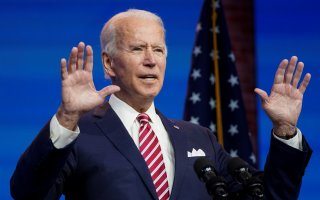
Shortly after Joe Biden’s win in the U.S. presidential election, Iranian foreign minister Javad Zarif traveled to Islamabad for two days of talks. Political ties between Iran and Pakistan are warm, but their relationship has grossly underperformed in the economic and security domains.
That is partly owing to Donald Trump, who withdrew from the Iran nuclear deal, the Joint Comprehensive Plan of Action (JCPOA), in 2018 and reimposed draconian sanctions, while adding a raft of new penalties relating to terrorism and human rights. But Trump will soon be gone, and his replacement, Joe Biden, has vowed to re-enter the JCPOA.
Zarif and his Pakistani counterpart discussed ways to expand trade and economic cooperation. In theory, sanctions relief resulting from a revived JCPOA could help to realize their goals. But there is reason to doubt that Iran-Pakistan relations will significantly improve during Biden’s presidency.
First of all, it is far from guaranteed that Biden will be able to re-join the JCPOA. The current Iranian president, Hassan Rouhani, is a political moderate who negotiated the Iran deal from 2013-15 but is due to leave office next year. Iran’s reformers have been losing popularity, and it is likely Rouhani will be replaced by an anti-American hardliner.
Moreover, the Iran deal is now quite unpopular with Iranians, who have not seen the sort of economic benefits that they expected. And trust in the United States is low, given that Trump abrogated the JCPOA unilaterally, even though Iran was complying with its terms, and proceeded to cripple the Iranian economy amid an escalating pandemic.
There is also the risk that Trump will pile on more pressure and provoke retaliation from Iran before he leaves office. He reportedly considered a strike on Iranian nuclear facilities soon after the election. Such tactics could trigger a military confrontation, greatly complicating a U.S. return to the JCPOA.
Added to that, Trump is apparently planning a “flood” of lame-duck sanctions before January. Iran might respond by dialing up its nuclear activities in further violation of the JCPOA. Tehran started breaching the agreement in 2019 when the United States revoked oil waivers. While those steps are currently reversible, continued infringements could ruin the deal.
Even if the JCPOA does survive, resuscitating it will be a fraught and drawn-out process. Biden has vowed to pursue a follow-on agreement that addresses Iran’s ballistic missile program, use of regional proxies (such as Hezbollah), and sunsets in the original deal which see limitations on Iranian nuclear activity expire.
Any attempt to rein in Iran’s defensive capabilities by constraining its missile program or use of proxies, while addressing nuclear sunsets, may well be rejected by Tehran. Iran might also demand compensation from the United States for re-imposing sanctions, which would likely be a non-starter in Washington.
Then there is the tricky issue of the United States’ regional partners, principally Israel, Saudi Arabia, and the UAE, who were very uncomfortable with the initial nuclear deal and would surely be displeased with an attempt to revive it. Added to that, Iran will not be a priority for the Biden administration as it tries to grapple with the coronavirus health and economic crises.
On the plus side, the Democratic Party is more united behind the JCPOA than it was in 2015. Almost all of the party’s presidential candidates pledged to return to the deal. However, the Senate will likely remain in Republican hands, potentially throwing congressional obstacles in Biden’s way.
To help the next president navigate through this minefield, analysts have proposed a sequenced approach to resuscitating the agreement. The United States and Iran would gradually return to compliance with the JCPOA by 2021, when Rouhani leaves office. Then they could proceed to broader talks about missiles and regional security.
But restoring the JCPOA is no panacea. The deal only lifts ‘secondary sanctions’ that prohibit third parties from doing business with Iran. It does not remove ‘primary sanctions,’ which apply to American companies but also affect non-U.S. entities by restricting their ability to trade in dollars.
This helps explain why commerce between Iran and Pakistan remained low even after the nuclear deal was implemented. In 2015 the two countries pledged to boost trade to $5 billion by 2021, but they never got close to achieving that goal. If history is any guide, Pakistan would only see meager economic benefits from JCPOA sanctions relief.
Of course, there are other factors constraining trade, including high tariff barriers in Iran and woefully inadequate transport connectivity between the two countries. Moreover, years of economic mismanagement have left Pakistan with a chronic trade deficit. Efforts to boost exports have been further hampered by the coronavirus economic slump.
Another obstacle may come from Iran’s nemesis, Saudi Arabia, which has close economic and security ties with Pakistan and exerts considerable influence there. Saudi pressure apparently blocked the progress of a long-delayed and now-defunct gas pipeline between Pakistan and Iran. While Saudi-Pakistan ties are waning, somewhat, they remain strong.
Worse still, for Islamabad, its arch-enemy India would likely benefit more from a revival of the JCPOA than Pakistan would. Before Trump withdrew from the deal, India imported significant amounts of oil from Iran and also moved forward with gas and infrastructure deals, such as the Chabahar port project. Those deals have stalled but might be revamped.
Closer ties between India and Iran could also mitigate Tehran’s support for the Kashmir cause. In recent years, the Iranian supreme leader and other officials have been more supportive of Pakistan’s stance on Kashmir. But a renewal of Indian trade and investment may force Iran to moderate its tone.
The read-outs from Zarif’s meeting in Islamabad were revealing for what they did not mention. While the Pakistani statement referred to Kashmir, there was no explicit reference in the Iranian text. In previous bilateral visits, the two sides pledged to connect Chabahar with the China-Pakistan Economic Corridor (CPEC). But there was no talk of CPEC this time.
With a revival of the JCPOA on the horizon, Iran will not want to antagonize Delhi by courting its main strategic rivals in Beijing and Islamabad. Tehran must tread carefully, as it is currently negotiating a strategic partnership with China at the same time as Chinese and Indian troops are locked in a protracted stand-off on the disputed Himalayan border.
A restoration of the JCPOA could actually inflame tensions between Pakistan and Iran. If India capitalizes on sanctions relief to re-enter the Iranian market and improve its political relations with Tehran, we may see a resurgence of old Pakistani fears that India is using Iran as a launch-pad for intelligence operations inside Pakistan.
Those fears were seemingly confirmed in 2016 when alleged spy Kulbhushan Jadhav was arrested in Pakistan after entering the country via Iran. And, since then, Pakistani concerns about Indian covert operations have only increased. The government recently issued a dossier detailing Delhi’s apparent links to various terrorist groups.
In this feverish environment, sparks could fly on the Iran-Pakistan border. Both countries have long accused the other of harboring militant groups. Terror attacks have sometimes led to cross-border shelling and could result in further violence if Islamabad sees an Indian hand in Iran-based terrorist activity.
Afghanistan is another possible flashpoint. The two countries were on opposing sides in the 1990s, when Pakistan backed the Afghan Taliban and Tehran supported their adversaries, the Northern Alliance. Since then, Iran has cultivated closer ties to the Taliban, while cooperating with Pakistan on the peace process.
But they are not entirely on the same page. Iran is more eager than Pakistan to see a broad, inclusive government in Kabul that is not monopolized by the Taliban. Indeed, Tehran opposed the peace settlement signed in Doha in February 2020 as it excluded the Afghan government.
However, Pakistan and Iran might collaborate more closely if Biden pursues a regional security dialogue as part of his follow-on agreement to the JCPOA. Because Islamabad has good political relations with both Tehran and Riyadh, it has helped mediate between the two rivals to defuse regional crises in recent years and could do so again.
But, while the Biden era might see a modest improvement in Iran-Pakistan ties, major progress is unlikely.
Rupert Stone is a freelance journalist working on issues related to South Asia and the Middle East. He has written for various publications, including Newsweek, VICE News, Al Jazeera, and The Independent.
تتشكّل خريطة جيوسياسية جديدة وتعيد رسم المشهد الشرق الأوسطي (أ ف ب )
كتب الأمير تركي الفيصل، رئيس الاستخبارات العامة السعودية سابقاً والسفير السعودي السابق في لندن وواشنطن، رسالة في 7 تموز/ يوليو 2014، موجّهة إلى “مؤتمر إسرائيل للسلام” في تل أبيب، جاء فيها: “تخيّلوا أني أستطيع ركوب الطائرة من الرياض وأطير مباشرة إلى القدس.. يا لها من لذة ألّا أدعو الفلسطينيين فقط، بل الإسرائيليين الذين سألقاهم أيضاً، ليأتوا لزيارتي في الرياض، حيث يستطيعون التجوّل في بيت آبائي في الدرعية التي تشبه معاناتها التي نالتها من قهر إبراهيم باشا معاناة القدس على يد نبوخذ نصر والرومان”.
لم تكن تلك من تنبّؤات نوستراداموس، بل هو قرار مضمر منذ عقود، وضعه بن غوريون، أحد مؤسّسي الكيان، نصب أهدافه قائلاً: “إن المصالحة التاريخية بين اليهود والعرب لن تتمّ إلا على يد آل سعود”. في المقابل، آمن الملوك السعوديون بأن شرط وجود كيانهم واستقراره ليس في تعزيز ثقة الشعب، وإنما في بناء تحالف مع الدولة العبرية برعاية أميركية.
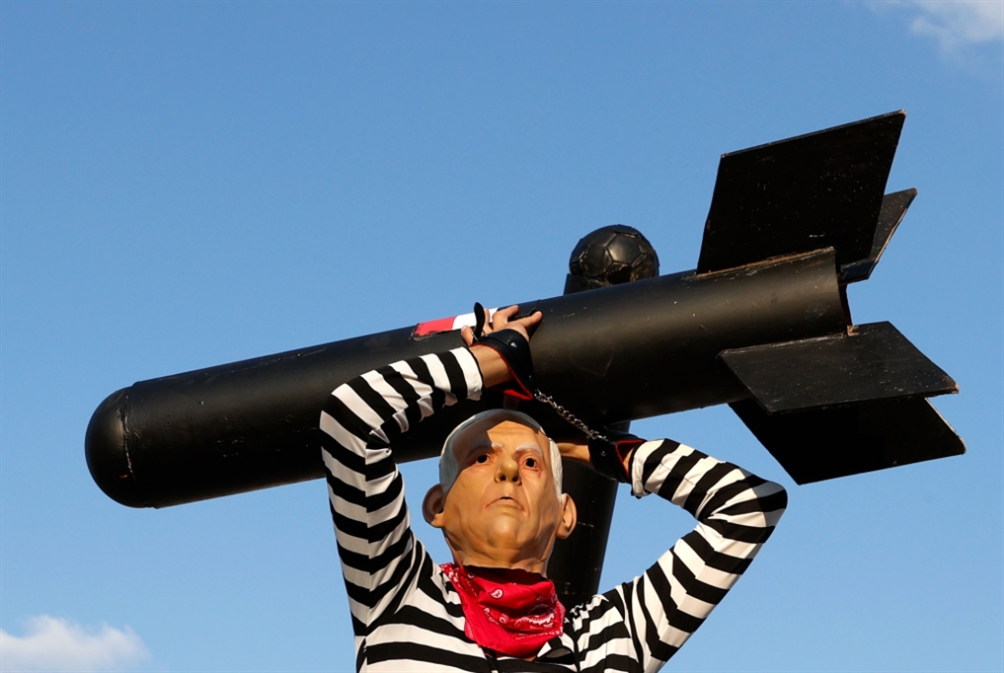
زيارة رئيس الوزراء الإسرائيلي، بنيامين نتنياهو، لجدّة، ومدينة “نيوم” السياحية على وجه التحديد، يوم الأحد الماضي، ولقاؤه ولي العهد السعودي، محمد بن سلمان، سوف تبقى شأناً إعلامياً إسرائيلياً لبعض الوقت، قبل أن تتلقّفه وسائل الإعلام الغربية والأميركية، مع تمنّع سعودي خجول قبل أن يصبح واقعاً، ويتولّى الإعلام السعودي نفسه الدفاع عنه والتطبيل له. وهكذا هي قصة التطبيع السعودي ــــ الإسرائيلي، يبدأ بتسريب خبر في الإعلام العبري، ثمّ يكتسب صدقية بنسبة الخبر إلى مسؤول إسرائيلي يكشف عن هويته لاحقاً، ثم ينتشر فيصبح واقعاً لا يقاوَم. ما يلفت في خبر الزيارة ليس أصل حصولها، بل ردّ الفعل عليها؛ إذ إنها كانت واردة على الدوام، في ظلّ التسريبات المتلاحقة منذ شهور حول قرب توقيع “اتفاقية سلام” بين الرياض وتل أبيب، والمصمّمة لغرض تأهيل الأجواء لبلوغ التطبيع حيّز الإعلان. السؤال هنا: هل الهرولة السعودية نحو التطبيع تأتي وفق حسابات محلية، كما هي الحال بالنسبة إلى نتنياهو المأزوم داخلياً، أم هي مؤسَّسة على حسابات وطنية وقومية ودينية؟ الجواب كلا، ببساطة لأن شعب الجزيرة العربية في غالبيته الساحقة لا يتمنى اليوم الذي تطأ فيه أقدام الصهاينة جزيرة العرب.
اضطلاع الرياض بدور الموجّه الخفيّ لمسيرة التطبيع في صيغتها الأخيرة، كما ظهرت في تدشين علاقات طبيعية بين الكيان الإسرائيلي وكلّ من الإمارات والبحرين والسودان، ليس منفصلاً عن أدوار سابقة طبعت مسيرة تطبيع تعود إلى عام 1981، حين تَقدّم وليّ العهد حينذاك، فهد بن عبد العزيز، الملك لاحقاً، بأوّل “مبادرة سلام” تتضمّن، من بين بنودها الثمانية، اعترافاً جماعياً بالكيان الإسرائيلي. أريد للمبادرة حينذاك أن تكون “مشروعاً عربياً”، كما أراده فهد في قمّة فاس، ولكن اعتراض عدد من الأنظمة العربية إلى جانب قيادة “منظمة التحرير الفلسطينية”، أفضى إلى سحب المشروع من التداول، وأسبغ عليه صفة “المشروع السعودي”.
نحن أمام معادلة جديدة ربح فيها الإسرائيلي المعركة، وأَخرج السعودية من سوق المزيدات
أثارت المبادرة السعودية أسئلة مشروعة عن الدوافع والغايات، بالنظر إلى قرب عهد العرب بصدمة توقيع الرئيس المصري الأسبق، أنور السادات، اتفاقية سلام مع الكيان الإسرائيلي. كانت الإجابة تَتطلّب قراءة مختلفة لسياق الوقائع الإقليمية والدولية. إذ إن المنطقة كانت تشهد حينذاك تحوّلاً كونياً على وقع الثورة الإسلامية الإيرانية وتداعياتها داخلياً (انتفاضة الحرم بقيادة جهيمان العتيبي في تشرين الثاني/ نوفمبر 1979، وانتفاضة المحرّم في المنطقة الشرقية في كانون الأول/ ديسمبر من العام نفسه)، وخليجياً (انتفاضة شعبية في البحرين في كانون الأول/ ديسمبر 1979، وتالياً محاولة قلب نظام الحكم في 1981)، إلى جانب التداعيات العربية والدولية. أدركت السعودية، في وقت مبكر، أن سقوط أحد العمودين المتساندين، أي إيران، يتطلّب إجراءً عاجلاً للحيلولة دون سقوط العمود الآخر. كما أدركت الرياض، حينذاك، أن الوصول إلى قلب البيت الأبيض يمرّ عبر تل أبيب، وهذا ما ظهر جليّاً في كلّ الأزمات التي واجهت الرياض على مدى أربعة عقود. في آذار/ مارس 2002، تقدّم ولي العهد، عبد الله بن عبد العزيز، الملك لاحقاً، بـ”مبادرة سلام” أخرى معدّلة، تضمن حق الكيان الإسرائيلي في الوجود، ولا تتمسّك بحق العودة كثابت غير قابل للنقاش.
كانت السعودية في أسوأ حالاتها، ولأول مرة يتمّ تصنيفها بـ”بؤرة الشر” من قِبَل الحليف الأميركي، على خلفية اتهامات لها بالضلوع في هجمات الحادي عشر من أيلول/ سبتمبر. مَثّلت المبادرة السعودية، التي أُعلن عنها في “قمة بيروت” محاولة لفكّ العزلة الدولية وتلميع صورة النظام السعودي، بصفته الراعي الرسمي لأيديولوجية الكراهية العابرة للقارات. لم تحظ المبادرة بتوافق رسمي عربي، على الرغم من الجهود الكثيفة التي بذلتها الرياض لسنوات طويلة، وتخلّلتها نشاطات تطبيعية، من بينها لقاءات الأمير تركي الفيصل، وعادل الجبير، السفير السعودي ووزير الخارجية سابقاً ووزير الدولة للشؤون الخارجية حالياً، مع مسؤولين إسرائيليين مثل تسيبي ليفني، وزيرة خارجية الكيان سابقاً، ورئيس الحكومة الإسرائيلية الأسبق إيهود باراك في تموز/ يوليو 2013 وآخرين، إضافة إلى مشاركات مكثّفة في ندوات أمنية وسياسية برعاية إسرائيلية، ولقاءات مع مسؤولين إسرائيليين في الخليج وفي عواصم أوروبية وأميركية.
تلزيم “صفقة القرن” لوليّ العهد، محمد بن سلمان، شرطُ تتويج. وقد أمضى الرجل عامَي 2018 و2019 من أجل إقناع الأردن والسلطة الفلسطينية على نحو الخصوص بمتطلّبات الصفقة، وعلى رأسها التخلّي عن القدس الشرقية وحق العودة. كان سقف المطلب السعودي، ومِن خلفه الأميركي والإسرائيلي، عالياً إلى القدر الذي مسّ بصميم السيادة الفلسطينية والشرعية الدينية والتاريخية للعائلة الهاشمية، ناهيك عن رفض كثير من الدول العربية مشروع سلام لا يقوم على حلّ الدولتين ولا تكون القدس الشرقية فيه عاصمة للدولة الفلسطينية.
في النتائج، لم يكن الخروج على المبادرة العربية بنسختها السعودية قراراً إماراتياً أو بحرانياً أو حتى سودانياً، بل كان قراراً سعودياً بالدرجة الأولى. سِجلّ التطبيع منذ مطلع الألفية حتى الآن كان يحمل البصمة السعودية، وقد تكفّلت الإمبراطورية الإعلامية التي يديرها الملك سلمان وأبناؤه والوليد بن طلال وخالد بن سلطان بمهمّة التطبيع النفسي والثقافي والإعلامي. لقد عبث الإعلام السعودي بسيكولوجية الرأي العام الخليجي، وإلى حدّ ما العربي، حتى باتت فكرة التطبيع وحضور المسؤول الإسرائيلي في المنتديات الخليجية بدرجة أساسية أمراً مألوفاً. وللقارئ تخيُّل ردود الفعل، إن وُجدت، على زيارة نتنياهو لبلاد الحرمين، ولقائه وليّ العهد السعودي في مكان لا يبعد سوى أقلّ من مئة كيلومتر عن مكة المكرمة.
لا فائدة مرجوّة من النفي السعودي أو من الصمت الرسمي الإسرائيلي، طالما أن ركب التطبيع يسير كما تَقرّر سعودياً وإسرائيلياً وأميركياً. فنحن أمام خريطة جيوسياسية جديدة تتشكّل وتعيد رسم المشهد الشرق الأوسطي، على وقع انقسامات في النظام الرسمي العربي، واختلال موازين قوى إقليمية ودولية.
خطورة زيارة نتنياهو ليست في الأجندة المباشرة المعلَن عنها، لأن في ذلك تبسيطاً للمستور من أصل العلاقة، بل وأصل الشراكة الاستراتيجية التي سوف تفرض نفسها في العلاقات البينية العربية والإقليمية والدولية. نحن أمام معادلة جديدة ربح فيها الإسرائيلي المعركة، وأَخرج السعودية، شريكه الاستراتيجي، من سوق المزيدات. إذ لم تعد فلسطين بالنسبة إلى الرياض قضية، فضلاً عن كونها القضية، بل باتت العبء الذي تريد الخلاص منه، وهذه المرّة تفعل ذلك بنحر “مبادرة السلام” التي تبنّتها سابقاً، على علّاتها.
زيارة نتنياهو لجزيرة العرب هي تدشين لتاريخ جديد، يضع شعب الجزيرة العربية أمام خيارين: إما القبول بأن يكتب نتنياهو وابن سلمان هذا التاريخ بحبر الخيانة، أو أن يكتبه الشعب بدم التحرير من عار يرتكبه آل سعود بحق شعب يأبى إلا أن يكون مع فلسطين بلا شروط.
U.S.-and-allied governments, and their billionaires’-controlled press, are unrelenting in their fraudulent portrayal of what was actually the U.S. regime’s conquest and destruction of Ukraine in 2014, by means of a brutal coup, which caused a civil war and the break-up of that country.
The hidden truths about Ukraine, after 2009, will be documented and proven here. These facts have been kept secret from Western publics. (Articles like this are censored-out by the regime’s operatives.)
The first documentation concerns the coup itself, which occurred in February 2014, though the narrator in that video mistakenly says (at 0:27) that the coup started “on February 20th of 2013,” instead of on February 20th of 2014, which is the only slip-up in this entire otherwise-superb presentation. The video is here, and it demonstrates — it even displays — that the U.S. Government, under President Barack Obama, lied through their teeth about that coup, as having been instead a “revolution,” instead of a coup. The key “leaked [phone] call” that’s excerpted in this video can be heard in full here; and its full transcript, including explanations of the persons who are being referred-to in it, is available here. The broader historical significance of that phone-call is reported and explained here. To sum it all up: There is no way that this phone-conversation (which is between two Obama-Administration officials who are discussing whom to appoint to lead Ukraine when the coup will have been completed) can reasonably be interpreted in any other way than that the Obama Administration had carefully planned and executed this coup d’etat, which replaced Ukraine’s democratically elected Government by one that would be controlled by the U.S. regime. This truth is the exact opposite of the U.S.-and-allied ‘news’-reporting about that coup, as its having been, instead, ‘the Maidan revolution’. This is how America (and each of its ‘allies’ or vassal nations) deceives its people, just as much (and just as viciously) as any other dictatorship does.
So: how did that ‘revolution’ come about? Here is how it happened — and also the Western lies hiding this reality:
Unwilling to launch economic reforms, cut spending or tame the appetites of his cronies, Mr Yanukovych [Ukraine’s democratically elected and — for the Ukrainian people — remarkably successful, President, as will subsequently be documented here] proceeded to trade the country’s most valuable asset: Ukraine’s geopolitical position. “The talks with the EU were an auction. It was a position of a pimp who is offering Ukraine up for sale,” says Mr Poroshenko [a political enemy of Yanukovych, who became Ukraine’s President after the coup]. Mr Yanukovych let it be known that, if Europe wanted a modern, democratic Ukraine, it needed to pay. His price was $160 billion by 2017.
European politicians were aghast at such blatant blackmail; Mr Putin seemed happy to haggle. It is not clear what he and Mr Yanukovych agreed during their secret meeting in early November — the deal is said to include cheaper gas, credits and lucrative business contracts — but not, it is rumoured in Kiev, a requirement that Ukraine join a proposed new customs union with Russia. Whatever the understanding, it has persuaded Mr Yanukovych to distance himself from the EU. Though nothing is ever final in Ukraine, Mr Yanukovych’s favoured option seems to be to preserve the status quo and refrain from joining either camp while continuing to milk both — hence his new proposal of three-way talks.
A face-saving memorandum may yet be signed with the EU, but the collapse of the association agreement could be a blessing in disguise for the Europeans. Teaming up with Mr Yanukovych, who would never have implemented it, would have only led to disappointment and recriminations, while helping Mr Yanukovych get re-elected. Instead, the collapse brought pressure on Mr Yanukovych from educated middle-class Ukrainians who feel that their future has been hijacked and their dream stolen. Haunted by the memories of 2004, Mr Yanukovych may try to crack down, but time is against him.
On November 24th tens of thousands of Ukrainians went to the streets in support of Ukraine’s European course.
The coup happened in February 2014, and the breakaway of Crimea from Ukraine happened in March 2014, and the civil war that erupted in Ukraine’s far-eastern Donbass region (which had voted 90%+ for Yanukovych) started on 9 May 2014. Then, on 24 November 2014, Germany’s Spiegel magazine headlined “How the EU Lost Russia over Ukraine”, and reported that, back on 19 November 2013, in the Presidential mansion in Kiev, Yanukovych informed the EU’s representatives of his predicament:
“But there are the costs that our experts have calculated,” Yanukovych replied. “What experts?” Füle demanded to know. The Ukrainian president described to his bewildered guest the size of the losses allegedly threatening Ukraine should it sign the agreement with the EU.
Later, the number $160 billion found its way into the press, more than 50 times greater than the $3 billion calculated by the German advisory group. The total came from a study conducted by the Institute for Economics and Forecasting at the National Academy of Sciences of Ukraine and it was a number that Yanukovych would refer to from then on.
“Stefan, if we sign, will you help us?” Yanukovych asked. Füle was speechless. “Sorry, we aren’t the IMF. Where do these numbers come from?” he finally demanded. “I am hearing them for the first time.” They are secret numbers, Yanukovych replied. “Can you imagine what would happen if our people were to learn of these numbers, were they to find out what convergence with the EU would cost our country?”
Obviously, those are two very different accounts of Yanukovych, in Economist and in Spiegel — not the same person. However, both of them agree that his reason for rejecting the EU’s offer is that it amounted to a $160 billion loss to Ukraine, which was money that Ukraine didn’t have. So, regardless of which of those two reports about Yanukovych was true, and which was false, they both reported that Ukraine could not afford the $160 billion price which joining the EU would entail. This fact, alone, means that joining the EU would be a disastrously losing proposition for Ukraine.
Did it turn out to be that — a disastrously losing proposition for Ukraine? It wrecked Ukraine’s economy and destroyed that country, as will now be shown in, first, the subsequent figures on the Ukrainian economy: Ukraine’s GDP, which had risen steadily each and every year throughout Yanukovych’s four years in office, from 136.01 in 2010 up to 183.31 in 2013, plunged 27% in 2014 down to 133.5, and then plunged yet another 32% down to 91.03 in 2015. Then in 2016, it crept up 2.6% to 93.36 in 2017. From there, it rose steadily up to 156.78 in 2019, and then it is currently estimated to be around 132 this year, 2020, which is a 14% decline down from that post-coup peak of 156.78. In other words, even now (nearly 7 years after the coup), Ukraine’s economy hasn’t yet recovered from what U.S. President Barack Obama did to Ukraine by his conquest of (coup to grab) Ukraine. Instead of having been rising every year as it had done under Yanukovych — rising a total of 35% during his Presidency — it has declined 41% from then till now, and has averaged, for every year since 2013, 121, which is 34% (one third) lower GDP than it had been in Yanukovych’s last year (183.31), and 11% lower than it had been even in Yanukovych’s first year as President (136.01).
Regarding the second question (“destroyed the country”), this is what Obama’s Ukrainian coup did to Ukraine’s people: On 23 March 2017, Gallup headlined “South Sudan, Haiti and Ukraine Lead World in Suffering”. What more needs to be said about that?
Whether or not the economic losses did amount to $160 billion (as Ukraine’s own experts had estimated) — or more, or less, than that — those losses did turn out to be enormous; and, Obama, clearly, raped Ukrainians. He destroyed Ukraine (and Trump did nothing to reverse that). Here is how this happened:
On 23 June 2011, two emissaries of the Obama Administration — the head of Google, Eric Schmidt, and his aide, and former subordinate to Hillary Clinton in the U.S. State Department, Jared Cohen — visited Julian Assange at the Ecuadorian Embassy in London, pretending to be on his side, while deceiving him to reveal to them ways to reach out online to members of Ukraine’s pro-nazi organizations in order to generate mobs for the demonstrations which were to be organized on Kiev’s Maidan Square to overthrow Ukraine’s President.
On 1 March 2013, the U.S. Embassy in Kiev held its first “Tech Camp” to teach Ukraine’s leading pro-nazis how to reach out to their followers so as to get as many people as possible trained and prepared to follow their instructions on what to do when those demonstrations would be held.
In June 2013, the Obama Administration quietly put out for bid to American contractors their planned project to renovate a school in Sevastopol, in Crimea, in Ukraine, in the location where Russia since 1783 had (and still has) its largest naval base:
Federal Contract Opportunity for Renovation of Sevastopol School #5, Ukraine N33191-13-R-1240. The NAICS Category is 236220 – Commercial and Institutional Building Construction. Posted Aug 20, 2013. Posted by the Naval Facilities Engineering Command (DOD – Navy). The work will be performed at Sevastopol 99000.
This was before the coup, and there were 28 years still remaining on Russia’s lease there. That part of their plan — to terminate that contract and replace Russia’s largest naval base, by yet another U.S. naval base — got foiled by Russia’s President, Vladimir Putin, protecting Crimeans when they (as soon as the coup occurred) demanded to have a referendum on becoming restored again to being a part of Russia, as they had been between 1783 and 1954 (when the Soviet dictator arbitrarily transferred Crimea, from the Russian part, to the Ukrainian part, of the Soviet Government).
Then, during the interim between the Korsun massacre and the 16 March 2014 Crimean referendum on rejoining the Russian Federation, a Ukrainian federal prosecutor from Crimea, who opposed the coup and managed safely to flee back home by her own private means, became interviewed on local Crimean television and recounted how terrified she had been by the nazis. She was asked whether Crimeans had the right to vote in a referendum to return to being Russians, and she said, “Citizens of Crimea, you have every right in the world” to do that.
The Obama regime (including the International Republican Institute, since foreign conquests are a bipartisan obsession of both Democratic and Republican Party billionaires) had, as part of its planning to take control over Ukraine, hired the Gallup polling firm to survey throughout Ukraine, and especially within Crimea (because of their intention to grab Russia’s naval base), regarding favorability-unfavorability toward NATO, EU, and Russia, both during 16-30 May 2013, prior to the coup (which polling was done ONLY in Crimea, since seizure of Russia’s naval base was the coup’s main goal) and during April 2014 shortly after Crimea broke away from Ukraine in March of 2014. Here are some of the pre-coup findings:
International Republican Institute Baltic Surveys Ltd./The Gallup Organization … with funding from the United States Agency for International Development
p.8: “Regardless of your passport, what do you consider yourself?”
“Common oblast of Ukraine [ruled under Ukraine’s 1991 Constitution]” 2%
“Crimea should be separated and given to Russia” 23%.
——
Regarding the second poll, which was taken throughout Ukraine plus Crimea and only a month after the Crimeans had voted to be Russians again, I headlined on 2 July 2014 “Gallup Poll Finds Ukraine Cannot Be One Country” and reported that, “Views of Foreign Parties’ Role in the Crisis – Ukrainian Residents Exclusive of Crimea” were mostly anti-Russia, whereas “Views of Foreign Parties’ Role in the Crisis – Crimea” were overwhelmingly pro-Russia, by 71.3% to 8.8%, which is 89% pro-Russia. Only 2.8% were pro-America, while 76.2% were anti-America, which is 96.5% anti-America.
As I reported, at that time:
An April poll of Ukrainians, published in June by Gallup’s Broadcasting Board of Governors [CORRECTION HERE: That was actually by Gallup, for the U.S. Broadcasting Board of Governors, which group Wikipedia describes as “an independent agency of the United States government which operates various state-run media outlets,” and, so, that propaganda-agency had sponsored this poll, perhaps hoping to find that the Crimean referendum’s reported 96.77% favoring to rejoin Russia would be inconsistent with this Gallup poll — which didn’t turn out to have been the case], found two shockingly opposite countries: one, in the northwest, where the view of the U.S. is favorable among more than 50% of the population; and the other, in the southeast, where the view of the U.S. is unfavorable among more than 70% of the population. Additionally, in the Crimean region — Ukraine’s farthest southeast area, which our President, Barack Obama, says that Russia forcibly seized when the people there voted overwhelmingly on 16 March 2014 to become part of Russia again (as they had been until 1954) — only 2.8% of the public there view the U.S. favorably; more than 97% of Crimeans do not.
And the situation is even more extreme when the issue is the public’s views of Russia — which, overall, are far less favorable than the U.S. is viewed in Ukraine. Less than 2% of residents in Ukraine’s northwest have a favorable view of Russia, but 71.3% of Crimeans do. In Ukraine’s far east, 35.7% do. In Ukraine’s far south except for Crimea, 28.4% do.
Support for joining the European Union is 59.8% in the far north, and 84.2% in the far west. It is 19% in the far east, and 26.8% in the far south. Crimeans were not asked this question, because they had already voted overwhelmingly to rejoin Russia.
Support for joining NATO is 37.7% in the North, 53.2% in the west, 13.1% in the east, and 10.3% in the south. (Again, Crimea wasn’t polled on this.)
The 500 people that were sampled in Crimea were asked “Please tell me if you agree or disagree: The results of the referendum on Crimea’s status [whether to rejoin Russia] reflect the views of most people here.” 82.8% said “Agree.” 6.7% said “Disagree.”
That 82.8% who said “Agree” constituted 92.5% of the Crimeans who expressed an opinion on this.
On 10 October 2014, I headlined “What Obama’s Ukrainian Stooges Did” and reported on the effort by his stooges there to ethnically cleanse or eliminate the residents in the portion of Ukraine’s far eastern Donbass region so as to eliminate enough of the voters in that area, which had voted 90%+ for Yanukovych, so as to then enable Ukraine to reabsorb that region without thereby causing another President such as Yanukovych to become elected in Ukraine. His effort failed, largely because Russia has assisted the people there to defeat even such attacks as these by Ukraine.
Then, on 15 February 2015, I headlined “Brookings Wants More Villages Firebombed in Ukraine’s ‘Anti Terrorist Operation’”, but Obama’s people finally gave up their ambitious objective. So, it’s a stalemate there, somewhat like the stalemate in Israel’s ambitious objective to ethically cleanse away most of the Palestinians. But, of course, that is a different situation, with a different history, though with a not too different ethnically eliminative intent.
Thanks to all of you who want a world where the word is respected, truth is defended, freedom is a reality. I will never let fear rule my life. Don’t negotiate with fear.
For my words, my words, my writings, I was dismissed like a waste, a thief, without the right to answer.
An experienced, competent emergency physician, appreciated by his colleagues for my actions in stressful situations, fired in the middle of COVID!
For words, for an image.
All you had to do was reassure people, defend your doctor, attenuate and wait for the storm to calm down… and then talk.
I write, it’s true, things that disturb, dissident points of view, those who follow me on this site since 2009 know it.
When I resumed my writing starting in 2020, about the political management of the COVID crisis, but also generally, about the endemic corruption of medicine, science and official bodies in Belgium, I felt that it would be risky, really.
But I did not give up because I will never let my life be controlled by fear.
Some people say that I am unconscious. Do you think that after 17 years of treating people, in emergency, stress, often for 24 hours at a time, I could have done all this while being unconscious?
Some people say that I am irresponsible. I have always taken my responsibilities, preferred writing to speaking because it allows reflection, rereading, and I have always turned my tongue 7 times in my mouth, before finishing an article and sending it with all its sources and references. I have always respected the rules of the hospital, of society, even when, as they stand, they seemed crazy to me and likely to cause more harm than good. I have always put the safety of my patients above my convictions, preferring to explain, to convince through words and writings.
Some say I am a disgrace to the profession.
Those who say that are ignorant of my profession. Many people talk about critical care, especially today with Covid, when critical care has been around for 70 years, but do they even know, these accusing people, what they are talking about?
We can’t pretend, this is live, live, surrounded by death and suffering,
We don’t know how to lie and if we do, we get out. I’ve held on to it for 17 years and I only had to stop suddenly because of people who don’t like what I say, don’t like my opinions!
Some say, the most beautiful things, that I am anti-everything. Those who say that are certainly much more so than I am. I will tell you all the things I am for:
The truth, in any case its permanent search and accept for that, to deceive me.
Tolerance of other people’s ideas, opinions and writings.
The will, in turn, to be able to express my ideas, opinions and writings.
Respect for nature and animals
Relief of pain and suffering
Life in all its facets, music, sounds, songs, dances, colors, and therefore accept death, because one cannot live like this without accepting the idea of dying at any time.
I only wanted to ask questions, to give my points of view without ever imposing them, to question, to nuance, to contextualize, to reassure when others only want to terrorize.
I was condemned, thrown away for that.
I was forced to abandon my colleagues in difficulty, summoned to leave burning places by people who should not so easily spit on the help of one of their own, a resuscitator, for words, a picture!
That’s how it is.
They have that power.
And yet,
Professor Didier Raoult (France)
Professor Christian Perronne (France)
Professor Toubiana (France)
Professor Toussaint (France)
Professor Gala (Belgium)
And all those other doctors, caregivers, health care professionals,
رأى الرئيس العماد إميل لحّود، أن «متابعة مناقشات قانون الانتخاب في المجلس النيابي تُعيدنا بالذاكرة إلى فترة مناقشة القانون الحالي التي بدأت باقتراحات وطنية وانتهت بصيغة على قياس البعض، ولعلّ الخشية من حدث 17 تشرين، أدّت إلى محاولة جديدة لتطويع أكبر للقانون خدمةً للبعض، ما يفسّر الكلام التجييشي الطائفي الذي نسمعه في الفترة الأخيرة».
وإذ شدّد لحّود في بيان أمس، على أن «بناء الوطن لا يبدأ إلاّ بقانون انتخاب يعتمد لبنان دائرة واحدة مع نسبية»، توجّه بالتهنئة إلى نقيب المحامين في بيروت ملحم خلف ومن ساهم معه بـ»المبادرة التي طرحها، وتحديداً ما يتعلّق منها بقانون الانتخاب، فهو يعرف، انطلاقاً من لا طائفيته ومن خبرته القانونية، أن ما اقترحه هو الأنسب للبنان».
وعلى صعيد آخر، رأى الرئيس لحّود أن «التدقيق المالي ضرورة، شرط أن يشمل إدارات الدولة كلّها، أي الطبقة السياسية برمّتها والتي يستحيل أن تحاسب نفسها، من هنا فإنّ توقيت طرح التدقيق اليوم غير مجدٍ، بل يجب التركيز على إعادة تكوين السلطة عبر إقرار قانون انتخاب وطني يُفرز طبقة سياسية جديدة ونزيهة قادرة على تطبيق التدقيق الجنائي وسائر قوانين مكافحة الفساد».
ولفت إلى أنه «بقدر الأهمية الكبرى للوضع اللبناني الداخلي، حيث تتراكم المشاكل وتغيب الحلول، يجب ألاّ نغفل عن أن ما يحصل له خلفيات إستراتيجية، وقد بدأ منذ عشرات السنوات عبر إفراز طبقة سياسية فاسدة أوصلت البلد إلى انهيار، ما يخدم العدو الإسرائيلي الذي يقوم بعملية تطبيع تشمل دولاً عرببة عدّة، وتبقى عينه على لبنان، الجار الأكثر إزعاجاً، ما يعني أن استمرار هذه الطبقة الفاسدة في الحكم سيجعل من مقاومة هذا العدو أمراً لا طائل منه، إذ أن ما نربحه عسكرياً نفقده بالفساد والطائفية المسيطرين على البلد».
وختم الرئيس لحّود «آن أوان اليقظة، وليكن حدث 4 آب عبرة، حيث سلب انفجار المرفأ دوره لصالح مرفأ حيفا، وما نخشاه، إنْ بقينا على المسار نفسه، أن يُصبح لبنان كلّه على صورة المرفأ، بناءً محطّماً ودوراً مفقوداً».
Israeli Defense Forces (IDF) are allegedly providing a combing operation in the northern part of Israel. An infiltration attempt was likely made on the Lebanese border.
Dozens of 155 mm flares were fired in the area of Margaliot – Manara, located in the Upper Galilee adjacent to the Lebanese border.
Intense Air Forces activity was reported over the area. Videos from the area proved that IDF helicopters were deployed in the operation. IDF drones were used over the area.
Explosions and gunfire were reportedly heard in the Kafr Akab area, which is located North of Jerusalem. People armed with machine guns were seen going down the streets of the town.
Amid the Iranian threat, Israel also increased security at its embassies across the globe, claiming that Israeli diplomats has already been targeted by Iran in the past. Tel Aviv also called on Jewish communities all over the world to be more vigilant.
The Throne Of Saint Jewry
-
The Throne Of Saint Jewry November 12 2026
___________________________________ More Vids! +BN Vids Archive! HERE!
___________________________________ Suppo...
Cracks in the foundations of Pax Judaica
-
World Jewry is terrified of the Kushner revelations from Cole as they
attack the foundations of Pax Judaica. We already know the basic facts of
the corrupt...
Report on Beth Israel vigil 09-12-26
-
*Eat-a-Cheeseburger Day Approaches*
This year, EAC Day appears on Monday, September 21st. The date coincides
with the Jewish holiday called Yom Kippur. Cl...
-
Hello all,
It is with great sadness that I share with you the passing of our beloved
sister, Mother, and Grandmother, the individual that you all knew ...
Best Horror Podcast
-
Best Horror Podcast Introduction: Horror podcasts […]
The post Best Horror Podcast appeared first on Copper Shock Horror Podcast.
Ikhras Endorses Muntadhar Al-Zaidi
-
“Oh parties of banditry and sectarianism and corruption, we have come and
our goal is to destroy you.” Ikhras formally endorses Muntadhar al-Zaidi,
Iraqi j...
Prince Charles: Foreign Jews behind bloodshed in ME
-
In May, 2017, British Crown Prince Charles declined an invitation from
Zionist entity’s president Reuven Rivlin‘s to attend the 100th anniversary
of the no...
Palestinian Women – One for All, All for One
-
Honouring All Palestinian Women by Honouring Three: Hanin Zoabi, Ahed
Tamimi, Samah Sabawi Vacy Vlazna “Palestinian women have always stood side
by side ...
US’s Saudi Oil Deal from Win-Win to Mega-Lose
-
By F. William Engdahl Who would’ve thought it would come to this? Certainly
not the Obama Administration, and their brilliant geo-political think-tank
neo-...
-
*Mordechai Vanunu wins human rights prize of Brazilian Press Association *
* http://www.alternativenews.org/english/index.php/features/updates/7038-mordechai...
Abdul Aziz Rantissi:
"My ultimate wish, my God, is to attain martyrdom,"...God granted him his wish on April 17, 2004, at the hands of Israeli assassins.